



Straight hair can feel like a blank canvas at any age, but when you’re over 50, the styles that work best are often the ones that enhance your natural features and require minimal maintenance without sacrificing elegance. A good straight hairstyle at this stage of life isn’t about chasing trends — it’s about finding cuts and styles that flatter your face shape, work with your hair texture, and fit seamlessly into your daily routine.
The truth is, there’s more creative freedom with straight hair than many women realize. Whether you prefer something sleek and polished or soft and textured, there are sophisticated options that honor who you are while making you feel confident and put-together. The key is understanding which silhouettes work with your face shape, which lengths suit your lifestyle, and how subtle styling choices can make a dramatic difference.
Over the years, I’ve noticed that the most flattering styles for women in this age group share a few characteristics: they work with your hair’s natural texture rather than against it, they require realistic maintenance, and they’re adaptable enough for everything from casual weekends to professional settings. What follows are fifteen styles that deliver exactly that — sophistication, practicality, and genuine flattery. Each one is designed to be styled independently in the morning without extensive effort, and each can be customized to match your specific hair type and face shape.
1. The Timeless Shoulder-Length Bob with Layers
A well-executed shoulder-length bob is the workhorse of mature styling. This cut sits right at your shoulders, giving you enough length to feel like you have options, while the layers create movement that’s genuinely flattering. The beauty here is that straight hair shows off clean lines beautifully, and the layers catch light in a way that adds dimension without requiring highlights or color work.
Why This Cut Works at This Stage
The shoulder-length bob elongates your face without being too long or too short. At this length, you’re in a sweet spot where the style feels intentional and polished rather than trying too hard. The layers prevent the style from looking heavy around your jawline, which becomes increasingly important as skin loses elasticity over time. Straight hair displays these layers perfectly — each one is clearly visible and contributes to movement.
Styling and Maintenance Tips
- Blow-dry straight with a paddle brush to activate the layers
- Apply a lightweight serum to the ends for polish and smoothness
- The style can be worn down for a professional look or pulled back with a clip for casual days
- This cut requires a trim every 6-8 weeks to maintain the layer definition
What makes this work: The simplicity means your face and features become the focal point, not the hair itself.
2. Long Straight Style with Face-Framing Pieces
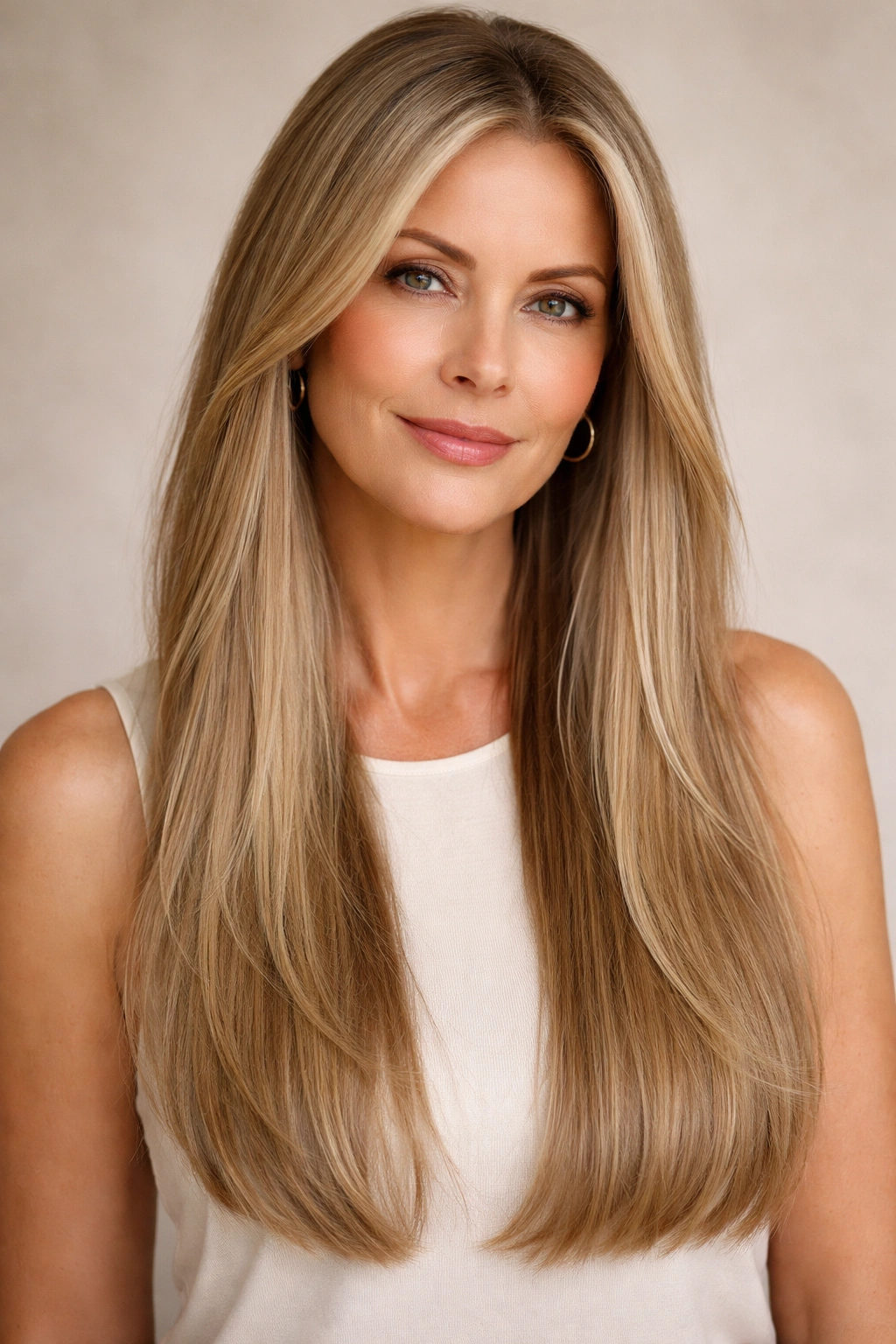
If you’re not ready to cut your length off, a long straight style with strategically placed face-framing pieces delivers that same flattering effect without the commitment of a full shoulder-length cut. The face-framing pieces are longer layers that start around cheekbone height and extend down, creating a softness that draws the eye upward.
What Makes This Different from a Basic Long Cut
Face-framing pieces aren’t just random layers — they’re intentional, usually starting wider and tapering down slightly as they reach the ends. This creates a subtle shape that complements mature faces beautifully. When styled straight, these pieces frame your cheekbones and cheeks, which makes the whole face appear lifted and more defined.
How to Style It Successfully
- Blow-dry the face-framing pieces straight but with a subtle inward turn at the ends
- Use a 1-inch barrel round brush to create just enough curve to soften the line
- The rest of the hair can be stick-straight for contrast, or you can add subtle waves for a more textured look
- A light hair oil at the ends prevents the long length from looking wispy or damaged
Pro tip: This style works especially well if you have naturally straight hair that doesn’t require much blow-drying effort to maintain throughout the day.
3. The Sleek Blunt Bob with Textured Ends
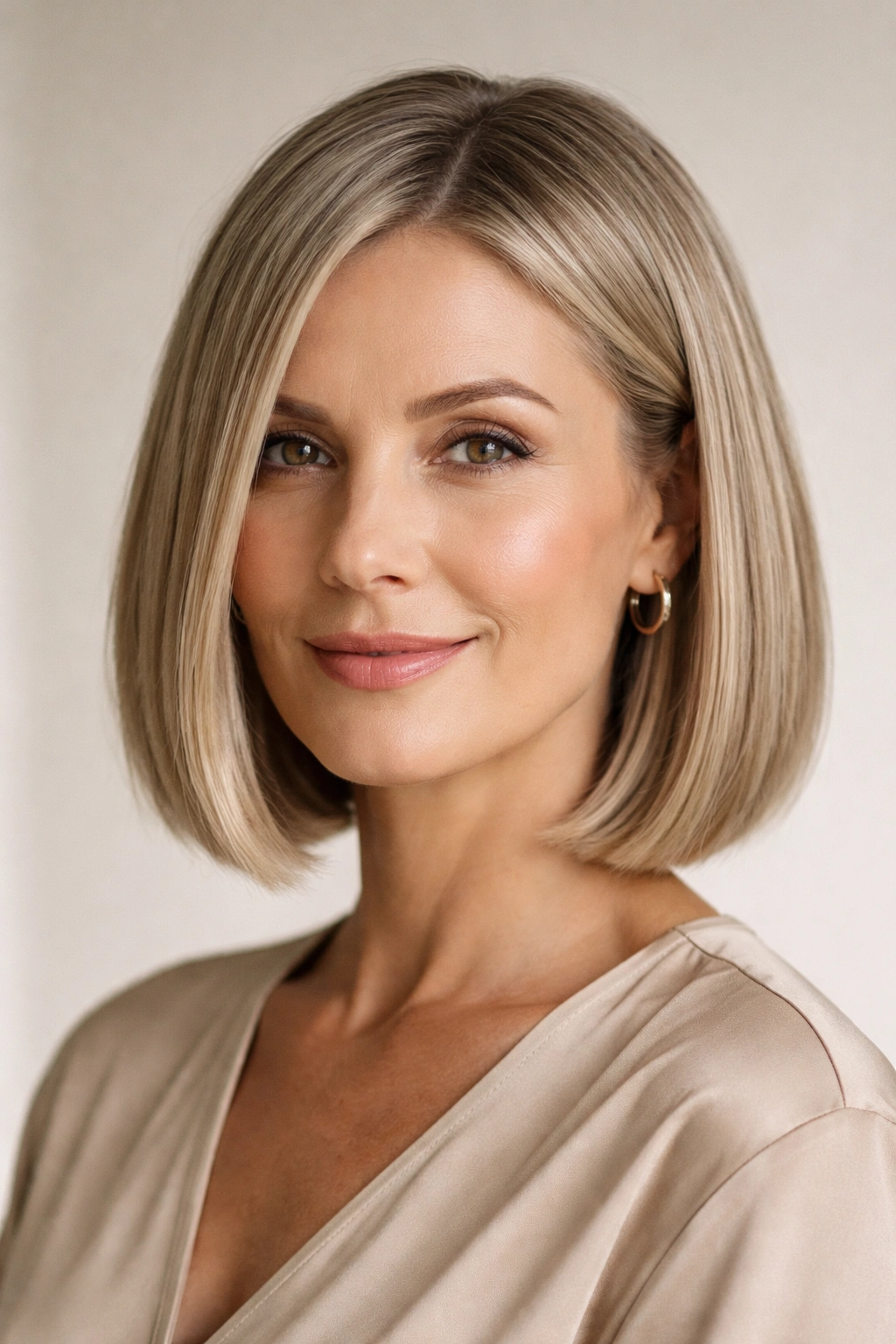
This is the sophisticated cousin of the traditional bob. Instead of layers throughout, this cut features blunt, clean lines with slightly textured or razored ends that create subtle movement without softness. It’s modern, it’s polished, and it says “I know exactly what I’m doing with my style.”
Why Blunt Edges Matter
Blunt edges on straight hair create definition and intention. There’s no ambiguity — every line is deliberate. At this age, that clarity and confidence is exactly what works. The textured ends prevent the style from looking too rigid or harsh, adding just enough softness to remain approachable and wearable.
Color Pairing That Elevates This Cut
- Warm or cool-toned blondes work beautifully with the severity of blunt lines
- Rich brunettes show off the clean edges exceptionally well
- Silver or gray hair with this cut is genuinely stunning — the straight lines and blunt edges highlight the color beautifully
- Rooted or dimensional color adds depth to what could otherwise feel stark
What to avoid: Don’t let this cut get long enough that it bends under at the blunt edge — this is a style that requires maintenance every 6 weeks to keep those lines sharp.
4. The Textured Pixie with Length on Top
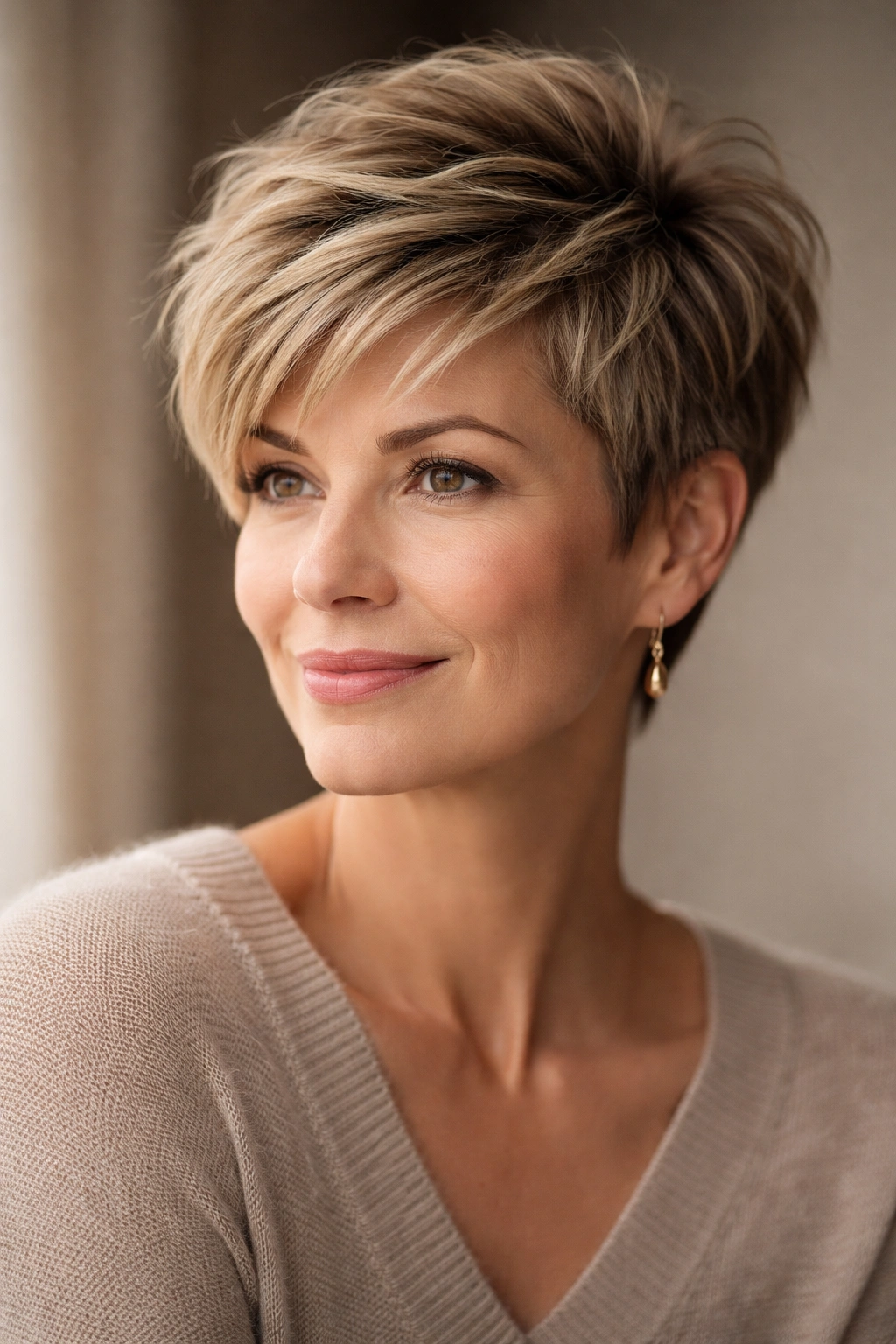
A pixie doesn’t have to mean super-short or require constant maintenance. A longer pixie with more volume on top and clean, tapered sides gives you the ease of a short style without the severity. Straight hair actually shows off this style beautifully because every strand has definition.
Why This Works for Women Over 50
Short hair draws attention to your face, which requires confidence in where you are with aging. But a pixie-cut confidence shows strength and self-assurance. The longer top gives you styling options — you can style it sleek and straight, or with a bit of texture and piece-y separation. The short sides require minimal styling and dry incredibly fast.
Styling Flexibility
- Straighten the top section completely for a polished, modern look
- Add subtle movement for a softer, more approachable feel
- This cut works with or without a side part
- Style time is genuinely minimal — often just 5-10 minutes in the morning
Worth knowing: This style is especially flattering for women with angular faces because the longer top creates proportion and softness at the crown.
5. The Sleek Low Ponytail with a Polished Finish
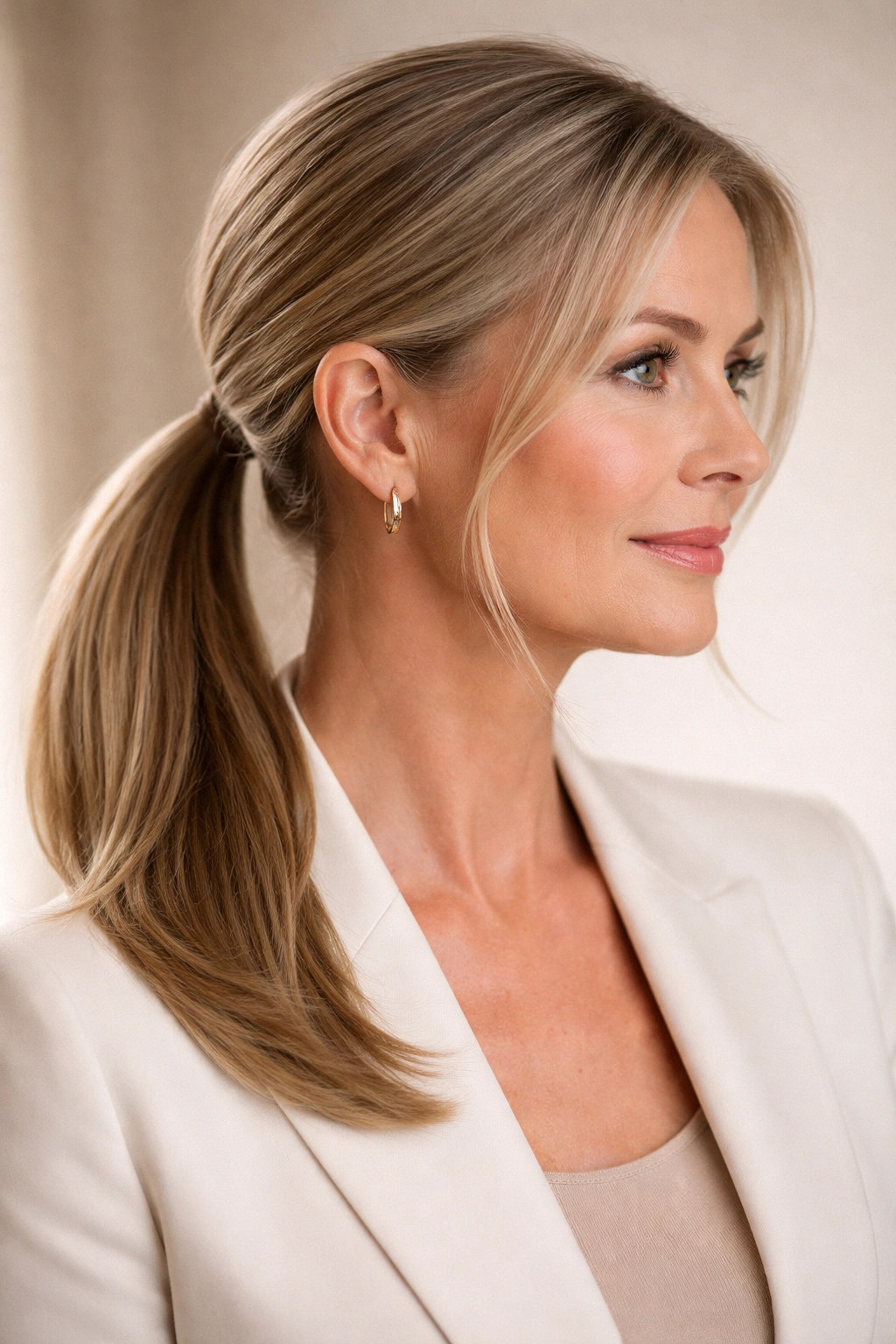
Some days, you want everything pulled back — and a sleek low ponytail is far more sophisticated than it sounds. The key is positioning it low at the nape of your neck, keeping a few face-framing pieces loose, and ensuring the finish is genuinely polished, not hastily thrown together.
How to Execute This Style Properly
Start by applying a lightweight smoothing serum to damp hair before blow-drying everything completely straight. Brush your hair back using a fine-tooth comb to eliminate flyaways. Position the ponytail at the very bottom of your skull, just above the nape. Secure with a soft elastic that matches your hair color. Gently pull out a few small pieces around your face — not the face-framing pieces, but smaller wisps that frame more delicately.
Finishing Touches That Matter
- Smooth the entire style with a lightweight smoothing spray
- Wrap a small section of hair around the elastic to hide it completely
- Use a soft-bristled brush to smooth flyaways at the crown
- Add a pearl earring or simple jewelry to draw attention upward
Pro tip: This style works for everything from casual days to professional events — just change your clothing and accessories and it transforms.
6. The Blunt Bangs with Straight Hair
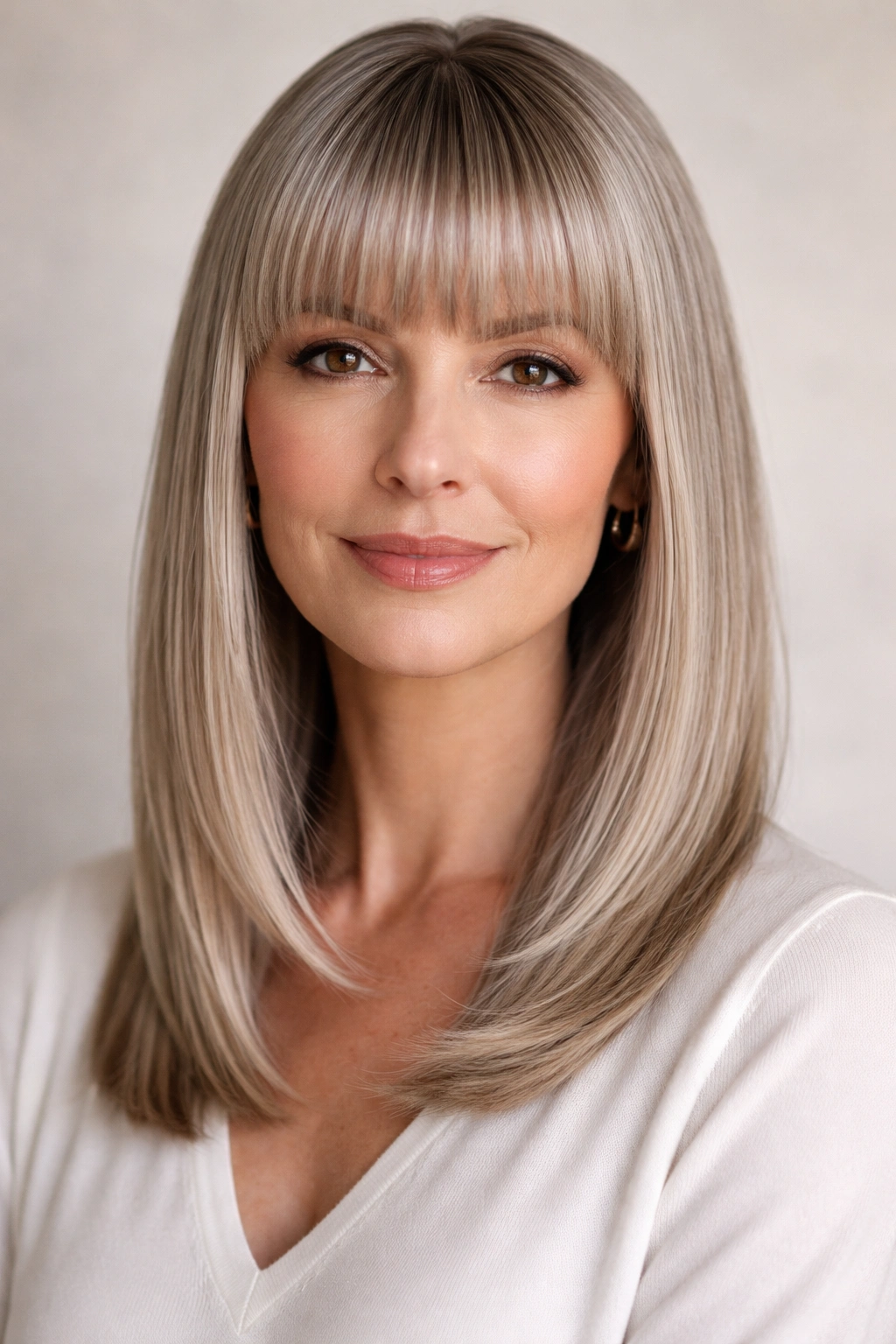
Bangs feel risky at any age, but blunt bangs with straight hair are actually a surprisingly sophisticated choice for mature faces. The key is getting the proportions right — they should be longer than traditional bangs, typically grazing your eyebrows or sitting slightly below them, creating a soft fringe effect rather than a heavy curtain.
Why Length Matters With Bangs
Longer bangs work with your face’s proportions rather than against them. They cover less of your forehead and create an opening that actually makes your face look less tired and more defined. Straight hair shows off blunt bangs beautifully because every edge is clean and intentional. There’s no fuzziness or softness to hide behind — it’s all confidence.
Maintenance Reality
- Bangs require trims every 3-4 weeks to maintain the exact length and bluntness
- Between trims, a straightening iron set to low heat can refresh the style each morning
- Bangs work best with a side part, which adds dimension and softens the overall effect
- This style needs someone skilled at cutting — finding the right stylist is essential
Real talk: This style isn’t for everyone, but if you commit to the maintenance and find a stylist who understands your face shape, it can be genuinely transformative.
7. The Elongated Lob (Long Bob) with Subtle Waves
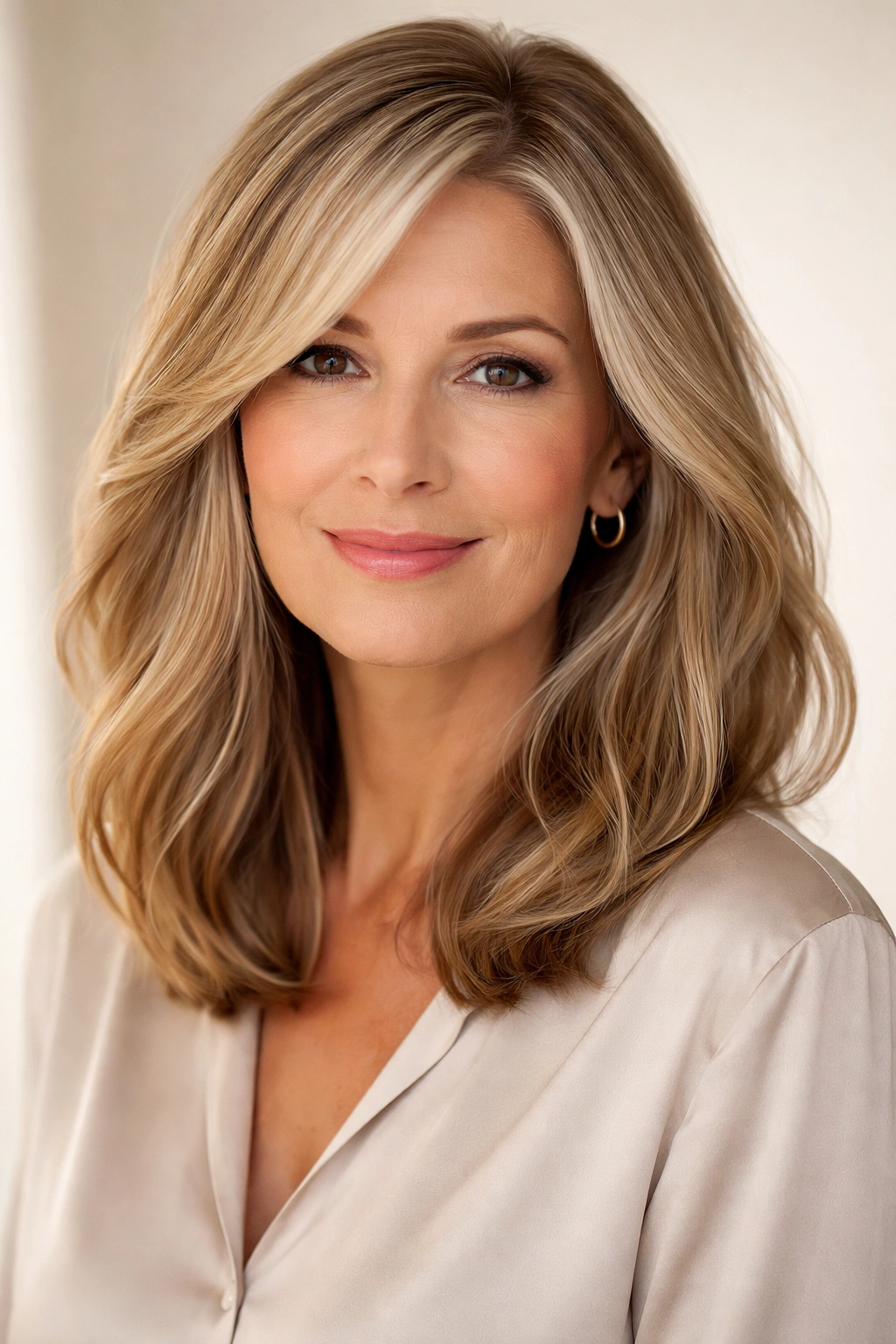
The lob sits somewhere between a shoulder-length bob and actually long hair — usually around mid-back length. With straight hair, a lob can be styled sleek and polished, or with subtle waves that add dimension and movement. It gives you the length you want without the daily maintenance of truly long hair.
The Sweet Spot for Length
A lob is long enough that you can put it up in various ways — a high ponytail, a low bun, a side braid — but short enough that styling takes reasonable time. The straight styling option means you can have an entirely different look from day to day. Monday you wear it sleek and straight; Wednesday you add waves for texture.
Layer Placement That Makes a Difference
- Longer overall length with subtle layers starting at chin height
- The layers should be lighter and more delicate than a traditional layered cut
- This creates movement without destroying the length you’ve worked to grow
- Face-framing pieces start at cheekbone height for a lifted appearance
What works: This style suits women who have straight hair naturally and don’t want to spend time heat-styling every morning. Some days it’s wash-and-wear straight; other days it’s intentionally styled.
8. The Sharp Side Part with Straight Styling
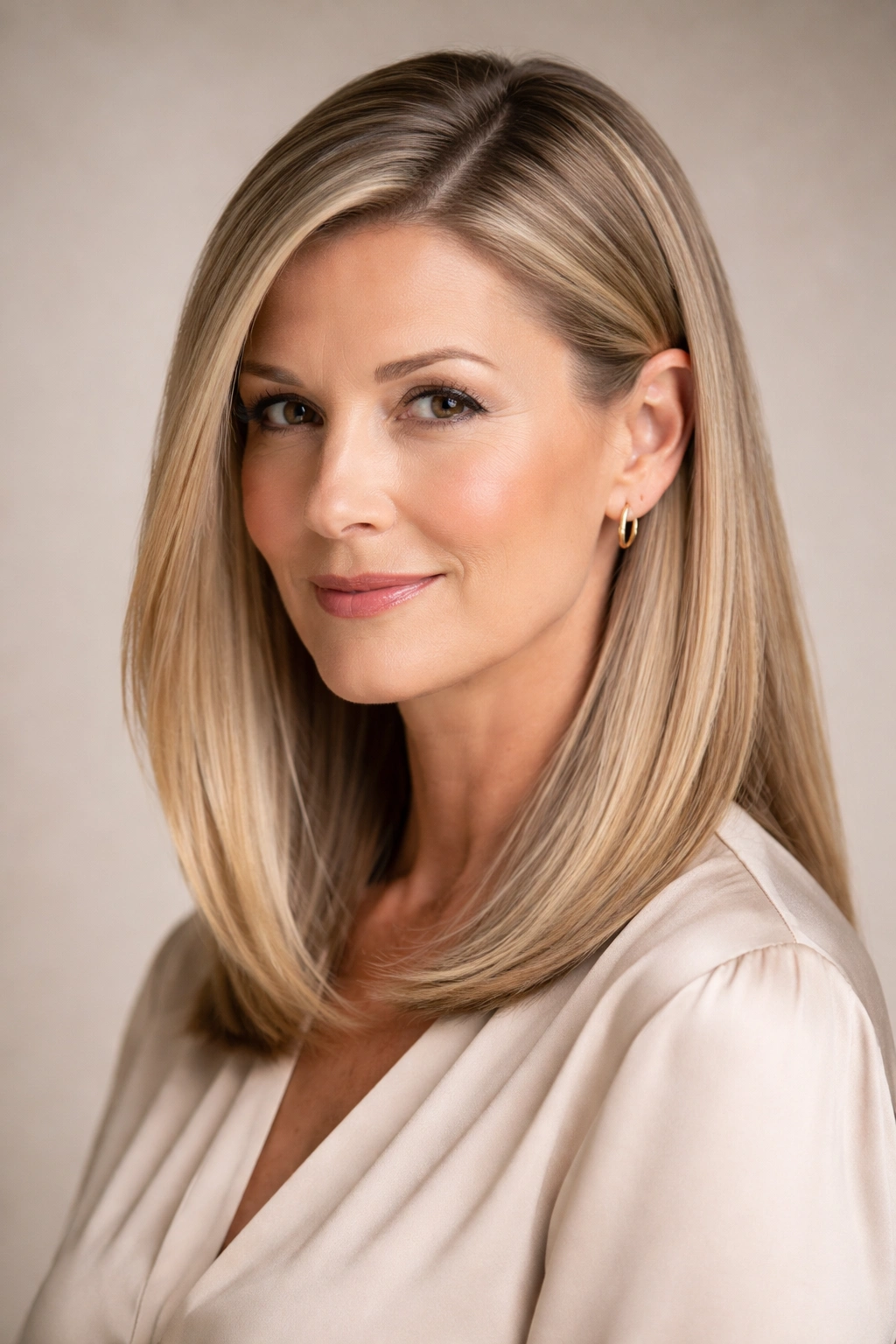
Never underestimate the power of a great side part. On straight hair, a sharp side part creates an elegant asymmetry that’s flattering to most face shapes. The side with less hair reveals your face and jawline; the side with more hair adds softness and dimension. It’s a styling trick that takes literally thirty seconds but transforms how polished you look.
How to Perfect a Side Part
The part should start at the side of your crown (not the very top of your head) and travel diagonally down toward the back of your ear. This placement is the most flattering for mature faces because it doesn’t expose too much of your forehead or hairline. Use a fine-tooth comb to create a sharp, clean line — no fuzzy part lines. Smooth each side with a lightweight serum for polish.
Which Side to Part
- If you have a wider face, part on the side that has slightly more hair to add narrowness
- If you have a narrower face, the side with less hair can work beautifully to add width
- If you’re unsure, try both directions and see which feels more natural and comfortable
Simple power move: A sharp side part with straight hair and a polished top can make you look put-together even on days when you’re not wearing makeup or have minimal styling time.
9. The Straight Style with Volume at the Crown
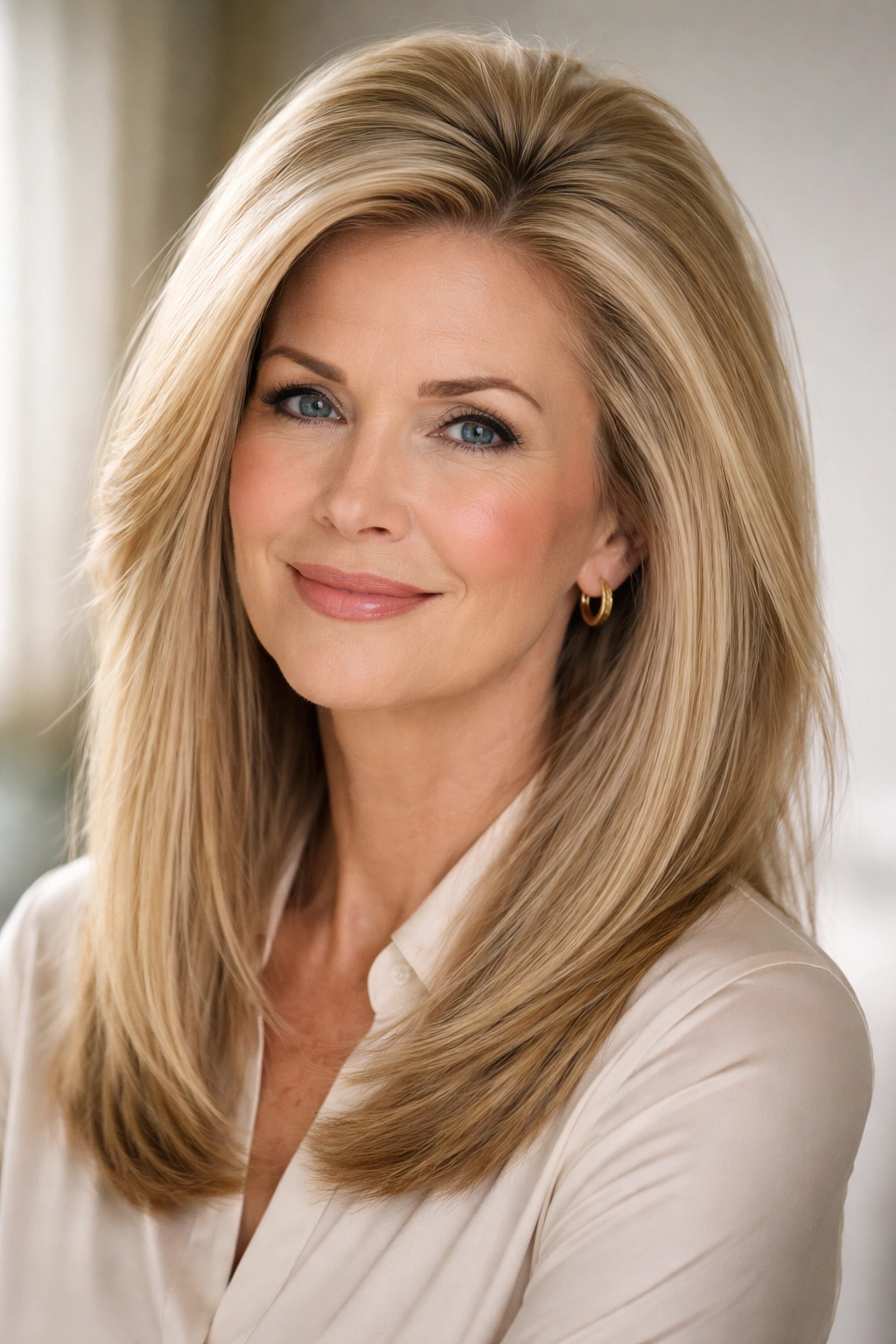
One of the most common concerns for women at this age is hair losing density, especially at the crown. Rather than fighting this, the solution is creating intentional volume exactly where you want it. This style keeps everything straight and sleek from mid-shaft down, but builds genuine volume at the roots and crown using blow-dry technique and product.
How to Build Crown Volume
Start by applying volumizing mousse or a lightweight volumizing spray to damp roots. Blow-dry the crown section using a round brush, directing heat upward and away from your scalp. Work in sections, lifting the hair straight up as you blow-dry to create lift at the base. Once you’ve dried the crown with volume, blow-dry the rest of the hair straight using a paddle brush. The contrast between the voluminous crown and the sleek lengths creates a flattering silhouette.
Product That Matters
- A lightweight volumizing mousse (not heavy gel or cream)
- A finishing spray that provides hold without stiffness
- A texturizing spray that adds grip to roots
- Avoid heavy serums at the crown — save those for mid-shaft and ends
What this accomplishes: This technique creates the illusion of thicker hair while keeping everything polished and intentional. It reads as styled, not struggling with thinning.
10. The Straight Shag With Deliberate Texture
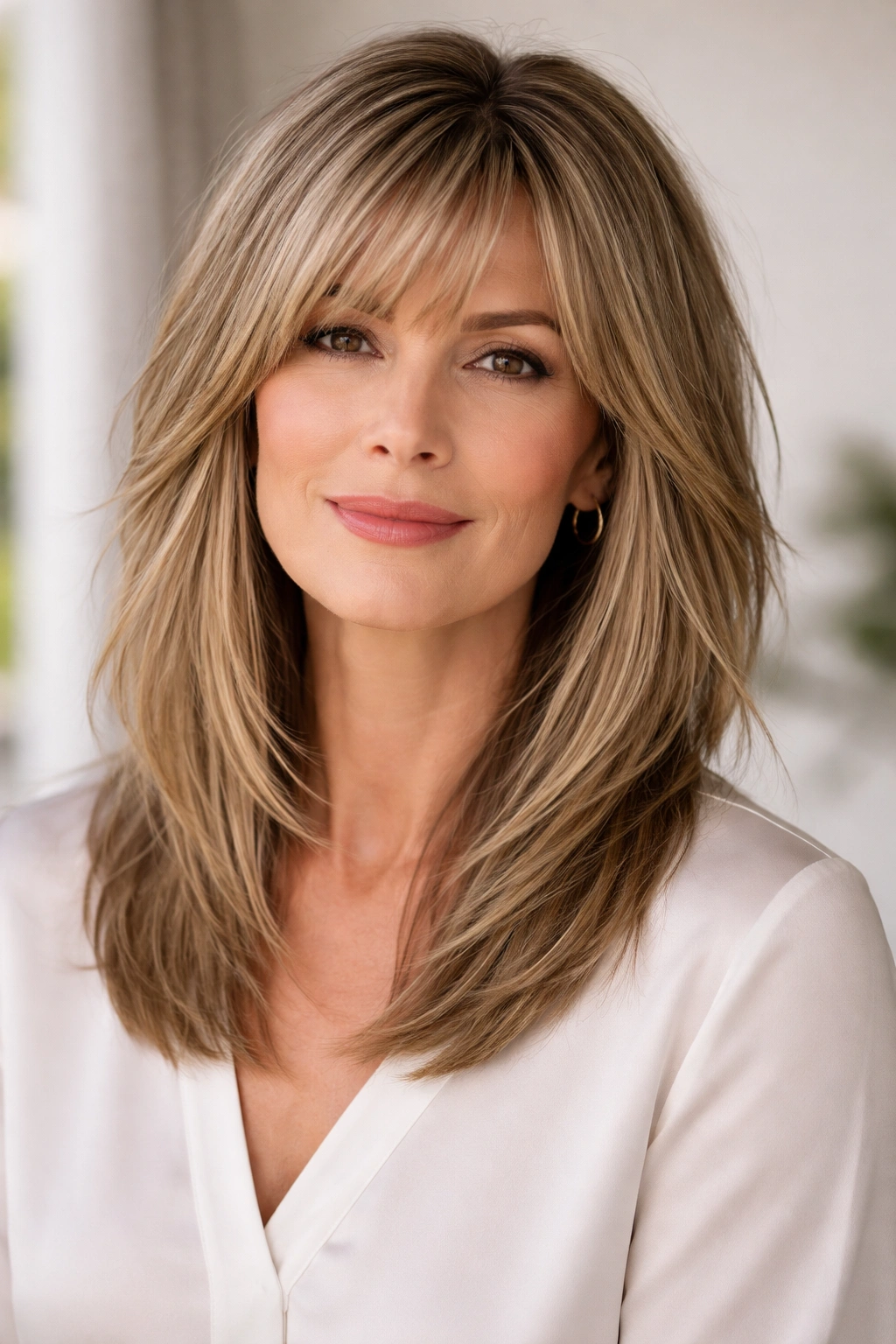
A shag is having a moment, and believe it or not, it can work beautifully for mature women with straight hair. The key is ensuring it’s a deliberate shag with intentional layers and shape, not a chaotic mess of different lengths. Modern shags on straight hair have clean lines and purposeful texture — every layer is there for a reason.
What Makes This Different from a 1970s Shag
Today’s shags are more refined. The layers are carefully placed to create movement and dimension without destroying the overall shape. On straight hair, a modern shag can look contemporary and sophisticated rather than dated or unkempt. The texture comes from the way layers catch light and create separation, not from frizz or undefined ends.
How to Style It for Maximum Impact
- Straighten the hair completely first
- Use a texturizing spray at the roots and mid-shaft to add grip
- Piece out layers using your fingers or a fine-tooth comb
- The overall silhouette should read as intentional, not accidental
Why this works: A well-executed shag on straight hair is actually easier to maintain than you’d think because the layers are clearly defined and don’t require constant reshaping.
11. The Sleek Straight Style With Subtle Highlights or Lowlights
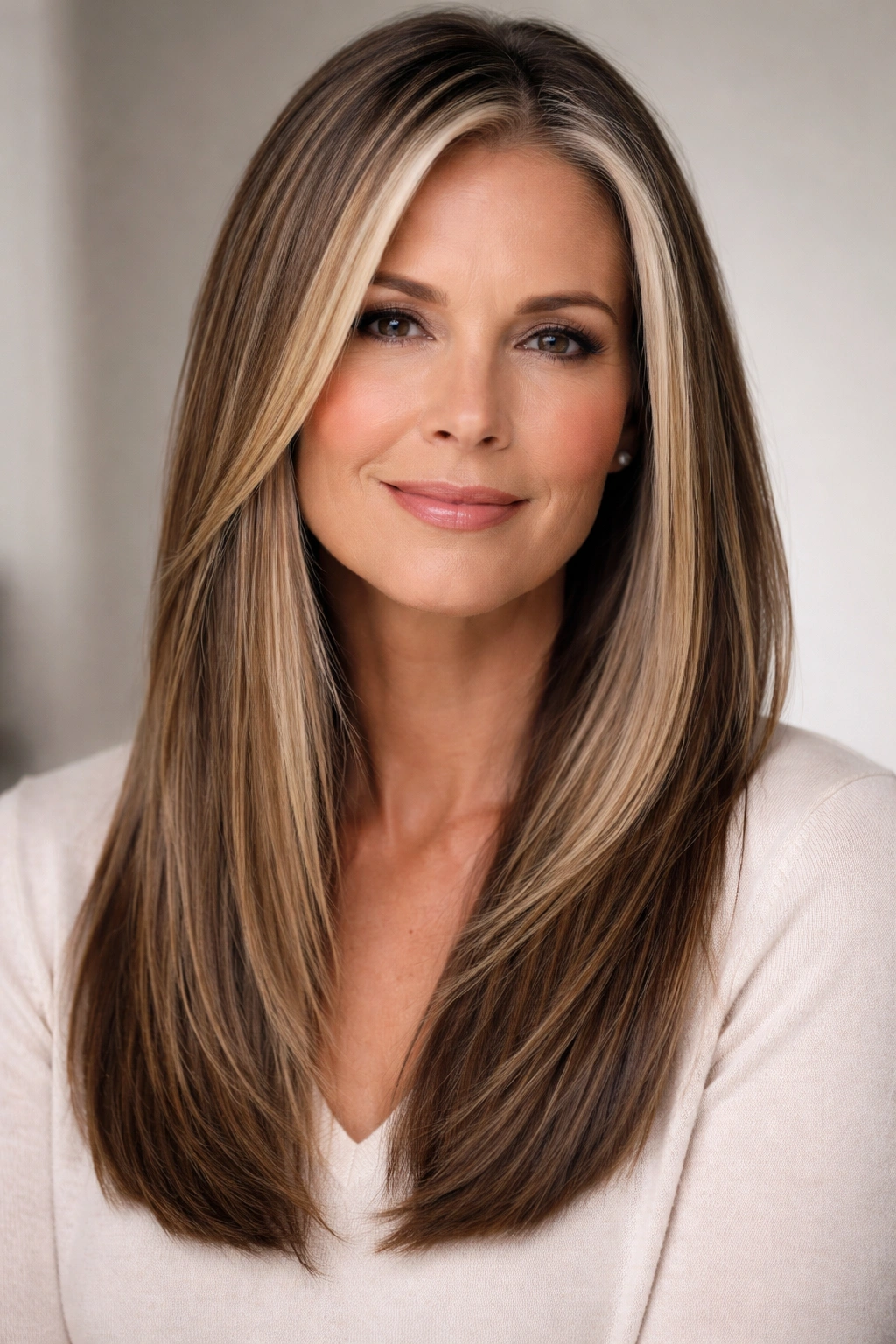
Sometimes the most impactful change has nothing to do with the cut itself — it’s the color strategy. A predominantly straight, simple cut becomes exponentially more interesting with subtle dimensional color. Highlights or lowlights add depth and dimension that make even a basic straight style feel more sophisticated and intentional.
Color Strategy That Works
- Warm blonde highlights (especially around the face) lift and brighten
- Cool ash tones add sophistication and work beautifully with gray
- Darker lowlights add depth and make the cut more visually interesting
- Rooted color (darker roots, lighter ends) is both on-trend and forgiving of growth
The Relationship Between Cut and Color
When your cut is simple and straight, your color choice becomes more prominent. This means investing in quality color and a skilled colorist becomes even more important. A great colorist can make a basic straight cut look expensive and intentional through smart color placement alone.
Worth the investment: Quality color and maintenance can transform how polished and put-together you look, even if the cut itself is relatively simple.
12. The Straight Shoulder-Length Cut With a Modern Center Part
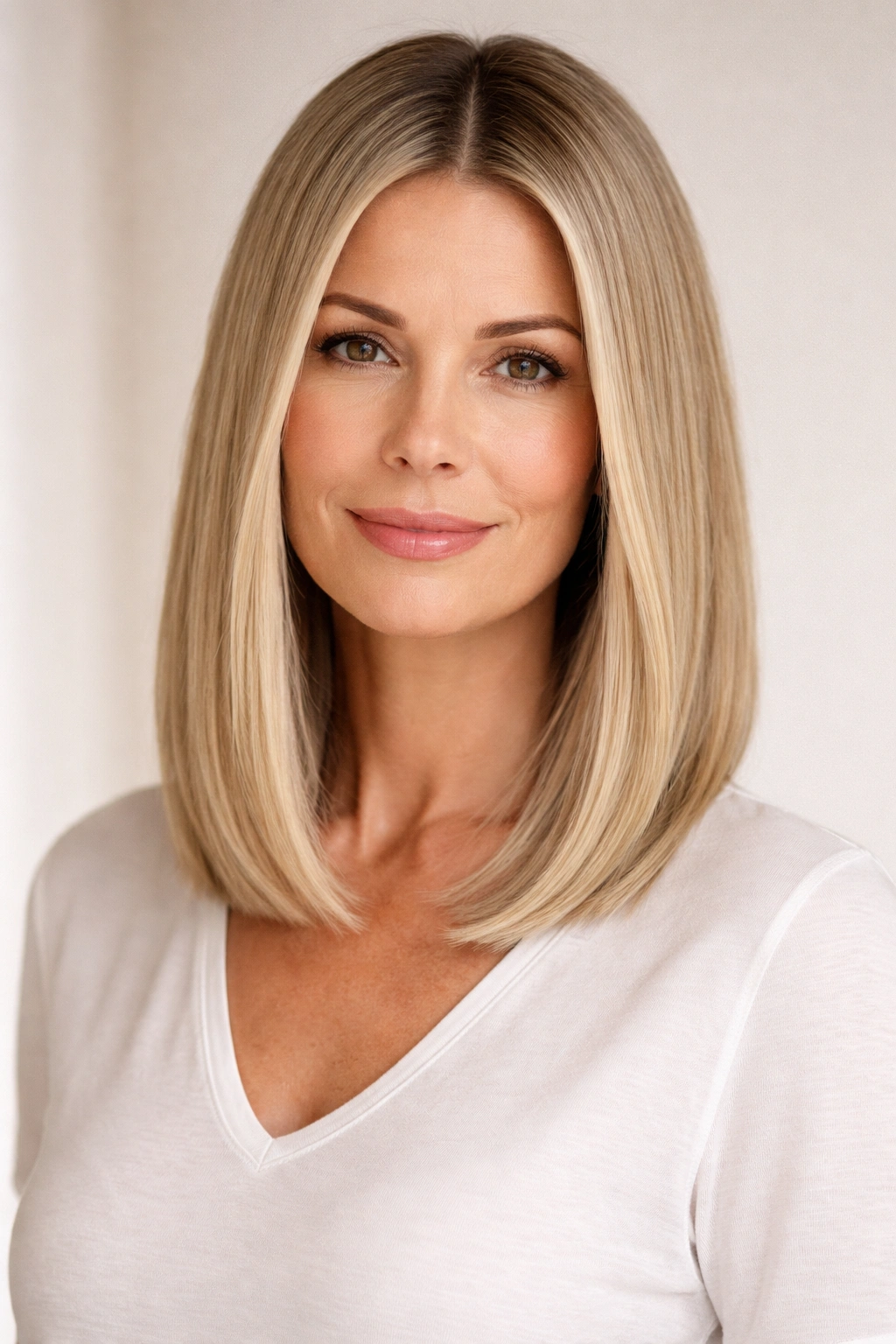
A center part feels like it should be dated, but on a modern shoulder-length straight cut, it’s surprisingly contemporary. The key is that the cut itself is sharp and intentional, creating clean lines that complement the symmetry of a center part. This style works particularly well for women with oval or heart-shaped faces.
Why Center Parts Work Now
A center part creates perfect symmetry, which can be incredibly flattering for mature faces because it balances proportions and doesn’t favor one side over the other. On straight hair, the part line is sharp and clean. The symmetry feels calm and intentional rather than accidental.
Styling This Cut
- Blow-dry straight using a large paddle brush
- Create a sharp center part using a fine-tooth comb
- Apply a lightweight smoothing serum from mid-shaft to ends
- The cut should have enough natural movement that it doesn’t require daily styling effort
Modern feel: This style reads as current and intentional, not like you’re stuck in a previous era. The straight styling and sharp part create that contemporary feel.
13. The Short Textured Cut With Straight Styling
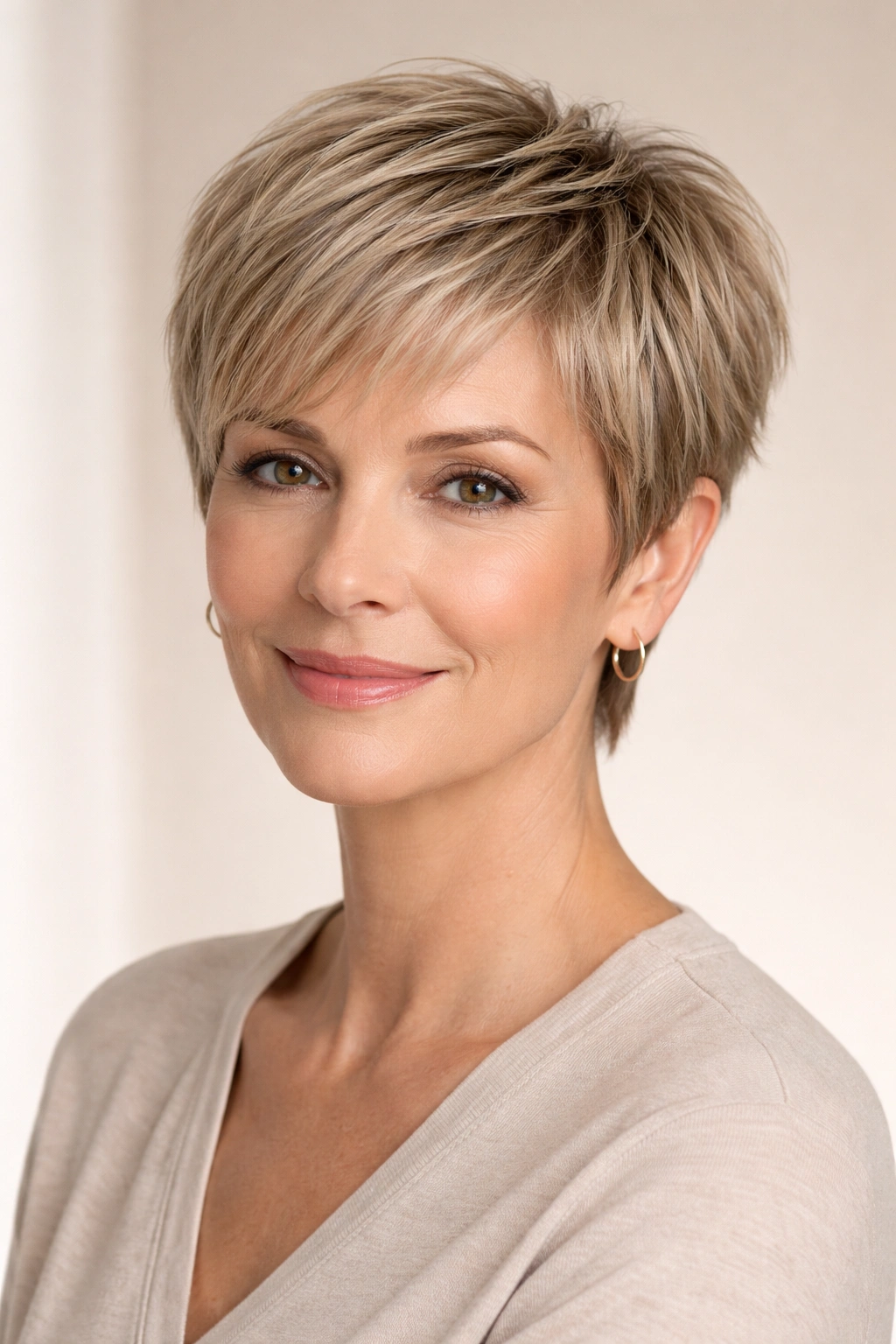
A short cut (usually 1-3 inches at the crown, shorter at the sides) with texture built into the cut itself can be styled either textured or completely straight depending on your mood. When styled straight, it reads as sleek and modern. When dried with texture, it has movement and softness. It’s genuinely versatile.
The Cut That Allows This Flexibility
Layers throughout create texture in the cut itself. When blow-dried straight, these layers create subtle movement and dimension. When you apply a texturizing product and dry with your fingers, the same layers create a more piece-y, textured look. One cut, two completely different styles.
Who This Suits Best
- Women comfortable showing their face without hair framing it
- Those with strong bone structure and defined jawlines
- Anyone confident enough to own a short style without second-guessing
- Women who want minimal styling time but maximum versatility
The reality: This cut requires confidence, but if you have it, the versatility and ease make it genuinely worth considering.
14. The Straight Hair With a Subtle Flip at the Ends
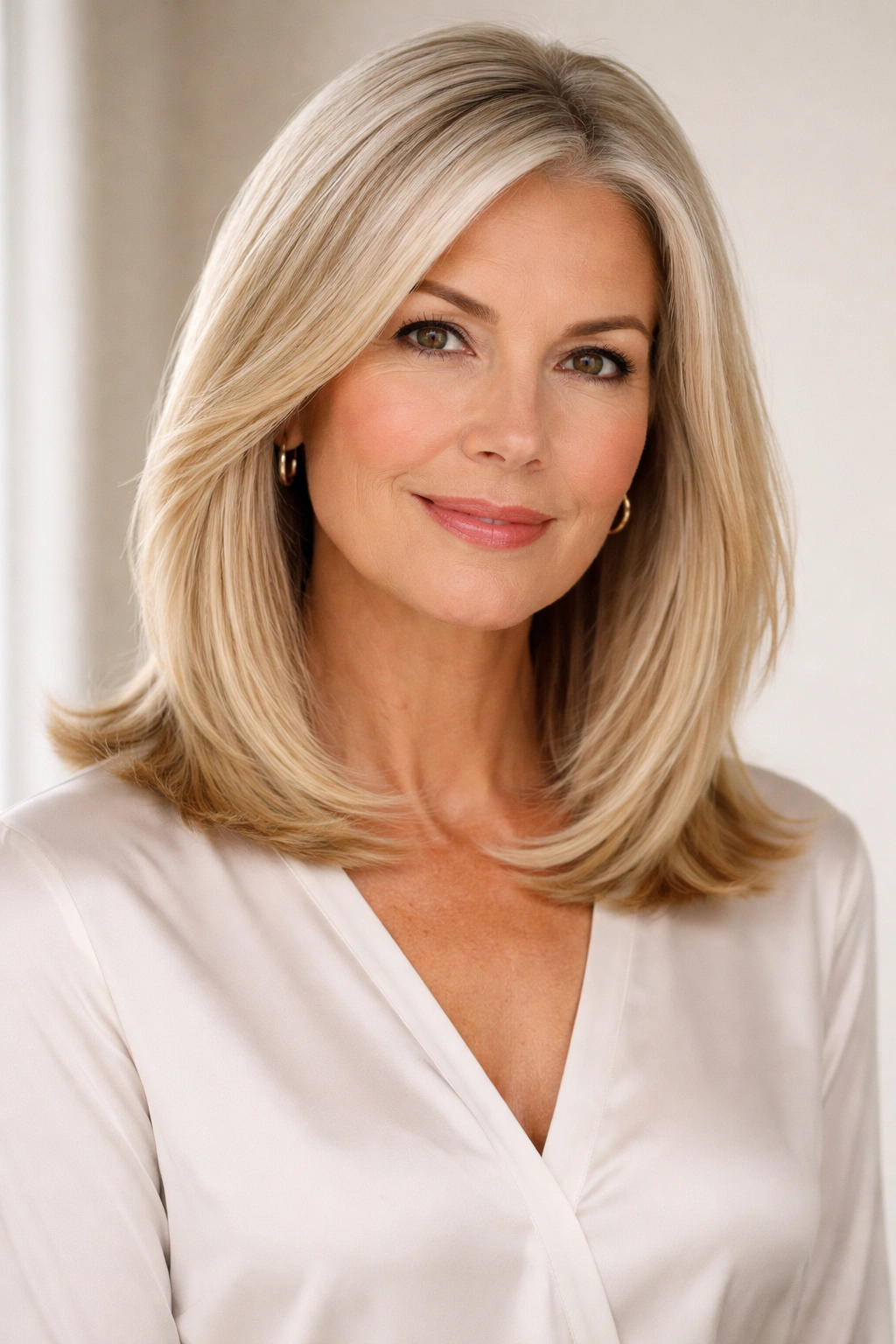
This is the sweet spot between completely straight and curled — just the slightest flip or turn at the very ends of your hair. On a shoulder-length or longer cut, this subtle movement creates an elegant, polished look that’s not trying too hard. It takes literally a few seconds with a straightening iron but transforms the entire impression.
How to Create This Flip
Section your hair into 1-inch sections. Using a straightening iron, straighten from root to tip, but in the last inch, twist the iron slightly outward (away from your face) or inward (toward your face) depending on the effect you want. Outward flips feel more modern and playful; inward flips feel more classic and polished. Either way, it should be subtle — not a dramatic curl, just a kiss of movement at the very end.
Why This Works
The flip creates movement and visual interest without adding bulk or curl throughout the entire length. It reads as effortlessly polished. On straight hair, this subtle technique adds dimension and finishes the style beautifully.
What to avoid: If you make the flip too dramatic, it looks dated and overly styled. Subtle is the key — the flip should be almost unnoticeable unless someone looks closely.
15. The Sleek Straight Ponytail With Strategic Texture
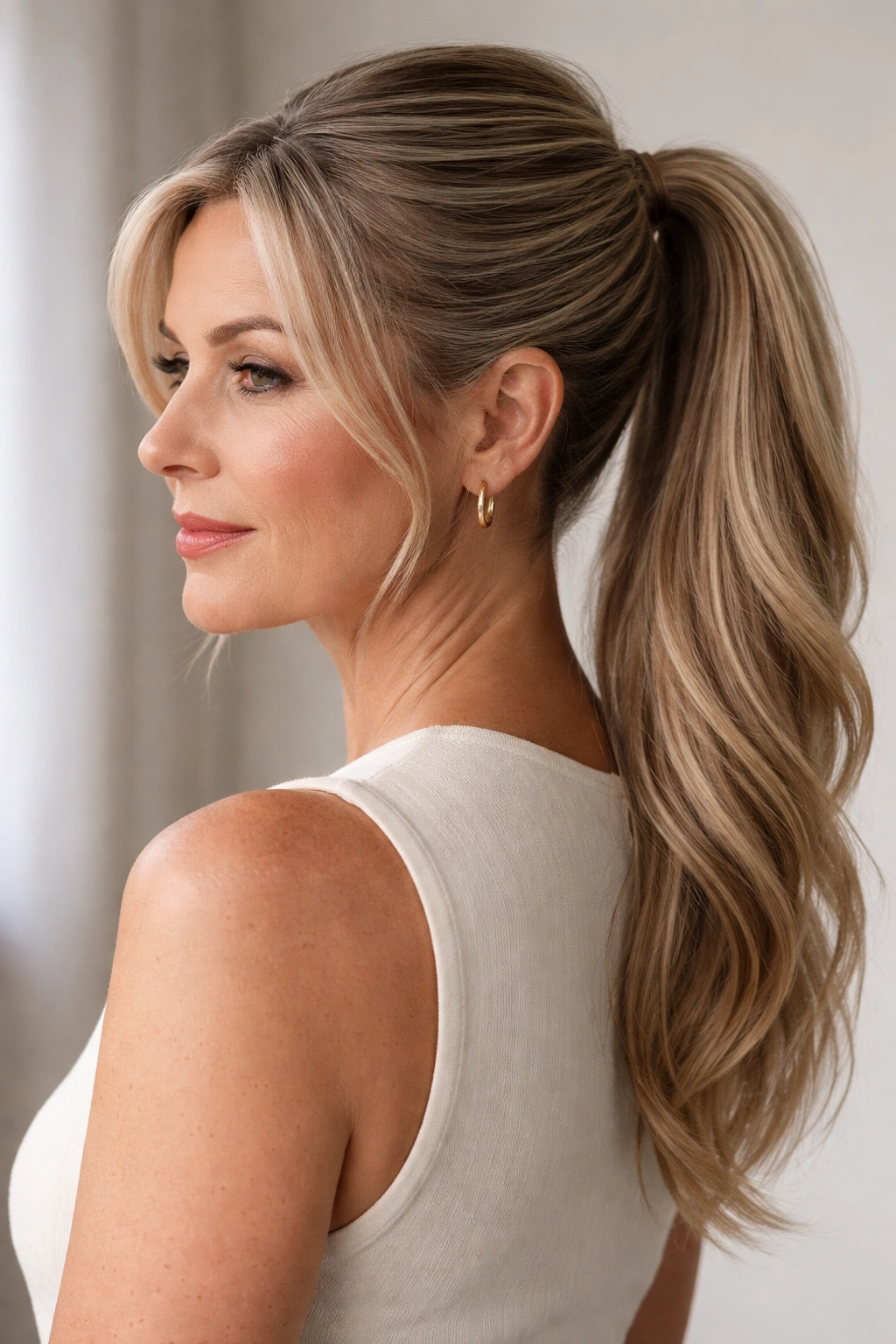
Like the low ponytail, but with intentional texture throughout. Everything is pulled back and secured, but before you finish, you release small sections and add subtle waves or texture to those pieces. It’s put-together but not overly formal — perfect for everything from casual to semi-formal events.
How to Build Texture Into a Secured Style
Create your basic sleek ponytail as described in style #5. Once secured, take small sections from around the ponytail itself and from the face-framing pieces you’ve released. Using a 1-inch curling iron, add a subtle wave to just those sections. The contrast between the sleek, straight ponytail and the textured pieces adds dimension and visual interest.
Why This Technique Works
It’s strategic texture, not random texture. The sleekness of the ponytail is the dominant visual, but the textured pieces add sophistication and prevent the style from feeling too severe or formal. This is genuinely wearable for everyday but polished enough for special occasions.
Insider note: This is the style to use when you want to look intentionally styled without looking like you spent hours getting ready. It communicates effort and intention perfectly.
Final Thoughts
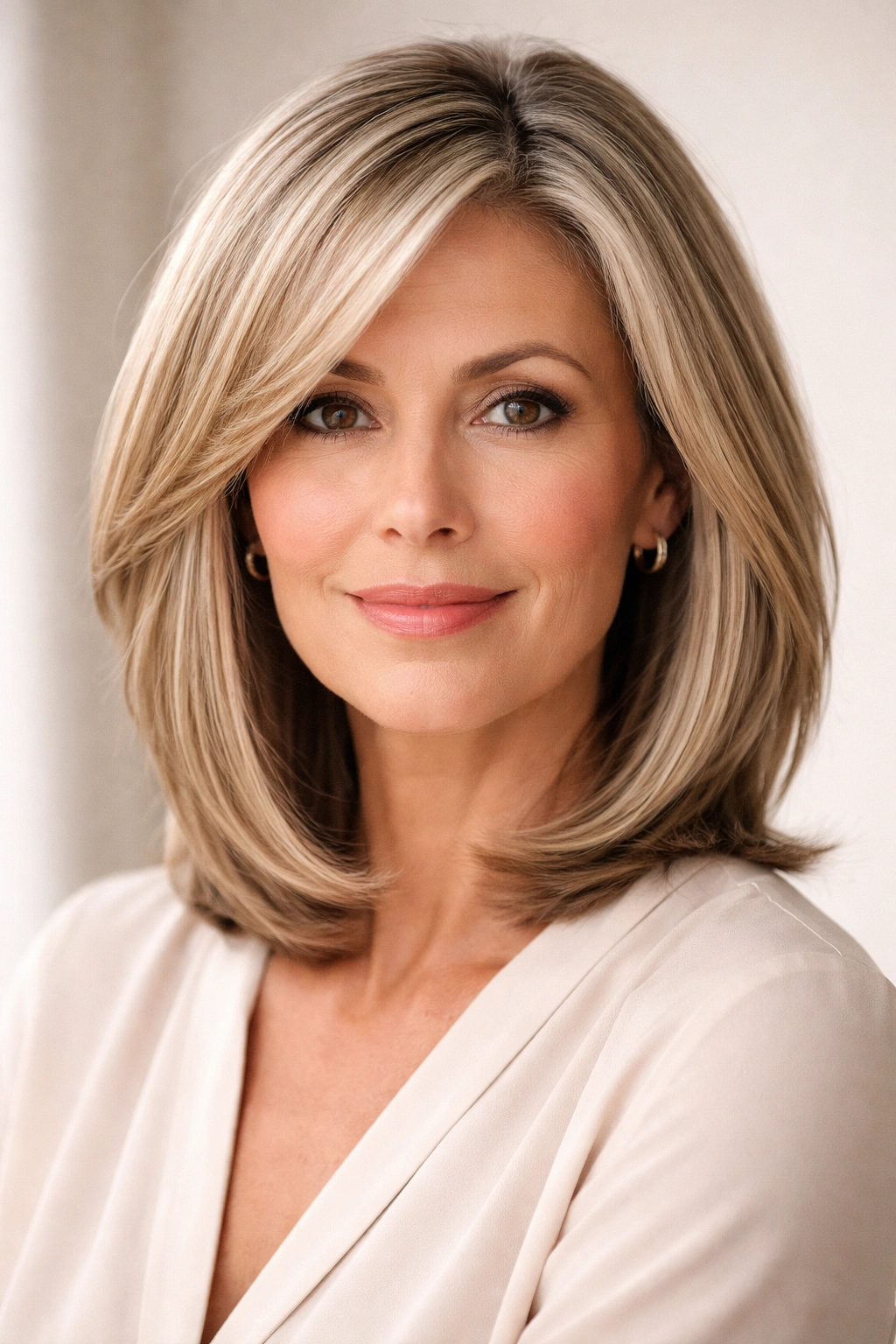
The straight hairstyles that work best at this stage of life are the ones that honor who you are while making you feel genuinely confident. Whether you choose a classic bob, embrace a bold pixie, or work with longer lengths, the key is finding a style that fits your face shape, matches your lifestyle, and requires maintenance you’re actually willing to commit to.
What often matters more than the specific cut is finding a skilled stylist who understands your face, your hair type, and your lifestyle. A mediocre cut makes maintenance frustrating; a great cut makes you feel beautiful every single day. Take time to find someone whose work you admire, bring reference photos, and be honest about how much styling time you’re willing to invest.
Remember that these styles aren’t fixed — they’re starting points. You can customize any of them based on what you learn about what actually works for your face, hair texture, and daily routine. The confidence that comes from a style you genuinely feel good in? That’s what actually matters most.
