



Red hair has an undeniable power—it commands attention, expresses confidence, and completely transforms how the world perceives you. But here’s what many people don’t realize: not all red tones work equally well with straight hair textures. Straight hair actually gives you a tremendous advantage because the color sits uniformly along each strand, creating a polished, intentional look that curls and waves can sometimes soften or obscure. When you choose the right shade of red for your straight hair, the pigment depth and richness become the star of the show.
The challenge most people face is figuring out which red actually works for their skin tone, eye color, and the kind of impression they want to make. Burgundy might look sophisticated and mysterious on one person but muddy on another. A bright cherry red could feel playful and youthful on some, but too bold for someone who prefers understated elegance. This guide walks you through 10 distinct red hair ideas—each one viable for straight hair—so you can see exactly how different reds can express completely different versions of yourself.
1. Classic Deep Crimson
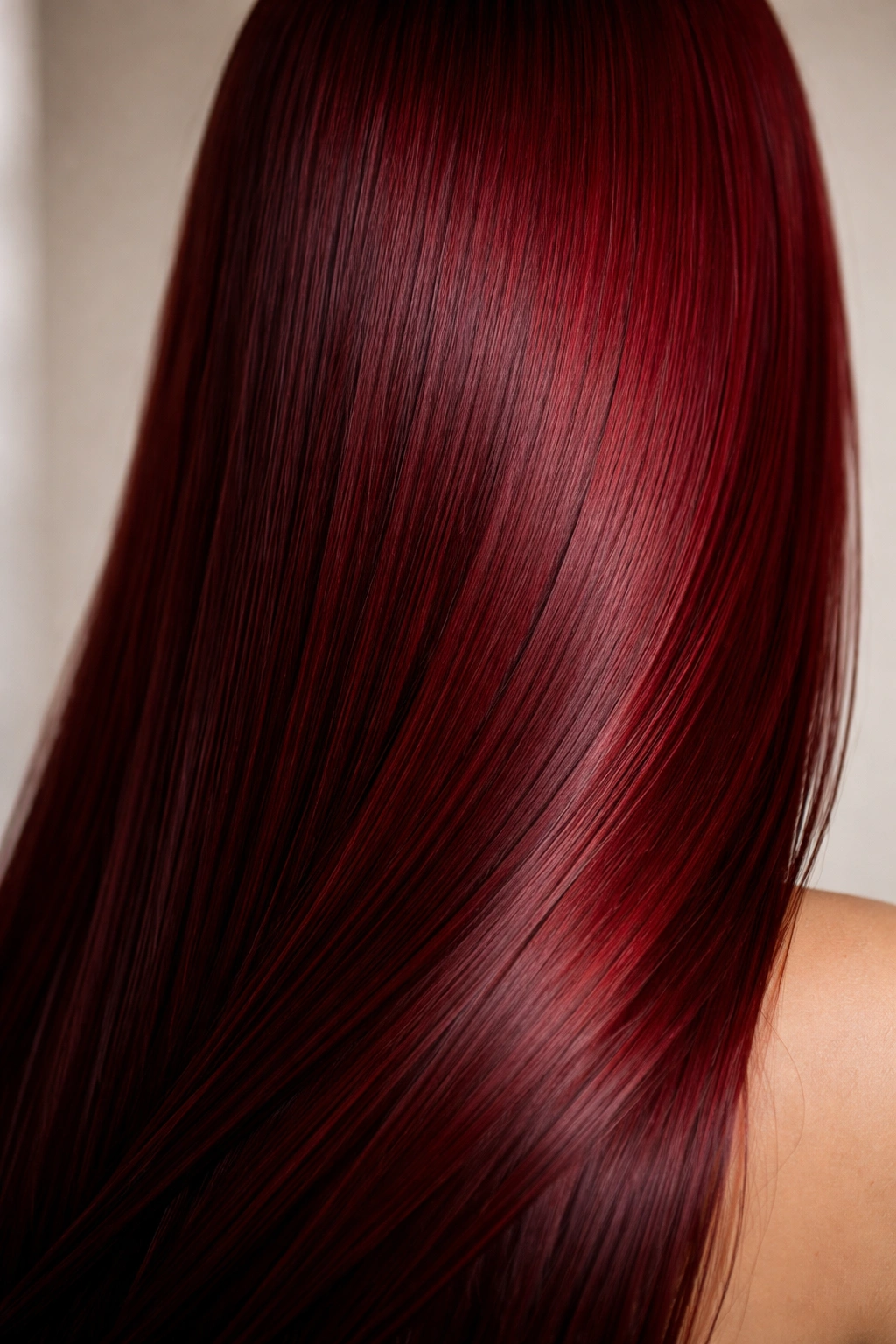
Deep crimson red is the shade for someone who wants richness without quite going into burgundy territory. This red has significant depth to it, absorbing light rather than reflecting it, which gives it an almost jewel-toned quality that feels expensive and intentional. Straight hair amplifies this effect because the color isn’t broken up by texture—it creates a clean, unified canvas that makes the depth feel even more pronounced.
Why This Works for Straight Hair
Straight hair’s naturally reflective surface actually makes deep crimson more interesting than it might appear in swatches. The color catches light differently depending on how you move, creating subtle dimension without looking like you’re growing out your roots or dealing with fading. On straight hair specifically, this shade maintains its integrity throughout the day because there’s no texture trapping lighter or darker tones unevenly.
Who It Suits and How to Achieve It
- Best for: Fair to medium skin tones, especially those with cool undertones; warm brown and olive complexions also wear this beautifully
- Eye color pairing: Hazel, green, and blue eyes create striking contrast; brown eyes get a mysterious edge
- How to achieve: This requires working with a colorist who understands depth and tone—it’s not a DIY project for most people. Start with a base color slightly lighter than your target, then add the crimson toner gradually
- Maintenance: Deep crimsons fade relatively slowly compared to bright reds, but you’ll still need color-safe shampoo and conditioning treatments every few days to preserve the tone
Pro tip: If you’re nervous about committing to a permanent crimson, semi-permanent dyes in this color family are incredibly forgiving. They wash out gradually over 6-8 weeks, giving you time to decide if you love it long-term.
2. Vibrant Cherry Red
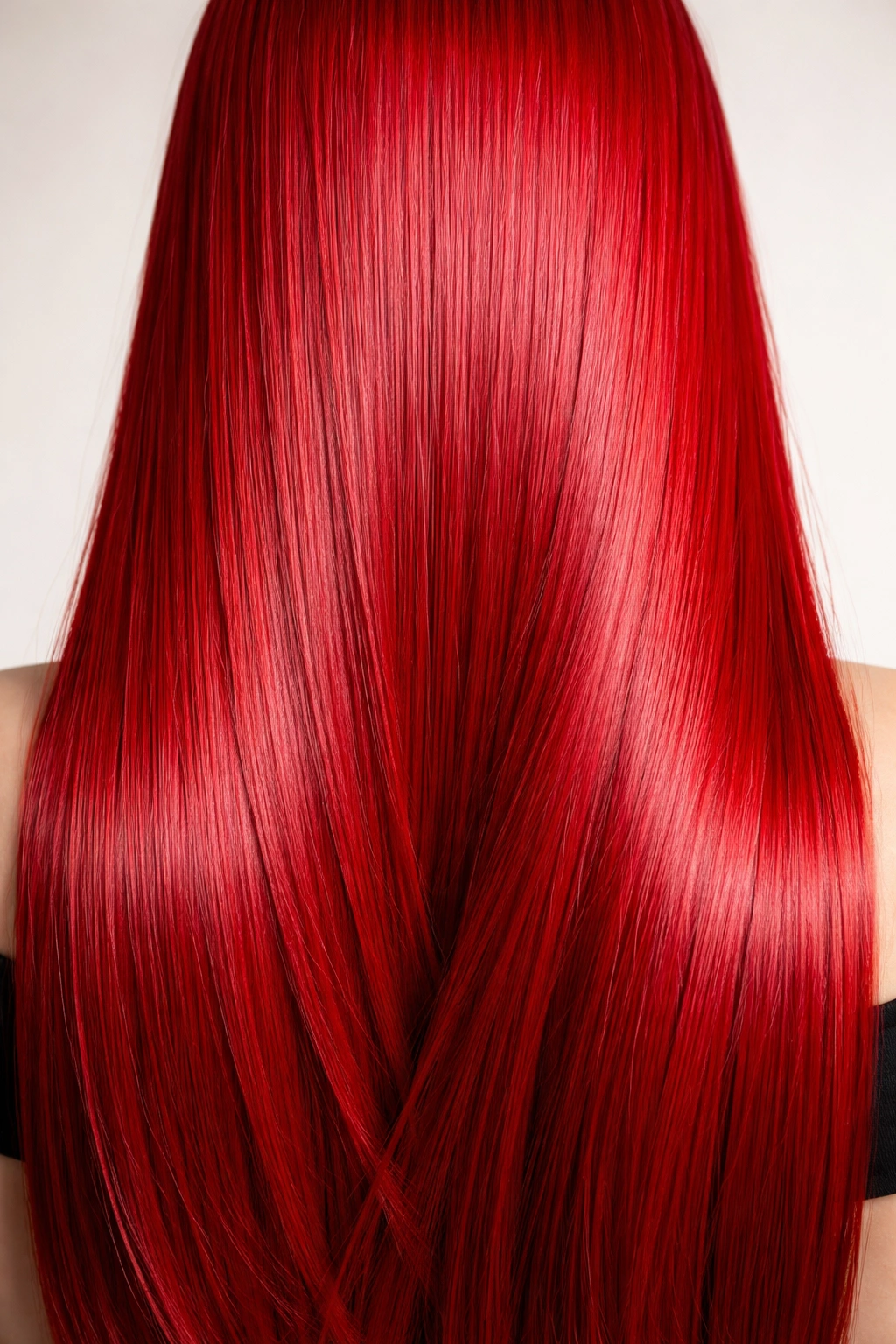
Vibrant cherry red is pure boldness in hair form. This is the shade that makes people do a double-take, that photographs beautifully, and that absolutely demands confidence. Unlike deeper reds, cherry red has brightness to it—it’s a true red with no brown undertones pulling it toward burgundy. On straight hair, this vibrancy becomes your entire presence; there’s nowhere for it to hide, and that’s precisely the point.
Why This Works for Straight Hair
The uniformity of straight hair means that cherry red hits the same way everywhere, creating an unbroken line of color from root to tip. This consistency is what makes cherry red feel so intentional rather than accidental. Curly or textured hair can sometimes fragment bright colors, making them feel less cohesive, but straight hair gives cherry red the clean, almost graphic quality it deserves.
Who It Suits and How to Achieve It
- Best for: Fair skin tones, particularly those with cool undertones; can also work on deeper skin tones if your undertone is warm or neutral
- Eye color pairing: Green and hazel eyes look especially striking; blue eyes create a cool contrast
- How to achieve: Cherry red requires either bleaching (if you’re starting from dark hair) or using a high-lift color depositing dye. This isn’t a natural process—embrace the commitment it represents
- Maintenance: Bright reds fade fastest of all red tones, sometimes noticeably within 2-3 weeks. Weekly color-depositing conditioners and sulfate-free products are non-negotiable
Real talk: Cherry red is a statement. If you choose it, own it completely. The people who regret this shade are usually the ones who went for it halfway—commit to the brightness and the maintenance, or choose something with more staying power.
3. Warm Copper Red
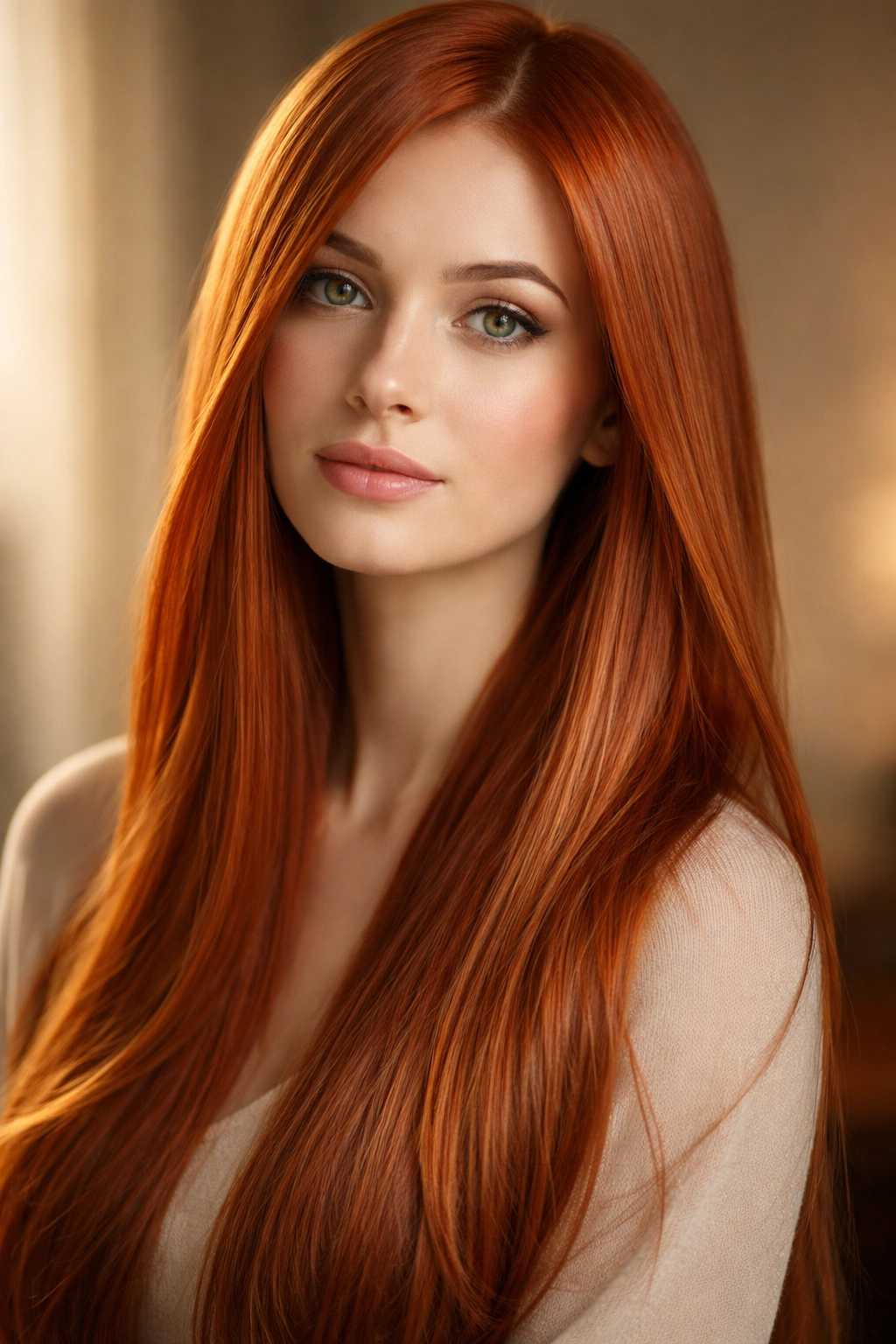
Warm copper red sits in a uniquely flattering middle ground—it’s vibrant enough to feel modern and intentional, but it has an underlying warmth that softens and compliments rather than shocks. This shade plays with golden and orange undertones, giving it a luminous quality that seems to glow from within. Straight hair makes copper shine because the light reflects off the relatively smooth surface, emphasizing those golden undertones.
Why This Works for Straight Hair
Copper’s warmth creates an almost three-dimensional effect on straight hair, even though the texture itself is uniform. The way the color interacts with light makes it appear to have natural dimension and movement, even on completely straight strands. This is particularly effective in daylight, where the golden undertones become almost luminescent.
Who It Suits and How to Achieve It
- Best for: Warm skin tones, golden undertones especially; medium to olive complexions where copper acts as a natural extension of your skin’s warmth; can work on fair skin if your undertone skews warm
- Eye color pairing: Brown, hazel, amber, and warm green eyes are absolutely stunning with copper; blue eyes get an interesting warm-cool contrast
- How to achieve: If you’re starting from light brown or lighter, you might achieve this with a permanent color in the copper-red family. From dark brown or black, you’ll need to lift first. The key is finding a shade that’s genuinely golden-toned, not orange-toned
- Maintenance: Copper reds hold surprisingly well, often lasting 4-6 weeks with proper care. That said, use color-safe products and try to limit heat styling, which can accelerate fading
Copper red is surprisingly low-commitment compared to cherry or burgundy. It doesn’t require the same level of constant maintenance, and if you decide to grow it out or change it, the transition back to your natural color tends to look intentional rather than neglected.
4. Rich Burgundy
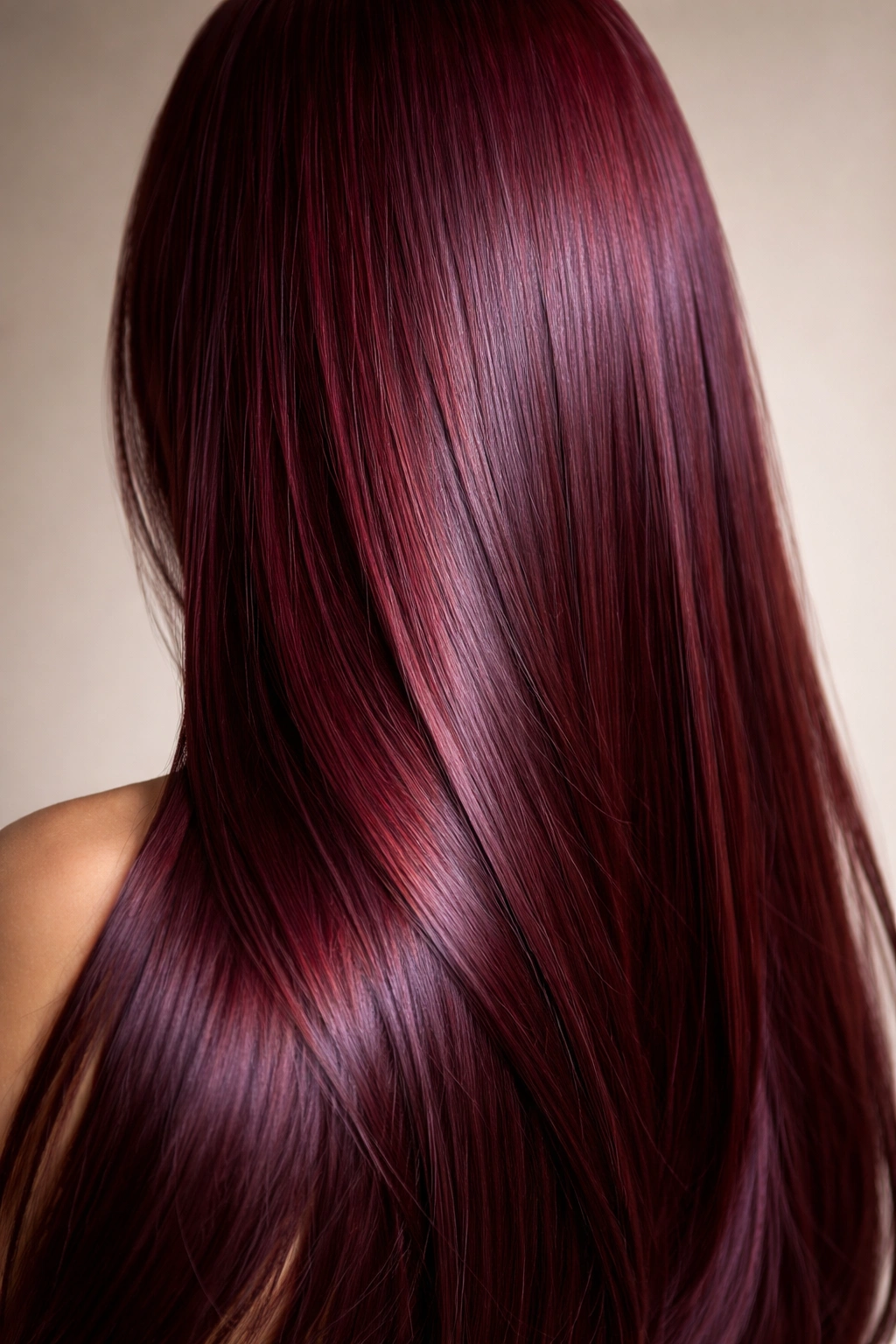
Burgundy red is the shade for sophistication. It’s wine-inspired, deep enough to feel elegant and grown-up, but still unmistakably red rather than brown. On straight hair, burgundy creates an almost liquid appearance—the color seems to flow down the length of your strands with a glossy, intentional finish. This shade reads as refined and intentional, which is part of its power.
Why This Works for Straight Hair
The depth of burgundy red requires a smooth surface to truly showcase itself, and straight hair provides exactly that. The color catches light in a way that emphasizes its jewel-toned qualities, creating a look that feels polished and deliberate. Straight hair also means the color doesn’t get broken up by texture, so the sophisticated tone remains consistent and uncompromised.
Who It Suits and How to Achieve It
- Best for: Medium to deeper skin tones; cool undertones make this especially striking; can work on fair skin with careful shade selection to avoid looking too dark
- Eye color pairing: Dark brown eyes look almost hypnotic; hazel and green eyes get excellent contrast; even blue eyes have an intriguing cool-versus-warm dynamic
- How to achieve: Burgundy requires a base color that’s fairly dark—you’re essentially adding red and purple undertones to brown. If you’re starting lighter, you may need to go darker first. This is typically a permanent color application because semi-permanent won’t deposit evenly on anything other than very light hair
- Maintenance: Burgundy is more forgiving than bright reds. It typically lasts 5-7 weeks before fading noticeably, and the fade tends to look like a natural darkening rather than a disaster. Color-safe shampoo and deep conditioning every week keeps the tone fresher longer
Worth knowing: Burgundy is one of the few red shades that actually looks intentional and beautiful even as it fades. Many people with burgundy red hair are actually in the process of growing it out and love how it transitions.
5. Bright Auburn
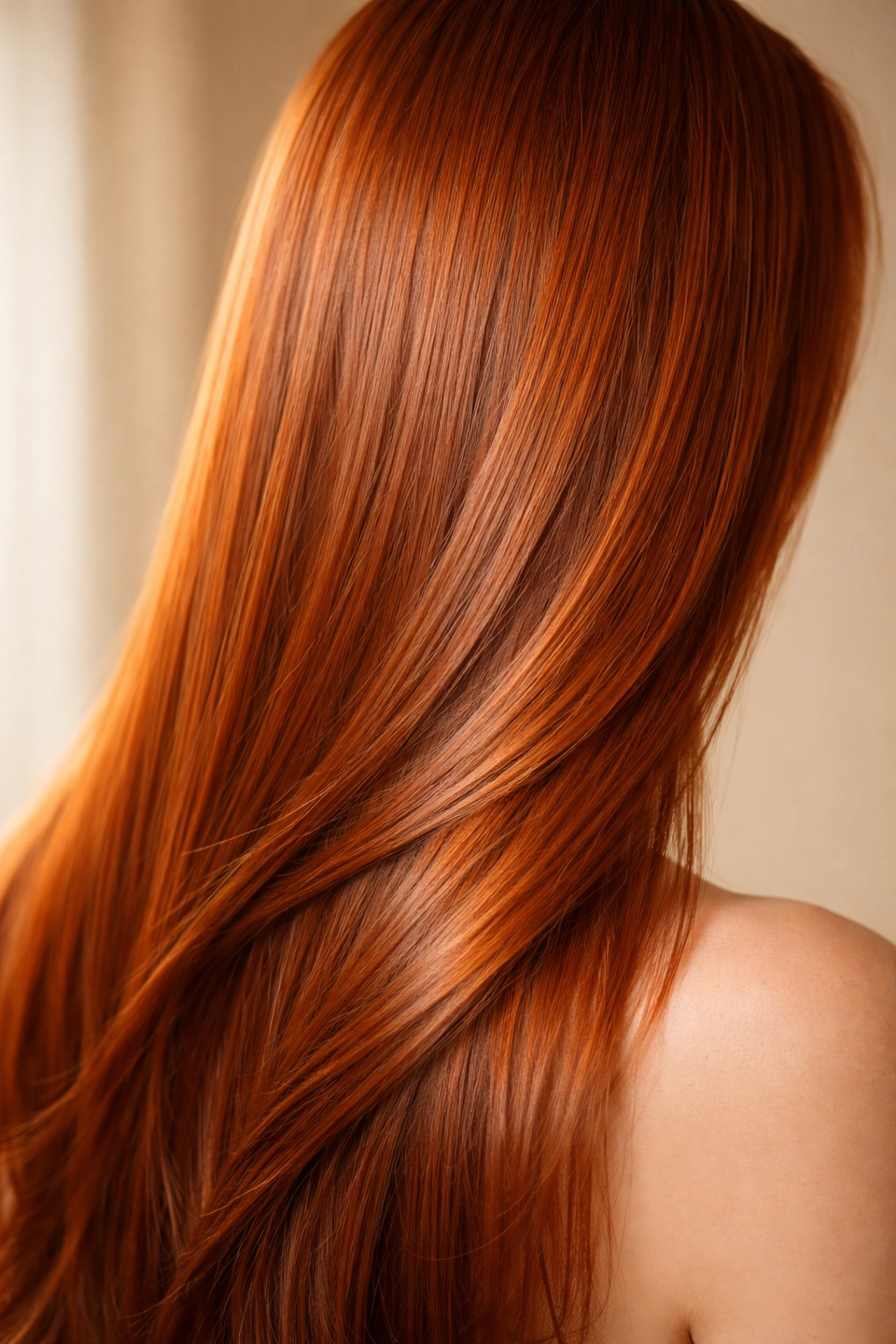
Auburn red walks the line between red and orange, leaning warmly into golden territory without becoming copper. It’s a natural-looking shade—the kind of color that exists in human hair organically, which actually makes it feel more wearable than brighter reds, even though it’s still unmistakably a choice. On straight hair, auburn reads as warm, approachable, and intentional without being shocking.
Why This Works for Straight Hair
Straight hair makes auburn glow because the relatively smooth surface reflects light uniformly, emphasizing those golden-orange undertones. The warmth of the shade combined with the clean lines of straight hair creates an almost radiant effect, particularly in natural or warm indoor lighting. This combination feels less severe than some other reds—it’s bold but balanced.
Who It Suits and How to Achieve It
- Best for: Warm and neutral skin tones; can work on fair to medium complexions; olive and deeper skin tones with warm undertones wear auburn particularly well
- Eye color pairing: Brown, hazel, amber, and warm green eyes look natural and stunning; even cool blue eyes have an interesting contrast against the warmth
- How to achieve: Auburn is achievable from light brown to medium brown hair without bleaching, which makes it more accessible than some other reds. If you’re starting from dark hair, a lighter base color will help the auburn tone deposit properly. Semi-permanent and permanent options both work well for auburn
- Maintenance: Auburn fades gradually, typically staying vibrant for 4-5 weeks and remaining pretty until 8 weeks. The fade tends to look like natural warmth rather than obvious color loss, which is part of auburn’s appeal
Auburn is genuinely one of the easiest reds to maintain, partly because it’s forgiving as it fades, and partly because it doesn’t require the level of commitment that brighter reds do. It’s perfect if you want to dip your toes into red hair without fully diving in.
6. Dark Mahogany
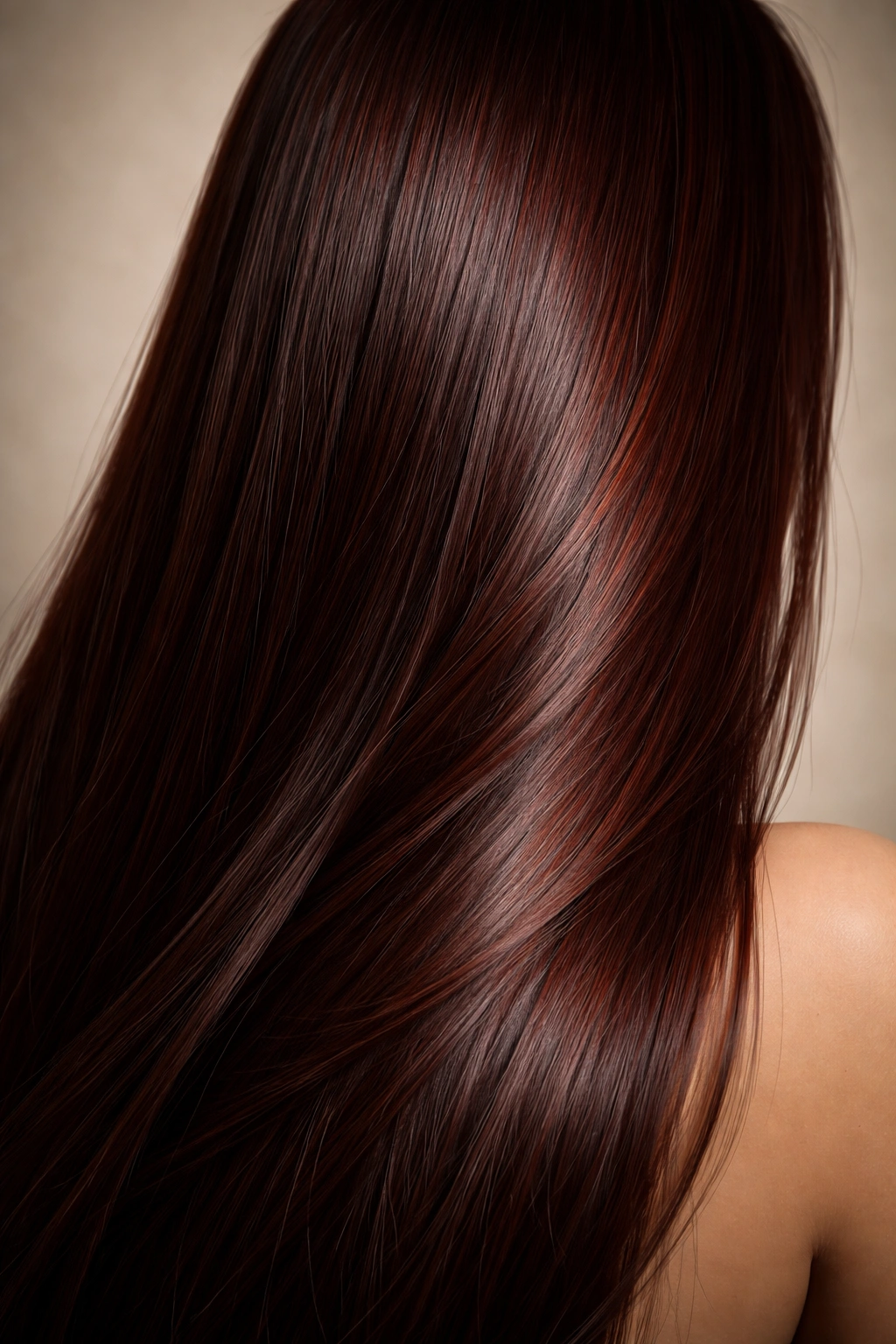
Mahogany red is deep, rich, and carries hints of both red and brown, making it feel naturally sophisticated. It’s darker than burgundy but distinctly redder than simple brown—a shade that feels particularly elegant and intentional. On straight hair, mahogany creates a luxurious, polished appearance because the color’s complexity is fully visible without being fragmented by texture.
Why This Works for Straight Hair
Straight hair showcases mahogany’s subtle complexity perfectly. The shade has depth and movement within it—warm tones, cool tones, and hints of both red and brown—and straight hair’s uniform surface allows all of this to remain visible and cohesive. You get richness without heaviness, warmth without it reading as orange.
Who It Suits and How to Achieve It
- Best for: Medium to deeper skin tones; warm and neutral undertones work beautifully; fair skin can wear mahogany if the undertone is warm enough that it doesn’t look too severe
- Eye color pairing: Dark brown eyes look absolutely stunning; hazel and green eyes create excellent contrast; even warm grey eyes have an intriguing dynamic
- How to achieve: Mahogany can be achieved on medium brown hair without significant lightening, though you may need a base color service if you’re starting from very dark hair. Permanent color in the mahogany-red family deposits best, though semi-permanent options exist for people comfortable with the commitment level
- Maintenance: Mahogany is one of the most low-maintenance red shades. It lasts 5-8 weeks before noticeable fading, and the fade tends to read as a natural darkening rather than an obvious color loss. Weekly conditioning keeps it fresher
Mahogany is the red shade for people who love looking polished and intentional but don’t want to feel like they’re constantly maintaining a radical color. It’s sophisticated without being stuffy.
7. Strawberry Blonde
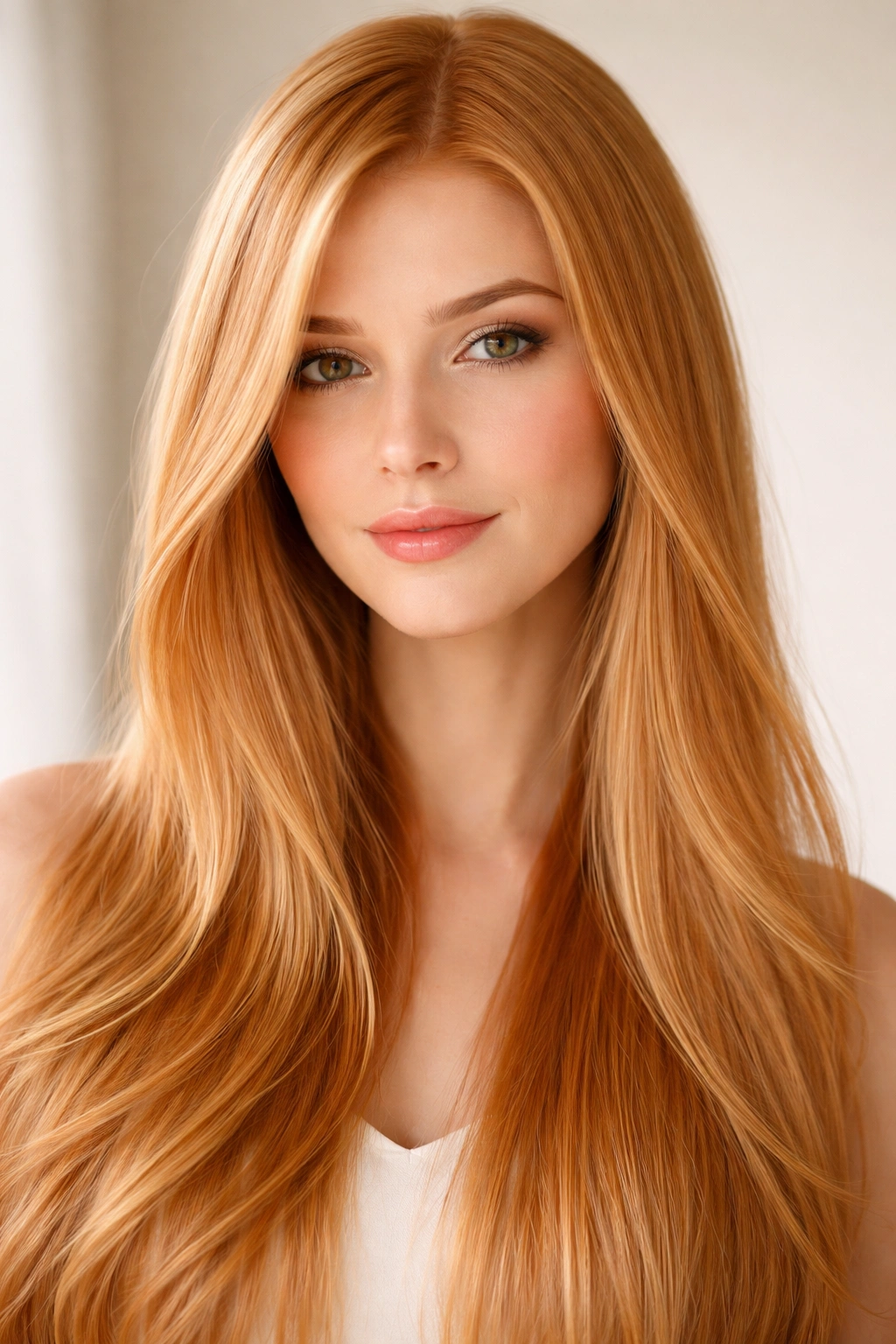
Strawberry blonde is technically in the blonde family, but it’s blonde kissed with enough red warmth that it reads as genuinely red-leaning. This shade is perfect for people who want red hair’s warmth and personality without the intensity of true red. On straight hair, strawberry blonde creates a soft, luminous quality because the blonde base allows light to reflect through the color in a way that deeper reds don’t.
Why This Works for Straight Hair
Straight hair makes strawberry blonde appear almost glowing, particularly in natural light. The lighter base color means light travels through the hair rather than being absorbed, and the red undertones provide warmth and intentionality. This combination creates a shade that feels both natural and thoughtfully chosen—a perfect middle ground.
Who It Suits and How to Achieve It
- Best for: Fair to light skin tones, especially with cool or neutral undertones; warm and olive complexions can also wear this beautifully
- Eye color pairing: Blue, green, and hazel eyes all look striking; warm brown eyes create a cohesive warm-toned look
- How to achieve: Strawberry blonde requires a fairly light base—typically Level 8 or lighter. If you’re starting from darker hair, you’ll need to lift significantly. Once you have a light blonde base, the red undertones are added through a toner or gloss that deposits the warm pigment. This is relatively low-commitment because you’re starting from a lighter base
- Maintenance: Strawberry blonde requires the maintenance of a blonde (toning every 4-6 weeks to prevent brassiness) plus the care of a color-treated hair (color-safe products, conditioning). The red warmth fades gradually, becoming more blonde-leaning over time
Pro tip: Strawberry blonde is one of the few red shades that actually looks natural on people with naturally fair hair, which means you can often achieve it without bleach damage if you have light blonde starting hair.
8. Fiery Scarlet
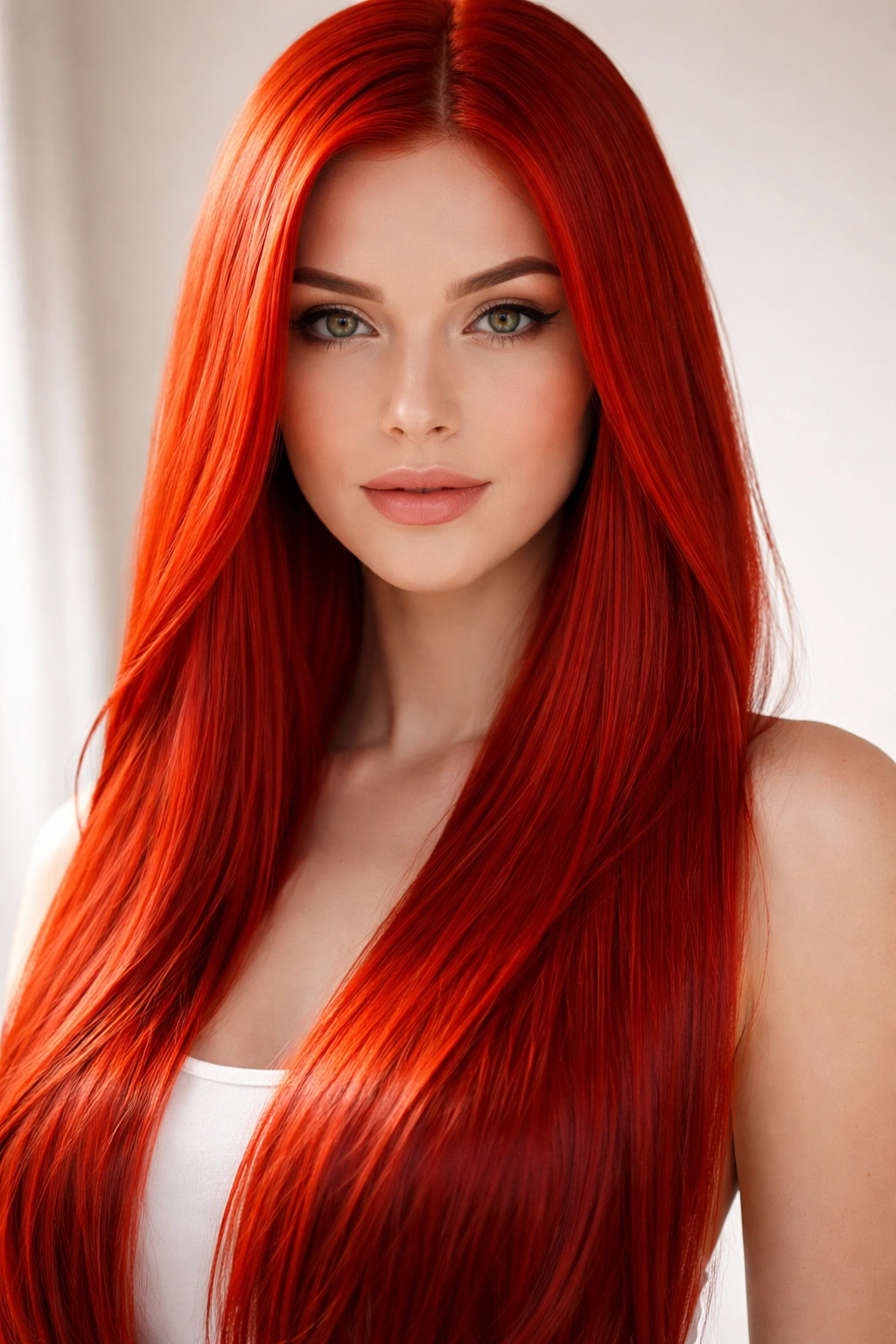
Fiery scarlet is cherry red’s bolder, more aggressive cousin. This is bright, bold, and unmistakably red—the kind of shade that announces itself the moment you walk into a room. It has intensity and presence that goes beyond making a statement; it’s almost a performance. On straight hair, fiery scarlet is absolutely stunning because the uniformity of the texture lets the color shine without distraction or softening.
Why This Works for Straight Hair
Straight hair gives fiery scarlet nowhere to hide, and that’s completely intentional. The color’s brightness and vibrancy are showcased fully on a smooth, reflective surface. There’s no texture to break up the intensity or make it feel fragmented. This creates a look that’s graphic, modern, and absolutely purposeful.
Who It Suits and How to Achieve It
- Best for: Fair to light skin tones work best, though people with deeper skin tones and warm undertones can absolutely wear this—it just reads as bolder
- Eye color pairing: Blue, green, and hazel eyes all create striking contrast; even dark brown eyes can look intense and interesting
- How to achieve: Fiery scarlet requires significant lightening if you’re not starting from very light hair. You’ll need a platinum or near-white blonde base for the scarlet to deposit properly and appear bright. This is a high-maintenance process requiring multiple sessions
- Maintenance: Fiery scarlet is the highest-maintenance red shade. It fades noticeably within 2-3 weeks and requires weekly color-depositing treatments to keep the brightness. You’ll also need to prevent brassiness and yellowing in the base blonde, which requires regular toning
This is the shade for people who are genuinely committed to the process and the appearance. It’s not for the faint of heart, but if you love it, you really love it.
9. Brick Red
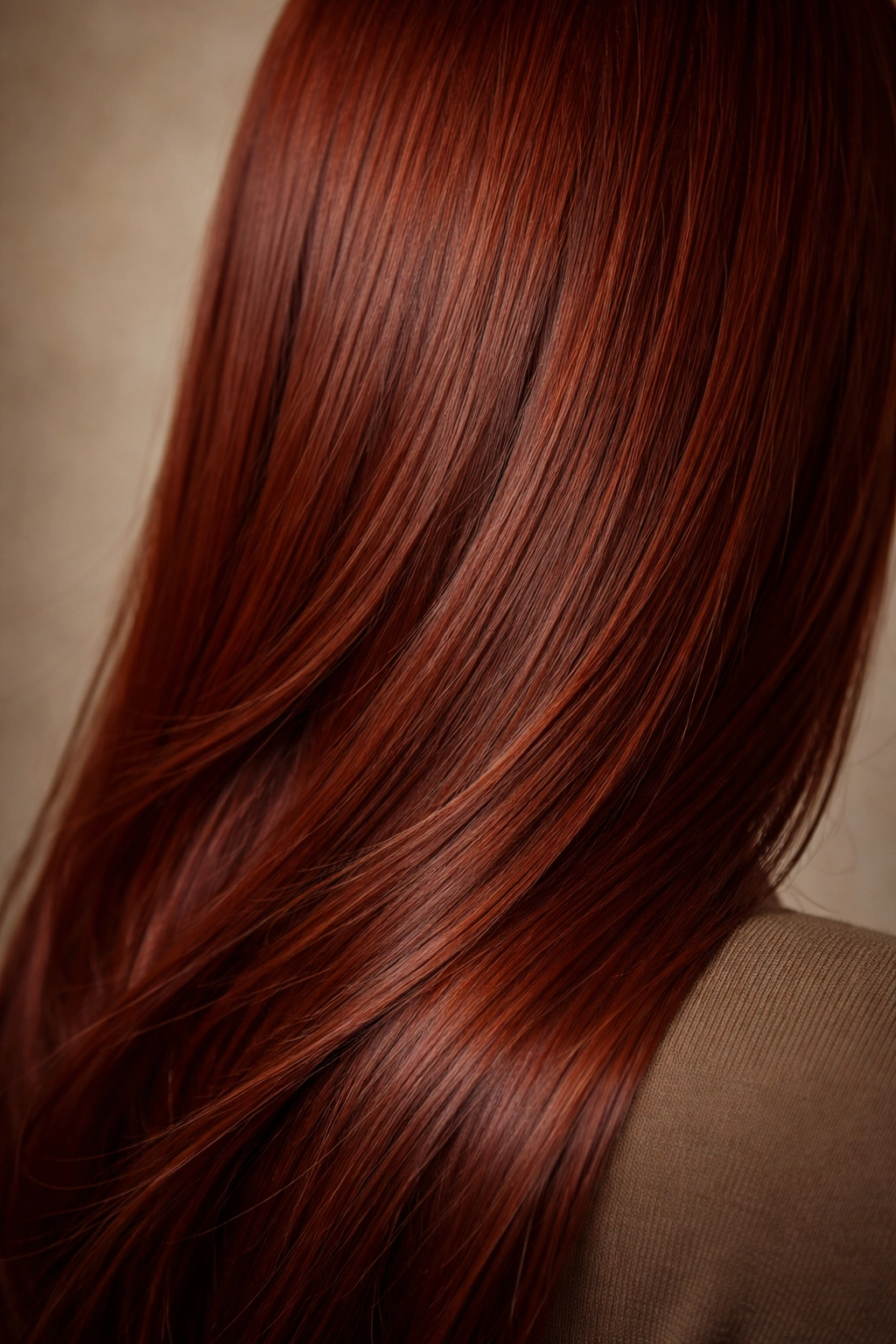
Brick red sits comfortably between warm and cool, pulling inspiration from actual brick color—hence the name. It’s warm without being orange, red without being overly bright, and sophisticated without feeling heavy. On straight hair, brick red creates a grounded, earthy appearance that somehow feels both natural and deeply intentional. This is a shade that works across multiple seasons and lighting conditions because it doesn’t rely on brightness or dramatic contrast.
Why This Works for Straight Hair
Brick red’s matte-ish, earthy quality is actually enhanced by straight hair’s smooth surface. Instead of creating reflection and shine, the color appears dense and solid, which emphasizes its warmth and depth. This creates an understated elegance that doesn’t demand attention the way brighter reds do—it invites it.
Who It Suits and How to Achieve It
- Best for: Medium to deeper skin tones; warm and neutral undertones, particularly olive complexions; can work on fair skin if the undertone is warm enough
- Eye color pairing: Brown, hazel, and amber eyes look natural and striking; warm green eyes create cohesion; even cool blue eyes have an interesting contrast
- How to achieve: Brick red is achievable on medium brown to darker hair without significant lightening, making it more accessible than many other red shades. Permanent color in the brick or russet family works best; semi-permanent options exist but deposit less evenly on darker bases
- Maintenance: Brick red is surprisingly low-maintenance. It lasts 5-8 weeks before noticeable fading, and the fade looks natural rather than dramatic. The earthy tone is forgiving as it transitions
Brick red is perfect for people who want red hair that still looks grounded and natural—intentional but not shocking. It’s a shade that compliments earth-toned wardrobes and works year-round.
10. Wine Red
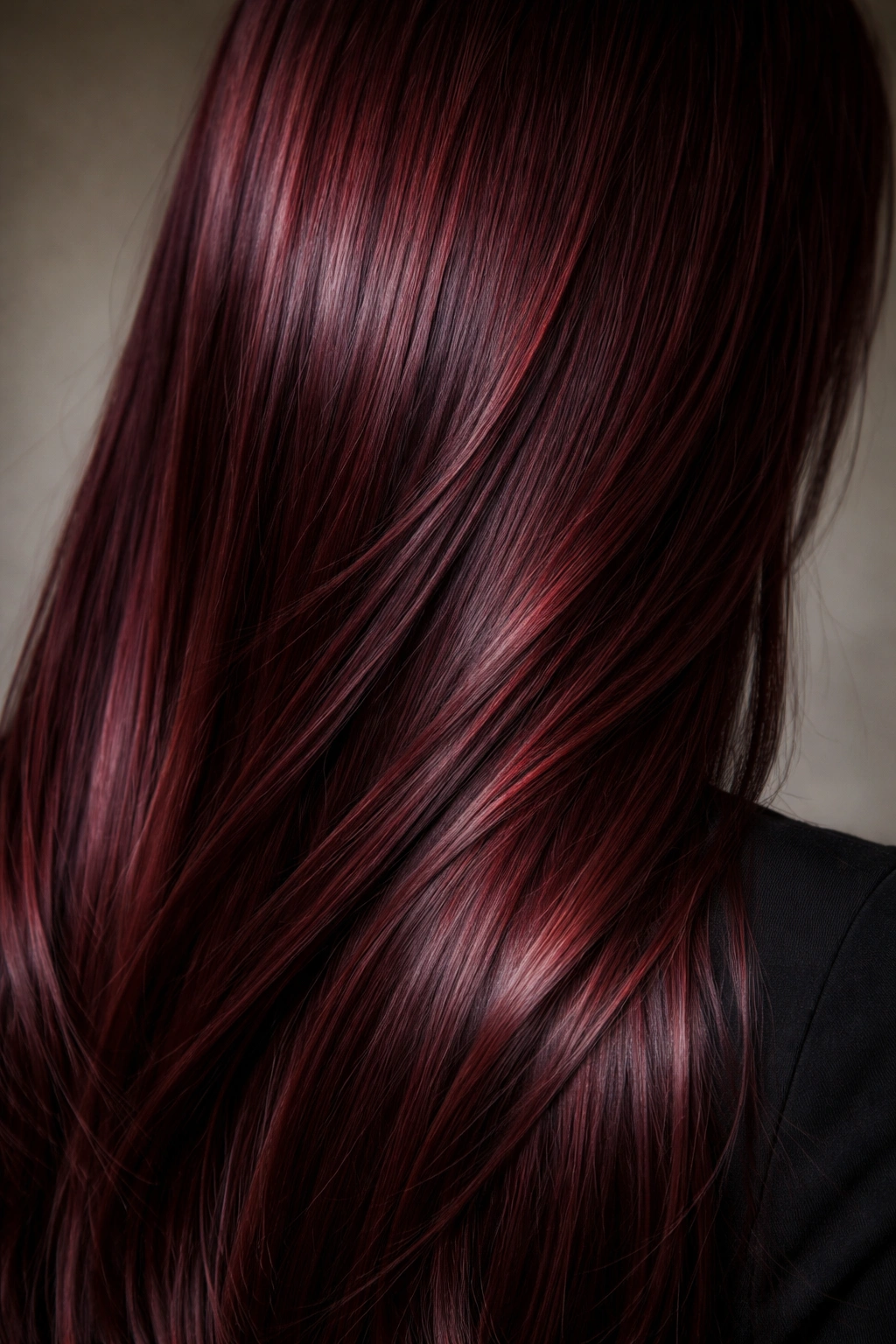
Wine red is burgundy’s more elegant, slightly lighter cousin. It carries the sophistication and depth of burgundy but with slightly more vibrancy and life—it’s the color of a really good red wine, with all the complexity and warmth that implies. On straight hair, wine red creates an almost mystical appearance, with depth that seems to shift depending on the light. This shade feels simultaneously classic and contemporary.
Why This Works for Straight Hair
Straight hair makes wine red absolutely captivating because the color’s subtle dimension and depth are fully visible without being broken up by texture. Light interacts with wine red in complex ways, creating subtle shifts in tone that give the hair an almost liquid quality. The smoothness of straight hair emphasizes this fluidity.
Who It Suits and How to Achieve It
- Best for: Medium to deeper skin tones; cool and neutral undertones work beautifully; can work on fair skin with proper shade selection to ensure it doesn’t read as too dark
- Eye color pairing: Dark brown eyes look hypnotic; hazel and green eyes create striking contrast; grey eyes have an intriguing cool-versus-warm dynamic
- How to achieve: Wine red requires a moderately dark base—you’re adding red and burgundy undertones to a darker color. If you’re starting from light brown or lighter, you may need a base color service first. Permanent color in the wine-red family works best because the depth requires good pigment deposit
- Maintenance: Wine red is relatively forgiving, lasting 5-7 weeks before the shift becomes obvious. The fade typically looks like a natural darkening rather than obvious color loss. Deep conditioning weekly keeps the tone fresher longer
Wine red is sophisticated without being stuffy, bold without being aggressive. It’s the shade for people who want everyone to know they made this choice on purpose, but who don’t need the color to be the loudest thing in the room.
Final Thoughts

Choosing a red shade for your straight hair is ultimately about matching the tone to your skin undertone, considering your maintenance tolerance, and being honest about how much of a statement you want to make. Your straight hair is actually an advantage in all of this—it gives you a clean canvas where color sits uniformly, reads intentionally, and photographs beautifully.
The red that’s right for you depends on whether you’re drawn to warmth (copper, auburn, warm brick) or depth (burgundy, mahogany, wine), whether you want brightness (cherry, scarlet, vibrant red) or sophistication (deep crimson, rich burgundy, mahogany). None of these choices is wrong—they’re just different expressions of your style and personality.
Before committing to any shade, ask your colorist for a consultation where they can evaluate your skin tone, eye color, and hair texture in person. Bring references of the shades you’re considering in different lighting. And be honest about maintenance: some reds require weekly treatments and dedication, while others are genuinely forgiving. The best red is the one you’ll actually care for and enjoy wearing, not the one that looks perfect for three weeks before fading into something you didn’t choose. With straight hair as your canvas, you’ve already got the texture working in your favor—now it’s just about choosing the tone that feels like you.
