



Straight hair might seem like it doesn’t need as much protection as curly or textured hair, but that’s actually one of the biggest misconceptions in hair care. Your straight strands are just as vulnerable to friction, breakage, creasing, and damage from tossing and turning on a cotton pillowcase all night. The pressure points where your head rests against the pillow, the constant movement, and the moisture loss that happens during sleep can all leave your straight hair looking dull, frizzy, and bent by morning—not to mention the cumulative damage that weakens strands over time.
The key difference is that protective styling for straight hair isn’t about definition and curl preservation—it’s about minimizing friction, preventing creases and kinks, and maintaining smoothness and shine. A good night style keeps your strands from rubbing against harsh fabrics, reduces the number of times your hair bends and breaks as you move in your sleep, and helps lock in moisture that would otherwise evaporate overnight. The best night styles for straight hair are gentle, involve minimal manipulation, and use hair-friendly materials like silk or satin—never elastics that create stress points or cotton fabrics that absorb moisture and cause frizz.
What separates a truly protective style from just “a hairstyle you wear to bed” is whether it accomplishes three specific goals: keeping tension off your strands, reducing friction against your pillow, and preventing creases, kinks, and breakage. Some styles are better at preventing mechanical breakage. Others excel at maintaining smoothness. The best ones do all three. Finding the right night style for your straight hair type, face shape, and sleep habits is a game-changer for waking up with healthy, shiny strands that don’t require a full repair routine before you can style them.
1. Low Ponytail with Silk Scrunchie
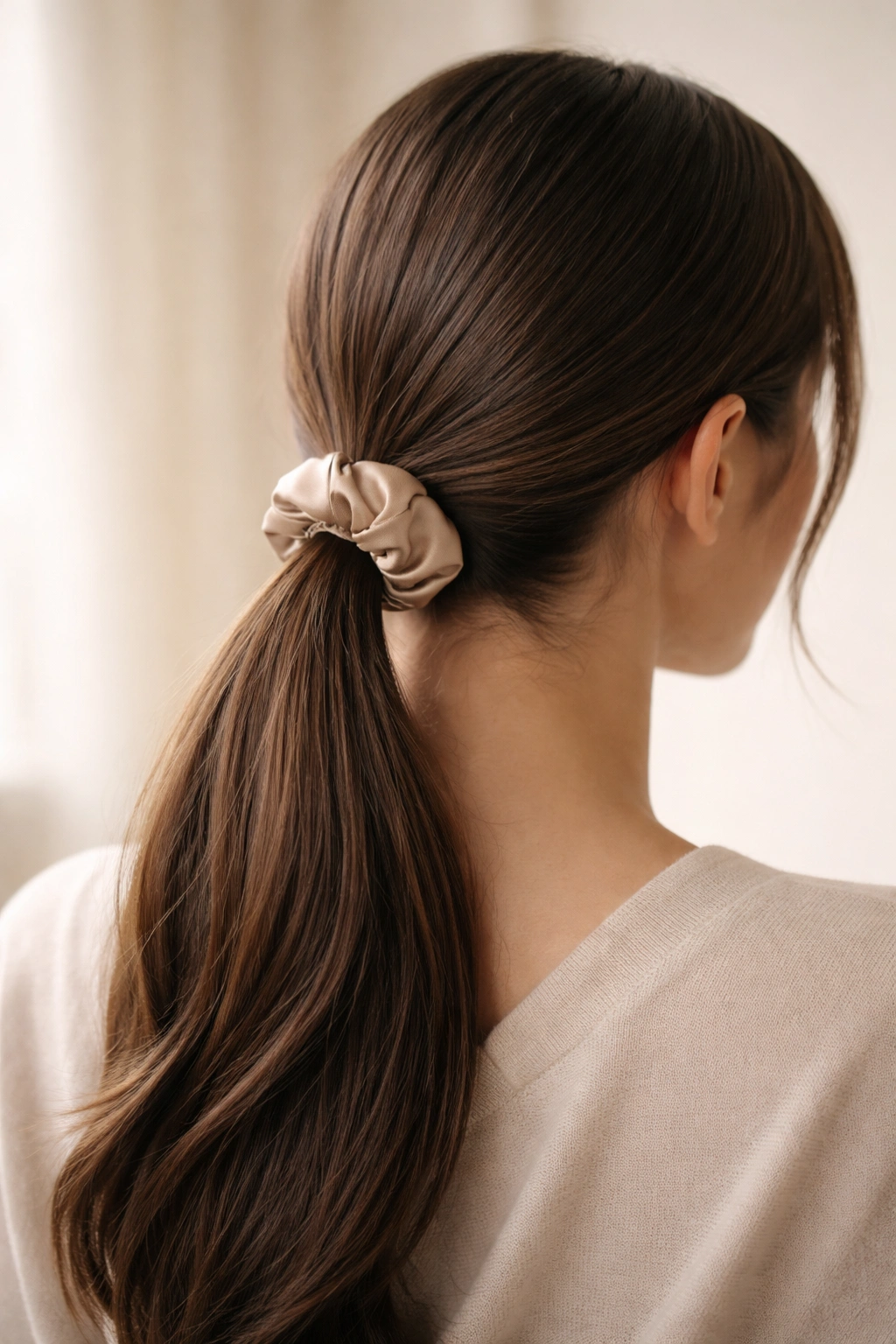
A low ponytail is one of the gentlest and most protective styles for straight hair because it contains your strands in a soft bundle, prevents them from sliding across your pillow all night, and keeps tension minimal as long as you secure it correctly. The key to making this style work for protection is abandoning regular elastics entirely and using a silk or satin scrunchie, which creates minimal friction and doesn’t crease your hair the way a rubber band does.
Why This Style Protects Your Straight Hair
A low ponytail works because it gathers your hair at the nape of your neck—a position that’s below where most of your head rests on the pillow. This means the bulk of your hair isn’t rubbing against the pillowcase all night. The gathered strands also can’t tangle or get caught under your body weight the way loose hair does. Since you’re keeping everything contained without pulling tightly, you’re avoiding the stress on your roots and the tension breakage that happens with high ponytails. The style also prevents the friction that causes frizz—your strands aren’t moving independently across a cotton surface all night; they’re held together in a bundle where they can’t create static or damage.
How to Perfect the Low Ponytail for Sleep
- Position the ponytail at the very base of your neck, roughly where your neck meets your shoulders—not higher, which would create unnecessary tension
- Use a silk or satin scrunchie (avoid elastics with metal clasps that can snag) and wrap it loosely around your gathered hair—you should be able to slide a finger under the scrunchie easily
- Don’t smooth every strand perfectly into the ponytail; a slightly textured, undone gather is actually less damaging because it means less tension on individual strands
- If your hair is very long (past mid-back), consider braiding the ponytail before bed, which prevents the ends from tangling and breaking against each other
- Sleep on a silk or satin pillowcase whenever possible to reduce friction between the scrunchie and your hair
The beauty of this style is its simplicity—you can achieve it in about 30 seconds, making it perfect for nights when you’re tired and just want quick protection. Many people find that a low ponytail also prevents them from lying on their hair while sleeping, which is one of the biggest sources of overnight damage for straight hair. You’re essentially creating a barrier between your strands and the pressure points of your head and neck.
Pro tip: Wrap a small silk or satin scarf around the base of the ponytail before bed. This protects the gathered strands from friction with the scrunchie and creates an extra layer of protection against creasing.
2. Braided Bun
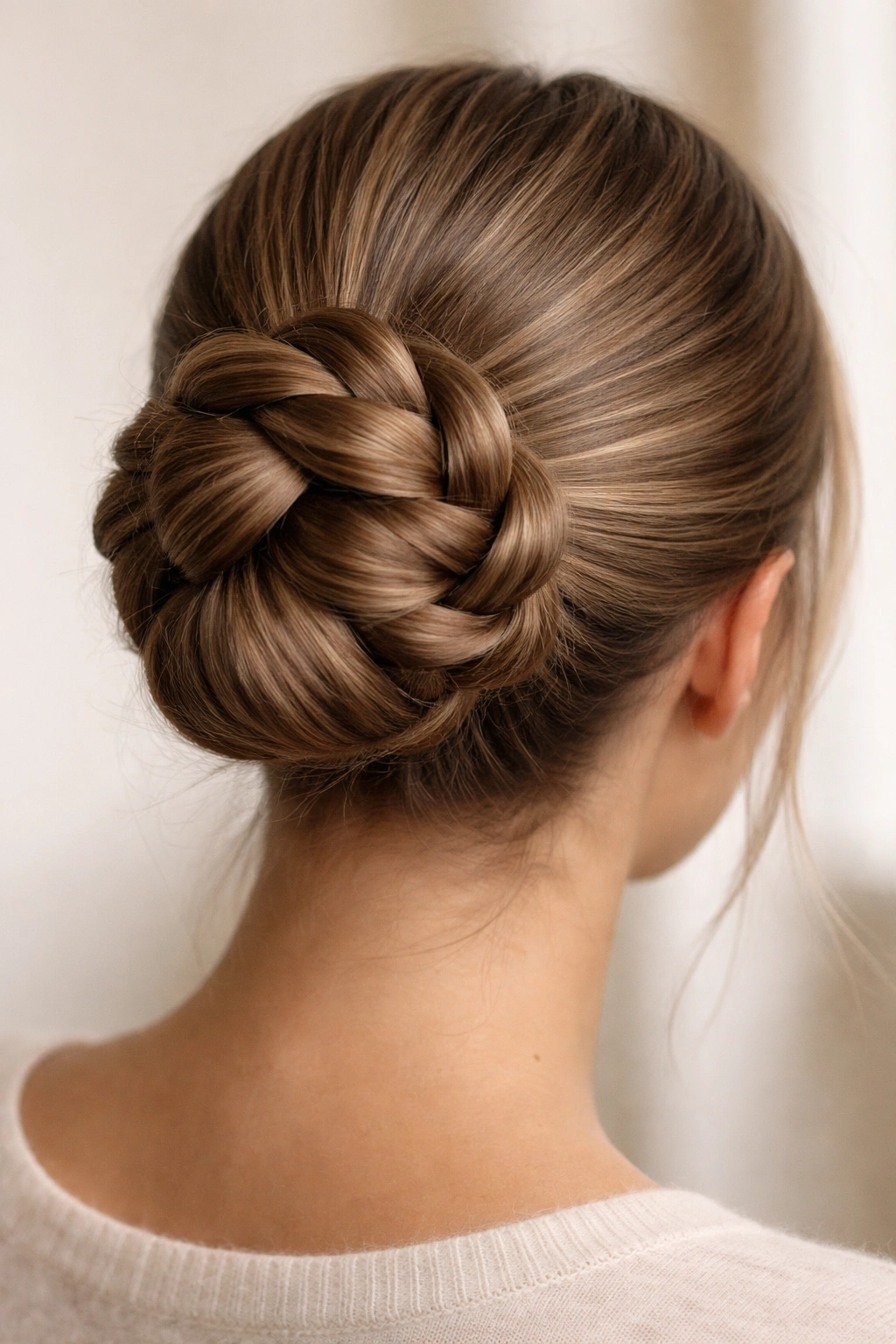
A braided bun combines the protection of contained hair with the benefits of a braid’s structure, which locks your strands together and prevents individual hairs from moving and breaking throughout the night. This style is perfect for people with straight hair who want reliable protection without having to think about it—once the bun is secured, your hair isn’t going anywhere.
Why a Braided Base Creates Superior Protection
Braiding your hair before forming a bun serves two critical protective functions. First, the braid structure itself holds each strand in place, preventing the friction that causes breakage when individual hairs slide against each other or against your pillow. Second, the braid locks moisture into your strands—your hair is held tightly enough that it can’t shift and rub away natural oils, but not so tightly that it creates tension damage. The bun shape then keeps the braided length off your pillow entirely, which means zero contact between your strands and whatever surface they might otherwise brush against during sleep.
Creating the Perfect Protective Braided Bun
- Start with hair that’s either freshly washed and dried, or slightly damp from a moisturizing spray (damp hair braids more easily and holds the style better overnight)
- Create one loose French braid starting at the crown and working down to the nape of your neck—avoid pulling the braid too tightly, as this creates tension on your roots and can cause breakage
- Once you reach the end, wrap the braid into a bun at the nape of your neck and secure it with a silk scrunchie or silk hair pins
- The bun should be loose enough that you can see the texture of the braid within it; if it’s pulled so tightly that the braid disappears, you’ve created too much tension
- For extra protection, wrap a silk scarf around the entire bun before sleeping
This style works exceptionally well for people who move a lot in their sleep, because the contained structure means your hair won’t come loose and tangle around you during the night. It’s also one of the best styles for preventing creases—since your hair is woven tightly in a braid, it can’t develop the sharp kinks and bends that come from being bent or slept on in a regular gathered ponytail.
Worth knowing: If your straight hair has a tendency to get flyaways or frizz, the braided bun is your best defense. The braid structure literally locks each strand in place, so even if you have a very restless night, your hair won’t shift enough to create frizz or static.
3. Loose Waves in a Hair Wrap
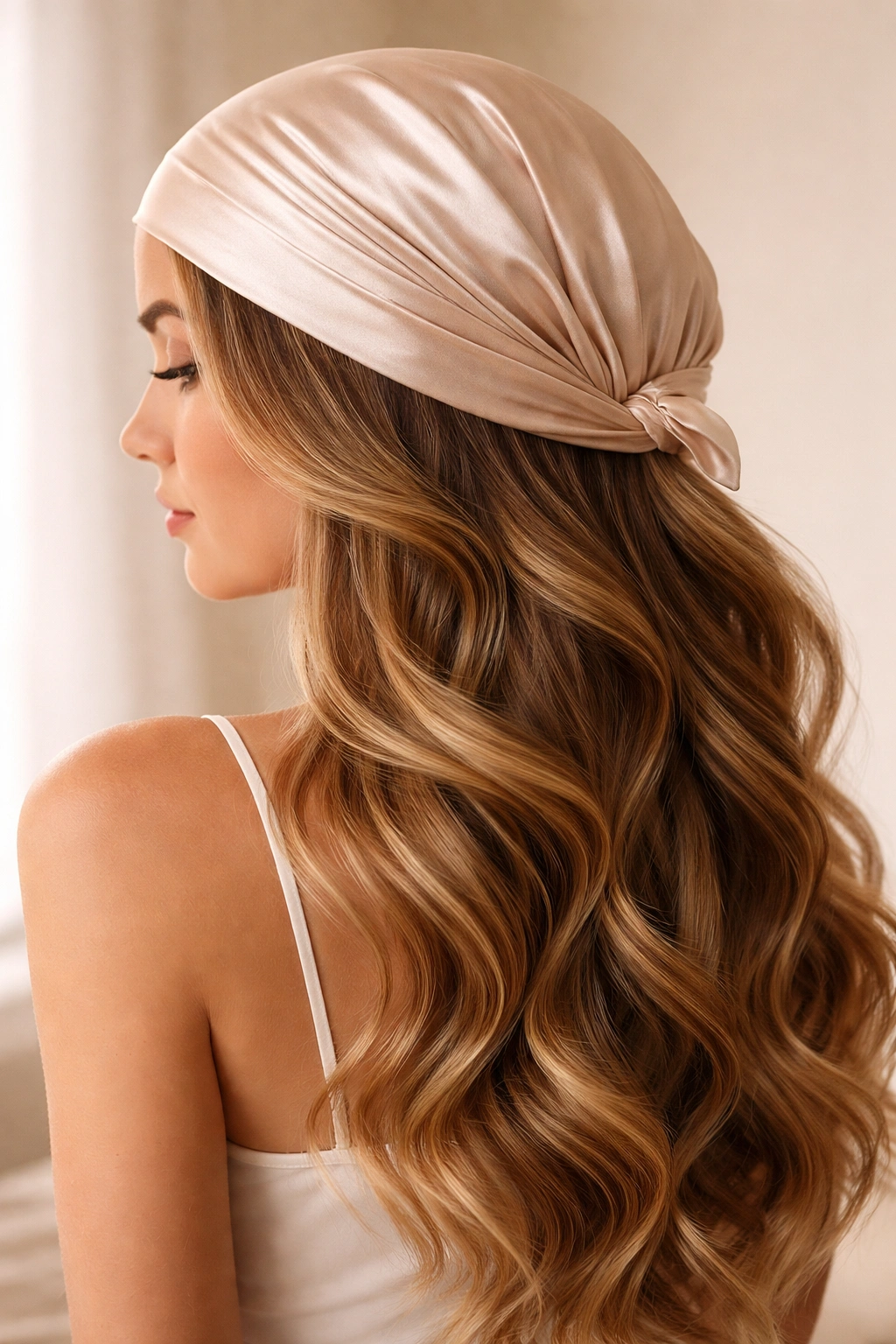
A hair wrap—sometimes called a silk wrap or a satin wrap—is essentially a technique where you wrap your hair around your head like a turban and secure it with a silk or satin cloth. This method keeps your hair completely off your pillow, prevents any friction between your strands and fabric, and is excellent for maintaining softness and smoothness overnight. For straight hair, it’s one of the most moisture-retaining styles available.
How the Hair Wrap Protects Straight Hair
When your straight hair is wrapped around your head in soft waves and then covered with a silk cloth, you’re creating a microclimate where moisture can’t escape and friction is virtually eliminated. Your hair isn’t touching your pillowcase at all—it’s sitting against smooth silk, which creates almost zero resistance. The wrap also naturally puts your hair into gentle waves, which means you can wake up with soft movement and texture without any creasing or damage. Many people with straight hair use this style specifically to add subtle waves without heat, making it protective and style-enhancing at the same time.
The Step-by-Step Hair Wrap Technique
- Start with slightly damp hair (freshly washed and lightly towel-dried, or spritzed with a lightweight moisturizing spray)
- Section your hair into 3-4 parts, depending on thickness, and wrap each section around your head, starting from one side and working your way around like you’re creating a flat spiral
- As you wrap, gently guide each section to create soft, natural waves—avoid pulling tightly, just encourage the hair to curve as it wraps
- Once all your hair is wrapped around your head in smooth spirals, secure it with a silk or satin head wrap or turban and fasten the ends at the back
- Make sure the wrap holds your hair firmly enough that it won’t slip during sleep, but loosely enough that you’re not creating tension on your scalp
The wrapped position naturally creates gentle waves overnight—some people wake up with beautifully textured hair without using any heat or styling products. This is protective because you’re achieving style without manipulation, heat, or damaging products. The silk wrap also means your scalp stays moisturized, which encourages healthier hair growth.
Insider note: If you have fine or thin straight hair, the hair wrap is gentler than a braid or bun because there’s no gathering point creating stress on your roots. Your hair is distributed evenly around your head, so tension is minimal.
4. Smooth High Ponytail
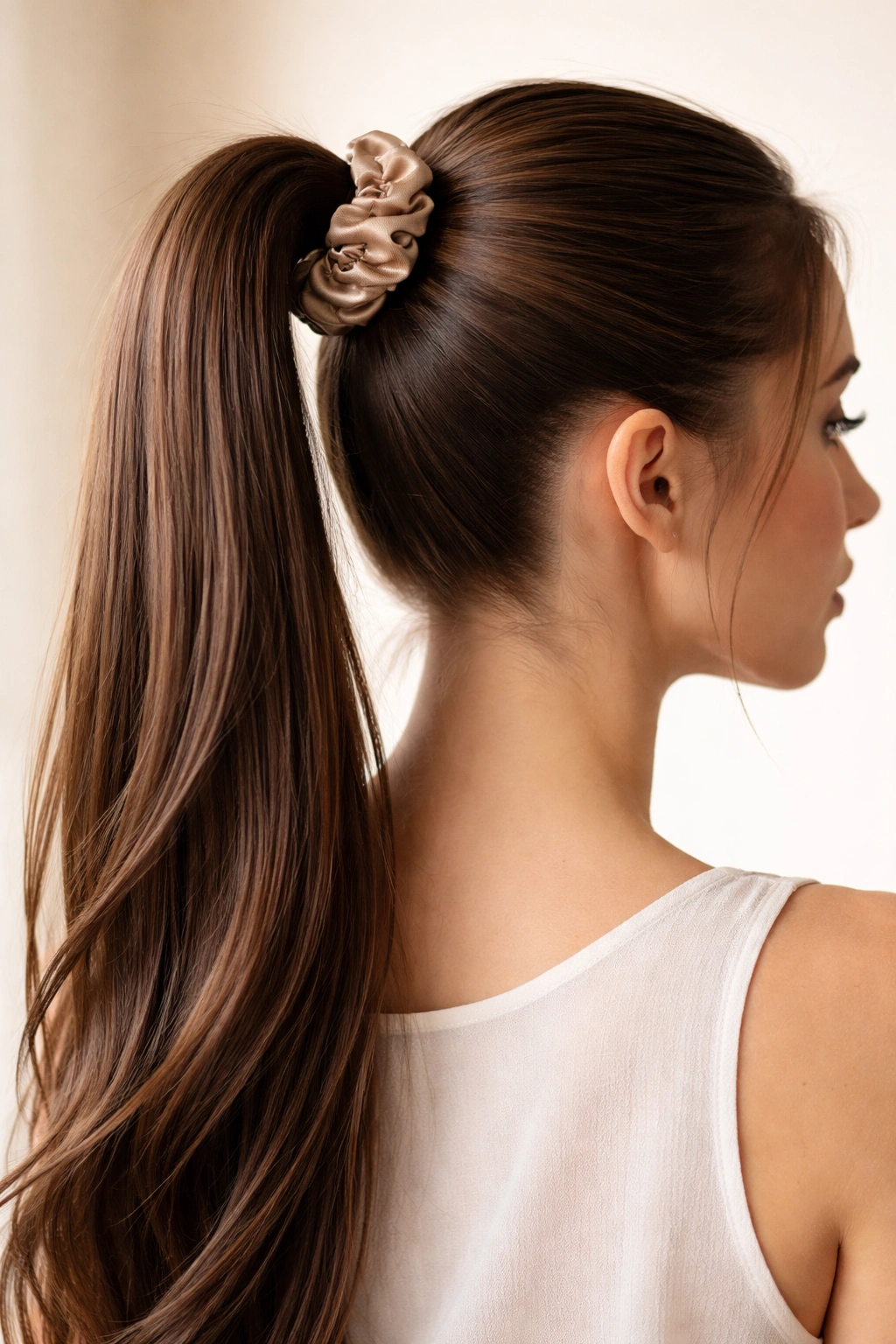
Wait—a high ponytail? That sounds like it would create tension and breakage. The difference between a damaging high ponytail and a protective one comes down to execution: a smooth high ponytail done correctly, with minimal tension and the right elastic, can actually be protective. The key is making sure your ponytail is positioned to sit just at the back of your head (not on top), pulled loosely enough that you can slide a finger under the elastic, and secured with a silk scrunchie rather than a rubber band.
Why a Loose High Ponytail Can Work for Protection
The advantage of a high ponytail over a low one is that it keeps your hair completely off the back and sides of your head, which are the surfaces most people sleep on. If you’re a back or side sleeper, a high ponytail can actually prevent more friction damage than a low one because your strands won’t be caught under your head or neck at any point during the night. The position also makes it easier to maintain a smooth surface—there’s less chance of the ponytail getting twisted or bent under you as you sleep.
Doing a High Ponytail the Protective Way
- Gather your hair at the back of your head, roughly where a crown would sit, but slightly lower than the very top of your head
- Use your fingers to smooth any bumps or flyaways before securing—this prevents you from having to rebrush or manipulate the style later
- Wrap your silk scrunchie loosely—you should always be able to slide a finger under it without any pressure
- If you prefer, you can wrap a small piece of silk or satin around the base of the ponytail before securing it, which gives the scrunchie a soft surface to grip instead of catching directly on your hair
- Consider loosely braiding just the ends of the ponytail (the bottom 4-6 inches) to prevent tangling and fraying overnight
The reason this style works is that it’s maintained with minimal tension and maximum silk contact. The difference between “a high ponytail that damages your hair” and “a high ponytail that protects it” often comes down to how tight you’re pulling. A protective version is loose, gentle, and secured with hair-friendly materials.
Pro tip: If you’re worried about getting a crease in your ponytail, wrap it with a silk scarf at the point where the elastic is—the scarf prevents the elastic from imprinting a line into your hair shaft.
5. Twisted Crown Style
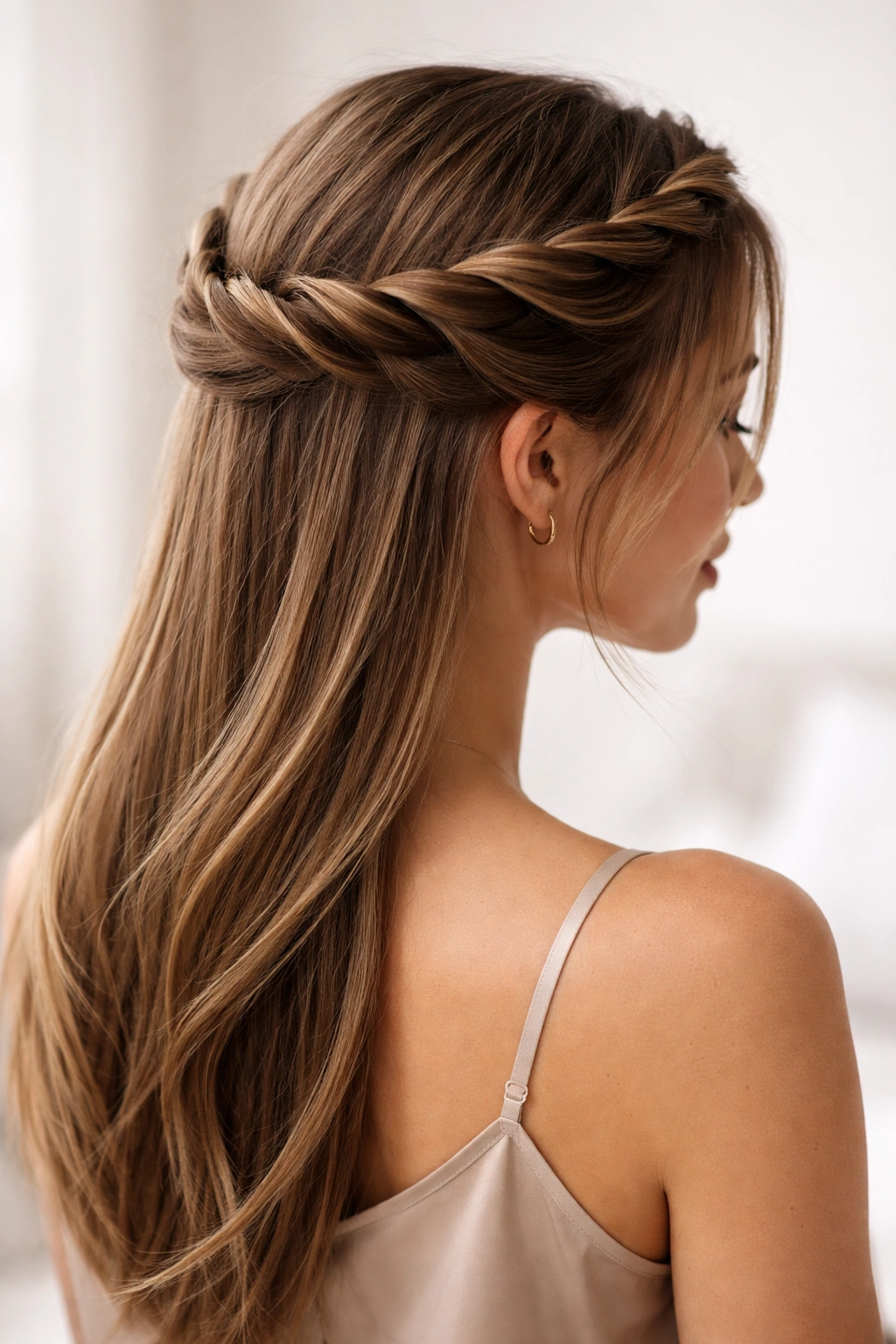
A twisted crown is a protective style where you twist sections of your hair around the crown of your head like a halo, creating a contained updo that keeps your strands completely off your pillow and prevents any friction or creasing. It’s more elegant than a bun, more protective than loose hair, and works beautifully for straight hair because the twists create soft texture without heat or damaging manipulation.
How Twisting Protects Your Straight Hair
Twisting your hair around your head accomplishes several protective goals at once. The twisting motion itself isn’t damaging the way brushing or combing can be—you’re using your fingers to gently encourage sections to spiral together. Once the twists are formed around your crown, they hold your hair in a structured but not overly tight position. There’s no single gathering point creating stress on your roots, so tension is distributed evenly. Your hair is also completely elevated off your pillow, which means zero friction between your strands and fabric.
Creating a Protective Twisted Crown
- Brush your hair smoothly and part it down the middle in the back, creating two sections
- Take a 1-2 inch section from one side of your head and begin twisting it away from your face as you move toward the back
- As you twist, gradually incorporate more hair from the surrounding area—you’re essentially doing a twisted braid, but with only two sections of hair instead of three
- Continue twisting around the back of your head until you reach the other side, then secure the twist with a silk clip or bobby pin
- Repeat on the other side, twisting in the opposite direction so the two twists meet at the back
- Once both twists are secured, you can leave them as two separate twisted sides (which looks modern and elegant) or wrap them together into a twisted bun at the nape of your neck
The beauty of this style is that it feels like an updo but actually has very little tension. You’re not pulling your hair up and back forcefully; you’re gently twisting sections while naturally moving them up and back with the motion. The result is a protective, elegant style that’s perfect for straight hair because it showcases your texture while keeping strands safe overnight.
Worth knowing: The twisted crown works beautifully on second-day or third-day hair because the twists actually grip better when your hair has a tiny bit of texture and previous styling in it. This means you can do this style even on days when you haven’t washed your hair.
6. Sleek Low Bun
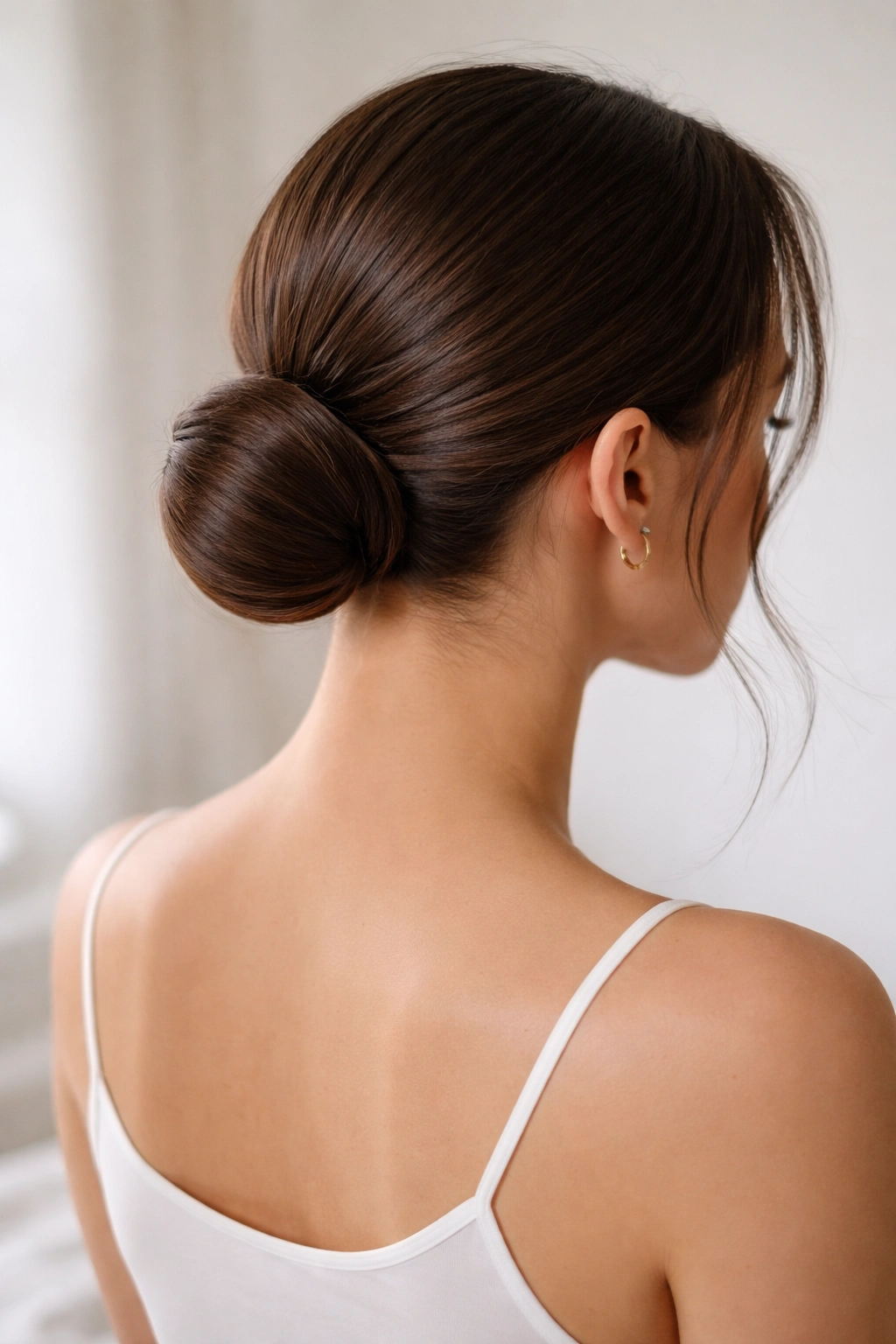
A sleek low bun is the classic protective updo for straight hair—it’s simple, reliably protective, and works for almost any hair type, length, or thickness. The difference between a protective sleek low bun and one that causes breakage comes down to how you secure it and whether you’re using the right hair-friendly materials. Done correctly, this style prevents virtually every type of overnight hair damage.
Why a Low Bun Is One of the Best Night Styles
A low bun works because it contains all your hair in a single, contained mass at the base of your neck, completely off your pillow. There’s a single gathering point, but because the bun is low and the hair is coiled rather than stretched, there’s minimal tension. Your strands can’t tangle or break against each other because they’re all held in the same direction. Your hair also can’t rub against your pillow because it’s elevated and bundled. The style maintains moisture because all your strands are held close together, preventing the exposure and evaporation that happens with loose hair.
The Protective Low Bun Formula
- Gather your hair at the nape of your neck in a low ponytail using a silk scrunchie, positioned loosely so you can slide a finger under it
- Twist the ponytail gently until it forms a rope of hair, then coil this rope into a bun shape, tucking the ends underneath
- Secure the bun with silk bobby pins (not regular metal ones, which can snag and damage hair) placed around the base
- Smooth any flyaways with a lightweight pomade or gel, but avoid heavily slicking your bun—a slightly textured bun is less damaging because there’s less tension
- For extra protection, wrap the entire bun with a small silk or satin scarf, tucking the scarf ends in so nothing comes loose during sleep
The low bun is especially protective if you sleep on your side or back, because your bun will be positioned where it’s least likely to be slept on or crushed. The coiled structure also means that even if the bun does shift slightly during the night, your strands won’t unravel and tangle—the coil holds everything in place.
Pro tip: Use a satin or silk scrunchie combined with a satin bonnet (a bonnet-style cap made of silk or satin that you wear while sleeping). The bonnet keeps your bun secured and protected, and if your bun does shift during the night, the bonnet’s smooth interior prevents friction against your hair.
7. Half-Up, Half-Down with Silk Clips
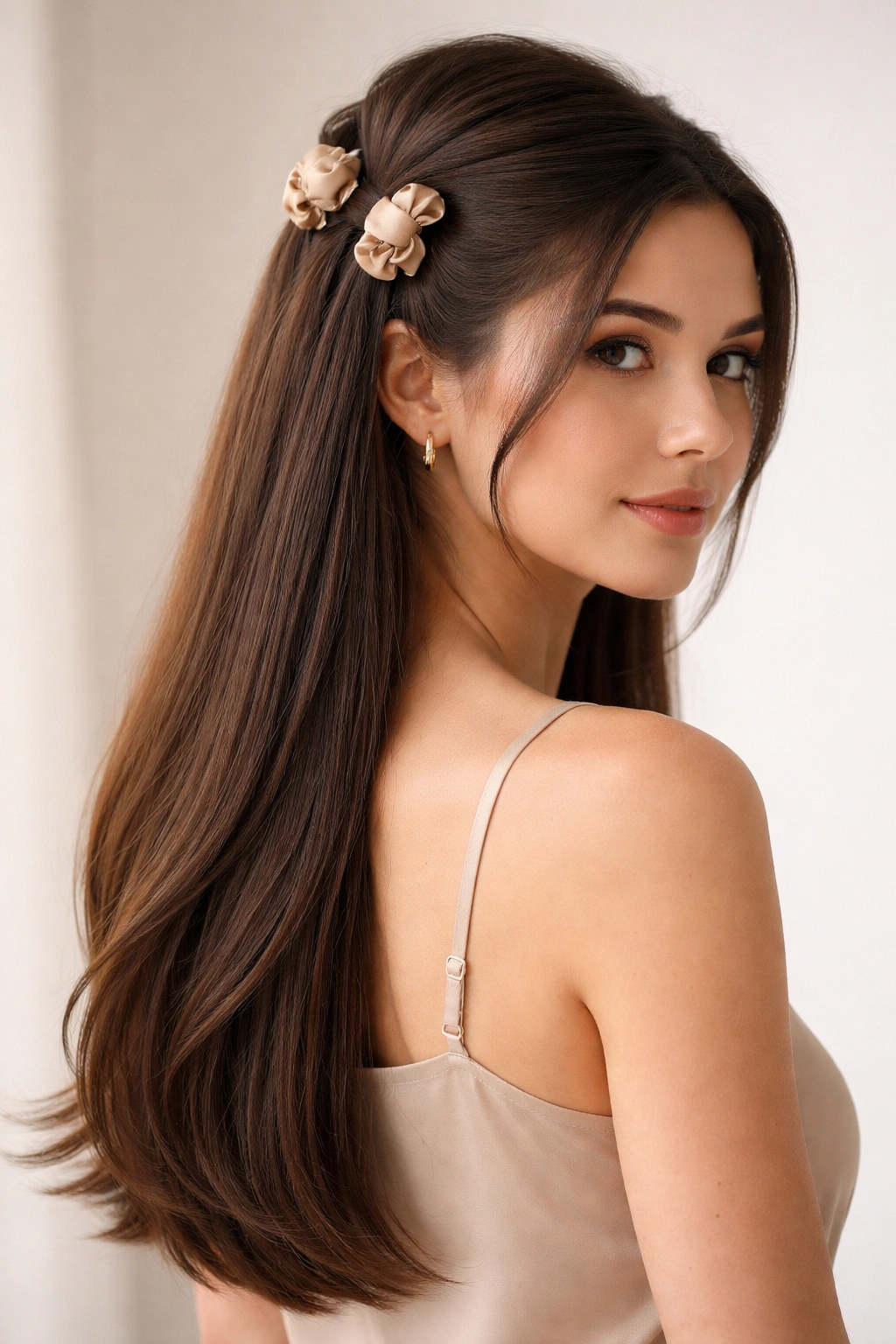
This style keeps approximately the top half of your hair contained while leaving the bottom half loose, creating a balanced look that’s protective without being as contained as a full updo. For people who find full buns or ponytails uncomfortably tight, or who prefer more freedom of movement while sleeping, this middle-ground approach often feels just right—protective but not restrictive.
Why Half-Up Actually Provides Real Protection
You might assume that leaving half your hair down means it’s not protective, but half-up styles actually reduce the amount of friction your loose hair experiences. Instead of your entire head of hair moving independently on your pillow, only the bottom half is exposed. The top half is gathered and contained, so it’s not rubbing, tangling, or creating friction. This means you get about 50% of the protection of a full updo, but with significantly more comfort and less feeling of tightness while sleeping.
How to Create a Protective Half-Up Style
- Brush your hair smoothly and determine how much of your top section you want to gather (typically 2-3 inches of hair from the crown working down)
- Gently lift this section straight up and secure it at the back of your head using silk hair clips rather than elastics (silk clips grip without pulling and don’t create creases)
- Make sure the clips are positioned securely enough that the section won’t slide down during the night, but not so tightly that you feel tension on your scalp
- The bottom half of your hair remains loose; for extra protection, consider loosely braiding just the bottom section or wrapping it in a hair wrap
- Optional: clip a small silk or satin scarf around the gathered section, which adds an extra aesthetic element while protecting the gathered area from creasing
This style works beautifully for people who move a lot in their sleep and feel confined by full updos. The half-up approach is also easier to undo in the morning—there’s no section that’s been tightly twisted or coiled, so your hair falls into soft waves or remains smooth depending on how you’ve gathered it.
Insider note: If you have very thick or heavy hair, the half-up style with silk clips can actually be more comfortable to sleep in than a high ponytail, because the clips distribute the weight of your hair more evenly across the back of your head rather than creating a single stress point.
8. Twisted Knot Style
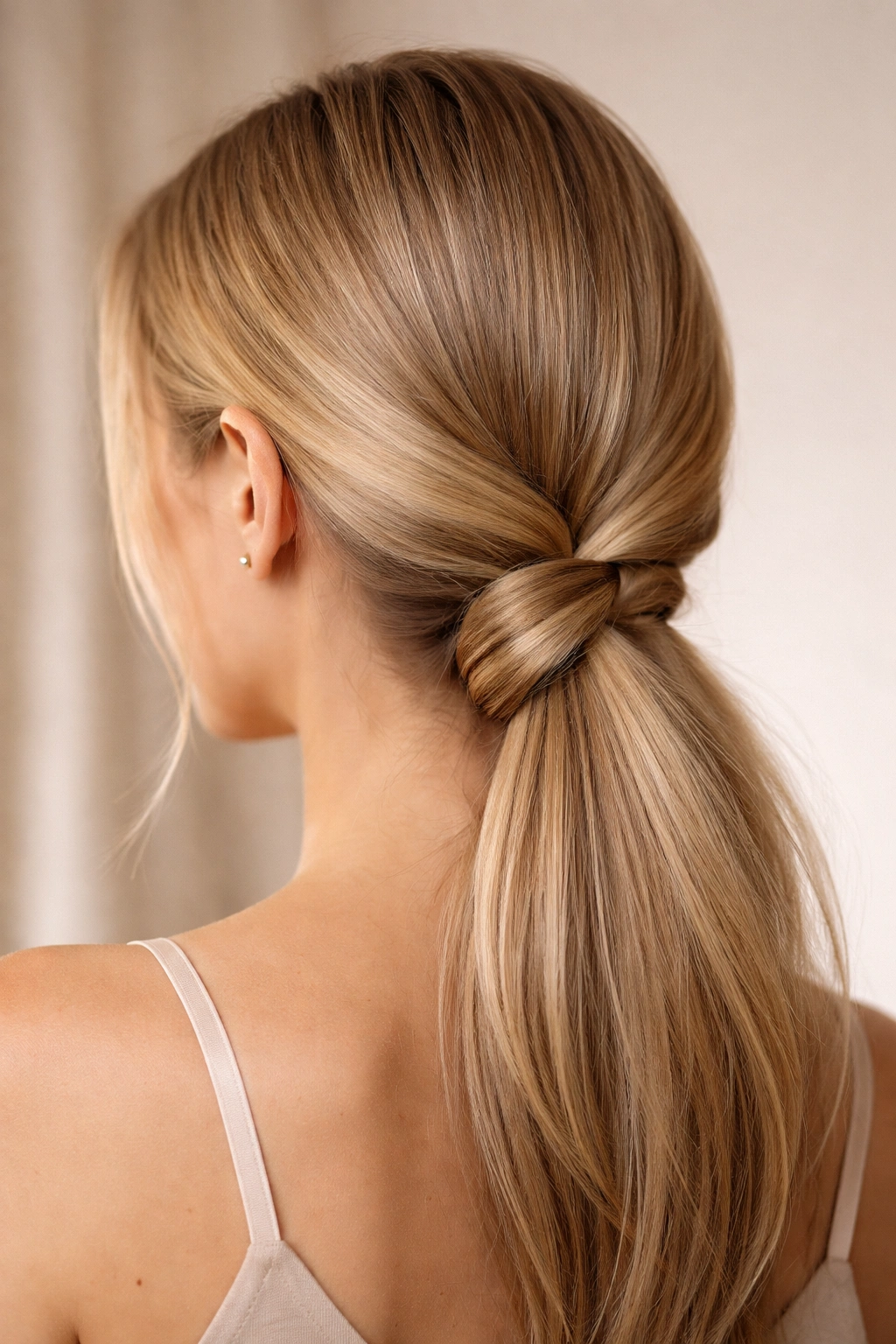
A twisted knot is essentially two sections of hair twisted around each other and tied into a loose knot at the back or side of your head. It’s more interesting visually than a simple bun, just as protective, and offers a nice middle ground between completely contained styles and looser approaches. This style is particularly good for people who find traditional buns boring but still want full protection.
How the Twisted Knot Keeps Hair Protected
The twisted knot works by combining the benefits of twists (which gently lock strands together without harsh manipulation) with the protection of an updo (which keeps hair off your pillow). When you twist two sections of hair together, you’re essentially creating a very loose braid that holds strands in place without tension. When you tie these twisted sections into a knot, you’re creating a compact, stable style that won’t shift or unravel during sleep. The knot structure means there’s no single gathering point creating stress on your roots—the stress is distributed across the entire knot.
Creating a Twisted Knot for Overnight Protection
- Section your hair into two equal parts, dividing it down the middle from crown to nape
- Take the right section and twist it gently away from your face, working toward the back of your head
- Take the left section and twist it in the opposite direction, also working toward the back
- When both twisted sections meet at the back, tie them together in a simple knot, just as if you were tying a piece of string
- Tuck any loose ends underneath the knot and secure with silk bobby pins
- The finished style should look like two twisted sections meeting in a knot at the nape or slightly off to one side of your neck
The twisted knot is visually interesting enough that you might even choose to wear it while running errands during the day, though it’s equally protective for sleeping. The style works on all hair lengths and thicknesses, and it’s particularly effective for people with straight hair because the twists naturally create soft waves without any heat damage.
Worth knowing: The twisted knot is one of the few protective styles that actually looks intentional and styled rather than like something you’re just doing for protection. This means if you oversleep or your schedule changes, you can keep it in longer without looking disheveled.
9. Flat-Twisted Sides
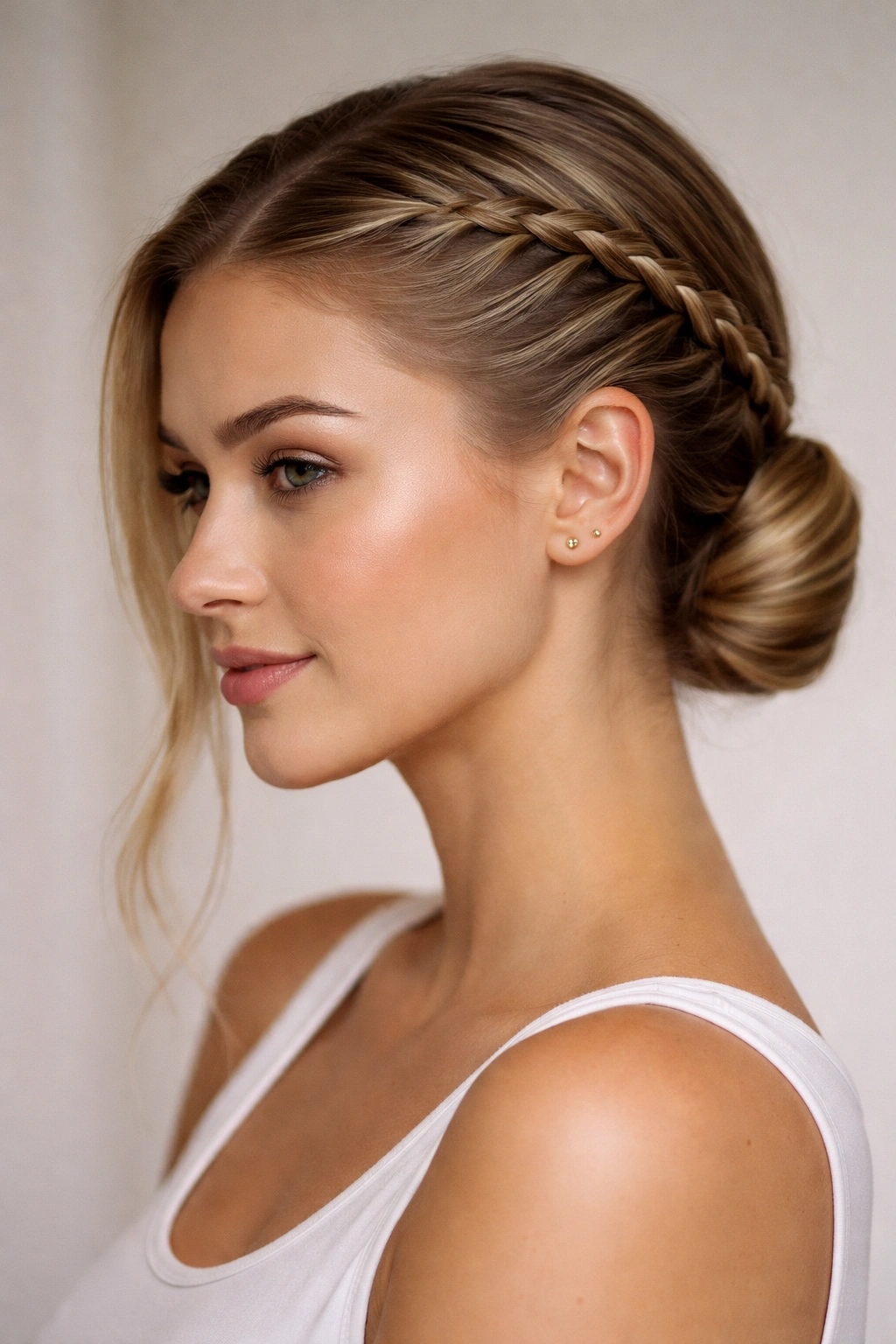
Flat twists are twisted sections of hair that run parallel to your scalp, rather than spiraling away from your head like regular twists. When you create flat twists on both sides of your head and then secure them at the back into a low bun or knot, you get a sophisticated, protective style that works beautifully for straight hair and creates lovely soft waves by morning.
Why Flat Twists Offer Protective Structure
Flat twists are more protective than regular twists because the hair is held closer to your scalp, which reduces movement and friction. When you flatten the twist against your head, you’re essentially distributing tension across a wider area of your scalp rather than concentrating it in one spot. This actually makes flat twists more comfortable to sleep in than regular twists, while still providing the same protective benefits. The flattened structure also means your twisted sections won’t unravel during sleep—the twist is locked in place by being pressed against your head.
How to Create Flat Twists for Sleep
- Section your hair into two parts, creating a line from the center of your forehead to the nape of your neck
- Starting at one temple, take a small section of hair close to that part line
- Create a twist by taking a small piece of hair from the outside of your head and crossing it over a small piece from the inside, just like you’re creating a flat braid, but with only two sections instead of three
- Continue working the twist toward the back of your head, keeping it flat against your scalp and gradually picking up more hair as you go
- Once you reach the back, repeat on the other side, creating a matching flat twist
- When both twists reach the back, secure them together in a low bun or knot using silk bobby pins
Flat twists are particularly protective because they keep the bulk of your hair elevated and contained while still looking intentional and stylish. Many people find that flat twists create the most beautiful waves by morning of any protective style—the twists naturally form soft texture that’s perfect for straight hair.
Pro tip: Lightly mist your hair with a moisturizing spray before creating flat twists. Slightly damp hair twists more easily and holds the style better overnight without feeling wet or uncomfortable.
10. Pineapple Updo
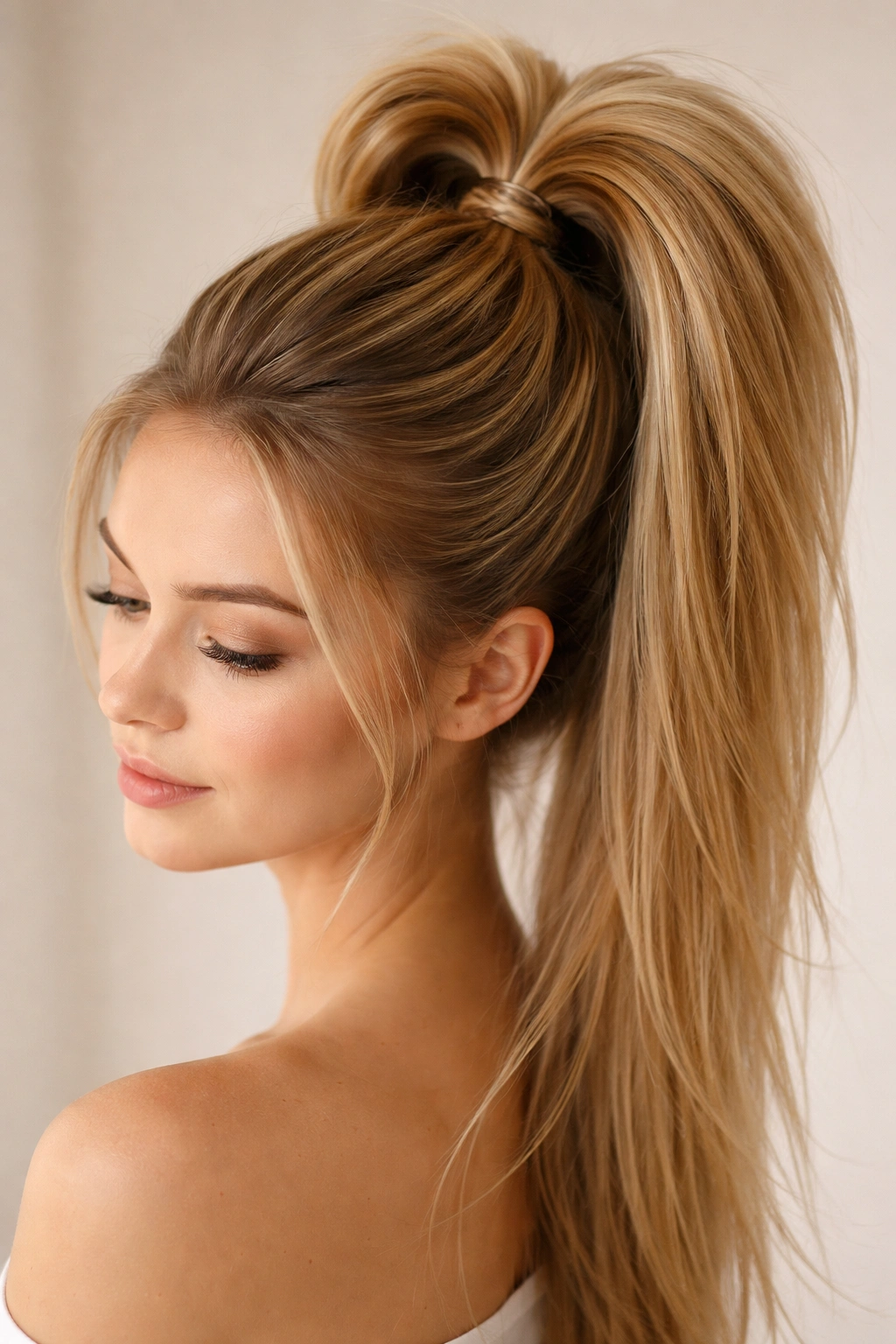
The pineapple updo is sometimes associated with curly hair, but it’s equally protective for straight hair. A pineapple is essentially a very high, loosely gathered ponytail positioned on the crown of your head, creating a shape that resembles a pineapple. For straight hair, this style prevents friction on the sides and back of your head while keeping the ends of your hair completely elevated and protected.
Why the Pineapple Works for Straight Hair Protection
The pineapple style is protective for straight hair because it keeps the majority of your strands completely off your pillow, preventing friction on the sides and back of your head where most people sleep. The high positioning means only the very top of your head—an area you’re less likely to sleep on—has any hair contact with your pillow. The loose gathering means there’s minimal tension on your roots, despite the high position. The ends of your hair are also elevated and loosely gathered, so they can’t tangle with each other or fray against fabric during the night.
Creating a Protective Pineapple Updo
- Flip your head forward and gather your hair at the very crown of your head, using your fingers rather than brushing (this prevents smoothing your hair too tightly)
- Secure this gathered section with a silk scrunchie, positioned loosely so there’s space between the scrunchie and your head
- Flip your head back up; your gathered hair should be positioned at the crown with the rest of your hair falling down from that point, creating a pineapple shape
- You can leave the style as is, or loosely braid or twist the gathered section for extra security
- Optional: wrap a silk or satin bonnet over the entire pineapple to keep it secured overnight and protect it from friction with your pillowcase
The pineapple is one of the most comfortable full-protection styles for sleeping because the loose gathering means you’re not creating tension even though the ponytail is high. It’s also one of the easiest styles to undo in the morning—one scrunchie removal and your hair falls into soft waves or remains smooth depending on your hair type.
Worth knowing: The pineapple works especially well for people who sleep hot, because keeping your hair gathered at the crown rather than around the sides and back of your head allows more air circulation around your face and neck during sleep.
Final Thoughts
Protecting your straight hair overnight isn’t complicated, but it does require intention—choosing the right style, using the right materials, and committing to a routine that actually makes a difference. The styles above all share common protective principles: they minimize friction, reduce tension, prevent creasing, and keep your strands from tangling or breaking against your pillow. The one you choose depends on your comfort level with tight styles, how much styling texture you want in the morning, and your personal sleep habits.
The single most important investment you can make for protecting any of these styles is switching to a silk or satin pillowcase. A silk pillowcase works alongside your protective style to create an almost frictionless sleeping environment—even if you move around, your hair is sliding against smooth silk rather than rough cotton. Combined with a silk scrunchie and one of the styles above, a silk pillowcase transforms your overnight routine into a genuine hair-protection strategy.
Consistency matters too. You might not notice dramatic improvement after a single night of protective styling, but after two weeks of keeping your straight hair in a protective style every night, you’ll notice that your strands are smoother, shinier, and less prone to breakage. Your hair won’t have those bent kinks from being slept on, your ends will look healthier, and you’ll need fewer corrective styling products and heat tools in the morning. That’s the real payoff of protective styling—not just how you look when you wake up, but the long-term health and strength of your hair.
