
Layered haircuts have a reputation for being finicky — lots of people assume they only look good on curly or wavy hair. But the truth? Straight hair is the perfect canvas for layers, and when they’re cut with precision, they create movement, dimension, and texture that can completely transform your look. The real advantage of straight hair is that every layer is visible and defined, so the geometry of the cut actually shows up exactly as intended.
The challenge is finding a layered style that actually suits your hair texture, face shape, and lifestyle. Some cuts require daily styling to look intentional, while others fall into place naturally. Some create softness and flow; others deliver bold, choppy texture. The right layered cut should enhance your face shape, make your hair feel lighter without sacrificing fullness where you want it, and fit into a routine you’ll actually maintain. Whether you want something subtle and elegant, edgy and modern, or somewhere in between, there’s a layered cut designed specifically for straight hair that can deliver exactly what you’re looking for.
1. The Classic Shoulder-Length Layers
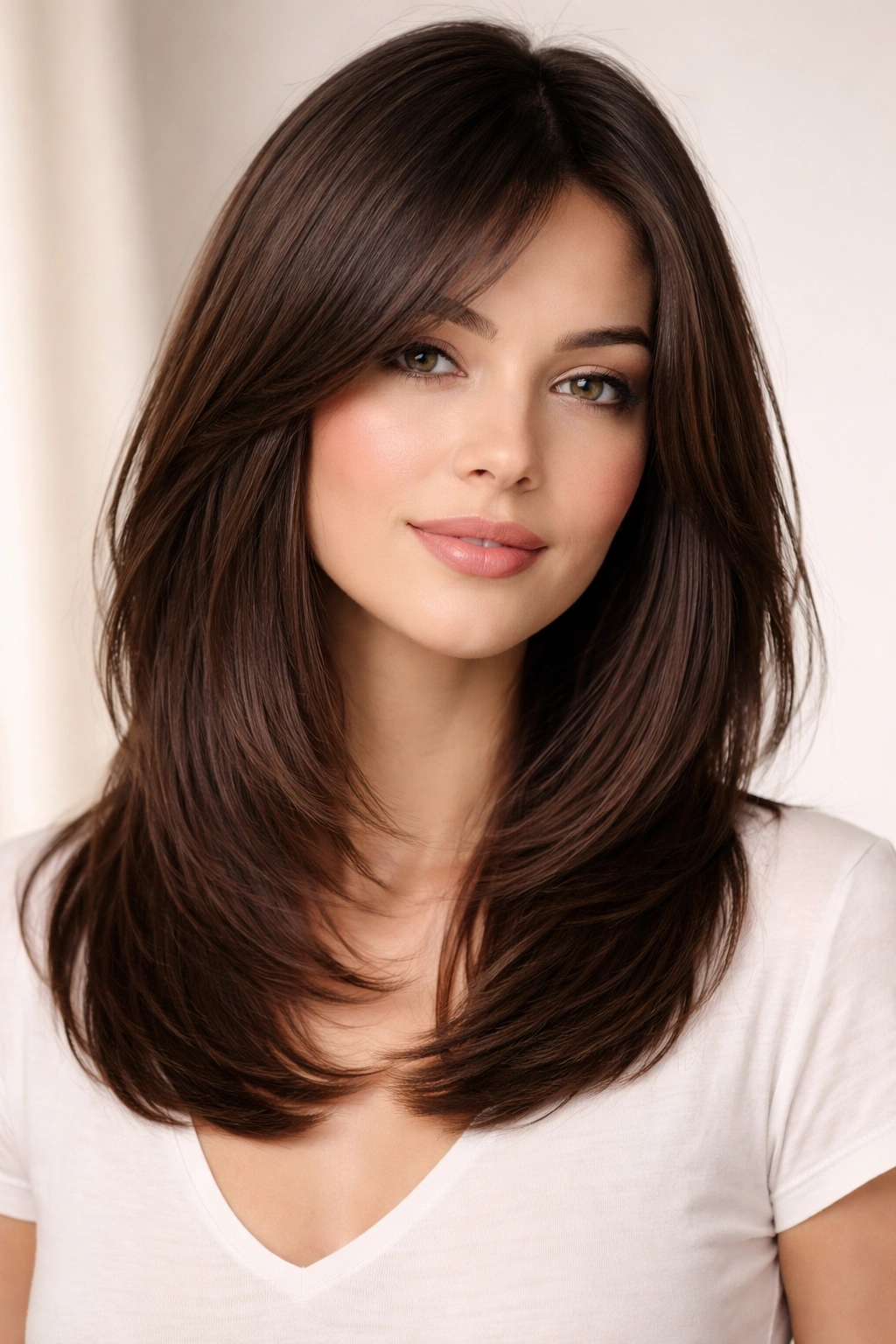
A timeless choice that works on nearly everyone, the classic shoulder-length layered cut features longer layers that fall right at or just below the shoulders, with progressively shorter layers toward the crown that create texture and movement. This cut works especially well for straight hair because each layer catches light differently, creating visual dimension without needing waves or curls to fake fullness.
Why It Works for Straight Hair
The beauty of this cut is its versatility and low-maintenance nature. Straight hair naturally shows off layered geometry, and this particular style lets your hair dry into a flattering shape without requiring a curling iron or special products. The layers create enough movement to feel intentional while still maintaining the sleek quality that makes straight hair so striking.
Key Features and Styling
- Face-framing layers start around cheekbone length, drawing attention to your eyes and softening angular features
- Graduated layers through the mid-lengths add volume at the crown without creating bulk at the bottom
- Blunt or slightly textured ends keep the cut looking polished and defined
- Styling flexibility means you can wear it sleek and smooth or tousled with texture cream for a more relaxed vibe
- Minimal upkeep — trims every 6-8 weeks keep the layers looking sharp
Pro tip: Ask your stylist to cut the layers with a slight angle rather than perfectly horizontal; this creates subtle movement that looks intentional on straight hair.
2. The Modern Shag
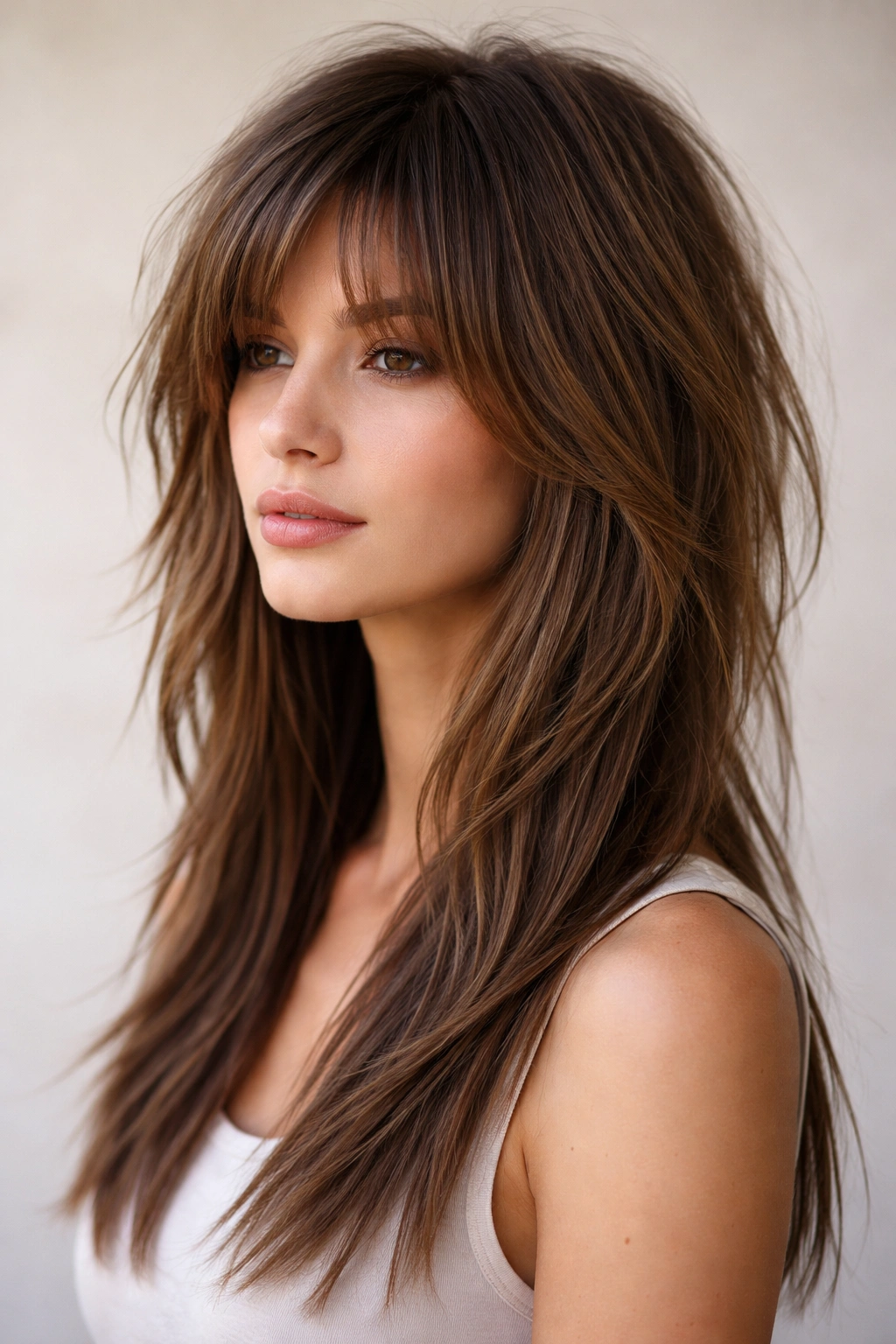
Don’t confuse this with the shags from the ’70s — the modern shag is a sophisticated, textured cut that layers shorter pieces throughout the crown and mid-lengths while keeping longer layers at the bottom. On straight hair, this creates a deliberately choppy, textured look that feels contemporary and fashion-forward without appearing unkempt.
Why It Stands Out
The modern shag works beautifully on straight hair because the contrast between short and long layers is super visible and defined. There’s an intentionality to the choppiness that reads as editorial rather than accidental, especially when the cut is executed with precision.
How to Make It Work
- Shorter, textured crown layers create lift and prevent the style from looking flat or limp
- Longer underneath layers maintain length and movement throughout the style
- Choppy, piece-y cutting technique that emphasizes individual strands rather than blending seamlessly
- Styling with texture cream or sea salt spray enhances the layered, tousled effect
- Regular trims every 4-6 weeks keep the choppy layers defined and prevent raggedness
Insider note: This cut looks best when you’re willing to style it with product — it’s not a wash-and-go style, but the styling time is minimal once you get the routine down.
3. The Feathered Long Layers
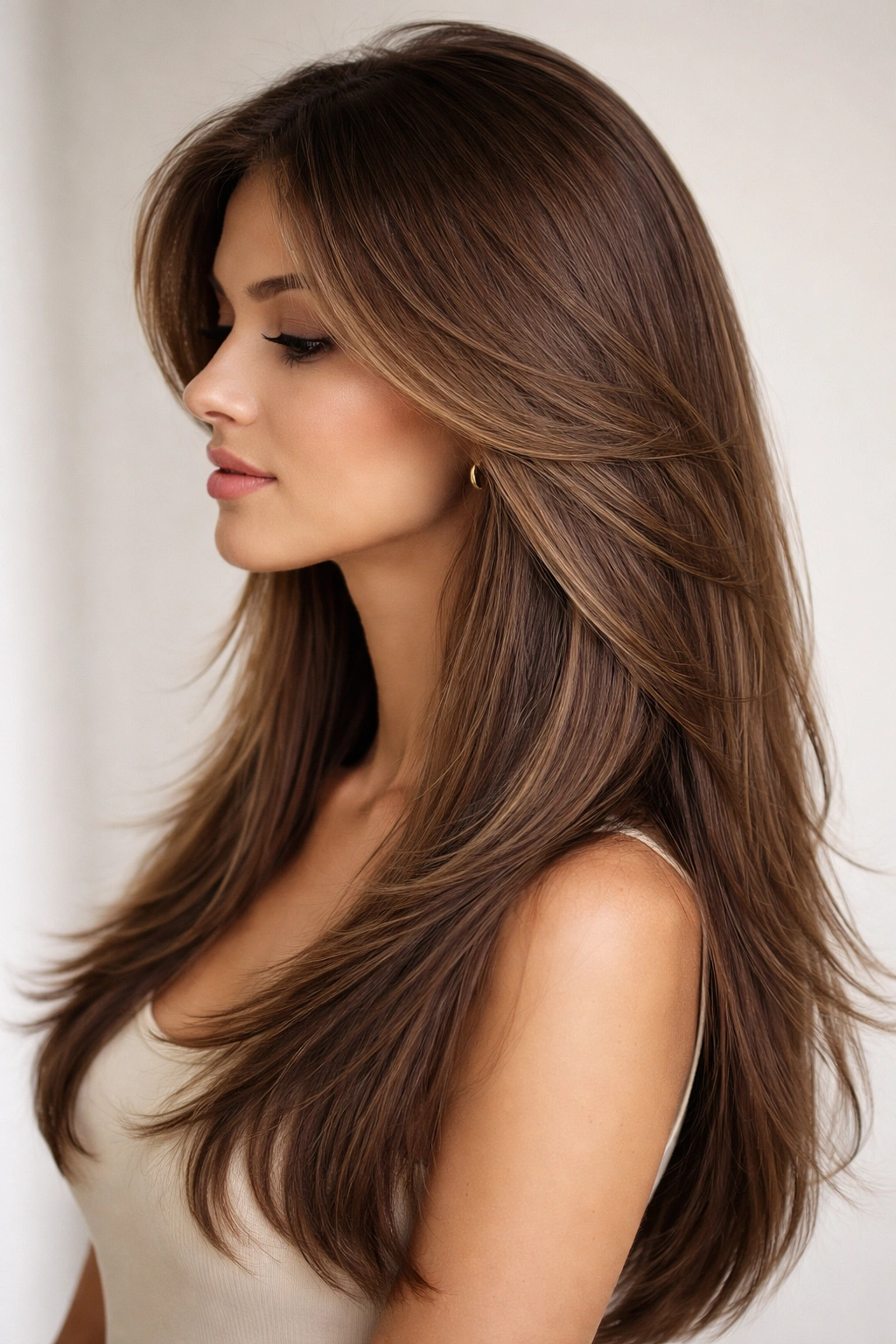
Feathered layers are shorter at the crown and graduate longer toward the bottom, creating a bird-wing effect that’s both elegant and practical. The layers in this style are cut at an angle rather than blunt, which on straight hair creates a feathered, almost flowing quality without needing any natural texture.
What Makes It Different
Feathered layers have been popular across multiple decades because they’re genuinely flattering, and they work especially well on straight hair where the clean lines of the feathering are clearly visible. This style feels softer and more romantic than choppy or shaggy alternatives.
Styling and Maintenance
- Face-framing pieces create softness around the face while longer layers extend down the back
- Angled cutting technique creates the signature feathered appearance with minimal styling required
- Volume at the crown without heaviness — the graduated lengths distribute weight naturally
- Works with both straight and slightly undone styling depending on your mood and occasion
- Versatile across hair colors — the layers create dimension even on solid-color straight hair
Worth knowing: Feathered layers can show split ends more readily than blunt cuts because of the angle of the layers, so regular trims (every 6-8 weeks) are important.
4. The Razor-Sharp Choppy Layers
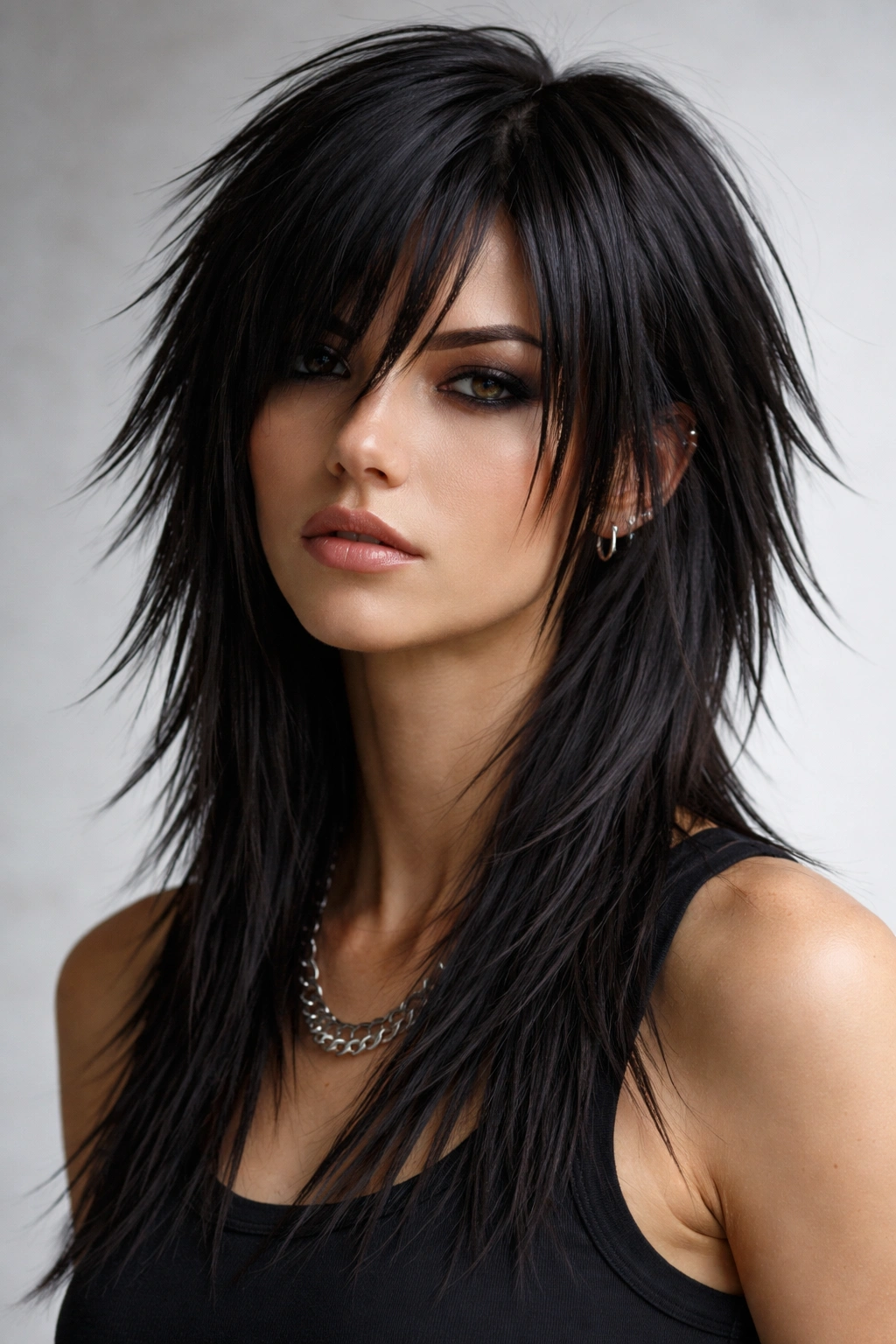
This is an edgy, high-impact cut that uses a razor to create intentionally jagged, piece-y layers throughout the entire head. On straight hair, this technique creates a distinctly modern, almost punk-inspired aesthetic that makes a real statement.
The Visual Impact
Razor-cut layers are super visible on straight hair, creating a bold textured effect that looks intentional and artistic. This is not a subtle cut — it’s designed to stand out and make a style statement, which means it works best when you’re willing to let people notice your hair.
Technical Details
- Razor-cut technique (not scissors) creates sharp, defined lines that don’t blend
- Shorter layers throughout the crown for lift and movement
- Longer underneath layers that maintain some length and flow
- Often enhanced with texture — blow-drying with a styling product emphasizes the layers
- More frequent trims needed — every 4-6 weeks to keep the choppy effect looking intentional
Pro tip: This cut pairs beautifully with color blocking or dimensional color work that emphasizes the separate layers.
5. The Textured Pixie-to-Bob Transition
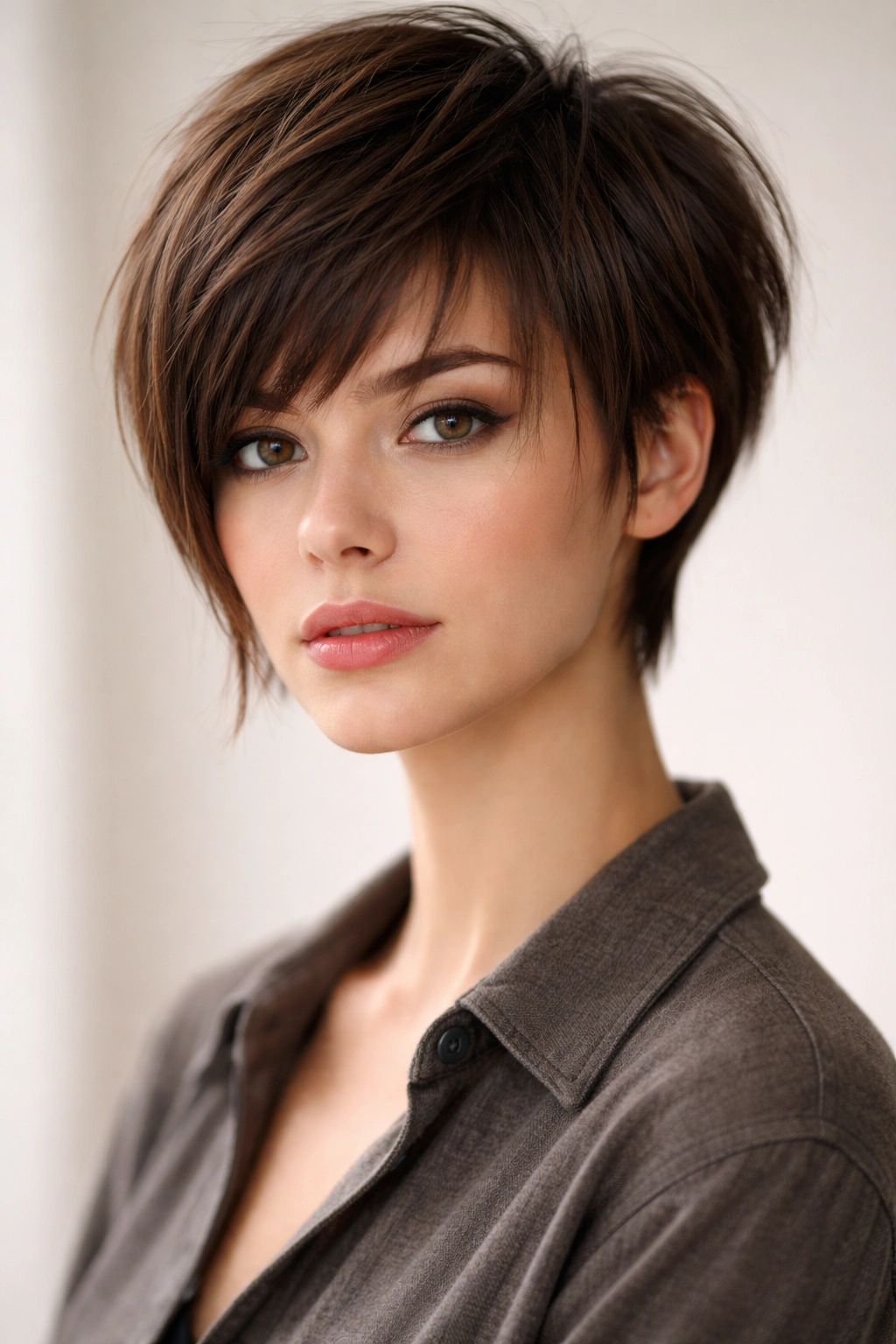
This is a short, layered cut that sits somewhere between a pixie and a bob, with the crown cut very short for maximum texture and the bottom longer for wearability. It’s perfect for straight hair because the precision of the cut shows up beautifully on your natural texture.
Why Straight Hair Excels Here
Short, layered cuts require clean, defined lines to look intentional rather than messy, and straight hair naturally provides exactly that. Every layer is visible and separate, which means the cut looks polished and deliberate.
Cut and Style Specifics
- Textured, choppy crown layers create lift and movement without needing anything to set the shape
- Gradually longer sides and back that can be styled forward or pushed back depending on preference
- Works with and without styling products — looks good sleek or with a bit of texture cream
- Minimal daily styling required — mostly just needing to blow-dry and go
- Face-framing potential with longer side pieces that soften angular features
Insider note: This cut shows hair growth quickly, so plan for trims every 3-4 weeks if you want to maintain the crisp, textured appearance.
6. The Blunt Lob with Subtle Layers
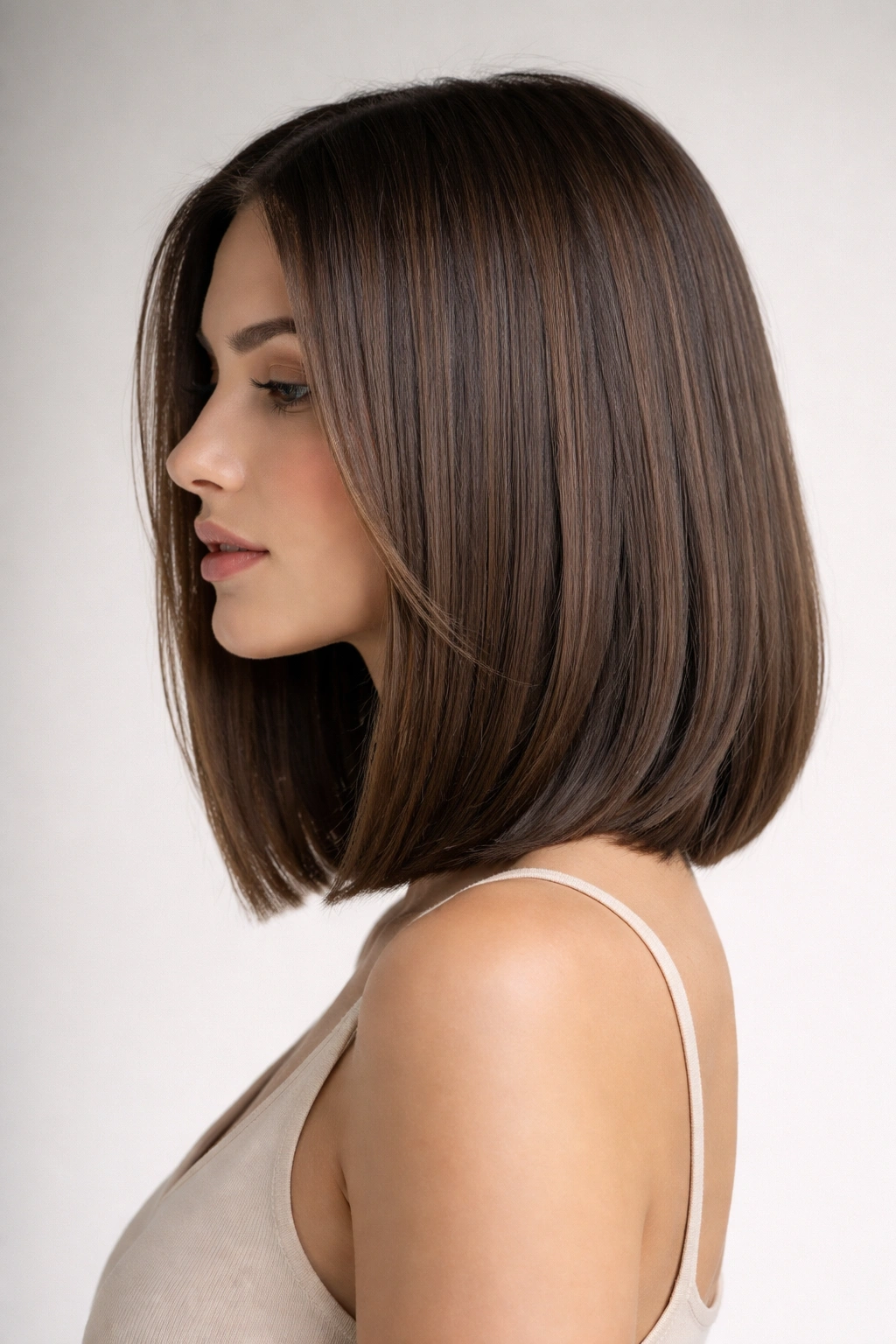
A lob (long bob) with subtle internal layers is one of the most wearable styles for straight hair — it sits somewhere between a bob and longer hair, with just enough layering to create movement without sacrificing the clean lines that make straight hair so striking.
Why It’s So Popular
This cut delivers the best of both worlds: the sophistication and structure of a bob with the versatility and length of longer hair. The subtle layers prevent it from looking blunt and heavy, but they’re not so aggressive that they create chopped texture.
Cut Structure
- Blunt line at cheekbone or collarbone length creates a polished, intentional silhouette
- Internal layers that aren’t visible from the outside, creating movement without disrupting the clean line
- Face-framing layers that start around the cheekbones and create softness around the face
- Minimal styling requirement — the cut is designed to fall into place when your hair dries naturally
- Deeply versatile — works with both professional and casual styling
Worth knowing: This cut needs a really skilled stylist to execute properly, so the layers need to be perfectly placed to create the desired effect without making the line look choppy.
7. The Shaggy Midi
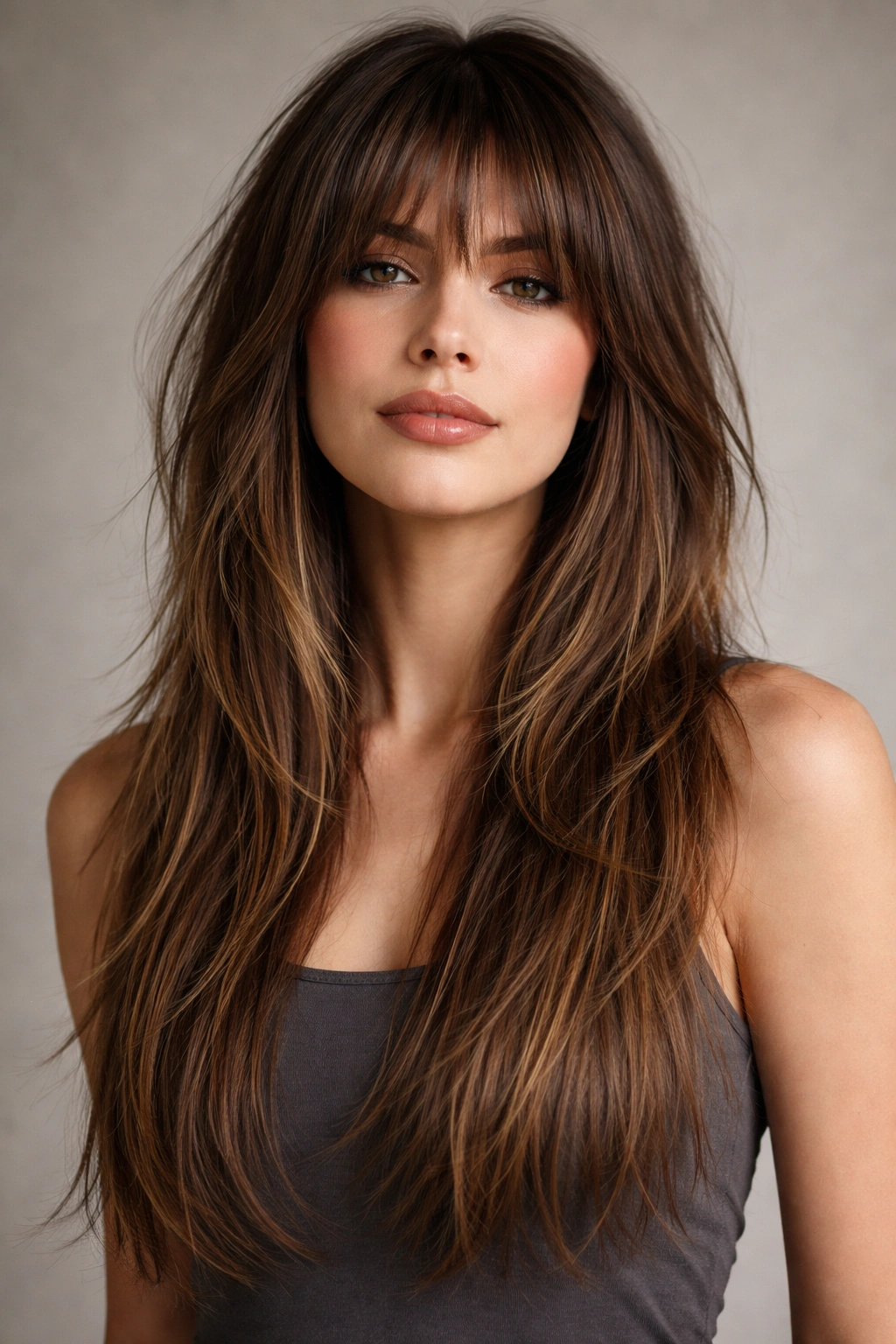
A midi-length (somewhere between shoulder and waist) shaggy cut layers throughout the crown and mid-lengths while keeping the bottom substantially longer, creating a rock-and-roll vibe that’s lived-in and intentional. On straight hair, this style reads as effortlessly cool rather than actually effortless.
The Appeal
Shaggy midi cuts work beautifully on straight hair because the layers create texture and movement without needing to rely on natural waves or curls to make the style work. The cut itself creates the shag effect through its structure.
Styling Approach
- Shorter crown layers create lift and prevent the style from looking flat or one-dimensional
- Longer underneath layers maintain length and flow throughout the style
- Choppy, textured cutting technique throughout creates intentional piece-iness
- Styling with dry texturizing spray or sea salt spray enhances the layered effect
- Works as a statement style that clearly communicates a fashion-forward aesthetic
Pro tip: This cut looks best when you’re willing to style it and show off those layers — it’s less of a wash-and-go style and more of a “I’m making a look” situation.
8. The Face-Framing Money Pieces
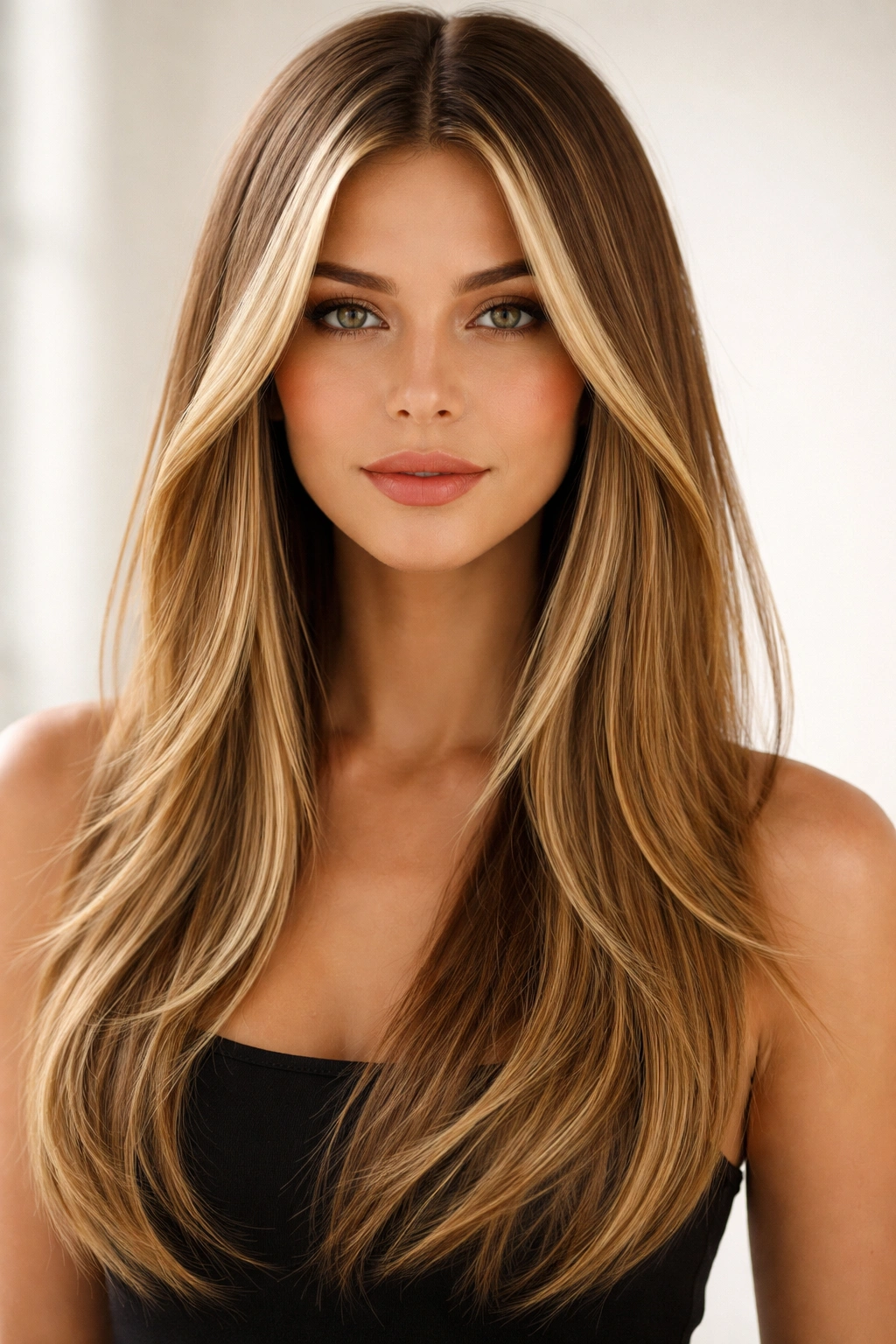
Money pieces are long, face-framing layers that start very close to the face and extend down much longer than the rest of the hair, creating an almost frame-within-a-frame effect. This technique works stunningly on straight hair because the contrast between the short face-framing pieces and the longer underneath layers is beautifully defined.
Visual Impact
Money pieces instantly draw attention to the face and make even subtle facial features feel more prominent and beautiful. On straight hair, the clean lines of these longer pieces create an elegant, intentional look that reads expensive and polished.
Technical Elements
- Long, face-framing layers that sit several inches shorter than the rest of the hair, typically falling between cheekbone and shoulder length
- Rest of the hair kept longer — anywhere from shoulder to waist length — to maintain the dramatic contrast
- Creates face-framing effect that slims round faces and adds width to narrow faces depending on how they’re styled
- Pairs beautifully with straight styling or with subtle waves for a more relaxed vibe
- Require regular maintenance — trims every 6-8 weeks keep the contrast sharp
Insider note: Money pieces look especially striking when you’re willing to style the face-framing pieces slightly differently than the rest of your hair — sometimes they look best with a subtle bend or wave while the rest stays straight.
9. The Disconnected Choppy Cut
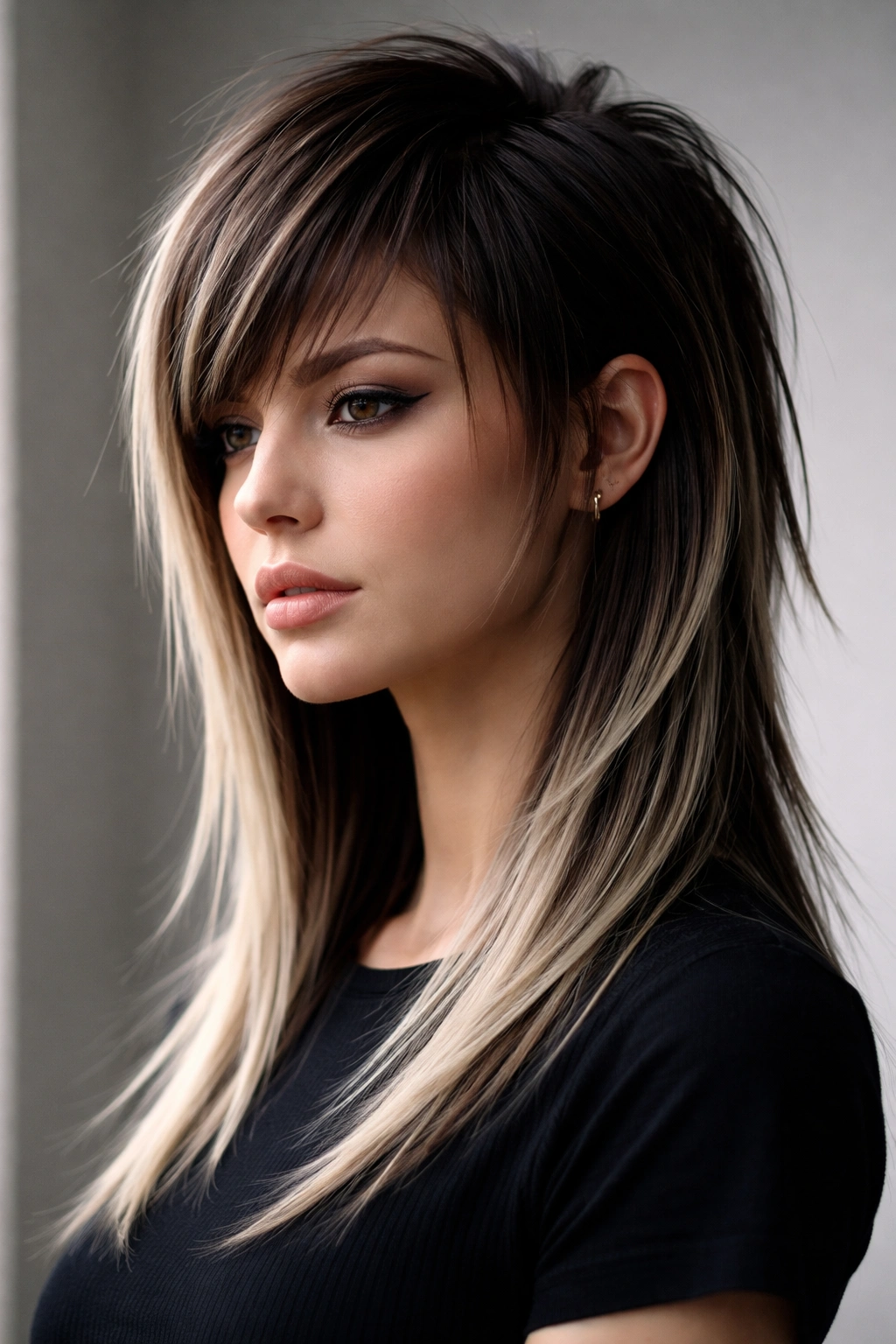
A disconnected cut is one where the layers don’t blend seamlessly from short to long, but instead have distinct jumps in length that create a deliberately jagged, fashion-forward aesthetic. This is a bold choice that works beautifully on straight hair where every disconnection is crystal clear.
Why Straight Hair Is Ideal
Disconnected choppy cuts require clean, defined lines to look intentional, which is where straight hair shines. On wavy or curly hair, disconnected layers can look accidental; on straight hair, they read as a deliberate, artistic choice.
Cut Characteristics
- Multiple distinct length changes throughout the cut create visual interest and movement
- Shorter crown layers for lift and preventing flatness
- Longer underneath layers that create flow and movement
- Sharp, defined lines between different lengths rather than seamless blending
- Styling can be minimal or more elaborate depending on the specific variation
Pro tip: Pair this cut with a color strategy that emphasizes the different lengths — sometimes using slightly different tones or highlights on different layers makes the cut even more striking.
10. The Textured Wolf Cut
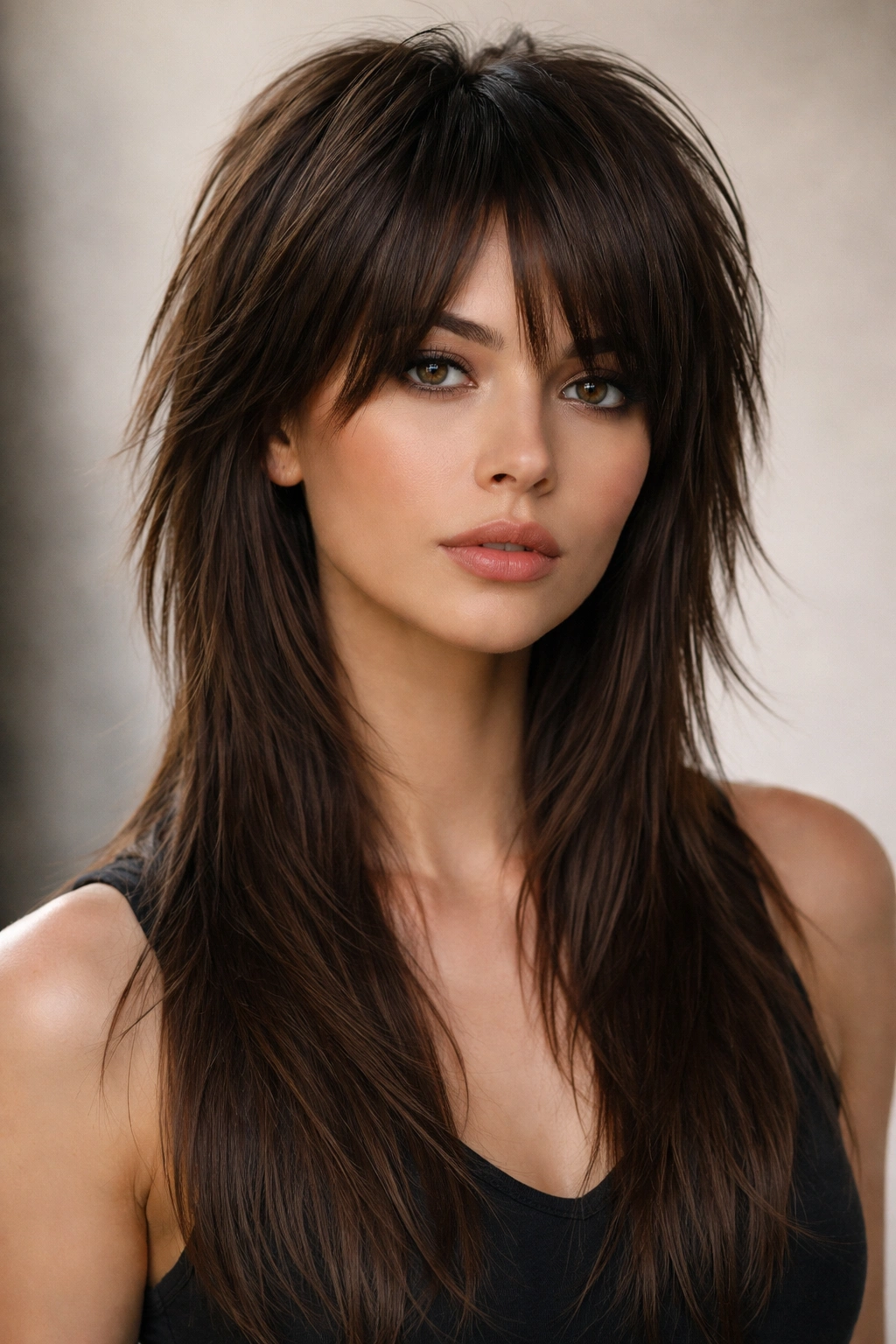
A wolf cut is a hybrid between a mullet and a shag, combining short, choppy layers on top with longer length in the back, and it’s having a serious moment in contemporary style. On straight hair, a wolf cut creates a dramatic, fashion-forward look that’s unmistakably modern.
Why It Works on Straight Hair
The visual impact of a wolf cut depends entirely on clean, defined layers, which straight hair naturally provides. Every layer is visible and distinct, making the cut look intentional and polished rather than accidental.
Structure and Styling
- Short, textured crown layers create lift and edge at the top
- Longer, less-layered back section creates drama and length contrast
- Often incorporates longer side pieces that can frame the face or be styled back
- Styling with texturizing product enhances the separation between different sections
- Makes a bold statement — this is not a subtle, blending style
Worth knowing: This cut shows off personal style clearly, so it works best for people who are willing to make a style statement and comfortable being a bit daring with their hair.
11. The Shoulder-Grazing Textured Shag
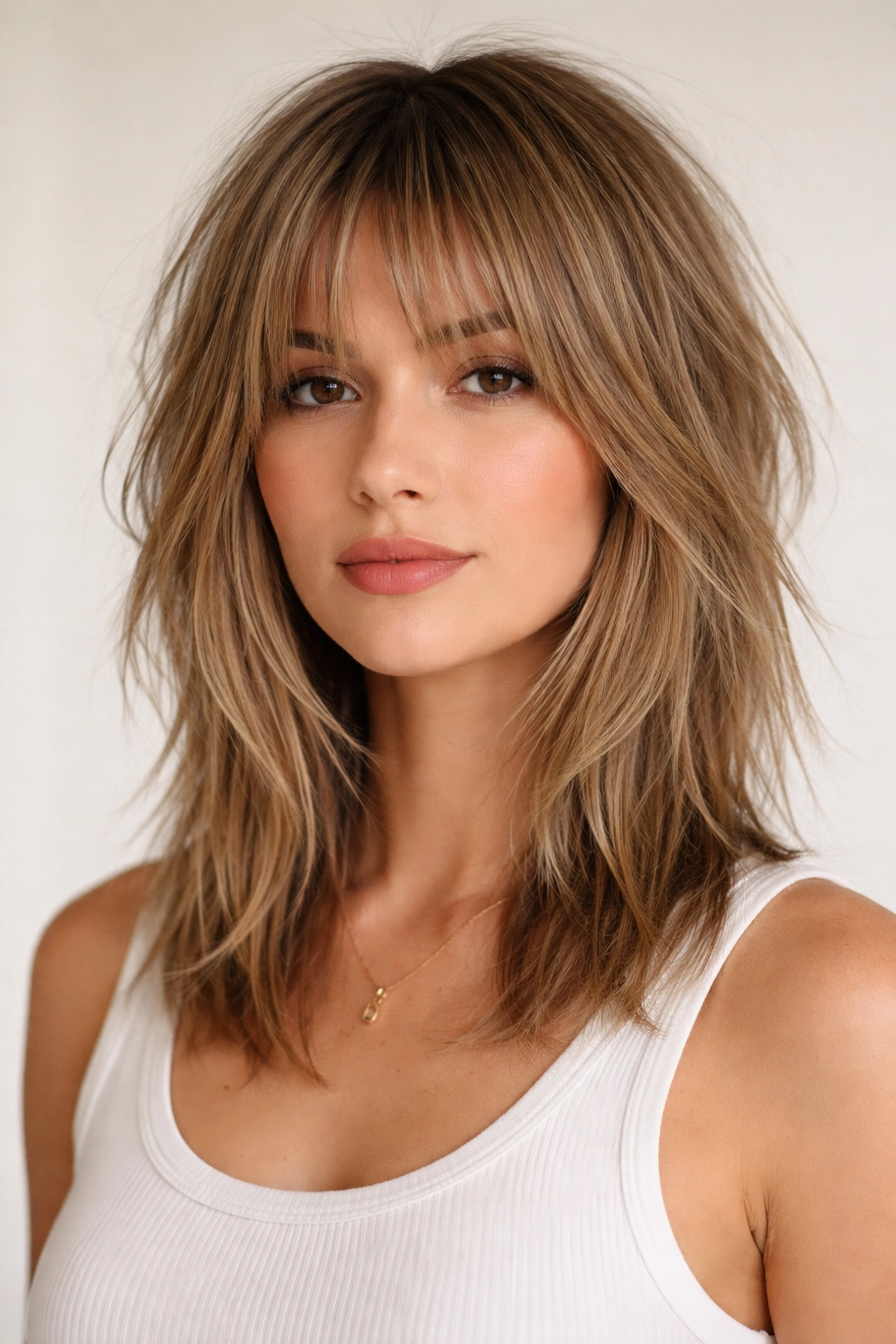
A textured shag that falls right around shoulder length combines the ease of a shorter cut with the drama of layered texture. This style layers throughout the entire head, creating intentional piece-iness that on straight hair reads as artfully tousled.
The Sweet Spot
This cut sits at the perfect length for versatility — long enough to style multiple ways, short enough to feel fresh and modern, and with enough layers to create movement and dimension. It’s an increasingly popular choice for straight hair because it balances sophistication with a lived-in aesthetic.
Key Features
- All-over layers create texture and movement throughout the entire head
- Shorter at the crown for lift and to prevent flatness
- Choppy, piece-y cutting technique that emphasizes individual strands
- Falls around the shoulders for an easy, modern length
- Requires some styling with texture products but doesn’t need curling tools
Pro tip: This cut looks amazing when you’re willing to use a bit of dry texturizing spray or sea salt spray — it enhances the layered effect and makes the intentional piece-iness stand out.
12. The Geometric Precision Cut
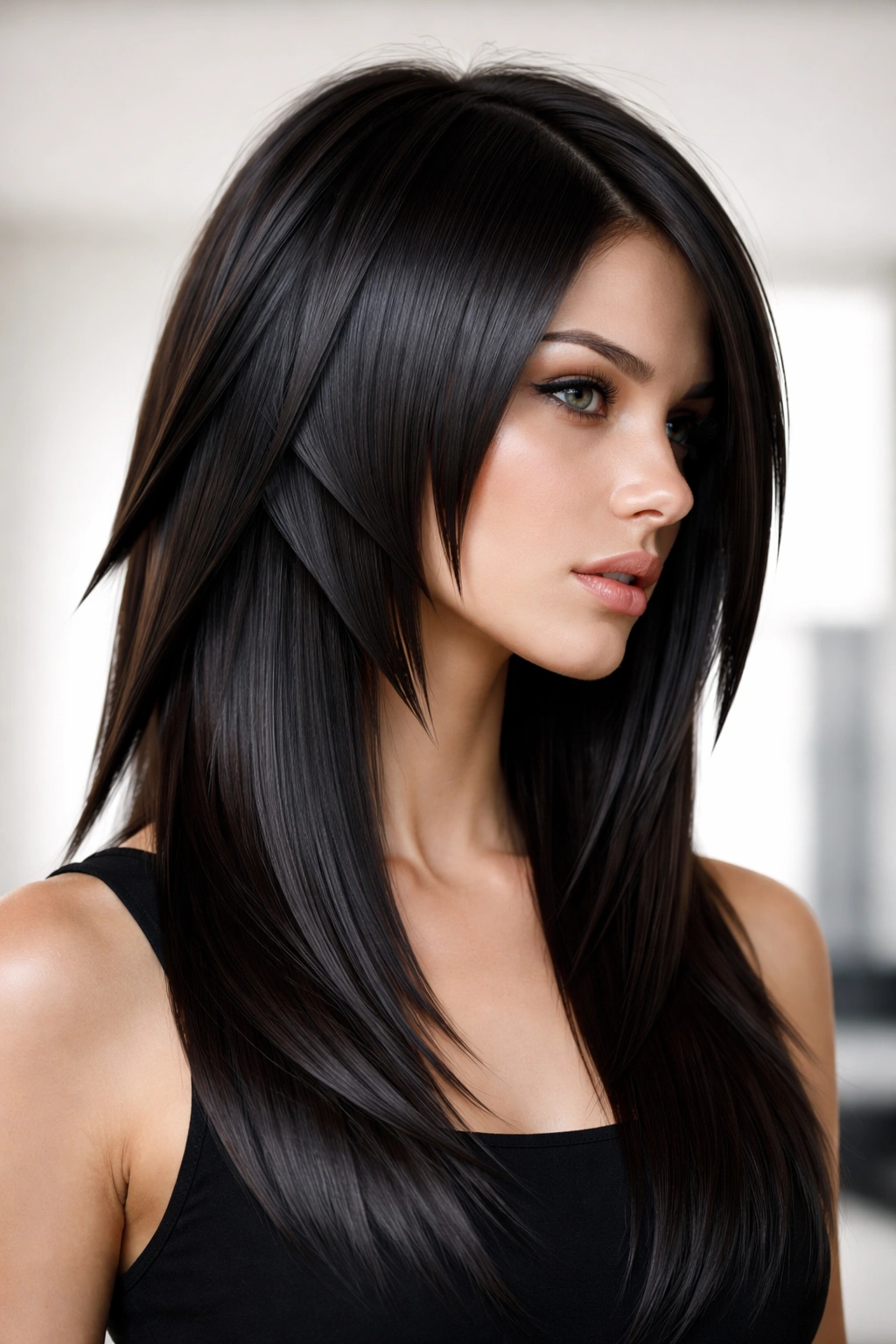
A geometric precision cut uses clean, mathematical lines to create a ultra-modern, almost architectural aesthetic. Layers in this style are intentionally angled and exact, creating a style that on straight hair looks like wearable art.
Modern Aesthetic
Geometric cuts represent contemporary, high-fashion styling, and they look particularly striking on straight hair where the clean lines and sharp angles are crystal clear. This is the kind of cut that gets noticed and appreciated by people who understand cutting technique.
Technical Aspects
- Precisely angled layers create geometric shapes and lines throughout the cut
- Sharp, defined lines that are intentionally non-blended
- Often asymmetrical in the placement of layers for added visual interest
- Requires a highly skilled stylist to execute properly
- Styling is minimal — the cut is designed to look structured and intentional as-is
Insider note: This cut pairs beautifully with strong color work or even a monochromatic color strategy that lets the cut itself be the star.
13. The Piece-y Crop
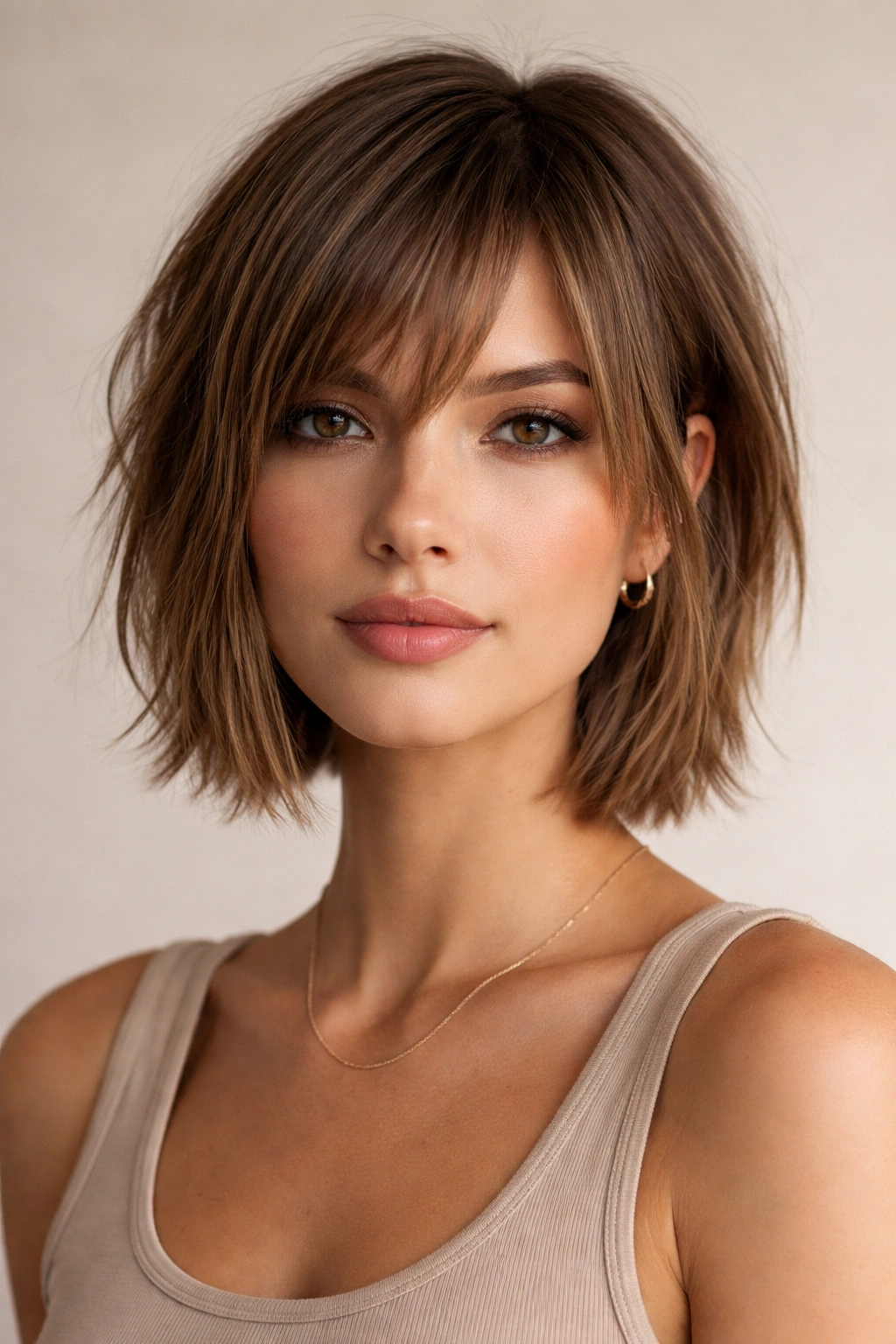
A piece-y crop is a shorter cut (typically chin-length or above) that uses choppy, textured layers to create a deliberately undone, fashion-forward vibe. On straight hair, this reads as deliberately cool and intentional rather than actually undone.
Why It’s So Striking
Short, layered cuts on straight hair have an architectural quality that makes them feel modern and high-fashion. A piece-y crop makes a clear statement and works beautifully for people who want their hair to reflect an artistic, fashion-forward sensibility.
Cut Details
- Choppy, textured layers throughout create piece-iness and movement
- Shorter overall length — typically chin-length or shorter
- Face-framing capability with slightly longer pieces around the face
- Minimal styling required though styling with product enhances the textured effect
- Shows personality and style — not a safe, blending choice
Worth knowing: This cut requires more frequent trims (every 3-4 weeks) to maintain the crisp, intentional choppy effect and prevent it from looking shaggy or unkempt.
14. The Cascading Long Layers
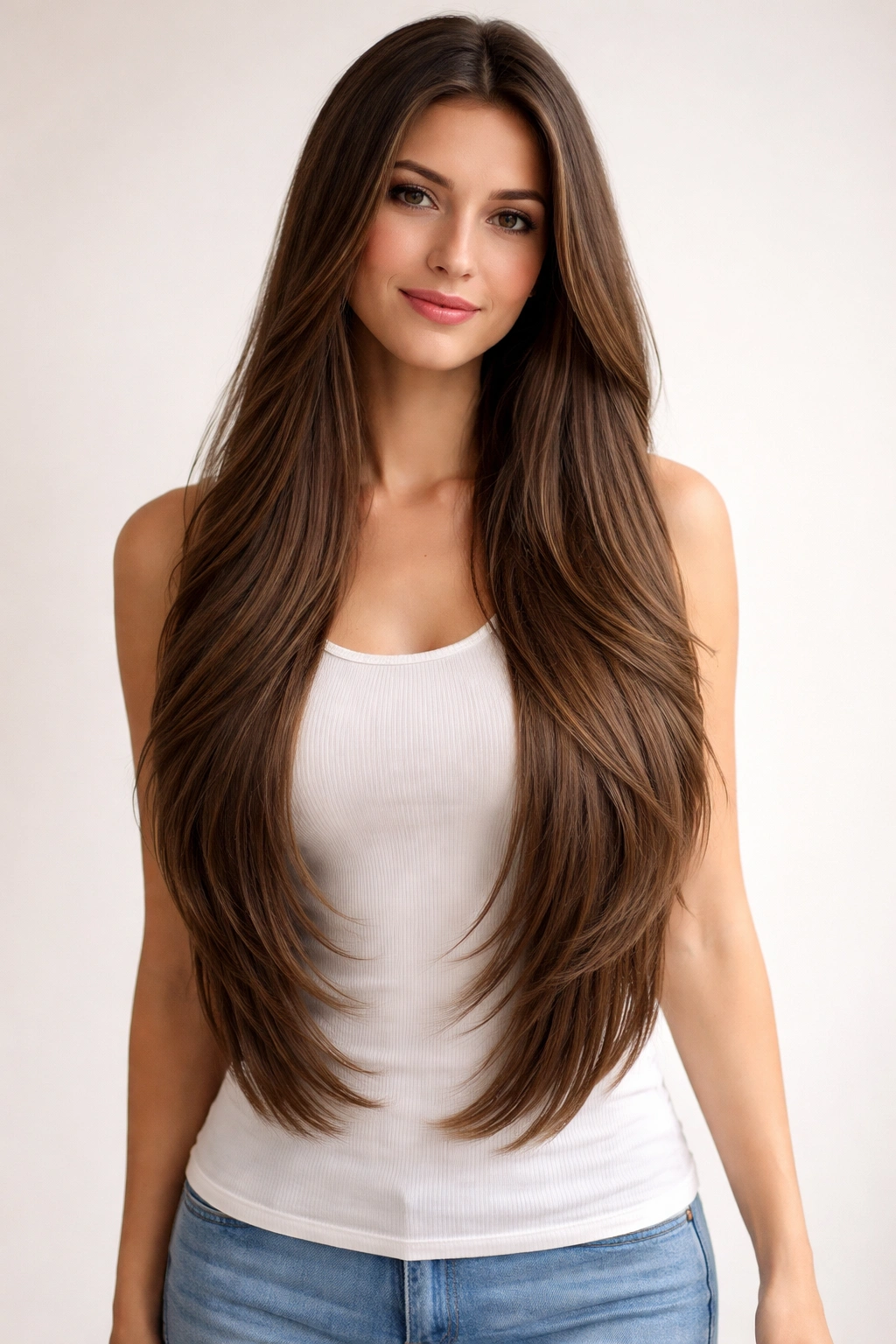
Cascading long layers create a style where each layer is noticeably shorter than the one beneath it, creating a cascading, almost waterfall effect that on straight hair looks fluid and elegant. This is one of the most beautiful applications of layers for longer hair.
The Effect
Cascading layers create movement and dimension throughout long hair without sacrificing length where you want it. On straight hair, the effect is particularly striking because each layer is clearly visible and defined, creating beautiful visual depth.
Structure and Styling
- Progressively shorter layers from bottom to top create the cascading effect
- Maximum visual movement without needing waves or curls
- Works beautifully with long, straight hair down to the waist or longer
- Can be worn completely straight or with subtle waves depending on your preference
- Face-framing shorter pieces create softness around the face
Pro tip: This style works especially well when you’re willing to maintain the layers with regular trims (every 8-10 weeks) so the cascading effect stays clean and defined.
15. The Blunt Cut with Hidden Layers
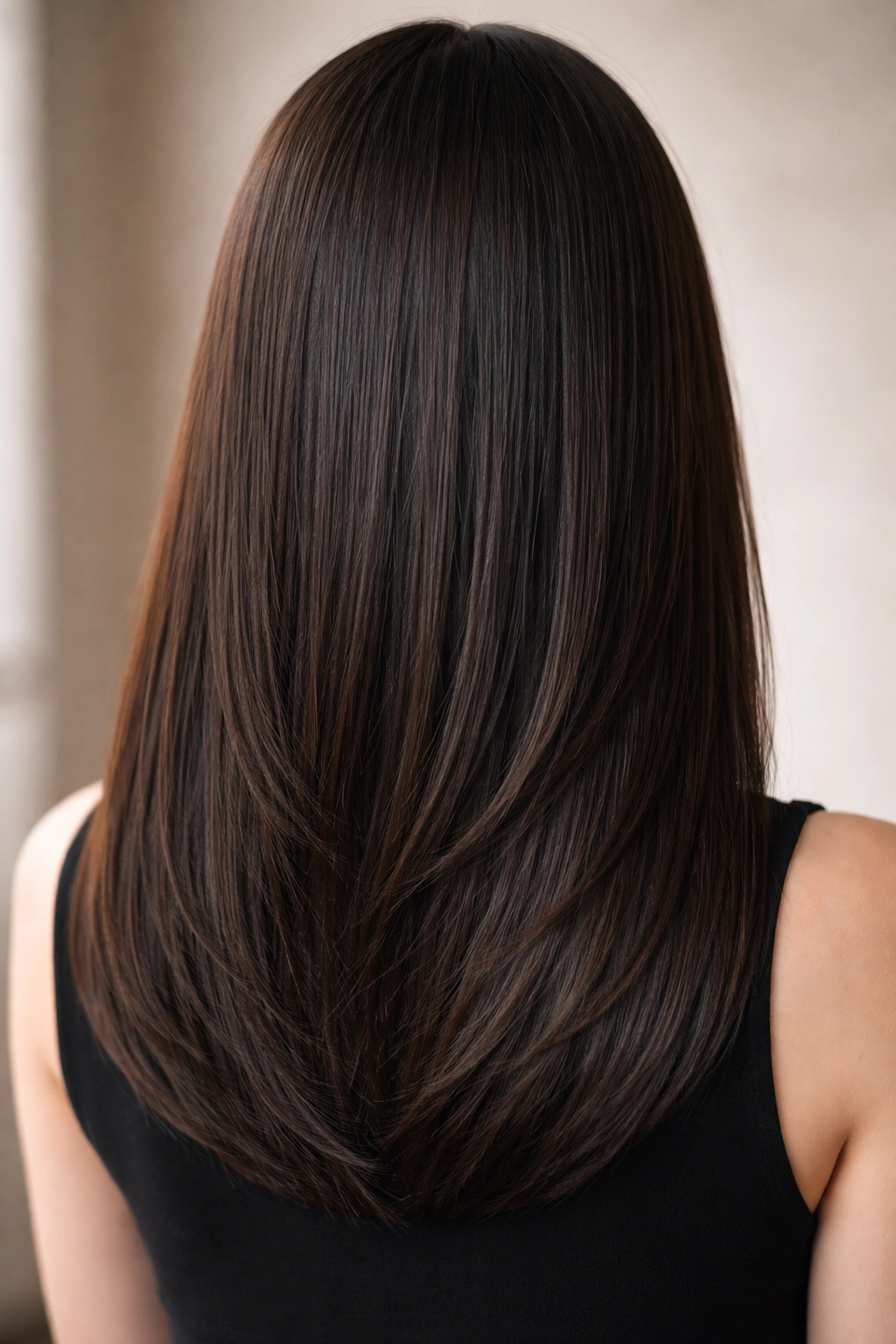
This style appears blunt and sleek from the outside, but features subtle internal layers that create movement and prevent heaviness without being visible as choppy texture. It’s the perfect style for people who want the sophistication of a blunt cut with the wearability of layers.
The Best of Both Worlds
This cut delivers the polished, intentional look of a blunt haircut while actually being much easier to wear because internal layers distribute weight and create natural movement. On straight hair, the external blunt line is clean and striking while the internal layers do the work of creating shape and movement.
Cut Strategy
- Clean, blunt external line creates visual polish and intention
- Internal choppy or piece-y layers add movement without disrupting the external silhouette
- Face-framing that’s invisible from the outside but frames your face beautifully
- Minimal styling requirement — the cut is designed to fall into place
- Works across multiple lengths from shoulder to waist
Final insight: This is the cut for people who want to look polished and intentional without looking like they tried too hard — it’s sophisticated, flattering, and surprisingly low-maintenance.
The Bottom Line
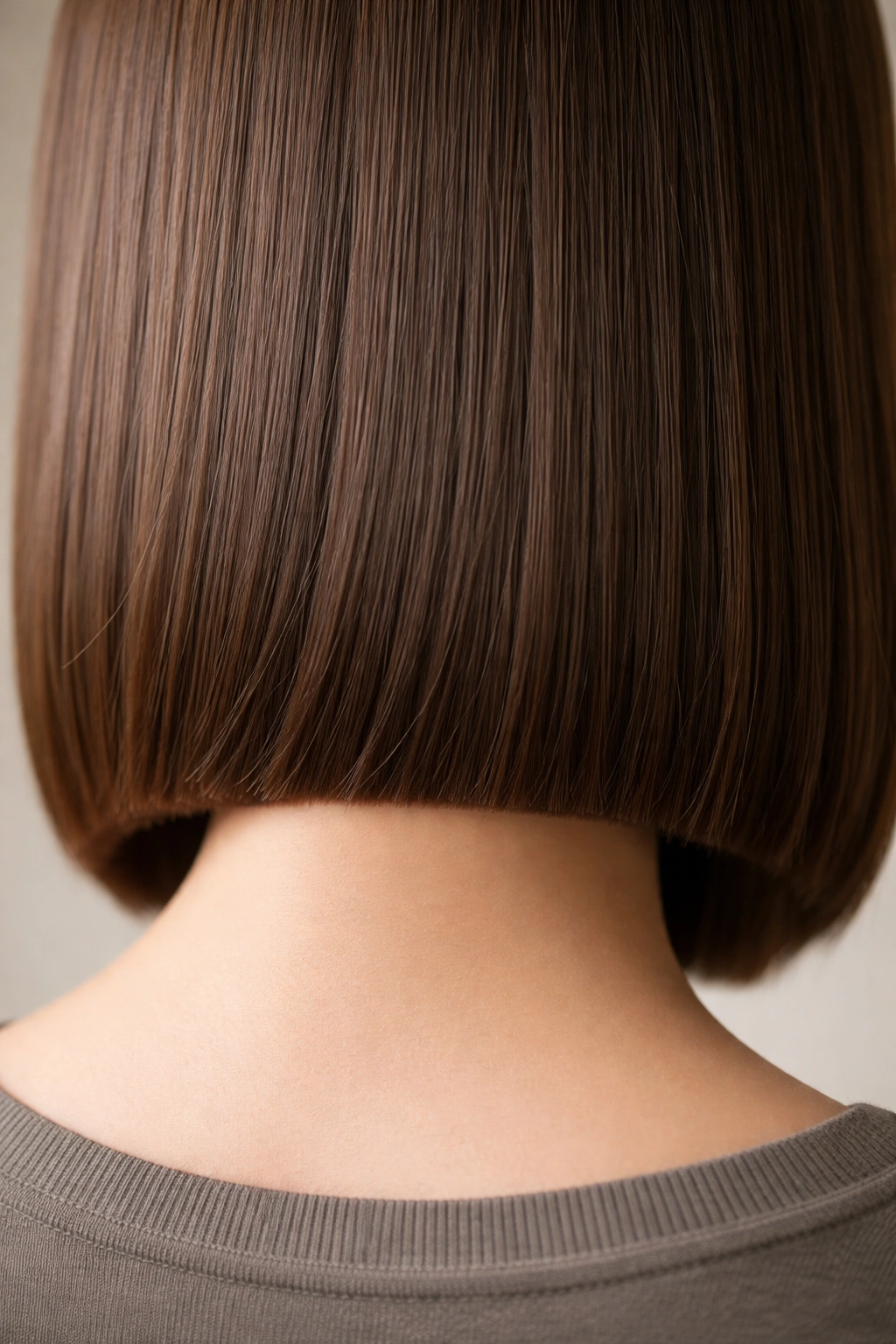
Finding the right layered cut for straight hair comes down to understanding what effect you want to create and how much styling you’re willing to do daily. Some of these cuts are wash-and-go styles that fall into place naturally, while others benefit from texturizing products and intentional styling to look their best. The good news is that straight hair naturally shows off layers beautifully — the geometry is clean, each layer is defined, and the visual impact is immediate.
The most important thing is choosing a stylist who understands your hair type and can execute layered cuts with precision. Straight hair requires exact cutting technique to look intentional rather than choppy, and the difference between a great layered cut and a mediocre one often comes down to the skill of the person holding the scissors. Do your research, look at photos of work from stylists who clearly know how to cut straight hair, and don’t hesitate to invest in a really good cut. A excellent layered haircut can completely transform how you feel about your hair.