



Shoulder-length haircuts have an undeniable appeal—they hit that sweet spot between the freedom of longer hair and the easy manageability of a bob. For people with straight hair, this length offers something even more valuable: the chance to showcase the natural sleekness and shine that makes straight hair so striking. The right cut can amplify that polished, straight-haired advantage while keeping styling time minimal and keeping the silhouette flattering from every angle.
If you’ve been scrolling through hairstyles wondering which shoulder-length cuts would actually work for your straight hair type, you’re thinking strategically. Not every trendy cut suits straight hair equally—some styles that photograph beautifully on wavy or curly textures can look flat or shapeless on straight strands. That’s where understanding which cuts are specifically designed to work with straight hair’s natural properties becomes essential. A well-chosen shoulder-length cut can create movement, add visual texture, define layers strategically, and enhance your face shape in ways that feel effortless when you wake up.
The cuts on this list represent different silhouettes, lengths, and styling approaches—all genuinely flattering for straight hair. Some emphasize bluntness and clean lines, others build in subtle texture through layering, and still others play with angles and asymmetry to create dynamism. Each one comes with real advice on how to ask your stylist for it, why it works particularly well for straight hair, and what kind of styling and maintenance it actually requires (no hidden surprises). Whether you’re looking for something you can style in two minutes or something that rewards a bit more attention, there’s a cut here that matches both your hair type and your lifestyle.
1. The Blunt Shoulder-Length Bob
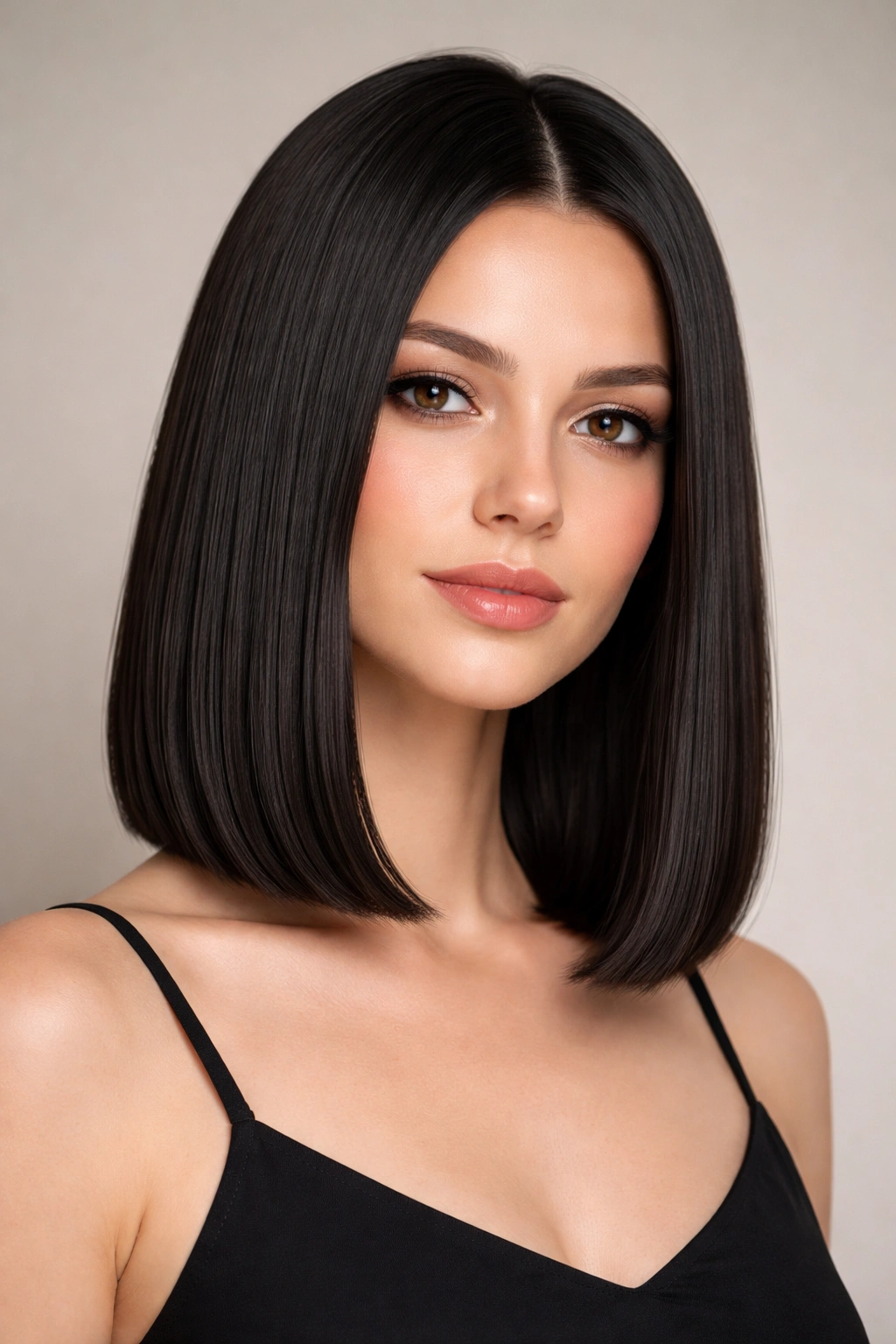
A blunt, chin-grazing or shoulder-length bob is perhaps the gold standard for straight hair. The cut features minimal layering and a clean, heavy line that sits right at or just below your shoulders. Because straight hair naturally resists texture and movement, the weight of a blunt cut works to your advantage—it helps the hair sit with intention and polish rather than looking wispy or thin.
Why It Works So Well for Straight Hair
Straight hair’s best friend is a clean line. A blunt bob emphasizes the sleekness of your hair texture instead of fighting against it. The weight distribution keeps the ends from looking sparse, and there’s no reliance on natural texture to create shape. For straight hair, this means less blow-drying, less product fussing, and more of that enviable, intentional look that makes straight hair stunning.
What Makes It Stand Out
- The cut sits at or just below the shoulders, creating a defined, professional silhouette that frames the face beautifully
- Minimal layering means your straight hair’s natural shine and smoothness become the focal point
- Works equally well with a part down the middle, a side part, or swept back casually
- Requires basic maintenance—just trims every 6-8 weeks to keep the line crisp and intentional
- Can be worn straight and polished for work, or slightly tousled for a relaxed vibe
Pro tip: If you want to add a subtle edge to a blunt bob, ask your stylist for a very gentle curve that follows your shoulders rather than cutting perfectly straight across—it feels softer while keeping that clean-line aesthetic intact.
2. The Straight-Across Bangs with Shoulder-Length Layers
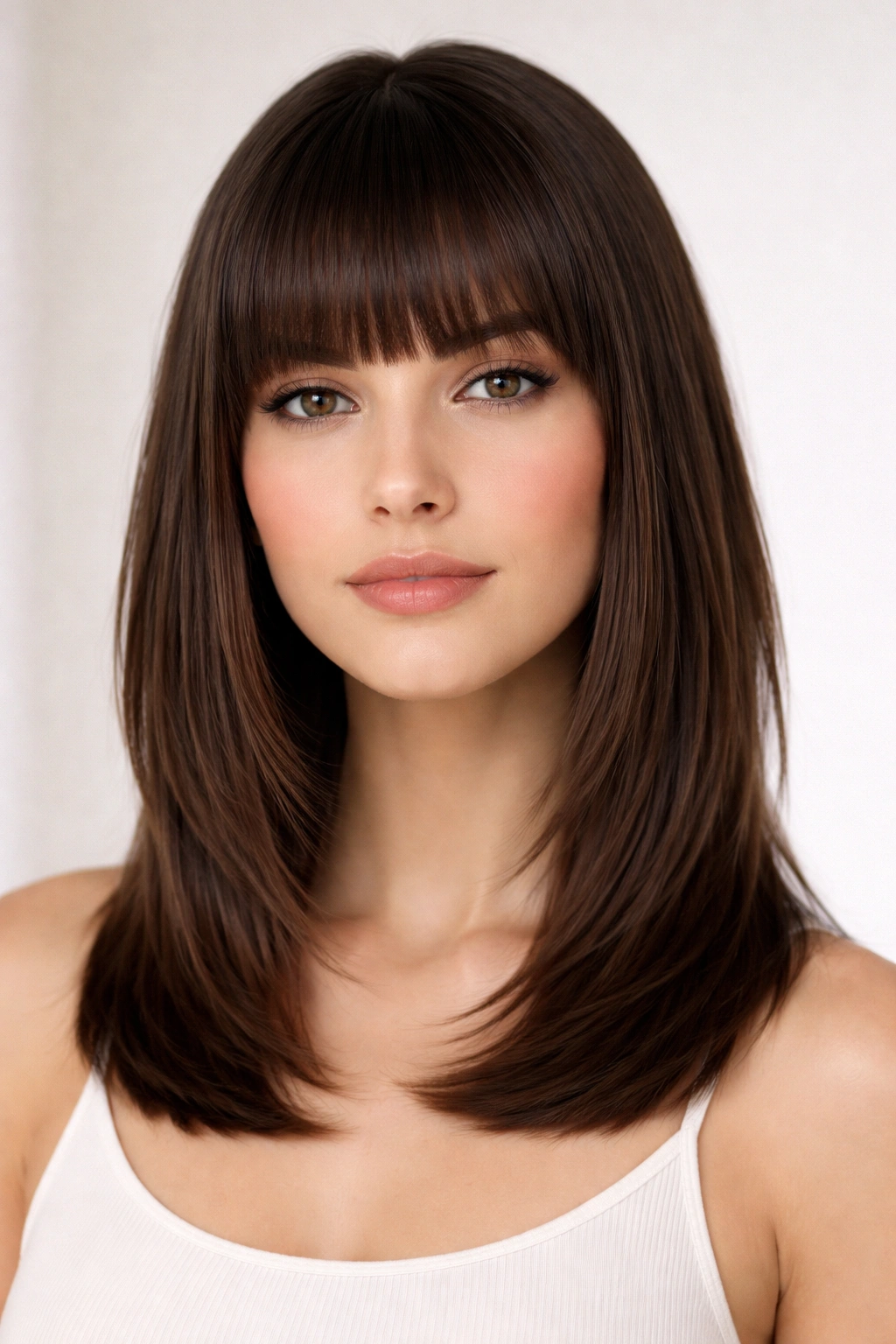
This cut pairs straight bangs (either shorter and dramatic or longer and wispy) with shoulder-length layers throughout the rest of the hair. The bangs create an immediate focal point on the face, while the layers add subtle movement without disrupting the straight-hair advantage. This style works particularly well if you want to draw attention to your eyes or if you’re looking to refresh a straight-haired style with something a bit more fashion-forward.
Why It’s a Strong Choice for Straight Hair
Bangs on straight hair are exceptionally clean and geometric—they don’t curl or flip unpredictably the way they might on wavy hair. This means you get that bold, intentional framing that bangs can provide without the daily styling struggle. The layers underneath keep the overall style from feeling heavy or flat, even though you’re working with straight texture.
Key Details to Know
- Straight-across bangs demand face-framing in a way that draws attention to your eyes and cheekbones, so consider your face shape before committing
- The bangs typically need trimming every 4-6 weeks to maintain their blunt, fresh appearance
- Shoulder-length layers underneath can be anywhere from subtle (just a few choppy pieces) to more textured (denser layering throughout)
- This style pairs beautifully with a sleek, straight aesthetic or a slightly more undone, tousled look depending on your preference
- You’ll want a dry cutting technique from your stylist—this ensures the layers fall exactly as intended on straight hair that won’t shrink as it dries
Worth knowing: If you’re uncertain about committing to bangs, ask your stylist to show you how the layers look without the bangs first—this cut works beautifully either way.
3. The Center-Parted, Choppy Shag
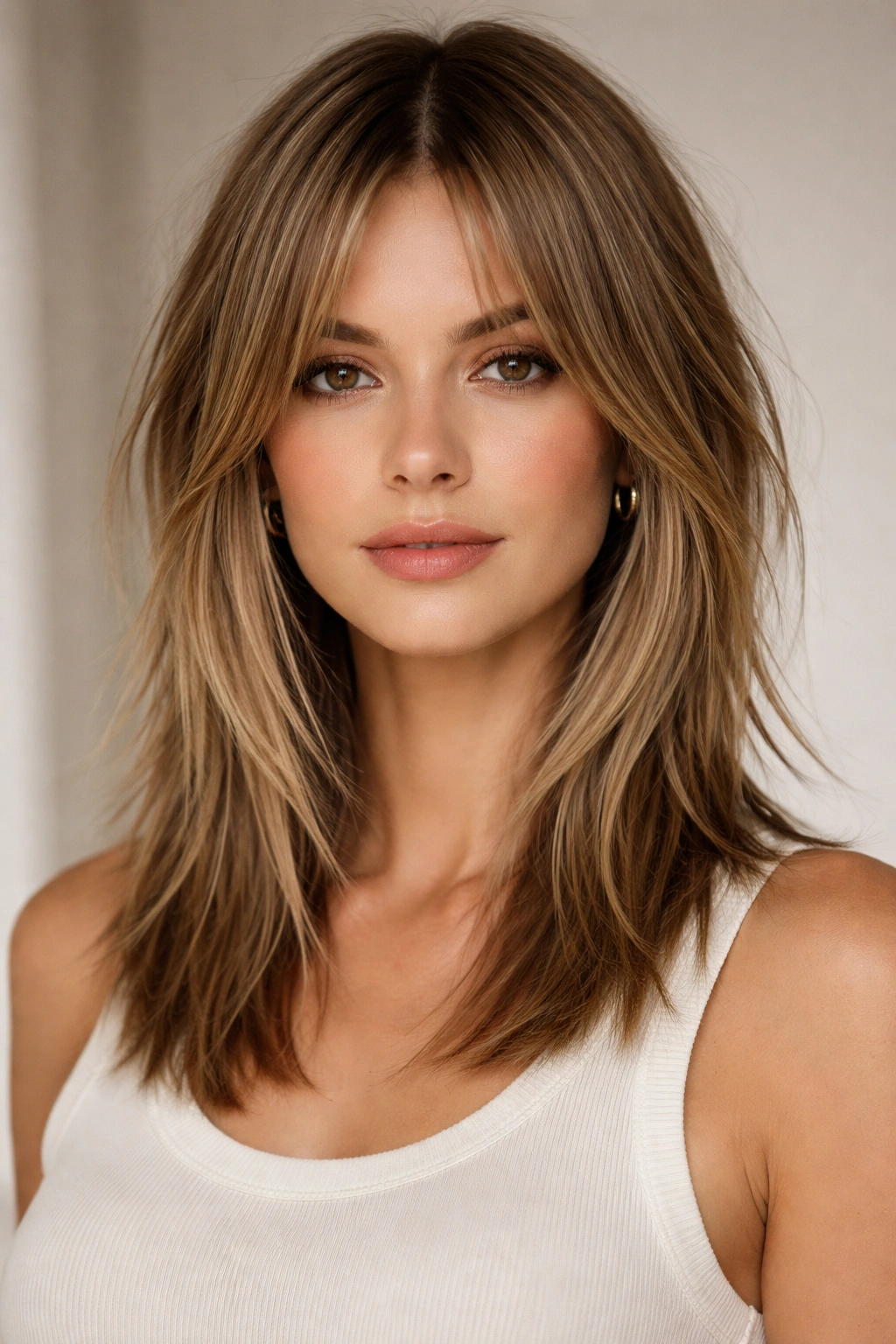
A modern shag on straight hair is entirely different from the feathered shags of decades past. This version features shorter layers on top for volume, longer layers underneath for flow, and usually sits right around shoulder length or slightly longer. The chop and texture are deliberate, creating visual interest without sacrificing that straight-hair sleekness.
Why Straight Hair Elevates This Cut
Shags rely on movement and texture to work, which could seem like a weakness for straight hair—but modern shags on straight hair are actually defined by their sharp, choppy definition rather than by fluffy feathering. The layers are cut more precisely, and the overall effect is edgier and more deliberate than the softer, more romantic shag silhouette.
What to Ask Your Stylist For
- Ask for a shag with strategic layering that creates movement without bulk
- The top should have enough texture to add dimension but short enough that it doesn’t fall flat
- Longer layers underneath should reach shoulder length or slightly past, creating that modern, undone flow
- This cut works best when styled with a center part or a deep side part for maximum impact
- Expect to style with a blow dryer and some texture product (like a texturizing spray or light pomade) to bring out the deliberate choppiness
- Trims every 8-10 weeks help maintain the shape as the layers grow
Quick styling note: This cut shines when you don’t over-style it—the whole point is a slightly undone, editorial edge, so embracing some natural straight texture is part of the appeal.
4. The Asymmetrical Cut with One Side Longer
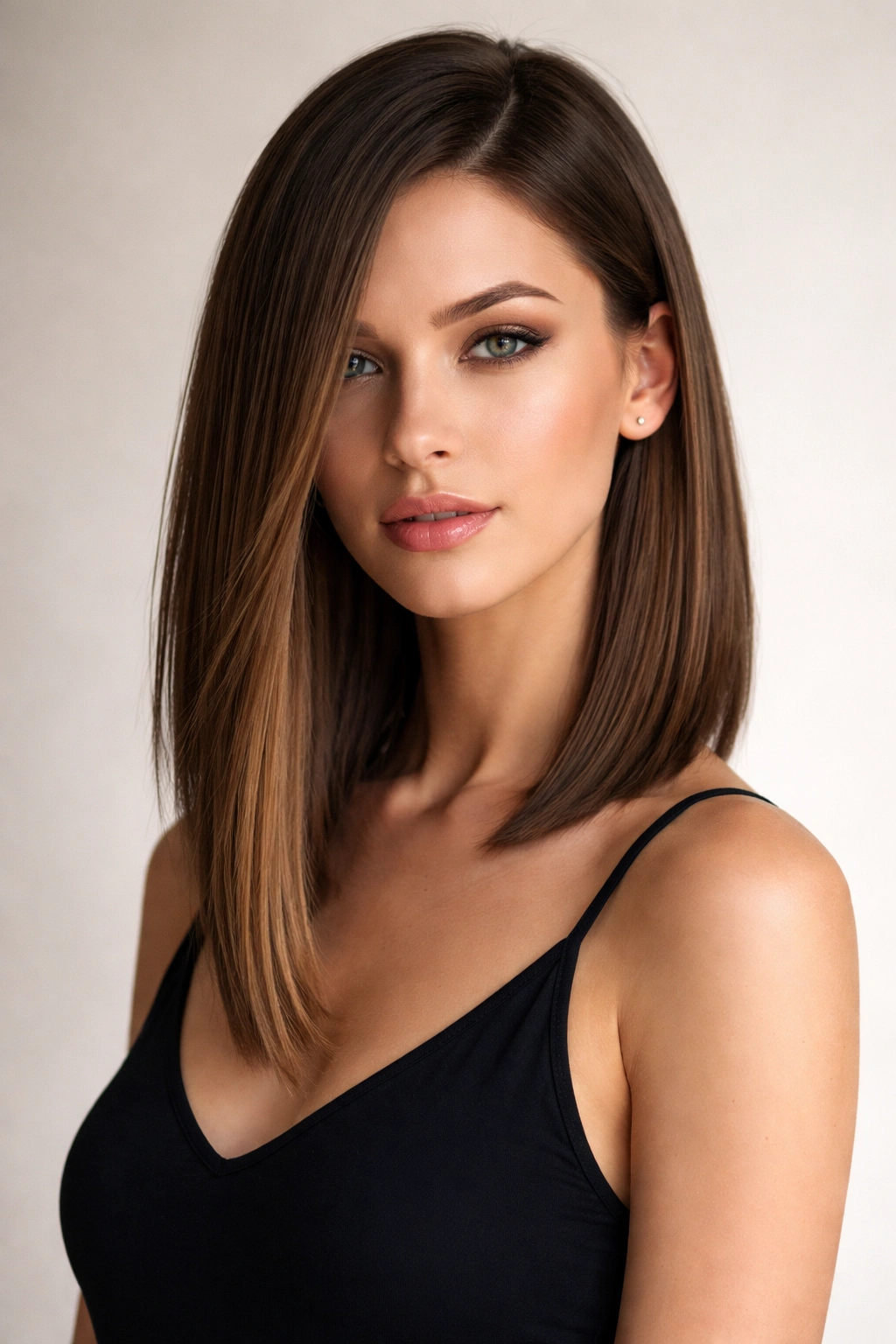
An asymmetrical shoulder-length cut is exactly what it sounds like: one side of your hair is noticeably longer than the other, creating visual asymmetry and movement. This could mean one side reaches mid-shoulder while the other reaches collarbone, or one side could be dramatically shorter for a bold edge. On straight hair, the contrast is incredibly striking because the clean lines emphasize the intentional imbalance.
Why This Works Beautifully for Straight Hair
Asymmetry creates the illusion of movement and dimension without requiring your hair to have natural texture. The contrast between the two sides adds visual interest and a modern edge that straight hair can absolutely pull off. In fact, the geometric precision of straight hair makes an asymmetrical cut look even more intentional and polished.
Details That Matter
- The shorter side can be sculpted to your cheekbones and face shape, creating flattering framing
- The longer side offers versatility—it can be tucked behind your ear for a cleaner look or swept across your face for something softer
- This cut reads as edgier and more fashion-forward than symmetrical cuts, so consider your personal style before committing
- Works beautifully with a blunt, razor-sharp line (emphasizing the geometry) or with subtle layers for a softer asymmetrical effect
- Requires precise styling to look intentional—this isn’t a “just woke up” kind of cut; it rewards a few minutes of attention with a blow dryer
Pro tip: If you’re considering an asymmetrical cut but worry about commitment, ask your stylist to start with a subtler version where the difference is only 1-2 inches—you can always go bolder if you love it.
5. The Long Bob with Textured Ends (Shaggy Lob)
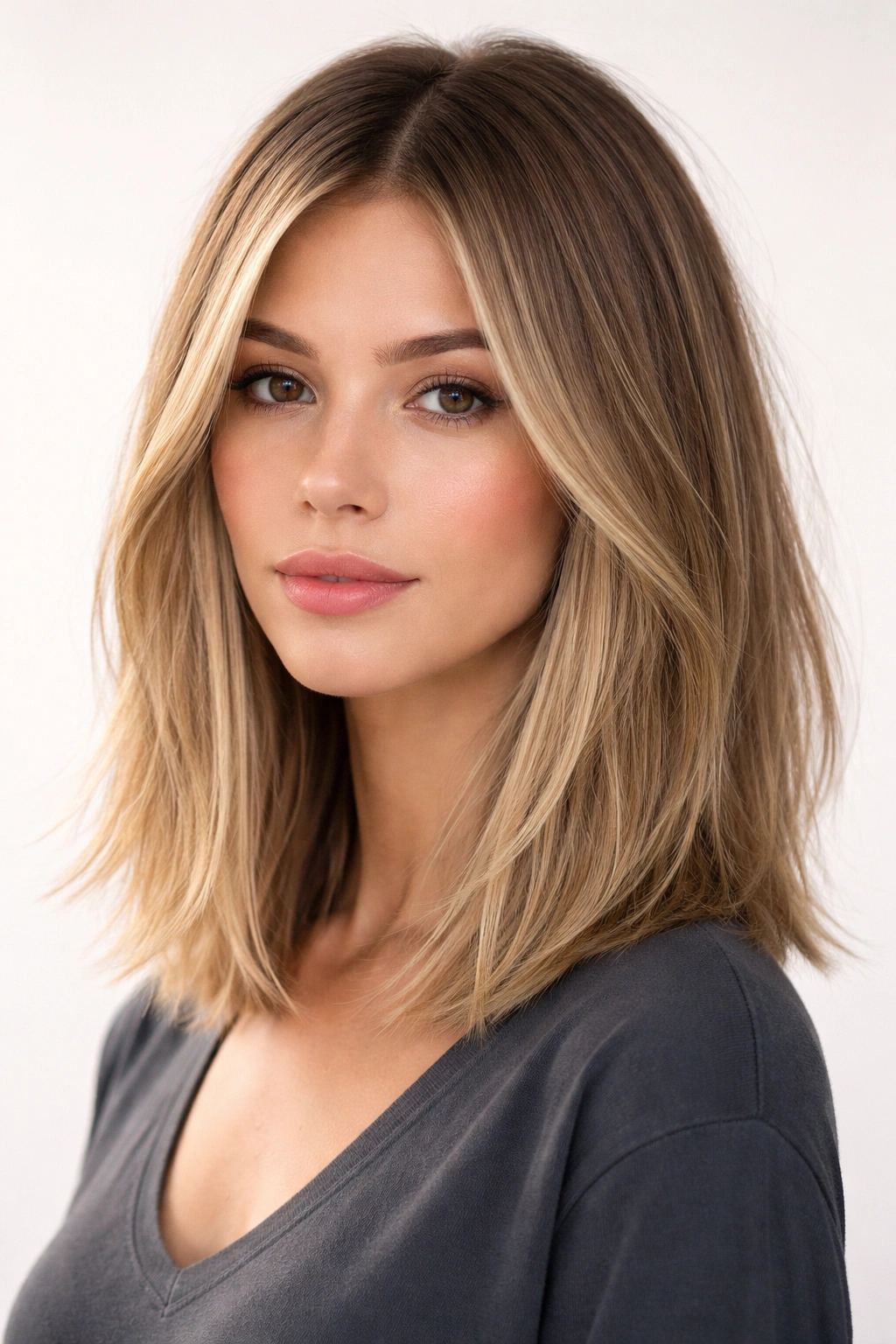
A “lob” is longer than a traditional bob but shorter than full-length hair, typically hitting right around the shoulders. This particular version incorporates textured, choppy ends that create subtle movement without requiring your hair to have natural wave or curl. It’s the sweet spot between the polish of a blunt cut and the edge of a shag.
Why Straight Hair Shines in This Cut
The textured ends on a lob create visual movement and prevent the cut from looking flat—which is crucial for straight hair. These aren’t fluffy, feathered layers but rather intentional chops that catch the light differently and create the impression of texture and depth. On straight hair, this creates exactly the right amount of dynamism without looking chaotic.
Important Styling and Maintenance Info
- The shaggy ends work best when you blow-dry with a round brush to create subtle wave or texture, or when you apply a texturizing spray or dry shampoo for grip
- The length sits right at the shoulders, making it incredibly versatile—you can style it sleek and polished, or slightly textured and undone
- Trims every 6-8 weeks help maintain the choppy texture and prevent the ends from looking straggled or dull
- This cut pairs beautifully with a side part for a more flattering, face-framing effect
- The texture at the ends should be refreshed more frequently than a blunt cut because the chops can look flat as they grow out
Insider note: A texturizing spray becomes your best friend with this cut—it instantly activates the choppy layers and makes them look intentional rather than messy.
6. The Face-Framing Layers with a Solid Length
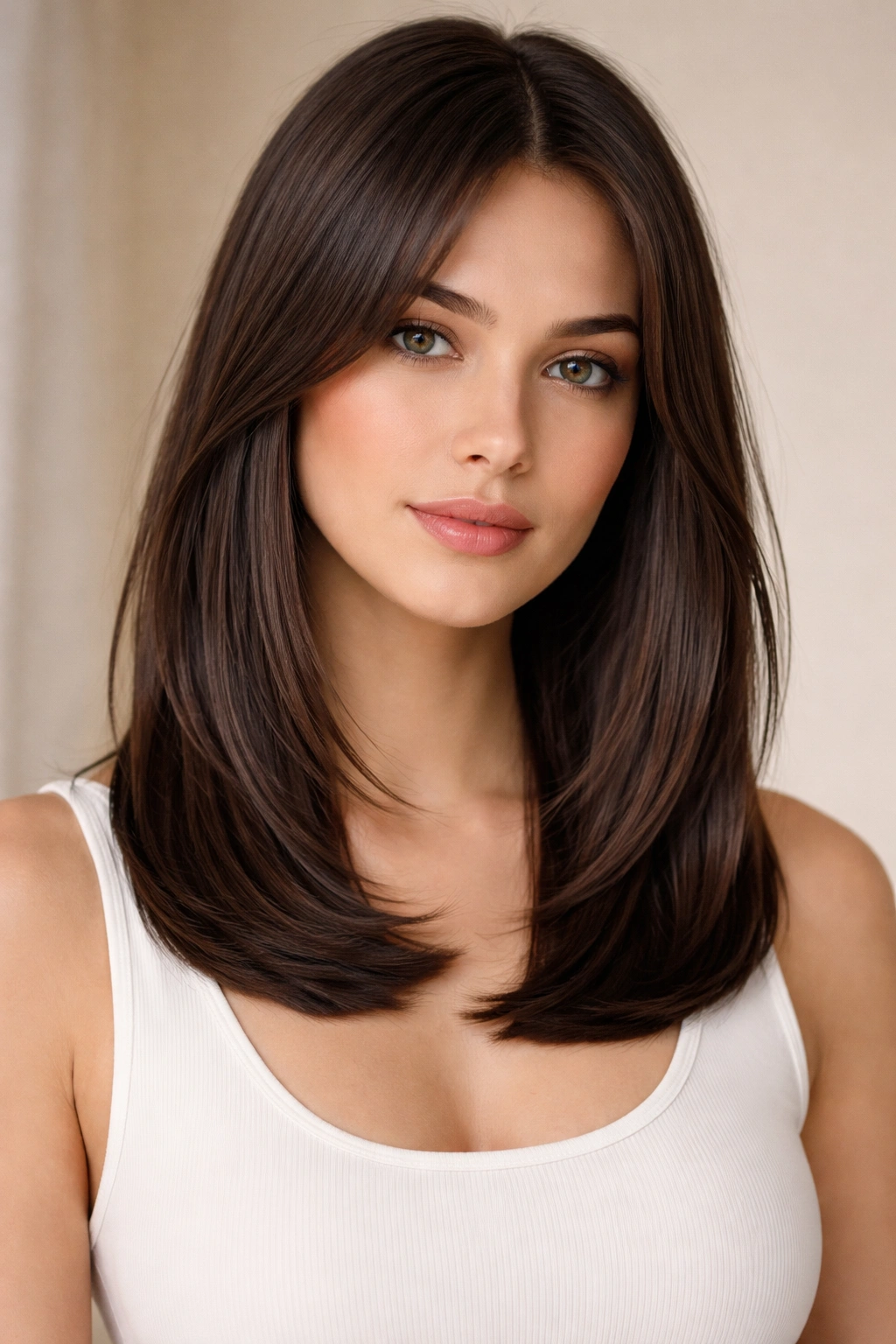
This cut keeps most of the hair at a consistent shoulder length but incorporates strategically placed face-framing layers that start roughly around the cheekbones and blend into the longer length. It’s a happy medium between a heavily layered cut and a blunt, minimal-layer cut. On straight hair, the face-framing layers create softness around the face without making the overall cut feel thin or wispy.
Why This Is Particularly Flattering for Straight Hair
Face-framing layers on straight hair have a clean, intentional quality that feels professional and polished. They break up the solidness of the main length while still maintaining enough weight that your straight hair looks full and healthy. The layers are strategic enough that they don’t require constant fussing to look good, but they’re visible enough to add real dimension.
What This Cut Offers
- Creates a flattering frame around the face, particularly for those who want to soften a strong jawline or emphasize cheekbones
- The solid length below the face-framing layers maintains the polish and weight of straight hair
- Works with a center part, side part, or swept-back styling equally well
- Requires a professional cut to look right—this is a style that benefits from precision because the layers need to blend seamlessly
- Styling is simple: a straight blow-dry keeps it polished, or you can add some loose waves with a curling iron if you want more texture
- Trims every 8 weeks keep the face-framing layers looking intentional rather than grown-out and scraggly
Real talk: This cut is supremely flattering for most face shapes and hair textures, but it especially works magic on straight hair because the layers don’t fight against your natural texture.
7. The Sleek, Straight-Across Bob with Internal Layers
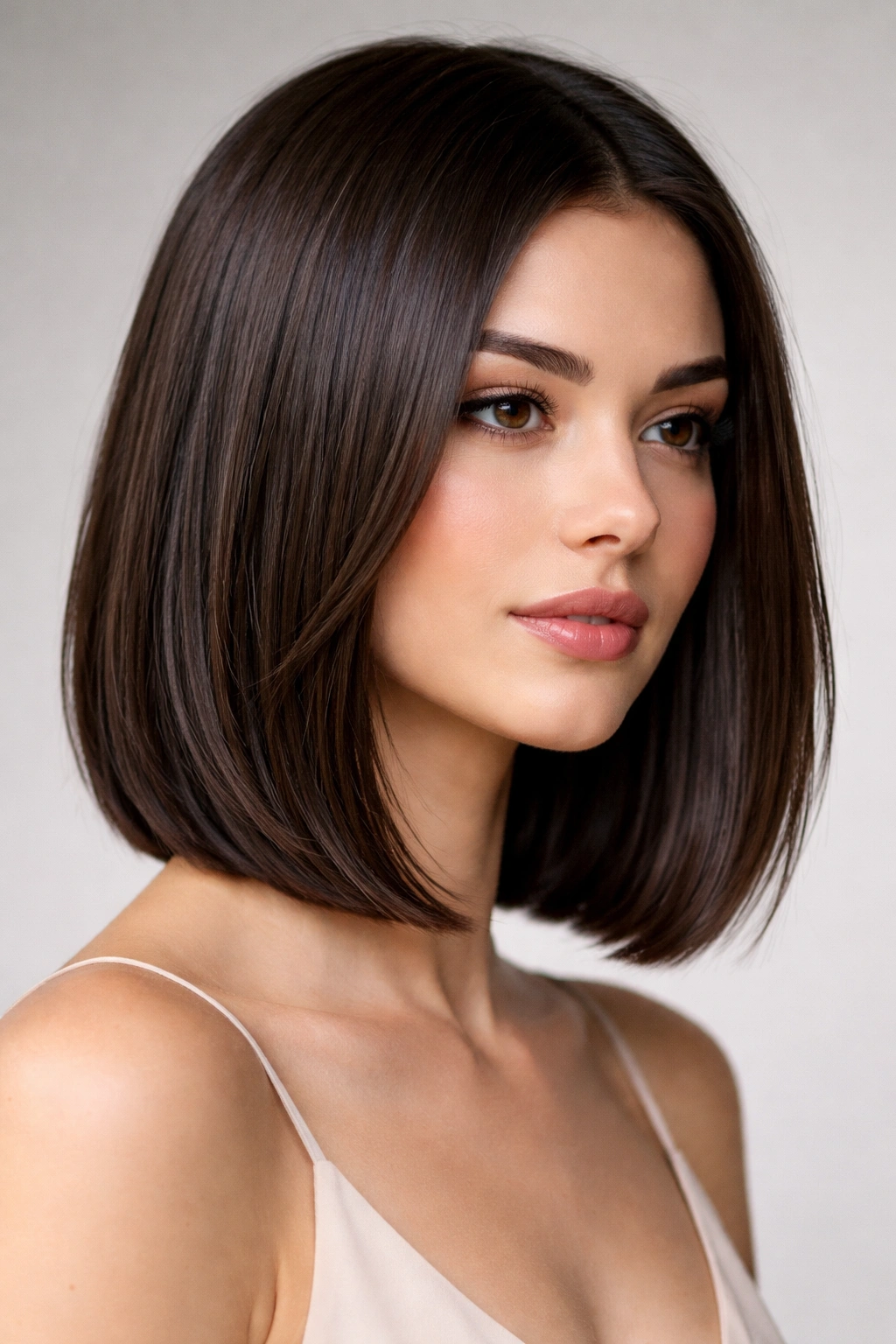
This cut has all the polish and intentionality of a blunt bob but with invisible internal layering that adds subtle movement and prevents the hair from feeling heavy. From the front, it looks like a perfectly blunt, straight line. From behind and when you move, the layering creates softness and prevents the style from reading as too severe or severe.
Why Straight Hair Benefits from This Approach
The internal layering is key for straight hair—it removes weight without sacrificing that enviable blunt line that your straight hair can actually maintain. You get the best of both worlds: the polish of a blunt cut and the movement that keeps straight hair from feeling flat or lifeless.
Details Worth Understanding
- The internal layering is subtle—this isn’t a shag or a choppy cut, just strategically shortened pieces underneath that create flow
- The blunt line in front stays crisp and clean, making this cut read as polished and intentional
- This cut works beautifully for people who want minimal styling but with more movement than a traditional blunt bob offers
- Styling is straightforward: a quick blow-dry and you’re done, or go for a slightly tousled vibe with texture product
- Trims every 6-8 weeks keep the blunt line sharp and the internal layers balanced
Pro tip: When you consult with your stylist about this cut, ask to see photos of it styled both ways—sleek and polished, and tousled and textured—so you can picture yourself in both versions.
8. The Modern Wolf Cut in Shoulder Length
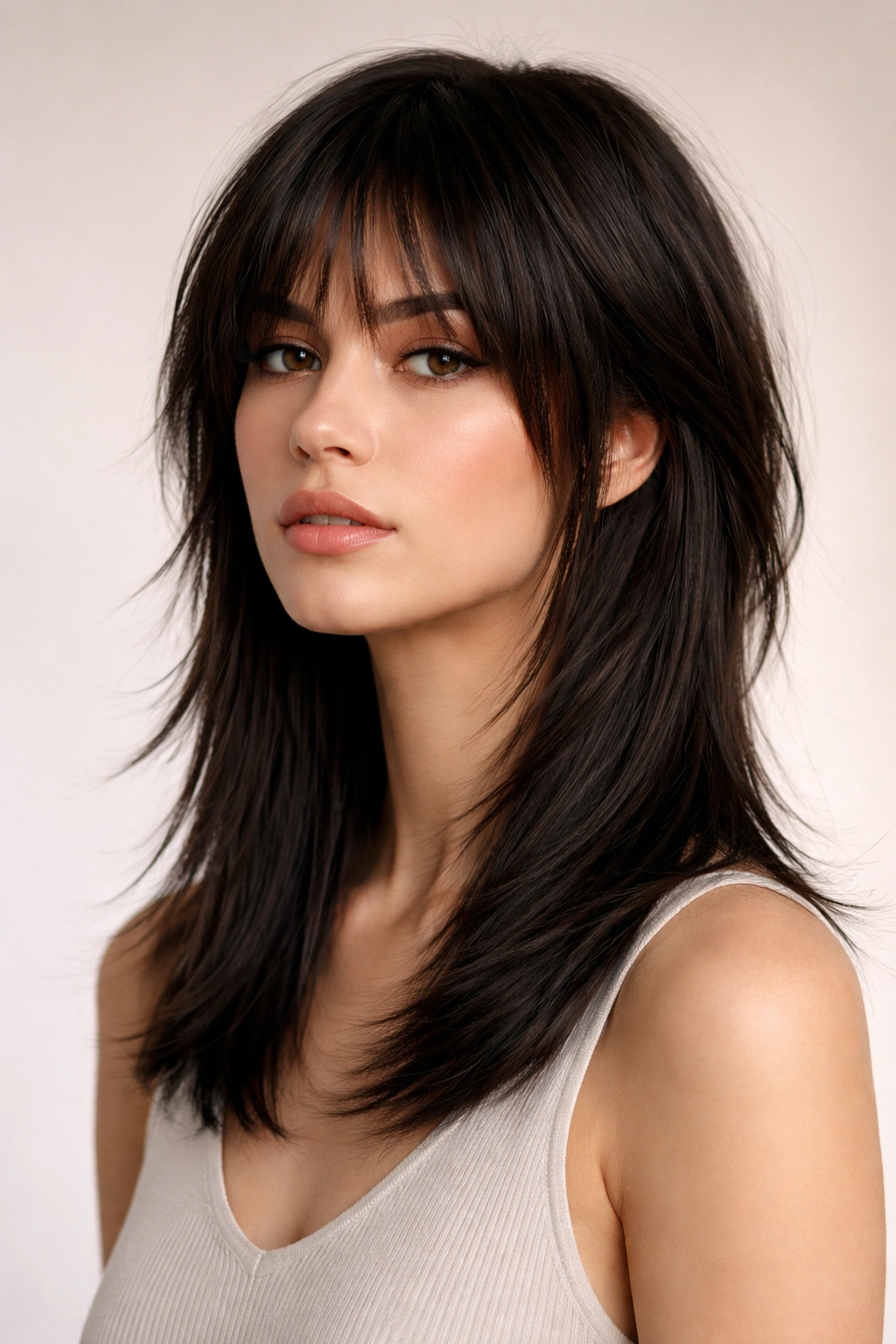
A wolf cut is a hybrid between a shag and a mullet, featuring shorter, textured layers on top and longer, heavier layers underneath. When done right on straight hair, it’s edgy, modern, and surprisingly flattering. The shoulder-length version keeps things wearable while still offering that eye-catching contrast between the shorter top and longer bottom.
Why This Cut Works for Straight Hair
Wolf cuts rely on contrast and sharp layering rather than on natural texture to create movement—which makes them actually perfect for straight hair. The crisp definition between the short choppy top and the longer, sleeker bottom is exactly what straight hair can deliver. There’s no reliance on waves to make the cut work; it’s all about the precision of the cutting.
Essential Information for This Style
- The shorter, choppy top creates volume and attitude, while the longer bottom maintains sophistication
- This cut reads as bold and fashion-forward, so it’s best suited to people who like making a statement with their hair
- Styling requires a bit more work than a blunt bob—you’ll want a blow-dryer and texturizing product to bring out the layered definition
- The cut shines when the top is tousled with movement and the bottom is sleek, creating that intentional high-low contrast
- Trims every 8-10 weeks help maintain the shape as everything grows out
- This works exceptionally well for people who like pushing their personal style and aren’t afraid of something edgier
Worth knowing: A wolf cut is a commitment to styling—it’s not a “wash and go” cut, but if you enjoy spending time on your hair, the payoff is a genuinely striking, editorial look.
9. The Subtle Razor-Cut Texture with Shoulder Length
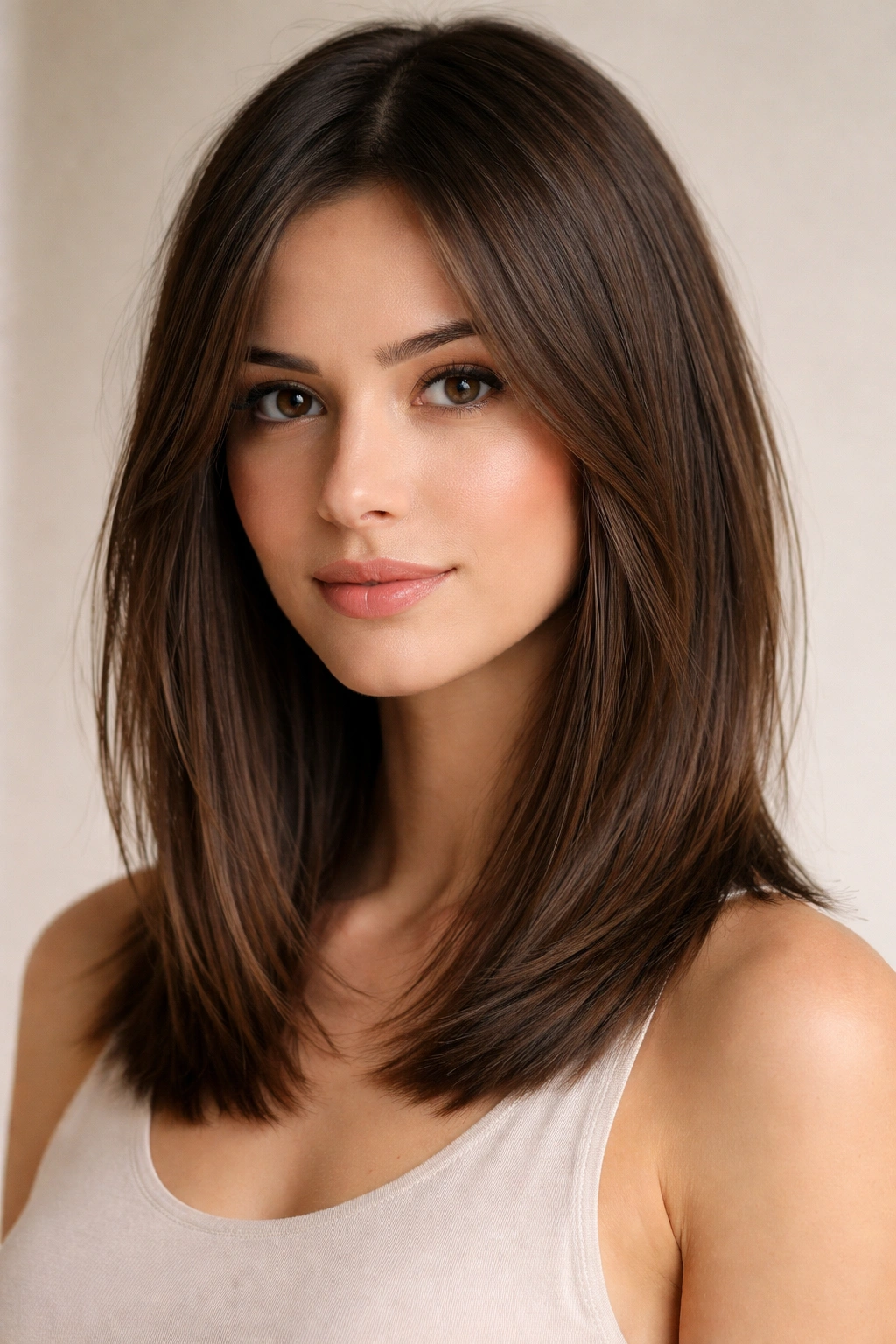
This is a sophisticated cut that uses razor-cutting techniques to add texture and movement throughout the entire head, rather than relying on blunt scissors and obvious layering. The result is a shoulder-length cut that looks seamlessly textured, with a subtle disconnection between lengths that creates visual interest without looking choppy or undone.
Why Straight Hair Elevates This Technique
Razor-cutting on straight hair creates a different quality of texture than it does on curly or wavy hair—the texture is more defined, sharper, and more intentional. It reads as sophisticated and effortlessly stylish rather than shaggy or undone. For straight hair, razor-cutting is actually an incredibly flattering approach because the texture has clarity and precision.
What You Should Know About This Cut
- The texture is created throughout the cut, not just at the ends, giving the hair an overall sense of movement and dimension
- The length stays around shoulder level, but the texture creates the illusion of more movement than the actual length provides
- This cut works beautifully when worn straight and polished, or with some light wave-setting if you want more texture
- The texture is subtle enough that it doesn’t require intense daily styling, but it does show off best when hair is clean and freshly styled
- Trims every 6-8 weeks help maintain the textured quality as hair grows out
- Ask your stylist to use a razor rather than blunt shears—this is a specific technique that creates a different effect
Styling insight: A texturizing spray or sea salt spray brings out the razor-cut texture beautifully, making it even more apparent without requiring you to blow-dry with specific techniques.
10. The Straight, Blunt Shoulder Length with Subtle Angle
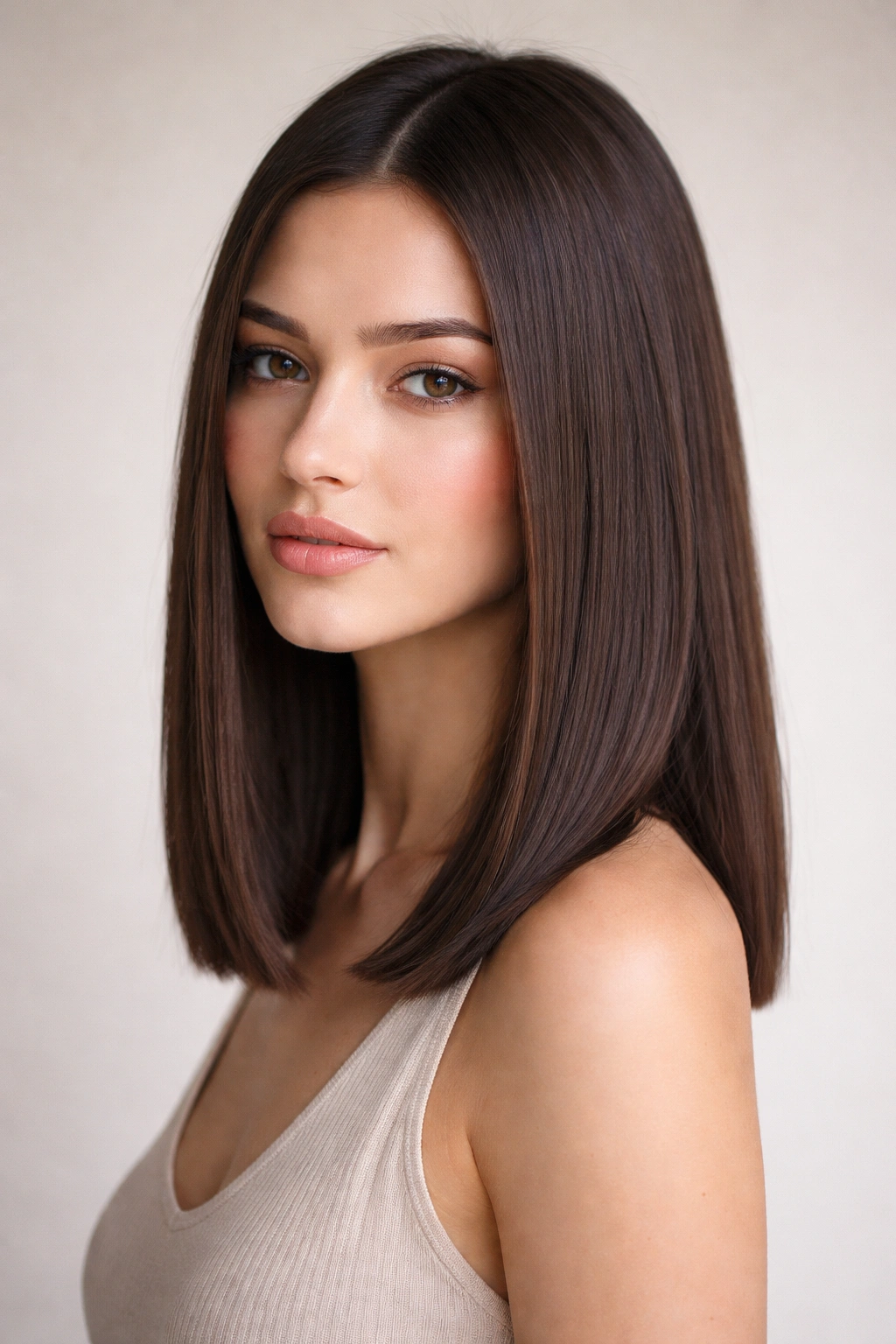
This final cut takes the straightforward elegance of a blunt shoulder-length cut and adds just one element: a subtle angle that’s slightly shorter in the front and gradually longer toward the back. It’s not dramatic enough to feel like an asymmetrical cut, but it’s intentional enough to add movement and prevent the style from feeling static.
Why This Works as a Refined Option for Straight Hair
The angle adds subtle movement and dimension without sacrificing any of the polish that makes blunt cuts on straight hair so appealing. It frames the face slightly better than a perfectly straight line, and it adds a sense of forward momentum to the silhouette. For straight hair, this subtle angle is the sweet spot between boring and trendy.
Details That Create the Right Effect
- The front is typically 1-2 inches shorter than the back, creating a barely-perceptible graduated effect
- This angle works beautifully for all face shapes because it’s subtle enough not to be constraining but intentional enough to be flattering
- The cut feels polished and intentional without reading as edgy or trendy—it has staying power
- Styling is simple: a blow-dry and you’re done, or wear it as-is for a completely effortless vibe
- Trims every 6-8 weeks keep the angle crisp and the line clean as everything grows out
- This cut looks great with any parting: center, side, or swept back
Quick note: This is the most wearable, versatile cut on the list—it works for virtually every lifestyle, face shape, and personal style, which makes it an excellent choice if you want something flattering without a strong statement.
Final Thoughts
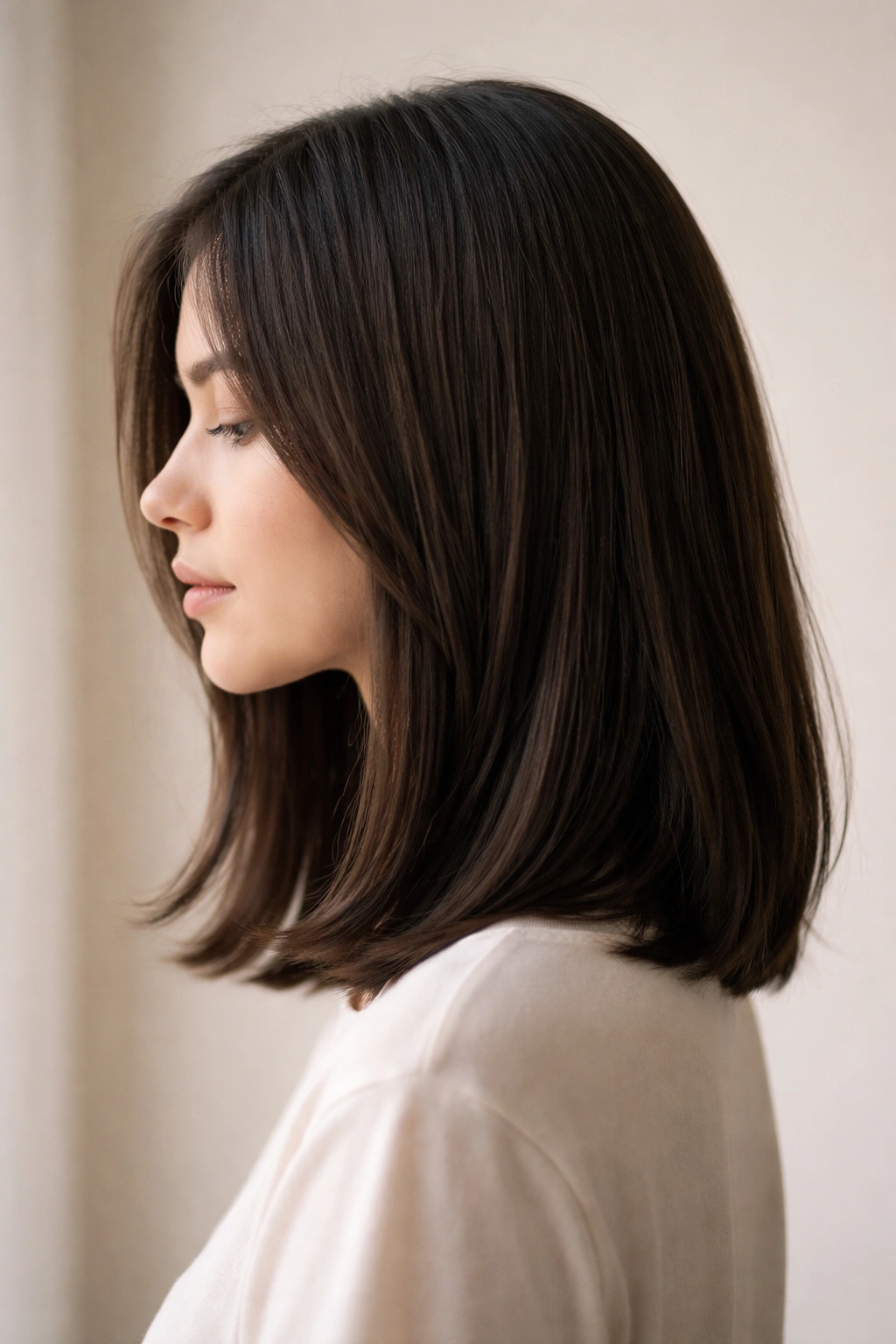
Finding the right shoulder-length cut for straight hair really comes down to understanding what you want the cut to do for you. Do you want polish and minimal styling? A blunt bob or a subtle angled cut delivers that effortlessly. Do you want edge and attitude? The wolf cut or the asymmetrical cut gives you that. Are you looking for flattering dimension without obvious layering? The face-framing layers or the razor-textured cut serves that purpose.
The beautiful thing about having straight hair is that nearly every cut works with your natural texture rather than requiring you to fight against it. Whatever style you choose from this list, the key is communicating clearly with your stylist about what you want the cut to look like and how much styling time you’re willing to invest. A good stylist understands that straight hair has distinct advantages and will cut in a way that celebrates rather than fights your texture.
Once you’ve chosen your cut and had it executed, remember that maintenance matters. Most shoulder-length styles look their absolute best in those first few weeks after a fresh cut, so regular trims keep them looking intentional rather than grown-out. Whether you’re drawn to the timeless elegance of a blunt cut or the modern edge of a textured style, your straight hair is the perfect canvas for any of these options.
