



Straight hair has a natural advantage when it comes to medium-length cuts. The lack of natural texture means these styles sit cleanly, showcase precise lines, and can range from sleek and polished to effortlessly undone with minimal styling. Medium length—typically falling between the shoulders and mid-back—is the sweet spot for flattering face shapes, creating movement, and maintaining the straight hair’s innate shine without the weight of longer lengths or the maintenance demands of shorter pixies.
The key to choosing the right medium-length cut for straight hair isn’t just finding a style you love in a photo. It’s understanding how different silhouettes interact with straight hair’s specific properties: how layers affect the overall shape, which cuts need styling to look intentional versus which can be worn completely blunt and still look polished, and whether a style requires frequent trims to maintain its structure. Straight hair is incredibly forgiving if you choose a cut that works with its natural texture rather than against it.
This guide walks through 15 medium-length cuts proven to look exceptional on straight hair. Some emphasize blunt, geometric precision. Others incorporate subtle layers for dimension without losing the clean lines straight hair does best. A few rely entirely on styling and texture for their appeal. All of them work beautifully on straight hair and can be adapted to suit your face shape, lifestyle, and styling commitment. Whether you want something you can wash-and-wear or a cut that transforms with a flat iron and texturizing spray, there’s a style here worth trying.
1. The Blunt Shoulder-Length Bob
A true blunt bob cuts straight across at the shoulders with zero gradation, creating one of the sharpest, most striking looks straight hair can achieve. The entire perimeter hits at exactly the same length, emphasizing the jawline and collarbone with precision-cut edges that frame the face. This cut works best when worn with incredibly clean styling—it’s meant to look intentional and polished, not soft or undone.
Why It Dominates on Straight Hair
Straight hair is the only texture where a perfectly blunt line actually reads as intended rather than grown-out or uneven. The clean edges showcase the density and shine of your hair, and there’s no guesswork about whether the cut is working. Blunt bobs require zero layers, which means you’re showing off the hair’s natural glossiness without disrupting the perimeter. This cut is bold, and straight hair has the texture to back that boldness up completely.
Styling and Maintenance Details
- Requires a trim every 4-6 weeks to maintain the sharp line—bluntness becomes apparent frizz if you let it grow even slightly unevenly
- Looks best with a sleek finish using a flat iron and smoothing serum or spray
- Works beautifully with a center or deep side part, and less so with hair worn fully off the face (the cut needs to frame something)
- Pairs well with bangs if you want added dimension, or stays powerful without them
2. The Long Shag with Textured Layers
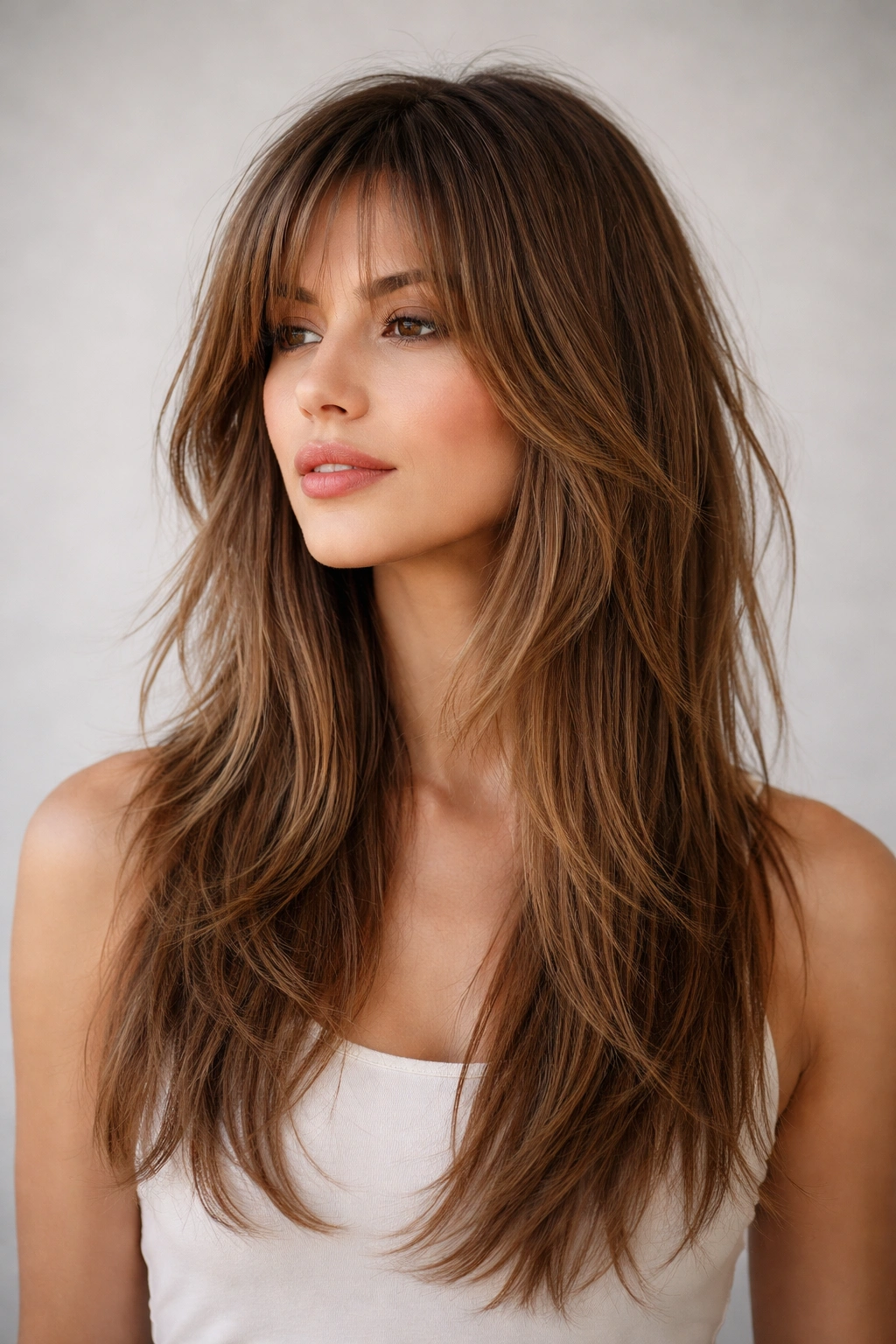
A modern shag combines choppy, razor-cut layers throughout with longer pieces in front that frame the face. Unlike 1970s shags, today’s versions are more controlled and work with straight hair by creating intentional texture rather than relying on natural wave to define the layers. The front pieces fall past the chin while the crown has movement and dimension from stacked layers.
Why Shags Flatter Straight Hair Instantly
Layers on straight hair can look scraggly if they’re not intentional, but a well-executed shag is supposed to look choppy and edgy. The texture is the point. Straight hair takes these layers cleanly and creates visible separation between sections, making the cut feel modern and intentional rather than neglected. Layers add volume and movement that straight hair sometimes lacks, and they work especially well if your hair is fine or limp.
How to Style and Maintain Your Shag
- Works best with a texturizing spray or sea salt spray applied to damp hair before air-drying
- Can be worn sleek and tucked behind the ears for a more polished take, or tousled for an undone vibe
- Requires trims every 6-8 weeks to keep the choppy texture defined rather than stringy
- Looks exceptional with side-swept bangs or a center part
- Takes 5-10 minutes of styling time to look intentional; simply air-drying often reads as flat and shapeless
3. The Shoulder-Length Straight Cut with Face-Framing Layers
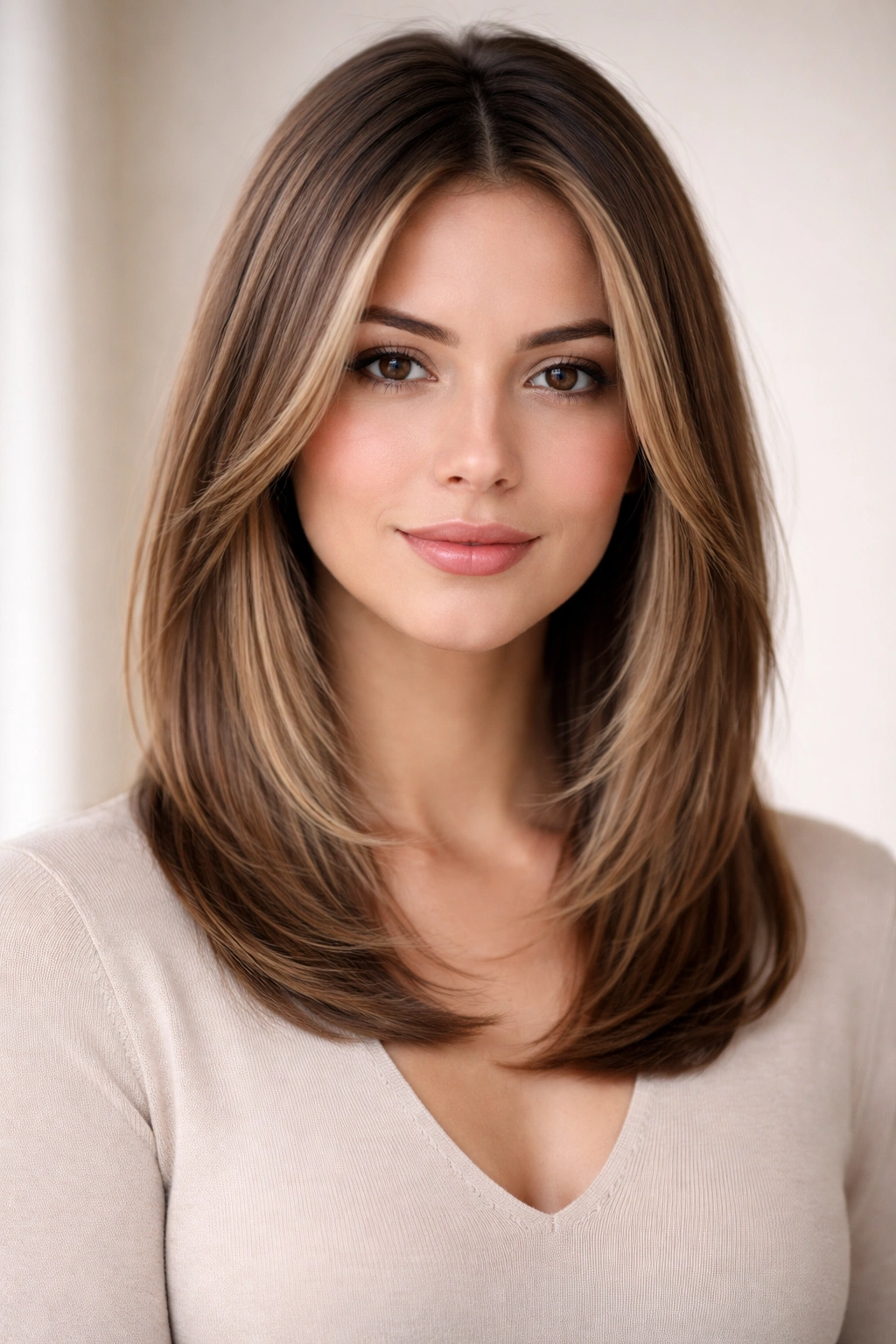
This cut keeps the bulk of the hair at shoulder length or just below, with subtle layers added around the face to create softness without compromising the sleek, straight silhouette. The layers are shortest near the face and gradually blend into the longer length at the back, creating a subtle graduated effect rather than choppy texture throughout.
Why It’s the Safest Flattering Choice
This cut offers the best of both worlds: the modern, clean look of a blunt cut with just enough movement to soften the overall effect. The face-framing layers are flattering on nearly every face shape because they draw the eye toward the face rather than emphasizing its width. For straight hair, these subtle layers maintain the glossy appearance while adding just enough dimension to prevent the style from feeling heavy or severe.
Key Styling Tips and Variations
- Can be worn completely straight and sleek, or with a slight curl at the ends for a softer finish
- The layers can be emphasized with a texturizing spray or played down with a smoothing serum
- Works with nearly any part line—center, deep side, or zigzag
- Requires a trim every 6-8 weeks, though less frequently than a blunt cut since the layers obscure slight growth
- Complements any hair color and works especially well with highlights or dimension
4. The Choppy Lob with Shorter Layers
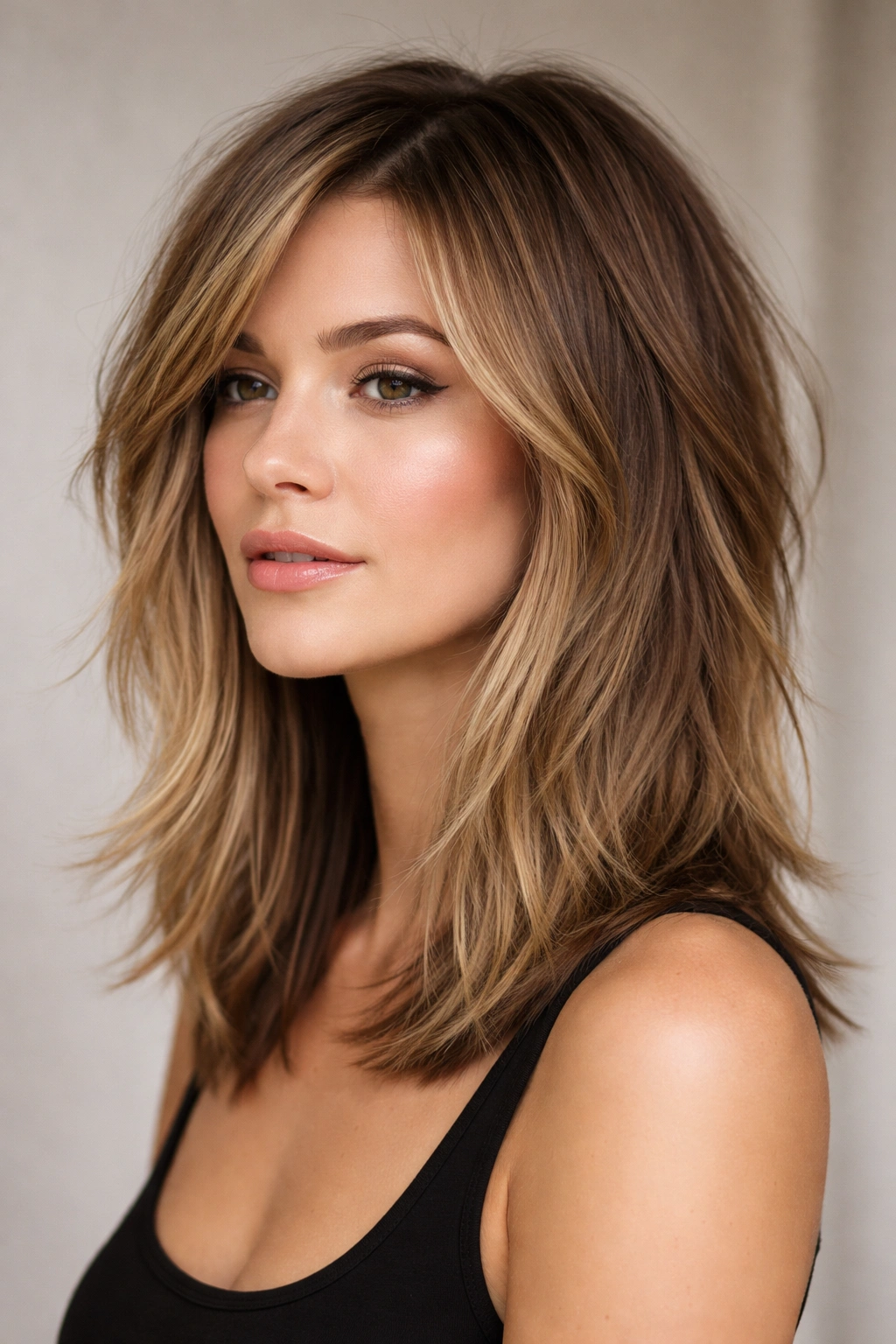
A lob—somewhere between a long bob and shoulder-length hair—with choppy layers creates volume and movement without sacrificing the polished feel of a medium-length cut. This version keeps the back longer (around mid-shoulder or just below) while incorporating multiple choppy layers throughout that create noticeable texture and separation.
Why Choppy Lobs Suit Straight Hair Specifically
Where choppy layers might look wispy or thin on wavy hair, they look intentional and edgy on straight hair. Each layer reads as a clear design choice rather than undefined texture. The longer back keeps the style feminine and wearable for everyday, while the choppy layers add personality. Straight hair’s natural density means these layers create actual volume rather than thinning the hair out.
Maintenance and Styling Requirements
- Styling with a texturizing spray and a blow dryer on medium heat creates the most flattering effect
- Can be worn straight and sleek if you want a more polished version
- Requires a trim every 5-7 weeks to keep the choppy texture defined
- Looks best with bangs (either side-swept or straight-across) or worn off the face with a headband
- Works particularly well if your hair is thick or medium-density; fine hair may look wispy with all these layers
5. The Sleek Straight-Across Blunt Lob
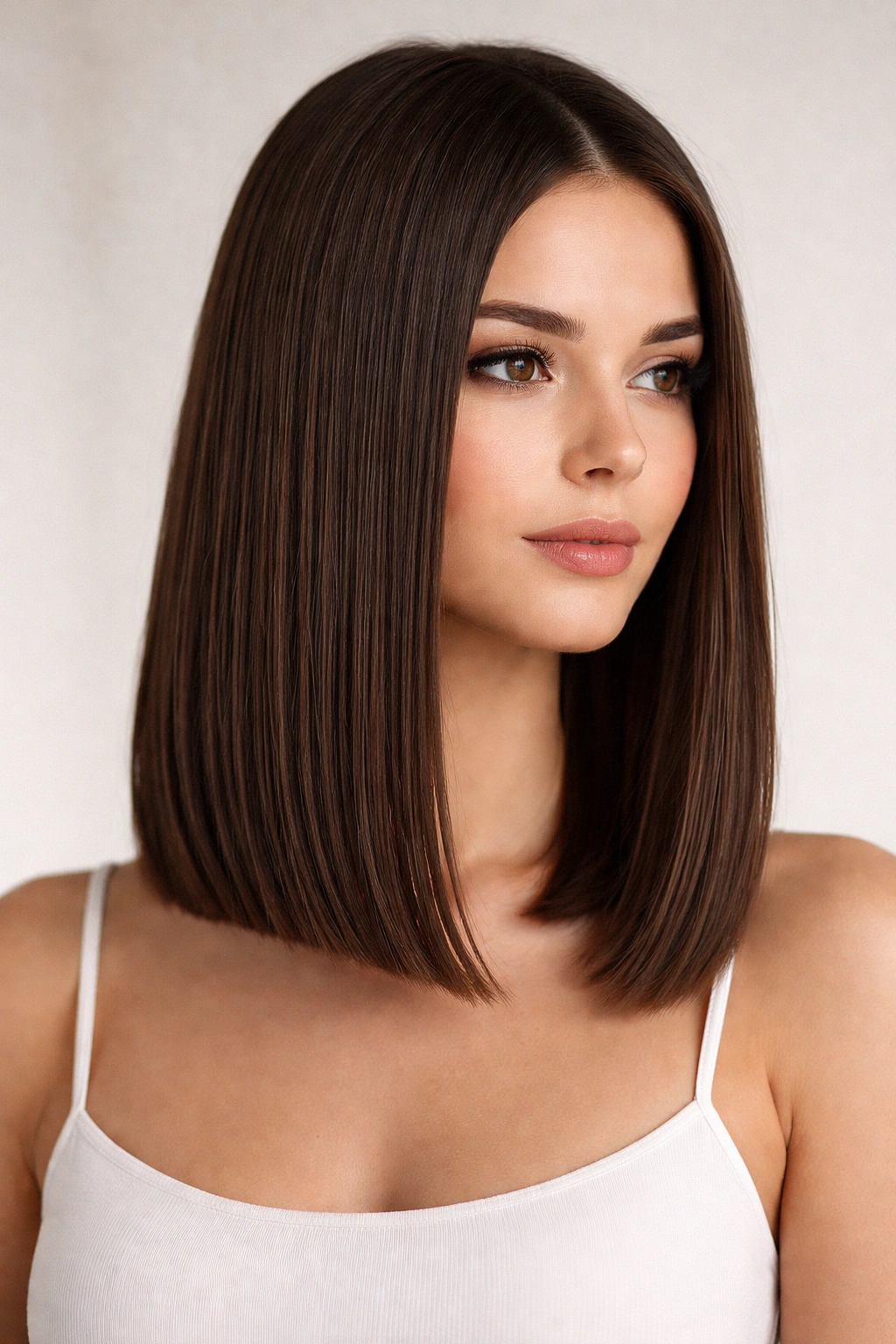
A lob that hits around collarbone length or slightly below, with a completely blunt, straight perimeter all the way around. There are no layers, no graduation—just a clean horizontal line that emphasizes the shoulders and collarbones while maintaining length. This is the modern interpretation of a long bob.
Why Blunt Lobs Are Perfect for Straight Hair
This cut is powerful on straight hair because the clean edge frames the entire silhouette without needing layers to create shape. Your hair’s natural straightness and density do the work. The longer length than a traditional bob makes it easier to style multiple ways—you can tuck it behind your ears, wear it fully down, or create a half-up style. For those who like the precision of blunt cuts but find shoulder-length too short, a blunt lob is the solution.
Styling, Parts, and Maintenance
- Looks best worn with either a deep side part or a center part that shows off the blunt perimeter
- Styling options: completely straight and sleek, or with soft waves created by a curling iron
- Requires trimming every 4-6 weeks to maintain the blunt line as it grows
- Works beautifully on its own without styling products, or enhanced with a smoothing serum
- The length makes it easier to pull back into a ponytail or bun while still showing off the cut
6. The Shaggy Mullet (Modern Interpretation)
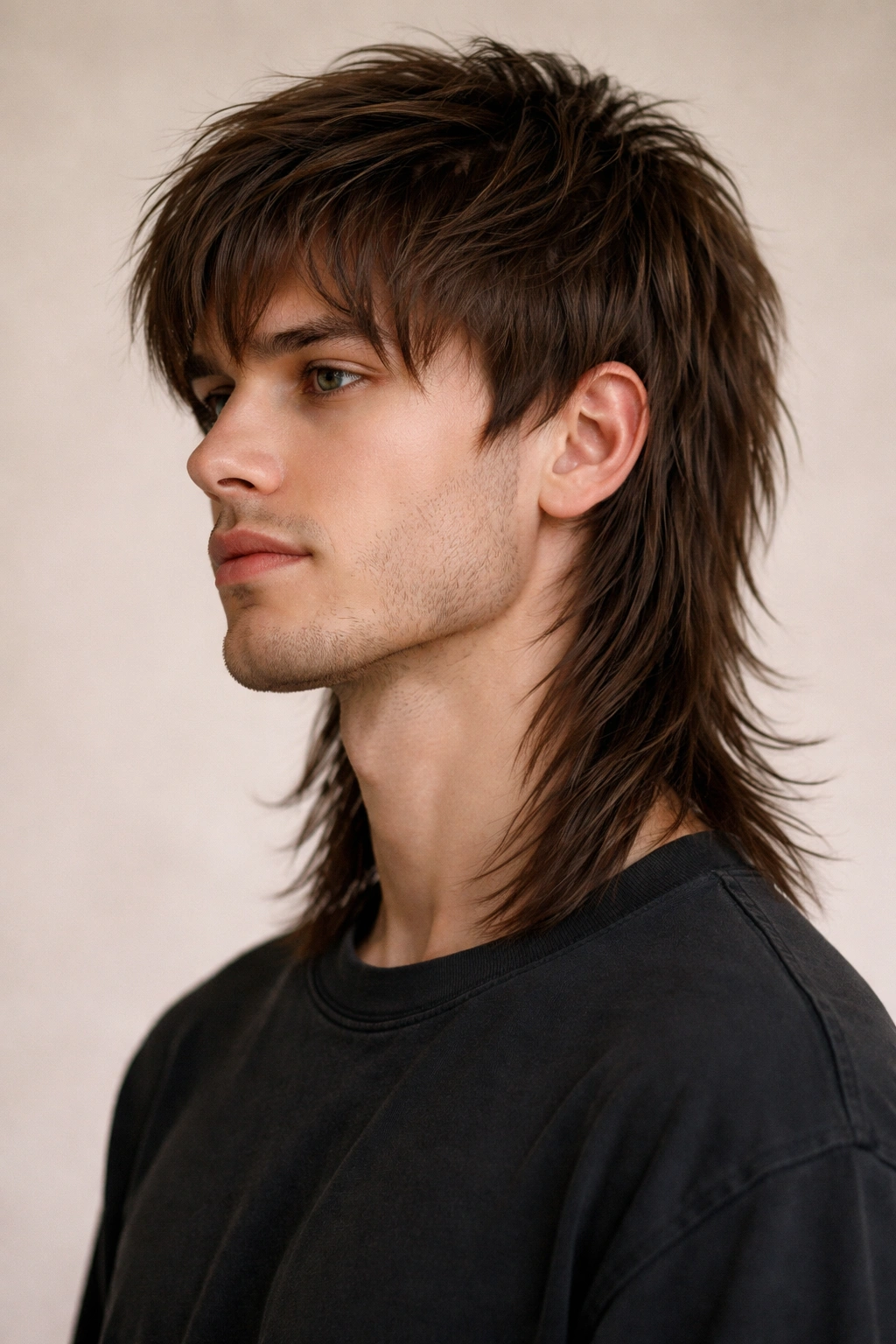
A contemporary shag-mullet hybrid keeps the hair longer on top with shorter, choppier layers throughout, then gradually gets shorter toward the back while maintaining some length in the very back for a subtle mullet effect. This is far more wearable than 1980s mullets—it’s subtle and modern, with the playfulness of the style without the obviously divided front-and-back effect.
Why Modern Mullets Work on Straight Hair
Straight hair makes this cut look intentional rather than accidental or dated. The choppy layers throughout create the shaggy texture that makes the mullet feel contemporary rather than retro. Straight hair’s clean lines ensure the shorter-to-longer transition reads as deliberate design rather than uneven growth. This cut is for people confident enough to embrace an edgy, fashion-forward style.
How to Wear and Style a Modern Mullet
- Requires texturizing spray and blow-drying with a round brush to create shape and definition
- Can be worn tousled and undone, or with more intentional waves created by a curling iron
- Works best with a center part or slightly off-center
- Trims needed every 5-6 weeks to maintain the shaggy texture and the subtle length graduation
- Styling time: 10-15 minutes for a polished version, or 5-10 minutes for a tousled approach
- Best for people with at least medium-thickness hair; fine hair may look too thin with all the layering
7. The Sleek Side-Parted Midi with Micro Bangs
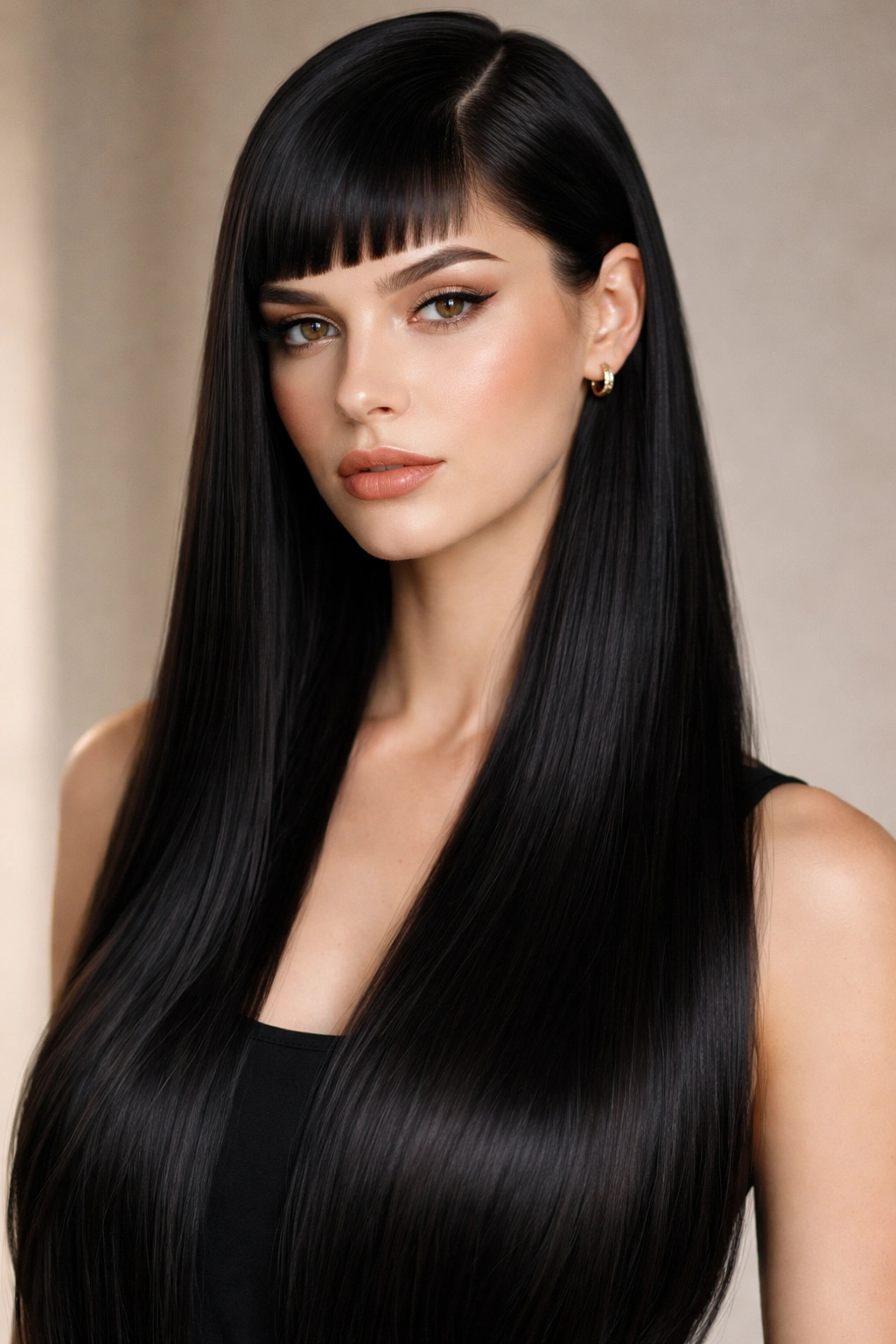
A midi-length cut (hitting around mid-thigh when sitting down, or just below waist length on standing) worn with a deep, dramatic side part and short, blunt micro bangs that hit just above the eyebrows. The length creates a long, lean silhouette, while the bangs add modern edge and the side part creates movement and asymmetry.
Why This Length Works Beautifully on Straight Hair
Straight hair makes this elongated silhouette look intentional and elegant. The bangs provide visual interest that prevents the length from feeling one-note, and the side part creates natural asymmetry that adds dimension without layers. Micro bangs are having a significant style moment and look especially striking when paired with straight hair’s clean texture. The overall effect is cool, current, and effortlessly sophisticated.
Styling Details and Maintenance
- Requires a flat iron to create the sleek finish that makes this style shine
- Bangs need trimming every 3-4 weeks to maintain the precise blunt line above the eyebrows
- The full hair length only needs trims every 8-12 weeks unless you’re getting layers
- Can be worn in multiple styles: straight and sleek, in a high ponytail, or in braids
- Works best with either a very deep side part or a center part with the bangs taking up the micro-fringe placement
- Requires daily or every-other-day washing to maintain the sleek appearance
8. The Piece-y Shoulder-Length Cut with Disconnected Layers
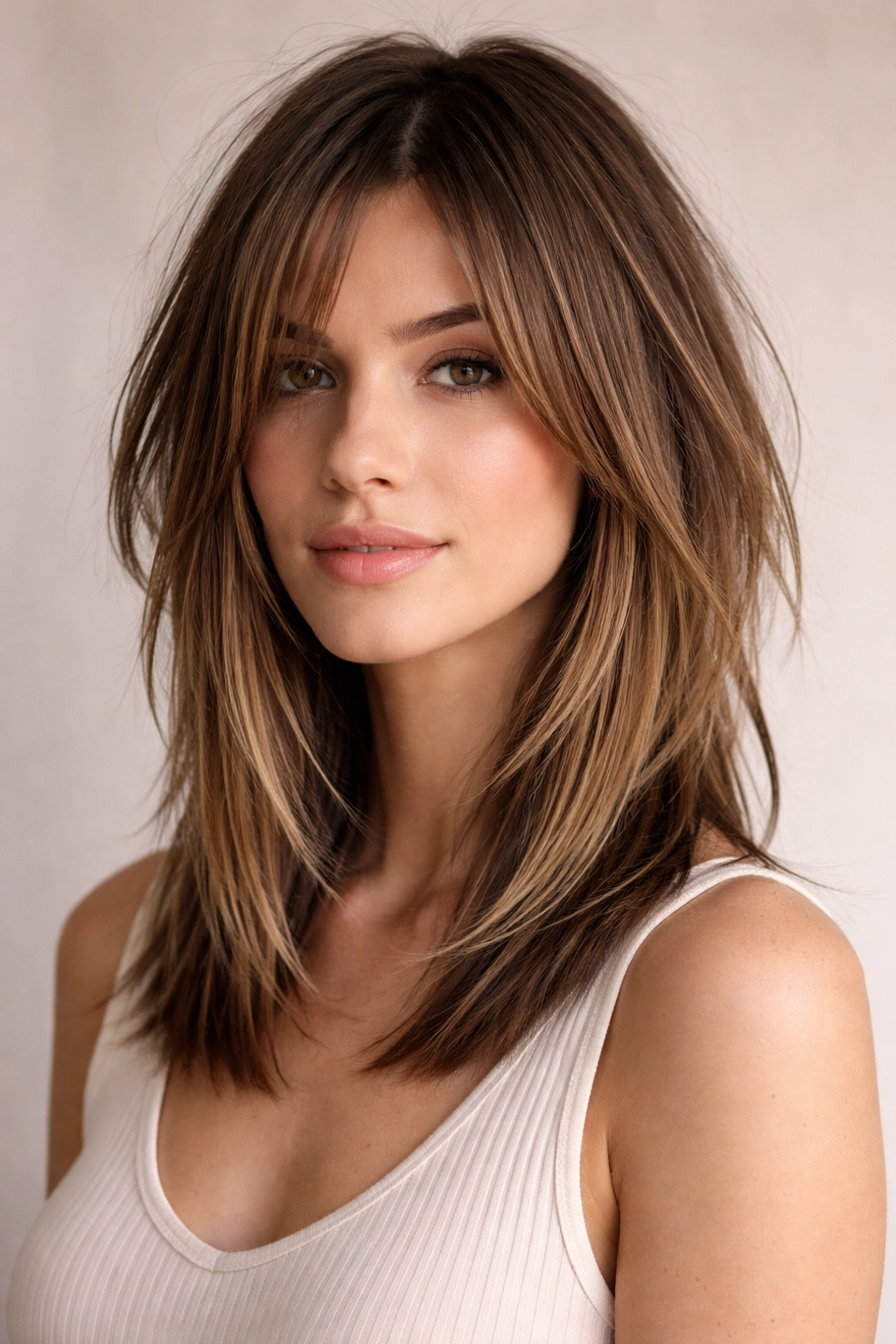
A cut that hovers right at the shoulders with very intentionally disconnected layers—meaning the layers don’t blend seamlessly but instead sit separately from one another, creating obvious texture and movement. The effect is deliberately choppy and modern, with shorter face-framing pieces and longer underneath layers that peek through.
Why Disconnected Layers Suit Straight Hair
Straight hair makes disconnected layers read as artistic and intentional rather than shaggy or untidy. Each layer sits distinctly, creating clear separation without the blend of a traditional layered cut. This creates volume and texture while still maintaining the sophisticated feel of a medium-length cut. The straight hair allows each layer to be seen and appreciated as a design choice.
Styling Tips for Disconnected Layers
- Texturizing spray is essential to emphasize the layered texture
- Works best with tousled, undone styling rather than completely sleek
- Can also be worn smooth if you want a more polished version by using a smoothing serum
- Requires a trim every 5-6 weeks to keep the layers looking deliberately disconnected rather than grown-out
- Looks best with bangs—either side-swept, straight-across, or curtain style
- Works exceptionally well on thick or medium-thick hair; fine hair can look wispy with this much layering
9. The Straight-Haired Shearling (Textured Blunt)
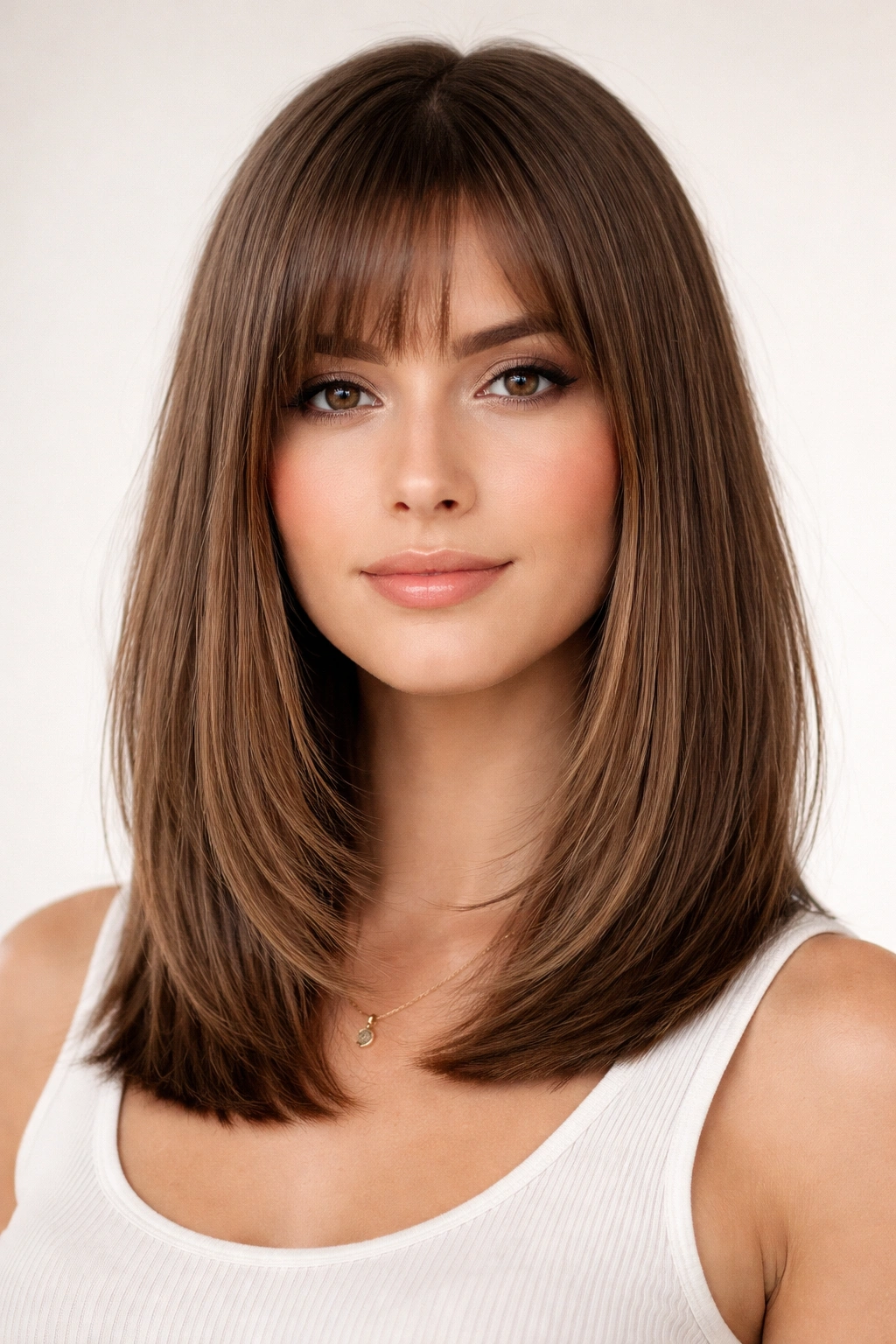
A blunt cut that incorporates subtle, closely-placed horizontal layers throughout to create what’s called a “shearling” effect—the hair has visible texture and movement while still maintaining a relatively blunt perimeter. The layers are very close together and integrated, not choppy or separated. The effect is textured volume without sacrificing the modern, polished feel.
Why Shearling Works on Straight Hair
Most textured styles are designed for wavy or curly hair, but shearling is perfect for straight hair because it creates texture where straight hair naturally lacks it. The close layers create a softer silhouette than a completely blunt cut while still showcasing the hair’s shine and density. You get volume and movement without looking shaggy or requiring constant texturizing spray. It’s the sophisticated middle ground.
How to Maintain and Style a Shearling
- Can be worn completely straight and sleek, or with soft waves
- Looks good slightly undone without styling products, or enhanced with a smoothing serum
- Requires a trim every 6-8 weeks to maintain the textured shape
- Works with most part styles—center, side, or zigzag
- Looks especially flattering on those with round or square face shapes
- Styling is minimal: blow-dry straight or curl the ends slightly for a softer finish
10. The Blunt Collarbone Cut with Curtain Bangs
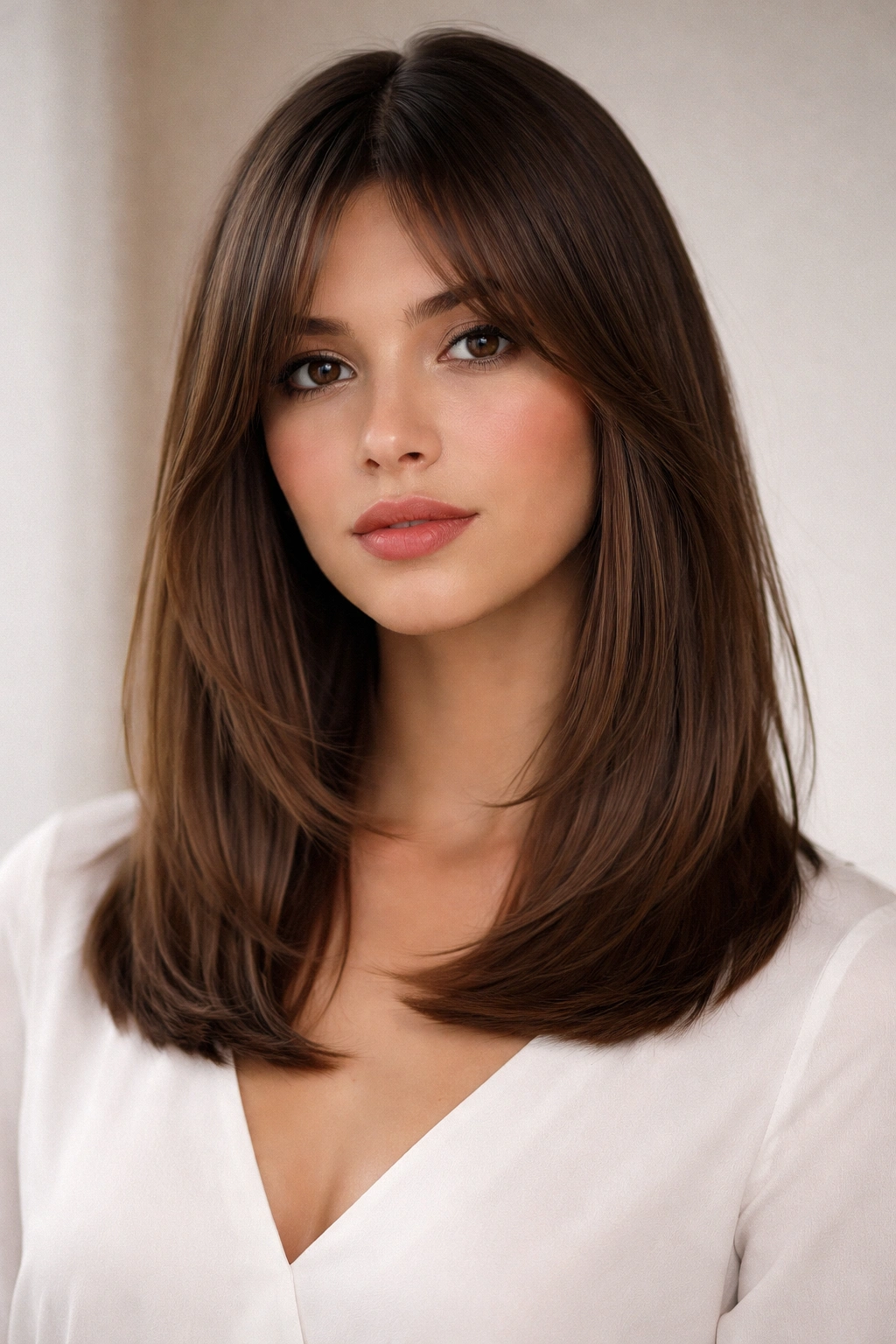
A precisely cut blunt line that hits right at the collarbone, paired with long curtain bangs that sweep away from the face toward either side. The bangs create movement and femininity while the blunt perimeter maintains clean, modern lines. The bangs are longer in the center and gradually get longer as they move toward the ears.
Why This Combination Flattens Every Face
Curtain bangs are universally flattering because they frame the face without covering it completely, and they work especially well with blunt cuts because they provide softness. On straight hair, the bangs sit cleanly and showcase the precision cutting at the perimeter. The combination feels both modern and timeless—not too edgy, not too safe. This cut suits nearly every face shape, age, and style preference.
Maintenance and Styling for Curtain Bangs
- Bangs require trimming every 4-6 weeks to maintain the swept shape and length
- Can be blow-dried with a round brush to create soft waves in the bangs
- Can also be worn completely straight—the cut is strong enough to work either way
- The blunt perimeter requires trimming every 6-8 weeks
- Works beautifully with a center part or worn off-center
- Minimal styling required: wash, blow-dry straight or with gentle waves, and go
11. The Layered Midi with Micro Texture
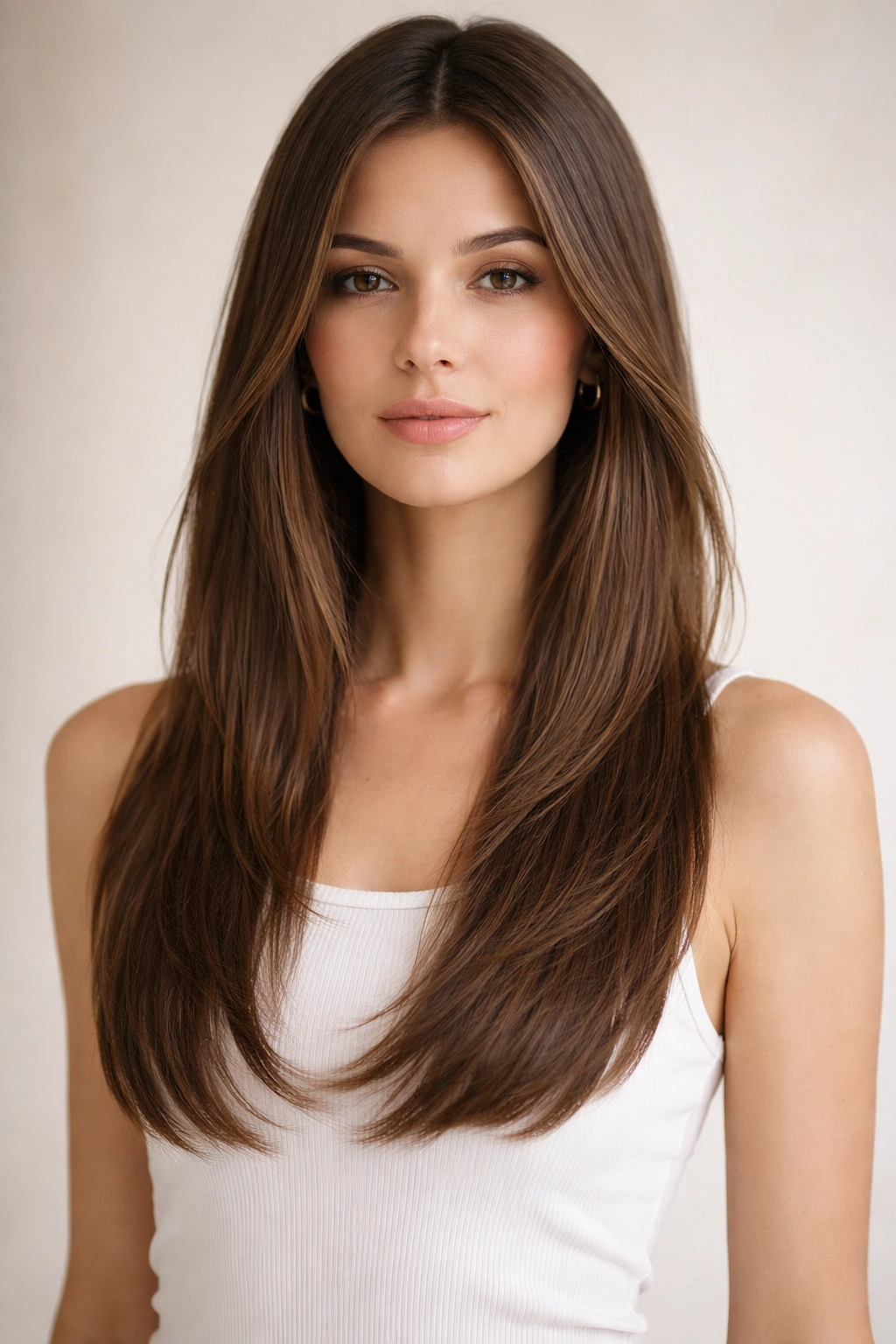
A midi-length cut (longer, hitting around hip or mid-thigh) with very subtle, numerous fine layers throughout that create micro-texture without obvious choppy sections. The layers are so close together they’re nearly imperceptible, but they create movement and prevent the length from feeling heavy. The effect is sophisticated, flowing, and subtly textured.
Why Long Length Works on Straight Hair
Many people assume you need waves or curls to make longer hair interesting, but straight hair’s natural shine actually becomes more striking with length. Micro-texture layers prevent the weight from pulling the hair flat, creating movement that feels organic rather than styled. The slight layers create softness without compromising the sleek silhouette straight hair naturally has. This is the go-to cut for those who want length without the heaviness.
Styling and Care for Midi Length
- Works beautifully with minimal styling: wash, condition, and air-dry
- Can also be worn sleek with a flat iron and smoothing serum for a more polished look
- Layers only need to be trimmed every 8-10 weeks since they’re subtle
- Works with any part style and looks particularly striking with a center part
- Can be styled in braids, buns, ponytails, or worn completely down
- Requires a good deep conditioning routine to keep longer lengths healthy and shiny
12. The Asymmetrical Bob with One Longer Side
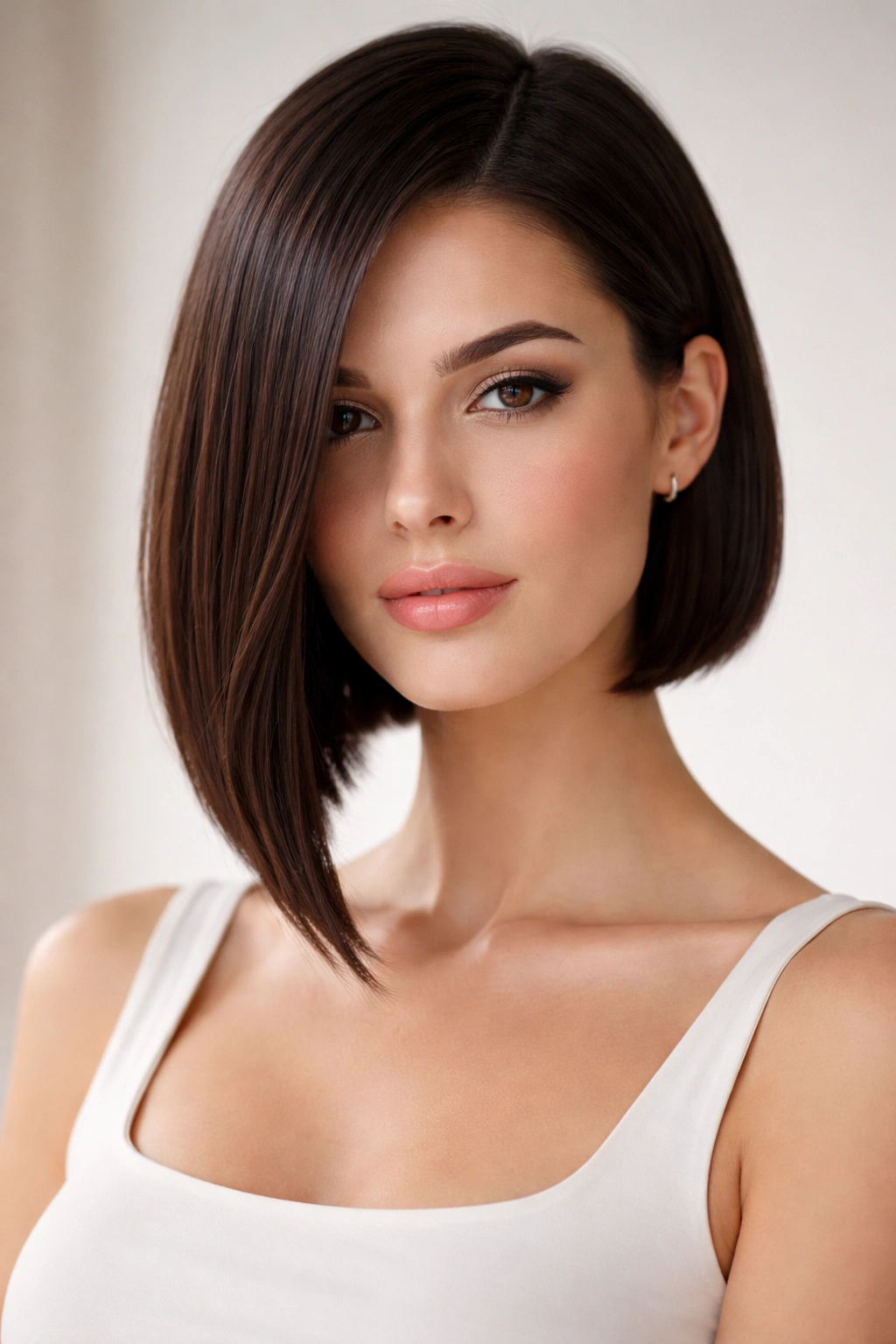
A blunt bob that’s cut shorter on one side of the face (around ear-length or shorter) and noticeably longer on the other side (hitting closer to the jaw or chin). The asymmetry creates movement and a distinctly fashion-forward aesthetic. The shorter side might even show the ear, creating an edgy contrast with the longer, face-framing side.
Why Asymmetry Suits Straight Hair Especially
Straight hair makes asymmetrical cuts look intentional and modern rather than accident-prone. The clear line between the two lengths is striking and precise, which is only possible with straight hair. This cut draws attention to the face and can actually be flattering for various face shapes because you can wear more hair on the side you want to emphasize. It’s bold, but straight hair’s texture ensures the boldness reads as calculated style, not error.
Styling an Asymmetrical Bob
- Works best styled sleek and straight to showcase the clean lines of the two different lengths
- Can be worn with either the longer side forward or tucked behind the ear on that side
- The shorter side can be styled with a slight inward flip or worn completely straight
- Requires a trim every 4-6 weeks to maintain the precise difference between the two sides
- Works beautifully with a deep side part or with hair worn off-center
- Minimal styling product needed; a smoothing serum keeps it polished and shiny
13. The Choppy Shag Bob (Shob)
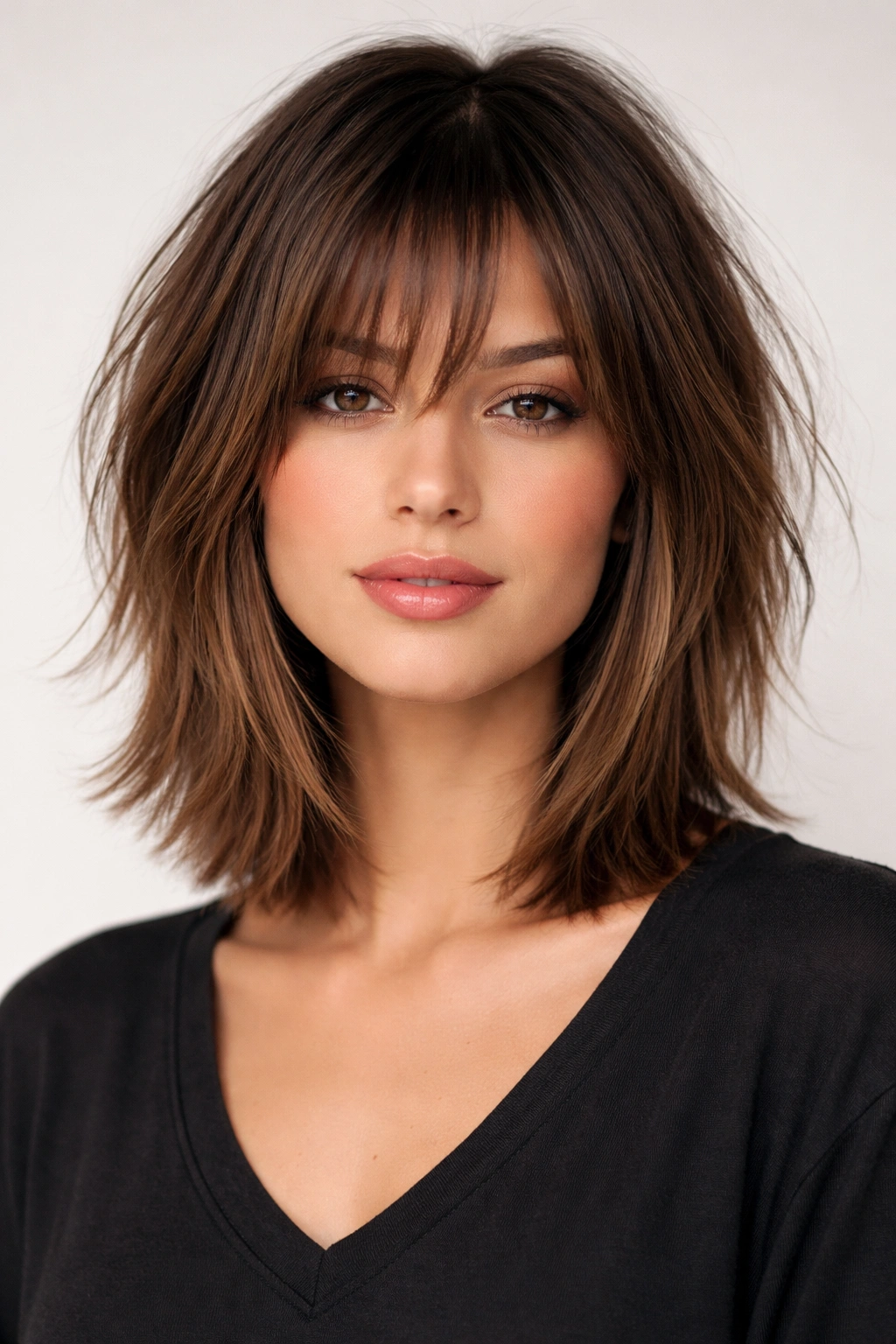
A hybrid between a shag and a bob that hits around shoulder length with choppy, disconnected layers throughout. It’s shorter than a traditional shag but with more layering than a traditional bob. The layers start at the crown and continue all the way down, creating visible texture and movement throughout. It’s youthful, undone, and distinctly modern.
Why Choppy Shags Work on Straight Hair
The choppy texture on straight hair reads as intentional edginess rather than undefined volume. Straight hair shows each layer distinctly, creating the visual separation that makes a choppy shag feel cool and fashionable. The layering prevents the cut from being too severe or geometric, adding personality without needing the hair to be wavy or curly to show the texture. This is the perfect cut for those who want movement without sacrificing the sophistication of shoulder-length hair.
How to Achieve the Best Shob Look
- Texturizing spray is key to emphasizing the choppy layers and creating undone volume
- Works best with tousled styling using a blow dryer and round brush
- Can also be worn sleek with a smoothing serum if you want a polished version
- Pairs beautifully with side-swept bangs or even short, choppy bangs
- Requires a trim every 5-6 weeks to keep the choppy texture defined
- Styling time: 5-10 minutes for a tousled look, 10-15 minutes for a more polished finish
14. The Straight Midi with Face-Framing Ribbons
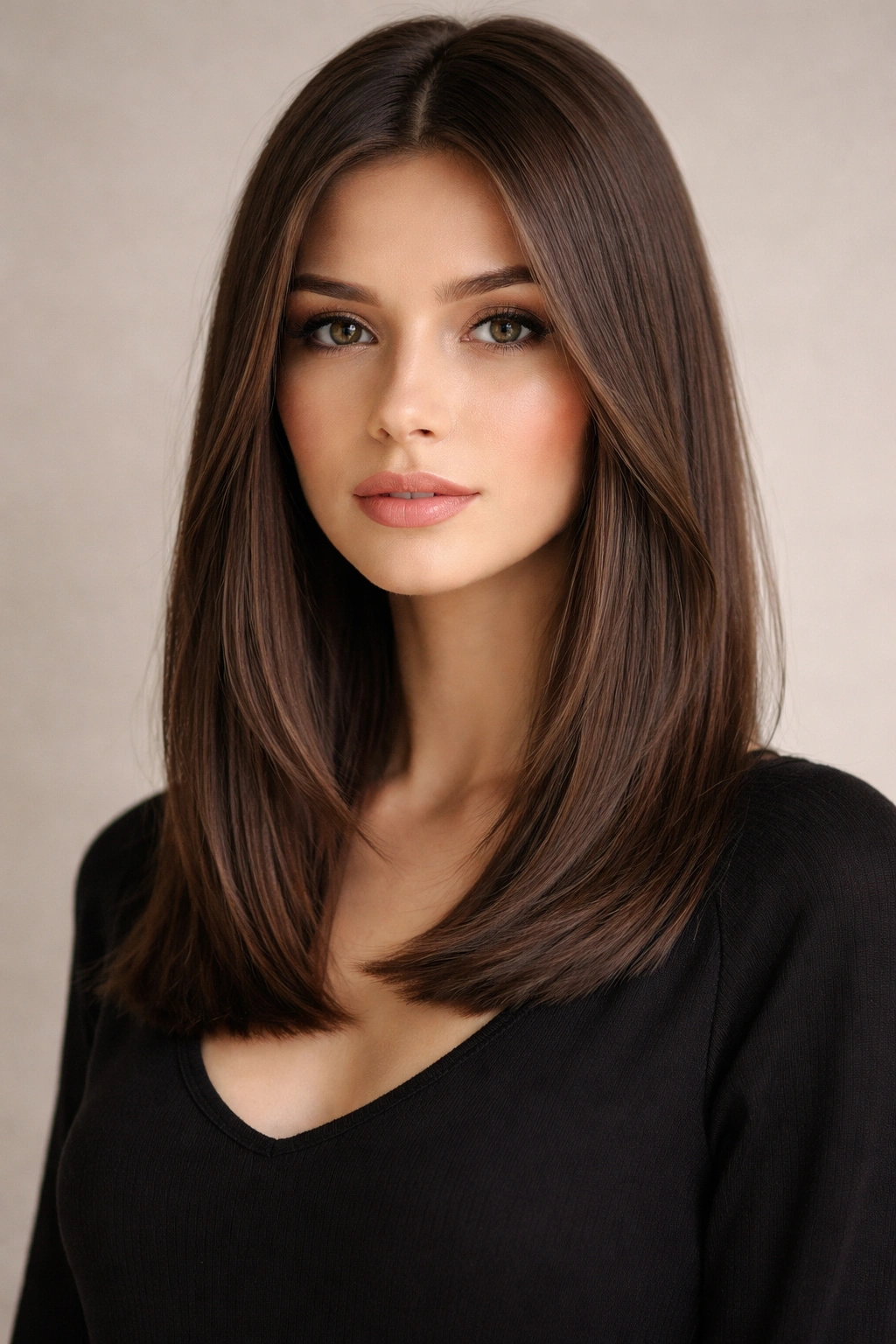
A long midi-length cut with strategically placed ribbons of shorter, face-framing layers that fall forward and create dimension around the face while the bulk of the hair remains longer and blunt. The ribbons are usually 2-4 inches shorter than the main length, creating movement that concentrates around the face rather than throughout the entire head.
Why Ribbons Add Dimension Without Bulk
Face-framing ribbons give you the benefits of layers—softness, dimension, movement—without the weight distribution of all-over layering. On straight hair, ribbons read as intentional and modern, creating a focal point at the face. This technique is perfect for those who want the elegance of longer straight hair but don’t want the one-dimensional look of a completely blunt long cut. The ribbons prevent the style from feeling heavy or severe.
Maintaining Face-Framing Ribbons
- The ribbon layers need trimming every 6-8 weeks to maintain the length difference
- Works best with layers positioned to frame the cheekbones and jawline
- Styling is minimal: these layers are designed to fall naturally
- Can be worn completely straight and sleek, or with soft waves for added dimension
- Works beautifully with a center part, deep side part, or off-center styling
- Looks especially flattering on oval or heart-shaped faces
15. The Barely-Layered Blunt Midi with Bangs
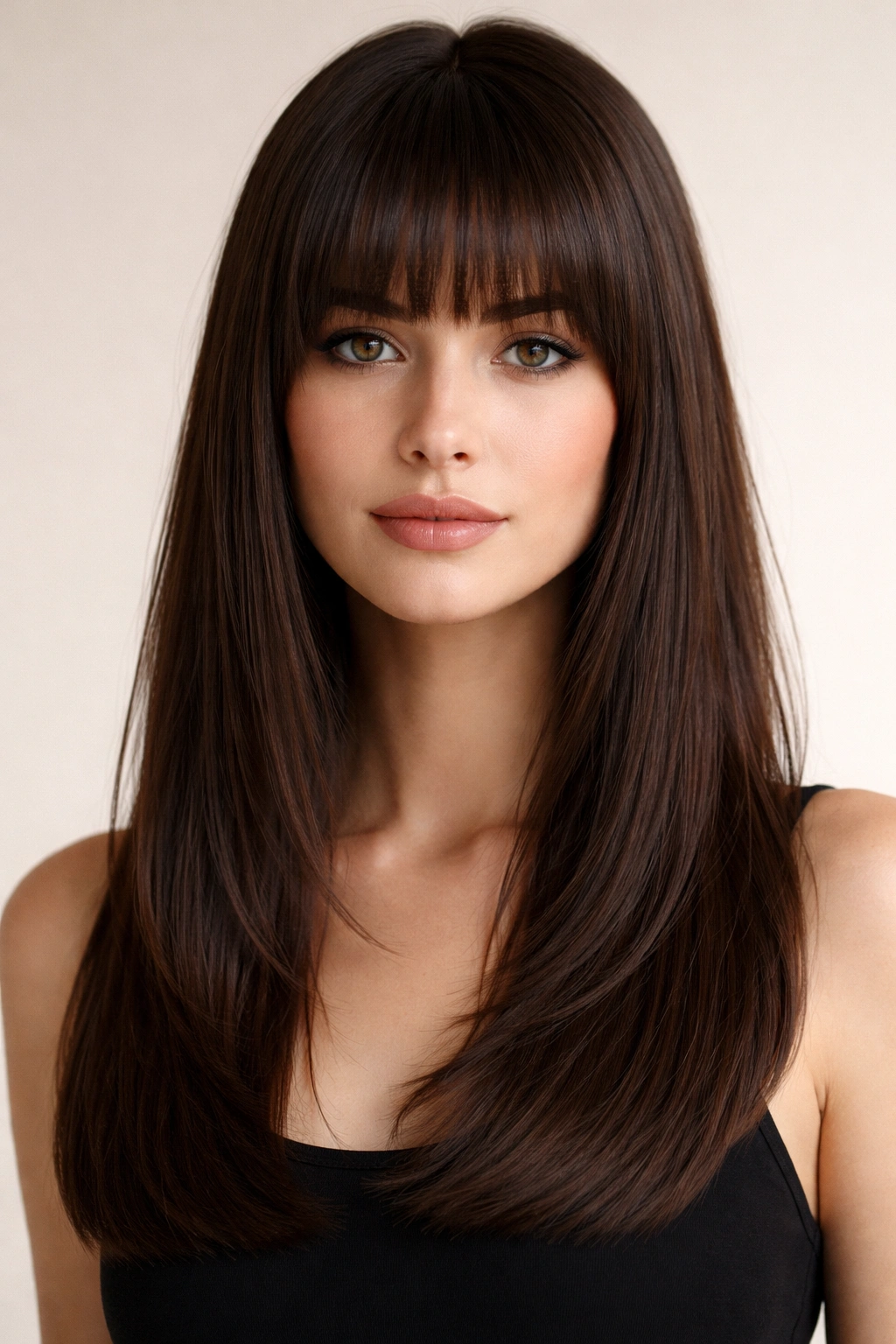
A long midi-length cut that’s almost entirely blunt except for the most minimal layering in the crown area to prevent flatness. The perimeter is clean and straight, hitting around mid-thigh when sitting. Added to this are full, blunt bangs (also called heavy bangs) that cover the forehead. The effect is chic, retro-inspired, and incredibly striking on straight hair.
Why This Classic Look Never Goes Out of Style
This combination—straight, long hair with a blunt perimeter and matching blunt bangs—is timelessly elegant. On straight hair, it looks modern and intentional rather than dated. The bangs ground the longer length, creating a face-framing effect that flatters many face shapes. The minimal layering preserves the glossy, sleek appearance that straight hair does best, while the bangs add visual interest. This is investment-level hair that rewards excellent cut precision and maintenance.
Care and Styling for Long Blunt Hair with Bangs
- Bangs require trimming every 3-4 weeks to maintain the precise blunt line and length
- The rest of the hair only needs a trim every 8-12 weeks unless you’re removing length
- Looks best worn sleek and straight, using a flat iron and smoothing serum
- Can also be worn with soft waves created by a curling iron for a slightly softer interpretation
- Works beautifully with a center part or worn off-center
- Requires a good conditioning routine to keep the length healthy; dry ends will show on long hair
- Styling time: 5-10 minutes for a sleek finish
Final Thoughts
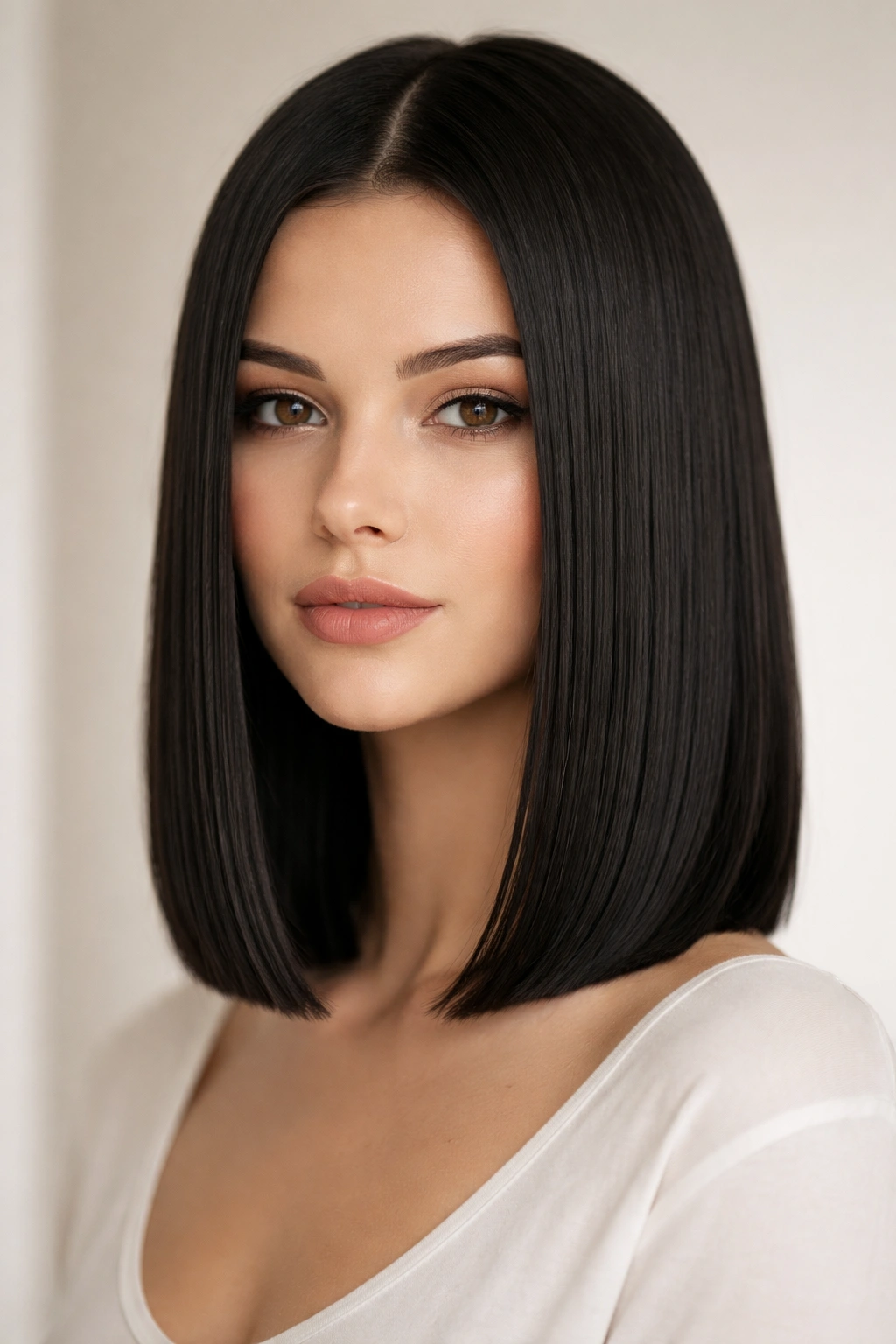
The right medium-length haircut for straight hair isn’t about following trends blindly—it’s about choosing a style that works with your hair’s natural straightness rather than fighting against it. The best cuts either celebrate the clean lines and shine that straight hair naturally offers, or intentionally incorporate layers and texture to create the movement that straight hair sometimes lacks.
Your lifestyle matters as much as your face shape when choosing. Some of these cuts reward meticulous styling and daily flat iron work, while others look beautiful with minimal effort. Some require frequent trims to maintain their precision, while others become easier to manage as they grow out. Consider how much time you genuinely want to spend on your hair every morning, how often you’re willing to book salon appointments, and whether you prefer a polished look or an undone aesthetic.
The best strategy? Bring photos of multiple cuts that appeal to you to your stylist and have an honest conversation about which one matches your lifestyle, your daily styling commitment, and the look you’re trying to achieve. A skilled stylist familiar with straight hair can tell you which cuts will flatter your face shape and which styles suit your hair density and texture. Remember that these cuts can be adapted—layers can be added or removed, bangs can be adjusted, and perimeters can be softened—so once you choose a direction, you have room to refine the style to feel completely like yours.
