



Straight hair and bobs were basically made for each other. There’s something about the clean lines and geometric precision of a bob that just shines when your hair naturally falls flat and smooth. Whether you’re looking for a dramatic change or a subtle refresh, the right bob can completely transform how you look and feel — and straight hair gives you the ultimate canvas to work with.
The beauty of a bob on straight hair is that you can go in virtually any direction. You can lean into sleek minimalism, embrace textured movement, play with angles and asymmetry, or keep things classic and timeless. The key is finding a cut that matches your lifestyle, face shape, and how much styling effort you’re willing to put in on a daily basis. Some bobs practically style themselves; others give you the option to add movement and dimension whenever you want.
This is where understanding your options becomes crucial. A blunt bob reads completely differently than a layered one. An asymmetrical cut offers visual interest that a perfectly symmetrical style can’t match. A long lob (that extended bob length) photographs differently than a chin-length cut. By the time you finish reading this, you’ll know exactly what each style offers, who it works best for, and whether it’s the right move for you.
1. Blunt Bob
The blunt bob is the classic definition of clean geometry. All the hair ends at exactly the same length, creating a sharp, straight line that grazes somewhere between your chin and shoulders. There’s zero layering, zero texture — just pure, undeniable precision.
Why This Cut Works So Well on Straight Hair
Straight hair is what makes a blunt bob actually pop. Because your hair naturally falls in a single direction without wave or frizz, that blunt line stays crisp and defined all day. The cut requires no styling tricks or texture tricks to look intentional — it just is. This style communicates confidence and intention. It’s sophisticated without trying too hard. The stark simplicity is actually what makes it feel modern and editorial rather than retro.
How to Style and Maintain It
- Blow dry straight down from root to tip for maximum shine and line definition
- A lightweight smoothing serum keeps the ends from fraying throughout the day
- Trim every 4-6 weeks to maintain that razor-sharp edge — let it grow out even slightly and the precision disappears
- Works with or without bangs (blunt bangs amplify the geometric effect, while no bangs keeps focus on the neckline)
Pro tip: A blunt bob actually looks better on fine to medium straight hair than on very thick hair. Thick hair can look overwhelming with all that weight concentrated at one length — if that’s you, ask your stylist about an invisible layer or two to maintain the blunt appearance while reducing bulk.
2. Choppy Textured Bob
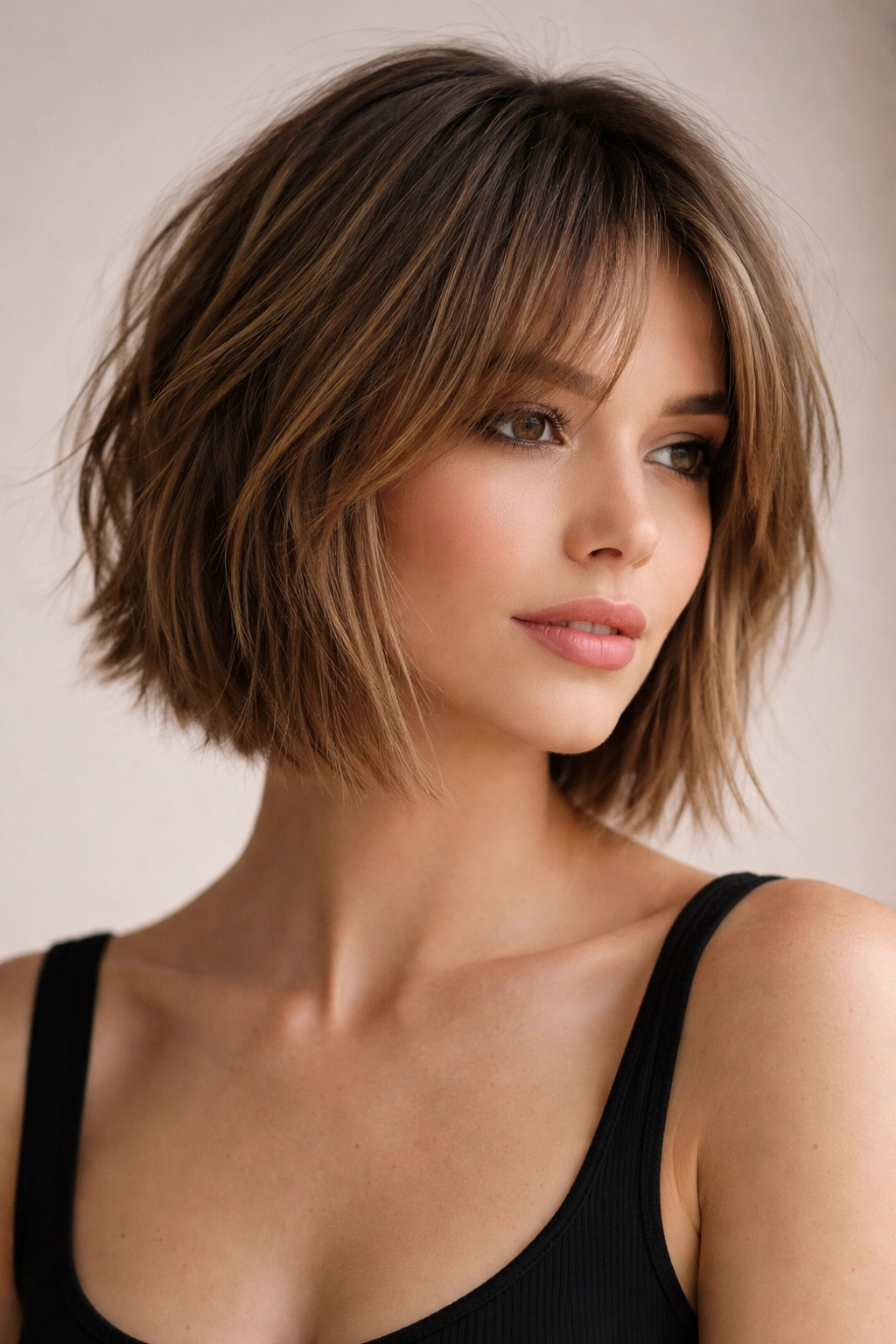
This bob deliberately breaks up that sleek straight-hair perfection with intentional choppiness and texture. The layers are shorter at the crown, slightly longer toward the ends, and cut at varying angles so the pieces don’t all line up neatly.
What Makes Choppy Texture Different
Instead of one clean line, you get movement and dimension even when your hair is completely straight. The choppy layers catch light differently at different angles. It feels younger and more fashion-forward than a blunt bob, with a hint of rock-and-roll attitude. Straight hair actually shows off choppy texture better than wavy hair does — the texture reads as intentional rather than accidental. This is the bob for people who want to look like they didn’t try too hard, even though this cut requires precision to pull off.
Styling and Maintenance Tips
- Blow dry with a round brush to add subtle volume at the crown
- Use texture spray or sea salt spray to emphasize the choppy layers — the product settles into the varying lengths and makes them more visible
- Requires trims every 6-8 weeks to keep the choppy layers looking fresh rather than grown-out and shapeless
- Looks great with or without bangs; choppy bangs amplify the edgy vibe
Worth knowing: This cut can actually make fine, limp straight hair look fuller because the layers and texture create the illusion of volume. Even if your hair is naturally thin, the choppy cut tricks the eye.
3. Asymmetrical Bob
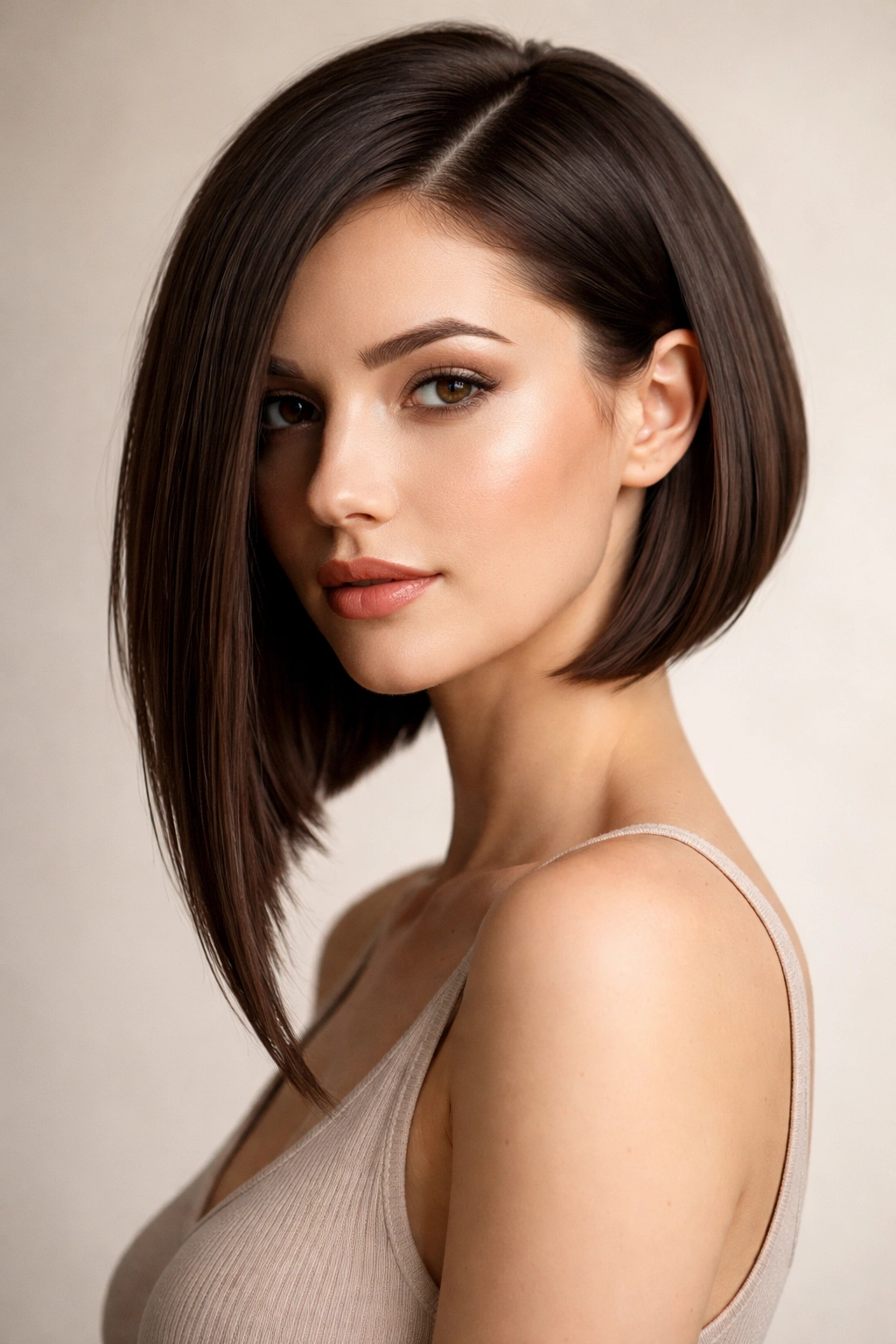
One side is noticeably longer than the other — sometimes dramatically so. You might have one side grazing your jaw while the other side reaches your shoulder, or the difference could be even more extreme. The asymmetry is intentional and visible from every angle.
Why Asymmetry Works With Straight Hair
Straight hair shows off asymmetry with absolute clarity. You can’t hide an uneven cut under waves or curls; it’s there, visible and intentional. This cut is inherently interesting because it breaks your expectation of balance. It photographs beautifully from one side and looks completely different from the other side. Asymmetrical bobs work especially well on people with strong, angular face shapes because the directional asymmetry echoes facial structure.
Styling Considerations
- You can part on either side depending on your mood — the part changes where the longer side frames your face
- Blow dry with the longer side pulled slightly back or over to show off the asymmetry
- Requires precise trims every 6-8 weeks or the asymmetry becomes unintentional instead of intentional
- Bangs can be straight across (creating contrast with the asymmetrical length) or also asymmetrical for a fully committed look
Pro tip: Asymmetrical bobs photograph best from the side where you prefer how the length frames your face. Figure out your best angle and angle yourself accordingly in photos.
4. Graduated Bob
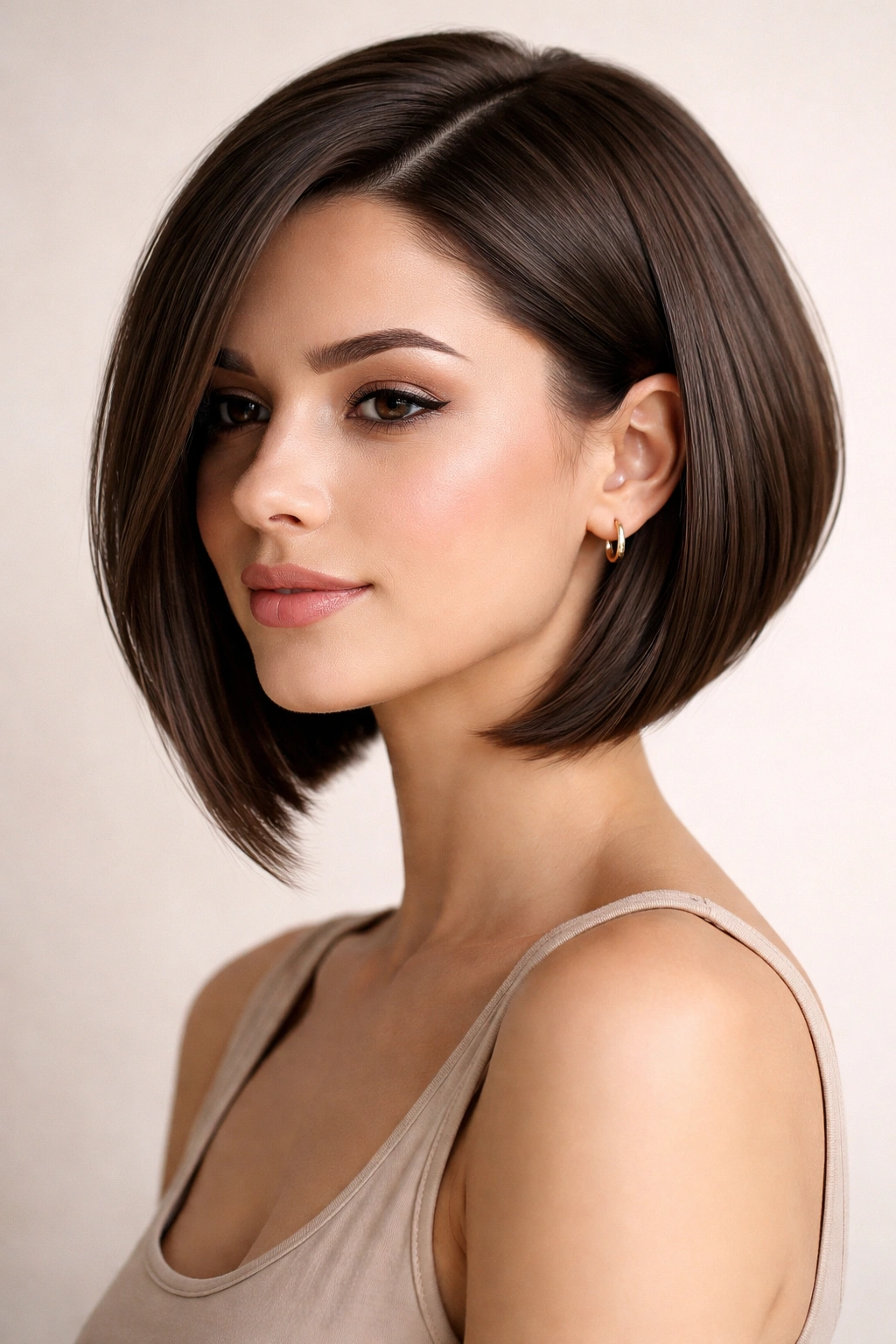
This is a bob that gradually gets longer as you move from back to front. The back of your head is shorter and slightly layered, while the front pieces frame your face at a longer length — sometimes dramatically longer. It’s the opposite structure of a choppy bob.
The Visual Effect and Best Face Shapes
A graduated bob creates the illusion of movement and shape even on completely straight hair. The front-to-back graduation adds dimension that a blunt bob simply doesn’t have. This cut is incredibly flattering on round or square faces because the longer front pieces create vertical lines that narrow the face. It also works beautifully on fine hair because the shorter back creates lift and volume at the crown while the longer front doesn’t feel too heavy.
How to Work With This Cut
- The longer front pieces frame your face, so consider them like you would bangs — they draw attention to your cheekbones and eyes
- Blow dry the back away from your head for volume; let the front pieces fall naturally
- The graduation means some pieces will need trims more frequently than others — communicate this clearly with your stylist
- Pairs beautifully with a side part that emphasizes the front pieces
Insider note: If you have a longer face, this cut can make it look even longer. If you love the graduated structure but worry about length, ask your stylist about a shorter front piece so it still frames your face but doesn’t extend past your jawline.
5. Shaggy Bob
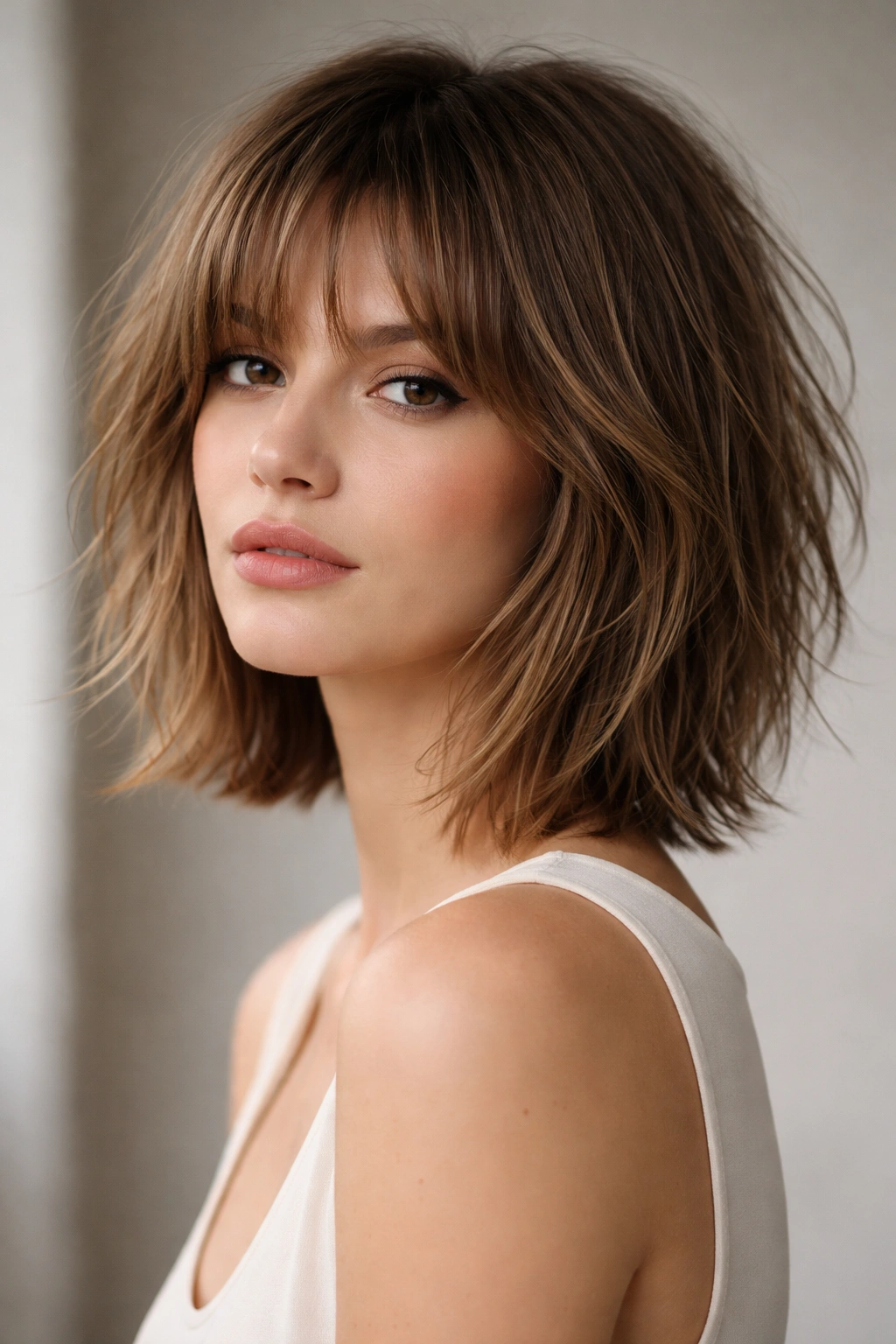
A shaggy bob layers the hair throughout — crown, middle, and ends — so you get choppy, lived-in movement everywhere. It’s like a lob’s edgier, shorter cousin. Think 1970s cool but updated for contemporary style.
Why Shaggy Is Having a Moment
Shaggy bobs feel intentionally undone rather than perfectly polished. On straight hair, the layers create actual movement and texture without requiring waves. It’s more forgiving than a blunt bob because the layers hide slightly grown-out regrowth. If you like the idea of a bob but want something that feels less rigid and editorial, shaggy is your answer. It works across age ranges and face shapes because the layering can be customized to flatter whatever you’re working with.
Styling and Care
- Blow dry with fingers or a diffuser for texture; avoid smoothing it into submission with a brush
- Apply texture spray or dry shampoo to emphasize the layers and create movement
- Regular trims every 6-8 weeks keep the shag looking intentional rather than shaggy in a rough way
- Works beautifully with a center part that shows off the layering around your face
Worth knowing: Shaggy bobs look best on hair with at least a little natural texture. If your hair is very fine and limp, the layers might fall completely flat rather than creating the movement you’re going for.
6. Sleek Bob With Side Part
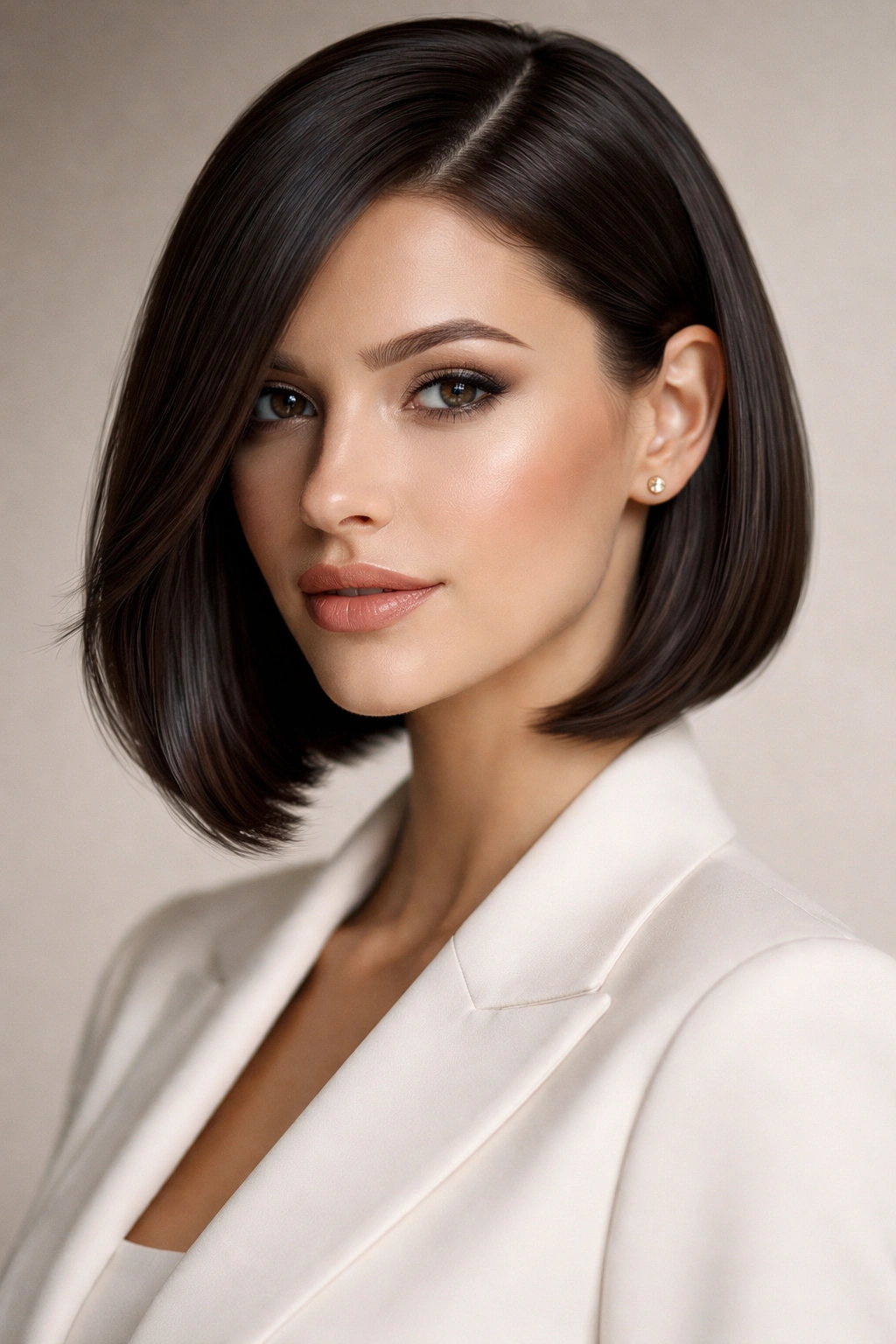
This is essentially a blunt or nearly-blunt bob, but the styling method completely changes the vibe. Instead of a center part or no part, you create a pronounced side part that sweeps most of your hair to one side. The result is polished, directional, and undeniably elegant.
The Sophistication Factor
A side part creates balance and refinement that you don’t get with other parting methods. On straight hair, the part line is clean and deliberate. The side-swept style creates an asymmetrical silhouette that feels intentional and put-together. This is the bob for important meetings, fancy events, or when you want to look like you’ve seriously considered your appearance. It reads professional, chic, and collected.
How to Achieve This Look
- Blow dry your hair straight, then create your side part while hair is slightly damp
- Use a fine-tooth comb to smooth the side-swept portion over
- A light smoothing or shine serum keeps flyaways at bay and makes the part line crisp
- The cut itself doesn’t need to be dramatically different from a standard bob — the part and styling do all the heavy lifting
- This look actually works better on longer bob lengths (chin-length or slightly longer) because shorter bobs can look too severe with a dramatic side sweep
Pro tip: The deeper your side part, the more dramatic the effect. A side part that’s only an inch from center feels subtle and everyday; a part that’s several inches toward one side creates red-carpet elegance.
7. Layered Bob
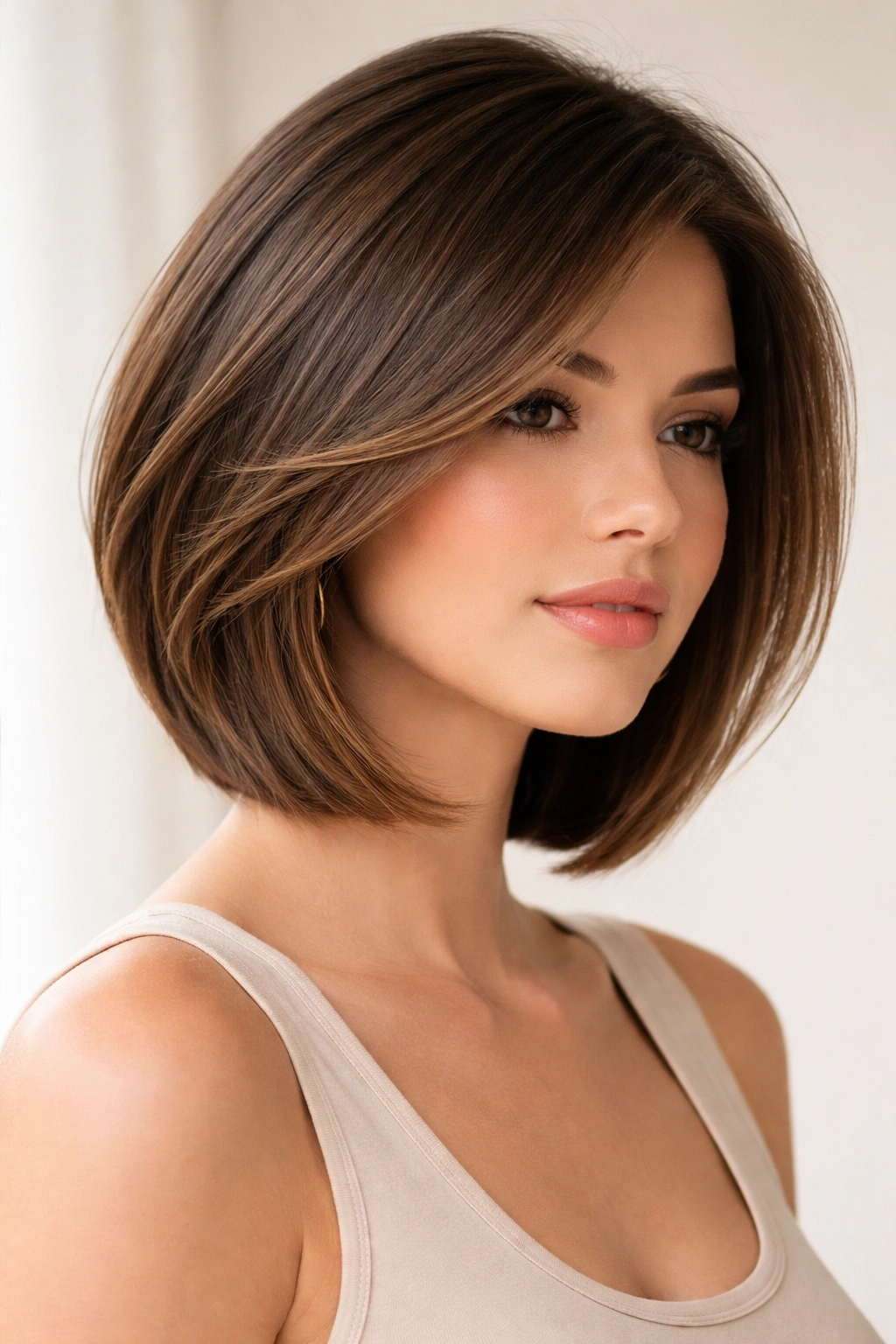
Unlike a choppy bob with intentionally jagged layers, a layered bob has smooth, integrated layers that create shape and movement without the texture-forward vibe. The layers blend seamlessly so the cut reads as one cohesive shape rather than multiple distinct pieces.
Why Layering Adds Dimension
Layers create the illusion of volume and movement without actually adding texture or choppiness. Straight hair shows off layers beautifully because you can see exactly how each layer sits and moves independently. This cut is flattering on fine hair because it creates the appearance of fullness without the weight of blunt ends. It’s also incredibly versatile — layers can be subtle and barely noticeable, or more pronounced depending on your preference.
Styling Your Layered Bob
- Blow dry with a round brush, rolling your hair under at the ends to encourage the layers to curve and blend
- Layers can look great straight and sleek, or you can add texture spray for more movement
- Can be parted down the center for a balanced look, or to one side for more directional styling
- Layers around the face soften features and draw attention where you want it
- Trims every 8-10 weeks keep the shape intact as layers grow out at different rates
Worth knowing: If you have very straight, stubborn hair that won’t curl or flip, layers still work beautifully — they just read as movement and dimension rather than actual curl.
8. Curved Bob
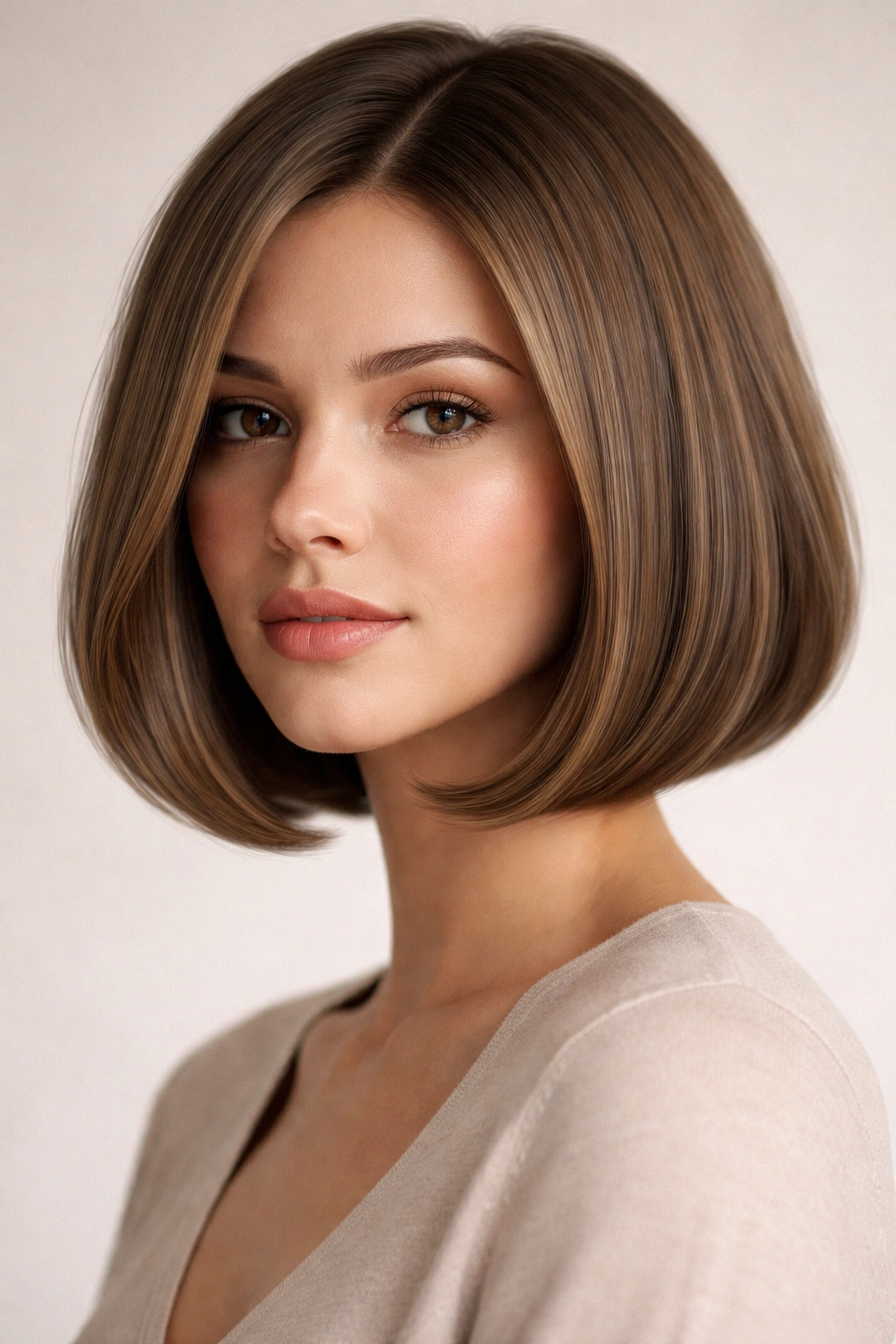
Instead of straight lines (blunt) or choppy layers, a curved bob has a soft, rounded shape. The ends curve gently inward or outward in a continuous arc. It’s geometric but in a rounded, softer way rather than a sharp way.
The Softness Factor
Curved bobs are incredibly flattering because curves are naturally softening and face-framing. The rounded ends create a halo effect around your face rather than a stark line. On straight hair, the curve stays crisp and defined all day without needing waves. This cut works beautifully on every face shape because the gentle curve is universally flattering. It feels more romantic and less editorial than a blunt bob, but more polished than a shaggy or choppy one.
How to Maintain the Curve
- The curve should be enhanced through blow-drying technique — roll your brush under at the ends to encourage the inward curve
- A smoothing serum or light hairspray keeps the curve looking intentional rather than accidental
- Trims every 6-8 weeks preserve the curved shape as hair grows
- This cut works with any part style because the curve is flattering from every angle
Insider note: Ask your stylist to cut the curve using a rounded scissors technique rather than point-cutting or texturizing, which can disrupt the smooth curve on straight hair.
9. Geometric Bob
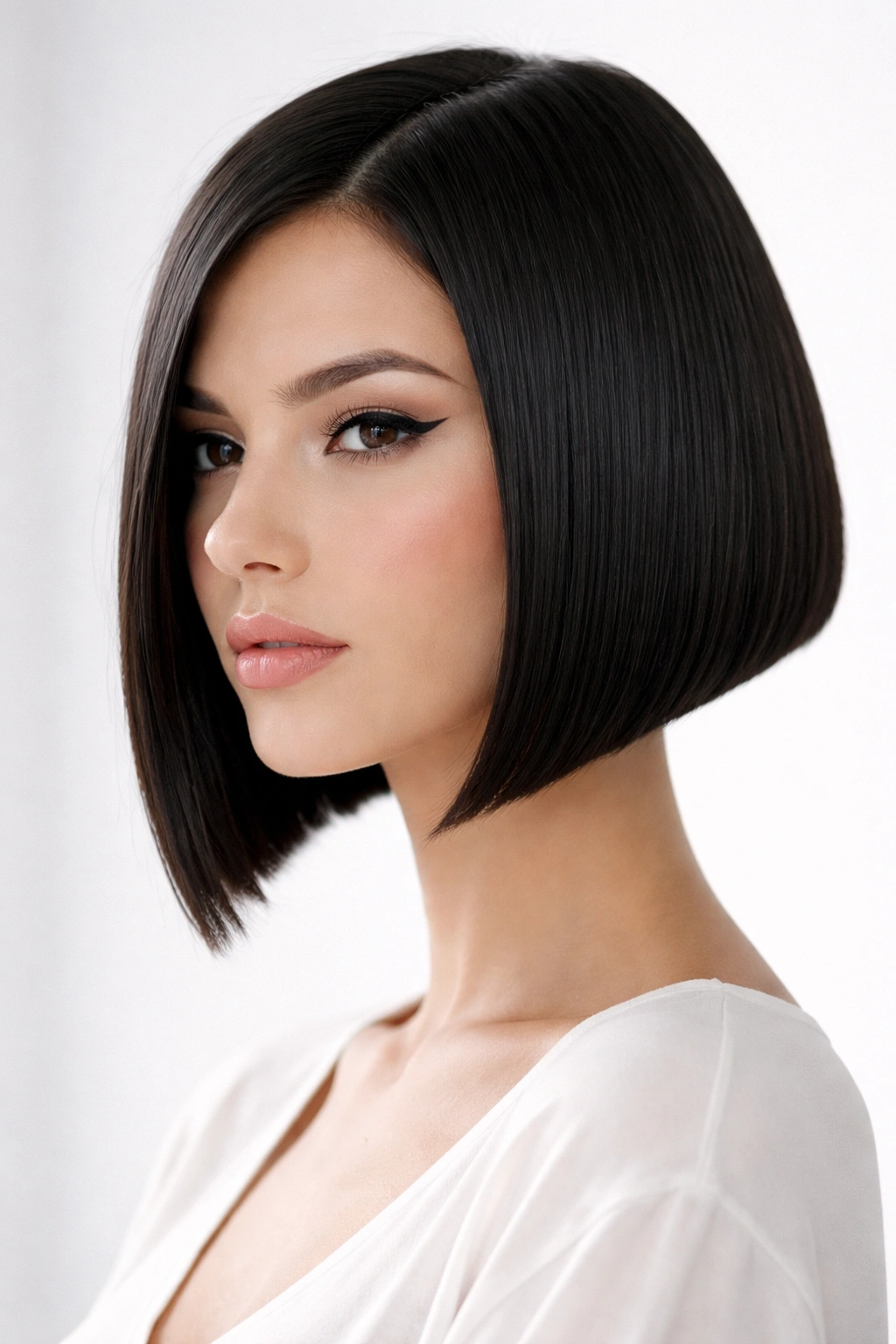
This is a bob with sharp, architectural lines — clean angles at the front, potentially a diagonal line from back to front, or a structured shape that looks almost sculpted. It’s very deliberate and fashion-forward.
The Fashion-Forward Appeal
Geometric bobs are for people who want to make a statement. The cut is visually interesting and commands attention. Straight hair is absolutely required for a geometric bob to read correctly — the lines would disappear in wavy or curly hair. This cut works best on people with confident personal style and the commitment to maintain it precisely. It’s editorial, modern, and unapologetically bold. A geometric bob says you take your appearance seriously.
Styling and Maintenance
- Blow dry with precision — not a hair out of place
- A smoothing serum is non-negotiable to keep the geometric lines looking intentional
- Requires trims every 4-6 weeks because any grow-out disrupts the architectural shape
- Works beautifully with a bold lip color or statement earrings that echo the geometric vibe
- Looks best on medium to thicker straight hair; very fine hair can look wispy
Pro tip: Geometric bobs photograph exceptionally well because the clean lines translate beautifully to camera. If you love how you look in photos but want an everyday style that’s equally striking, this is it.
10. Straight Lob (Long Bob)
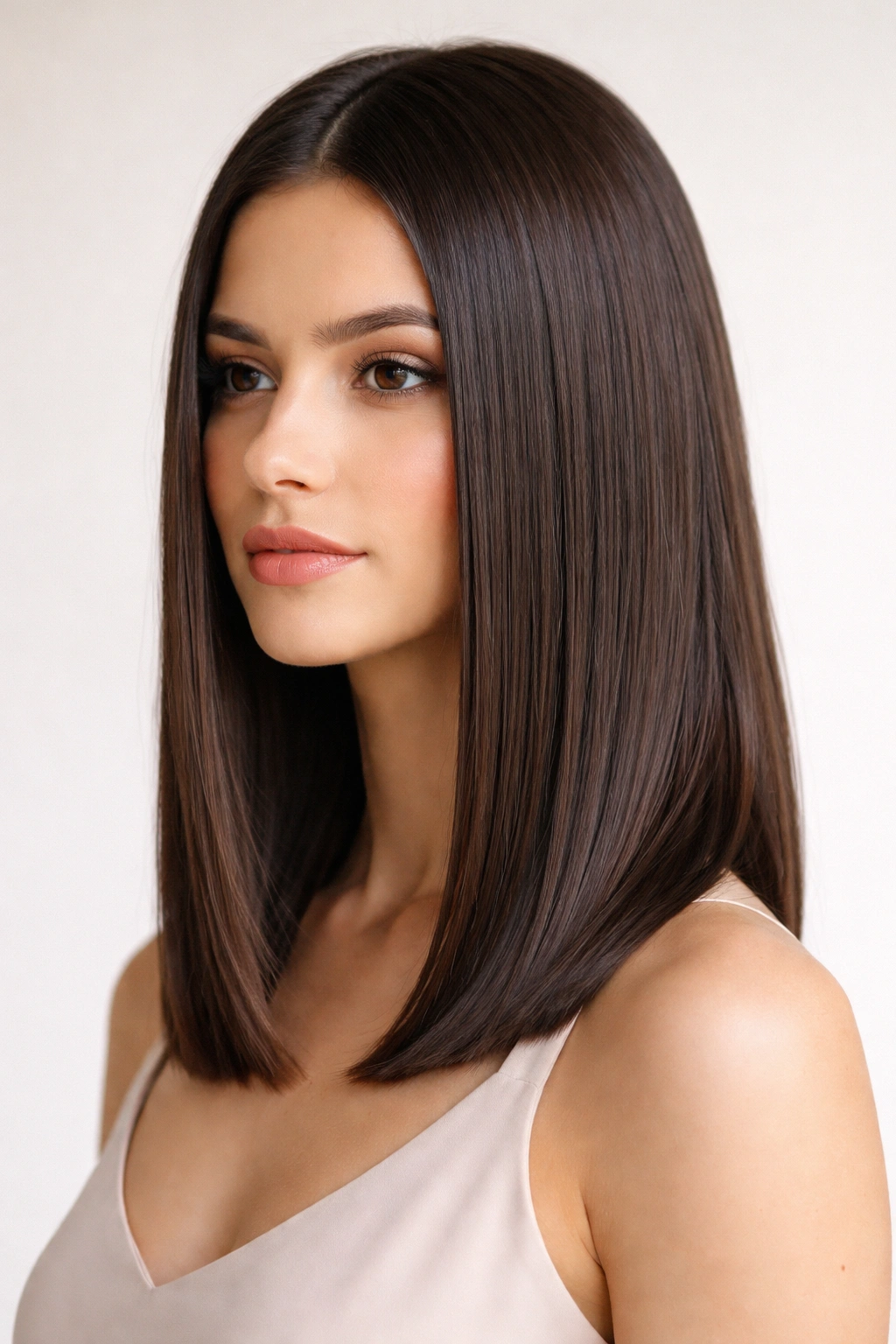
A lob is technically just a longer bob — usually landing between your shoulders and mid-chest. It gives you bob styling and structure but with extra length for versatility. Think of it as the sweet spot between a bob and longer hair.
Why Length Adds Versatility
Lobs are incredibly practical because you get bob styling when you want it (updos, styling options) but also the length to wear down in a sleek, longer style. The length also makes the cut feel less severe than a shorter bob — you get sophisticated styling without the dramatic change. On straight hair, a lob is wonderfully low-maintenance. You can blow dry it smooth, put it in a sleek ponytail, or wear it half-up. It’s the most versatile bob length available.
Styling Options for Lobs
- Blow dry straight for a sleek, elongated look
- Create waves with a curling iron and hold them with texture spray for evening
- Style half-up in a chic half-pony or twisted crown
- Pair with a center or side part depending on the vibe you’re going for
- Trims every 8-10 weeks maintain the shape without shortening it too much
- Longer lobs are more forgiving of grow-out than shorter bobs
Worth knowing: If you’re nervous about committing to a short bob, a lob is the perfect gateway. You get the style refresh without the dramatic length change.
11. Wavy Bob (Styled on Straight Hair)
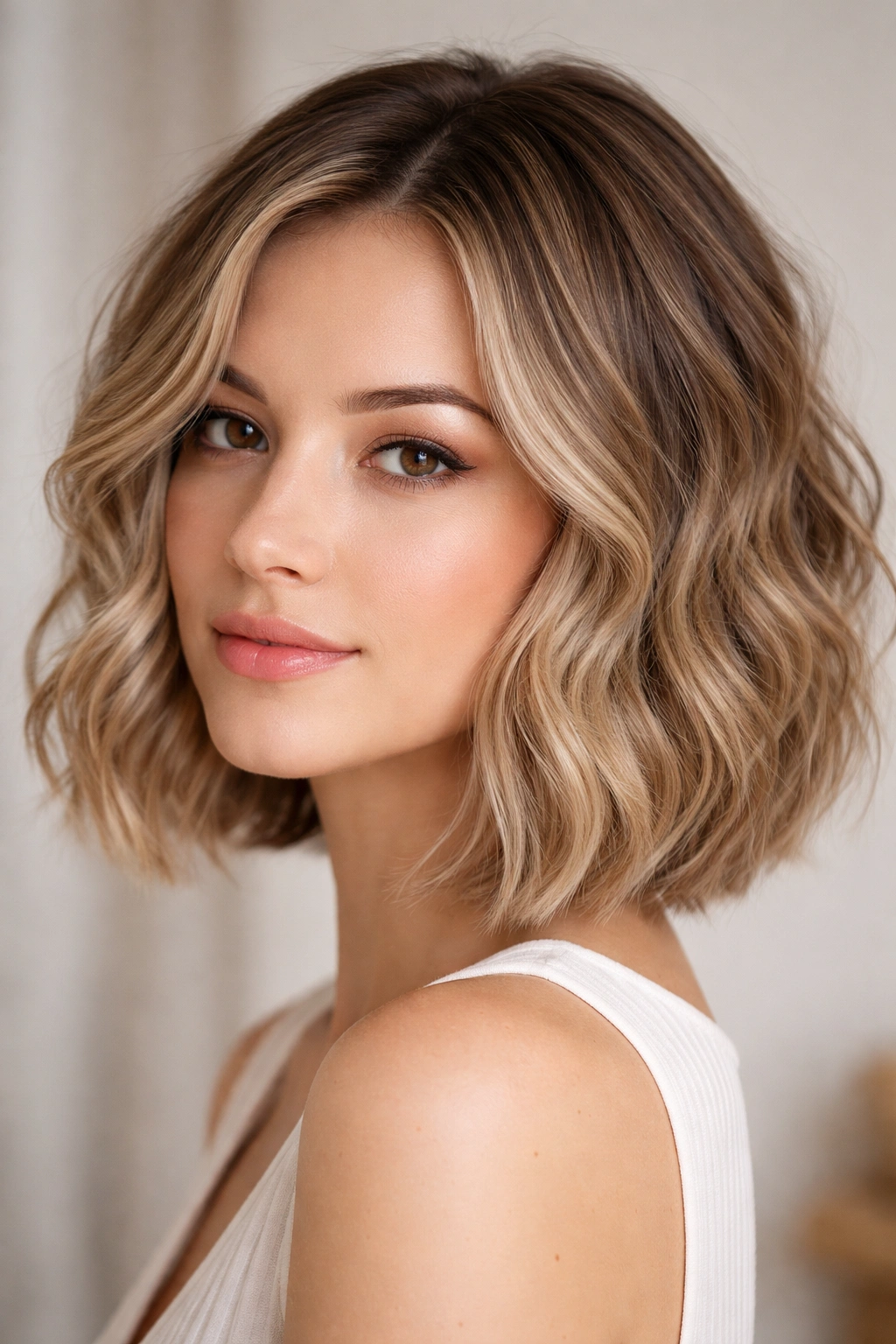
This is technically a straight bob cut that you actively style into waves using tools or products. You’re not getting a wavy cut — you’re creating waves through blow-drying or heat styling. It bridges the gap between sleek and textured.
The Best of Both Worlds
This approach lets you have a straight bob that reads as modern and sleek on days you blow dry it smooth, and then textured and romantic when you style it wavy. You get multiple looks from one cut. On straight hair, creating waves requires intentional styling — a curling iron, a texture spray, or braiding overnight. The waves don’t stay all day without help, but that’s actually the appeal. You get to choose your vibe.
Creating and Maintaining the Waves
- Use a 1.25-inch curling iron, curling sections away from your face for flattering waves
- Wrap the curled sections in a low bun while they cool to help them hold
- Texture spray or light hairspray holds the waves without making hair look stiff
- You can also create waves by braiding damp hair overnight and releasing in the morning
- The cut itself should be a layered or curved bob to work well with waves
Pro tip: If you do this styling regularly, invest in a good-quality curling iron. Cheaper ones don’t heat evenly and won’t create consistent, lasting waves on straight hair.
12. French Bob
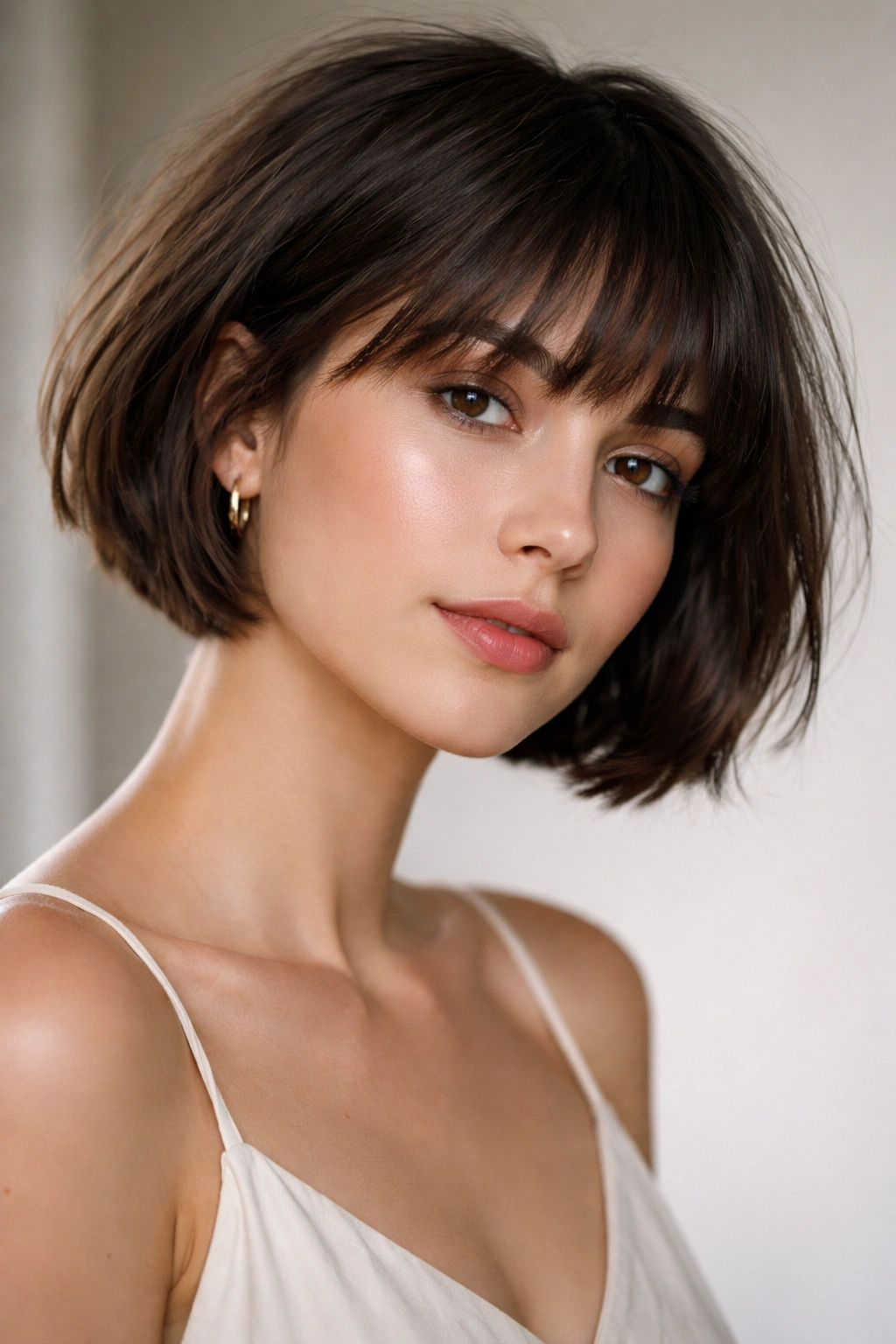
A French bob is shorter and choppier than a blunt bob, usually landing at the ear or just below. It’s textured and deliberately imperfect, with the vibe of effortlessly chic Parisian style. Think “I didn’t try but somehow look amazing.”
The Effortless Elegance
French bobs are undeniably chic because they communicate confidence and a certain “I don’t care what you think” attitude — which is somehow deeply attractive. On straight hair, the choppy texture is clearly intentional rather than accidental. This cut works beautifully on people with strong, defined features because the shorter length and choppy texture don’t hide anything. It’s a very visible cut. If you have beautiful bone structure, a French bob shows it off. If you’re less concerned with showing off your face and more interested in a cute, easy style, you might find it reads a bit harsh.
Styling the French Bob
- Blow dry with texture — use a texture spray or sea salt spray to emphasize the choppy layers
- Can be parted down the middle for balance or to one side for asymmetry
- The shorter length makes this very low-maintenance — you can actually wake up and have a decent-looking style without styling
- Trims every 6 weeks keep the choppy texture looking intentional
- Requires confidence in your features because nothing is hidden
Worth knowing: French bobs read young and edgy. If you’re very concerned about looking mature or professional, this might not be your first choice. It’s a style that works best when you embrace its attitude.
13. Angled Bob
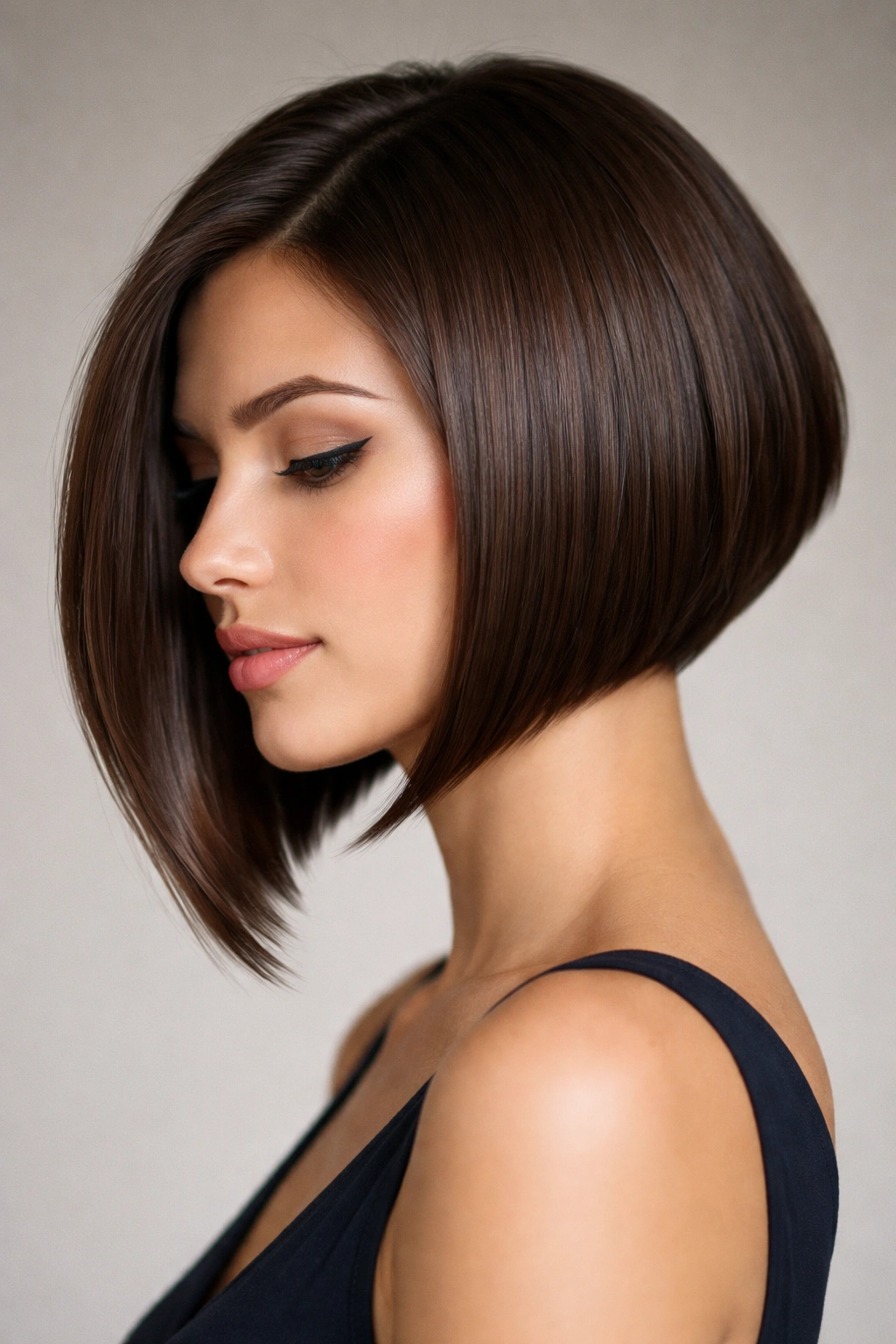
An angled bob has a diagonal line — shorter in the back, longer in the front, but with a smooth diagonal slope rather than the sharp graduation of a graduated bob. The transition is gradual and intentional.
Why Angles Create Movement
Even on perfectly straight hair, an angled bob creates visual interest and movement. The angle draws the eye in a specific direction. This cut is flattering on oval and rectangular face shapes because the angles echo facial structure. It’s also wonderfully practical — the longer front pieces frame the face while the shorter back creates volume at the crown. You get shape and flattery without extreme texture or choppy styling.
How to Wear and Maintain It
- The angle should be blown out with a brush — roll your brush under at the ends to encourage them to follow the angle rather than flip up
- A side part often works beautifully with angled bobs because the longer side naturally falls forward
- The angle means some hair grows faster than others — stay on top of trims to maintain the shape
- Pairs beautifully with subtle layers around the face for added softness
- This cut is versatile enough for both professional settings and casual styling
Pro tip: When you ask your stylist for an angled bob, show a picture of the exact degree of angle you want. The difference between a slight angle and a dramatic angle is significant.
14. Micro Bob
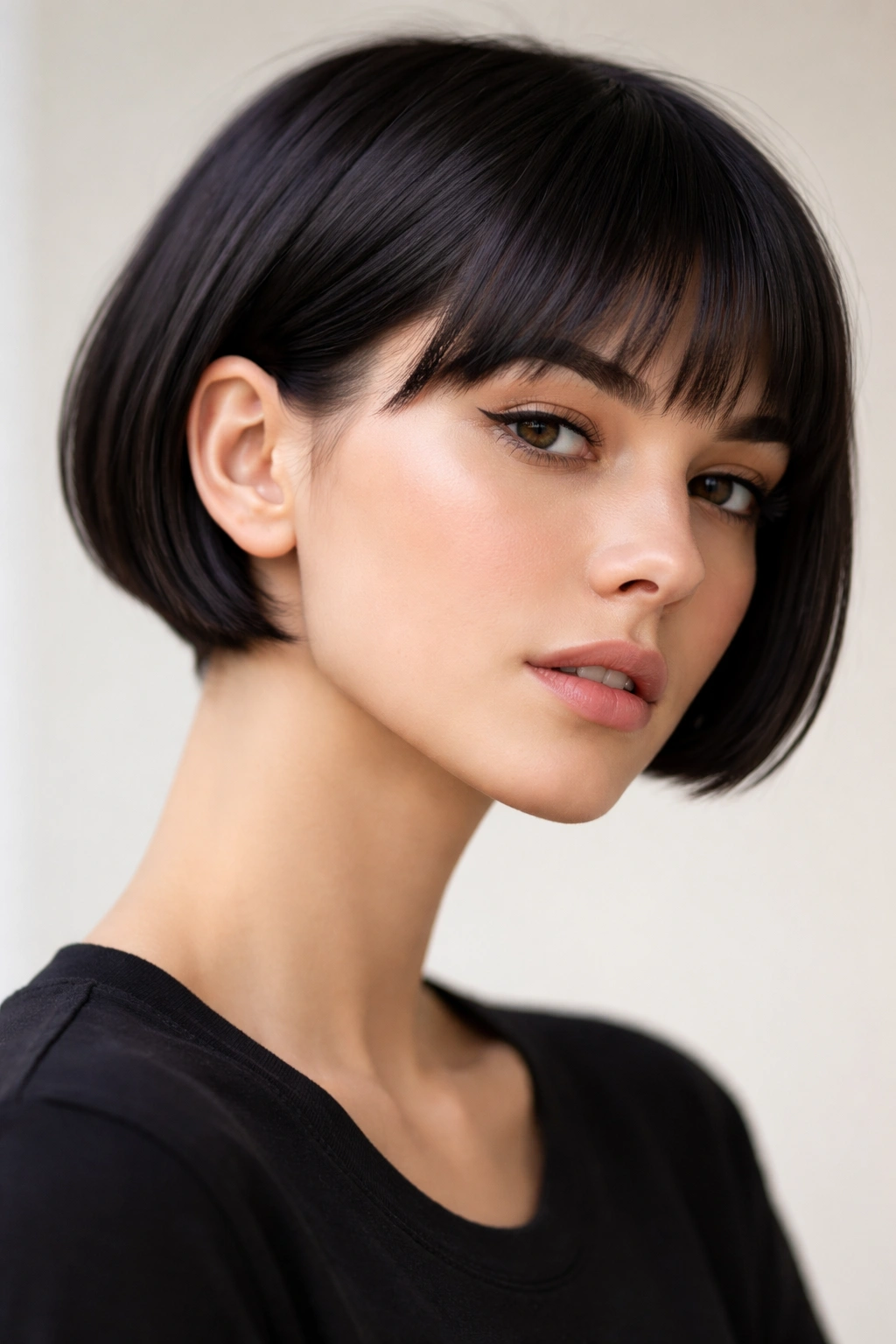
A micro bob is very short — usually landing at the ear or above, sometimes as short as pixie-bob territory. It’s a serious commitment to short hair with all the styling benefits and challenges that come with it.
The Confidence Required
Micro bobs are for people who genuinely love short hair and aren’t afraid of regular styling. The cut requires blow-drying and product to look polished; you can’t just air-dry and expect it to look great. On straight hair, a micro bob reads as super sleek and chic when styled well, but also looks quite severe and boyish if you’re not into the vibe. This cut is incredibly practical for people who want minimal hair-washing and drying time, but it demands intentional styling to look intentional.
Styling a Micro Bob
- You need to blow dry with a round brush — air-drying often results in awkward flatness
- A light styling cream or texture spray adds shape and prevents the helmet effect
- This cut shows off your face, neck, and ear shape — not ideal if you’re less confident in those features
- Trims every 4-6 weeks are non-negotiable because short hair grows out visibly
- Works beautifully on people with strong features, angular face shapes, and high confidence
Worth knowing: A micro bob is significantly more high-maintenance in daily styling than a longer bob, even though it requires less washing and drying. Don’t choose this length unless you’re genuinely willing to style it every single day.
15. Undercut Bob
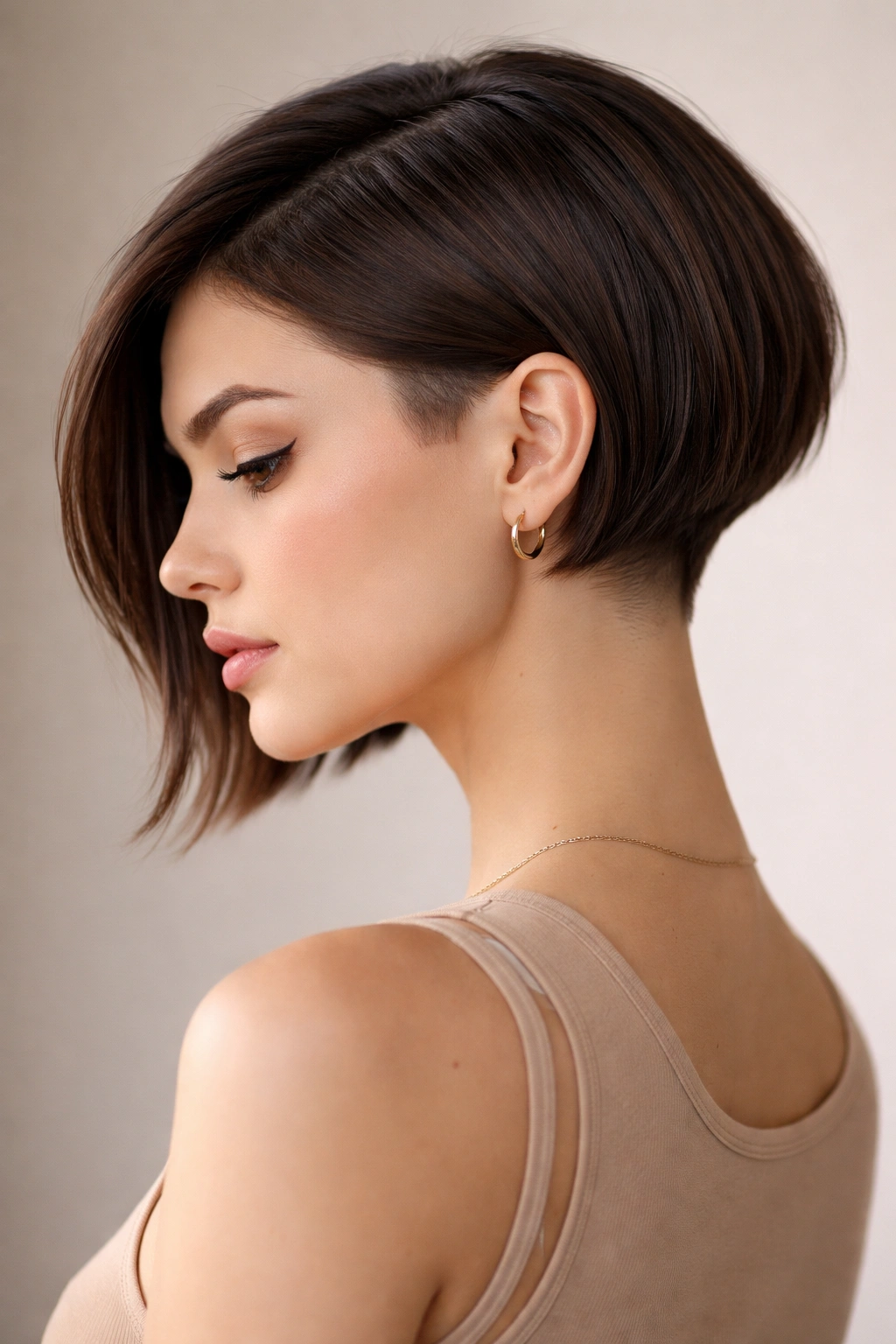
An undercut bob has shorter, clipped hair underneath (at the nape or at the sides) with longer bob hair on top that covers it. You see the undercut when hair is styled a certain way or pinned up, but it’s hidden when hair is worn down.
The Edgy Appeal
Undercut bobs are for people who want to look edgy and unconventional but also maintain the option to look conservative by wearing hair down. It’s a style that reveals different parts of yourself depending on styling. The undercut adds dimension and can actually reduce bulk on very thick hair. On straight hair, the contrast between the longer top and clipped undercut reads as intentional and fashion-forward. This cut works best on people confident enough to rock an edgy vibe when they want to show it off.
How to Style and Show Off the Undercut
- Wear hair down and smooth to hide the undercut for professional or conservative settings
- Pin hair up or style it slicked back to reveal the undercut and show off the edge
- The undercut can be clipped very short (almost shaved) or left slightly longer depending on your comfort level
- This cut requires trims every 4-6 weeks because the undercut grows out visibly
- Works beautifully on medium to thick straight hair; may look awkward on very fine hair
Pro tip: Before committing to an undercut bob, try the look with a temporary buzz or clipper cut on that area. If you hate it, at least you know before it grows back. You can also ask your stylist for a less aggressive undercut that’s slightly longer — it’s less dramatic but still gives you that edge.
Final Thoughts
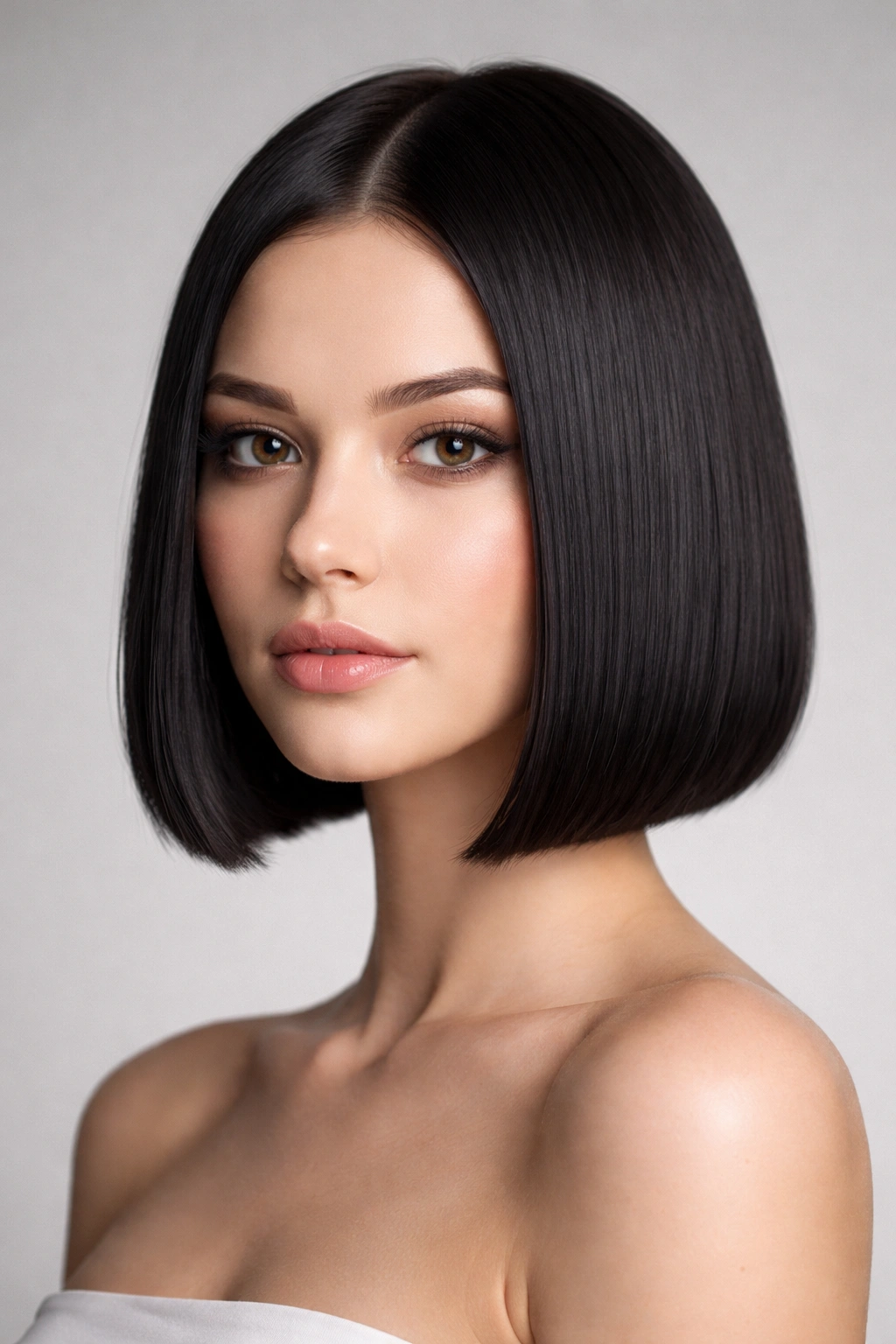
The right bob comes down to understanding what you actually want from a haircut. Do you want maximum elegance with minimal daily styling? A blunt or curved bob delivers. Are you craving texture and movement? Choppy, layered, or shaggy bobs create that immediately. Do you want something bold and conversation-starting? Geometric, asymmetrical, or undercut bobs demand attention.
Your lifestyle matters too. How much time are you genuinely willing to spend blow-drying and styling every morning? Blunt and sleek bobs require more precision in daily styling, while shaggy and textured bobs are more forgiving. How often can you realistically get trims? Geometric and micro bobs need precision maintenance every 4-6 weeks; longer lobs and layered bobs give you more leeway.
The beautiful truth about straight hair is that it’s the ultimate canvas for bob cuts. Every style holds its shape, every line stays crisp, and every angle reads exactly as intended. Whichever bob you choose, you’re starting with a structural advantage. The rest is about finding the cut that matches how you want to present yourself to the world.
