



Straight hair gets a reputation for being “easy,” but that same sleekness can feel boring or flat without the right cut structure. Face framing layers aren’t just a styling trick — they’re a strategic cut technique that adds movement, dimension, and personality to straight locks while drawing attention toward your best features. The real power of face framing layers lies in how they interact with the naturally smooth texture of straight hair: they catch light differently, create subtle shadows and highlights, and open up the face in ways that blunt cuts simply can’t achieve.
The challenge with straight hair isn’t making it hold texture (the hair naturally resists it) — it’s designing layers that work with that resistance rather than fighting it. A poorly executed layer cut on straight hair can look scraggly or require constant styling to maintain shape. But when a stylist understands how straight hair behaves and designs layers accordingly, the result is a cut that looks intentional, flattering, and genuinely low-maintenance. The best face framing layers for straight hair don’t rely on you blow-drying your hair at an odd angle or using thick styling products to look good.
Whether you’re starting with a blunt cut and want to add movement, or you’re refreshing a layered style that’s lost its shape, understanding your options makes a real difference. Each approach works differently depending on your face shape, hair thickness, overall length, and how much styling you’re willing to do. The good news is that straight hair is incredibly versatile when it comes to layers — you can go subtle and sophisticated, choppy and modern, or anywhere in between.
1. Subtle Wispy Layers
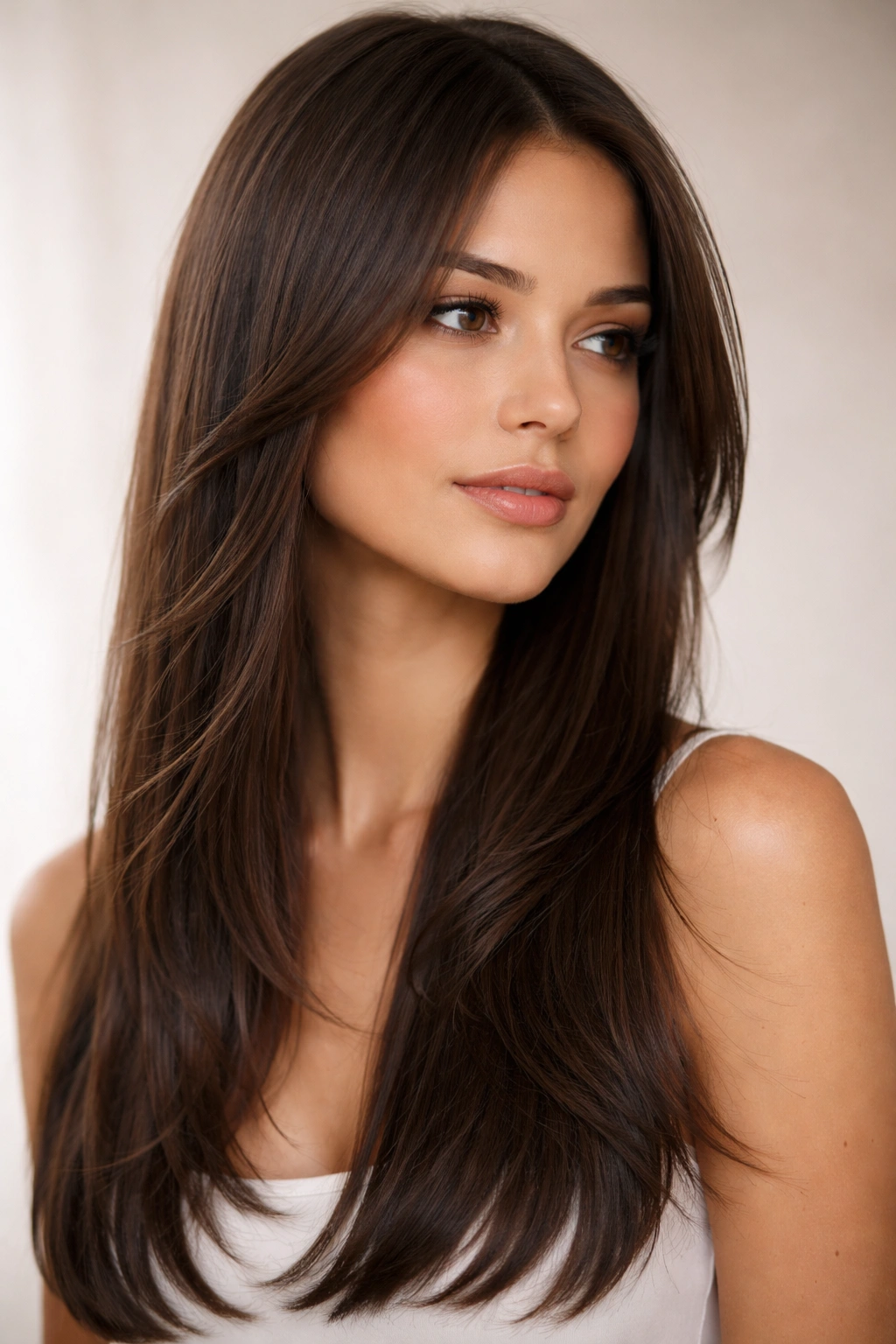
Wispy layers are the answer if you want softness and movement without sacrificing the overall length or sleekness of your hair. These are delicate, barely-there layers cut primarily around the face, with just a few longer layers blended throughout the rest of your hair. The layers are feathered rather than blunt, meaning the ends are gradually thinned out to create a feather-like appearance instead of a distinct line. On straight hair, this creates an incredibly elegant effect — the wisps catch the light and move gently without looking wispy in a “thin and fragile” way.
Why This Works Beautifully on Straight Hair
Straight hair’s natural smoothness makes wispy layers look intentional and refined rather than accidental. Because the hair lies so neatly, each feathered layer is visible without requiring you to tousle or texturize your hair. The layers frame your face without drawing harsh attention to the cut itself — they’re more about subtle dimension than dramatic change. This style works especially well if your hair is fine or medium-density, since the feathering helps it feel fuller without making individual layers too obvious.
What to Expect and How to Ask Your Stylist
- Short wispy layers around the face, typically starting 2-3 inches below the cheekbone
- A gradual blend throughout the mid-lengths so the cut looks cohesive, not choppy
- Most of the length retained in the back and underneath layers
- Minimal styling required — the cut works beautifully air-dried or with a simple blow-dry
- Lasts approximately 8-10 weeks before needing a refresh to maintain the feathered edges
Pro tip: Ask your stylist to focus the wisps slightly forward of your face rather than directly at your hairline — this creates a flattering frame without making your face look smaller or narrower than it is.
2. Choppy Textured Layers
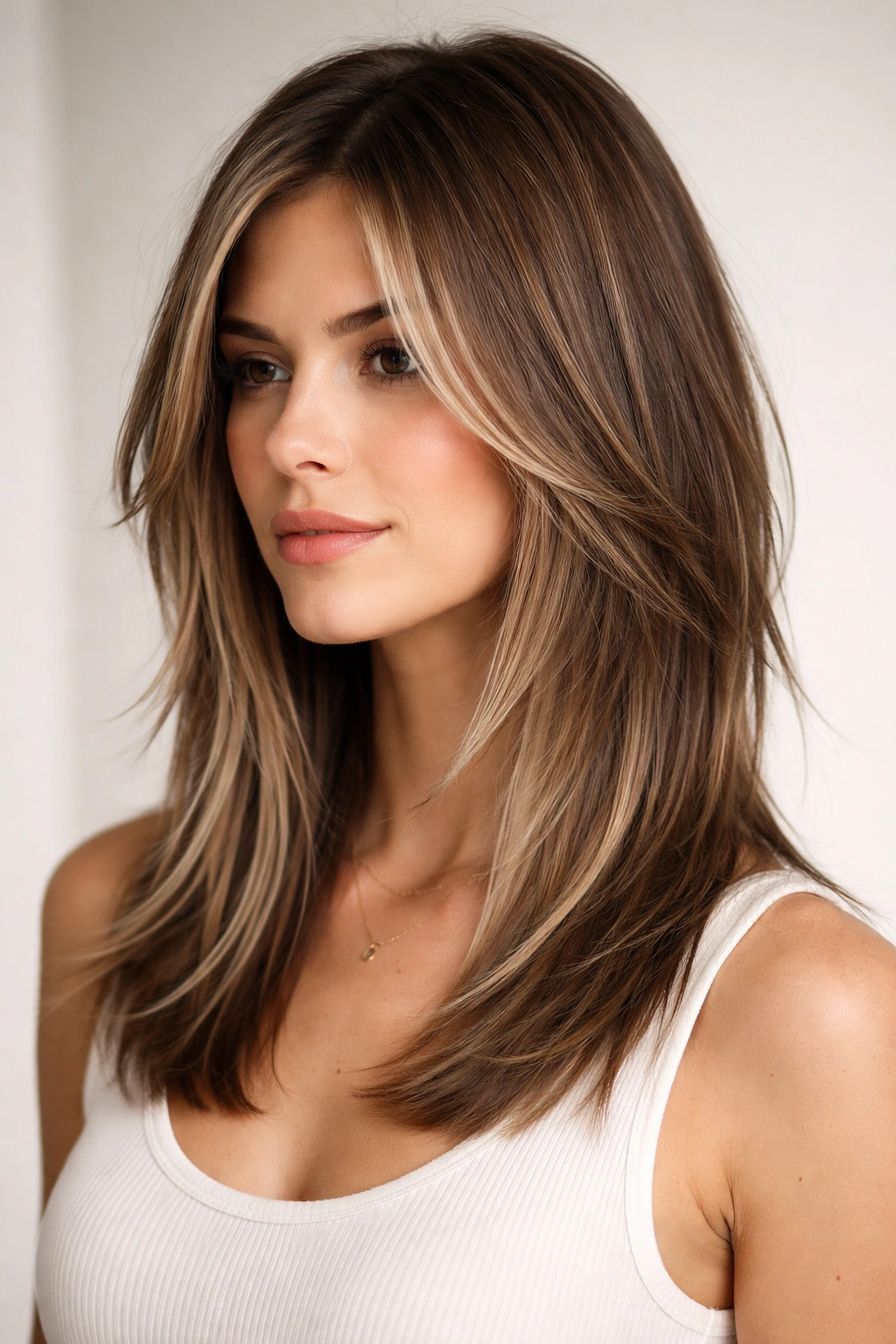
If you want an unmistakable modern look with real movement and personality, choppy textured layers deliver exactly that. These are distinct, bluntly-cut layers of varying lengths stacked throughout the hair, creating a deliberately piecy, choppy aesthetic. On straight hair, choppy layers have an almost editorial quality — they look intentional and artistic rather than messy. Each layer is cut at an angle and blended in a way that creates depth and texture, with some sections shorter and others longer, all meant to work together visually rather than create a uniform graduated shape.
The Modern Appeal of This Technique on Straight Hair
Straight hair’s natural sleekness contrasts beautifully with choppy, textured layers. The clean lines of straight hair make the layered shapes super visible and defined. The texture from the layering contrasts with the smoothness of each individual piece of hair, creating visual interest without requiring you to crimp or permanently texture your hair. This cut works best on shoulder-length or longer hair because the choppy layers need enough length to create distinct shapes and shadows.
What This Cut Provides
- Visible, intentional layers with distinct separation between sections
- Layers of varying lengths to create dimension and movement
- A modern, fashion-forward aesthetic that looks sharp and deliberate
- Better movement and bounce than a blunt cut, even on straight hair
- Built-in texture that photographs beautifully and looks good from all angles
- Works well for both casual everyday wear and more polished styling
Worth knowing: Choppy layers will require a trim every 6-8 weeks to maintain their defined shape. As your hair grows, the choppiness fades and starts looking more like a standard layered cut unless you’re refreshing the edges regularly.
3. Long Feathered Layers
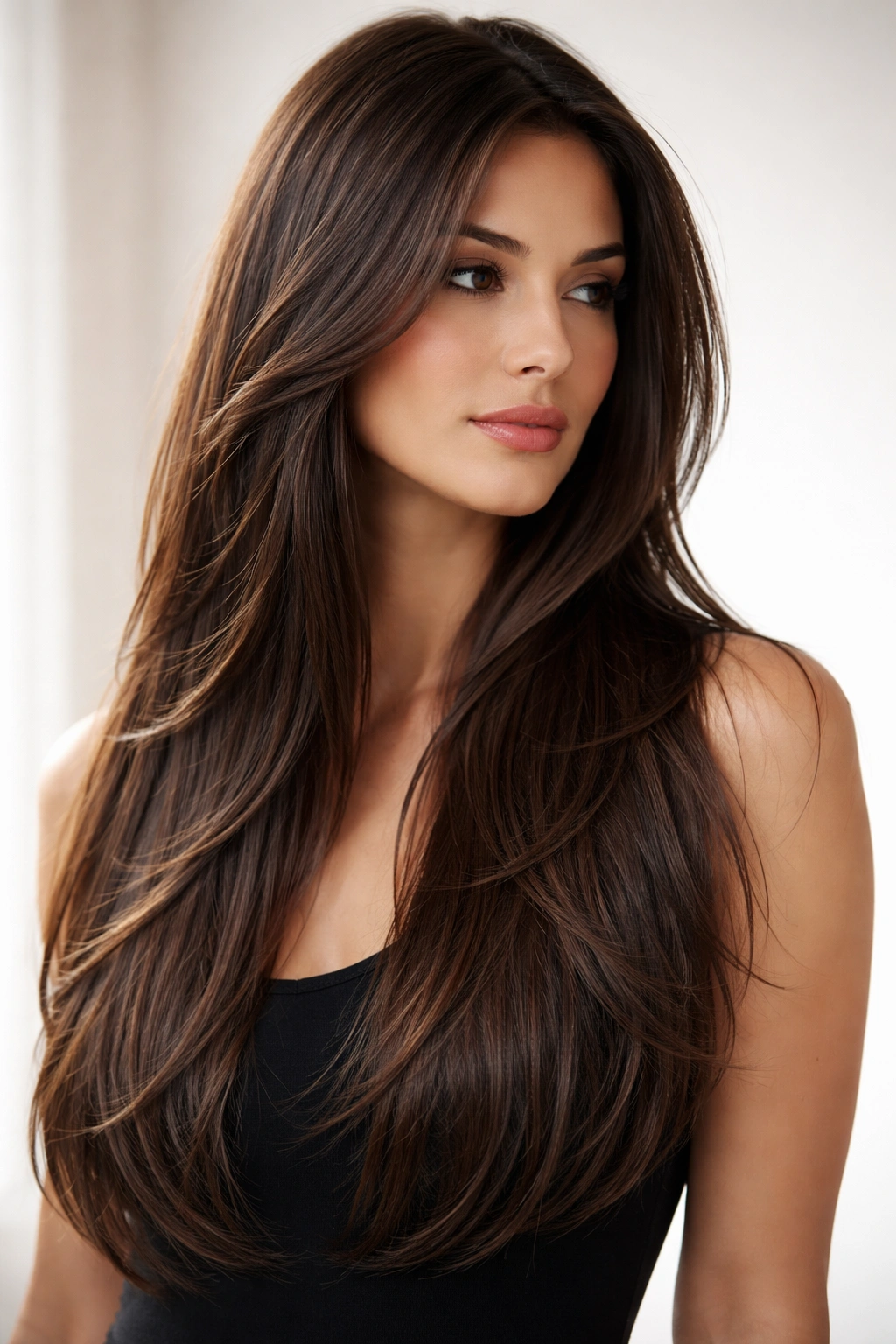
Long feathered layers stretch the length of your hair and gradually taper from longer underneath to shorter around the face. This is a more delicate version of choppy layers — where choppy layers are distinct and angular, feathered layers are soft and flowing. The technique involves point-cutting or razor-cutting the ends of the hair to create a tapered, feathered edge rather than a blunt line. On straight hair, long feathered layers create movement that flows beautifully when you walk or turn your head, while maintaining the sleekness that makes straight hair look so polished.
Why Long Feathered Layers Suit Straight Hair Perfectly
Straight hair doesn’t hold crimp or wave, so the feathering effect — those soft, graduating, feather-like ends — becomes even more visible and elegant. The layers catch light at different points along the hair shaft, creating subtle highlights and shadows that make your hair look thicker and more dimensional than it actually is. This cut works beautifully on long hair (think mid-back length or longer) because there’s enough hair to create several distinct feathered layers without the cut looking sparse or thin.
The Practical Details
- Gradual tapering from shorter layers around the face to longer layers underneath
- Soft, feathered edges that don’t create a “choppy” or blunt appearance
- Typically 3-5 distinct layers throughout the length of the hair
- Works on any face shape and suits most hair textures and densities
- Creates movement and flow without requiring much styling
- A classic, flattering cut that works for both everyday and special occasions
Insider note: Long feathered layers are especially flattering if you have a longer face shape — the horizontal movement created by the layers makes your face appear slightly wider and more balanced.
4. Blunt-Cut Face Frame
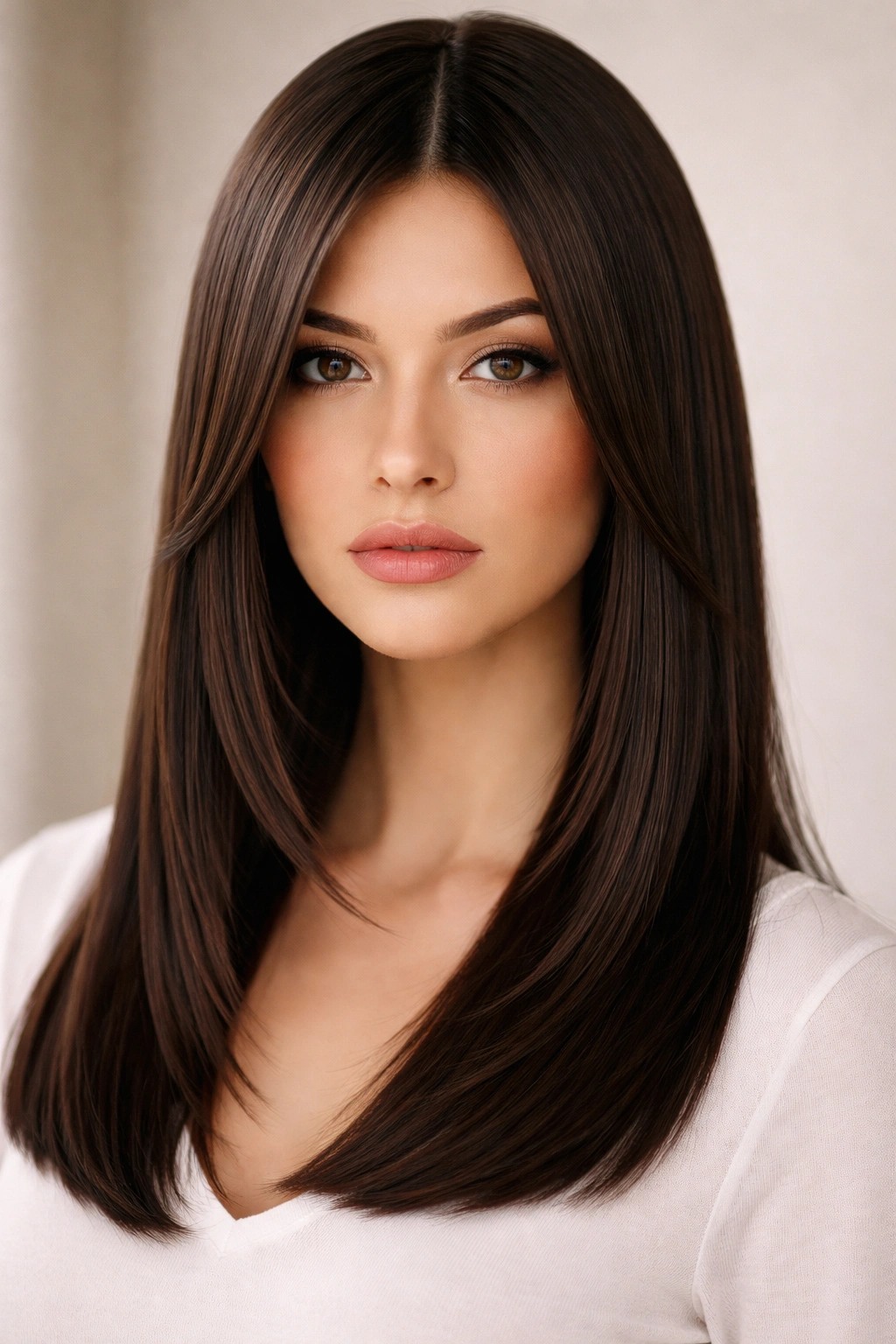
A blunt-cut face frame is a minimalist approach: you keep the overall structure of your cut blunt and straight, but add one or two sharp, precisely-cut layers that frame the face. This isn’t a layered cut in the traditional sense — it’s a blunt cut with strategic face framing. The frame layers are cut with extreme precision at sharp angles, usually angling back from the front of the face toward the ears. On straight hair, the bluntness of these layers is striking and modern, creating a bold graphic element without the complexity of a fully layered cut.
The Appeal for Straight Hair
This style celebrates straight hair’s natural sleekness while adding just enough dimension to avoid looking flat. Because the cut is so precise and geometric, it works beautifully on straight hair where every angle is visible and defined. The blunt face frame layers create a graphic, artistic look that photographs beautifully and reads as intentional and fashion-forward rather than basic. This works especially well if you prefer the polished, streamlined aesthetic of less layering but still want some face-framing movement.
Key Characteristics
- One or two sharp, bluntly-cut layers that frame the face
- The rest of the hair remains relatively one-length or gently graduated
- Angles cut at approximately 45 degrees, flowing back from the face
- Creates a modern, architectural look that’s very current
- Works best on straight hair that you prefer to style sleek and smooth
- Requires less frequent trims than fully layered cuts
Pro tip: Ask your stylist to angle the face frame layers slightly past your cheekbones rather than directly at your temples — this creates a longer, more flattering frame for most face shapes.
5. Shaggy Layered Cut
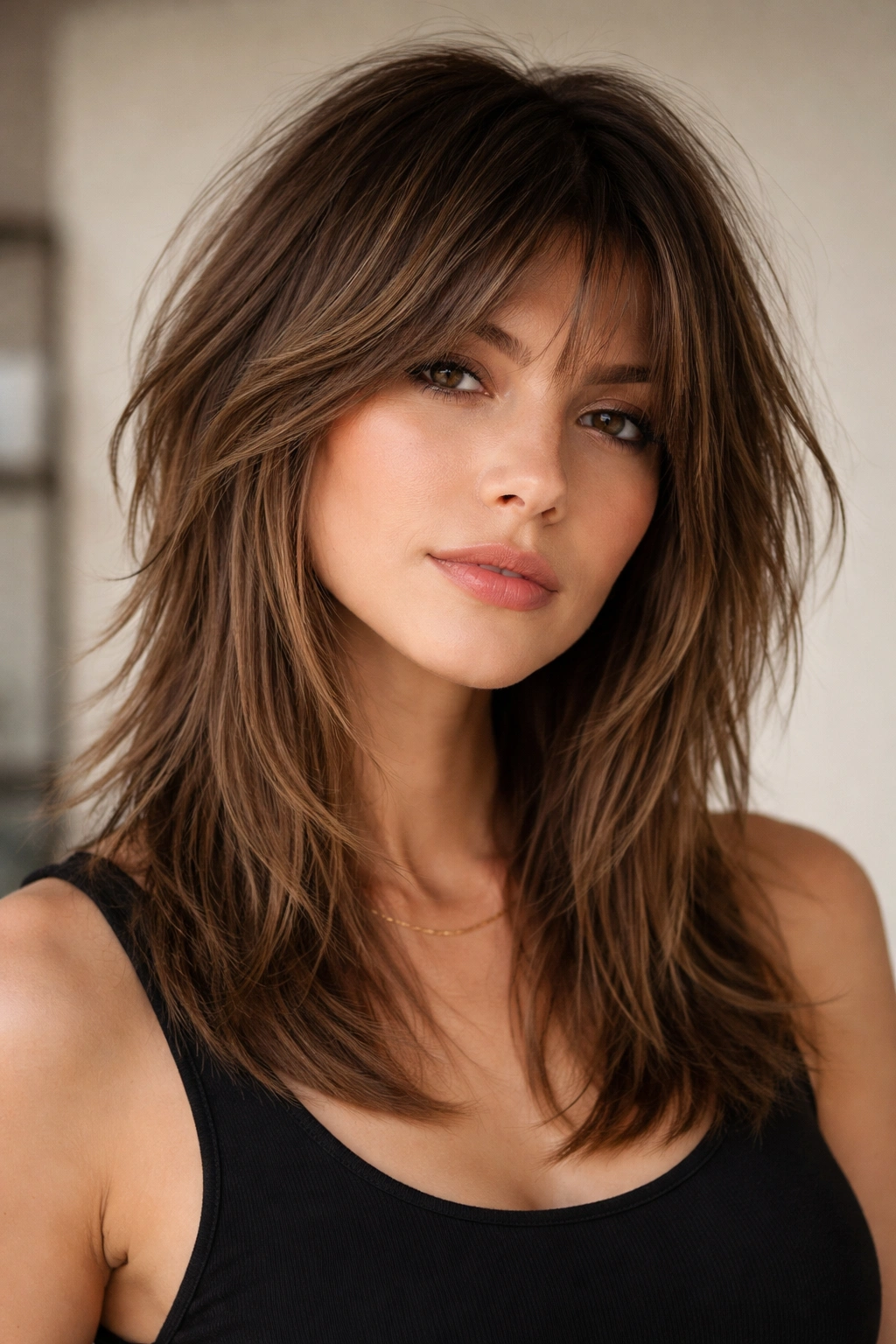
A shaggy layered cut is all about texture, movement, and a slightly undone, rock-and-roll aesthetic. These cuts feature short, choppy layers throughout that create a tousled, lived-in look. The layers are typically cut at various angles and lengths, blended together to create a cohesive shaggy effect rather than distinct separated layers. On straight hair, shaggy layers can look either edgy and modern or bohemian and relaxed, depending on how you style them — with a blow-dry and some texture product, they’re very now; tousled and slightly messy, they’re vintage-cool.
Making Shaggy Layers Work on Straight Hair
Straight hair’s natural smoothness can actually make shaggy layers look more intentional and refined than on wavy or curly hair. While shaggy layers rely on some texture to look their best, straight hair makes every individual layer visible and defined. The key is that your straight hair shows off the skillful cutting without needing the hair texture to do the work. You’ll want to add some texture when styling (blow-drying with a round brush, using some texture spray or salt spray), but the cut itself is what makes it read as intentionally shaggy rather than just thin.
What This Cut Delivers
- Short, choppy layers throughout that create multiple lengths
- A deliberately textured, slightly undone aesthetic
- Lots of visible dimension and movement
- Works well on medium to thick straight hair (fine hair can look thin with heavy shag layering)
- Requires styling to look its best — air-drying usually doesn’t work
- A fun, youthful vibe that works for people who enjoy styling their hair
- Needs regular trims (every 5-7 weeks) to maintain the shaggy shape
Worth knowing: Shaggy layers work best on hair that’s at least shoulder-length. Very short shaggy cuts can look more mullet-adjacent on straight hair, so aim for shoulder-length or longer if you want the full shaggy effect.
6. Soft Razored Layers
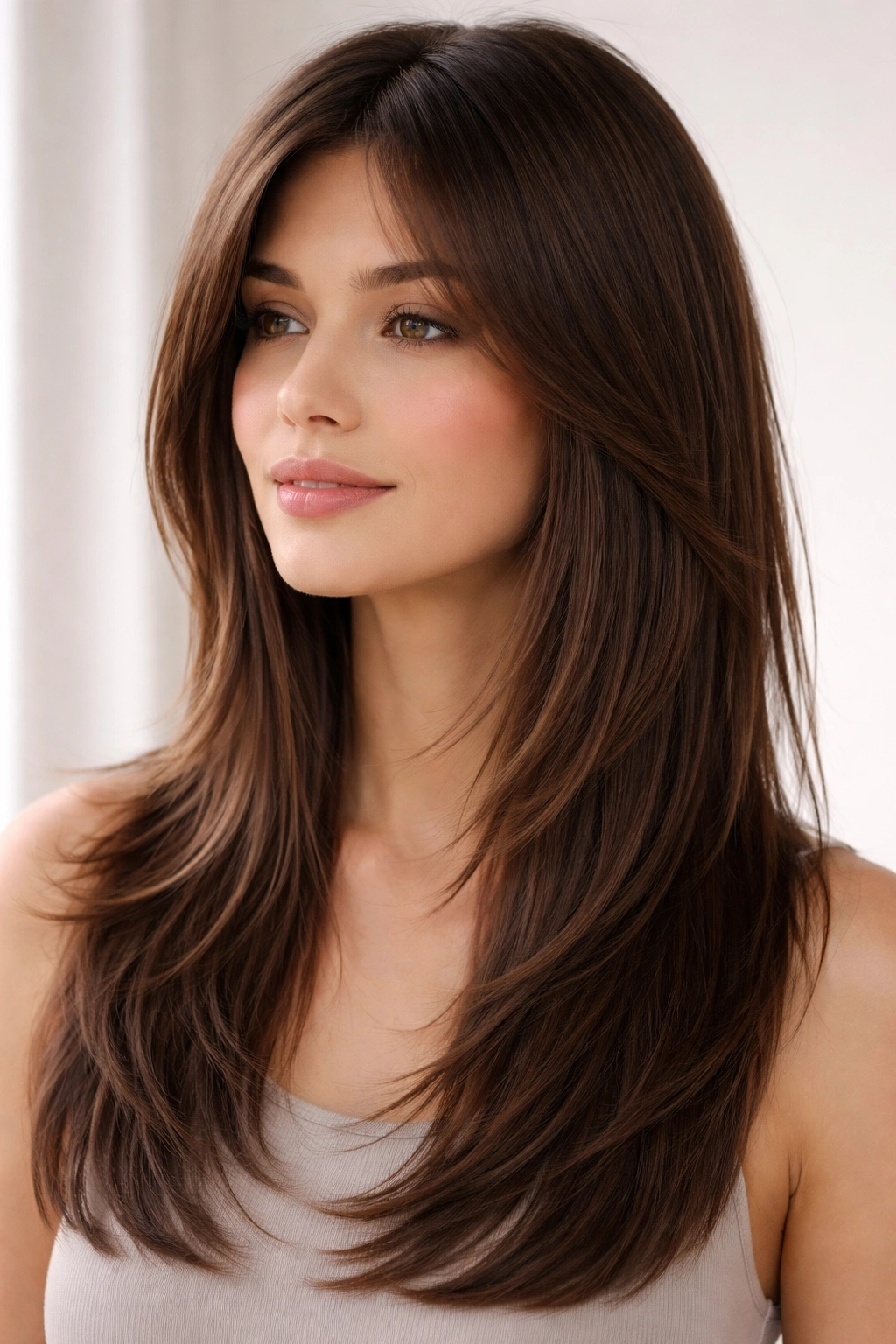
Soft razored layers are created using a razor (not scissors) to cut the hair, which creates a softer, more feathered edge than traditional scissor-cut layers. The razor creates a tapered, slightly wispy effect along each layer. On straight hair, razored layers add movement and dimension while maintaining a soft, elegant appearance. The technique is especially useful for straight hair because it prevents the blunt, harsh appearance that can happen when you layer straight hair with scissors — the razor creates a more integrated, blended look.
Why Razoring Changes the Game for Straight Hair
Straight hair cut with razors looks naturally feathered and soft rather than geometric and precise. The razor technique removes weight gradually rather than in chunks, which means the layers blend more seamlessly into each other. This creates a more forgiving cut — as your hair grows, it doesn’t look as obviously layered and in-between trims. Razored layers also create a slightly textured appearance without requiring you to actually add texture or use styling products to create movement.
Practical Details About Razored Layers
- Softer, more feathered edges than scissor-cut layers
- A naturally blended, integrated look without harsh lines
- Creates subtle texture and movement on straight hair
- Works beautifully on fine to medium-density straight hair
- Less dramatic than chopped or textured layers
- Looks good as it grows out — doesn’t look obviously “between trims”
- Perfect for people who want layers but prefer a softer, less structured look
Pro tip: Razored layers require a stylist who’s skilled with the razor technique — not all stylists are equally confident with this tool. If your stylist seems hesitant, it’s worth finding someone with specific experience in razor-cutting.
7. Textured Shoulder-Grazing Layers
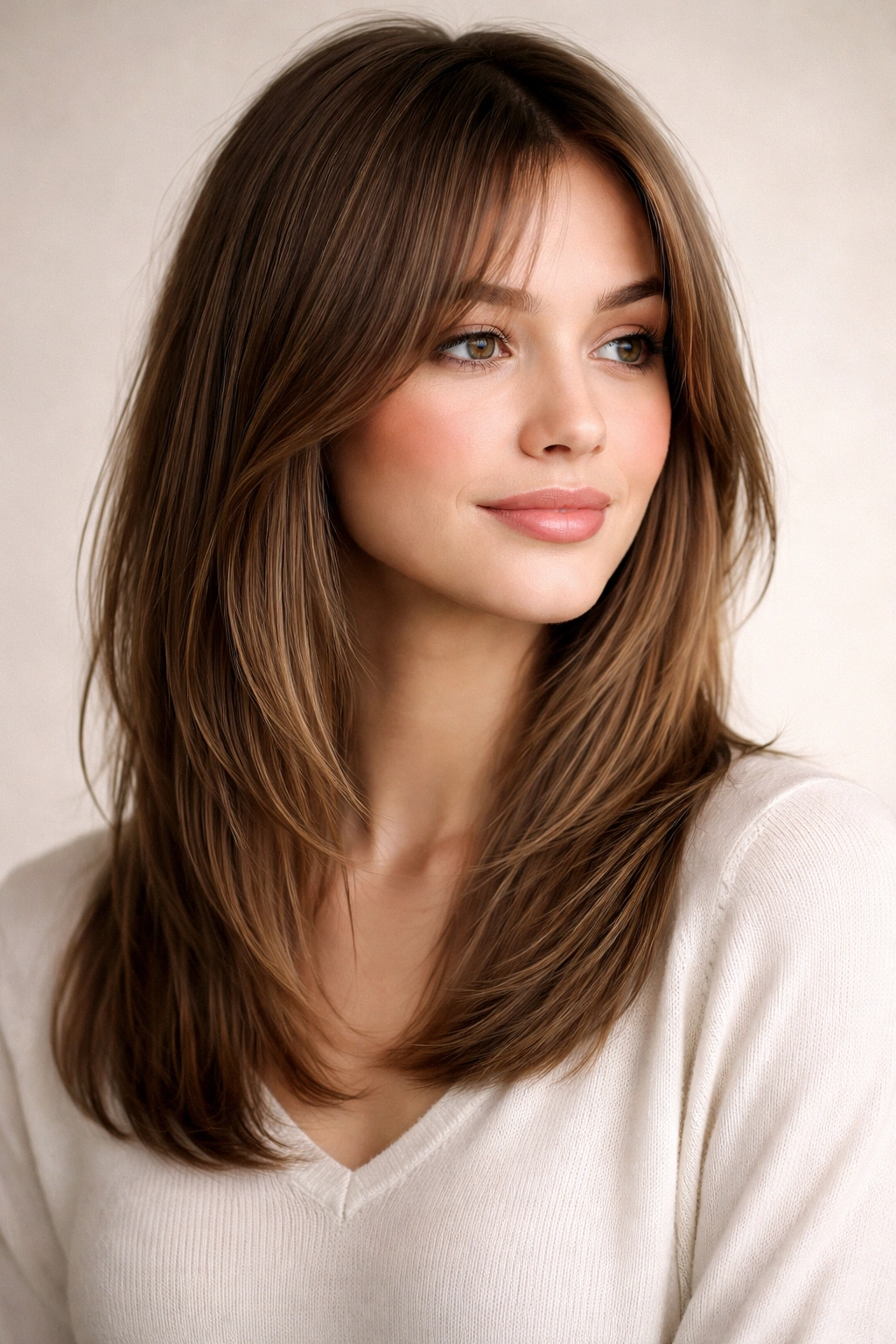
Shoulder-grazing layered hair with textured ends is a sweet spot between length and movement. The layers start around shoulder height and graduate to shorter layers around the face, creating a rounded, flattering shape. The key difference is the texture in the ends — they’re not blunt, but rather tapered and slightly wispy. On straight hair, this creates a soft, feminine look that’s polished enough for professional settings but still has personality and movement. This length and style is incredibly versatile because it works for most face shapes and sits at a naturally flattering length.
Why This Length and Texture Combination Works
Shoulder-length hair is the sweet spot for most people — long enough to pull back if you want to, short enough to feel fresh and easier to manage. Adding textured layers at this length creates dimension without sacrificing wearability. Straight hair at shoulder-length with textured layers looks elegant and intentional, whether you style it smooth or add some texture. The layers around the face create a soft frame without being wispy or insubstantial, and the longer back layers maintain enough length for styling versatility.
Key Features of This Cut
- Shortest layers around the face, typically at cheekbone or slightly shorter
- Gradually longer layers toward the back, with the longest pieces at shoulder-length
- Textured, tapered ends rather than blunt edges
- Creates a rounded, face-framing shape that’s flattering on most face shapes
- Works beautifully both styled smooth and with added texture
- Requires trimming every 8-10 weeks to maintain the shape
- Versatile enough to wear down, in a ponytail, or styled back
Insider note: If you have a round face, ask your stylist to keep the layers slightly longer in the back (past shoulder-length) to create more vertical lines, which help elongate a round face shape.
8. Dramatic Side-Swept Layers
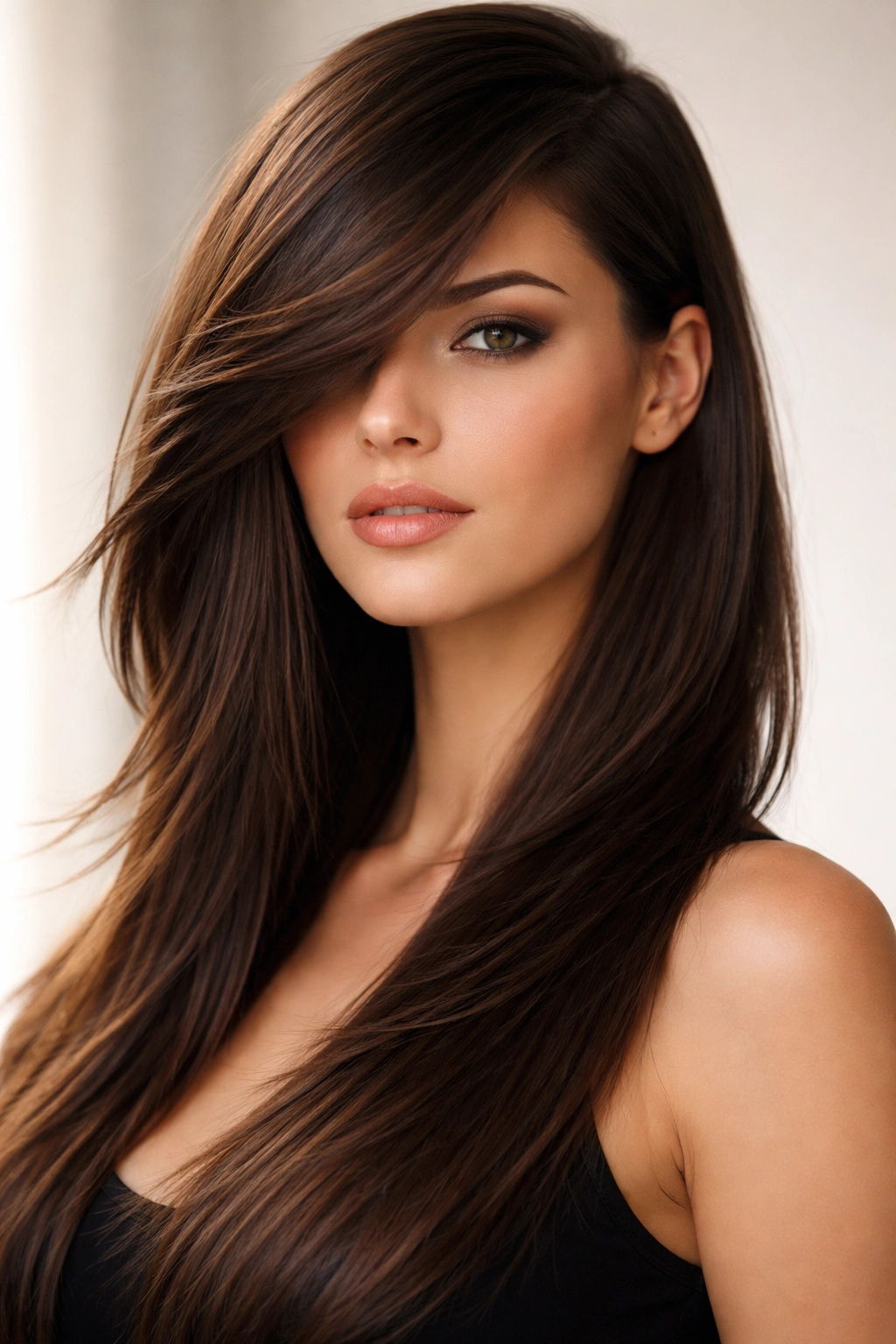
Side-swept layers are cut at an angle, with shorter layers on one side of the face and longer layers on the other, creating an asymmetrical, dramatic frame. The layers are purposefully cut to sweep across the face at an angle, drawing attention to one side. On straight hair, side-swept layers have a very modern, fashion-forward appearance — they’re bold and architectural, not subtle. This cut makes a statement and works especially well if you have straight hair that you’re willing to style with intention, using a blow-dryer to direct the sweep.
The Impact of Side-Swept Layers on Straight Hair
Straight hair’s smooth texture makes the asymmetry of side-swept layers extremely obvious and defined. The cut creates clear visual lines and angles that are beautiful and artistic on straight hair. Because you’re not relying on texture or wave to create movement, the cut itself becomes the focal point. Side-swept layers work best if you’re willing to blow-dry your hair regularly — air-drying this cut often results in the sweep falling flat rather than maintaining its intended direction.
What to Know About This Style
- Dramatic asymmetrical layers with one side noticeably shorter than the other
- Layers are angled to sweep across the face at approximately 45-60 degrees
- Creates a modern, editorial aesthetic that photographs beautifully
- Requires regular blow-drying and styling to maintain the intended sweep
- Works best on straight, fine to medium-density hair
- Very eye-catching — not a subtle, understated cut
- Needs trimming every 6-8 weeks to maintain the precise angles
- The shorter side will grow out noticeably faster, so upkeep is important
Worth knowing: Side-swept layers work best if you have thick or medium-density hair. If your hair is very fine, the shorter layers might look thin on the side that gets cut shorter.
9. Micro Layers Throughout
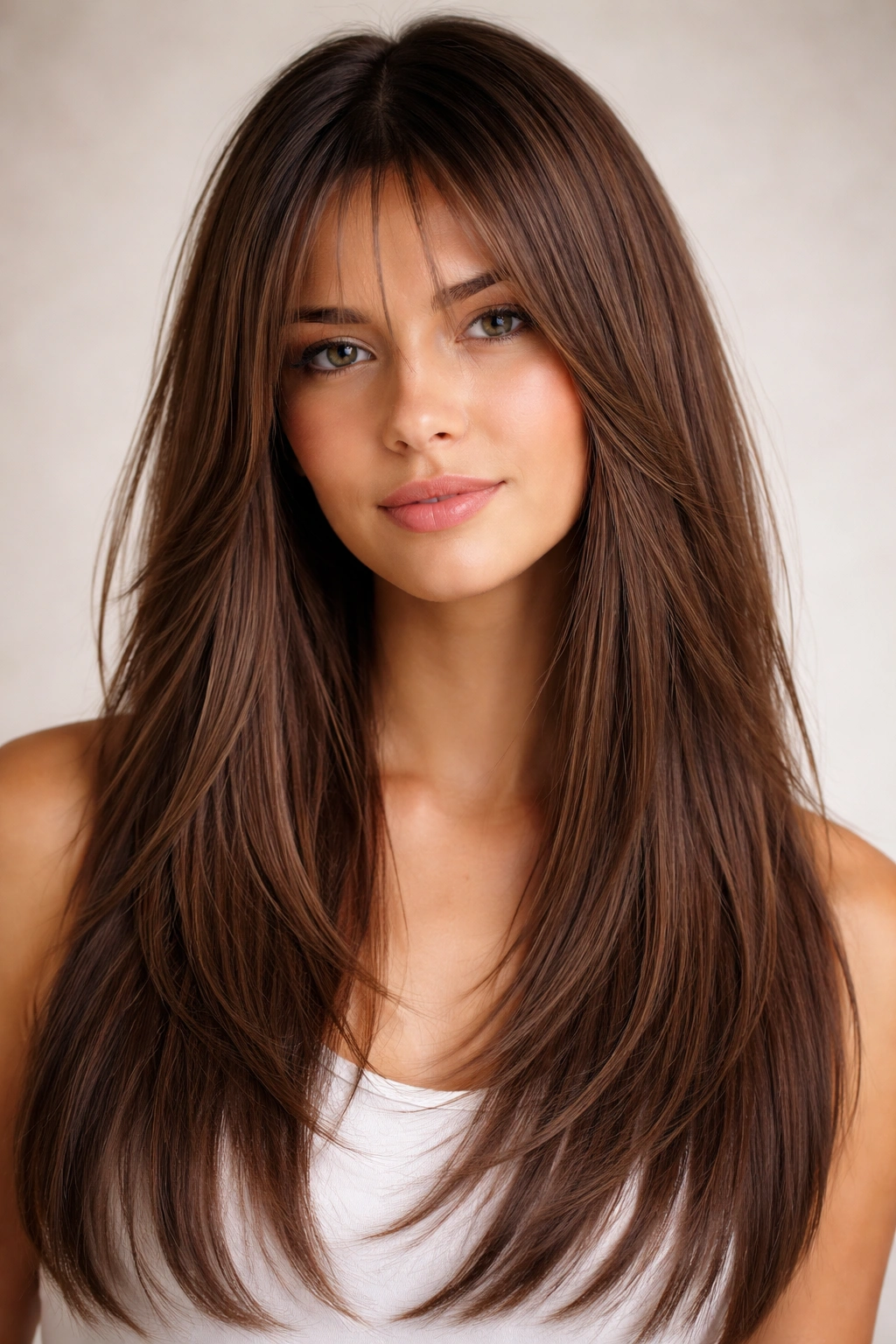
Micro layers are tiny, closely-spaced layers cut throughout the entire head, creating maximum texture and movement. Instead of a few distinct layers, you’re getting dozens of small layers that work together to create an overall textured, choppy effect. On straight hair, micro layers create surprising movement and dimension while still maintaining the sleekness and shine that makes straight hair beautiful. The layers are so closely spaced that they blend together, creating a cohesive textured shape rather than obvious choppy pieces.
The Advantage of Micro Layers on Straight Hair
Straight hair can sometimes feel one-dimensional because it naturally falls in the same direction with no texture variation. Micro layers solve this problem by creating many small internal layers that catch light and create dimension throughout the hair. Because the layers are small and numerous, they don’t create harsh lines or make the hair look choppy or thin — instead, they create an overall sense of texture and movement. The cut works beautifully on medium to thick straight hair and creates a modern, textured aesthetic without requiring heavy styling.
Details About Micro Layering
- Dozens of small, closely-spaced layers throughout the entire head
- Creates a sense of texture and movement without obvious choppy pieces
- Each layer is typically 1-2 inches apart, creating subtle dimension
- The overall effect is a textured, multidimensional look
- Works on shoulder-length or longer hair
- Requires less frequent styling than some other textured cuts
- Lasts longer between trims because the closely-spaced layers blend as they grow
- Best on straight hair that’s at least medium density
Pro tip: Micro layers are a great option if you want visible texture and movement but prefer a less dramatic, high-maintenance cut than a full shag or heavily choppy style.
10. Sleek Angled Layers
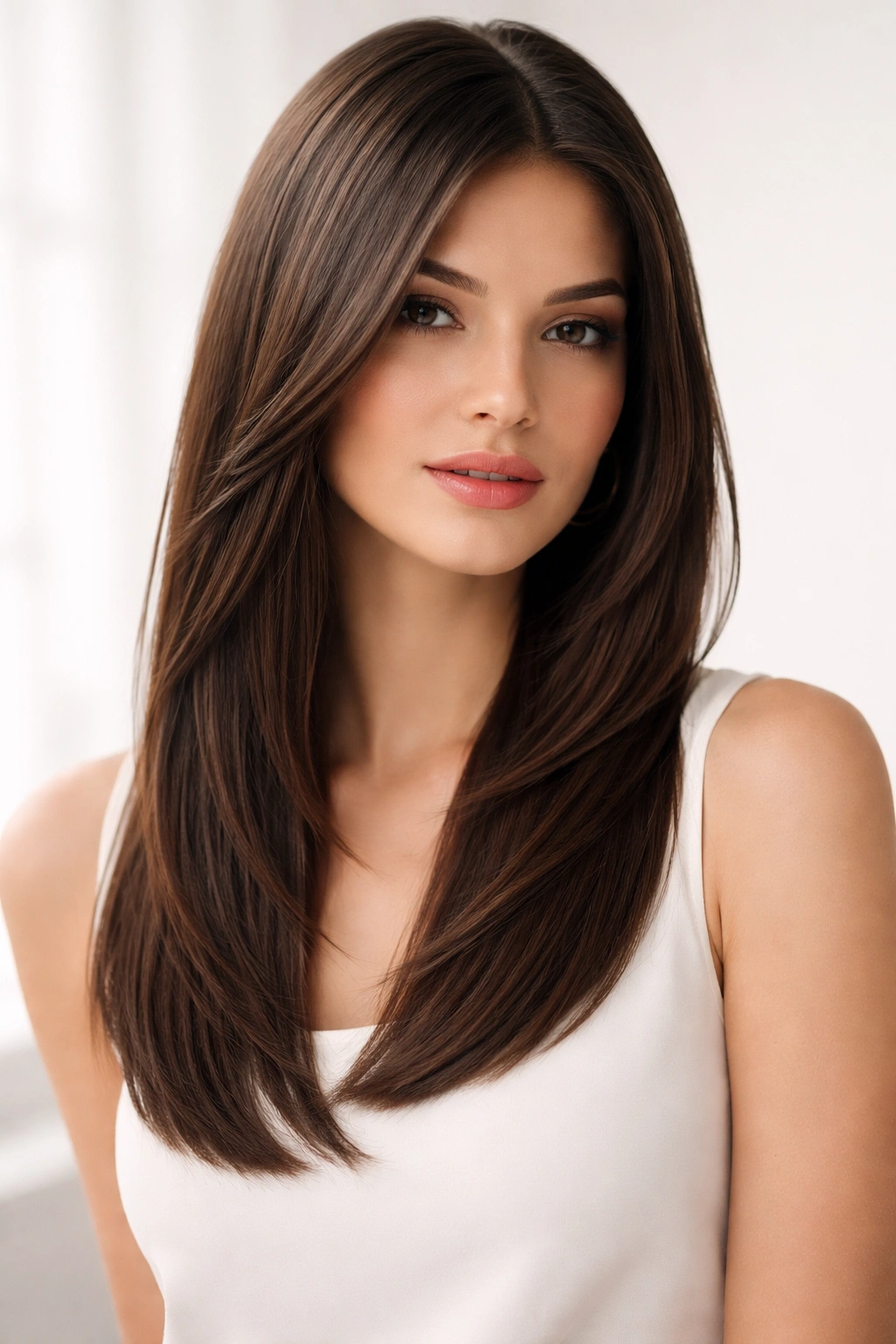
Sleek angled layers are precisely cut, sharp layers that angle back from the face toward the ears and shoulders. Unlike feathered or soft layers, these are clean and geometric — each layer has a defined line. The layers might angle anywhere from 30 to 60 degrees depending on how dramatic you want the effect. On straight hair, sleek angled layers have an ultra-modern, architectural quality that’s undeniably chic. The sharp angles complement the natural sleekness of straight hair, creating a polished, intentional look.
Why Angled Layers Suit Straight Hair
Straight hair’s natural smoothness makes angled layers look incredibly sharp and precise. The angles are clearly visible and defined, creating visual interest and movement without relying on texture. The cut works beautifully styled smooth and sleek, making it perfect for professional settings or people who love a polished aesthetic. The angles create a subtle lift and frame the face without requiring you to blow-dry your hair at odd angles or use lots of styling products.
What This Cut Involves
- Sharp, precisely-cut layers that angle back from the face
- Layers typically 45-60 degrees from vertical, creating movement back toward the ears
- A modern, geometric aesthetic that’s very current
- Clean lines that are highly visible on straight hair
- Works on shoulder-length or longer hair
- Requires regular trims (every 7-9 weeks) to maintain the sharp angles
- Styles beautifully both sleek and with added texture
- Works for most face shapes, though the angle direction can be adjusted based on your face shape
Worth knowing: The angle of these layers can be customized based on your face shape. If you have a wide face, slightly steeper angles create vertical lines that help elongate; if you have a long face, shallower angles create horizontal lines that add width.
Final Thoughts
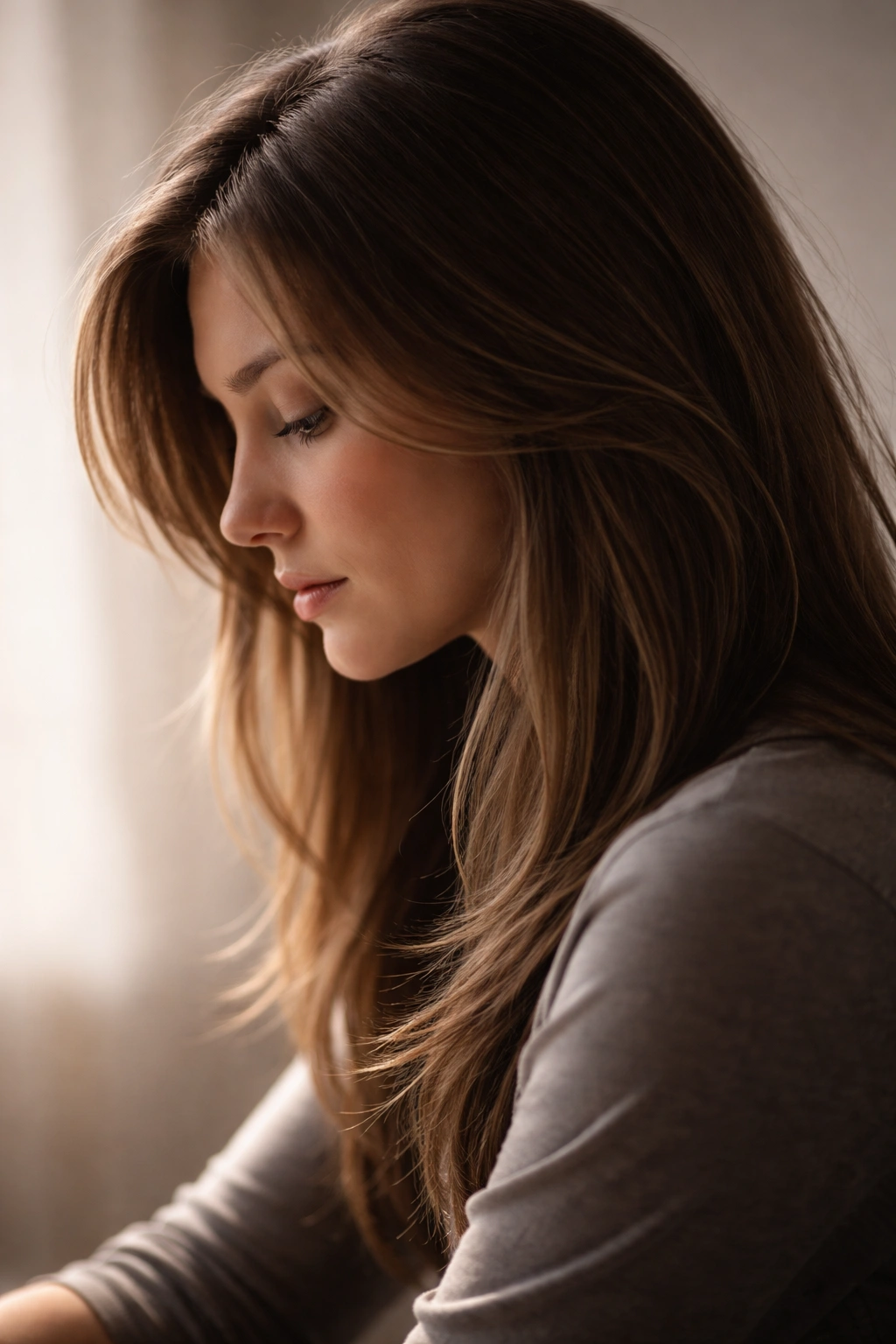
The right face framing layers can completely transform how your straight hair looks and feels, taking it from one-dimensional to multidimensional without sacrificing the sleekness that makes straight hair special. Whether you choose something subtle like wispy layers or dramatic like side-swept or choppy texturing, the key is finding a cut that matches how much styling you’re willing to do and how you actually want your hair to look on a daily basis.
Your face shape, hair density, and personal style should all inform your choice. A round face often looks best with longer layers that create vertical lines; a long face benefits from shorter layers that add width. Fine hair usually works better with softer, feathered approaches rather than heavy choppy layering. Thick hair can handle more dramatic texture and choppiness without looking sparse. The most important thing is working with a stylist who understands how straight hair behaves and can explain exactly how their technique will look on your specific hair.
Remember that face framing layers are an investment in how your hair looks and feels — they work beautifully when they’re fresh from the salon, but they also require maintenance to stay sharp. Plan for trims every 6-10 weeks depending on which style you choose, and don’t hesitate to show your stylist photos of exactly what you’re imagining. The best haircut is one that matches your lifestyle and makes you feel confident when you look in the mirror.
