
If you’ve been scrolling through Instagram lately, you’ve probably noticed butterfly haircuts everywhere—and for good reason. This trendy cut has a way of making straight hair look effortlessly chic, with movement and dimension that flatters nearly every face shape. What makes the butterfly cut so special is how it uses strategic layers to create that signature winged effect around the face and crown, giving even the straightest strands a natural, dynamic quality.
The beauty of a butterfly haircut lies in its versatility. Whether you want a dramatic transformation or a subtle refresh, there’s a butterfly cut that fits your style, hair length, and lifestyle. The layers catch light beautifully on straight hair, creating the illusion of texture and volume without needing heat styling or products to achieve that polished look. And here’s something most people don’t realize: butterfly cuts are actually easier to maintain on straight hair than on textured hair, since the layers stay exactly where your stylist places them.
The trick to finding the right butterfly cut for your hair is understanding how different lengths and layer placements change the overall effect. A short, choppy version reads bold and modern, while longer layers give you that soft, romantic vibe. Some styles focus all the butterfly action around the face, while others spread the layers throughout for a full transformation. Let’s break down the ten butterfly haircuts that work beautifully on straight hair, so you can find the one that speaks to you.
1. Feathered Butterfly with Soft Layers
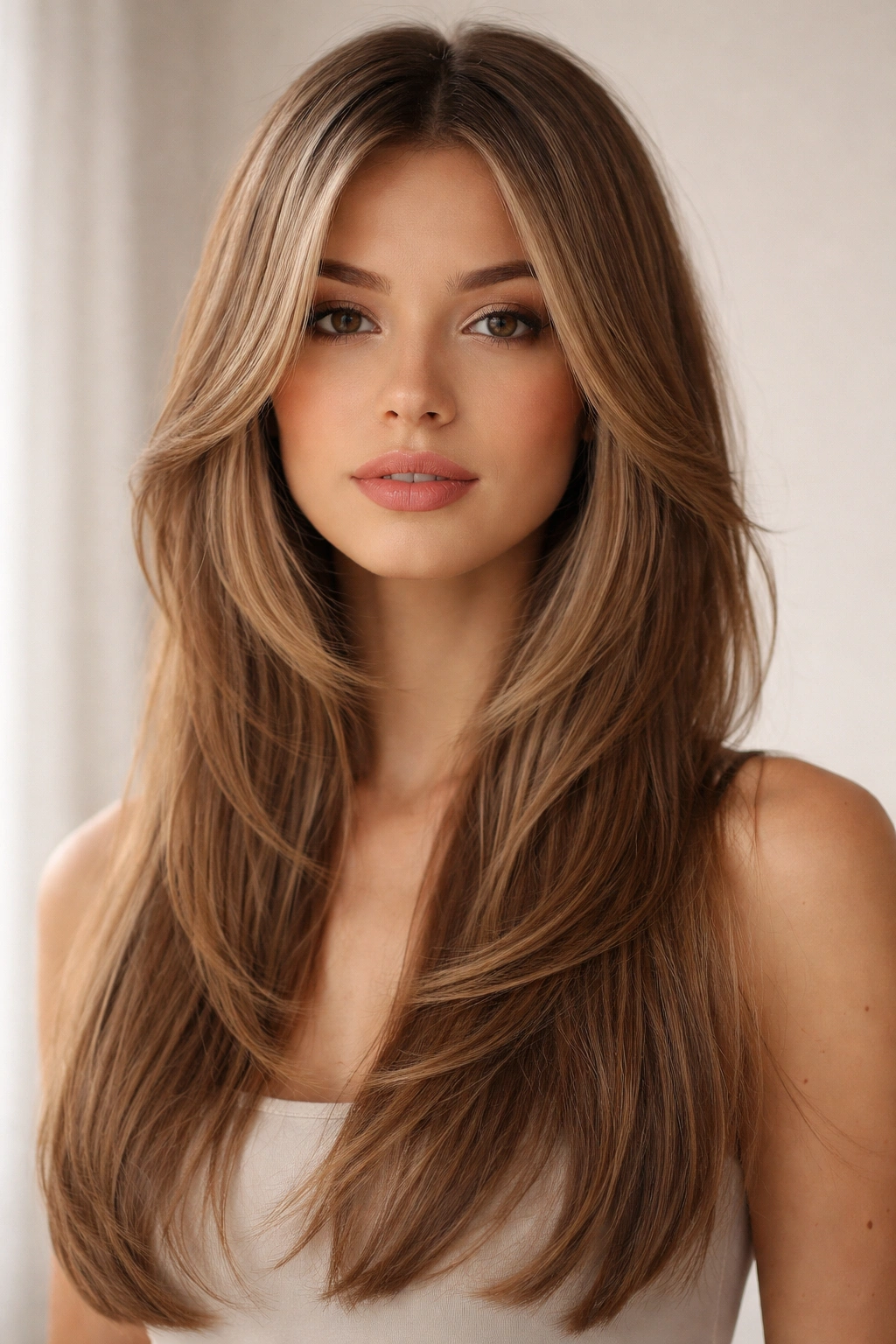
The feathered butterfly is the original butterfly cut that started this whole trend, and it remains one of the most flattering options for straight hair. This style features delicate, wispy layers that start around the cheekbones and continue down the length of your hair, creating those signature “butterfly wings” that frame your face. The layers are cut at angles rather than straight across, which gives them that feathered, soft appearance even when your hair is perfectly straight.
Why It Works So Well on Straight Hair
Straight hair is actually the ideal canvas for feathered layers because the clean texture of your strands makes every single layer visible and defined. Unlike curly or wavy hair where layers can get lost in texture, feathered layers on straight hair create crisp, noticeable lines that emphasize the cut’s design. The feathering technique removes weight gradually as it moves down, which gives your straight hair natural-looking movement without requiring a curling iron.
How to Style and Maintain It
- Blow dry your hair straight, then use a round brush to flip the feathered layers outward for that signature wing effect
- A lightweight texturizing spray or dry shampoo adds grip and makes layers more pronounced
- Trim every 6-8 weeks to keep the feathered edges sharp and defined
- Works best with layers starting at shoulder length or longer; shorter lengths may not showcase the feathering as dramatically
Pro tip: Ask your stylist to point-cut the feathered sections rather than blunt-cut them—this creates that soft, choppy texture that makes feathered layers look intentional rather than just damaged.
2. Subtle Butterfly Bob
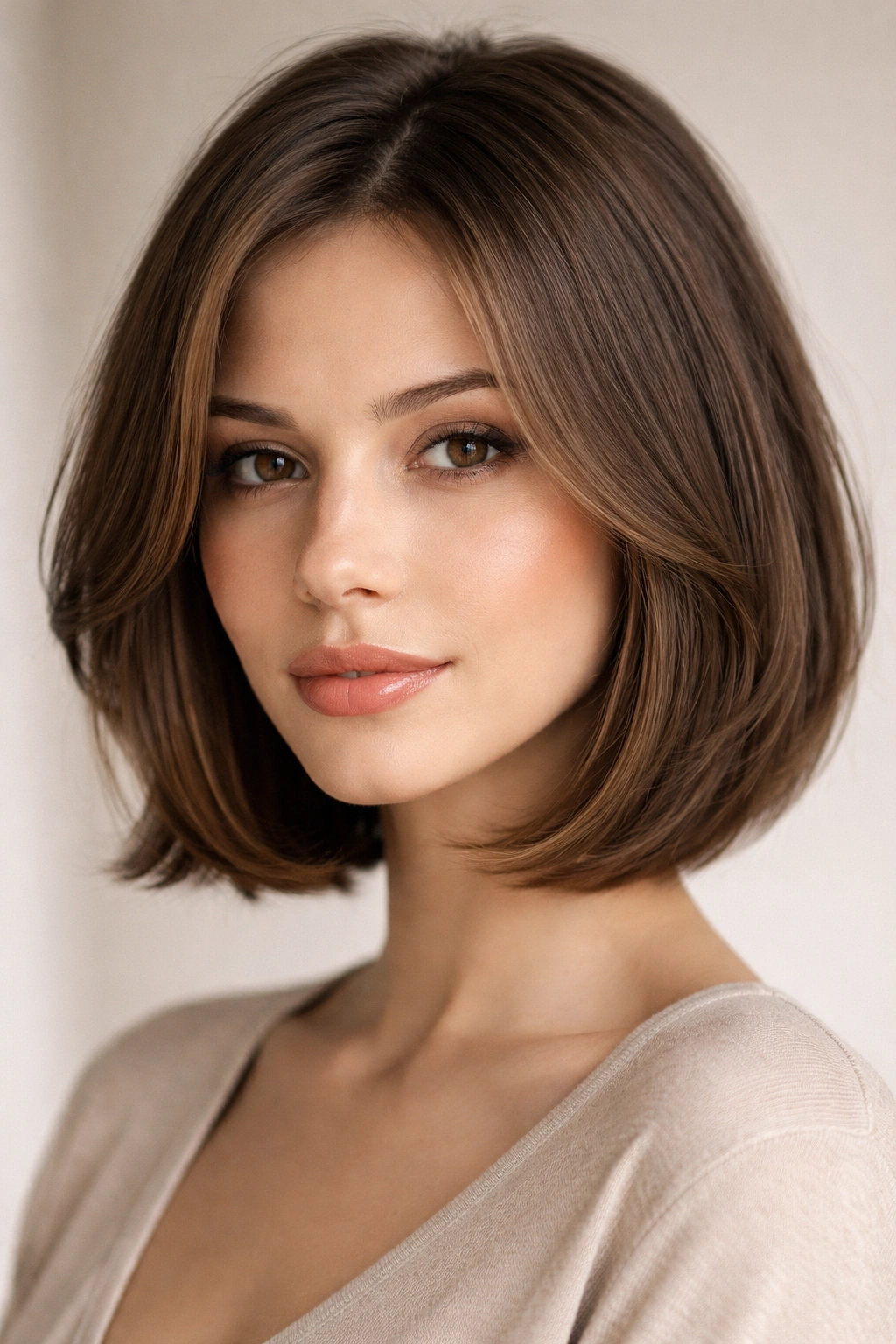
If you love the butterfly concept but aren’t ready for a dramatic cut, the subtle butterfly bob gives you the best of both worlds. This style keeps the overall length at a classic bob (chin-length or slightly shorter), but adds delicate butterfly layers around the face and crown. The effect is sophisticated and modern without screaming “trendy”—it’s the kind of cut that looks effortlessly polished even on days when you don’t style it much.
What Makes This Style Different
The subtle butterfly bob is essentially a traditional bob with strategic face-framing layers added in. You’re not getting heavy layering throughout; instead, the butterfly effect is concentrated where it matters most—around your cheekbones and temples. This targeted approach means you get the flattering, face-brightening benefits of a butterfly cut without compromising the clean, sharp lines that make bobs so timeless.
Who Should Consider This Cut
- Anyone who wants a professional look that still feels current and fashion-forward
- People with straight hair who prefer a structured, shaped haircut over loose layers
- Those looking for a low-maintenance cut that doesn’t require extensive daily styling
- Professionals or those in conservative industries who want to update their look without going too bold
Worth knowing: The subtle butterfly bob requires consistent trims (every 4-6 weeks) to maintain the clean bob shape while keeping the butterfly layers fresh. If you skip trims, the overall shape gets lost and you’re left with just a choppy, unkempt-looking bob.
3. Long Butterfly Layers for Maximum Movement
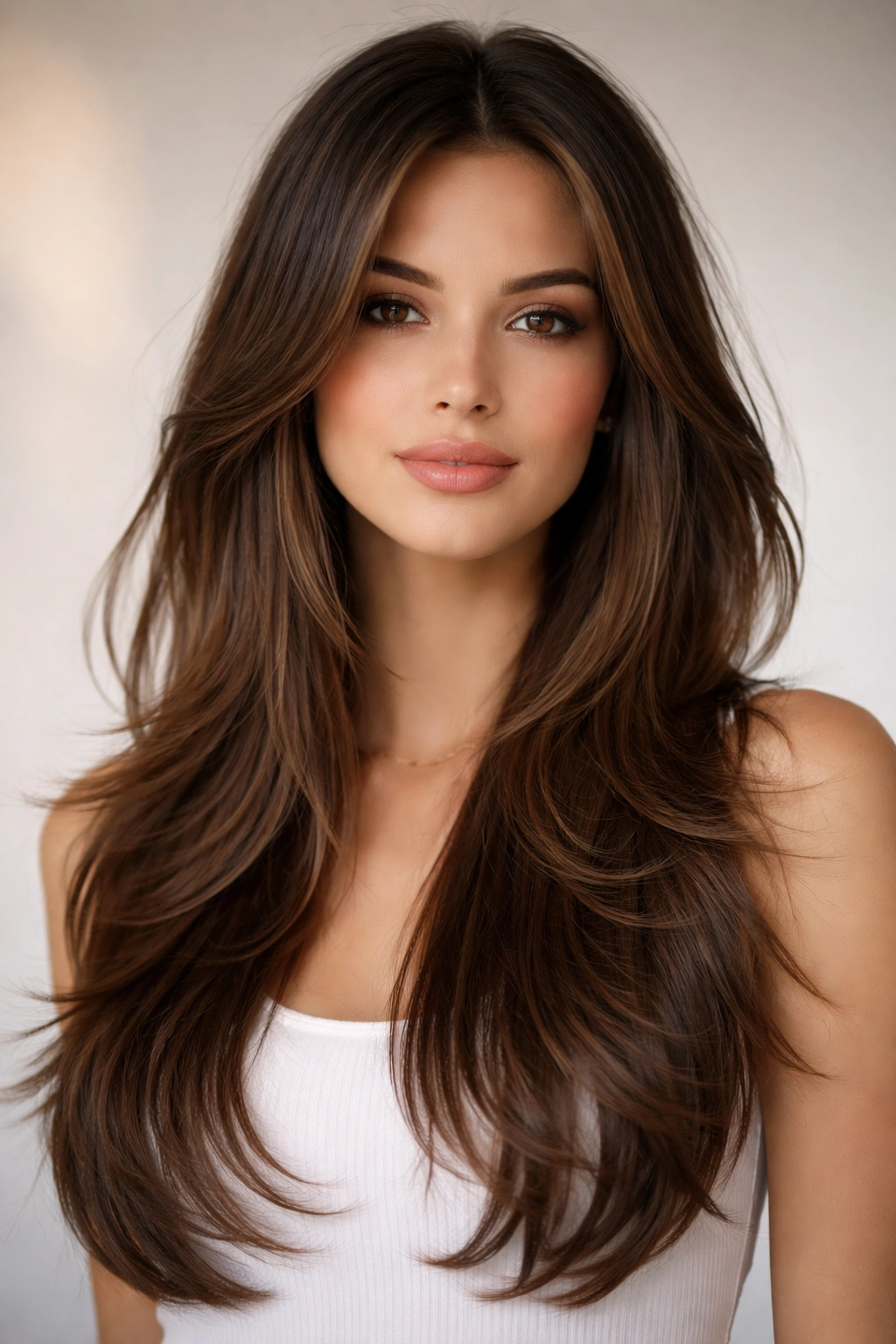
When you have straight hair down past your shoulders, long butterfly layers can create an incredible amount of visual interest and movement. This style adds layers throughout the entire length, not just at the crown, with the heaviest layering happening around the face and shoulders. The result is a cascading, almost romantic look that makes your straight hair seem to flow and move even when you’re standing still.
How the Layering Pattern Works
The stylist typically starts with shorter layers at the crown (usually around 2-3 inches shorter than the top layer), then gradually lengthens the layers as they move down your hair. By the time you reach mid-length, the layers become more subtle, and the bottom third may have very little layering at all. This creates that signature butterfly silhouette—fuller at the crown and gradually tapering as it moves down.
Styling Techniques for Straight Hair
- A light blow dry followed by a flat iron set to low heat can add subtle waves to the layers for extra dimension
- Texturizing spray or sea salt spray applied to damp hair before blow drying adds natural-looking texture to the layers
- Even when worn completely straight, the layers create enough visual separation to give the illusion of volume
- This style looks beautiful both down and in half-up styles, where the layers frame your face beautifully
Insider note: Long butterfly layers are the most forgiving butterfly cut when it comes to growing out your hair or waiting between trims—as long as the crown stays shaped correctly, you can let the bottom layers grow without the style falling apart.
4. Blunt Butterfly with Sharp Edges
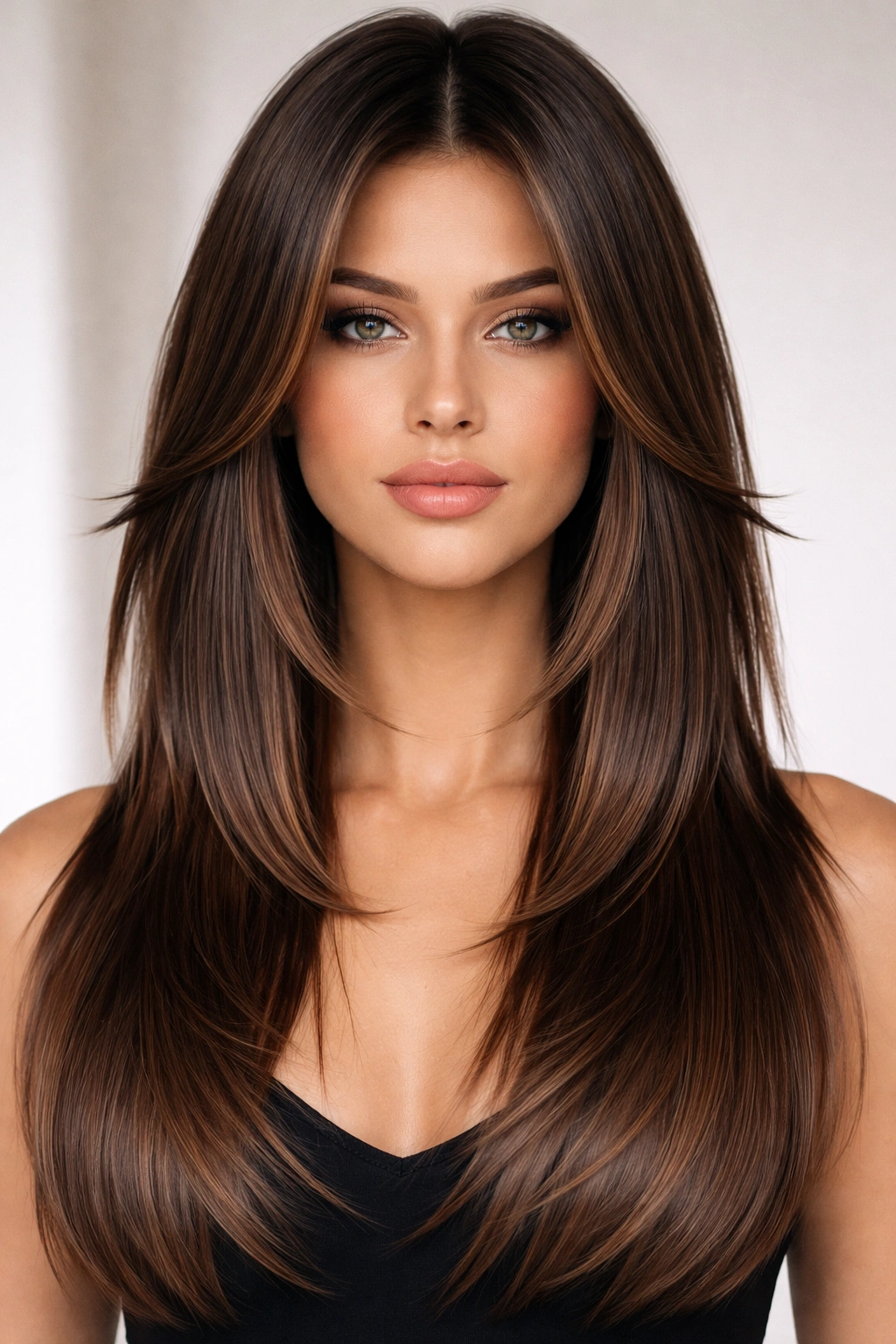
For those who want maximum contrast and impact, the blunt butterfly cut takes everything you love about this trend and adds geometric precision. The layers are cut blunt (not feathered or soft), creating clean, razor-sharp lines that emphasize the butterfly effect dramatically. This style is bold, modern, and absolutely stunning on straight hair where every edge shows clearly.
Why Sharp Lines Work Better on Straight Hair
Blunt butterfly layers require straight hair to really shine—literally. The crisp edges catch light and create distinct shadows that wouldn’t be as visible on curly or wavy hair. On straight strands, each blunt-cut layer becomes an architectural element of the cut, working together to create this edgy, contemporary look that feels very now.
Best Length Options for Blunt Butterfly
- Shoulder-length or slightly longer works best for showing off the full effect of the blunt layers
- Shorter lengths (chin-length or above) can work but might read more like a choppy pixie than a true butterfly
- Avoid very long hair (past bra strap) with blunt butterfly unless you want an extremely dramatic, statement-making look
- The sweet spot is usually 12-18 inches of length, where the blunt layers have room to show their geometry
What to know: Blunt butterfly layers need the most frequent trims (every 4-6 weeks) to maintain the sharp edges. As your hair grows, the bluntness softens and becomes less impactful, so maintaining the crisp cut is essential to this style’s success.
5. Butterfly Shag for Textural Drama
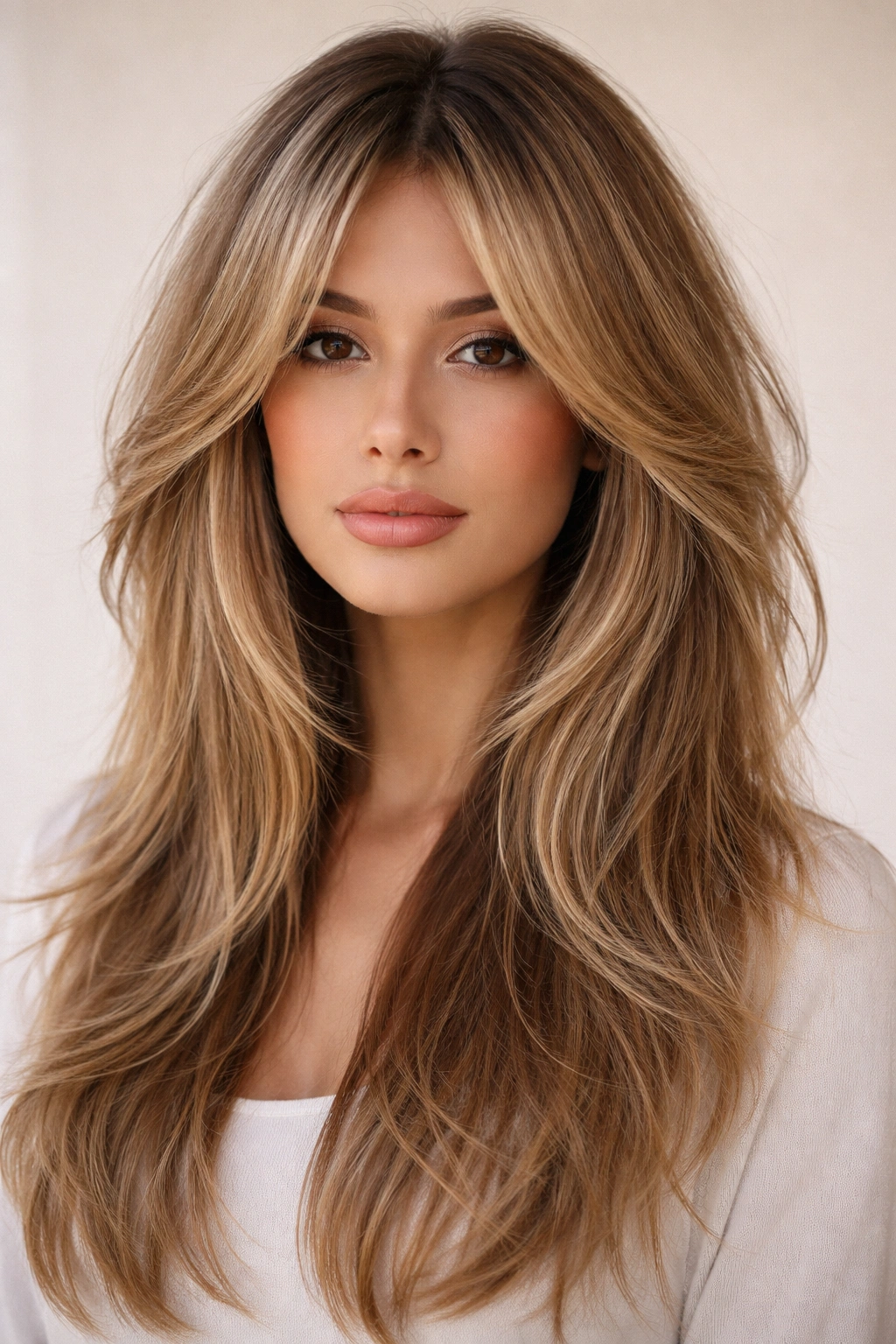
The butterfly shag is what happens when you combine 70s-inspired shag energy with modern butterfly layering—and it’s absolutely stunning on straight hair. This cut features choppy, textured layers throughout, with extra chopiness at the crown creating height and dimension. Unlike a traditional shag, the butterfly version has more intentional face-framing and a clearer shape, making it feel editorial and fresh rather than retro.
The Choppy Layer Pattern Explained
A butterfly shag typically has very short layers at the crown (sometimes as short as 2-3 inches) that gradually lengthen as they move down, creating that signature butterfly silhouette. The difference from other butterfly cuts is the choppiness factor—the layers are cut at varied lengths and angles, creating a textured, almost tousled appearance even when your hair is perfectly straight. This intentional choppiness gives the cut character and edge.
Styling This Statement Cut
- The butterfly shag looks amazing with just a quick blow dry and some textured spray—you don’t need to spend time perfecting it
- Messy, piecey styling actually suits this cut better than sleek, perfect hair
- You can add soft waves or subtle curls to enhance the textural drama, or wear it straight for a more modern take
- Works wonderfully with color play—rooted tones, balayage, or even a solid color all look great with this cut’s texture
Pro tip: Embrace the “lived-in” vibe that this cut is designed for. The butterfly shag is meant to look deliberately undone, so don’t fight that energy by trying to make it perfectly sleek and polished.
6. Short Butterfly Pixie for Bold Confidence
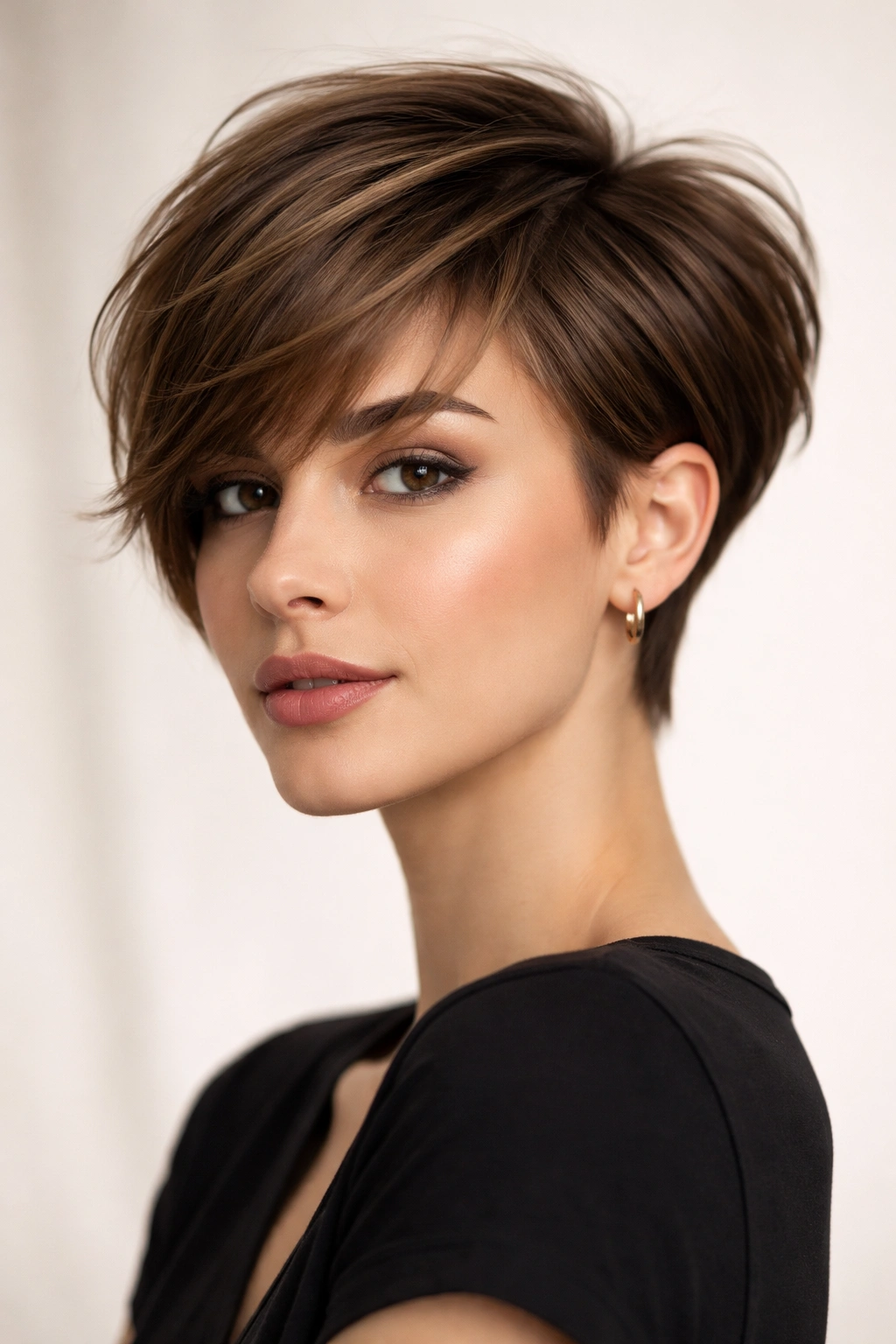
If you’re ready to go short, the butterfly pixie gives you the trend without requiring you to commit to a standard pixie cut. This style combines a cropped pixie length at the back and sides with longer butterfly layers on top and around the face. The result is an androgynous, fashion-forward look that’s absolutely striking on straight hair and requires minimal styling.
Why Butterfly Adds Dimension to a Pixie
A traditional pixie can read as quite severe, especially on straight hair. Adding butterfly layers on top—usually 3-4 inches longer than the back—creates movement and softness while maintaining that cropped, edgy silhouette. The longer face-framing pieces give you something to work with for styling and make the cut feel less extreme than a full pixie.
Maintenance and Daily Styling
- This cut requires the most frequent trims of any butterfly style—typically every 3-4 weeks—to maintain the structured back while keeping the top layers from getting too long
- A quick blow dry is often all you need; straight hair shows off the layer structure beautifully even without much styling
- You have options for texture: blow dry it smooth and sleek, or use a round brush to add wave and dimension
- This cut shows off your face shape, so make sure you’re comfortable with that level of exposure
Worth knowing: A short butterfly pixie is a real commitment to frequent trims and maintenance. If you’re not willing to get your hair cut monthly, this isn’t the style for you. But if you love the look, the low daily styling effort makes up for the trim schedule.
7. Textured Butterfly Bob with Movement
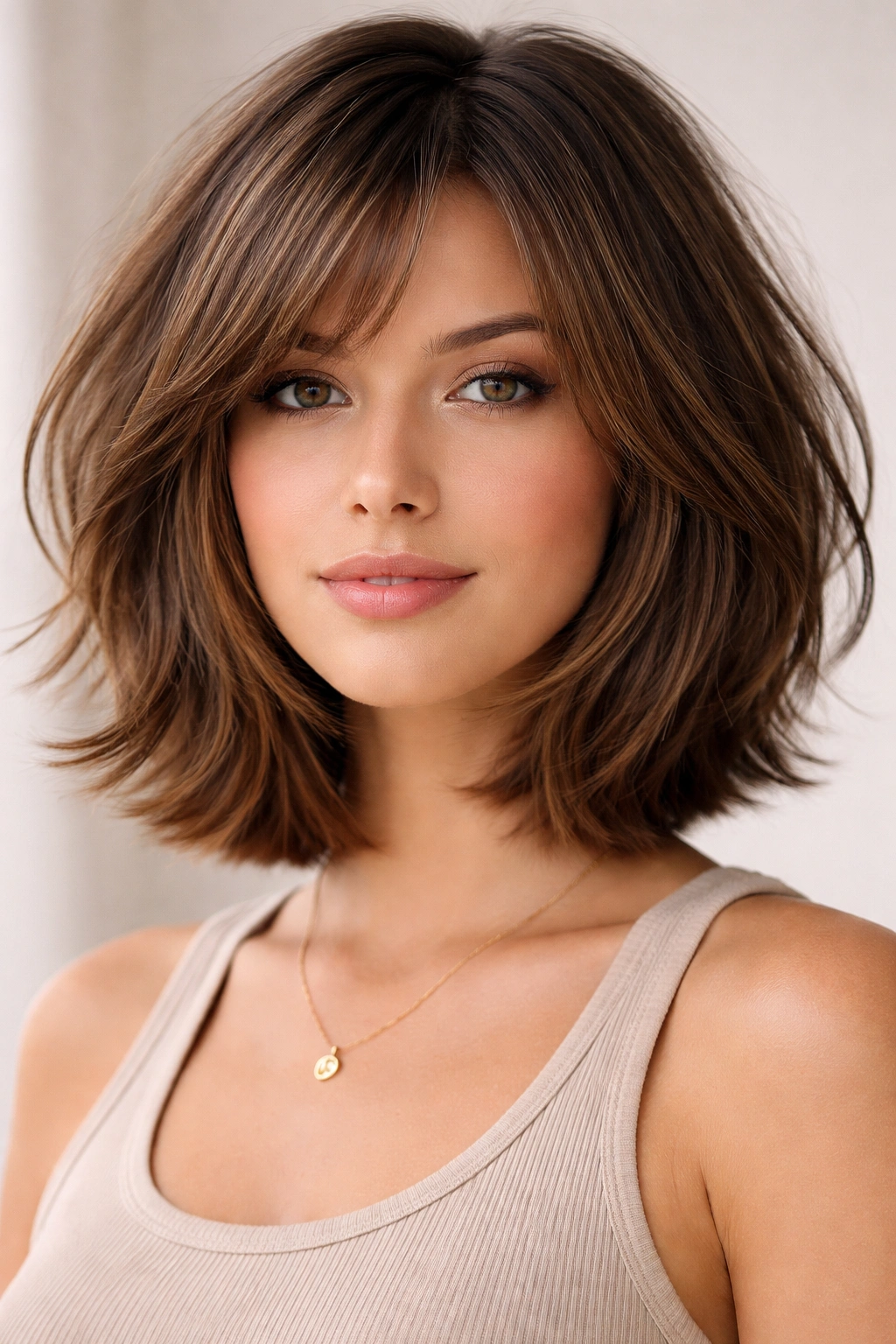
The textured butterfly bob takes the sophistication of a classic bob and adds choppy, textured butterfly layers for dimension and movement. This version keeps the overall bob shape but adds significant layering throughout, creating a more modern, less severe vibe. The texture makes it feel casual while the bob structure keeps it polished—it’s the perfect balance for those who want both.
How Texturing Changes the Bob
Where a subtle butterfly bob keeps most of the straight, structured bob lines intact, the textured butterfly bob prioritizes the layers. You’re getting choppy, textured layers throughout, not just face-framing sections. This creates that lived-in, intentionally tousled look that works beautifully on straight hair because the clean texture of your strands makes every textured layer visible and intentional.
Styling Options with Straight Hair
- Blow dry straight for a more structured, polished look, or use a round brush to create soft flips and waves
- Texturizing spray or dry shampoo gives the textured layers even more definition and separation
- The choppy layers catch light beautifully, creating the illusion of depth and dimension
- This cut is incredibly forgiving—slightly second-day hair and casual styling actually enhance the textured effect
Pro tip: Ask your stylist to use a razor or point-cutting technique rather than blunt scissors for the textured sections. This creates softer, choppier layers that blend beautifully rather than creating harsh lines.
8. Face-Framing Butterfly for Soft Femininity
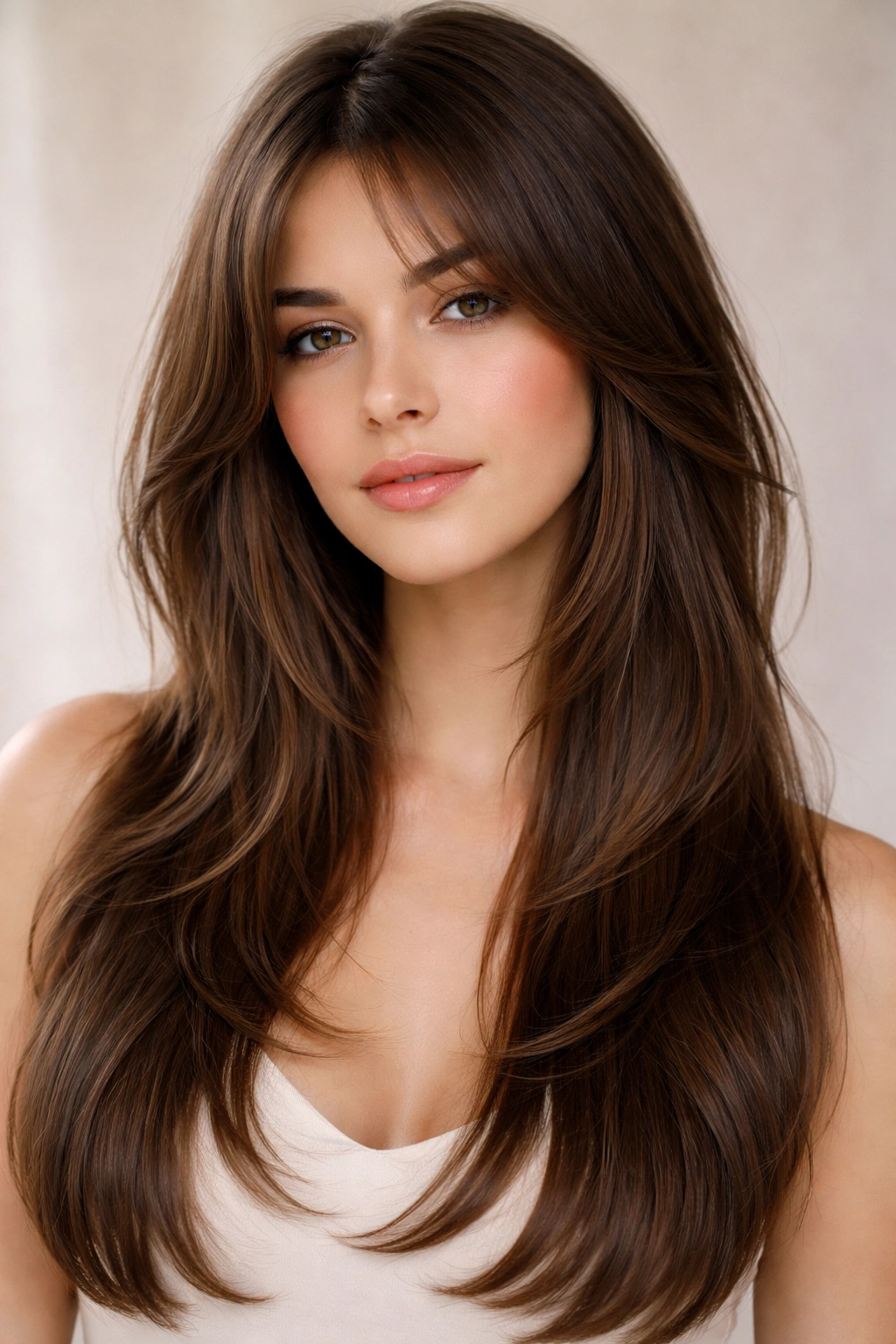
Sometimes you want the butterfly effect without committing to significant all-over layering. The face-framing butterfly gives you gorgeous layers exactly where they’ll brighten your face and frame your features, while keeping the rest of your hair relatively long and straight. This version is softer, more romantic, and perfect if you prefer length with subtle movement.
Why Face-Framing Works So Well
Layers around your face—especially at cheekbone length—are incredibly flattering because they draw attention to your eyes, cheekbones, and jawline. The butterfly layering technique creates those soft wings exactly where they can do the most good, catching light and creating dimension right where people look first when they see your face. On straight hair, these layers are clean and controlled, creating a polished frame rather than a wild, unpredictable effect.
Who Should Choose This Version
- Anyone who loves length and doesn’t want to commit to extensive layering throughout
- People who want the butterfly trend but need something more conservative for work or personal preference
- Those seeking a cut that works with their face shape without demanding significant daily styling
- Anyone who prefers to wear their hair down and wants the layers to enhance that look
Insider note: Face-framing butterfly layers work beautifully with half-up hairstyles and work well when you want to put your hair in a ponytail (the face-framing pieces create a soft, intentional effect rather than looking like you just forgot those pieces when you pulled it back).
9. Asymmetrical Butterfly for Bold Personality
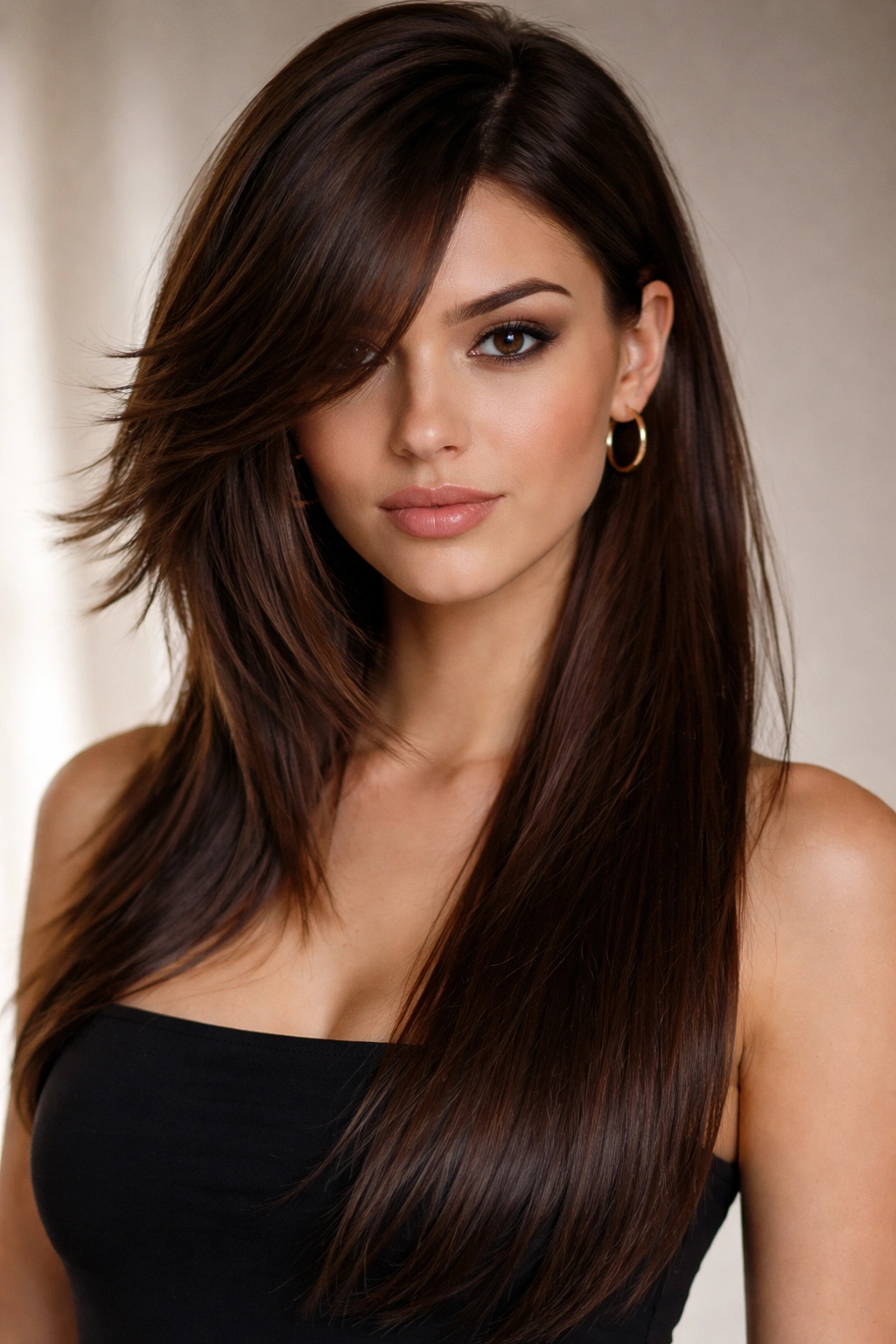
The asymmetrical butterfly cut takes the trend in an unexpected direction by making one side shorter and choppier than the other. This creates a fashion-forward, daring look that makes a real statement. It’s the butterfly cut for people who want to express bold individuality while still benefiting from the flattering, face-framing qualities of the style.
How Asymmetry Changes the Vibe
Where most butterfly cuts are relatively symmetrical, with balanced layering on both sides, the asymmetrical version intentionally plays with that balance. One side might have heavier layering or be significantly shorter, creating visual interest and an almost edgy, artistic vibe. On straight hair, the asymmetry is crystal clear—there’s no texture or wave to soften or hide the geometric differences between the two sides.
Who Makes This Work Best
- People with strong personal style who aren’t afraid of attention-getting haircuts
- Anyone with the face shape and bone structure to carry off an asymmetrical cut (angular faces often work best)
- Those looking for a cut that photographs beautifully and stands out from the crowd
- People willing to do slightly more involved styling to make the asymmetry look intentional rather than accidental
Worth knowing: An asymmetrical butterfly cut can be challenging to grow out, since the uneven lengths become more obvious as your hair grows. Plan on regular trims to maintain the intended asymmetrical shape, or be prepared to eventually cut it more bluntly if you decide to change things up.
10. Wispy Butterfly Layers with Maximum Softness
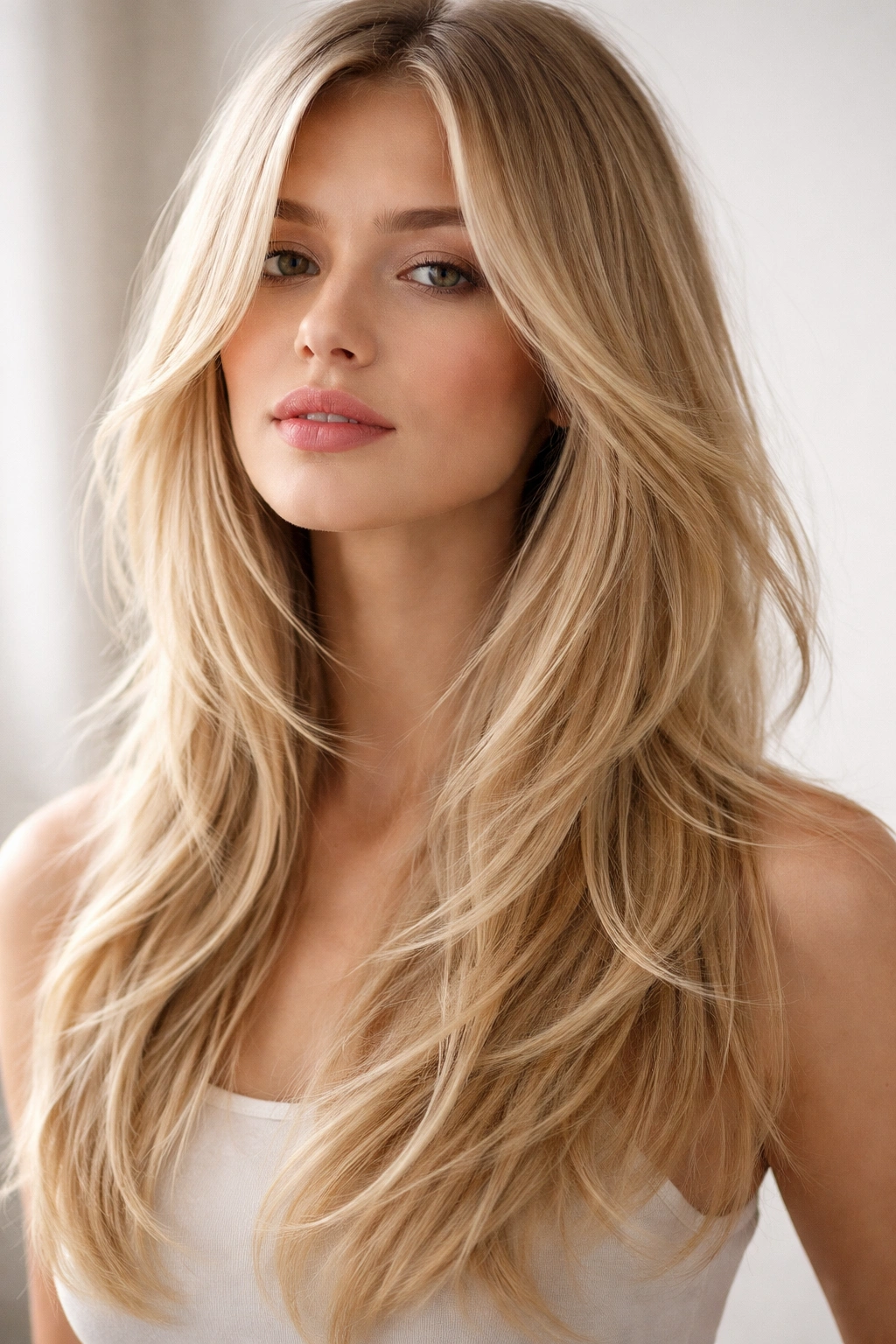
The wispy butterfly is the most delicate, romantic version of this trend—perfect for anyone who wants the butterfly effect but prefers softness over structure. This style features the finest, most delicate layers throughout, creating an airy, ethereal quality that makes straight hair look almost cloud-like. It’s the butterfly cut that reads most like a fairy tale and least like an edgy fashion statement.
What Makes Wispy Layers Different
Wispy layers are thinner, more subtle, and often shorter than traditional feathered or choppy layers. A stylist typically uses point-cutting or razor techniques to create these ultra-fine layers that create movement and flow rather than definition and structure. The result is a softer, more romantic aesthetic that still incorporates all the flattering elements of the butterfly cut.
Achieving Softness with Straight Hair
- Wispy layers look best with some movement, so a light curl or wave enhances the effect beautifully
- Even on completely straight hair, the delicate layers create enough visual interest to look intentional and designed
- Soft texturizing sprays and lightweight styling products help maintain the airy, wispy effect
- This cut has the most subtle butterfly shape of any version, so it works well if you want the trend but don’t want it to scream “butterfly cut”
Pro tip: Wispy butterfly layers require the most skillful cutting of any butterfly variation. Find a stylist who specializes in this delicate work rather than just any stylist who can cut layers. The difference in execution dramatically affects whether this style looks beautifully romantic or just choppy and undone.
Final Thoughts
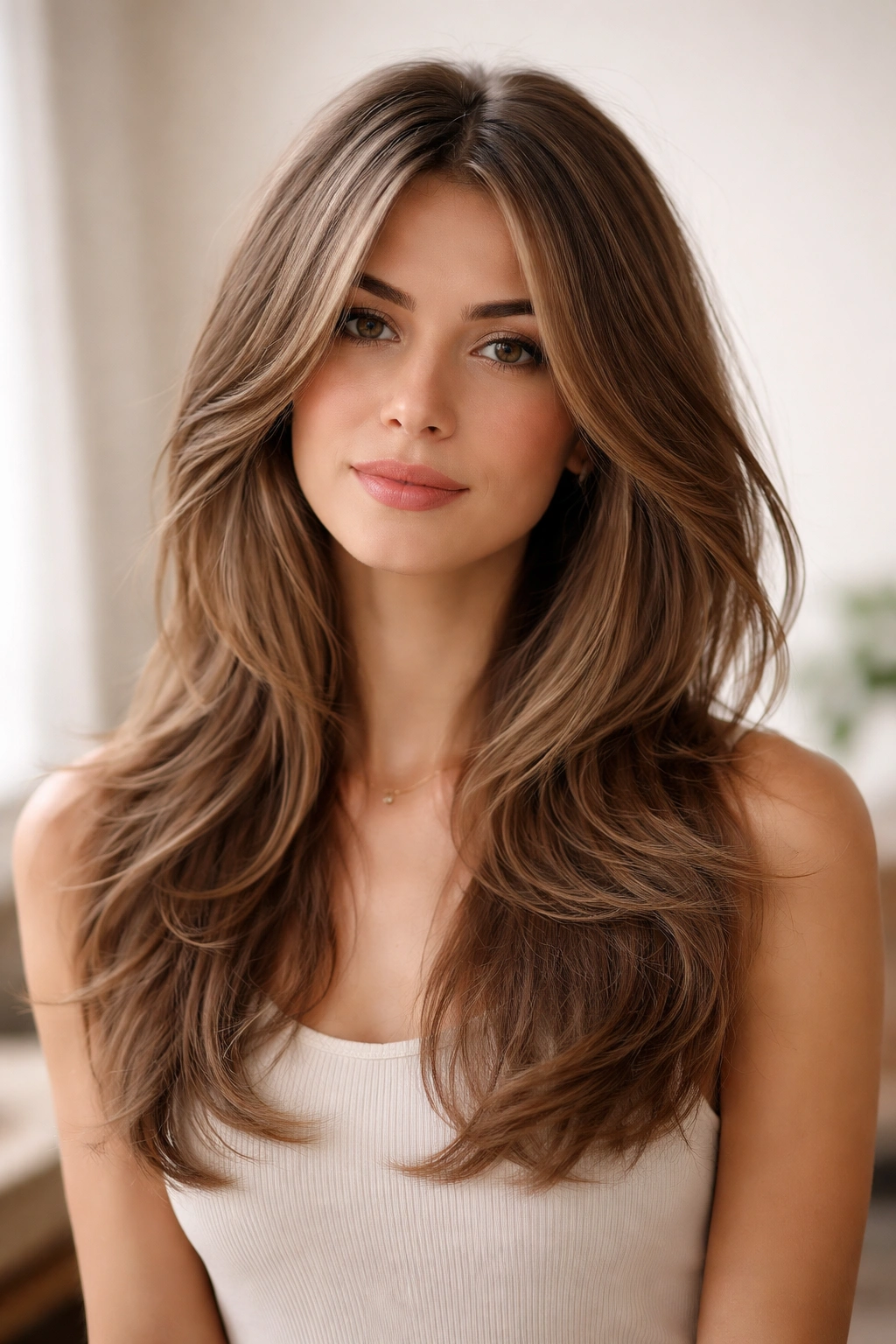
The butterfly haircut’s incredible range means there’s genuinely a version for everyone—whether you’re drawn to bold, statement-making versions or prefer something soft and subtle. The key is understanding your own style preferences and lifestyle, then communicating clearly with your stylist about which version speaks to you. Bring reference photos, discuss your daily styling habits honestly, and be clear about how much maintenance you’re willing to commit to, since different butterfly styles require different levels of upkeep.
What makes this trend so enduring is how beautifully it works with straight hair specifically. The clean texture of straight strands lets every layer shine, every cut line read clearly, and every design element of the butterfly cut do its job perfectly. Whether you go short and bold, long and flowing, or anywhere in between, you’re getting a haircut that’s flattering, on-trend, and designed to make you feel confident. The butterfly cut isn’t just a trend—it’s a genuinely flattering technique that enhances straight hair’s natural beauty.