



Straight hair gets a reputation for being flat or one-dimensional, but that’s only true if you’re wearing the wrong cut. The right haircut completely transforms straight hair by adding movement, dimension, and visual interest without requiring heat styling or constant fussing. The key is choosing a cut that works with your natural texture instead of against it—strategic layers, angles, and lengths create the illusion of volume and shape while keeping maintenance realistic.
The beauty of cutting straight hair is that every line you create stays clean and defined. Blunt edges catch light differently than layered ends. Angles naturally frame the face. Texture creates shadows and breaks up flatness. A skilled stylist can use these cutting techniques to sculpt your hair so it looks fuller, more dimensional, and more intentional—even when you’re just air-drying or doing a simple blow-dry. The cuts that work best are those that respect your hair’s natural behavior while strategically disrupting a one-note silhouette.
If you’ve been wearing the same straight style for years because you thought your hair “couldn’t handle” a more interesting cut, it’s time to reconsider. These 15 cuts prove that straight hair isn’t a limitation—it’s a canvas for creating real shape and movement.
1. Layered Bob
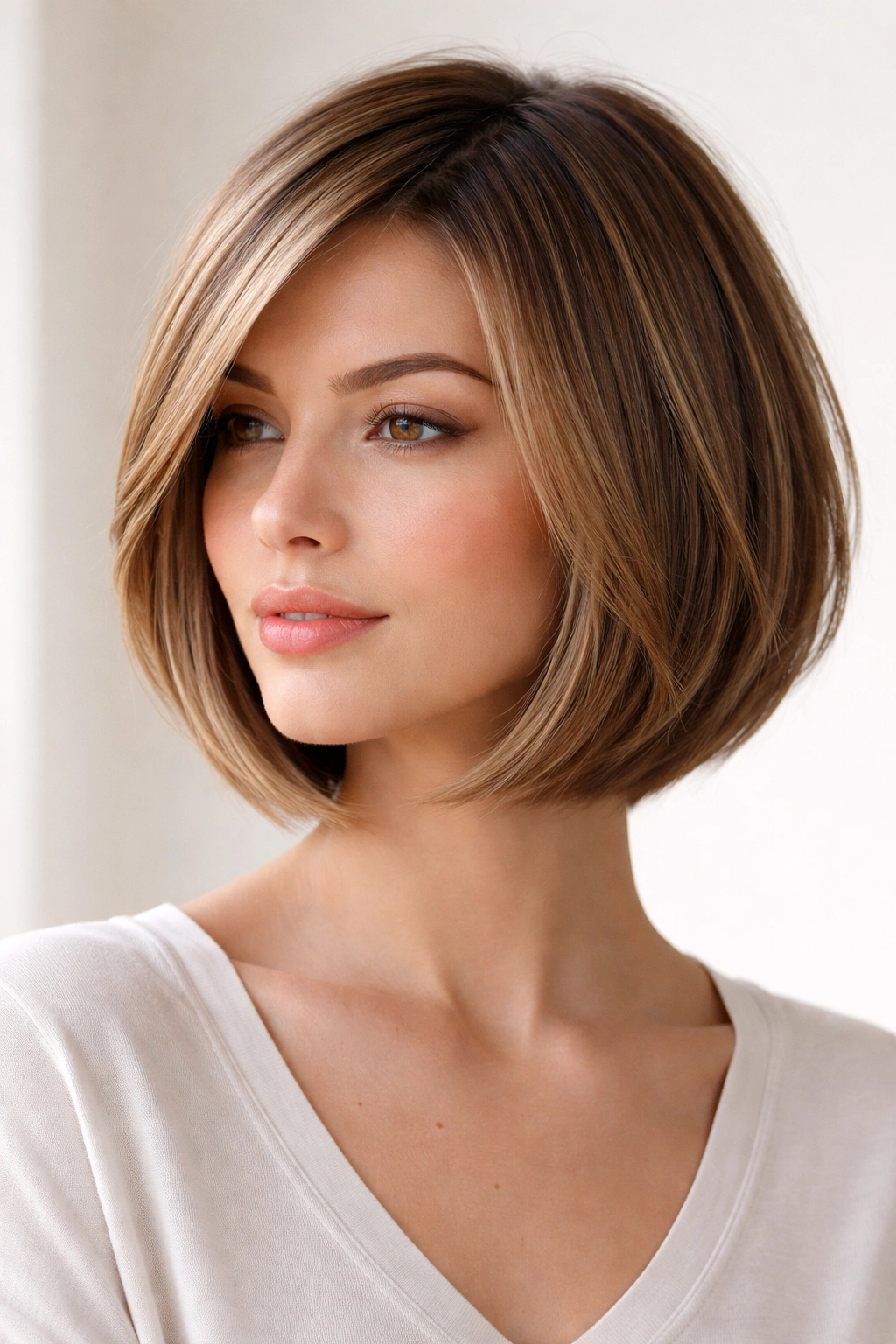
A layered bob is one of the most transformative cuts for straight hair because it combines the polished structure of a bob with movement and dimension that prevents flatness. This cut sits around chin length with layers throughout the crown and sides, creating texture and lift without losing the clean, defined shape a bob provides.
Why It Works for Straight Hair
The layers in a textured bob catch light at different points along the strand, creating the visual impression of volume and depth. Straight hair naturally shows off each individual layer because the strands don’t curl or wave to conceal the cut lines. The longer pieces frame your face while shorter pieces near the crown create lift exactly where you need it, counteracting any tendency toward flatness that straight hair can develop.
How to Style It
Blow-dry with a round brush, directing the layers toward your face and the crown pieces upward for maximum shape. The beauty of a layered bob on straight hair is that it holds its shape beautifully throughout the day—you’re not relying on texture or waves to create the cut’s visual interest, so even a simple air-dry looks intentional. A straightening iron smooths any flyaways and emphasizes the clean lines between layers.
Pro tip: Ask your stylist for choppy, disconnected layers rather than blended ones. The contrast between lengths is what creates visual dimension in straight hair.
2. Textured Pixie Cut
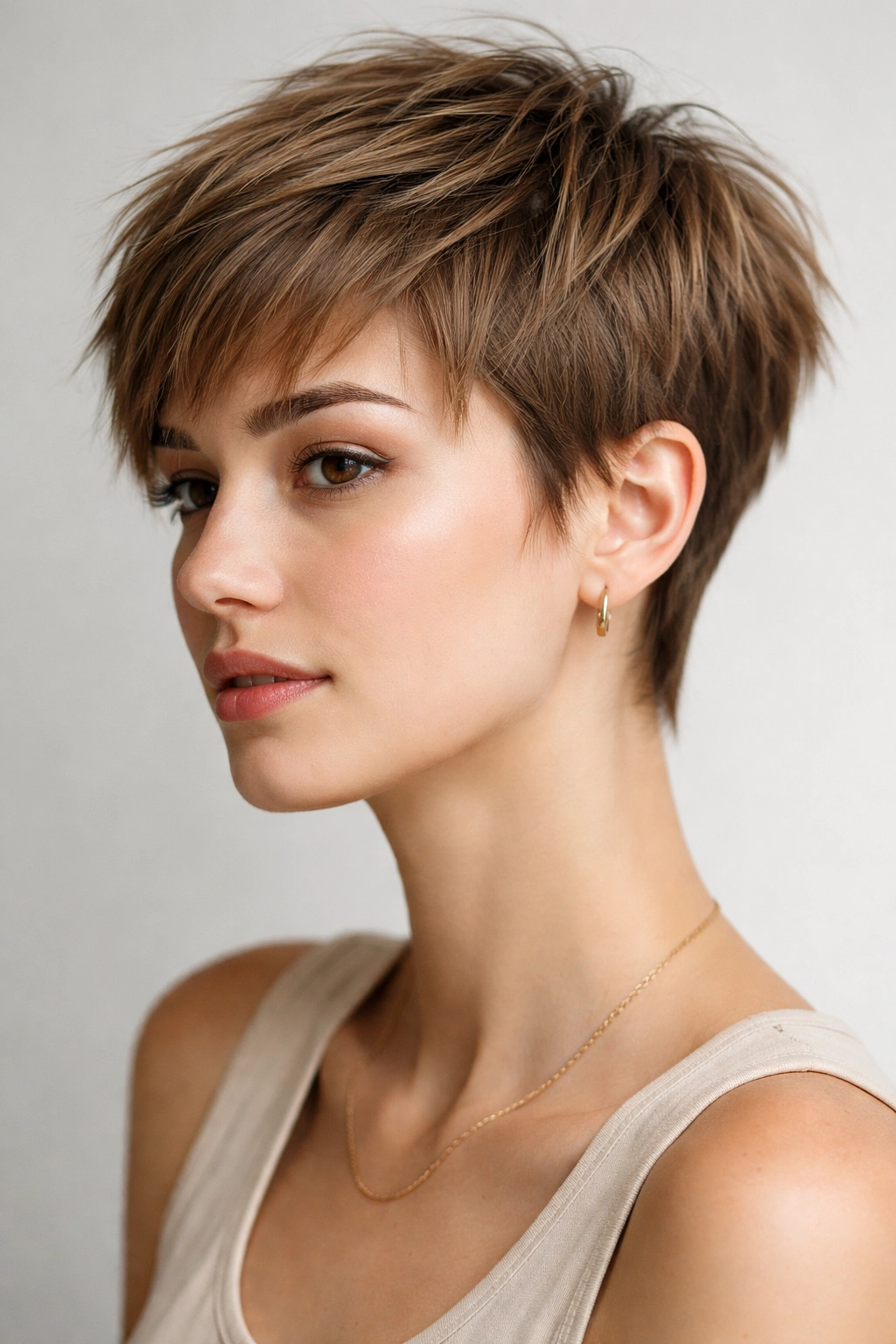
A textured pixie on straight hair creates surprising dimension in a minimal silhouette. This is a short cut—usually 1 to 2 inches on top with shorter sides—but the texture comes from choppy layers and razor-cut pieces that disrupt the surface. For straight hair, this creates a piecy, intentional look rather than a blunt, helmet-like effect.
What Makes It Stand Out
The magic of a textured pixie on straight hair is that you get the ease of a short cut without the slicked-back flatness. Choppy layers and tapered pieces create shadow and movement that makes the cut visually interesting from every angle. Straight hair shows off these fine details beautifully because there’s nothing curling or waving to obscure the precision of the cut.
Styling and Maintenance
Textured pixies work great with minimal styling—sometimes just running your fingers through damp hair is enough. If you want more definition, apply a light texturizing cream or pomade to damp hair and scrunch upward to emphasize the choppy layers. The cut requires a trim every 4 to 6 weeks to maintain the textured effect, but the daily styling commitment is minimal. Straight hair is actually ideal for this because the texture-focused cut means you’re not relying on natural waves or curls for shape.
Worth knowing: This cut photographs beautifully and works especially well for people with smaller or more delicate facial features because the short length draws attention to the face rather than framing it.
3. Long Layers with Movement
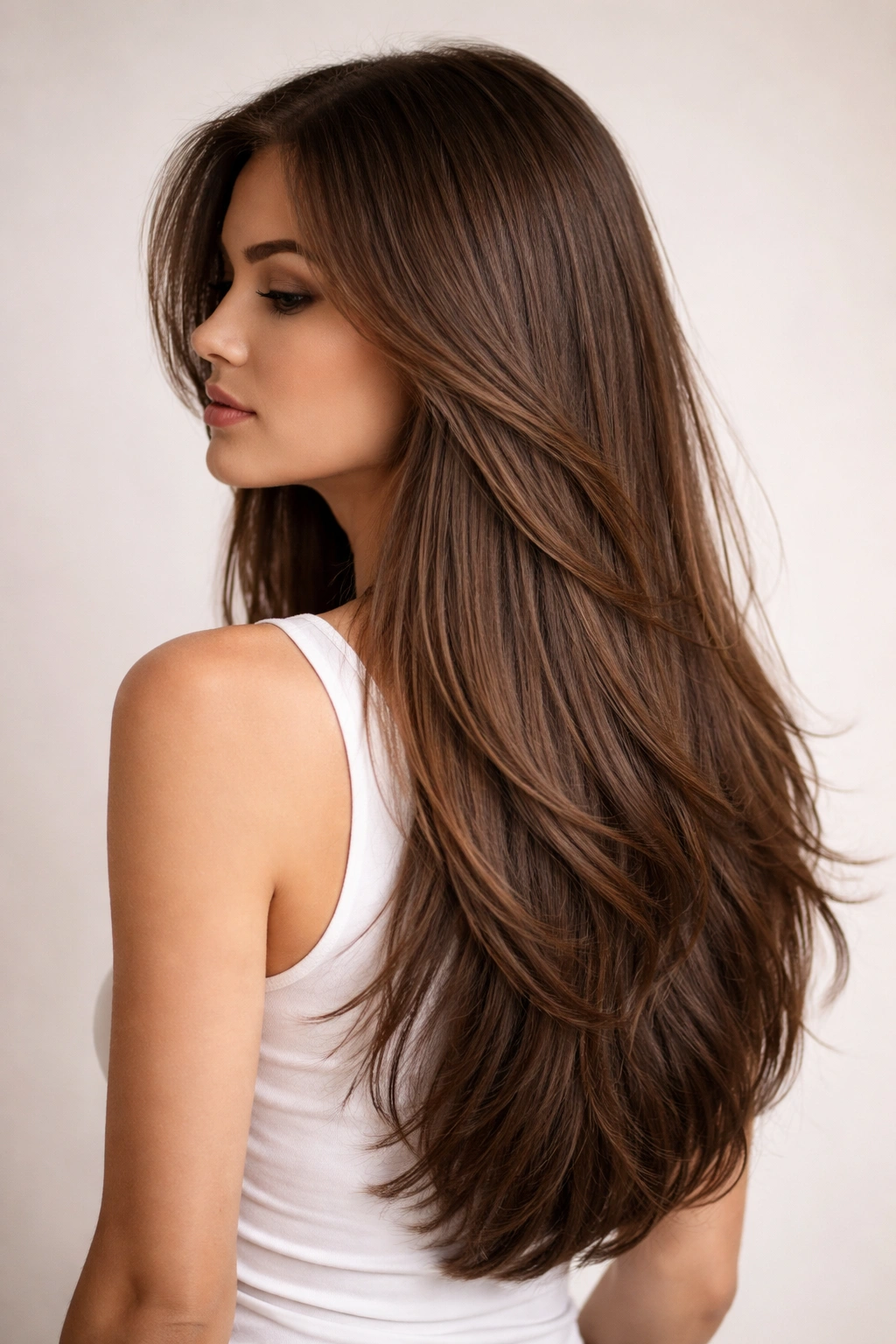
Long layers are a classic approach to adding shape to straight hair while keeping length, and when done right, they create a flowing, dimensional effect that air-dries beautifully. This cut keeps most of your length while introducing layers every 2 to 3 inches, starting around mid-back, that gradually get shorter toward the crown.
How It Creates Shape
Layers on long straight hair work by creating a stacked effect at the crown (where you need lift) while the longer pieces maintain length and frame the body. Each layer creates its own visual line, and because straight hair doesn’t have natural texture to hide or emphasize these lines, every layer shows as a clean, defined shape. The result is hair that looks fuller and more intentional than a blunt, one-length cut.
Styling for Best Results
Long layers on straight hair look stunning when blow-dried with a round brush to create subtle waves or bends at the layer points. You can also straighten the entire length for a sleek, runway-ready look where each layer becomes a distinct line. The layers also make it much easier to create texture with a curling iron or wand—instead of having to curl every section, the existing layers give you built-in dimension to work with.
Insider note: Layers work best on straight hair when they’re razored rather than blunt-cut. Razored layers create softer, more feathered edges that catch light and create movement even in naturally straight strands.
4. Blunt Bangs Bob
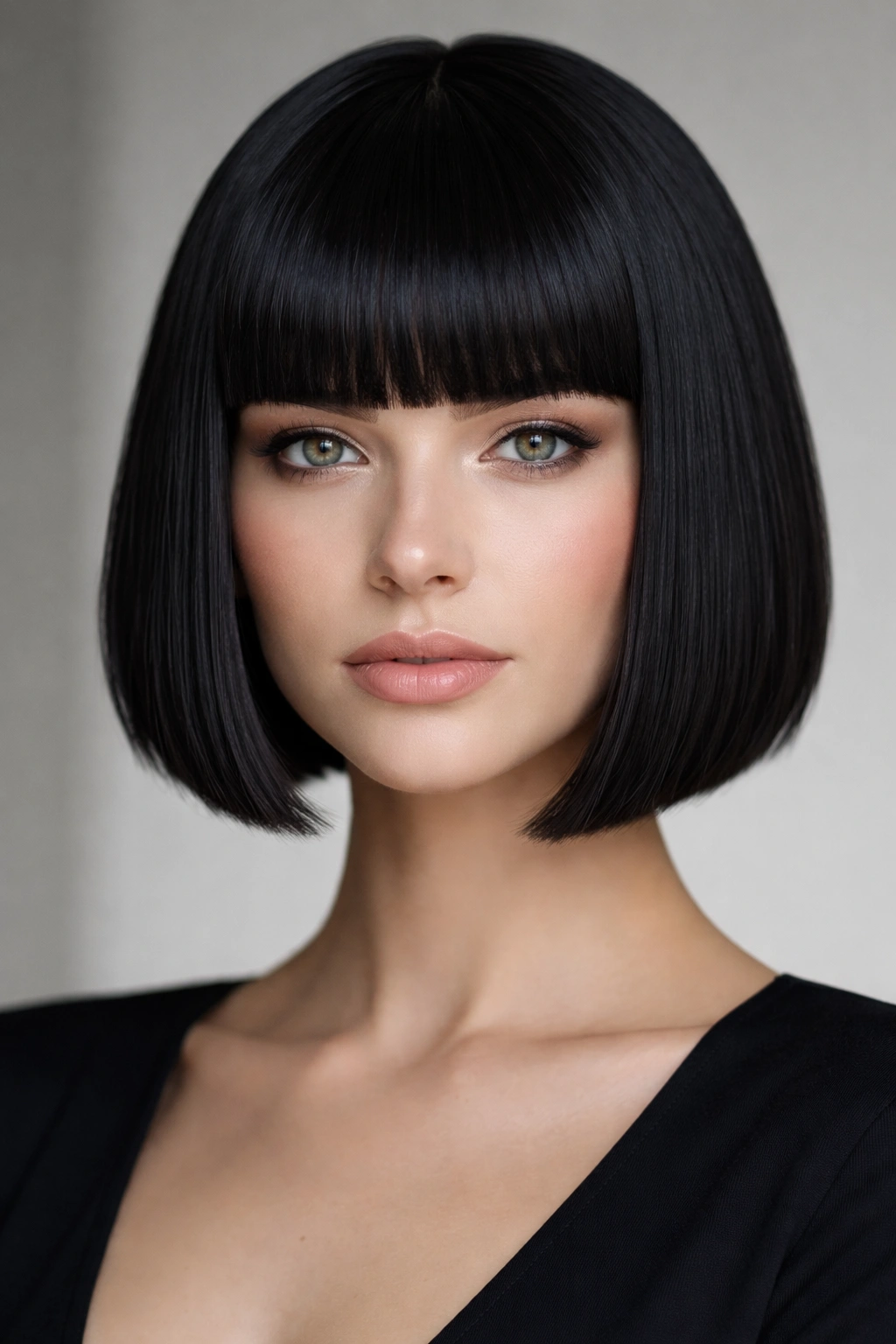
A blunt bob with thick, blunt bangs creates drama and geometric shape that works exceptionally well on straight hair. The bob typically hits at chin level with minimal or no layers, keeping lines clean and sharp, while the bangs (cut straight across at the brow or slightly below) create a bold focal point and frame the face in a way that adds visual interest.
The Shape Factor
Blunt bangs and a blunt bob create negative space and sharp angles that add sophistication and shape to straight hair. The geometric lines of this cut are emphasized by the lack of texture or waviness in straight hair—every line is intentional and visible. The bangs draw attention to your eyes and cheekbones, and the bob’s clean lines create a structured silhouette that prevents the hair from looking flat.
Styling Considerations
This cut requires slightly more styling attention than some others because blunt edges can look stringy if not properly blow-dried. Blow-dry with tension using a paddle brush to keep bangs smooth and straight. A light straightening iron keeps the entire cut looking crisp and intentional. The beauty is that once styled, the geometric lines hold their shape all day. For a softer version, ask your stylist to leave just slightly more length on the outer corners of the bangs—this prevents them from looking too severe while maintaining the blunt effect.
Pro tip: Blunt bangs on straight hair need trims every 3 to 4 weeks to maintain their sharp edge, so commit to the maintenance before choosing this style.
5. Shag Haircut
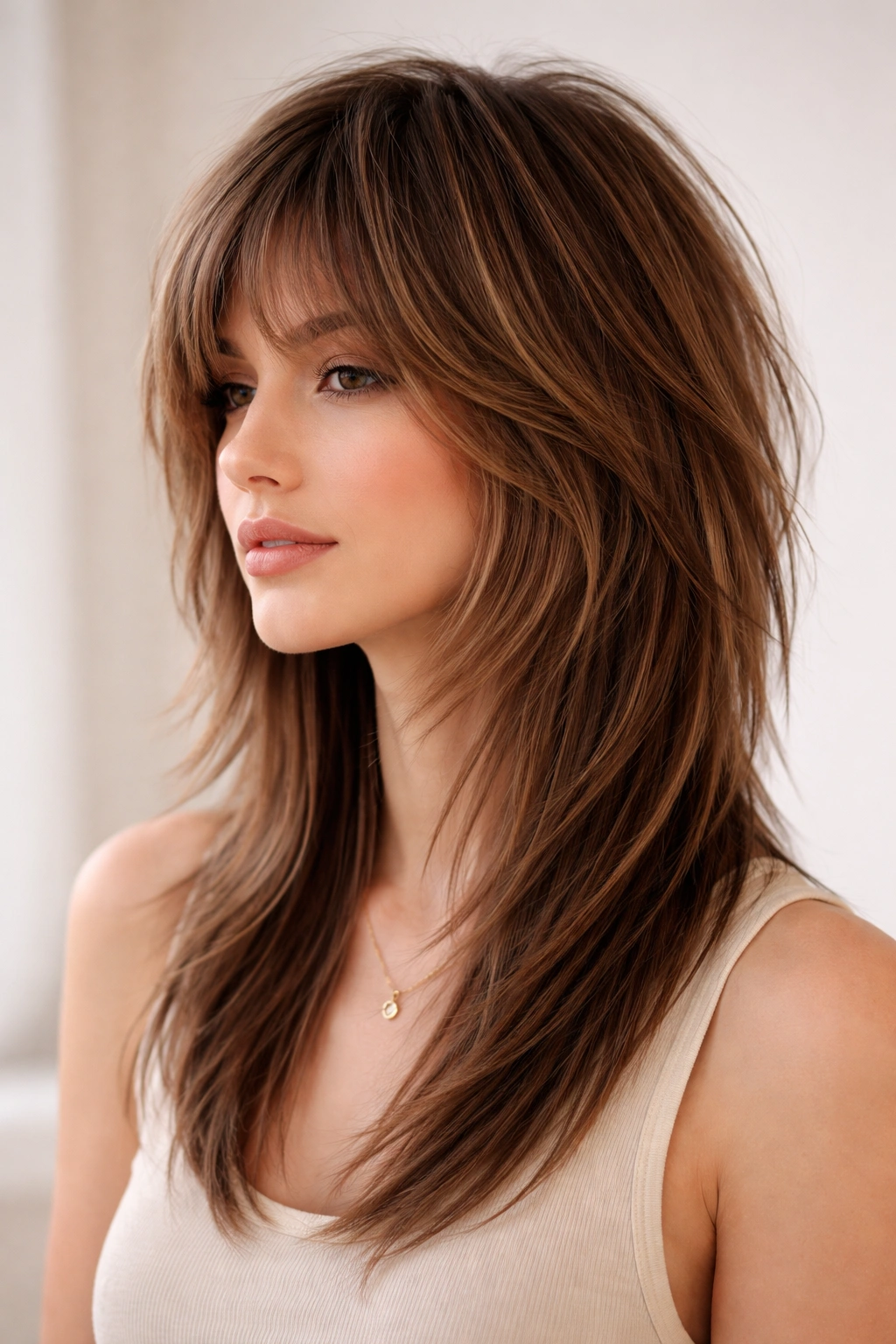
A shag is a layered, textured cut that brings 70s-inspired movement and dimension to straight hair. This cut combines shorter, choppy layers on top with longer pieces underneath, creating a feathered, piecy effect. It’s voluminous without being bulky and works beautifully on straight hair because every layer reads as a distinct line of shape.
Why Shags Work on Straight Hair
Shags are built on the principle of creating multiple layers and intentional texture, which means they add visual interest and movement to even the straightest hair. The shorter crown layers lift and create volume, while the longer underneath pieces maintain length and flow. Straight hair shows off the feathered, textured effect of a shag because there’s no natural curl or wave to muddy the deliberate cut lines—every choppy piece is visible and intentional.
Styling a Shag
Shags actually look great with minimal styling. On straight hair, you can air-dry and just finger-comb through, and the layers create movement naturally. If you want more definition, blow-dry while tousling with your fingers, or use a texturizing spray to emphasize the choppy pieces. You can also straighten a shag for a sleeker interpretation, and the layers mean the cut still reads as intentional and shaped even without texture or waves.
Worth knowing: Shags look best when maintained every 6 to 8 weeks because the definition of the layers is what creates the style—as they grow out, you lose that piecy effect.
6. Choppy Lob
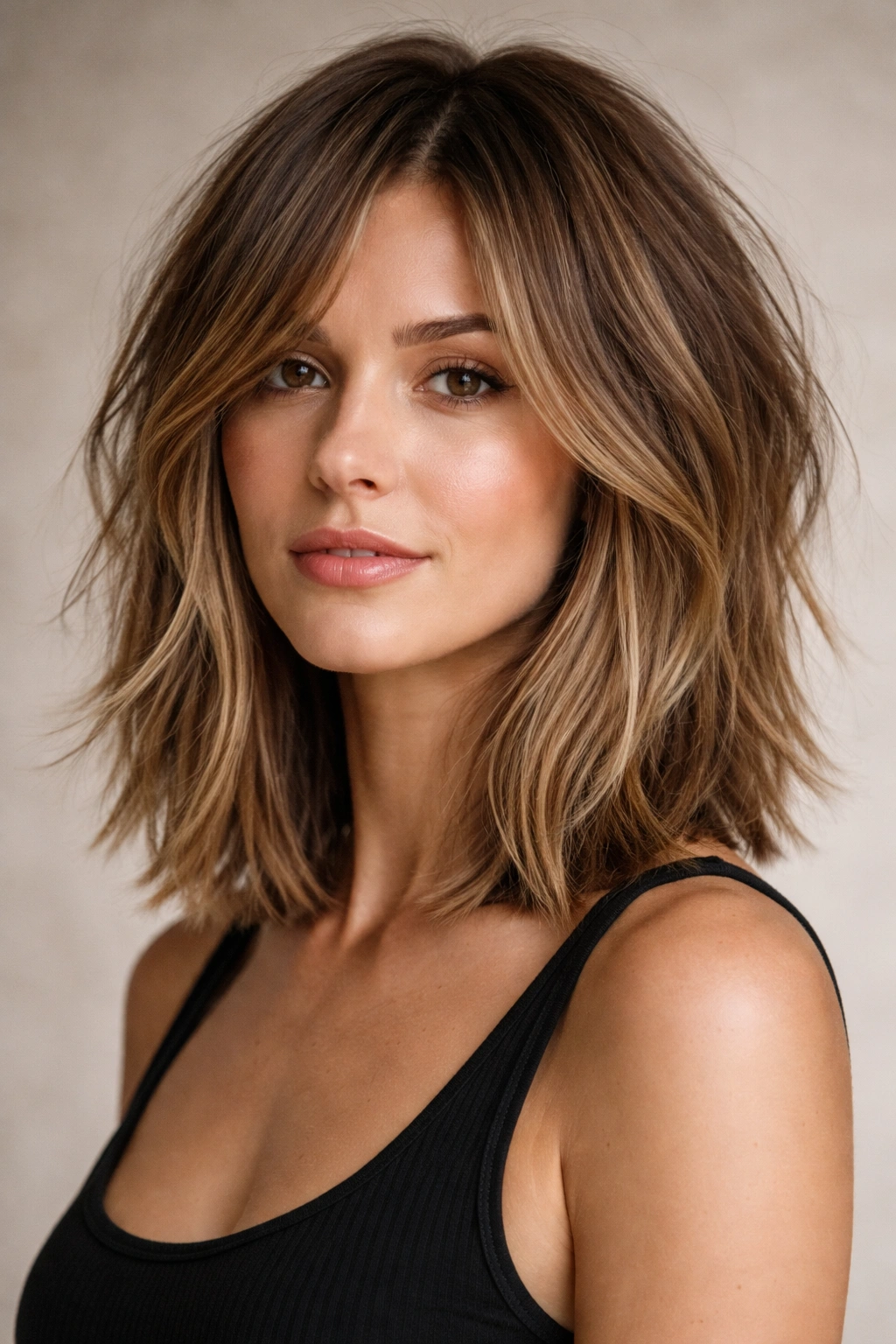
A lob (long bob) with choppy, disconnected layers hits around shoulder length and creates serious visual interest on straight hair. Unlike blended layers that flow subtly into one another, choppy layers have visible variation in length and texture, creating shadow and dimension that prevents straight hair from looking flat.
The Dimension Factor
Choppy layers on a lob work by creating intentional contrasts in length throughout the cut. Straight hair shows every variation in length as a distinct visual line, which is exactly what creates shape and dimension. The short pieces near the crown create lift, the longer pieces maintain length and frame the body, and the choppy nature of the cut means there’s visual interest from every angle.
How to Wear It
A choppy lob on straight hair looks fantastic with a simple blow-dry—the layers create movement naturally as they dry. You can also straighten it for an intentionally sleek look where the choppy pieces become distinct, polished lines. Add texture with a wand or curling iron and the choppy layers create effortless waves that feel modern and intentional. The cut is versatile enough to go from casual and piecy to polished and sleek depending on how you style it.
Pro tip: Choppy lobs look best when each piece is clearly distinct—ask your stylist for disconnected, textured layers rather than a more blended approach. This is what creates the visual impact on straight hair.
7. Curtain Bangs with Straight Hair
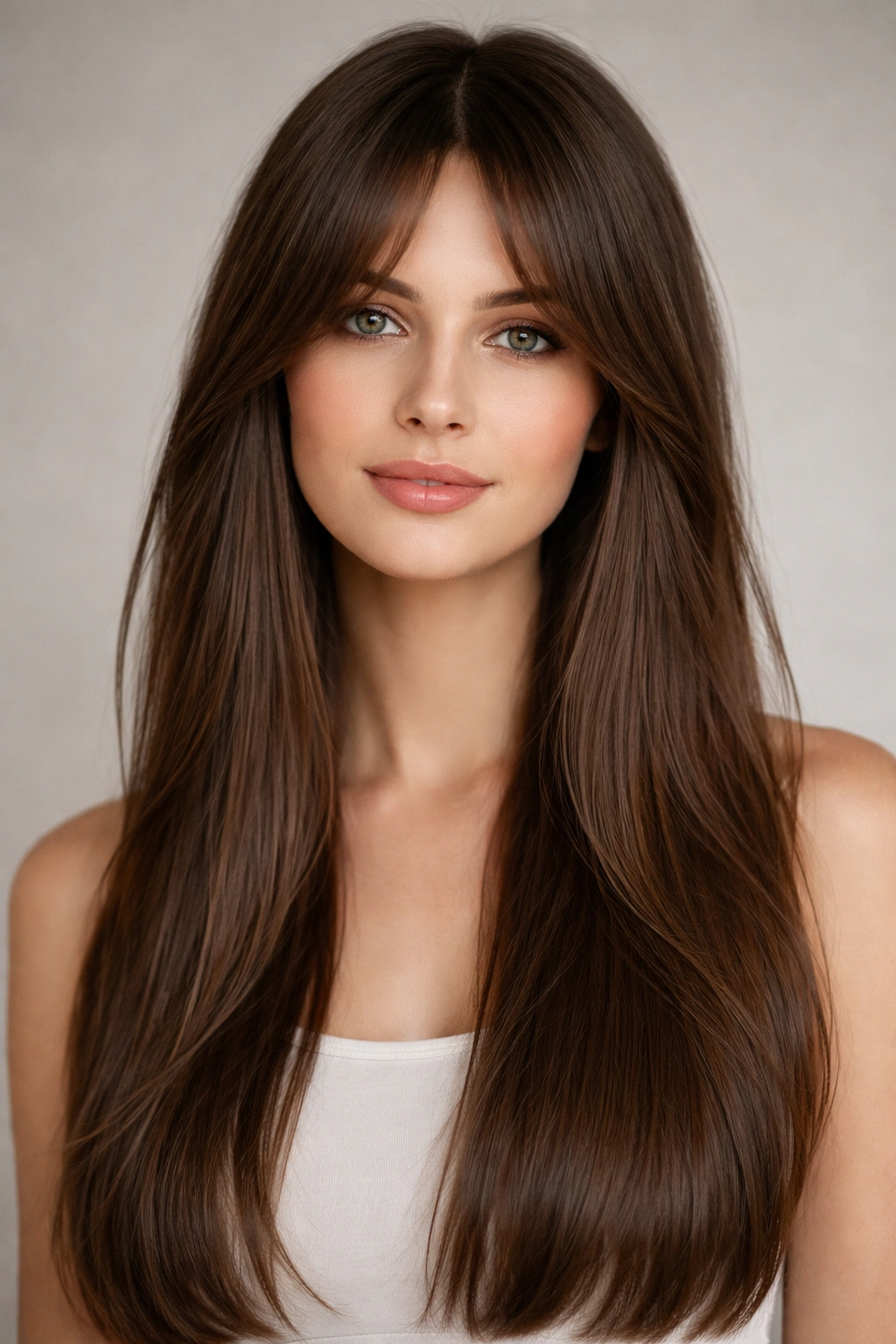
Curtain bangs frame the face beautifully on straight hair while adding movement and dimension to the entire silhouette. These soft, center-parted bangs create a flattering face-frame effect and look especially good on straight hair because the clean lines of the bang area create visual interest at the front while the rest of the hair remains full-length.
Why Curtain Bangs Flatter Straight Hair
Curtain bangs add shape by drawing attention to the face and creating soft angles that break up a flat, one-length appearance. The center part creates symmetry while the graduated length of the bangs (longer toward the center, shorter at the sides) creates a subtle lift and movement. On straight hair, curtain bangs are especially effective because the soft, face-framing effect is clearly visible without being obscured by natural texture.
Styling Techniques
Curtain bangs on straight hair look good with a variety of styling approaches. Blow-dry with a round brush directing them away from the center part for a feminine, flowing effect. Straighten them for a sleeker, more modern look. You can also create soft waves with a wand, and the bangs will follow the wave pattern, creating movement throughout the entire length. Because curtain bangs are graduated rather than blunt, they’re forgiving—they grow out gracefully and don’t require trims as frequently as other bang styles.
Worth knowing: Curtain bangs work especially well on straight hair if you also add subtle layers throughout the rest of the cut. The combination of face-framing bangs plus longer layers creates a complete shape transformation.
8. Angled Bob
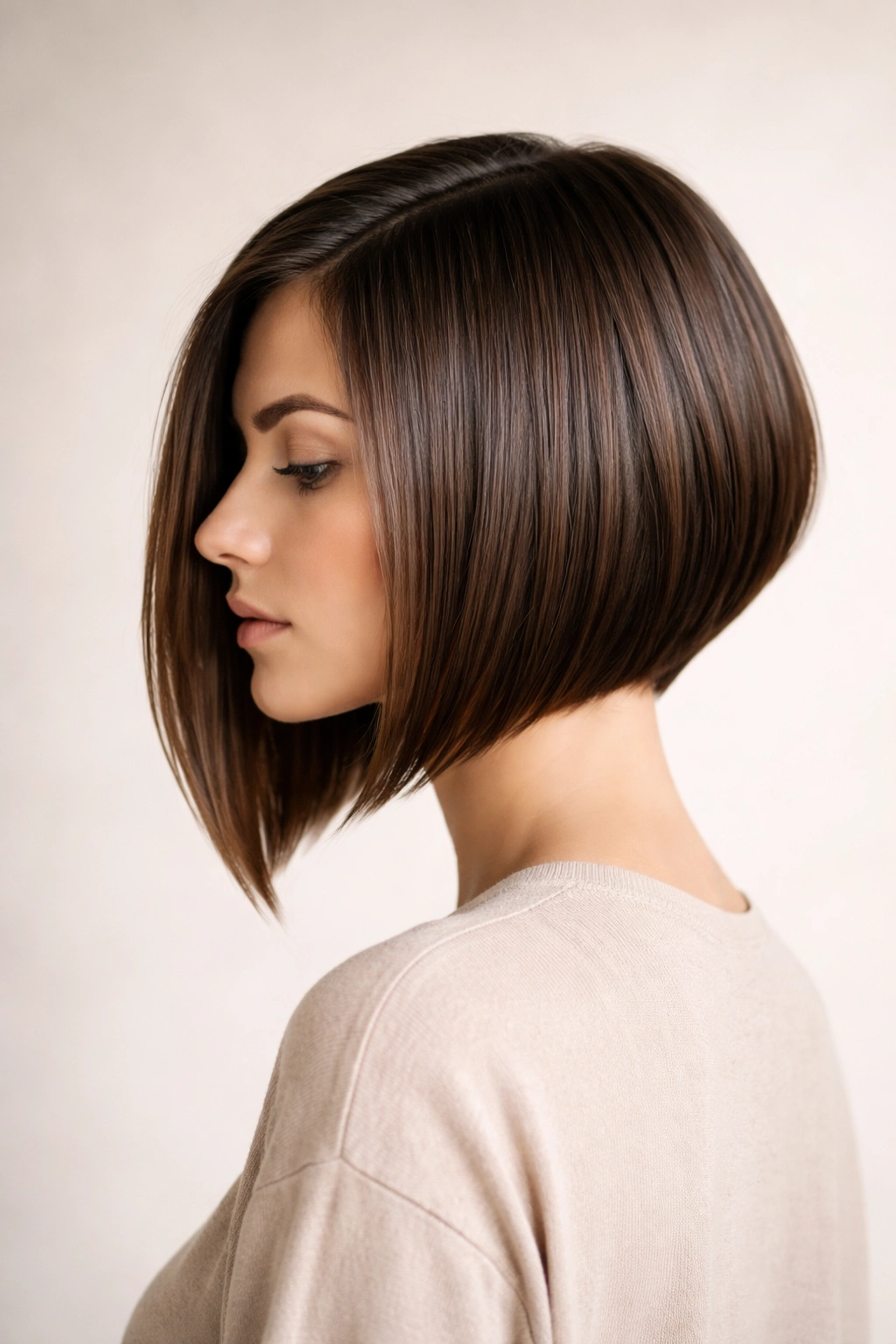
An angled bob (sometimes called a “one-length angled cut” or “geometric bob”) has longer pieces in front that gradually shorten toward the back, creating a dramatic slope and sharp geometric shape. This cut adds serious visual interest to straight hair because the angle is emphatic and clearly visible.
The Shape Advantage
The angle in this cut creates a diagonal line that draws the eye and adds dimension. Straight hair shows off the geometric precision of an angled bob beautifully—the longer front pieces frame the face while the shorter back creates a modern, intentional silhouette. The angle itself creates the illusion of movement and shape, even though the hair is perfectly straight.
Styling for Impact
An angled bob on straight hair looks polished with a simple blow-dry. The angle naturally encourages the front pieces to flip forward slightly, creating a flattering frame around the face. You can also straighten it for a runway-ready sleek look where the angle becomes a defined, sharp line. For something softer, curl the front pieces slightly with a wand—the angle already provides shape, so subtle texture enhances rather than overwhelms.
Pro tip: An angled bob works best when the angle is dramatic—if it’s too subtle, you lose the shape benefit on straight hair. Ask your stylist to make the difference in length noticeable; the front should be significantly longer than the back.
9. Straight Shoulder-Length Cut with Undercut
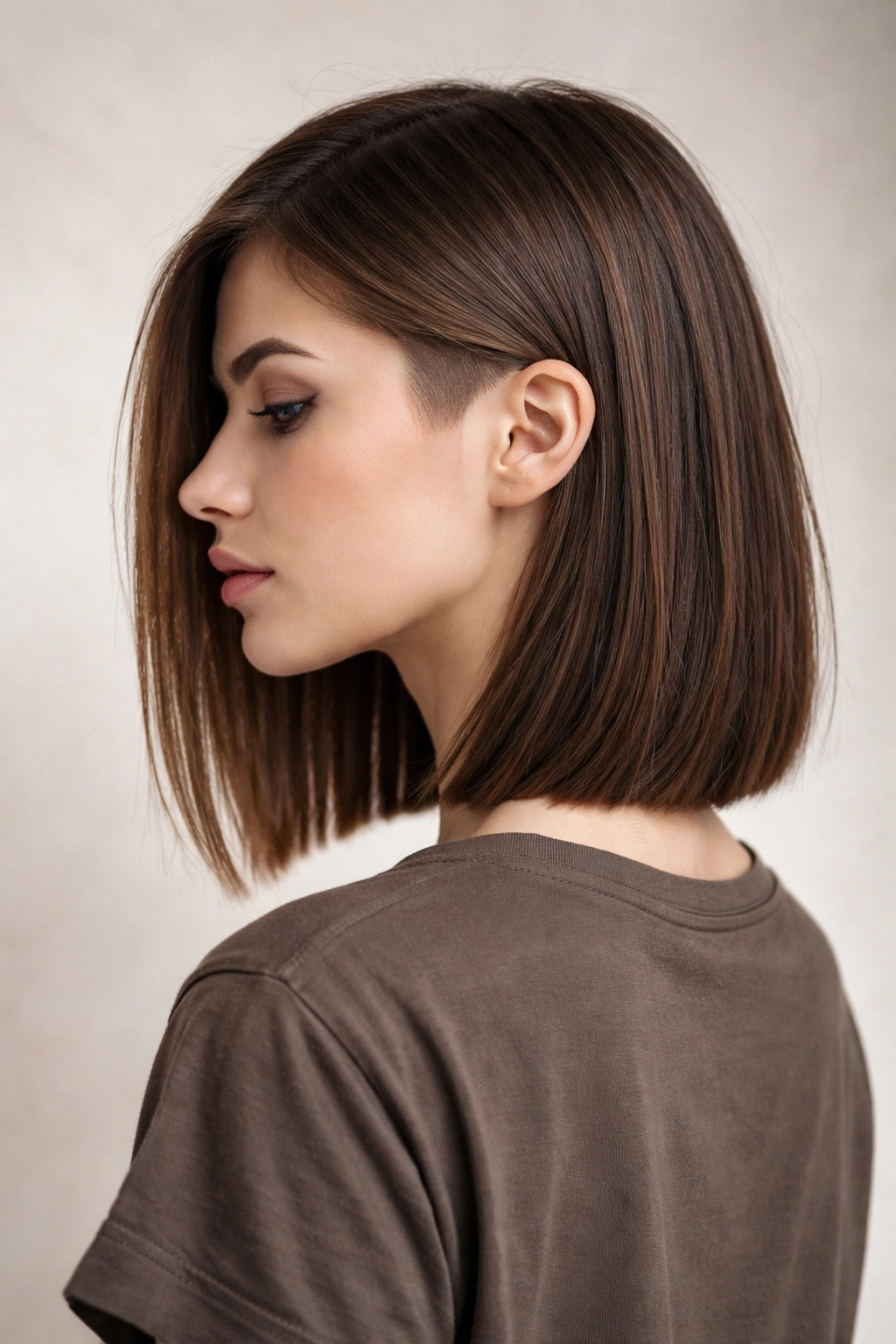
A shoulder-length cut with an undercut adds shape by keeping the top full and visible while creating hidden texture and dimension underneath. The top stays smooth and straight while the underlayers are much shorter, creating an element of surprise and visual depth that straight hair sometimes lacks.
How the Undercut Creates Dimension
An undercut works on straight hair by creating a visual separation between layers—the top layer remains full and defines the overall silhouette, while the shorter underneath creates texture and movement when you tuck pieces behind your ear or move. It’s a sophisticated way to add shape without visible choppy layers on the surface. Straight hair shows off this contrast beautifully because the clean lines between the top and undercut are clearly visible.
Styling Versatility
A shoulder-length cut with an undercut is incredibly versatile. Wear it smooth and straight for a polished, sophisticated look. Pull the top back into a ponytail and let the undercut create texture and movement. Tuck pieces behind your ears to show the undercut’s shape. You can also straighten just the top layer and let the undercut pieces be slightly wavier for a mixed-texture effect. The cut adapts to your styling mood while always maintaining shape and dimension.
Worth knowing: Undercuts require maintenance every 6 to 8 weeks because the contrast between the top and bottom is what creates the style. As the undercut grows out, you lose the visual impact.
10. Textured Crop
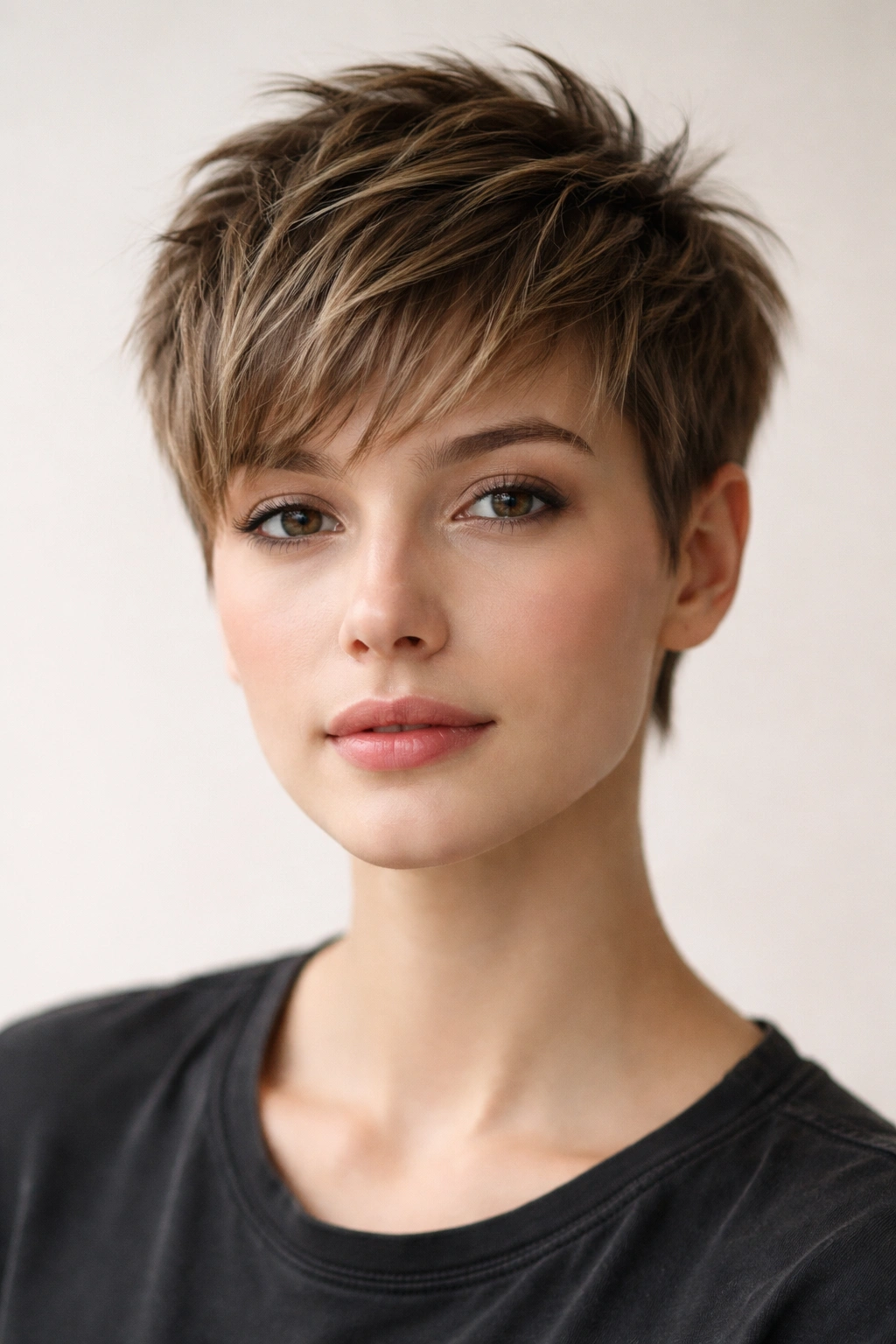
A textured crop is a short, versatile cut with choppy layers throughout that create dimension and movement on straight hair. This cut usually sits around 2 to 4 inches on top with shorter sides, and the texture comes from deliberately choppy, disconnected layers that disrupt a blunt surface.
Creating Shape in Short Hair
Textured crops add shape through strategic layering that creates lift at the crown and visual interest throughout. Straight hair is ideal for textured crops because the choppy pieces are clearly visible and create shadow and dimension naturally. The short length means minimal styling, but the texture-focused cut means you’re getting serious shape and personality in a low-maintenance style.
Styling a Textured Crop
Textured crops on straight hair work best with a light hand when styling. Apply a texturizing cream or light pomade to damp hair and scrunch upward to enhance the choppy pieces. You can also blow-dry while tousling with your fingers. The beauty is that the cut itself provides all the shape and interest—you’re just enhancing what’s already built into the style. For a sleeker version, straighten and smooth everything down for a more polished, androgynous look.
Insider note: Textured crops look especially good on people with strong facial features or smaller heads because the short length keeps focus on the face rather than creating a heavy silhouette.
11. Long Straight Hair with Strategic Layers
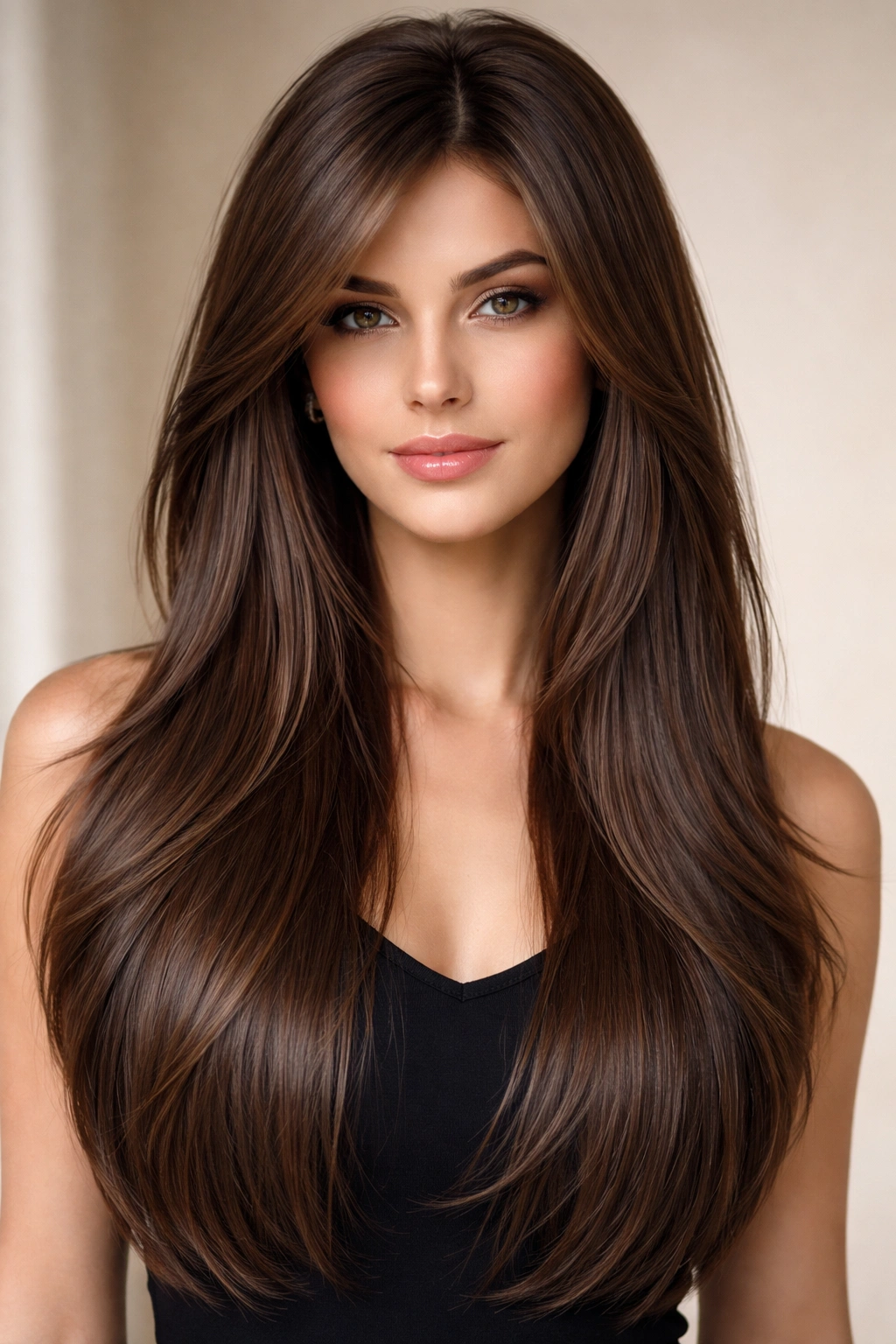
This is a refined version of long layers where the placement of layers is extremely deliberate. Instead of layering throughout, you layer heavily at the crown for lift and texture, then keep the mid-lengths and ends longer and less layered. This creates shape exactly where you need it while maintaining the flowing quality of long hair.
The Strategic Placement Difference
Strategic layering is about understanding where straight hair tends to look flat and targeting those areas with texture. The crown needs layers to create lift, the sides need some feathering to frame the face, but the lengths can remain relatively intact. This approach gives you the best of both worlds—the visual interest and shape of layers plus the elegant flow of long hair. Straight hair responds beautifully to strategic layering because each layer reads as a clear, intentional choice.
Achieving the Look
Blow-dry with a round brush focusing extra attention on the crown to lift the layers there. You can straighten for a sleek interpretation or create waves with a wand—either way, the strategic layers provide shape and structure underneath. The longer pieces frame the body beautifully while the textured crown creates dimension at eye level.
Pro tip: When getting strategic layers, bring reference photos showing where you want texture and where you want to maintain length. This helps your stylist understand your vision and prevents over-layering.
12. Asymmetrical Bob
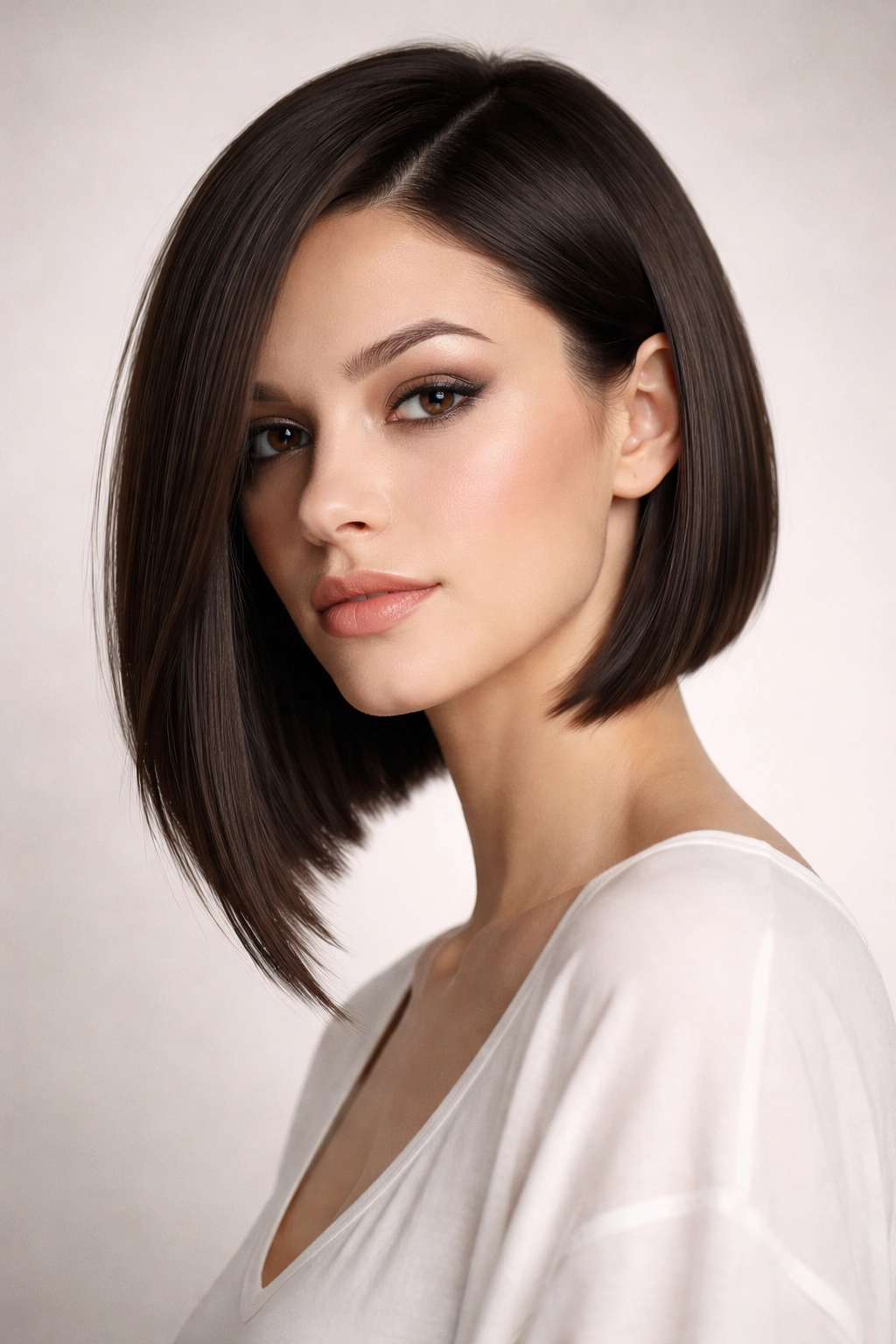
An asymmetrical bob has unequal sides—one side significantly longer than the other—creating a bold, modern shape that adds serious visual interest to straight hair. This isn’t a subtle style; it’s a statement cut that transforms how your hair frames your face and creates movement through imbalance.
The Visual Impact
Asymmetrical bobs work by creating an unexpected diagonal line that draws the eye and adds dimension. The longer side creates a different frame than the shorter side, making your hair look less one-dimensional and more intentional. Straight hair is perfect for an asymmetrical bob because the clean lines make the asymmetry obvious and striking—there’s nothing to soften or blur the boldness of the cut.
Styling an Asymmetrical Bob
An asymmetrical bob on straight hair looks dramatic even with minimal styling. Blow-dry smoothly for a sleek, modern look where the asymmetry is the focal point. You can also create subtle waves with the longer side falling forward and the shorter side tucking behind the ear for a mixed-texture effect. The cut’s shape means it looks intentional regardless of how you style it.
Worth knowing: Asymmetrical bobs require commitment—they’re a bold style that makes a statement. If you’re not comfortable drawing attention to your hair, this cut might not be for you. But if you love a dramatic, modern look, an asymmetrical bob on straight hair is unforgettable.
13. Sleek Midi with Razored Ends
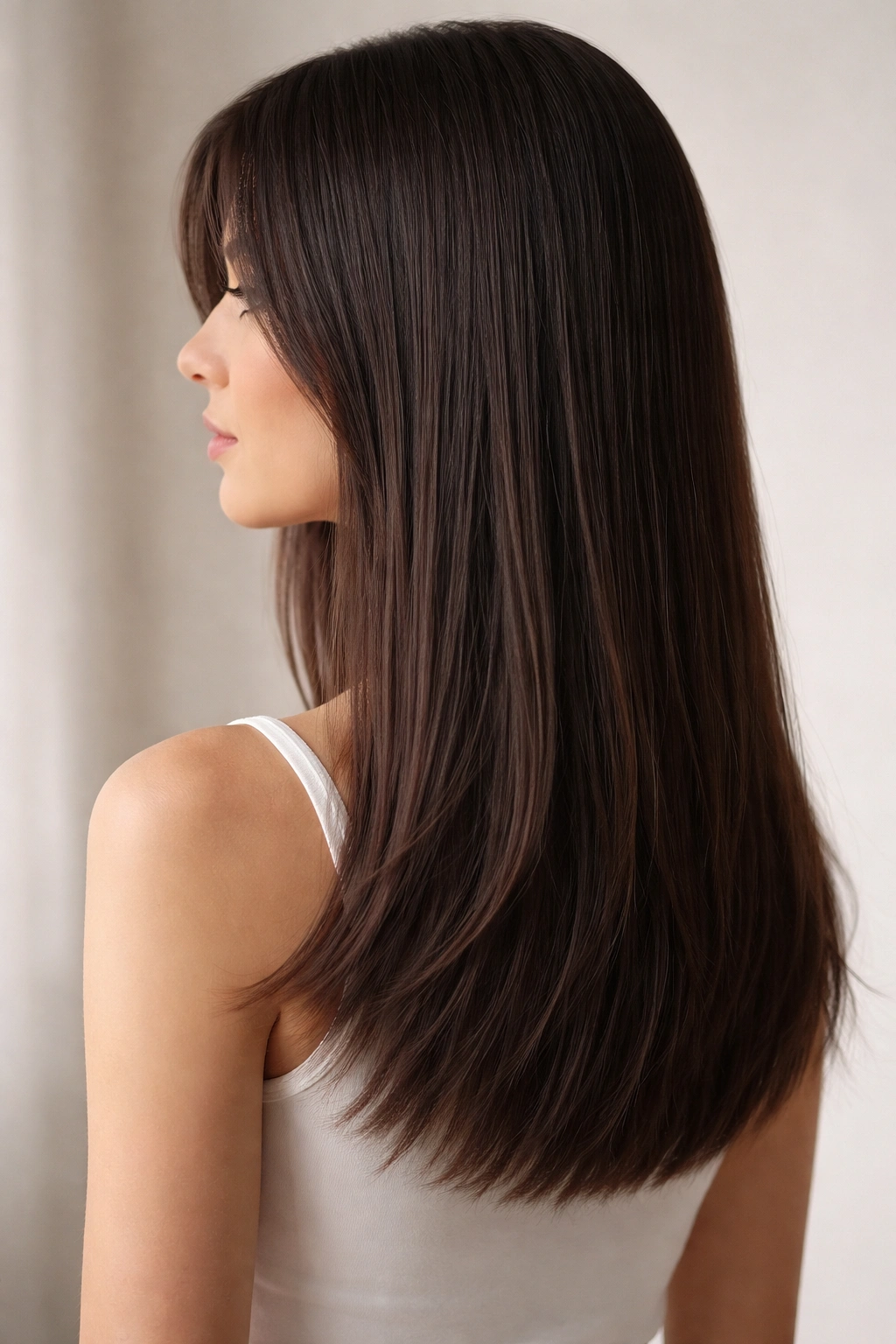
A midi (mid-calf length) with razored ends is an elegant, flowing cut that adds dimension without introducing visible layers throughout. The length hits around mid-calf, and razored ends create a soft, feathered texture rather than a blunt line. This approach keeps the fluid length straight hair can provide while adding subtle texture and movement.
Why Razored Ends Matter
Razored ends create a softer, more feathered edge compared to blunt-cut ends. On straight hair, this creates visual lightness and movement without chopping the hair into obvious layers. The razoring breaks up the edge of the hair, creating shadow and dimension that prevents the hemline from looking heavy or blunt. It’s a sophisticated approach to adding shape without dramatically altering the cut.
Styling for Flow
A sleek midi with razored ends looks beautiful straightened for an elegant, runway-ready look. You can also create soft waves or curls with a wand, and the razored ends will follow the wave pattern, creating a flowing, textured effect. The cut works with both minimalist and more textured styling, making it versatile for different occasions. The length provides elegance while the razored ends prevent it from looking flat or one-dimensional.
Pro tip: Razored ends need regular trims (every 6 to 8 weeks) to maintain their feathered quality. As they grow out and wear down, you lose the softness that razoring provides.
14. Voluminous Straight Bob
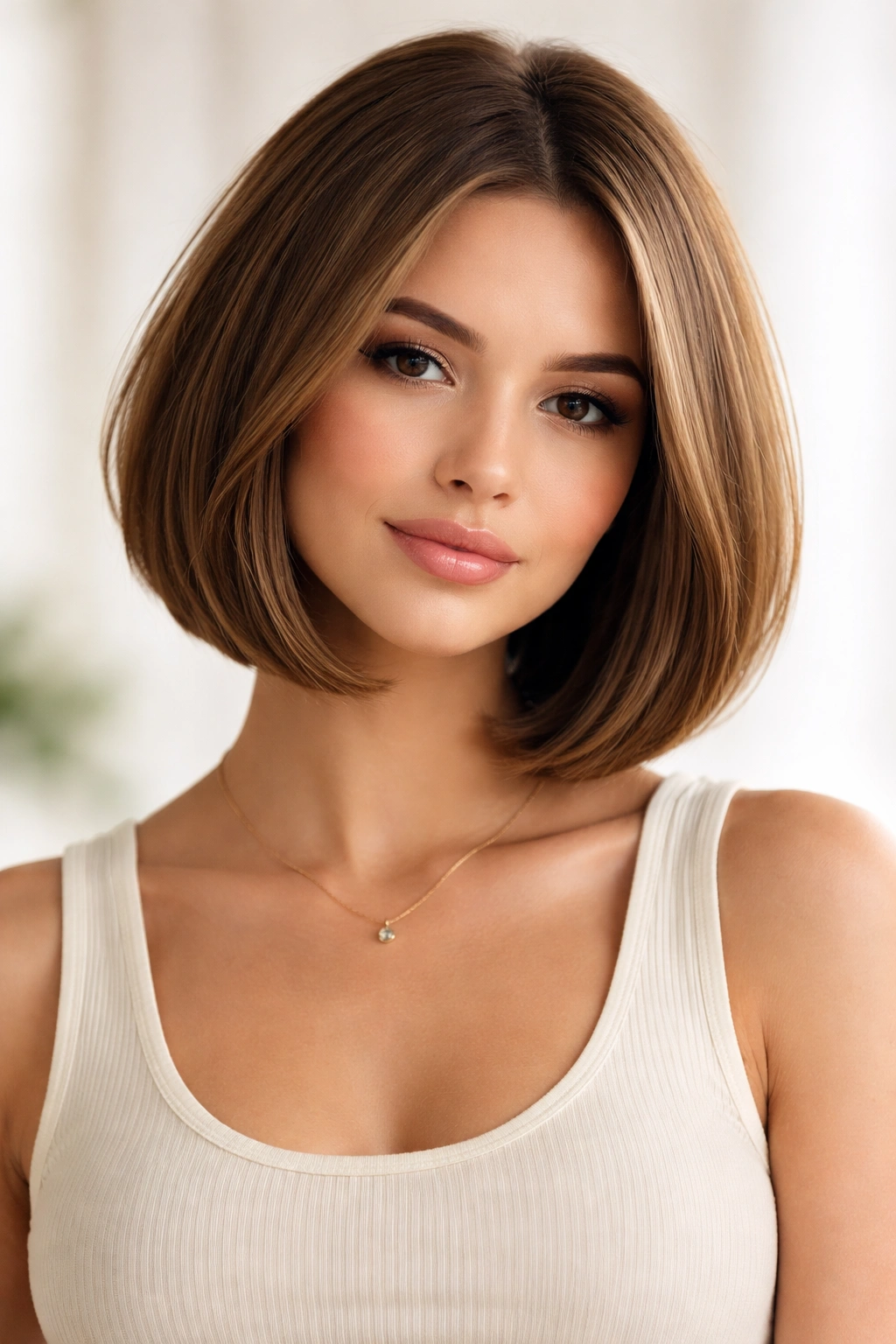
A voluminous straight bob is a blunt or minimal-layer bob that creates the illusion of volume and fullness through cut technique and styling. The cut typically has a rounded crown and fuller sides, creating a bubble-like silhouette that makes even fine or thin straight hair look thicker and more dimensional.
Building Volume Into the Cut
A voluminous bob creates the impression of thickness by using a rounded shape at the crown and slightly fuller sides rather than relying on layers. Straight hair responds beautifully to this approach because the clean lines of the cut aren’t obscured by texture—the rounded shape is clearly visible and reads as intentional fullness. The cut works with your hair’s natural tendencies rather than against them.
Styling for Maximum Impact
Blow-dry with a round brush at the crown to enhance the rounded shape. Use a paddle brush on the sides to create smoothness while maintaining the fuller silhouette. A light texturizing spray at the roots helps maintain lift throughout the day. The cut’s shape means it looks full and dimensional even without layers, making it perfect for people who want style without high-maintenance styling.
Worth knowing: A voluminous bob works best on people with at least shoulder-width face measurements—the fuller silhouette can overwhelm smaller faces. Consult with your stylist about whether this cut suits your proportions.
15. Feathered Layers
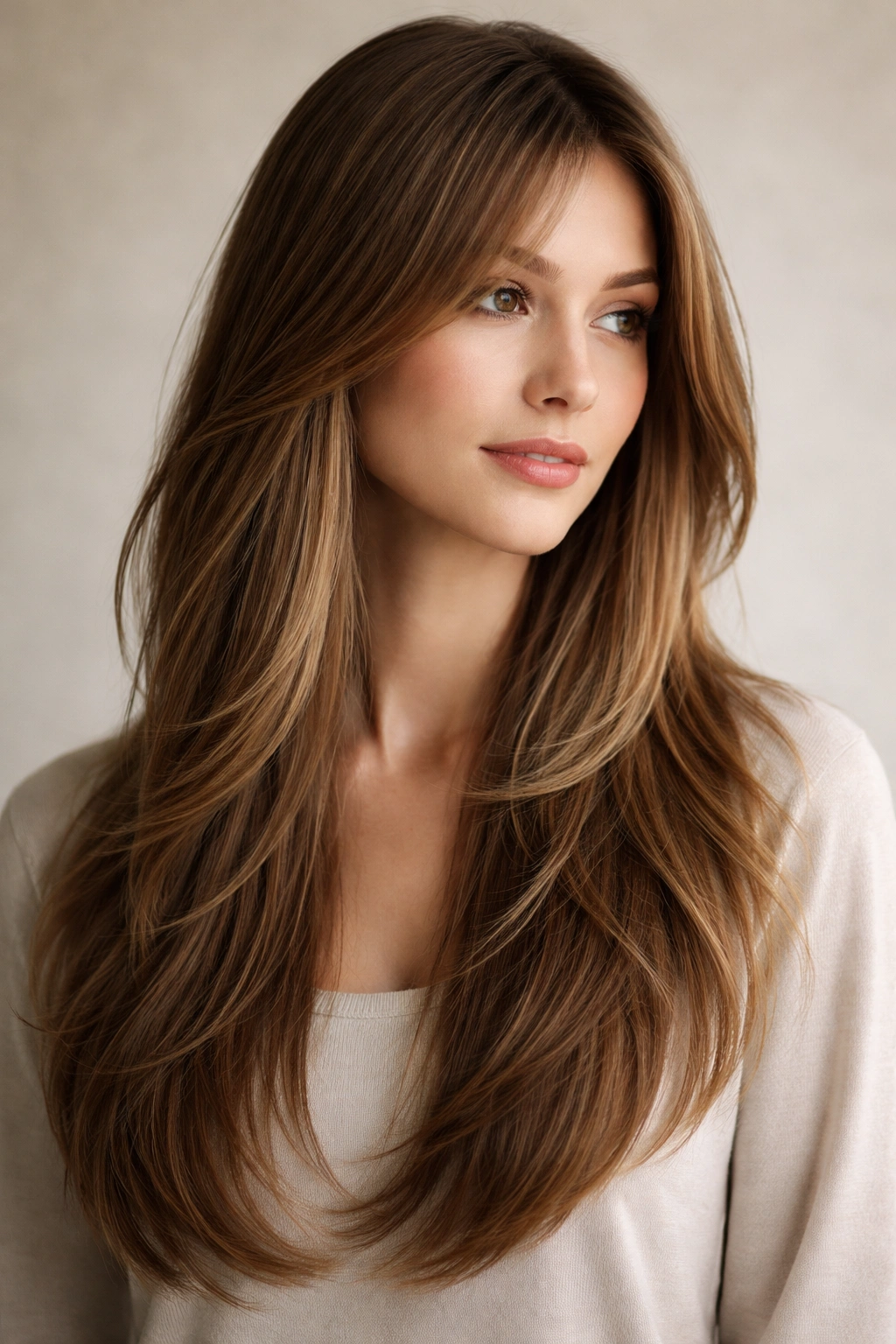
Feathered layers are soft, textured layers where each piece is tapered and feathered (shorter at the ends, gradually getting longer) rather than blunt-cut. This creates a softer, more feathered silhouette that adds dimension and movement to straight hair while maintaining an overall flowing shape. The feathering technique creates texture without choppy, disconnected pieces.
The Texture Without Choppiness
Feathered layers add shape and dimension through soft, graduated texture rather than dramatic, disconnected cuts. Straight hair shows off feathered layers beautifully because each feathered piece creates its own subtle line and catches light differently. The result is fuller-looking, more dimensional hair without the edgy, piecy aesthetic of choppy layers.
Versatile Styling Options
Feathered layers on straight hair look excellent with a simple blow-dry for soft movement and texture. You can also straighten them for a sleek look where the feathering becomes subtle, soft lines rather than visible texture. Waves and curls work beautifully with feathered layers because the existing texture in the cut creates a foundation for additional styling. The layers provide shape while remaining soft and feminine.
Pro tip: Feathered layers work best on people who are willing to style their hair somewhat regularly—they look their best when blow-dried or styled with heat. If you prefer air-drying, choppy layers might be more low-maintenance.
Final Thoughts

The right haircut transforms straight hair from potentially flat and one-dimensional into something with real shape, movement, and personality. Whether you choose the geometric precision of an angled bob, the textured drama of a shag, the elegant flow of long feathered layers, or the bold statement of an asymmetrical cut, the key is selecting something that works with your hair’s natural tendencies while deliberately adding dimension where you need it.
Straight hair is actually an advantage when it comes to achieving shape through cutting technique. Every line you create, every layer you add, every angle you introduce shows clearly and stays defined. You don’t have natural waves or curls obscuring the cut’s intentionality—you have clean, visible lines that create exactly the shape and dimension your stylist intends.
The most important step is finding a stylist who understands how to cut for shape and dimension rather than someone who just removes length. A skilled stylist will assess your face shape, hair density, and styling preferences, then recommend a cut that’s tailored specifically to you. Bring reference photos of cuts that appeal to you, but also have an open conversation about what you’re hoping to achieve—more volume, a modern edge, softness, drama, or a mix of qualities. When your stylist understands your vision and executes a quality cut, even straight hair becomes a canvas for creating real, lasting shape.
