



A fresh set of twists can look clean, expensive, and easy all at once. They can also go sideways fast if the parts are sloppy, the hair wasn’t stretched enough, or the product weight was wrong for the texture. That’s the part people skip, then wonder why one side puffs up, why the roots feel tight, or why the style looks neat in the mirror and tired by dinner.
Afro twist styles for natural hair work best when they fit the hair you actually have, not the hair you wish you had. Fine coils need a lighter hand. Dense, thick hair can take more weight and bigger sections. And if you’ve ever spent two hours twisting only to get a style that frizzes at the crown first, you already know the real problem is rarely the twist itself. It’s the prep.
I’ve always thought twists sit in a sweet spot that braids sometimes miss. They can be polished without looking stiff, and they can be casual without looking unfinished. A good twist style can handle errands, work, a dinner out, and a bonnet or scarf at night without turning into a disaster. That’s a rare thing.
So let’s talk about the twist looks that actually earn their place: the neat ones, the fluffy ones, the low-effort ones, the bold ones, and the styles you can keep reaching for because they work with natural hair instead of against it.
1. Classic Two-Strand Twists for Natural Hair
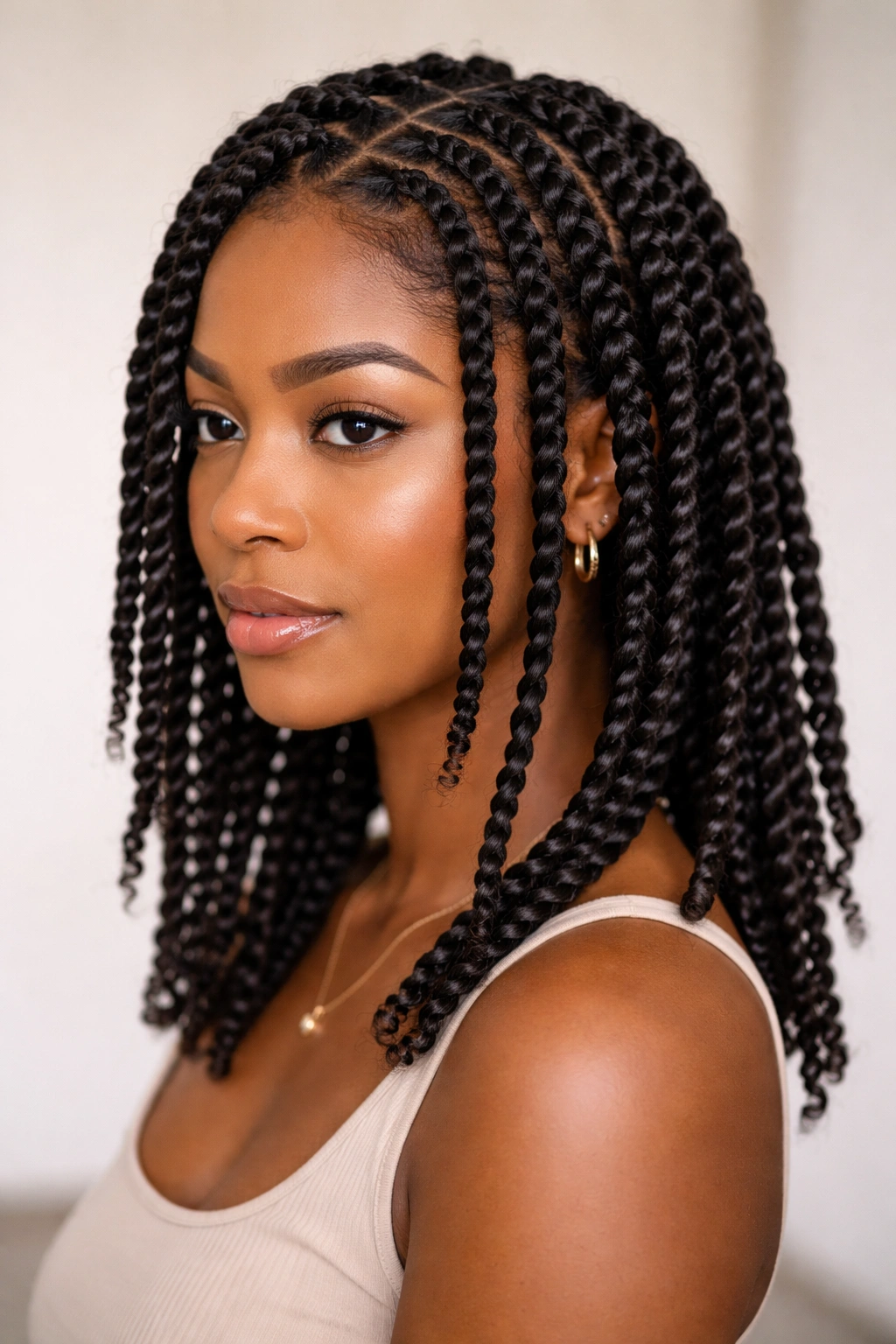
If you learn one twist style well, make it this one. Classic two-strand twists are the backbone of so many Afro twist styles because they’re simple, flexible, and honest about what your hair is doing. No extra fluff. No gimmicks.
What makes them so useful is the control they give you over size. Small sections give you a tighter, cleaner finish. Bigger sections create more fullness and a softer shape. I like them best on stretched hair that has been detangled properly, because the twist hangs better and the ends behave instead of shrinking into little fuzzy knots.
Why They Stay in Rotation
Two-strand twists work on short coils, shoulder-length hair, and long hair that needs a break from daily styling. They can be worn down, pinned up, gathered into a puff, or taken apart later for a defined twist-out. That makes them one of the few styles that pays you back twice.
A few quick things matter more than people think:
- Section size changes everything. Small parts give more hold and more definition.
- Light leave-in plus cream beats heavy butter. Too much product makes the twists sticky and flat.
- Twist direction should stay consistent. Mixed directions make the finish look uneven.
- Ends need a clean finish. If they’re loose, they unravel first.
My favorite thing about classic twists: they don’t try to force the hair into some fake shape. They let the texture speak.
2. Mini Twists That Last and Stay Neat
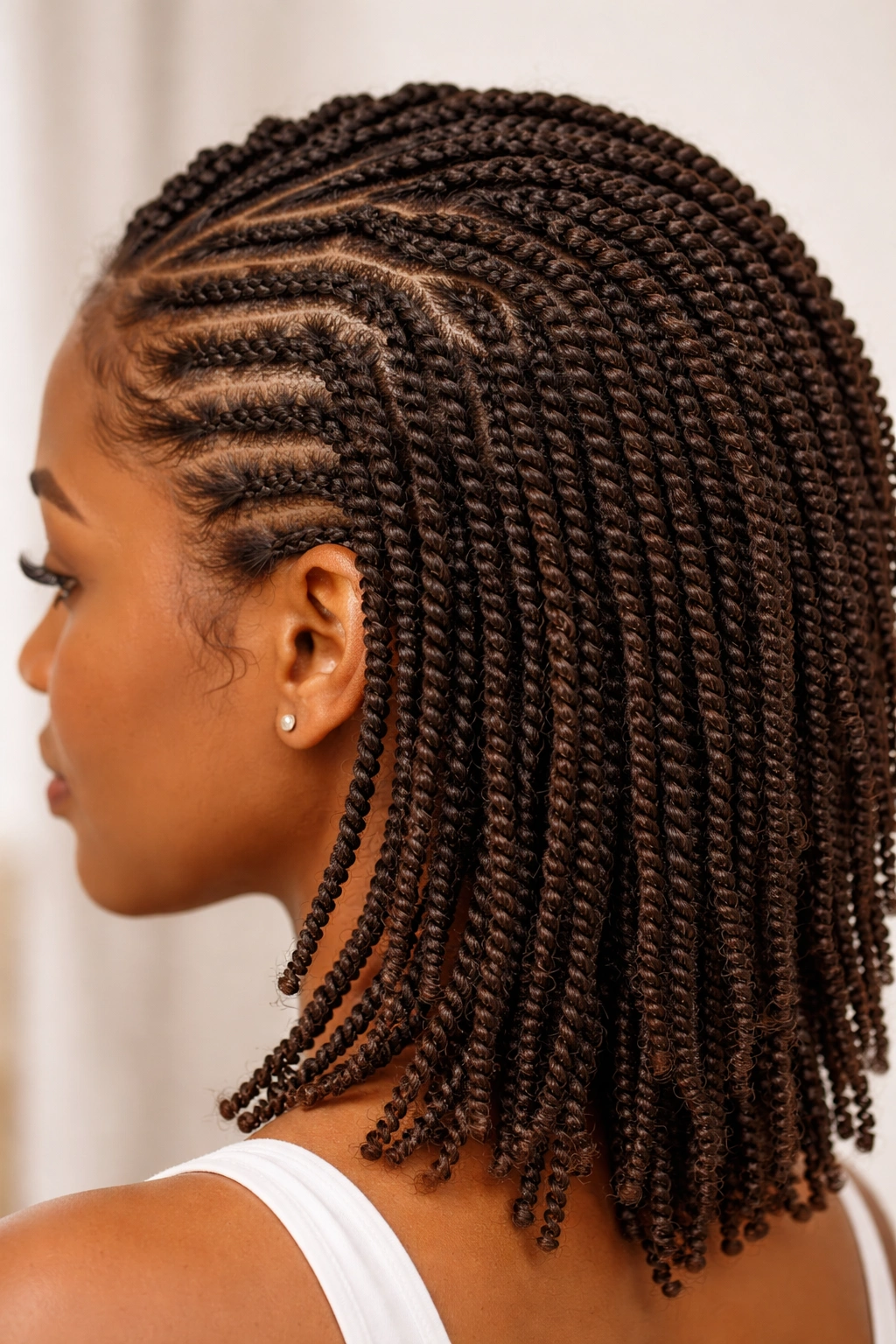
Want a style that keeps its shape longer and still looks clean after a few rough days? Mini twists do that better than most people expect. They take time to install, yes, but the payoff is a style with serious staying power and a lot of movement.
Mini twists use very small sections, so the final look is dense and detailed. On tightly coiled hair, they can look almost like a tiny rope pattern from root to tip. On looser textures, they sit flatter and look more delicate. Either way, they’re one of the best choices when you want low manipulation without the bulk of a bigger style.
They’re also useful if you like versatility. Mini twists can be worn loose, tucked behind the ears, pulled into a half-up knot, or pinned into a small bun. They’re the kind of style that looks good even when it’s not freshly done.
What Makes Them Different
The catch is the install time. If you rush, the parts go crooked and the twists swell unevenly. That is not a style problem. That’s a sectioning problem.
Mini twists also do better with a lighter hand on product. Heavy creams can make them collapse at the roots and stay damp for too long, which is a bad trade. I’d rather see a clean leave-in and a small amount of styling cream than a thick layer of anything.
They’re a strong pick for anyone who likes a neat, compact silhouette. Not flashy. Not fussy. Just tidy and useful.
3. Chunky Twists for Fast Styling
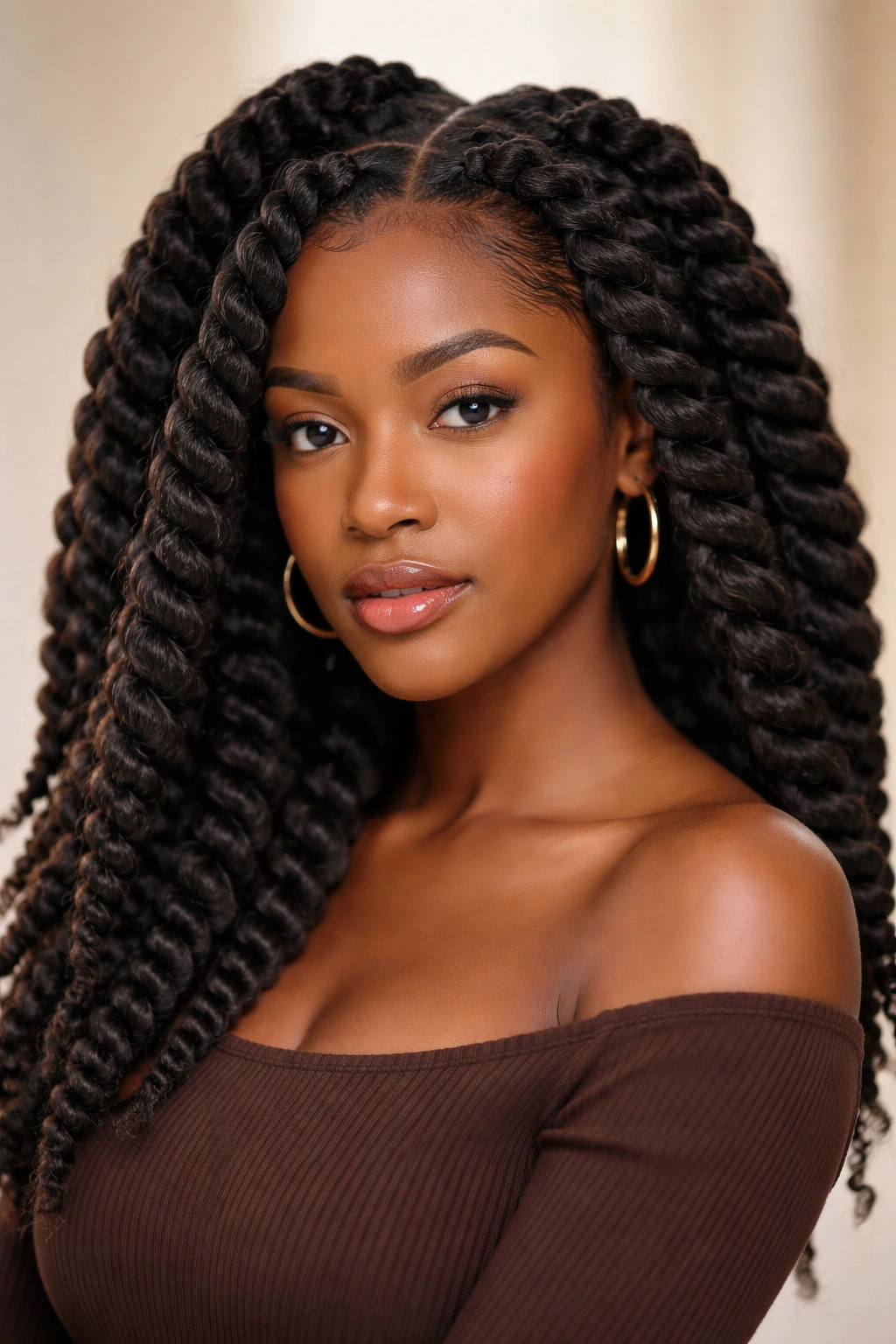
Picture a wash day when you do not have the patience for tiny sections, but you still want your hair to look intentional. That’s where chunky twists step in. They’re bigger, faster, and a little more relaxed in shape.
Chunky twists are great when you want volume. The bigger sections create a fuller look, and the style often reads softer because there’s less visual density at the scalp. I like them on thick, textured hair that can hold a larger twist without the roots slipping. On finer hair, oversized sections can look a little thin at the base and unravel sooner than you’d like.
Quick Things to Know
- Faster installation than mini twists.
- More volume at the sides and crown.
- Less definition at the ends, which is not always a bad thing.
- Better for medium to thick hair that can support the size.
Chunky twists are also easier to turn into an updo. A loose bun, a side sweep, or a half-up style tends to sit well because the twists already have some body. They’re not the sleekest choice in the group, and that’s fine. Sleek is not the only goal.
If you like styles that look full and a little lived-in, this one earns its keep fast.
4. Flat Twists That Sit Close to the Scalp
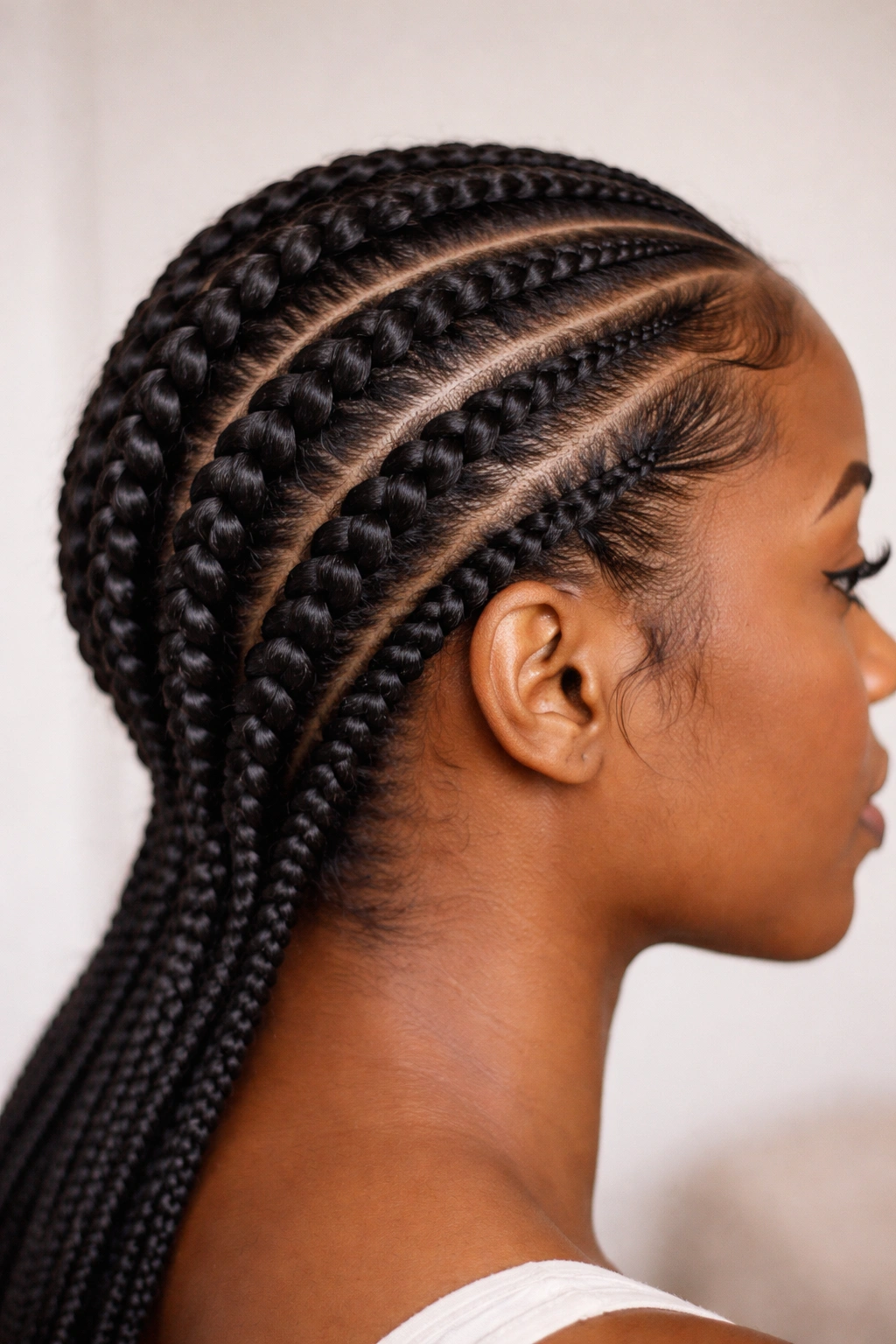
Flat twists get called simple by people who clearly haven’t tried to make one side match the other. A clean flat twist takes a steady hand, even tension, and parts that don’t wander. Done well, they sit close to the scalp and give you one of the neatest looks in the entire twist family.
I’m partial to flat twists because they behave. They’re useful under wigs, under hats, and under bigger updos. They also work when your hair is in that awkward middle state between wash day and fully ready to style again. A couple of flat twists at the front can save a whole look.
Why They’re Worth the Effort
Flat twists are especially good when you want a hairstyle that looks structured without needing a full installation. They can form rows, side sweeps, crowns, and tucked-back styles. The scalp pattern shows, so clean parting matters more here than with almost any other twist style.
A few details make a big difference:
- Use even tension from root to tip.
- Keep the sections narrow near the hairline.
- Start with stretched or slightly blown-out hair if you want a flatter finish.
- Pin the ends securely if the style is meant to last more than a day or two.
How I’d Wear Them
Flat twists are the style I reach for when I want the hair off my face but still want a little shape around the front. They’re not loud. They’re sharp. And on natural hair, that’s often the better move.
5. Rope Twists With a Clean Spiral Finish
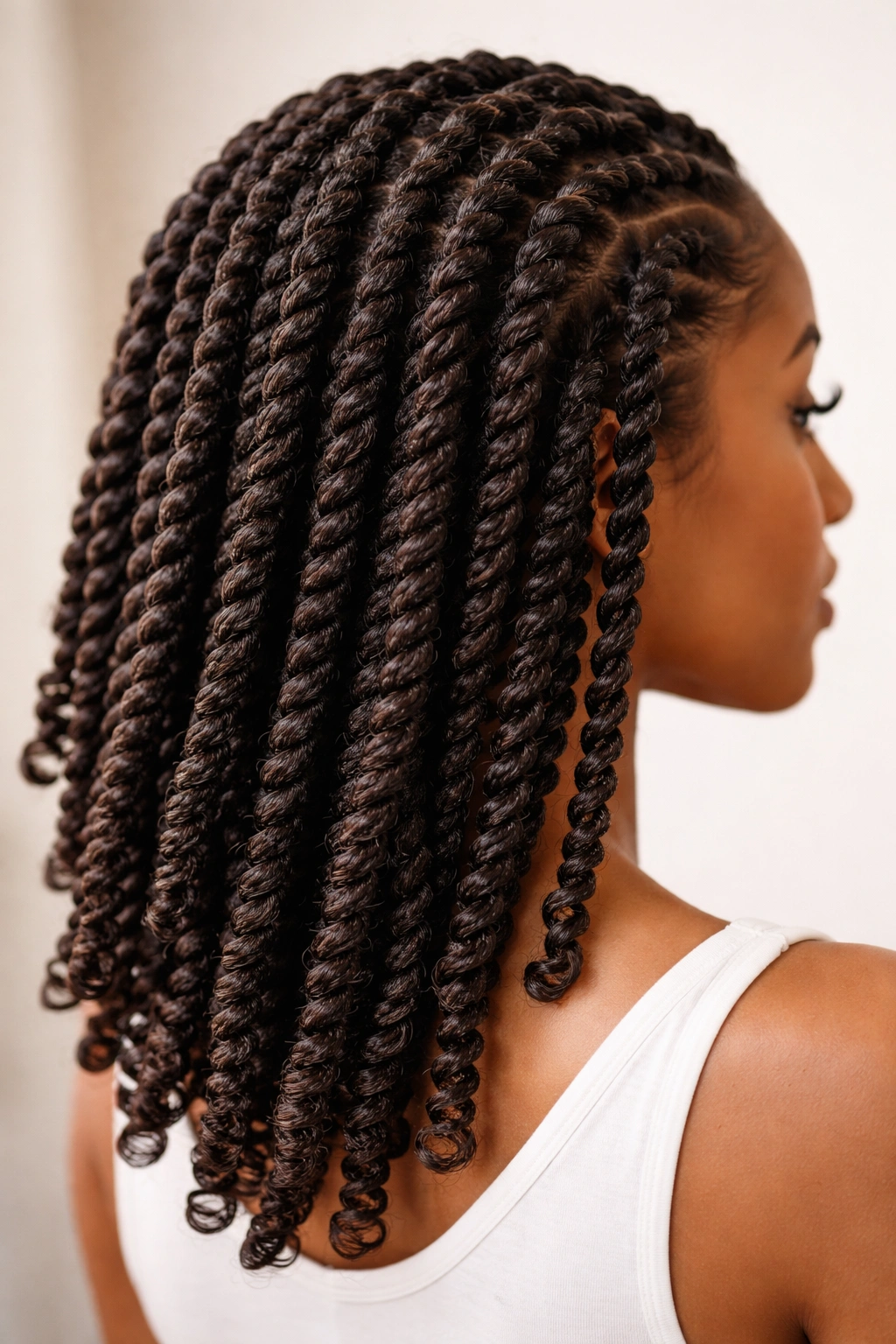
Rope twists have a firmer, tighter feel than softer two-strand twists, and that’s the appeal. They look neat from a distance, but up close you can see the spiral pattern working all the way down the strand. There’s a crispness to them that I like.
Unlike loose twists that bloom a bit as the day goes on, rope twists stay more compact. That makes them useful when you want definition and a shape that doesn’t puff out too quickly. They’re a smart option for medium-length natural hair, especially if the hair has been stretched and the ends have been trimmed recently. Split ends show faster on this style. They always do.
Rope twists can be worn plain, pulled into a bun, or wrapped into a ponytail. The finish depends on how tightly you twist the two strands together, but I wouldn’t push tension at the roots. Tight roots are not a sign of a better style. They’re usually a sign of a sore scalp.
The best thing about rope twists is the balance: controlled, tidy, and still textured. They give you structure without flattening the life out of the hair.
6. Twist-Outs From Stretched Hair
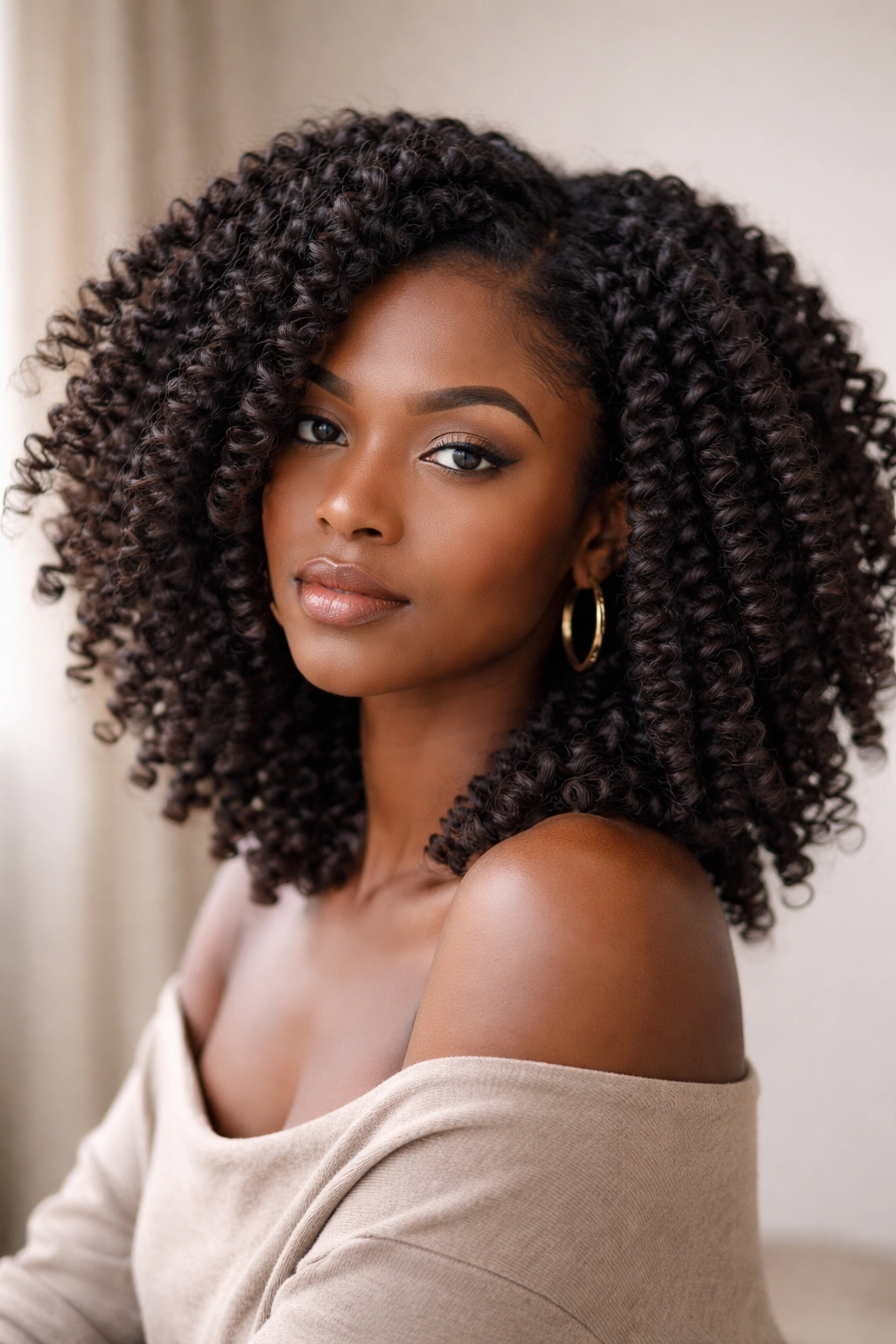
A twist-out is what happens when the twist itself is only half the story. The takedown matters. So does the state of the hair underneath. If you want a twist-out with real definition, start with stretched hair and be patient at the unraveling stage.
I like twist-outs on hair that has been fully dry before the take-down. Damp hair turns frizzy fast when you separate it too soon. Dry hair gives you clearer curl clumps and a softer halo around the shape. That halo is part of the look, by the way. Trying to fight every bit of frizz is a waste of time.
What Changes the Result
Smaller twists create tighter patterning. Bigger twists make a looser, fluffier finish. Product matters too, but not in the heavy-handed way people sometimes think. A light leave-in and a styling cream with decent hold usually do more than a thick butter that sits on top of the hair.
A twist-out also depends on how you separate the strands. Pull them apart gently. Don’t rake through them like you’re trying to solve a knot in a shipping cord.
- Start on fully dry hair.
- Use a little oil on your fingers when taking the twists down.
- Separate once or twice, not endlessly.
- Pick at the roots only after the shape is set.
Twist-outs are a good choice when you want volume without losing the original curl pattern. They look soft, but not sloppy, which is a line many styles miss.
7. Marley Twists With a Textured, Natural Look
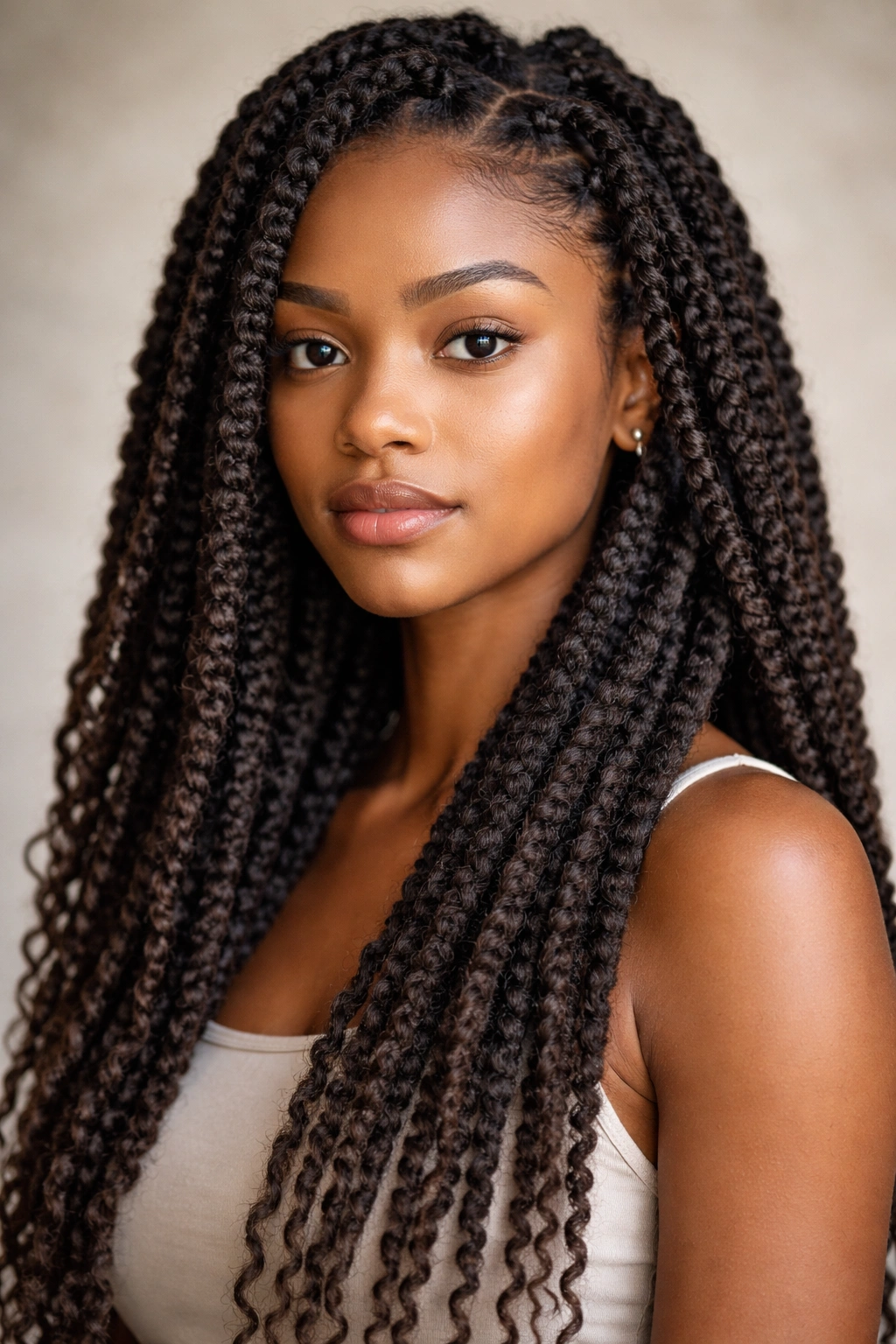
Marley twists have a texture that feels closer to natural hair than silky extension styles do, and that’s why a lot of people keep coming back to them. The finish is matte, a little rugged, and very comfortable if you like styles that don’t look overly polished. They blend well with coily hair instead of trying to outrun it.
The hair used for Marley twists matters. It should have enough grip to hold the twist without slipping, but not so much roughness that it catches every time you move. Shorter pieces often work better than heavy bundles, especially if you want the style to feel lighter at the roots.
What I Notice With Marley Twists
They have a denser look than skinny twists, which means they can read as fuller even when the install is not huge. That is useful if your natural hair is thick but you still want a protective style with some shape. The style also makes a nice base for buns, side sweeps, and pinned-back looks.
A few practical details help:
- Keep the base neat. A messy root shows quickly.
- Use enough tension to secure the extension, but not enough to tug edges.
- Trim the ends if they look ragged.
- Sleep with a satin bonnet or scarf or the texture turns fuzzy fast.
Marley twists are not the sleekest option. Good. They’re meant to look like textured hair, not plastic rope.
8. Senegalese Twists With a Sleeker Finish
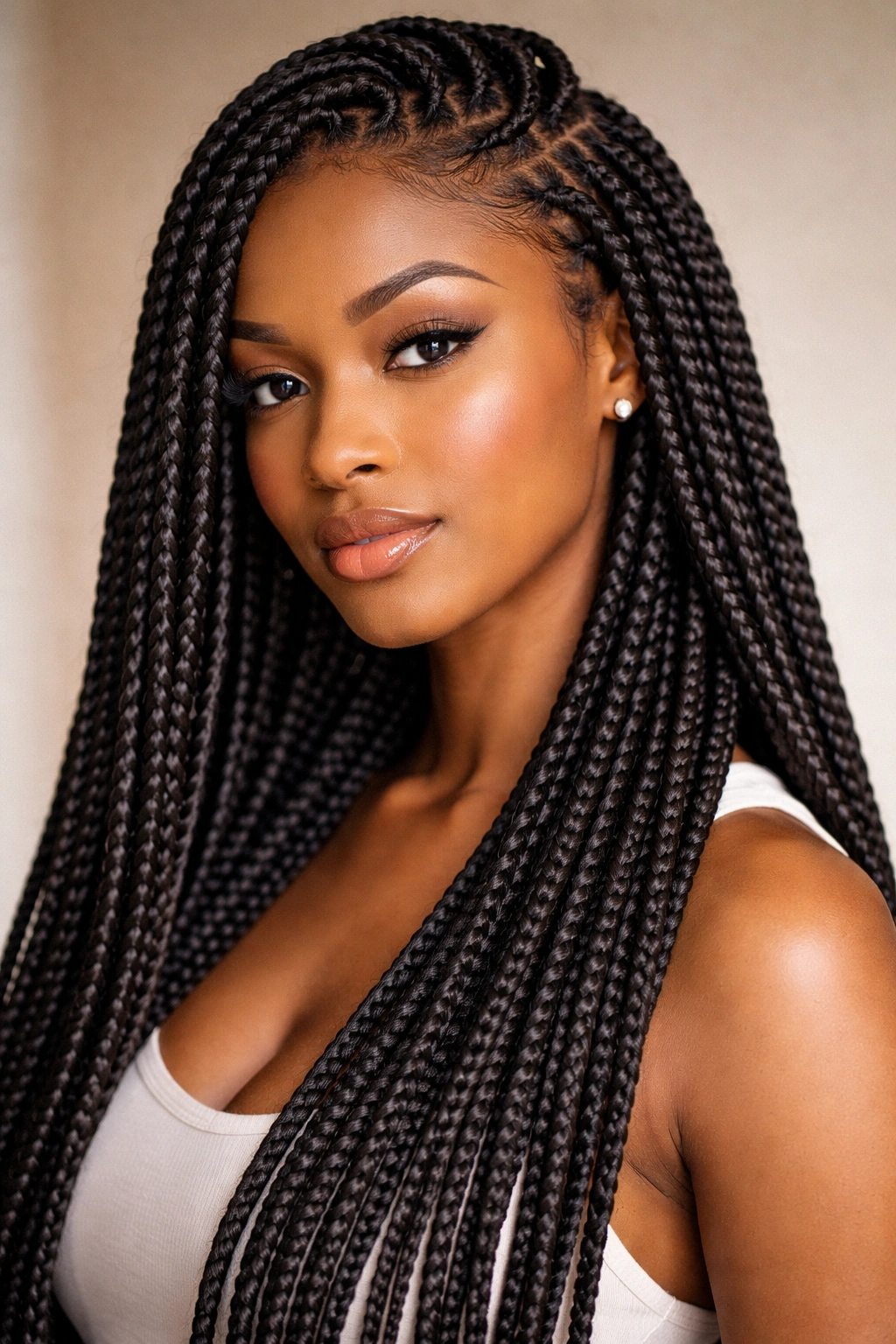
Senegalese twists are the polished cousins in the twist family. They’re smoother, tighter, and more uniform than Marley twists, which gives them that clean rope-like finish people notice from across the room. If Marley twists lean textured, Senegalese twists lean sleek.
These are usually installed with extension hair that has a smoother surface, and that changes everything. The twists slide into place more easily and hold a more compact silhouette. I like them when I want something that looks ordered without being stiff. That line is hard to hit, and Senegalese twists get close.
What They’re Best At
They work well for long wear, especially when the install is even and the roots are not overpacked. Because the finish is smoother, they can show frizz faster along the surface, so nighttime care matters. A satin scarf helps. So does not roughing them up with too much product.
- Sleek finish with a neat spiral pattern
- Good for longer lengths
- Pairs well with center parts and side parts
- Needs regular smoothing at the roots
Senegalese twists are not the right pick if you want a fluffy, bohemian texture. That would be the wrong lane. But if you want a clean, controlled style with a little shine, this one lands nicely.
9. Havana Twists for Bigger, Fuller Hair
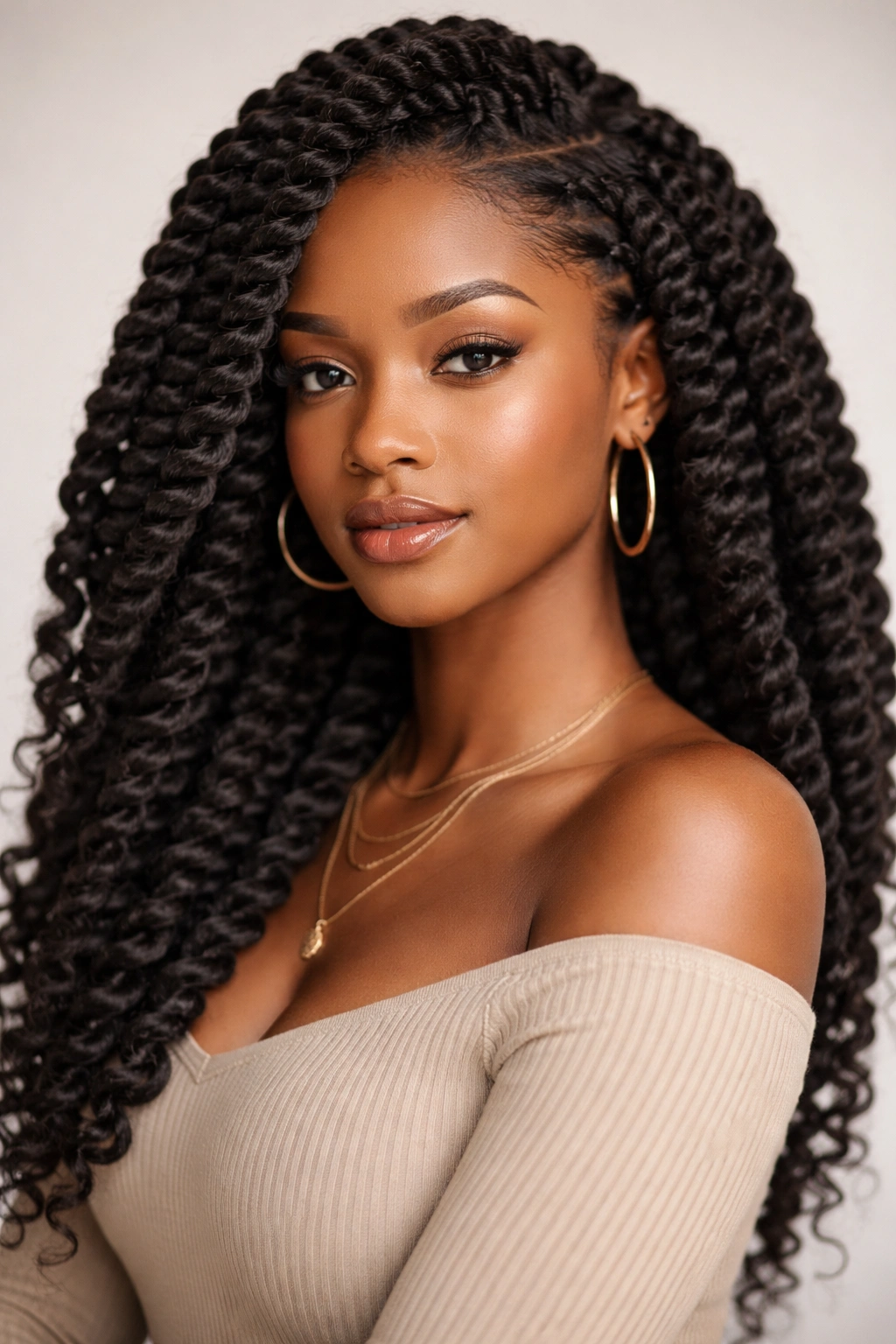
Havana twists are for people who want fullness without a thousand tiny parts. They’re chunky, soft-looking, and bold in a way that feels easy rather than loud. The size is the whole point. Fewer twists, bigger impact.
These twists often use thicker extension hair, which means the style has a plush, rounded shape that sits nicely around the face. I like them when the goal is volume and shape more than sharp definition. They tend to photograph well, yes, but more useful than that, they also feel manageable because there are fewer individual pieces to fuss with.
Where They Work Best
Havana twists can be a relief for natural hair that is tired of tiny installations. They usually install faster than minis and can look especially good on thicker hair because the bulk of the hair and the bulk of the twist match each other.
But there’s a catch. Large twists need a stable base. If the roots are loose, the style grows outward in a way that looks unfinished. If the roots are too tight, your scalp complains. Either way, the balance matters.
I’d use Havana twists for:
- A full, soft silhouette
- A fast protective style with fewer sections
- A style that can be pulled into low buns or side sweeps
- Hair that likes a little weight and body
They feel generous. That may be the best word for them.
10. Passion Twists With Soft Movement
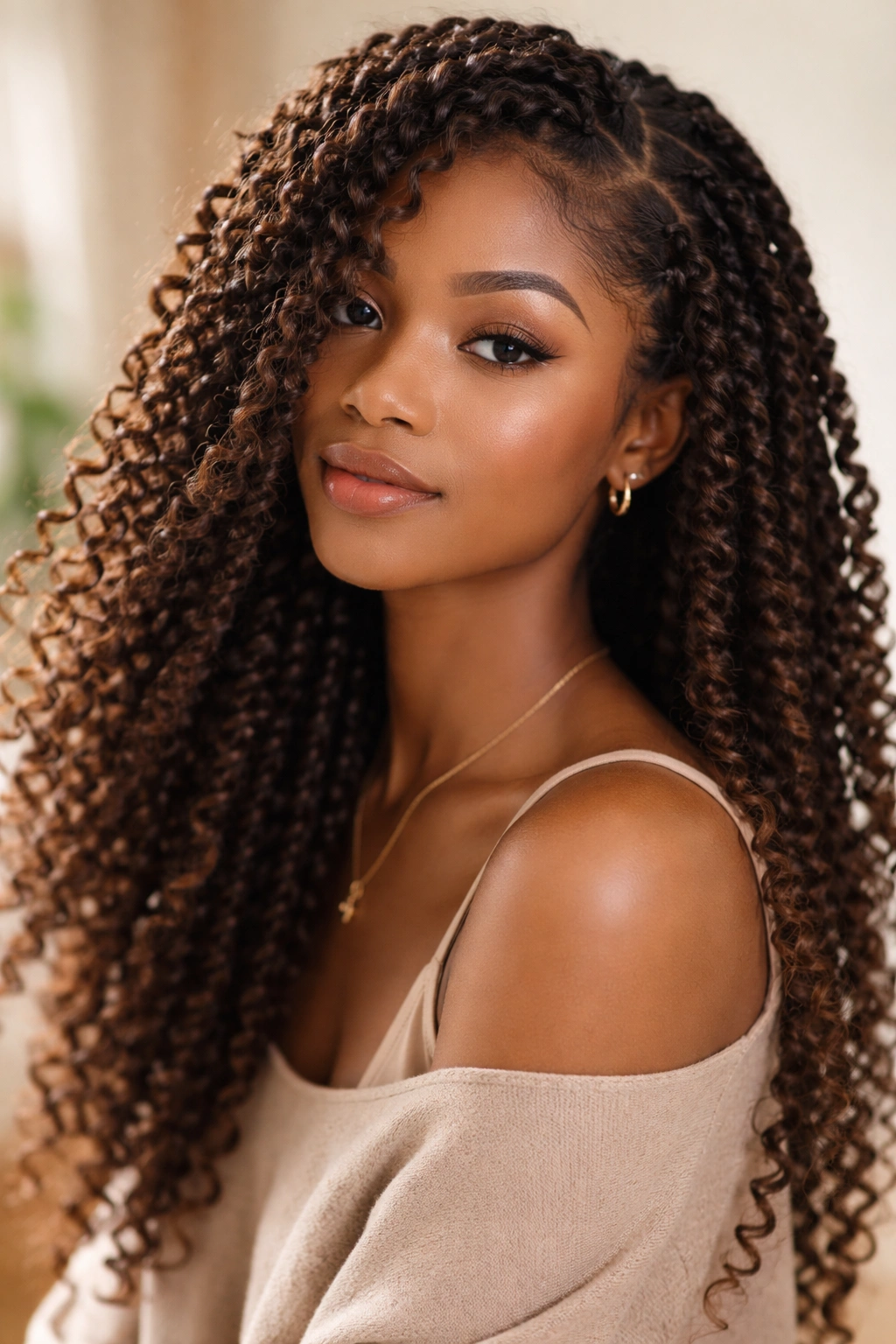
Passion twists have a softer, looser movement than most of the other styles here, and that’s exactly why people love them. They look a little undone in the best way. Not messy. Just airy. There’s a difference.
The texture comes from curly extension hair, which gives the twists a lived-in, bohemian feel right away. The final look is less rope-like and more springy, with ends that catch the eye because they don’t sit rigidly in place. If you like natural hair styles that move when you walk, this one is hard to beat.
The Part People Miss
Passion twists are not the most low-maintenance style in the world. They can frizz faster than Senegalese twists, and the curly texture needs gentle handling. Rough hair ties, dry hands, and constant fiddling will make them fuzzy faster than you want.
A few habits help them stay neat:
- Use a light mousse at the ends if the fiber needs shaping.
- Avoid thick oils near the roots.
- Keep your hands out of the curls.
- Refresh the front section with a little water and mousse, not a heavy cream.
They’re a good choice if you want softness and movement. They’re not the best choice if you want a super crisp finish. That’s fine. The style has its own charm, and trying to turn it into something else usually ruins it.
11. Spring Twists With Bouncy Texture
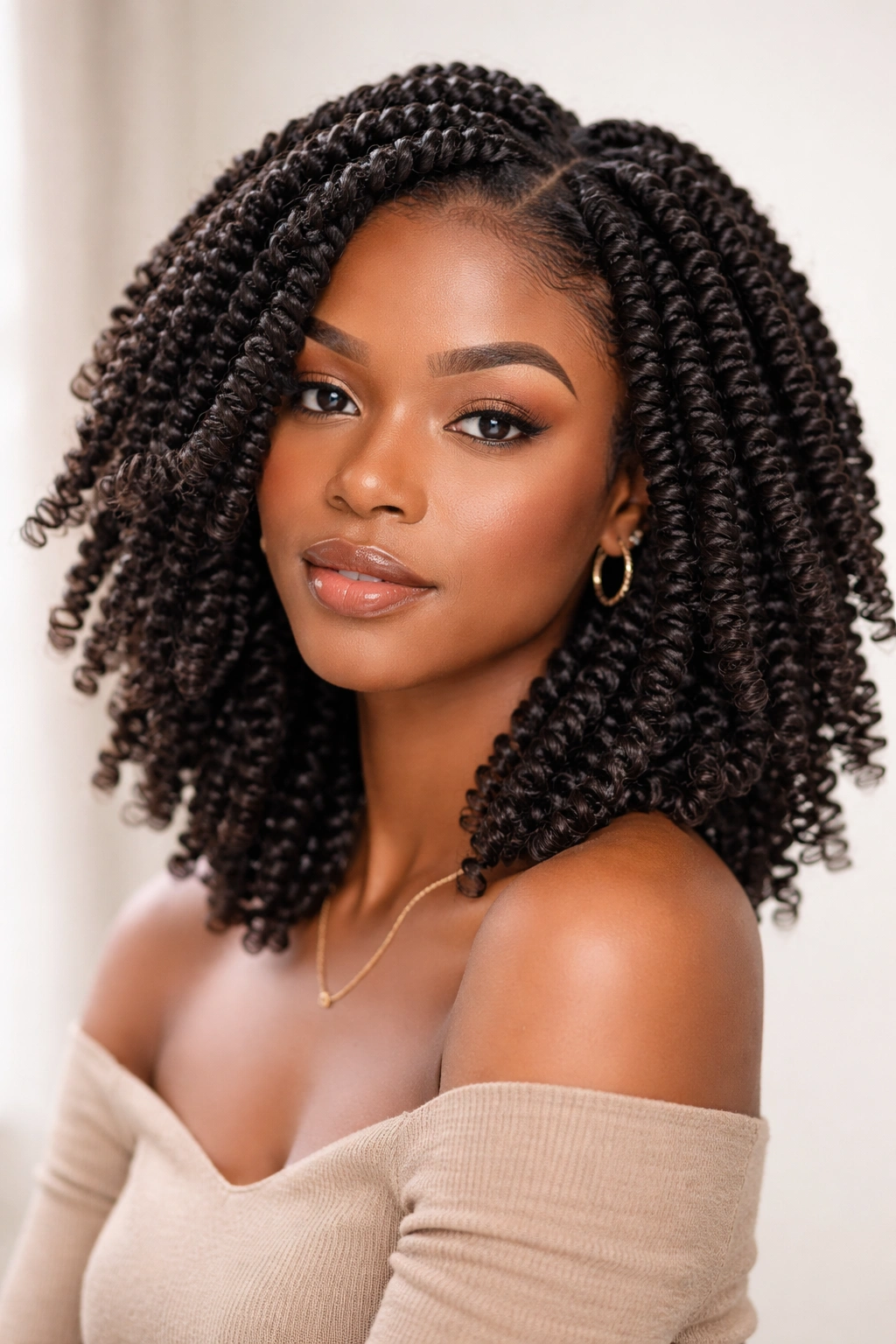
Spring twists are springy for a reason. The coil pattern gives them a lot of bounce, and the final look feels lively without being messy. They can look almost playful, which is nice when you want a style that has motion and shape.
I think spring twists work best when the natural hair underneath is well stretched and the sectioning is tidy. The texture of the extension hair does most of the visual work, so the base should stay simple and clean. If the roots are bulky, the style starts to look crowded. If the sections are too large, the spiral effect disappears.
A Few Things That Help
Spring twists are lighter-looking than many chunky styles, even when there are quite a few of them. They also tend to soften face shape because the coils don’t sit flat against the head.
- Best on medium-length to longer natural hair
- Works well when you want a springy, defined outline
- Needs careful detangling at removal
- Looks better when installed with even section sizes
There is one real downside. Springy fibers can tangle if you rush the install or sleep on them without protection. They’re worth it if you like the look, but they’re not the style for someone who wants zero upkeep. No twist style really is, and this one reminds you of that faster than most.
12. Crown Twist Updos That Wrap Around the Head
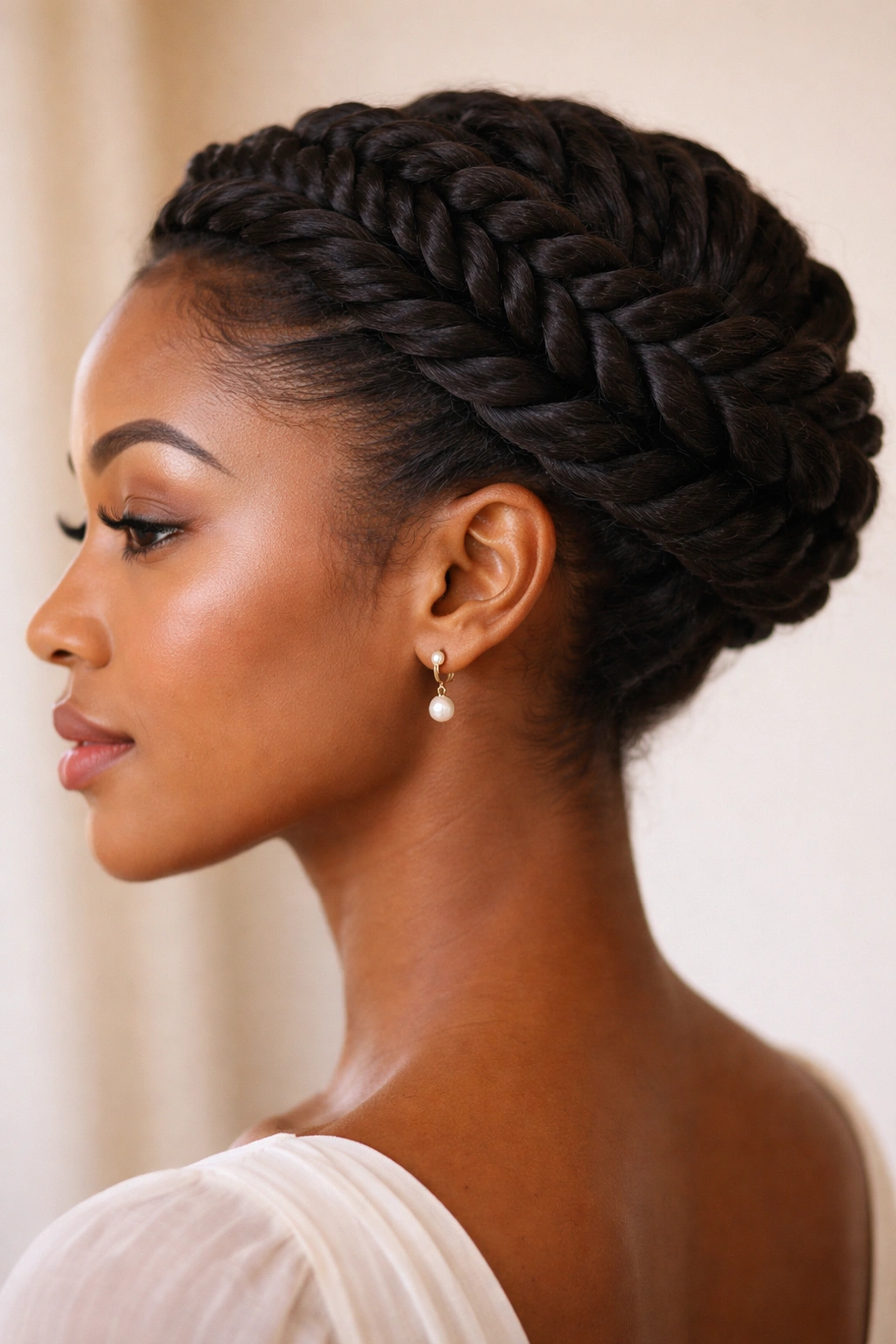
A crown twist updo does exactly what it sounds like: it wraps the hair around the head in a halo shape that feels elegant without turning fussy. The nice part is that it can be built from flat twists, rope twists, or regular twists, so you can match the finish to your texture and mood.
I like this style for formal days, long workdays, and those moments when you want your hair off your neck but still want something prettier than a basic puff. It frames the face and keeps the volume around the perimeter, which can be a flattering shape on many natural hair lengths.
How to Make It Stay Put
The real trick is pin placement. A crown twist that looks secure in the mirror can still slide if the pins only catch the surface. Slide them under the base of the twist and anchor them against another section when you can.
- Use 4 to 8 bobby pins, depending on hair density.
- Tuck ends under the crown instead of leaving them loose.
- Mist the hair lightly before shaping if it’s too dry to mold.
- Keep the tension even around the sides and back.
It’s a style with grace, but it shouldn’t feel fragile. If it does, the structure is off. Build the base better and the whole shape holds itself together.
13. Twist Buns for Days When You Need the Hair Up
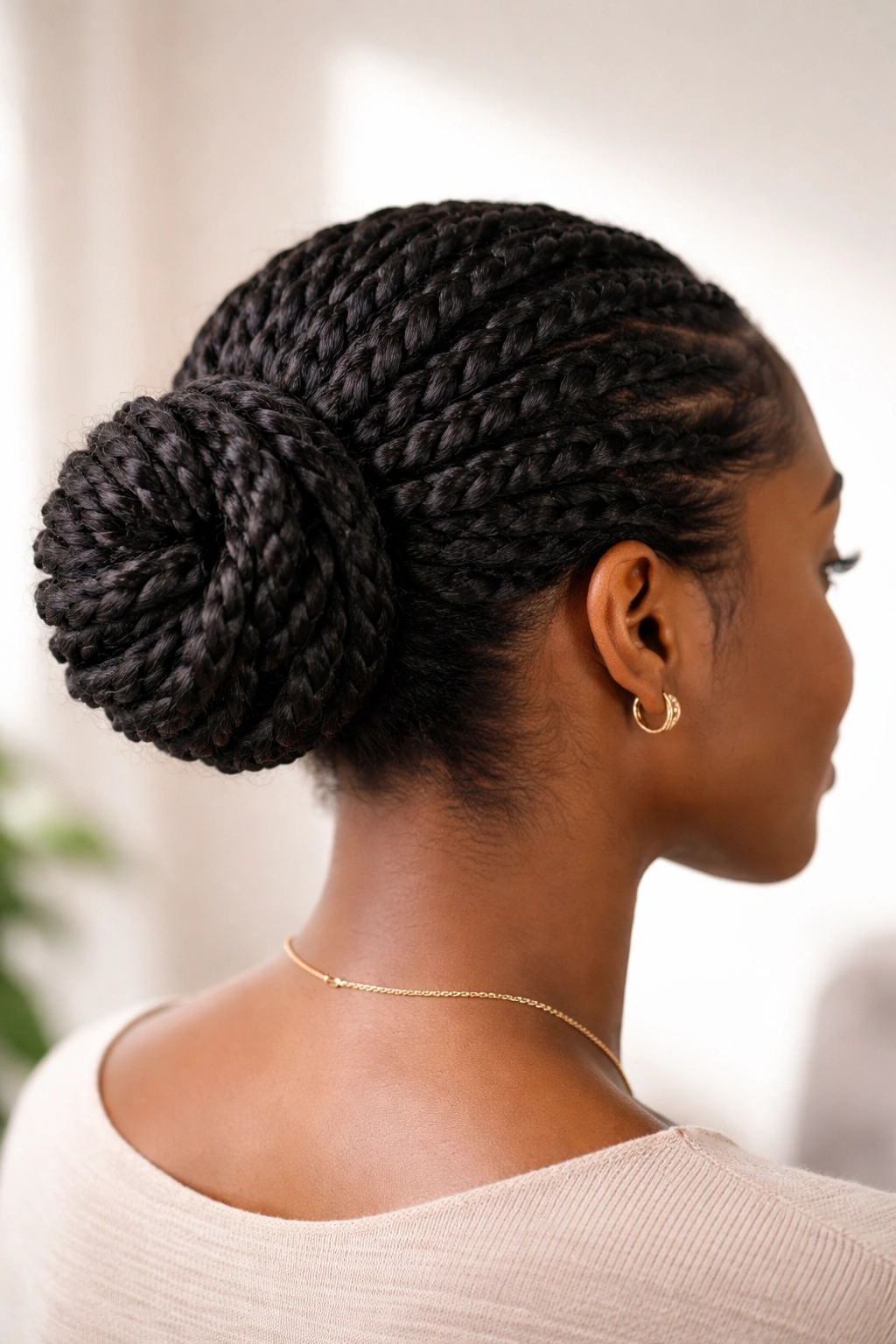
Some styles are about making a statement. A twist bun is about getting the job done and still looking good. It clears the neck, keeps the ends tucked away, and works in a messy way or a polished way depending on how tight you set it.
This is the style I’d pick on a busy morning when the hair needs to be controlled fast. You can make it low, high, centered, or slightly off to one side. You can build it from one large twist, several small twists, or a pinned cluster of twists gathered into a bun. That flexibility is the charm.
Why It’s So Useful
A twist bun keeps the style contained, which helps if your ends are dry or if you’re trying to stretch a previous style for a few more days. It also keeps the face open, which is a relief when the weather is humid or you just do not want hair near your jawline.
The best versions aren’t pulled too tight. A bun that clamps down on the hairline all day is not a win. Use a soft elastic if you need one, then pin the bun into shape with a couple of bobby pins. Less strain, better result.
A few version ideas:
- Low twist bun for a calm, neat look
- High bun for a lifted silhouette
- Loose messy bun for softer volume
- Pinned side bun when you want the style to feel a little dressed up
It’s practical. That’s not a boring thing. Practical is useful, and useful hairstyles get worn.
14. Side-Swept Twist Bob With Face-Framing Movement
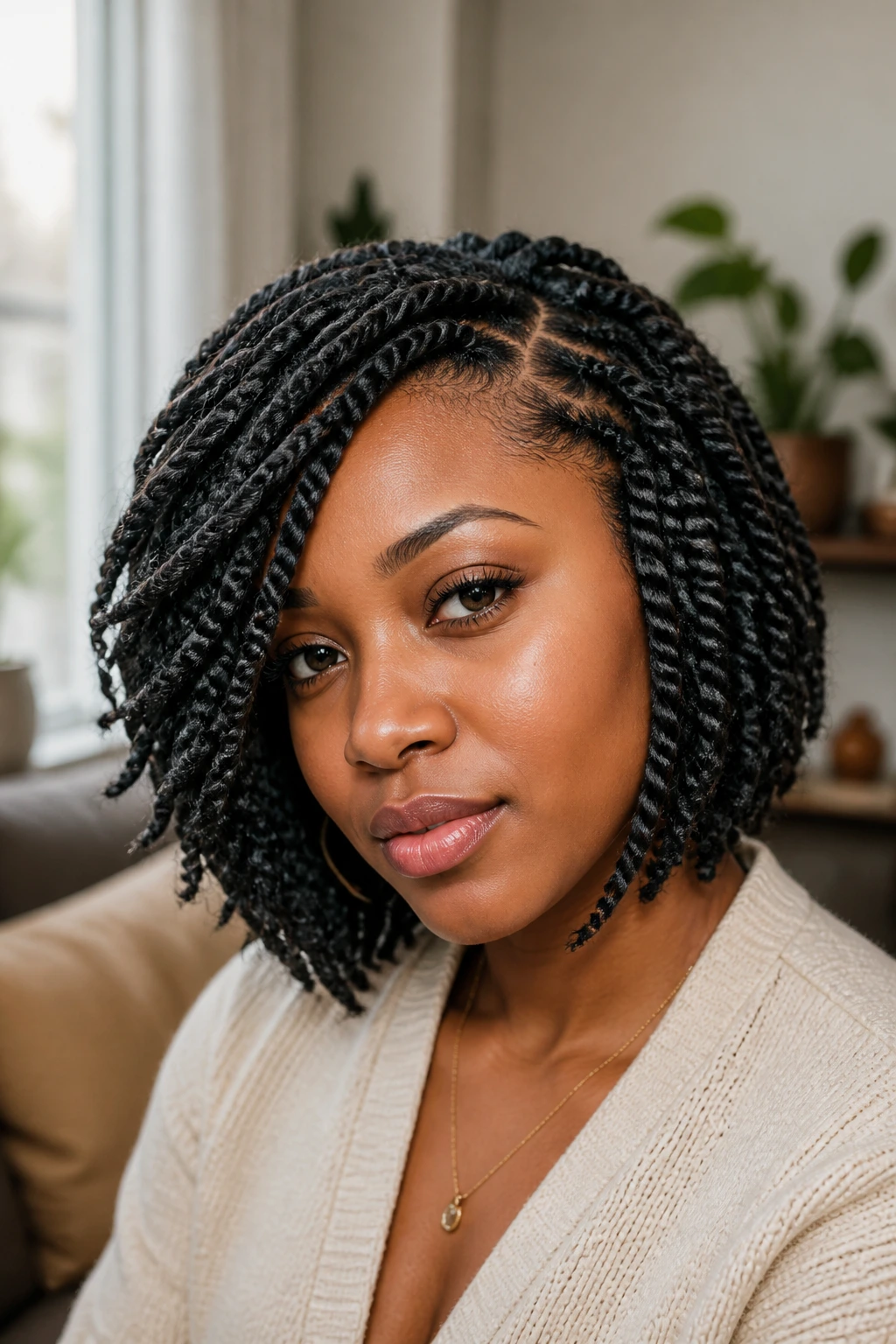
A side-swept twist bob is one of those styles that looks deliberate even when it’s easy to wear. The length keeps it fresh and light, while the side sweep gives it shape and movement around the face. I like it because it feels modern without trying too hard.
You can build this look with natural hair twists or with extensions cut to bob length. Either way, the side sweep softens the front and creates a nice line at the jaw. That matters more than people think. A good angle around the face can make the whole style feel tailored, even when the rest of it stays relaxed.
What Makes It Work
The bob length is what keeps the style from getting heavy. Once twist styles get too long, they can start to pull the look downward. A bob keeps the energy near the cheeks and chin, which makes the shape read cleaner.
I also like that this style can be worn in slightly different moods. Tucked neatly behind one ear, it feels crisp. Left a little fuller at the front, it feels softer and more casual. Neither version needs much extra work.
If you want the style to hold shape, keep these in mind:
- Part the hair cleanly before twisting.
- Keep the ends trimmed or sealed well.
- Use pins at the heavier side so the sweep stays in place.
- Refresh the front with a small amount of mousse rather than piling on product.
And that’s the real appeal of twists in general. They do not force natural hair into one mood. They can be sleek or soft, short or long, big or small. A side-swept twist bob just makes that flexibility easier to see.
Twists have staying power because they meet hair where it is. That sounds simple, maybe even obvious, but it’s the part too many styles miss. If the sectioning is neat, the tension is kind, and the finish matches the texture, the style does the rest of the work for you.
