



The shag haircut has made a powerful comeback, and when you combine it with long wavy hair, the results are utterly transformative. Unlike the blunt, choppy shags of the ’70s and ’80s, today’s shag styles work with your natural wave pattern instead of against it, creating movement that looks effortlessly cool while remaining incredibly wearable for everyday life. Long wavy shag haircuts offer the perfect balance of texture, volume, and that coveted laid-back aesthetic that works across every hair type, face shape, and age group.
What makes the long wavy shag so special is its versatility. Whether your waves are natural, heat-styled, or enhanced with a perm, this cut amplifies movement and creates beautiful dimension without requiring constant maintenance. The strategically layered construction means that even air-dried hair looks intentional and polished. You get face-framing without looking overdone, texture that appears effortless, and a style that genuinely improves most people’s appearance while letting you sleep in and still look put-together.
The thirteen styles below represent the full spectrum of what’s possible with long wavy shag haircuts — from subtle, modern takes that feel almost undercover to dramatic, statement-making versions that announce themselves the moment you walk into a room. Each one solves different styling needs, works with different wave patterns, and suits different personalities. Whether you’re growing your hair out, starting fresh, or looking for your next major cut, you’ll find your match here.
1. The Classic Textured Shag
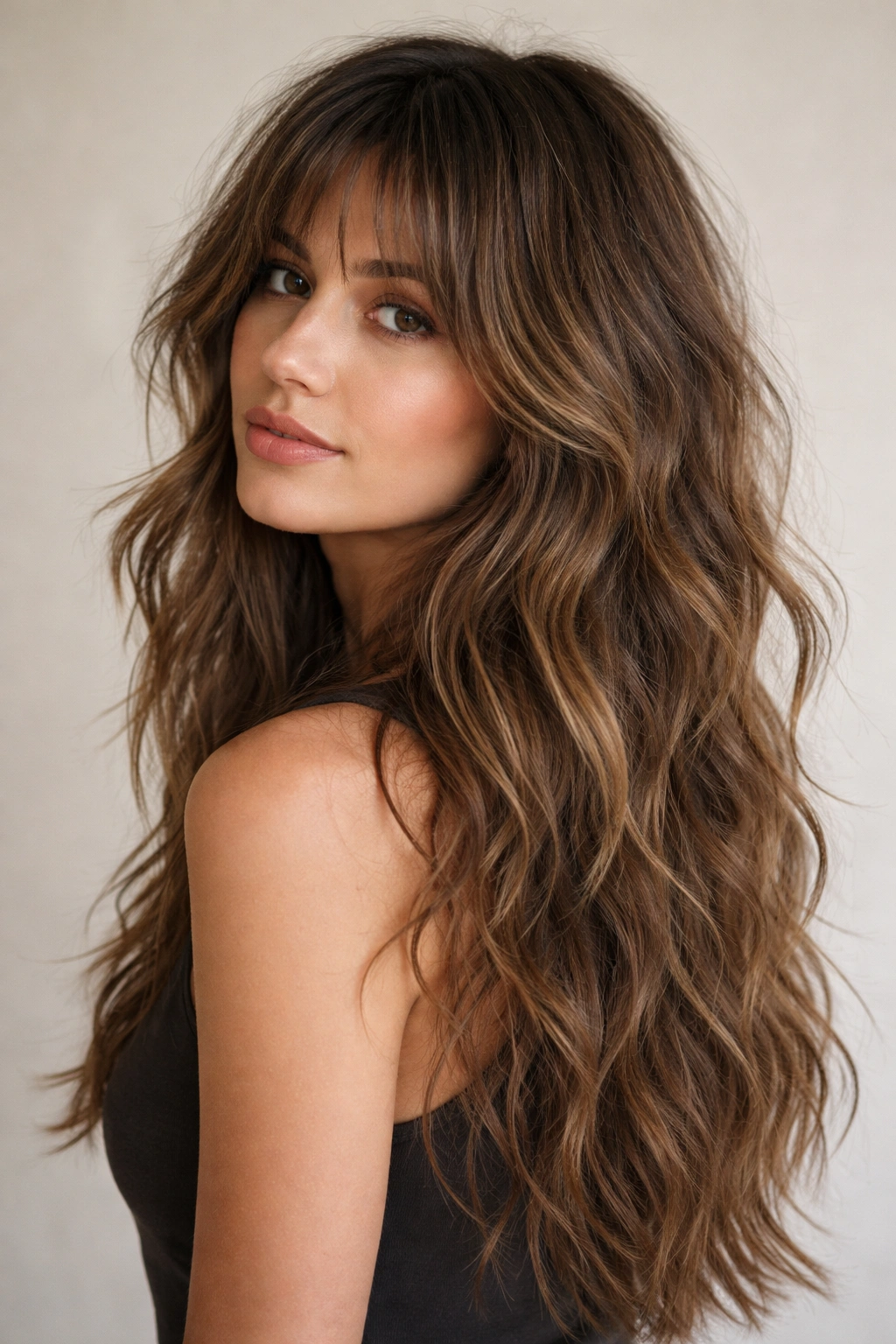
The classic textured shag is the foundation style that inspired everything else on this list. It features mid-length to long layers throughout, starting around mid-back length, with choppy, deliberate texture created by point-cutting techniques. The cut works whether your waves are gentle or dramatic, and the foundation is blunt enough that the style holds shape without constant trims, yet layered enough to create serious movement.
Why This Cut Works for Everyone
The beauty of the classic textured shag is its fundamental simplicity. Layers are distributed evenly throughout the entire head rather than concentrated at the crown or ends, which means the cut flatters a wide range of face shapes and hair densities. Someone with fine hair gets the illusion of volume without actually removing much length, while thick-haired people get the texture and movement they need without becoming overwhelmed by weight. The point-cut technique creates pieces that actually move separately rather than clumping together, which is what separates a good shag from a mediocre one.
How to Style It Best
- Scrunch products upward into damp hair while it air-dries for natural-looking waves
- Use a curl-defining cream or sea salt spray to encourage wave formation without crunch
- Avoid heavy serums that weigh down the layers — lightweight oils work better
- The cut actually looks better slightly undone, so resist the urge to overwork it
- Refresh waves between washes with a texturizing spray and finger-combing
Pro tip: Ask your stylist for slightly longer interior layers and shorter exterior layers — this “reversed” layering technique creates a rounded, flattering shape that skims your face without looking choppy.
2. The Hollywood Glamour Shag
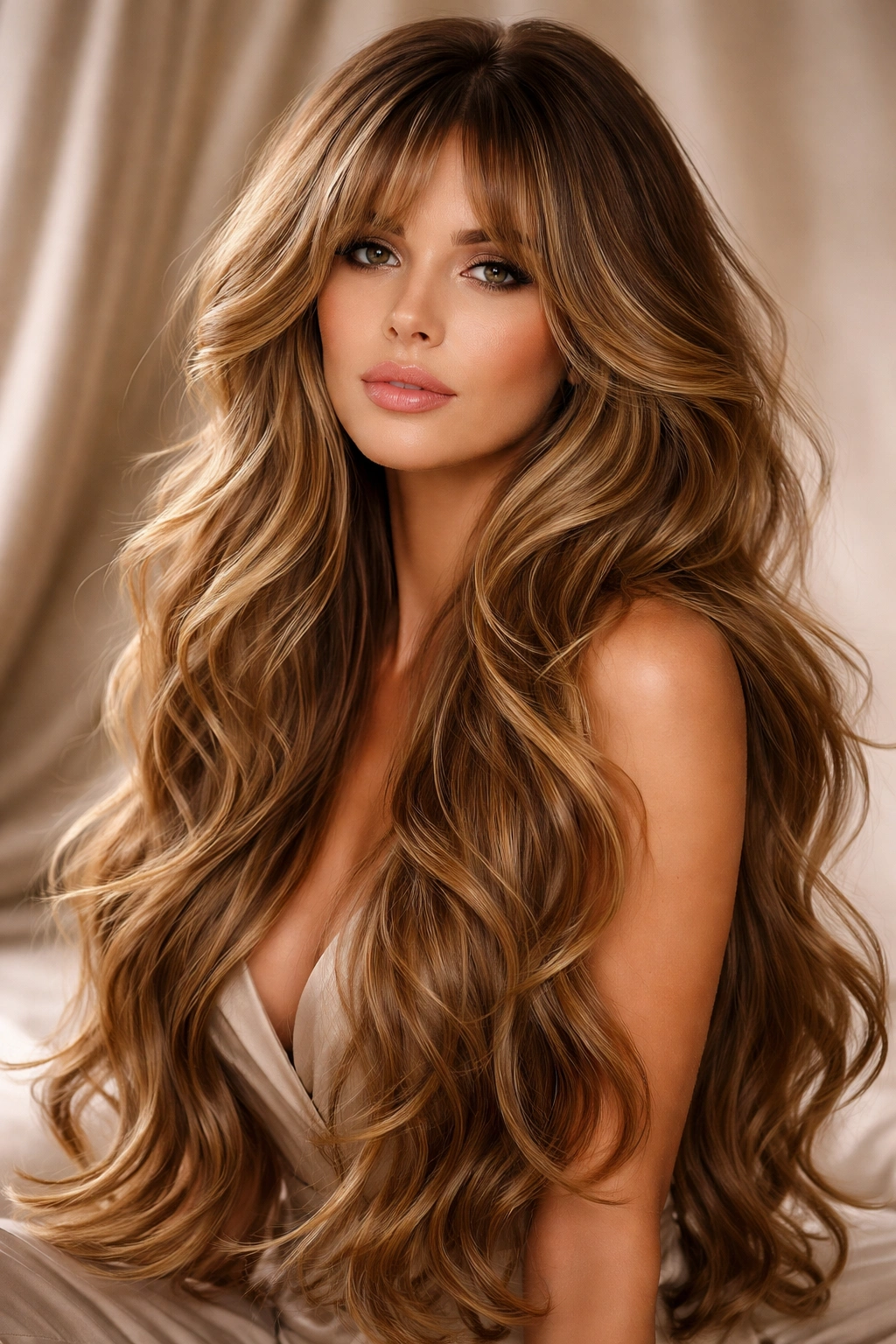
This version takes the shag concept and elevates it into truly luxe territory. Long flowing layers begin further down the back (often around hip-level) with heavier, longer pieces around the face that create a distinctly glamorous silhouette. The waves are often larger and more defined than the classic shag, and the overall impression is deliberately voluminous and statement-making. This cut works beautifully with balayage or highlights because the layering creates natural color movement throughout.
What Makes It Glamorous
The Hollywood glamour shag prioritizes face-framing pieces that are dramatically longer than the rest of the hair, creating an elegant taper from your cheekbones down to mid-back or longer. This asymmetrical length distribution immediately reads as intentional and high-fashion. The layers are slightly more blended than a classic shag, creating flow rather than chop. When you style this cut with larger waves or gentle curls, the result feels like walking out of a professional photo shoot.
Styling and Maintenance
- Invest in a large-barrel curling iron or wand for styling larger waves that match the cut’s proportions
- Use volumizing mousse at the roots before blow-drying for lasting body
- The longer face-framing pieces need regular conditioning — dry ends will show immediately
- Trim every 6-8 weeks to keep the face-framing layers sharp and intentional
- This cut benefits from professional styling initially; learn the technique from your stylist before attempting it alone
Worth knowing: This cut requires more daily styling than the classic shag. If you prefer low-maintenance waves, the classic textured version will serve you better.
3. The Tousled Emo Shag
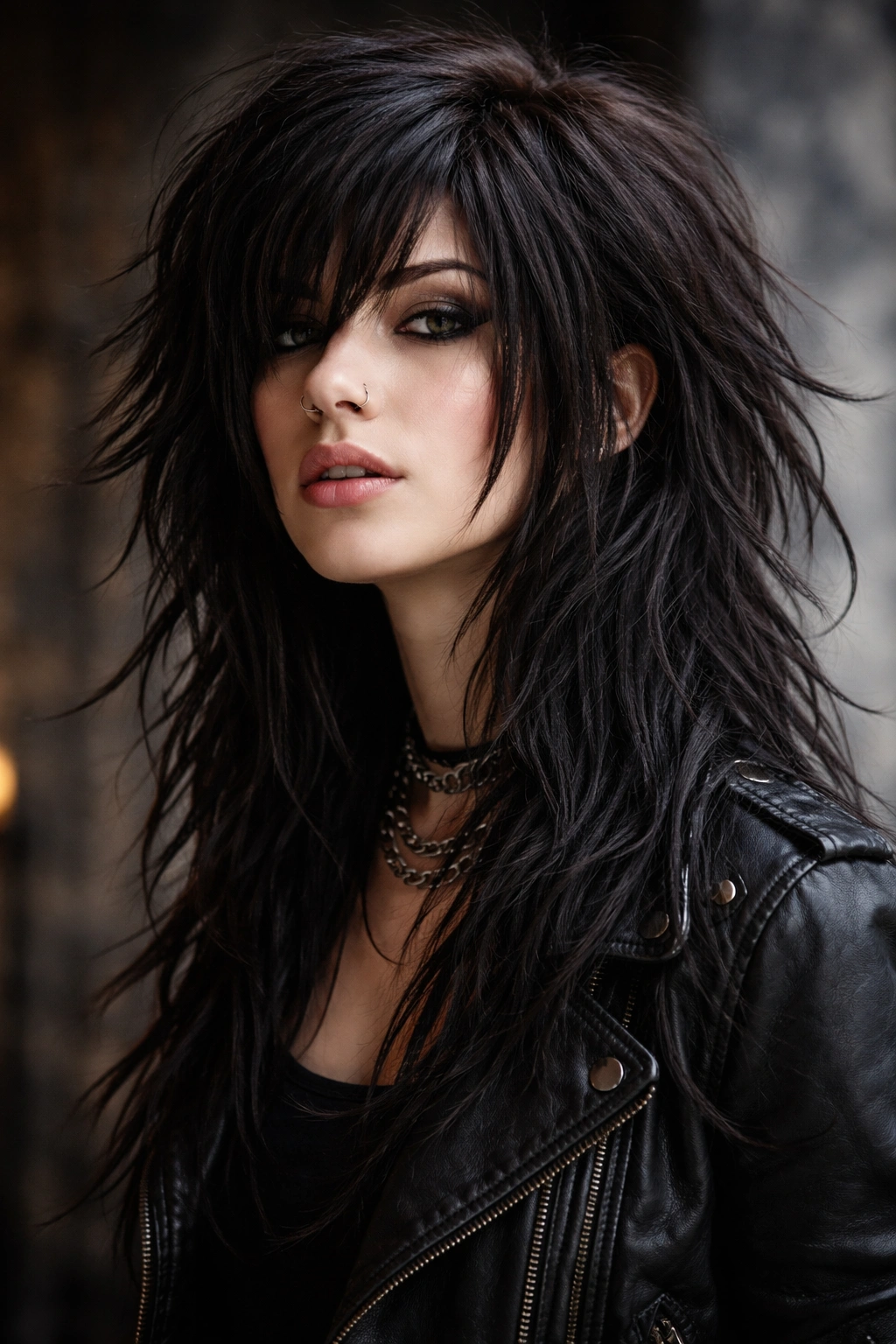
A distinctly more dramatic and youth-oriented take, the tousled emo shag features heavier, chunkier layers that are cut shorter around the crown and dramatically longer around the face and back. Lots of interior texture creates that deliberately messy, “just-got-out-of-bed” aesthetic that actually takes considerable styling effort to achieve. This cut was hugely popular in the alternative and emo music scenes and has been rediscovered by younger generations who love its bold, unapologetic attitude.
The Attitude Behind This Cut
The emo shag isn’t for everyone, but for those it suits, it’s nothing short of perfect. The cut is built on intentional asymmetry — one side might be longer or textured differently than the other, and that asymmetry is a feature, not a flaw. The deeper layers and chunkier pieces mean individual strands stand out, creating a wild, rock-and-roll vibe that photographs incredibly well and reads as deliberately creative rather than careless.
Styling Requirements
- This cut benefits from straightening or slight heat-styling to define the individual chunks
- Apply texturizing spray or light pomade to pieces for separation and definition
- The undone quality actually requires more styling work — embrace that this is a statement cut
- Darker hair colors (black, deep brown, burgundy) typically showcase this cut better than very light colors
- Regular trims every 4-6 weeks keep the intentional shaping from looking grown-out and messy
Real talk: This cut demands confidence. If you’re not fully committed to its bold aesthetic, you’ll end up fighting it rather than enjoying it.
4. The Soft Layered Shag
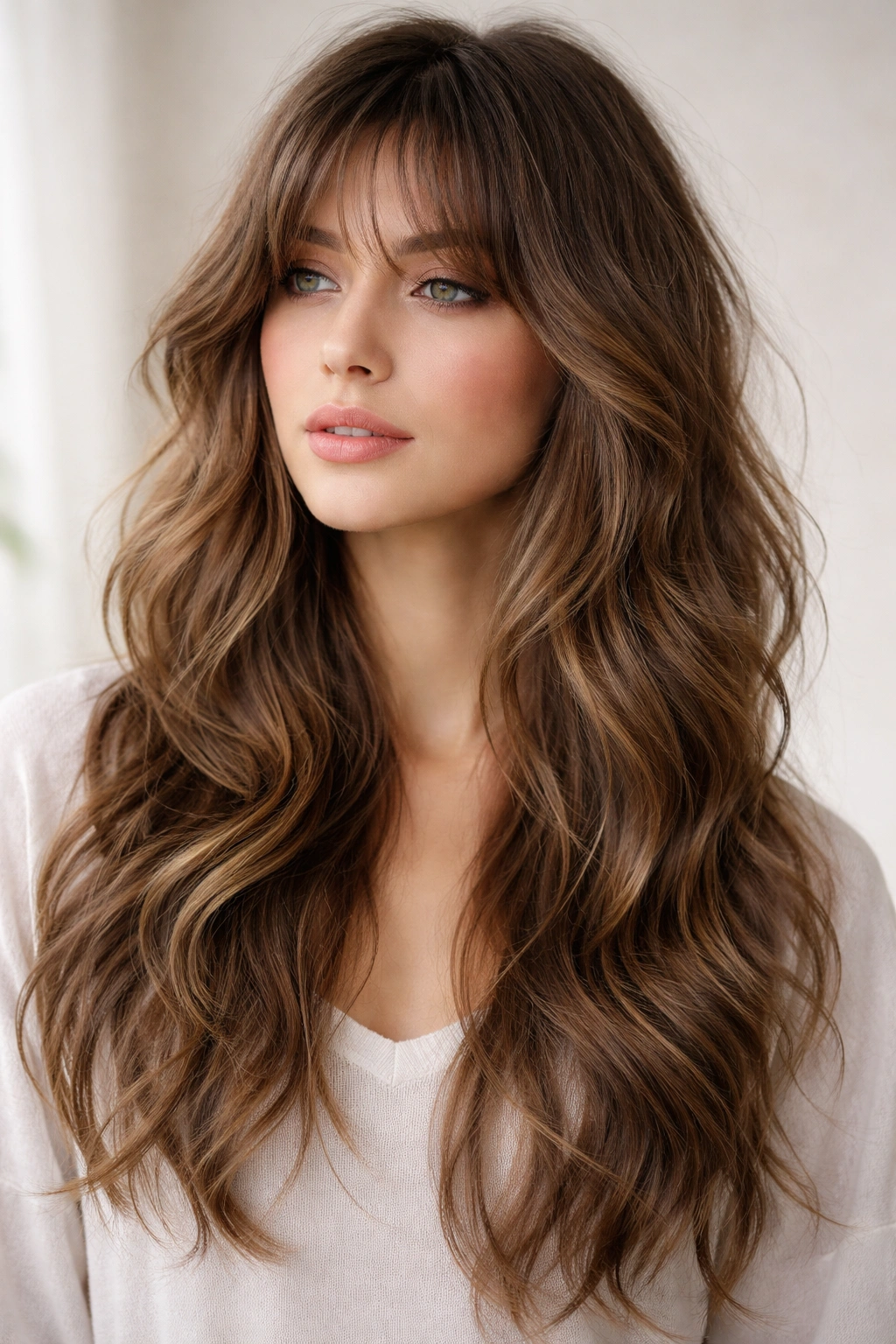
For people who want the shag movement and texture but prefer a softer, more romantic aesthetic, the soft layered shag delivers. Rather than choppy point-cutting, the layers are created with blunt-line techniques that are then softened with very subtle point-cutting only at the very ends. The result is waves and movement without the edgy, deliberate chop. This version works beautifully with beachy waves or natural texture and reads as effortlessly pretty rather than fashion-forward.
Why Softness Matters
The soft layered shag achieves the exact same volume and movement as its choppier cousins but with a completely different emotional impact. The hair appears more unified and flowing, less fragmented. This cut is particularly flattering for people with finer hair textures because it doesn’t emphasize individual strands as aggressively. The blended layers create an almost cloud-like halo of texture around the face, and when styled with soft waves, the effect is genuinely magical.
Achieving the Soft Wave Effect
- Apply leave-in conditioner or wave-defining cream to damp hair
- Scrunch upward toward the roots as hair dries for gentle wave formation
- Use a diffuser attachment on your blow-dryer to enhance natural texture without frizz
- Avoid products with heavy silicones that make layers look stuck together
- Sleep in braids to develop softer waves overnight
Pro tip: Ask your stylist for more blending at the transition points between layers — this creates the soft, flowing quality that makes the difference between choppy and romantic.
5. The Mermaid Shag
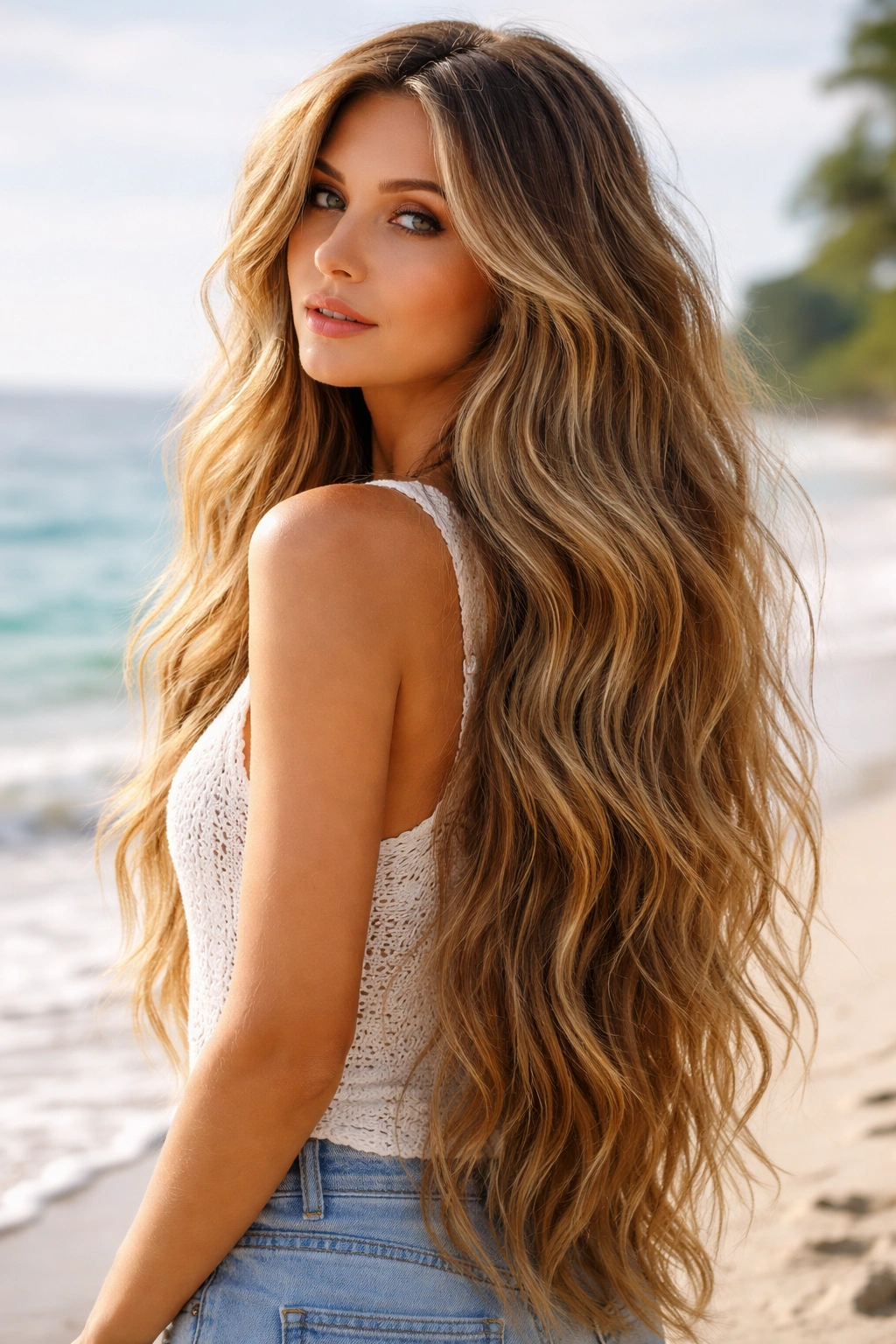
The mermaid shag is specifically designed to work with larger, more dramatic waves — the kind you get from beachy waves products, salt spray, or actual waves from swimming in the ocean. The layers are strategically placed to enhance and frame natural wave formations rather than fight them. The cut typically maintains more length overall (often hip-length or longer) with lighter, more subtle layering rather than aggressive choppy texture, allowing the waves themselves to be the star of the show.
Designed for Wave Enthusiasts
If you already have natural waves or you love styling wavy hair, the mermaid shag plays directly to those strengths. The cut acknowledges that your waves are a feature to celebrate, not a problem to fix. The layers are positioned to frame waves beautifully and add movement at the crown without cutting away the length that allows waves to look their most dramatic. This cut typically has longer face-framing pieces and maintains a thick, healthy-looking overall silhouette.
Styling for Maximum Mermaid Vibes
- Use salt spray or sea salt texture products to encourage and define waves
- Braid hair while damp, then unravel for romantic wave patterns
- Sleep in braids for effortless morning waves
- Scrunch upward while air-drying to enhance natural wave formation
- Avoid heavy serums and silicones that flatten waves
Worth knowing: This cut relies on your actual hair texture to work, so it’s not ideal for very straight hair types unless you’re willing to style waves regularly.
6. The Choppy Fringe Shag
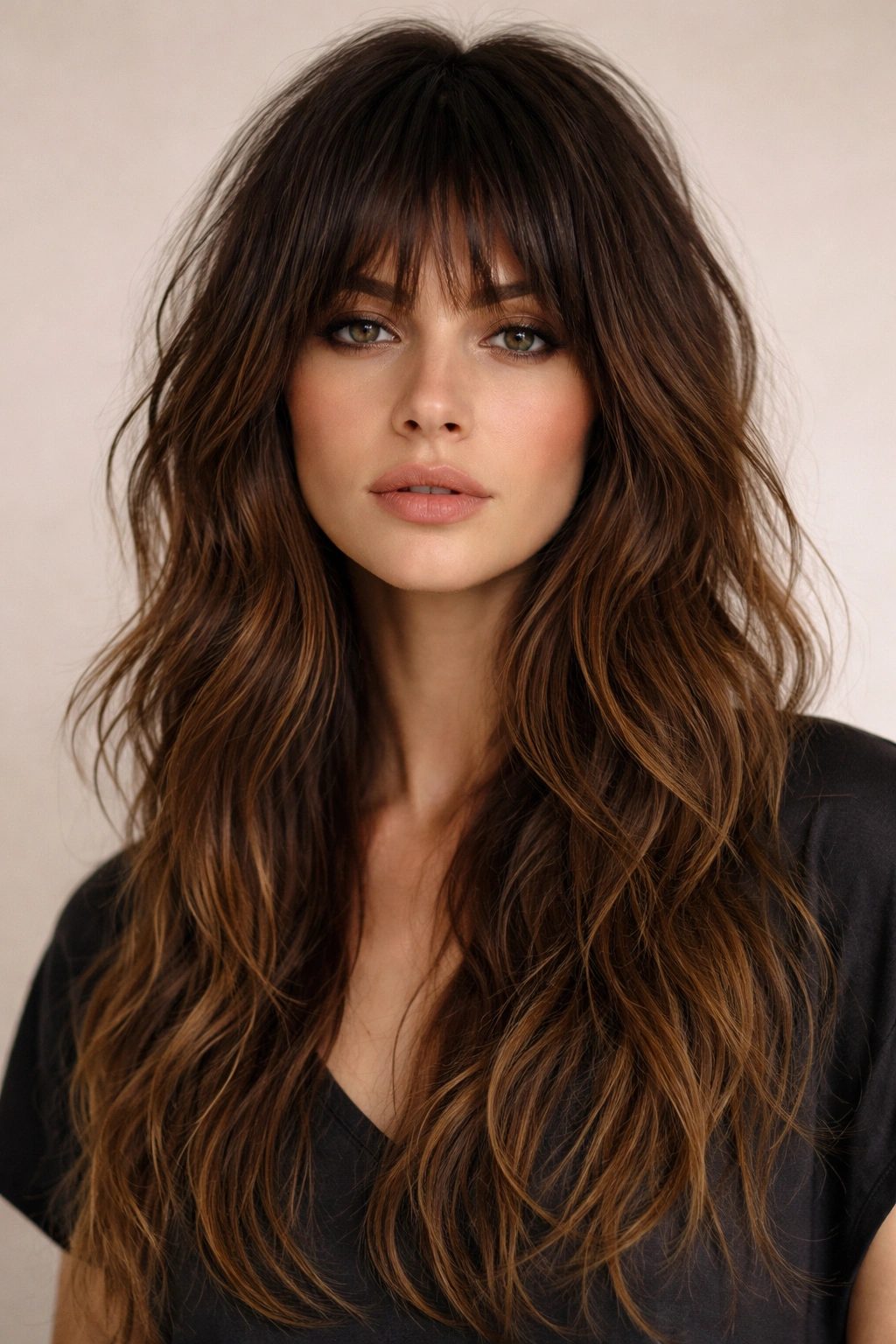
A shag with a significantly shorter, choppy fringe creates a dramatically different aesthetic — more modern and editorial than romantic. The fringe might be chin-length or shorter, creating sharp contrast with the long layers beneath. This approach updates the shag silhouette and creates an unexpectedly cool, fashion-forward vibe. The fringe instantly draws attention to the eyes and face, making this cut particularly flattering for those with great bone structure or distinctive facial features.
The Power of Contrast
The choppy fringe fundamentally changes how people perceive the entire cut. Where a classic shag reads as romantic or bohemian, add a blunt, textured fringe and suddenly the whole style feels modern, intentional, and editorial. The fringe creates a visual anchor at the top of the style, making the longer layers below feel even longer and more dramatic by comparison. This is a cut that definitely makes a statement and works best when you’re confident about being noticed.
Fringe-Specific Care
- Fringe length needs maintenance every 3-4 weeks as it grows out and shifts position
- The shorter pieces at the front tend to look stringy if not properly layered — precision matters here
- Tousle fringe slightly when styling so it doesn’t look too severe or blunt
- Use a lightweight texturizing product on the fringe to avoid a helmet-like appearance
- Consider the width of your face when deciding fringe length — too short can overwhelm delicate features
Real talk: A choppy fringe dramatically changes your appearance. Make sure you’re enthusiastically committed before cutting because growing it out takes months.
7. The Romantic Waist-Length Shag
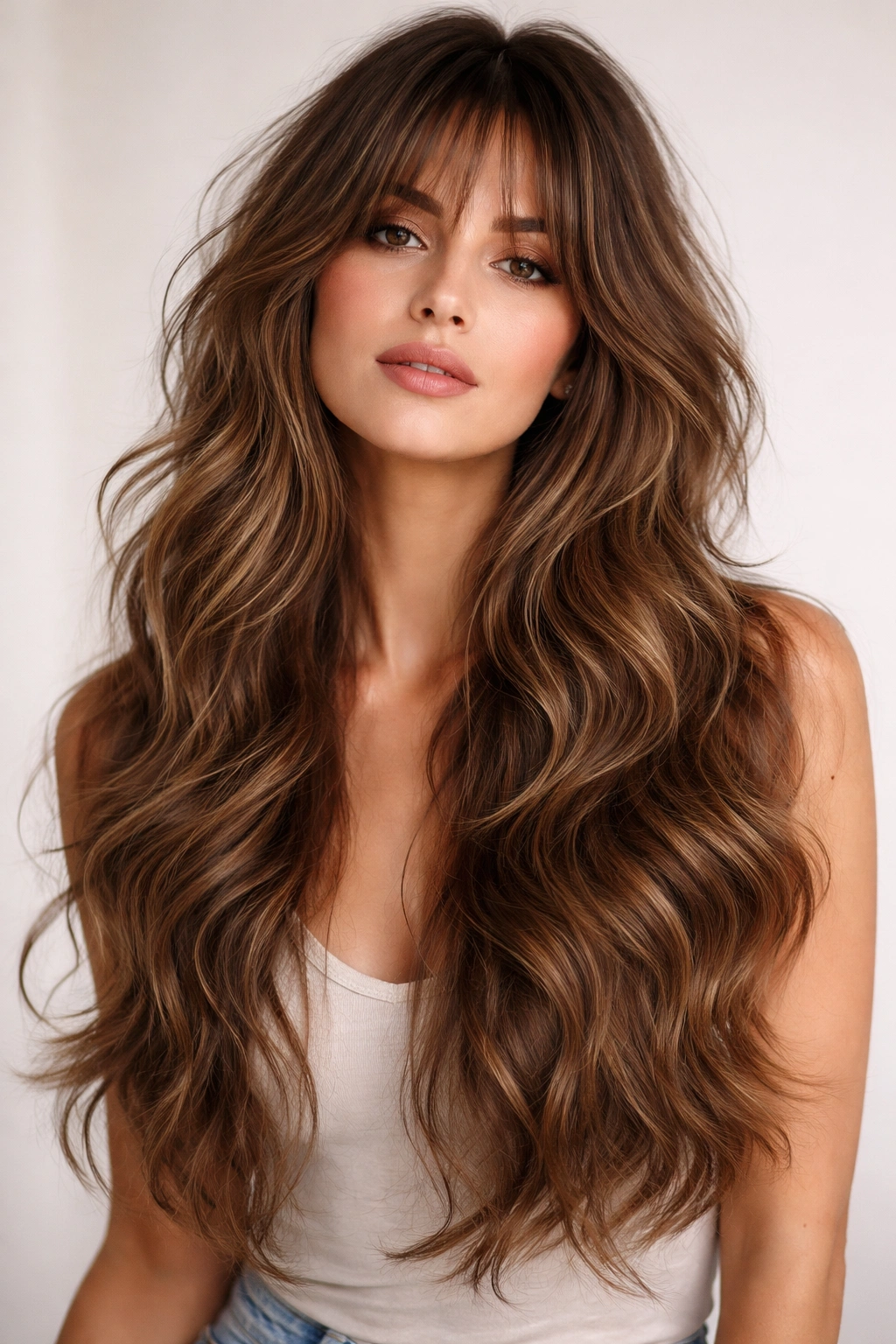
For those who want maximum length with all the movement and texture that shag offers, the romantic waist-length shag delivers drama and elegance in equal measure. Layers begin further down (around mid-back at earliest) with substantial length preserved throughout, creating a silhouette that’s undeniably feminine and statement-making. The cut works beautifully with balayage, highlights, or a solid rich color, and the movement of the layers creates beautiful dimension regardless of how the hair is styled.
Achieving Romance Through Length
Longer hair paired with strategic layering creates an inherently romantic aesthetic. The weight of the length combined with the movement of the layers produces waves and flow that shorter cuts simply cannot replicate. This cut requires commitment — both to regular trims and to hair health — because dry, damaged ends immediately destroy the elegant effect. However, when maintained properly, a waist-length shag is genuinely showstopping.
Long-Hair Maintenance is Non-Negotiable
- Deep conditioning treatments weekly (not just regular conditioner) are essential
- Trim every 8 weeks minimum to keep the style looking intentional, not grown-out
- Sleep on silk pillowcases to minimize friction and breakage
- Use hair oil on the mid-lengths and ends before each wash
- Avoid heat styling as much as possible — embrace air-dried waves
Pro tip: Invest in professional products designed for your hair type. Generic drugstore conditioner won’t cut it for maintaining the health of waist-length hair.
8. The Blunt-End Shag
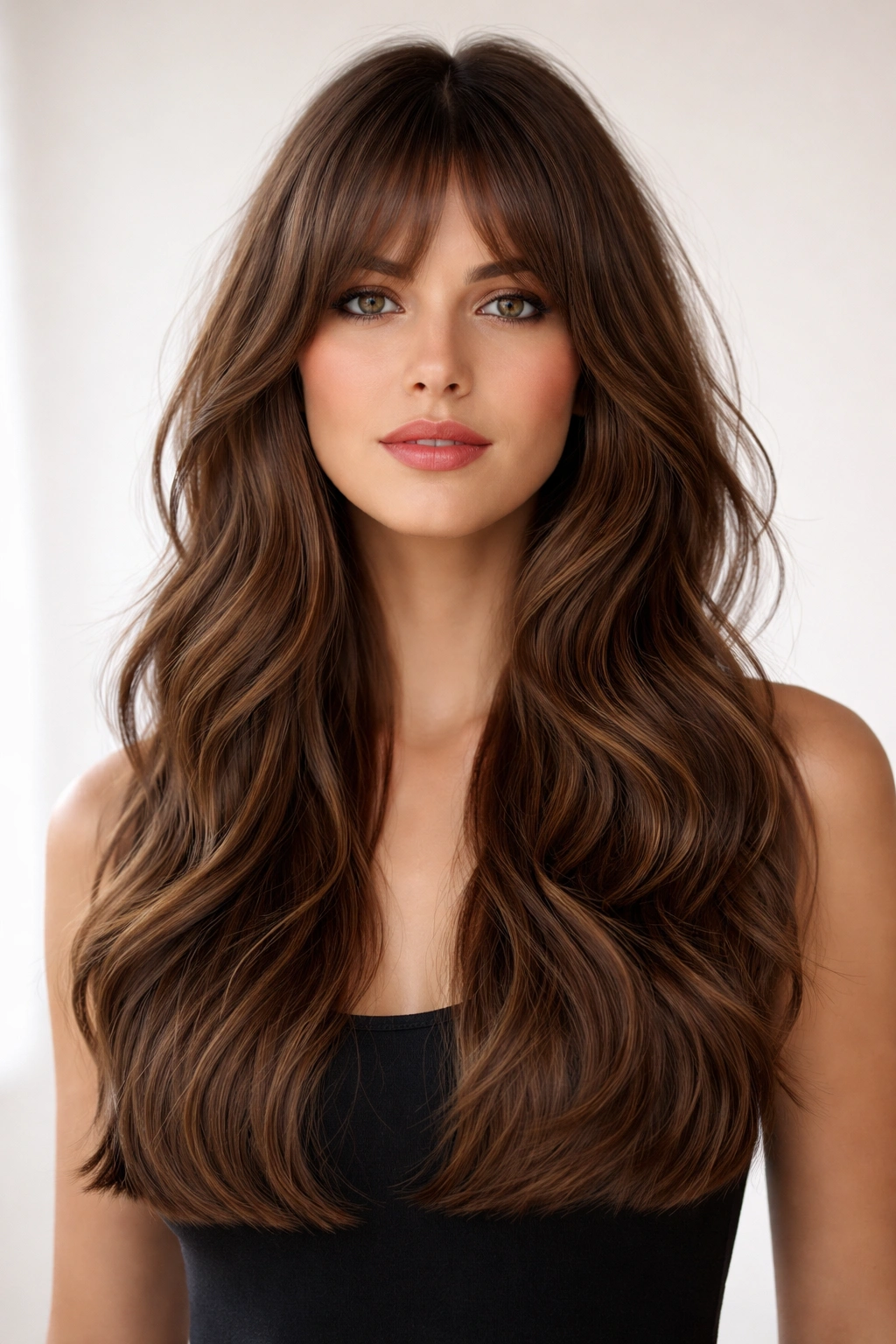
A more contemporary interpretation, the blunt-end shag maintains defined blunt lines at the ends while still incorporating generous layers throughout for movement. Rather than point-cut choppy texture, the layers are created through vertical cutting techniques that produce clean lines and clear separation between sections. This version reads as more controlled and modern than classic shags, and the blunt ends create a stronger visual impact.
Modern Precision Meets Movement
The blunt-end shag is the cut for people who like the idea of a shag but prefer a more polished, contemporary aesthetic. The clean lines at the ends create visual weight and definition, while the interior layers provide movement and texture. This cut photographs exceptionally well because the blunt ends create strong visual lines, and the layers create depth in photos. The overall effect is intentional and controlled rather than carefree and tousled.
Styling This More Structured Cut
- The blunt ends look best with clean waves rather than chaotic texture
- Use a flat iron to create sleek waves that emphasize the clean lines
- A light texturizing spray adds movement without destroying the clean aesthetic
- This cut maintains its shape well between trims
- Works beautifully with single-tone color or subtle highlights
Worth knowing: This cut requires more frequent trims (every 5-7 weeks) to keep the blunt ends looking intentional and healthy rather than ragged.
9. The Hidden Undercut Shag
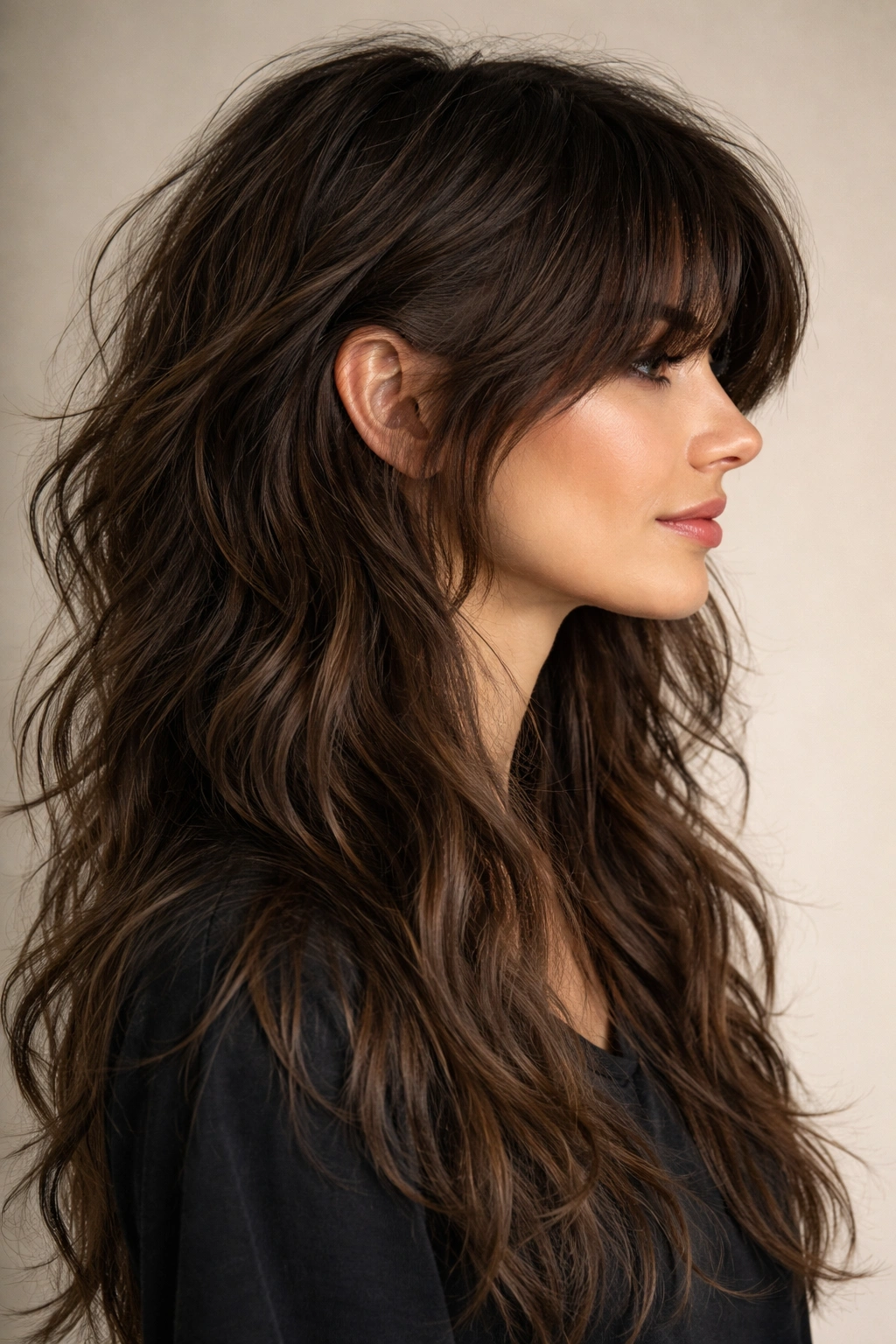
An edgier variation that’s gained traction in recent years, the hidden undercut shag features an undercut or very close-cropped section hidden underneath longer layers. When your hair is down, no one can see the undercut — but when you put your hair up, pin part of it back, or move a certain way, the undercut reveals itself. This creates a genuinely cool surprise element and allows you to shift between two completely different aesthetic vibes.
The Best of Both Worlds
The hidden undercut shag lets you have dramatic edge and alternative appeal while maintaining the option to look entirely conventional when you want to. The undercut can be shaved, very closely cropped, or feature designs and patterns that become hidden artwork. This cut is particularly popular with people in creative fields or unconventional careers because it allows them to express individuality without compromising professionalism when needed.
Managing the Undercut
- The undercut requires touch-ups every 4-6 weeks as it grows out
- You can cut an undercut yourself if you’re comfortable with clippers, saving money between salon visits
- Experiment with styling products to control how much the undercut shows
- Sleeping on the undercut side can make it stand up — use a silk pillowcase to minimize this
- The undercut can develop an interesting texture as it grows out, which some people love and others want to clean up immediately
Real talk: Hidden undercuts require commitment. If you’re not actually going to style or show it off sometimes, you’re just creating maintenance work.
10. The Curly Shag
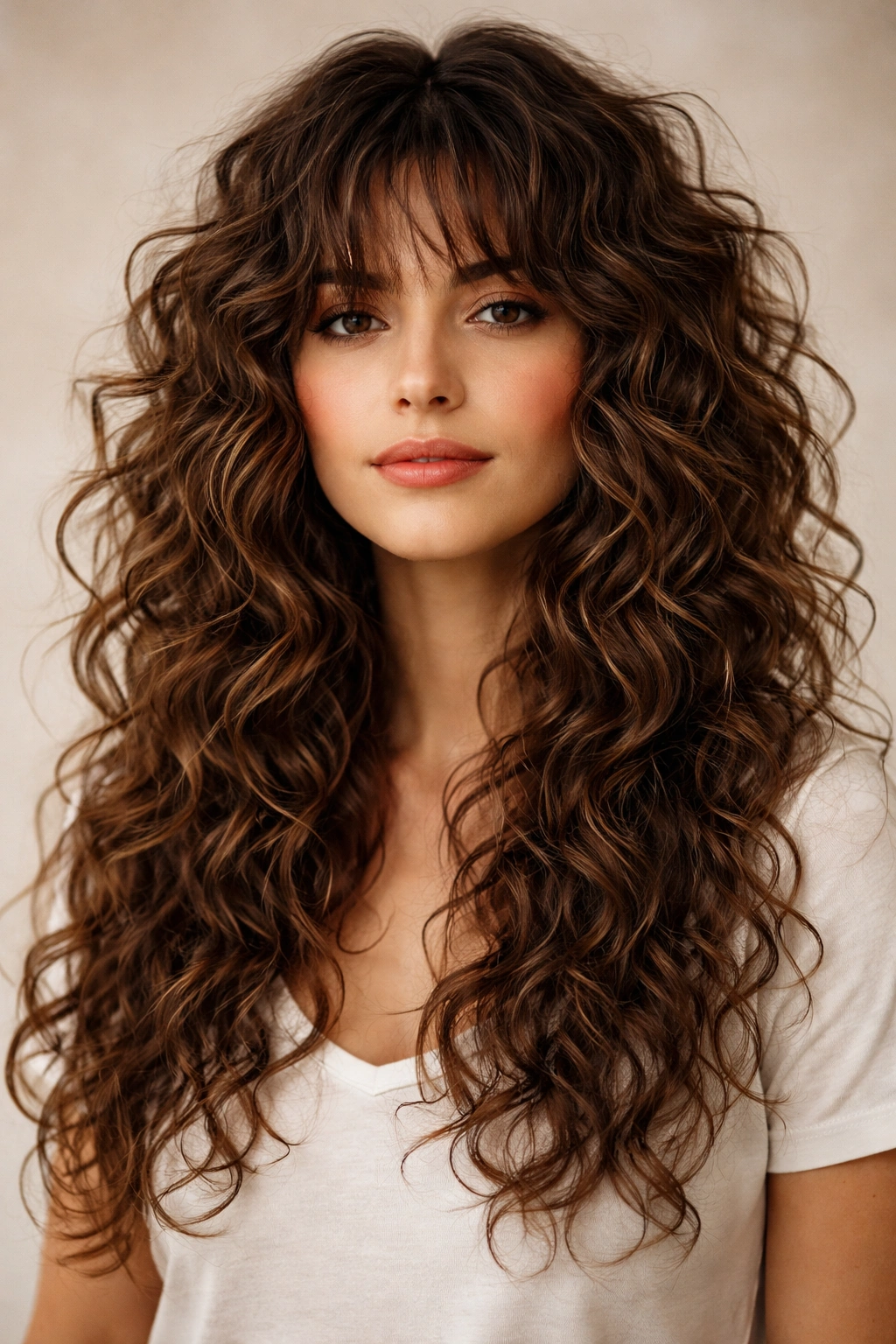
Specifically designed for people with naturally curly or coily hair, the curly shag uses dry-cutting techniques to work with curl patterns rather than against them. Layers are cut to enhance natural curls and create defined curl separation throughout. This cut acknowledges that curly hair has its own movement and texture, so the shag philosophy becomes about enhancing and framing those curls rather than forcing waves into a particular shape.
Honoring Natural Texture
The curly shag is a genuine game-changer for people with natural curls because it validates their texture rather than trying to force it into a wavy mold. The layers are cut in a way that reduces bulk while maintaining length and letting curls do what they naturally want to do. A good curly shag creates clear curl definition, reduces frizz by removing excess weight, and makes styling significantly easier because you’re working with your hair rather than against it.
Curly Hair Styling
- Use curl-defining creams and gels applied to soaking-wet hair
- Praying hands method (applying product between palms and smoothing down hair) helps define curls
- Plopping (wrapping hair in a towel) helps set curl shape
- Air-dry or use a diffuser to avoid disrupting curl formation
- The curly shag actually works beautifully without heat styling
Pro tip: Find a stylist who specializes in curly hair and uses dry-cutting techniques — this is genuinely important for getting a curly shag that actually works with your texture.
11. The Lived-In Shag
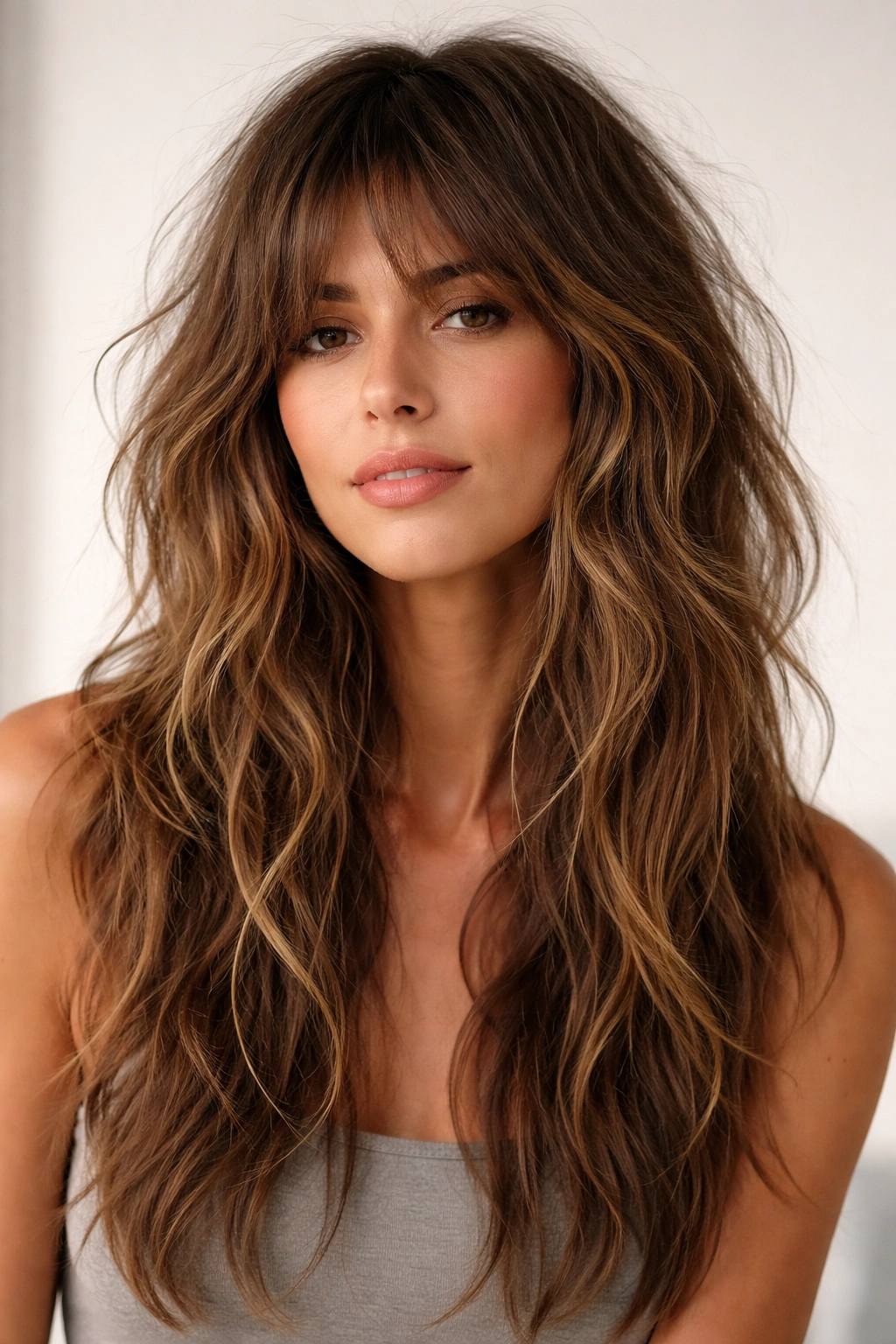
The lived-in shag is built on the principle that the best haircuts look like you’ve been living your best life with them, not like you just walked out of a salon with styling that took an hour to achieve. The layers are cut for an undone, slightly messy aesthetic that somehow still looks intentional and cool. This version works beautifully for people who want sophisticated style without the daily styling commitment.
Low-Effort, High-Impact
The lived-in shag is strategic: the layers are cut in specific places to create movement even when the hair is barely styled, and the overall approach celebrates texture rather than trying to hide it. A few waves from sleep braids or ocean water are literally the point. The cut is designed so that movement happens naturally, without products or tools. This makes it genuinely low-maintenance while still looking thoughtfully styled.
Making It Look Effortlessly Cool
- Actually do less styling — your goal is undone, not polished
- Sleep in braids for natural waves
- Use dry shampoo not just for extending wash days but for texture
- A light spray of texture product is all you need
- The slightly messy quality is intentional, so lean into it
Worth knowing: This cut actually requires styling confidence. You have to be comfortable with hair that doesn’t look perfectly controlled, and that’s not for everyone.
12. The Balayage-Friendly Shag
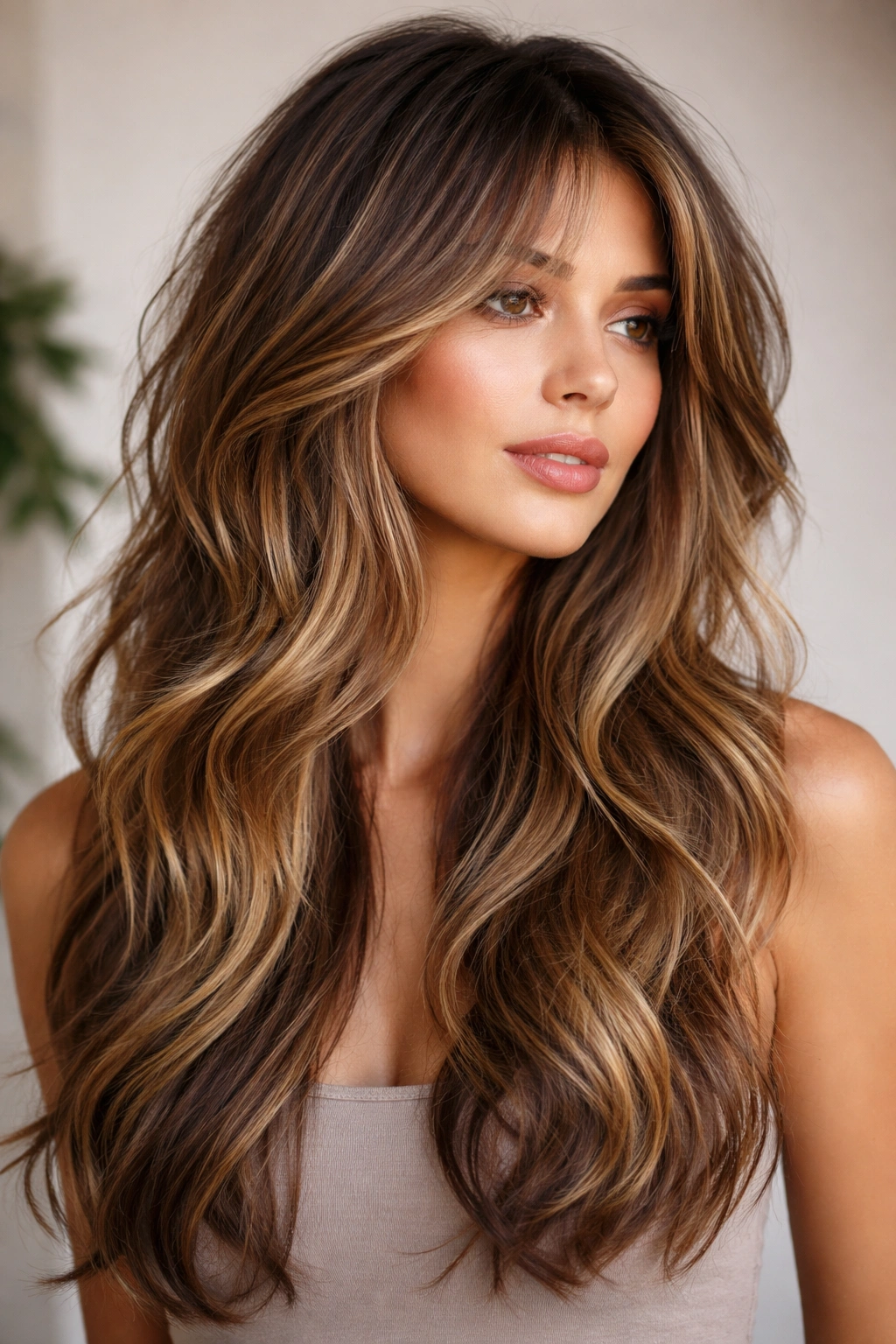
While technically any shag works with color, this version is specifically designed to showcase dimensional color through strategic layering and length distribution. The layers are positioned to create as many color-catchable surfaces as possible, so highlights, balayage, or multi-tonal color creates maximum visual impact. The cut usually maintains substantial length and incorporates varied layer depths to maximize how much color shows.
Layering for Color Impact
The interaction between cut and color is where this style truly shines. Shorter front-facing layers showcase color at the face and frame, longer back layers create dimension as they move, and the overall variation in length means light hits the hair from multiple angles, creating color movement throughout. This is a cut that’s genuinely more beautiful with professional color work, though it certainly works with a solid color too.
Color Considerations
- Balayage or highlights create more visual interest than a solid color, but aren’t required
- Warm-toned colors (honey, caramel, golden) tend to look particularly beautiful with this cut’s movement
- Darker roots with lighter ends create dimensional depth that plays beautifully with the layering
- The varied lengths of the shag mean different colors catch light differently
- Invest in color-safe shampoo and conditioner to maintain vibrancy
Pro tip: Show your stylist your planned color before finalizing the cut shape — sometimes small adjustments to layer placement can make color work even better.
13. The Modern Micro Shag
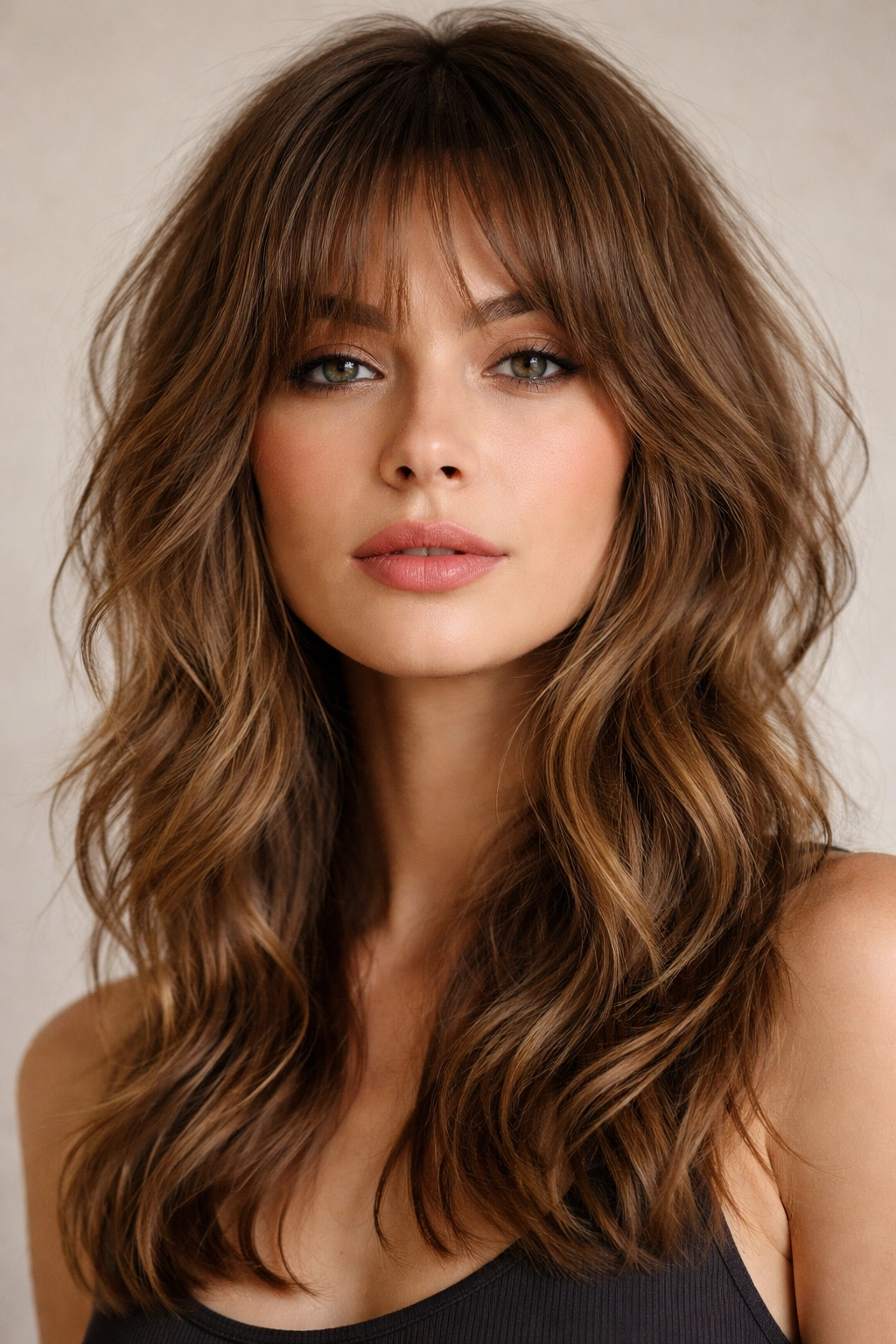
For those who want shag movement and texture but prefer shorter overall length, the modern micro shag delivers. Think shoulder-length or slightly shorter, with all the textured layering of a longer shag but in a more compact, easy-to-manage package. This version maintains all the style benefits while reducing the daily maintenance demands of longer lengths. It’s perfect for people who want the shag aesthetic without the commitment to long hair care.
Shag Benefits in Shorter Length
The modern micro shag proves that you don’t need hip-length hair to achieve shag movement and personality. Shoulder-length or slightly shorter allows for generous layering and texture while being dramatically easier to style, maintain, and care for. The waves and movement are actually easier to style at this length, and the cut looks intentional and polished rather than like you can’t commit to growing your hair out.
Styling Shorter Shag Layers
- Shorter length means less drying time and easier styling overall
- A round brush and blow-dryer create beautiful waves efficiently
- Texturizing products are easier to apply evenly at shorter lengths
- The cut maintains its shape beautifully between trims
- Daily styling is genuinely simple — perfect for busy people who still want impact
Real talk: You can achieve almost as much personality with a shoulder-length shag as a waist-length version, but with significantly less daily maintenance.
Final Thoughts
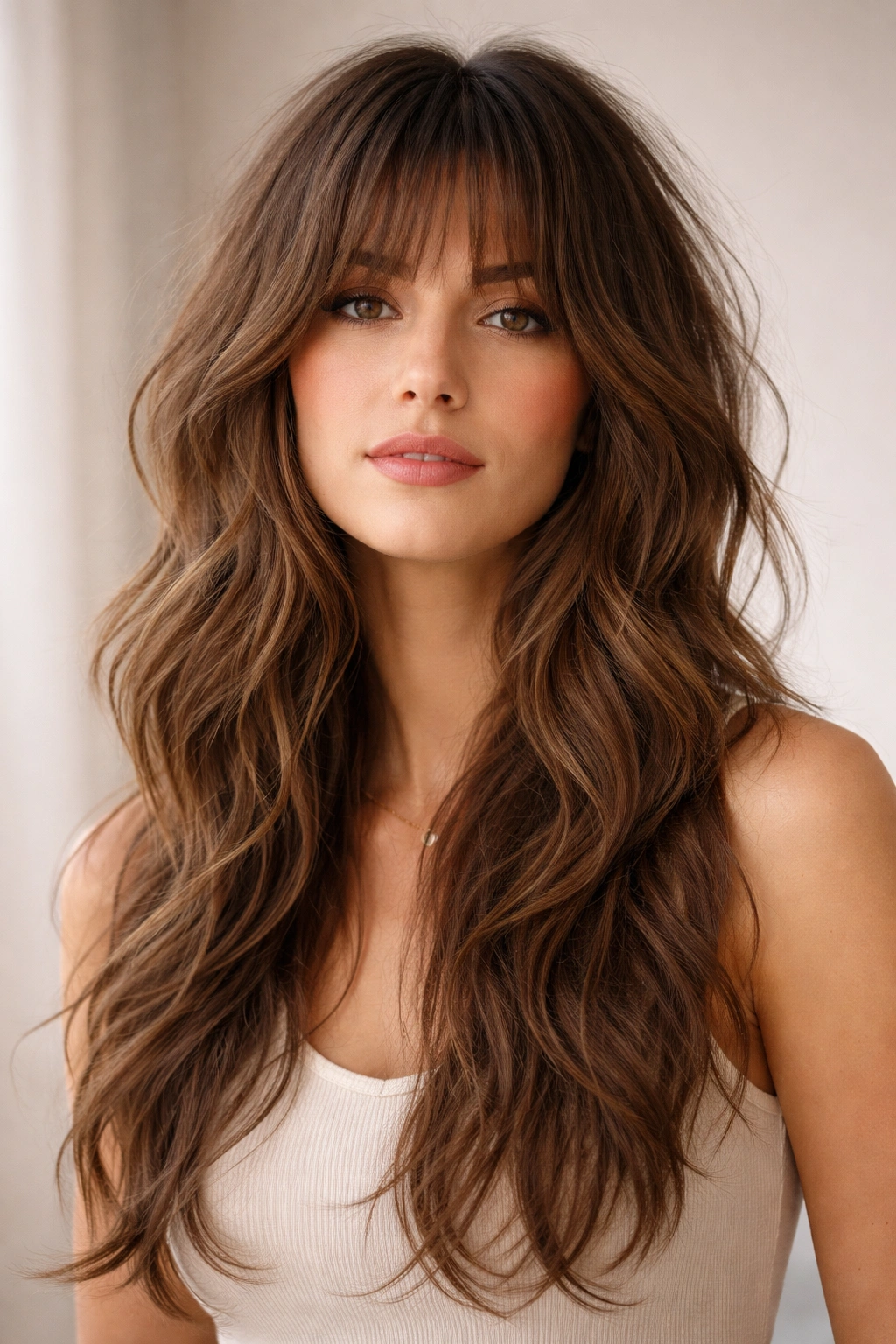
The right long wavy shag haircut is ultimately about understanding what level of styling you’re genuinely willing to do and what aesthetic truly resonates with your personality. The classic textured shag works for almost everyone, but the subtle variations listed here mean there’s a version that matches your specific needs, face shape, hair type, and lifestyle. The shag’s greatest strength is versatility — it works air-dried or styled, with natural waves or enhanced waves, on different hair types, and across every age and gender expression.
Start by showing your stylist photos of the specific version that speaks to you, but also have a honest conversation about your daily routine. A glamorous Hollywood shag requires styling commitment; a lived-in shag requires styling confidence; a curly shag requires the right stylist who understands your texture. Your haircut will serve you best when it’s designed for the life you actually live, not the life you wish you had time for. Once you find your shag, the movement and texture it provides will immediately become your favorite feature.
