



Wavy hair and layers are a match made in heaven—when you get the right combination, your hair practically styles itself. Layers add movement, reduce bulk, and let your natural texture shine through without the flatness that can plague longer wavy hair. The challenge isn’t whether layers work for wavy hair (they absolutely do), but rather finding the right layering technique and cut style that complements your specific wave pattern and face shape.
The beauty of layering wavy hair is that it works with your natural texture instead of against it. Rather than fighting curl patterns with flat-ironing or endless straightening, a well-executed layered cut enhances movement, creates dimension, and gives you styling flexibility. Some layers are subtle and designed to blend seamlessly, while others are choppy and dramatic, creating visual texture and edge. The key is understanding which style will make your waves look their absolute best.
What follows are thirteen of the most flattering wavy layered haircut styles that work for different face shapes, hair densities, and styling preferences. Each has its own personality and maintenance profile, so you’ll find the approach that fits how much styling effort you want to put in and what kind of look you’re going for. Whether you want something effortlessly tousled or deliberately textured, there’s a layered cut here that will work beautifully with your waves.
1. The Modern Shag
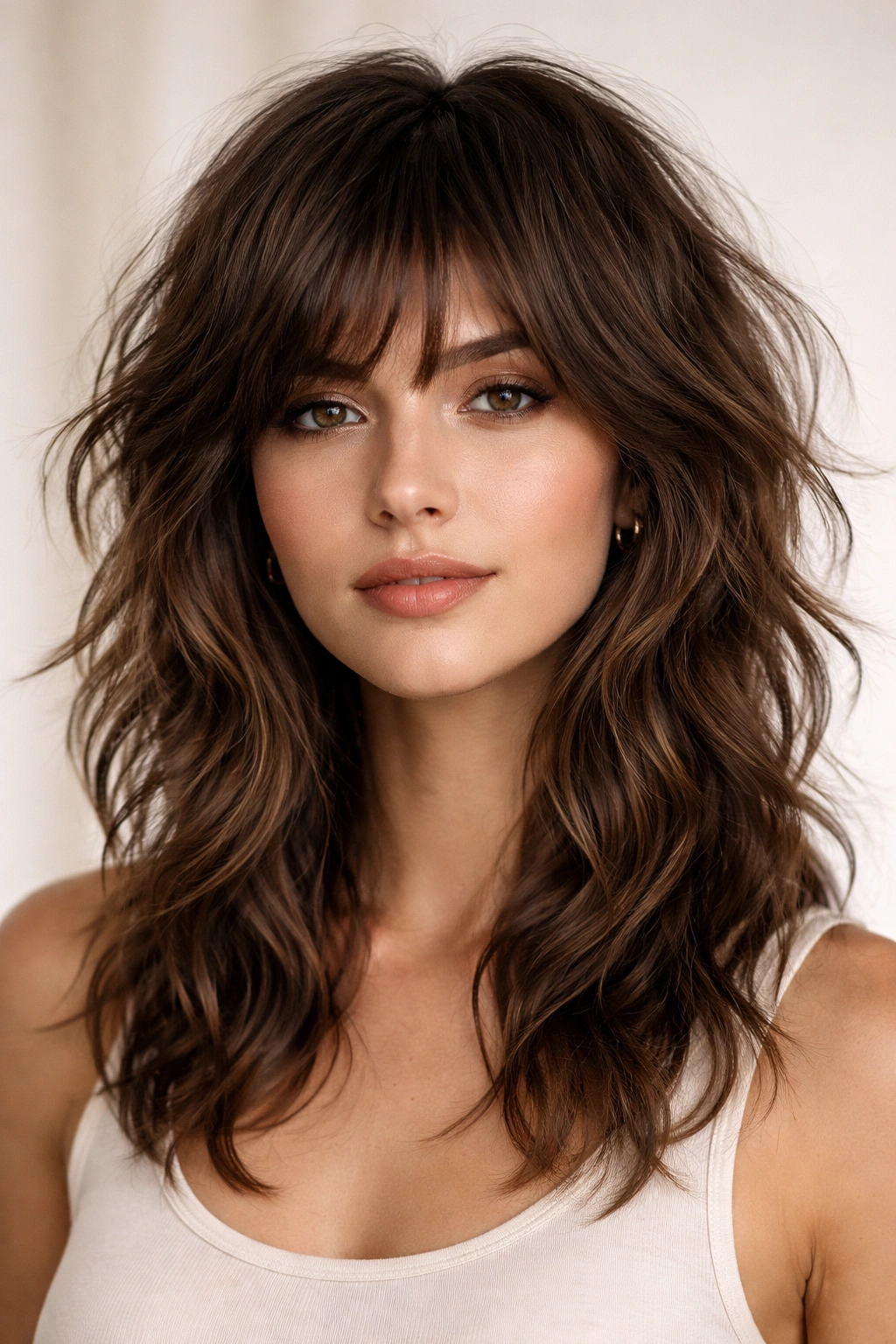
A shag is experiencing a major resurgence, and for good reason—it’s tailor-made for wavy hair. This cut features shorter layers throughout, creating movement from roots to ends, with longer pieces typically left around the face. The beauty of a modern shag is that it gives you texture and volume without looking dated, especially when the layers are cut in a way that flows with your natural wave pattern rather than fighting against it.
Why It Works for Wavy Hair
Shags thrive on texture, making wavy hair the perfect canvas. The choppy layers work with your waves instead of trying to tame them, and the cut naturally encourages movement and dimension. Your waves will look fuller and bouncier because each layer has its own defined line, breaking up any heaviness and allowing light to reflect differently throughout your hair.
How to Style It
The best part about a modern shag is that you can wash-and-go it if you want. Let your waves air dry for a relaxed, undone look, or use a diffuser attachment on your blow dryer to enhance your natural texture. A light texturizing spray or sea salt spray adds grip and definition without needing products that weigh you down. Finger-comb it for a tousled finish—this cut looks better when it’s not perfect.
Who It Suits
Shags work beautifully on fine to medium wavy hair and face shapes that benefit from face-framing pieces. If you have a longer or rounder face, the shorter pieces around the face create balance. If your hair is very thick and dense, make sure your stylist texturizes or point-cuts the layers to prevent them from looking too choppy or overwhelming.
Maintenance Tips
Visit your stylist every 6-8 weeks to maintain the shape and keep the layers looking crisp and intentional rather than scraggly. Between appointments, keep your ends healthy with regular conditioning to prevent the choppy layers from looking frayed. A texturizing shear trim at the 6-week mark keeps things looking fresh without needing a full cut.
2. The Shoulder-Length Choppy Layers
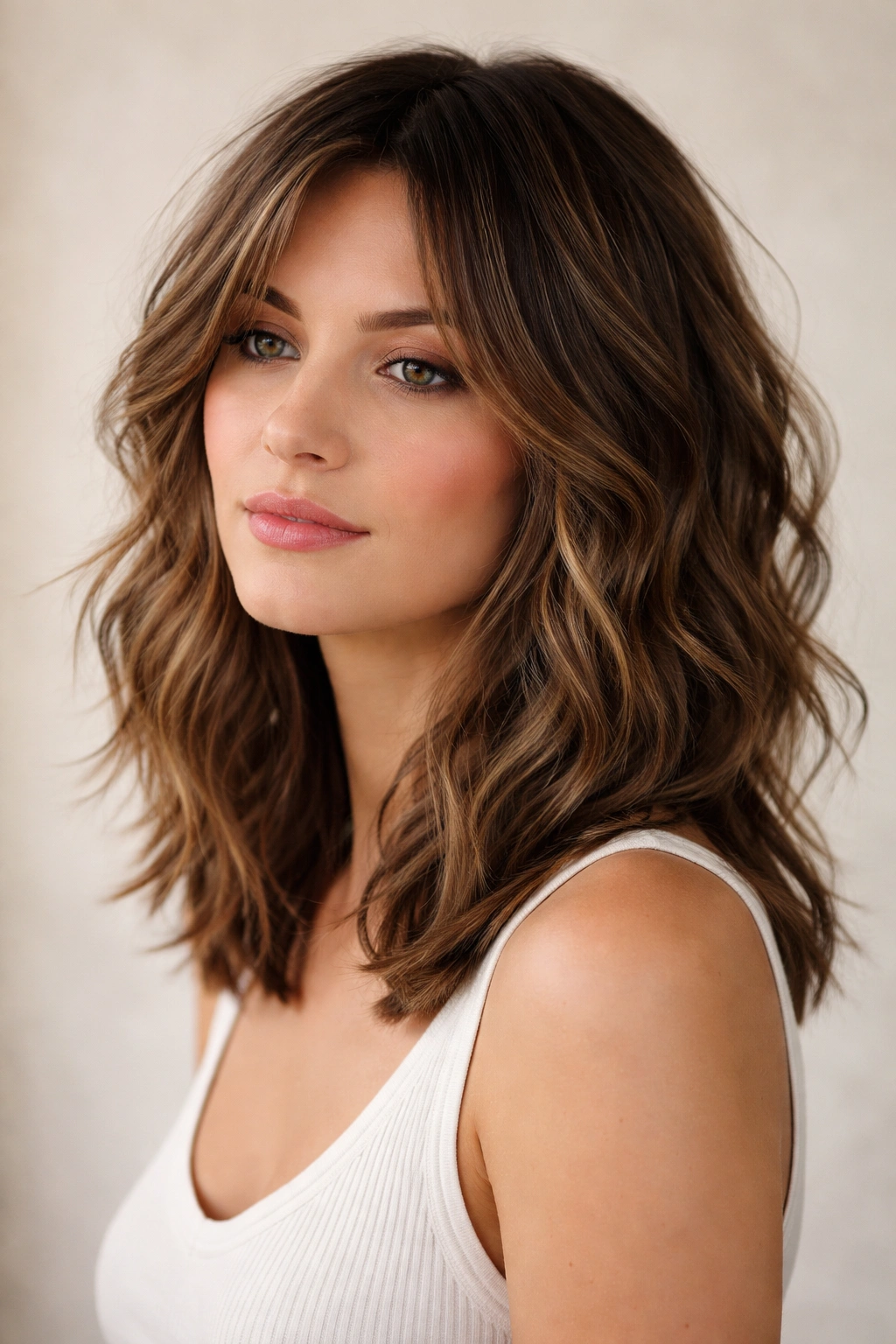
This cut keeps most of your length while adding choppy layers throughout for movement and texture. The layers are typically more subtle on the bottom, becoming progressively shorter and choppier toward the crown, creating dimension without drastically shortening your hair. It’s the perfect middle ground between keeping your length and gaining the textural benefits of layers.
Why It Works for Wavy Hair
Choppy layers break up the weight in wavy hair, allowing your waves to spiral and curve more freely. The varied lengths mean some strands fall while others catch light, creating natural dimension and volume that makes your waves look more defined. You get the styling versatility of layers without losing significant length.
How to Style It
Blow-dry with a round brush for polished waves, or let it air dry for a more relaxed texture. Apply a wave-enhancing product to damp hair before drying to maximize your natural pattern. This length and layer style looks great both sleek and tousled—you have options depending on your mood and the occasion.
Who It Suits
This cut works on most face shapes and hair densities. It’s particularly flattering on oval and heart-shaped faces. If you have very fine hair, make sure the layers aren’t too choppy or they’ll thin out your ends; work with your stylist to keep slightly more texture while maintaining density.
Maintenance Tips
This cut needs trimming every 8-10 weeks to keep the choppy layers from looking grown out and overgrown. The beauty of this length is that small styling tweaks can make it look completely different—learn how to work a curling iron or flat iron to get more defined waves if you want to switch up your look without a cut.
3. The Long Textured Layers
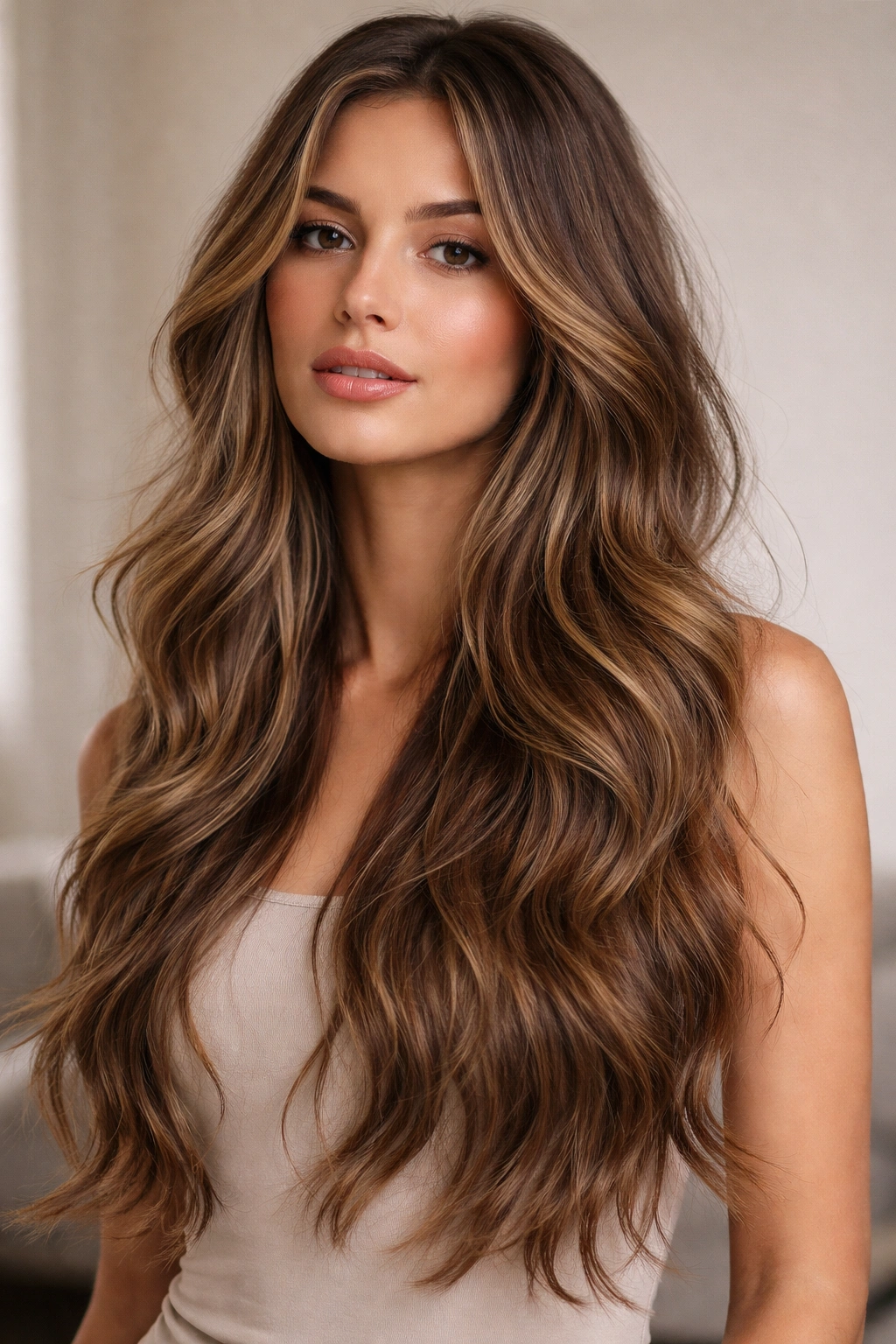
If you want to keep your length but add movement, long textured layers are your answer. The layers start further down, closer to mid-length, and are more subtle than a choppy cut. This approach maintains the length that makes wavy hair beautiful while introducing enough texture and layering to prevent it from looking one-dimensional or heavy.
Why It Works for Wavy Hair
Long layers work with wavy hair by creating staggered lengths that cascade naturally. Your waves will movement even more dimension with each layer, and the extra length means you’re not sacrificing the luxurious feeling of longer hair. The layers prevent the blunt look that longer wavy hair can sometimes have, without taking away significant length.
How to Style It
This cut benefits from intentional styling. Use a diffuser or large-barrel curling iron to enhance your waves, and apply a wave cream or light gel to enhance definition. The longer length means you can wear it sleek with a flat iron for a completely different vibe, or embrace your waves for texture. You get real versatility with this cut.
Who It Suits
Long textured layers work beautifully on thick, wavy hair. If your hair is on the finer side, the longer length might feel heavy, so discuss with your stylist how many layers you need to create movement without thinning out your ends. Longer faces look great with this length, and the face-framing aspect of the layers flatters most shapes.
Maintenance Tips
Plan for trims every 10-12 weeks, since longer layers need maintenance to stay shaped rather than wispy and scraggly. Use a sulfate-free shampoo and deep condition regularly to keep the ends healthy and bouncy. Sleeping on a silk pillowcase helps preserve your waves and prevents friction that can disrupt your curl pattern overnight.
4. The Face-Framing Layers
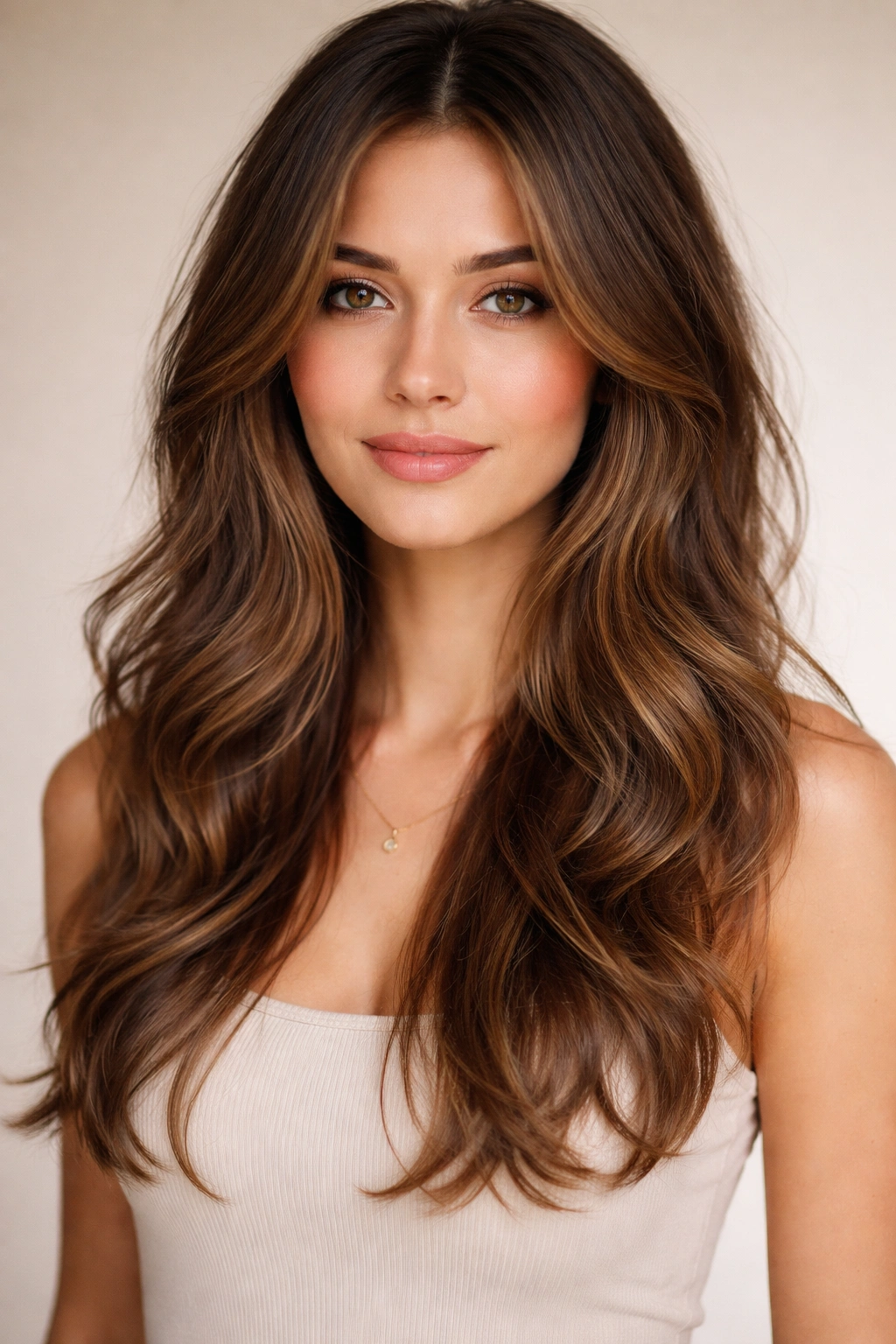
This style keeps most of your length intact while adding shorter, intentional layers just around the face. These pieces create softness and frame your features beautifully, drawing attention to your face while the bulk of your hair maintains its length. It’s a subtle approach to layering that adds elegance and dimension without a complete overhaul.
Why It Works for Wavy Hair
Face-framing layers are specifically designed to showcase your features, and they work beautifully with wavy texture. The shorter pieces around your face curl and move differently than the rest of your hair, creating a beautiful cascade of texture that draws eyes to your face. Your waves will look more intentional and styled even when you’re doing minimal styling.
How to Style It
This cut looks great with minimal effort. Scrunch in a curl-enhancing cream to damp hair, diffuse dry, and you’re done. You can also wrap sections around a curling iron for more defined waves, or let it air dry for a more relaxed look. The face-framing pieces naturally catch and define beautifully without needing anything special.
Who It Suits
Face-framing layers are universally flattering and work on every face shape. They’re especially beautiful on round or square faces, where the layers help elongate and soften features. They work on all hair densities, though if you have very thick hair, make sure the stylist texturizes the face-framing pieces so they don’t look too blunt.
Maintenance Tips
These layers stay looking fresh-cut for longer than other styles since they’re less dramatic. Get them trimmed every 10-12 weeks to maintain the intentional placement and prevent them from growing into the rest of your hair. A quick dry trim between appointments at the 6-week mark keeps them looking sharp without removing significant length from the rest of your hair.
5. The Piece-y Bob
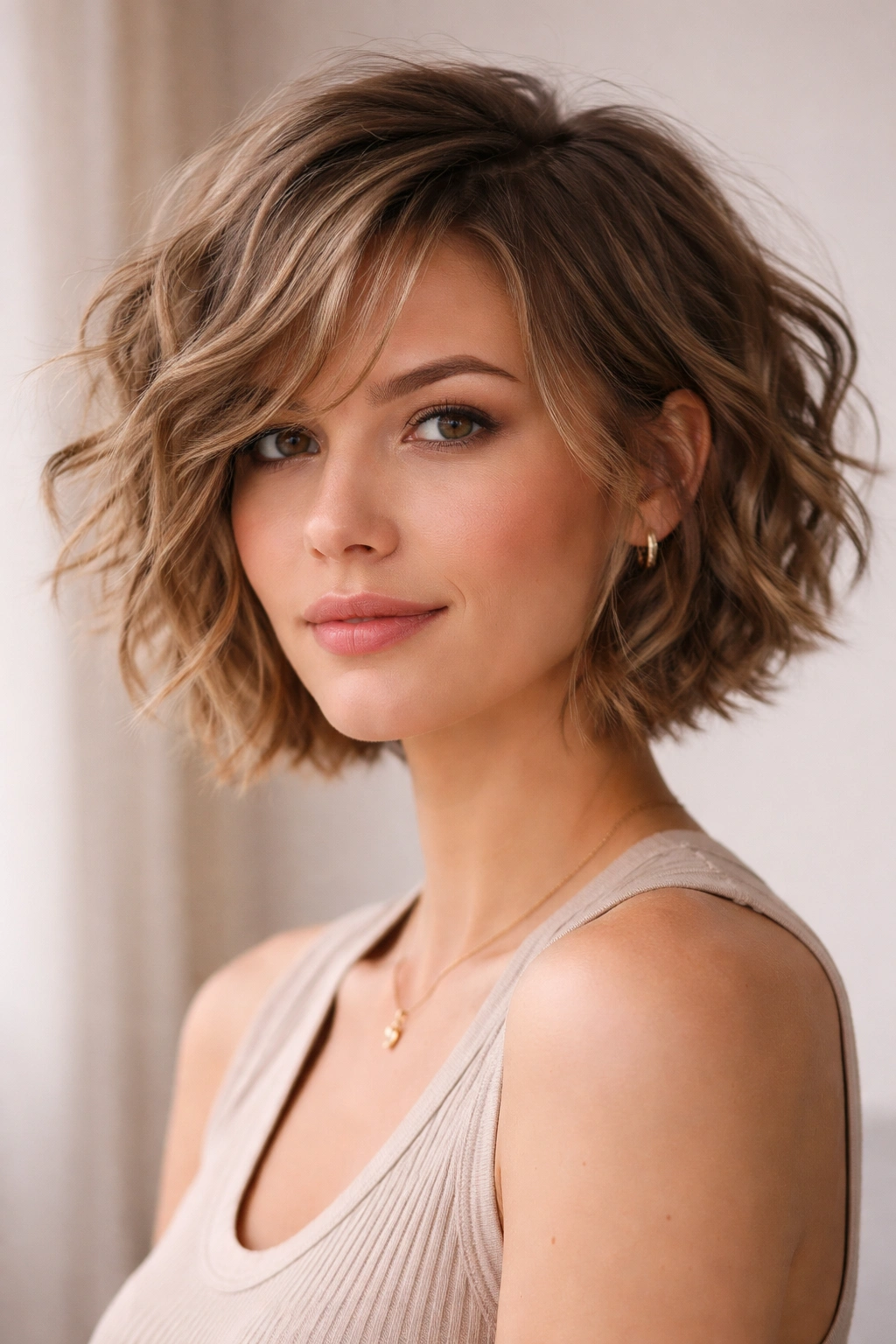
A layered bob cut into choppy, piece-y pieces is incredibly flattering on wavy hair. The layers create movement throughout the cut, preventing the bob from looking blunt or heavy, while the length is short enough that it’s easy to manage. Each piece of hair has definition, creating a tousled, put-together look that suits wavy texture perfectly.
Why It Works for Wavy Hair
Wavy hair and bobs can be tricky, but piece-y layers solve this problem entirely. The choppy layers encourage your natural waves to curl and separate rather than clumping together, and the shorter length means your waves have more shape and definition. This cut celebrates your texture rather than trying to smooth it away.
How to Style It
This cut is incredibly forgiving. Wash and diffuse-dry for a textured, undone look, or blow-dry with a round brush for more polished waves. A texturizing spray adds grip and definition, making the piece-y layers even more pronounced. You can also use a curling iron on individual pieces to create more defined waves if you want something polished.
Who It Suits
A piece-y bob works best on faces that aren’t extremely round, as the shorter length can emphasize roundness. Oval, heart-shaped, and square faces look beautiful in this cut. If you have a round face, ask your stylist to keep slightly more length, or request longer pieces in front to balance your features.
Maintenance Tips
Plan for trims every 6-8 weeks to keep the piece-y texture looking intentional and sculpted rather than grown out and messy. Condition regularly since shorter layers can show damage more readily than longer hair. This cut requires a skilled stylist who understands how to layer for texture while maintaining balance, so invest in someone who specializes in wavy cuts.
6. The Heavily Layered Wolf Cut
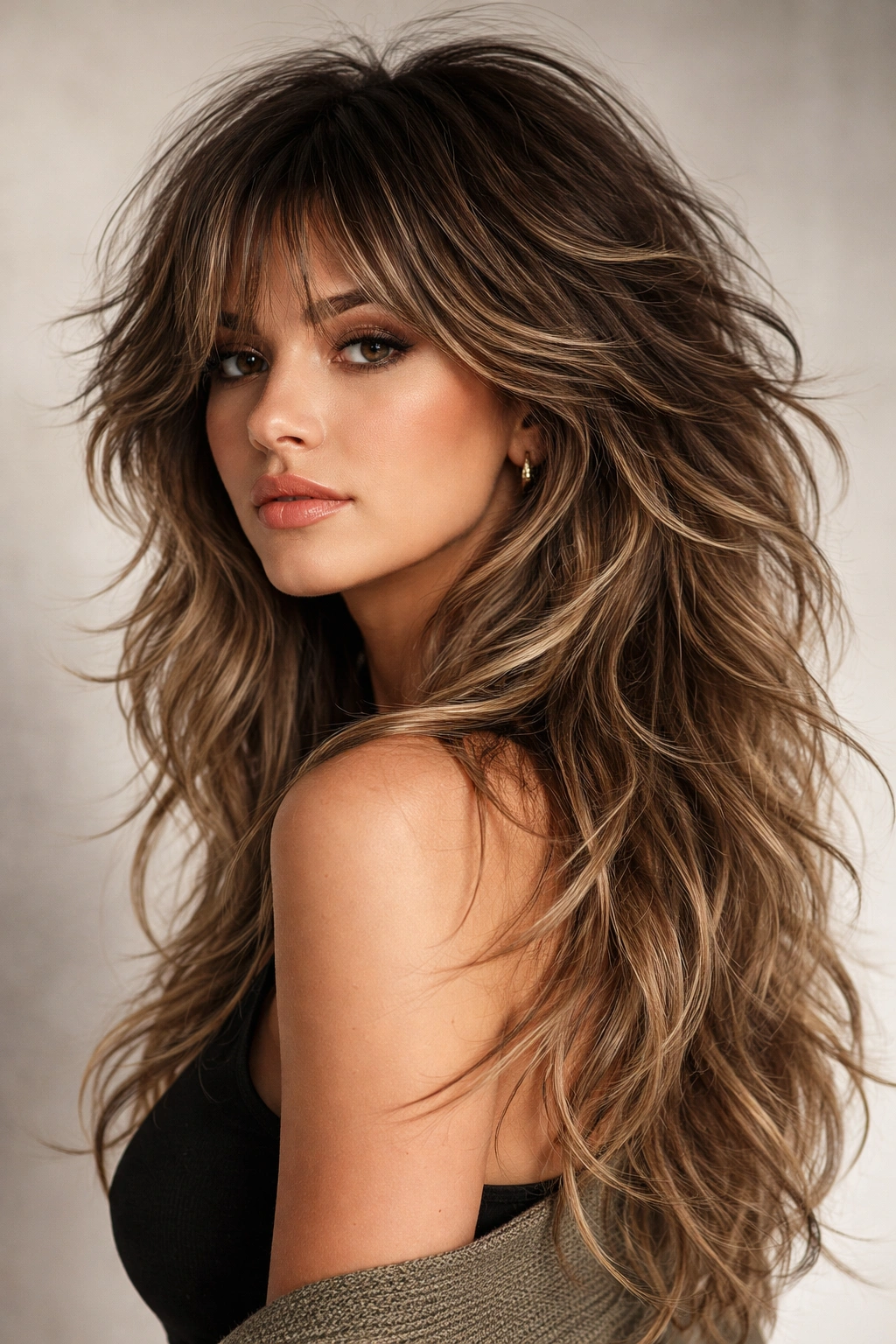
A wolf cut combines the choppy, textured nature of a shag with the length of a longer haircut. The layers are heavily concentrated at the crown and around the face, creating major volume and movement, while the bottom remains longer and heavier. It’s edgy and modern, and wavy hair makes it look absolutely stunning.
Why It Works for Wavy Hair
Wolf cuts are essentially built for textured hair—they’re designed to work with natural texture rather than against it. The heavy layering creates so much movement that even slight waves look dramatic and intentional. Your hair will have incredible volume and dimension, and you’ll never worry about it looking flat or one-note.
How to Style It
A wolf cut gives you tons of styling options. Air dry for a relaxed, tousled look with maximum texture, or blow-dry with a diffuser for defined waves. You can straighten sections with a flat iron for an edge-and-texture vibe, or curl everything for a more polished look. This cut is endlessly versatile.
Who It Suits
Wolf cuts look stunning on people who want an edgy, fashion-forward aesthetic. They work on most face shapes, but are particularly flattering on oval and heart-shaped faces. If you have a round face, the layers help balance your proportions. This cut requires confidence and a willingness to embrace texture—it’s not for someone wanting a sleek, minimal look.
Maintenance Tips
Wolf cuts need trims every 6-8 weeks to keep the layer lines sharp and intentional. Condition heavily since you have so much texture and shorter pieces exposed. Regular trims prevent the cut from looking scraggly as it grows out. Work with a stylist experienced in wolf cuts—the layering pattern is specific and makes a huge difference in how the cut looks.
7. The Soft Balayage with Subtle Layers
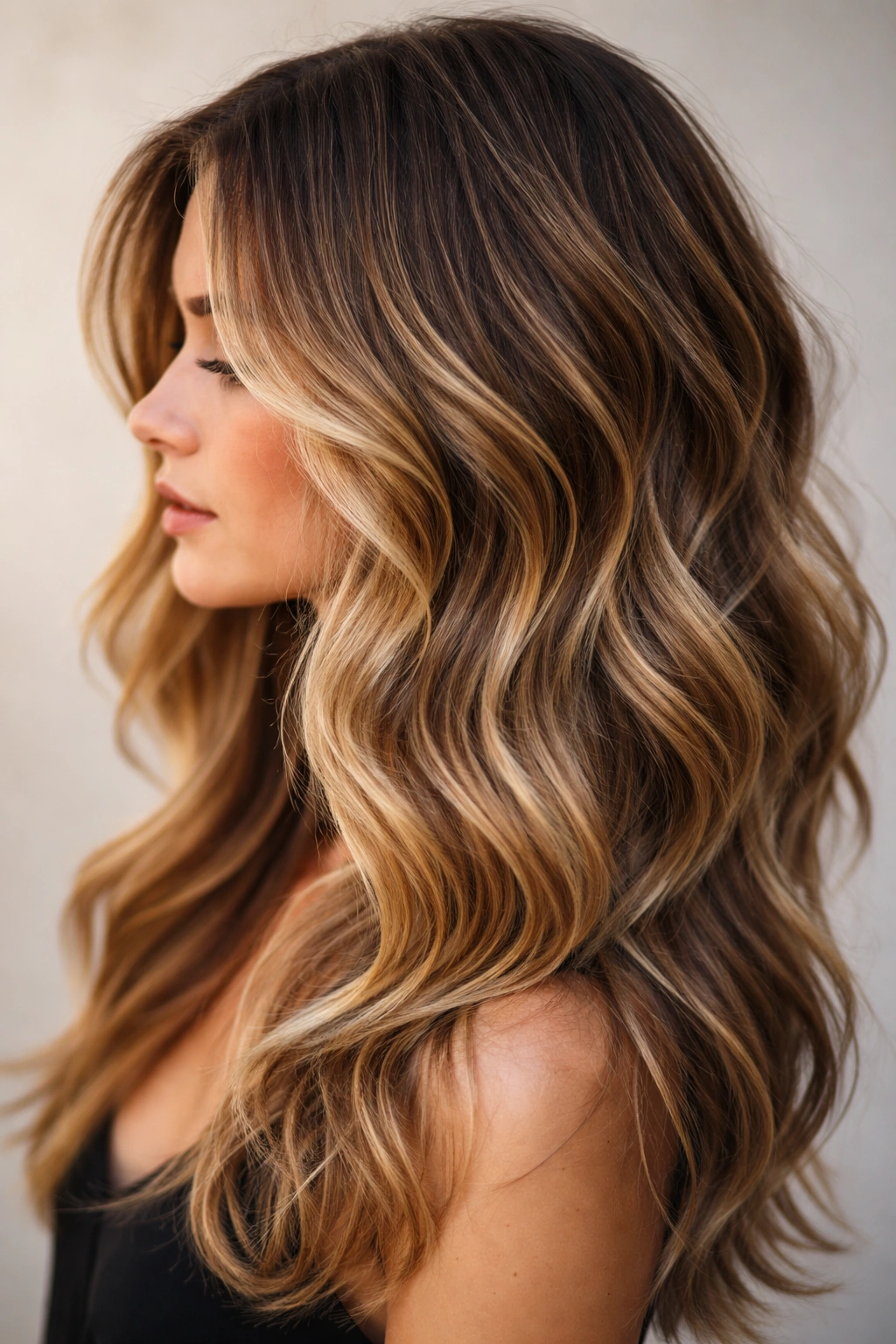
While technically a color technique, balayage paired with subtle layers creates a beautiful, effortless look that enhances wavy texture. The combination of color dimension and strategic layering creates the illusion of movement and light-reflection, making your waves look even more dynamic and multidimensional than the cut alone could achieve.
Why It Works for Wavy Hair
Balayage creates natural highlights and shadows that make wavy hair look like it’s catching light from different angles. When paired with subtle layers, the color variation makes each layer distinct and visually separated. Your waves look fuller, more dimensional, and require minimal styling to look intentional and beautiful.
How to Style It
This combination is perfect for low-maintenance styling. Let your waves air dry and they’ll look naturally tousled and highlighted. Apply a curl-enhancing cream for more definition, or blow-dry with a diffuser for polished waves. The color does so much work that you don’t need heavy styling to make the cut look expensive and intentional.
Who It Suits
Soft balayage with subtle layers works on virtually every face shape and hair color. Lighter, warmer tones make wavy hair look sun-kissed and beachy, while richer, darker tones add sophistication. The key is choosing a color palette that complements your skin tone and makes your eyes pop.
Maintenance Tips
Plan for color touch-ups every 6-8 weeks, and trim every 8-10 weeks. This combination requires investment, but the payoff is a haircut that looks expensive and intentional with minimal effort. Use color-safe shampoo and conditioner to maintain vibrancy, and consider a purple-toning shampoo if you have lighter balayage to keep it from getting brassy.
8. The Layered Mullet (Modern Version)
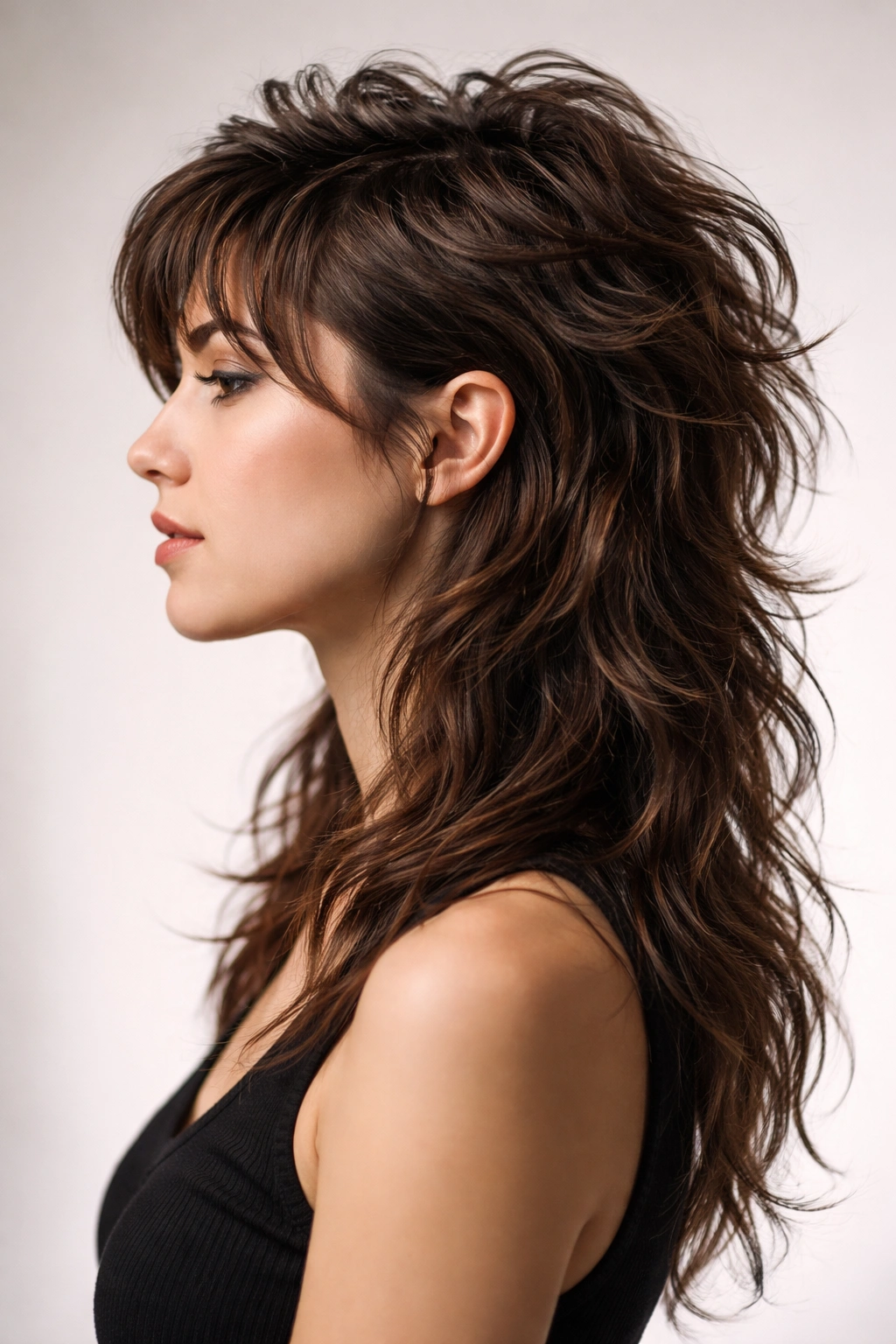
Yes, mullets are back—but they’re nothing like the mullets of the ’80s. A modern layered mullet features shorter, textured layers throughout the crown and face, with longer lengths in the back. On wavy hair, this creates an interesting contrast between textured, face-framing pieces and longer waves in the back, giving you edge and movement in one cut.
Why It Works for Wavy Hair
A layered mullet on wavy hair is fashion-forward and dynamic. The choppy layers on top create incredible texture and volume, while the longer back lets your waves flow and move freely. The contrast between the two lengths is what makes this work—it’s unexpected and visually interesting.
How to Style It
Blow-dry the top layers with a blow dryer and brush to maximize texture and volume, then let the back air dry or diffuse dry to bring out your waves. You can curl everything with a curling iron for a more polished version, or keep it tousled and undone for a grunge aesthetic. The versatility is part of the appeal.
Who It Suits
This cut is bold and works best on confident people who want to make a statement. It suits most face shapes, but particularly flatters oval and oblong faces. This isn’t a subtle cut, so it’s best for people who want their hair to be a focal point of their look.
Maintenance Tips
Trims every 6-8 weeks keep the short layers looking intentional and the back length maintained. The top layers will grow faster than the back, so plan on more frequent trims to the crown to maintain the proportion. This cut shows growth quickly, so don’t let too much time pass between appointments or the contrast will blur.
9. The Curtain Bangs with Flowing Layers
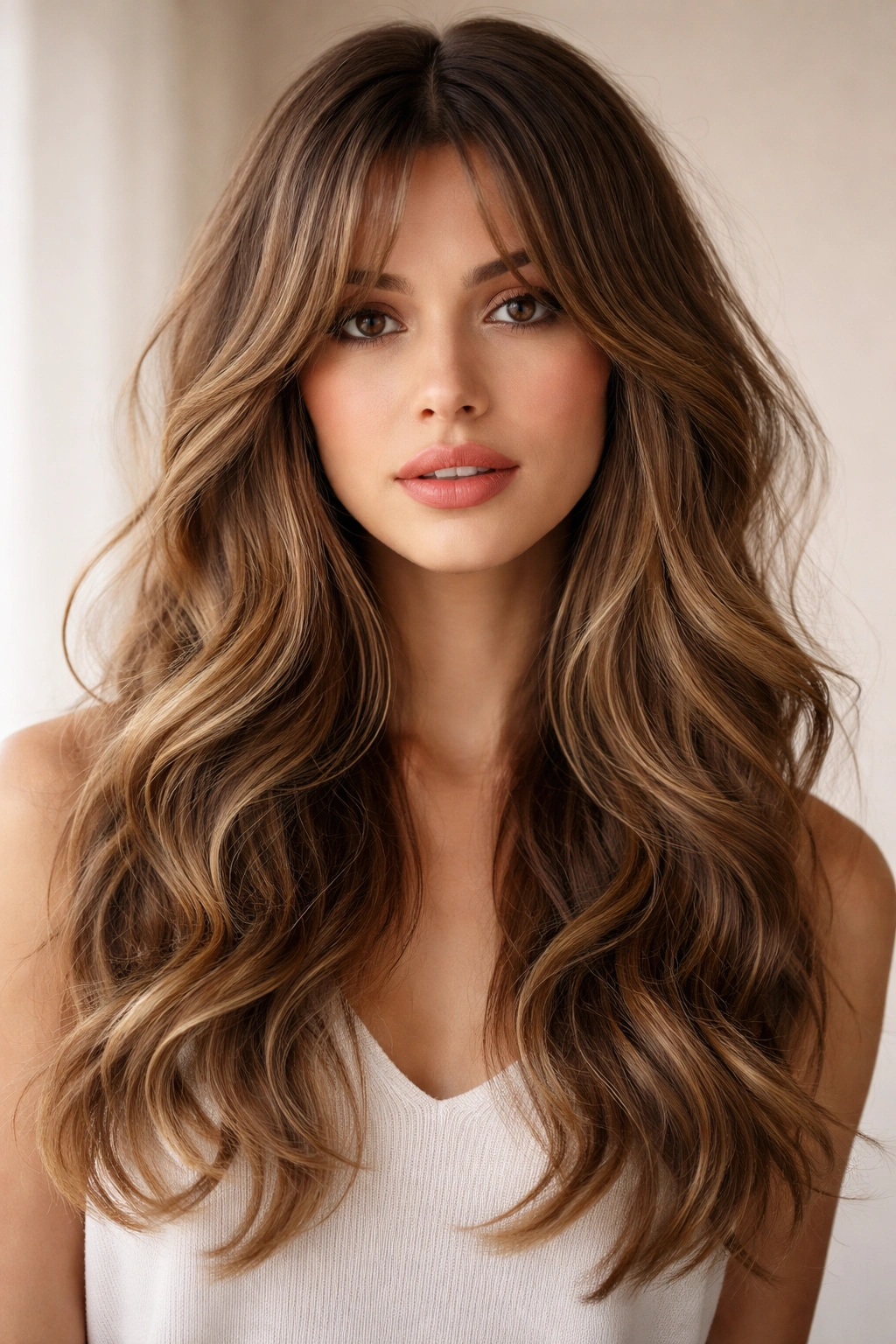
Curtain bangs paired with flowing layers throughout create a soft, romantic look that works beautifully with waves. The bangs frame your face while the layers throughout your hair create seamless movement from root to tip. It’s a timeless style that flatters most people and pairs perfectly with wavy texture.
Why It Works for Wavy Hair
Curtain bangs are essentially two shorter pieces that frame your face and curl naturally with your waves. Paired with flowing layers throughout, you get a cohesive look where every piece of hair moves and catches light. Your waves look intentional and soft without needing heavy layering or choppy texture.
How to Style It
This style is gorgeous air-dried. Apply a curl cream to damp hair, scrunch gently, and let it dry naturally—the waves will frame your face beautifully. If you want more definition, use a diffuser while blow-drying. You can also wrap sections around a large-barrel curling iron for more polished, defined waves. This cut is forgiving and looks great multiple ways.
Who It Suits
Curtain bangs suit almost everyone, but they’re particularly flattering if you have a longer face or high forehead. The bangs balance these features beautifully. The flowing layers work on all hair densities and face shapes, making this one of the most universally wearable layered cuts.
Maintenance Tips
Trim bangs every 4-6 weeks since they need more frequent maintenance than the rest of your hair. Trim the full cut every 8-10 weeks to maintain the flowing quality of the layers. Curtain bangs work well for people who want a well-maintained look—if you’re not willing to trim regularly, this might not be the cut for you.
10. The Textured Pixie to Longer Layers
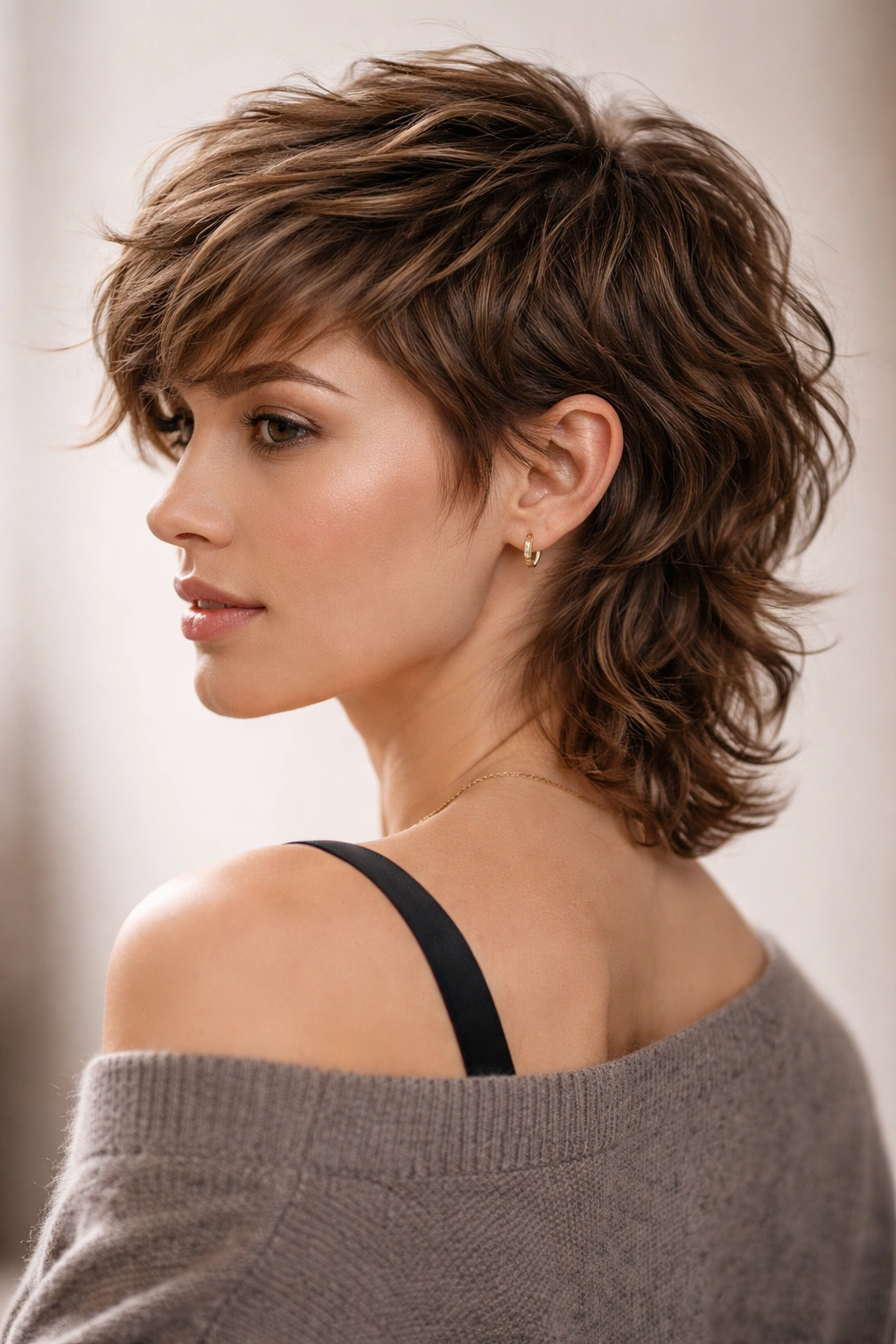
This cut starts shorter and choppy at the crown before transitioning into longer layers toward the back and sides. It’s bold but wearable, and on wavy hair it creates incredible texture and movement. You get the edginess of a short cut without committing to full shortness, since the longer layers give you options for styling and a softer silhouette.
Why It Works for Wavy Hair
Waves thrive with varying lengths, and this cut provides maximum variation. The shorter, textured crown creates volume and the illusion of fuller hair, while the longer layers provide options for styling and length. Your waves will look incredibly three-dimensional and dynamic.
How to Style It
This is where you can really play with your styling. Blow-dry everything for volume and texture, diffuse for defined waves, or flat-iron pieces for a sleek-and-textured vibe. The longer layers can be worn down for a soft look, or styled back to showcase the textured short layers on top. Versatility is the major advantage of this cut.
Who It Suits
This cut works best on people who want an edgy, modern aesthetic and are comfortable with a bit of styling effort. It flatters oval and heart-shaped faces particularly well. If you have a round face, the shorter, textured crown actually helps balance your proportions beautifully.
Maintenance Tips
Plan for trims every 6-8 weeks—more frequently than a full-length cut, since the shorter layers need maintenance to stay sculpted and intentional. This cut grows out noticeably, so don’t let too much time pass between appointments. Condition heavily to keep the shorter pieces healthy and prevent them from looking dry or wispy.
11. The Subtle V-Shaped Layers
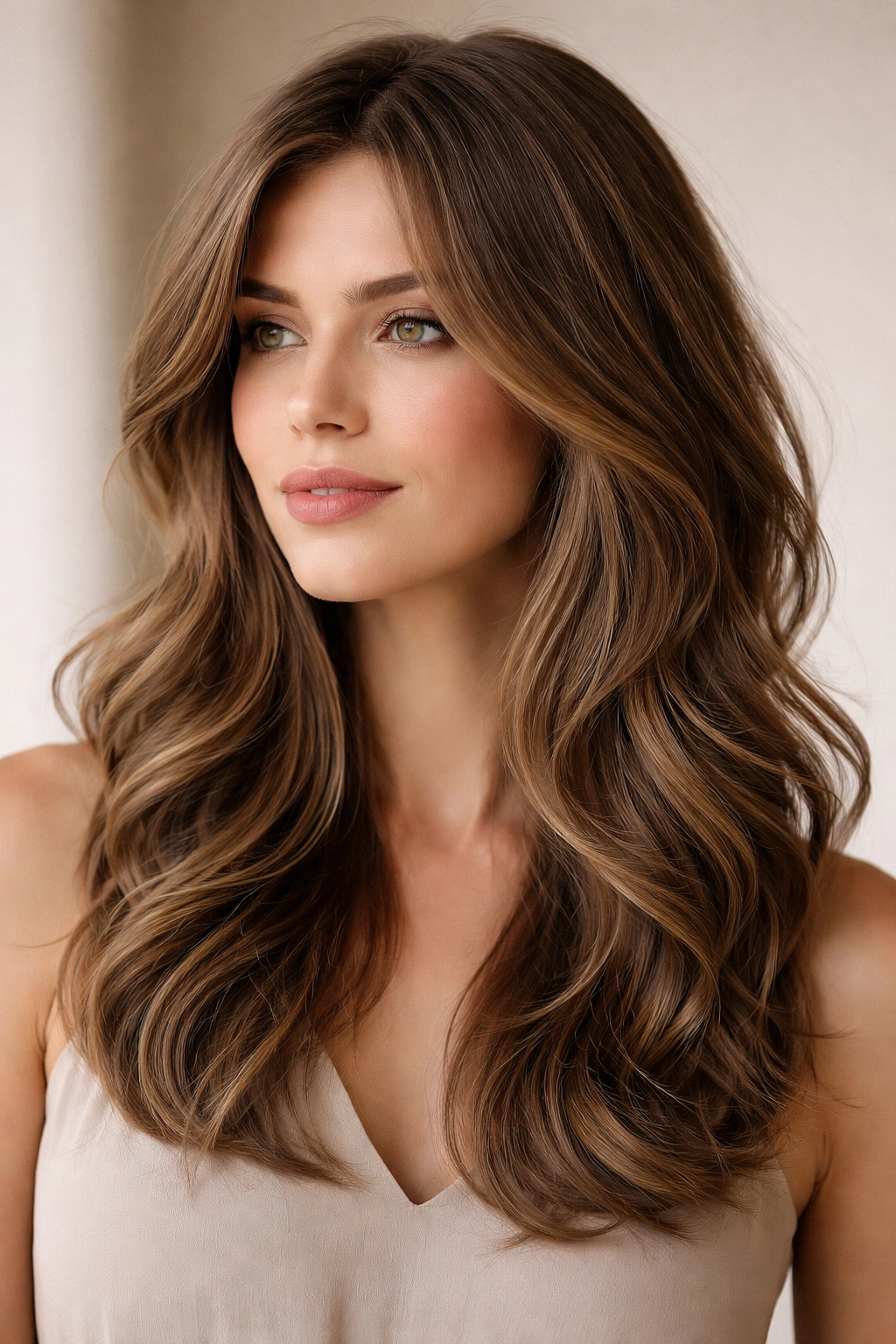
Instead of layers throughout the entire head, V-shaped layering creates layers that progressively get shorter toward the front, ending in a point at the collarbone or chin. This creates a flattering frame around your face while maintaining more length and density in the back. It’s a sophisticated approach to layering that doesn’t look choppy or obvious.
Why It Works for Wavy Hair
V-shaped layers guide your waves to frame your face beautifully, and the longer density in the back prevents your hair from looking thin or sparse. Your waves have clear direction and movement without the dramatic choppiness of other layered cuts. It’s elegant and polished.
How to Style It
Blow-dry with a round brush for sleek waves, or diffuse-dry for textured waves. The V-shape means your natural wave pattern will emphasize the layers without needing heavy styling. A light wave cream or sea salt spray enhances definition without weighing your hair down. This cut looks beautiful both polished and tousled.
Who It Suits
V-shaped layers are incredibly flattering on most face shapes, especially square and round faces where they help elongate and soften features. They work on all hair densities, though if your hair is very fine, keep the layers more subtle so you don’t lose density at the front.
Maintenance Tips
Trim every 10-12 weeks to maintain the V-shape as your hair grows. The beauty of this layering technique is that it’s less obvious when it grows out, so you have some flexibility with timing. Regular conditioning keeps the longer back layers healthy and bouncy.
12. The Choppy Layered Lob
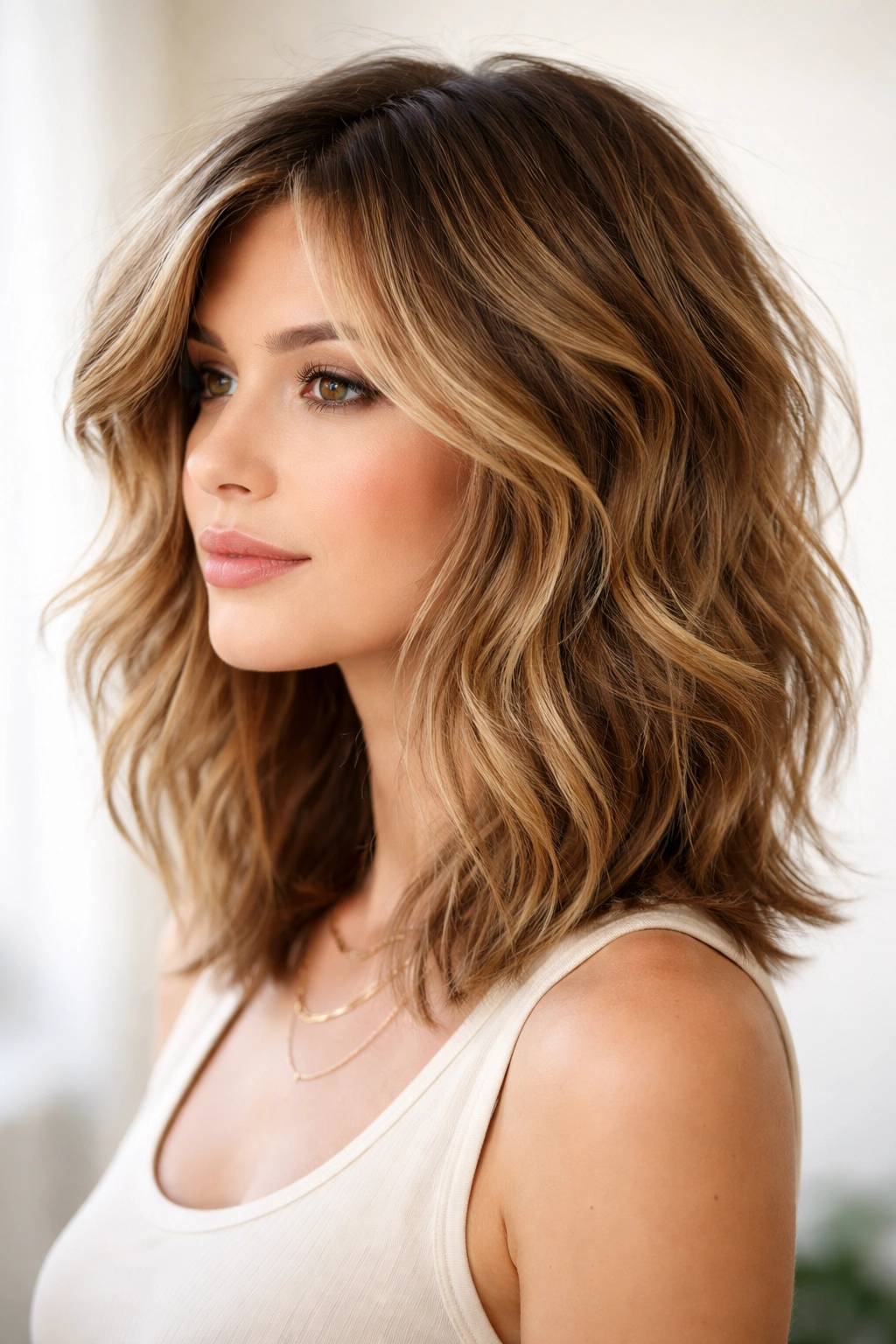
A lob (long bob) with choppy layers combines the length you love with textured, piece-y layers that create movement without a dramatic cut. The choppy layers are most concentrated toward the face and crown, fading into longer, denser pieces toward the bottom. It’s the perfect middle ground for someone who wants layers without a full commitment to a short cut.
Why It Works for Wavy Hair
Choppy layers in a lob create dimension and movement while maintaining the sophistication of longer length. Your waves will look fuller and more textured throughout, with extra definition and bounce. The lob length is long enough to feel elegant but short enough that the layers actually create visible movement and shape.
How to Style It
This cut looks great with minimal styling. Air dry for relaxed waves, or blow-dry with a diffuser for more defined texture. Apply a curl-enhancing product to damp hair for extra wave definition. You can also curl sections with a larger-barrel curling iron for more polished waves, or straighten pieces for an edge-and-texture vibe.
Who It Suits
The lob length is incredibly flattering on most face shapes. Choppy layers work well on people who want modern, textured style without the edginess of a full shag or pixie. If you have fine hair, make sure your stylist doesn’t make the layers too choppy or they might look thin—request slightly more blended layers.
Maintenance Tips
Trim every 8-10 weeks to maintain the choppy texture and keep the shape looking intentional. The lob length means less frequent trims than shorter cuts, but more frequent than long straight hair. Condition regularly to keep the choppy layers from looking frayed or dry at the ends.
13. The Layered High-Low (Short Front, Long Back)
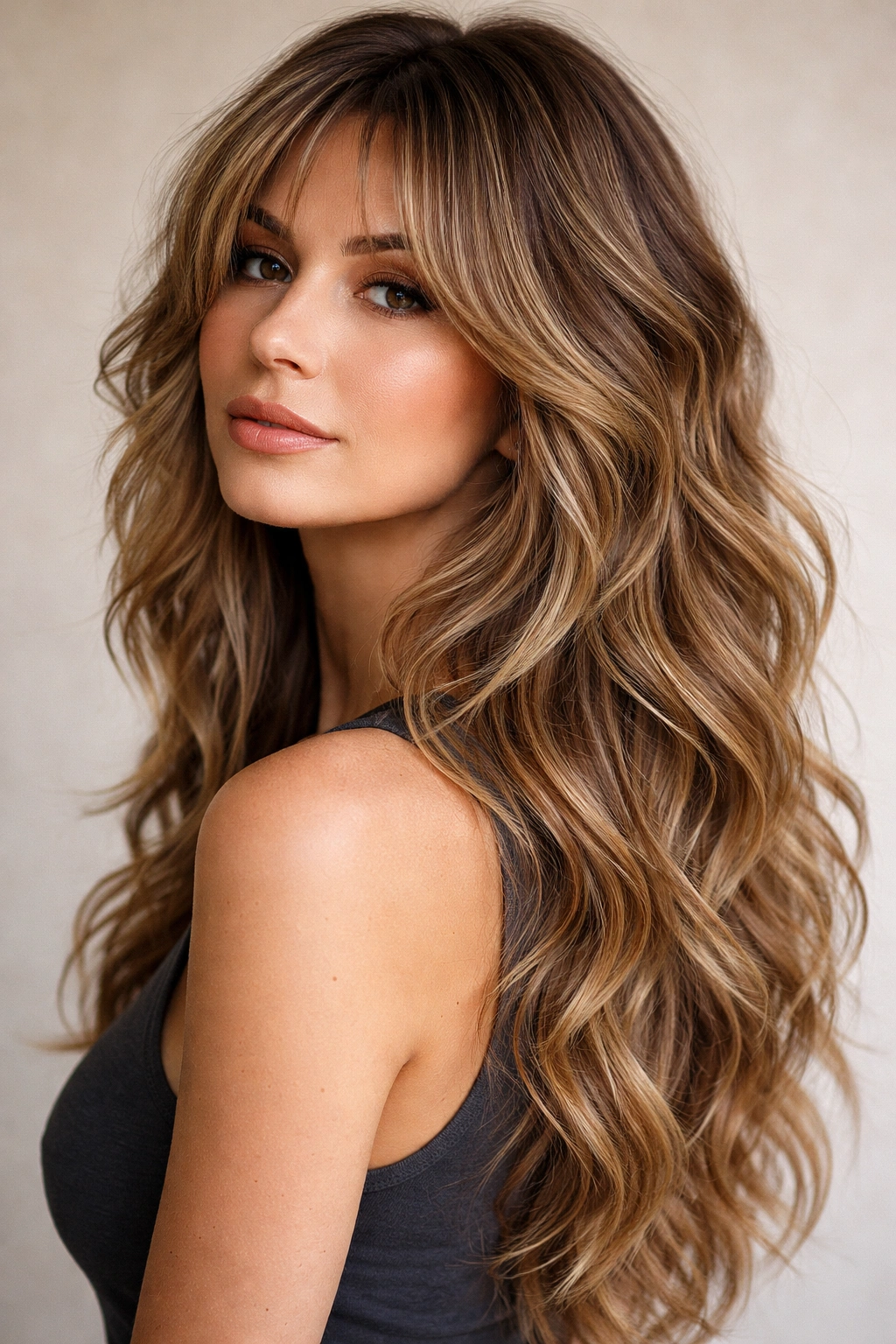
Similar to the modern mullet but with more length in the front, the high-low features shorter, textured layers in front with progressively longer lengths toward the back. It creates an interesting silhouette that’s fashion-forward and dynamic, with your wavy texture creating movement throughout.
Why It Works for Wavy Hair
The high-low cut is designed for texture, and wavy hair makes this style absolutely sing. The shorter front layers create face-framing movement and texture, while the longer back gives you length and flow. The graduated nature of the cut means your waves have clear direction and movement at every angle.
How to Style It
Blow-dry for maximum volume and texture, or diffuse-dry to enhance your natural wave pattern. The varying lengths mean you can style the front layers tighter and the back looser for interesting contrast, or style everything the same way for a cohesive look. A texturizing spray or sea salt spray adds grip and emphasizes the piece-y layers.
Who It Suits
This cut is bold and works best on confident people who want an edge and aren’t afraid to make a statement with their hair. It flatters oval and oblong faces particularly well. If you have a round or square face, the shorter front can actually help balance your proportions beautifully.
Maintenance Tips
Plan for trims every 6-8 weeks to keep the short-to-long gradient looking intentional and sharp. The front layers grow faster than the back, so regular maintenance is essential to maintain the proportion. This cut grows out noticeably, so don’t let too much time pass between appointments. Work with a stylist experienced in asymmetrical cuts, since the execution matters more with this style than with more traditional layered cuts.
Key Takeaways
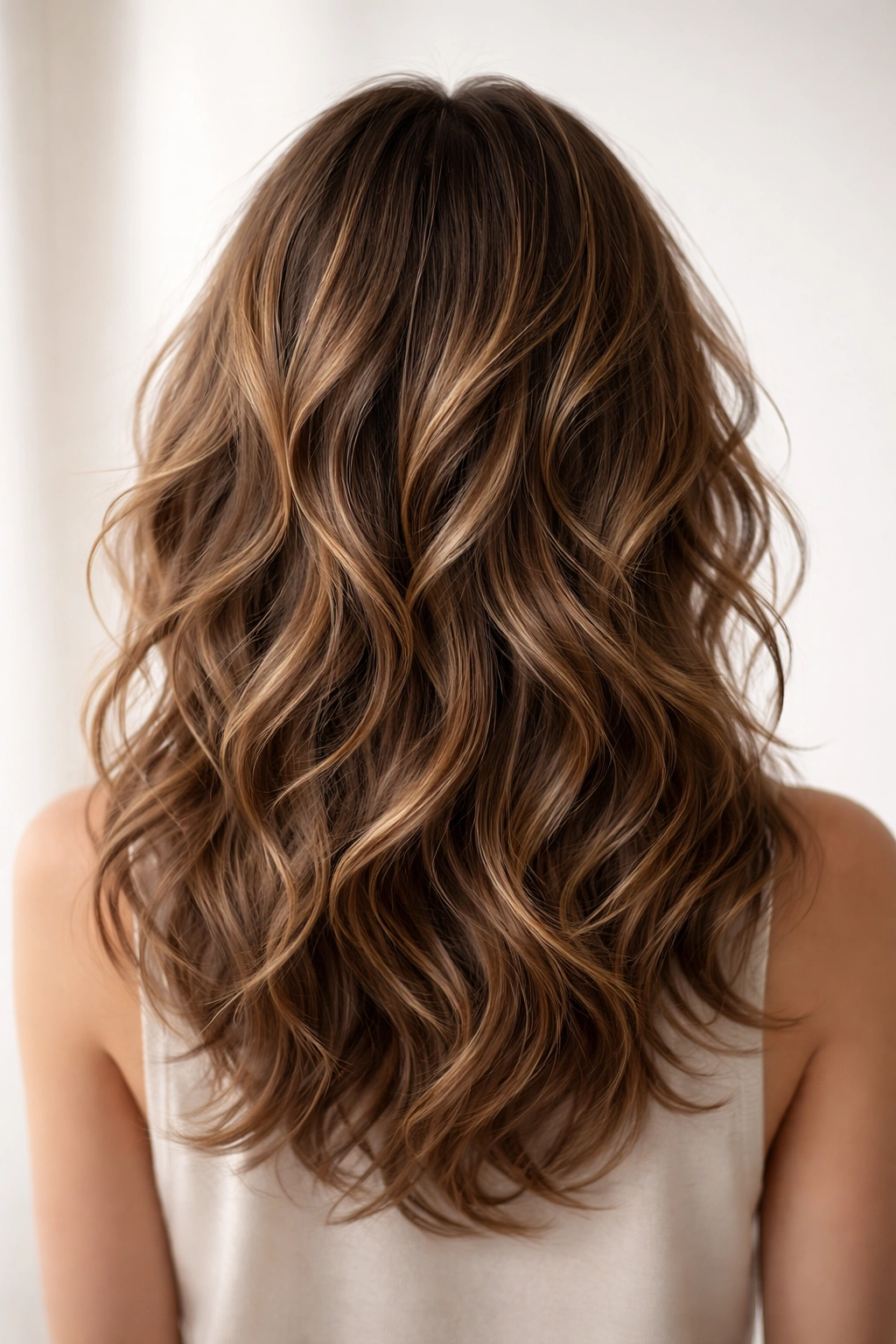
Wavy hair with layers is one of the most beautiful and versatile combinations available. The key is finding a layering style that complements your natural wave pattern, face shape, and styling preferences. Some styles like the shag or wolf cut thrive on choppy texture, while others like the V-shaped layers work with subtle, blended layering.
Consider your lifestyle and how much styling you’re willing to do. Some of these cuts look amazing with minimal effort—just wash and go—while others require more intentional blow-drying or product application to look their best. There’s no right answer; it’s about what fits your life and makes you feel confident.
The most important thing is working with a stylist who understands wavy hair and specifically understands how layers interact with your wave pattern. Bring reference photos of cuts you love, discuss your hair type and texture in detail, and be honest about how much styling you’re willing to do. A great stylist will take all of that into account and create a cut that’s not just beautiful in their chair, but actually works for your life and requires the amount of maintenance you’re comfortable with. The right layered cut will make you love your wavy hair even more than you already do.
