



A great blonde wavy haircut isn’t just about the color — it’s about finding the right layering and texture that works with your hair type, face shape, and lifestyle. Medium-length waves offer the perfect balance between versatility and easy maintenance, and when paired with strategic layers and blonde tones, they create movement and dimension that’s hard to achieve with straight cuts or longer lengths.
The magic of medium wavy layered haircuts in blonde lies in how the layers interact with natural waves. Layers break up weight, reduce bulk, and allow waves to flow more freely instead of appearing flat or heavy. Blonde colors — whether warm honey tones, cool ashy silvers, or buttery creams — amplify this effect by catching light in the layers and creating subtle highlights that make the texture appear fuller and more dynamic.
If you’re considering a medium wavy layered cut in blonde, understanding the different styling approaches, face-shape compatibility, and maintenance requirements will help you choose a style that you’ll actually love maintaining. The styles below range from beachy and undone to polished and textured, so there’s something for nearly every aesthetic and hair type.
1. The Classic Beach Wave Bob
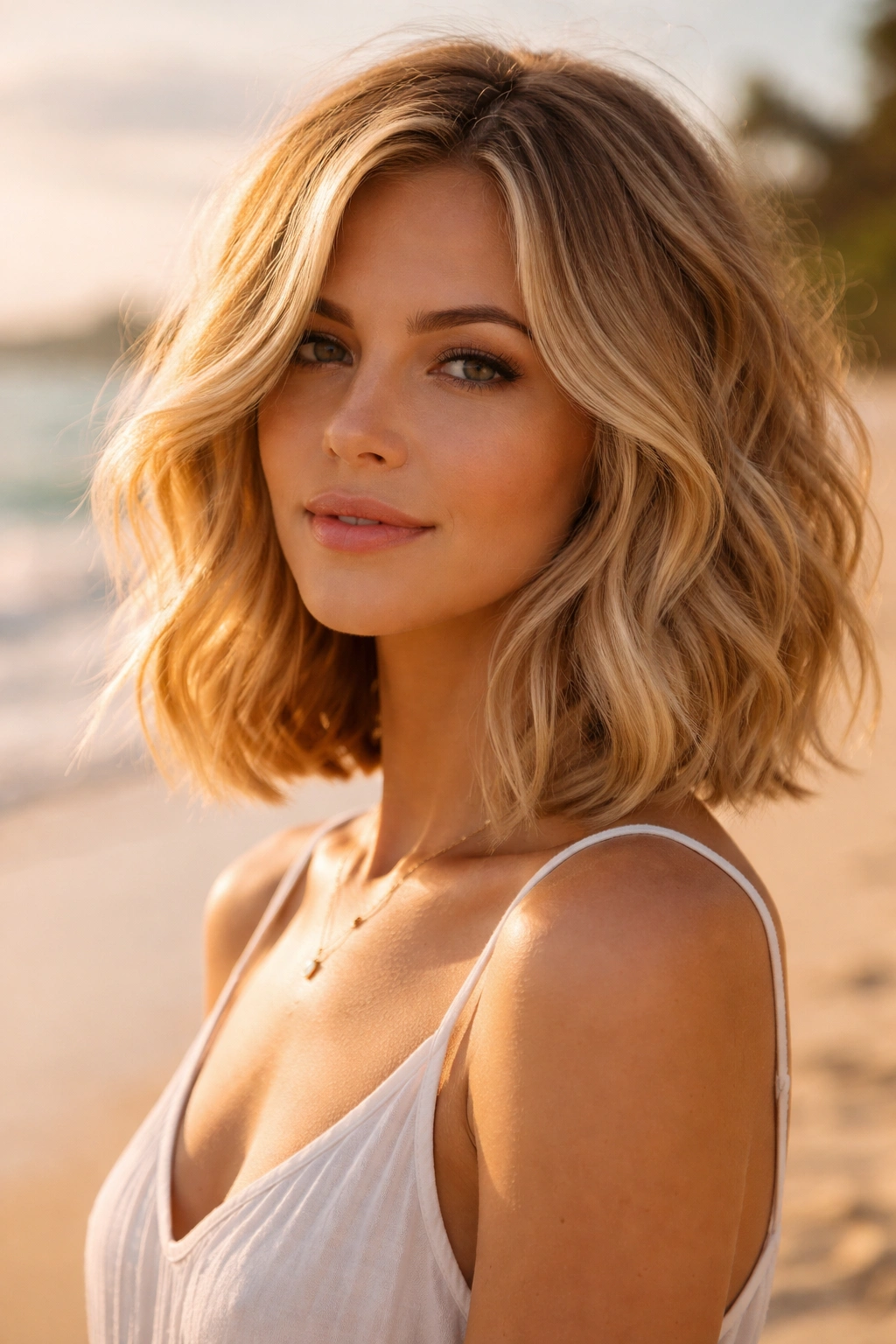
This is the quintessential medium wavy cut that works across ages and face shapes. The bob sits between chin and shoulder length, with subtle layers throughout that create movement without the style feeling choppy or disconnected. In blonde, these waves catch light beautifully and create an effortless, sun-kissed appearance.
Why This Cut Works So Well
The beach wave bob succeeds because it’s forgiving. Unlike a blunt cut that requires frequent trims to maintain sharpness, slight imperfections in a wavy cut actually enhance the texture. The layers are subtle enough that you won’t battle frizz, but pronounced enough to prevent the style from looking flat or shapeless. Blonde colors in warm or honey tones make this cut feel fresher and less severe than darker shades.
Styling and Maintenance
- Apply a sea salt spray to damp roots and mid-lengths for instant texture and separation
- Blow dry with a diffuser attachment on medium heat while scrunching from underneath
- Use a 1-inch curling iron on the ends only to enhance existing wave patterns
- This cut needs a trim every 6-8 weeks to keep layers looking intentional and prevent bulk from building up
- Routine purple or violet-toning shampoo every 2-3 washes preserves cool blonde tones and prevents brassy yellowing
Pro tip: Sleep in loose braids and you’ll wake with waves already set, cutting styling time in half on lazy mornings.
2. The Face-Framing Shag
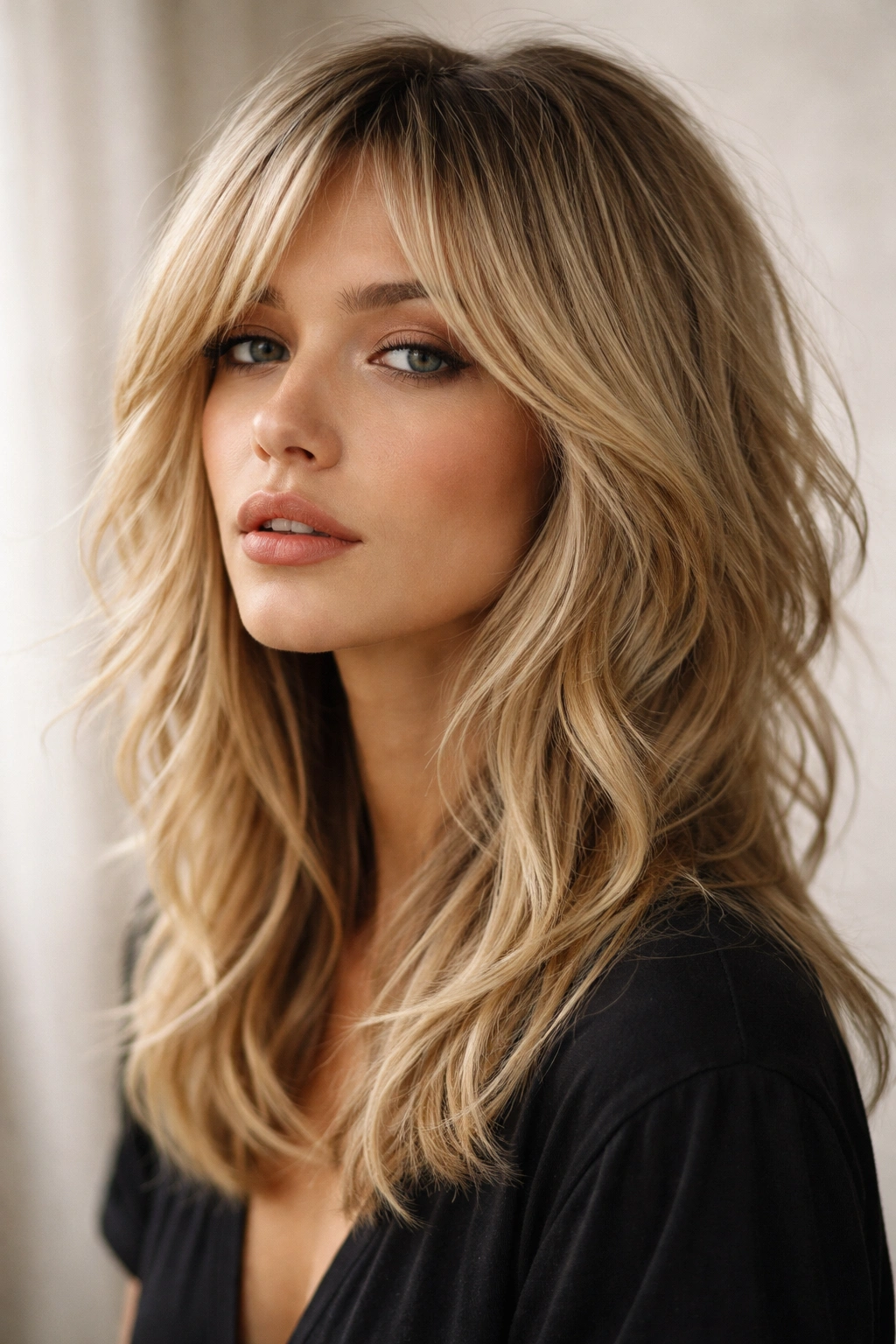
A shag brings edge and personality to medium blonde hair. Shorter layers on top create height and movement at the crown, while longer layers blend to the jawline. The result feels intentionally textured and undone rather than neat and polished.
What Makes a Shag Different
Shags are structured chaos — the layers are cut at more dramatic angles than traditional cuts, creating clear separation between different length zones. This creates pronounced dimension, and in blonde, you see distinct lines where shorter layers (which may be styled tighter) meet longer layers (which hold looser waves). The cut suits people who embrace texture and don’t mind frequent styling or a slightly lived-in look.
Making It Work for You
- Use a lightweight texturizing cream or salt spray on damp roots to enhance separation between layers
- Blow dry with movement, tousling layers as they dry rather than smoothing everything down
- This cut pairs beautifully with darker blonde roots for a dimensional, rooted effect that adds contrast
- Plan for trims every 5-6 weeks because the layers grow out quickly and lose their intended shape
- A shag benefits from leaving natural texture in — fighting your waves defeats the purpose of the cut
Worth knowing: Shags can look straggly if blonde gets too brassy or yellowed. Maintain a cool tone with toning masks weekly, or the cut will start looking tired rather than intentional.
3. The Long Pixie Fade Into Layers
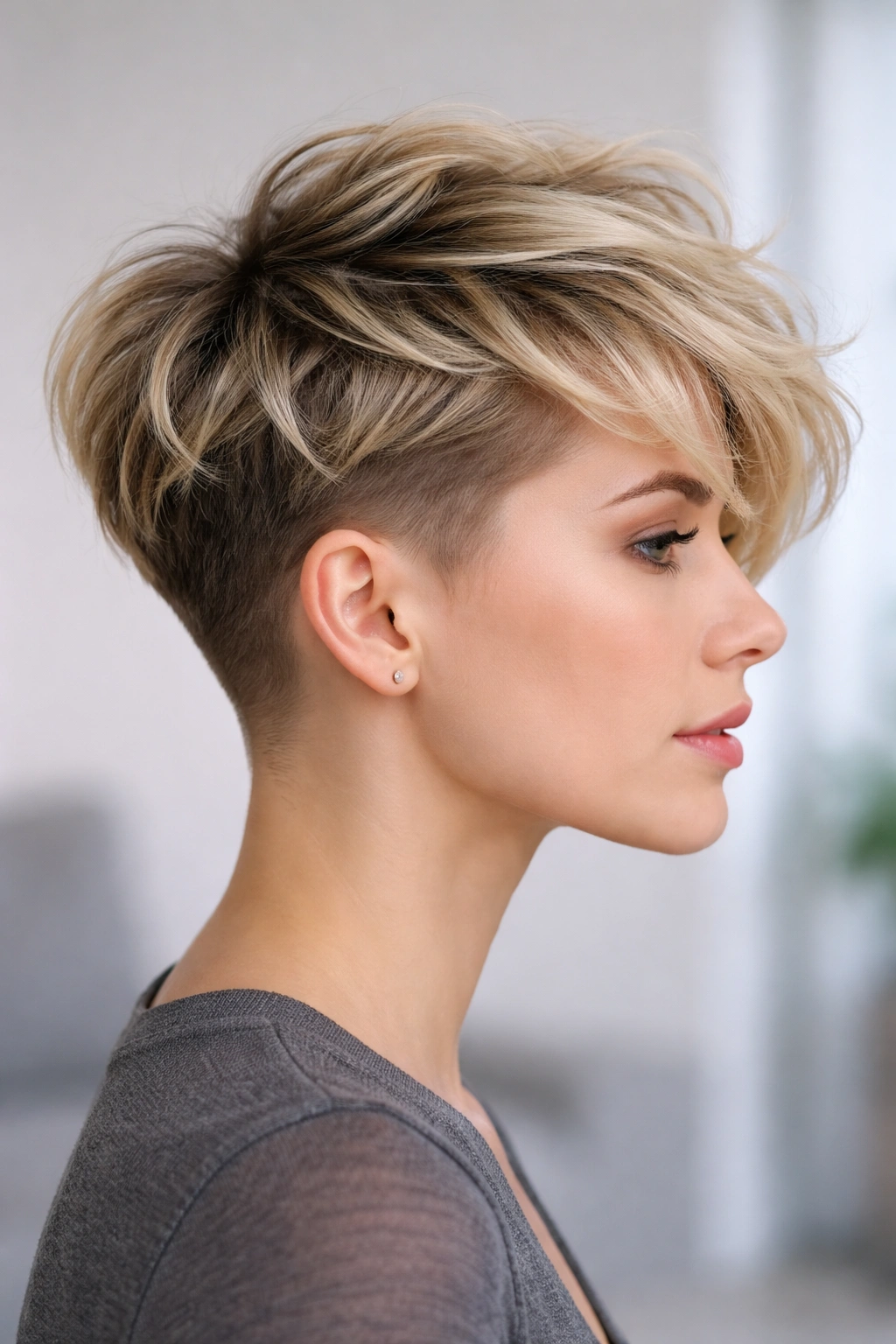
This is a modern, androgynous take on medium waves — very short on the sides and back, with length and layers concentrated on top and through the crown. In blonde, this creates a striking contrast between short, clean sides and soft, textured waves flowing from above.
The Texture and Appeal
The long pixie fade is a bold statement cut that demands confidence. It’s not subtle, but it’s striking. The longer blonde layers on top have room to wave and move, while the faded sides keep the overall shape clean and modern. This works particularly well for people with wavy or curly hair, because the fade removes weight and frizz from areas that might otherwise be difficult to manage.
Styling Requirements
- The top layers can be dried and scrunched for natural waves, or flat-ironed straight for contrast
- Use a strong-hold mousse on damp roots to encourage wave formation in the longer sections
- The fade needs touching up every 3-4 weeks to maintain clean lines — this is not a low-maintenance cut
- Blonde on top shows every bit of root growth, so plan for root touch-ups every 4-5 weeks
- Styling time is minimal — you’re either enhancing natural texture or deliberately straightening for contrast
Insider note: This cut works best for people who are willing to commit to regular maintenance. If root touch-ups stress you out, this isn’t the style for you.
4. The Textured Mid-Length with Choppy Layers
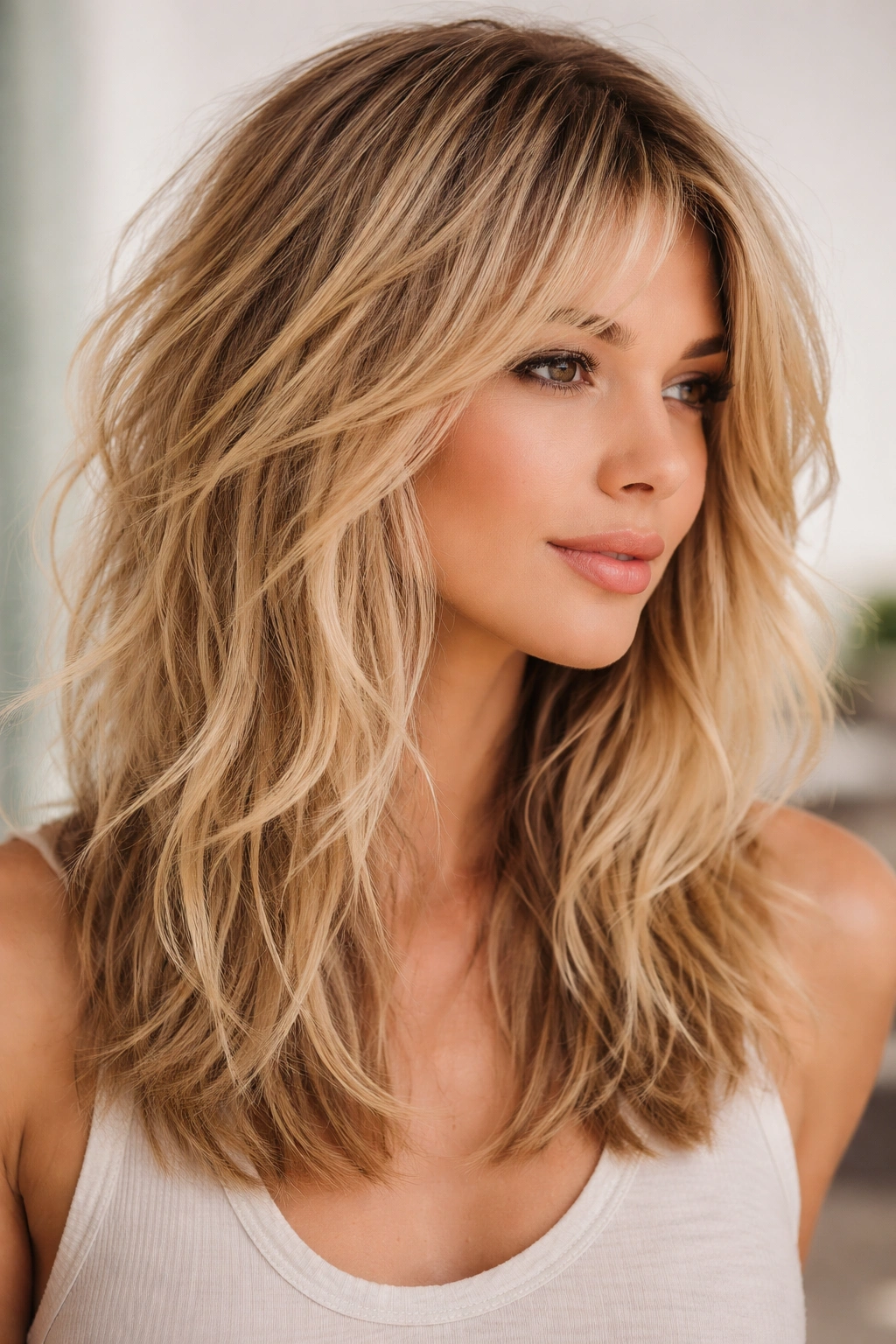
Choppy layers create pronounced texture and a slightly playful, rocker-inspired vibe. The layers are stacked more dramatically than a traditional cut, with noticeably shorter pieces woven throughout, creating peaks and valleys in the outline. In blonde, this creates a multidimensional appearance with lots of movement.
Why the Choppiness Matters
Choppy layers aren’t just about aesthetics — they’re a practical solution for thick or curly hair. By removing bulk unevenly, choppy layers allow waves to move independently rather than clumping together. This prevents the dense, helmet-like appearance that happens when heavy texture is cut in uniform layers. The cut feels modern and intentional, not messy.
Maintenance and Styling
- Blow dry with a brush for shape, or with a diffuser for more pronounced texture
- Use a texturizing spray before blow-drying to enhance the choppy effect
- This cut looks best when styled with intention — letting it air dry completely unattended can look unkempt
- Plan for trims every 4-5 weeks because the choppy lines grow out quickly and lose definition
- Blonde benefits from subtle highlights or balayage to emphasize the different layers and their separation
Pro tip: Use a lightweight cream product rather than gel or mousse — heavy products weigh down choppy layers and make them cling together instead of separating.
5. The Soft Feathered Layers Throughout
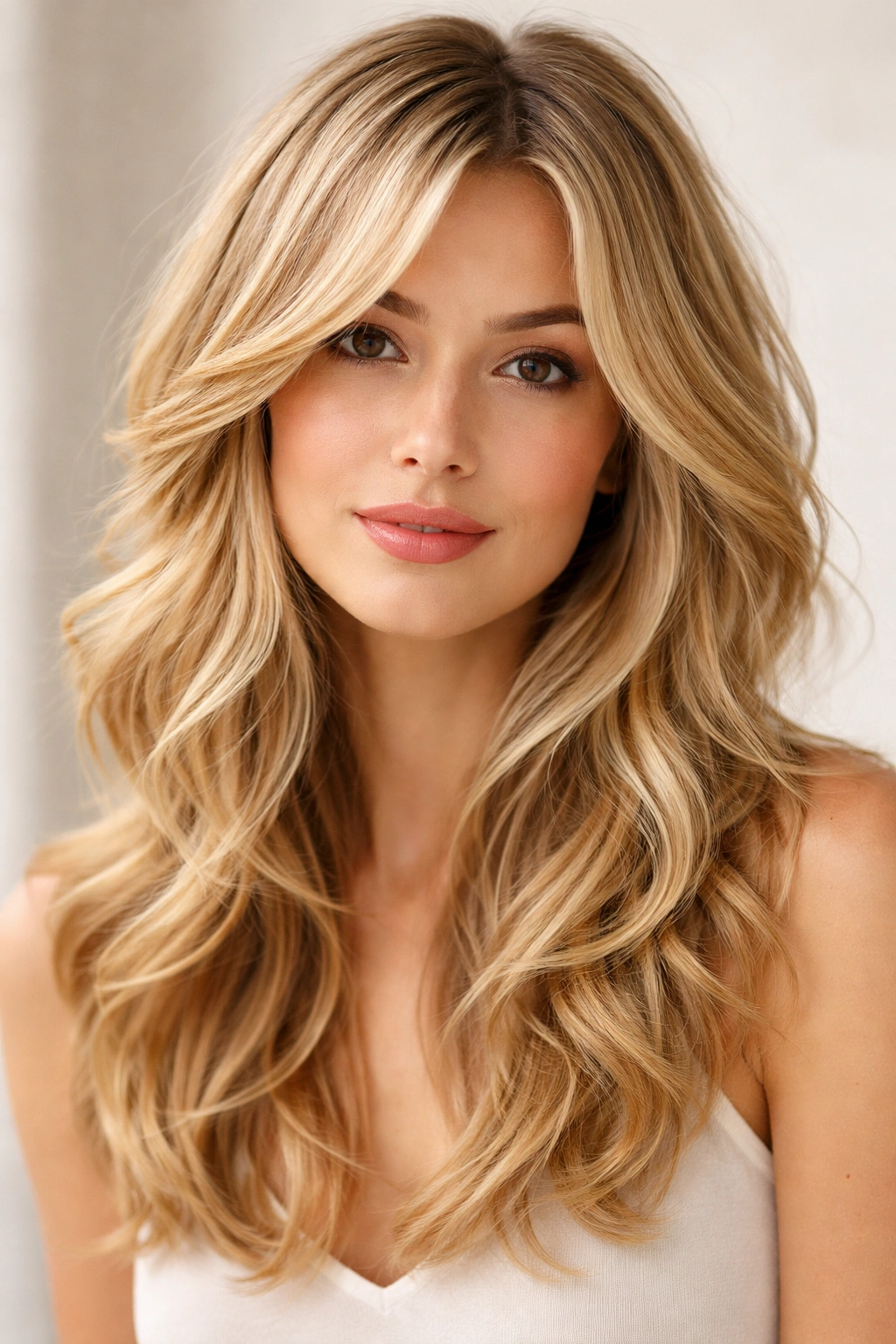
This style is gentler than choppy layers — imagine feathers that blend seamlessly rather than distinct choppy sections. Layers are woven throughout the entire head with careful attention to blending, creating movement without any harsh lines. In blonde, feathering creates a soft, romantic appearance with plenty of dimension.
The Blending Technique
Feathering is all about seamless transitions. The layers are cut at angles that overlap and blend into each other, so you see gradual length changes rather than abrupt jumps. This requires a skilled stylist who understands how to angle layers properly. The result feels effortless and works beautifully with natural wave patterns because the layers follow and enhance existing texture.
How to Style Feathered Layers
- Blow dry with a round brush for smooth waves, or a diffuser for curlier texture
- Use a light styling cream or serum to encourage the layers to separate and feather out naturally
- This cut works wonderfully with minimal styling — even partial air drying creates nice texture
- Maintenance trims every 6-8 weeks keep the feathering looking intentional rather than grown-out
- Feathered blonde looks especially beautiful with highlights that echo the layer placement
Worth knowing: This cut shines when you have naturally wavy hair. If you have straight hair, you’ll need to create waves with heat styling or wave-enhancing products for the feathering to be visible.
6. The Micro Bangs with Layered Waves
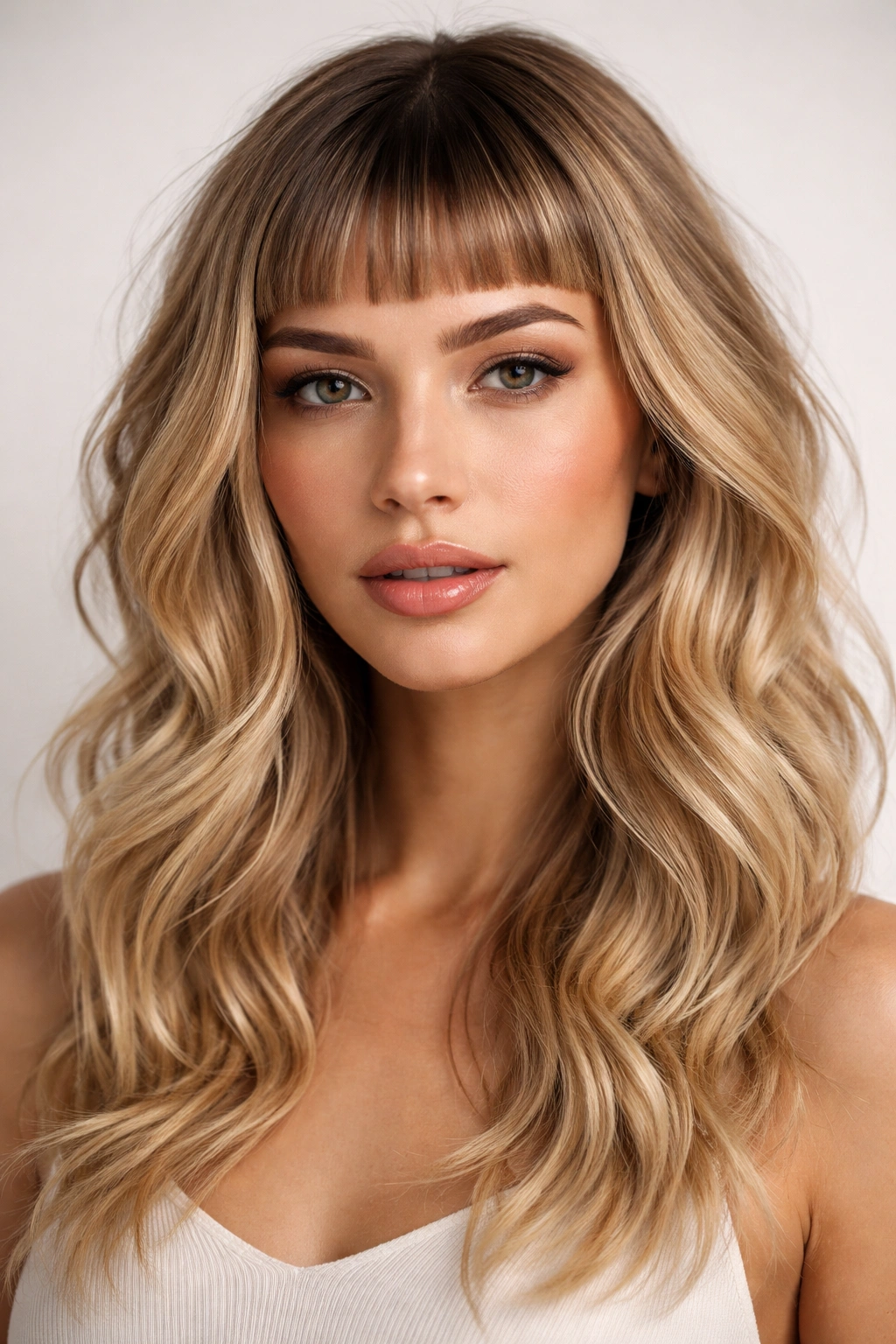
Micro bangs (or short blunt bangs) paired with medium wavy layers creates a bold, fashion-forward look that feels directional and intentional. The contrast between the structured bangs and soft waves is striking, and in blonde, the effect is even more dramatic because the bangs catch light independently from the rest of the hair.
Making Micro Bangs Work
Micro bangs require commitment. They need styling every single day — they’ll flip awkwardly, need repositioning, and look unkempt within hours of washing. They also need trimming every 2-3 weeks to maintain the sharp, precise line. If you’re not someone who enjoys frequent styling and maintenance, this isn’t the style for you. That said, for people who love bold hair and don’t mind the upkeep, this is a stunning, confidence-boosting cut.
Styling and Daily Maintenance
- Blow dry bangs straight down with a small round brush or flat iron to keep them smooth
- Use a lightweight hairspray on bangs to hold them in place throughout the day
- The waves below the bangs can be styled wavy, straight, or anything in between
- Toning shampoo weekly prevents bangs from turning yellow or brassy
- This cut looks best when the rest of the layers are polished rather than undone — the bangs are statement enough
Pro tip: Have a styling product specifically for bangs (a lightweight wax or gel) that you can use for quick touch-ups if they get messed up during the day.
7. The Tousled Romantic Waves with Front Face Framing
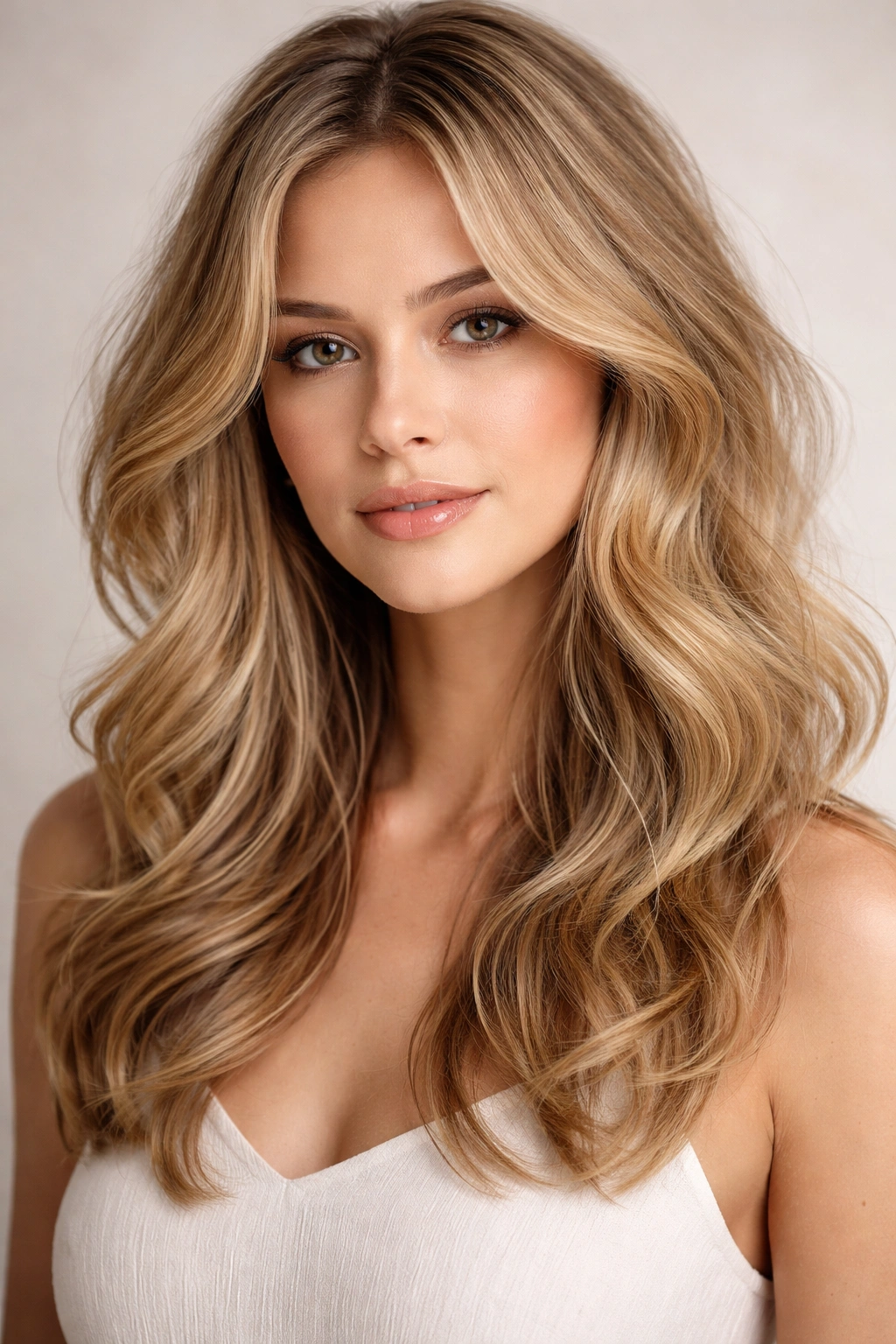
This style prioritizes creating soft, romantic waves with longer face-framing layers that gently follow the jawline and collarbone. The layers are less dramatic than a shag, but more intentional than subtle feathering. The overall effect is effortlessly beautiful and pairs perfectly with delicate blonde tones.
Why This Style Feels So Romantic
The face-framing elements are what make this cut special. By placing slightly shorter layers specifically around the face, the stylist creates definition that draws attention to cheekbones and softens angles. In blonde, particularly warmer or honey-toned blonde, this cut has an almost ethereal quality. The waves appear to fall naturally around the face, even though the layer placement is carefully designed.
Achieving the Romantic Wave
- Blow dry with a large barrel brush, wrapping sections around the brush to create soft curves
- Use a curling iron on the largest barrel size, wrapping waves loosely and leaving some straight ends
- A light sea salt spray applied before styling encourages soft, piecey waves
- This cut works wonderfully with minimal product — let texture be the focus rather than shine or hold
- Face-framing layers need refreshing every 5-6 weeks to maintain the shaped effect around the face
Insider note: This style photographs beautifully and is extremely popular on social media. If you’re drawn to soft, romantic aesthetics, this is your cut.
8. The Textured Lob with Movement
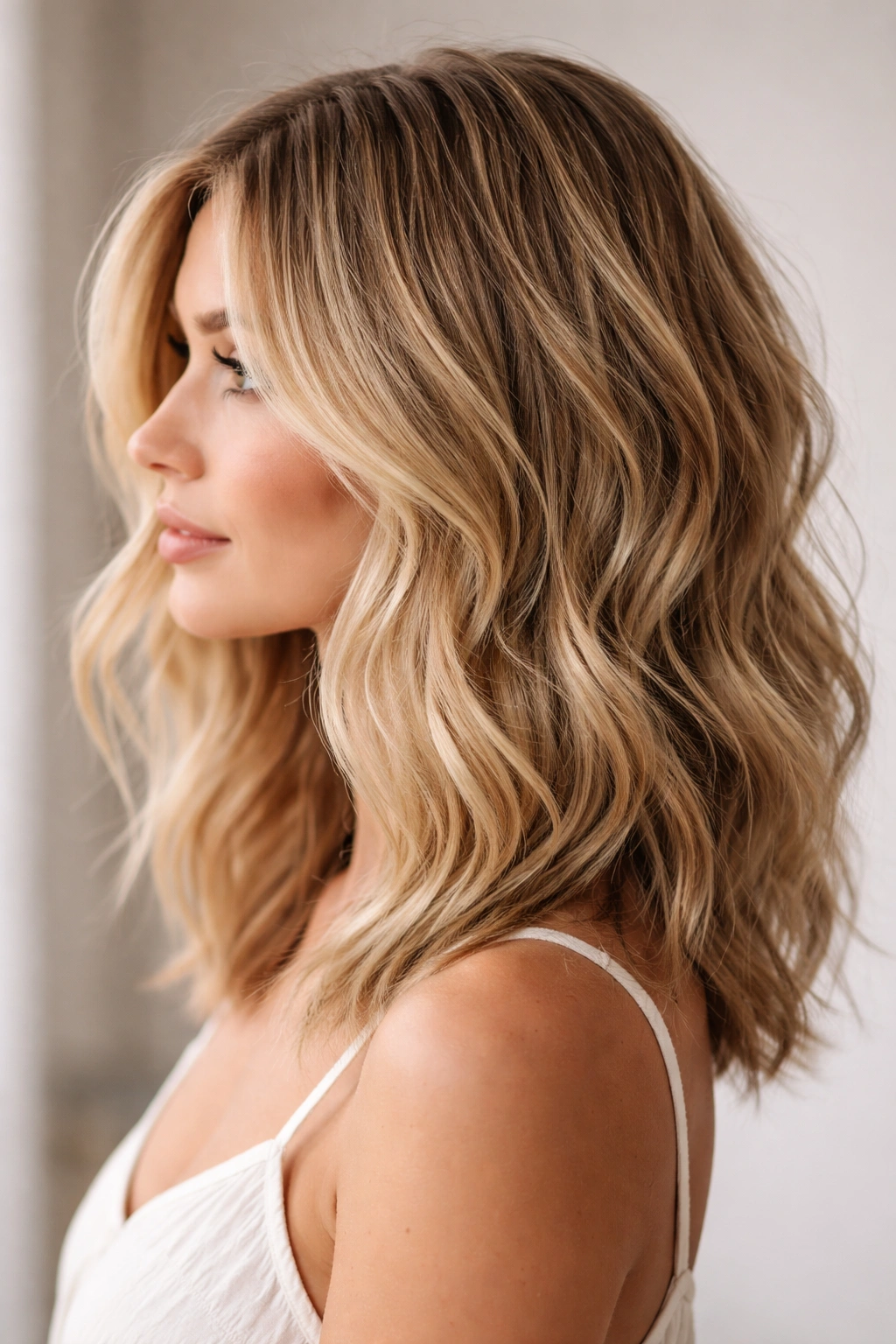
A lob (long bob) lands somewhere between a shoulder-length bob and longer hair — typically hovering between shoulder and mid-back length. When cut with intentional layers and styled with waves, a lob offers maximum versatility. You can wear it curled, wavy, straight, or half-up, and it works for nearly every face shape and hair type.
Why a Layered Lob Offers So Much Versatility
A lob without layers can feel heavy and dull. But layered throughout, especially with texture-enhancing techniques, a lob becomes dynamic and interesting. The length gives you options — you can pull it back easily, you have enough hair to create substantial waves, and the layers prevent the overall volume from looking bulky or overwhelming.
Styling a Textured Lob
- Blow dry with layers dried in different directions for maximum body
- Use a medium barrel curling iron, curling some pieces away from the face and some toward it for natural-looking texture
- The lob works beautifully with balayage or dimensional blonde, which emphasizes movement and texture
- Plan for trims every 6-8 weeks to keep layers sharp and prevent wispy ends
- A lob is low-maintenance compared to shorter cuts, but higher-maintenance than truly long hair because the layers need maintenance
Pro tip: Sleep in loose waves or braids, and this cut will hold texture beautifully the next day, meaning you can go 2-3 days between wash days.
9. The Modern Shulc (Shoulder-Length Lullet)
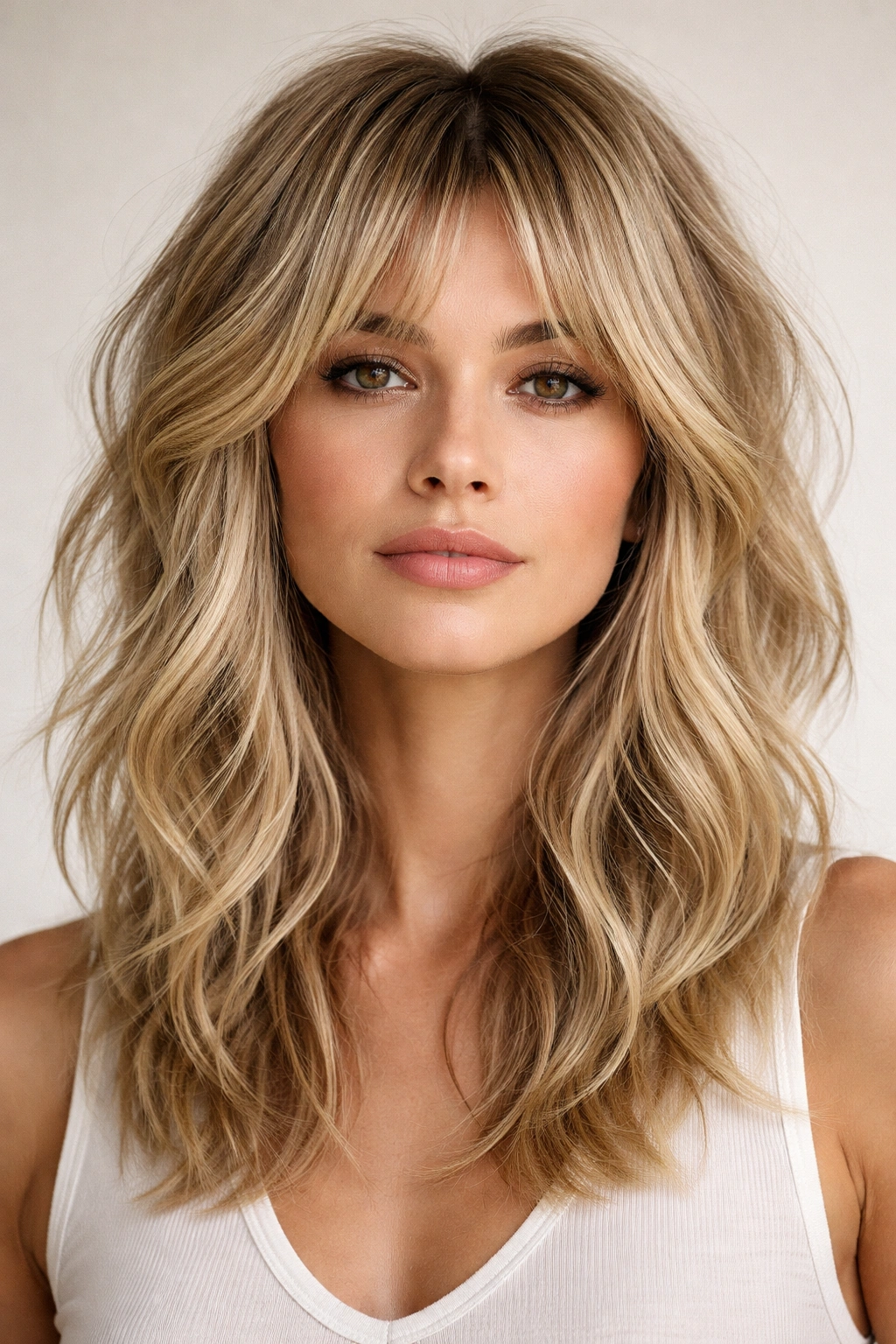
The Shulc is a newer trend that blends elements of a shag with a lob — shorter, textured layers on top create volume and movement, while the bottom remains longer and slightly heavier. It’s edgier than a traditional lob but less extreme than a full shag.
Understanding the Shulc Structure
The Shulc works by creating a defined line of demarcation between the shorter, choppy top section and the longer bottom section. This creates visual interest and dimension without being as chaotic as a shag. In blonde, the contrast between layer lengths is especially visible, making the cut feel more intentional and modern.
Styling Your Shulc
- Dry the top section with more texture and movement using a diffuser
- Dry the longer bottom section with more intention and less frizz for contrast
- You can style the top curlier and the bottom wavier for a more dramatic effect
- This cut requires styling every time you wash — air drying looks intentional but requires the right product
- Use a lightweight texturizing product throughout, heavier on top for extra volume
Worth knowing: The Shulc looks best on people comfortable with a more directional, fashion-forward aesthetic. It’s not a subtle, everyday cut.
10. The Bronde Blonde Waves with Dimensional Layers
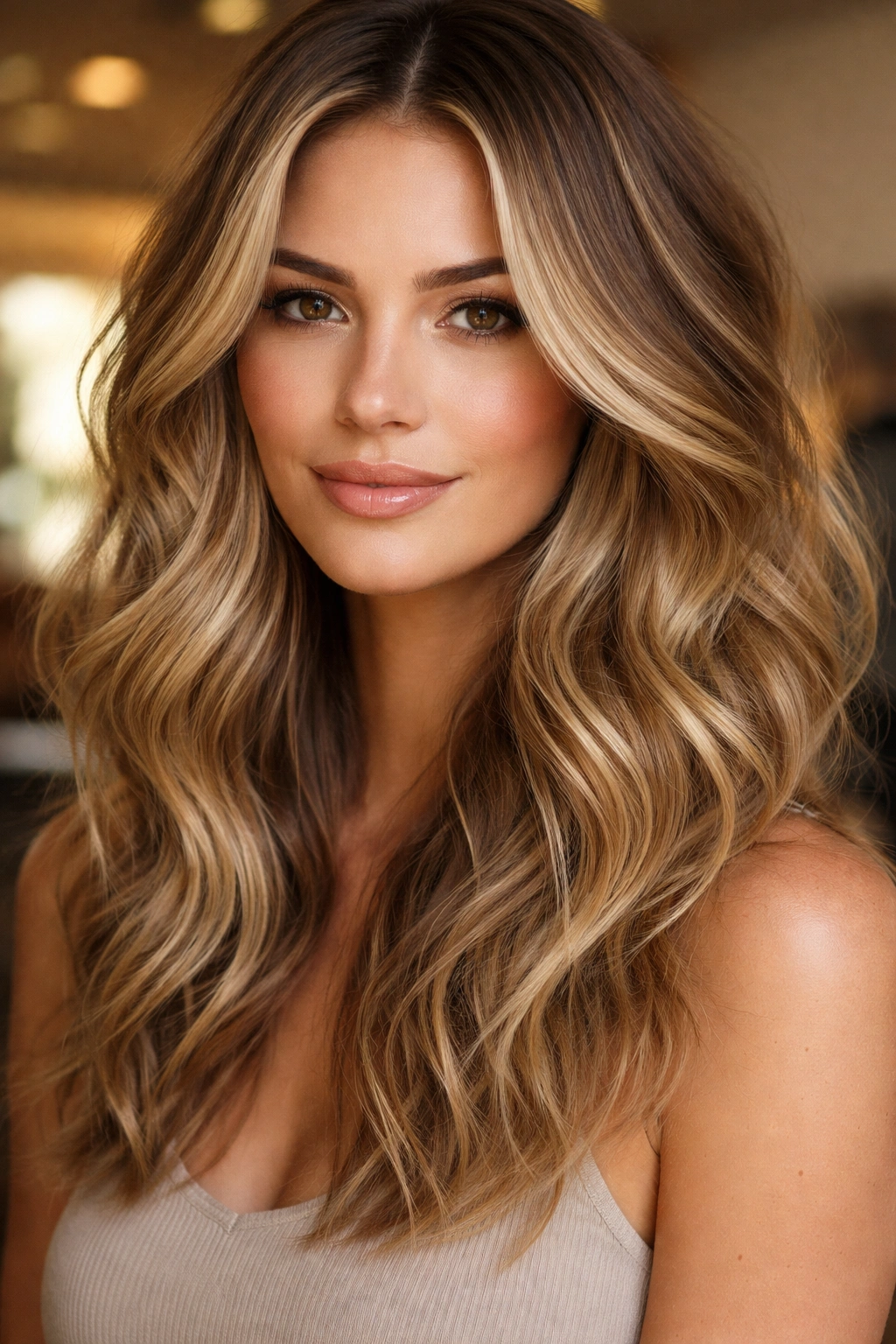
This isn’t just about the cut — it’s about how the color and cut work together. Medium wavy layers with a dimensional bronde color (a blend of brown and blonde tones) create an appearance of incredible movement and depth. The layers are typically soft and feathered, allowing the color dimensional to take center stage.
How Color and Cut Work Together
Bronde is multidimensional by nature, with darker roots, lighter midtones, and blonde ends. When this color is combined with layered cutting, the lighter and darker sections sit in different areas of the head. This creates a visual illusion of more movement than the waves alone would provide. The cut and color should work as partners, not independently.
Maintaining Bronde Waves
- Blow dry sections in different directions to show off color placement
- Use a warm or neutral-toned styling product that complements the bronde color
- Color maintenance requires touch-ups every 4-6 weeks for roots, plus occasional balayage refresh
- The waves matter just as much as the color — commit to styling with intention
- Hydrating masks and oils keep blonde sections from looking dry or brassy
Pro tip: Bronde is more forgiving than pure blonde because darker tones camouflage brass and yellowing better. This makes it a lower-maintenance color option.
11. The Wispy Blonde Mullet (Modern Take)
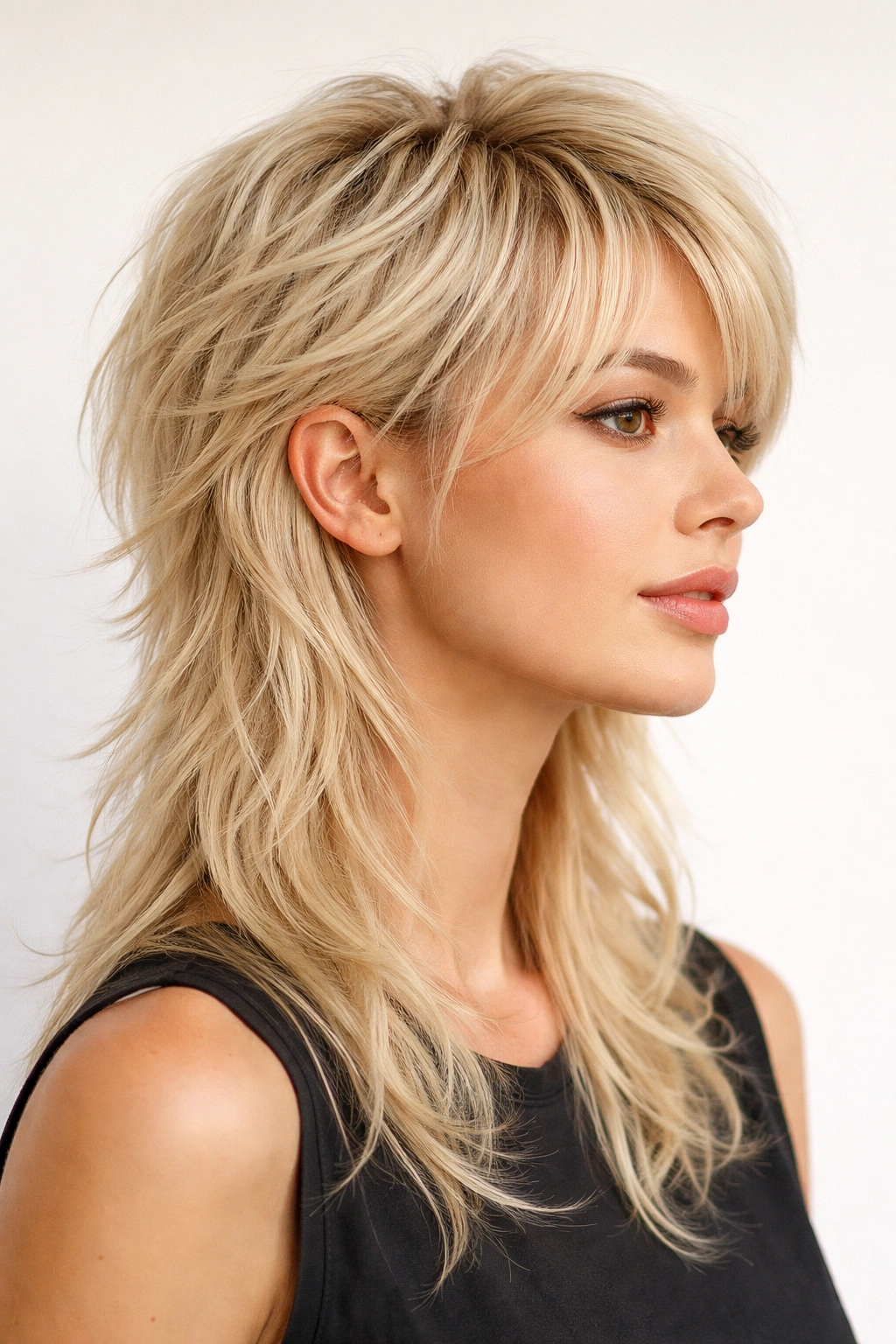
A modern blonde mullet isn’t what your parents remember — it’s sophisticated and surprisingly wearable. Short, textured layers on top blend into longer lengths in the back, creating an avant-garde silhouette that reads as intentional rather than retro. In blonde, this cut is striking and memorable.
Why Modern Mullets Work
The key to a modern mullet is the blending. Instead of a harsh line between short and long, today’s mullets feature a gradient of lengths that gradually transition. This prevents the style from looking like a throwback and instead reads as a contemporary, artistic choice. The blonde emphasizes the cut’s architecture.
Styling a Modern Blonde Mullet
- Top layers can be styled with more texture, texture spray, and movement
- Back lengths can be worn wavy, straight, or in between
- The contrast between sections is what makes the cut special — resist the urge to blend everything into sameness
- This cut requires trims every 4-5 weeks to maintain the intended shape
- It’s a statement cut that works best paired with intentional styling rather than bedhead aesthetic
Insider note: A modern mullet requires confidence. It’s not for people who want to blend in, but it’s incredible for people who want to make a statement.
12. The Lived-In Textured Waves with Subtle Framing
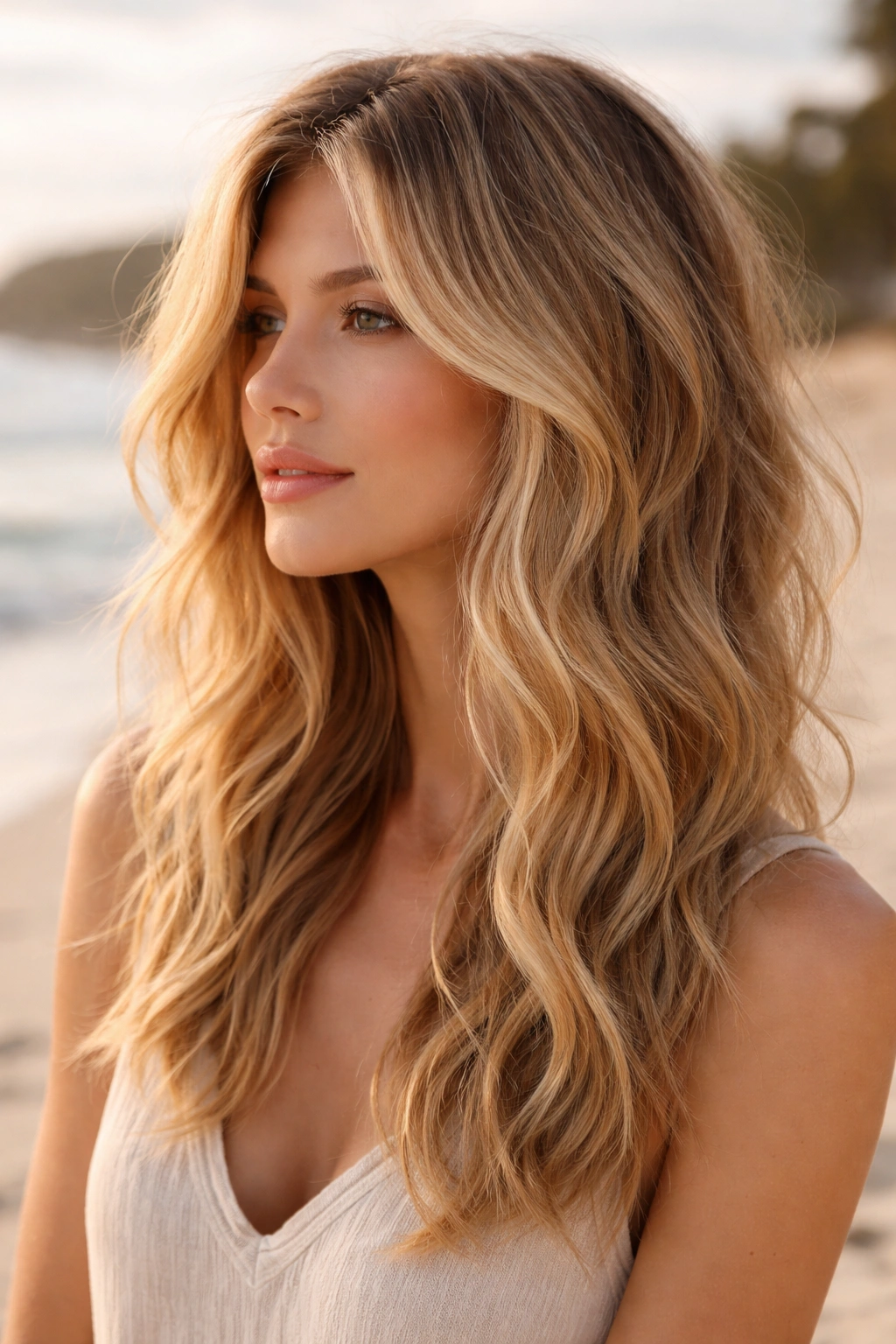
This style mimics the appearance of someone who just returned from a beach vacation — soft, natural-looking waves throughout with just barely-there layers that add movement without obvious structure. The blonde is typically a slightly warm, salty-looking tone that reinforces the undone aesthetic.
Creating the “Just Back From the Beach” Appearance
The secret is subtle layering. The layers are there, but they’re blended so seamlessly that most people won’t notice the cut — they’ll just see texture and movement. In blonde, this style works beautifully because the color itself suggests sun-lightened hair, which reinforces the beach aesthetic.
Low-Maintenance Styling
- This style works beautifully with salt spray and minimal blow drying
- Scrunch sea salt spray into damp hair and let it air dry for natural-looking waves
- Alternatively, blow dry with a diffuser for more controlled waves
- The beauty of this cut is that imperfection is the point — slightly messy waves look intentional
- Trims every 8 weeks keep the subtle layers working rather than disappearing entirely
Worth knowing: This style is most successful if you have naturally wavy or curly hair. If you have straight hair, you’ll need to create waves with heat styling regularly for this to work.
13. The Structured Waves with Sharp Layers
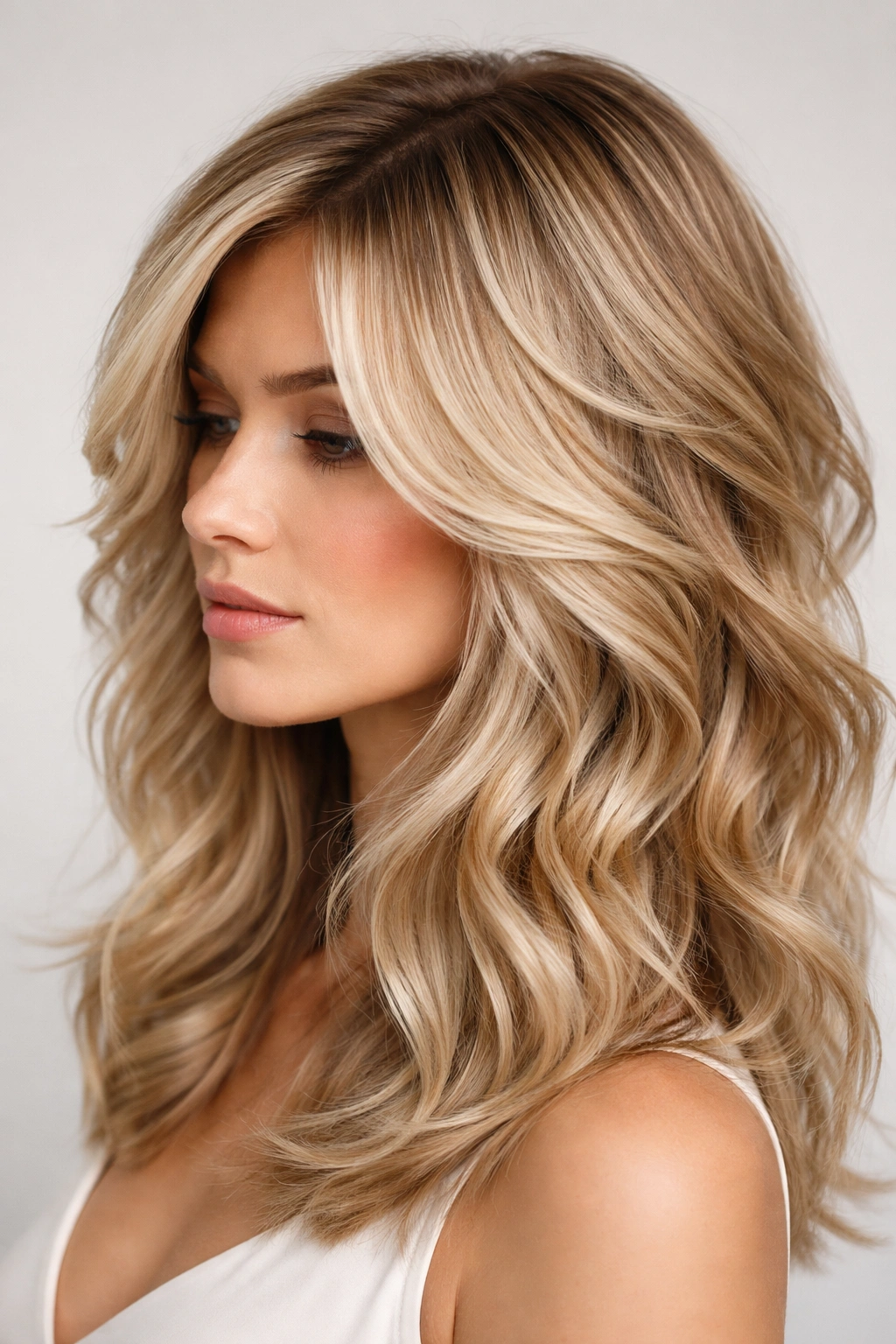
This is the opposite aesthetic from lived-in beach waves — this cut is polished, intentional, and precisely executed. Sharp layers are cut at specific angles, creating a structured silhouette where waves appear deliberate and controlled. In blonde, this creates an almost architectural appearance.
The Precision of Structured Waves
Structured waves require a skilled cut and intentional styling. The layers must be cut at angles that guide waves in specific directions, and styling must enhance (not fight) the cut’s architecture. This isn’t the style for someone who wants wash-and-go convenience — it requires styling time and product every single day.
Perfecting Your Structured Waves
- Blow dry with a round brush, creating smooth curves and waves that follow the cut’s lines
- Use a lightweight styling cream that provides definition without weighing hair down
- A flat iron can sharpen waves and create more structured, intentional-looking bends
- This cut shows every imperfection in styling, so consistency matters
- Trims every 4-6 weeks keep the sharp layers sharp rather than soft and blended
Pro tip: Structured waves photograph beautifully and work wonderfully for professional settings or people who enjoy daily styling rituals. If you prefer minimal maintenance, this isn’t your style.
Final Thoughts
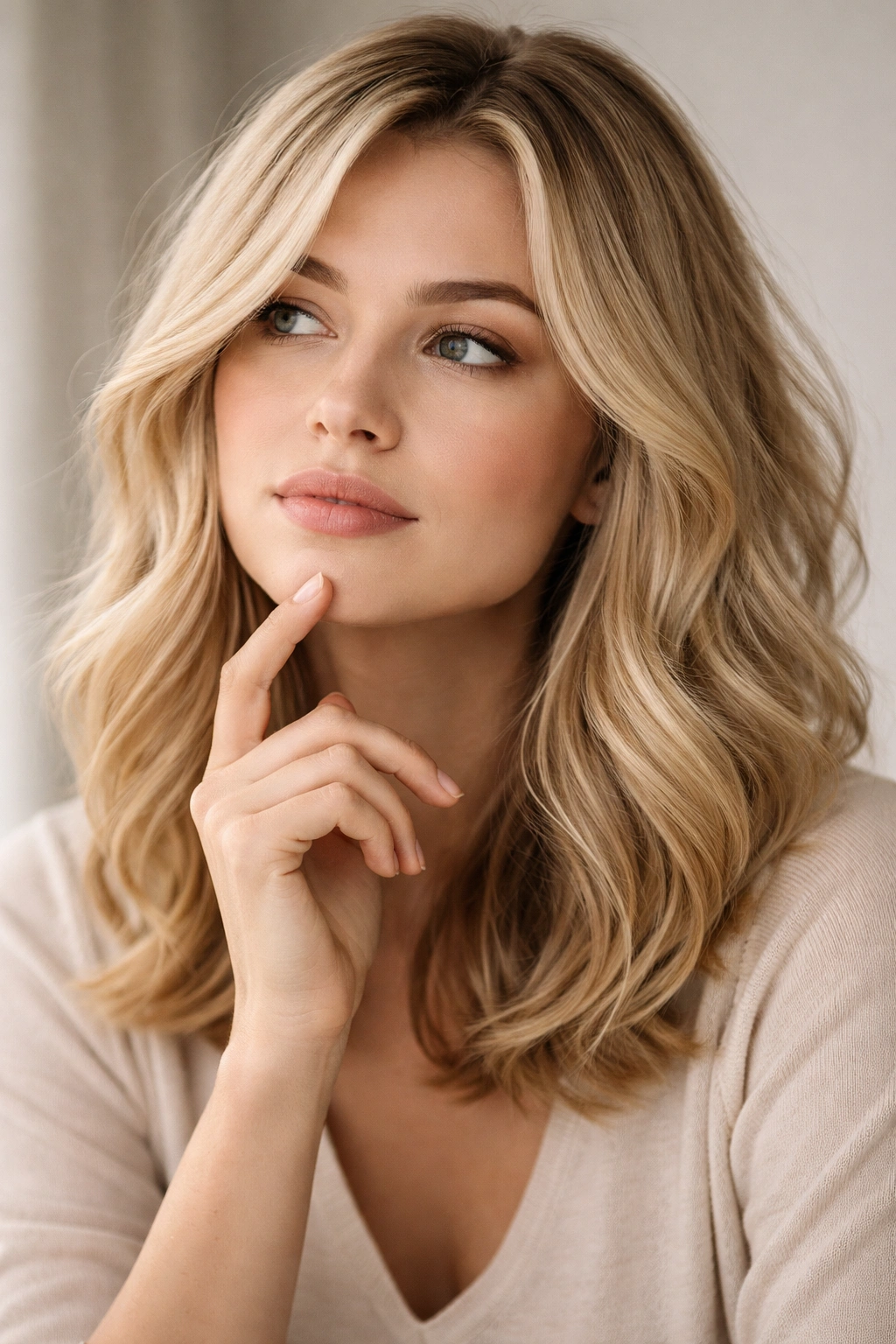
Choosing the right medium wavy layered cut in blonde comes down to understanding your hair type, your daily routine, and your aesthetic. Some of these styles demand regular trims and intentional styling, while others thrive on minimal maintenance and lived-in texture. Some suit round faces better, while others flatter angular cheekbones more effectively.
The best approach is going to a consultation with a stylist who specializes in layered cuts and wavy hair. Bring photos of multiple styles you’re drawn to — not because you want them to copy one style exactly, but because your stylist can understand the elements you’re responding to and adapt them for your specific hair type and face shape. A style that looks stunning on someone with thick, naturally curly hair might need significant adjustments for someone with fine, straight hair.
Blonde maintenance is real, but it’s absolutely worth it when paired with the right cut. The combination of color and texture creates movement and dimension that’s difficult to achieve any other way. Commit to a toning routine, schedule regular color touch-ups, and refresh your cut every 4-8 weeks depending on your style’s needs. With the right care, a medium wavy layered blonde cut will look intentional, beautiful, and absolutely worth the effort.
