



When you have fine wavy hair, finding a style that works with your texture—rather than against it—feels like finally cracking a code. Curtain bangs have become the go-to solution for people with thinner hair because they frame the face beautifully without requiring the blunt density of traditional bangs. They blend seamlessly into your waves, they’re forgiving on days when your hair won’t cooperate, and they add instant dimension even when your hair feels flat.
The real magic of curtain bangs on fine wavy hair lies in how they work with your natural texture instead of demanding you fight it. Because the layers fall away from your face rather than sitting flat across your forehead, they don’t weigh down fine strands or create that awkward thin-band effect that can happen with heavier bangs. Your waves naturally separate the sections, creating movement that looks intentional and dimensional. Plus, curtain bangs are incredibly versatile—they work just as well styled sleek and smooth as they do tousled and beachy, which means you can adapt them to match whatever your hair feels like doing on any given day.
The challenge isn’t finding a style that works with curtain bangs and fine wavy hair. The challenge is choosing from all the beautiful options. Here are twelve real, wearable combinations that’ll have you feeling confident in your texture.
1. Soft Waves With Center-Parted Curtain Bangs
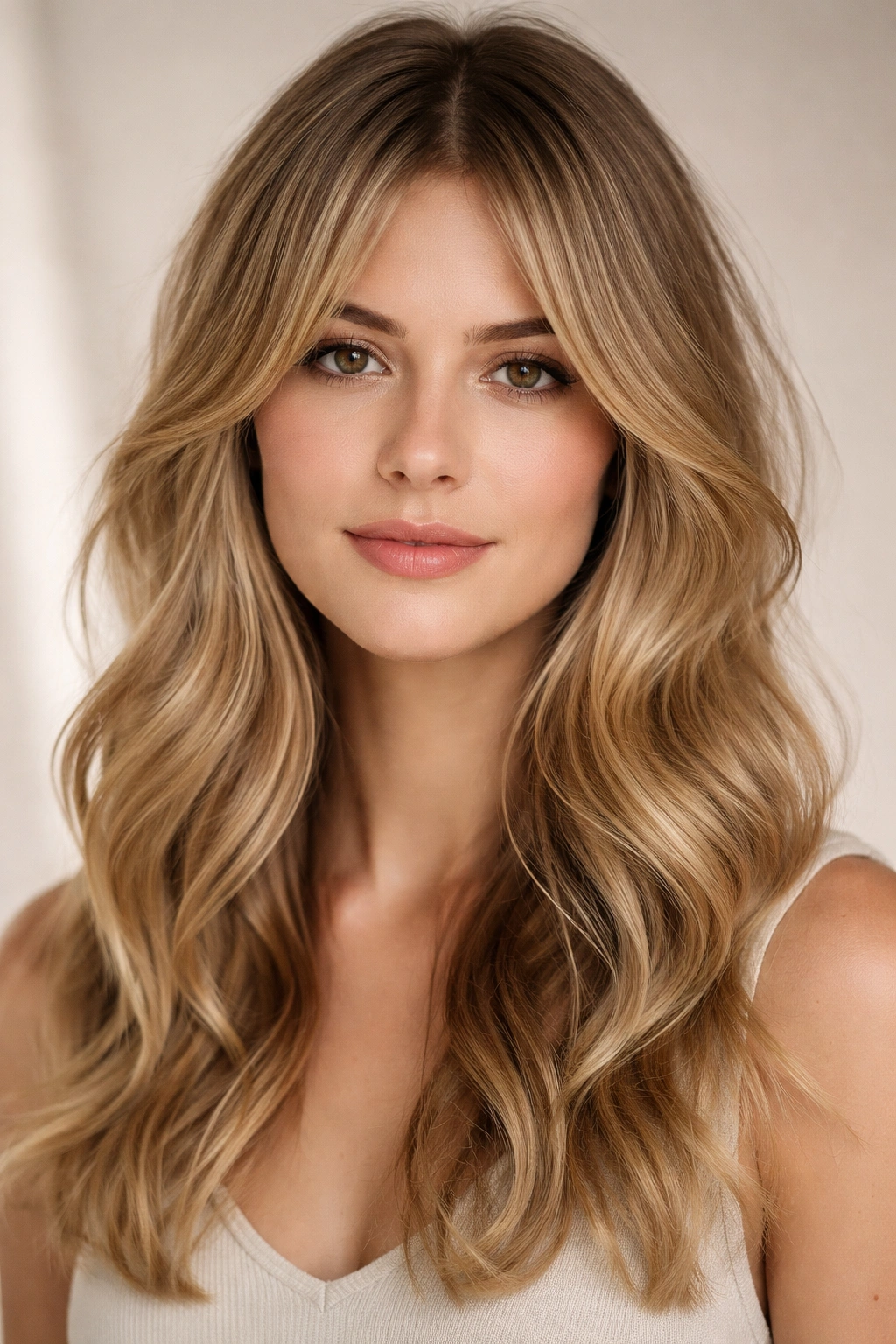
This is the foundational style that makes curtain bangs sing on fine wavy hair. The curtain bangs frame both sides of your face symmetrically when parted down the center, creating a balanced, effortlessly polished look that works from the office to casual weekend errands.
Why This Works for Fine Hair
The center part naturally distributes your hair volume evenly, which prevents any one side from looking limp or overdone. Soft waves—achieved with a curling iron, sea salt spray, or even air-drying with the right products—add texture and fullness without requiring thick, heavy styling. The curtain bangs create layers that break up the length and add movement where fine hair sometimes looks flat and one-dimensional.
How to Style and Maintain
Start with damp hair and apply a volumizing mousse to your roots before blow-drying. Use a medium-barrel curling iron to curl sections away from your face, rolling each wave loosely to create soft definition rather than tight curls. Mist with a lightweight sea salt spray and finger-comb through for that undone texture. Your curtain bangs should be curled away from your face in the same direction, creating that signature swept look.
Pro tip: Fine wavy hair actually benefits from less product, not more. Too much styling cream or heavy serum will flatten your waves. Instead, opt for lightweight mousses, texturizing sprays, and dry shampoo, which add grip without weight.
2. Beachy Waves With Choppy Layers and Curtain Bangs
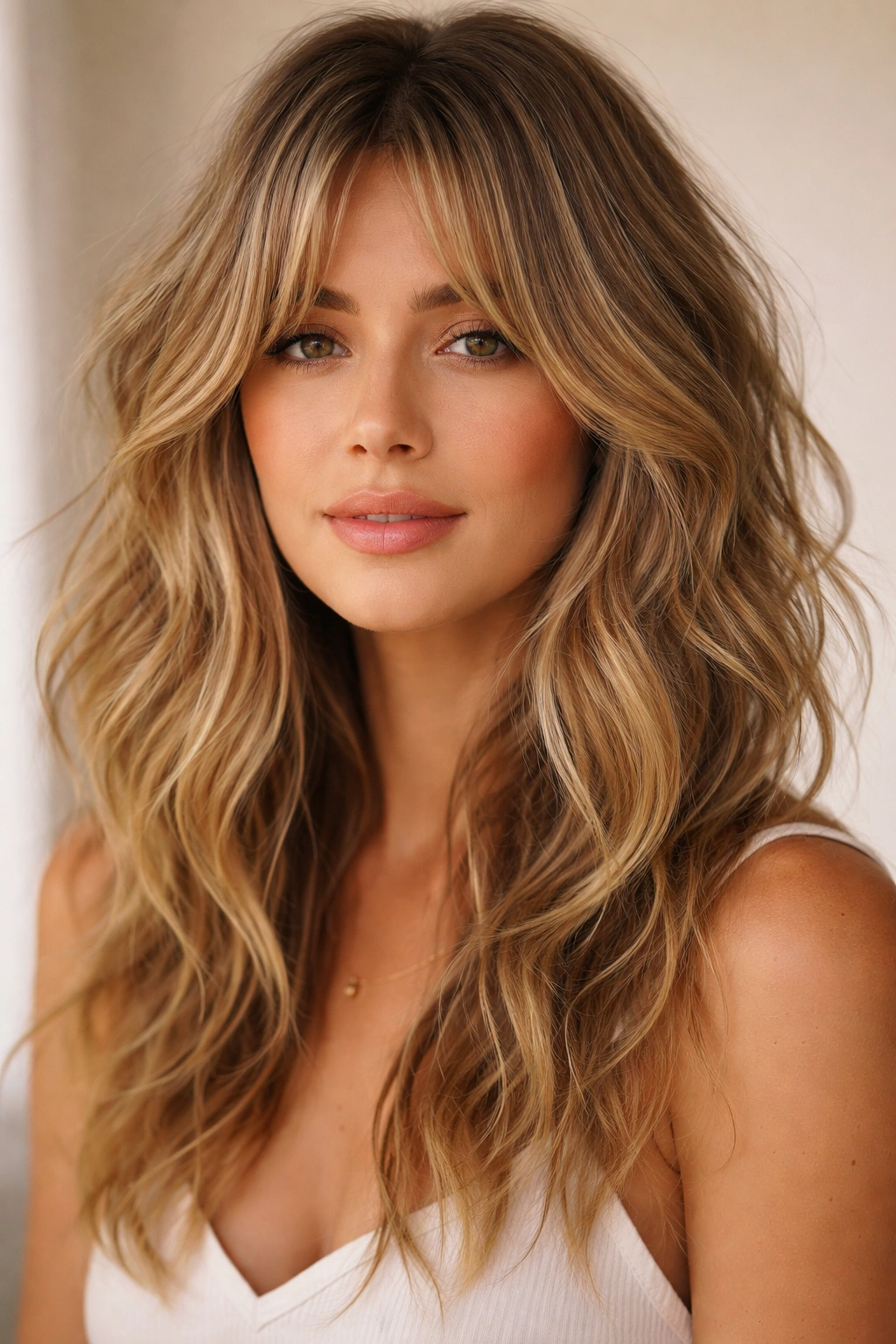
Adding choppy layers throughout your length amplifies the texture that fine wavy hair already has naturally. When combined with beach-style waves and center curtain bangs, this style feels relaxed, current, and endlessly wearable.
The Texture-Building Power of Layers
Choppy layers give fine hair the illusion of thickness by creating multiple points of movement. Instead of one long piece of hair, you have dozens of shorter pieces that can bend and wave independently, creating a fuller appearance overall. The layers also reduce the weight pulling down on your roots, making it easier to achieve volume naturally.
Styling Technique for Beach Texture
Apply a texturizing spray to damp hair, then blow-dry with your fingers to create loose movement. Use a 1.5-inch curling iron to wrap small sections around the barrel, holding for just a few seconds—you want waves, not defined curls. Once cooled, break the waves apart with your fingers and tousle generously. The choppy layers will catch these waves beautifully, creating that intentional-but-undone beachy texture.
Worth knowing: The choppier your layers, the more movement your waves will have. Work with a stylist who understands fine hair and won’t cut layers so short that they stick straight up at your crown.
3. Long Layers Blending Into Curtain Bangs
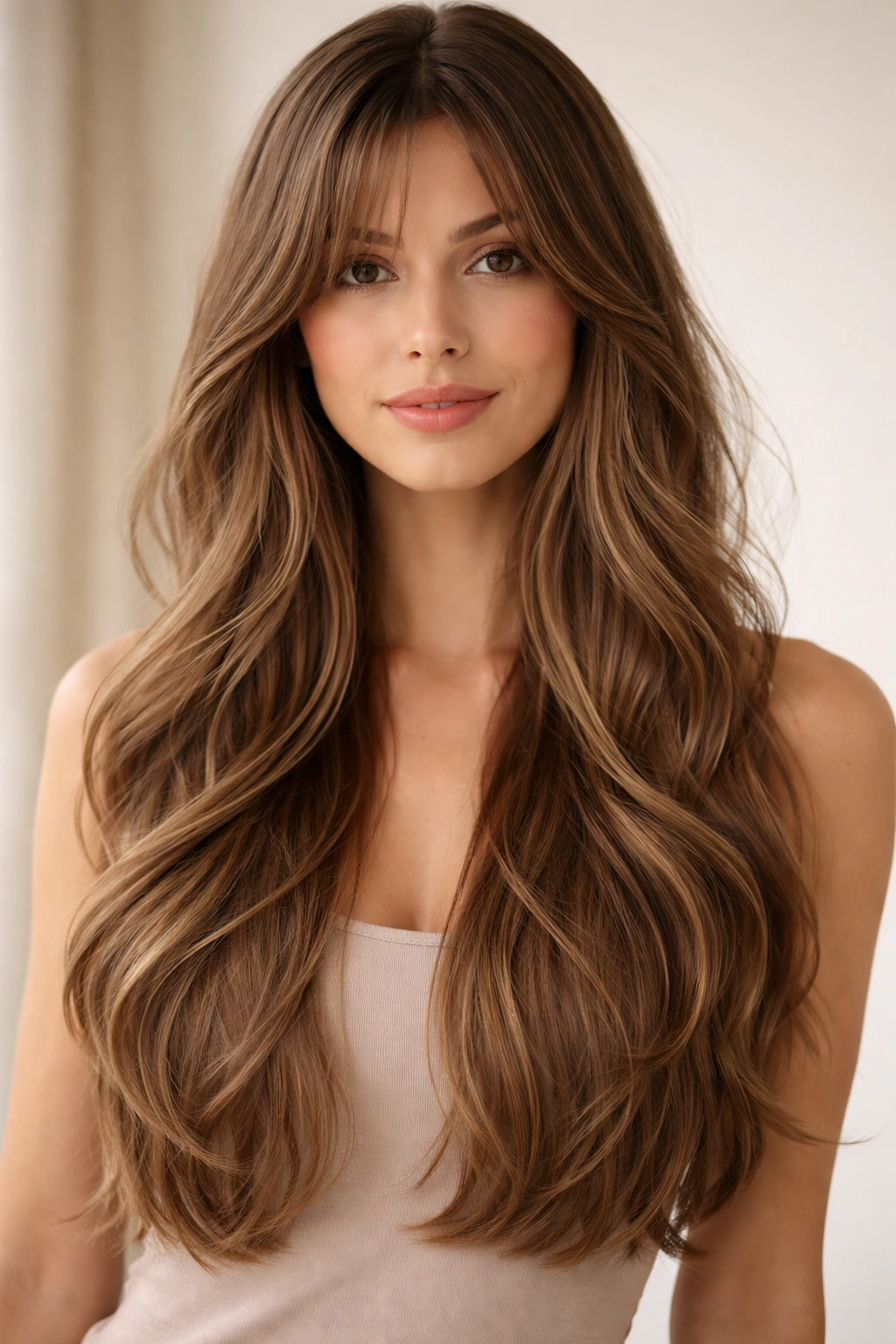
If you prefer length but still want the softness that curtain bangs provide, long layers create the best compromise. Subtle layers throughout blend seamlessly into your curtain bangs, creating one cohesive movement from your forehead all the way down.
Why Length Matters for Fine Hair
Longer hair can actually feel fuller because the weight is distributed across more surface area. This works especially well with fine wavy hair because the waves have more canvas to display their natural texture. Long layers that gradually increase in length prevent that choppy, disconnected feeling and instead create a streamlined shape.
Maintaining the Blend
The key is ensuring your curtain bangs are cut to the exact length where your longer layers begin. When your stylist cuts your bangs, they should measure to where your first long layer starts, creating a seamless transition. Style by letting your waves fall naturally; you don’t need to do anything special to the bangs because they’ll blend in with the movement of your other layers.
4. Textured Shag With Wispy Curtain Bangs
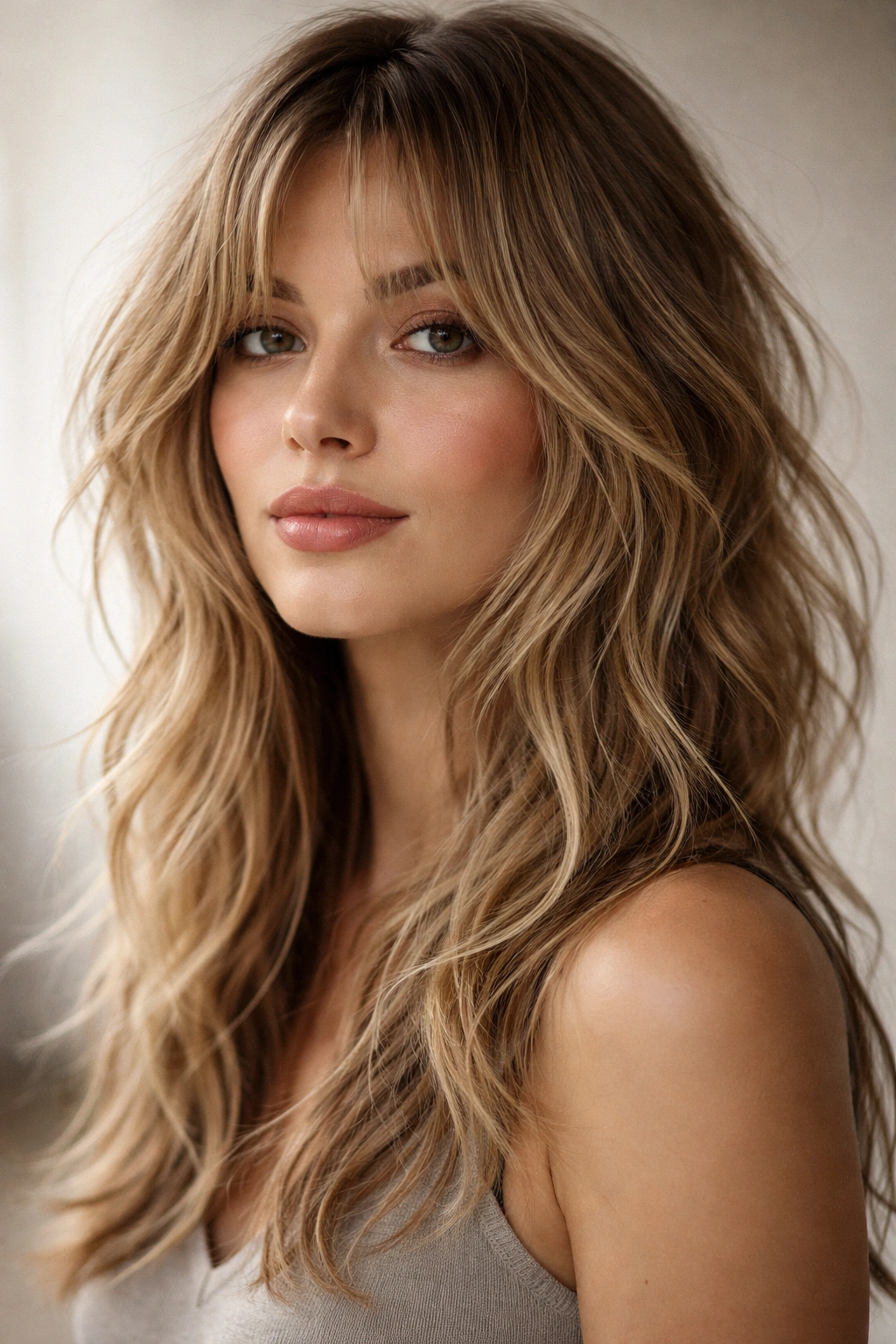
A shag is basically choppy layers taken to their most extreme—and on fine wavy hair, it’s a show-stopper. The shag became famous for adding volume without requiring thick, dense hair, which makes it perfect for people working with fine strands.
The Volume Illusion of a Shag
A shag works by creating maximum texture with minimum hair. Instead of relying on one solid wave of hair, a shag multiplies the number of individual pieces that can move independently. On fine hair, this creates the visual impression of fullness even though you’re not actually adding density.
Styling a Shag With Curtain Bangs
A shag’s strength is that it looks good with minimal styling. Blow-dry your damp hair with your fingers to encourage the natural wave pattern. You can add a light texturizing spray or dry shampoo at the roots for grip, then tousle and go. The curtain bangs work perfectly within a shag because they’re just an extension of the overall textured, layered aesthetic.
Insider note: Shags require trims every 4-6 weeks because the shape depends on the layers staying sharp and defined. Once they grow out and blend together, you lose the volume effect that makes a shag so flattering on fine hair.
5. Sleek Straight Style With Curtain Bangs and Subtle Waves
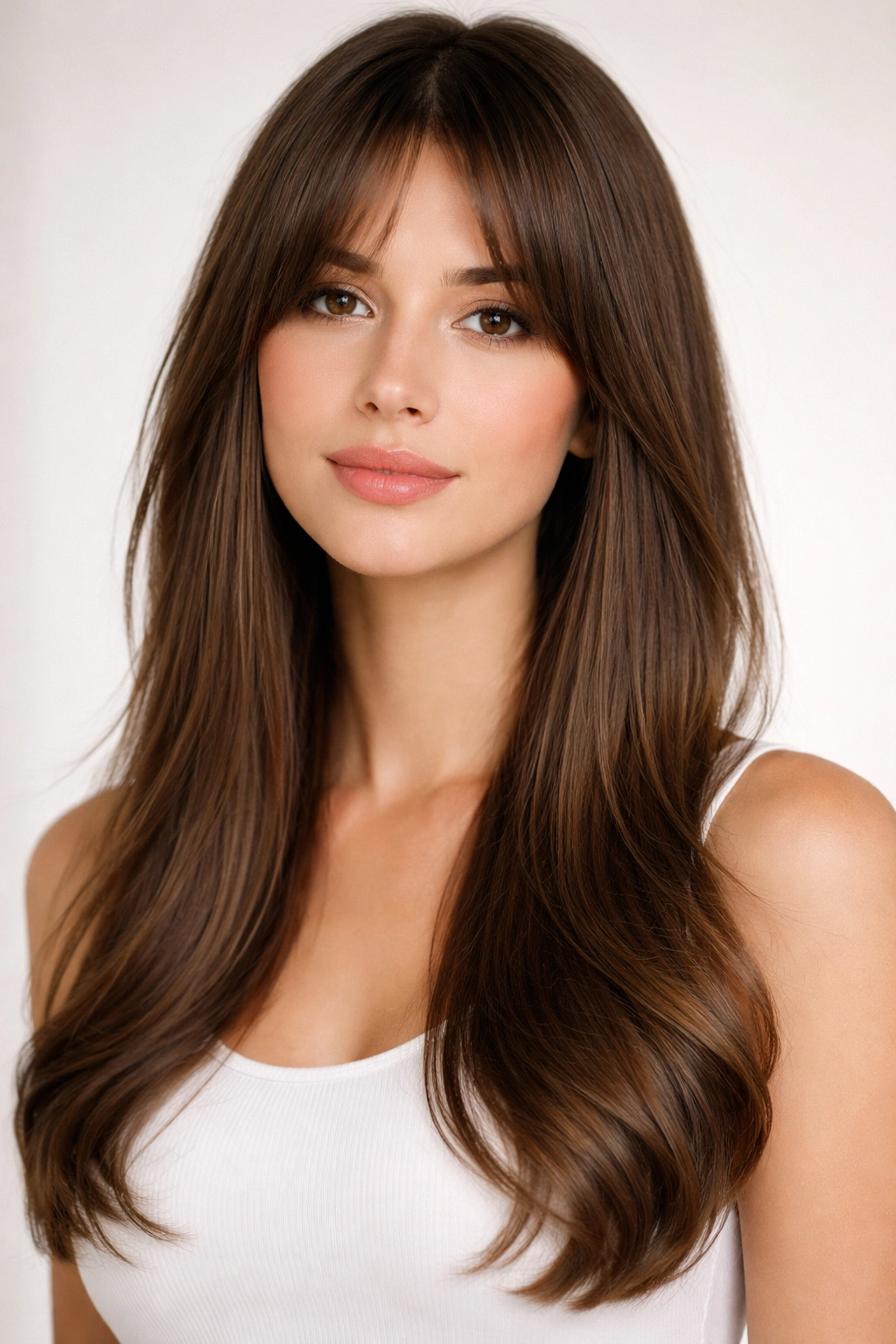
Not every day is a waves day. Sometimes you want that polished, intentional look of mostly straight hair with just enough texture to keep things interesting. Curtain bangs work beautifully in this cleaner aesthetic.
Achieving Sleekness Without Heaviness
The trick is using a blow-dryer and a brush to smooth your hair without flattening it completely. A round brush adds gentle shape and prevents the pancake effect that a paddle brush can create on fine hair. You want the hair to have some body at the roots while remaining smooth along the length.
Adding Subtle Wave Definition
Once your hair is mostly dry, use a flat iron to add just a hint of wave or bend to the ends. Run the iron vertically down sections rather than creating defined curls—you’re aiming for movement, not pattern. Curtain bangs styled this way should be smooth but softly curved, framing your face without the texture of wave days.
6. Tousled Waves With Side-Swept Curtain Bangs
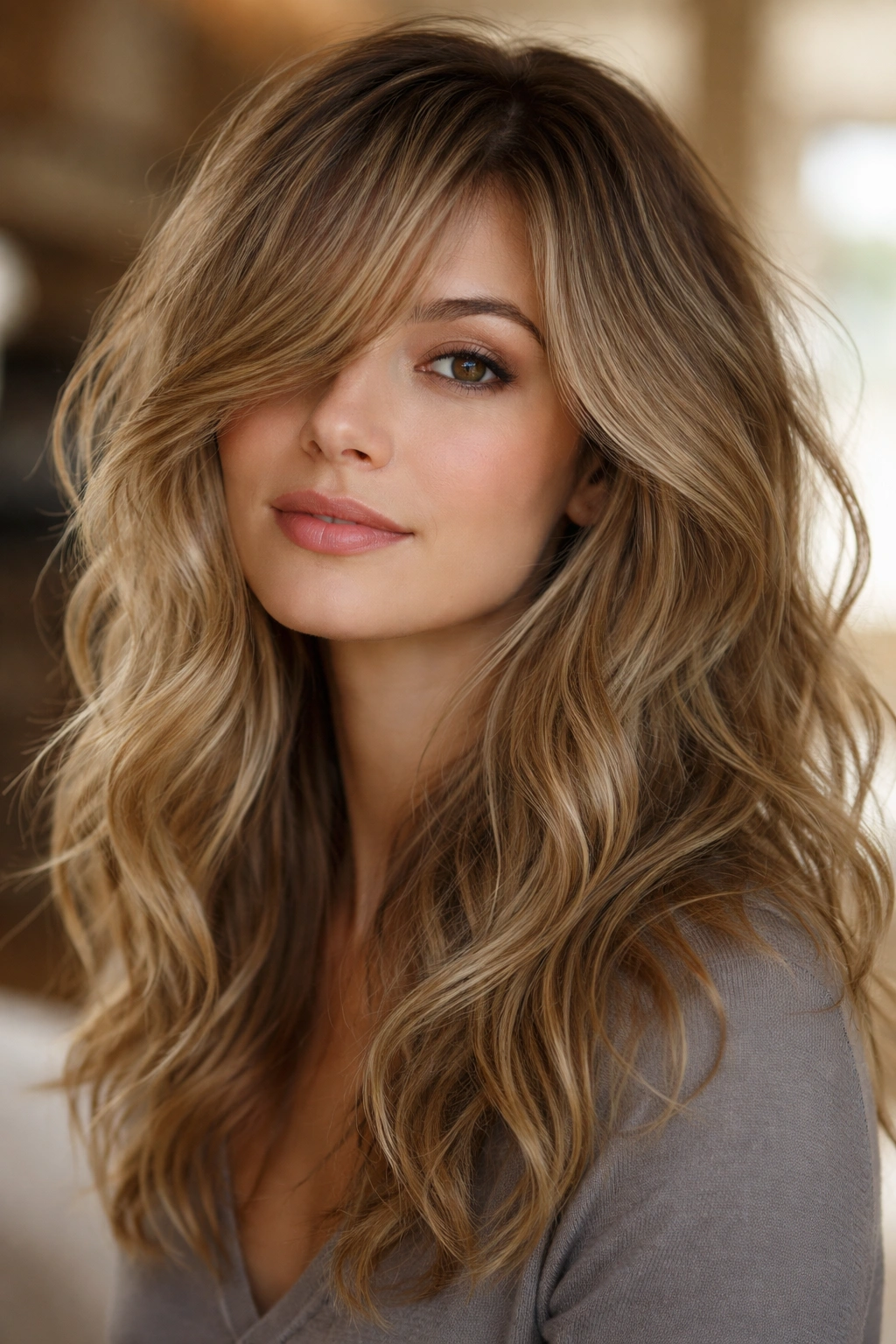
If your natural part leans more toward one side, a side-swept version of curtain bangs can look even more flattering than center-parted. The asymmetry creates visual interest and can actually draw attention to your face in a more dimensional way.
Why Side-Swept Works for Fine Hair
When your curtain bangs sweep to one side, they create a longer line on one side of your face and a shorter reveal on the other. This asymmetry creates visual movement and can make your hair appear fuller because it’s not evenly distributed. The side that has less bang coverage shows more face, creating a balanced overall effect.
Styling Technique for Side-Swept Bangs
Blow-dry with the part you want, encouraging your bangs to fall in the direction they naturally want to go. Use a curling iron to curl your waves loosely, then finger-comb everything together. Your bangs should curve away from your face in the direction of your part, creating that signature swept silhouette.
7. Textured Pixie-Bob Hybrid With Delicate Curtain Bangs
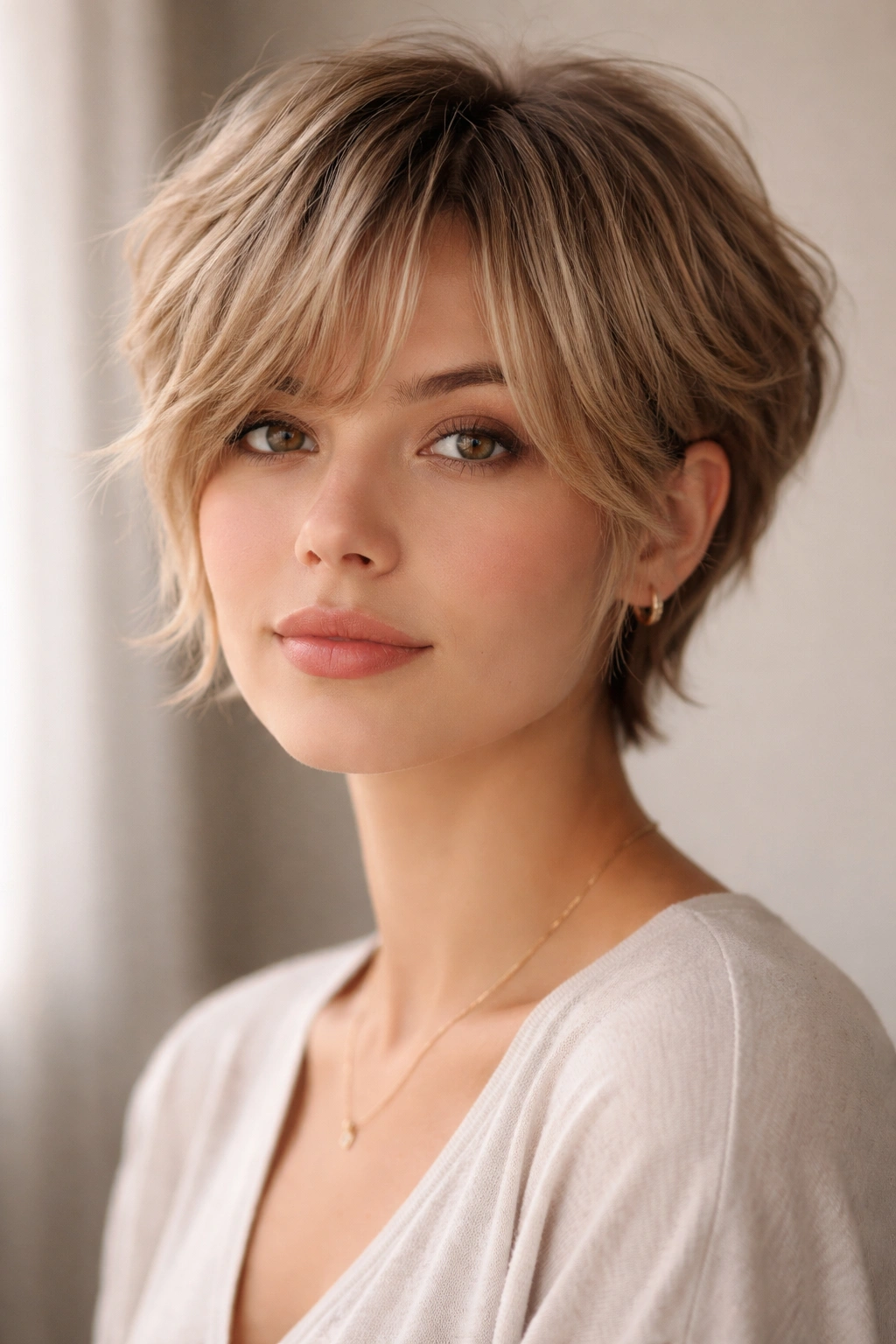
For those ready for a more dramatic change, a textured bob that’s shorter in the back and longer in the front (with the sides blending through) creates an edgy, modern look. Curtain bangs add softness to the structure.
Creating Dimension in a Short Cut
A pixie-bob hybrid relies on layers and texture to look flattering rather than on length. Fine wavy hair is actually ideal for this because your natural texture does the work of creating dimension. Your stylist can cut shorter, disconnected pieces throughout that will wave independently, creating fullness without bulk.
Balancing Short Hair With Curtain Bangs
The curtain bangs become even more important in a shorter cut because they soften the overall silhouette and provide a frame for your face. Make sure your bangs are long enough to reach at least your cheekbone—you want them to feel like part of the cut, not like a separate statement. Style by tousling with your fingers after blow-drying; let your natural waves do the heavy lifting.
8. Romantic Waves With Curtain Bangs and Face-Framing Layers
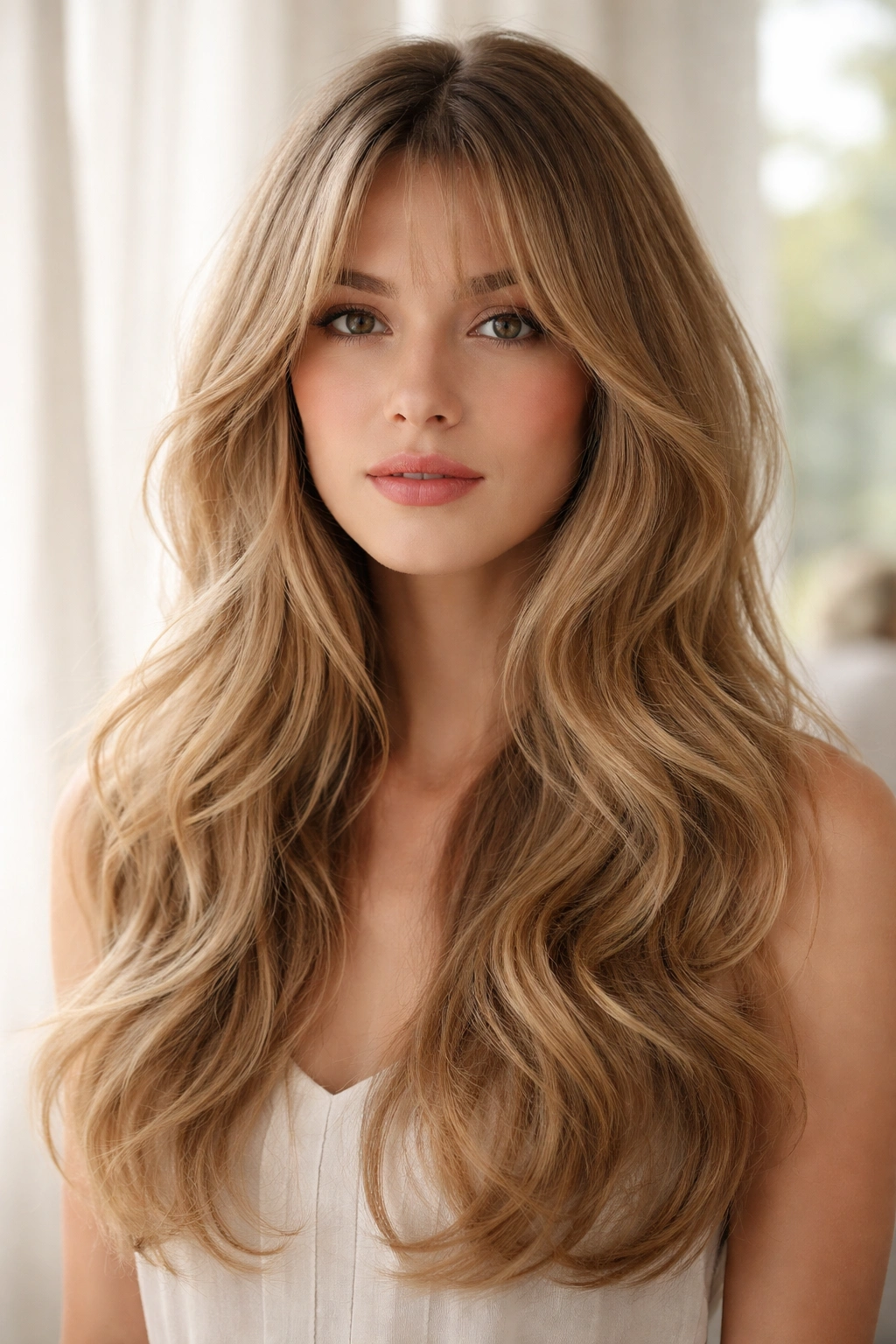
This is the style for anyone who wants to feel a little bit ethereal. Longer hair with subtle, face-framing layers throughout and soft, romantic waves creates a gentle, feminine aesthetic.
Choosing the Right Layers for Romance
Face-framing layers don’t have to be choppy—they can be subtle and refined. Layers that start around ear-length and work their way down create movement right where it matters (around your face) without the choppiness of a shag. These layers should blend into your longer length rather than creating obvious breaks.
Achieving Soft, Romantic Waves
The goal here is waves that look effortless and natural. Use a large-barrel curling iron (1.5 inches or wider) and curl sections loosely, alternating the direction you wrap each piece. Once cooled, run your fingers through gently to break up the waves. A light texturizing spray adds hold without changing the softness of the look.
Pro tip: Romantic wave styles actually look better the second day after styling, when the waves have relaxed slightly and lost their “just curled” appearance. Sleep on your waves with a silk pillowcase to maintain them overnight.
9. Messy Textured Look With Choppy Curtain Bangs
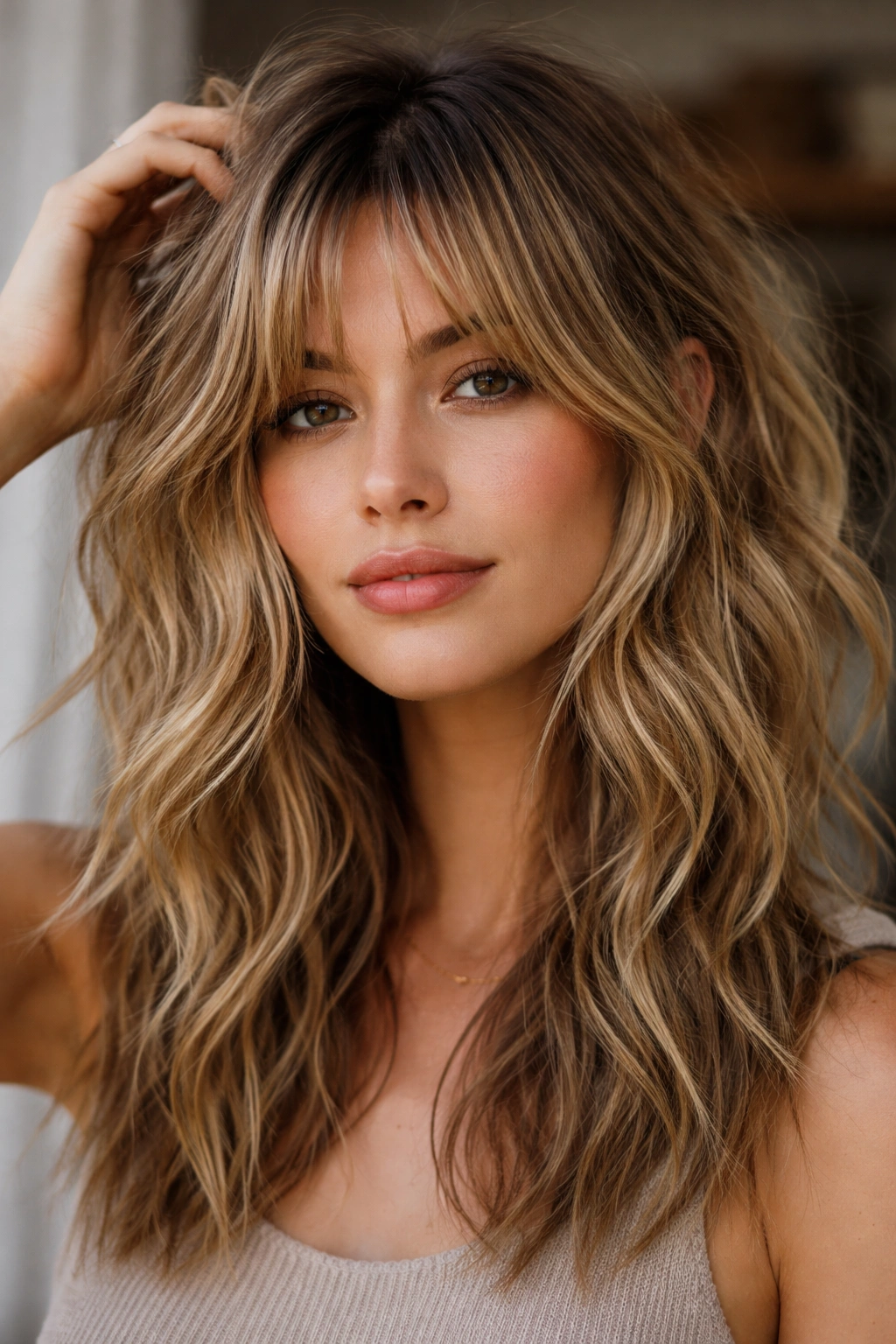
Sometimes the most stylish option is embracing the mess. A deliberately tousled, textured look—complete with choppy curtain bangs—feels intentional and cool rather than unkempt.
Styling the Intentional Mess
This style starts with choppy layers throughout your cut that are designed to stick out slightly and catch light at different angles. Blow-dry your hair with your fingers for maximum texture, then apply a texturizing spray or dry shampoo throughout. Tousle everything with your hands, creating peaks and valleys of texture rather than smooth waves.
Making Choppy Curtain Bangs Work in the Mess
Your curtain bangs should be cut into choppy pieces that blend into the rest of your texture. They shouldn’t sit smoothly; instead, they should have that same tousled, textured quality as the rest of your hair. The beauty of this style is that it’s forgiving—the messier it is, the more intentional it looks.
10. Sleek High Ponytail With Pulled-Out Curtain Bangs
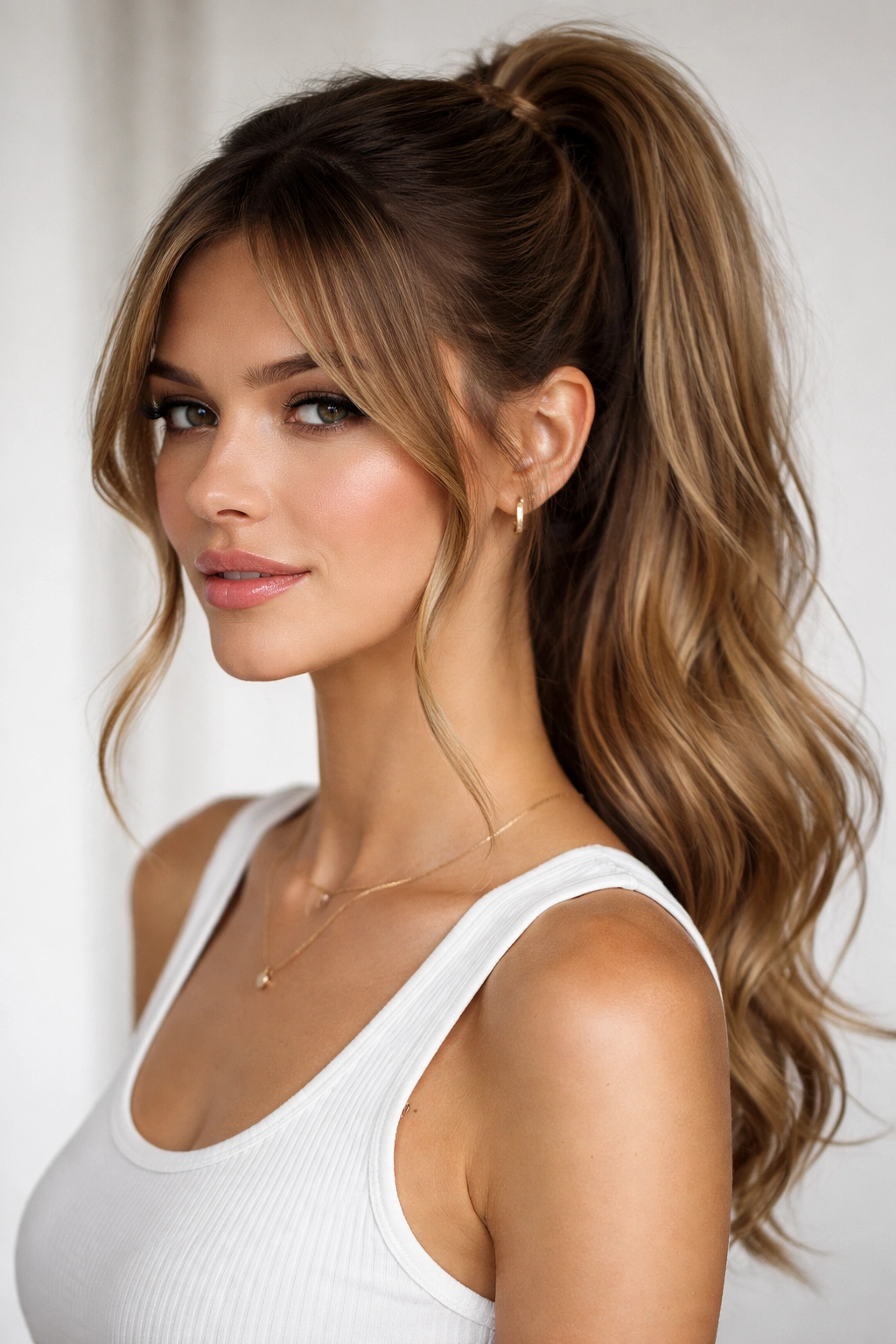
You don’t have to wear your curtain bangs down. A sleek high ponytail with a few pieces of bangs pulled out to frame your face creates a polished, modern look while still showcasing your bangs.
Why This Works for Fine Hair
A high ponytail can sometimes look sparse on fine hair if all your strands are pulled back tightly. By leaving your curtain bangs out to frame your face, you’re adding density and shape right where it matters. Your face looks fuller and more balanced because the bangs break up the expanse of forehead that a pulled-back style can expose.
Styling the Pulled-Out Pieces
Blow-dry your bangs with a curling iron to create soft waves, then pull the rest of your hair into a high, sleek ponytail at your crown. Use a smoothing serum on the ponytail to keep it polished, and allow your bangs to fall naturally, framing your cheekbones and temples. You can wrap a small section of hair around the elastic to hide it for a finished look.
11. Soft Waves With Volumized Crown and Curtain Bangs
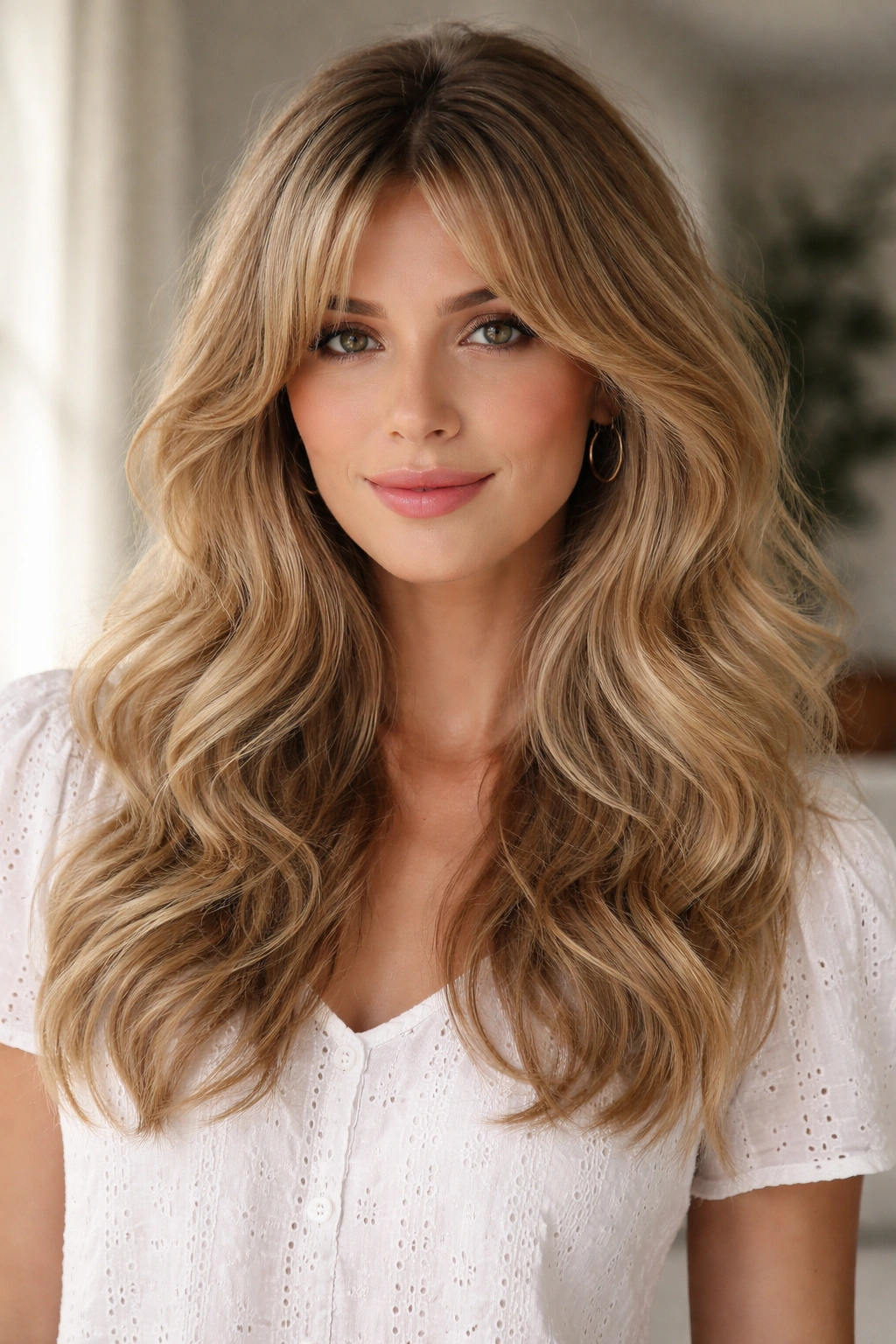
This style prioritizes volume at the crown—the most important place for fine hair to appear full. Curtain bangs add shape to your face while your crown does the real work.
Building Volume at the Crown
Use a volumizing mousse applied to damp roots before blow-drying. Blow-dry your roots with your head flipped upside down, then flip back up and smooth the top layer. Tease gently at your crown to create a foundation of lift. The key is that this volume comes from styling technique, not from choppy layers that can make fine hair look thin.
Complementary Curtain Bang Styling
Your bangs should be styled in soft waves that blend with the movement you’ve created throughout the rest of your hair. The goal is one cohesive shape from bangs to ends, with the most lift and dimension at the crown, gradually relaxing as you move down the length.
Worth knowing: Volume at the crown makes your entire face and hair appear fuller, even if you don’t actually add layers or density. This is a styling trick that works beautifully with fine wavy hair.
12. Lived-In Waves With Grown-Out Curtain Bangs
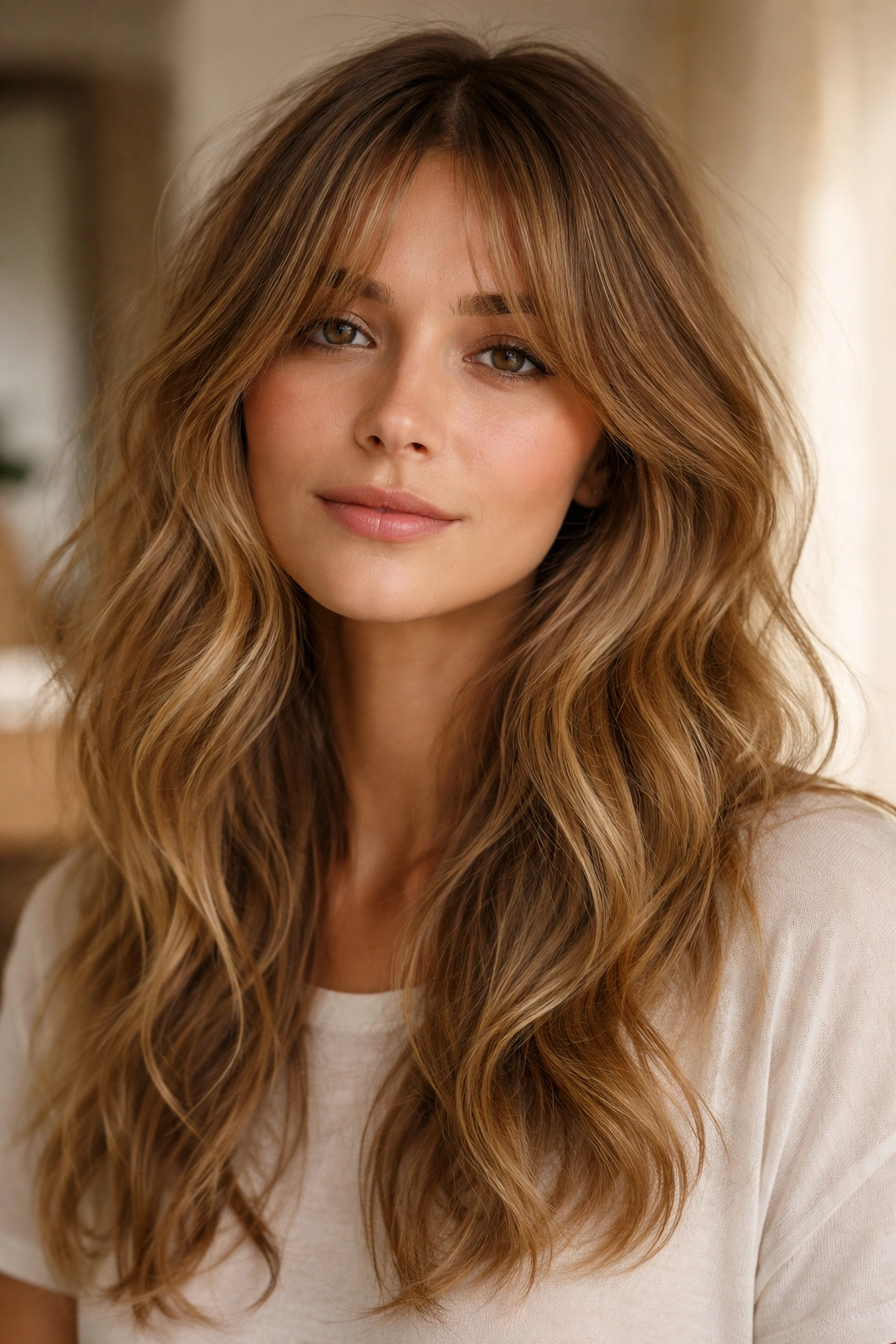
Sometimes the most beautiful version of a style is when it’s been growing out for a few weeks and the sharp lines have softened. Lived-in waves with curtain bangs that are just starting to blend into your longer hair creates a relaxed, effortless aesthetic.
Embracing the In-Between Stage
The period when your curtain bangs are longer than freshly cut but not yet fully grown out is actually gorgeous. The bangs have started blending into your layers, creating more subtle framing. The overall shape feels soft and undone rather than precisely styled.
Styling Grown-Out Curtain Bangs
Let your waves fall naturally with minimal intervention. A light texturizing spray or dry shampoo adds grip and texture without trying too hard. Finger-comb your bangs back into your hair when you want a softer look, or let them frame your face when you want more definition. The flexibility of grown-out curtain bangs is one of their best features.
Final Thoughts
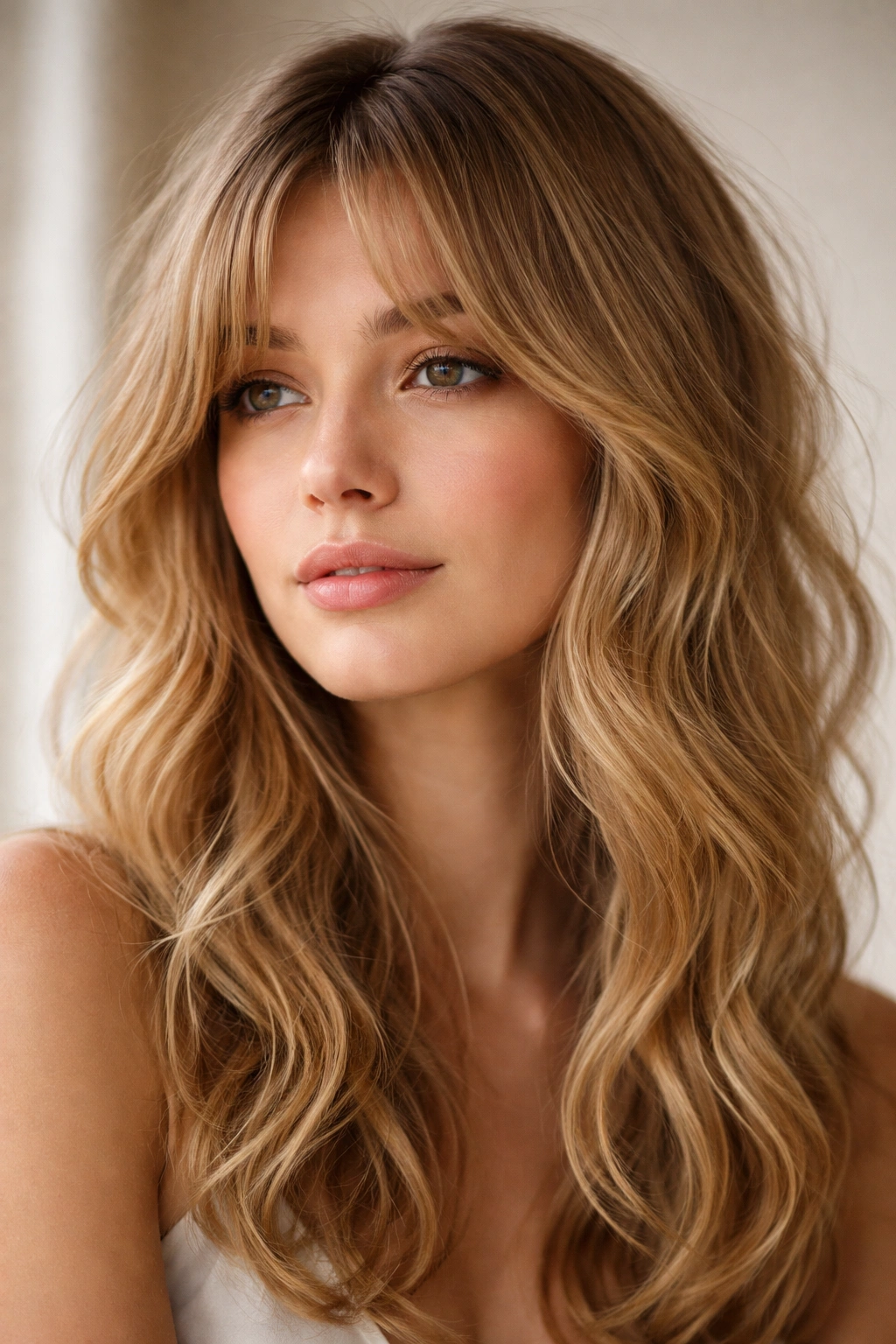
Curtain bangs and fine wavy hair are genuinely made for each other. The bangs work with your texture instead of demanding you fight it, and they instantly add shape and dimension to your face without requiring the density that other bang styles need. Whether you’re drawn to long romantic waves, textured shags, sleek straight styles, or anything in between, curtain bangs adapt beautifully.
The real secret isn’t choosing the perfect style—it’s choosing a style that aligns with how much effort you want to put into styling on a daily basis. If you love the texture of your waves and prefer minimal styling, go for a choppy shag or messy textured look. If you enjoy a more polished aesthetic, a sleek straight style or romantic waves might feel more natural to you. Your curtain bangs will work flawlessly in any of these, as long as your cut is designed specifically for your hair texture and thickness.
The best version of any of these styles is the one that makes you feel like yourself—confident and comfortable in your own hair. Fine wavy hair has genuine advantages (it’s easy to manage, it holds waves beautifully, and it responds well to texture), and curtain bangs highlight all of those strengths while minimizing the challenges. Get a cut from someone who understands fine wavy hair, invest in lightweight styling products that won’t weigh you down, and trust that your texture is an asset, not something to apologize for.
