



Wavy hair has a reputation for being difficult to style, but the truth is far more liberating: waves are a built-in texture that wants movement, dimension, and layers. The butterfly cut—a technique that combines layering, choppy texture, and strategic length variation—is genuinely one of the best approaches for wavy hair because it works with your natural wave pattern rather than fighting it. Waves need somewhere to go; they need air and space between the strands, which is exactly what a well-executed butterfly cut provides.
The butterfly cut started as a nineties trend and has evolved into a versatile, layered technique that flatters most face shapes and hair types. For wavy hair specifically, the cut’s signature shorter layers near the crown create lift at the roots, while longer underneath layers enhance and define your existing waves. What makes this style so effective for wavy hair is that the layers catch and amplify your natural movement instead of weighing it down or forcing it into a shape it doesn’t want to hold.
The tricky part isn’t whether the butterfly cut works for waves—it absolutely does—but rather which variation of the butterfly cut works best for your specific wave pattern, hair thickness, face shape, and styling commitment. That’s where intentionality matters. A butterfly cut designed for fine, loose waves will look completely different from one tailored for thick, tight waves. The same technique might need adjustment based on whether your waves are consistent throughout your hair or concentrated at the ends.
What follows is a detailed breakdown of 20 distinct butterfly cut variations, each designed for different wave types, face shapes, and styling preferences. Every variation here is tested with wavy hair in mind—not adapted from straight-hair techniques, but built from the ground up to complement how waves actually move and hold shape.
1. The Textured Shag Butterfly
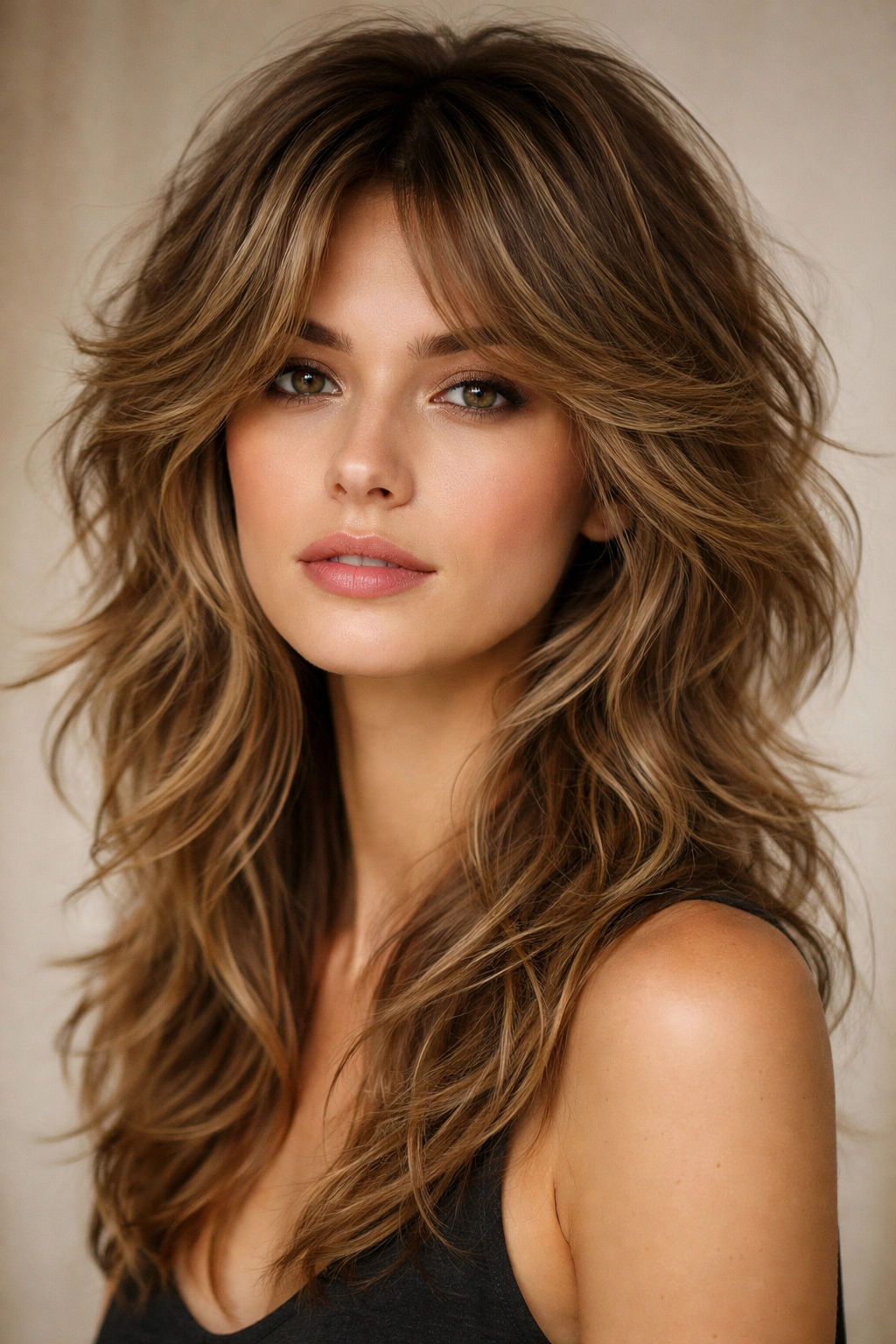
This is the butterfly cut for people who want maximum movement and that effortlessly undone aesthetic. The textured shag combines short, choppy layers throughout the crown and upper mid-length, with longer underneath layers that create feathering and flow. The key difference from a standard butterfly is the intentional texture work—the stylist chopchops vertically through sections rather than just point-cutting, creating visual texture and breaking up the line of your waves.
Why It Works for Wavy Hair
Wavy hair naturally wants to separate into distinct strands and create texture on its own. This cut leans into that tendency instead of fighting it. The chopped layers echo your wave pattern and amplify the separation that waves create naturally, meaning your hair will look intentionally textured whether you style it or let it air-dry.
What Makes It Stand Out
- The choppy layers throughout mean no blunt lines or heavy weight pulling your waves down
- Works beautifully with product-free air-drying or with light styling cream for definition
- Creates volume at the crown without needing backcombing or teasing
- Looks intentionally tousled rather than accidental
Pro tip: Ask your stylist to undercut slightly at the nape and blend it into the choppy layers—this prevents the back from getting too thick or looking mullet-y, which can happen with heavy underneath layers on wavy hair.
2. The Face-Framing Butterfly with Long Underneath
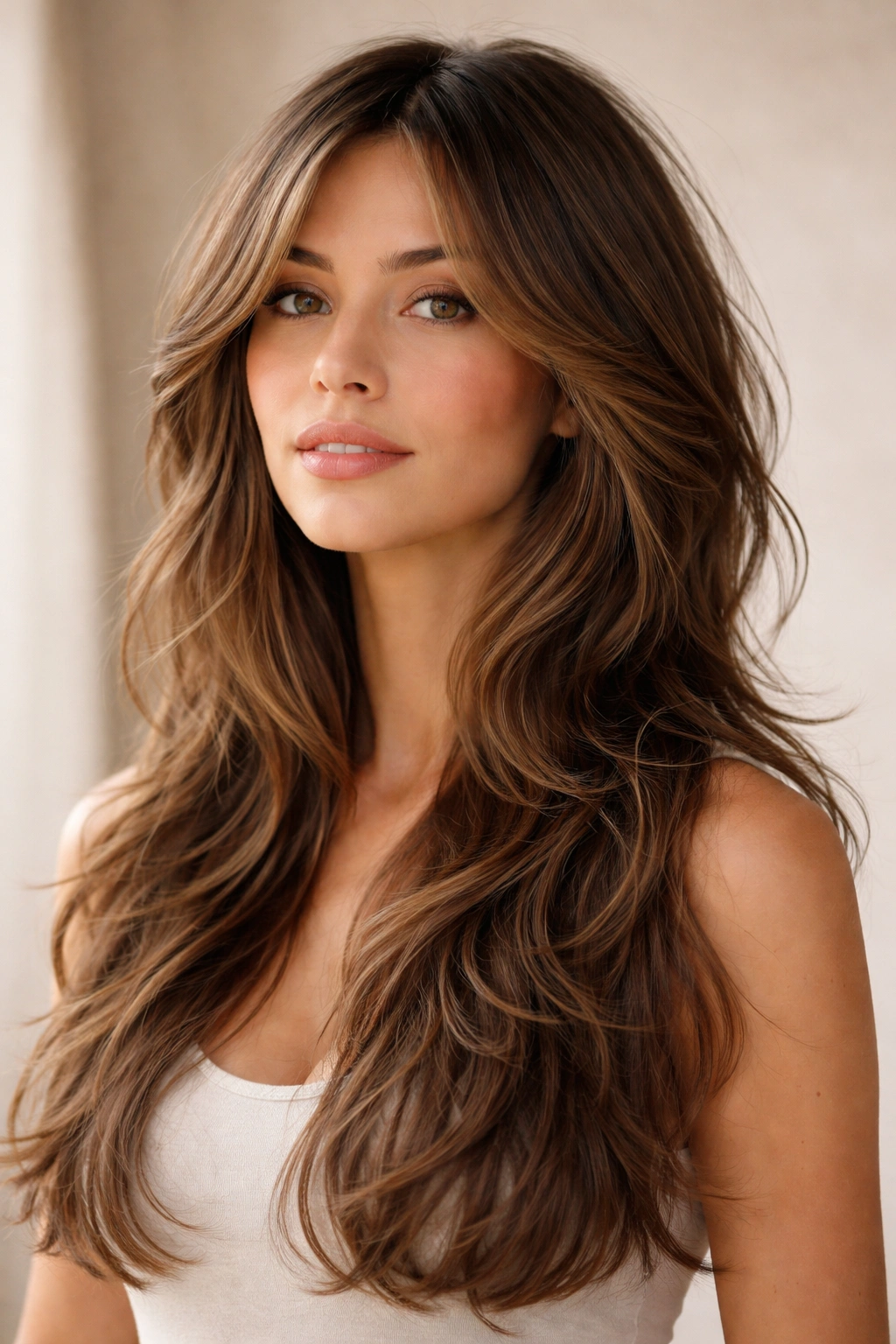
If you’re keeping length but want definition and face-framing, this variation prioritizes shorter layers around the face and crown while maintaining significant length throughout the back and underneath sections. The face-framing layers are cut at chin length or slightly shorter, creating a defined frame that moves independently from the rest of your hair. The longer underneath layers (often extending to bra-strap length or beyond) provide the bulk and weight that many people prefer while still getting the texture and movement that waves need.
Why It Works for Wavy Hair
This is the version for people who love long hair but recognize that long, blunt edges + waves = a heavy, frizzy appearance. The layering solves that problem by creating distinct movement throughout, not just at the very ends. The face-framing layers add a polished element that balances the longer, wavier underneath sections.
What Makes It Stand Out
- Works for both loose waves and tighter, more defined waves
- Face-framing layers catch light and add dimension even when your waves are loose
- The longer underneath sections mean your hair still feels full and substantial
- Can be styled sleek or left textured depending on the occasion
Worth knowing: This cut needs regular trims (every 6-8 weeks) because the shorter face-framing layers grow out noticeably fast. If you’re not committed to maintenance, the style can look overgrown and shapeless more quickly than other butterfly variations.
3. The Blunt-Edge Butterfly with Subtle Layers
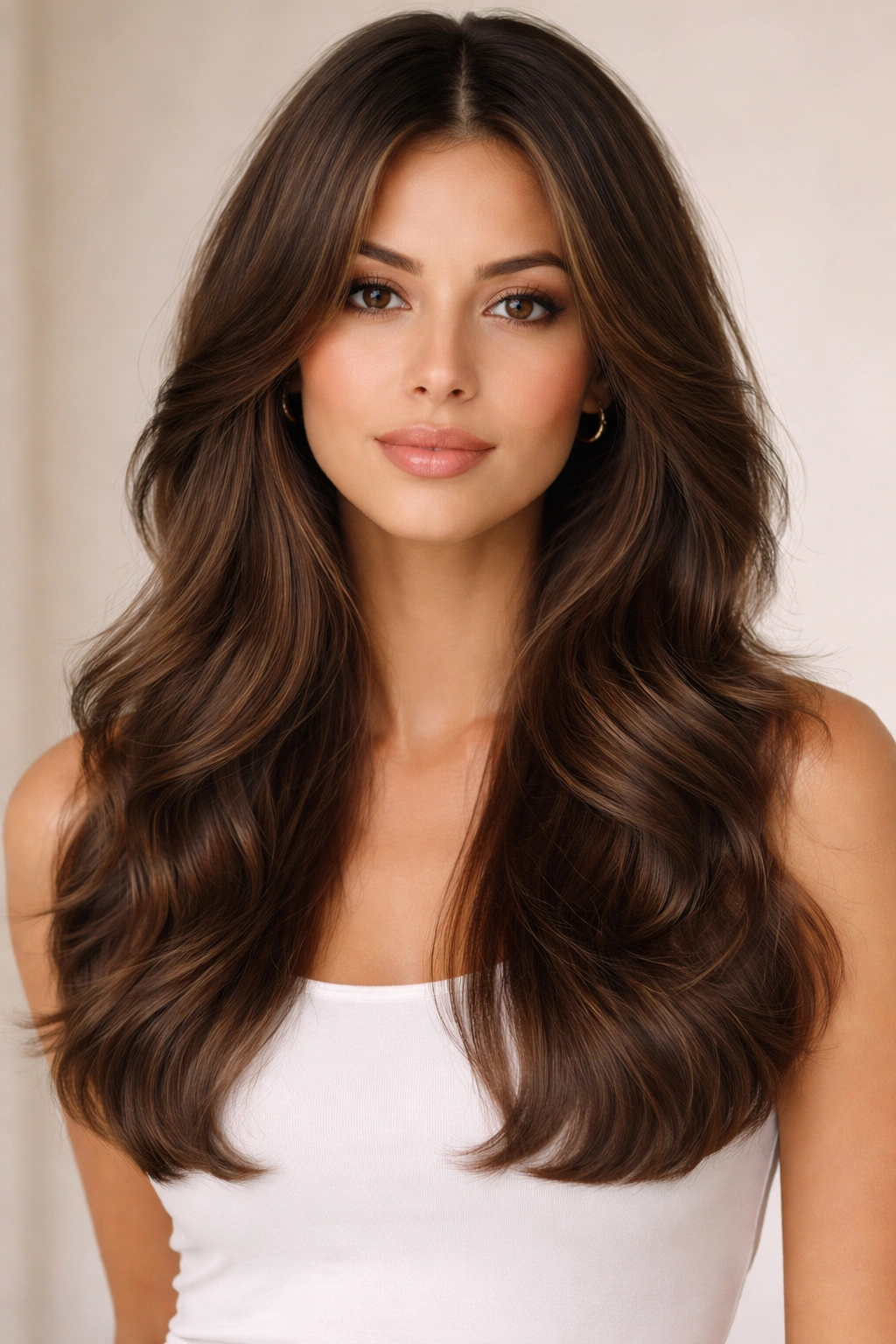
This is the version for wavy hair that runs toward the straighter, looser-wave end of the spectrum. Instead of choppy, textured layering, this butterfly features subtle, blended layers that add movement without obvious texture or disruption to your wave pattern. The overall shape reads as intentionally layered but refined—it’s giving more polished energy than textured-undone. The edges remain somewhat blunt (not feathered thin) at each layer line, creating clean definition.
Why It Works for Wavy Hair
Not all wavy hair wants to advertise its texture. Some people have waves they’d prefer to look like a polished, intentional hairstyle rather than a textured, lived-in vibe. This cut delivers that. The subtle layers prevent weight from building up while preserving the perceived length and polish that blunt or near-blunt lines provide.
What Makes It Stand Out
- Reads as sophisticated and intentional rather than textured or casual
- Works well for waves that are loosely defined, not tightly coiled
- Blunt edges photograph well and feel polished even when you’re not actively styling
- Sits beautifully with waves styled straight or lightly waved
Quick facts about this cut:
- Requires a stylist skilled at blending subtle layers so they don’t look choppy
- Works best on fine to medium-density waves; very thick waves will still need more obvious layering to avoid heaviness
- The blunt lines mean this style is less forgiving if your waves aren’t consistent throughout
- Needs every 6-8 weeks to maintain the shape as hair grows
4. The Textured Wolf Cut Butterfly
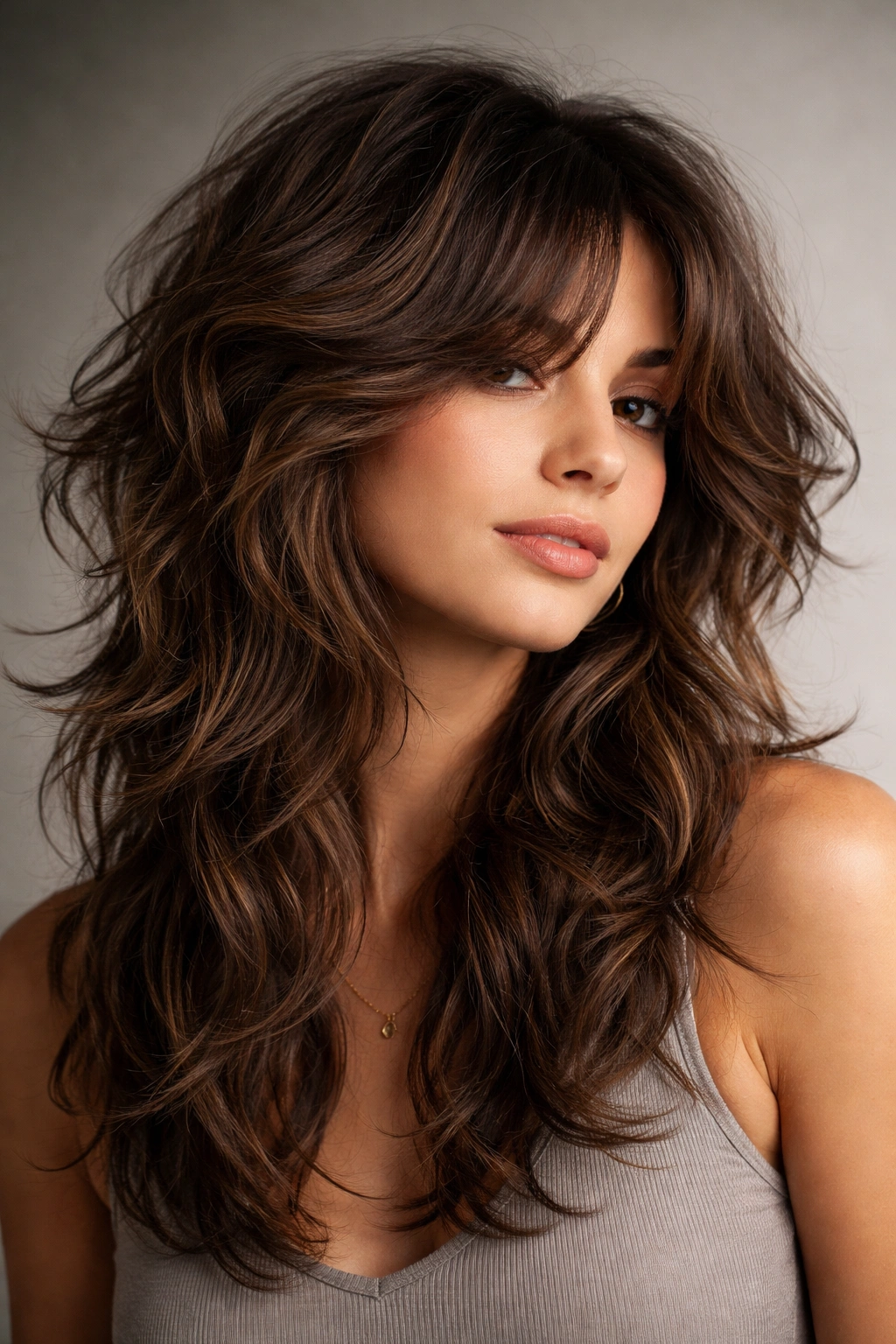
The wolf cut is a more extreme evolution of the butterfly, and this version applies wolf-cut principles specifically to wavy hair. The wolf combines an undercut (short, blunt layers underneath) with longer guard lengths on top, creating dramatic contrast and maximum movement. The butterfly version softens this contrast—the undercut isn’t quite as severe, and the layers blend more gradually into the longer top section. The result is wild, intentionally undone texture with serious dimension.
Why It Works for Wavy Hair
Wavy hair with an undercut-influenced structure gets SO much movement and visual drama. The shorter underneath layers remove weight exactly where waves tend to get heavy (at the bottom third and ends), while the longer top section maintains length and coverage. Your waves will move dramatically with every head turn, and the texture will be legitimately stunning.
What Makes It Stand Out
- Creates incredible dimension and volume for wavy hair
- The contrast between shorter underneath and longer top layers creates dynamic movement
- Works especially well if you have thick wavy hair that needs serious weight removal
- Genuinely striking and memorable—not a safe, predictable cut
Warning: This is a high-maintenance, statement cut. It demands styling (texturizing spray, mousse, or cream) to look intentional rather than shaggy. If you prefer low-maintenance styling, this isn’t your variation. Also, you’ll notice the shorter underneath layers growing in; this cut needs trimming every 5-6 weeks to maintain its shape.
5. The Soft Layers Throughout Butterfly
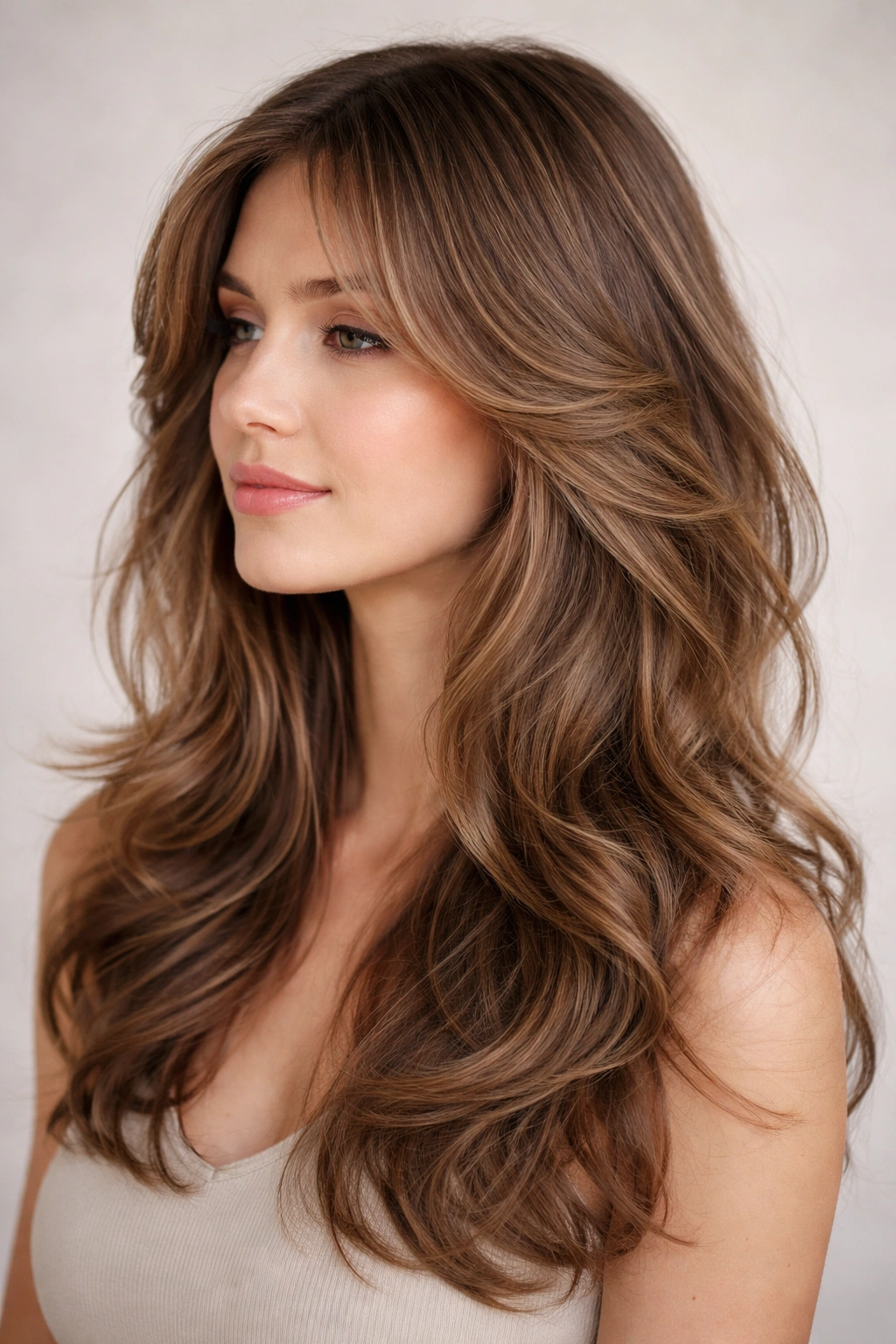
This variation is the opposite of extreme—it’s a gentle butterfly where every layer is relatively close to the one beneath it, creating soft, blended movement without any dramatic chop or undercut. The layers are shorter at the crown (creating lift and dimension) and gradually lengthen as you move down, creating one cohesive, flowing shape. There’s no obvious short section or obvious long section; instead, the layers work together to create smooth, undulating movement.
Why It Works for Wavy Hair
This is the version for people who have wavy hair they want to enhance and define without the cut screaming “textured” or “layered.” The soft layers add movement and dimension in a way that feels natural, almost like the waves created the shape themselves. It’s subtle elevation rather than dramatic transformation.
What Makes It Stand Out
- Low-maintenance; looks good with minimal styling
- Works beautifully for medium to fine waves that might look stringy if layered too aggressively
- Provides lift at the crown without obvious choppy texture
- Layers blend so seamlessly that the cut reads as shape, not technique
Quick facts about this cut:
- Needs trims every 8-10 weeks (less frequently than choppy versions)
- Works well with waves that are fairly consistent throughout your hair
- Can look a bit shapeless if your waves are very loose or minimal
- Best for people who prefer a more understated, refined aesthetic
6. The Layered Mullet Butterfly
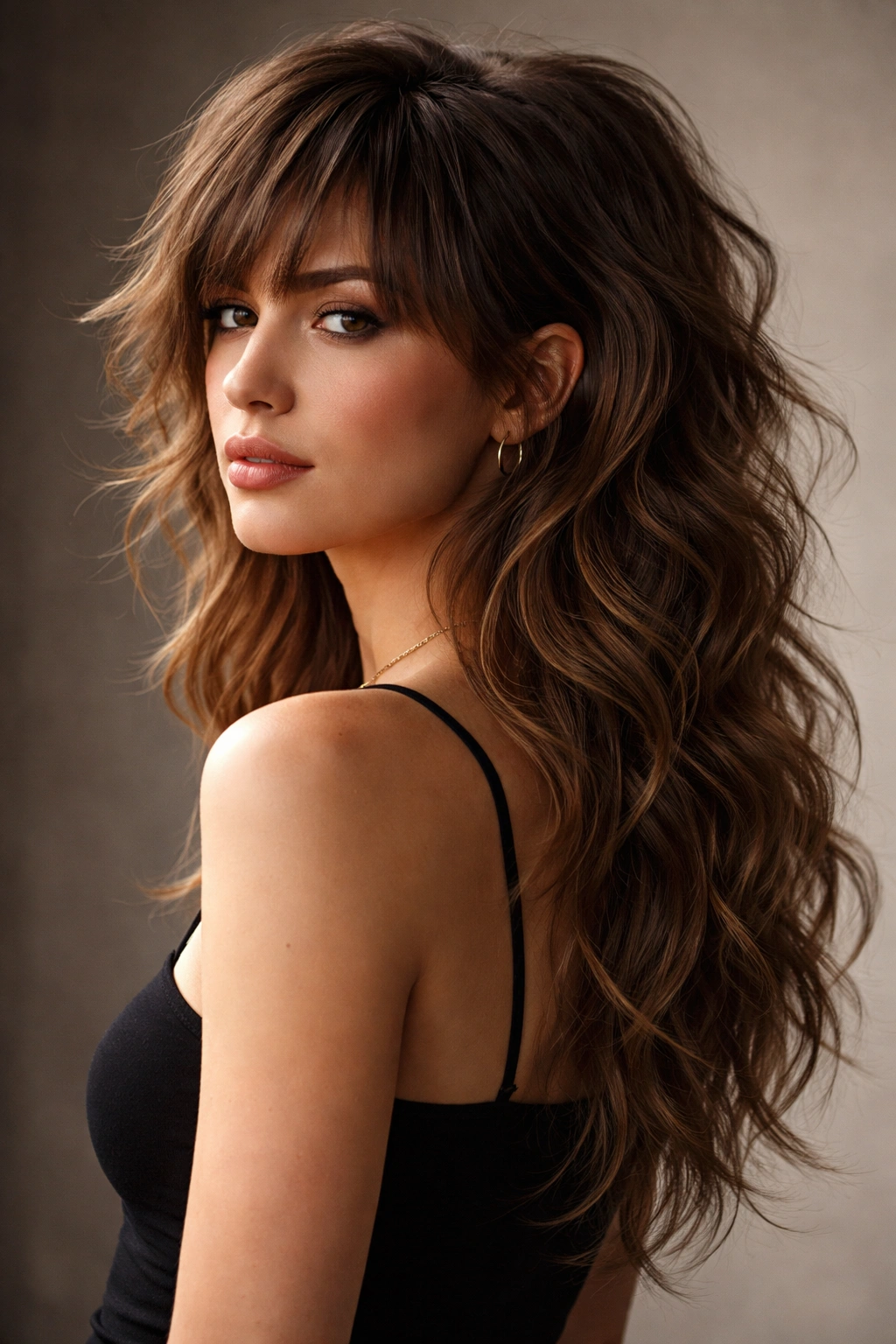
The mullet’s return to cultural relevance has spawned a thousand interpretations, and this butterfly version applies the mullet principle—longer in back, shorter in front—with intentional layering. The front and crown are significantly shorter (often chin length or shorter), while the back sections are substantially longer (collarbone or beyond). Layers throughout create texture and movement, and the overall silhouette is unmistakably a mullet but softened and defined by intentional wave-enhancing layering.
Why It Works for Wavy Hair
The length difference between front and back is dramatic and deliberate, which works on wavy hair because the waves themselves help define and separate the sections visually. Without strong texture or waves, a mullet can look gimmicky; on waves, it looks purposeful and sculptural.
What Makes It Stand Out
- Makes a genuine style statement; this isn’t a quiet, subtle cut
- The longer back creates movement while the shorter front adds edginess
- Works well for thick or curly-wavy hair that benefits from significant length variation
- Photographs exceptionally well with waves caught mid-movement
Worth knowing: This is a commitment. You’ll get comments. The front layers grow out noticeably as your hair grows, meaning you’ll need touch-ups more frequently (every 4-5 weeks) if you want to maintain the dramatic length difference. Also, this cut demands styling—leaving it unstyled doesn’t give the polished result you want.
7. The Reverse Butterfly (Longer Layers Underneath)
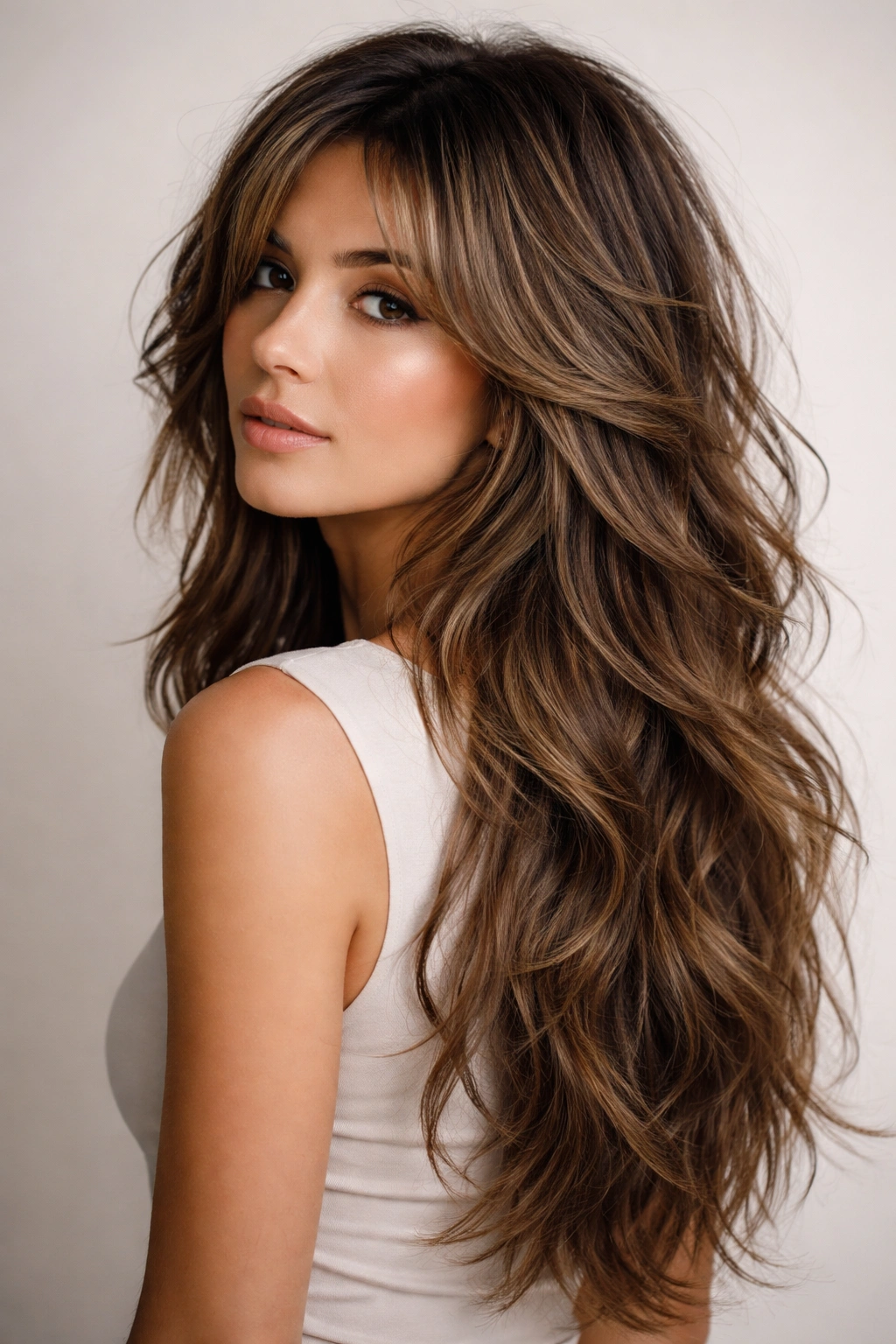
Most butterfly cuts are longer on top with shorter underneath. This version flips that expectation: the top is cut shorter and choppier for volume and texture, while the underneath sections are significantly longer, creating surprising length that emerges as you move or flip your head. It’s a trick-of-the-light cut where your hair reads as textured and medium-length from the front but reveals longer, wavey length from certain angles.
Why It Works for Wavy Hair
This approach is genuinely clever for waves because it gives you texture and dimension up top where you want volume, while preserving serious length underneath where waves look their most beautiful. When you wear your hair down, the longer underneath sections wave and move dramatically. When you wear it up in a bun or ponytail, the shorter top layers create a piece-y, intentional texture around your face.
What Makes It Stand Out
- Gives the visual impression of shorter hair from most angles but delivers longer length
- Creates incredible dimension and movement as your waves fall and move
- The underneath layers showcase your waves at their most beautiful
- Offers versatility—can be styled multiple ways and always looks intentional
Pro tip: Ask your stylist to blend the underneath layers slightly so there isn’t an obvious line where the short layers end and the long layers begin. The blending creates smoother visual transition and prevents the “mullet” appearance some people find unflattering.
8. The Shaggy Butterfly with Micro Bangs
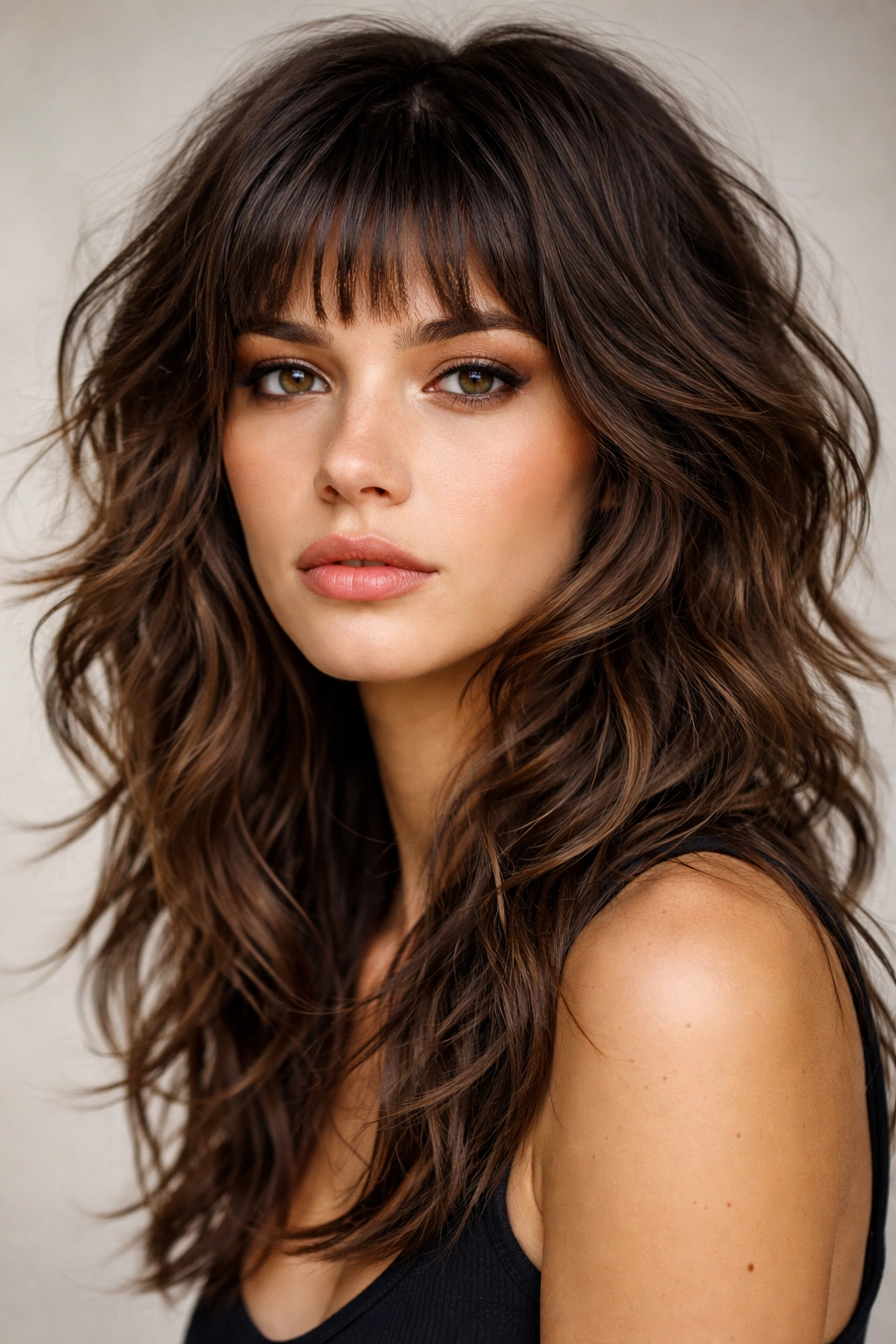
For people who want serious statement energy, this variation combines shaggy, heavily layered butterfly structure with micro bangs—short, choppy bangs cut well above the eyebrows. The micro bangs add edginess and instant dimension to your face, while the shaggy layers throughout the rest of your hair create maximum movement and texture. This is a commitment to looking intentionally undone and textured.
Why It Works for Wavy Hair
Wavy hair with shaggy texture already reads as lived-in and movement-oriented. Micro bangs intensify that vibe and add a fashion-forward element that works especially well on waves because the waves in the bangs themselves add texture and prevent the bangs from looking too stark or severe.
What Makes It Stand Out
- Instantly transformative; this cut will turn heads
- Works exceptionally well for people with strong, defined facial features who can carry the edge
- The micro bangs prevent the overall texture from feeling too soft or gentle
- Photograph-worthy and distinctive
Real talk: This is a high-visibility cut, and it requires commitment. You’ll need to style your bangs most days (texturizing spray, light wax, or styling cream) so they lie intentionally rather than looking chaotic. If you prefer a lower-key aesthetic or don’t have time for daily styling, this isn’t your variation. Also, growing out micro bangs is genuinely awkward; you’re committing to regular bang trims (every 2-3 weeks) or embracing an intentionally overgrown phase.
9. The Tailored Butterfly with Blunt Bangs
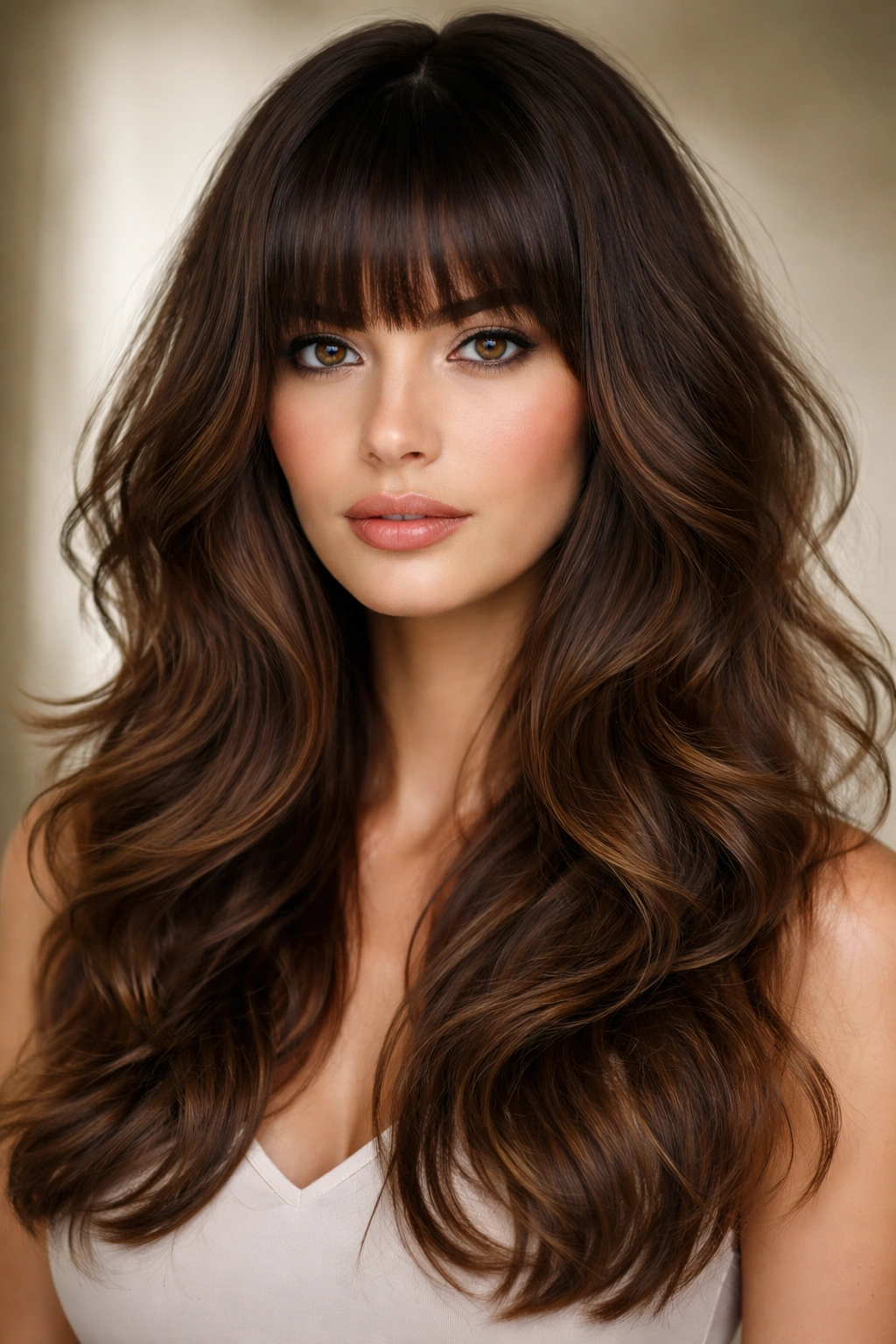
If micro bangs feel too extreme, this variation substitutes blunt, full bangs—cut at eyebrow length or slightly shorter—with a structured butterfly underneath. The bangs are blunt and relatively thick (not wispy), creating a defined frame for your face. The underneath structure is layered for movement and texture, but the overall silhouette reads as more tailored and intentional than shaggy or undone.
Why It Works for Wavy Hair
Blunt bangs + wavy hair creates a balanced, high-fashion look that feels contemporary. The waves in the bangs add texture that prevents the blunt line from looking too severe or severe, while the waves throughout the rest of the cut create movement that complements the polished structure of the bangs.
What Makes It Stand Out
- Works for multiple face shapes and scales from delicate to bold
- Blunt bangs immediately elevate the entire look; even simple waves look polished
- The contrast between blunt bangs and textured layers creates visual interest
- Relatively easy to maintain; bangs need trimming every 4 weeks, but the underneath doesn’t need frequent touch-ups
Quick facts about this cut:
- Requires waves that are fairly consistent throughout your bangs (if your bangs don’t wave the same way, blunt bangs can look weird)
- Works best for medium to thick waves; very loose waves might not create enough texture in the bangs to balance the blunt line
- Bangs don’t photograph well on extremely wavy or curly hair; if your waves are very tight, consider a different variation
- If you ever want to grow bangs out, the transition phase is about 6 months of strategic styling
10. The Choppy Layered Butterfly with Side Part
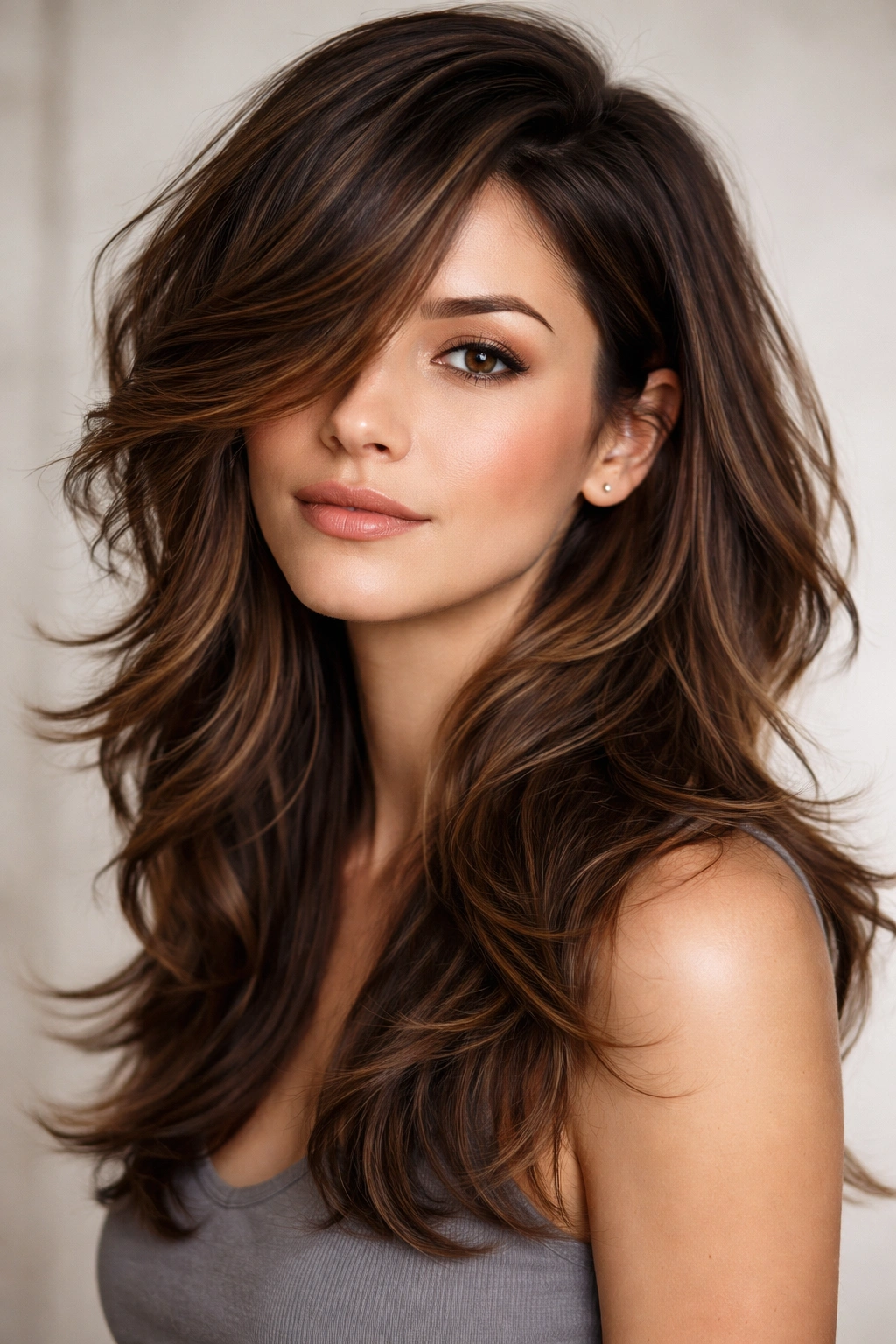
This variation emphasizes the side part as a key element of the style. The hair is cut with choppy, textured layers throughout, but the side part is deep and intentional, creating a dramatic line that divides your hair and draws attention to one side of your face. The longer side falls past the shoulder while the shorter side sits around chin length, creating asymmetrical movement. The layers throughout catch that asymmetry and amplify it.
Why It Works for Wavy Hair
Wavy hair naturally wants to part and separate into distinct sections. This cut leans into that and uses the side part as a structural element. The asymmetry is flattering for most face shapes because the longer side of your hair can be styled to complement your face, while the choppy layers prevent any heaviness.
What Makes It Stand Out
- The dramatic side part makes every wave-toss and movement look intentional
- Works well for people who prefer a more directional, styled appearance rather than symmetrical
- The asymmetry is flattering for round or square faces because the longer side can be positioned to elongate
- Creates the impression of movement even when your hair is still
Pro tip: When you get this cut, ask your stylist to razor the layers into the shorter side more aggressively than the longer side. This creates light, piece-y texture on the shorter side that prevents it from looking heavy or blunt, even though that side is shorter.
11. The Relaxed Butterfly with Face-Framing Ribbons
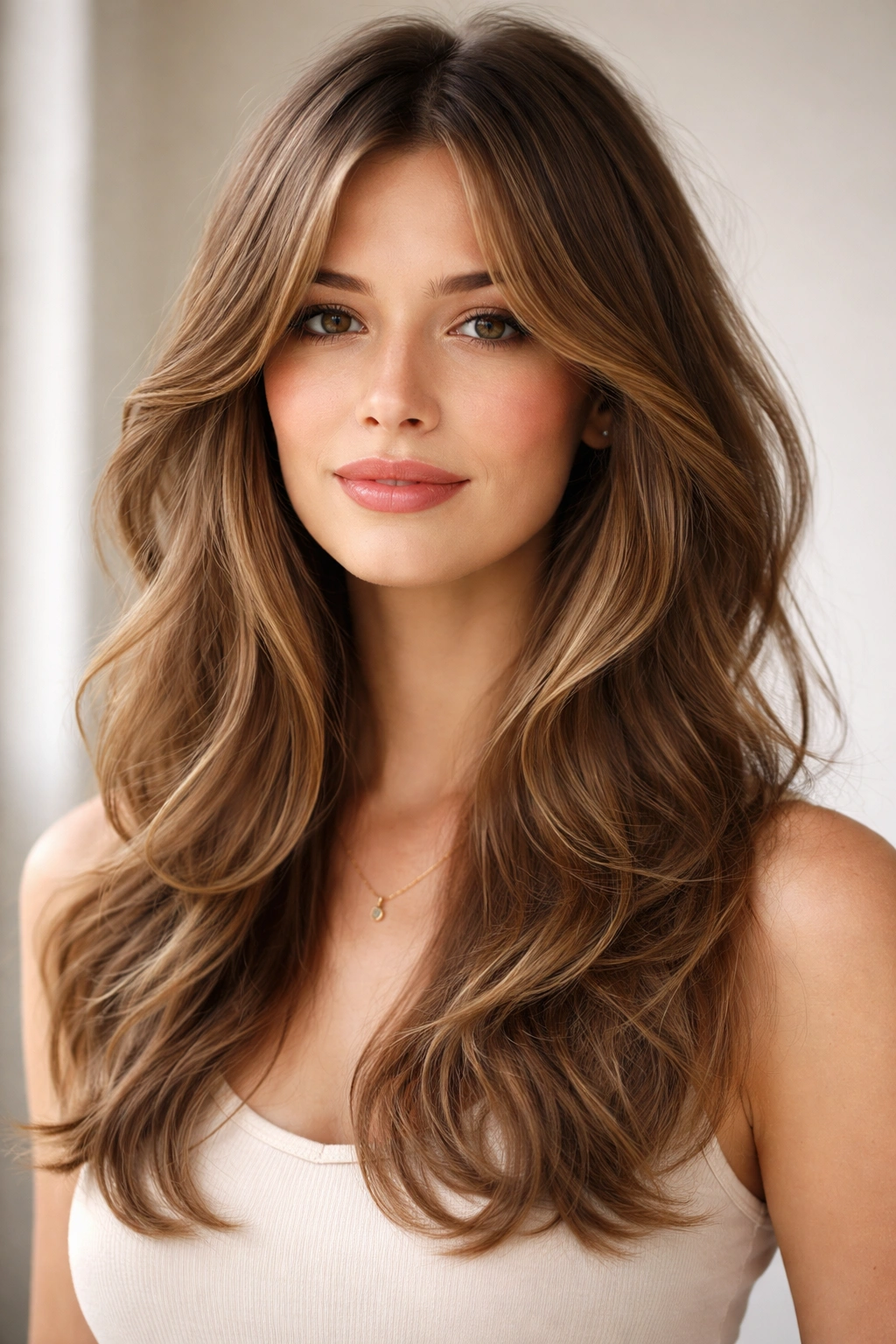
“Ribbons” refer to longer, deliberate face-framing pieces that are cut as distinct sections separate from the overall cut structure. This butterfly variation keeps the overall cut relatively gentle and blended, but adds designated ribbon sections—typically longer pieces cut directly around the face—that move independently and create defined framing. The ribbons are often cut at collarbone length or longer, creating visual separation from the shorter layers around the crown and sides.
Why It Works for Wavy Hair
Face-framing ribbons on wavy hair are absolutely gorgeous because the waves in those ribbon pieces catch light and move dynamically. The ribbons add polish and intentionality without the entire cut feeling heavily layered or textured. It’s a sophisticated approach that enhances waves without overwhelming them.
What Makes It Stand Out
- Creates defined face-framing without the entire head needing significant layering
- Works for people who want to enhance their waves without committing to a heavily cut style
- The ribbon pieces are visually striking and catch light beautifully
- Relatively low-maintenance; the ribbons work well with natural waves and minimal styling
Quick facts about this cut:
- Works best for medium to long hair (short hair can’t accommodate long ribbon pieces)
- The ribbons need to be shaped every 6-8 weeks to maintain definition
- Works for most wave patterns, but especially stunning on medium waves that are consistent throughout
12. The Choppy Pixie-Length Butterfly Hybrid
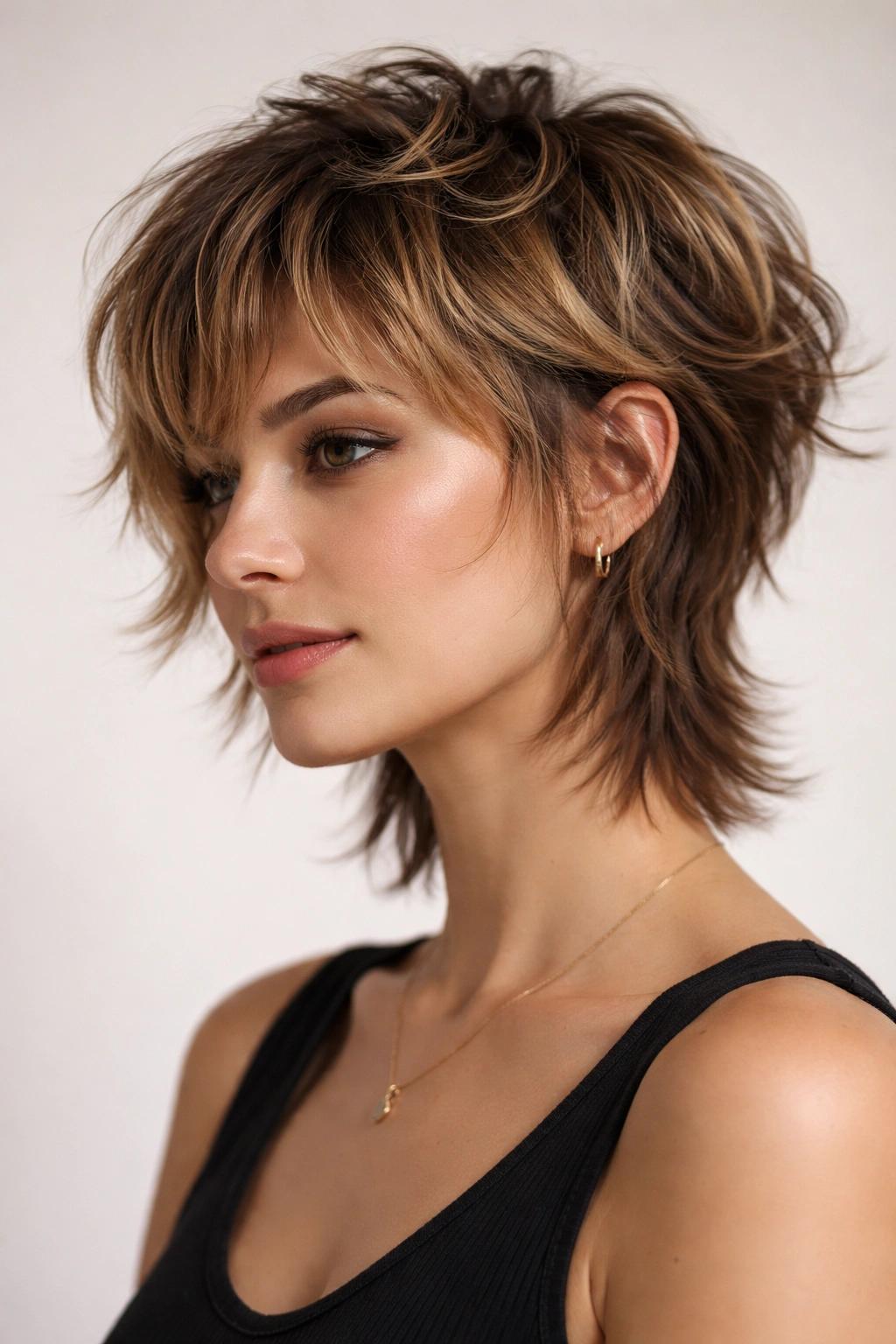
For people with shorter hair or those ready to commit to a radical change, this variation applies butterfly principles to pixie-length hair. The crown is cut short and textured (pixie-length, roughly 1-3 inches), while the underneath and sides are longer (often ear-length or chin-length), creating an inverted structure. The entire cut is heavily layered and choppy, creating maximum texture and movement even with significantly less overall length.
Why It Works for Wavy Hair
Short waves are genuinely gorgeous because the texture reads clearly without visual weight pulling them down. This cut maximizes texture and movement by emphasizing chop and separation throughout. Even though you have significantly less hair than longer styles, the waves and texture create the impression of more volume than you’d expect.
What Makes It Stand Out
- Low-maintenance in terms of styling (your waves create texture naturally)
- High-impact and transformative; this is a genuine style moment
- Works especially well for people with thick or curly-wavy hair
- Liberating in hot weather; your hair moves and dries quickly
Warning: This is a vulnerable cut. You’re exposing your face, neck, and ears, so it works best if you feel confident in your features and bone structure. It’s also a significant commitment—growing out from pixie-length takes many months, and you’ll go through awkward phases where the length is neither short nor long. Also, styling (texturizing spray or cream) is usually essential to prevent this looking matted; you’re not typically doing wash-and-go styling with this cut.
13. The Butterfly with Curtain Bangs
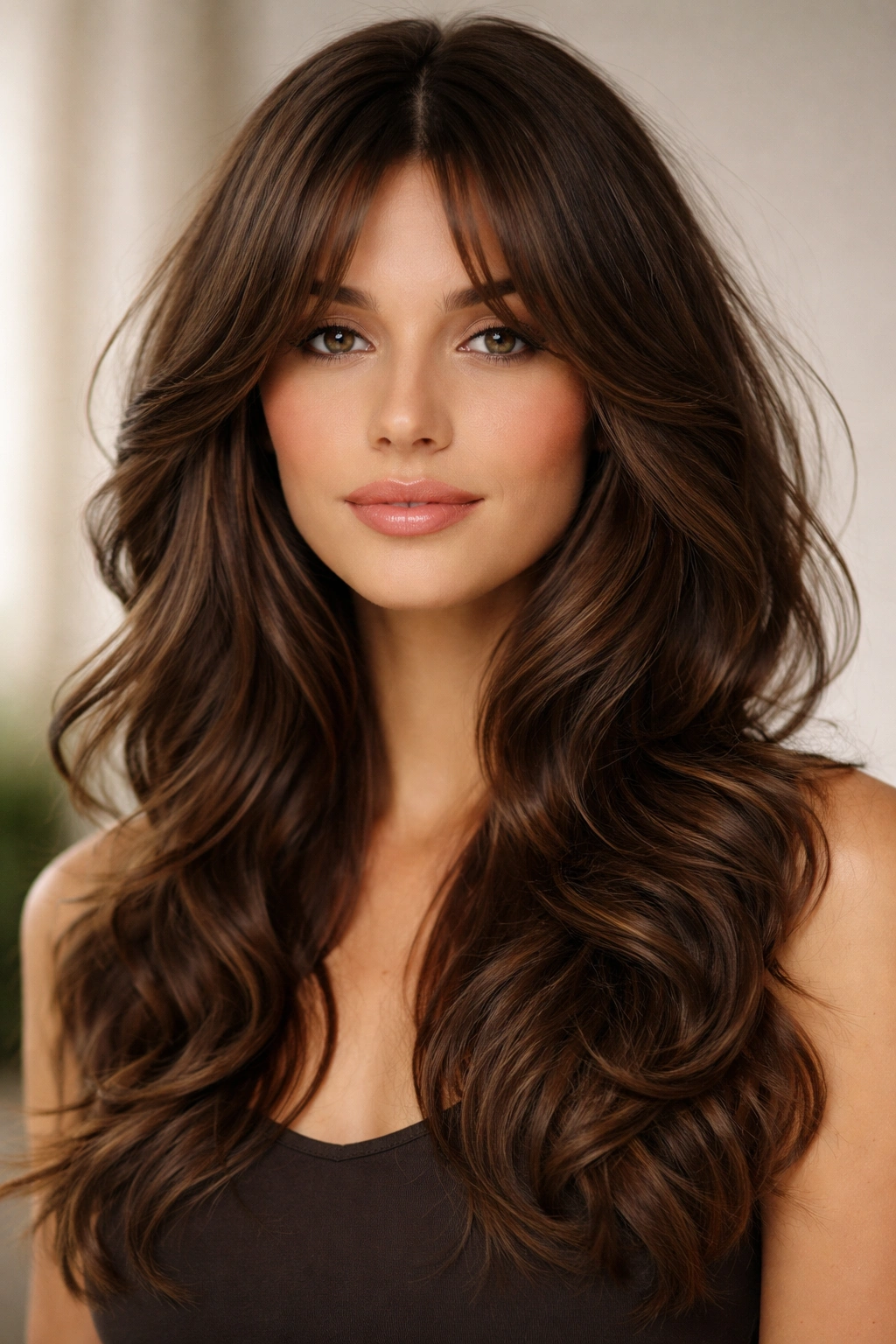
Curtain bangs—longer pieces cut on either side of a center part that frame the face and curve away from the center—pair beautifully with a butterfly structure. The bangs create movement and frame the face, while the butterfly layers throughout the rest of your hair enhance texture and dimension. The overall effect is romantic and movement-oriented, with the bangs creating a focal point.
Why It Works for Wavy Hair
Curtain bangs on waves are inherently flattering because the waves create that curved, parting movement naturally. You’re not fighting against your wave pattern; you’re enhancing it. The bangs draw attention to your face while the layered butterfly underneath creates movement and dimension.
What Makes It Stand Out
- Works for most face shapes; the curtain style is universally flattering
- Romantic and soft without being overly feminine or delicate
- The bangs and layers work together to create dimension even if your individual waves are loose
- Relatively forgiving; curtain bangs look good even when they’re not perfectly styled
Quick facts about this cut:
- Bangs need shaping every 6-8 weeks (more frequently if they’re blunt-cut; less if they’re heavily layered)
- Works best for medium to long hair; curtain bangs on very short hair can look sparse
- The center part is key to the style; if your hair doesn’t naturally part there, you’ll need to use products to create and maintain that part
14. The Heavily Layered Butterfly for Thick Waves
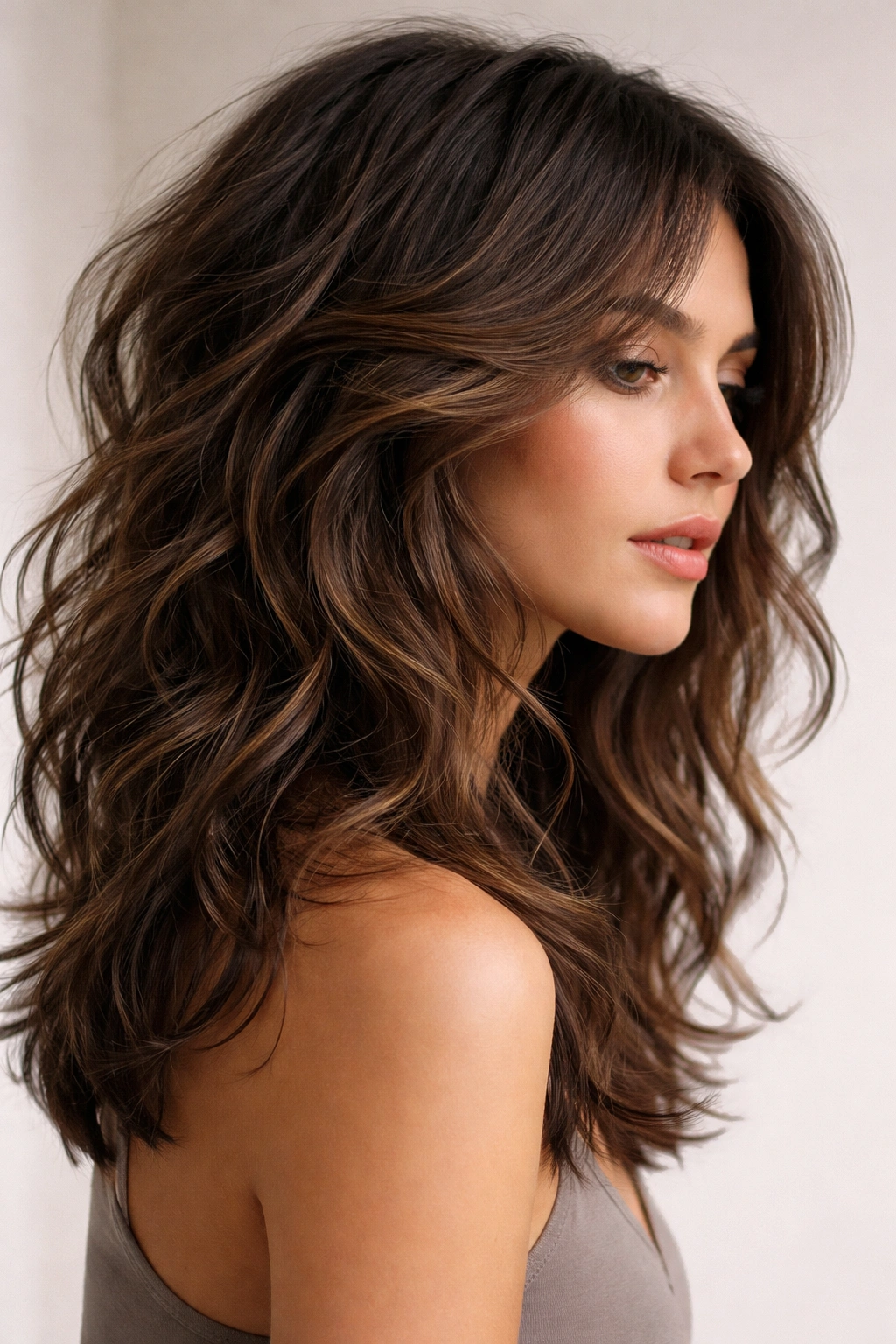
If you have genuinely thick wavy hair, this variation leans into aggressive layering to remove weight and create movement. The cut is shorter throughout overall (often finishing around shoulder length) with heavily choppy, textured layers that create obvious separation between strands. The point is to eliminate bulkiness while enhancing texture and creating visual lightness and movement.
Why It Works for Wavy Hair
Thick wavy hair needs serious weight removal to avoid looking bulky or frizzy. This cut is built specifically for that challenge. By creating significant texture and short, choppy layers throughout, you achieve movement and dimension that longer, less-layered cuts can’t deliver on thick hair.
What Makes It Stand Out
- Solves the “thick and bulky” problem that many people with thick waves face
- Creates intentional texture that works with your hair’s natural tendency to separate
- The shorter, choppier layers dry faster and are easier to manage than long, heavy layers
- Creates serious visual impact and dimension
Real talk: This cut is relatively high-maintenance. Because the layers are so short and choppy, styling products (mousse, texturizing spray, or defining cream) are usually essential. Without product, the cut can look matted or deflated rather than textured and intentional. Also, you’ll notice growth more quickly; this needs trimming every 5-6 weeks to maintain the layered shape.
15. The Barely-There Layers Butterfly
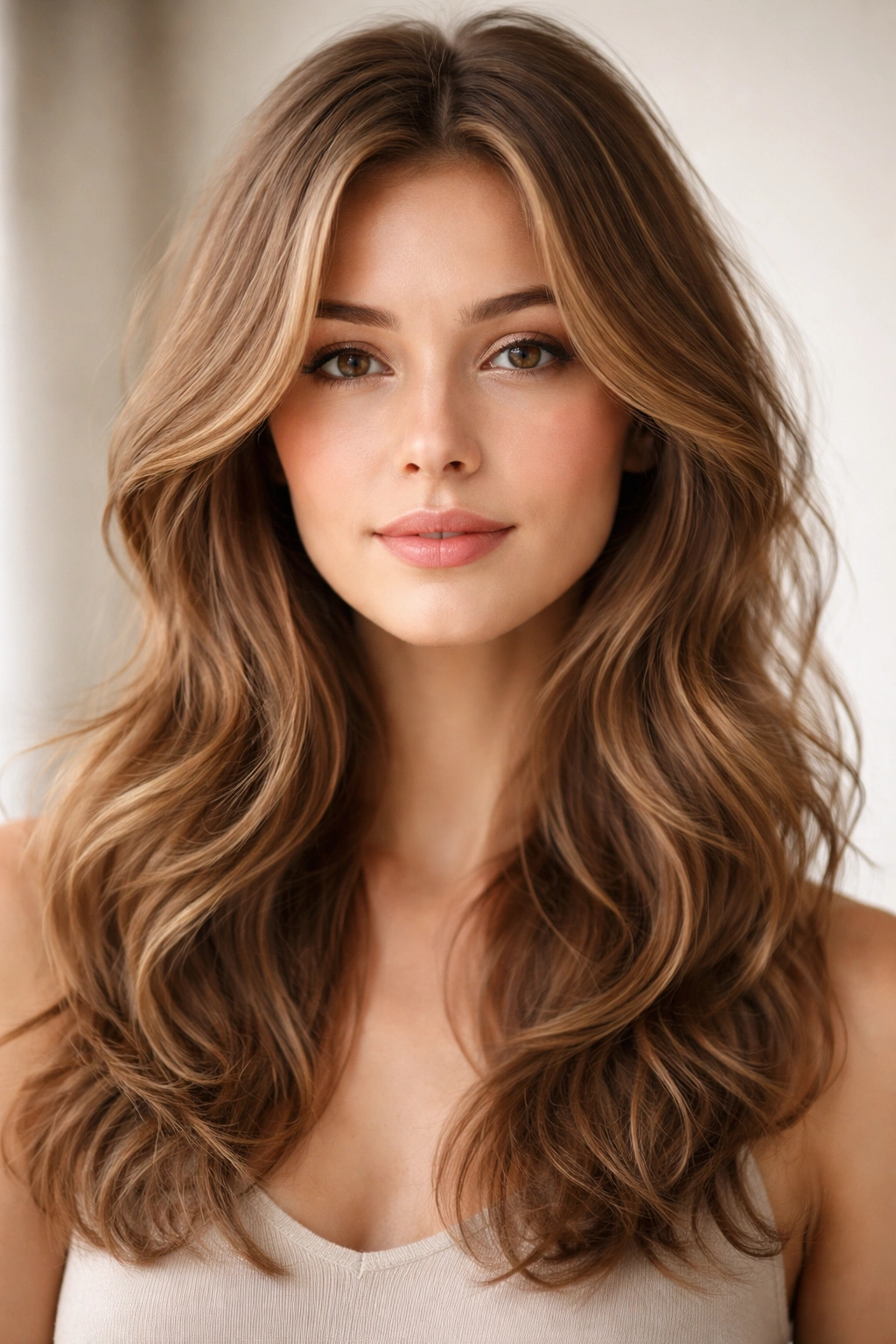
On the opposite end of the spectrum, this variation is for people with finer or thinner wavy hair who want the benefits of a butterfly cut—dimension, movement, lift at the crown—without the aggressiveness of obvious chopping. The layers are there but subtle, almost invisible at first glance. They create movement and prevent weight buildup without creating obvious texture or separation between strands.
Why It Works for Wavy Hair
Fine or thin wavy hair can look stringy or sparse if over-layered. This cut adds dimension and removes weight without creating obvious chop or separation that would highlight the sparseness. The layers enhance your existing waves without disrupting the overall flow or creating visual gaps.
What Makes It Stand Out
- Low-maintenance; works well with minimal styling
- Preserves perceived hair thickness while adding movement
- Works for loose waves that might disappear entirely if over-layered
- The cut reads as shape and style rather than a collection of obvious layers
Quick facts about this cut:
- Trimming every 8-10 weeks is sufficient (less frequent than choppier versions)
- Works best for fairly consistent wave patterns throughout your hair
- If your waves are extremely loose or minimal, this cut might not create enough visible dimension
- The lack of obvious texture means your wave pattern itself becomes the focal point—this works better if you have waves you genuinely like
16. The Modern Wolf Butterfly with Disconnected Undercut
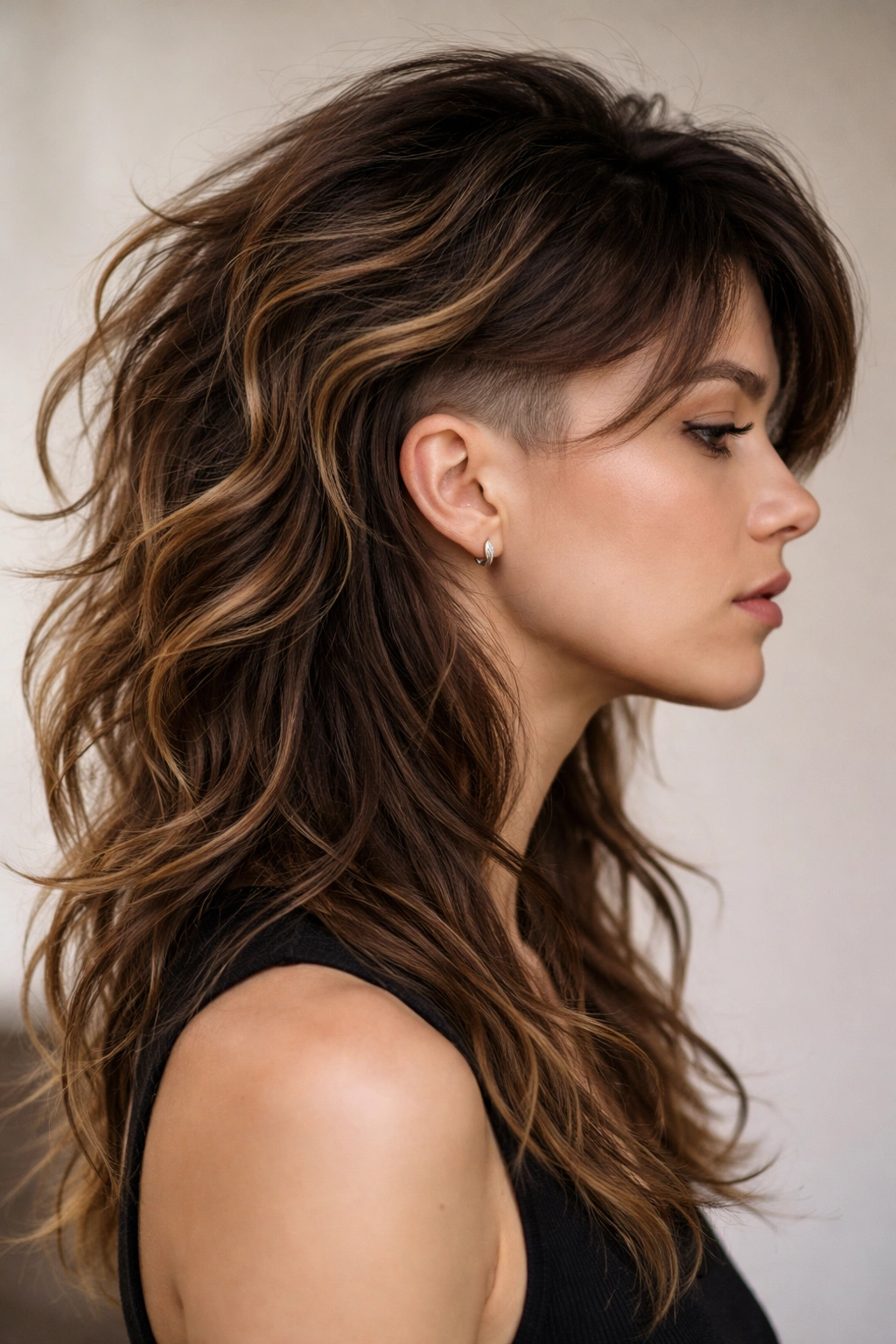
This variation is an updated, more refined take on the wolf cut applied to wavy hair. The undercut is completely disconnected from the longer top section—there’s a visible gap where the short underneath pieces don’t blend into the longer top. The longer top section is moderately layered and choppy, while the disconnected undercut is very short and sharp. The contrast is deliberate and obvious.
Why It Works for Wavy Hair
The disconnected undercut creates dramatic shadow and visual separation. On wavy hair, this shadow effect plus the movement of the longer top section creates absolutely stunning dimension and movement. You get the modern, fashion-forward energy of a disconnected cut combined with the movement and texture that wavy hair naturally provides.
What Makes It Stand Out
- Genuinely striking and distinctive; this is a conversation-starting cut
- Creates exceptional visual contrast and dimension
- Works especially well for thick wavy hair that needs serious weight reduction
- Photographs beautifully, especially in profile where the undercut is visible
Warning: This requires commitment on multiple levels. First, you need a stylist skilled enough to execute a clean disconnected undercut and keep it shaped (every 3-4 weeks). Second, you’ll almost certainly need to style it intentionally; this cut doesn’t look polished without styling. Third, the shorter undercut will show significant growth and texture, meaning maintenance is non-negotiable if you want to maintain the crisp, disconnected appearance. This is not a set-it-and-forget-it cut.
17. The Romantic Long Butterfly with Subtle Choppy Layers
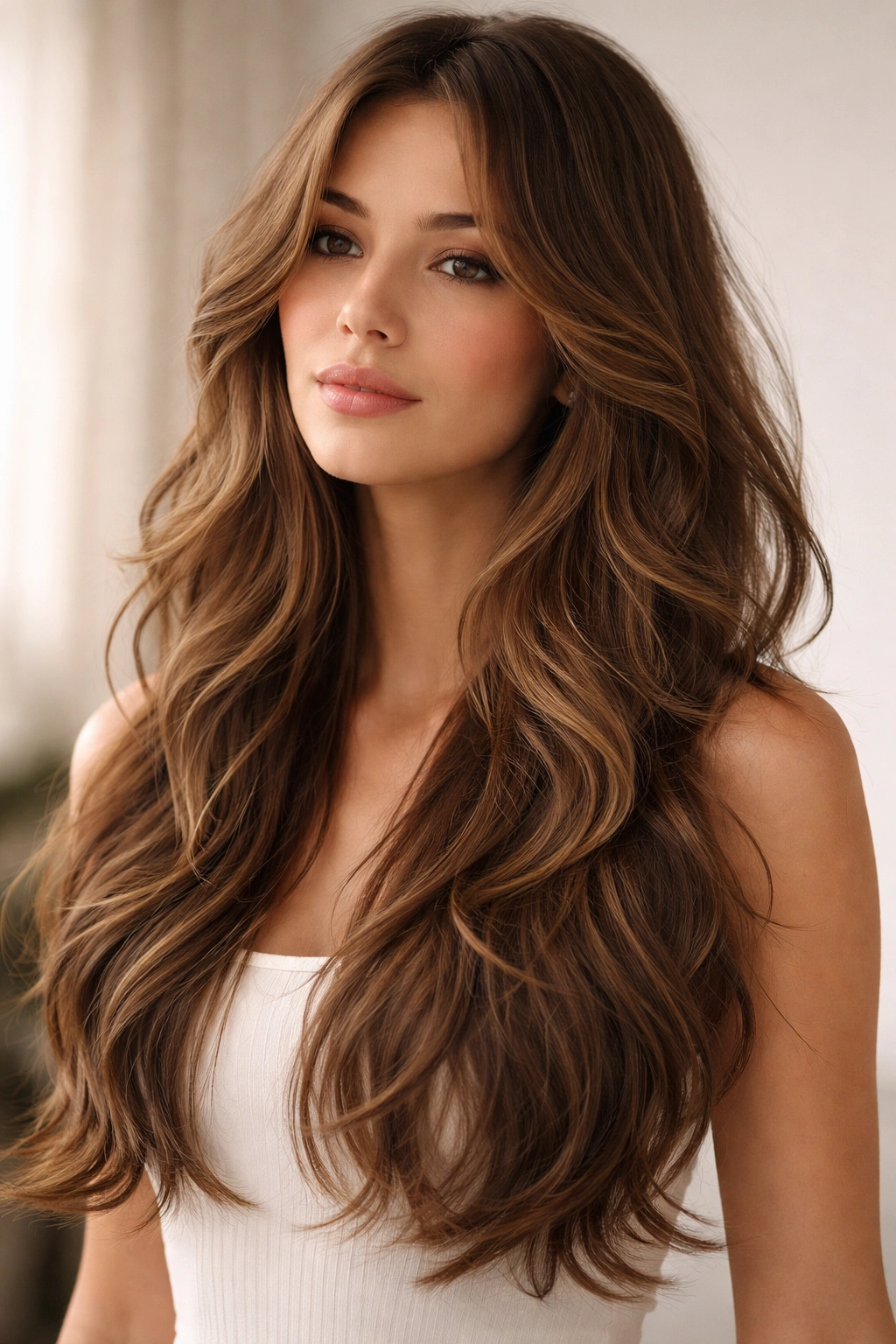
For people who want to keep serious length but add dimension and prevent heaviness, this variation maintains collarbone-length or longer hair throughout while adding subtle choppy layers that catch light and create movement without obviously shortening the overall length. The layers are choppy and textured but blended in a way that reads as dimension rather than a dramatic structural cut.
Why It Works for Wavy Hair
Long wavy hair can look absolutely gorgeous but tends to get heavy, shapeless, and frizzy at the ends. Subtle choppy layers solve that problem by creating separation and texture that prevents weight buildup while keeping the length you love. Your waves will move more dynamically, and the texture will prevent that blunt, heavy appearance that long, minimally-layered wavy hair can develop.
What Makes It Stand Out
- Preserves the length most people with long hair want to maintain
- Creates serious dimension and movement without obvious chop
- Works for most wave patterns and hair types
- Romantic and dynamic without being overly textured or undone
Quick facts about this cut:
- Needs trimming every 6-8 weeks to maintain the choppy texture (ends get blunt and heavy quickly without regular maintenance)
- Works better for medium to thick waves; very fine hair might look sparse with choppy texture
- The longer length means styling options are more flexible; you can wear it many ways while maintaining the cut’s shape
18. The Piece-Work Butterfly for Maximum Texture
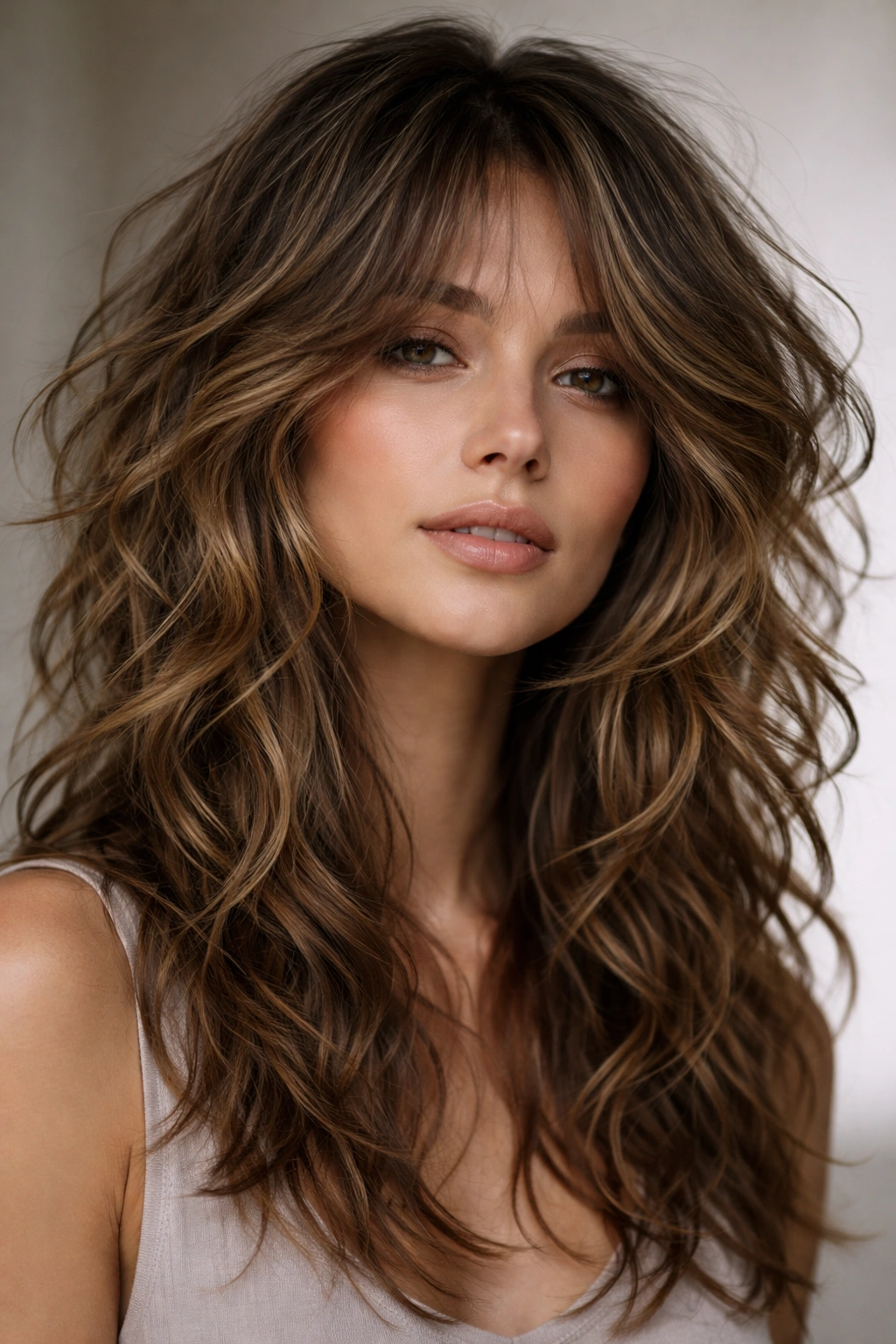
This variation emphasizes point-cutting and piece-work—the stylist cuts vertically through individual sections rather than horizontally, creating obvious separation between strands. The entire cut is built on this piece-work approach, creating a cut where nearly every strand has texture and is visibly separated from its neighbors. It’s the maximum-texture expression of the butterfly cut.
Why It Works for Wavy Hair
Wavy hair naturally separates into distinct pieces and strands. This cut amplifies that by making separation a deliberate feature rather than an accidental consequence of texture. Your waves look intentionally piece-y and textured, like your hair was specifically styled to look that way (even when it wasn’t).
What Makes It Stand Out
- Creates unmissable texture and dimension; your cut texture is more obvious than your wave pattern
- Works exceptionally well for people who love the deliberately undone, high-fashion aesthetic
- Makes your hair look intentionally styled even when you just air-dried it
- Every head turn and movement creates visual interest and texture
Real talk: This cut demands styling. Without texturizing product (spray, mousse, or cream), piece-work can look matted, deflated, or accidentally messy rather than intentionally textured. You’re committing to at least light product use most days. Also, this cut grows out quickly because the individual pieces become obvious as your hair grows; you’ll need trims every 4-6 weeks to maintain the shape and texture.
19. The Asymmetrical Butterfly with Hidden Length
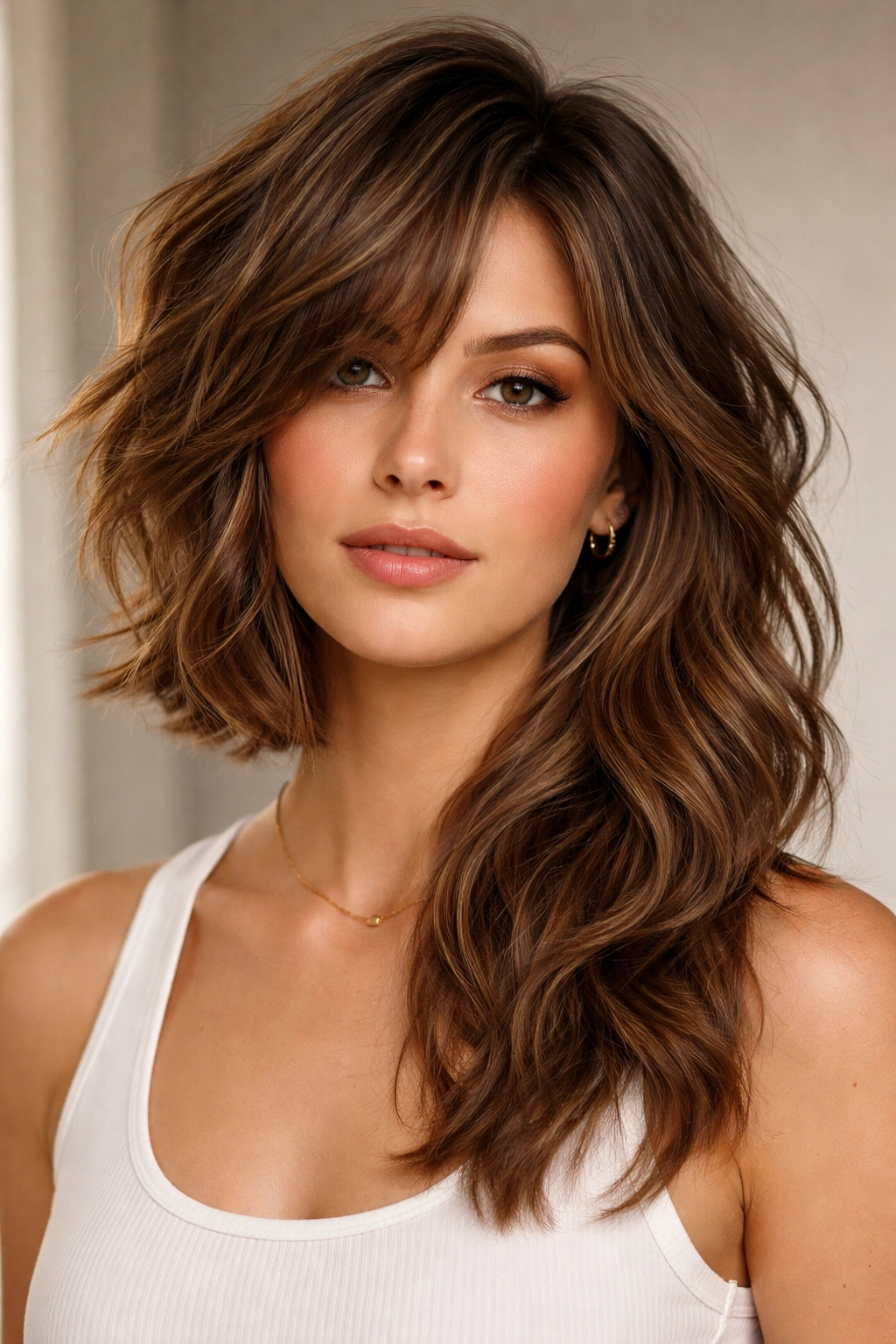
This variation combines asymmetry with hidden length—one side is cut significantly shorter (often chin-length or ear-length) while the other side is much longer (collarbone or beyond). The shorter side has obvious choppy layers, while the longer side has more subtle, blended layers that preserve length. From the front, the asymmetry is immediately obvious; from the back, you might not realize how much longer one side is.
Why It Works for Wavy Hair
The asymmetry is flattering for most face shapes, while the hidden length on the longer side gives you options—you can tuck it behind an ear, drape it across your back, or flip it forward depending on your preference. The waves on the shorter side move more dynamically because of the shorter length, while the longer side showcases your waves at their full, most beautiful length.
What Makes It Stand Out
- Flattering asymmetry that works for different face shapes
- Offers styling versatility; you can emphasize the asymmetry or play it down
- Creates the impression of movement and dynamism
- Works for people who want something directional and styled rather than symmetrical
Pro tip: The shorter side will need more frequent trims (every 4-5 weeks) because the growth is more noticeable. The longer side can go longer between trims (6-8 weeks). Ask your stylist for a trim schedule that accounts for this asymmetry.
20. The Minimalist Butterfly with Microfringe
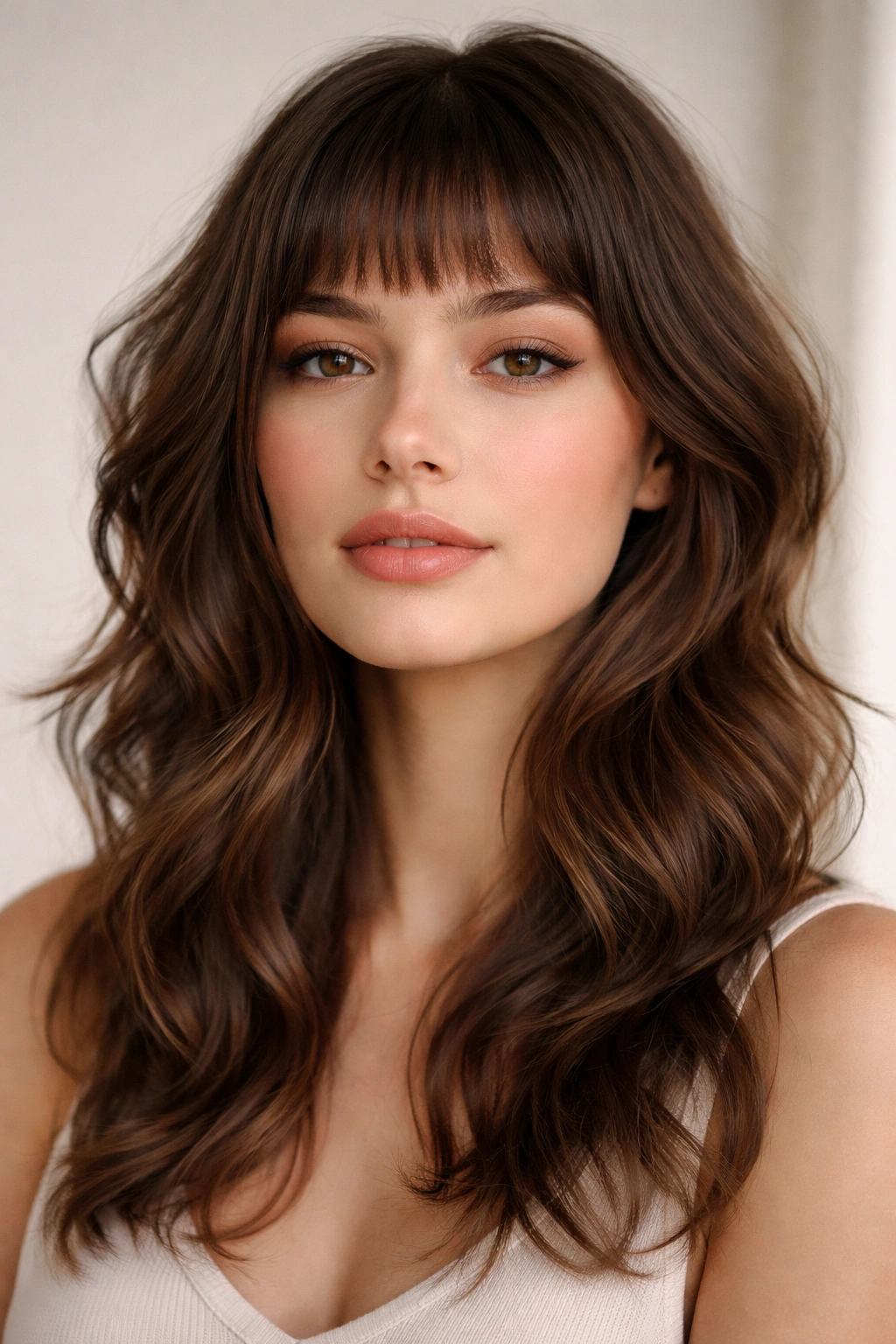
For people who want a butterfly cut that’s genuinely minimal—barely-there layers that prioritize simplicity—this variation adds a single dramatic element: a microfringe (a short, textured bang area cut directly above the eyebrows with very short, choppy texture). The rest of the cut is minimally layered, with just enough structure to create subtle movement and prevent heaviness. The microfringe creates visual interest and intentionality without the entire cut being heavily textured.
Why It Works for Wavy Hair
This approach combines minimal overall layering (which works for people who don’t want an obviously cut style) with a single dramatic element that prevents the look from being too subtle or boring. The waves themselves provide texture and movement, while the microfringe adds an intentional, fashion-forward detail that makes the entire look feel deliberate and styled.
What Makes It Stand Out
- Creates visual interest without requiring a heavily layered cut
- The microfringe is striking and contemporary without being extreme
- Works for people who want an understated overall style with one bold detail
- Relatively low-maintenance except for the fringe area (which needs regular trims)
Quick facts about this cut:
- Works best for people with fairly consistent waves throughout their hair
- The microfringe will need shaping every 2-3 weeks, but the rest of the cut only needs trimming every 8-10 weeks
- Microfringe doesn’t photograph well on extremely wavy or curly hair; if your waves are very tight, consider a different approach
- This is a good option for people who want a subtle cut with one intentional, statement element
Final Thoughts
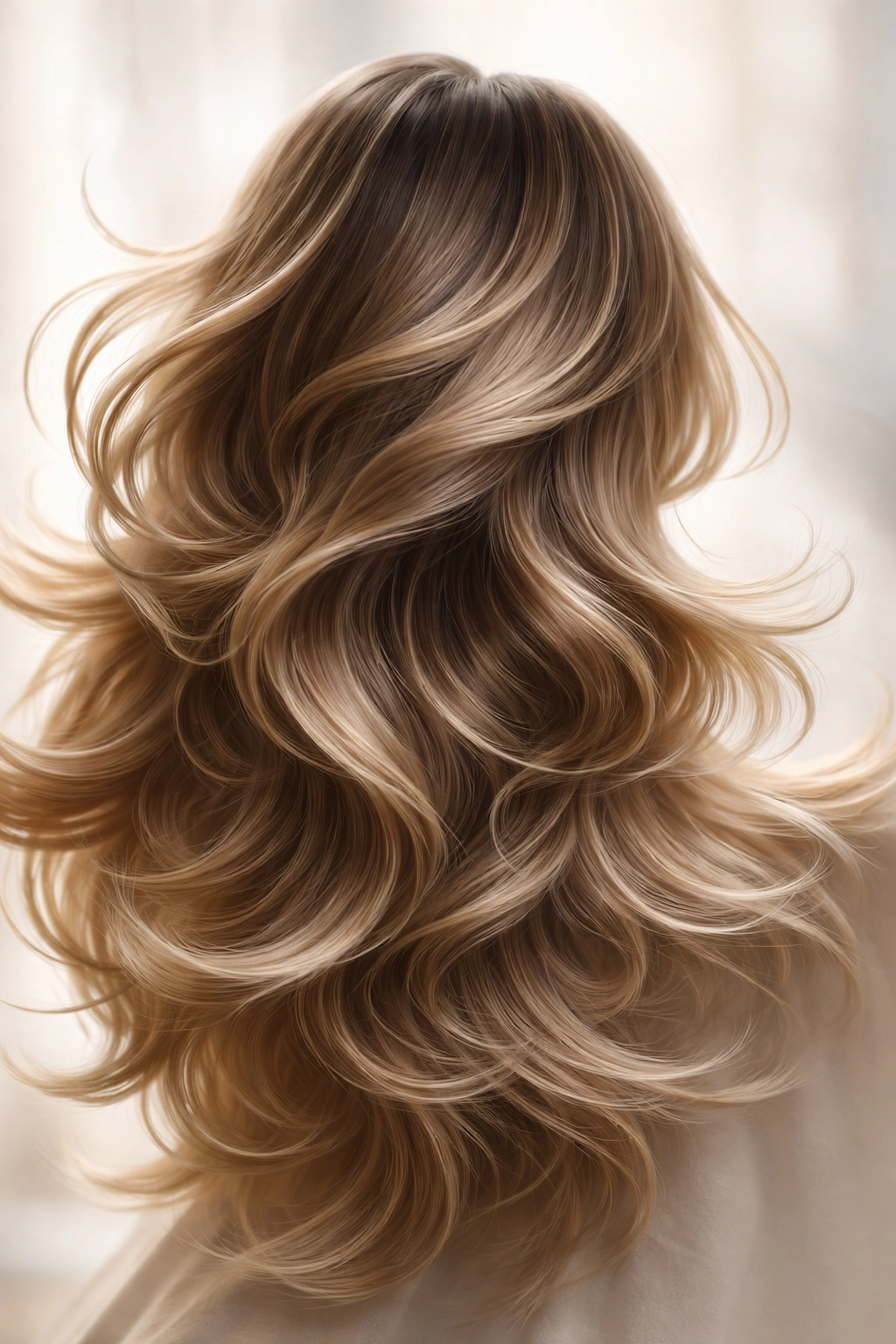
The butterfly cut works for wavy hair because it embraces movement, creates dimension, and removes the weight that flattens waves and creates frizz. Whether you’re drawn to heavily textured and choppy variations, minimal and refined approaches, or something in between, the key is finding the version that matches your specific wave pattern, face shape, styling preference, and maintenance commitment.
The most important decision is being honest with yourself about styling willingness. Some butterfly variations look stunning with minimal effort—the soft layers throughout, the barely-there layers, the relaxed versions. Others—the wolf cuts, the piece-work styles, the heavily textured versions—absolutely need styling products and intention to look intentional rather than accidental. Neither is wrong; they’re just different commitment levels.
Your waves are an asset, not a limitation. A well-executed butterfly cut amplifies that asset by creating intentional movement, dimension, and texture that works with your natural wave pattern rather than against it. Find a stylist who understands how your specific waves move, where your hair naturally wants to separate and create texture, and which variation of the butterfly will genuinely serve your hair and your lifestyle. Then commit to the cut you choose—get regular trims, use styling products if your cut requires them, and let your waves do what they do best: move.
