



Brown is one of the most versatile shades for wavy hairstyles. Whether you’re working with a warm caramel tone, a deep chocolate brown, or something in between, messy waves bring out the richness and movement in the color. The beauty of pairing wavy texture with brown is that the undone quality of messy waves plays perfectly against the sophistication of brown tones—you get effortless elegance without looking like you didn’t try.
The appeal of messy wavy hairstyles goes beyond just looking good, though. They’re incredibly practical for a lifestyle that doesn’t revolve around spending an hour at the mirror every morning. Waves hide a multitude of styling imperfections, require minimal daily maintenance once you nail the technique, and work whether you’re heading to the office, running errands, or going out with friends. Brown hair, in particular, holds waves beautifully because the depth and color saturation make texture appear more pronounced and intentional than it might on lighter shades.
What makes a wavy style truly shine is understanding your specific hair texture, the right layering strategy, and the products that’ll keep waves bouncy and defined without the stiff, crunchy feel. The messy aesthetic isn’t about looking unkempt—it’s about that perfectly tousled appearance that suggests you know a secret about hair that most people don’t. The eleven styles below represent the range of possibilities available to anyone with brown hair who wants movement, texture, and that coveted “I woke up like this” vibe.
1. Tousled Beach Waves
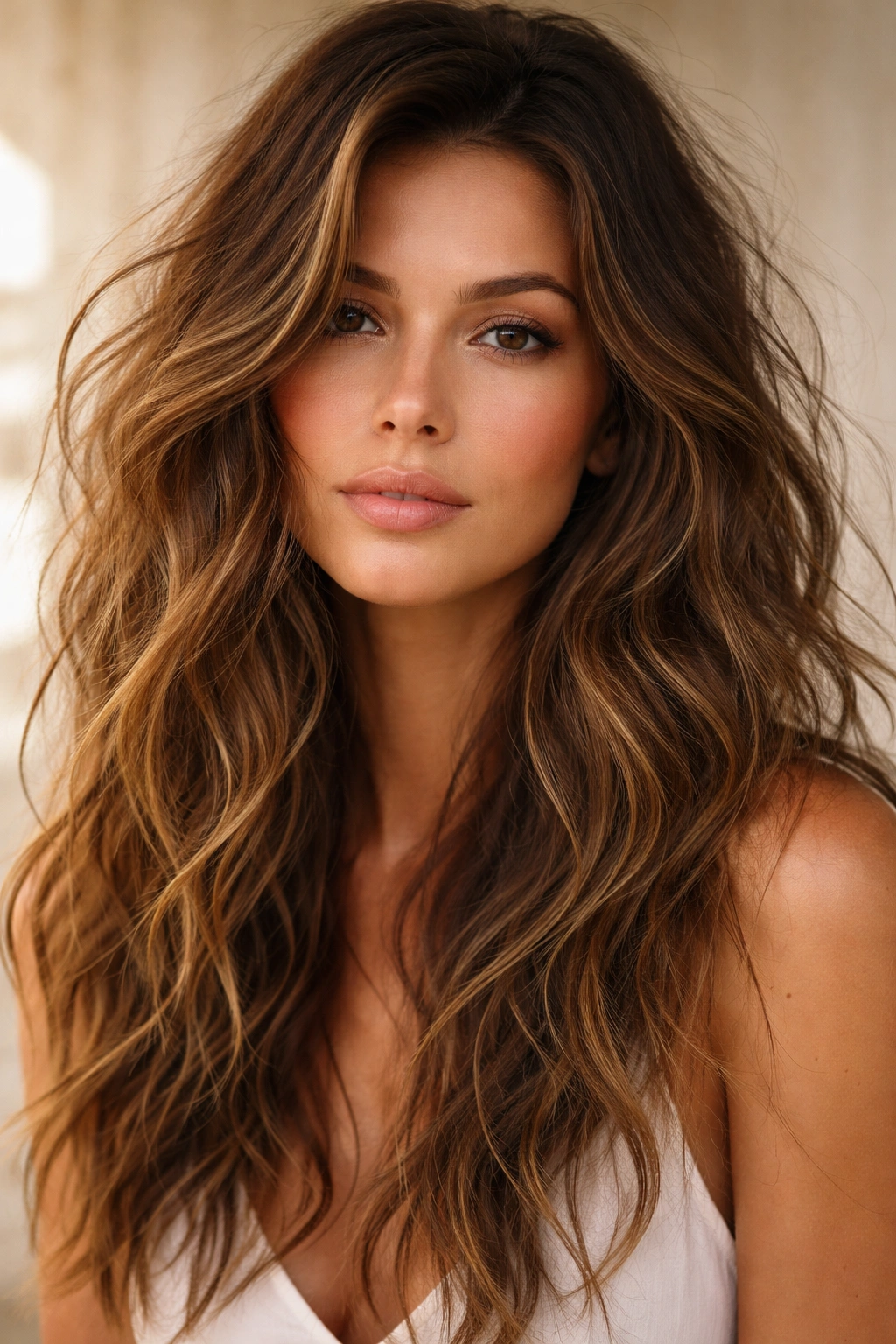
Beach waves are the foundation of most messy wavy hairstyles, and they work exceptionally well in brown because the waves catch light differently across the depth of the color. True beach waves have that soft, undone quality where pieces fall naturally without looking polished or controlled. The texture should feel lived-in, with some sections more defined than others.
The best way to create authentic beach waves is with a curling iron or waver tool, working in larger sections and avoiding perfect uniformity. Take 1.5-inch sections, wrap them loosely around the barrel, and hold for only 5-8 seconds—you want waves, not tight curls. Leave out the first inch or two of the hair at the roots for that natural gradient. The key is inconsistency: alternate the direction you wrap sections, skip some sections entirely, and don’t crimp every single strand of hair.
Product and Styling Details
Use a salt spray or sea salt texture spray applied to damp hair before heat styling for grip and grip. This gives waves something to hold onto and enhances that beachy texture without requiring a ton of product buildup. After waves cool, run your fingers through them and break up any clumps with a texturizing spray or dry shampoo.
Why They Work with Brown Hair
The depth in brown tones makes waves more visible and dimensional. Light hits the texture differently, creating natural highlights and lowlights that enhance movement. This is why beach waves in brown often look fuller and more intentional than in cooler or flatter shades.
2. Textured Lob with Choppy Layers
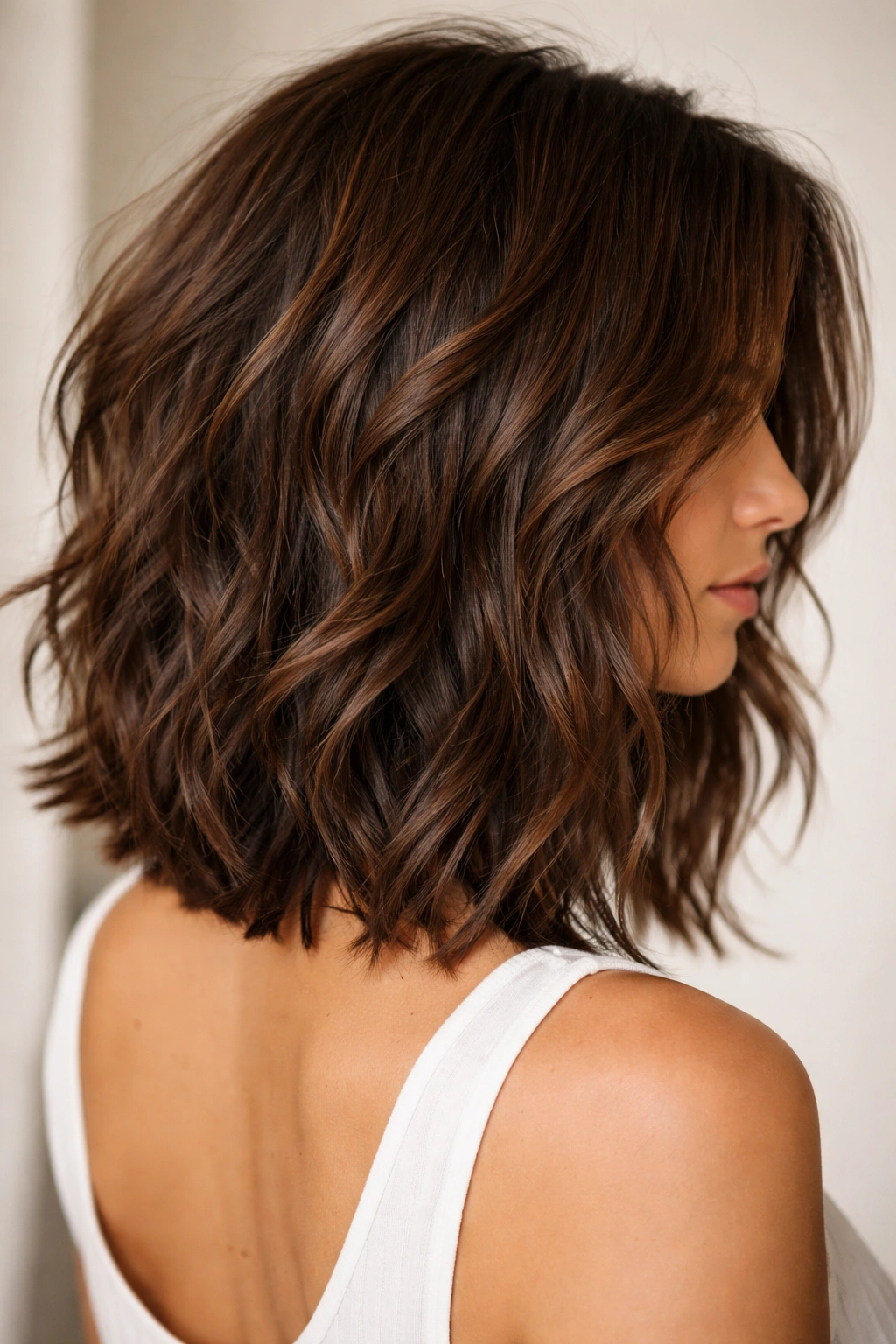
A lob—that sweet spot between shoulder length and mid-length—becomes incredibly interesting when you layer it heavily and pair it with wavy texture. Choppy layers create multiple points of movement that break up the weight and add that messy, piece-y quality without requiring tons of styling effort. The layers should be short and distinct enough that you can see individual pieces moving independently.
The choppy texture works best when the stylist cuts into the length rather than just thinning it out. Ask for layers that start around the chin or cheekbones so there’s real visual separation between longer pieces and shorter pieces around the crown. When you style this with waves, the short layers lift at the ends while longer pieces stay heavier, creating natural contrast and dimension.
Styling This Cut
Apply a wave-enhancing cream to damp roots and midlengths, then use a medium-barrel waver tool to create soft S-waves from midlength to ends. Don’t wave the short layers too tightly—they should look like they’re gently moving, not crisped. Finish with sea salt spray and finger-comb through completely before it dries.
Why It’s a Standout Choice
This cut works on multiple hair types and face shapes because the layers distribute weight intelligently. In brown, the color adds richness while the choppy texture prevents that heavy feeling that longer wavy styles sometimes create. The movement is genuinely movement, not just waves sitting on top of dense hair.
3. Long Wavy Shag with Undercurrent
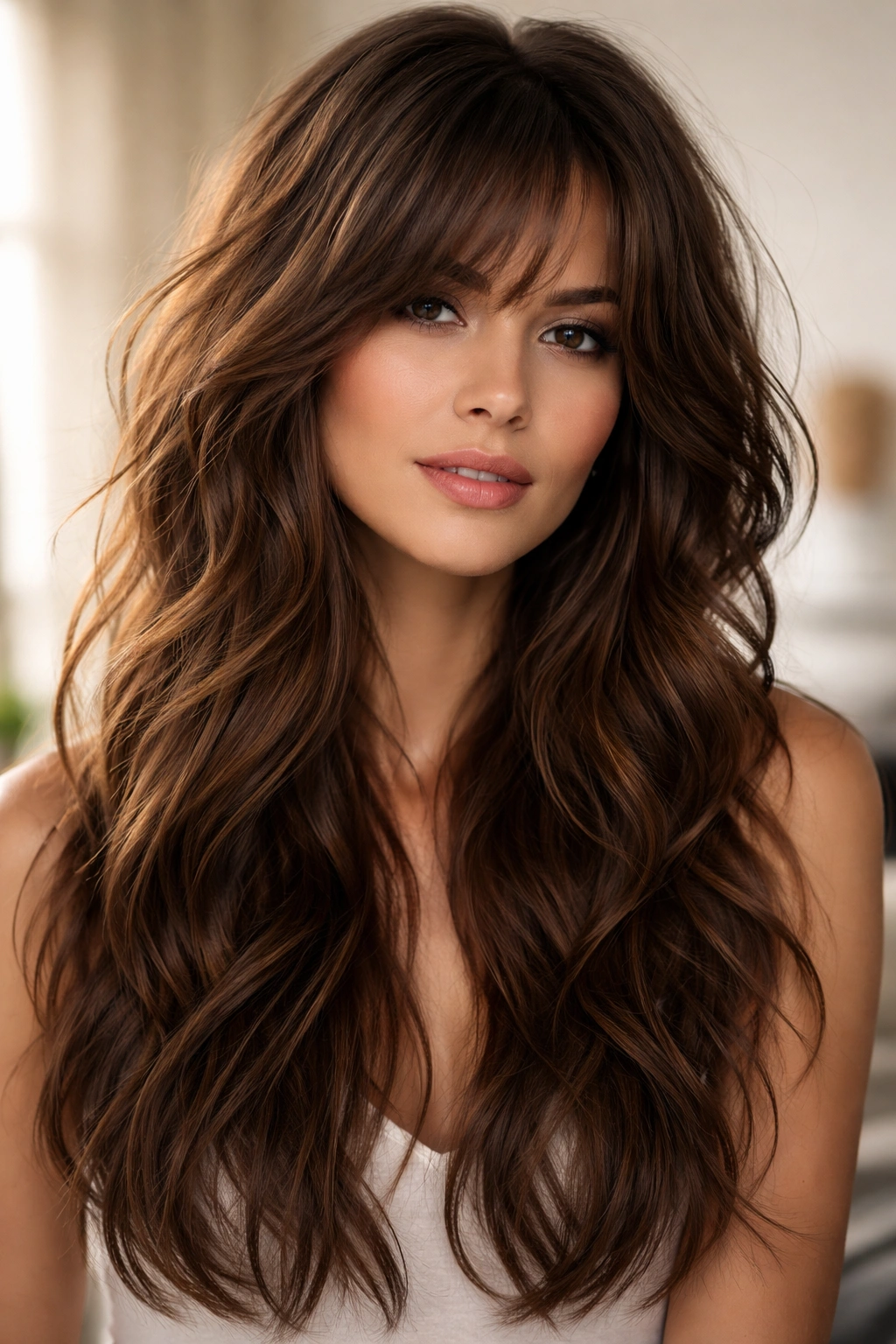
The modern shag is having a major moment because it combines the movement of layers with an edgy, lived-in vibe that feels current without being trendy in a way that’ll look dated. The defining feature is the undercurrent—the shorter layer underneath that peeks through when you move, creating multidimensional texture. When done right with wavy styling, it looks intentional and intentionally messy.
Get a real shag cut with someone experienced in the technique, not just heavy layers throughout. A proper shag has a defined crown area with shorter pieces that create volume at the top, mid-length layers that connect, and longer pieces in front that frame the face. The undercurrent sits underneath and is slightly shorter, so it doesn’t just blend flat.
Styling Strategy
This cut virtually demands waves to hit its potential. Use a 1.5-inch curling iron or waver tool on damp hair, working through sections and creating soft, loose waves rather than tight texture. The undercurrent pieces will naturally flip and separate, creating that signature shag look. Use minimal product—just a texturizing spray or light pomade applied to dry waves.
In Brown
A chocolate or warm brown shag looks effortlessly cool and has an undeniable rock-and-roll quality. The color adds sophistication that prevents the shag from looking too casual or costume-y. This is the choice if you want a hairstyle that definitely makes a statement.
4. Messy Braid Crown
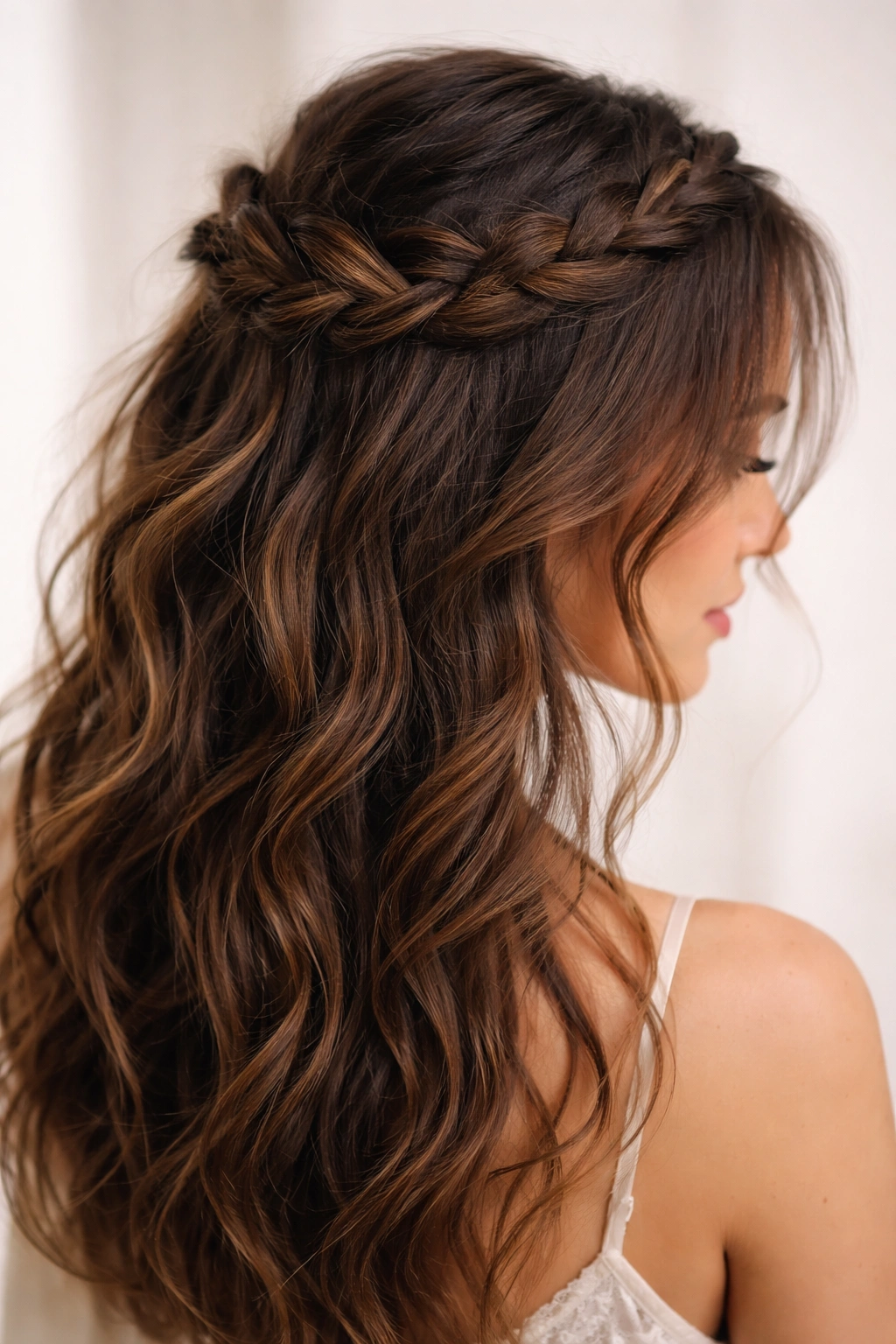
For days when you want movement and texture but something a bit more polished than completely loose waves, a braid crown gives you the best of both worlds. Start with freshly waved hair (create loose waves the night before or that morning), then create a loose braid that runs from one side of your head to the other, following your hairline like a crown. The braid itself should be undone and loose, with pieces pulled gently from the braid to create a soft, romantic aesthetic.
The magic happens when the braid sits on top of wavy hair underneath—the waves peek through and around the braid, creating depth and interest. Secure the braid end with a thin elastic, then hide it behind your other ear or tuck it into more waves. This works best when your hair has actual texture to work with, not poker-straight strands.
Creating Volume and Softness
After braiding, gently pull on the braid to make it wider and looser—don’t keep it tight and perfect. Tease the hair slightly around the braid to add a subtle halo of volume. Use a light hairspray that doesn’t stiffen the overall effect. The goal is romantic and soft, not sculptural.
Why Brown Works Here
The richness of brown tone makes even messy braids look intentional and elegant. The braid looks more sophisticated and less bohemian than it might in blonde or lighter shades. It’s a versatile option that works for casual days and actually works for professional settings too.
5. Shoulder-Length Piece-y Waves
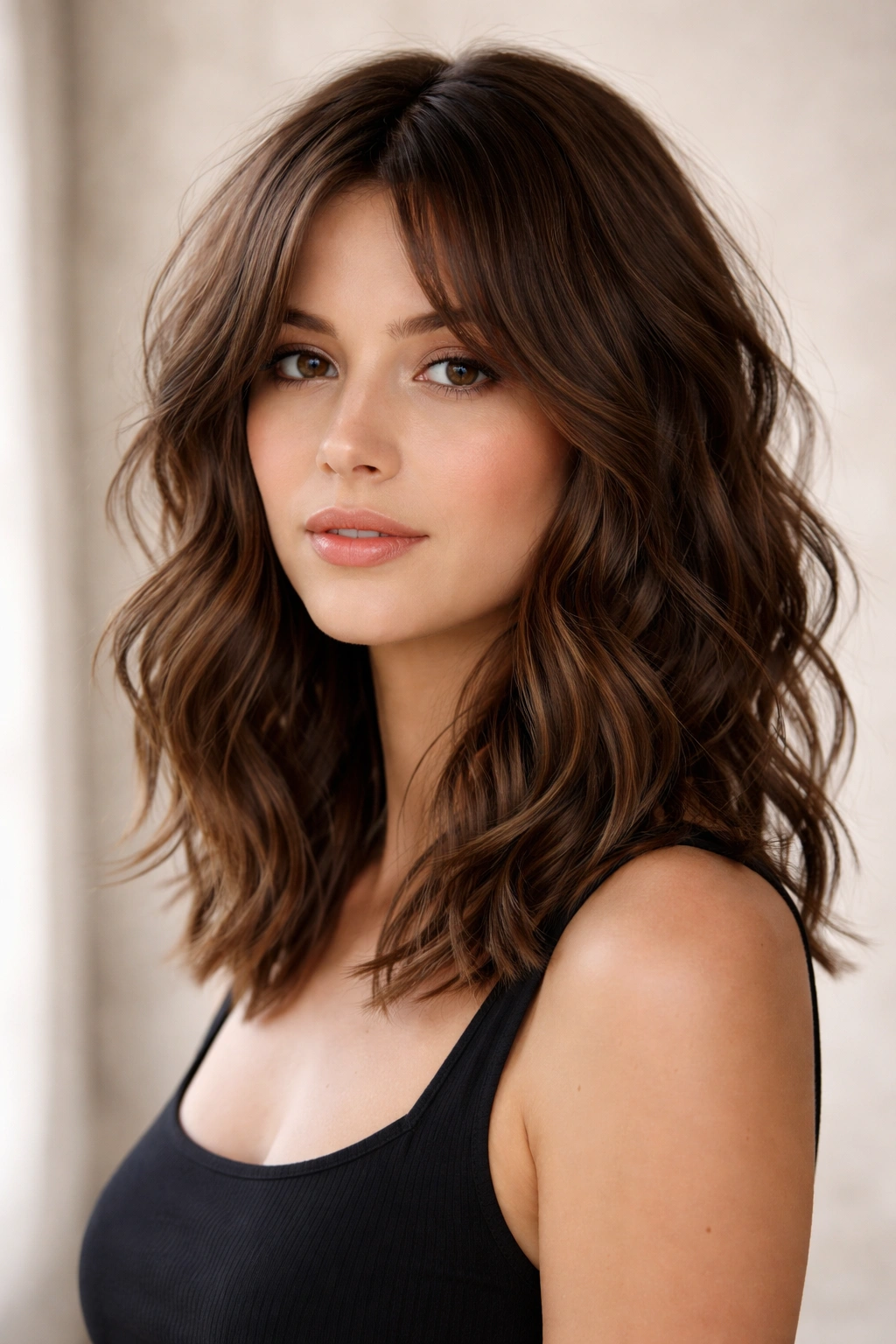
This is the everyday hero cut—shoulder-length hair with enough layers to create that piece-y, separated quality where you can actually see distinct sections of hair moving independently. The length puts it in that sweet spot where it’s long enough to have visible waves but short enough to feel light and manageable. The layers are the secret ingredient that prevents it from looking blunt or heavy.
Ask your stylist for layers starting around the cheekbones, with shorter pieces around the crown and crown area to create volume without bulk. The goal is a cut that looks naturally textured even when it’s not freshly waved. When you do add waves, they appear more pronounced because the layers give them space to move.
Daily Styling Routine
This length is perfect for a quick morning routine. Apply a texturizing spray to damp hair, scrunch gently, then use a 1.25-inch curling iron to wave sections toward your face and away from your face in alternating directions. Five to ten minutes of work creates waves that last all day. The piece-y layers handle themselves—they fall naturally without requiring much manipulation.
Perfect for Brown Because
The shoulder-length hit sits right where brown tones show warmth and richness beautifully. The color and cut combination feels modern and put-together without requiring high maintenance. This is the cut you get when you want to look like you care about your hair but don’t actually have time to spend on it.
6. Soft Waves with Swoopy Bangs
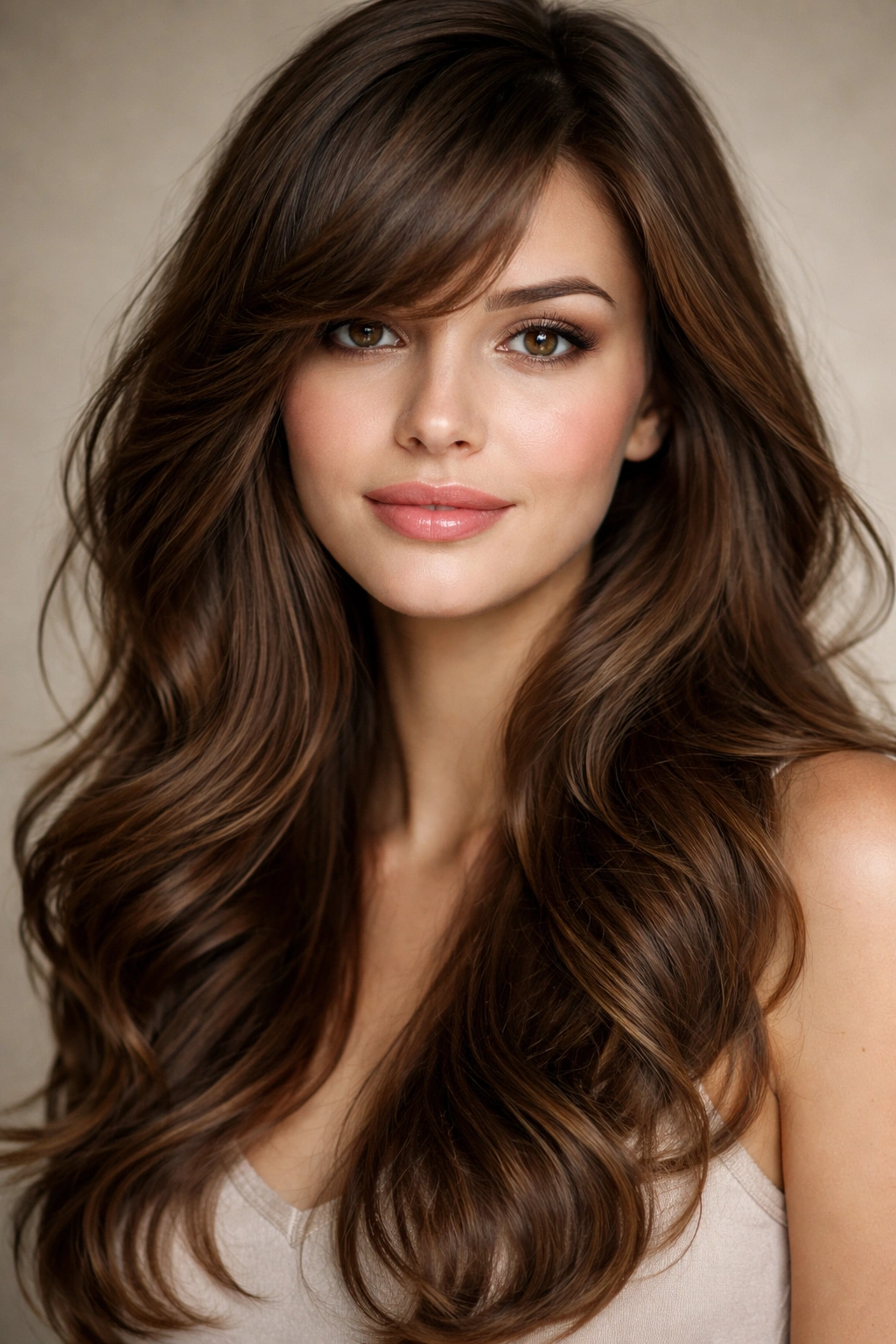
Side-swept bangs paired with soft waves create a romantic, intentionally-undone look that works across multiple face shapes and hair types. The bangs don’t need to be the choppy, blunt variety—soft, long bangs that blend into the rest of your hair work even better for this aesthetic. They should sweep across your forehead and fall around your cheekbones, creating that framing effect that’s incredibly flattering.
Style your bangs with the same soft waves as the rest of your hair, so they don’t sit flat or separate from the overall texture. The waves and bangs should feel like one cohesive unit of movement and texture, not like bangs sitting on top of waves. This requires that the bangs actually have texture from your styling, not just swept-over straight hair.
Creating the Effect
Start with damp hair and apply a curl cream or styling lotion through your entire head. Use a waver or curling iron on your bangs first, angling them to sweep to one side. Then wave the rest of your hair in the same direction, so the flow is unified. Once cooled, use a light texturizing spray rather than heavy product—you want softness, not definition.
Why This Flatters Brown Hair
Bangs add focus to your face, and soft, swoopy bangs in particular create a youthful, approachable quality. In brown, they look chic and intentional rather than cutesy or costume-y. The soft waves complementing the bangs enhance that romantic, effortless vibe without looking overdone.
7. Half-Up Wavy Twist
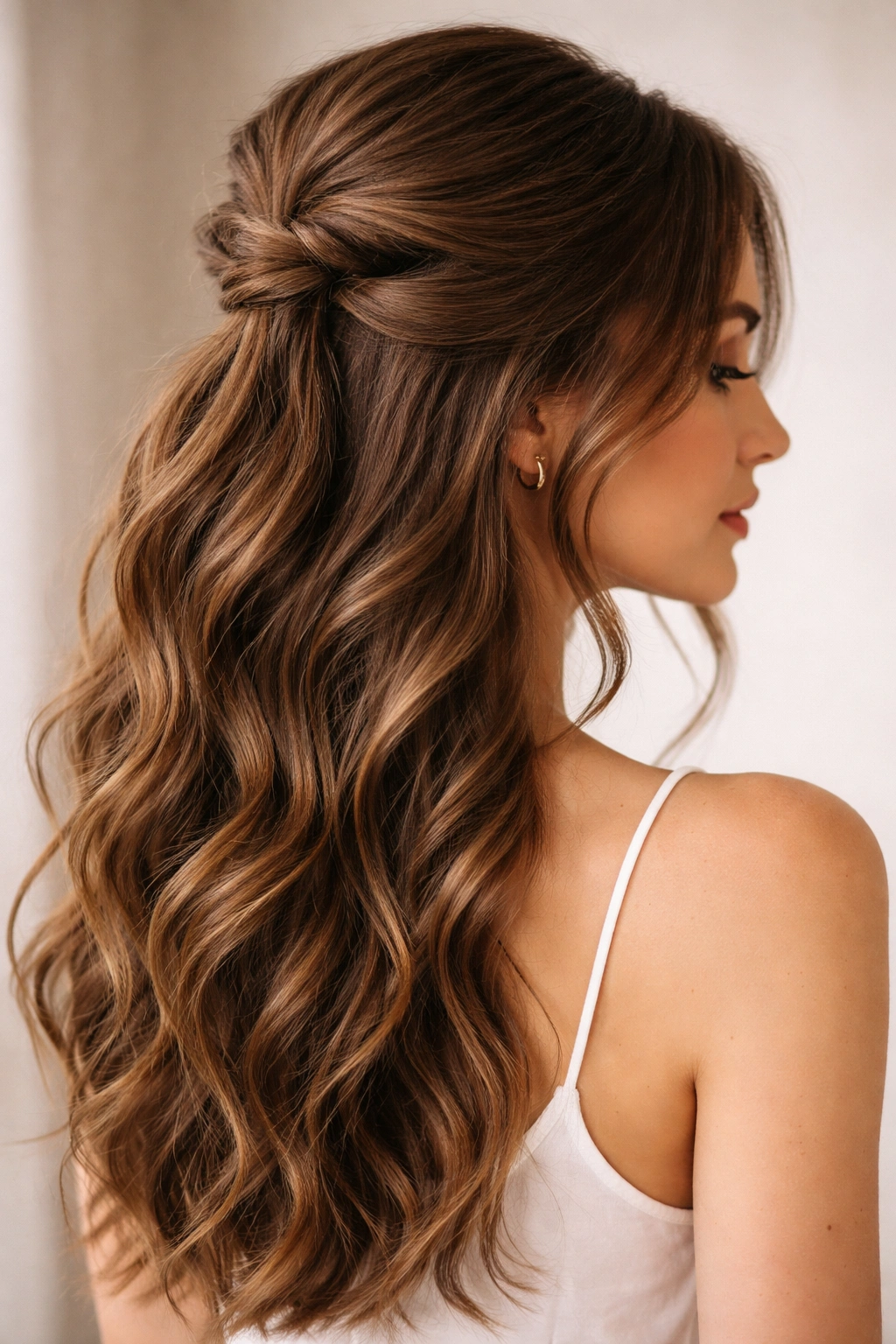
A half-up style is the perfect compromise between fully down and a full updo, especially when your waves are phenomenal and you want to show them off but also want them off your face. Instead of a traditional half-up ponytail, create a twist: take a section from each side near your temples, twist both sections as you bring them toward the back, then secure with a thin elastic or bobby pins. The twist adds interest and polish compared to a basic half-up.
The rest of your hair falls in loose waves, so you’re showcasing the texture while keeping it controlled. Make sure the twist is loose and slightly messy—this isn’t about perfection. Pull a few shorter pieces out around your face and let them fall naturally. The contrast between the controlled twist and the loose waves below creates visual interest.
Accessory Options
A thin silk scrunchie, a small claw clip, or even bobby pins that match your hair color work well for securing this style. Avoid chunky, decorative clips that read as costume-y. Let the texture of your waves be the main accessory, not the hardware holding it together.
In Brown
This hairstyle reads as polished and intentional in brown, making it suitable for work, casual dates, or anytime you need your hair out of your face but don’t want to sacrifice the aesthetic. The color gives it natural elegance without requiring statement accessories.
8. Tousled Waves with Face-Framing Pieces
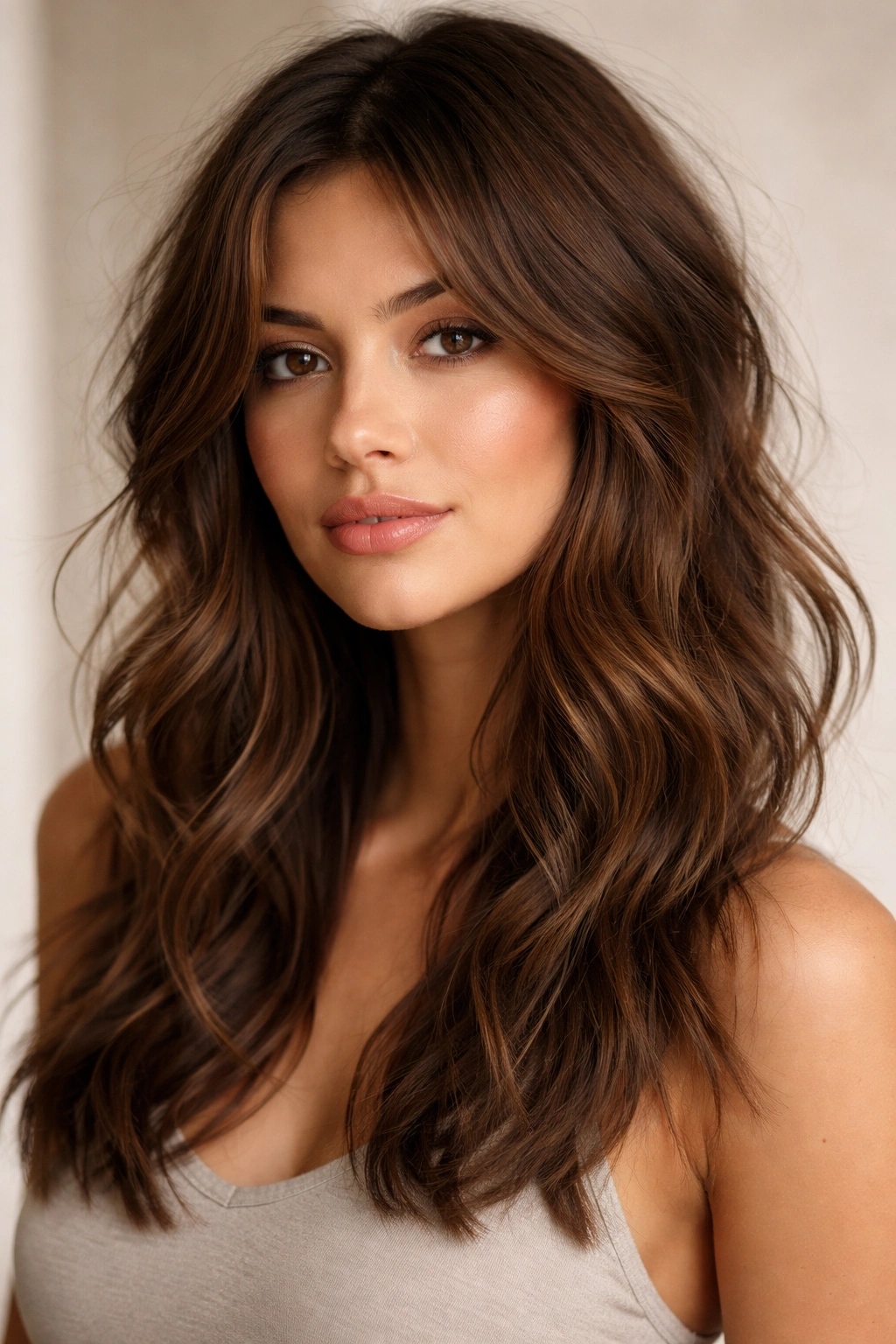
This is the definition of effortless—soft waves throughout with specific pieces pulled out or teased slightly around your face to create dimension and focus where it matters. The face-framing pieces are longer and slightly more textured or separated than the rest of your waves, drawing attention to your features. It’s simple in concept but requires some intentionality in styling to avoid looking accidental.
Create your base waves first using a waver or curling iron, working through your entire head with soft, loose waves. Once cool, identify the pieces you want to frame—typically from your temples and cheekbones. Gently tease these pieces with a fine-tooth comb to separate them slightly, then use a light pomade or texturizing spray to define their individual strands.
The Tousle Technique
“Tousled” doesn’t mean messy in the sense of unkempt—it means gently disrupted. Run your fingers through waves and break them up slightly, especially around your crown, to create that lived-in texture. Some pieces should fall together, others should separate. The goal is dimensional and touchable looking, not stiff or product-heavy.
Why Brown Shows This Off
Brown tones make the separation and texture of waves visible in a way that really rewards good styling technique. The color depth lets you see exactly where pieces are framing your face and where waves are catching light. In brown, this style looks sophisticated and approachable simultaneously.
9. Ombre Brown Wavy Bob
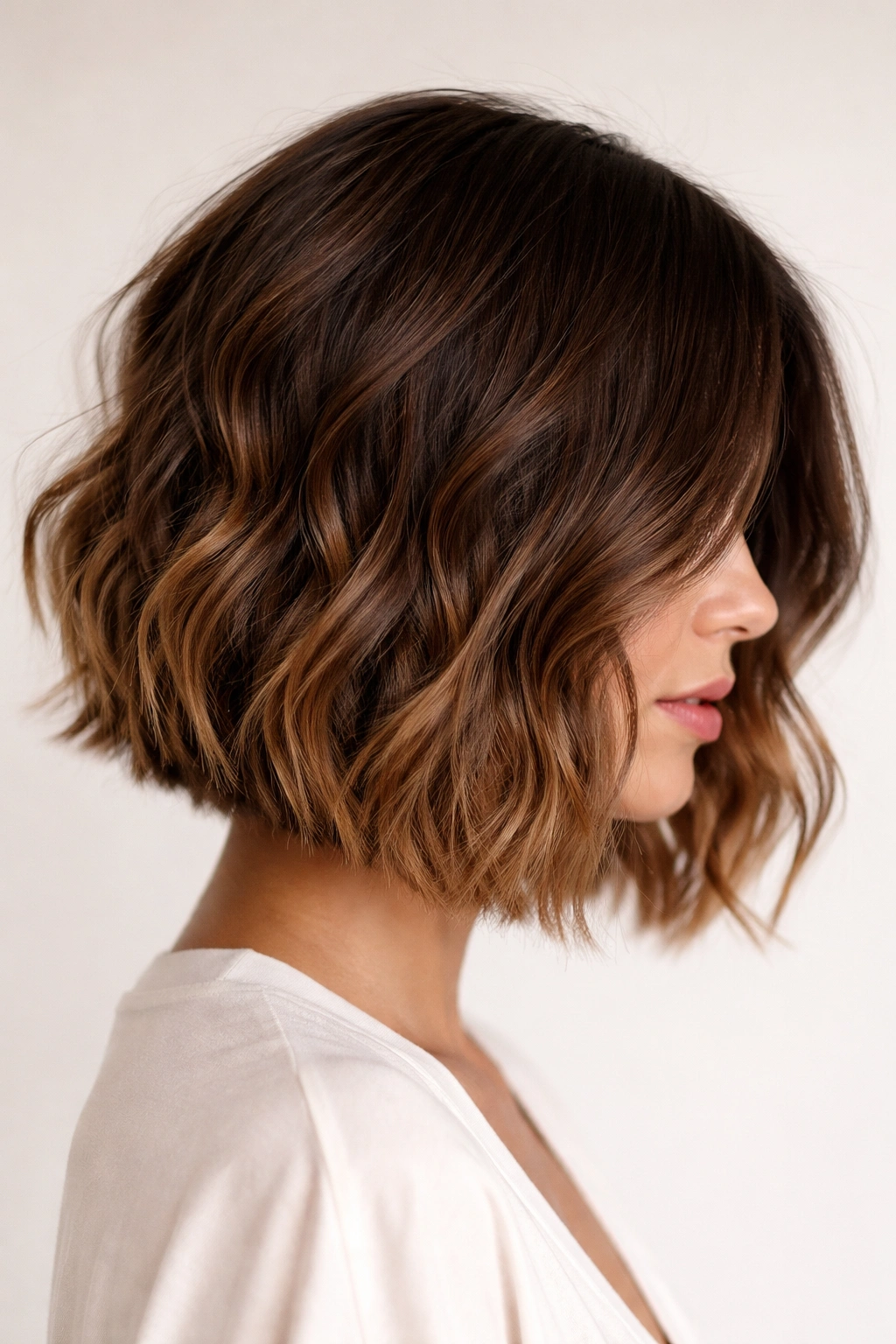
A bob with ombre coloring—where the brown gradually shifts to a lighter shade—adds dimension that enhances wavy texture beautifully. The ombre creates visual interest even before styling, and when you add waves, the color and texture work together to create an almost 3D effect. The lighter ends catch light and show the wave pattern more dramatically than a solid color would.
The cut itself should be shorter and blunt, typically hitting around chin length or slightly shorter, with subtle layers throughout to encourage waves. The blunt line creates structure while the internal layers allow waves to move freely. Ask your colorist for an ombre that goes from deeper brown at the roots to a lighter caramel or honey tone at the ends—this shift enhances the wave movement.
Styling for Impact
Create soft waves throughout your entire head using a 1.5-inch waver, paying special attention to the lighter-colored ends so the ombre really shows. The contrast between the deeper roots and lighter ends makes waves pop visually. Use a light texturizing spray rather than heavy product so the ombre and waves remain the focus.
The Color-Texture Connection
The ombre ombre effect amplifies the movement that waves create. Without the ombre, a brown bob with waves is beautiful. With the ombre, it’s genuinely striking. The lighter ends appear to move more than they actually do because the color shift draws attention to the wave pattern.
10. Beachy Waves with Blonde Money Pieces
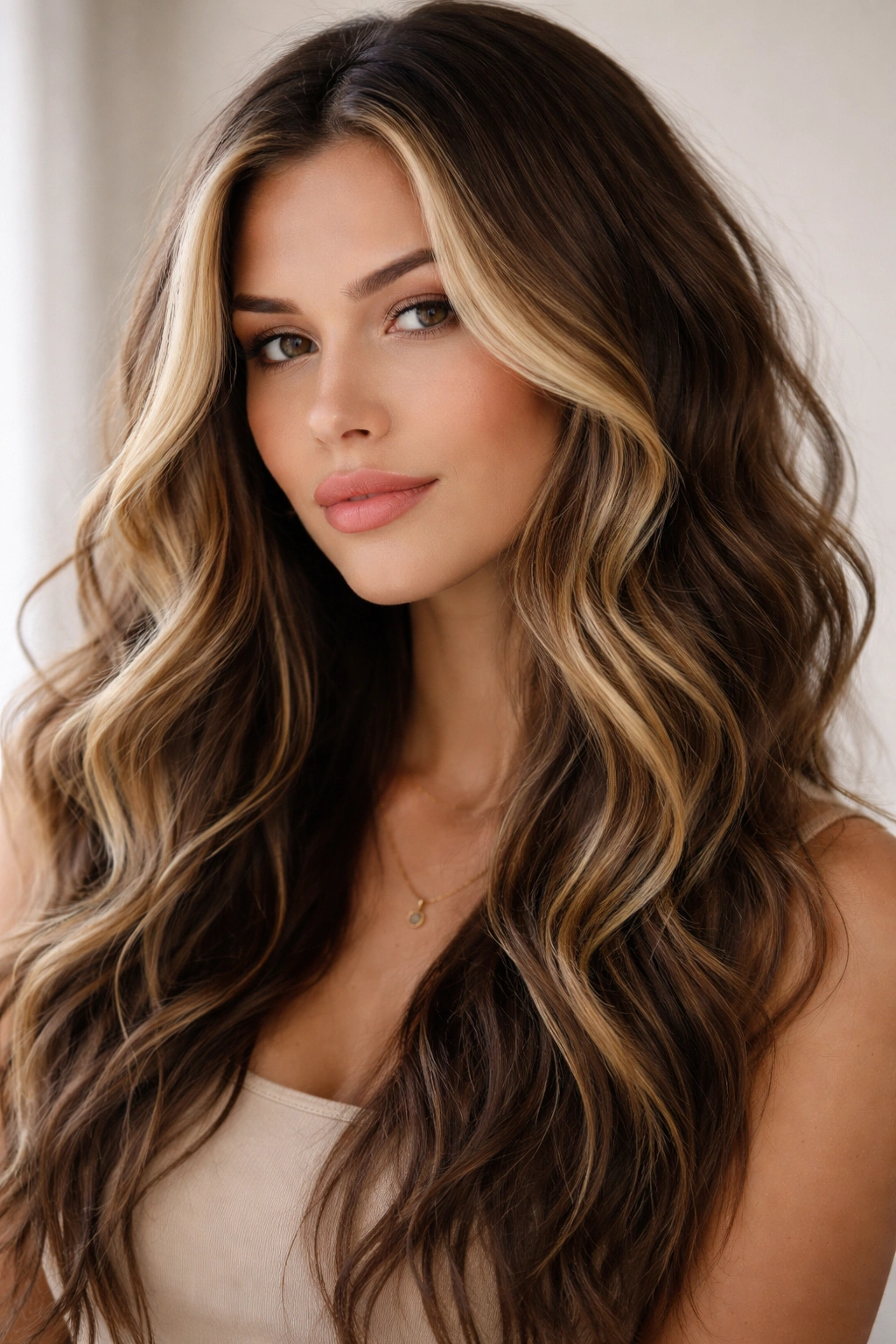
Money pieces—lighter blonde pieces framing your face—paired with a brown base and soft waves creates a dimensional, intentional look that flatters almost every complexion. The concept is that these lighter pieces “brighten” your face (hence the financial metaphor), and the placement means they’re visible whether your hair is down or pulled back. The waves make these pieces move and catch light constantly, enhancing their dimensional effect.
For this to work, you need the blonde pieces to be dimensional themselves—not just one flat tone. Ask your colorist for pieces that have slight variation within them, with some slightly more golden and some slightly more platinum. When waves move through these pieces, they show multiple tones, creating depth.
Styling for This Coloring
Style with soft waves throughout, but pay particular attention to the money pieces. These should wave slightly tighter or more defined than the rest of your hair so they don’t disappear. The goal is to make sure people see these lighter pieces and the dimension they create. Use a light pomade applied specifically to the money pieces to enhance their separation from the base color.
Why This Works
The brown base keeps you grounded and sophisticated while the blonde pieces add brightness and movement. Waves move these light pieces around your face constantly, so the effect is dynamic—it changes as you move. In one light, it’s subtle dimension. In another, it’s dramatically different. This versatility is why money pieces work for so many people.
11. Voluminous Teased Waves
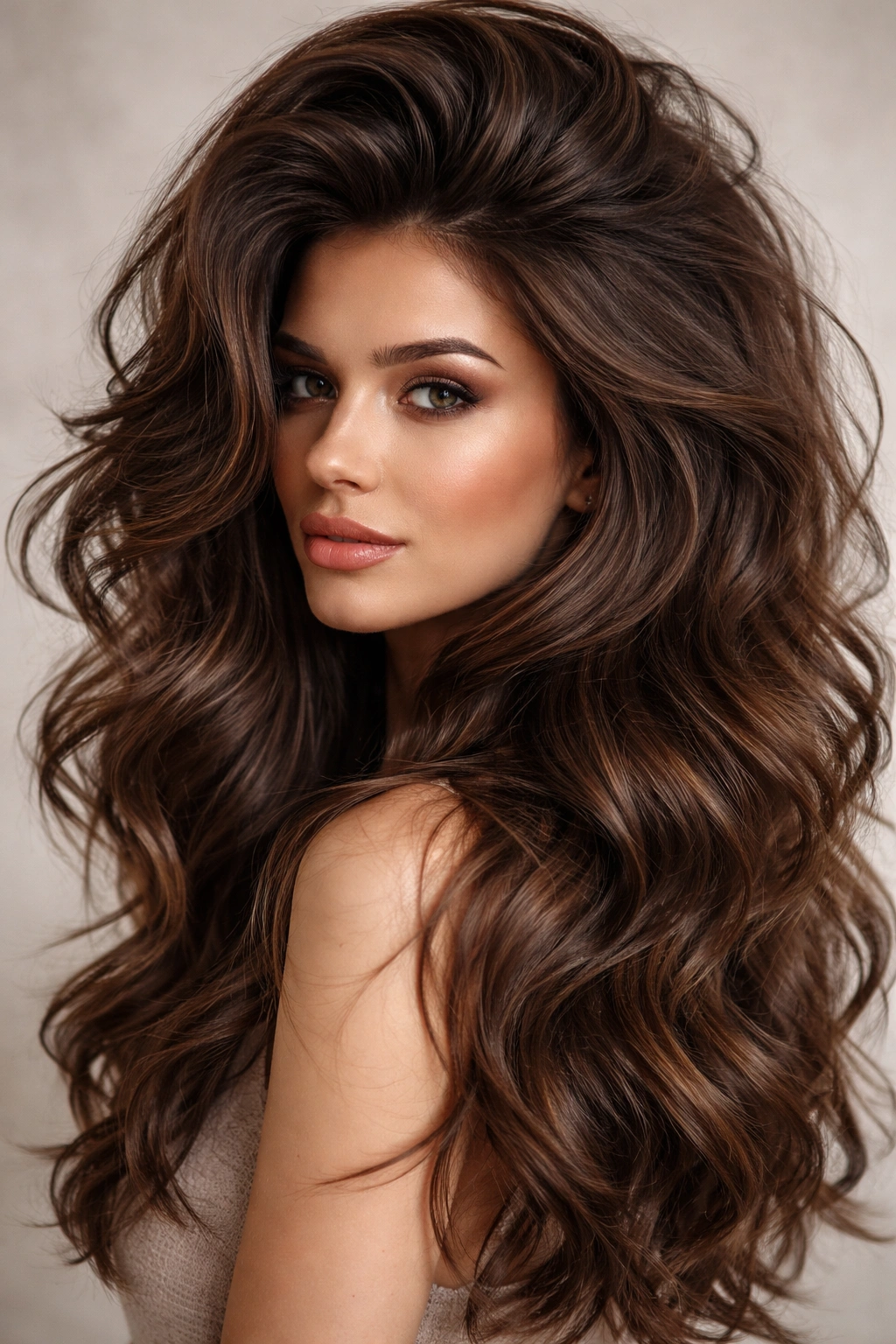
If you want maximum impact and undeniable presence, create volume through strategic teasing and texture, then add waves on top. Teasing (also called backcombing) creates a base that waves sit on rather than sit flat against. The result is hair that appears thicker, fuller, and more dramatically wavy—perfect if your hair is naturally fine or you just want an extra-textured look.
Tease strategically rather than throughout your entire head—focus on the crown, mid-lengths, and ends. Tease a section, smooth the top layer gently with a fine comb, then move to the next section. The teased texture underneath is invisible; it just provides structure for the waves to sit on. Once you’ve teased your base, create soft waves using a waver or curling iron.
Product for Staying Power
Use a texturizing spray or volumizing spray on damp hair before teasing—this gives texture something to grip. After waves cool, use a light hairspray rather than heavy product. You want waves to move and shift, not sit rigid. The goal is voluminous and touchable, not stiff or overly styled.
Why This Stands Out in Brown
Voluminous waves in brown look rich and lush. The color adds depth that makes volume appear intentional rather than costume-y. This is the go-to if you want a look that definitely turns heads and makes a strong impression. It works for events, nights out, or anytime you want your hair to be a significant part of your overall presence.
Final Thoughts
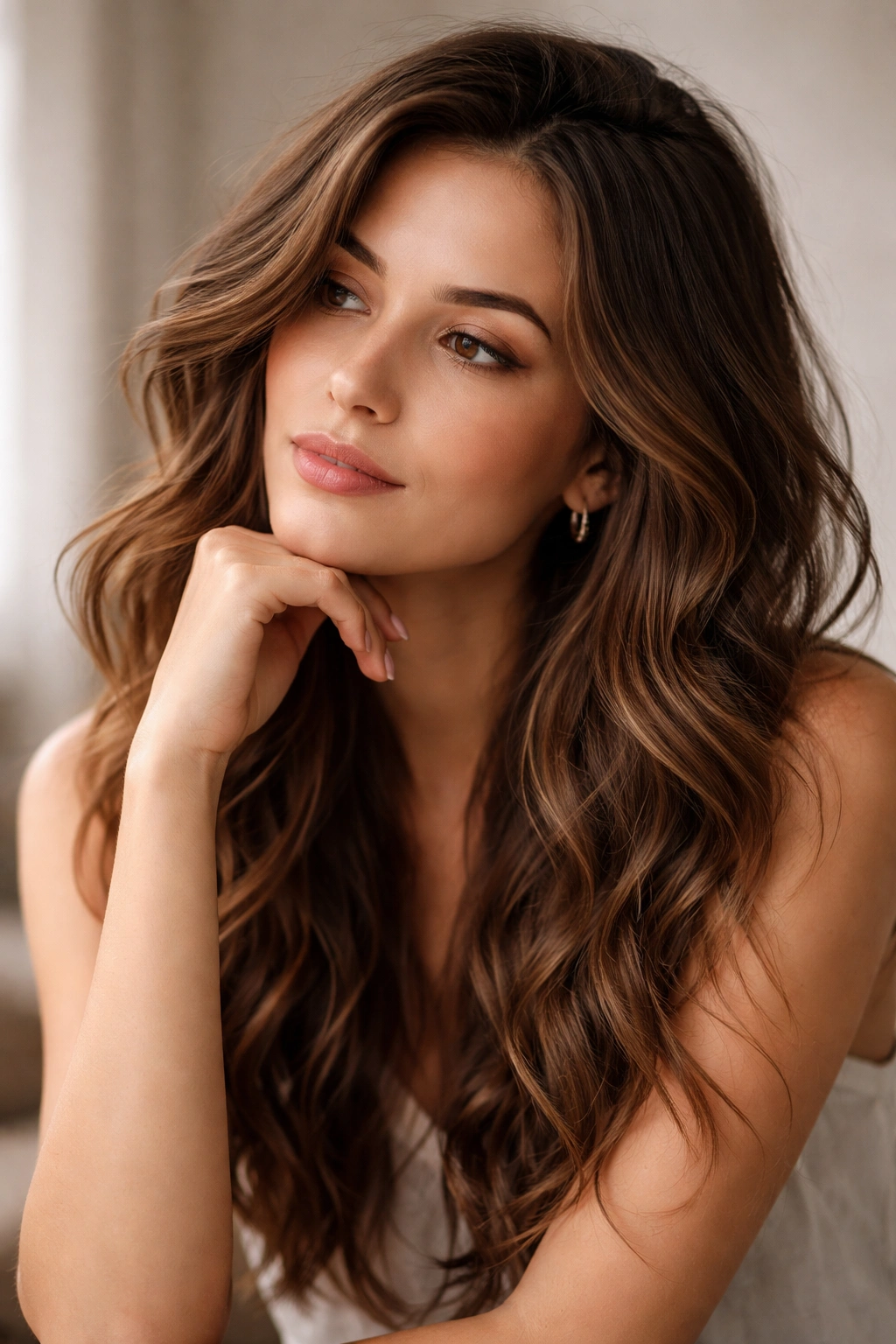
Messy wavy hairstyles in brown work because the color adds sophistication while the waves add movement and approachability. None of these styles require hours of styling time once you understand the basic techniques—most take 10 to 15 minutes of hands-on work. The key is finding a cut that supports waves naturally, understanding your specific hair texture and what products help it hold wave, and remembering that “messy” means intentionally undone, not actually undone.
Brown is the perfect canvas for experimenting with different wavy styles because it’s neutral enough to pair with virtually any skin tone and warm or cool enough to work with both warm and cool-toned styling choices. Whether you go for beachy and soft, choppy and modern, or voluminous and dramatic, brown hair with waves offers endless possibilities for looking put-together while maintaining that effortless aesthetic.
