



A razor cut long bob can rescue hair that hangs heavy at the shoulders and refuses to move. The shape still reads as a lob, but the ends stop looking like one solid block.
That matters more than people think. A blunt lob can look chic on the right head of hair, but it can also turn into a shelf — flat at the top, heavy at the bottom, and a little sleepy by noon. A razor changes the finish. It softens the edge, breaks up the line, and lets the cut bend instead of sit there.
I like razor cuts when they are controlled. Not shredded. Not over-thinned. A good stylist uses the razor the way a tailor uses scissors on fabric: enough to shape, not enough to ruin the structure. On thick hair, that can take out bulk. On fine hair, it can keep the ends from feeling harsh. On waves, it can keep everything from puffing out at the sides.
The sweet spot is somewhere between polished and undone, and these 12 razor cut long bobs hit that range from a few different angles.
1. Feathered Razor Cut Long Bob
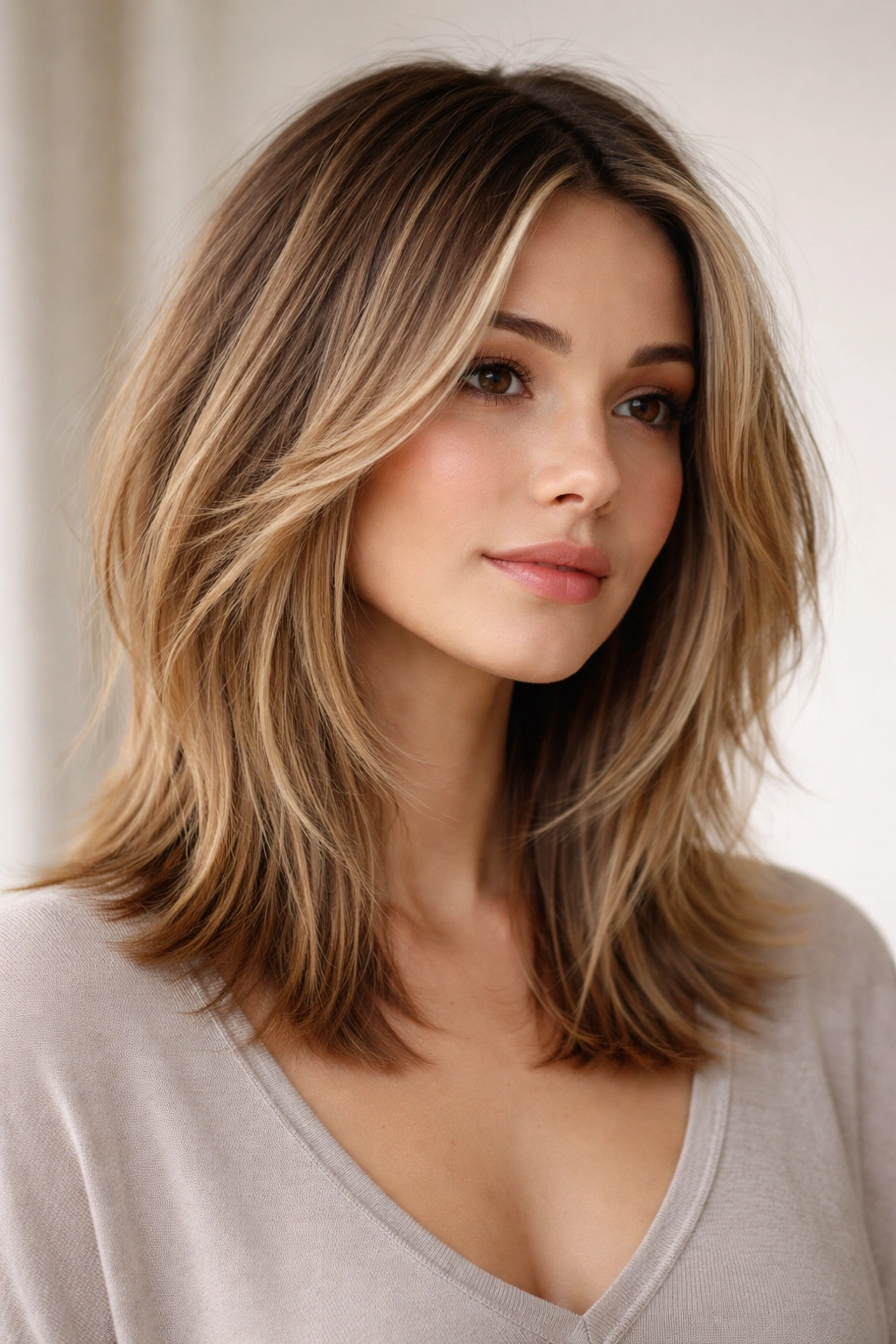
This is the safest place to start if you want texture without losing the clean lob outline. The length sits around the collarbone, while the razor only kisses the ends enough to soften the line. You still get the shape of a bob, just without that heavy, blunt edge that can make the whole haircut feel boxy.
Why It Works
A feathered lob moves when you turn your head. That sounds obvious, but a lot of haircuts do not. The soft taper at the bottom lets straight hair look lighter and gives wavy hair a little more swing without turning it into a shag.
It also grows out well, which I appreciate. The shape does not fall apart after three weeks because the perimeter is still there. You are not relying on layers to do all the work.
What to Ask For
- Keep the length at the collarbone or just below it.
- Razor only the last 1 to 1½ inches of the perimeter.
- Leave the front pieces slightly longer if you want a slimmer neck line.
- Skip heavy crown layering unless your hair is thick enough to need it.
My favorite detail: ask for soft ends, not shredded ends. Those are not the same thing.
2. Choppy Shag-Led Lob
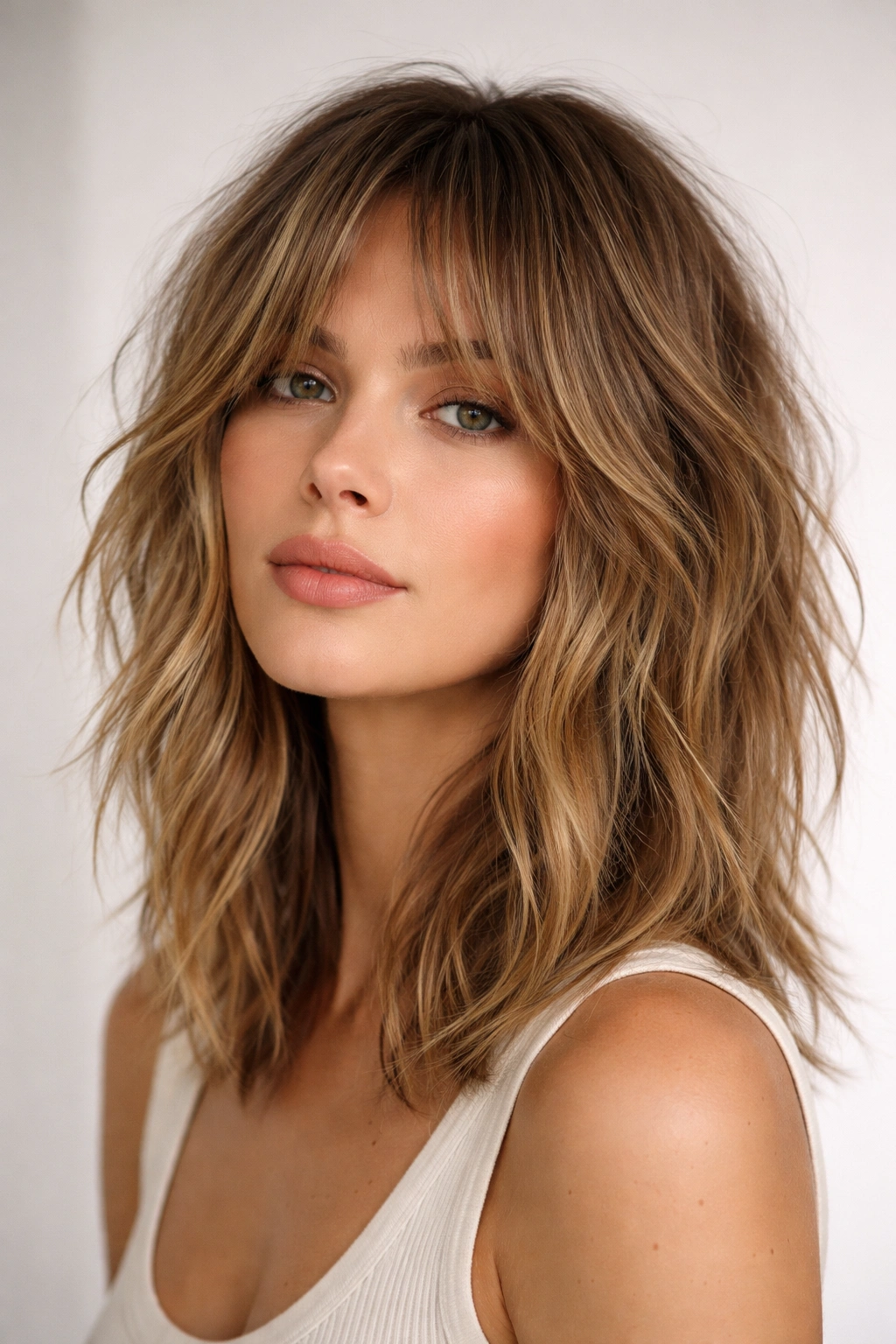
A choppy shag-lob is for people who want hair that looks good with minimal effort and a little attitude. The cut leans on uneven texture, soft internal layers, and ends that do not sit in one flat line. It has that slightly air-dried look even when you blow-dry it.
What makes this version different is the messiness is built in on purpose. The razor removes weight in little slices, which keeps the lob from turning puffy and triangular. On straight hair, it creates movement. On wavy hair, it gives the bend somewhere to live.
I’d call this the most forgiving razor cut long bob on the list if your hair likes to do its own thing. A small amount of mousse at the roots, a rough dry with your fingers, and maybe a touch of sea salt spray through the mid-lengths is usually enough. Too much product makes the piecey texture collapse into stringy ends, and that ruins the point.
Good hair. Slightly messy hair. There is a difference. This cut knows it.
3. Angled Razor Cut Long Bob
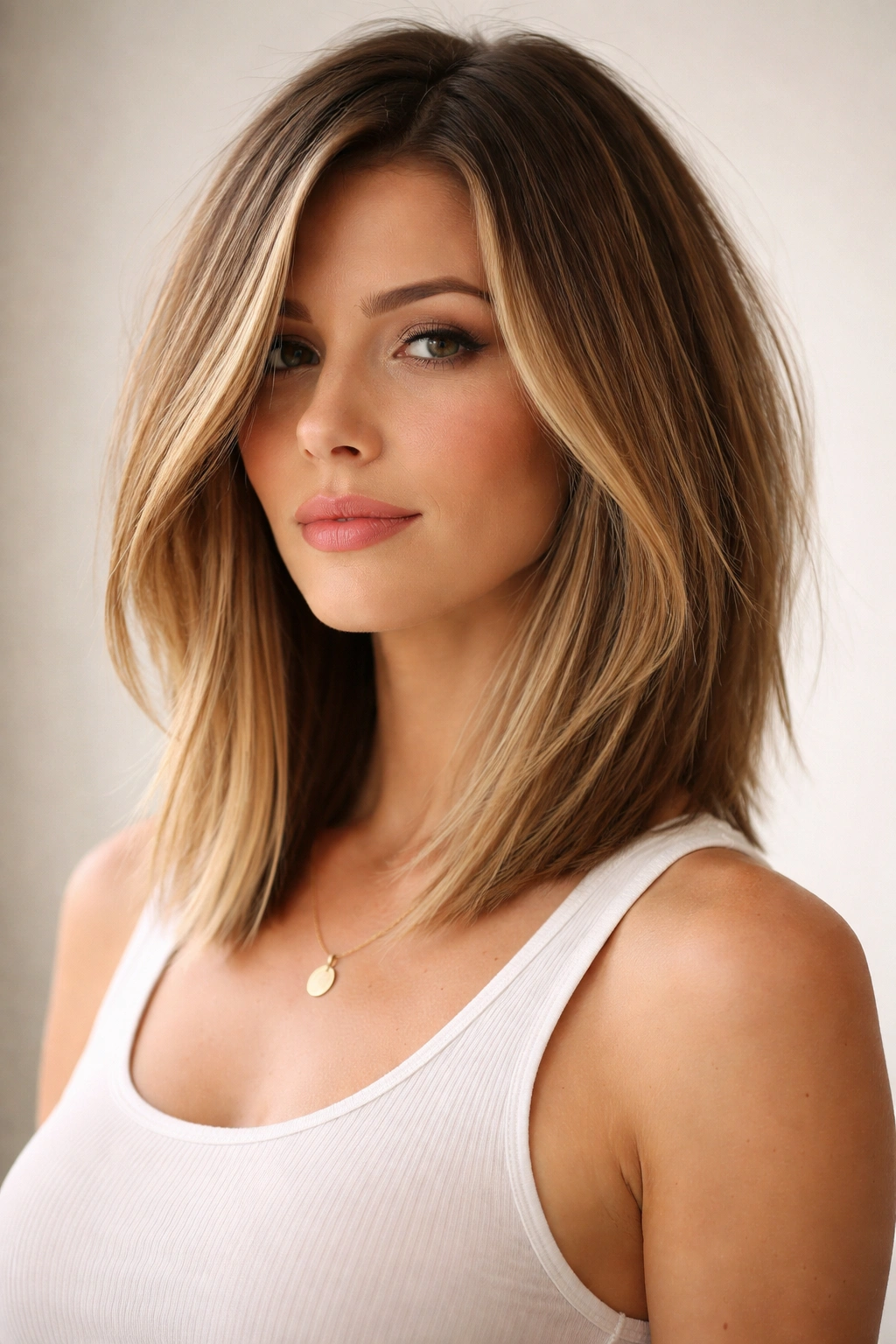
Do you want the front to skim your collarbones while the back stays a touch shorter and lighter? An angled razor cut long bob gives you that swing without making the whole haircut look severe. It is sharper than a feathered lob, but softer than a classic stacked bob.
How to Style It
A small round brush changes everything here. Blow the front pieces forward and slightly under, then keep the back smooth but not pressed flat against the head. The angle shows better when the front has a little bend and the back stays clean.
This cut flatters people who want their jawline to look a bit longer. It also helps hair that tends to flip out at the shoulders, because the shape is already designed to move in that direction. The razor makes the edge less stiff, so the angle looks intentional instead of geometric.
If you have dense hair, ask the stylist to keep the top layer controlled. Too much slicing in the crown can make the front collapse. And once that happens, the angle starts reading as a mistake instead of a design choice.
4. Razor Lob with Curtain Bangs
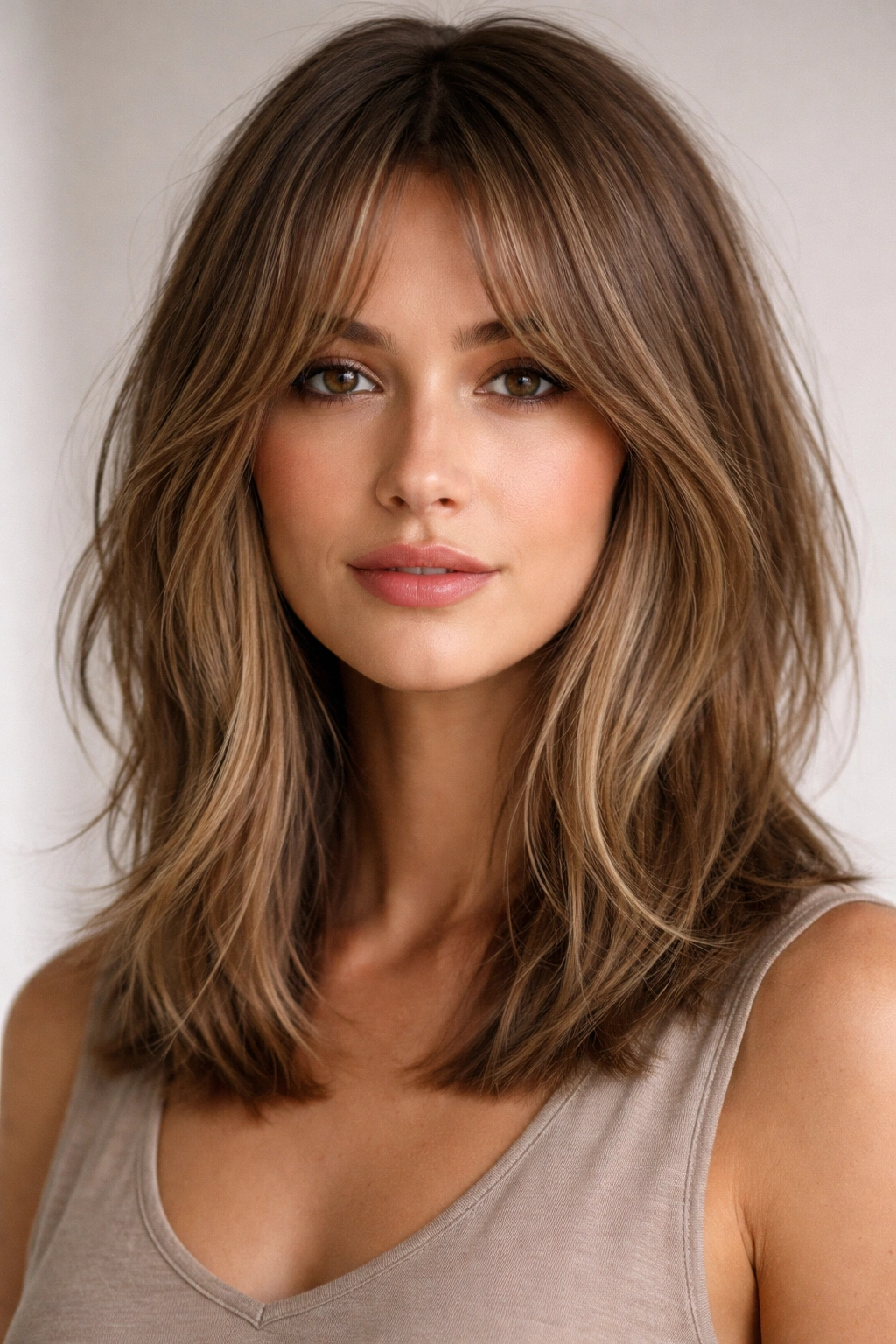
You know that moment when a haircut suddenly looks finished the second the bangs fall into place? That is what curtain bangs do to a razor lob. The face-framing fringe pulls the eye inward, while the textured ends keep the rest of the cut from feeling blunt or heavy.
The Parting Matters
Curtain bangs are not just “bangs that grew out.” When they are cut well, they start a little shorter near the center and sweep longer toward the cheekbones. That shape works especially well with a razor cut because both pieces — the fringe and the ends — have softness built into them.
This version is useful if you want to draw attention to the eyes or soften a strong forehead. It also helps balance a longer face, since the fringe interrupts the vertical line. The key is keeping the bangs light enough to bend, not thick enough to block the face.
- Best for medium to thick hair with some natural movement.
- Good if you wear a middle part or a very loose off-center part.
- Less ideal if you hate styling bangs every morning.
Ask for this: a soft center fringe that blends into the front layers, not a hard bang line.
5. Sleek Center-Part Razor Lob
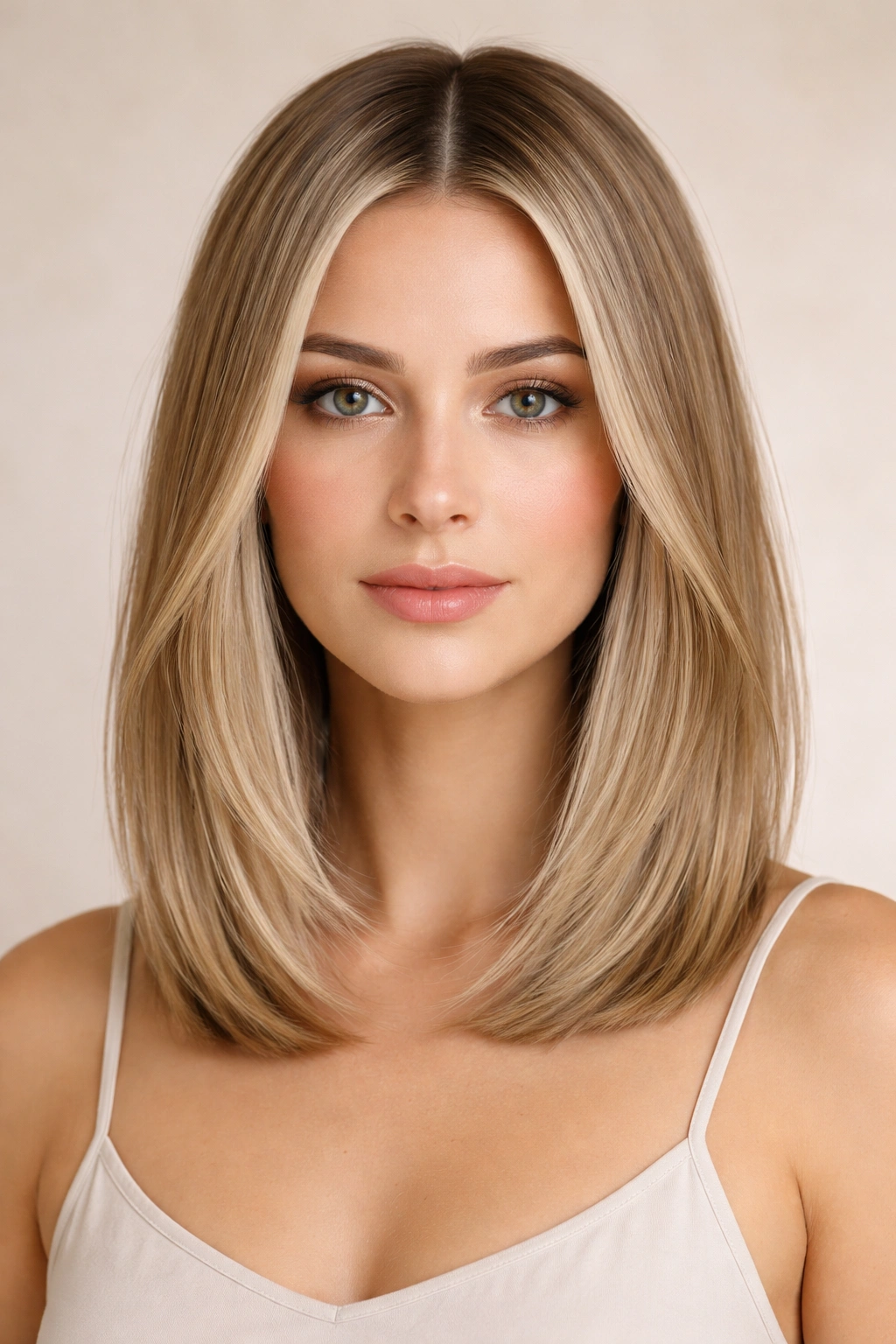
Texture does not have to mean messy. A center-part razor lob can look polished and still have enough movement at the ends to keep it from feeling severe. The top stays smooth, the shape stays clean, and the razor gives the bottom edge just enough softness to avoid that helmet-like finish.
I like this cut on straight hair that tends to fall flat after a blow-dry. The razor doesn’t need to be dramatic here. In fact, if the stylist goes too far, the ends can start to look airy in a bad way — thin, not light. The better version is subtle: a little internal slicing, a little edge refinement, and a perimeter that still feels full when you tuck it behind your ears.
A shine spray works well with this shape. So does a flat iron, but only if you leave a tiny bend through the ends instead of ironing them poker-straight. That bend matters. It keeps the cut from looking too stiff.
Flat hair does not need more layers. It needs cleaner ones.
6. Side-Part Lob with Crown Lift
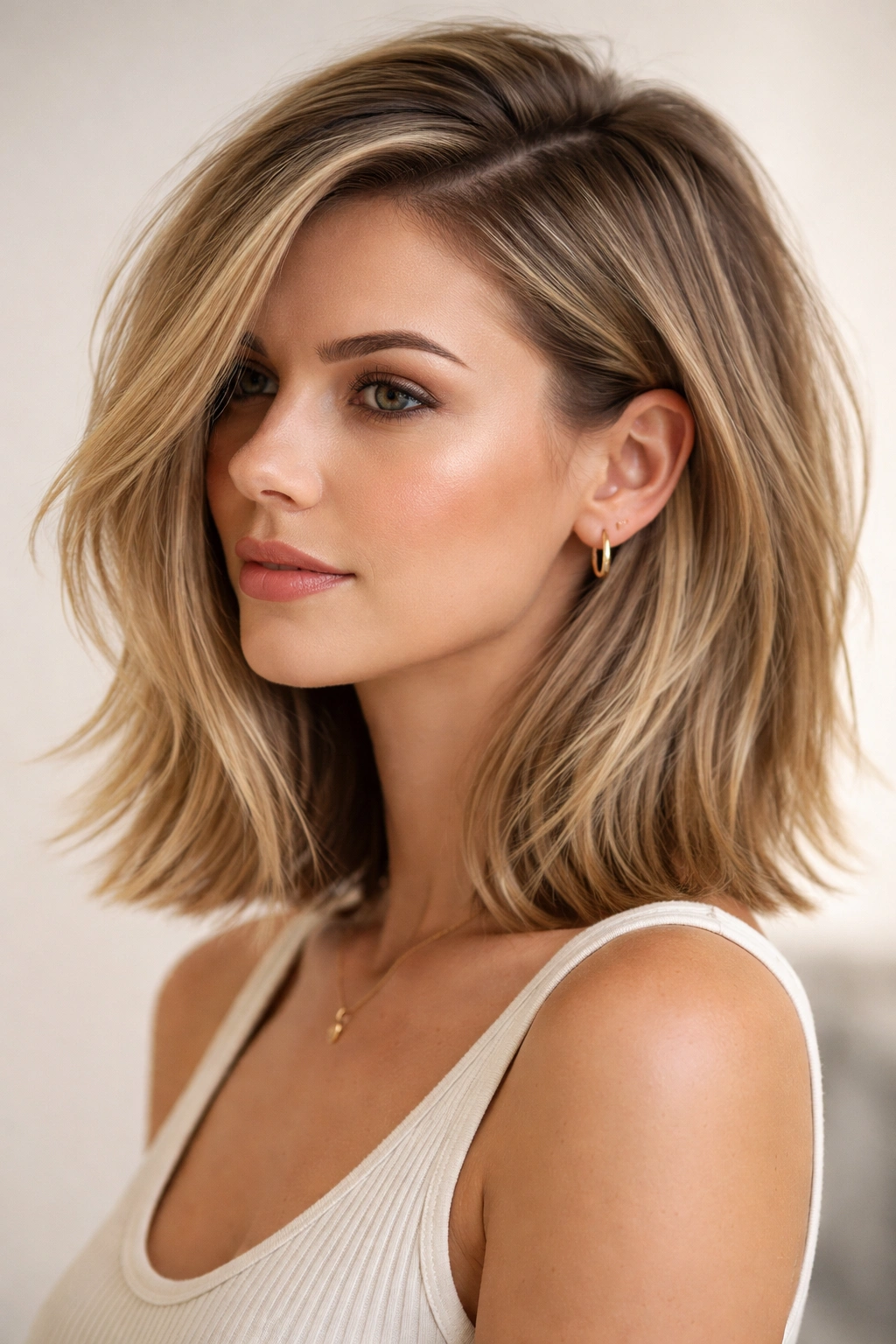
Unlike a center-part lob, a side-part version builds volume right where fine hair usually goes limp. The offset part lifts the root on one side, and the razor-softened ends keep the rest of the cut from dragging that volume down. It is a simple move, but it changes the whole silhouette.
This is the one I’d point people toward if their hair lies flat at the crown or if they always feel like one side of their face needs a little more shape. A deep side part can make the haircut look fuller without adding obvious layers. It also gives the lob a bit of drama, which is nice when you want movement but not chaos.
A light root spray at the crown helps, especially if your hair is fine. Blow-dry the part first, lifting at the roots with your fingers or a small round brush. Then smooth the mid-lengths and let the ends fall with a soft flip.
If your hair already has plenty of body, ask for a mild side part rather than a deep one. Too much lift can make the shape feel old-school in a bad way. Subtle usually wins here.
7. Curly Razor Cut Long Bob
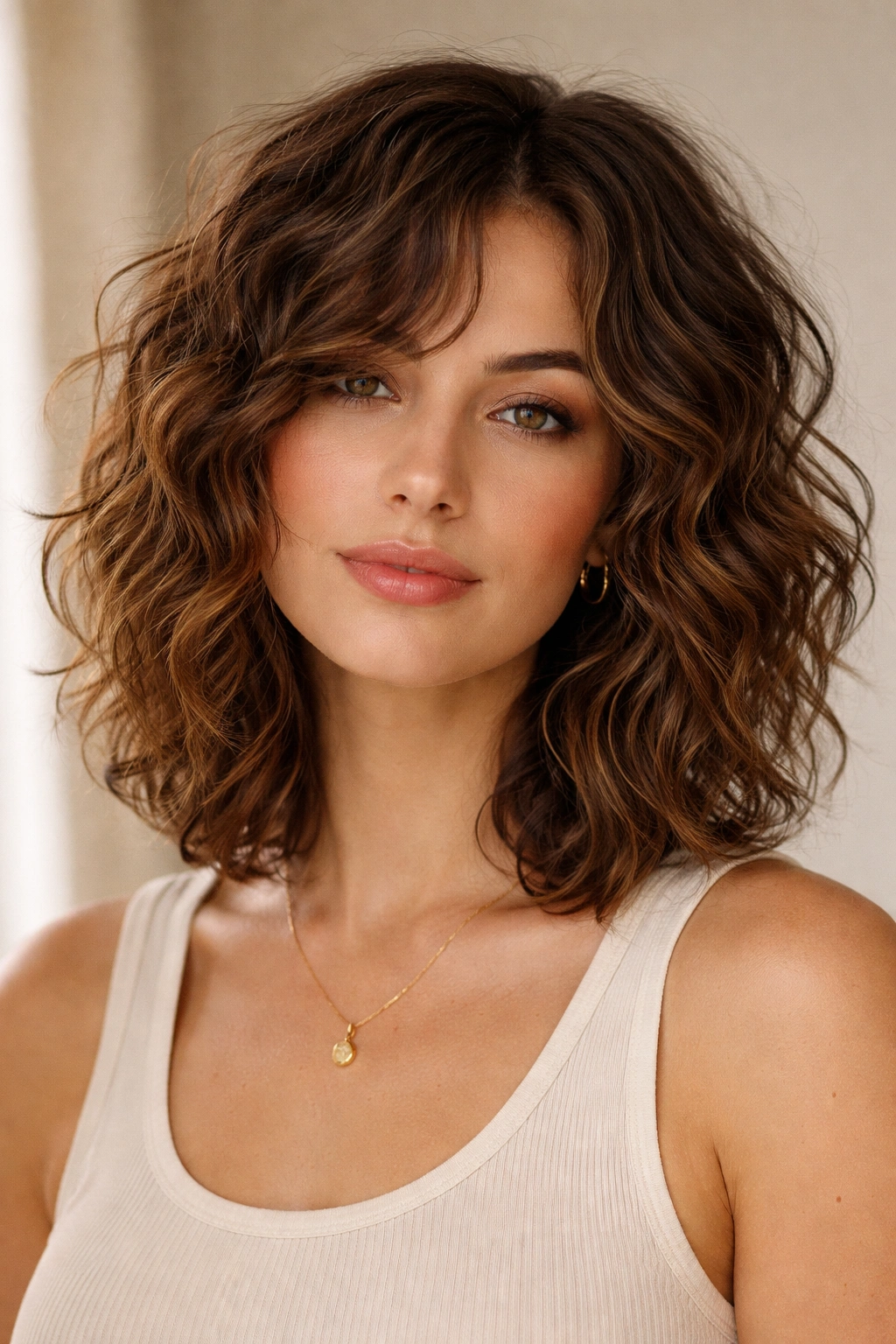
A razor and curls can get along — but only when the cut is done with care. On curly hair, the goal is not to shred the ends. It is to let the curl pattern breathe so the shape sits around the face instead of ballooning out.
Why Dry Cutting Matters
Curly hair shrinks, bends, and moves in ways that wet hair hides. That is why a dry cut or a curl-by-curl approach matters so much. A stylist can see where the curl clumps, where it springs up, and where the bulk collects.
Razor work on curls should be light and strategic. Too much slicing can fray the ends and make the curl look fuzzy. The better move is a controlled razor cut on selected sections, often paired with point cutting to keep the shape soft without disturbing the curl ringlets.
What to Watch For
- Keep the length long enough for the curls to hang, usually at or just below the collarbone.
- Ask for weight removal only where the hair puffs out.
- Leave the outer edge fuller if your curls are fine.
- Use a diffuser and a curl cream with slip, not a heavy butter that drags the curl down.
This cut can be gorgeous. It just has to respect the curl pattern.
8. Thick-Hair Lob with Weight Removal
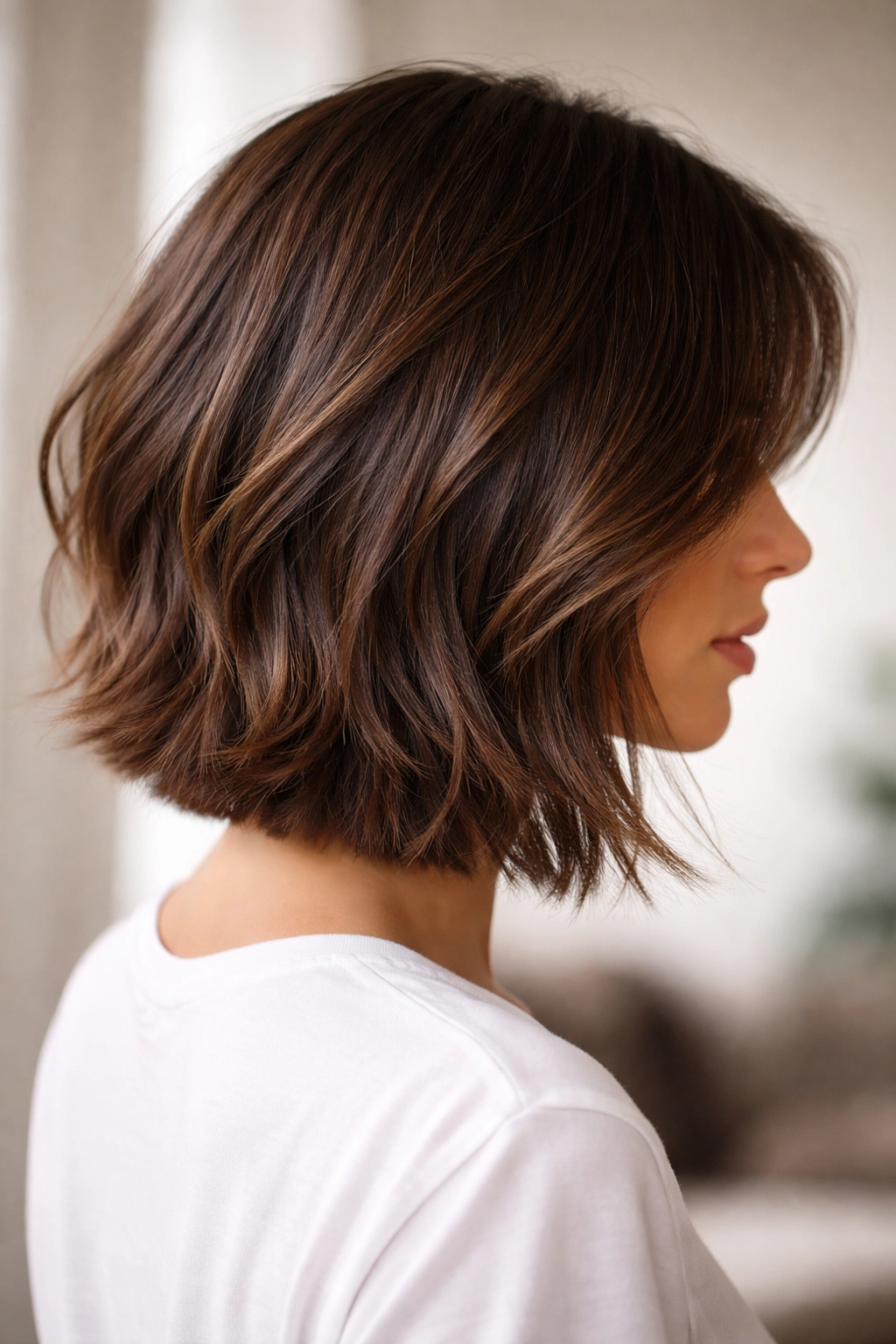
Thick hair and razor cutting can be a dream pairing when the bulk is removed in the right places. The trick is not to carve away so much that the ends go wispy. You want the haircut to feel lighter, not thinner in a sad way.
A good thick-hair lob usually needs internal weight removal rather than a harshly shredded perimeter. That means the stylist takes some mass out from underneath or through the mid-lengths, leaving the top layer polished and the outline full. On dense hair, that can stop the cut from ballooning at the shoulders.
I prefer this approach over a blunt one for thick hair that seems to gather at the bottom and flip outward. Razor work breaks that shelf effect. It also helps the hair tuck behind the ears without fighting you the whole time.
If you have coarse strands, tell the stylist you want movement, not see-through ends. That phrase is worth saying out loud. Thick hair can handle texture, but it needs enough substance left at the ends to look healthy.
And yes, you may still need a trim every 8 to 10 weeks if your hair grows fast. Weight builds back up. That is just how it goes.
9. Fine-Hair Razor Lob with a Full Edge
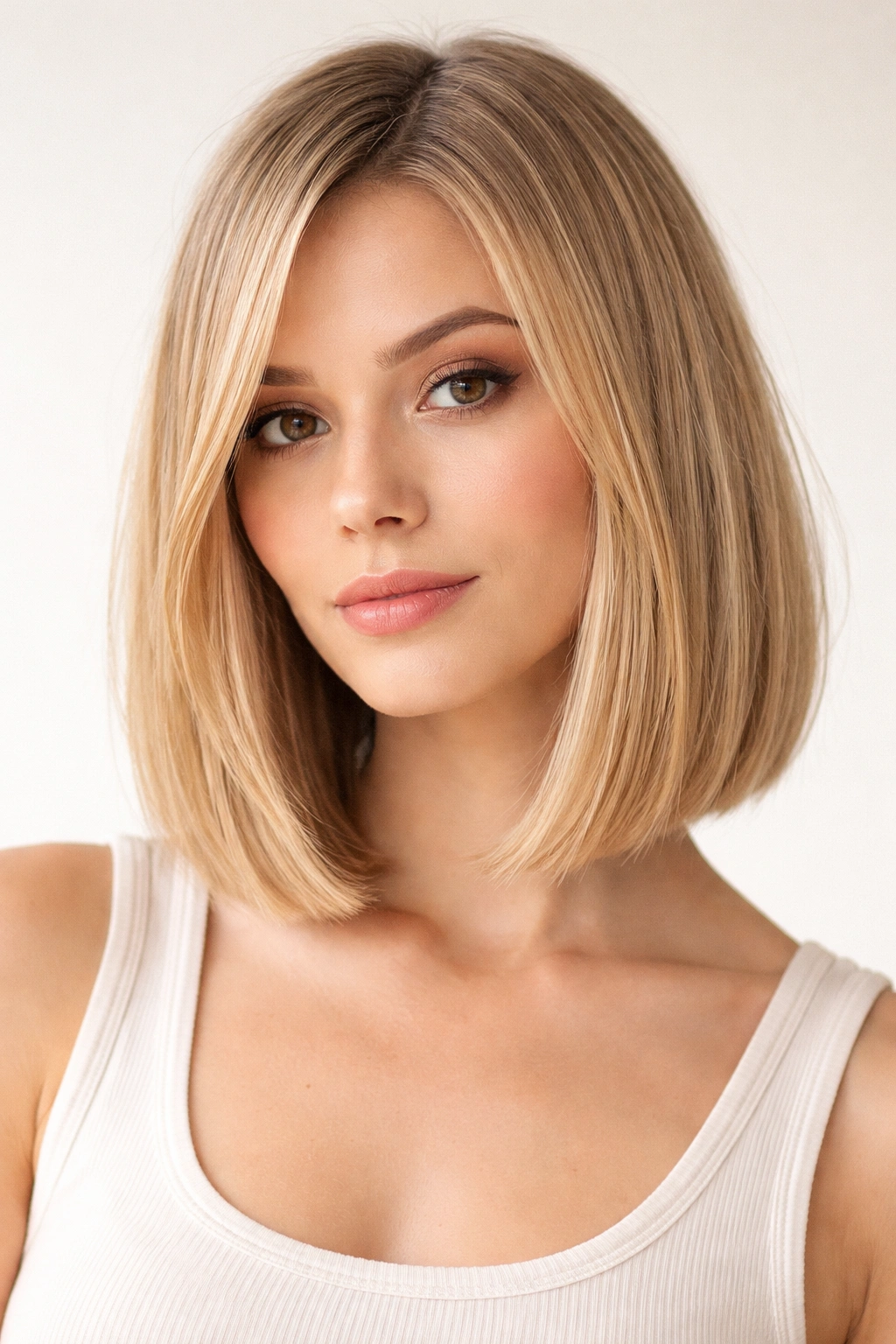
Can fine hair take a razor cut long bob without going sparse at the ends? Yes — but only if the edge stays full. That is the whole game. Too much texturizing and the haircut starts to look frayed instead of airy.
Keep the Perimeter Blunt
The smartest version of this cut keeps a solid outline and uses the razor only on the surface or in tiny sections. You get motion without losing density. The ends still look thick enough to hold a shape, which matters more on fine hair than almost anything else.
This is one place where less is more in a real, practical way. A full edge makes the hair look healthier and gives the illusion of volume. The texture comes from movement, not from removing half the structure.
What Helps Most
- Ask for light, controlled slicing instead of aggressive thinning.
- Keep the length between the chin and collarbone if you want more bounce.
- Use a lightweight mousse at the roots before blow-drying.
- Finish with a round brush bend, not a tight curl.
If your hair is very fine, I would skip heavy layering at the crown. That can expose the scalp and make the haircut collapse faster than you want.
10. Face-Framing Razor Lob
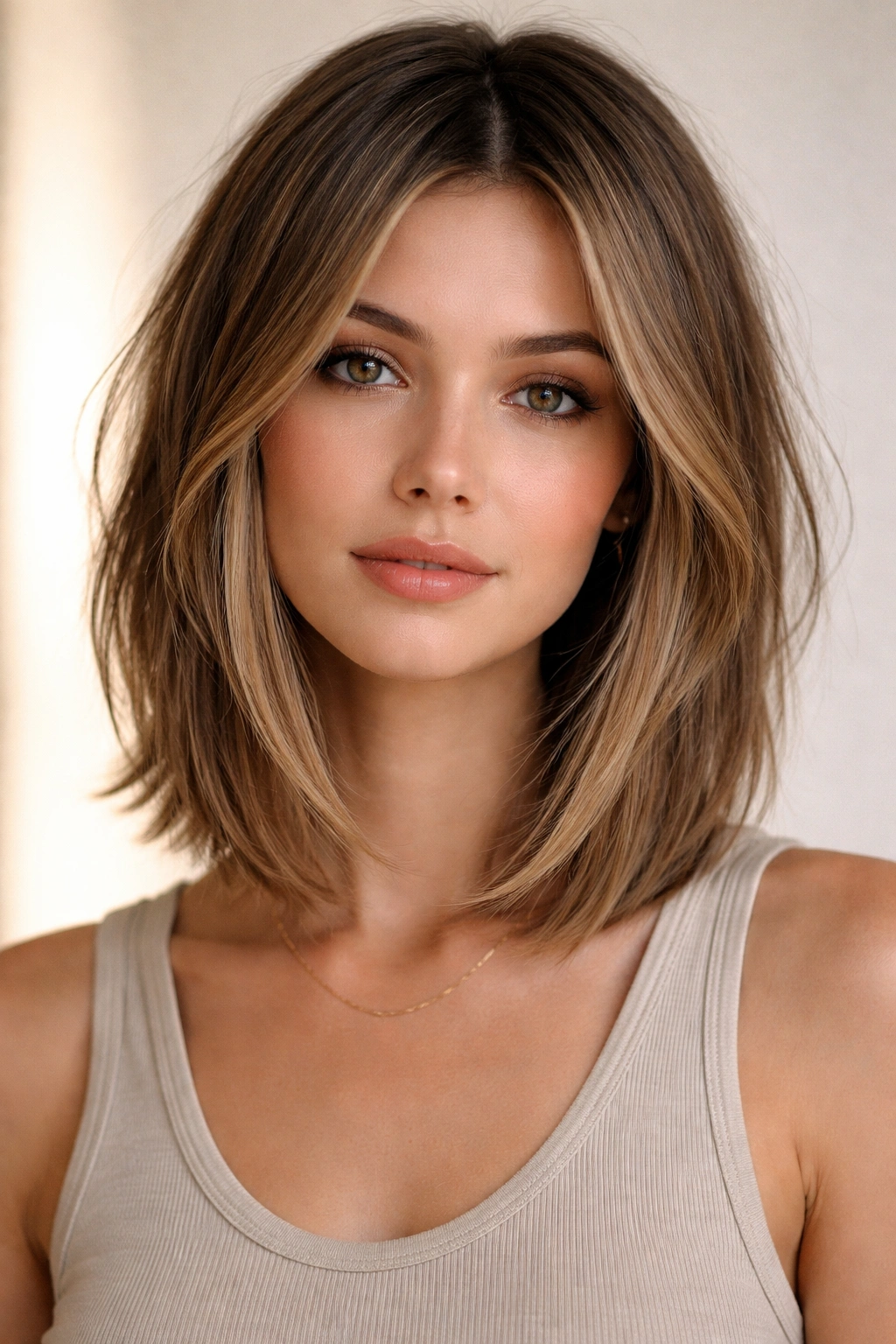
A few carefully cut face-framing pieces can change the whole mood of a lob. I’ve seen hair go from plain to flattering just because the front section was carved to land at the cheekbone instead of all at one length. That is the kind of detail people notice without always knowing why.
Where the Shortest Piece Should Fall
- At the cheekbone if you want to highlight your eyes.
- At the jaw if you want to soften a square face.
- A touch lower if you want the cut to feel longer and slimmer.
The razor helps these pieces melt into the rest of the haircut instead of sitting there like separate chunks. That matters. A face frame should connect to the lob, not float on top of it.
This style is nice if you tuck hair behind one ear a lot, because the shorter front pieces keep the outline interesting even when half the hair is off your face. It also works well for people who want a low-stakes change. You are not committing to full bangs. You are just changing the front line.
Small detail, big payoff: ask for the two sides to be slightly different in length if your face is asymmetrical. Most faces are. Hair should work with that, not pretend it isn’t there.
11. Tousled Lob with Soft Bend
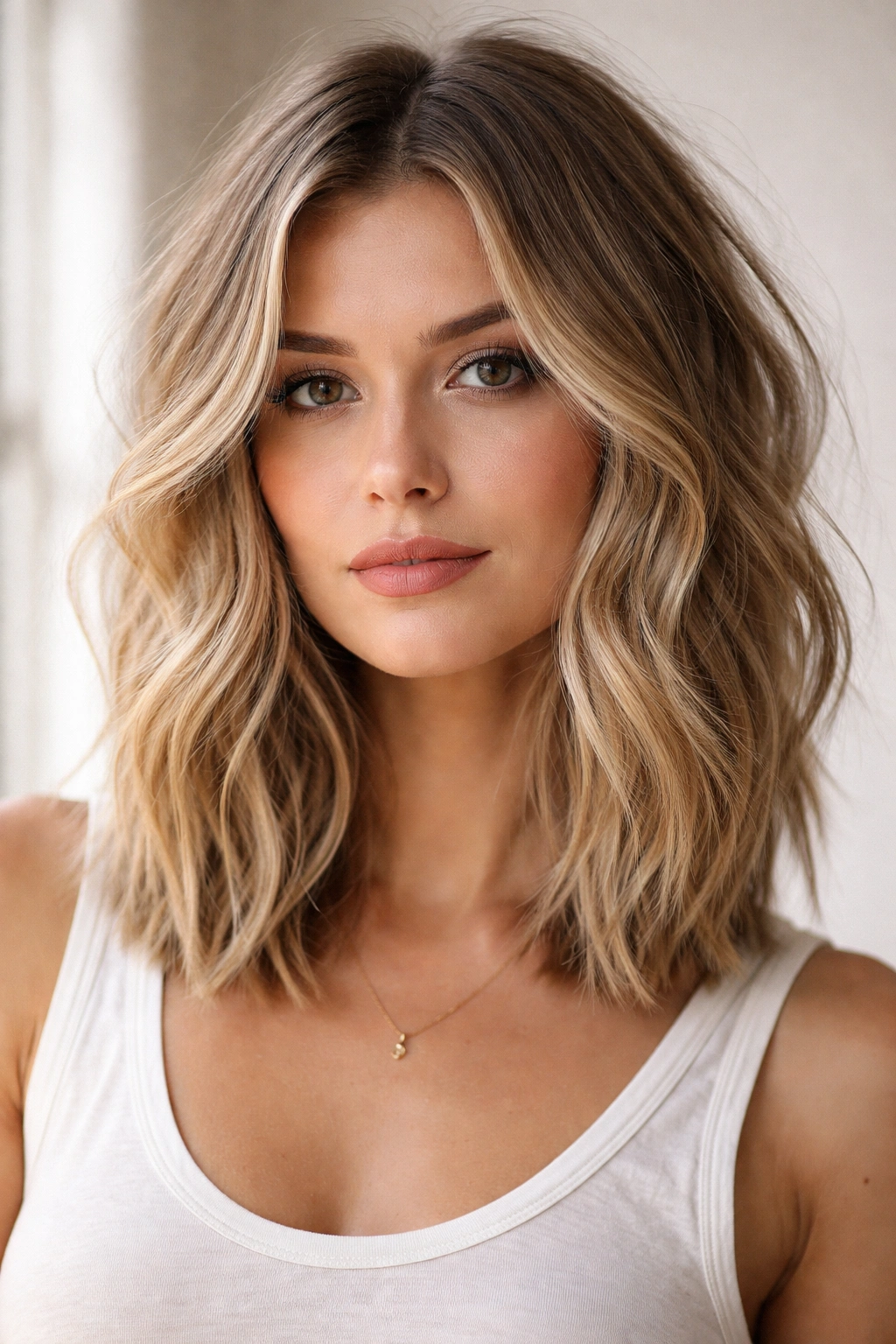
A tousled lob has a different energy from a polished one. It looks as if the hair has already lived a little — not sloppy, just relaxed. The razor-cut ends are what keep it from turning into a thick, triangular shape when you add texture.
The best version of this cut has a soft bend through the mid-lengths and ends that don’t stick together in heavy chunks. A large curling iron, about 1¼ inches, works well if you want bend rather than curl. Wrap the hair loosely, leave the last inch out, and finger-comb it once it cools.
One-sentence truth: the second day often looks better.
That is part of why I like this lob so much. The softness gets better after the first wash, especially if you use a dry shampoo at the roots and a tiny bit of lightweight cream through the ends. It never needs to look perfect. That would ruin it.
If you want this shape to last, don’t drown it in oil. One drop too many and the texture turns flat and greasy at the same time. Annoying. Avoidable.
12. Micro-Layered Razor Cut Long Bob
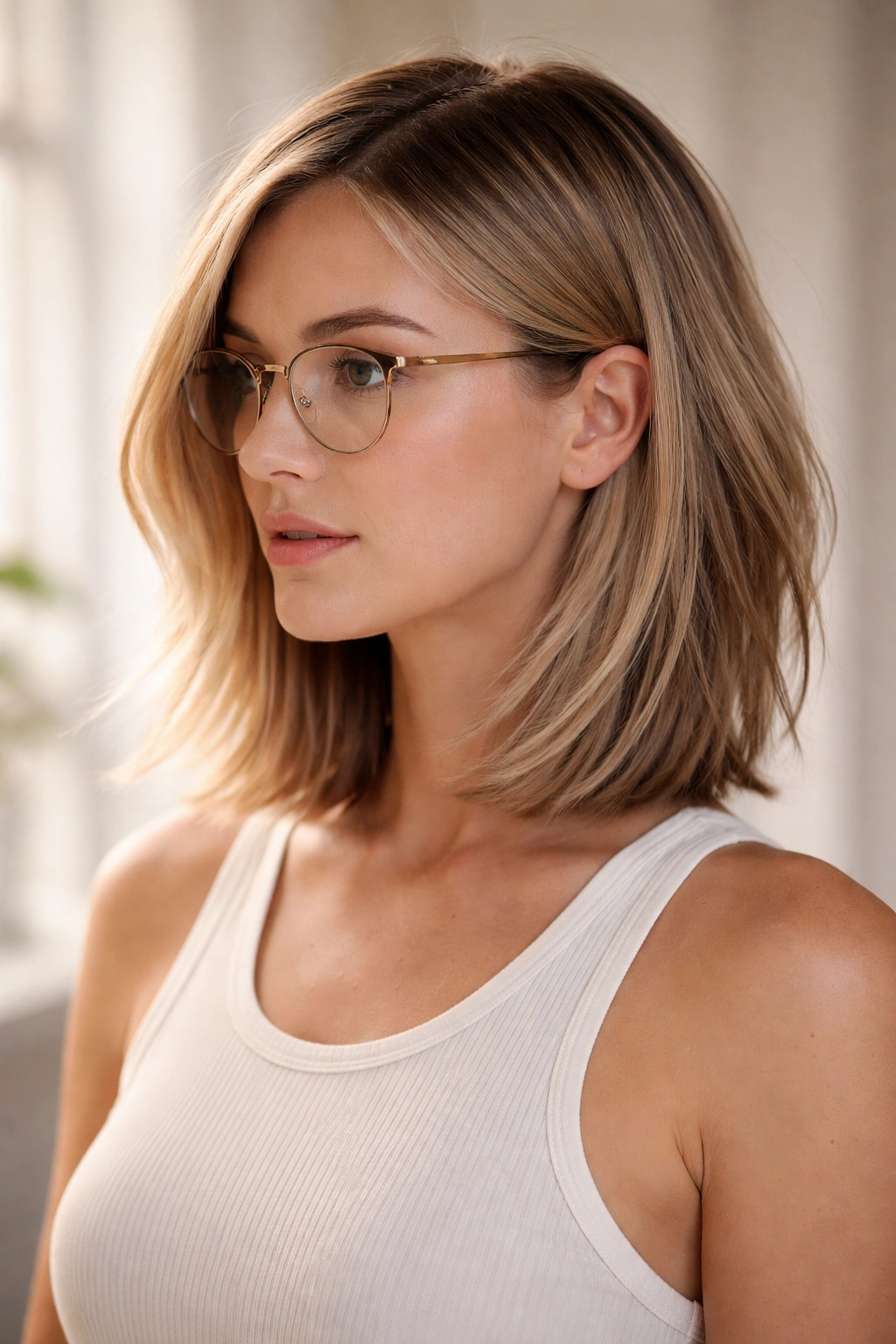
If you want movement but still want the haircut to feel like a long bob, micro-layers are the sweet spot. These are tiny internal layers, usually invisible unless the hair moves. The perimeter stays intact, which keeps the cut looking fresh, but the inside has enough air to stop the ends from hanging like a curtain.
What to Ask Your Stylist
Tell them you want the length to stay strong, with only subtle slicing through the interior. If you wear glasses, tuck your hair behind your ears, or hate a lot of face-framing pieces, this is a smart option. It gives the lob shape without demanding a bunch of styling every morning.
Micro-layers work especially well on medium-density hair that gets bulky at the bottom but doesn’t need a full shag. They also make a nice compromise for people who like movement but get nervous when they hear the word “razor.” Fair enough. Not every head of hair wants to be heavily texturized.
A styling cream with a little grip is usually enough here. You want the layers to separate a bit when the hair moves, not stand apart like feathers. That difference is subtle in photos, but it matters a lot in real life.
Final Thoughts
The strongest razor cut long bob is the one that keeps its shape while losing its stiffness. That sounds simple, but it’s where a lot of bad haircuts go wrong. Too much slicing, and the ends look tired. Too little, and the lob goes flat.
Bring reference photos that show both the silhouette and the texture. One picture of a pretty bob is not enough. You want the cut, the length, and the finish to be clear before the scissors come out.
If your hair is fine, protect the edge. If it’s thick, remove weight where it builds up. If it’s curly, ask for a dry approach. Those little decisions matter more than the trend name ever will.
The nicest thing about a textured lob is that it can look modern without looking fussy. That is a rare balance, and worth getting right.
