



A good bob cut can do a lot more than make hair shorter. It can sharpen a jawline, soften strong features, and shave ten minutes off the morning scramble. That balance is why bob cuts for teens keep making sense: they look polished when they need to, but they also hold up when hair is air-dried, tucked behind an ear, or shoved under a backpack strap.
The best teen bob does not look stiff. It moves when the head turns. It still looks fine after a rushed shower, a gym class, or a bad weather day that leaves everything a little off. That is the sweet spot: a haircut with shape, not fuss.
Length matters more than people think. A bob that sits at the chin gives a very different effect from one that grazes the collarbone, and blunt ends send a different message than soft layers or broken texture. Tiny changes change everything. Tiny trims do too.
1. Textured Chin-Length Bob
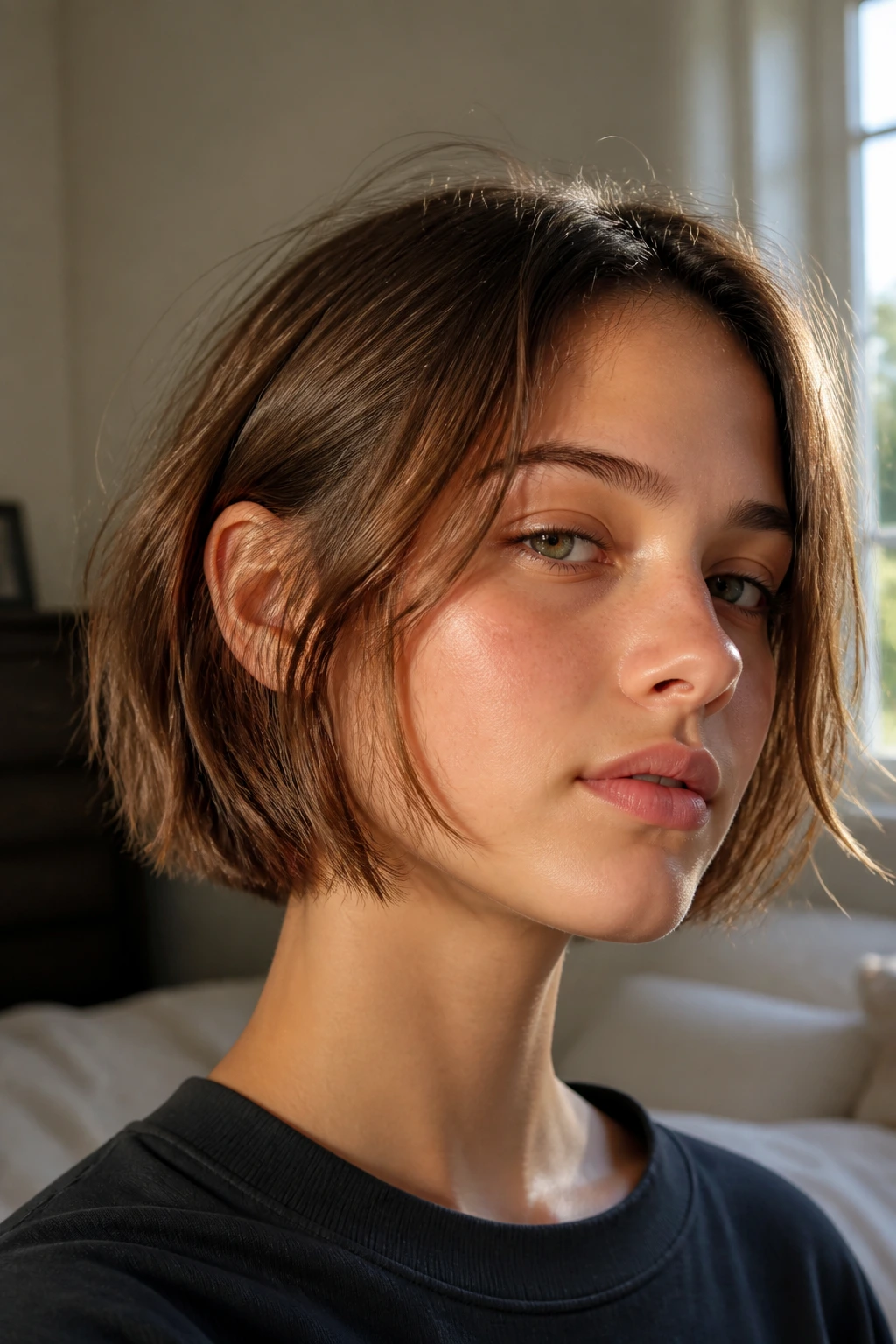
A chin-length bob with broken-up ends is one of the easiest ways to make short hair look cool without looking like you tried too hard. It lands right around the jaw, which gives the face a clean outline, and the texture keeps it from feeling helmet-stiff. I like this cut for teens with straight or slightly wavy hair because it gives shape fast and doesn’t ask for much in return.
Why It Works
The trick is in the edges. Instead of a hard, sharp line all the way around, the stylist takes a little weight out of the ends so the hair falls with movement. That small bit of softness makes a huge difference when the hair is tucked behind the ear or pushed back from the face. It also helps the cut grow out more neatly.
Ask for a blunt base with lightly point-cut ends if you want the shape to stay clear. A tiny amount of texture spray or matte cream is enough to give the finish that slightly undone feel. Too much product, and the whole thing goes limp. Too little, and the texture disappears.
- Best for straight, fine, or medium hair
- Works well at chin length or just below it
- Easy to style with a blow-dryer or air-drying
- Needs trims about every 6 to 8 weeks
Good move: keep the front pieces a touch longer if you want the cut to frame the face a little more softly.
2. French Bob with Soft Fringe

Why does this bob look so put-together even when the styling takes five minutes? Because it leans on shape, not effort. A French bob usually sits a little shorter, often around the cheekbone or just under the jaw, and the soft fringe gives it that relaxed, lived-in feel that works especially well for teens who want something artsy but still easy to wear.
The fringe is the part that changes the whole mood. Keep it light and a little airy, not heavy and blocky. Heavy bangs can make the cut feel strict. A softer fringe skims the brows or lands just above them, which keeps the face open and the haircut easy to grow out.
What to Ask the Stylist
- A bob that hits around the jaw or slightly above it
- A fringe that is soft, not blunt across the forehead
- Light texturing through the ends so the hair bends instead of sitting flat
- A little face-framing around the temples if the fringe feels too dense
This cut looks especially good with a quick bend from a small round brush or a one-inch curling iron. Nothing fussy. Just enough shape to show the cut off. If hair tends to puff up at the sides, a tiny bit of smoothing cream through the ends keeps it from spreading too wide.
3. Blunt Bob with a Middle Part
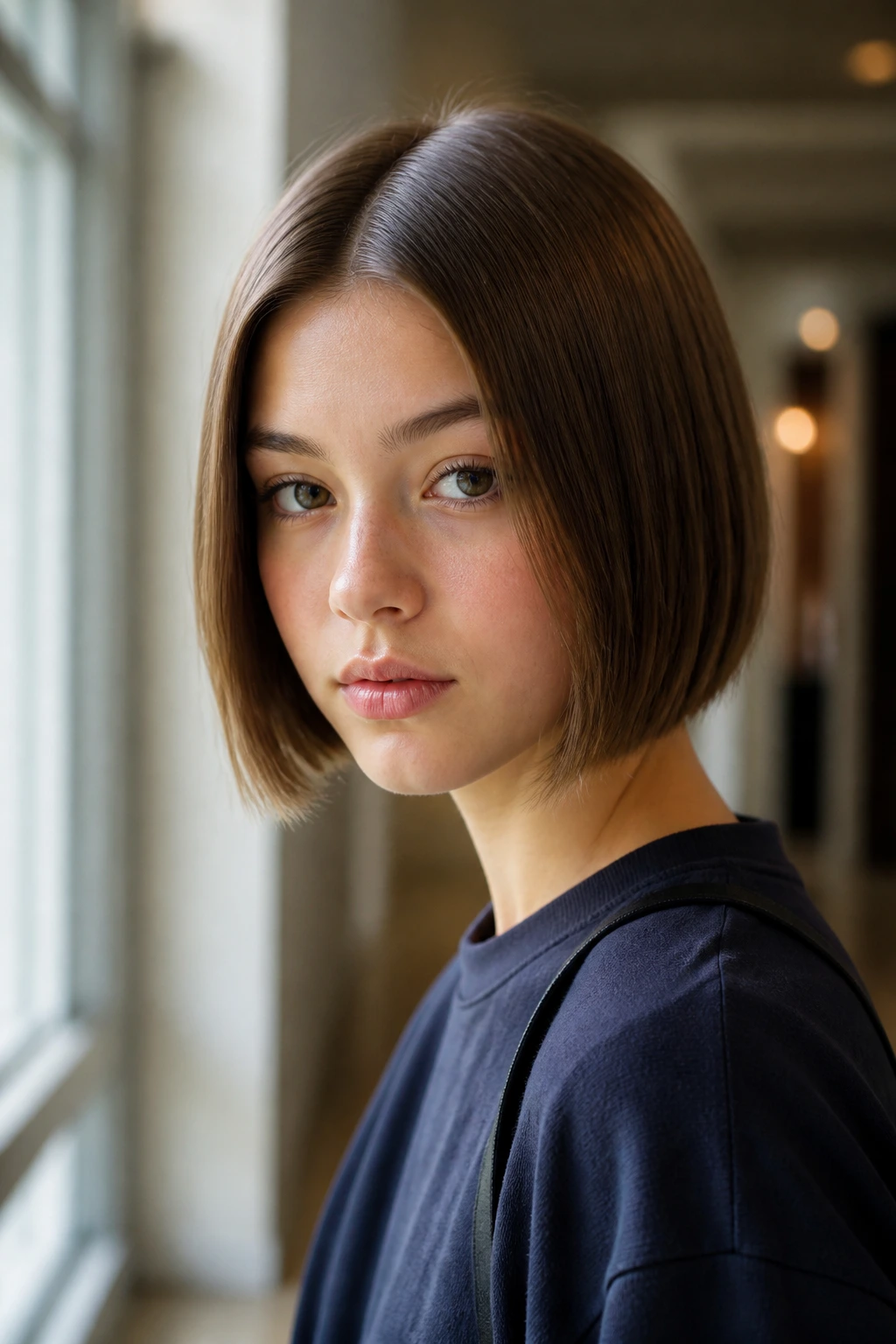
A blunt bob with a middle part is the haircut version of a clean white sneaker. It looks simple, but the line is doing a lot of work. When the ends are cut straight and the part is centered, the whole shape feels crisp, calm, and very intentional. That is a nice choice for teens who want something neat enough for school but still sharp enough to look current without chasing anything loud.
This cut works especially well on fine hair because blunt ends make the hair appear fuller. The middle part also gives the face a balanced frame, which can be flattering when the rest of the cut stays close to the jaw. If the hair is naturally straight, this style is almost unfair in how easy it is. Wash, air-dry, maybe add one pass with a flat iron. Done.
How to Wear It
Keep the ends clean. That is the whole point. If the stylist layers it too much, the cut loses its crispness and starts to look a little wispy. A tiny amount of serum on the last inch of hair is enough to keep flyaways from breaking up the line.
- Best when the hair is naturally straight or only slightly wavy
- Good choice for fine hair that needs the look of fullness
- Easy to dress up with a tucked-behind-the-ear finish
- Needs regular trims to keep the line sharp
Short. Clean. Direct.
4. Layered Bob with Airy Volume
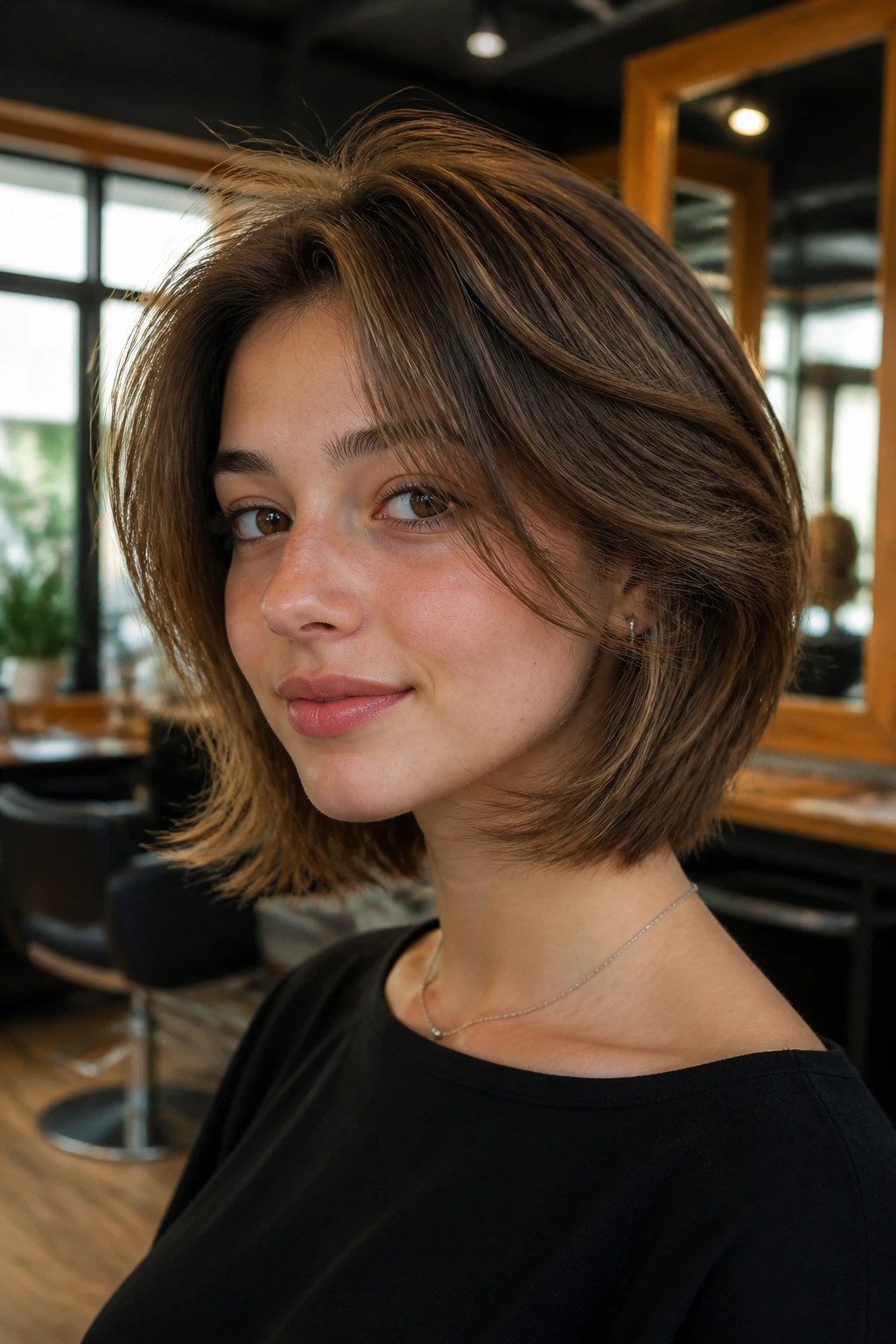
Not every bob needs a sharp edge. A layered bob can be the better pick when hair is thick, dense, or always falling flat at the crown. The layers keep the cut from feeling heavy, and they let the hair move instead of sitting in one solid block. For teens who like a little lift and bounce, this is one of the better bob cuts for teens because it feels relaxed without turning messy.
The important part is where the layers go. A good stylist won’t hack them all through the top and call it a day. The best version removes weight inside the shape and leaves the outer line strong enough to still read as a bob. That keeps the haircut from flipping out in odd places.
What to Ask For
- Internal layers to remove bulk, especially around the back
- A perimeter that stays visible and doesn’t disappear
- Soft shaping around the face if the cheeks need a little break
- A blow-dry that lifts at the roots, not just at the ends
This cut usually likes a round brush or a quick rough-dry with fingers and a root spray. If the hair is thick, a little mousse at the crown helps. If the hair is fine, skip the heavy cream. It will flatten the whole thing out. And that defeats the point.
5. Curly Bob Shaped at the Chin
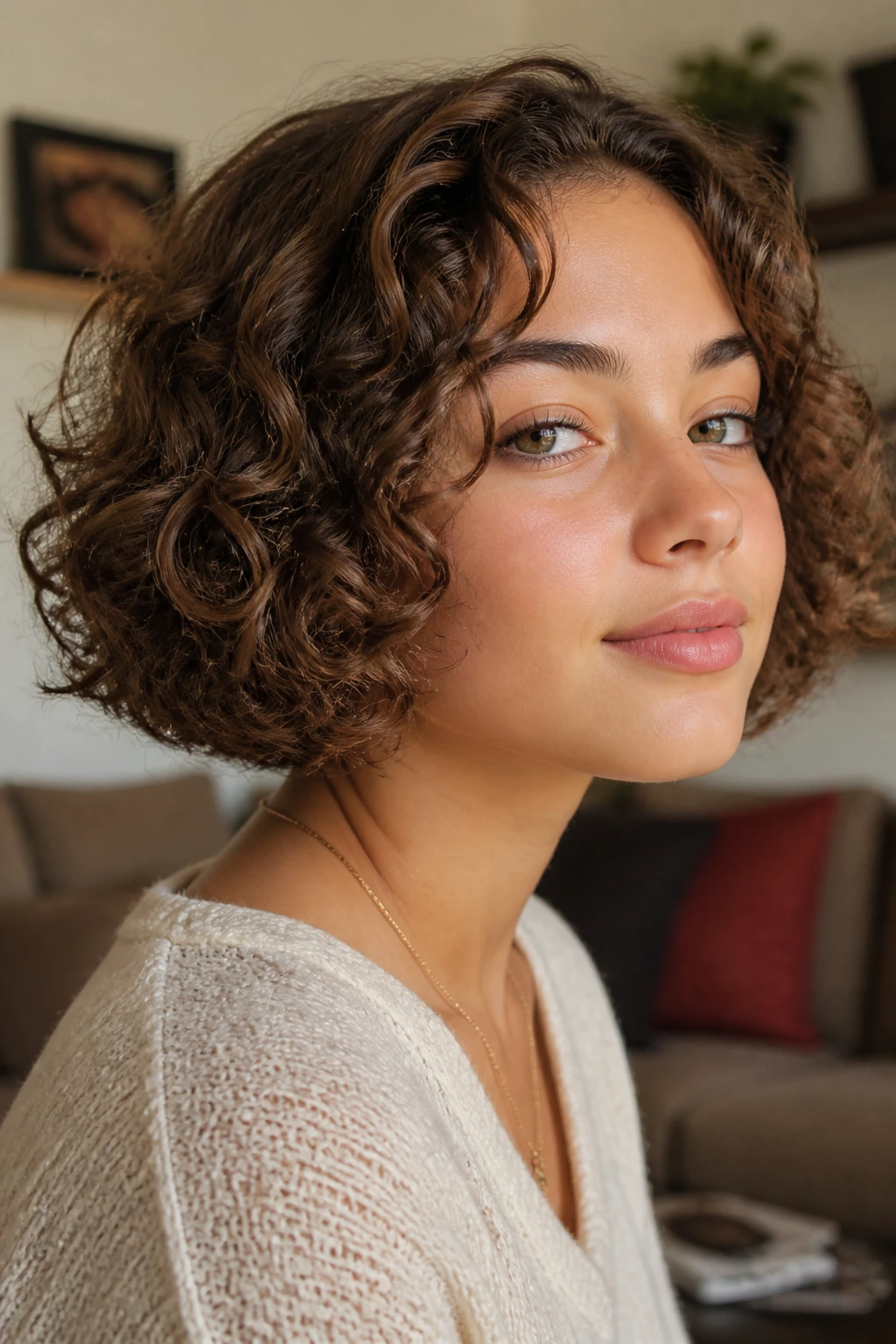
Curly hair has its own architecture. Cut it badly, and the bob puffs out in strange places. Cut it well, and it looks full, springy, and cool in a way straight hair cannot fake. A chin-length curly bob works because it gives curls room to bounce while keeping enough structure to avoid the triangle shape nobody wants.
The best version is usually cut with the curl pattern in mind, not against it. Dry cutting or curl-by-curl shaping helps the stylist see where each curl actually lands once it springs up. That matters a lot, because curly hair often shrinks more than people expect. A bob that looks jaw-length when wet can sit an inch or two shorter once dry.
The Cut Details That Matter
- Keep enough length for the curls to form their own shape
- Avoid over-thinning the ends, which can make frizz worse
- Shape around the chin or slightly below it for balance
- Ask for face-framing curls if the front feels too wide
Styling is more about moisture than control. A leave-in conditioner and a light gel can give curls definition without crunch. Scrunch gently, let the hair dry fully, and do not touch it too much while it sets. That part is boring. It also matters.
6. Angled Bob with Longer Front Pieces
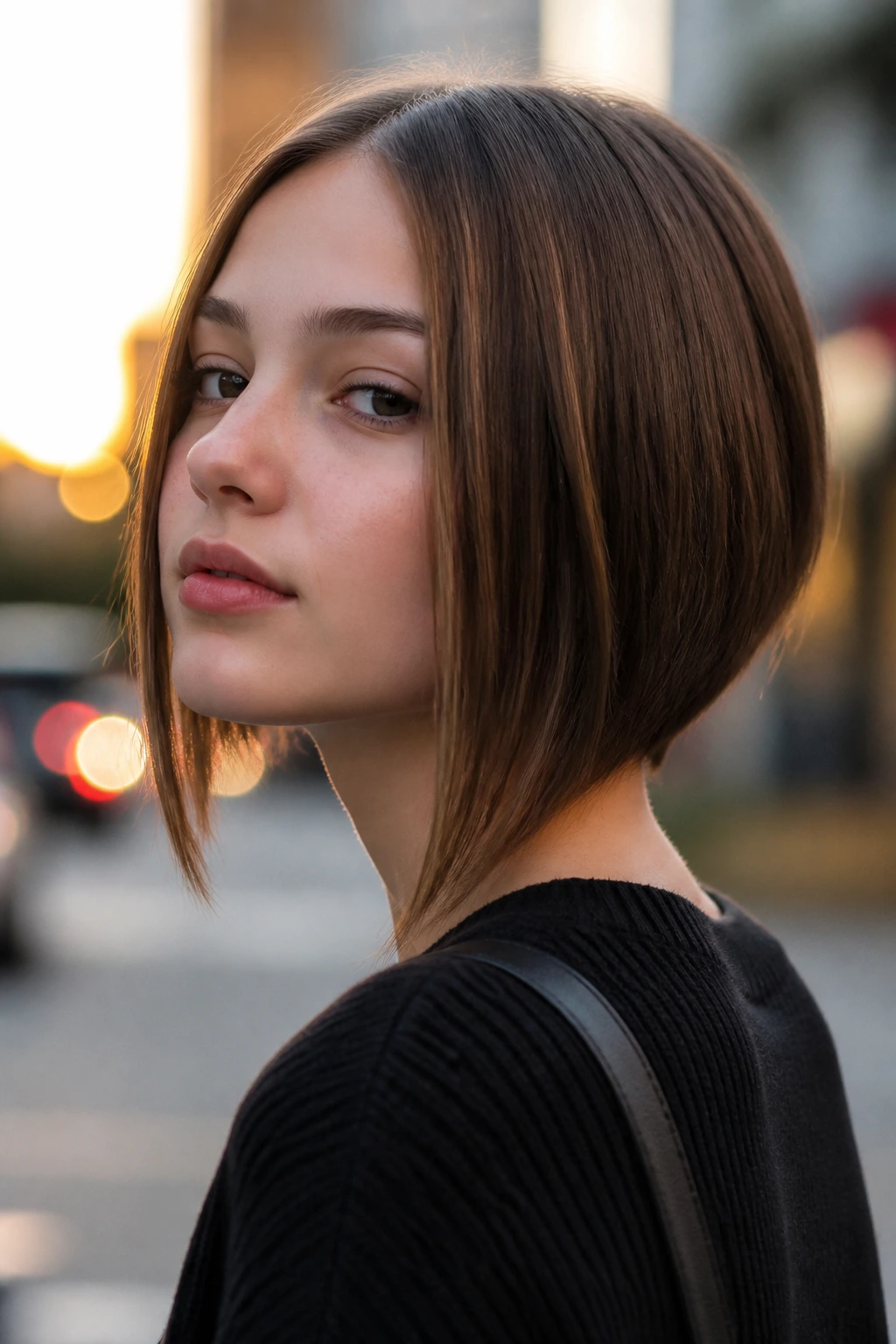
If a straight bob feels too safe, an angled bob adds a cleaner line in the front and a little attitude in the back. The cut is shorter near the nape and gradually longer toward the face, which creates a shape that feels polished but not stiff. It is a smart option for teens who want the haircut to look deliberate from every angle.
The angle does a few useful things. It can make the neck look longer, bring attention forward to the cheekbones, and help the haircut sit neatly under jackets or hoodies. Small practical win, but a real one. The front pieces usually land somewhere between the jaw and the collarbone, depending on how strong the angle is.
I like this one on hair that has a little density, because the longer front keeps the shape from getting too boxy. On very fine hair, the angle can still work, but it needs a careful perimeter so the ends do not look stringy. That is the kind of detail that separates a good bob from one that feels accidental.
A quick flat-iron pass through the front pieces is usually enough. Keep the bend soft. The line should do the talking.
7. Bob with Curtain Bangs
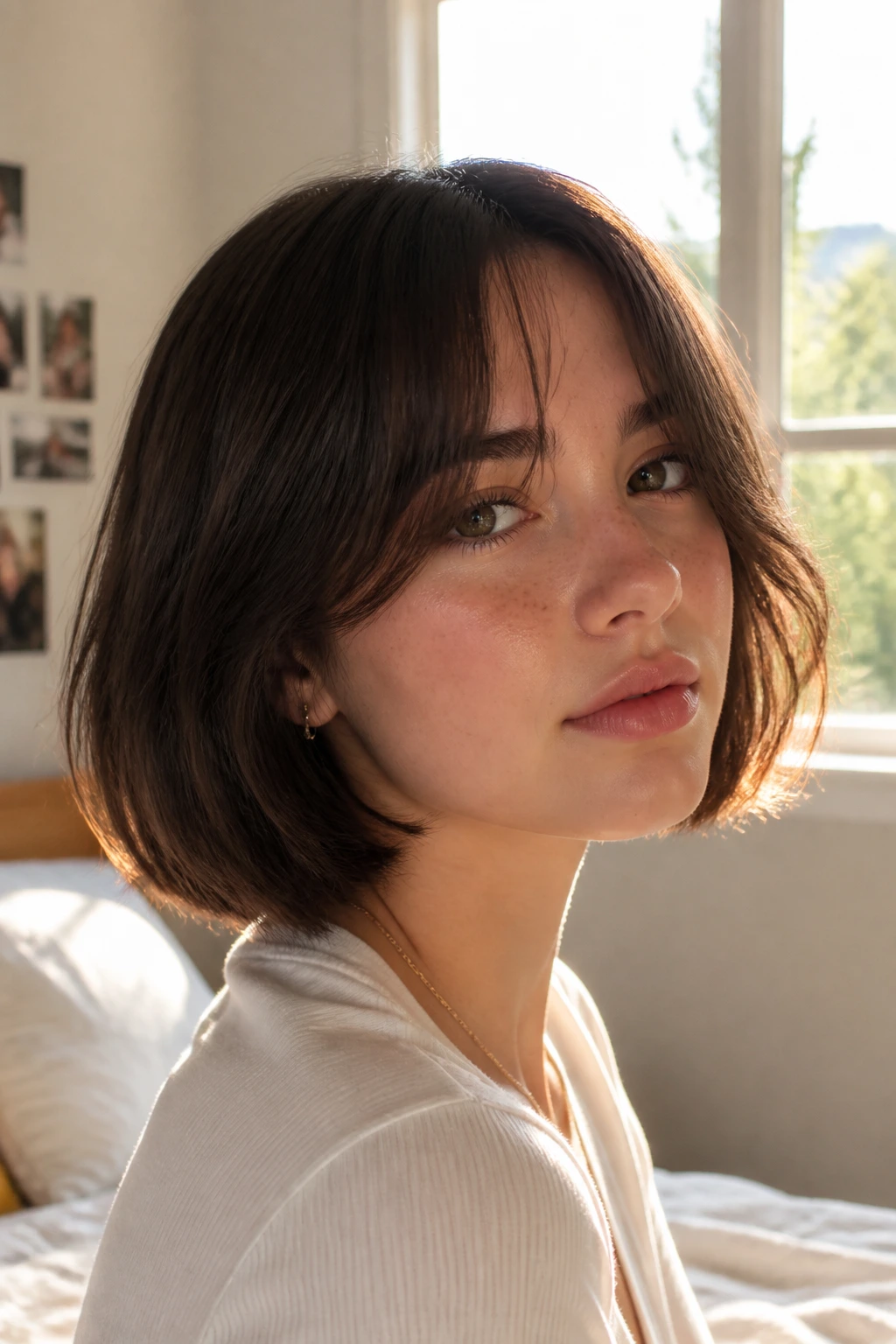
Why do curtain bangs change a bob so much? Because they break up the face in the right places. Instead of a single block of hair around the cheeks, you get a soft sweep that opens the forehead and pushes the eye line downward in a gentler way. For teens who want something cool but not severe, this combo is hard to beat.
Curtain bangs work best when they start around the cheekbone and fall away from the center part. Too short, and they can look choppy. Too dense, and they lose that easy split. The rest of the bob can stay chin-length, jaw-length, or even a touch longer. The bangs are what change the mood.
Styling Note
Blow-dry the bangs first, not last. Use a small round brush or a vent brush and direct the hair away from the face so the pieces curve softly. A dab of lightweight cream helps them stay smooth, but don’t overdo it. Bangs show product fast.
- Great for teens who want to soften a strong forehead or sharp cheekbone
- Easier to grow out than blunt fringe
- Works with straight, wavy, and lightly curly hair
- Needs a quick morning reset if the cowlicks are stubborn
The cut can be very forgiving, but only if the bangs are placed with care. Choppy curtain bangs are one thing. Uneven bangs are another.
8. Boxy Bob with Sharp Edges
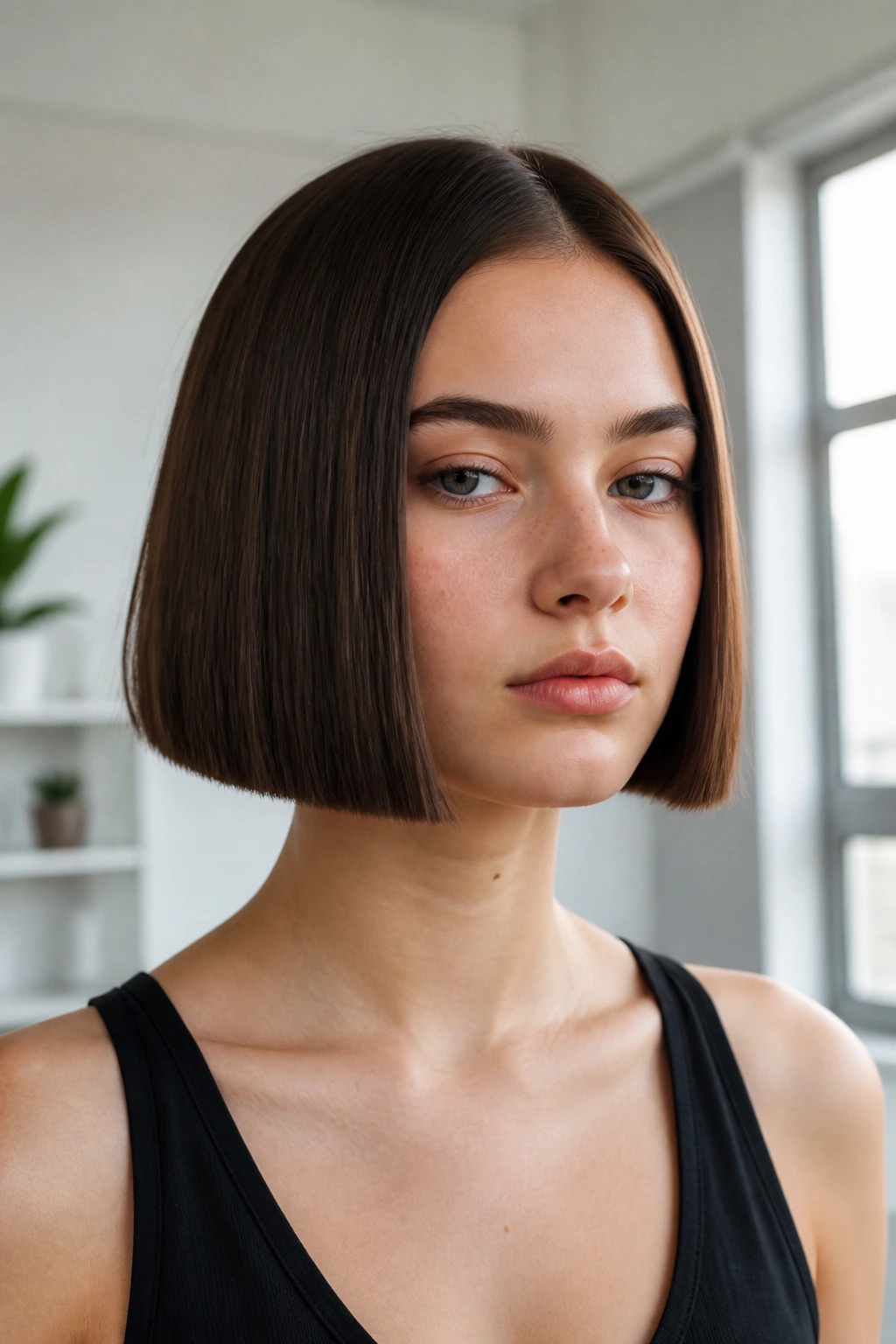
A bob does not have to be soft to look good. A boxy bob leans into the geometry: straight sides, a blunt perimeter, and a shape that looks almost architectural. On the right teen, especially someone with naturally straight hair and a taste for clean lines, it looks strong in the best way. No fluff. No extra movement. Just a clear silhouette.
This is the cut I’d point to when someone says they want their hair to look polished with almost no styling. The sharp edge does the heavy lifting. A center part keeps it even, but a deep side part can make it feel a little more dramatic. The cut usually sits around the jaw or just below it, and the weight stays at the bottom so the outline reads clearly.
It does ask for maintenance. A boxy bob loses its edge fast if it grows out too much, so trims matter. Six to eight weeks is a fair rhythm if you want it to keep that crisp feel. If the hair is wavy, this shape can still work, but it will look less hard-edged and more softened by the texture.
Not every teen wants that clean, graphic look. Fine. For the ones who do, it feels cool in a way that never has to shout.
9. Wavy Collarbone Bob
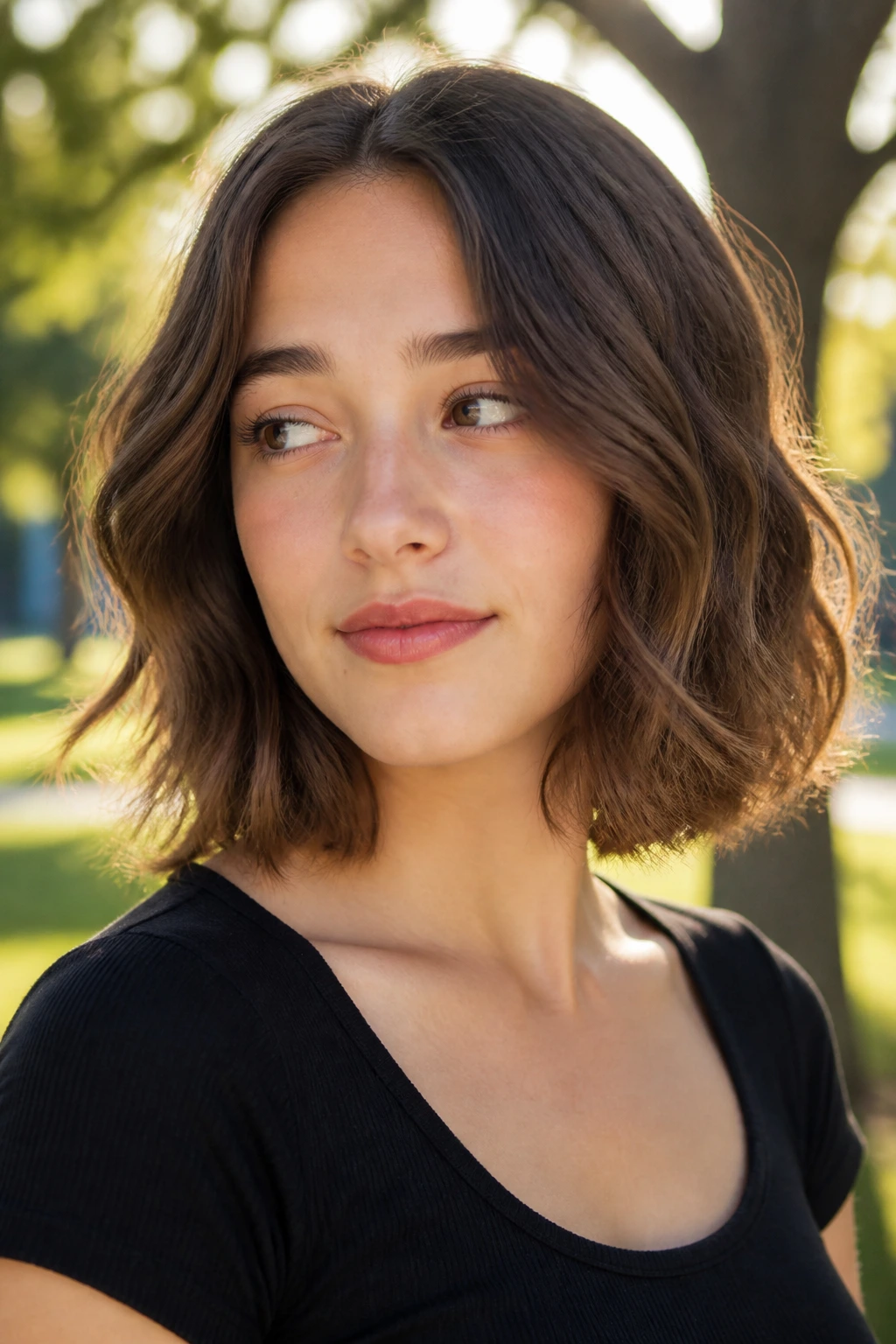
Picture hair that brushes the collarbone, flips a little at the ends, and never looks too built. That is the appeal of a wavy collarbone bob. It keeps the bob idea intact, but it gives a bit more length to play with, which makes it a friendly choice for teens who are nervous about going too short all at once.
The length matters here. If it stops at the chin, it starts to feel like a classic short bob. If it drops to the collarbone, the cut gets softer and more casual. That extra length also makes it easier to tuck one side back, braid a small front piece, or pull the whole thing into a tiny half-up clip.
Easy Styling Moves
- Air-dry with a little curl cream for loose waves
- Use a 1-inch curling iron only on the front sections if the rest of the hair is flat
- Scrunch in sea salt spray for a rougher finish
- Add a middle or soft off-center part depending on how the hair falls
This is a very good “first bob” shape. It gives the feeling of short hair without the shock of a hard chop. It also grows out well, which matters more than people admit. A haircut that still looks good eight weeks later is worth paying attention to.
10. Micro Bob with Tucked Ends
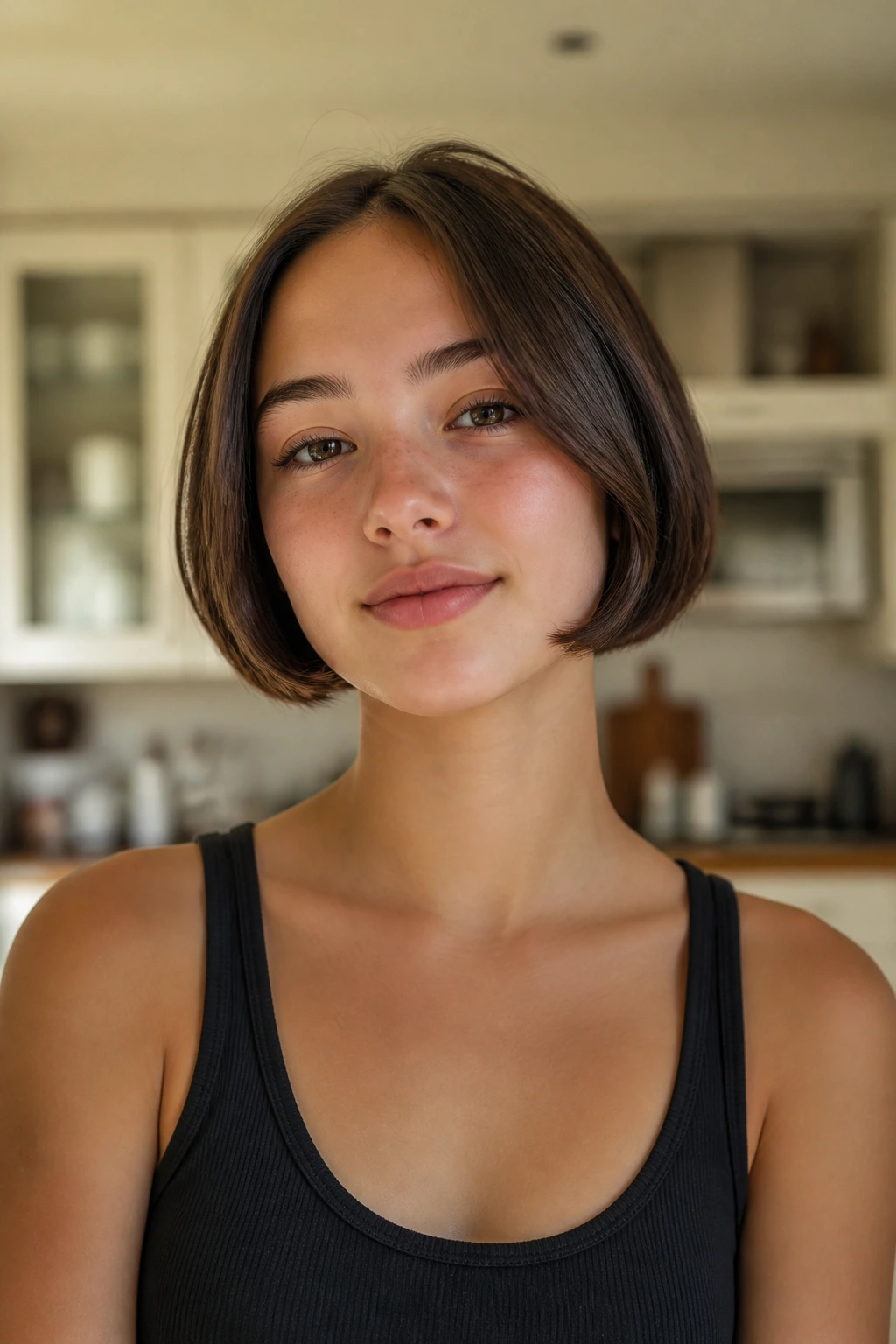
Short bobs look sharp because there is nowhere for the cut to hide. A micro bob sits above the jaw or right around it, sometimes even brushing the ear line, and the small length makes the whole face feel more exposed in a good way. It is bold, clean, and a little bit edgy without needing color or heavy styling.
The key is balance. If the cut goes too short in the wrong place, it can feel severe. If it sits with a slight tuck under at the ends, it looks intentional and neat. That tucked finish helps the bob curve back toward the neck instead of sticking out. It also makes the haircut easier to wear with earrings, glasses, or a strong eyebrow shape.
What to Expect
- Very little hair to style, which is the appeal
- More frequent trims to keep the length tidy
- A clearer view of the neck and jawline
- Less room to cover up a poor cut, so the shape matters a lot
I would not hand this to someone who wants to hide behind their hair. But for a teen who likes a sharper look, it can be the best kind of low-fuss. A quick side part can soften it. A tucked-behind-the-ear finish can make it even cleaner. Tiny changes. Big effect.
11. Asymmetrical Bob
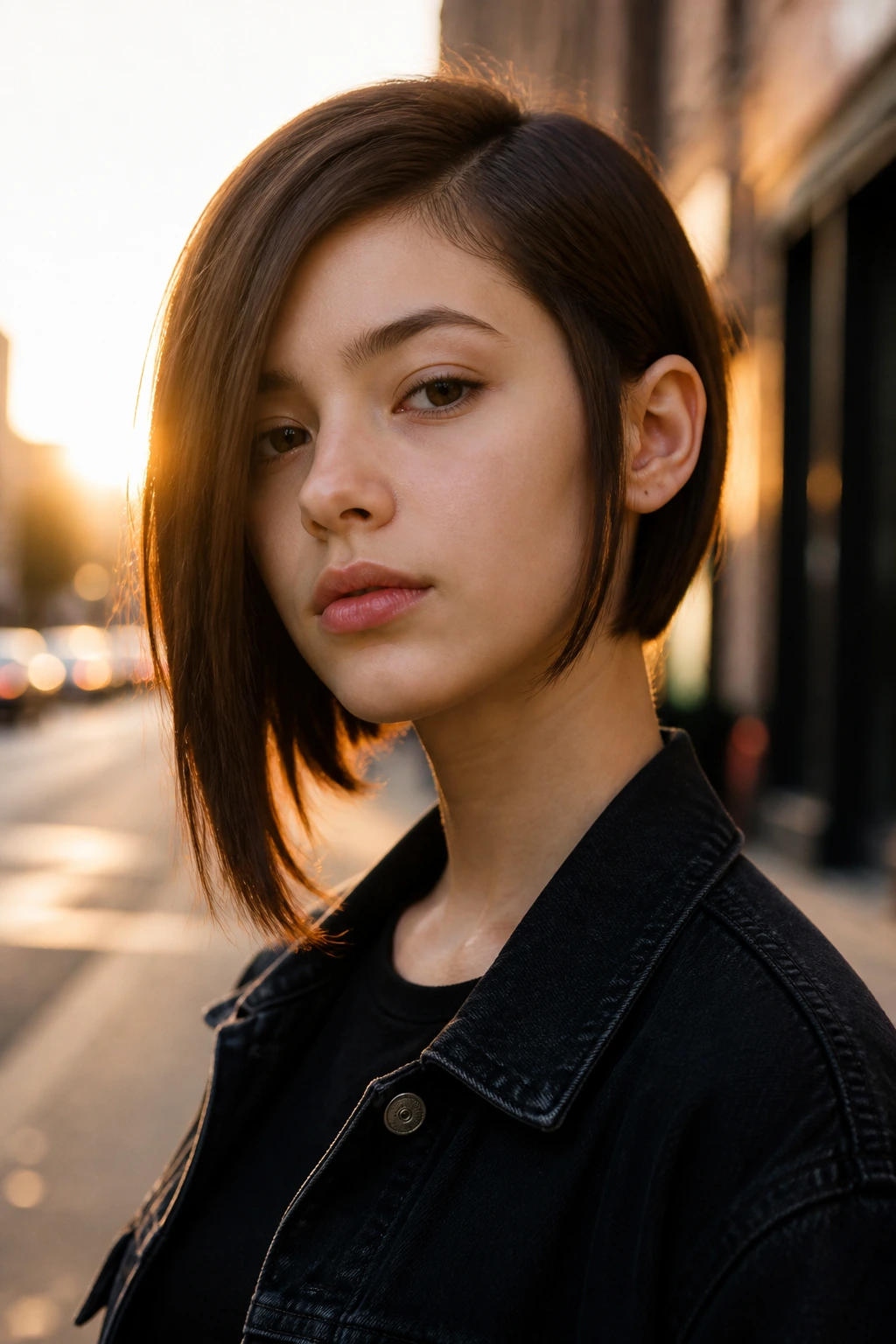
Why does one longer side make a bob feel more interesting? Because it breaks the symmetry just enough to catch the eye without turning the haircut into a stunt. An asymmetrical bob is one of the easiest ways to make a teen haircut feel a little more personal. The shape still says bob, but it has its own angle, and that extra line gives it some bite.
The difference between the two sides does not need to be huge. Sometimes an inch is enough. Sometimes the front on one side runs two inches longer than the other. The point is not shock value. The point is movement and shape. On straight hair, the line reads very clearly. On wavy hair, the effect softens a bit, which can be nice if the goal is less drama and more cool.
Best on the Cut Chair
- Keep the back fairly clean so the shape stays readable
- Make one side slightly longer, not wildly different
- Avoid too many layers, which can blur the angle
- Let the longest side skim the jaw or upper neck
A side part can really sell this cut. So can a tucked side on the shorter end. I like it on teens who want something a little off-center, a little sharp, and not too precious. It has attitude, but it still feels wearable.
12. Shaggy Bob with Face-Framing Layers
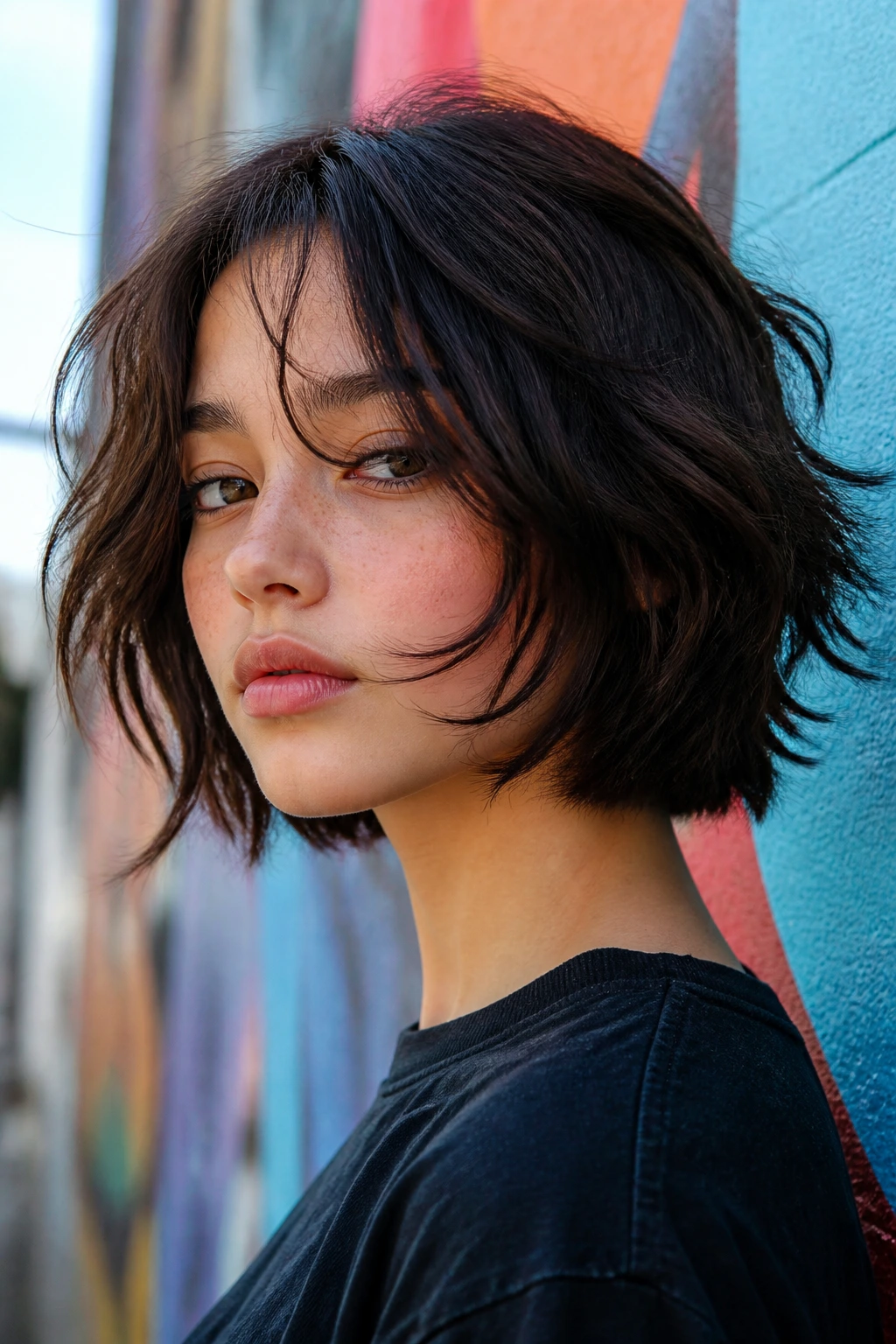
If sleek bobs feel too polished, this one is the messy cousin that still knows how to dress up. A shaggy bob with face-framing layers keeps the bob shape, but the ends are broken up and the front pieces are cut to soften the cheeks and jaw. It has that easy, slightly rebellious look that works well on teens who want hair that moves instead of sitting still.
The cut can be short or a touch longer, but the main thing is texture. The layers should not erase the outline. They should wake it up. A little flip at the ends is part of the charm. So is a piece falling forward where you did not expect it to. That sounds random, and sometimes it is, but it still feels better than a haircut that looks over-controlled.
How to Keep It Looking Good
- Work a pea-size amount of mousse or cream through damp hair
- Scrunch or twist sections with your fingers as they dry
- Use a small curling iron on only a few pieces if the texture needs help
- Avoid heavy oils, which can make the layers collapse
This is one of those styles that looks even better when it is not overworked. Teens who want something cool but not precious usually land here. It is easy to wear, easy to grow out, and easy to make your own without changing the whole cut every time you get bored.
