



Igbo hairstyles represent far more than just a way to style hair—they’re a celebration of cultural heritage, artistry, and the incredible versatility of natural hair texture. The Igbo people of Nigeria have cultivated a rich tradition of intricate braiding, twisting, and adorning techniques passed down through generations, each style telling a story of identity, status, and creative expression. For anyone with natural hair looking to embrace styles rooted in African tradition, Igbo hairstyles offer countless options that range from simple and elegant to elaborate and show-stopping.
Whether you’re seeking to reconnect with your cultural roots, explore protective styling options that keep your natural hair healthy, or simply discover new ways to express your style, Igbo hairstyles deliver versatility without compromise. Many of these styles work beautifully with various hair textures and lengths, from coily to kinky hair, and they’ve remained relevant for centuries because they balance beauty with practicality. What makes these hairstyles particularly appealing for natural hair is that they accommodate the texture and movement of unrelaxed hair while allowing for creativity, cultural expression, and the ability to protect your hair during styling and sleeping.
Let’s explore twelve iconic Igbo hairstyles that showcase the artistry, technique, and cultural significance behind each one.
1. Igbo Plaits (Traditional Straight-Back Braids)
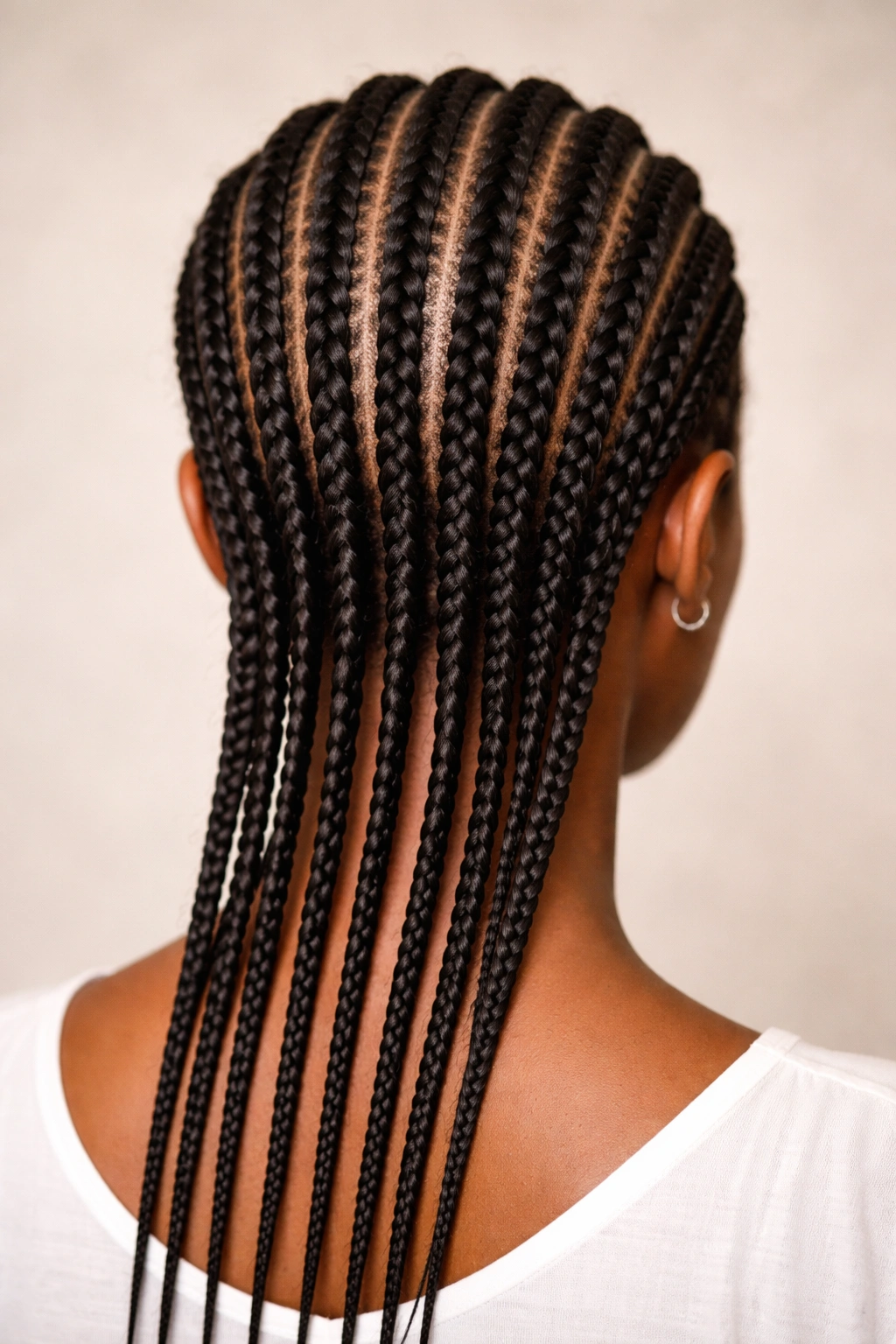
Igbo plaits are the foundation of Igbo styling tradition—straight, geometric braids that run directly back from the hairline to the nape of the neck or beyond. These aren’t just any braids; they’re traditionally executed with precision, often tight enough to create clean lines that frame the face and showcase the scalp and hairline. The style has been worn for centuries as both an everyday protective style and a statement of cultural pride, and it remains one of the most recognizable and respected Igbo hairstyles.
How to Create Igbo Plaits
Igbo plaits require starting with clean, moisturized hair that’s been detangled thoroughly. Section your hair into clean, straight parts using a rattail comb, creating even vertical sections from your hairline to the back of your head—typically 4 to 12 plaits depending on your hair thickness and desired aesthetic. Begin each braid at the hairline with enough hair to create dimension, and braid tightly down the length of each section, keeping the tension consistent so all plaits appear uniform. The braids should sit very close to the scalp with minimal frizz for that authentic, polished look.
Maintenance and Longevity
These plaits can last anywhere from two to four weeks depending on how tightly they’re braided and how well you care for them. Keep your scalp moisturized by applying a lightweight oil or hydrating spray along the parts and roots every few days. Wrap your hair in a silk or satin scarf at night to reduce frizz and maintain the integrity of the braids. Wash your scalp gently with a diluted shampoo, focusing on the roots rather than the braids themselves, to avoid loosening the strands.
Pro tip: Igbo plaits look particularly striking when finished with beads, cowrie shells, or gold cuffs placed at the ends of each braid—a traditional touch that honors the cultural roots of the style while adding visual interest.
2. Box Braids with Igbo Flair
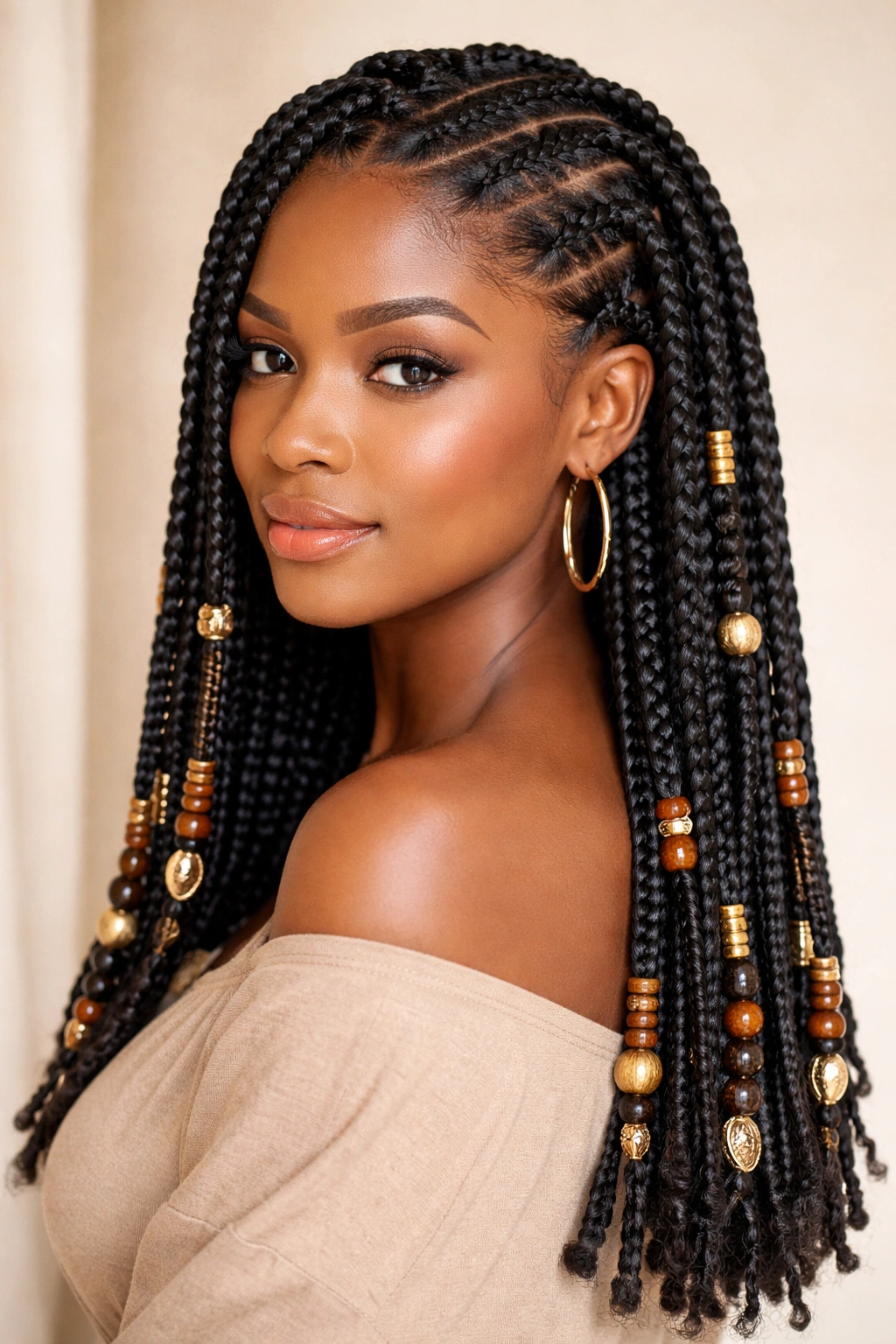
Box braids have become a modern adaptation of traditional Igbo braiding, maintaining the structured, protective quality of the original styles while offering more versatility in length, thickness, and adorning options. These square-sectioned braids differ from loose cornrows in that each section of hair is clearly defined and separated, creating a geometric pattern across the scalp that’s both striking and easy to maintain. The Igbo version typically emphasizes clean partings and precise technique.
Creating Structured Box Braids
Box braids demand meticulous sectioning before you even begin braiding. Using a rattail comb and measuring tool, divide your head into equal square sections—the size depends on your preference, but traditionally Igbo-inspired box braids tend toward medium thickness that balances boldness with elegance. Each section should be clearly demarcated, and the braids themselves should be consistent in thickness throughout their length. Braid tightly from root to tip, and you can add synthetic hair for length and protective styling, or use your own hair for a more subtle, textured look.
Styling and Customization
Box braids offer endless customization: you can wrap thread around them, add beads at intervals, incorporate shells or gold cuffs, dye them temporarily with beeswax-based color, or leave them plain for a sleek aesthetic. Many people style box braids into updos, buns, or ponytails, which offers protection and variety throughout the wearing period. You can also curl the ends by dipping them in hot water for 10-15 seconds, creating a spiral finish that adds movement and visual dimension.
Worth knowing: Box braids typically last 6 to 8 weeks if maintained properly, making them one of the longer-lasting protective styles. This extended wear time means fewer appointments and less manipulation of your natural hair overall.
3. Cornrows (Straight and Curved)
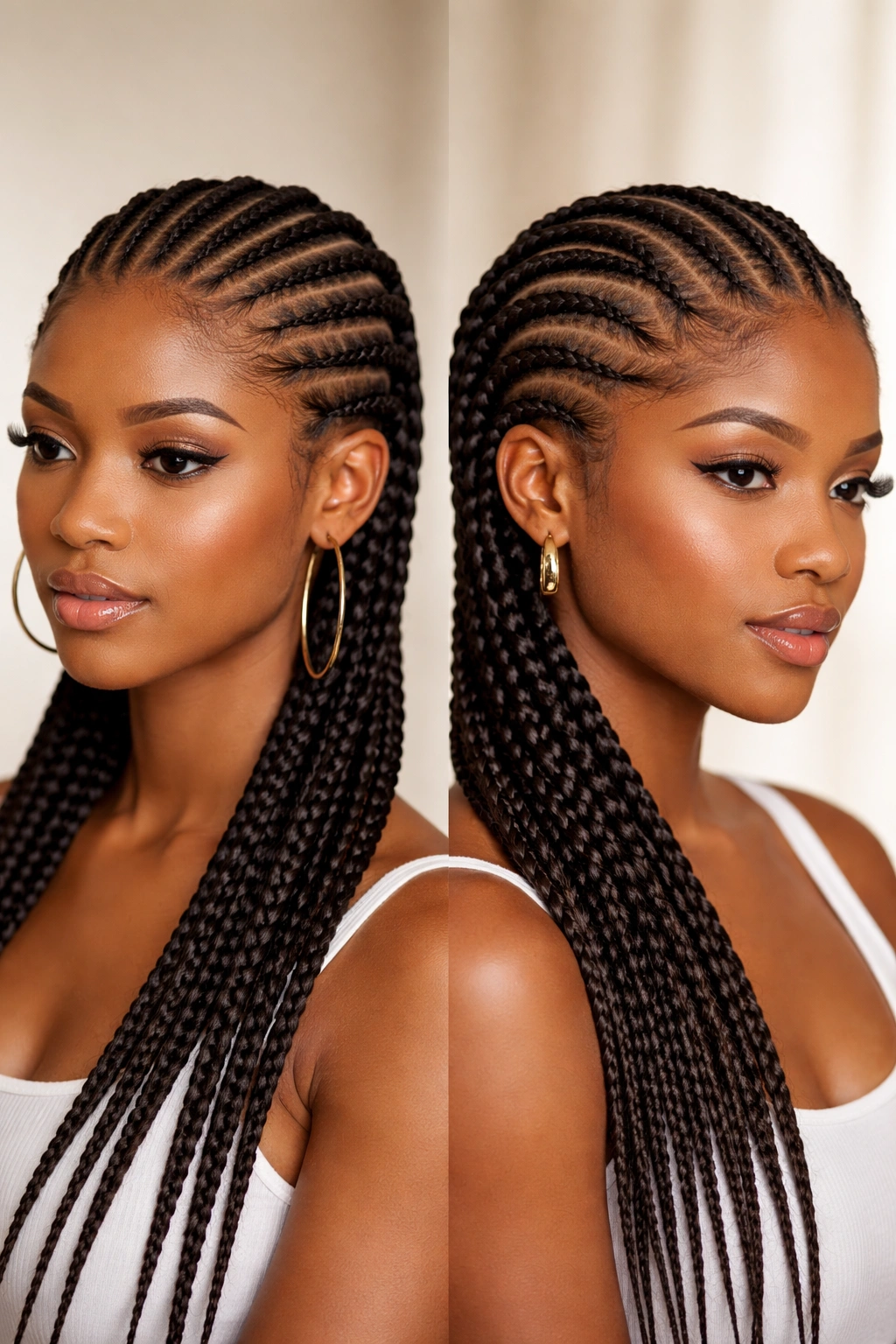
Cornrows represent one of the oldest and most practical Igbo hairstyles, created by braiding hair directly against the scalp in continuous rows. Unlike box braids, cornrows are a single continuous braid per row, and they can run straight back in parallel lines or curve artistically around the scalp. The style has served as a workhorse protective style for generations, accommodating various hair lengths and textures while remaining elegant enough for any occasion.
Braiding Technique and Design
Straight cornrows are typically parted into vertical lines and braided tightly from hairline to nape in a simple, clean pattern. Curved cornrows, sometimes called “feed-in” braids when done with added hair, follow the natural curves of your head or create geometric patterns determined by your parting. This style requires skill—professional cornrow artists understand tension distribution and can create braids that look uniform while remaining comfortable. The braid sits directly against the scalp, creating clean lines that showcase your natural hairline and facial features.
Versatility and Variations
Cornrows work beautifully in multiple styles: straight backs for a classic look, curved patterns creating waves or geometric designs, side-swept for asymmetry, or even cornrows that transition into a bun or ponytail at the back of the head. You can wear them alone for a fresh, textured look, or add beads, thread wrapping, or temporary color. Many people use cornrows as a base for protective styling with added hair extensions, creating styles that blend tradition with modern versatility.
Quick facts:
- Cornrows last 2 to 4 weeks depending on how tightly they’re braided
- They’re ideal for preventing breakage and promoting healthy hair growth
- Sleep with a satin bonnet or pillowcase to extend their lifespan
- Cornrows work for nearly every hair texture and length
4. Bantu Knots (Coils and Spirals)
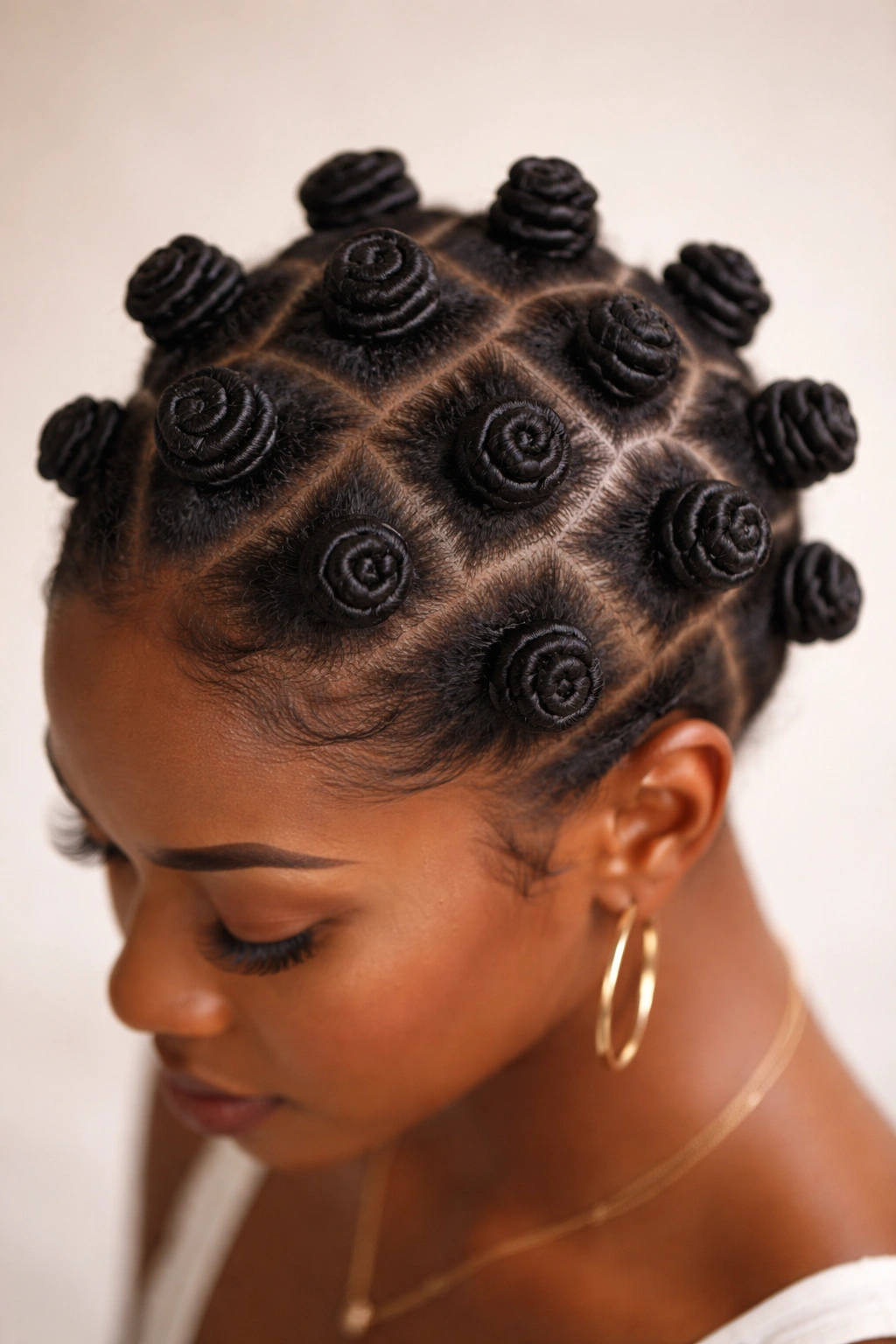
Bantu knots represent a styling technique deeply rooted in Igbo culture, where sectioned hair is twisted or braided and then coiled into knot-like shapes that stand away from the scalp. These knots can be left in place for a bold, sculptural look, or unraveled and fluffed to create beautiful natural waves and texture. The style is both protective and expressive, celebrating the natural curl pattern of coily and kinky hair while making a powerful visual statement.
Creating Authentic Bantu Knots
Start with clean, moisturized hair and section it into manageable squares or circles, depending on your desired knot size. Take each section and twist or braid it tightly from root to tip, then wrap the braid around itself, securing the knot close to the scalp with bobby pins or by tucking the end underneath. The knots can be placed all over the head for an all-over style, along the hairline for a bold frame, or in patterns that create visual interest. The tightness of your twists and the thickness of your sections determine the final look and how long the knots last.
Styling Outcomes and Variations
When you unravel Bantu knots after 4 to 6 hours or overnight, you’re left with beautiful coiled texture that has volume and definition. Some people prefer to leave the knots in for multiple days, creating a dimensional look that celebrates the sculptural beauty of the style itself. You can create smaller knots for tighter coils or larger knots for looser waves. Some practitioners add beads, thread, or shells to their knots for additional cultural styling and visual impact.
Insider note: The longer you leave Bantu knots in place, the more defined your coils become—many people sleep in them overnight and unravel them in the morning for maximum texture and definition that lasts days.
5. Fulani Braids with Igbo Roots
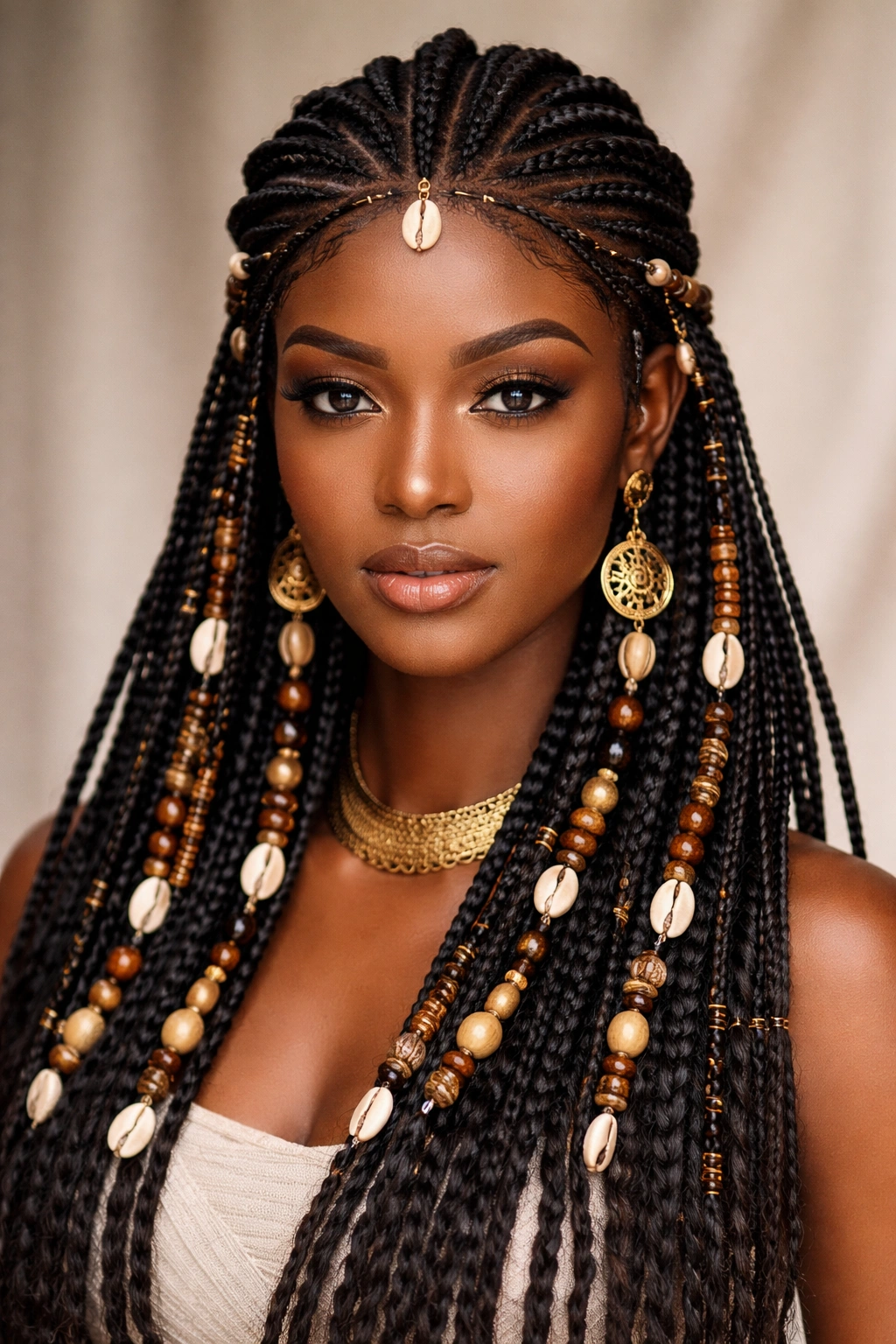
While Fulani braids originated with the Fulani people of West Africa, they’ve been embraced and adapted within Igbo styling traditions, representing the beautiful cross-cultural exchange within African hairstyling. These braids typically feature thin, elegant braids alongside thicker statement braids, often incorporating beads, shells, or gold cuffs throughout. The style creates a sophisticated, ornate look that honors heritage while allowing for individual artistic expression.
Construction and Design Details
Fulani braids begin with careful sectioning that creates visual hierarchy—some sections are braided thinly and intricately, while others remain thicker and bolder. The braids can be cornrows, individual box braids, or a combination of both. Traditionally, many are decorated with gold or silver cuffs placed strategically along the braids, and shells, beads, or stones are often woven in during the braiding process itself. The front hairline is typically emphasized with decorative braids that frame the face, sometimes creating a crown-like effect.
Cultural Significance and Modern Adaptation
This style represents pride in African aesthetic traditions and the sophistication of protective styling. Modern adaptations often incorporate synthetic hair for length and ease, but the core principle remains honoring the artistry and cultural weight of the style. Many people wear Fulani braids for special occasions, celebrations, or as a daily declaration of cultural identity and appreciation for African beauty standards.
What to know: Fulani braids typically require a skilled braider who understands both the technical execution and the cultural significance. Budget more time and investment for these styles—they’re worth it for their longevity (6 to 8 weeks) and the artistry involved.
6. Twist Braids and Rope Twists
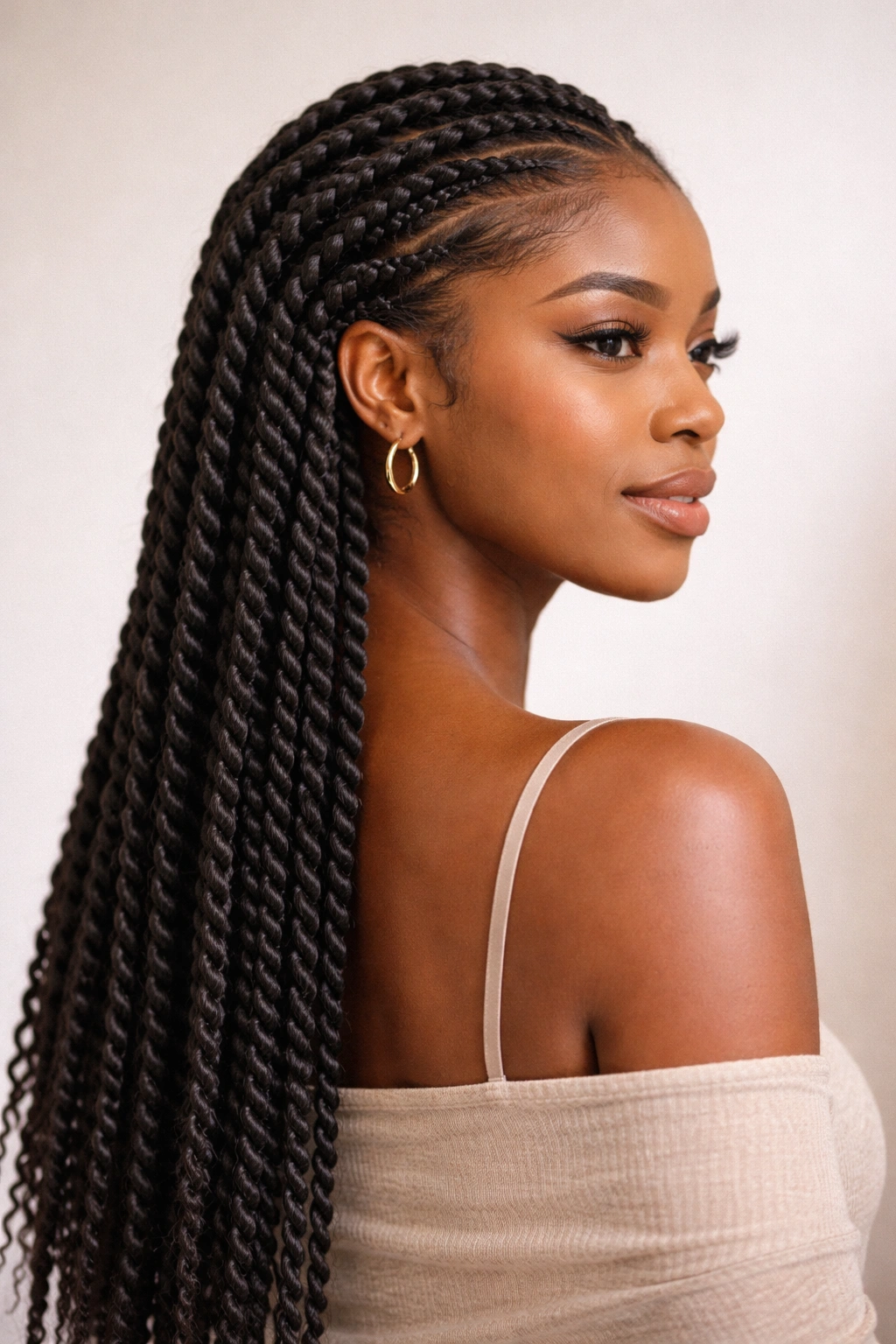
Twist braids combine two strands of hair twisted around each other, creating a rope-like texture that’s lighter and more delicate than traditional box braids but equally protective. These can be two-strand twists (two sections of hair twisted together) or multi-strand twists that incorporate additional hair for texture and dimension. Twist braids have ancient roots in African hairstyling and represent a style that’s elegant, versatile, and wonderfully suited to natural hair of various textures.
Technique and Execution
Two-strand twists begin with clean, moisturized, detangled hair sectioned into portions. Take two sections and twist them around each other from root to tip, maintaining even tension so the twist looks uniform throughout its length. You can create these with your natural hair alone or add synthetic hair for length and protective styling. The twists can be tight for a defined, sleek look or looser for a more textured, organic appearance. Many people palm-roll their twists as they create them, which tightens the twist and creates a ropelike finish.
Styling Versatility and Longevity
Twist braids last 4 to 6 weeks and can be worn down for a textured, flowing look or pinned up into creative updos and buns. You can wrap thread around them, add beads, or leave them plain. Many people sleep in a satin bonnet to maintain them and reduce frizz between washings. Twist braids are particularly forgiving if you’re new to protective styling—they’re easier to install than box braids and don’t require as much precision in partitioning.
Pro tip: If your twists start looking fuzzy as they age, you can refresh them by gently two-strand twisting them again from root to tip, which tightens them back up and extends their lifespan by another week or two.
7. Loc’d Styles and Sisterlocks
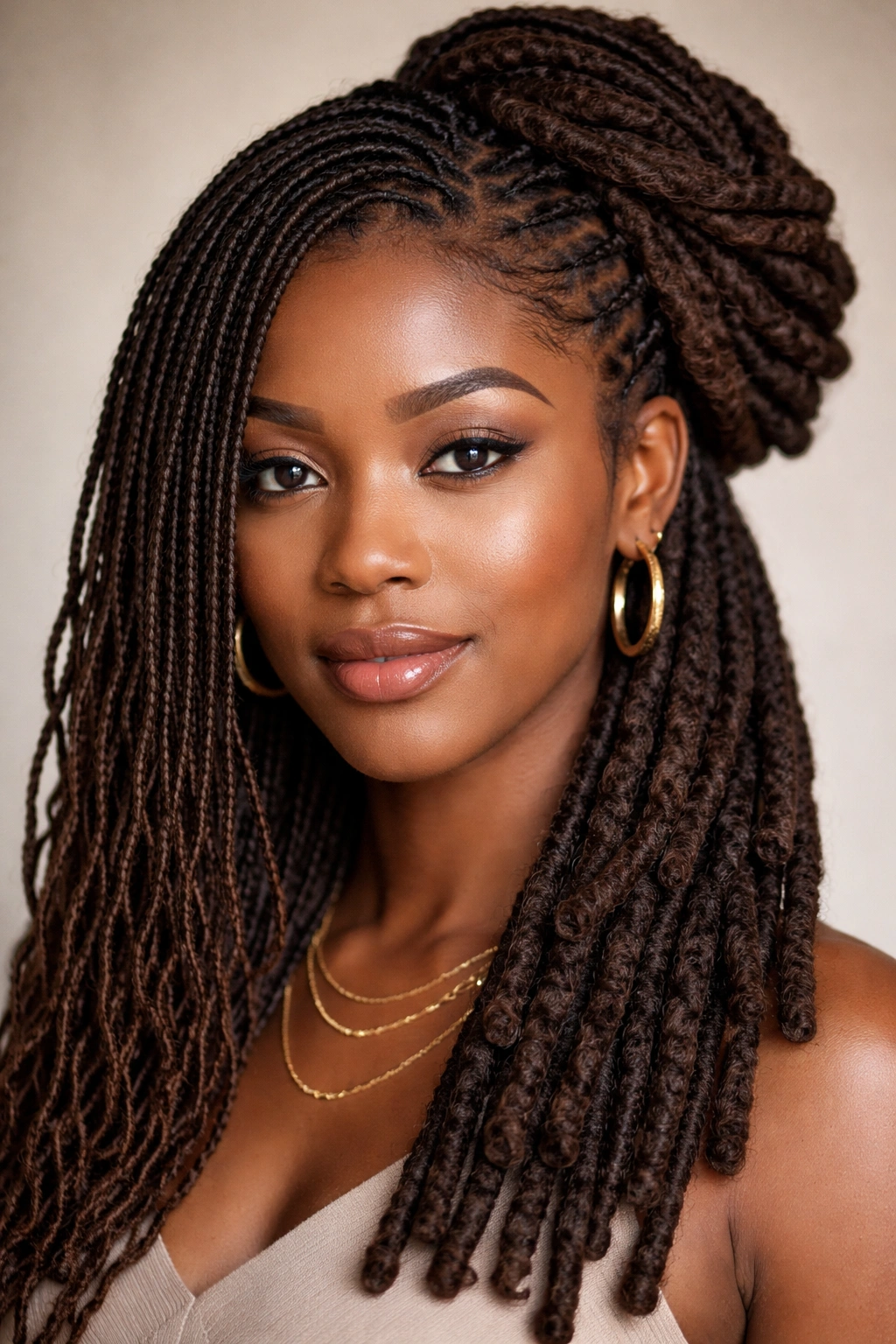
Locs represent a long-term commitment to protective styling and are deeply honored within African and specifically Igbo cultural traditions. Whether you’re creating traditional locs or thinner sisterlocks, this style celebrates the natural texture of coily and kinky hair and eliminates the need for frequent manipulation. Locs can be styled in countless ways—twisted, pinned, wrapped, decorated, or left to flow—while providing constant protection for your natural hair.
Loc Installation and Maintenance
Locs can be started several ways: the two-strand twist method, comb coils, braids, or freeform locking where you simply allow your hair to mat naturally over time. The most common method for achieving neat, even locs is the two-strand twist or comb coil approach, where you create many small sections and either twist or coil them consistently. Once initiated, locs require patience—they take weeks or months to fully mature, and during this time you’ll retwist them regularly to maintain shape and prevent unraveling. Mature locs (6 months to 2 years old) require less frequent maintenance, typically a retwist every 4 to 6 weeks.
Cultural Significance and Styling Options
Locs hold profound meaning in African and African diaspora cultures, representing spirituality, natural beauty, and freedom from Eurocentric beauty standards. Within Igbo tradition, locs are worn with pride as a statement of cultural identity and connection to ancestral practices. Once mature, locs can be styled into countless updos, buns, ponytails, or worn flowing. You can add beads, shells, gold cuffs, or wraps. Many people adorn their locs with fabric strips, leather, or jewelry.
Worth knowing: Locs are a beautiful investment, but they require patience during the initial months and ongoing commitment to maintenance. The reward is a hairstyle that celebrates your natural texture while providing ultimate protection and requiring minimal daily manipulation.
8. Crown Braids and Halo Braids
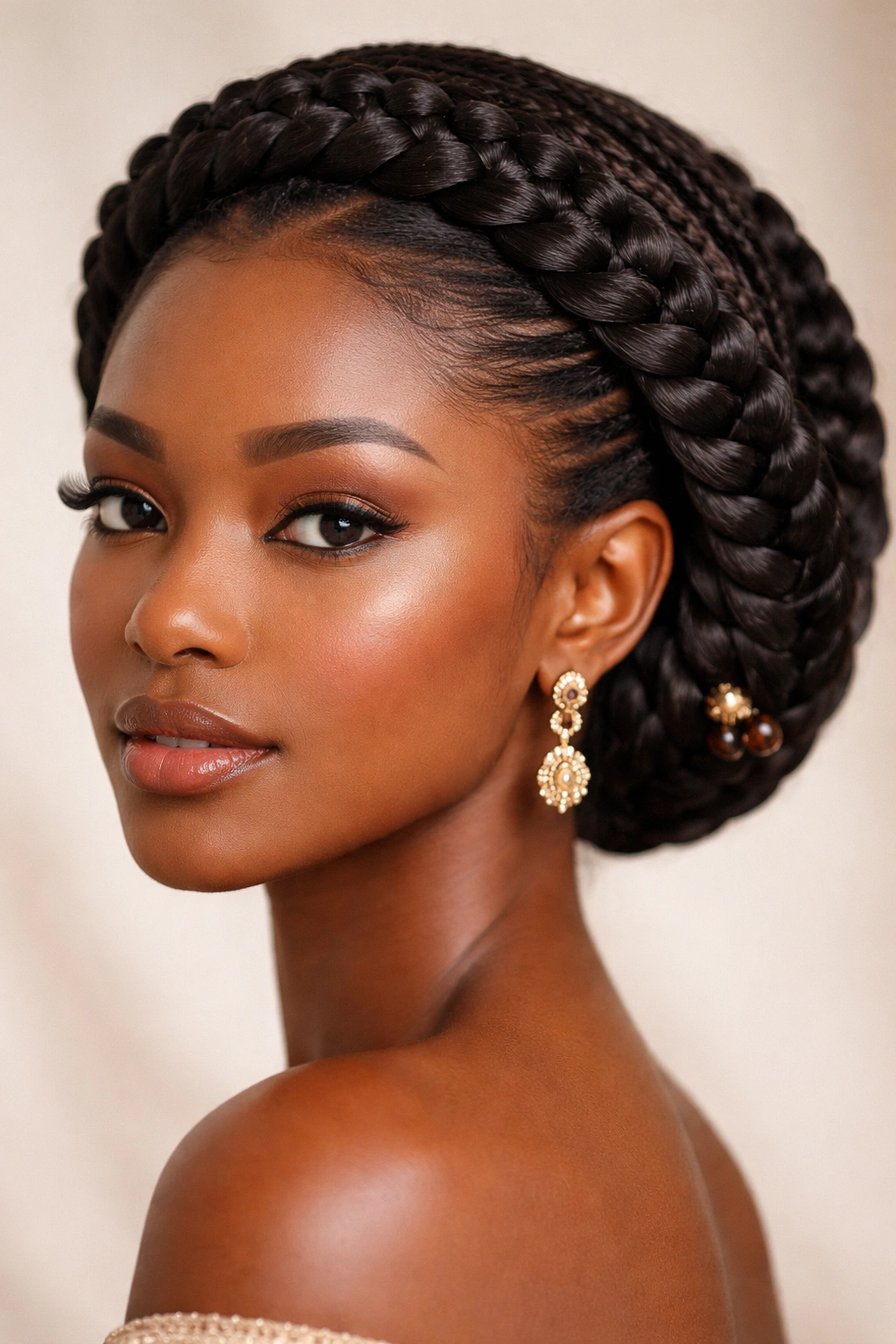
Crown or halo braids represent an elegant variation of cornrows that wrap around the head like a crown or halo, framing the face and creating a regal, sophisticated appearance. These braids are typically created using the cornrow technique but are arranged in a circular or semi-circular pattern rather than straight rows. This style is perfect for special occasions, celebrations, or anyone wanting an elevated, statement-making look that honors Igbo braiding traditions.
Design and Placement
Crown braids typically begin at one temple, travel across the front and top of the head, and end at the opposite temple, creating a frame around your face. Some versions continue around the entire head in a complete circle, while others create a semi-circular halo effect at the crown. The braids are often thicker and more substantial than everyday cornrows, making them a true focal point. Many people incorporate beads, thread wrapping, or metallic cuffs throughout the crown braid for added visual drama and cultural authenticity.
Occasions and Styling Combinations
Crown braids work beautifully as a standalone style or combined with other elements—loose hair flowing beneath, box braids, or even loc’d hair. They’re particularly striking for weddings, cultural celebrations, festivals, or any occasion where you want to make a powerful statement. The style allows your face to be fully visible and framed, making it ideal if you want your makeup or facial features to be showcased alongside your hair artistry.
Quick facts:
- Crown braids typically last 2 to 3 weeks
- They require a skilled braider for the circular or semi-circular placement
- They work beautifully with various hair lengths and textures
- The style photographs beautifully and makes a lasting impression
9. Shuku (Elevated Bun Styles)
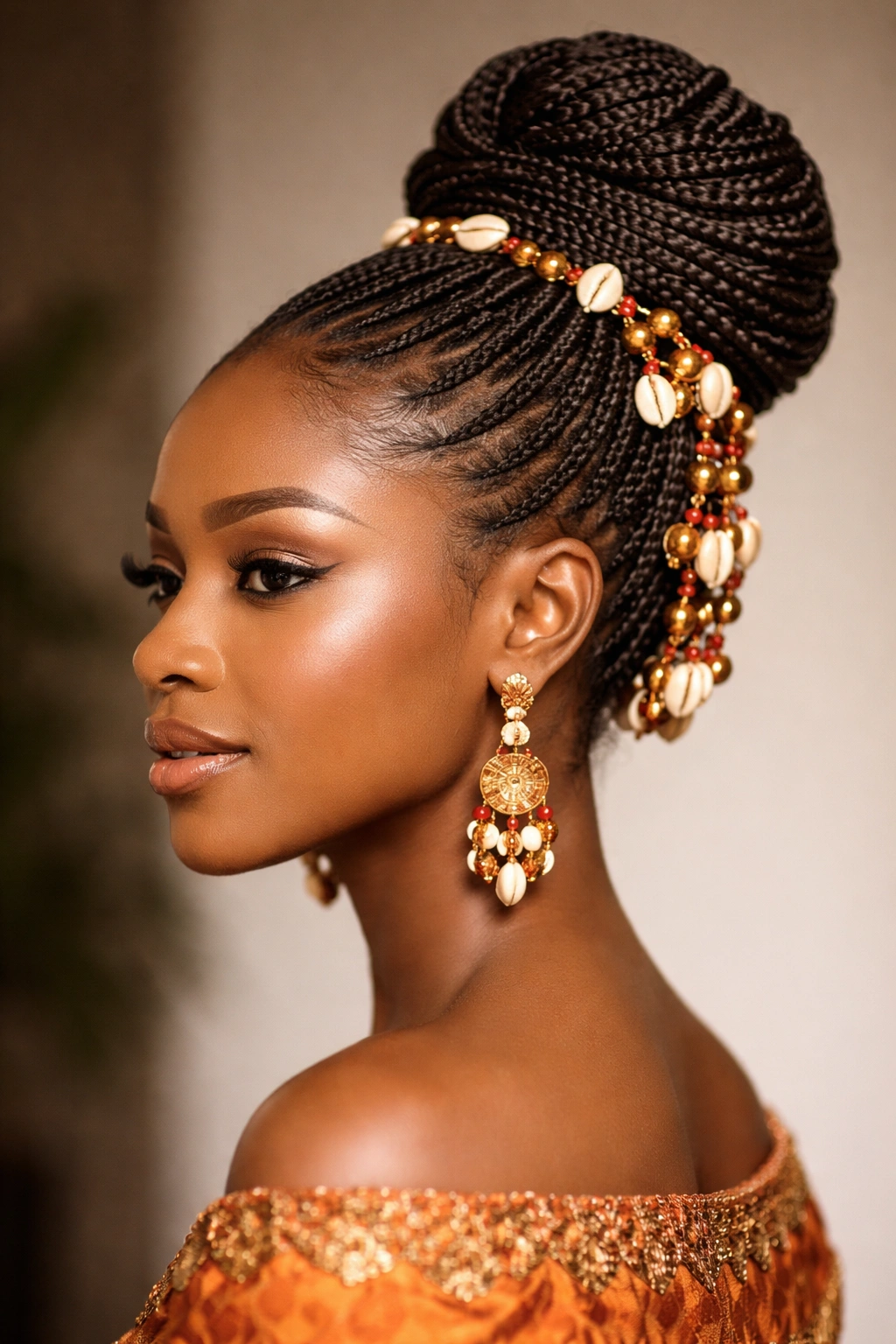
Shuku refers to an elevated bun style that’s been worn within various African cultures, including Igbo tradition, as both a protective style and a mark of elegance and status. These buns sit high on the crown of the head and can be created from braids, twists, or gathered natural hair, often adorned with beads, shells, or decorative wrapping. The style is practical, protective, and undeniably beautiful—a statement that you’re confident in your natural beauty and cultural heritage.
Creating Your Shuku
A shuku can be created by gathering your hair into a high ponytail, then twisting or braiding the hair and wrapping it into a bun at the crown. Some people create braids or twists first, then secure them into a bun using bobby pins and styling gel for hold. Others use a bun base or donut to create a fuller, more structured shuku. The key is starting high on the crown and securing it firmly so it lasts throughout your day. The height and volume of your shuku depends on how much hair you use and how tightly you wrap it.
Decoration and Customization
Shuku styles become truly special when adorned—beads can be threaded through the twists or woven into the bun, cowrie shells can be attached, and fabric strips or decorative cloth can wrap around the base of the bun. Some people add gold cuffs, ornaments, or even flowers for particularly special occasions. The decoration transforms a practical protective bun into a cultural statement and artistic expression.
Insider note: Shuku can be worn for a single day as an elegant protective style or maintained for a week or more if you’re wearing braids that create the bun base. Sleep in a satin bonnet to protect the bun and maintain its shape and neatness.
10. Zigzag Cornrows and Geometric Patterns
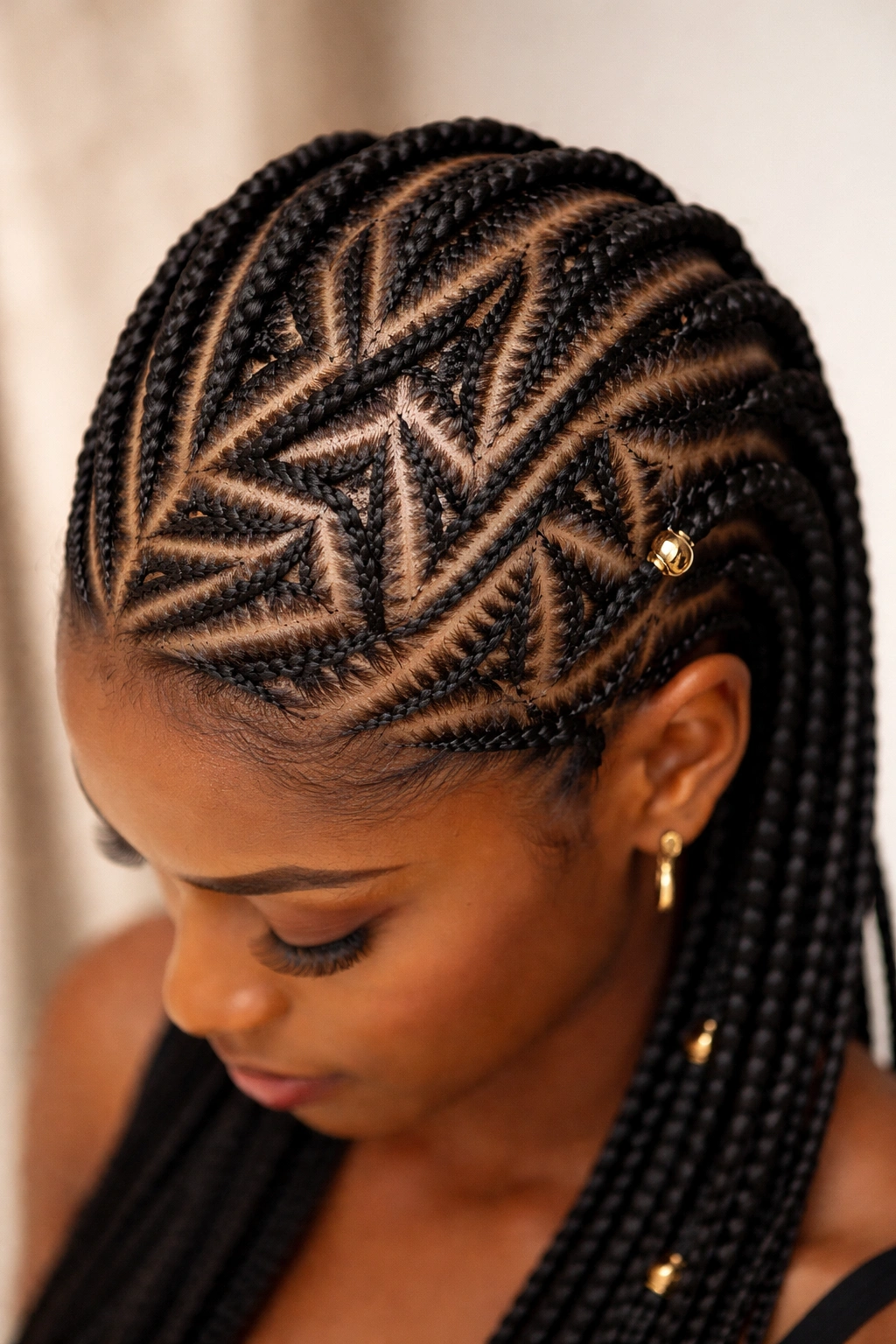
Zigzag cornrows represent a more artistic evolution of traditional cornrowing, where braids follow curved, angular, or geometric patterns rather than straight vertical lines. These patterns showcase both technical skill and creative vision, transforming your scalp into a canvas for visual art. Geometric patterns might include zigzags, waves, triangles, or intricate designs that create optical interest and celebrate the artistry within Igbo braiding traditions.
Planning and Execution
Creating geometric cornrow patterns requires planning before you braid. Many braiders sketch or mentally map the pattern they want to create, then section hair accordingly to follow those lines. Zigzag patterns typically alternate the direction of the braids from row to row, creating dynamic visual movement. Geometric patterns might divide the scalp into sections with different directional braids, creating triangles, diamonds, or other shapes. This style requires either significant personal skill or a talented professional braider.
Impact and Maintenance
Geometric cornrow patterns make an undeniably bold statement—they celebrate African aesthetics and demonstrate respect for the craft of braiding. These styles work beautifully for anyone wanting to express artistic creativity through their hair. They last 3 to 4 weeks depending on hair texture and braid tightness. The complexity of the pattern means these styles typically command higher prices from professional braiders, but they’re absolutely worth the investment for the artistry and impact.
What to know: Geometric patterns look most striking when your natural scalp color contrasts with your hair, and they photograph beautifully. If you love this style, take photos before you take the braids down so you can recreate your favorite patterns in the future.
11. Comb Coils and Coil-Out Styling
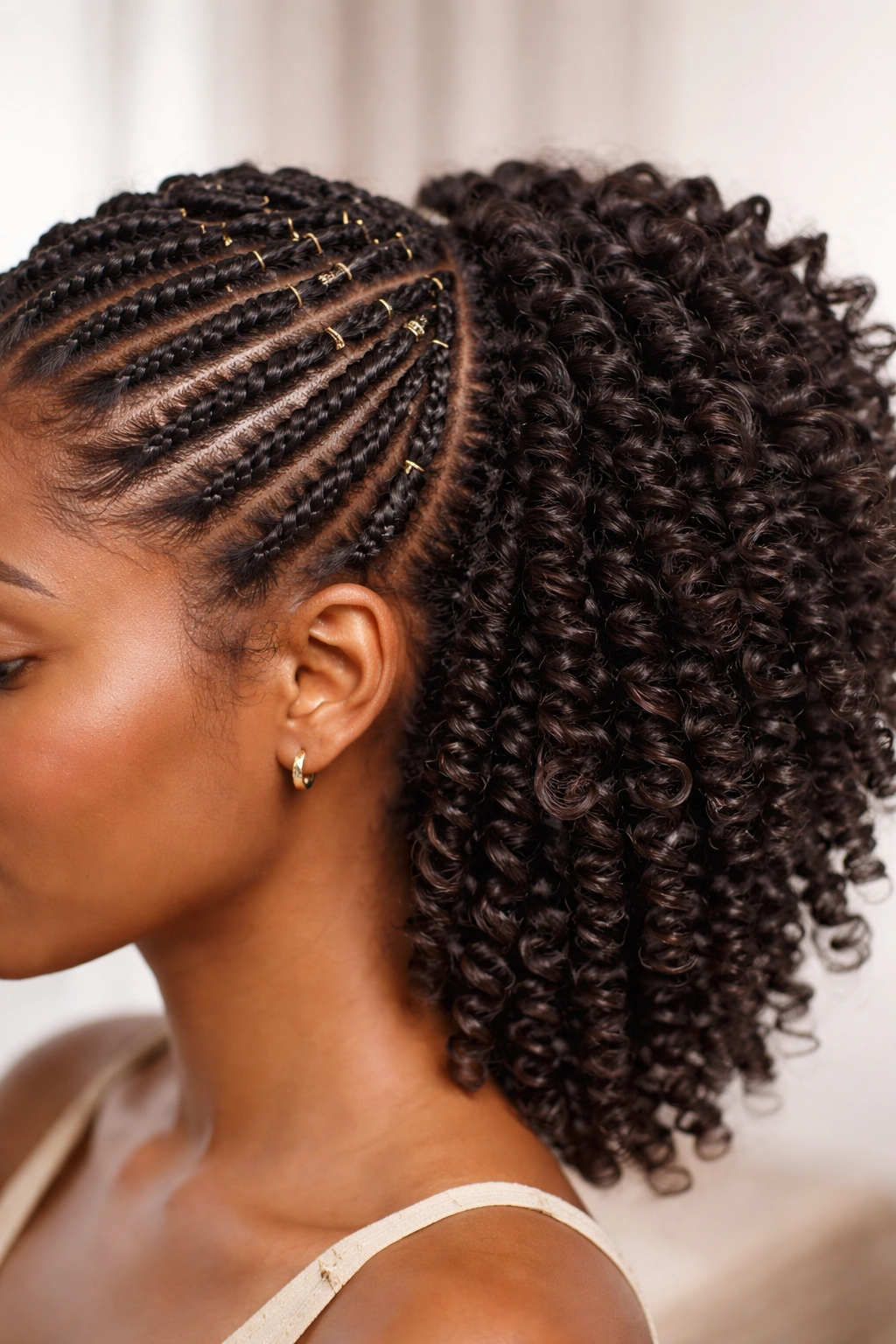
Comb coils represent a technique where sectioned hair is wound around a comb, creating tight spirals that can be left in place or unraveled to create defined curls and coils. This style celebrates natural curl pattern and requires no braiding—just sectioning, moisture, and careful coiling. The result is a protective style that showcases your hair’s inherent texture while providing the security of a held style that lasts days or weeks.
The Coiling Process
Begin with clean, moisturized, detangled hair that’s been sectioned into portions. Take a comb and wrap a section of hair around it tightly, then carefully slide the comb out, leaving the hair in a coil. Secure each coil with a bobby pin or by tucking the end underneath. The tightness of your coils and the thickness of your sections determine how defined your final texture will be. Some people create small, tight coils for maximum definition, while others prefer larger, looser coils for a more relaxed look.
Styling and Longevity
Comb coils can be left in for 4 to 7 days, creating a sculptural look that’s both protective and artistic. When you unravel them, you’re left with beautifully defined curls and coils that have lasting texture and volume. Many people style coil-outs into updos or let them flow freely. The coils can be decorated with beads before unraveling, adding visual interest to both the coil phase and the coil-out phase. This style is particularly suited to coily and kinky hair textures that hold curl definition beautifully.
Pro tip: Apply a light styling gel or curl cream before coiling to enhance definition and help the coils hold their shape longer. Spray a light mist of water each morning to refresh the coils and restore their structure.
12. Braided Updos and Protective Bun Styles
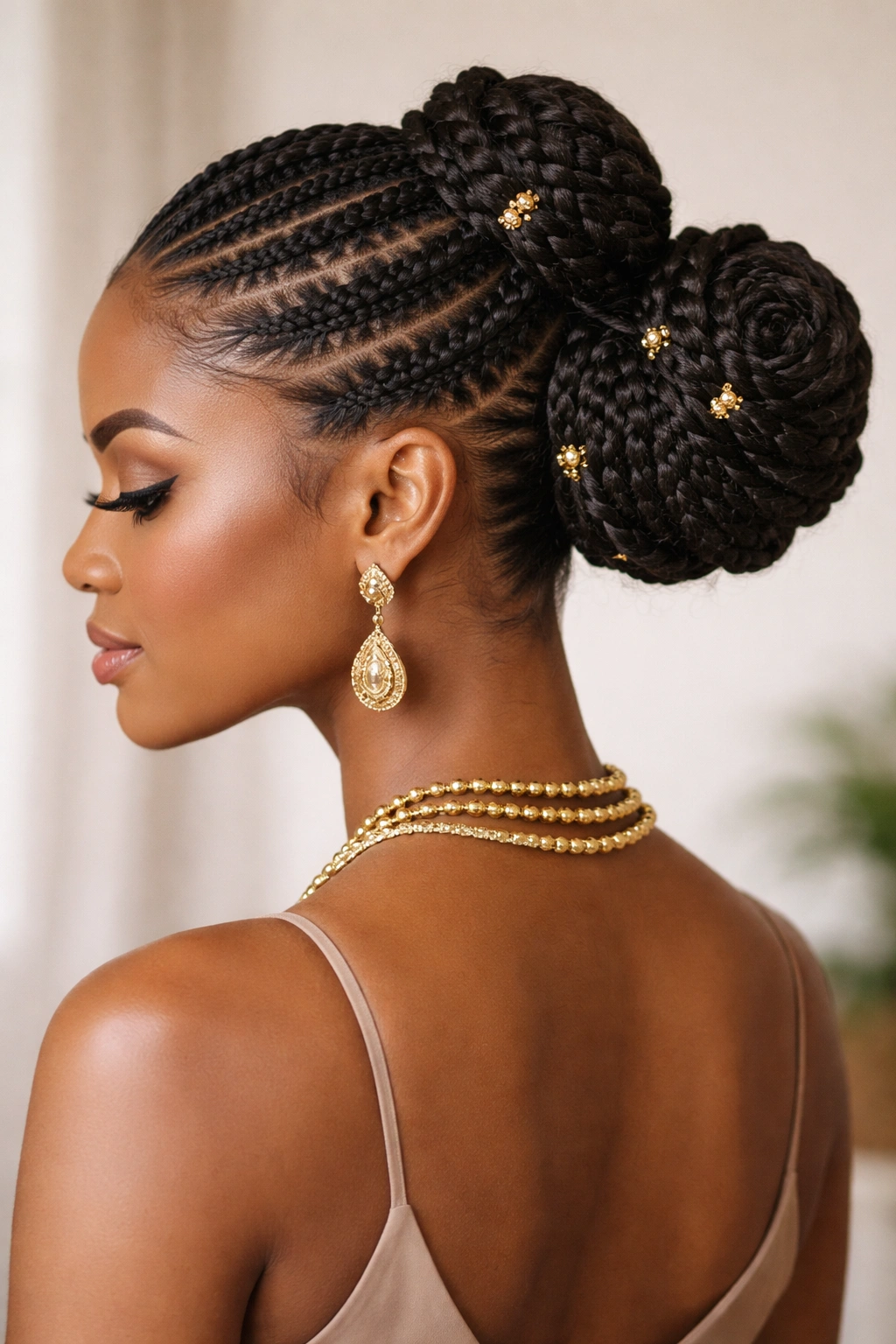
Braided updos represent the ultimate protective styling—where multiple braids (box braids, twists, or cornrows) are gathered and styled into buns, twists, or creative updos that protect your ends while keeping hair off your neck and shoulders. These styles are both practical and beautiful, perfect for anyone seeking protective styling that doesn’t sacrifice aesthetics. Braided updos can range from simple and sleek to elaborate and ornate.
Creating Your Braided Updo
Begin with your choice of protective braids—box braids, two-strand twists, or cornrows all work beautifully. Once your braids have been in place for a few days (allowing them to settle and any flyaways to integrate), gather them into a high ponytail, bun, or crown-like arrangement. You can twist the ponytail into a spiral and wrap it around your head, create a high bun by looping the braids and securing them with bobby pins, or arrange them into a creative pattern. Secure everything firmly with bobby pins, elastics, and styling gel as needed.
Variations and Creativity
Braided updos can be as simple or as elaborate as you desire. Some people create side-swept ponytails, while others style their braids into multiple buns or create crown-like arrangements. You can wrap thread around the bun base, add beads throughout, or incorporate shells and metallic cuffs. The style can be worn for days or weeks if your base braids are well-maintained, making it an economical protective styling choice that provides ongoing protection.
Quick facts:
- Braided updos can last as long as your base braids (4 to 8 weeks)
- They’re ideal for hot weather or active lifestyles
- The style is infinitely customizable to match your aesthetic
- They provide complete protection for your hair ends, promoting length retention and health
Final Thoughts
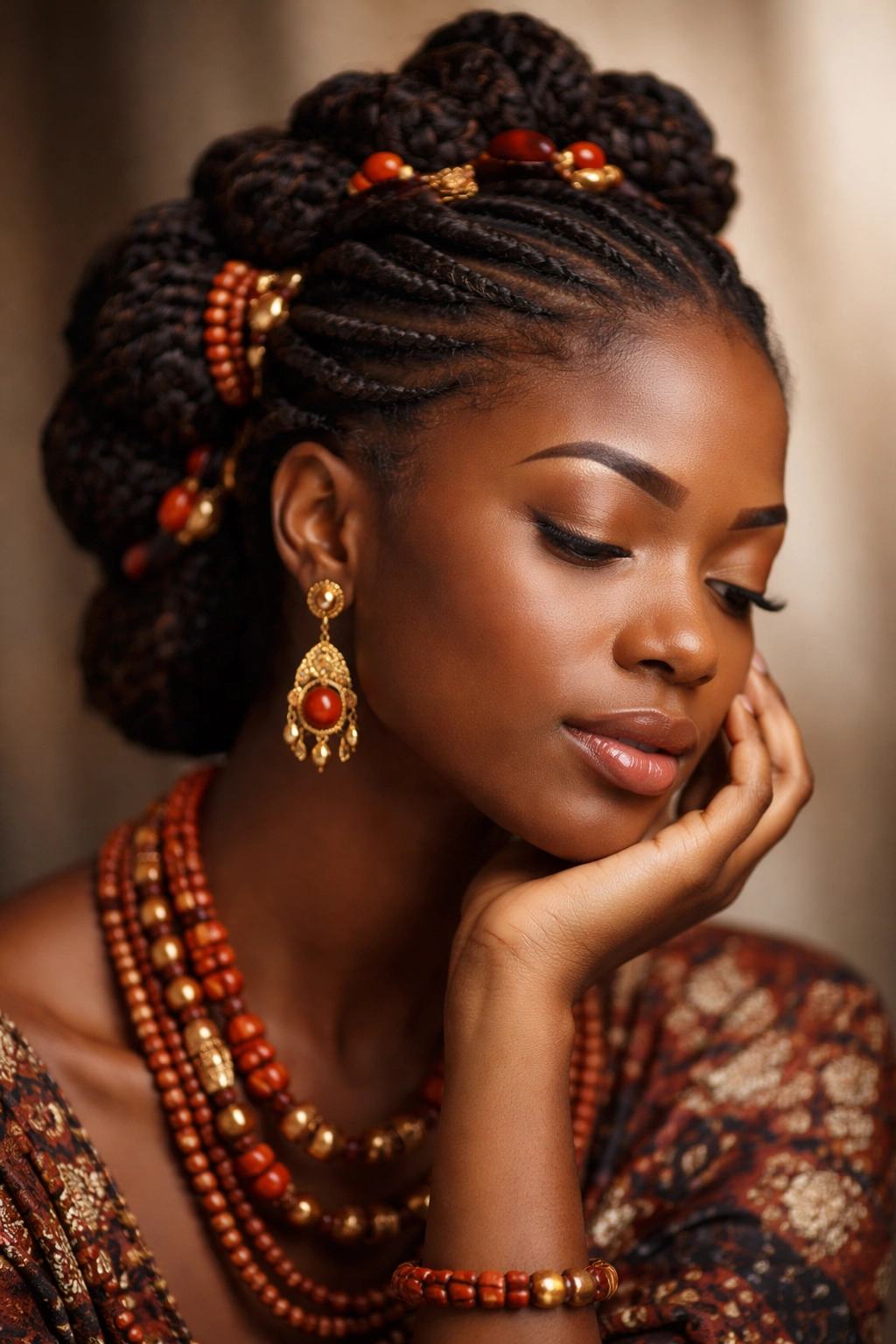
Igbo hairstyles offer a beautiful intersection of cultural heritage, practical hair care, and artistic expression. Each style—from traditional Igbo plaits to modern adaptations like Fulani braids and geometric cornrows—represents generations of knowledge, skill, and creativity passed down through families and communities. These aren’t just hairstyles; they’re a way of honoring your roots, celebrating your natural hair, and making a statement about who you are and what you value.
The versatility of these styles means there’s something for every occasion, preference, and lifestyle. Whether you’re looking for an everyday protective style that keeps your hair healthy, a show-stopping look for a special celebration, or a way to reconnect with your cultural identity, Igbo hairstyling traditions deliver on all counts. The key is finding a skilled braider or developing your own braiding techniques through practice and patience.
As you explore these twelve styles, remember that proper hair care extends far beyond the styling itself. Keep your scalp moisturized, sleep in a satin bonnet or on a silk pillowcase, use sulfate-free products, and give your hair regular breaks between protective styles. These practices, combined with the protective benefits of traditional Igbo hairstyles, create the perfect foundation for healthy, thriving natural hair that’s celebrated as beautiful exactly as it grows from your head.
