



Yoruba hairstyles are far more than simple grooming choices — they’re a language unto themselves, communicating identity, status, cultural pride, and personal style within one of West Africa’s most vibrant and historically influential communities. The Yoruba people, primarily from Nigeria and surrounding regions, have cultivated sophisticated traditions in hair artistry that span generations, blending spiritual significance, aesthetic mastery, and practical craftsmanship into looks that command respect and attention.
For men, these hairstyles represent a powerful intersection of tradition and self-expression. While many assume African men’s hairstyles are purely functional, Yoruba traditions reveal a deeply intentional approach to hair — one that transforms the head into a canvas for artistic statement. Whether you’re exploring your cultural heritage, seeking a distinctive style that carries meaning, or simply drawn to the precision and beauty of traditional West African grooming, understanding these hairstyles opens up possibilities that feel authentic, striking, and personally significant.
What makes Yoruba hairstyles particularly compelling is their adaptability to modern life while maintaining deep cultural roots. These aren’t museum pieces or purely ceremonial looks — they’re living traditions that men wear with pride to weddings, professional settings, cultural celebrations, and everyday moments. Each style carries its own history, technique, and symbolic weight, from intricate geometric patterns that took hours to create to bold, minimalist approaches that make an equally powerful statement.
The following styles represent some of the most respected and visually striking traditions within Yoruba hair culture for men. Some are deeply rooted in centuries-old practices, while others represent contemporary interpretations of those traditions. All of them demonstrate the remarkable artistry and cultural significance that makes Yoruba hairstyling an enduring and evolving art form.
1. Asan — The Geometric Pattern Shave
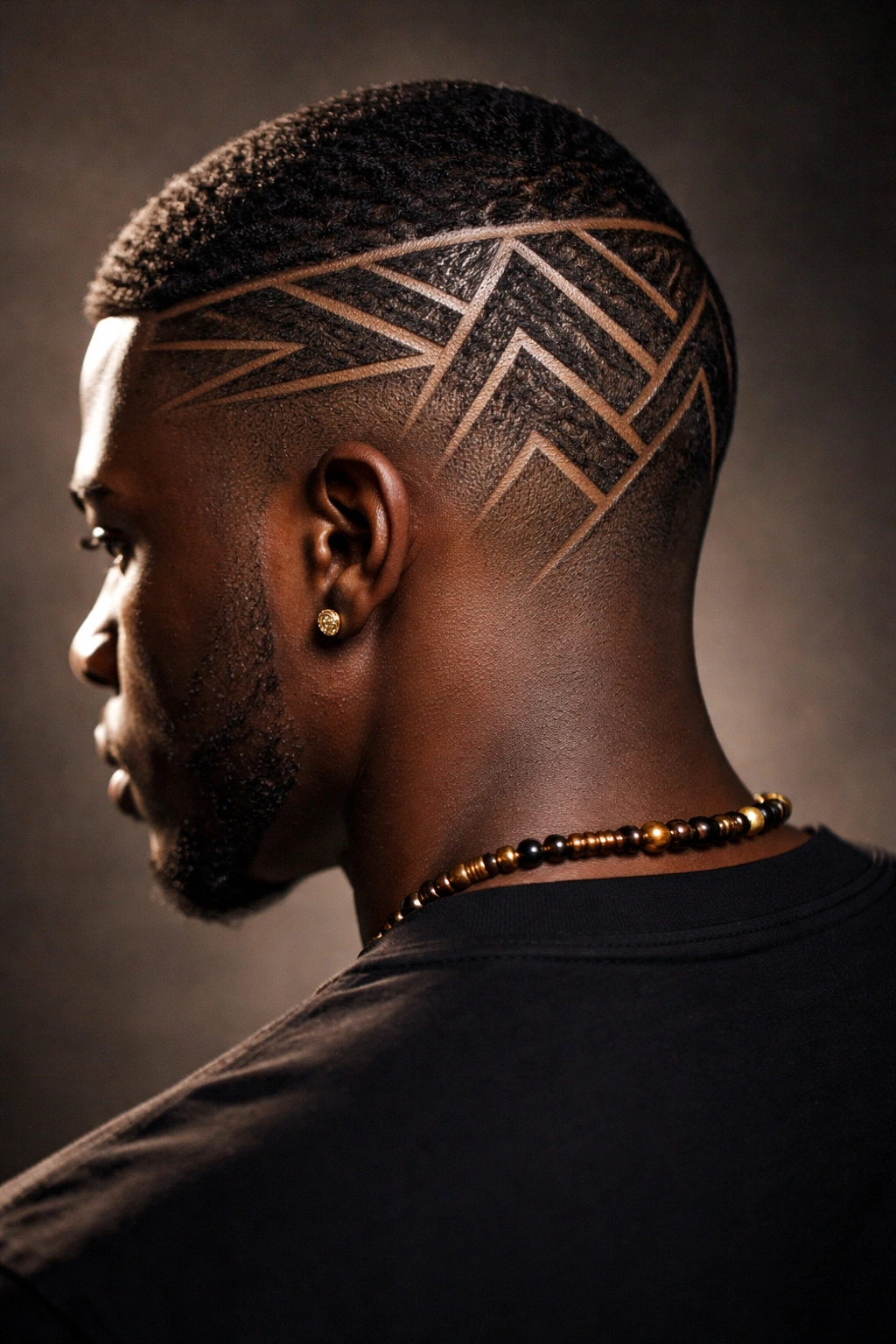
The Asan style is perhaps the most instantly recognizable and visually striking of Yoruba men’s hairstyles. This bold look features a closely shaved or faded head adorned with intricate geometric patterns carved directly into the hair or skin. The patterns might include clean lines, angles, symbols, or abstract designs that reflect personal creativity while honoring traditional aesthetic principles.
The Cultural Significance and Artistry
The Asan style carries deep meaning beyond its visual impact. These geometric patterns have historically communicated important information about the wearer — lineage, achievements, spiritual beliefs, or social standing within the community. A master craftsperson creating Asan patterns must possess both artistic vision and technical precision, using traditional clippers or razors to create perfectly clean lines and consistent depth. The style demands maintenance every few weeks, as the pattern becomes less distinct as hair grows out, making it a commitment to visible cultural pride and aesthetic standards.
How to Create and Maintain Asan Patterns
- Work with an experienced barber or stylist who specializes in Yoruba hairstyles and has a strong portfolio of geometric work
- Discuss your desired pattern in advance — sketch it out if helpful, or bring reference images of designs that resonate with you
- Expect the initial creation to take 45 minutes to over an hour, depending on pattern complexity
- Maintain the style with touch-ups every 2-3 weeks to keep lines sharp and the design clearly visible
- Use a good moisturizer on the scalp between appointments to keep skin healthy and comfortable
Pro tip: The Asan style works beautifully with a well-groomed beard, creating a balanced, intentional appearance that feels both modern and rooted in tradition.
2. Irun Kiko — Braided Elegance and Structure
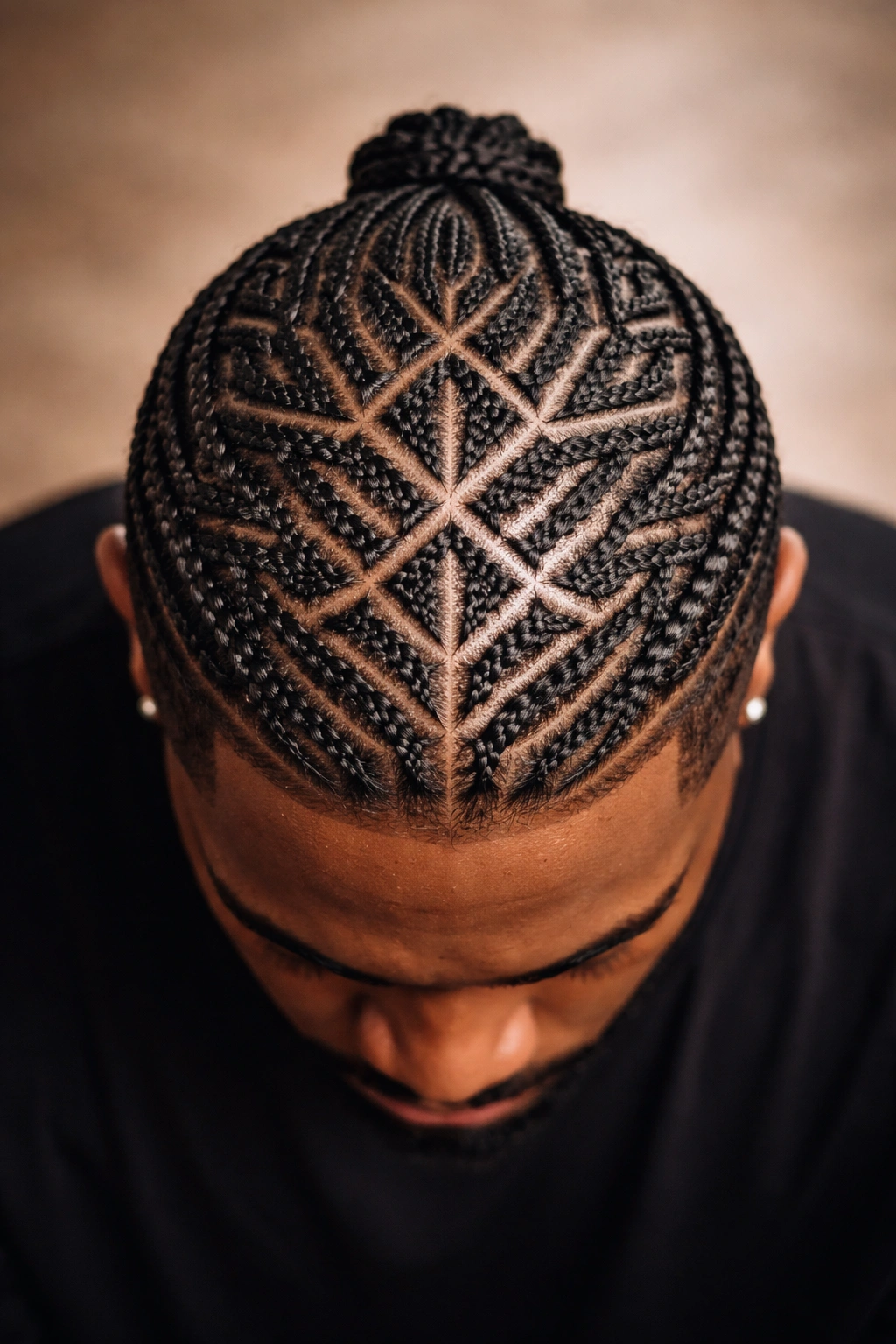
Irun Kiko represents a completely different approach to Yoruba hairstyling, emphasizing intricate braiding patterns that require significant time to create but offer lasting style and distinctive visual impact. This style involves braiding sections of hair in geometric patterns across the scalp, often incorporating the hair of multiple sections into unified designs. The braids can be worn as the finished style or serve as the foundation for additional styling like wrapping with thread or incorporating beads.
The Technical Mastery Behind Irun Kiko
Creating authentic Irun Kiko requires not just braiding skill but an understanding of scalp tension, hair direction, and design composition. A stylist must visualize the three-dimensional pattern while working in two dimensions on a curved surface — planning how dozens of braids will interact, align, and create unified visual patterns. The style typically takes 2-4 hours depending on hair length, texture, and pattern complexity. What emerges is a look of remarkable structure and visual sophistication, with the braids themselves becoming sculptural elements that catch light and draw the eye.
Creating and Caring for Irun Kiko
- Find a stylist experienced in complex braiding patterns and Yoruba hairstyles specifically
- Have a clear conversation about the exact pattern you want — bring photos or sketches
- Prepare for a substantial time commitment (2-4 hours) in the chair
- Sleep on a silk or satin pillowcase and wrap the style lightly at night to protect the braids
- Keep the style clean by washing gently every 7-10 days without disturbing the braid structure
- Plan to keep this style for 4-8 weeks before rebraiding, depending on your hair growth rate and personal preference
Worth knowing: Irun Kiko works particularly well with natural hair textures and is easier to maintain on hair that’s been grown out sufficiently to hold braids securely.
3. Shuku with Modern Interpretation
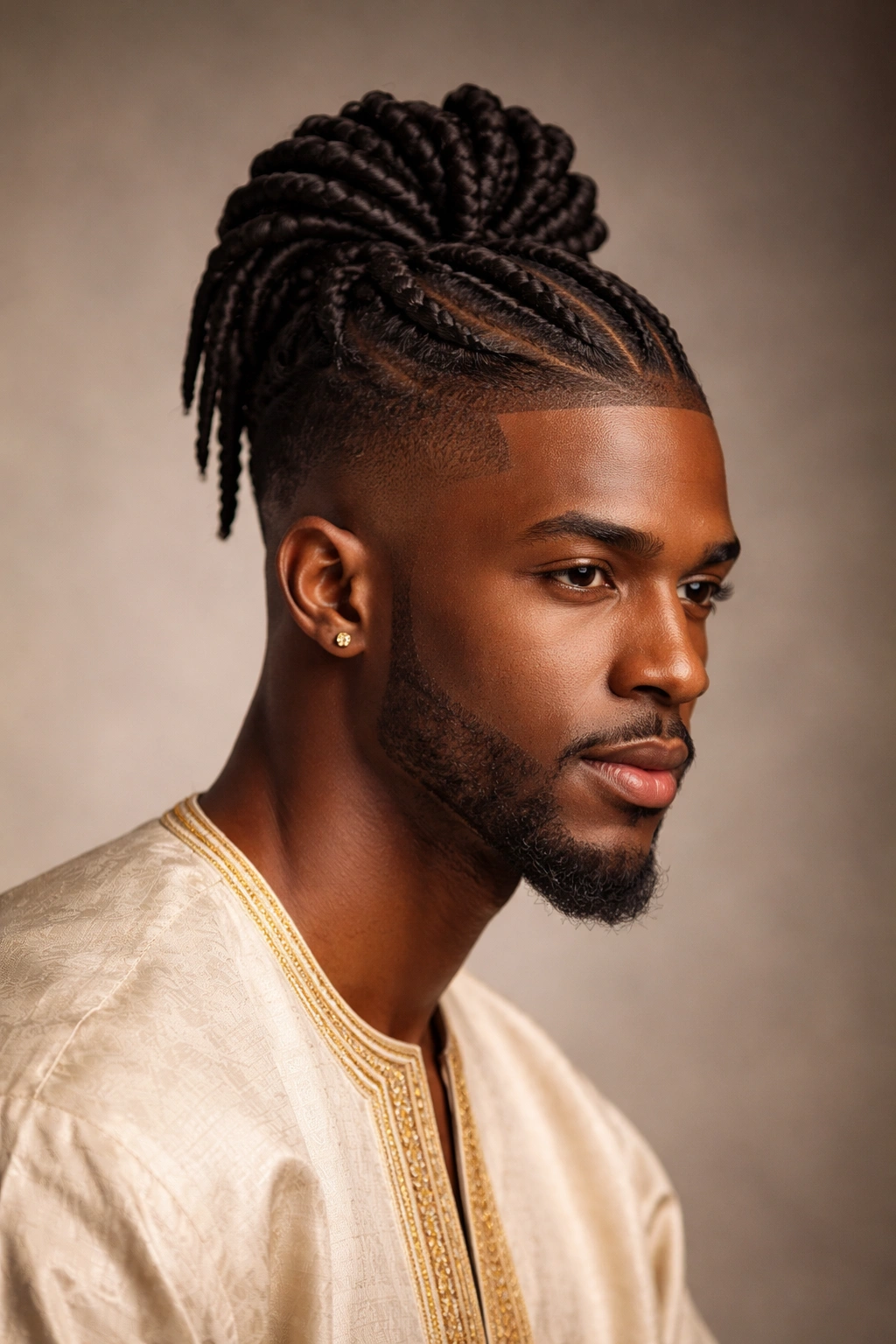
Shuku is a classic style with roots extending back centuries in Yoruba culture. Traditionally, this style involved wrapping and twisting sections of hair upward and outward, creating height and volume at the crown. Modern interpretations of Shuku for men take this concept and simplify it, creating a bold, sculptural look that’s visually distinctive without requiring extensive daily styling or maintenance.
What Makes Modern Shuku Distinctive
Contemporary Shuku for men often combines natural hair texture with intentional shaping and sometimes product styling to create a look that’s rooted in tradition but feels relevant and wearable in modern contexts. The style might involve coils or twists arranged in an upward direction, or it might feature a high-volume natural texture shaped into a cohesive form. The beauty of modern Shuku is its flexibility — it can be worn formally with precision and intentionality, or more casually with a relaxed, textured approach that still honors the traditional concept.
Building and Styling Modern Shuku
- Start with healthy, well-moisturized natural hair that has enough texture to hold form
- Work with a stylist who understands how to create height and structure using your specific hair texture
- Use lightweight styling products — creams, butters, or oils rather than heavy gels
- Arrange twists or coils upward and outward to create the characteristic Shuku silhouette
- Style takes 20-45 minutes depending on hair length and whether you’re using product
- This look can be maintained between styling sessions by sleeping with a silk bonnet and refreshing the arrangement each morning
Insider note: Shuku pairs exceptionally well with rich, warm color tones in clothing and creates a striking silhouette that’s both bold and culturally grounded.
4. Irun Gele — The Wrapped Crown Style
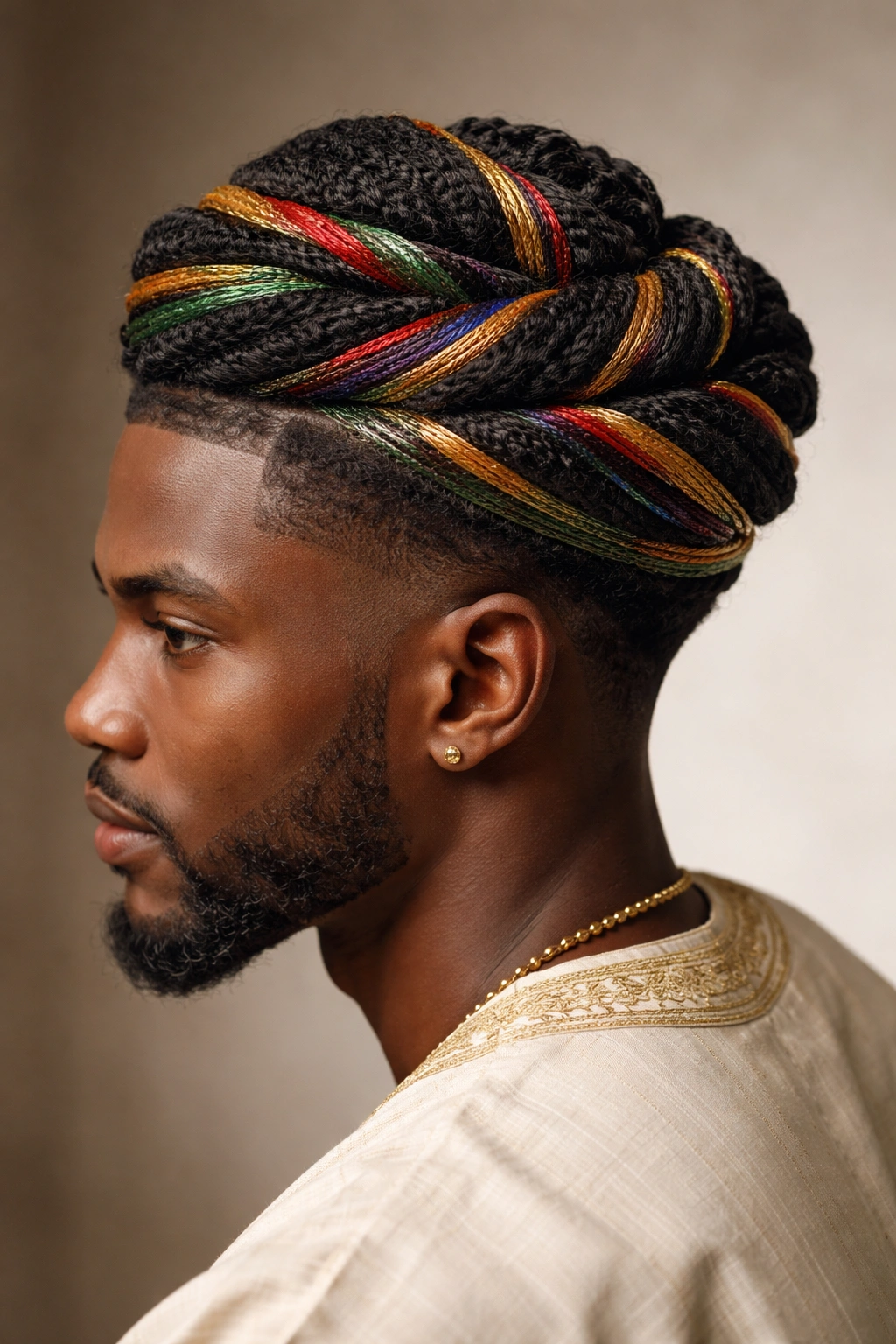
Irun Gele takes the concept of hair wrapping to a sophisticated extreme, creating a look where sections of hair are wrapped tightly with thread, yarn, or fabric in patterns that create both visual interest and structural definition. While traditionally more associated with women’s hairstyles in Yoruba culture, contemporary men’s interpretations of Irun Gele offer a distinctive and striking alternative to other styles on this list.
The Art of Hair Wrapping and Pattern
The wrapping itself becomes an art form in Irun Gele. Different wrapping colors and patterns can be layered, alternated, or arranged to create intricate visual designs across the head. The wrapping process requires patience and precision — each section must be wrapped evenly and tightly enough to hold its shape without causing discomfort or excessive tension on the scalp. The result is a look that’s immediately visually distinctive and demonstrates a clear commitment to intentional, artistic self-presentation.
How to Create Irun Gele
- Have natural hair that’s long enough to wrap (typically 3+ inches minimum)
- Source quality wrapping materials — traditional African fabrics, yarn, or specifically designed wrapping thread
- Work with a stylist experienced in Irun Gele who understands tension management
- Plan for 1-2 hours of styling time depending on the complexity of your wrapping pattern
- Wrapped sections can be left in for 1-2 weeks before needing refreshing
- Sleep with a silk bonnet to protect the wrapping and maintain the crisp appearance
Quick fact: The colors and patterns you choose for wrapping can be changed frequently without altering your hair, making this style incredibly versatile and adaptable to different occasions or moods.
5. Locs with Traditional Styling and Adornment
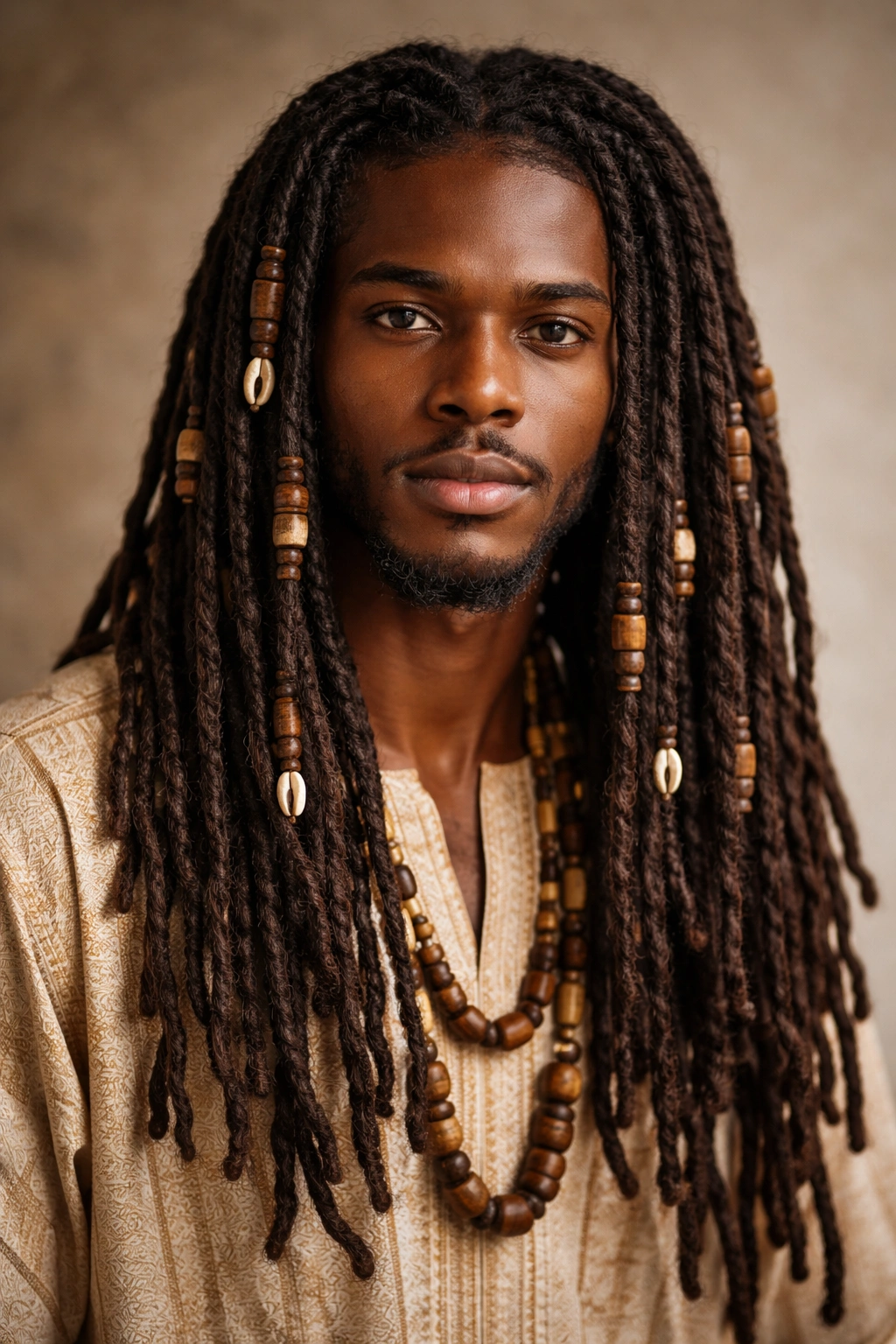
Locs represent a hairstyle journey rather than a quick transformation, but they hold particular significance in Yoruba and broader African hair culture. Traditional locs — whether created through the twist-and-rip method, comb coils, or other approaches — provide a blank canvas for expressing cultural identity through their natural texture and through the various ways they can be adorned, decorated, and arranged.
Locs as Cultural Expression and Hair Health
Beyond their visual striking quality, locs offer practical advantages for natural hair — they protect the hair from frequent manipulation, reduce the need for constant styling, and create a low-maintenance grooming routine once established. In Yoruba contexts, locs can be adorned with beads, wrapped in specific patterns, dyed in meaningful colors, or arranged in distinctive ways that make them feel uniquely personal and culturally intentional. The journey to establishing locs typically takes 6 months to 2 years depending on the method and hair texture.
Starting and Maintaining Locs
- Choose your loc method in consultation with an experienced loctician (twist-and-rip, comb coils, or interlocking each offer different aesthetics)
- Expect the initial loc-in process to take 3-6 hours depending on hair volume and method
- During the “baby loc” phase (first 3-6 months), maintain your locs with regular retwisting or interlocking every 4-6 weeks
- Once locs mature (typically 6+ months), maintenance frequency decreases to 6-8 week intervals
- Locs can be adorned with beads, wrapped with thread or fabric, or combined with other styling elements
- Plan a maintenance budget — professional loc maintenance typically costs $60-150 per session depending on loc size and location
Pro tip: As locs mature, they become increasingly versatile for styling — you can arrange them in updos, wrap sections, or create intricate patterns that demonstrate personal creativity and cultural pride.
6. High Fade with Traditional Patterns
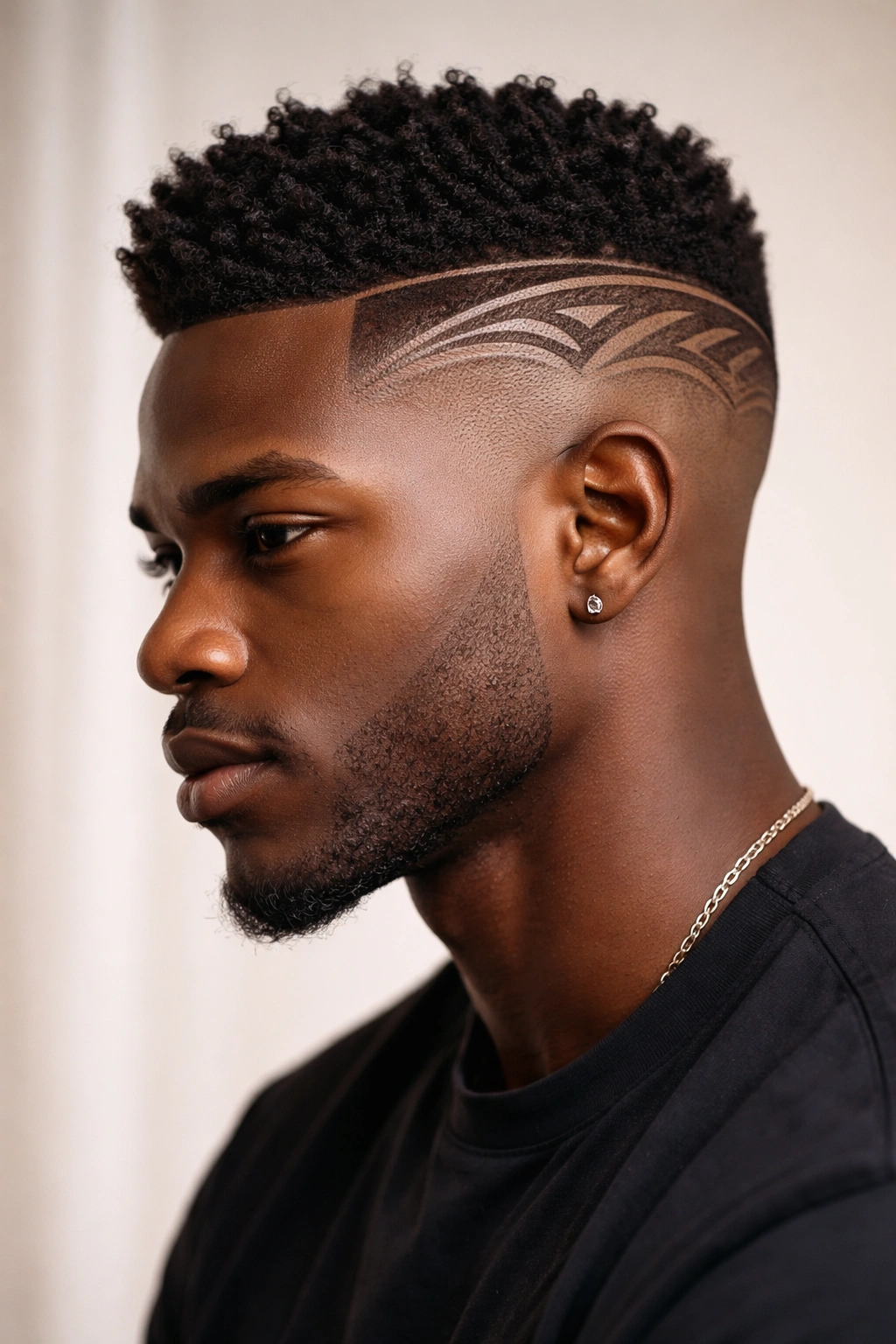
This style blends contemporary barbering techniques with traditional Yoruba pattern work, creating a look that feels modern and immediate while still honoring cultural aesthetic principles. The high fade focuses on sharp, clean lines that contrast dramatically with the remaining hair on top, which can be left in natural texture, coils, or even incorporate the geometric pattern work we discussed in the Asan style.
The Precision of the High Fade Foundation
A quality high fade requires exceptional barbering skill — the fade itself must be perfectly graduated, creating a smooth transition from very short hair to longer hair on top without any harsh lines or inconsistencies. This precise foundation then provides a canvas for additional styling or pattern work. The high fade works with nearly any hair texture and looks clean, professional, and intentional. When combined with traditional pattern work or cultural design elements, it creates a sophisticated look that acknowledges both contemporary style and cultural roots.
Creating and Maintaining High Fades
- Find a skilled barber who specializes in precision fades and has experience with Yoruba hairstyle aesthetics
- Decide whether you want the fade as a standalone style or paired with patterns or additional styling
- Expect the initial cut to take 30-45 minutes with a quality barber
- Maintain with a trim every 2-3 weeks to keep the fade sharp and the transition clean
- The remaining length on top can be styled with product for added texture and definition
- Consider the styling options available with your hair texture — natural coils, waves, or straightened lengths all work beautifully with high fades
Worth knowing: A high fade with a well-maintained beard creates an exceptionally polished, professional appearance that works in nearly any setting while still maintaining distinctive personal style.
7. Afro with Carved Designs and Sculptural Elements
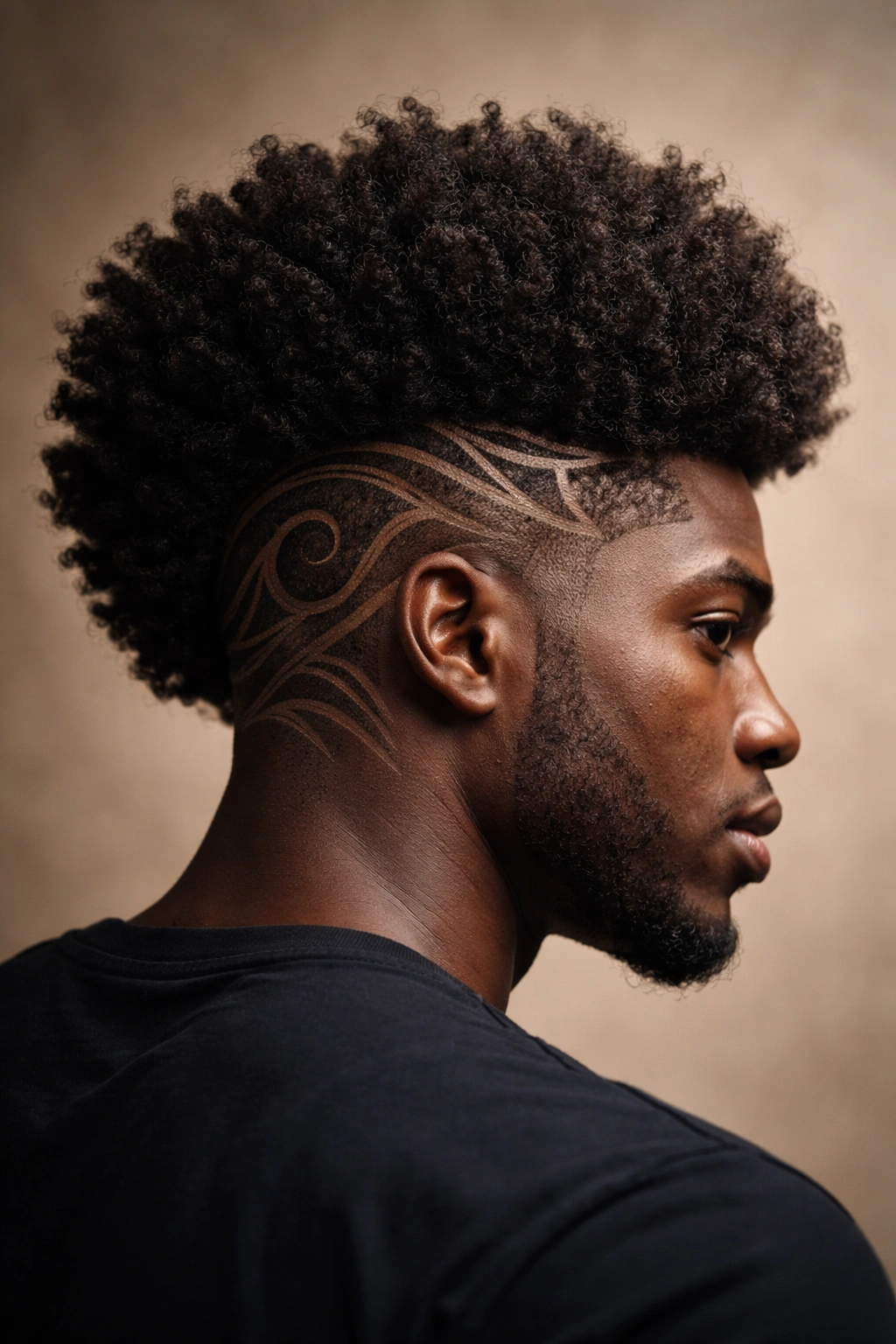
The natural afro, when properly shaped and maintained, offers a bold canvas for personal expression. A sculpted afro — one that’s carefully shaped into specific forms, possibly with patterns carved into the sides or back — becomes a wearable art form that celebrates natural hair texture while incorporating intentional design elements.
Creating Shape and Structure in Natural Hair
A styled afro isn’t simply unmanaged natural hair — it’s deliberately shaped, conditioned, and maintained to create specific visual impact. A barber or stylist working with afro hair must understand how to cut for shape while respecting the natural curl pattern, creating an aesthetic that feels both intentional and organically connected to the wearer’s natural texture. Patterns carved into an afro work similarly to the Asan style but are integrated into fuller hair, creating a different visual effect where the natural texture remains visible and part of the overall design.
Sculpting and Maintaining Your Afro
- Find a stylist experienced with natural afro hair and intentional shape-cutting
- Establish a consistent moisturizing routine using creams, butters, or oils appropriate for your curl pattern
- Have the shape refreshed every 4-6 weeks to maintain crisp edges and intentional form
- Consider patterns or carved designs in consultation with your stylist — these require more frequent touch-ups
- Sleep with a silk bonnet or on a silk pillowcase to prevent flattening and frizz
- Use products designed for coil definition if you want your curl pattern more visible and defined
Insider note: A beautifully sculpted afro commands attention and demonstrates confidence in natural hair — it’s a powerful statement of cultural pride and self-acceptance.
8. Twist-Out with Decorative Elements
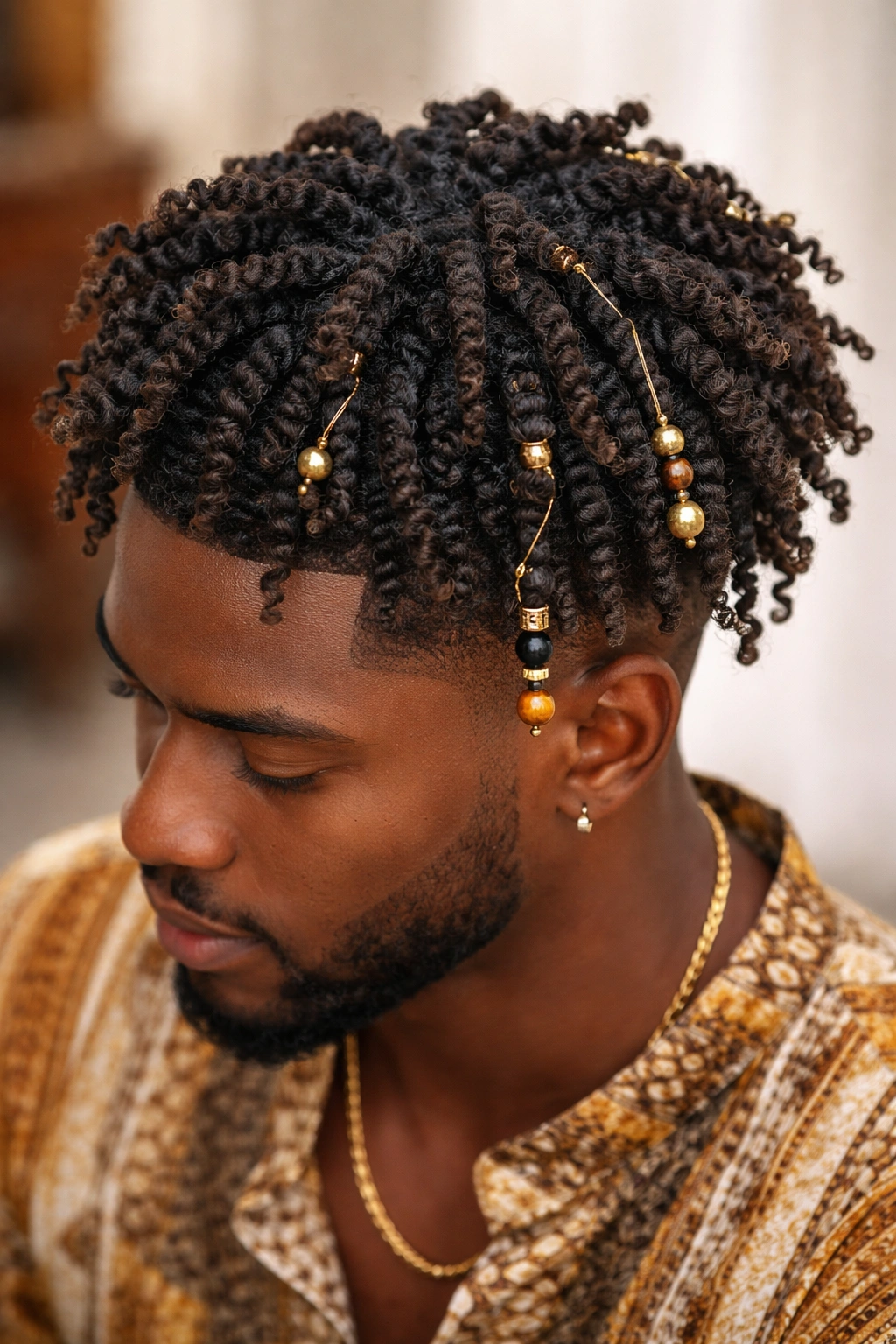
This style involves creating two-strand twists in the hair, allowing them to set overnight, then carefully unraveling them to create voluminous, defined curl patterns. When executed skillfully, a twist-out creates remarkable texture and visual interest. Combined with decorative elements like beads, gold thread, or wrapped sections, it becomes a distinctly Yoruba-influenced style that’s accessible to create at home or with a stylist.
The Technique and Timing of Twist-Outs
Creating a twist-out requires strategic planning — you’ll twist sections of damp hair, allow them to dry or air-dry overnight, then unravel the twists to reveal defined, textured curls. The quality of your twist-out depends on several factors: the moisture level of your hair when you twist, the size of your twists, how long they remain set, and the technique you use when unraveling them. This isn’t a quick process on the day you create it, but the resulting style typically lasts 7-10 days with proper refreshing between wears.
Creating a Lasting Twist-Out
- Begin with freshly moisturized, damp hair (not soaking wet, but noticeably damp)
- Apply a curl-defining product or cream to help twists hold their shape
- Divide hair into sections and create two-strand twists by wrapping two sections of hair around each other
- Secure the end of each twist loosely with a small elastic or wrap it with thread
- Allow twists to dry fully (overnight is ideal, or 6+ hours)
- Carefully unravel each twist, working from the end upward, and separate the curls with your fingers
- Add decorative elements like beads, gold thread wrapping, or wire accessories for personalization
- Maintain with light misting of water and product to refresh curls daily
Pro tip: Sleep on a silk bonnet over your twist-out to prevent flattening — your style will last significantly longer with this simple protection method.
9. Braided Styles with Incorporated Beads and Metals
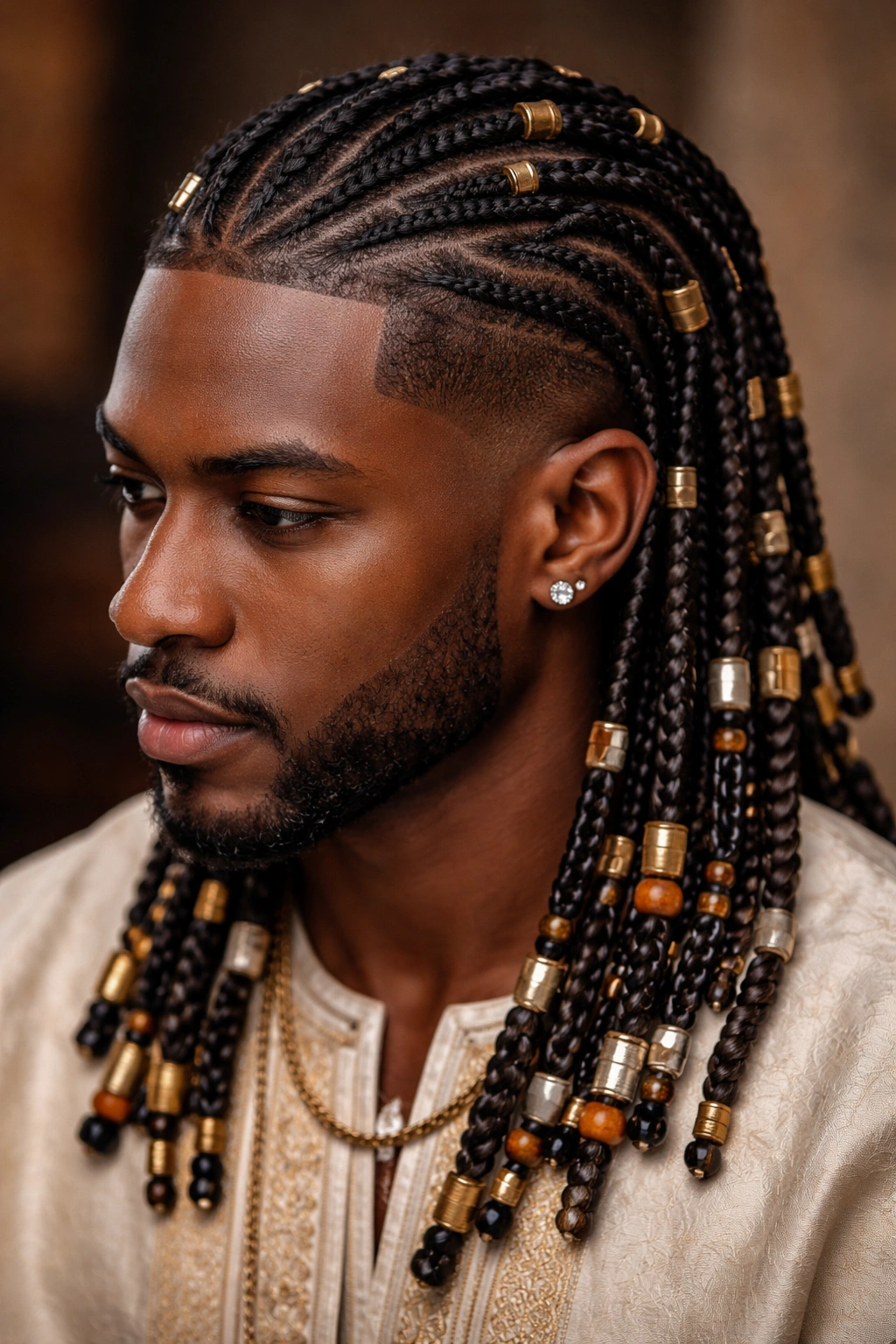
This approach combines the structural elegance of braids with decorative elements that add color, shine, and personal flair. Beads and metal cuffs woven into braids aren’t simply ornamental — they’re deeply rooted in Yoruba tradition, where specific colors and materials carry meaningful symbolism. Gold, silver, or brass accents paired with strategically placed beads create a look that’s visually sophisticated and culturally resonant.
The Symbolism and Selection of Decorative Elements
Choosing beads and metals for your braided style involves more than aesthetic preference. Different colors traditionally carry significance — gold represents wealth and prosperity, silver suggests clarity and purity, red embodies strength and vitality. Beads can be selected in colors that hold personal meaning or that complement your skin tone and personal style. The size and placement of decorative elements should be balanced throughout the style, creating visual harmony rather than appearing haphazard or overly cluttered.
Creating Braided Styles with Beads and Metals
- Plan your braid style and decide where decorative elements will be positioned
- Source quality beads and metal cuffs in colors and materials meaningful to you
- Work with a braider experienced in incorporating decorative elements securely
- Beads can be threaded onto braids as they’re being created or added after braiding is complete
- Ensure all decorative elements are secured firmly enough not to slip or fall out
- Plan to keep this style for 4-8 weeks depending on your hair growth and comfort level
- Refresh the style by tightening braids and secure loose beads during maintenance appointments
Worth knowing: The style can be completely transformed by simply changing the bead colors and placements — you can wear it one way for formal occasions and rearrange decorative elements for everyday wear.
10. Crown Braids with Central Ridge Design
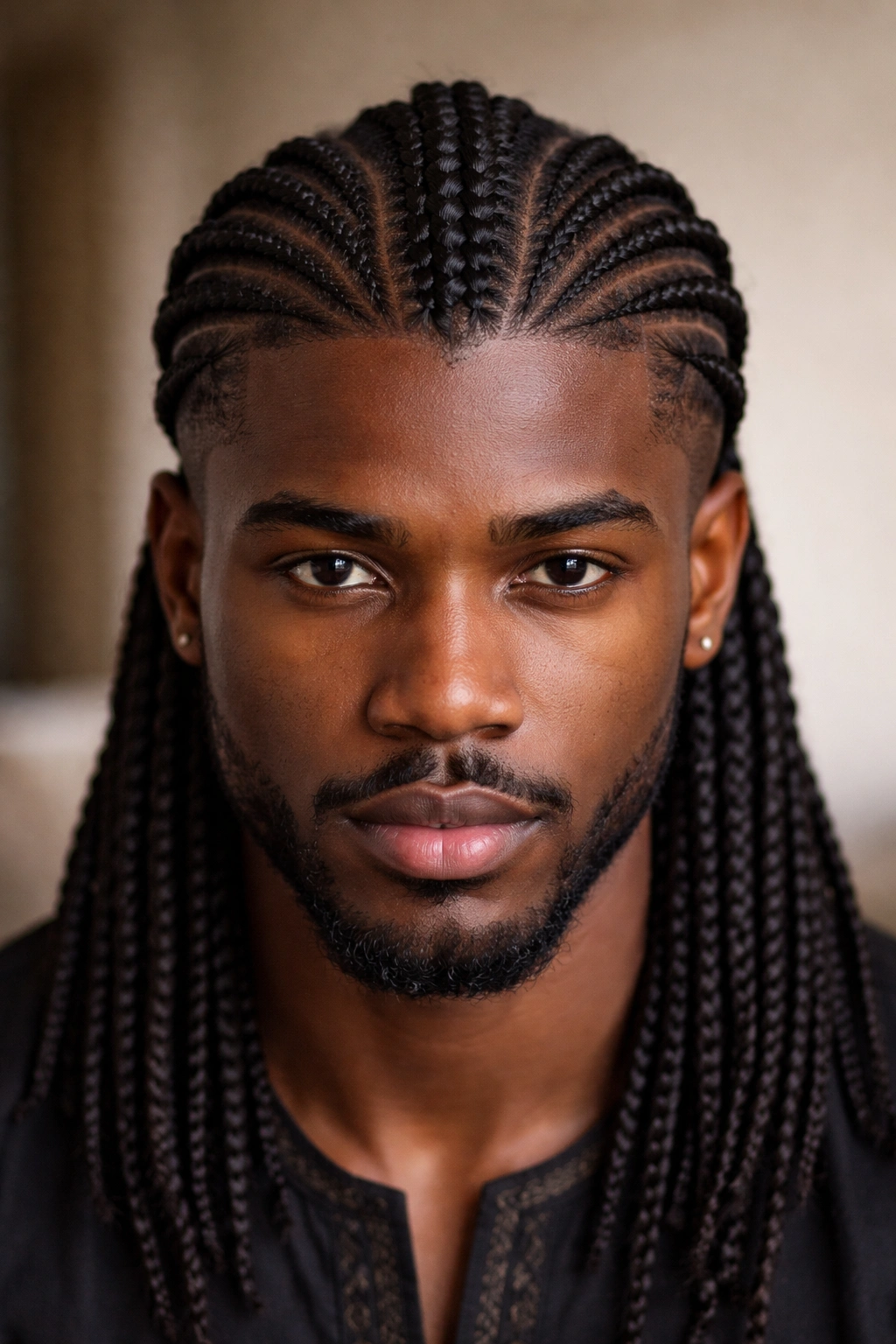
This sophisticated style features braids arranged in a pattern that creates a central ridge or crown design running from forehead to back, with additional braiding or style work filling the remaining areas of the head. The central ridge becomes the focal point, drawing the eye upward and creating a look that’s simultaneously regal and distinctly Yoruba in its design approach.
The Design Vision Behind Crown Braids
Crown braids require a clear vision of the overall design before work begins. The stylist must understand how individual braids will create larger visual patterns, ensuring that the central ridge is perfectly positioned and balanced. This style demands significant skill in both braiding technique and design composition. The look can vary dramatically based on braid size, arrangement of additional braiding around the central ridge, and any decorative elements or color incorporated into the braids.
Creating Your Crown Braid Design
- Sketch out or find reference images of the exact crown braid design you want — this is essential for communicating with your stylist
- Work with a braider experienced in complex patterning and crown styles
- Expect 2-4 hours for the initial creation, depending on hair length and design complexity
- The central ridge can be created using larger braids, multiple smaller braids arranged in proximity, or even incorporated with the pattern work we discussed in Asan-style designs
- Sleep on a silk bonnet and maintain the style by gently separating any braids that seem to be merging together during the wearing period
- Plan to keep this style for 4-8 weeks before rebraiding
Quick fact: Crown braid styles photograph exceptionally well from the back, making them perfect if you’re planning professional photos or cultural celebration documentation.
Final Thoughts
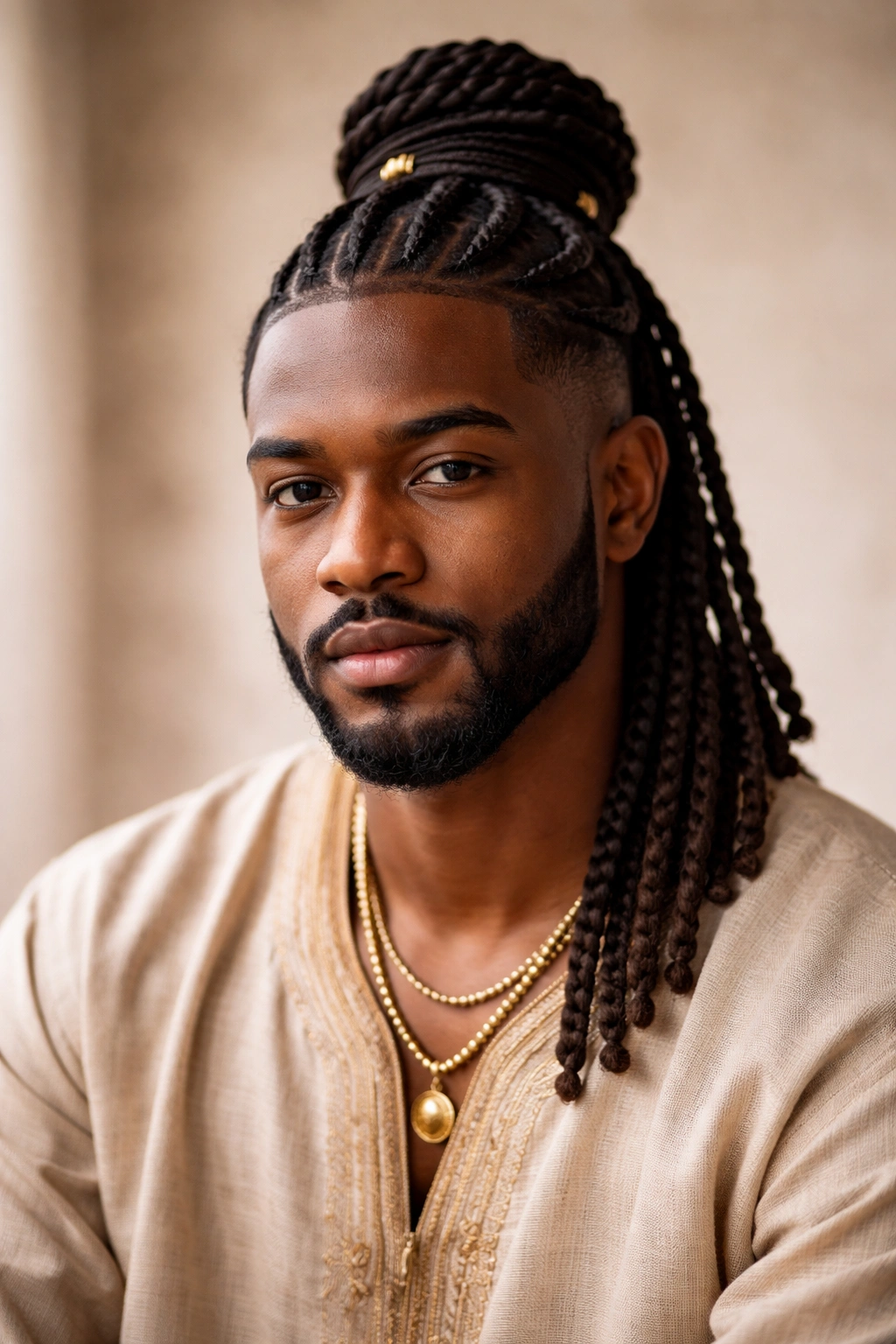
Yoruba hairstyles for men represent far more than personal grooming choices — they’re a direct connection to cultural heritage, artistic tradition, and personal identity. Whether you’re drawn to the bold geometric statement of an Asan style, the intricate artistry of braided designs, the sculptural presence of a well-shaped natural afro, or any of the other styles explored here, you’re choosing to participate in a living tradition that honors centuries of African artistry and innovation.
The practical reality is that many of these styles demand time, skill, and ongoing maintenance. That commitment itself is part of their cultural meaning — these aren’t styles for the impatient or the reluctant. They’re for people who recognize that what we choose to put on our heads communicates something genuine about who we are and what we value. Finding skilled stylists and barbers who understand Yoruba hairstyle traditions is genuinely important. Your experience will be fundamentally different with someone who knows these styles not as exotic novelties but as meaningful cultural expressions.
As you explore these options, remember that the most important element is authenticity — choosing a style that resonates with you personally and that you’re willing to commit to maintaining properly. The results are unmistakably worth the investment: a striking, culturally grounded appearance that feels like an extension of your identity rather than simply a style trend you’re following. That’s the real power of Yoruba hairstyling traditions — they transform hair into a statement of pride, artistry, and connection to something larger than yourself.
