



Straight hair has been a canvas for some of the most iconic looks in beauty history. From the mod precision of the swinging sixties to the glossy allure of the seventies disco era, sleek and straight styles have defined entire decades. The remarkable thing about these retro looks is that they’re not relics of fashion history—they’re endlessly adaptable to modern hair and modern life, yet instantly recognizable for the era they represent. Whether you’re drawn to the sharp geometric cuts that made heads turn, the effortless waves of a bygone era, or the pure shine and simplicity of a well-executed straight style, retro straight hair offers endless inspiration.
What makes retro straight hair looks so compelling is their intentionality. These weren’t accidental styles—they required commitment, technique, and often a signature product or tool that defined the era. A 1960s bob wasn’t just “short hair”; it was a calculated geometric statement. A 1970s center part wasn’t just a way to style your hair; it was a declaration aligned with the cultural values of that time. Understanding these looks isn’t just about recreating them; it’s about grasping the philosophy behind them and adapting that intention to your own style today.
The beauty of retro straight hair looks is that they work across different hair textures, face shapes, and personal styles. You don’t need naturally straight hair to achieve these looks—modern straightening tools make them accessible to everyone. And here’s something many people miss: the most iconic retro straight styles are actually easier to maintain and style than many contemporary trends. You’ll find yourself spending less time fussing and more time rocking a look with genuine personality and presence. Let’s explore the ten retro straight hair looks that have earned their place in style history, and how to make them work for you today.
1. The 1960s Sleek Geometric Bob
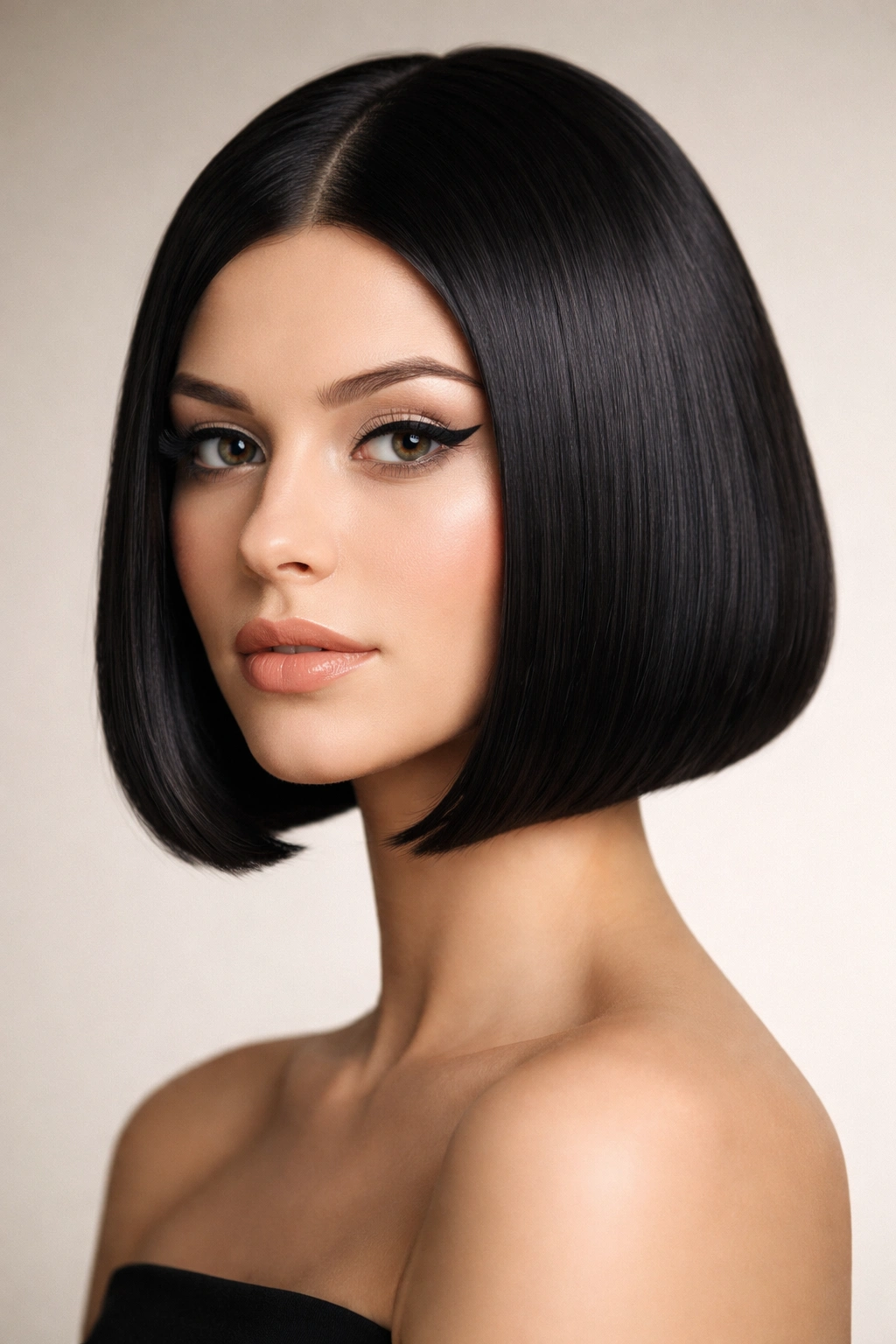
The bob haircut of the 1960s wasn’t just short—it was a revolution. Pioneered by legendary stylist Vidal Sassoon, the geometric bob featured ruler-straight lines, blunt-cut ends, and a precision that made every angle matter. This wasn’t a soft, rounded bob; it was architectural, almost sculptural. The hair sat in a perfect, chin-length line with a sleek center or side part, and every strand had its designated place. What made this look so striking was the interplay between the sharp lines of the cut and the glossy, mirror-like shine of meticulously straightened hair.
Why It Stands Out in Retro Styling
This bob represents a turning point when hair became a statement of modernity and individuality. The 1960s geometric bob communicated sophistication, confidence, and a willingness to embrace bold change. It required a skilled stylist and weekly maintenance, which itself became a social ritual. The look paired perfectly with the minimalist fashion, bold eyeliner, and cultural shifts of the decade. Today, recreating this look signals an appreciation for precision, clean lines, and timeless elegance that transcends trend cycles.
Essential Characteristics of the Look
- Blunt-cut ends that hit precisely at the jawline or chin
- Perfectly straight texture with a high-gloss finish
- Center or asymmetrical side part with clean lines
- Minimal layers, if any—the strength is in the cut itself
- Often paired with a slight inward flip at the ends for movement
- Requires straightening tools and shine-enhancing products to maintain
Pro tip: This look demands a really good haircut from someone who understands precision. Book with a stylist who specializes in geometric or blunt cuts, not just general trims. The cut itself does most of the work; your job is mainly maintaining the straightness and shine.
2. The 1970s Pin-Straight Center Part
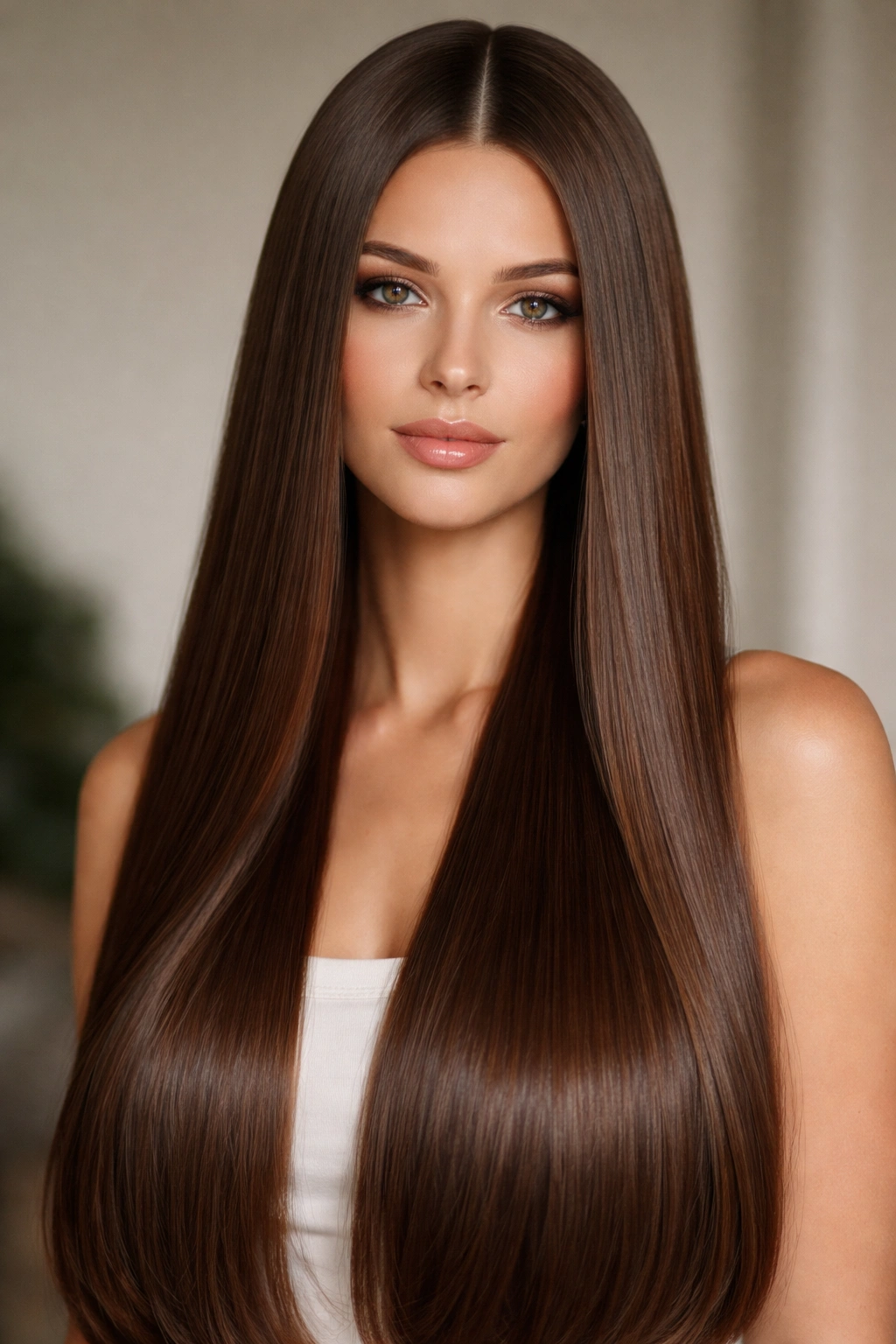
The 1970s brought a shift from the structured geometry of the previous decade toward something more relaxed, yet paradoxically even straighter. The pin-straight center part was the decade’s most emblematic look—hair parted directly down the middle and hanging completely straight, often long and super-shiny. This wasn’t about cut; it was about texture and shine. The straighter and sleeker the hair, the more it epitomized the disco glamour and casual elegance of the era. Think Farrah Fawcett’s famous feathered layer variation, but also the countless variations where straight, uncomplicated hair was the whole statement.
What Made This Look So Revolutionary
The 1970s obsession with super-straight hair reflected a cultural fascination with shine, naturalness, and unstructured femininity after the rigid formality of the sixties. The center part was democratic—it looked good on everyone, regardless of face shape or hair thickness. It was also incredibly versatile; you could wear it down for a disco night, half-up for daytime, or pin it back with a barrette for a softer vibe. The shine became almost as important as the cut; reflective, healthy-looking straight hair was the goal. This era also saw the rise of the flat iron (though not called that yet) and the beginning of the straightening product revolution.
How to Nail the 1970s Center Part
- Part your hair directly down the middle, from your hairline to the nape
- Straighten sections slowly, paying attention to ends for maximum shine
- Use a lightweight shine serum or oil to enhance reflection without greasiness
- Consider loose layers, especially around the face, for movement
- Length should be at least shoulder-length for the full effect
- The straighter and shinier, the more authentic the look
Worth knowing: This look can actually make you look fresher and younger than you’d expect because the center part frames your face symmetrically. It also happens to be one of the easiest retro looks to maintain—you’re not relying on complex styling, just straightness and shine.
3. The 1980s Voluminous Straight Blowout
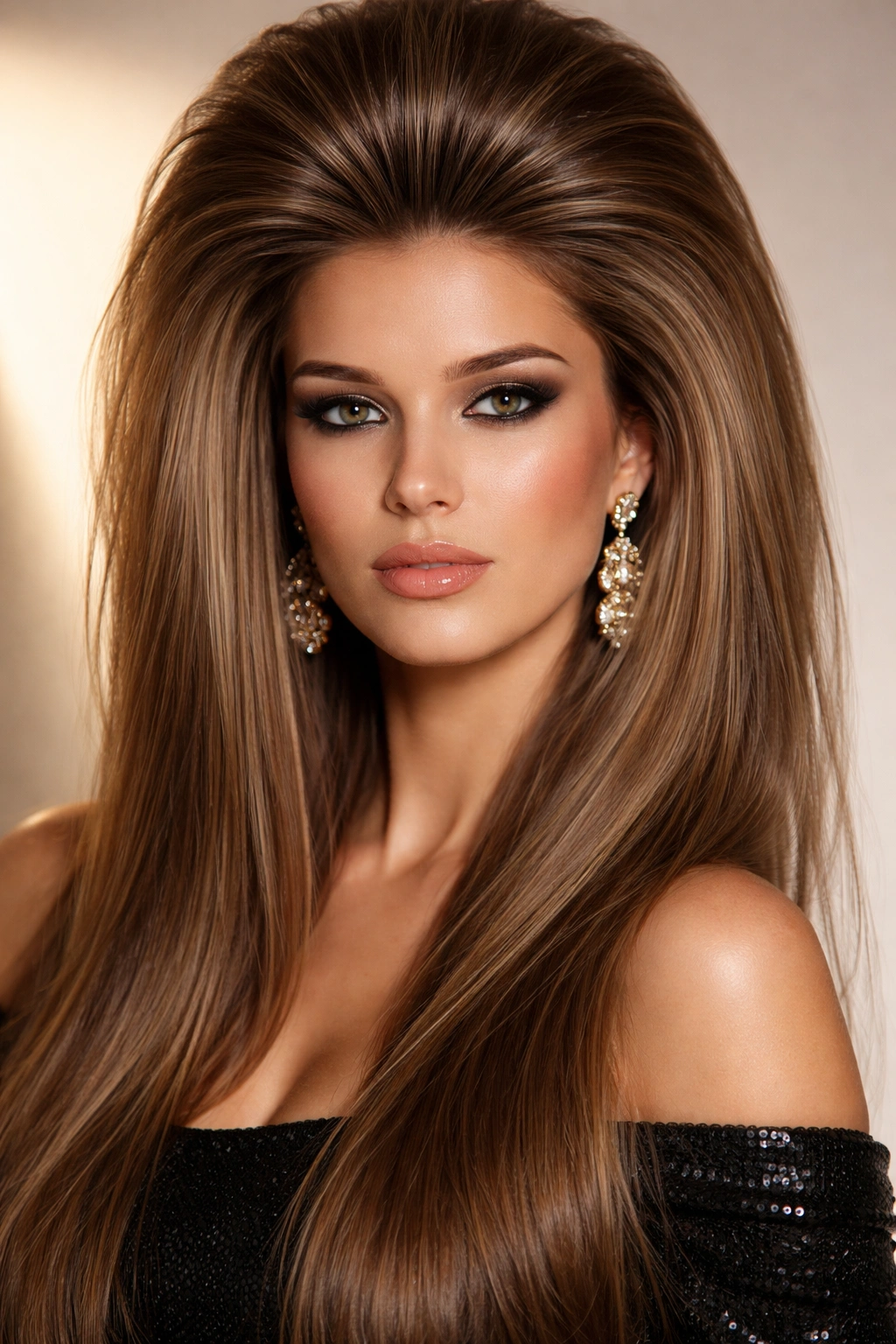
The 1980s celebrated excess in everything, and hair was no exception. The voluminous straight blowout combined two seemingly contradictory goals: maximum volume at the roots and sleek straightness through the lengths. This style featured hair that was teased, ratted, or backcombed at the crown for dramatic lift, then smoothed out with intense blow-drying and straightening products to create that signature 1980s texture—big on top, straight below, often with a hint of wave or flip at the ends. The shine was still important, but the real statement was the architectural volume.
Why Volume With Straight Hair Made Sense in the 1980s
The 1980s was all about architectural shapes, bold statements, and visible effort. The voluminous straight blowout required tools, products, and technique—it wasn’t something that happened naturally. That required effort made it desirable. The look also suited the power-suit era and the broader aesthetic of “bigger is better.” Pairing volume with straightness created a style that photographs beautifully and photographs, at that time, were how people saw you in magazines, in printed materials, and on MTV. The volume created dimension, while the straightness provided a clean silhouette.
Creating the 1980s Voluminous Blowout
- Tease or backcomb sections at the crown before blowing dry
- Use a round brush to create volume while blow-drying
- Apply straightening cream or serum to the lengths before heat styling
- Blow dry hair straight, then use a flat iron to smooth any texture
- Create movement with a large-barrel curling iron, then straighten to set the wave lightly
- Finish with hairspray that holds without making hair feel stiff
- The goal is smooth texture with height and presence
Pro tip: The key to this look today is balance—you want the retro volume without looking like you’re trying too hard. Modern straightening products are way better than what existed in the 1980s, so you can achieve the shape with less product buildup and a more refined finish.
4. The 1990s Razor-Sharp Straight Cut With Blunt Bangs
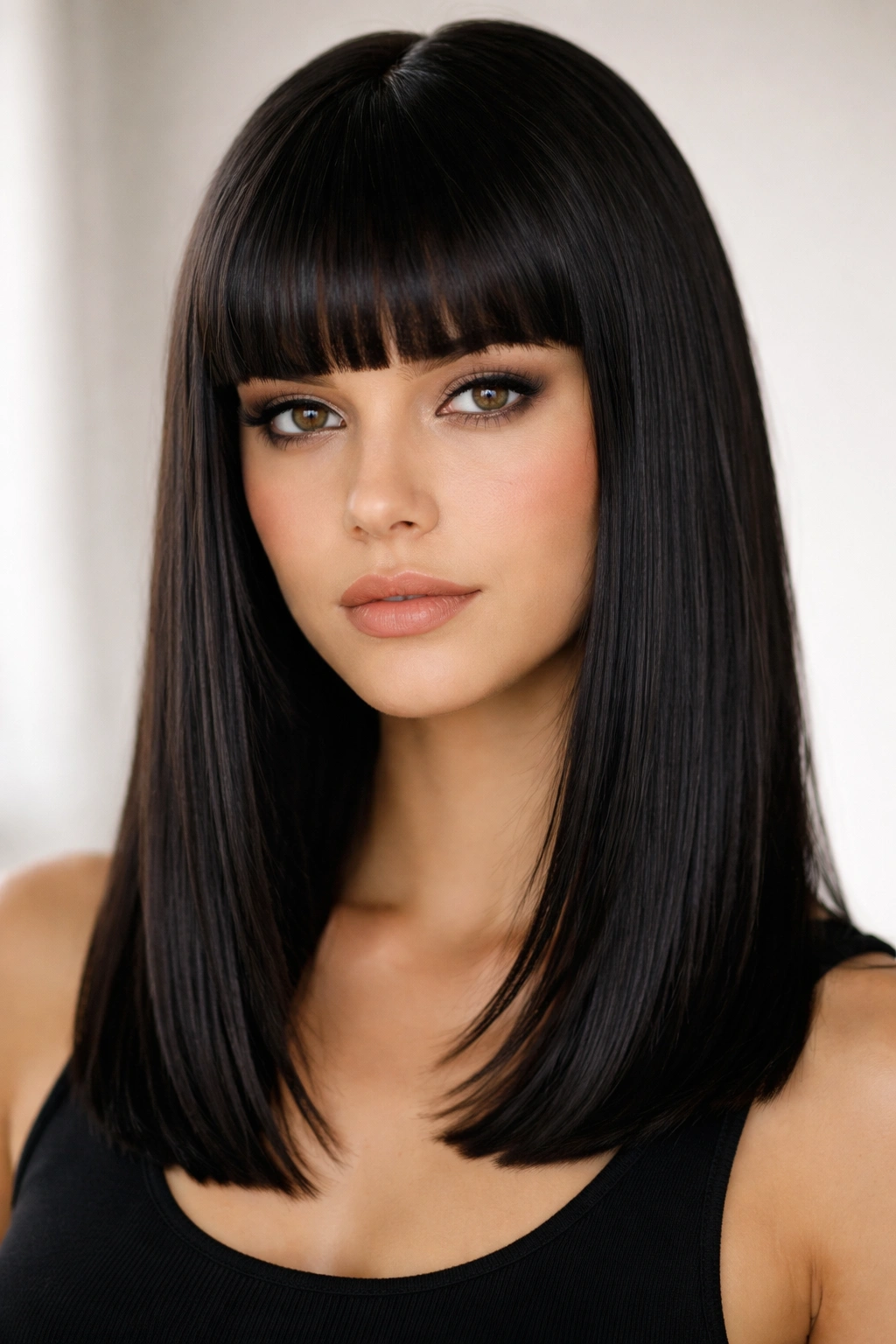
The 1990s had many faces, but one of its most iconic straight-hair moments was the razor-sharp straight cut paired with heavy, blunt bangs. This style was seen on everyone from celebrities to everyday people who wanted that effortlessly cool grunge-meets-minimalism vibe. The bangs were usually cut perfectly straight across the brow, often with a slightly below-eyebrow length that created an immediate visual statement. The rest of the hair was cut in a simple, blunt line—often shoulder-length or shorter—with minimal layers. The straightness had to be impeccable; any texture or wave would compromise the sharp geometry the cut required.
The Philosophy Behind 90s Straight Hair and Bangs
The 1990s was a reaction against 1980s excess—toward simplicity, authenticity, and a kind of understated cool. Heavy, straight bangs communicated “I don’t care what you think” while simultaneously showing that you cared deeply about your aesthetic. The look paired perfectly with minimalist fashion, slip dresses, and the broader cultural shift toward “effortless” style. It’s worth noting that this “effortless” look was actually very deliberate; it just aimed to hide that effort. The straight bangs required regular trims every four to five weeks, and the overall straightness demanded consistent maintenance.
Executing the 1990s Razor Straight Look
- Ask your stylist for a blunt bang cut right below or at the eyebrows
- Keep the overall length simple—avoid too many layers
- Cut the rest of the hair in a blunt line below the chin or at shoulder length
- Straighten thoroughly, paying special attention to the bangs
- Pair with minimal styling—don’t over-blow-dry or over-product
- A straight, shiny finish is essential; texture disrupts the whole effect
- Expect to get bang trims every four to five weeks
Insider note: If you’re trying this look, the blunt bangs are the make-or-break element. They need to be cut really well and maintained consistently, or they’ll look sad and overgrown. But when they’re done right, they create an immediate, recognizable, and genuinely cool aesthetic that feels retro but still contemporary.
5. The 1950s Sleek Straight Ponytail
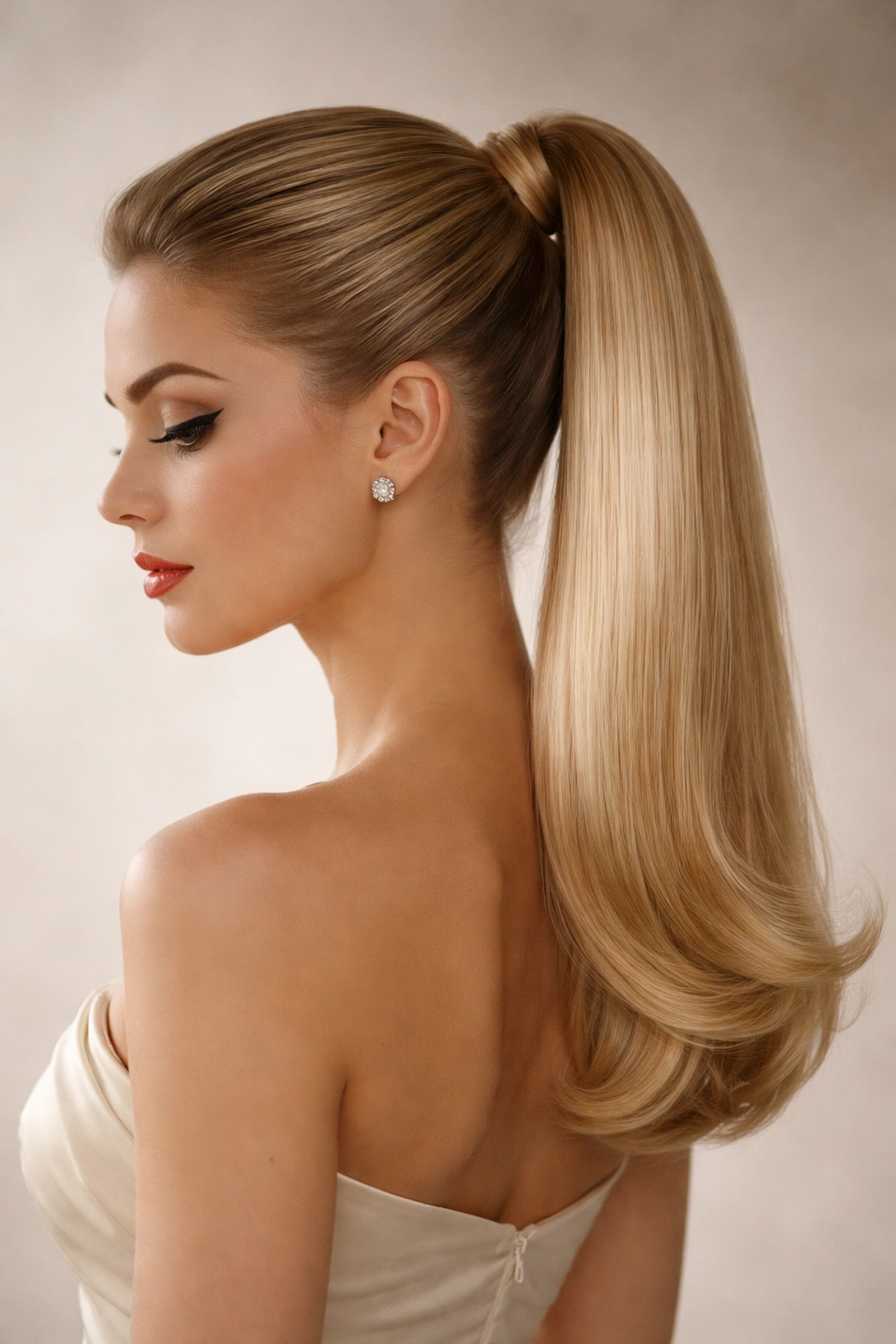
Before the era of the bouffant and the poodle skirt, there was the sleek, sophisticated straight ponytail of the 1950s—a style of understated elegance that has become iconic in its own right. This wasn’t a casual, messy ponytail; it was a structured, polished style with every strand smoothed back into a high, centered ponytail that was often tied with a coordinating ribbon or decorative band. The hair itself had to be pin-straight, gleaming, and controlled. This ponytail represented the refined femininity of the era—neat, contained, and consciously styled without looking like it required any effort.
The 1950s Approach to Elegant Simplicity
The 1950s celebrated a kind of controlled femininity where everything was in its place. The sleek ponytail represented that philosophy perfectly. Compared to the voluminous curls many women wore in the 1950s, the straight ponytail was almost rebellious in its simplicity. It was practical (great for keeping hair off the face), polished (appropriate for any occasion), and inherently flattering. This look also played beautifully with the jewelry, collars, and necklines of 1950s fashion; an exposed neck and jawline created opportunities for showcasing earrings, necklaces, and the shaped silhouettes of the era’s clothing.
How to Create a Retro 1950s Ponytail
- Blow dry and straighten your hair completely beforehand
- Comb hair straight back from the hairline with a fine-tooth comb
- Gather at the crown or mid-head (depending on how high you want it)
- Use an elastic band or decorative clip to secure
- Take a small section of hair from the ponytail and wrap it around the base to hide the elastic
- Bobby pin the wrapped section and smooth down any flyaways with pomade or serum
- Straighten the ponytail itself with a flat iron for maximum sleekness
- Pin curls at the end for a gentle wave, or leave completely straight for purity
Worth knowing: This look is incredibly flattering and works for so many face shapes because it opens up your features. It’s also way easier to maintain than many other retro styles—once you have your hair straightened and in the ponytail, you’re done. No complex styling required.
6. The 1960s Twiggy Geometric Cut
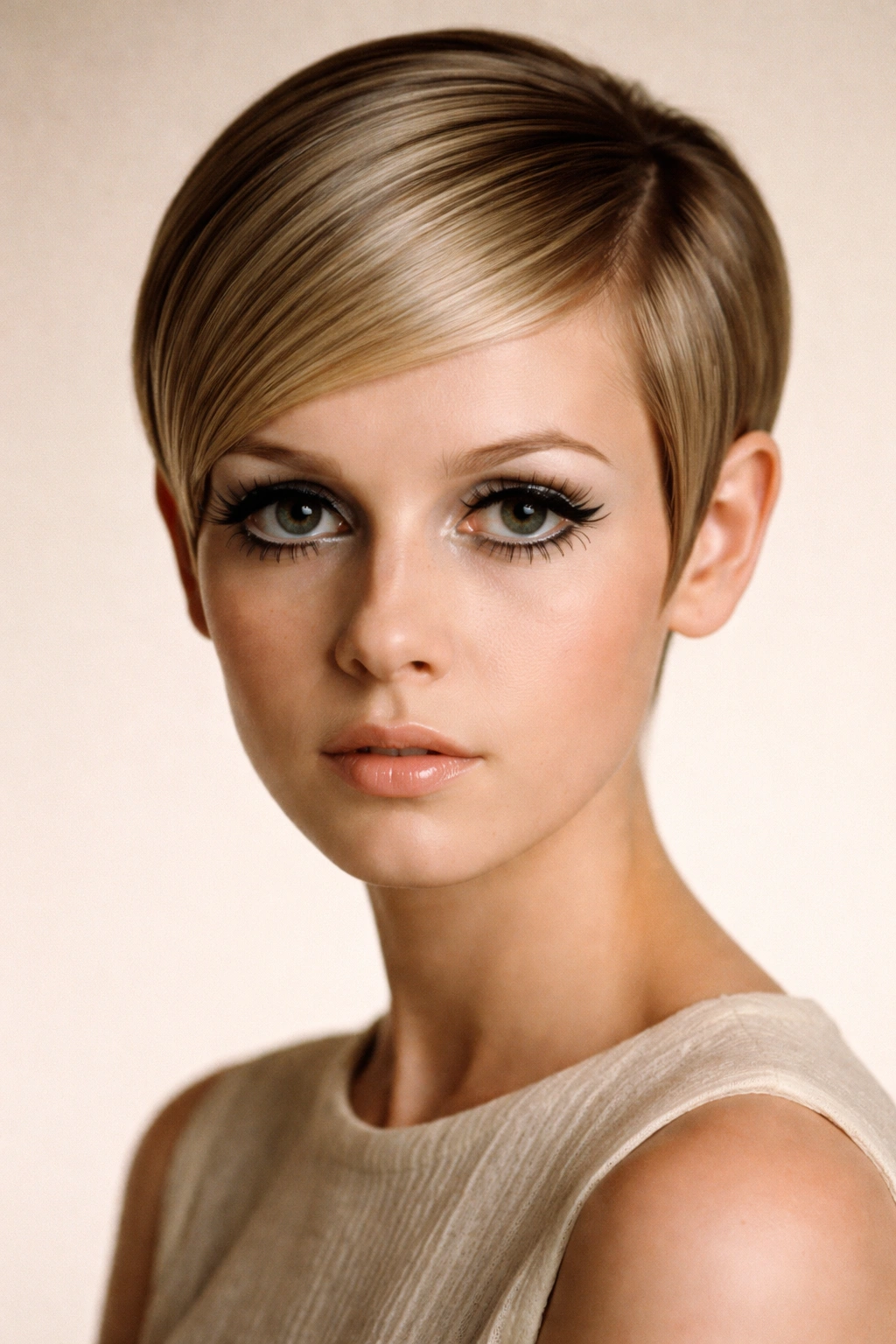
The 1960s gave the world many iconic straight-hair moments, but the Twiggy cut—a super-short, geometric, androgynous style—stands as one of fashion’s most transformative looks. This wasn’t just a haircut; it was a statement about modernity, youth, and breaking from convention. The cut featured razor-sharp lines, minimal length (often pixie-short or slightly longer in front), and perfect symmetry. It required impeccable straightening and shaping to work; any wave or texture would soften the angles and compromise the geometric precision that made the look so striking. The shine had to be immaculate, emphasizing every clean line.
Why This Look Represented a Cultural Shift
Twiggy’s geometric cut symbolized a radical departure from the feminine aesthetics that had dominated previous decades. It was short, sharp, and deliberately unfeminine in traditional ways—which made it profoundly feminist. The cut communicated confidence, youth, and a willingness to stand out. It required a truly excellent stylist and commitment to regular trims to maintain the geometric precision. The straight texture was essential because it made every angle visible; you couldn’t hide behind texture or wave. This look became synonymous with the mod movement, youth culture, and London’s fashion revolution.
Achieving the Geometric Precision
- Work with a stylist experienced in geometric or architectural cuts
- The cut should be short—anywhere from pixie to chin-length, depending on your preference
- Ask for razor-sharp, clean lines with minimal blending
- Straighten completely to reveal every angle of the cut
- Use a shine serum to enhance the reflective quality
- Maintenance requires trims every 4-6 weeks to keep the geometry sharp
- Pair with minimal styling—the cut itself is the statement
Pro tip: This is not a beginner’s retro hairstyle. It requires a really talented stylist and commitment to regular trims. But if you’re willing to invest in both, you’ll have a look that’s immediately recognizable, genuinely cool, and easier to style than you’d expect.
7. The 1970s Feathered Straight Layers
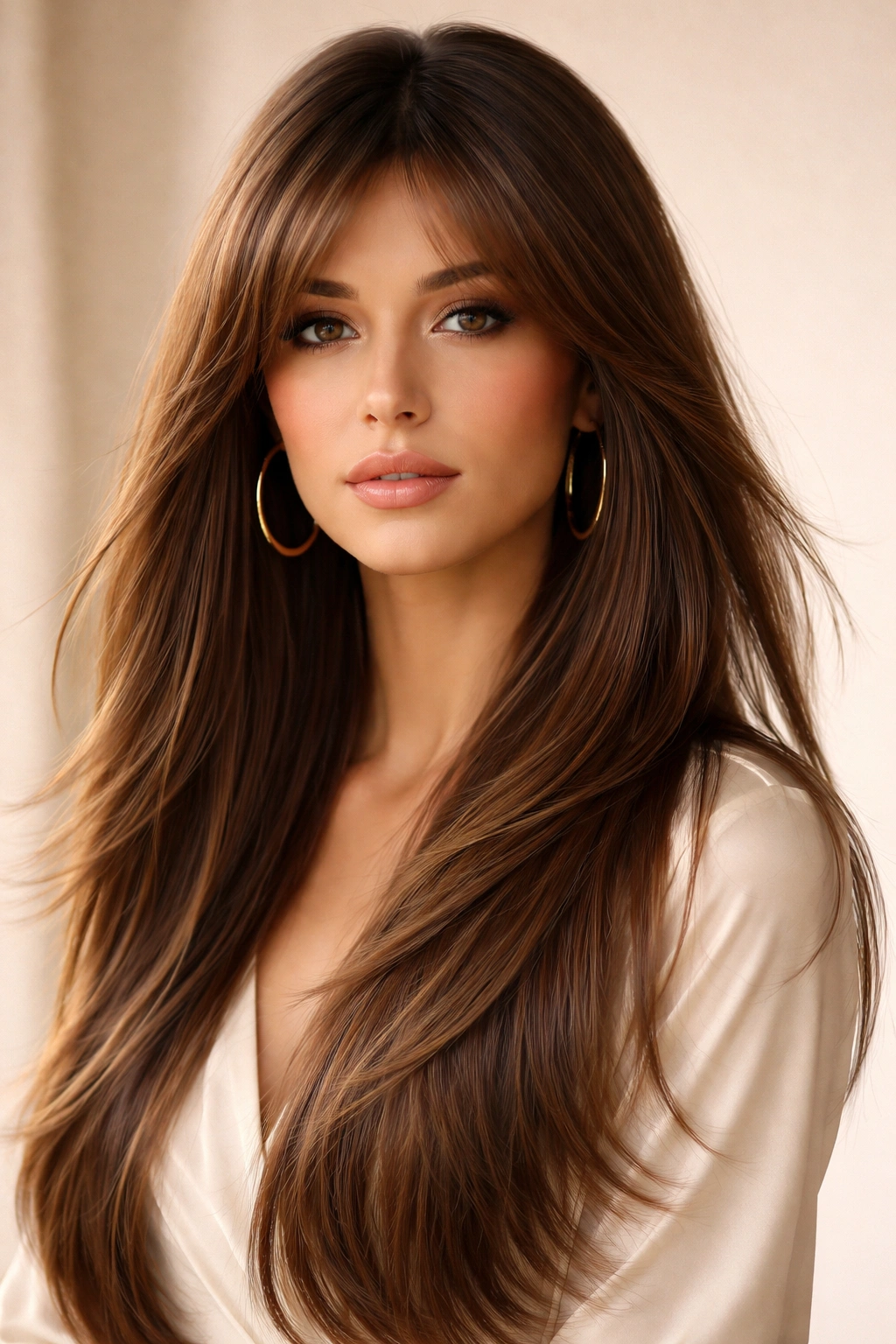
The 1970s brought feathering to straight hair, creating a style that combined the era’s obsession with texture and movement with the sleekness that defined the decade’s hair aesthetic. Feathered straight layers featured longer hair with strategically placed layers that created movement and flow without actually curling the hair. The key was the cut; each layer was shaped to feather and move while the hair remained fundamentally straight and smooth. The style was versatile—you could wear it down for maximum impact, or blow-dry for subtle waves that emphasized the layering. This look managed to feel both effortlessly casual and deliberately styled.
The Artistry Behind Feathered Layers
Feathering in the 1970s was a real technical skill. It wasn’t just about cutting lots of layers; it was about understanding how layers interact with the hair’s natural movement, how they catch light, and how they frame the face. The best feathered styles appeared effortless while actually requiring a great cut and some blow-dry technique. The style paired perfectly with the era’s obsession with movement and flow—you see it in the fashion, the music, the whole aesthetic. Hair that moved was hair that looked alive, and feathering created that movement without sacrificing the straightness that was fundamental to 1970s style.
Creating Feathered Straight Layers
- Ask your stylist for feathered layers—explain that you want movement without curl
- Layers should be concentrated around the face and crown, with longer lengths maintained below
- Use a blow dryer and round brush to create subtle waves as you dry
- Straighten any sections that need more definition
- The result should look smooth and straight when you’re standing still but move slightly when you walk or move your head
- Product-wise, use a lightweight serum for shine, not heavy pomade
- Keep the back relatively long and straight while front pieces are shorter and more layered
Insider note: This is one of the most flattering retro straight-hair looks because it combines the sleekness everyone loves with movement that’s genuinely flattering. The layers around your face create softness without looking soft or feminine in an old-fashioned way.
8. The 1980s Flat-Iron Sleek Look
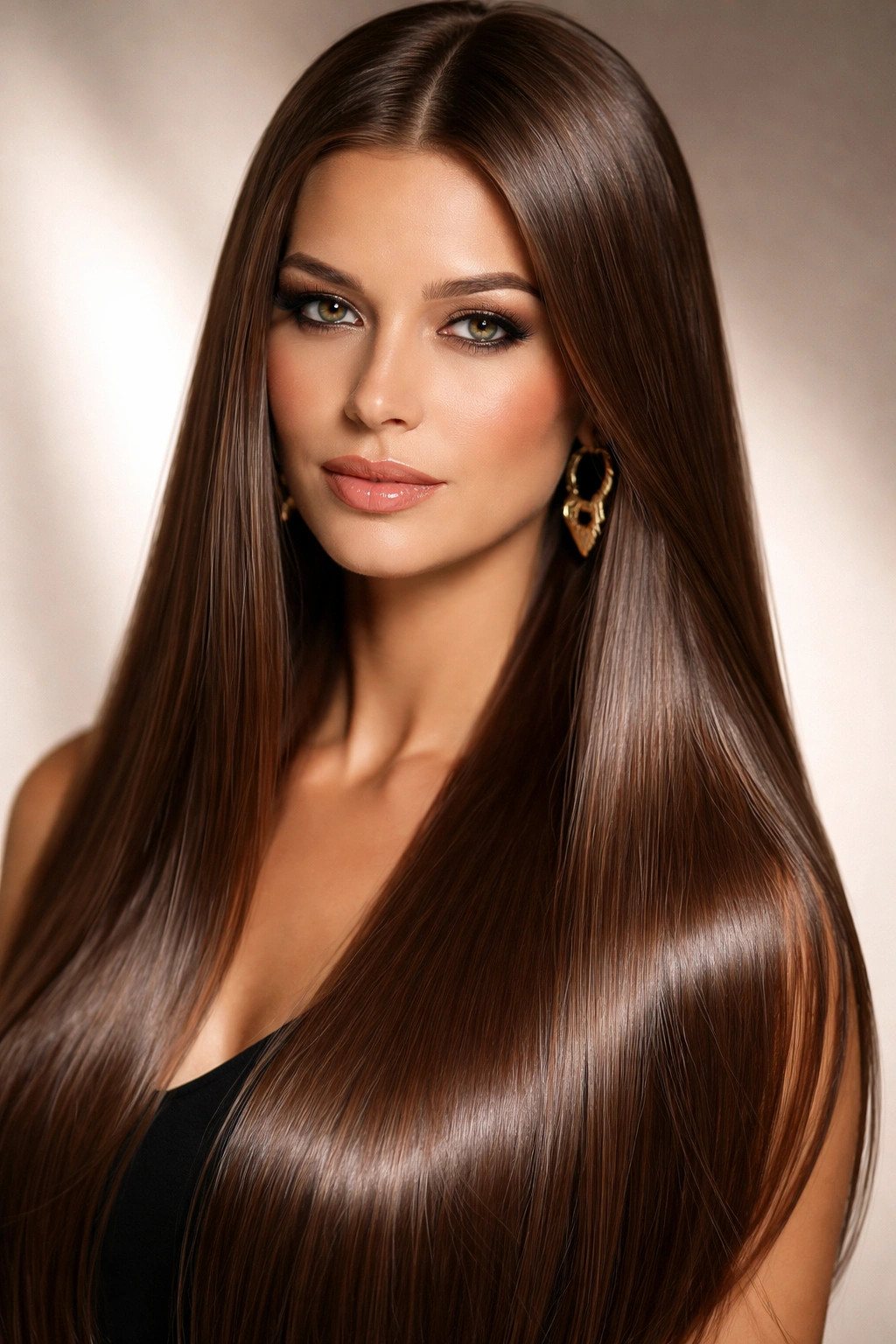
Before flat irons were called flat irons and became ubiquitous tools in every stylist’s kit, they were called straightening irons, and they were the secret to achieving the 1980s sleek look that defined power dressing and disco glamour. This style featured hair that was flattened and smoothed to an almost glossy perfection—not a wrinkle of texture, not a hint of wave. The hair was often longer, and the straightness had to be maintained throughout the day despite humidity, activity, and time. The 1980s flat-iron look was actually quite demanding in terms of styling and maintenance, but it paid off with an immediately striking, intentional aesthetic.
The Technical Achievement of 1980s Straightness
Achieving that signature 1980s sleekness required multiple passes with a straightening iron, quality straightening products, and often anti-humidity serums that weren’t readily available to everyone. It was a luxury look in many ways—it required tools, products, and time. But those who could achieve and maintain it had a look of immediate polish and presence. The straightness was also deeply connected to the era’s broader aesthetic preferences; in fashion, in makeup, in design, lines and sleekness were valued. The combination of that preference with the new technology of flat irons created the perfect moment for this particular style to flourish.
Nailing the 1980s Flat-Iron Sleek
- Apply a straightening serum or heat-protectant to damp hair
- Blow dry hair relatively straight as a base
- Use a flat iron on medium to medium-high heat, working slowly through sections
- Overlap your passes slightly for maximum smoothness
- Use an anti-frizz serum while hair is still warm
- Finish with a shine spray for that polished 1980s look
- The goal is zero texture, complete smoothness, and high shine
- This look requires touch-ups throughout the day, especially in humid environments
Worth knowing: Modern flat irons and straightening products are infinitely better than what existed in the 1980s, so you can achieve this look with way less damage and way more ease. You can also get away with less frequent touch-ups because the products are more effective.
9. The 1990s Straight and Choppy
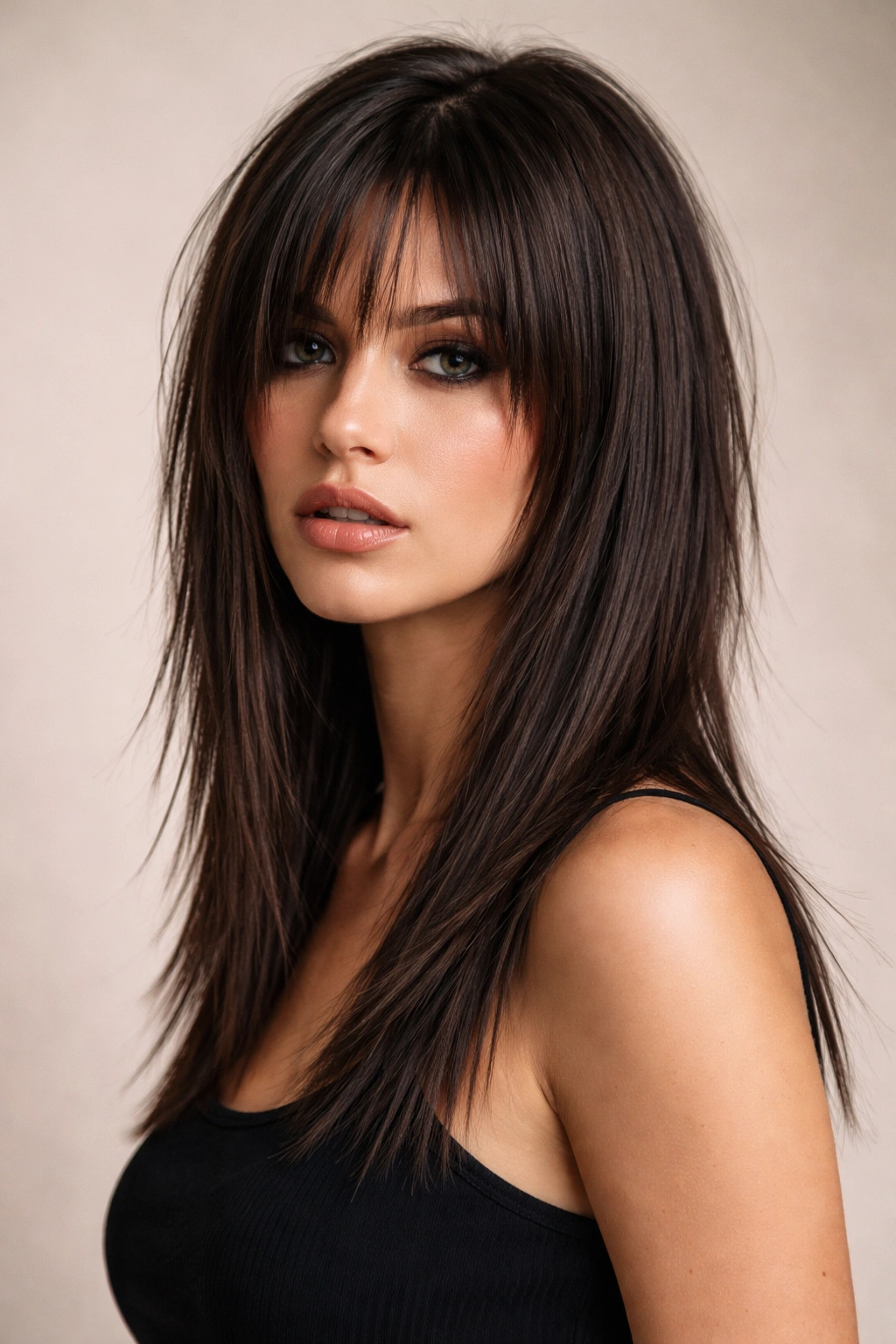
The mid-to-late 1990s had a particular straight-hair moment that combined bluntness with choppiness—a style that looked almost chaotic but was actually quite intentionally cut. This look featured shoulder-length or longer straight hair with choppy, uneven lengths throughout, often shorter pieces in front and longer in back, with an overall impression of controlled messiness. The straightness was essential; without it, the choppiness would just look like bad hair. But when you paired sharp, straight lines with uneven, choppy lengths, you created a look that felt edgy, cool, and deliberately anti-polished—which was exactly what late-90s style was about.
The Aesthetic of Intentional Imperfection
The 1990s had a complex relationship with perfection. On one hand, grunge had introduced the idea that “undone” was desirable. On the other hand, minimalism and the emerging cyberculture celebrated precision and clean lines. The straight and choppy look split the difference—it was precise in its straightness and geometry, but unpredictable in its layers and lengths. This created visual interest and movement while maintaining the fundamental sleekness of straight hair. The look also worked beautifully with the minimalist fashion of the era; a slip dress paired with choppy straight hair communicated both sophistication and a refusal to be overly polished.
How to Achieve the Choppy Straight Cut
- Ask your stylist for choppy layers with an emphasis on contrast and movement
- Shorter layers should be concentrated around the face and crown
- Longer pieces should extend to at least shoulder length
- Bangs can be choppy or blunt depending on your preference
- Straighten thoroughly to reveal the geometry of the cut
- Use a lightweight serum for shine, not heavy products
- The choppiness will be most visible when you straighten; when curled or wavy, it reads differently
- Maintain with trims every 6-8 weeks
Pro tip: This look is way more forgiving than it looks. The choppiness actually hides imperfections and works with different hair textures better than perfectly blunt cuts. If you’re considering a dramatic retro straight style but worried about commitment, the choppy option is more flexible.
10. The 1970s Disco-Era Straight and Shiny
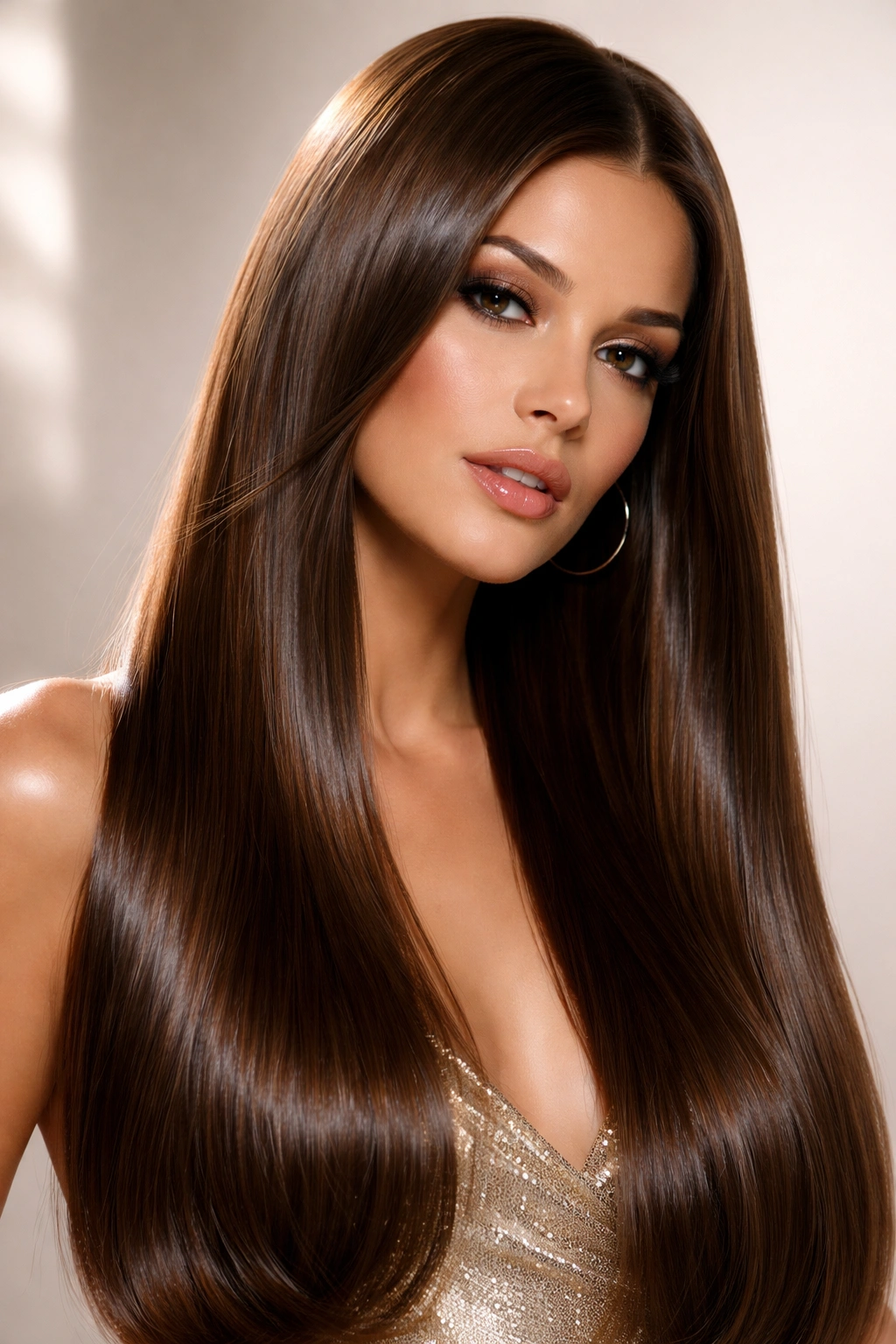
The 1970s disco era created an aesthetic where straightness, shine, and movement came together in one glorious statement. This look featured long, straight hair with a center or side part, often with some subtle wave or movement from blow-drying or pin curls, but fundamentally straight. The shine was absolutely essential—the goal was hair that reflected light, literally shined under disco balls, and caught attention from across a room. This wasn’t just “straight hair”; it was a showcase for health, vitality, and intentional glamour. The look represented the disco era’s values: excess, shine, glamour, and unapologetic celebration of beauty and body.
Why Shine Became a Statement in the 1970s
The 1970s disco era was all about reflection and light. Sequins, metallics, mirror balls, and shiny fabrics dominated the aesthetic. Hair participated in this celebration of shine and light. Super-straight, super-shiny hair was a status symbol; it indicated that you had time for hair care, access to good products, and a commitment to your appearance. The shine also visually elongated the hair and created an almost hypnotic effect when the hair moved. Disco-era straight and shiny also paired beautifully with the era’s makeup (lots of shimmer and shine there too) and the whole aesthetic of excess and glamour.
Creating the Disco-Era Straight and Shiny
- Straighten hair completely, section by section
- Use a high-quality shine serum while hair is still warm
- Consider using a blow-dry serum in addition to a finishing serum for multiple layers of shine
- Part hair in the center or to the side, depending on your preference
- You can add gentle waves with a blow-dryer and round brush, or pin curls, but keep the fundamental straightness
- Finish with a shine spray for extra reflective impact
- Maintain shine with regular deep-conditioning treatments
- Use products specifically formulated to enhance shine, not matte or texture-focused products
Worth knowing: This look is actually easier to maintain than many of the others because it doesn’t require a specific geometric cut or complicated layering. Your job is really just maintaining straightness and shine, which modern products make very achievable. It’s also genuinely flattering and works across different face shapes and hair textures.
Final Thoughts
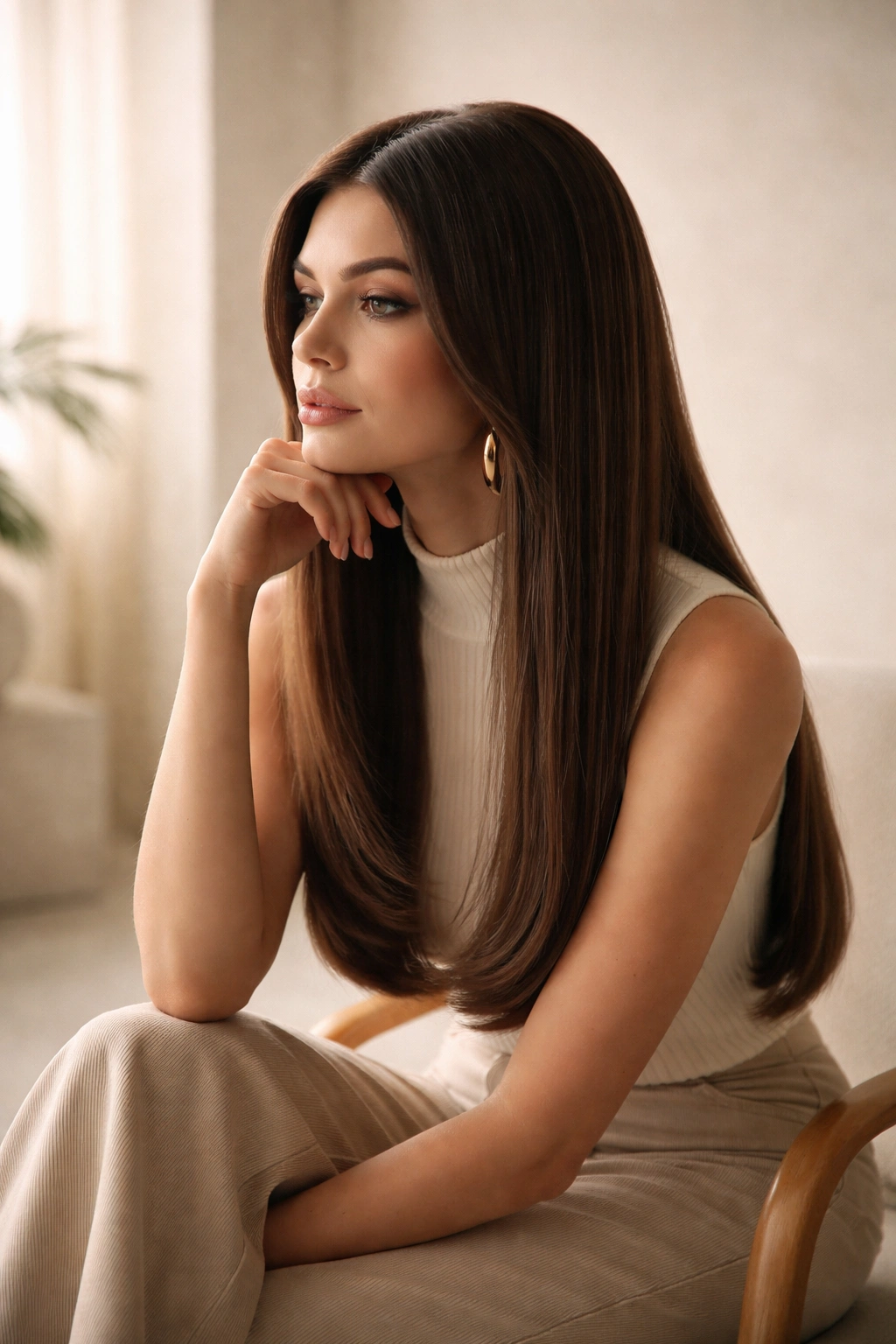
Retro straight hair looks remain timeless because they’re rooted in real technique, intentional styling, and the confidence that comes from owning a clear aesthetic. Whether you’re drawn to the geometric precision of the 1960s, the glossy straightness of the 1970s, the architectural volume of the 1980s, or the choppy attitude of the 1990s, these styles offer endless inspiration for creating something that feels both historically grounded and personally authentic.
The beautiful thing about straight hair retro looks is that they’re often more achievable today than they were in their original era. Modern straightening tools, heat-protectant products, and shine serums make creating these styles accessible whether you have naturally straight hair or not. You can achieve a 1960s geometric bob without needing weekly salon visits to maintain the cut (though you’ll want to), or a 1970s pin-straight center part without the complicated pin-curl setting that was once required.
Starting with a solid cut from a skilled stylist is always your first step, regardless of which retro look captures your attention. The cut does most of the heavy lifting; your daily styling job is then really about maintaining straightness and shine. Pick a look that resonates with your personal style and your face shape, invest in good straightening tools and shine-enhancing products, and give yourself permission to commit to regular maintenance. The payoff is a look with genuine personality, clear intention, and the timeless appeal of fashion that’s stood the test of decades.
