



A lob—that perfect middle ground between a short bob and longer hair—has become the go-to choice for anyone who wants to make a statement without committing to major length. And if you have straight hair, you’re actually in an ideal position to rock nearly any lob variation with minimal styling effort. Straight hair naturally showcases clean lines, sharp geometric shapes, and the precise geometry that makes lobs look polished and intentional.
The beauty of the lob on straight hair is that the cut itself does much of the heavy lifting. You don’t need to fight against texture or waves—instead, the cut’s shape, layering, and angles become the focal point. A lob can transform how you look entirely, adding movement and personality to your face shape without requiring you to spend twenty minutes with styling tools each morning. Whether you’re drawn to blunt, graphic lines or softer, feathered edges, there’s a lob variation designed specifically to flatter straight hair and work with your natural texture.
The key to choosing the right lob lies in understanding what each variation does. Some lobs create the illusion of fuller hair. Others elongate a round face or soften angular features. Some are built for minimal styling, while others give you the flexibility to dress them up or down depending on your mood. Straight hair’s clean lines mean that subtle differences in length, layer placement, and endpoint shape completely change the vibe of the cut—so picking the right one matters.
1. The Classic Shoulder-Length Lob
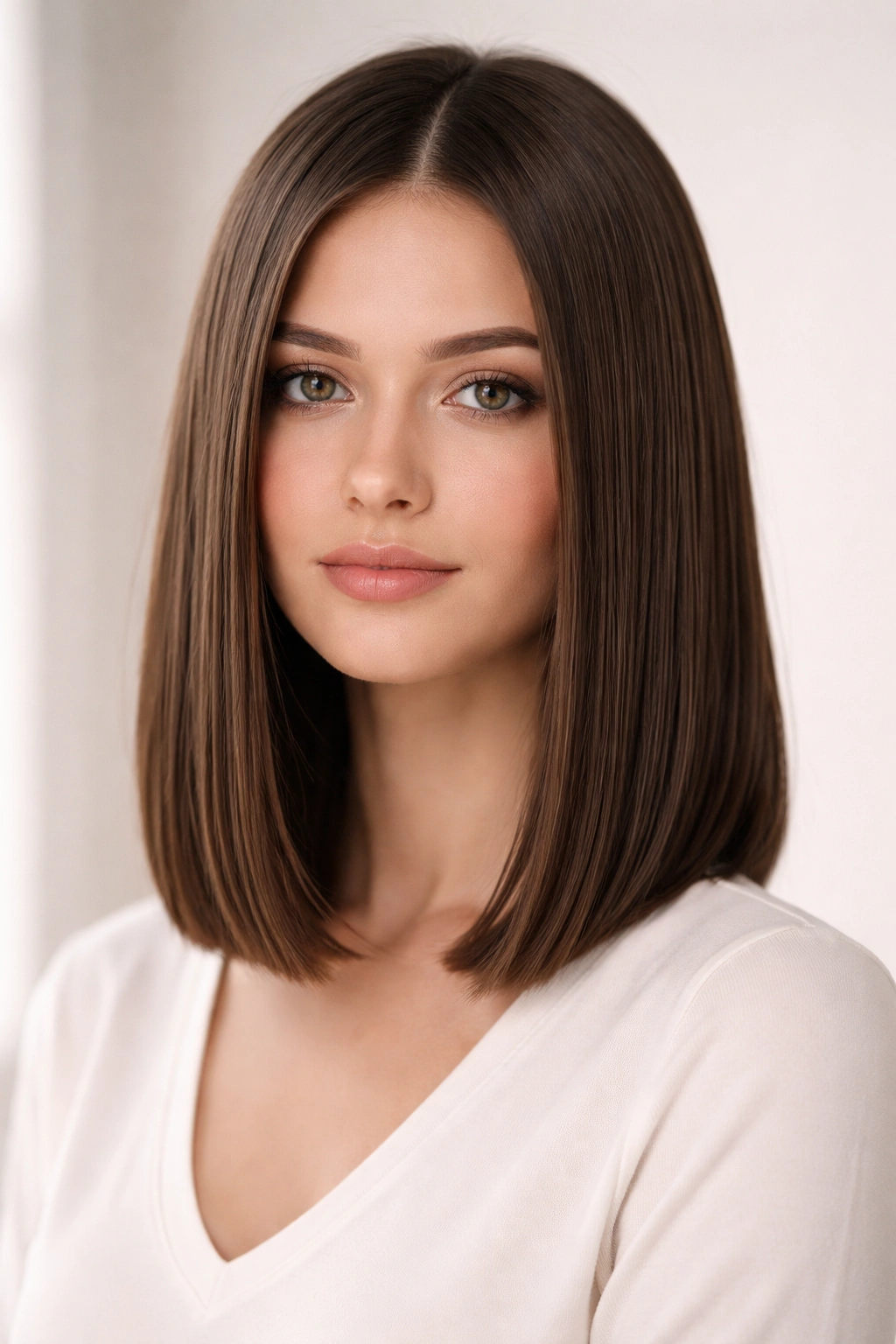
This is the foundational lob style—the one that started the whole movement—and it remains the most versatile option for straight hair. The classic shoulder-length lob typically hits right at or just below the shoulders, sitting at roughly chin level in the front and extending to the middle of the shoulder blade in the back. What makes it classic is the simplicity: one consistent length throughout with minimal layering, allowing the hair’s natural weight and the cut’s geometry to create visual interest.
Why It’s Perfect for Straight Hair
Straight hair makes this cut absolutely sing because there’s no frizz or texture competing with the cut’s clean lines. The blunt endpoint creates a precise frame around your face, and the weight of the hair naturally falls into place without requiring product or heat styling. The cut’s straightforward length is particularly flattering on straight hair because it doesn’t fight against your natural texture—it works with it. You get immediate polish without effort.
How to Make It Your Own
- Keep the ends blunt and freshly cut for maximum graphic impact
- Part it down the middle for a modern, balanced look
- Try a deep side part for more dimension and face-framing effect
- Add subtle internal layers if you want a touch more movement while keeping the overall length consistent
- The cut works beautifully with a simple blow-dry or even air-dried for a low-maintenance vibe
The classic lob also serves as the perfect base for experimentation. Once you have this cut, you can add bangs, incorporate layers, or adjust the part without losing the core structure that makes the style work.
2. The Textured, Choppy Lob
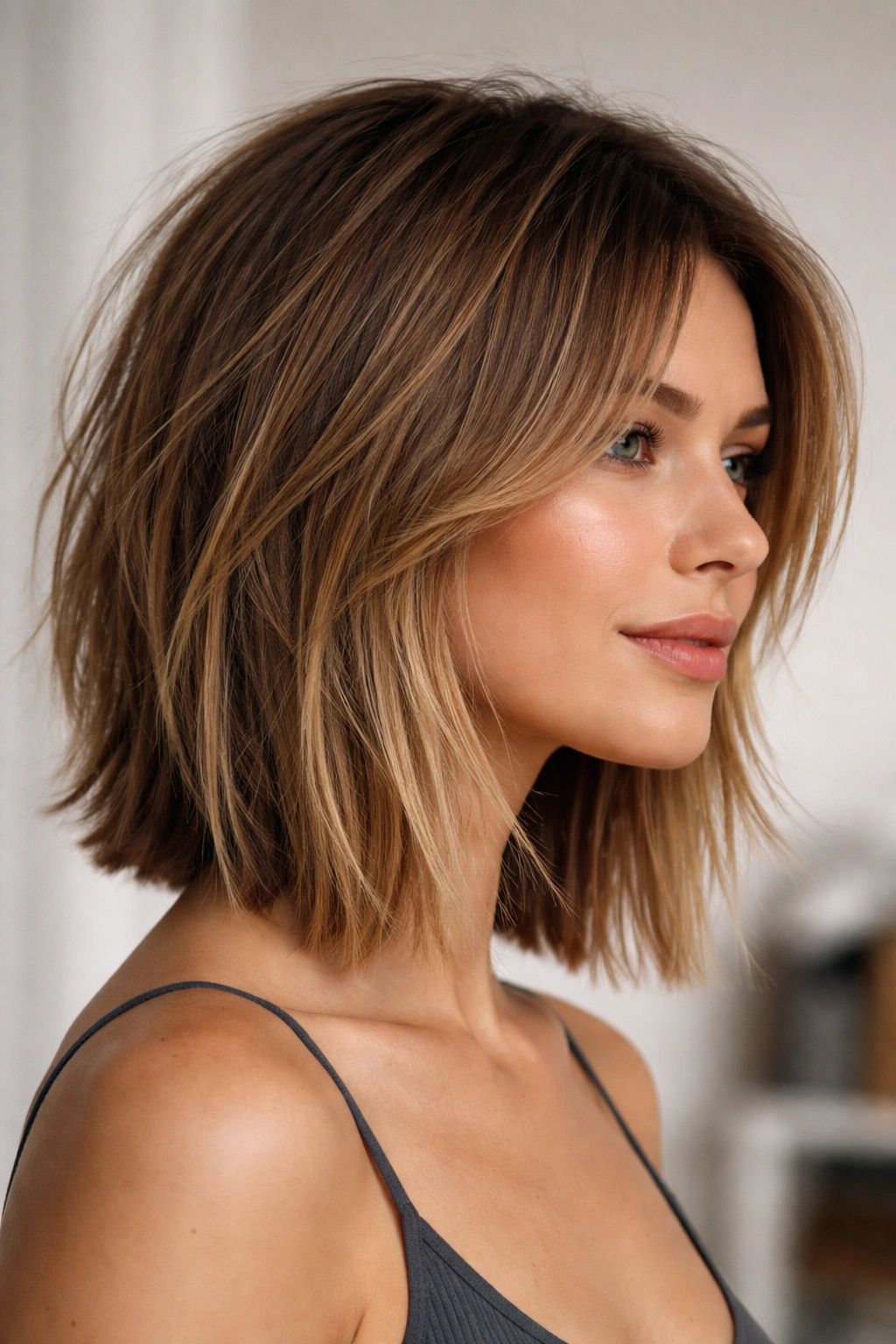
This lob takes the foundation of a shoulder-length cut and layers it extensively throughout, creating a deliberately piece-y, textured appearance. Instead of one blunt line, the choppy lob has strategic shorter pieces scattered throughout—particularly concentrated toward the crown and face-framing areas—that create movement and visual texture. It’s an edgier take on the classic lob, and it suits straight hair beautifully because the clean lines between each piece remain crisp and defined.
Why It’s Perfect for Straight Hair
Choppy layers on straight hair create definition without requiring your hair to be wavy or curly to show texture. Each layer sits distinctly, creating a three-dimensional silhouette from every angle. The cuts between pieces become architectural elements, and on straight hair, these edges remain sharp and intentional-looking rather than blending softly together. This style is particularly flattering if you have fine or thin hair because the layers create the illusion of fuller volume without adding weight.
Styling and Maintenance
- This cut looks intentional with a slight tousle or separation in the layers
- A light texturizing spray or sea salt spray enhances the choppy effect without requiring heat styling
- You can style it sleek and polished by blow-drying smooth, or piece-y and undone by scrunching in product
- Plan for trims every 6-8 weeks to keep the layers defined and choppy rather than blending into shapelessness
- This style photographs beautifully because the layers catch light and create visual dimension
The textured lob works particularly well for people with straight hair who want to add movement and personality without actually having waves or curls. It’s a cut that says you’re intentional about your style.
3. The Side-Parted Sleek Lob
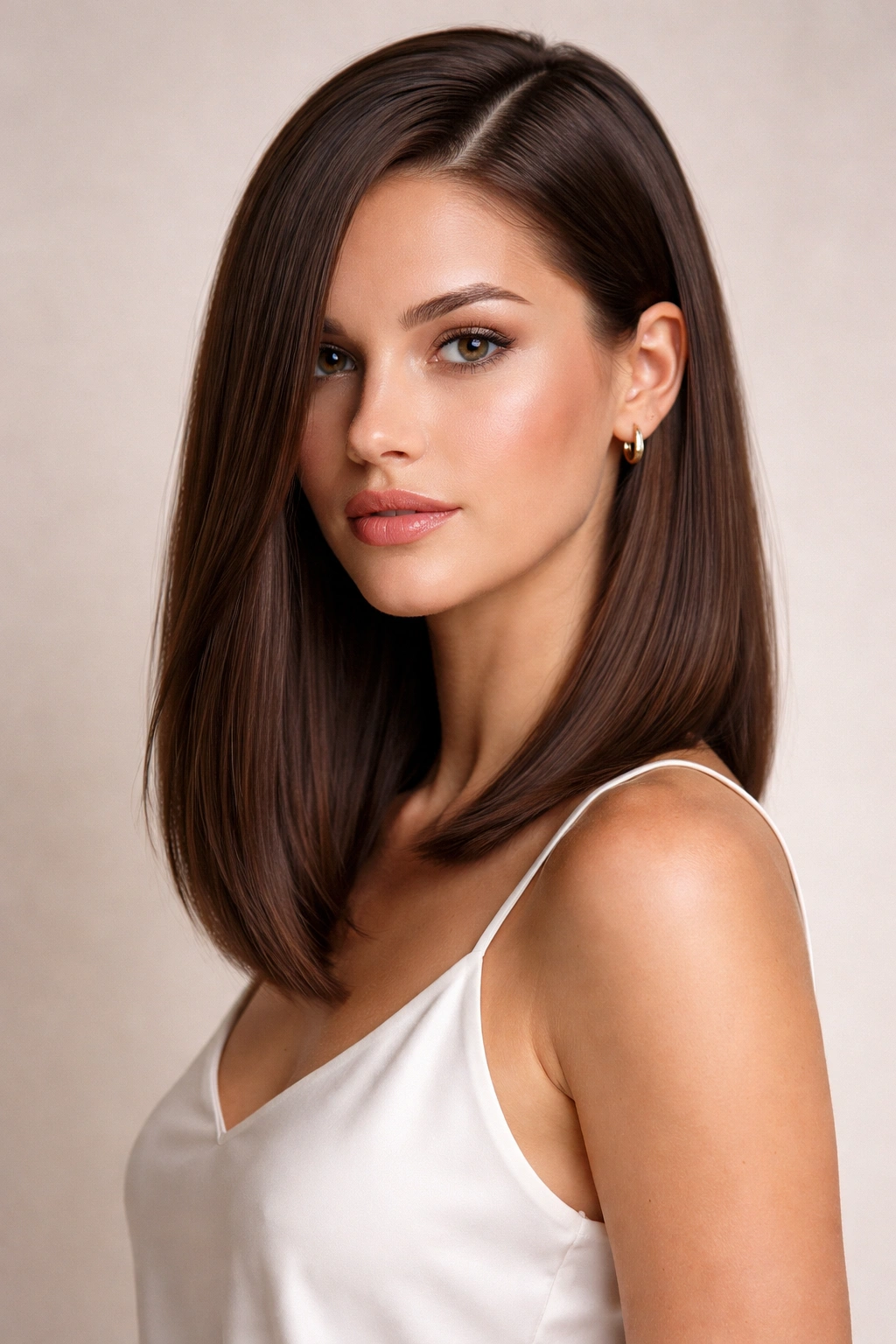
This lob emphasizes a strong side part—usually quite deep, sometimes even a side-swept arrangement—that creates asymmetry and elongates the face beautifully. The length remains consistent and blunt, but the side part means one side of your face gets more coverage and framing while the other side shows more face. On straight hair, this creates a polished, sophisticated look that’s surprisingly flattering on most face shapes.
Why It Works for Straight Hair
The side-parted lob relies on hair’s ability to fall cleanly away from one side of the face and drape over the other side. Straight hair executes this flawlessly—there’s no texture fighting against the part line, so the part itself becomes a clean graphic element. The asymmetry created by the deep side part adds visual interest to straight hair without requiring layers or texture. It’s a cut that photographs beautifully and feels inherently polished.
How to Style It
- The side part is absolutely essential to this style—it’s not optional
- Blow-dry your hair smoothly with the part in place to set the direction
- The longer side can sweep across the face or tuck behind the ear depending on your mood and face shape
- This style works with a minimalist approach—the cut and part do the work, so you don’t need heavy styling products
- The sleek version looks particularly refined if you blow-dry smooth, though you can also wear it air-dried for a more relaxed aesthetic
This lob is ideal if you have a round face, because the asymmetry and length create the illusion of a longer face shape. It’s also fantastic if you simply love the sophistication of a strong side part.
4. The Lob with Blunt Bangs
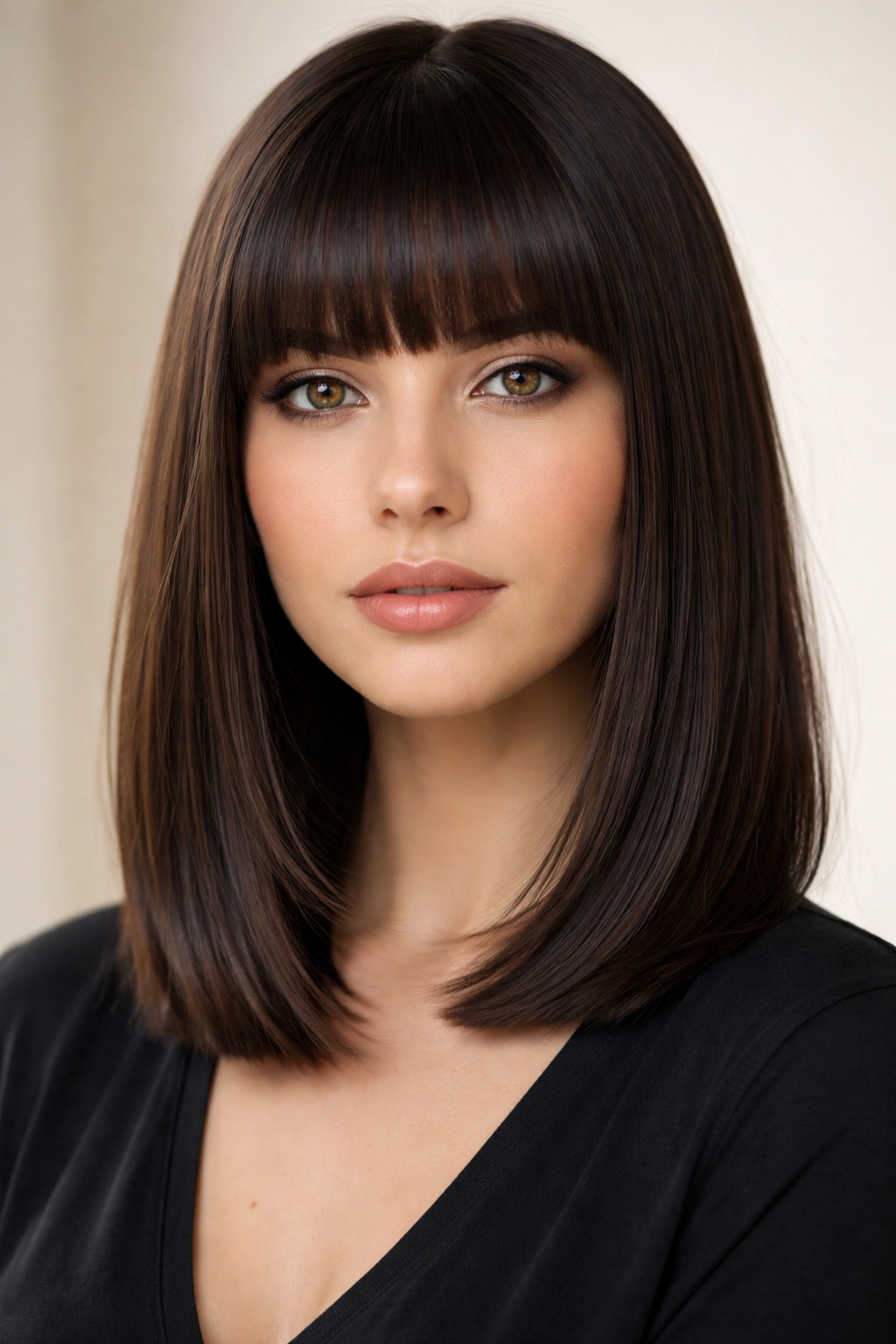
This is the lob that makes a statement through contrast: you’ve got the classic shoulder-length cut paired with a blunt, heavy fringe that sits anywhere from mid-forehead to eyebrow level. On straight hair, this combination is absolutely striking because both the bangs and the lob’s length create clean, decisive lines. The bangs add instant face-framing and personality while the lob below provides length and versatility.
Why Bangs Transform a Lob
Blunt bangs on straight hair are architectural—there’s no softness or waviness to diffuse the edge. The bangs create an immediate focal point and can dramatically change your face shape perception. They add a youthful, intentional vibe to the lob and can work for nearly any face shape if the length of the fringe is chosen correctly. On straight hair, the bangs remain sharp and defined rather than gradually blending into the hair below, creating a distinct, modern look.
Styling and Living with Bangs
- Bangs require more frequent trims than the rest of your lob—plan for bang trims every 3-4 weeks
- Straight hair actually makes bangs easier to manage because they lie flat without requiring product or heat
- You can style bangs sleek and polished or slightly tousled depending on your mood
- Bangs can sometimes feel heavy or require a bit of blow-drying to avoid that flat appearance, especially if you have very fine hair
- If you’re not ready to commit to bangs long-term, this is a style worth trying because it’s a significant change
This lob works best if you have a face shape that benefits from bangs—generally, they’re most flattering on longer face shapes and can help balance a prominent forehead or soften a pointed chin.
5. The Face-Framing Layers Lob
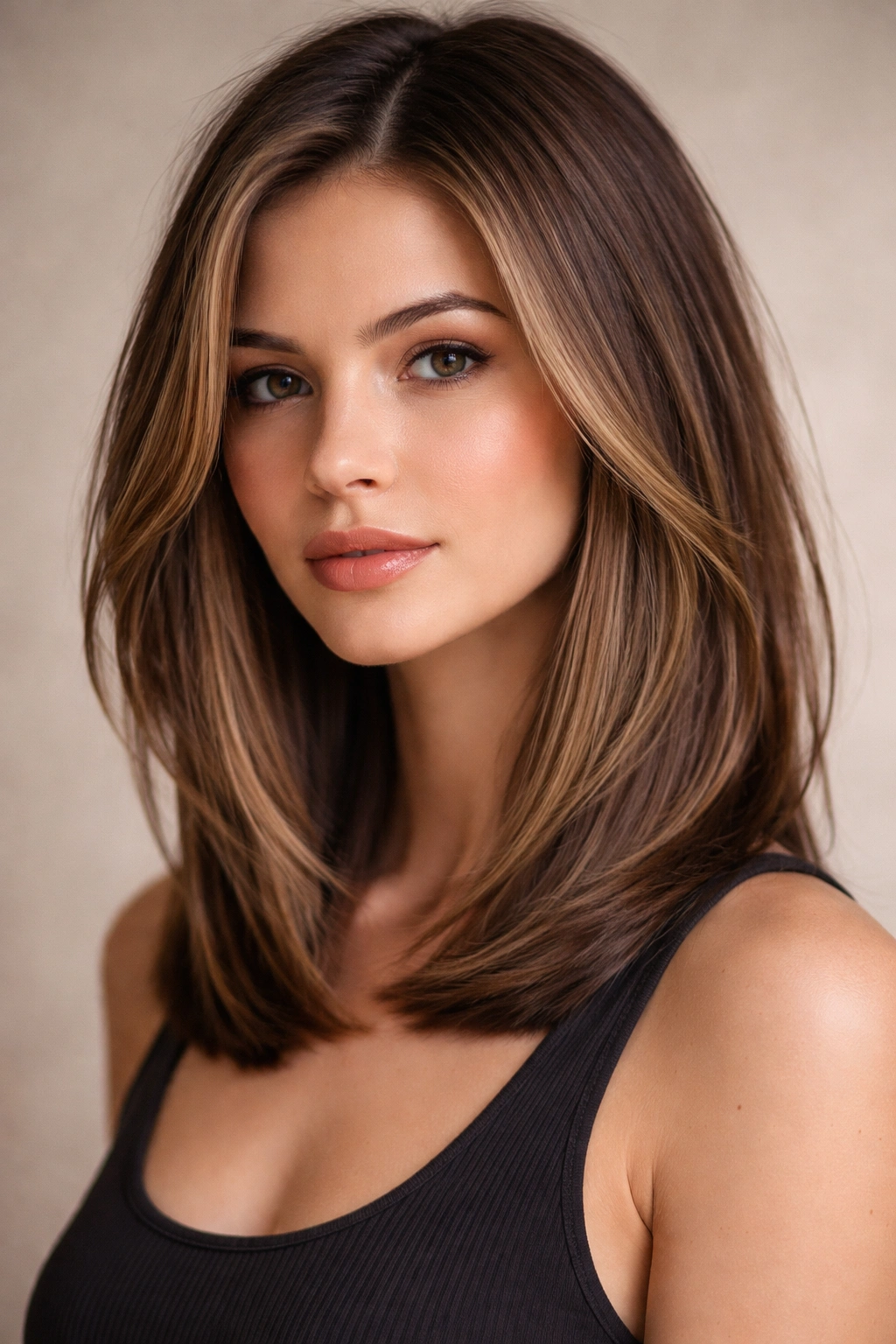
Unlike the choppy lob with layers scattered throughout, this style features strategic, longer layers concentrated specifically around the face—typically beginning around chin level or slightly below. The back and sides maintain more weight and length, while the face-framing pieces are noticeably shorter and create movement around your cheekbones and jawline. On straight hair, these layers catch light beautifully and create softness without requiring texture.
Why Face-Framing Layers Work
Face-framing layers are magic because they draw attention to your features and create the illusion of dimension without requiring you to have naturally wavy hair. On straight hair, the layers actually become more visible and defined because they’re not blended into waves or curls—each layer sits distinctly and moves independently. This creates a modern, intentional look that feels current without being trendy or dated.
Creating Movement with Straight Hair
- Ask your stylist to concentrate the shortest pieces right around cheekbones and jawline
- The layers work best if they’re longer and more subtle rather than short and choppy—think 2-3 inches shorter than the overall length
- Blow-dry the face-framing pieces slightly away from your face for maximum movement and flattering effect
- This style works beautifully with or without styling products
- The layers add texture perception without actually requiring your hair to be textured, making it ideal for straight hair
This lob is particularly flattering if you have a square or angular face shape, because the face-framing layers soften hard jawlines and create movement around the face.
6. The Straight-Across Length Lob
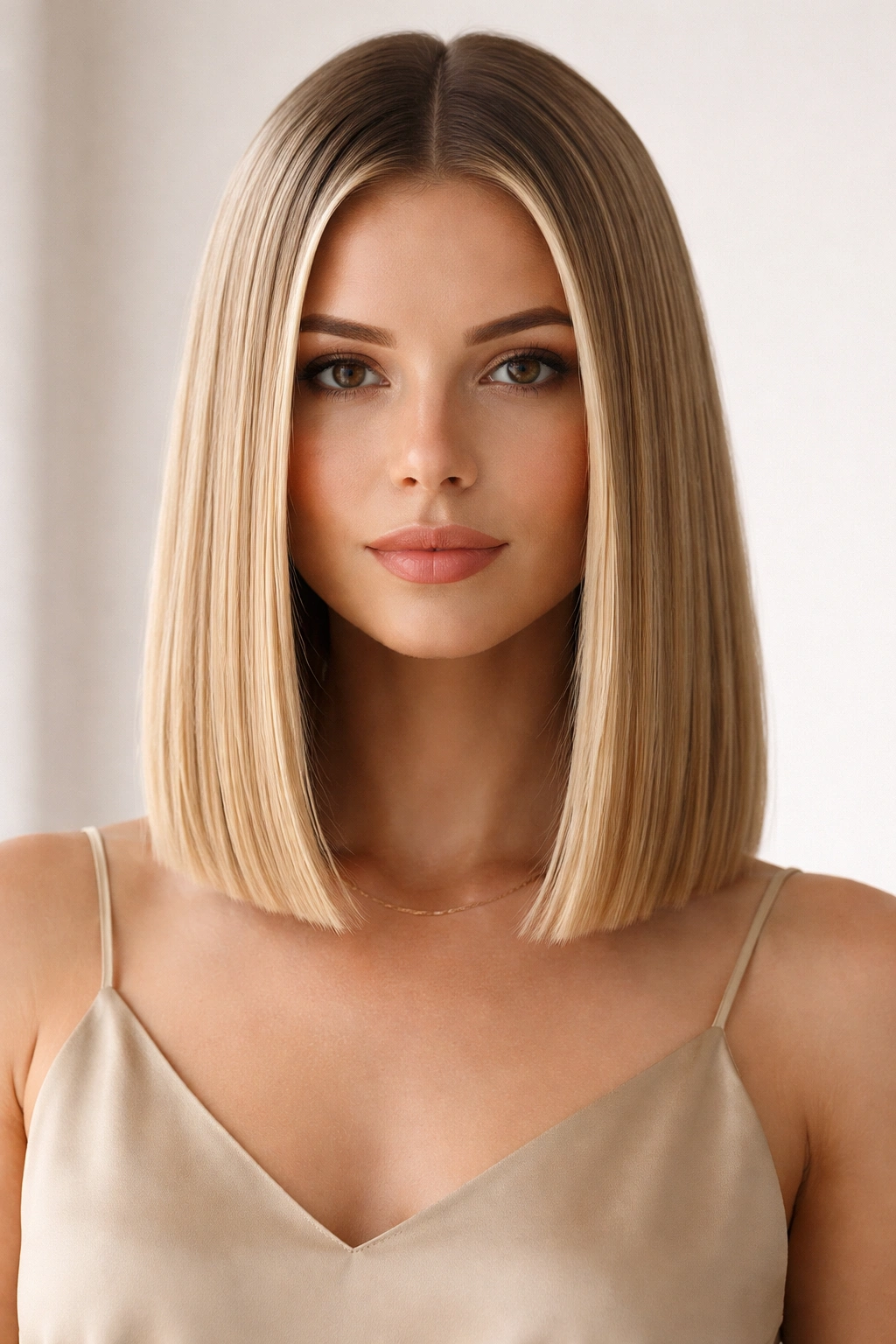
This is the minimalist lob—one length all the way around with blunt, even endpoints and absolutely no layers. The hair hits the same point across the back and sides, creating a geometric, almost 1960s-inspired silhouette. On straight hair, this creates a graphic, intentional look that feels modern and polished. There’s nowhere for the cut to hide; it lives or dies on the precision of the line and the health of your hair.
Why Less Is More with This Cut
The straight-across lob is deceptively simple. It requires excellent hair health because there are no layers or texture to disguise split ends or damage. But on straight hair with healthy ends, it’s stunning—the blunt line creates visual weight and presence, and the cut’s simplicity makes a confident style statement. There’s something very now about a simple, well-executed cut rather than lots of layering and texture.
Maintaining the Look
- This cut requires more frequent trims—every 6 weeks ideally—to maintain the blunt line
- Split ends are more visible with this style, so hair health is essential
- The cut works beautifully with a middle part or a side part
- Styling is minimal—blow-dry smooth, or air-dry for a more relaxed look
- The straight line can sometimes feel severe depending on your face shape, so consider your features before committing
This lob is ideal if you have excellent, healthy hair and you want a cut that showcases that health rather than disguising any imperfections.
7. The Angled or Asymmetrical Lob
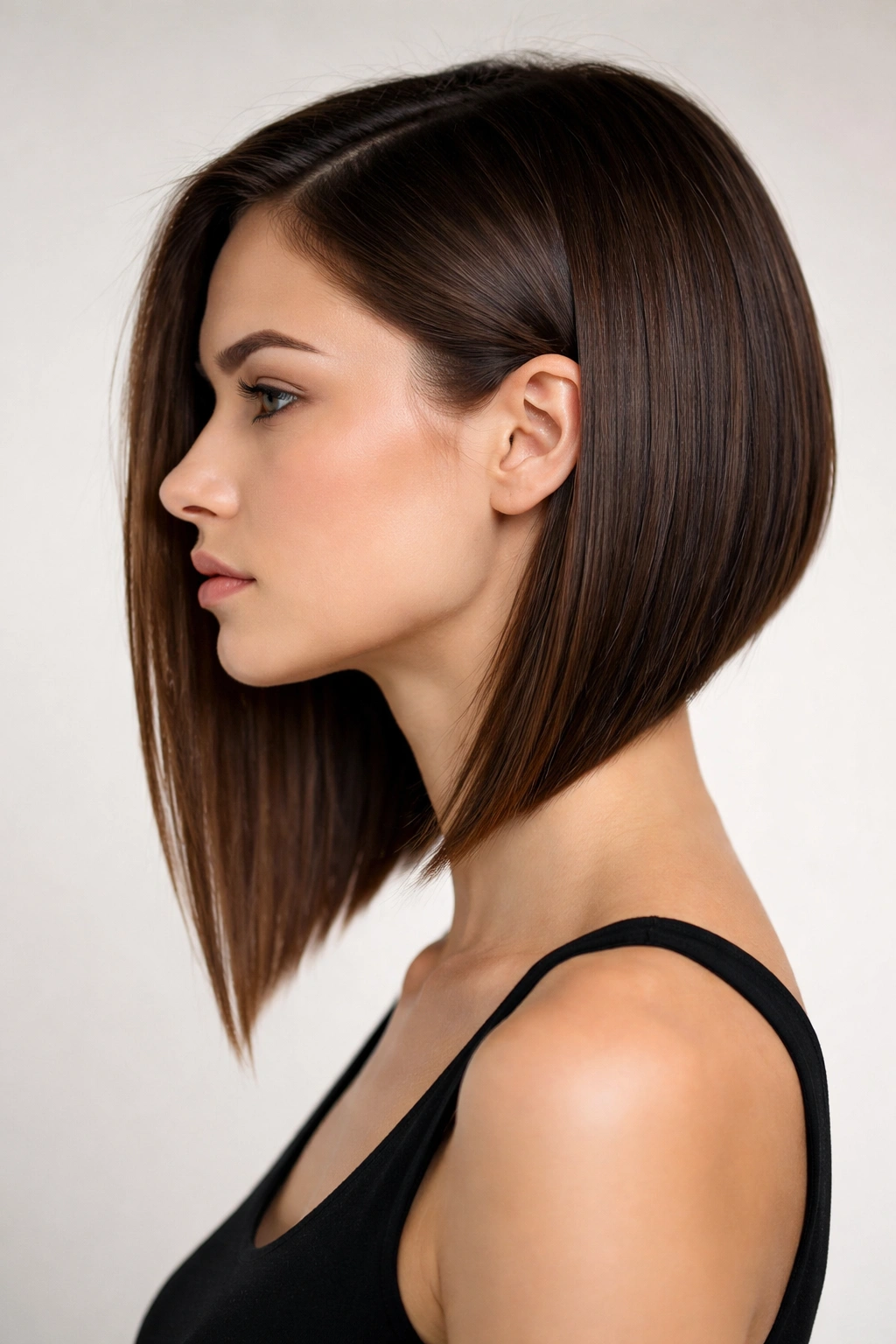
This lob creates intentional length variation across the back and sides, typically longer on one side and shorter on the other, or longer in back and noticeably shorter in front. The angle creates movement and visual interest, and on straight hair, the angle becomes a clean, decisive design element. Some versions feature a gradual diagonal line across the back, while others have more dramatic asymmetry with one side significantly shorter than the other.
Why Angles Flatter Straight Hair
Angles on straight hair become graphic, architectural elements. They don’t blur or blend—they create distinct sections with clean lines between them. An angled lob can elongate your face, create the illusion of thicker hair, or simply add modern visual interest to a simple cut. The angle also means you can part your hair multiple ways and get different looks from the same cut, depending on which side you emphasize.
Styling Possibilities
- You can part down the middle and let both sides frame your face equally
- Try a deep side part and sweep the longer side back or tuck it behind your ear
- The angle means asymmetrical styling looks intentional and cool rather than accidental
- Blow-dry the longer side away from your face for a sleek, polished look
- The angle also works beautifully air-dried on straight hair because the length variation creates natural separation
This lob is perfect if you want a cut that feels modern and intentional, and if you appreciate asymmetry rather than perfect symmetry in your style.
8. The Wispy-Ends Lob
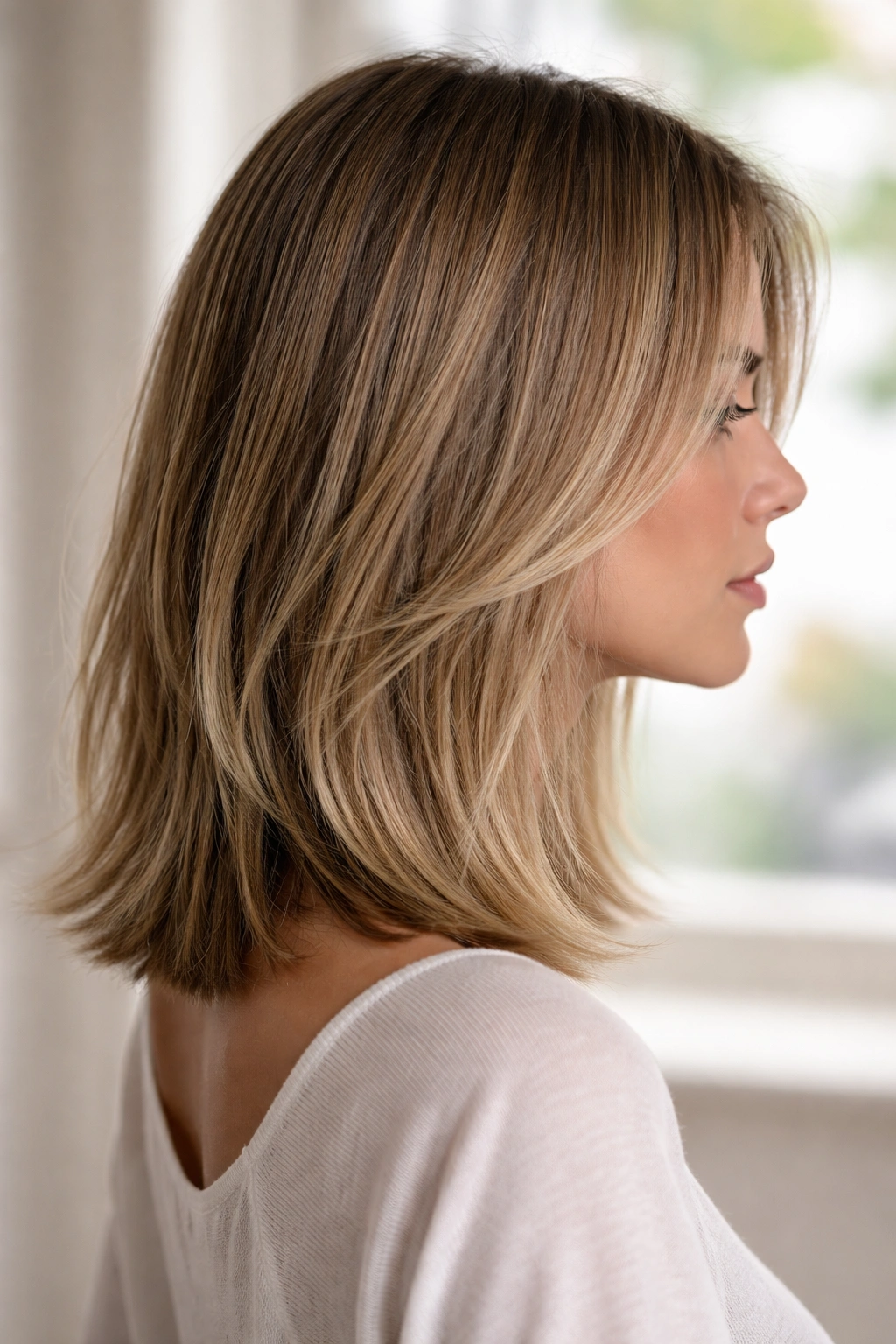
This variation maintains the classic shoulder-length lob structure but features ends that are cut to create a softer, feathered appearance rather than a blunt line. The stylist uses point-cutting or other texturizing techniques to create wispy, slightly separated endpoints that catch light and move gently. On straight hair, this creates a softer aesthetic while maintaining the clean lines of the lob.
Why Wispy Ends Work on Straight Hair
Wispy ends add softness and movement perception without requiring your hair to be wavy or curly. The feathering creates visual texture and catches light, making hair appear fuller and more dynamic. On straight hair, wispy ends feel modern and intentional—it’s a deliberate softening of the line rather than an accident. This style bridges the gap between a blunt, graphic lob and a more textured, layered cut.
Getting and Maintaining the Look
- Ask your stylist specifically for point-cut or feathered ends rather than blunt ends
- Wispy ends can be styled sleek by blow-drying smooth, or tousled by using a texturizing spray
- This cut requires regular trims every 6-8 weeks to maintain the feathered look as the ends start to grow blunt again
- The wispy effect is more visible and pronounced on straight hair than on textured hair, so you get maximum impact
- This style photographs beautifully because the ends catch light in interesting ways
The wispy-ends lob is ideal if you want softness and movement without committing to lots of layers or choppy texture throughout your hair.
9. The Deep Side-Part Lob
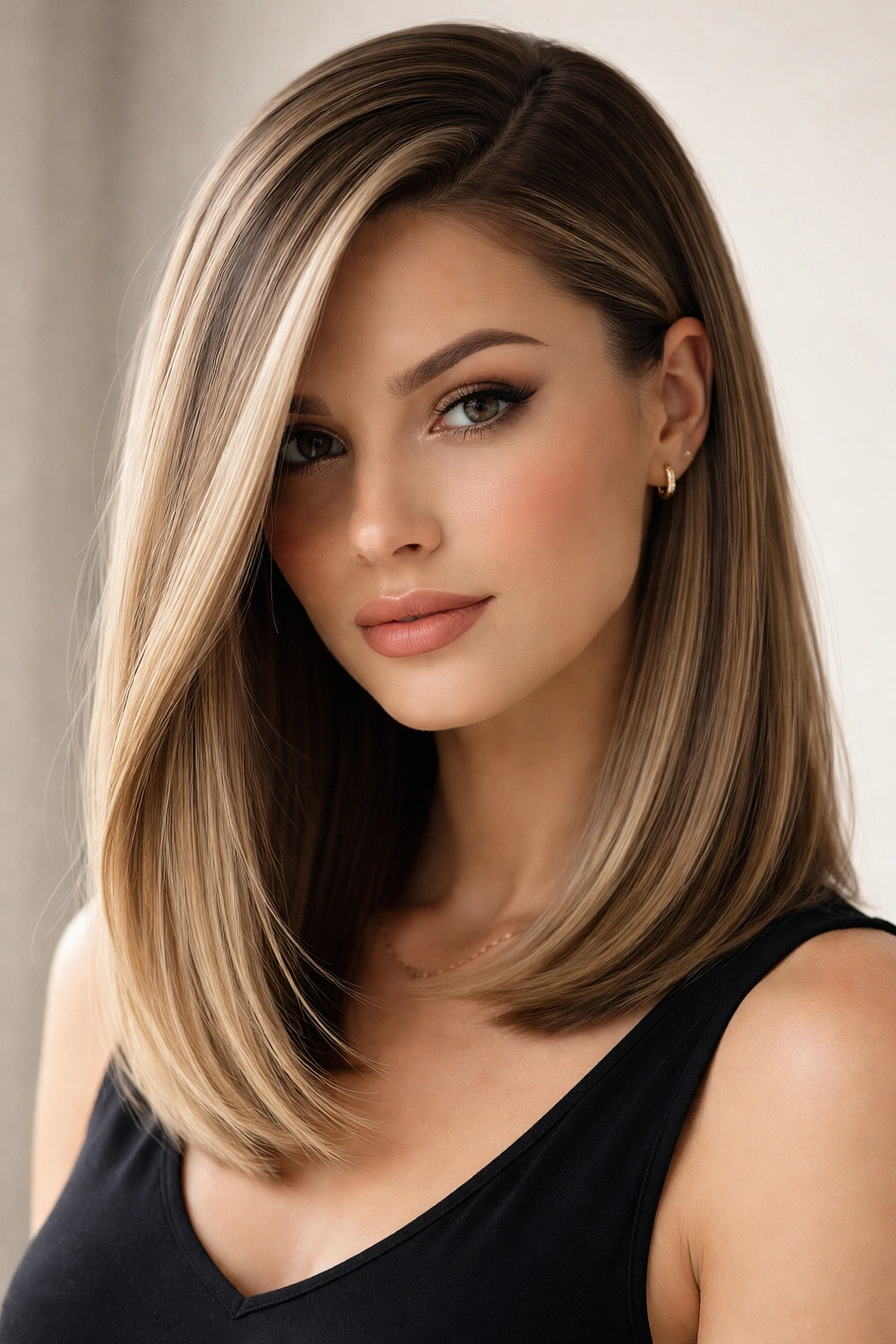
Similar to the side-parted sleek lob, but with even more pronounced asymmetry, this style features a part line that’s quite far to the side—sometimes nearly at the temple—creating maximum coverage on one side and significant face exposure on the other. The lob length remains consistent, but the part itself becomes the style’s most defining element. On straight hair, the part line is graphic and clean, and the way the hair falls on either side of the part creates distinct visual interest.
Why This Part Placement Matters
A deep side part doesn’t just change how your hair looks—it changes your entire face perception. It can elongate a round face, balance a wide forehead, or create a more dramatic, sophisticated aesthetic. On straight hair, the part line remains absolutely clean and precise, creating a professional, intentional look. The deeper the part, the more dramatic the effect and the more asymmetrical the style becomes.
Styling for Maximum Impact
- Blow-dry your hair with the deep part already established to train the direction
- Smooth your hair across on one side and tuck it behind your ear, or let it sweep across your face
- The contrast between the exposed side of your head and the covered side creates visual interest
- This style works beautifully with a minimalist approach—the part does the styling work for you
- You can switch up which side you part on if you want to change the look dramatically
This lob is perfect if you have a face shape that benefits from asymmetry and if you love the sophistication of a strong, intentional part line.
10. The Midline Lob with Subtle Layers
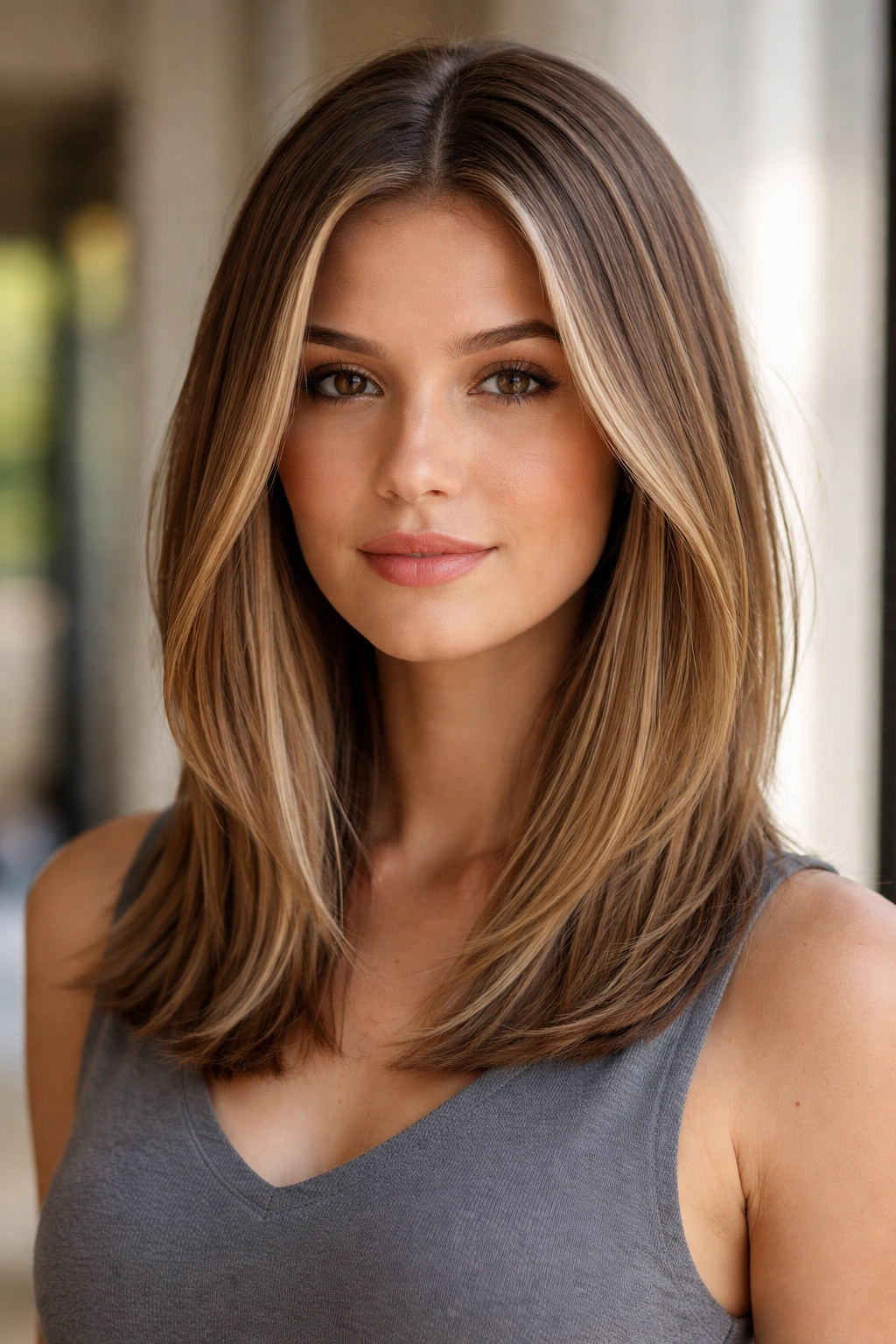
This final variation combines the best of both worlds: a lob that’s parted down the middle for balance and symmetry, with just enough subtle layering throughout to add movement and dimension without creating the choppy, textured look. The layers are gentle and graduated, creating shape without being obvious. On straight hair, the subtle layers add softness and prevent the cut from feeling too blunt or severe.
Why Subtle Layers Enhance Straight Hair
Subtle layers on straight hair add movement and visual interest without compromising the clean lines of the lob. The layers create the perception of texture and fullness without requiring you to have naturally wavy or curly hair. This is the middle ground between the blunt, graphic lob and the heavily layered, choppy version—perfect if you want a bit of softness without going full texture.
Creating the Perfect Balance
- Ask your stylist for subtle, graduated layers rather than choppy or piece-y ones
- The shortest layers should be toward the crown, and they should gradually get longer as they move toward the ends
- This cut works beautifully with a center part, creating a balanced, approachable aesthetic
- Styling is straightforward—blow-dry smooth or air-dry for a relaxed look
- The layers mean fewer trims are required than with a completely blunt lob
This lob works for nearly everyone because it offers a balanced combination of the modern, sharp lines of a lob with just enough softness to prevent the cut from feeling severe.
Final Thoughts
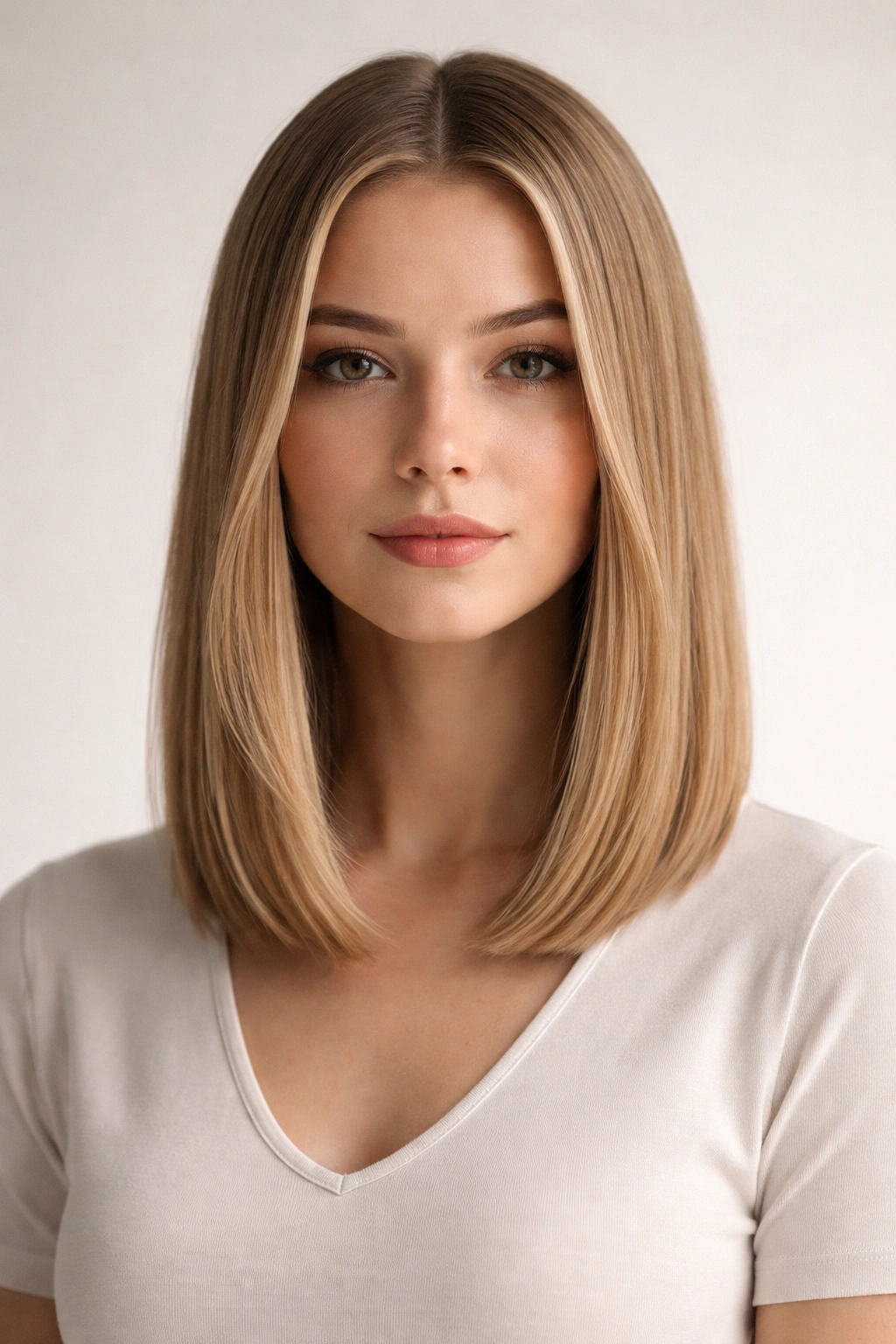
The beauty of the lob on straight hair is that your natural texture becomes an asset rather than something to work around. Without waves or curls to compete with the cut’s shape, the lob’s geometry, length, and line placement become the focal point—and that’s where the magic happens. A well-executed lob on straight hair is polished, low-maintenance, and flattering, which is why this cut has remained so consistently popular.
Choosing the right lob comes down to understanding your face shape, your lifestyle, and how much styling effort you want to put in daily. A blunt, minimal lob requires the least styling but the most frequent trims. A heavily layered, choppy lob adds dimension with minimal effort but needs regular maintenance to keep the layers defined. A lob with strategic face-framing or a deep side part uses asymmetry to enhance your features, while a straight-across or midline lob creates balance and symmetry.
Whatever version you choose, the key is working with a stylist who understands your hair and your goals. Bring reference photos of lobs you love, but also discuss your hair’s thickness, your face shape, and how much time you’re willing to spend styling each day. The right lob on straight hair is less about following trends and more about finding the cut that makes you feel confident and looks effortless to maintain. Start with a consultation, be clear about what you want, and trust that your straight hair is the perfect canvas for a lob that turns heads.
