



Italian bob cuts have become increasingly popular for straight hair because they blend timeless sophistication with modern movement. If you’ve been scrolling through hairstyle inspiration and keep seeing chic, chin-length cuts with subtle layers and effortless texture, you’re looking at variations of the Italian bob — a cut that originated from the sleek, polished aesthetic Italian women have perfected over decades. The beauty of these styles is that they work particularly well on straight hair because the cut’s architecture and movement rely on precision rather than natural curl or texture to create shape.
What makes the Italian bob distinct from other bob cuts is its emphasis on layering, length variation, and that signature piece-y, slightly tousled finish. Unlike a blunt bob where every strand hits at the same length, Italian bobs feature strategic layers that create an illusion of volume and movement while maintaining an overall polished appearance. Straight hair is actually the ideal canvas for these cuts because every layer and angle reads cleanly, and the straight texture allows the cut’s intended shape to shine without interference from curl or frizz.
Whether you’re thinking about a dramatic cut or a subtle refresh, understanding the different Italian bob variations helps you communicate exactly what you want to your stylist and know how much maintenance each style requires. Some versions sit closer to the chin, others graze the shoulders, and several feature face-framing layers that draw attention to your features. The right Italian bob for you depends on your face shape, styling commitment, hair thickness, and the specific aesthetic you’re chasing.
1. The Classic Italian Bob With Subtle Layers
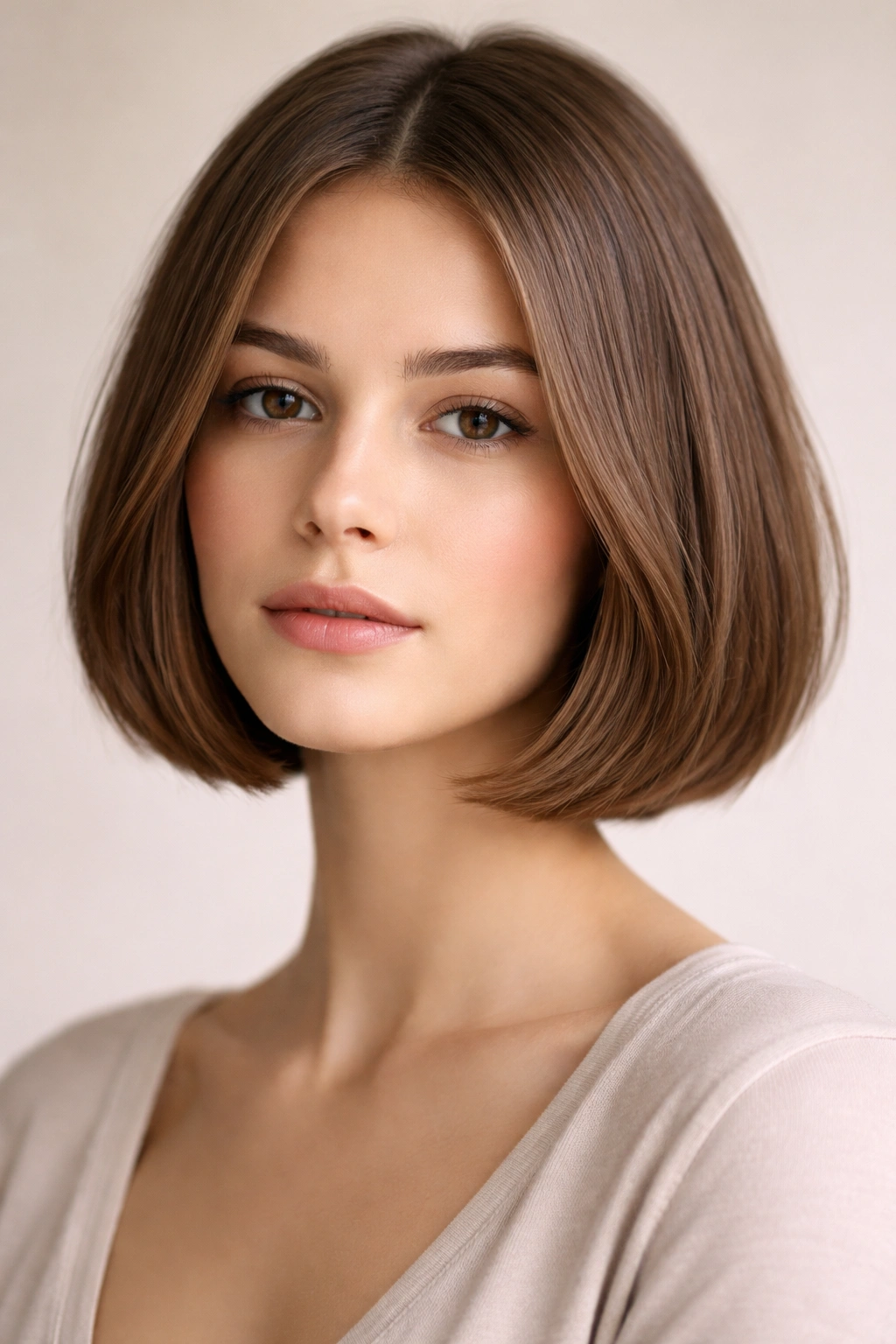
This is the foundation Italian bob — the cut that launched a thousand style inspiration boards. It typically hits right at the chin or just below, featuring light layering throughout that creates soft movement without sacrificing the clean, blunt appearance at the ends. On straight hair, this cut looks refined and intentional, with each layer visible and distinct against the straight strands.
Why It’s the Timeless Choice
The classic Italian bob works because it doesn’t require constant styling or specialized techniques to look polished. The layers catch the light beautifully on straight hair, creating subtle dimension even without color. This cut flatters most face shapes — it can be styled sleek and straight for a formal look, or you can add movement with a curling iron or texturizing products for something more casual. The versatility is what makes it truly classic.
How to Style It for Maximum Impact
- Blow-dry with a round brush to create gentle inward curves at the ends that frame your face
- Use a straightening iron if you want a sleeker, more minimalist appearance — run it through once or twice for polish
- Apply texturizing spray or dry shampoo at the roots and ends to add grip and piece-y separation
- Tousle with your fingers while the hair is still slightly damp for that effortless Italian aesthetic
Worth knowing: This cut requires trims every 6-8 weeks to maintain the precise layering and keep the ends from looking stringy. The investment in regular maintenance is what keeps this cut looking intentional rather than like you need a haircut.
2. The Longer Italian Bob (Midi Length)
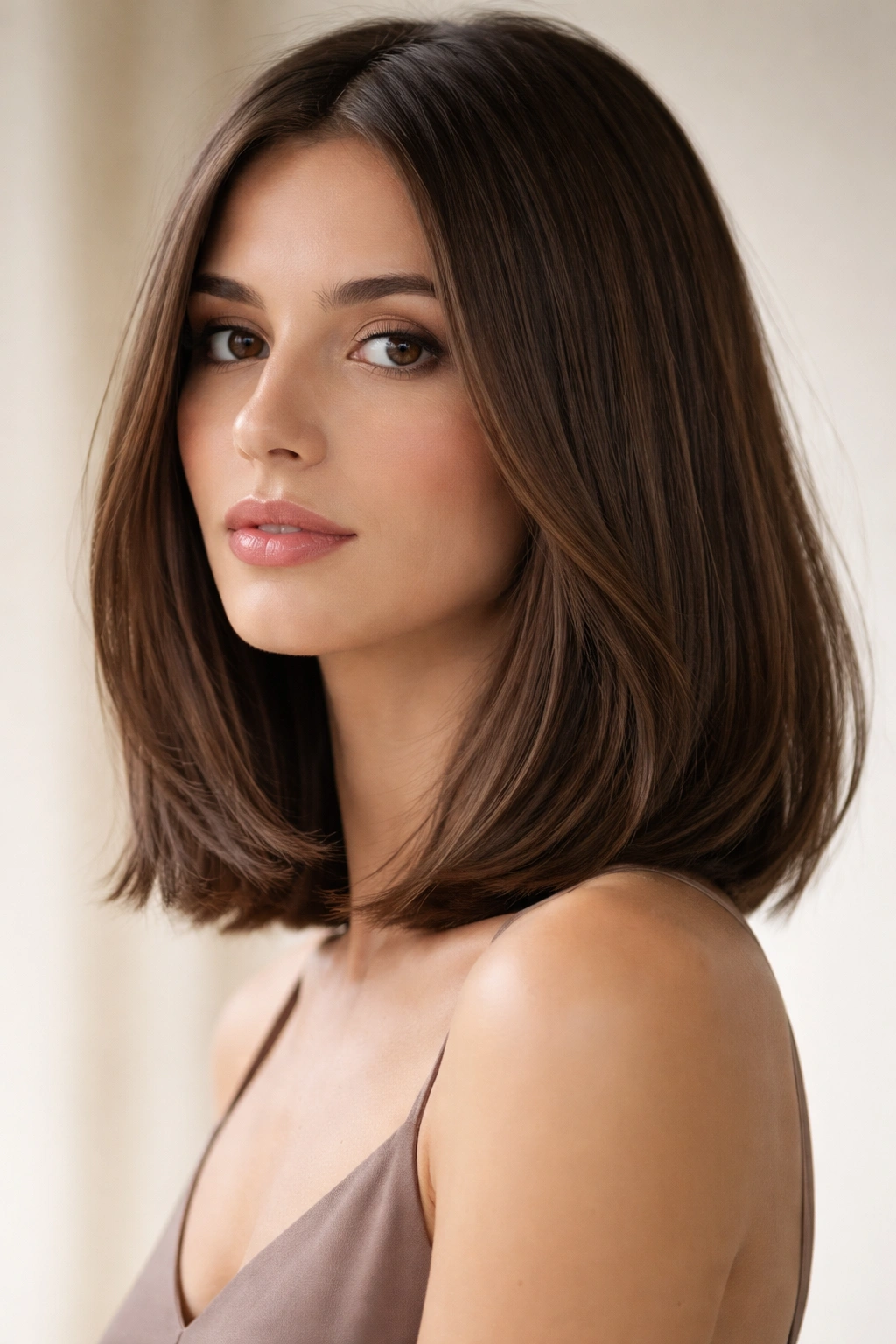
This version extends the Italian bob to mid-neck or shoulder length, giving you more hair to work with while keeping the signature layering structure. It’s perfect if you love the Italian bob concept but aren’t ready to commit to a dramatic chin-length cut. The longer length means more styling options and a slightly more forgiving grow-out phase.
What Makes the Extra Length Work
Longer Italian bobs actually benefit from even more strategic layering than the classic version because the added length can look flat and heavy without it. Your stylist will create layers that build movement from mid-length down, preventing that “thick block of hair” appearance that straight hair can sometimes have. The result is a cut that moves, breathes, and looks intentional at any length.
Styling Tips for Midi-Length Bobs
- Create movement with a medium-barrel curling iron — wave the sections away from your face for a softer, more romantic vibe
- Blow-dry upside down at the roots to build volume and prevent the longer length from sitting flat
- Layer in lightweight texturizing products rather than heavy oils, which can make straight hair look greasy at this length
- Experiment with half-up styling — this length is perfect for pulling a section back while the rest flows freely
Pro tip: This length sits at an awkward zone where even a small amount of growth looks intentional, giving you flexibility between salon visits. You can actually extend the time between cuts to 8-10 weeks if you’re maintaining it carefully.
3. The Choppy Italian Bob With Disconnected Layers
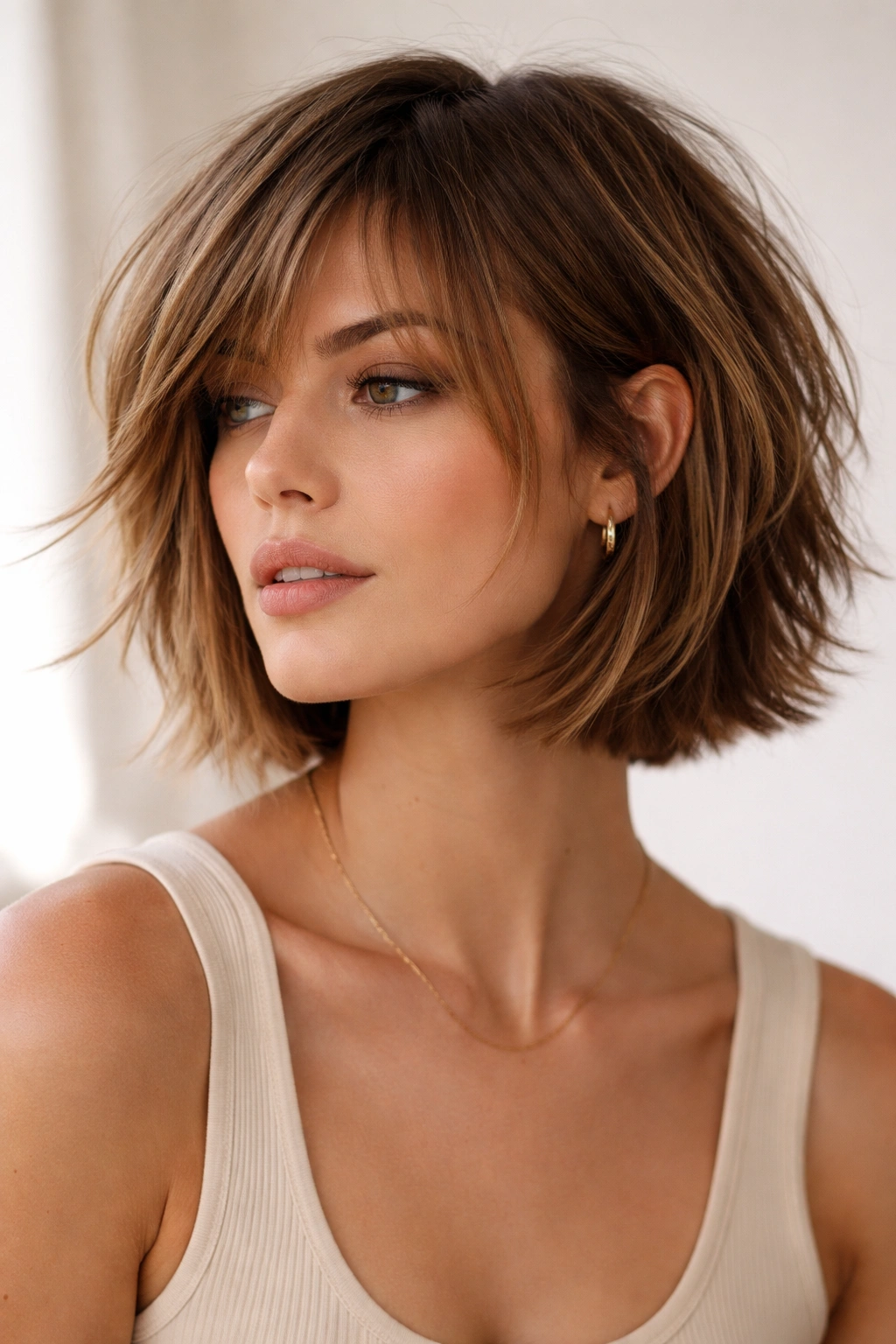
For those who want serious movement and texture, this version features dramatically disconnected layers that create a piecey, modern vibe. The layers aren’t blended smoothly — they’re cut to sit independently, creating visual separation and an almost shaggy appearance while maintaining the Italian bob’s overall structure. On straight hair, each layer reads clearly and the cut looks intentional and fashion-forward.
Why the Choppy Approach Stands Out
This variation feels younger and more daring than a classic Italian bob, yet it’s easier to style because the disconnected layers do half the work for you. You’re not fighting to create movement — it’s built into the cut. The straight hair actually showcases the choppy technique beautifully because there’s nowhere to hide; the cut’s precision is on full display.
Styling a Choppy Italian Bob
- Embrace minimal styling — sometimes running your fingers through it and letting it air-dry creates the perfect texture
- Use a blow dryer with a concentrator nozzle to direct the layers and emphasize their independence
- Apply texturizing paste or pomade to individual sections for a more exaggerated piecey effect
- Straighten pieces individually with a flat iron if you want to make each layer ultra-defined
Real talk: This cut requires more styling intention than the classic version. If you want it to look polished rather than like you just rolled out of bed, you’ll need to spend 5-10 minutes with styling products and heat tools. It’s totally worth it if you love that edgy-but-refined aesthetic.
4. The Blunt-Ended Italian Bob With Face-Framing
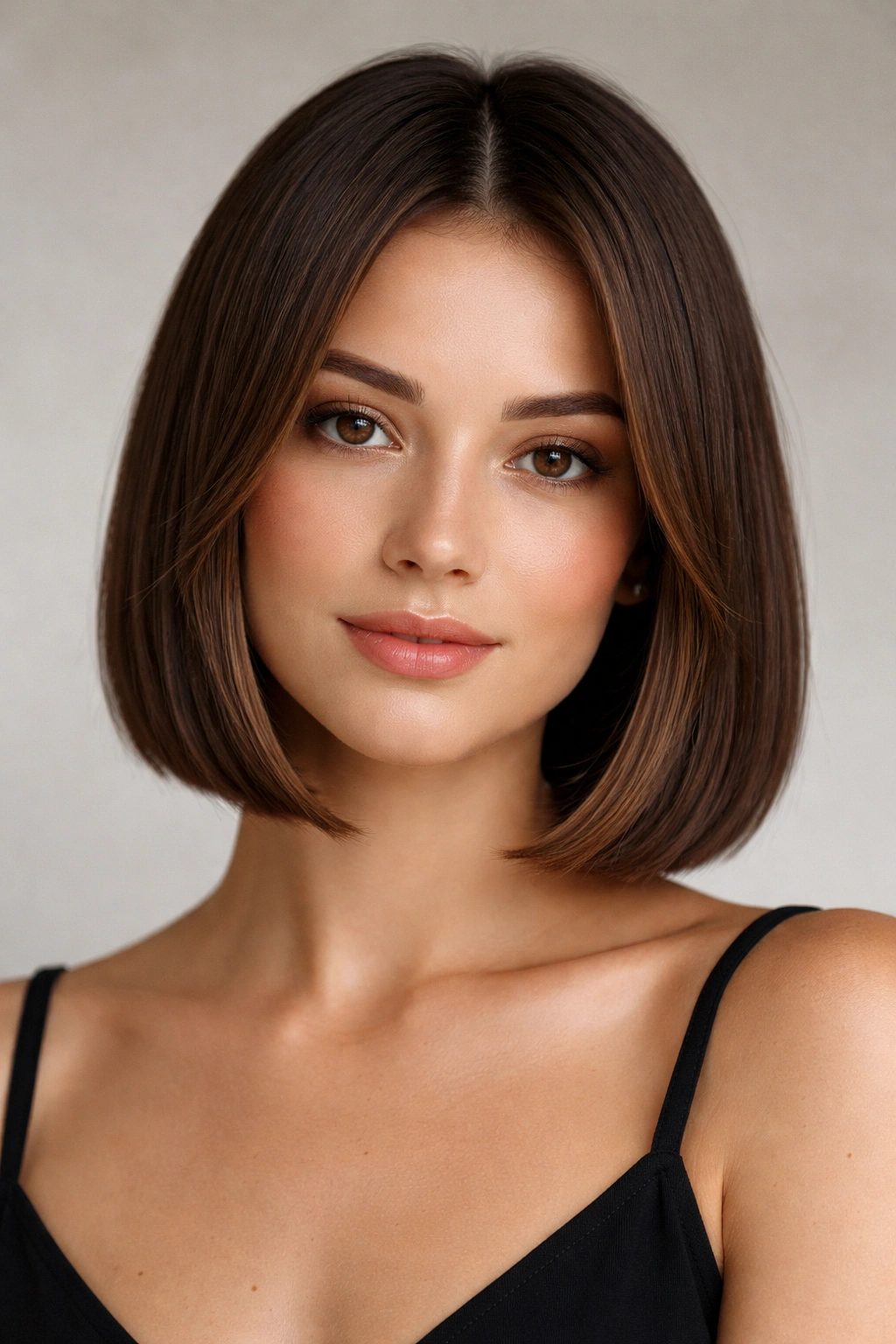
This cut maintains a blunt, defined line at the ends while incorporating strategic face-framing layers that start around ear level or slightly lower. It’s the perfect middle ground between the ultra-clean blunt bob and a heavily layered cut. The face-framing layers soften the cut while the blunt ends maintain structure and that Italian polish.
The Strategic Power of Face-Framing
Face-framing layers work optical magic — they draw attention upward toward your eyes and cheekbones, and they create movement that flows toward your face naturally. On straight hair, you can see exactly how each frame piece moves, and you can control that movement precisely with styling. This version flatters most face shapes particularly well because the longer frame pieces can be customized to your bone structure.
How to Perfect the Face-Framing Technique
- Blow-dry the frame pieces forward toward your face while drying the back straight
- Use a 1-inch curling iron on the frame layers to create a subtle wave that moves with you
- Apply a light styling cream to the frame pieces to enhance shine and control frizz
- Consider adding subtle color (like face-framing highlights or balayage) to emphasize the movement these layers create
Worth knowing: The face-framing pieces grow out faster than the rest of the cut, so you might need trims every 5-6 weeks if you want to maintain their precise length and position. Some people find this maintenance worth it for the flattering effect.
5. The Textured Italian Bob With Shaggy Layers
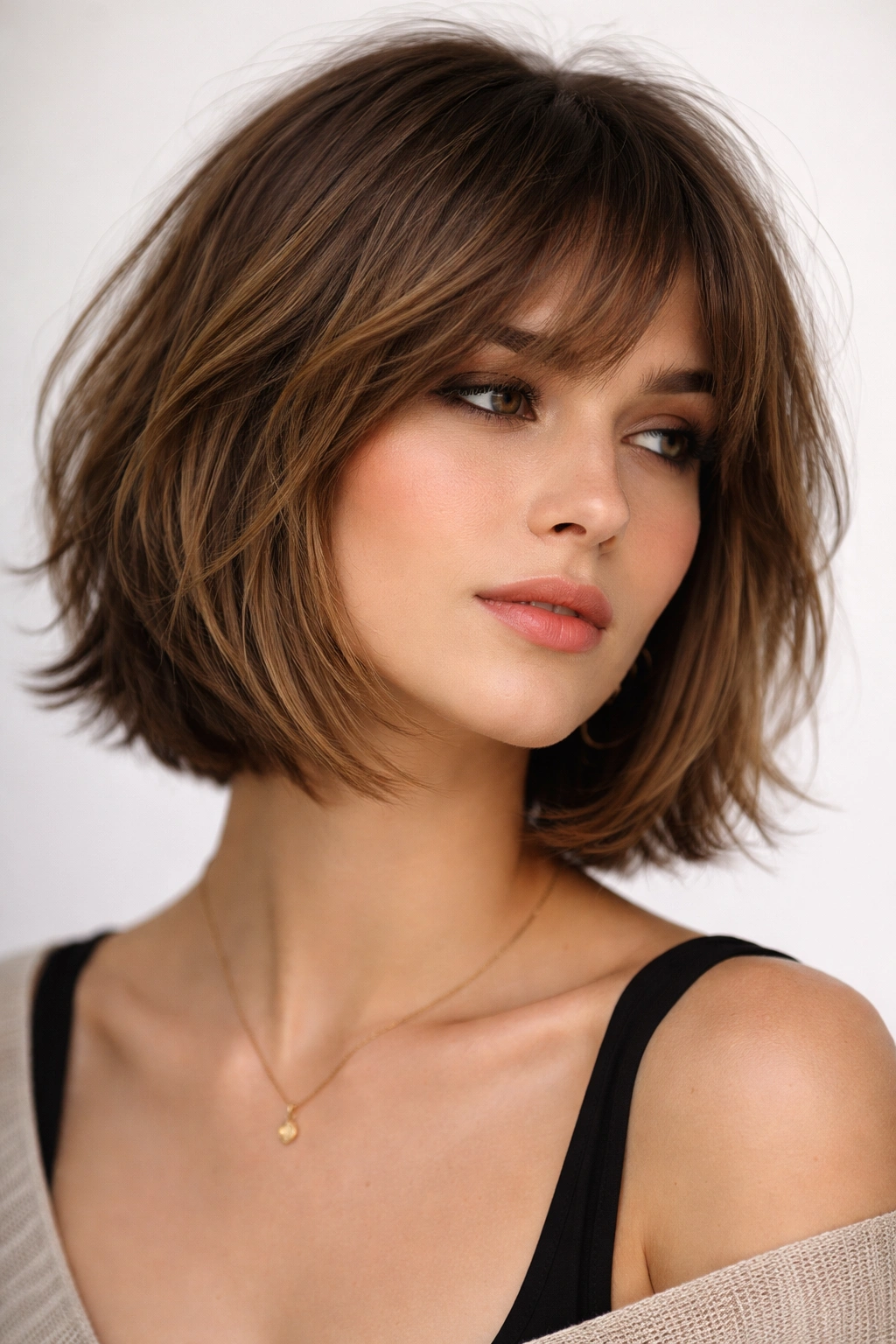
Think of this as the Italian bob’s edgier cousin — it features multiple layers throughout that create texture and movement reminiscent of a shag cut, but it maintains the bob’s overall structure and defined shape. The layers are closer together and more numerous than other versions, creating an intentionally textured, lived-in appearance. On straight hair, this cut looks dynamic without being overwhelming.
Why Texture and Layers Create Dimension
Shaggy layers work particularly well on straight hair because they break up any flatness and create the illusion of volume without actually requiring you to be born with thick, curly hair. Each layer catches light differently, and when you move, the layers move independently, creating constant subtle motion. It’s the opposite of trying to create movement artificially — the cut does it for you.
Styling Your Textured Italian Bob
- Blow-dry with movement using your fingers or a paddle brush to separate the layers as you dry
- Work a texturizing spray through the lengths while hair is slightly damp to enhance the natural texture
- Avoid heavy products that can weigh down the layers and make them stick together
- Tousle with your fingers regularly to keep the layers separated and visible
Pro tip: This cut actually looks better slightly underdone than over-styled. The most flattering way to wear it is with minimal product and just enough styling to separate the layers. Over-flattening this cut with a straightening iron actually defeats its purpose.
6. The Sleek Italian Bob With Minimalist Layers
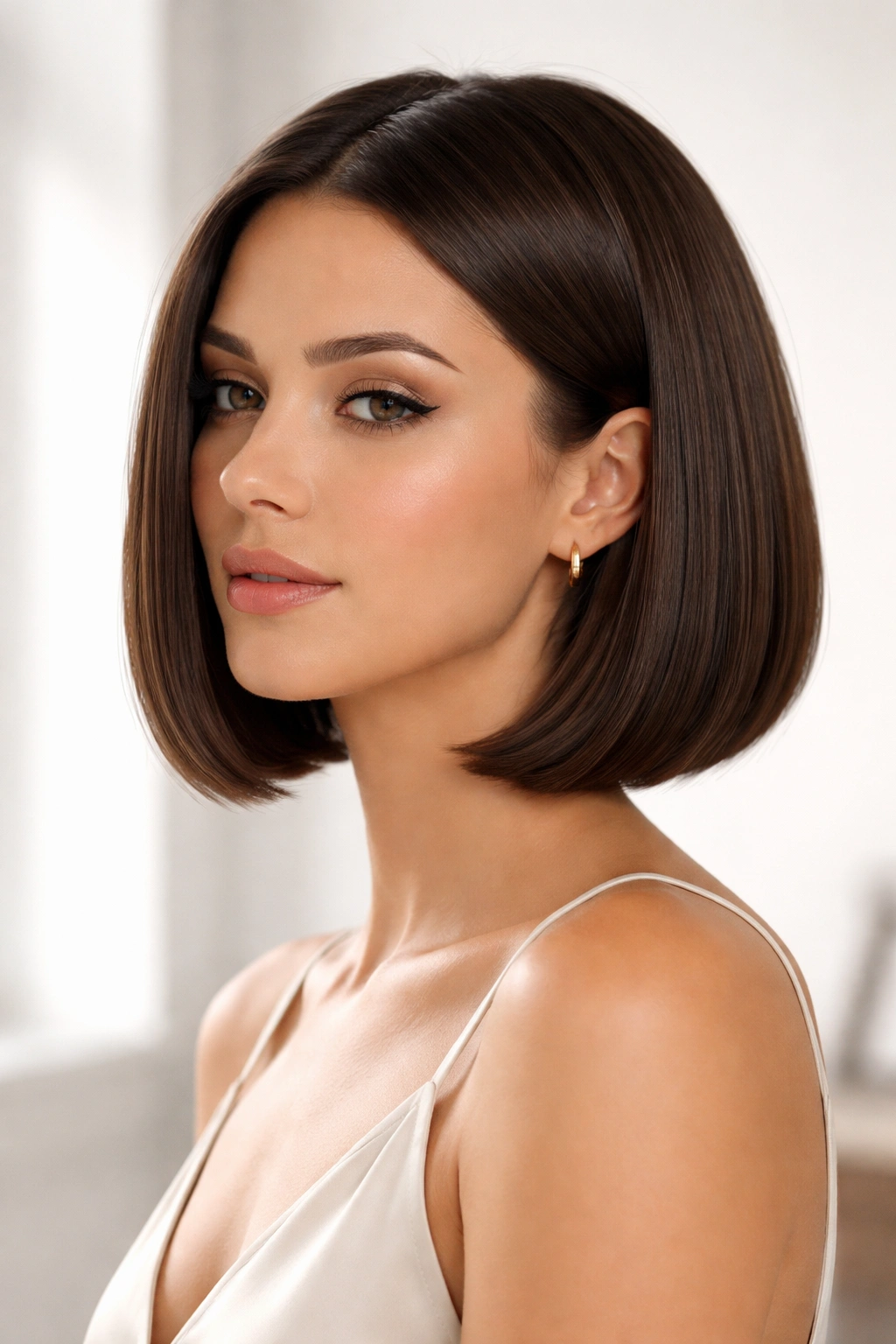
If you prefer polish over texture, this version features extremely subtle layering that’s almost invisible at first glance. The cut maintains a smooth, streamlined silhouette while incorporating just enough layering to create movement and prevent flatness. It’s sophisticated, refined, and perfect for straight hair that you’re happy to keep relatively straight.
The Minimalist Approach to Italian Bob Structure
This variation prioritizes clean lines and simplicity. The layers exist primarily to add movement and prevent heaviness, but they’re not a visual focal point — the overall shape is what stands out. On straight hair, this cut looks sleek and intentional, perfect for professional settings or anyone who prefers understated elegance.
Achieving the Sleek Look
- Blow-dry straight using a brush or paddle to smooth everything down and create a polished finish
- Use a straightening iron if you have any natural wave you want to eliminate
- Apply a smoothing serum to enhance shine and create that high-polish appearance
- Keep the ends blunt and defined by avoiding too much texturizing product
Worth knowing: This cut relies on you actually keeping your hair straight, so if you prefer air-drying or natural texture, you’ll need to be comfortable styling regularly. The payoff is that it looks incredibly polished and intentional when you do.
7. The Shoulder-Grazing Italian Bob With Curved Ends
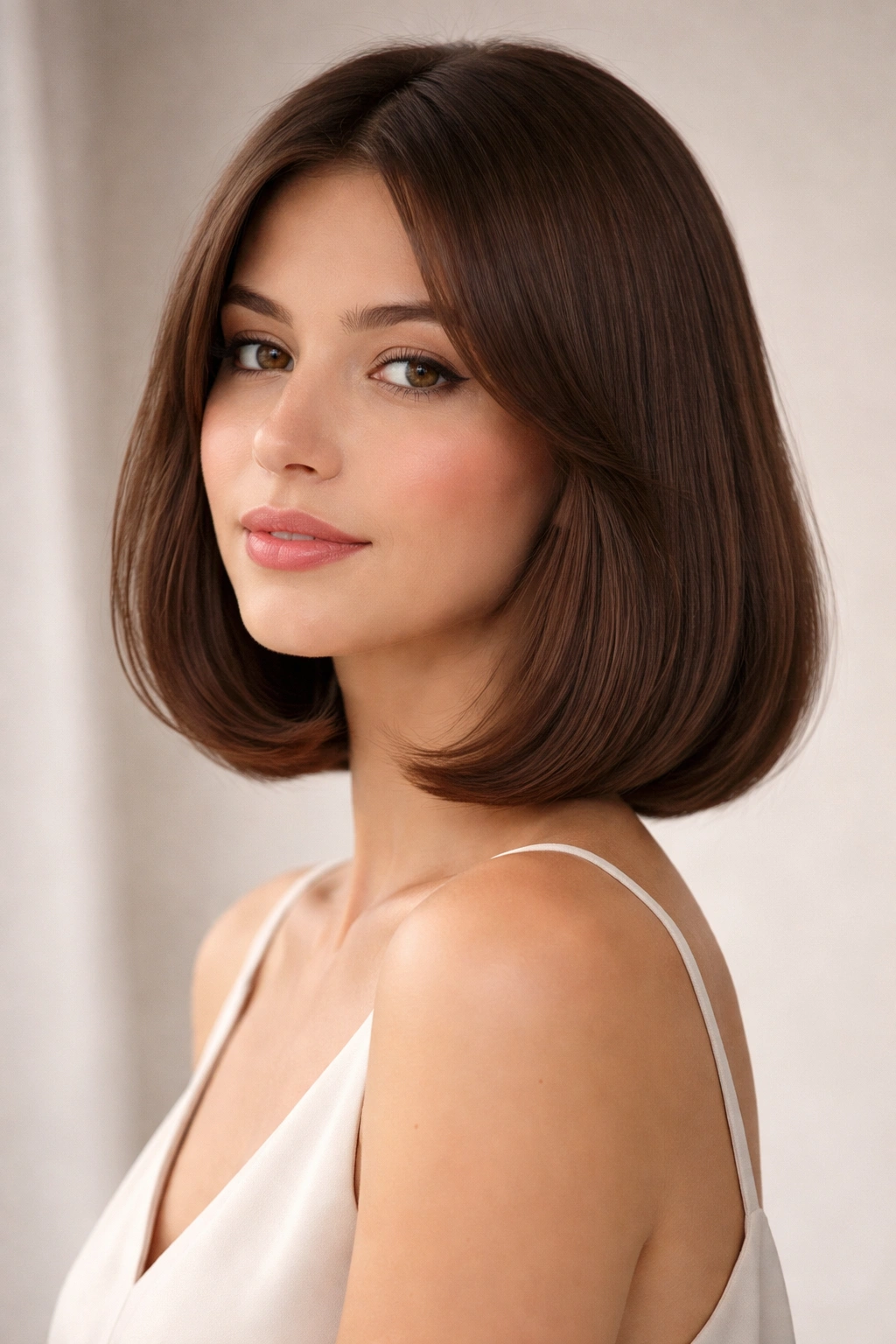
This longer version features ends that curve slightly inward, hugging your shoulders and creating a gentle frame around your face and neck. The curves are subtle rather than dramatic — they’re created through layering and blow-drying technique rather than aggressive styling. It’s romantic without being fussy, and elegant without being severe.
The Power of Curved Ends
Curved, turned-in ends create a flattering silhouette that works well for most face shapes because they draw the eye inward rather than pulling attention outward. On straight hair, you can see the curve clearly, and it looks like an intentional design choice rather than an accident of styling. The slight inward curve also helps the cut frame your face more actively.
Creating and Maintaining the Curves
- Blow-dry with a round brush, turning the brush under at the ends to create the inward curve
- Use a curling iron on straight sections to create a very slight, smooth wave
- Apply a light hold spray to keep the curves in place without making hair feel stiff
- Tousle gently while drying to let the curve sit naturally
Real talk: The curve does relax and straighten over time, especially with straight hair that doesn’t naturally hold shape. You’ll need to recreate it with heat styling to maintain the look, or you’ll eventually end up with longer, straight pieces that frame your shoulders less intentionally.
8. The Voluminous Italian Bob With Layered Texture
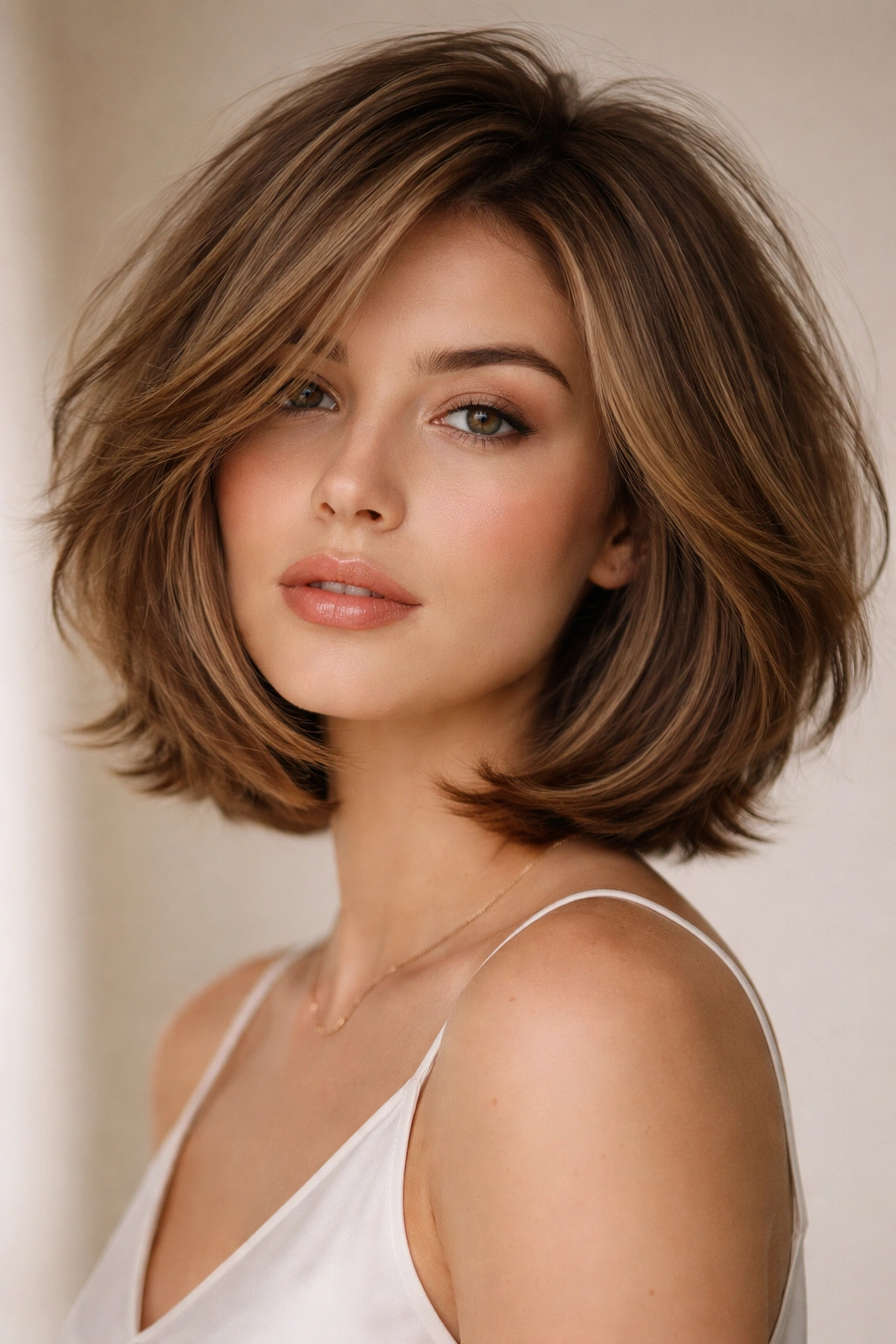
This version is designed specifically for straight hair that lacks natural volume — it uses aggressive layering throughout to create the illusion of fullness and movement. Multiple layers starting close to the roots help lift the hair away from the scalp. It’s not as choppy or shaggy as some versions, but it’s definitely more textured than minimalist.
Building Volume Into the Cut Itself
Rather than relying on styling products or techniques to create volume, this cut builds it into the structure. The layers are positioned to naturally separate and create space, and blow-drying becomes an easier process because the cut cooperates with volume-building rather than fighting it. This is the right choice if you have fine, straight hair that tends to look flat.
Maximizing Volume With Style
- Blow-dry upside down to flip the roots and help them stand away from the scalp
- Use velcro rollers while blow-drying to help the hair set in a fuller shape
- Apply volumizing mousse to damp roots before blow-drying
- Scrunch the layers with texturizing spray or dry shampoo to enhance separation
- Avoid weighing it down with heavy serums or oils that flatten the newly created volume
Pro tip: This cut actually improves as it gets a bit dirty — the natural oils and texture that build up between washes help the layers hold their separation better. You might notice this style looking better on day two or three than day one.
9. The Asymmetrical Italian Bob With One Side Longer
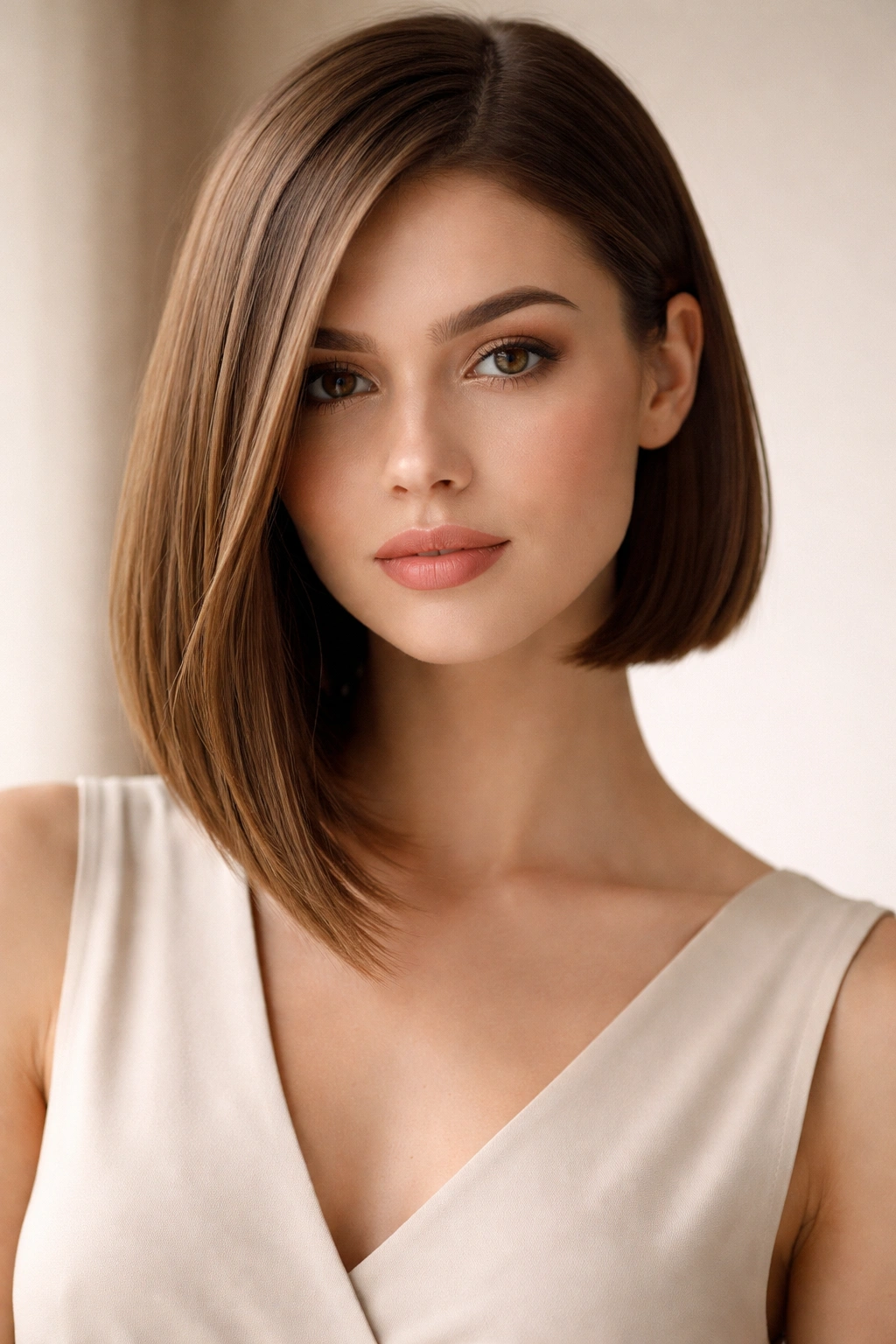
This modern variation breaks from perfect symmetry by keeping one side noticeably longer than the other — sometimes the difference is just an inch, other times it’s several inches. The longer side maintains the Italian bob’s layering and polish while the shorter side sits closer to the chin. It’s a bold, fashion-forward choice that adds visual interest to straight hair.
Why Asymmetry Works on Straight Hair
Asymmetrical cuts create movement and direction that symmetrical cuts can’t achieve. On straight hair, the different lengths read clearly, and the cut looks intentional and modern. This style works particularly well if you want to emphasize one side of your face or if you have asymmetrical features you want to balance.
Styling an Asymmetrical Bob
- Wear the longer side in front of your shoulder and let it frame that side of your face
- Experiment with tucking the longer side behind your ear for a different look
- Blow-dry with attention to directional movement — the longer side should move forward naturally
- Consider adding subtle color to emphasize the asymmetry (darker on one side, lighter on the other)
- Use texturizing products to make the different lengths feel intentional rather than accidental
Worth knowing: This cut requires more deliberate styling than symmetrical options. You need to consistently position the longer side forward and manage the different lengths with purpose, or it risks looking like you need a haircut rather than like you’re wearing a stylish cut.
10. The Italian Bob With Curtain Bangs and Layers
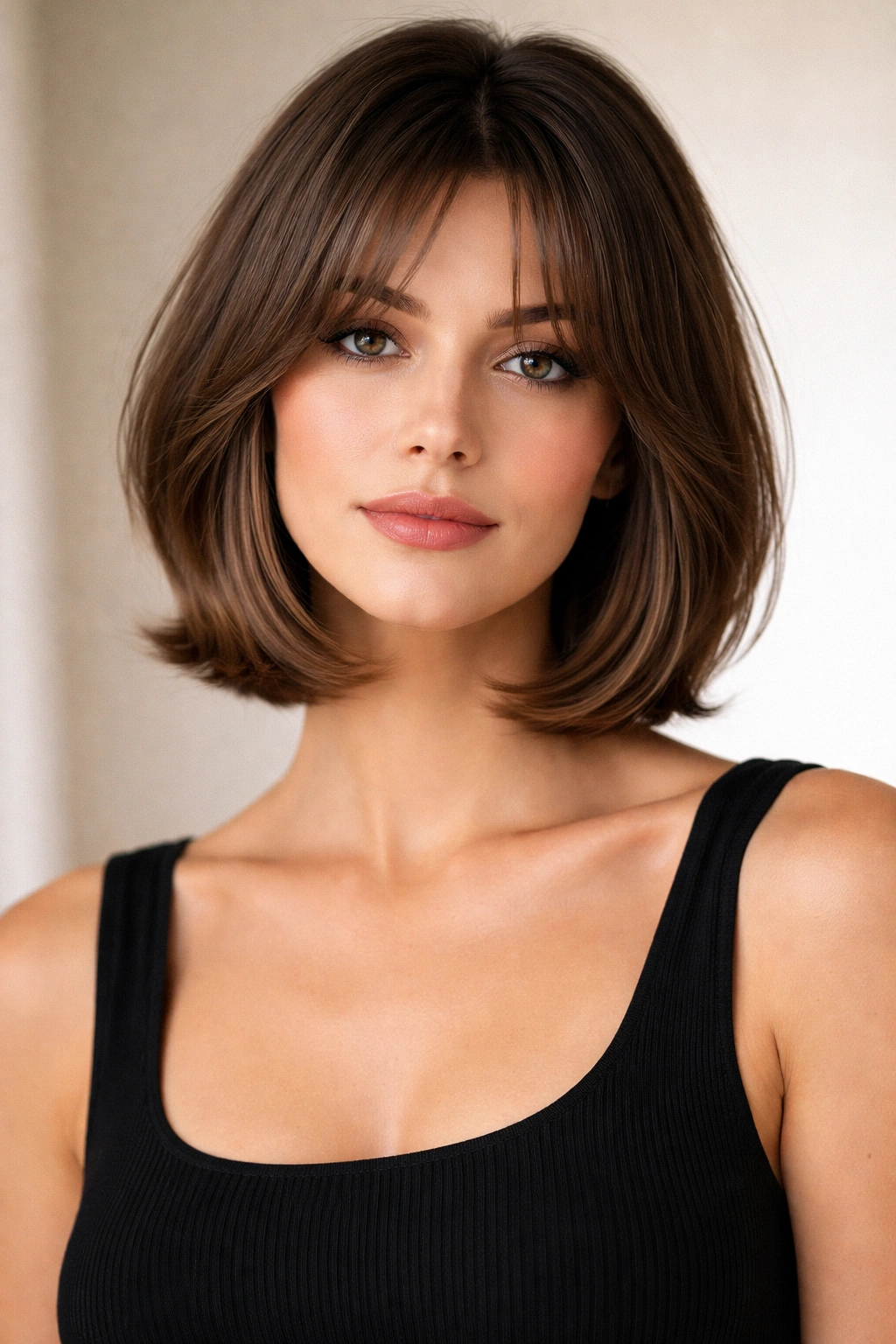
This final variation combines the Italian bob structure with face-framing curtain bangs that part down the middle and sweep away from the face. The bangs integrate seamlessly with the face-framing layers, creating one continuous, flowing movement from forehead through the rest of the cut. It’s romantic, flattering, and incredibly on-trend while remaining timeless.
The Magic of Integrated Curtain Bangs
Curtain bangs with an Italian bob create a soft, face-framing effect that works for most face shapes and hair types. The bangs and face-frame layers work together to draw attention to your eyes and cheekbones, and on straight hair, you can see the precise movement of each piece. The bangs are long enough to never feel choppy or severe — they’re pure softness.
Maintaining and Styling Bangs With Your Bob
- Trim the bangs every 3-4 weeks to keep them at the right length and prevent them from covering your eyes
- Blow-dry the bangs with a round brush, sweeping them away from your center part
- Use a curling iron on the bangs to create a soft flip at the ends that moves away from your face
- Apply a light texturizing spray to help the bangs hold their shape and stay separated
- Style the bangs separately from the rest of your bob — they require more frequent attention
Real talk: Bangs add both beauty and maintenance. If you’re the type of person who forgets to style your hair, curtain bangs might frustrate you because they notice when you skip the blow-dry. But if you’re willing to spend an extra two minutes on your bangs, the payoff in face-framing flattery is absolutely worth it.
Final Thoughts
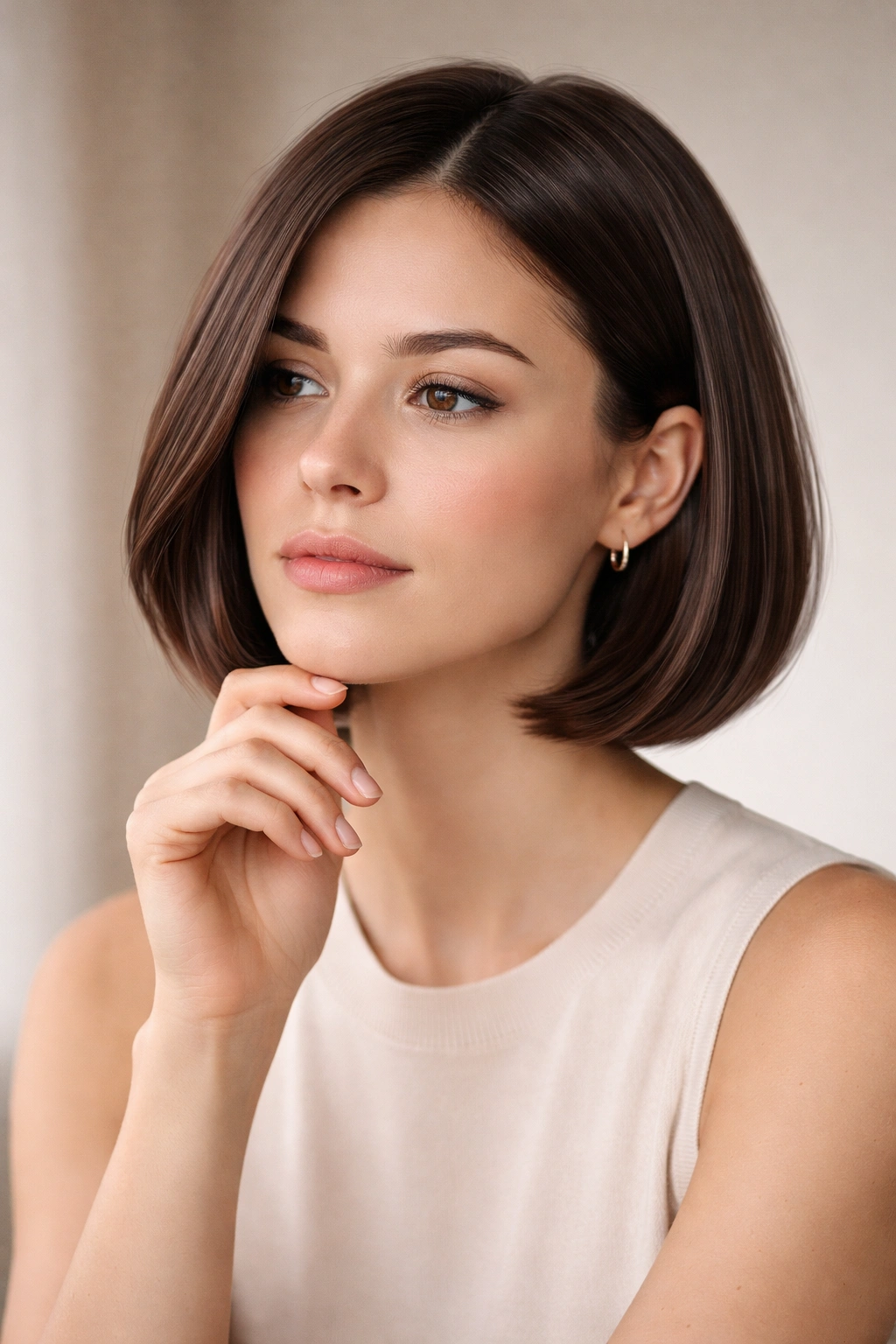
The right Italian bob for your straight hair depends on how much styling you’re willing to do, what kind of face shape you’re working with, and whether you prefer minimalist polish or textured movement. All of these cuts share the Italian bob’s core appeal — that sophisticated, effortlessly chic aesthetic — but they express it in distinctly different ways. The classic, subtle-layer version works for nearly everyone and requires the most straightforward styling approach. The choppy, textured, and shaggy variations give you more personality and modern edge but ask for more styling intention. The longer versions offer more versatility and easier grow-out phases, while the shorter, blunt options feel more high-impact and require more frequent trims.
Before you book an appointment, save reference photos of the specific version you’re drawn to and walk your stylist through exactly what appeals to you about each element — the layer placement, the length, the face-framing strategy, the overall vibe. The more specific you can be, the more likely your stylist can deliver exactly what you’re envisioning. And remember that straight hair is actually an advantage with Italian bobs because the cut’s precision and architecture shine without curl or texture to obscure it. You have the ideal canvas for any of these styles.
