



Fine straight hair can be tricky to work with when you’re considering bangs. You want something that adds texture and movement without weighing down your delicate strands or making your forehead look too narrow. Curtain bangs are genuinely one of the best solutions for this hair type — they frame the face beautifully, create the illusion of volume at the crown, and work with your hair’s natural straight texture rather than fighting against it. The key is understanding which specific curtain bang styles complement fine hair’s unique characteristics and which ones can flatten it out.
The beauty of curtain bangs for fine straight hair lies in their versatility. Whether you prefer subtle framing or more dramatic dimension, there’s a version that’ll work for your face shape and styling preferences. This guide walks you through ten distinct curtain bang styles specifically suited to fine straight hair, along with insider tips on styling, maintenance, and how to customize each look to fit your personal aesthetic.
1. Classic Center-Parted Curtain Bangs
Center-parted curtain bangs are the foundational style that works for almost everyone with fine straight hair. The cut starts just above your eyebrows at the center and sweeps outward and downward on both sides, creating that signature parted curtain effect when you wear your hair down the middle. This style is forgiving because the parting naturally creates dimension, which actually works in your favor with fine hair.
Why This Style Works for Fine Hair
The center part draws attention to the face without requiring dense, thick bangs that would weigh down fine strands. The side-swept motion gives the illusion of movement and texture, making your hair appear fuller than it actually is. This style also grows out gracefully — you can wear it as full curtain bangs one month, then transition them into your regular hair as they lengthen.
Key Styling Details
- Part your hair down the center from forehead to crown before cutting
- Ask your stylist to keep the bangs longer at the center (around nose-length) and shorter at the sides (cheekbone-length)
- Avoid blunt-cut edges; ask for subtle layers within the bangs for texture
- The bangs should just barely skim your eyebrows when dry
Pro tip: Blow-dry your center part while the bangs are still slightly damp, directing them to curve gently away from your face on both sides. This keeps them from looking too flat or stuck to your forehead.
2. Wispy Feathered Curtain Bangs
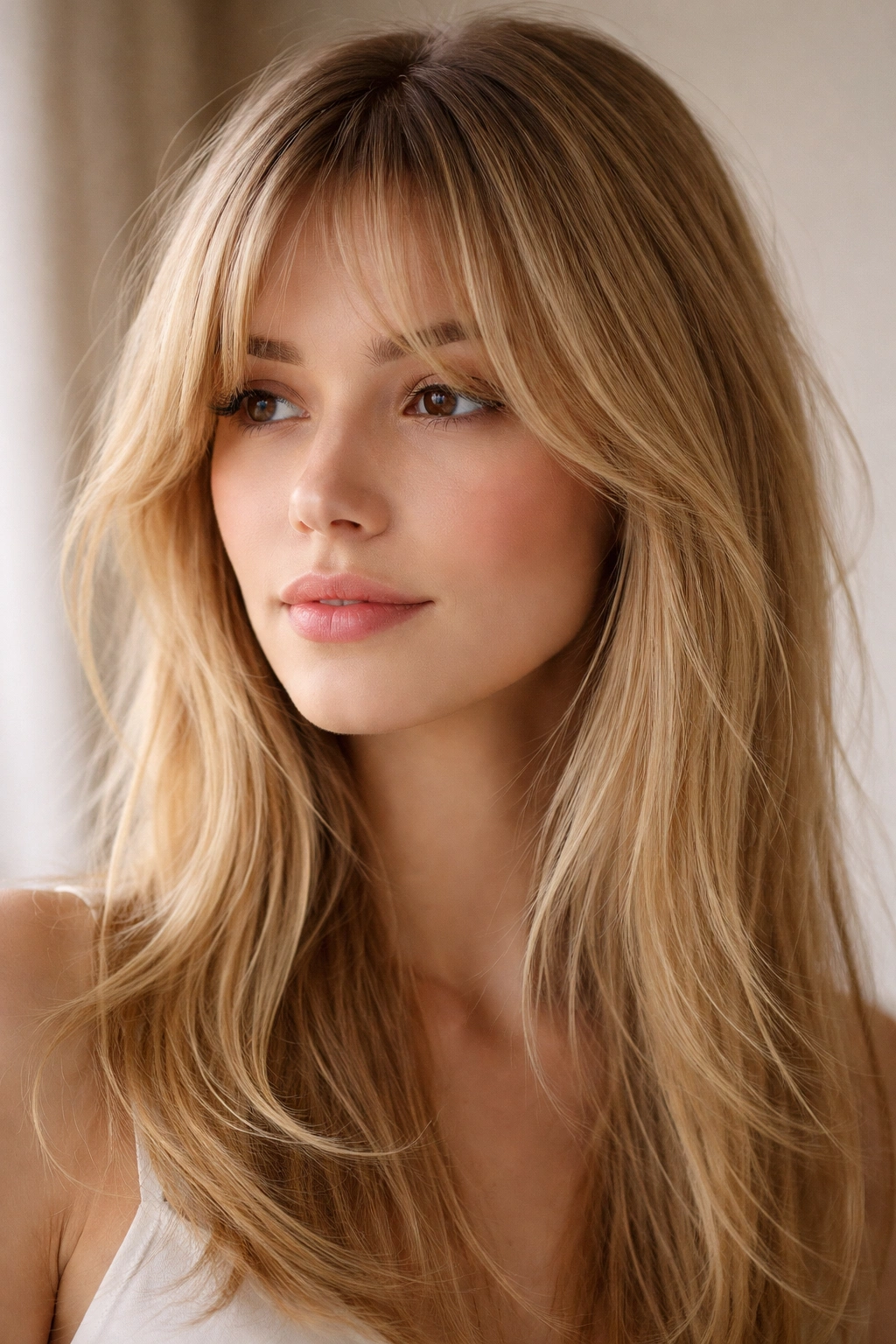
Wispy feathered bangs are cut with lots of fine layers throughout, creating an almost cloud-like softness. Instead of one blunt line, your stylist cuts multiple shorter layers at different depths, so the bangs appear lighter and airier. For fine hair, this is close to ideal because the layers don’t create bulk — they create the appearance of texture.
What Makes Them Different
Feathered bangs have more movement than classic curtains and work particularly well if your fine hair tends to look limp or plastered to your head. The layers allow air to move through the bangs rather than creating a solid wall of hair. They’re especially flattering for people with fine hair who want some edge but need the illusion of fullness.
Styling and Texture
- Ask your stylist to razor-cut or point-cut the bangs rather than using blunt scissors — this creates those wispy, feathered edges naturally
- These bangs work beautifully with a slight wave or bend; you don’t need curls, just a gentle curve away from your face
- Use a round brush and blow dryer to style them, directing the air down the hair shaft for a sleeker finish
Worth knowing: Feathered bangs need trimming every 3-4 weeks because the layered edges are more noticeable as they grow out, and they can start looking stringy or uneven faster than blunt-cut bangs.
3. Long Wispy Curtain Bangs
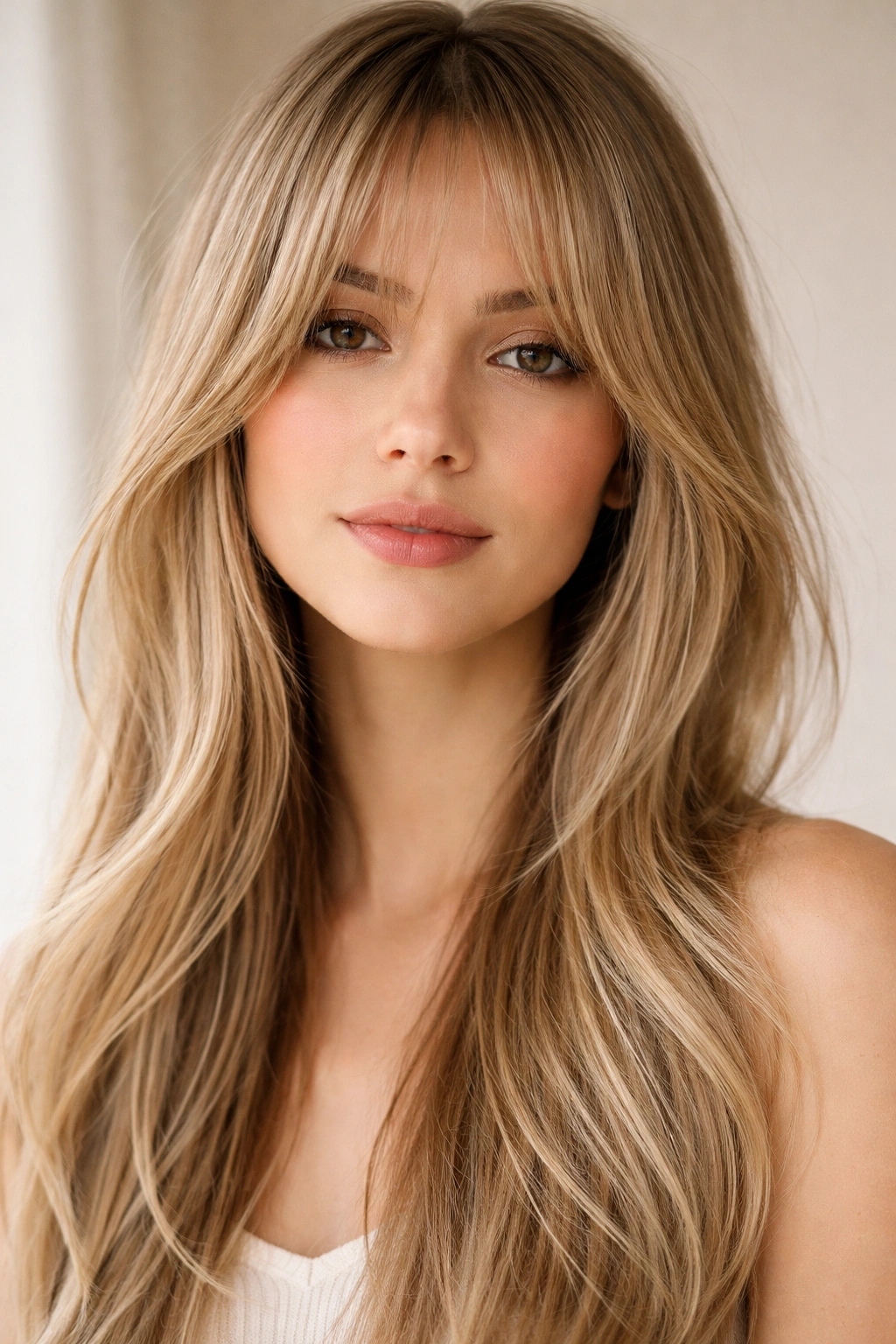
Long wispy curtain bangs hit closer to your cheekbones or even jawline, offering a softer, more romantic alternative to shorter bangs. This length works beautifully with fine straight hair because it doesn’t require as much styling and grows out in a more gradual, intentional-looking way. They also give you more flexibility — you can pin them back on days when you need a different look.
The Advantage for Fine Hair
Since these bangs are longer, they weigh slightly more and are less likely to stick up or look too thin. They also blend more seamlessly into the rest of your hair, creating a cohesive look rather than a stark division between bangs and regular hair. For people with fine hair who worry about bangs looking scraggly, this length often feels more forgiving.
Shaping and Layering
- These should have some internal layers to create movement, but the outer edge should be longer
- The shape should curve gently rather than fall perfectly straight — ask for a subtle C-shape
- Layers within the bangs should be subtle enough that they blend into your longer hair when you wear it down
Insider note: Long wispy bangs are incredibly easy to grow out if you change your mind. You can simply brush them back with the rest of your hair within a few weeks, and they’ll look intentional rather than regrowth.
4. Asymmetrical Curtain Bangs
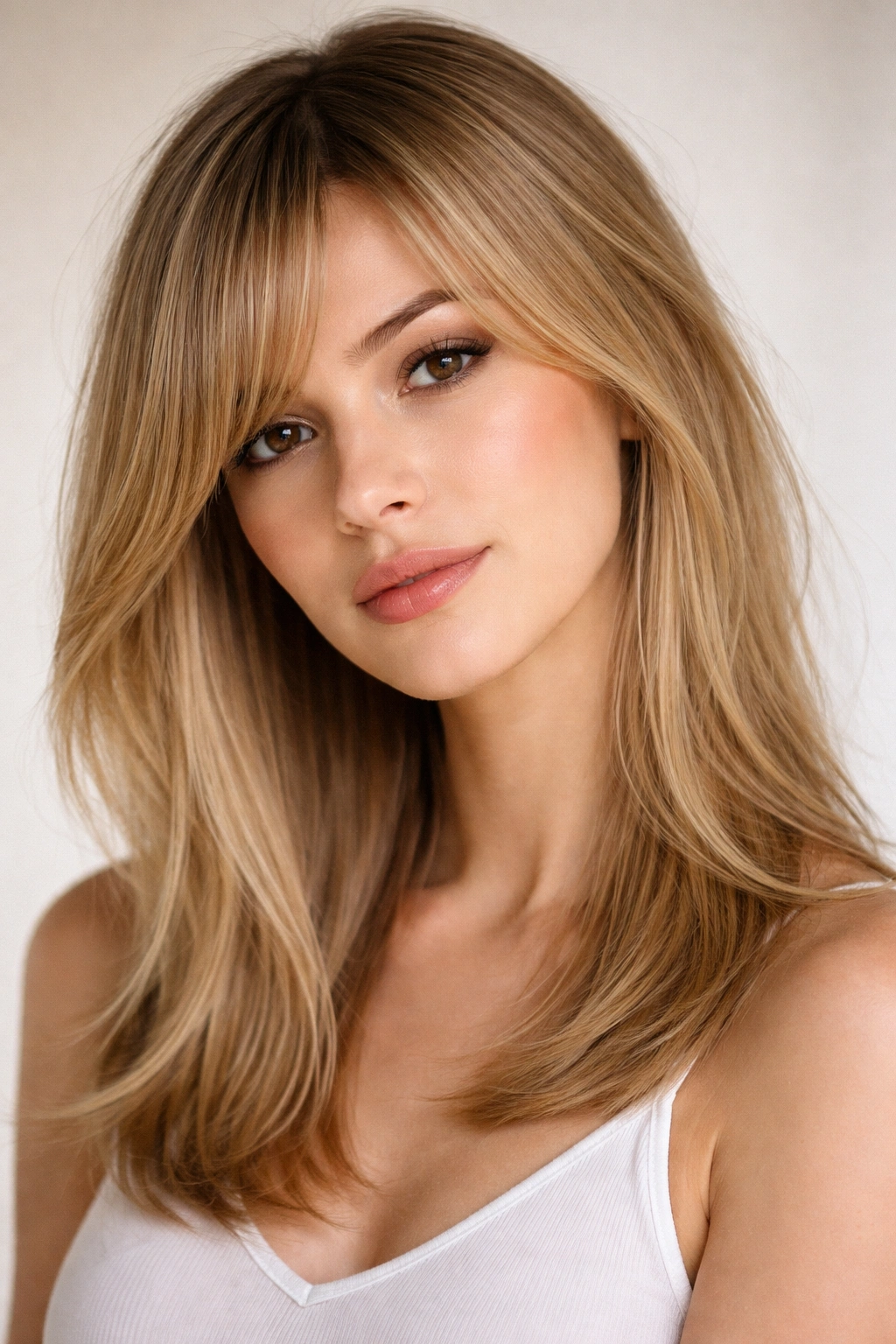
Asymmetrical curtain bangs are cut longer on one side than the other, creating an edgy, modern look that’s less predictable than center-parted bangs. One side might hit your cheekbone while the other grazes your eyebrow, creating diagonal movement across your forehead. This style suits fine hair well because the length variation gives the appearance of intentional styling and dimension.
Why Asymmetry Works
The uneven length makes your hair look styled and intentional rather than flat or one-dimensional. It draws attention to whichever side is longer, which you can use to your advantage if you want to emphasize one side of your face over the other. For fine hair, this movement and direction are genuinely helpful in creating visual interest.
Customizing the Look
- Work with your stylist to determine which side should be longer based on your face shape and personal preference
- The longer side should still curve away from your face, not hang blankly down
- Ask for subtle layering on both sides to keep the bangs from looking heavy or thick on the shorter side
Pro tip: Asymmetrical bangs photograph exceptionally well because they create natural lines and shadows that make hair appear fuller than it is.
5. Choppy Textured Curtain Bangs
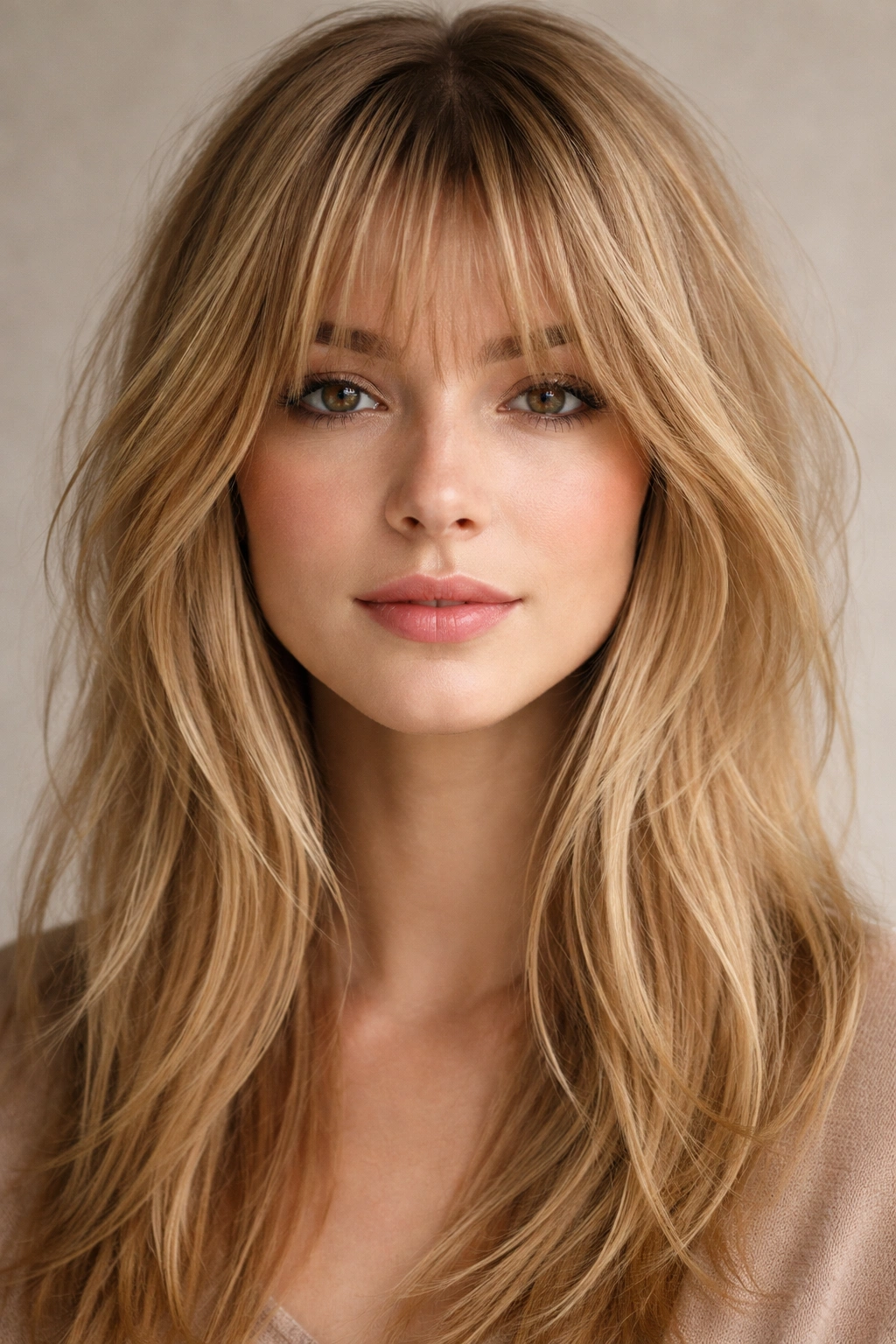
Choppy textured curtain bangs feature cut pieces of varying lengths mixed throughout, creating an undone, lived-in aesthetic. Your stylist cuts some pieces shorter and some longer, blending them together so the overall effect is texturized and movement-filled rather than a solid, blunt line. This style is excellent for fine hair because the choppy pieces create the visual effect of volume.
The Texture Factor
The choppy layers catch light differently, which makes fine hair appear thicker and more dimensional. This style also works beautifully with naturally straight hair — the choppiness creates shape and movement without requiring you to blow-dry or style in any particular way. You can wear them slightly tousled or sleek, and they’ll look intentional either way.
Cutting Technique
- Your stylist should use scissors (not a razor) to create distinct, separate pieces rather than soft feathering
- The choppiness should be consistent throughout the bangs but not so extreme that individual pieces look choppy or stringy
- The overall bang length should still work with your face shape (above eyebrows for shorter faces, longer for larger faces)
Worth knowing: Choppy bangs show your styling efforts more obviously than other cuts. If you prefer a more polished look, you might want to blow-dry and smooth them out slightly, rather than going for the full tousled effect.
6. Micro Curtain Bangs
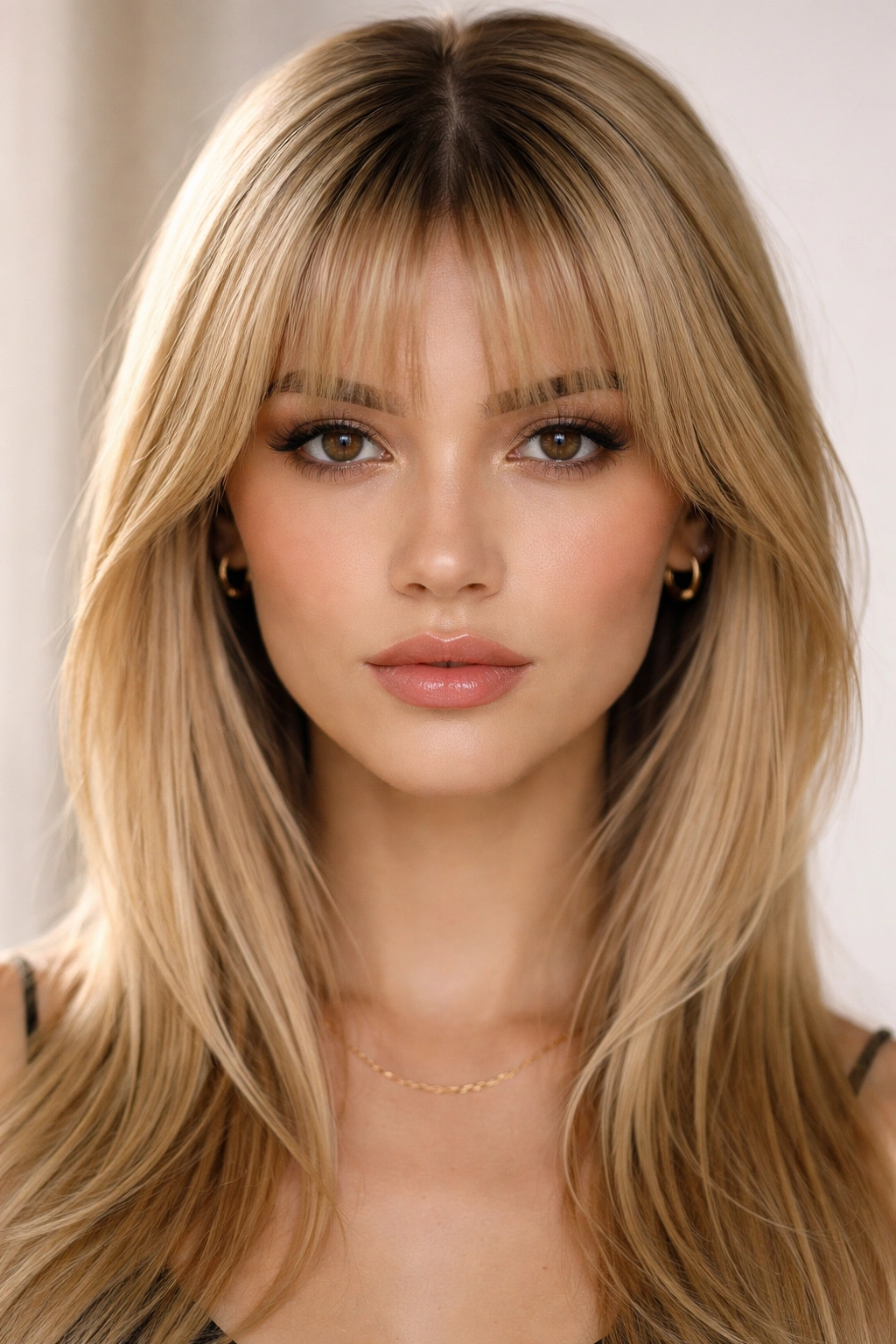
Micro curtain bangs are extremely short, hitting right at your eyebrows or even just above them. They create a bold, Y2K-inspired look that’s especially flattering if you have a longer face shape. For fine hair, shorter bangs create the appearance of thicker hair at the crown, drawing attention upward and making your overall look feel fuller.
When to Go Short
Micro bangs work best if you have a stable, at-home styling routine and don’t mind frequent trims (every 2-3 weeks). They’re also easier to maintain than you’d think — they’re short enough that they don’t require much blowdrying, and they grow out quickly if you want to change styles. Fine hair actually looks fuller with shorter bangs because there’s less weight pulling the hair down.
Styling Considerations
- Micro bangs should still have some texture or layers built in — a blunt line can look harsh on fine hair
- You can wear them completely straight or slightly curved away from your face
- They pair beautifully with longer hair in the back or even a sleek ponytail
Pro tip: If you’re worried about short bangs, try a wig or a clip-in bang extension first to see how the length and style feel before committing to a real cut.
7. Blunt-Cut Curtain Bangs with Softened Edges
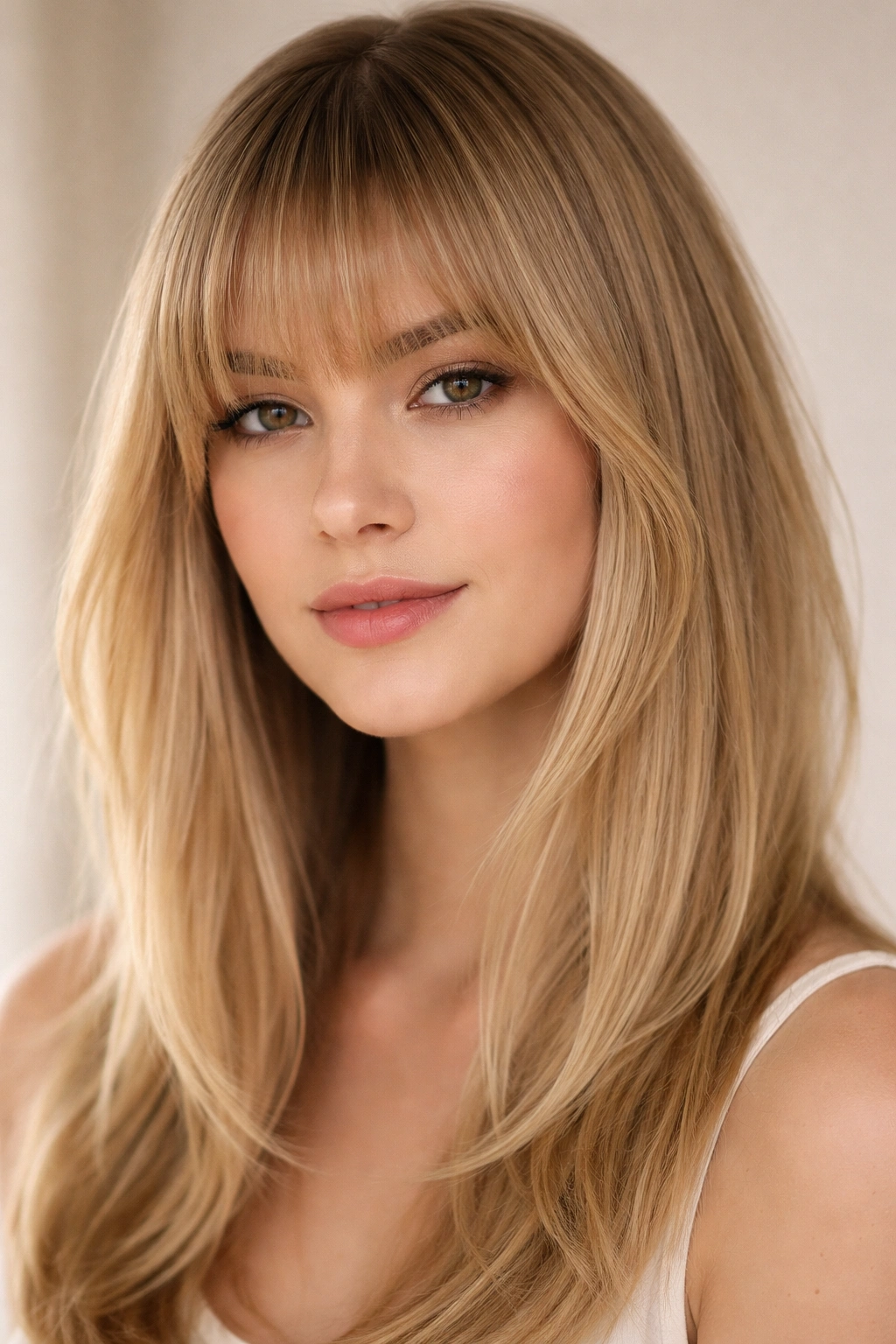
Blunt-cut bangs have a defined line rather than layers, but they’re cut with slightly softened, less-harsh edges to avoid looking too severe on fine hair. Your stylist creates a clean line across but uses techniques like point-cutting or feathering the very edge to remove the harshness. This gives you the definition and boldness of blunt bangs without making fine hair look thin or wispy.
The Definition Factor
Blunt-cut bangs make a statement and work especially well if you want a more polished, intentional appearance. The soft edges keep them from looking too severe or creating an overly obvious line of demarcation between bangs and hair. For fine hair, this balance between definition and softness is often the sweet spot.
Creating the Look
- Ask your stylist to cut a blunt line but then soften the edges with point-cutting or slight feathering
- The line should be just clear enough to create shape, but not so harsh that it appears severe
- Pair this with subtle internal layers so the bangs don’t feel too heavy or solid
Worth knowing: Blunt bangs with softened edges need to be trimmed every 3-4 weeks to maintain the crisp line, but the softened edges hide small imperfections better than completely blunt cuts.
8. Money-Piece Curtain Bangs
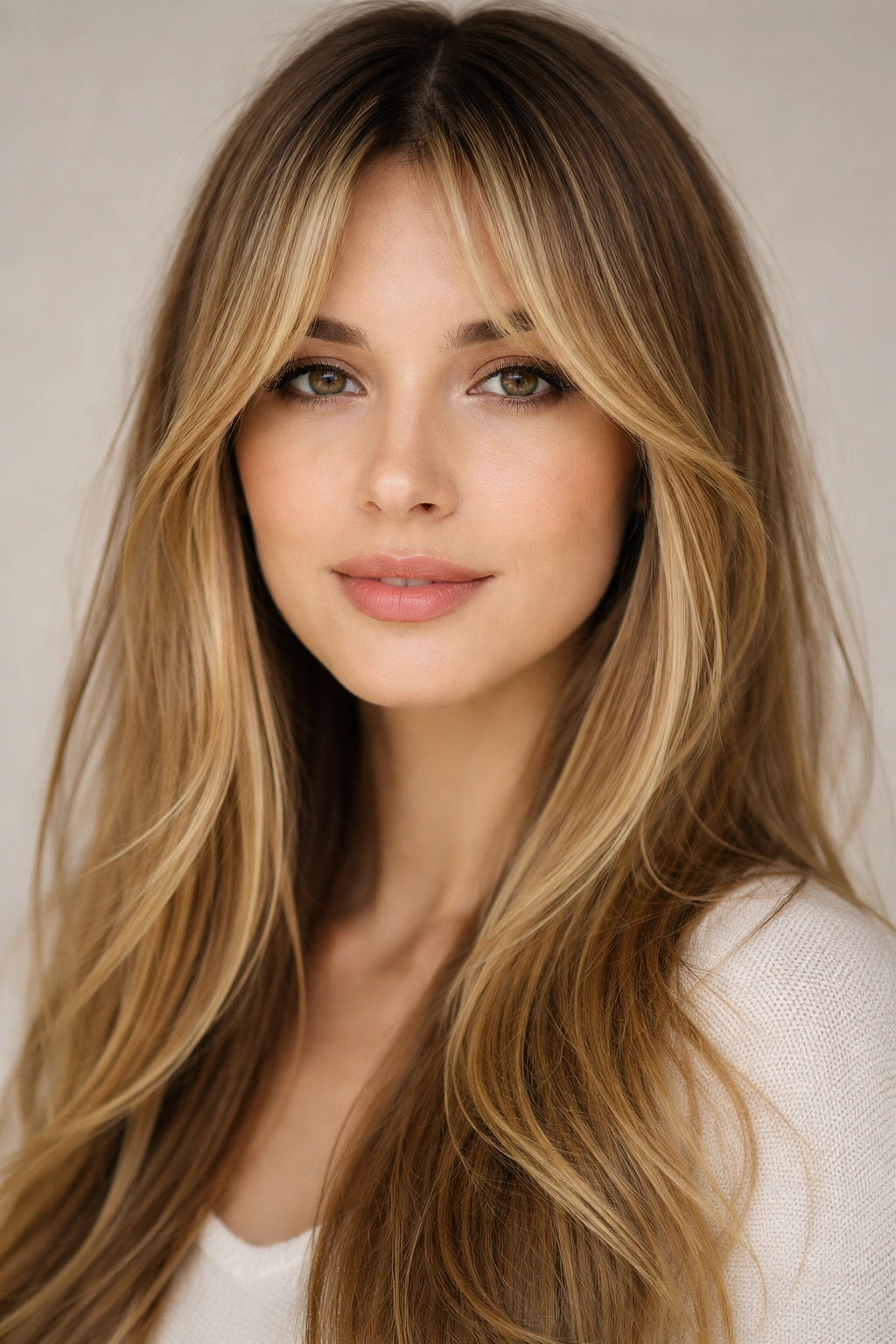
Money-piece curtain bangs are a hybrid style that keeps bangs shorter in the center and longer on the sides that frame your face. The longer side pieces create the illusion of face-framing highlights, even if your hair is one solid color. This style works beautifully for fine hair because the length variation creates dimension and the side pieces add gentle shape without weight.
The Face-Framing Benefit
The longer side pieces literally frame your face and draw attention upward, which is naturally flattering for most face shapes. The shorter center keeps you from having a heavy, thick-looking bang situation, while the longer sides balance it out. This style is particularly flattering if you have a round face or want to elongate your features.
Customization Options
- The center bangs can hit anywhere from just above your eyebrows to mid-forehead
- The side pieces should fall at least to your cheekbones, often longer
- Ask for subtle layers within all the pieces to create movement
- Consider adding some light layering throughout your longer hair to blend the money pieces seamlessly
Insider note: Money-piece curtain bangs are very forgiving as they grow out because the longer side pieces blend into your regular hair quickly, and the style still looks intentional for several weeks.
9. Curtain Bangs with Internal Highlights and Dimension
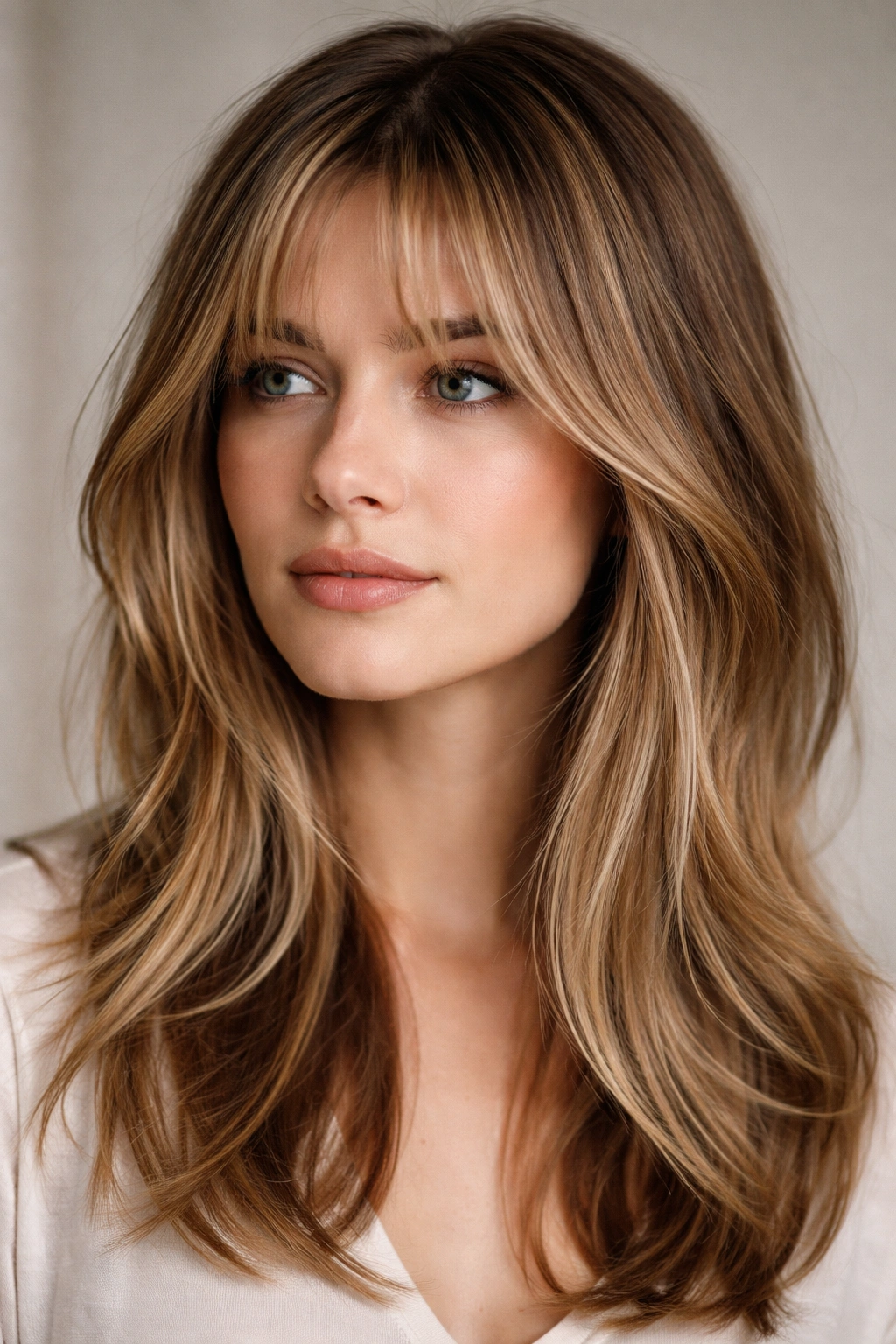
This isn’t a specific cut style, but rather curtain bangs that are enhanced with strategic highlights or dimension created through color. For fine hair, this technique is genuinely genius because color dimension creates the optical illusion of thicker, fuller hair. Even if your bangs are wispy, dimension makes them appear more textured and voluminous.
How Color Creates Fullness
Strategic placement of lighter or darker tones within your bangs makes individual pieces more visible and defined. Lighter pieces catch the light and create the appearance of texture, while subtle darker pieces add depth and prevent the bangs from looking too thin. This works even better on fine hair because the color does the work instead of relying on density.
Color Placement for Bangs
- Face-framing highlights in the side pieces that sweep away from your face
- Subtle highlights in the center of the bangs to create brightness and dimension
- Consider lowlights or dimension that matches your natural base color to add depth without drastic color change
Pro tip: Even just 2-3 well-placed highlights in your bangs can make them appear significantly fuller and more textured. You don’t need dramatic color to see a real difference in how your hair looks.
10. Grown-Out Curtain Bangs
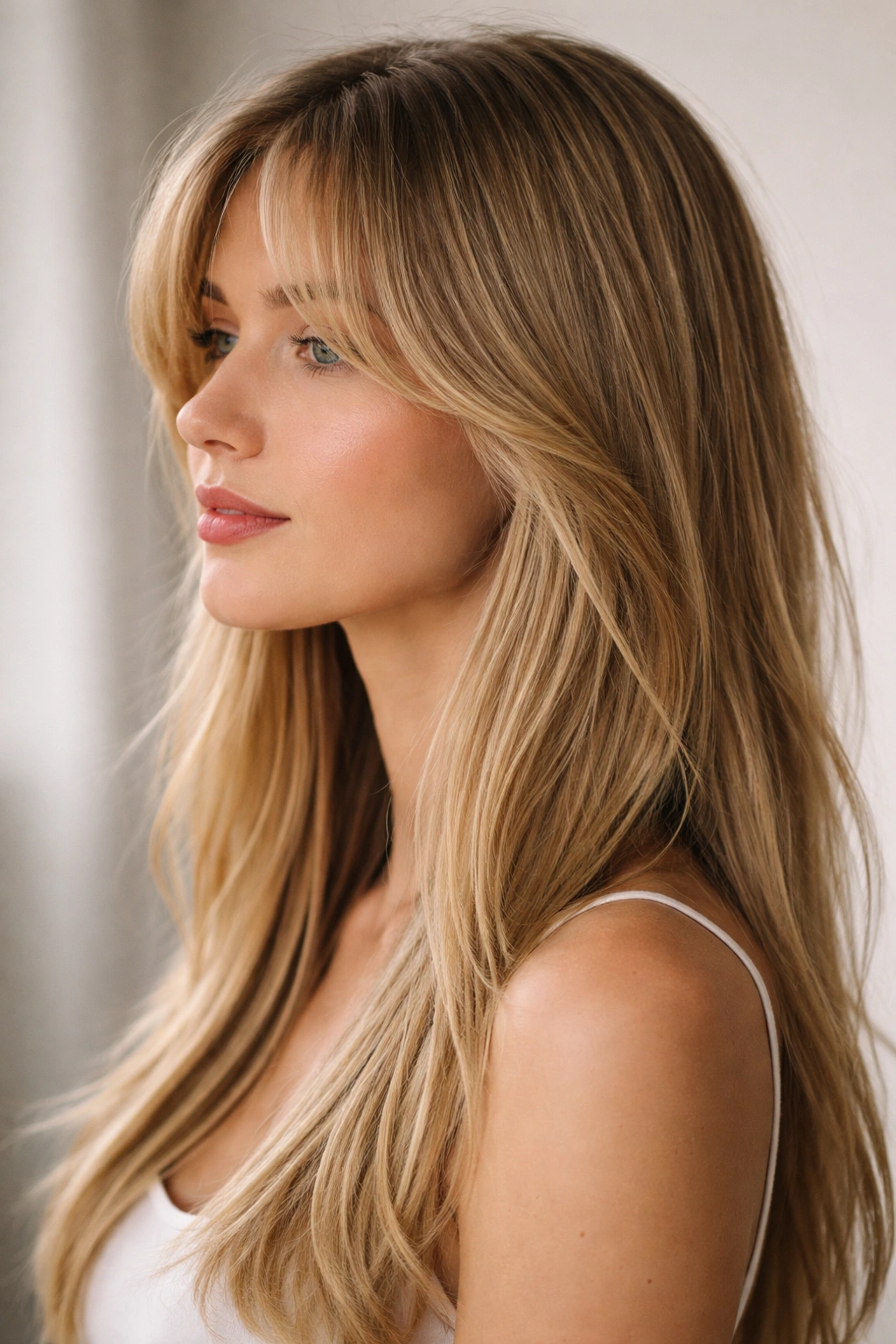
Grown-out curtain bangs are simply curtain bangs that haven’t been trimmed in several weeks or months, creating a longer, more blended transition between bangs and regular hair. This style has become trendy because it’s low-maintenance and works beautifully during the awkward phase when bangs are getting longer. For fine hair, grown-out bangs can actually look fuller because the increased length blends the thinner pieces into your regular hair.
The Low-Maintenance Appeal
Grown-out curtain bangs are genuinely the easiest style to maintain because you’re just letting them grow naturally into your regular hair. There’s no specific trim schedule, and the style looks intentional rather than like you’ve simply neglected your bangs. For fine hair, this means you can enjoy bangs without committing to frequent trims if that’s not your preference.
Styling for the Grown-Out Look
- You can clip them back some days for a different style
- Blow-dry them gently to create a subtle curve away from your face
- The longer length means they blend seamlessly into your regular hair, creating a cohesive look
- Layer your longer hair to blend with the longer bangs
Worth knowing: Grown-out curtain bangs work best when your overall hair has some texture or layers built in. If your hair is completely blunt and one length, the longer bangs might look disconnected rather than intentional.
How to Style Curtain Bangs on Fine Straight Hair
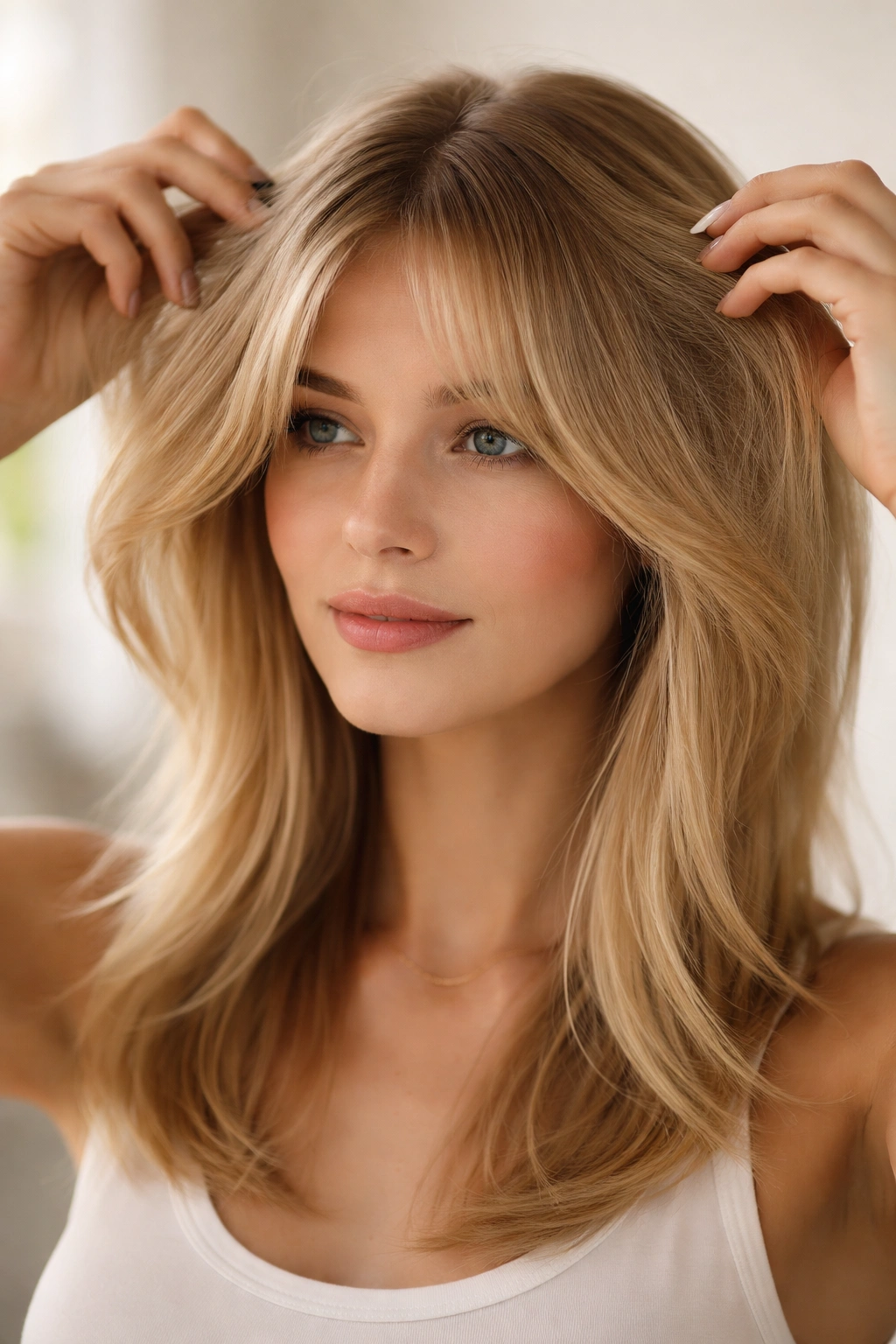
Styling is where most people with fine hair struggle, but curtain bangs actually require less intensive styling than many people assume. The key is working with your hair’s natural straight texture rather than fighting against it. Start with slightly damp bangs after you shower, not soaking wet. Use a blow dryer on a low to medium heat setting with a round brush or paddle brush to gently direct the hair away from your face.
For a polished look, blow-dry the bangs smooth and sleek with a slight outward curve. For a more relaxed aesthetic, you can apply a light texturizing spray or dry shampoo to the bangs before blow-drying to add grip and prevent them from looking too flat. A quick pass with a flat iron on low heat — never high heat on fine hair — can smooth out any flyaways without damaging your strands.
If your bangs are layered or feathered, you can enhance the texture by directing the blow dryer up through the layers, creating more movement and separation. On days when you don’t want styled bangs, simply brush them back into your regular hair, pull them to the side and clip them, or style them into a ponytail or bun with the rest of your hair.
Maintaining Fine Straight Curtain Bangs
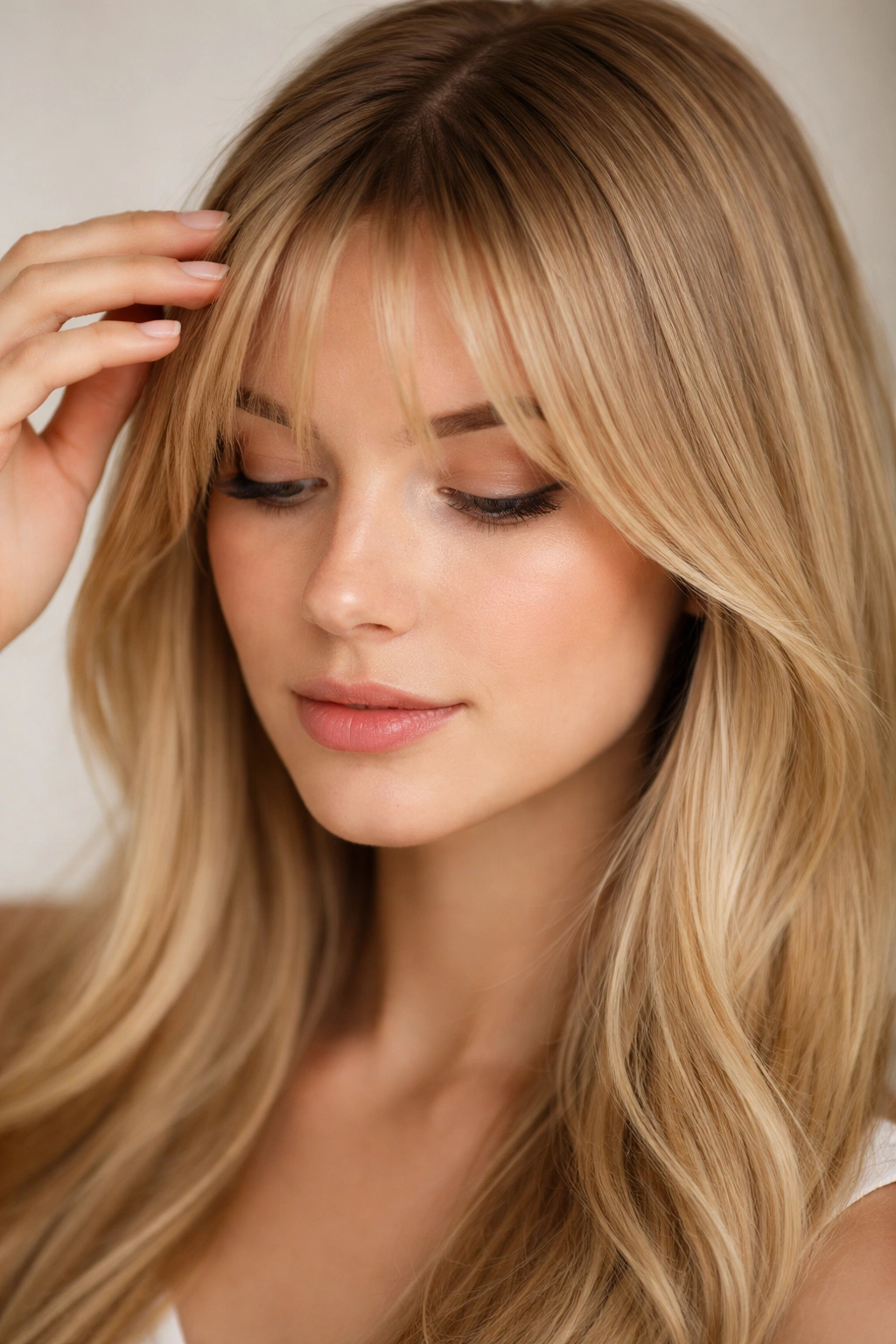
Maintenance is crucial for curtain bangs to look their best, especially on fine hair where grow-out can look scraggly quickly. Plan for a trim every 3-4 weeks for shorter styles or micro bangs, and every 4-6 weeks for longer curtain bangs. Between trims, keep your bangs looking sharp by using a light dry shampoo or texturizing spray to add grip and prevent them from looking too flat or greasy.
Wash your bangs gently with the same sulfate-free shampoo and conditioner you use for the rest of your hair. Fine hair is prone to breakage, so never vigorously rub or wring out your bangs — simply squeeze the water out gently. When damp, let them air-dry slightly before using heat styling tools. Avoid heavy pomades or thick styling products on fine bangs; these weigh down your delicate strands and make them look thinner than they are. Instead, opt for lightweight sprays, mousses, or balms designed for fine or thin hair.
If your bangs start to look flyaway or wispy between trims, resist the urge to cut them yourself. Instead, use a small amount of lightweight hair oil or serum on the ends to smooth them down. Schedule your professional trim slightly early if your bangs are looking noticeably overgrown — waiting too long can make fine bangs look unkempt, whereas a timely trim keeps them looking intentional and fresh.
Choosing the Right Curtain Bang Style for Your Face Shape
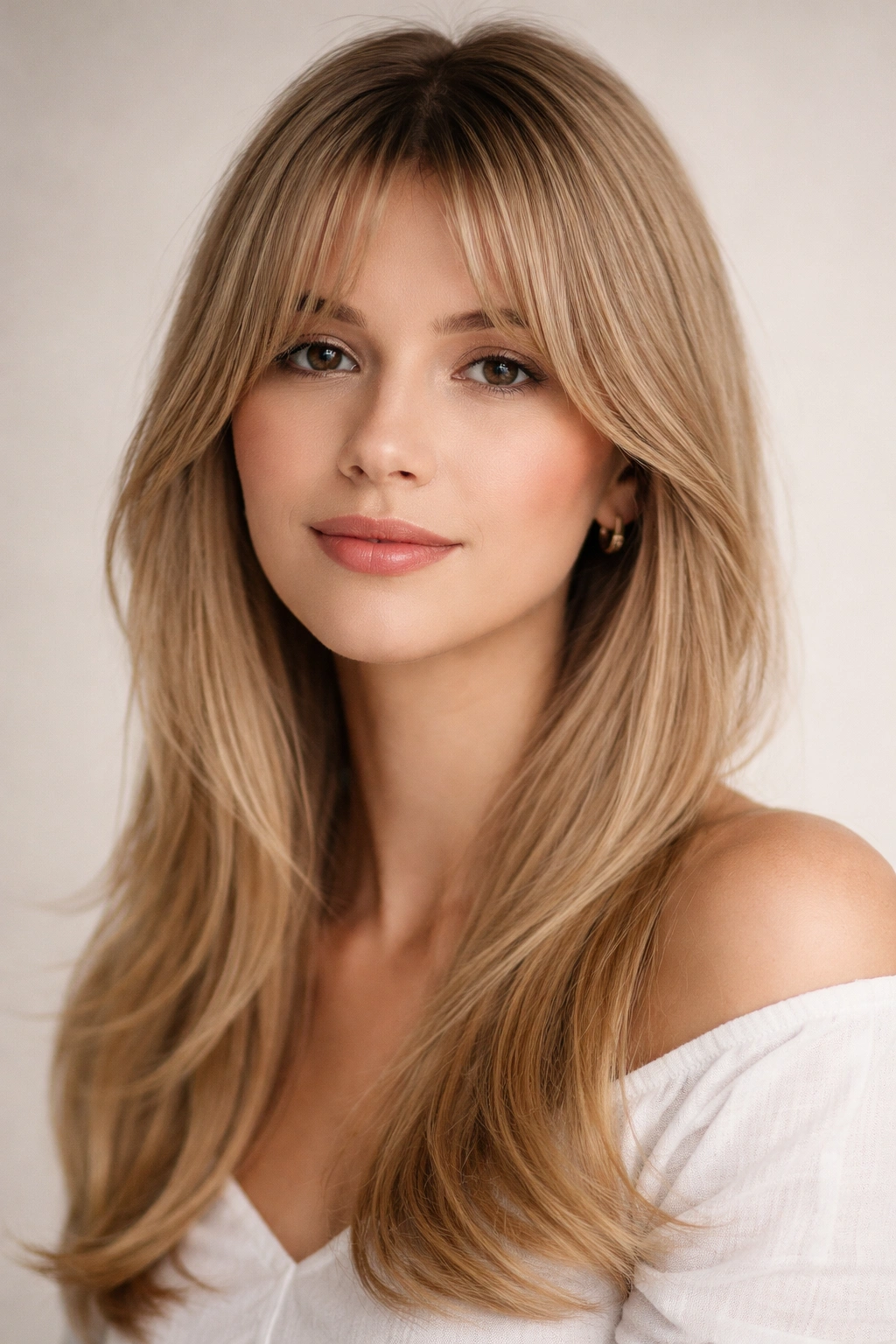
The best curtain bang style for fine straight hair depends partly on your face shape. Round faces typically benefit from shorter curtain bangs or micro bangs that draw attention upward, along with side-swept pieces that elongate. Long or oblong faces can wear almost any curtain bang length, but often look best with fuller, wider bangs that create horizontal balance across the forehead.
Square faces benefit from softer, wispy curtain bangs that round out the angular jawline, or longer curtain bangs that create vertical lines. Heart-shaped faces (wider forehead, narrower chin) look beautiful with center-parted curtain bangs that split the forehead width, or longer side-swept bangs that draw attention down to the chin. Oval faces are genuinely lucky — almost any curtain bang style complements an oval face, so you can choose based purely on personal preference and lifestyle.
When consulting with your stylist, bring reference photos of specific curtain bang styles you love. Be honest about your styling commitment and how much time you’re willing to spend daily on your bangs. Some styles require more blow-drying and maintenance than others, and fine hair needs extra care, so a low-maintenance style might be a better fit for your lifestyle than a high-maintenance one.
Why Fine Hair Makes Curtain Bangs Look Fuller
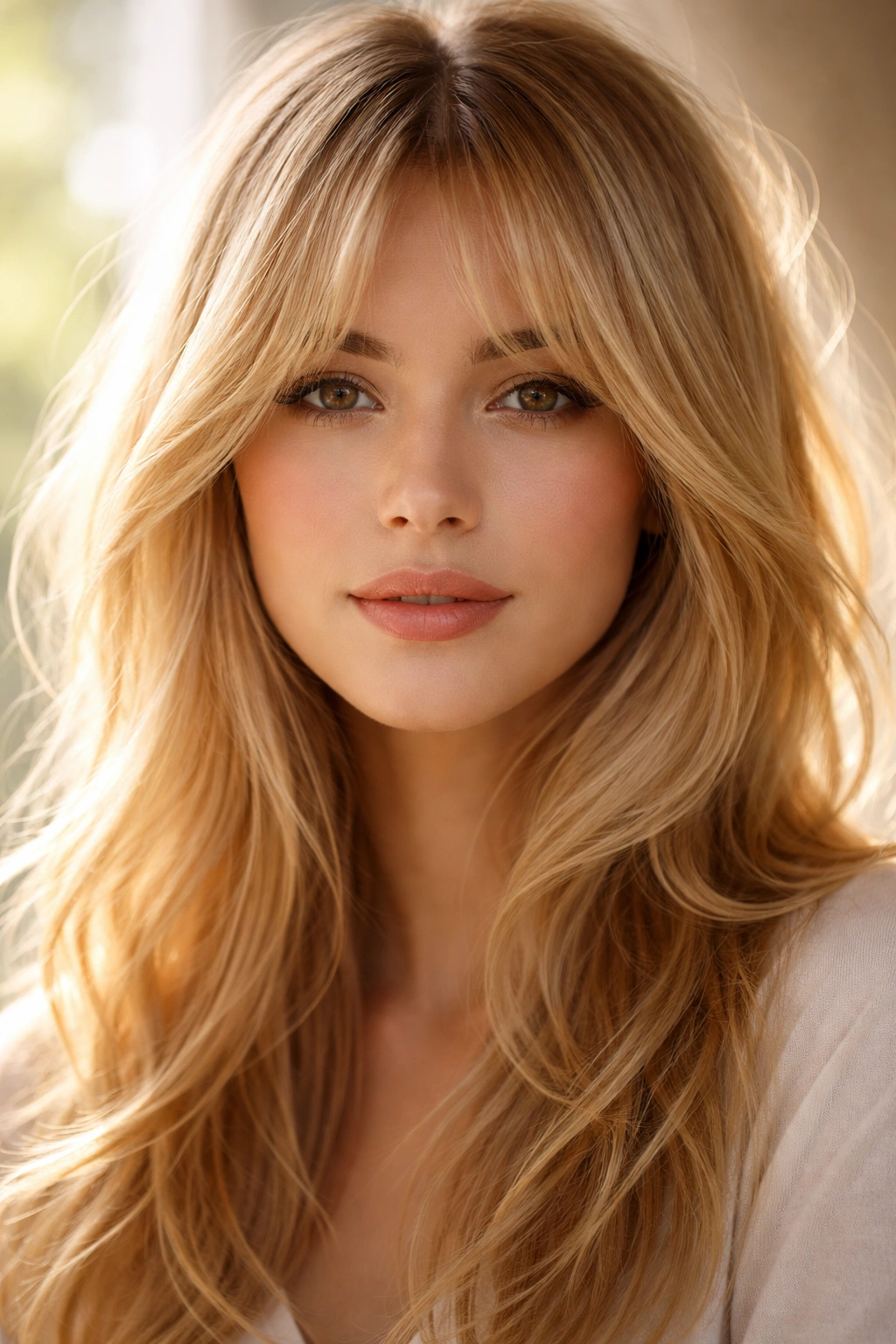
Fine hair can actually be an advantage when you’re wearing curtain bangs, though it might not feel that way initially. The individual strands are thinner, which means layered or feathered bangs show more dimension and movement because light passes through more visible space between the pieces. This creates the optical illusion of more texture and fullness than you might see with thicker hair that has the same number of strands.
Additionally, fine hair moves more easily, which means your curtain bangs create natural, soft curves and waves without requiring tons of styling effort or product. The gentleness and lightness of fine hair actually translate into more elegant, sophisticated-looking curtain bangs. The key is choosing a style that works with this natural lightness rather than fighting against it with blunt, heavy cuts or thick styling products.
Fine hair is also typically more prone to looking flat or limp when it’s long, which is why bangs can actually improve the overall appearance of your hair. Bangs create shape and framing at your face, drawing attention to your features rather than to potentially thin-looking lengths. Many people with fine hair find that adding bangs makes their entire look feel fuller and more intentional.
Common Mistakes to Avoid With Fine Straight Hair and Curtain Bangs
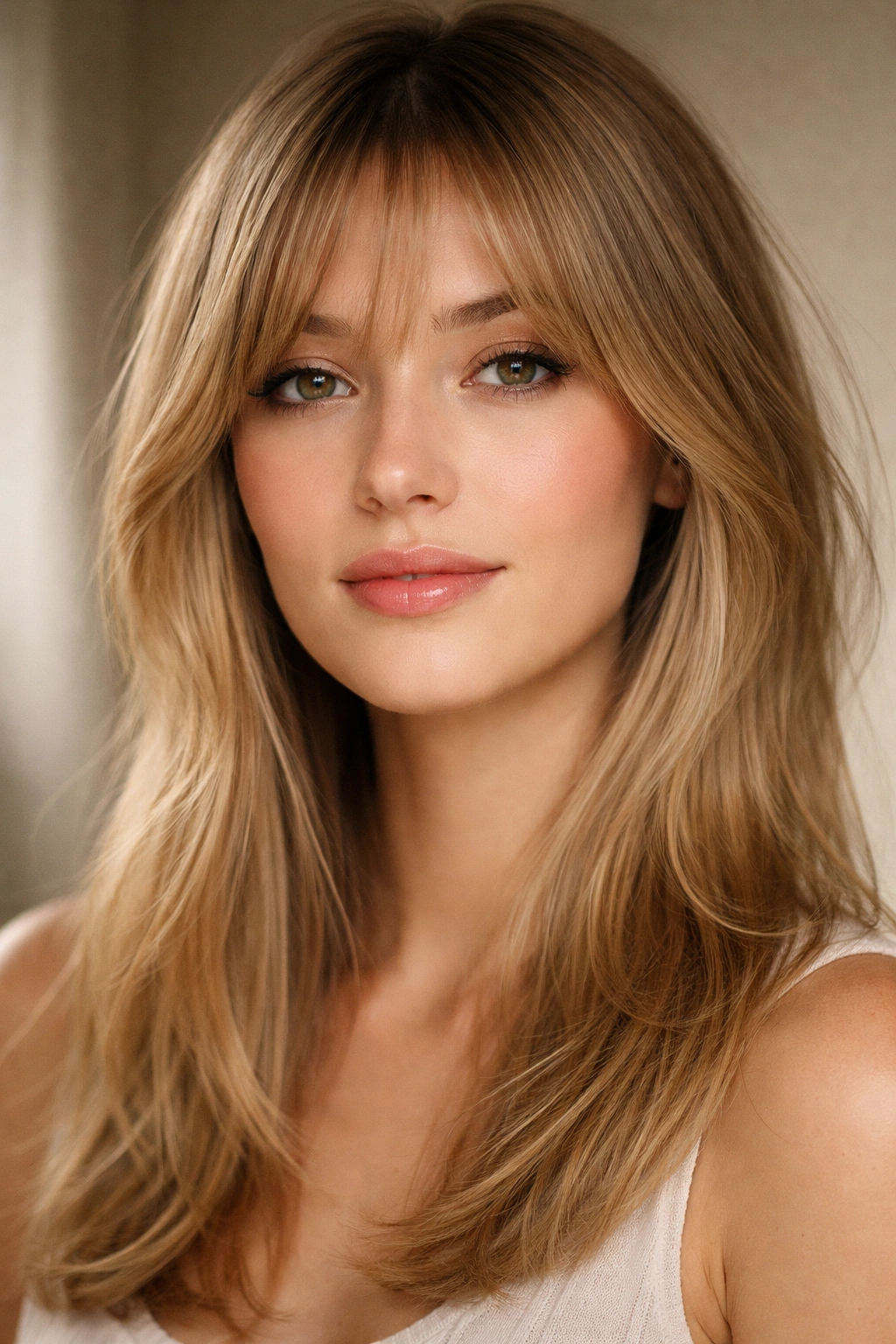
The biggest mistake is asking for thick, blunt bangs without any layers. Heavy bangs weigh down fine hair even more than it’s already weighted down, creating a flat, limp appearance. Always ask for some layering, feathering, or texture built into your curtain bangs, even if you want a relatively clean line. This gives the bangs shape and movement that fine hair actually benefits from.
Another common mistake is using heavy styling products. Thick creams, pomades, and waxes are genuinely counterproductive on fine hair and curtain bangs specifically — they weigh everything down and make your bangs look thinner, not fuller. Stick with lightweight sprays, dry shampoo, or mousse on your bangs. A tiny amount of lightweight serum on the very ends can smooth flyaways without creating weight through the bangs.
Waiting too long between trims is another issue many people face. Fine hair shows ragged edges quickly, and curtain bangs that are overgrown can look stringy or uneven. Stay on top of trims every 3-6 weeks depending on your style. Neglecting trims can make even a beautiful style look unkempt within a couple weeks.
Finally, avoid over-styling or using heat tools on high settings. Fine hair is delicate and prone to breakage and damage. Use low to medium heat only, and give your bangs at least one day per week of heat-free styling to let them recover. The more gently you treat fine hair, the healthier and better-looking it stays.
Final Thoughts
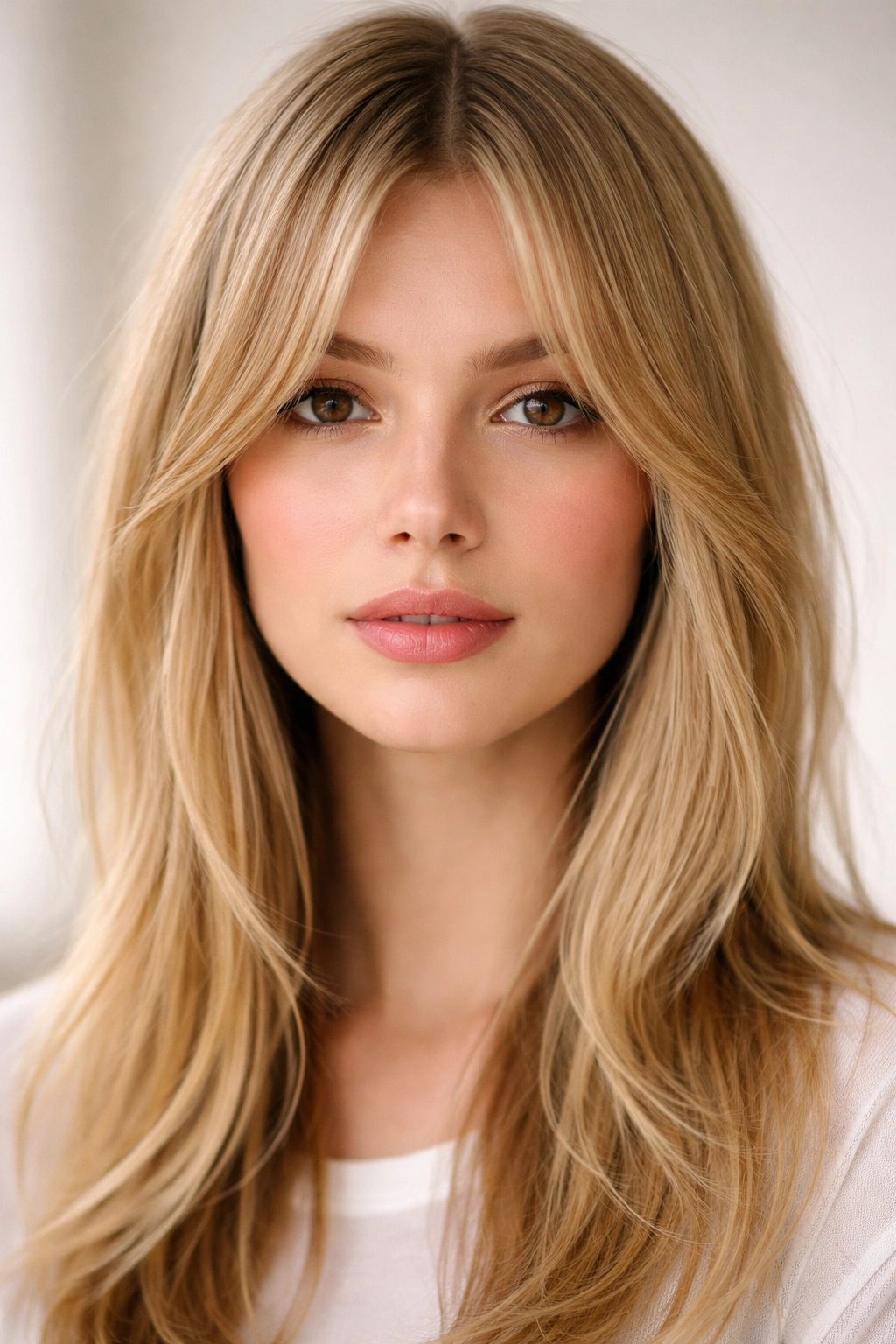
Curtain bangs are one of the best bang choices for fine straight hair because they work with your hair’s natural qualities rather than against them. Whether you choose classic center-parted bangs, edgy asymmetrical pieces, or soft wispy layers, the key is finding a style that matches your face shape, personal aesthetic, and daily styling commitment.
The secret to making curtain bangs look their absolute best on fine hair is keeping them well-maintained through regular trims and using lightweight products that won’t weigh down your delicate strands. Style them gently, prioritize your hair’s health, and don’t hesitate to ask your stylist for texture and layers that create dimension and movement.
Fine hair might be delicate, but it’s also versatile and can genuinely rock curtain bangs beautifully. The key is working with your hair type, not against it. Once you find your perfect curtain bang style, you’ll likely find that bangs improve not just your look but your confidence too.
