



Straight hair has a reputation for being “easy” to style, but there’s a catch — it can also fall flat without the right visual interest. That’s where headbands come in. A strategically chosen headband doesn’t just secure your hair; it adds texture, dimension, and personality to an otherwise simple look. Whether you’re aiming for polished professional vibes, effortless weekend casualness, or something in between, the right headband can completely transform how your straight hair looks and how confident you feel wearing it.
The beauty of straight hair is that it shows off headband details beautifully. Unlike curly or textured hair that can hide certain styles, straight locks showcase the full structure, color contrast, and design of whatever you’re wearing. A sleek headband catches the light differently against straight hair. Braided or embellished styles stand out with crisp clarity. Even simple elastic styles look intentional rather than accidental when your hair provides a smooth canvas.
But not all headbands work equally well with straight hair, and placement, material, and style choice absolutely matter. This guide walks through ten distinct headband styles that genuinely flatter straight hair, with honest tips on how to wear each one so it looks polished rather than sloppy, and how to adapt your straight locks to make each style shine.
1. The Classic Wire Headband
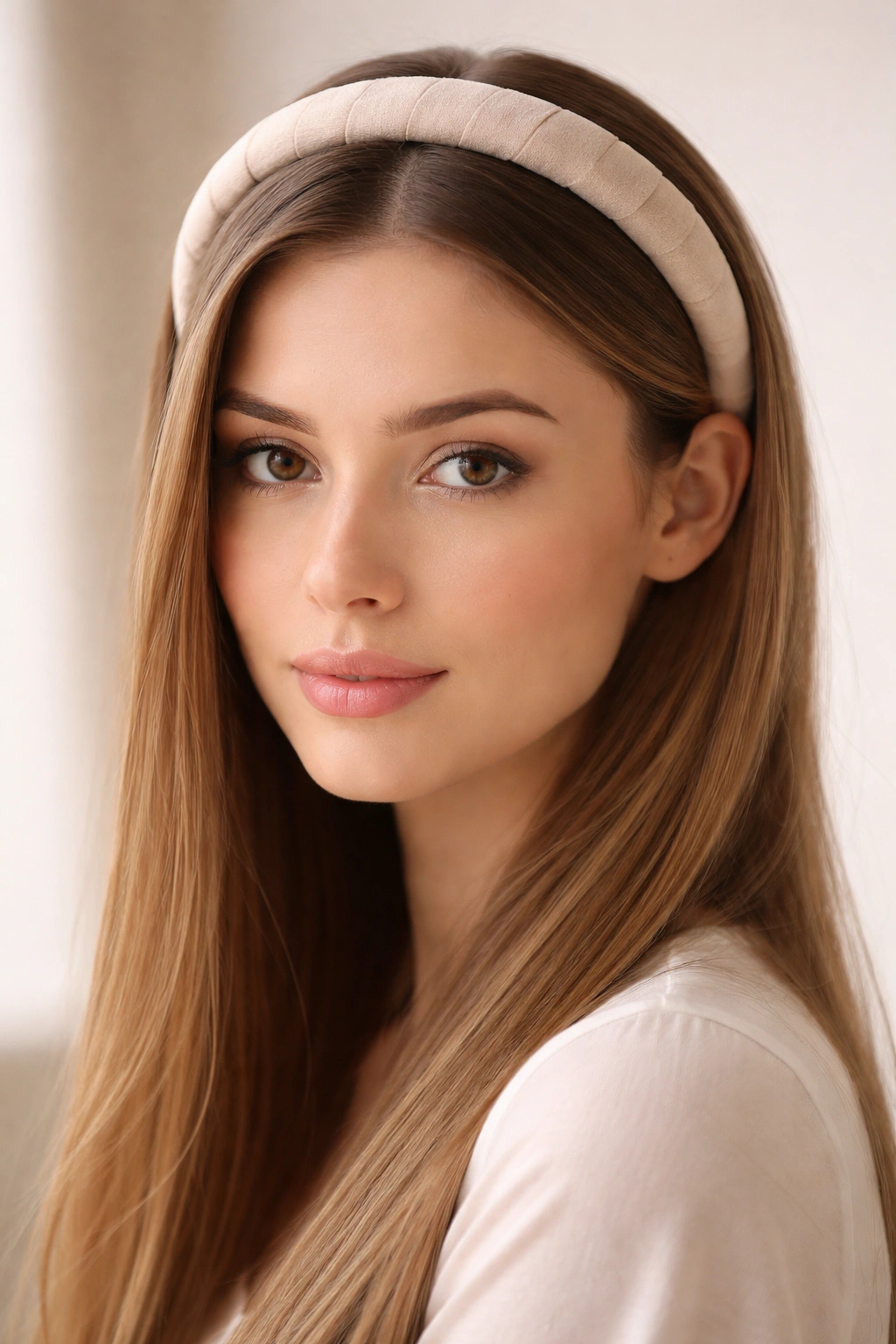
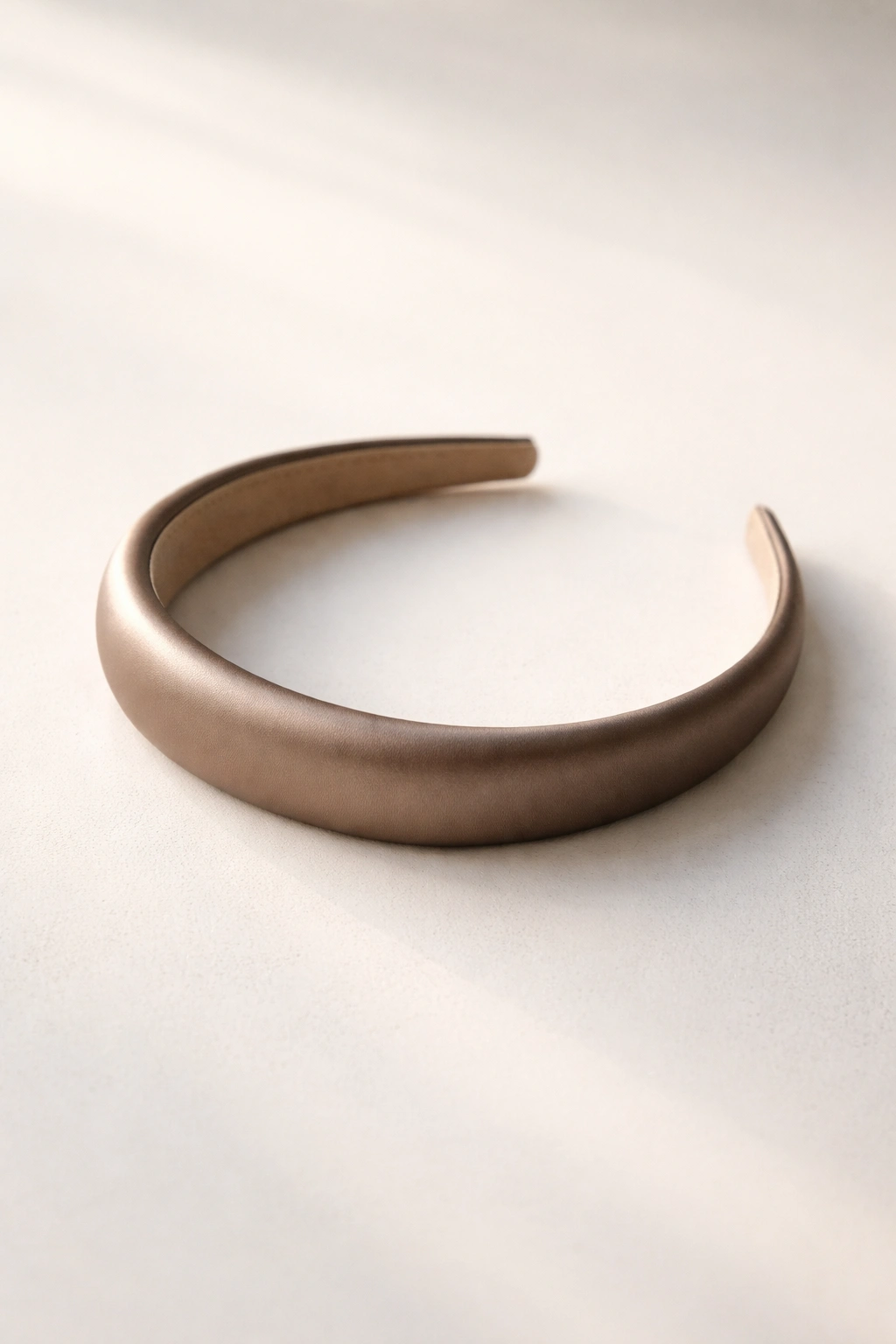
A wire headband — also called a padded headband or structured headband — features a flexible but sturdy wire core wrapped in fabric that lets you adjust the shape to fit your head perfectly. For straight hair, this style creates a subtle but sophisticated look that works in nearly any setting without feeling casual or juvenile.
The genius of a wire headband on straight hair is that it sits smoothly against your head without snagging or catching, and the fabric glides over the hair cuticle without creating dents or crease marks that take forever to brush out. You can position it farther back on your crown for a polished look, or push it forward slightly to frame your face more prominently. Because the wire allows customization, you can adjust pressure points to make sure it’s comfortable even during full workdays.
Why It Works So Well for Straight Hair
Wire headbands work beautifully with straight hair specifically because straight strands don’t grip the fabric the way textured hair does, so the headband stays exactly where you position it without slipping or shifting. The smooth contact between fabric and hair means no texture distortion — your hair maintains its sleek appearance underneath and around the band. For professional settings or polished occasions, this understated control reads as intentional and refined.
How to Style It
- Position the band about an inch back from your hairline for a classic look, or push it back over your crown for a more casual vibe
- Use wire headbands with fabric that complements your hair color — metallics work with nearly all shades, but tonal fabrics create a more sophisticated blend
- Pair a structured wire band with hair that’s either fully down or gathered into a low ponytail — the contrast between the band’s definition and smooth hair shows off both elements
- Tuck a few face-framing pieces loosely behind the band for a slightly softer effect
Pro tip: If your wire headband tends to slip backward throughout the day, add tiny grip dots (the kind used to prevent picture frames from sliding) to the underside of the band where it touches your scalp. They’re invisible from the outside but incredibly effective.
2. The Metal Minimalist Headband
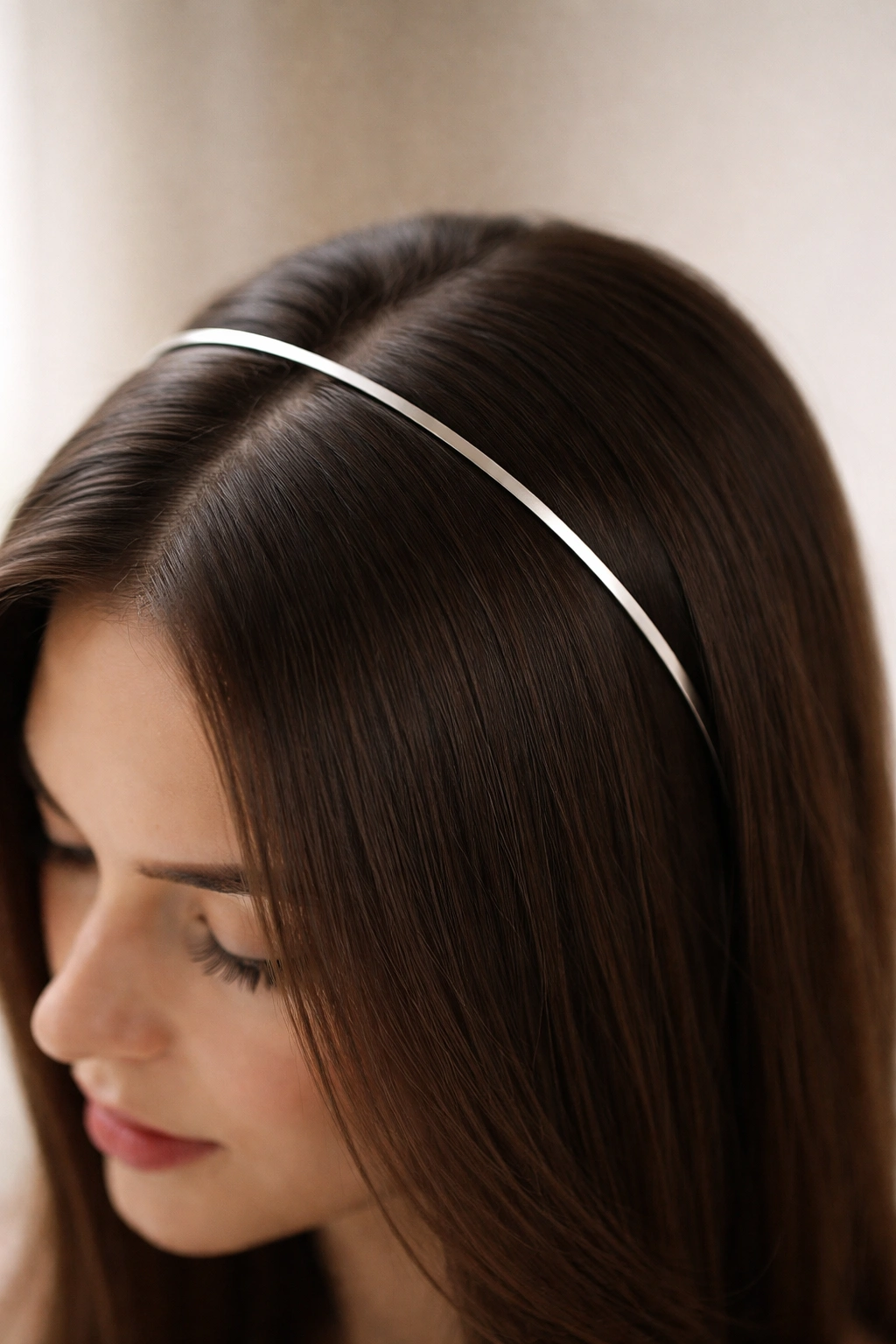
A metal minimalist headband is a thin, rigid metal band — usually gold, silver, rose gold, or brushed metals — that sits on top of the head like a crown. These are statement pieces that sit visibly above your hair rather than underneath or embedded in it. For straight hair, they’re exceptionally striking because the metal catches light beautifully against the sleek backdrop of your strands.
Metal minimalist headbands work because they don’t interfere with your hair at all — they rest on top, so there’s zero friction, zero slipping, and zero damage. Your straight hair remains perfectly styled underneath, and the metal band adds a sculptural element that would get lost if placed against textured or curly hair. The look feels modern, intentional, and fashion-forward without requiring much styling effort on your part.
Why This Style Stands Out
Metal bands are unquestionably one of the most Instagram-worthy headband styles because they create an instant luxury feel. On straight hair, the smooth lines of your hair contrast beautifully with the geometric simplicity of the metal, creating visual interest without clutter. The band remains visible and prominent because it’s not competing with or getting lost in texture — it reads as a deliberate fashion choice rather than a functional hair accessory.
Styling Guidance
- Wear metal minimalist bands with hair fully down and blown out straight for maximum visual impact — this is not a casual-bun situation
- Choose band thickness based on your hair volume: thicker bands work better with full, voluminous straight hair, while thinner delicate bands suit finer or thinner hair
- Pair a metal band with minimal face-framing for a clean, architectural look, or add soft waves into your straight hair to create subtle movement while keeping the band as the focal point
- Metal bands work particularly well with middle parts or deep side parts that showcase the band’s structure
Worth knowing: These bands are most comfortable when your hair is either very clean (less slippery) or when you’ve added subtle texture with a light volumizing spray — squeaky-clean straight hair can sometimes make the band want to slide backward.
3. The Pearl-Studded Crown Band
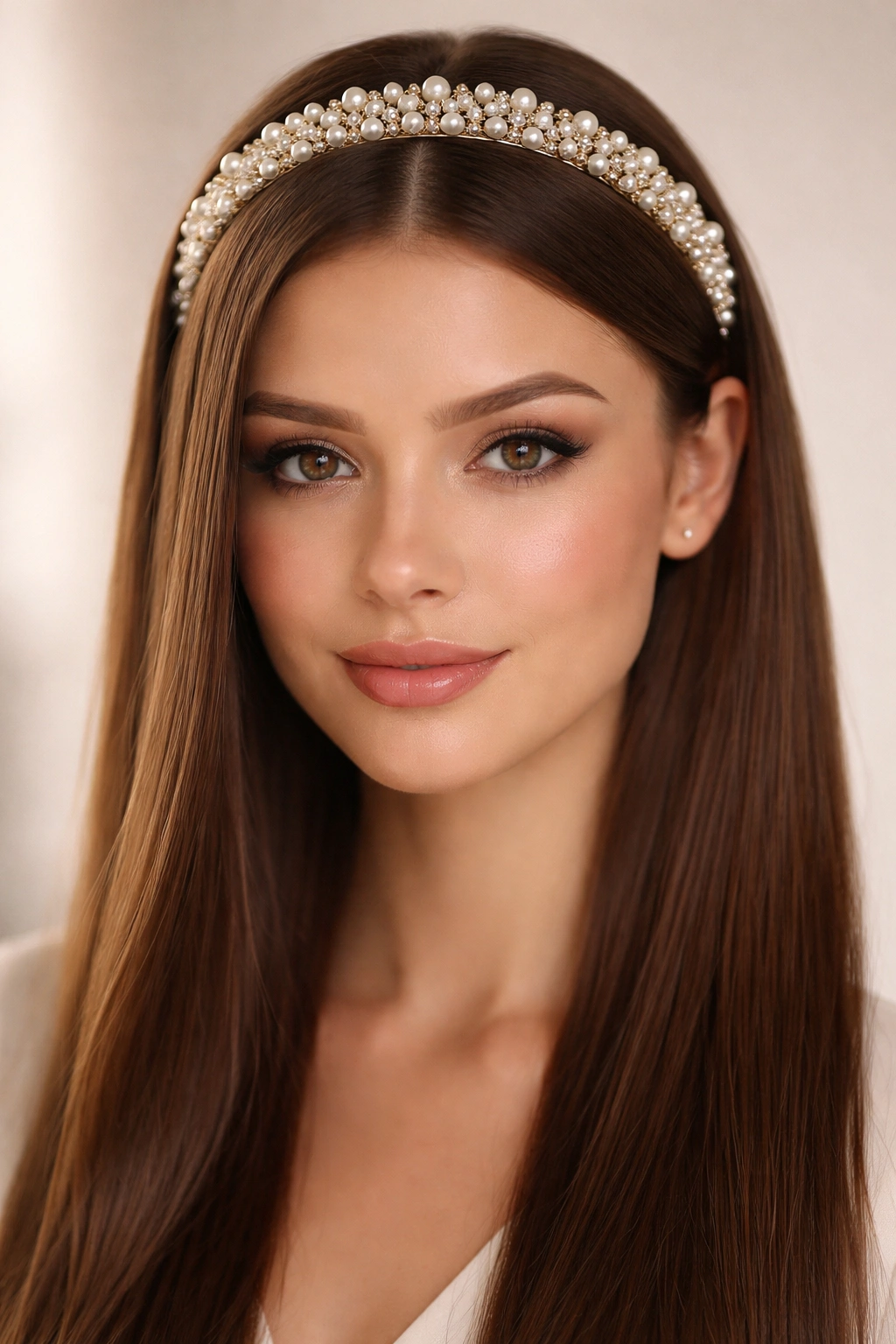
A pearl-studded crown band features pearls, rhinestones, or crystal embellishments arranged along a structured or padded band, creating an elegant, almost tiara-like effect. For straight hair, this style reads as special-occasion sophistication — think rehearsal dinners, weddings, formal events, or any time you want to elevate a simple outfit.
The key to wearing a pearl-studded band successfully on straight hair is understanding that your smooth hair becomes the canvas that lets the embellishments shine. Texture would compete with or hide the pearlescent qualities and light-catching properties of the stones. Against straight hair, each pearl glows individually and creates genuine luxury vibes. The embellishments don’t get lost in frizz or texture — they become the centerpiece of your entire look.
What Makes Them Special
Pearl and crystal bands are less about casual styling and more about creating a specific atmosphere. On straight hair, they read as intentional, polished, and prepared — not overdone or costume-like. The smooth, sleek foundation of straight hair gives embellished bands the sophistication to work at formal events without looking pageant-y. The style elevation comes from the materials, not from excessive texture or styling effort.
Best Ways to Wear It
- Style your straight hair fully down with a deep side part or center part, allowing the band to sit as a subtle crown detail rather than the focus of your entire styling effort
- Keep makeup polished and refined to match the elevated vibe of the band — this isn’t a casual ponytail situation
- Wear pearl bands slightly back from your hairline rather than centered on your forehead, which reads as more sophisticated
- Pair a pearl band with updos like low buns or sleek half-ups where the band showcases the gathered hair structure underneath
Insider note: If you’re worried about a pearl band looking too formal for your event, position it slightly back and offset to one side rather than centered — this instantly makes it feel less tiara-like and more like a considered fashion choice.
4. The Braided Padded Band
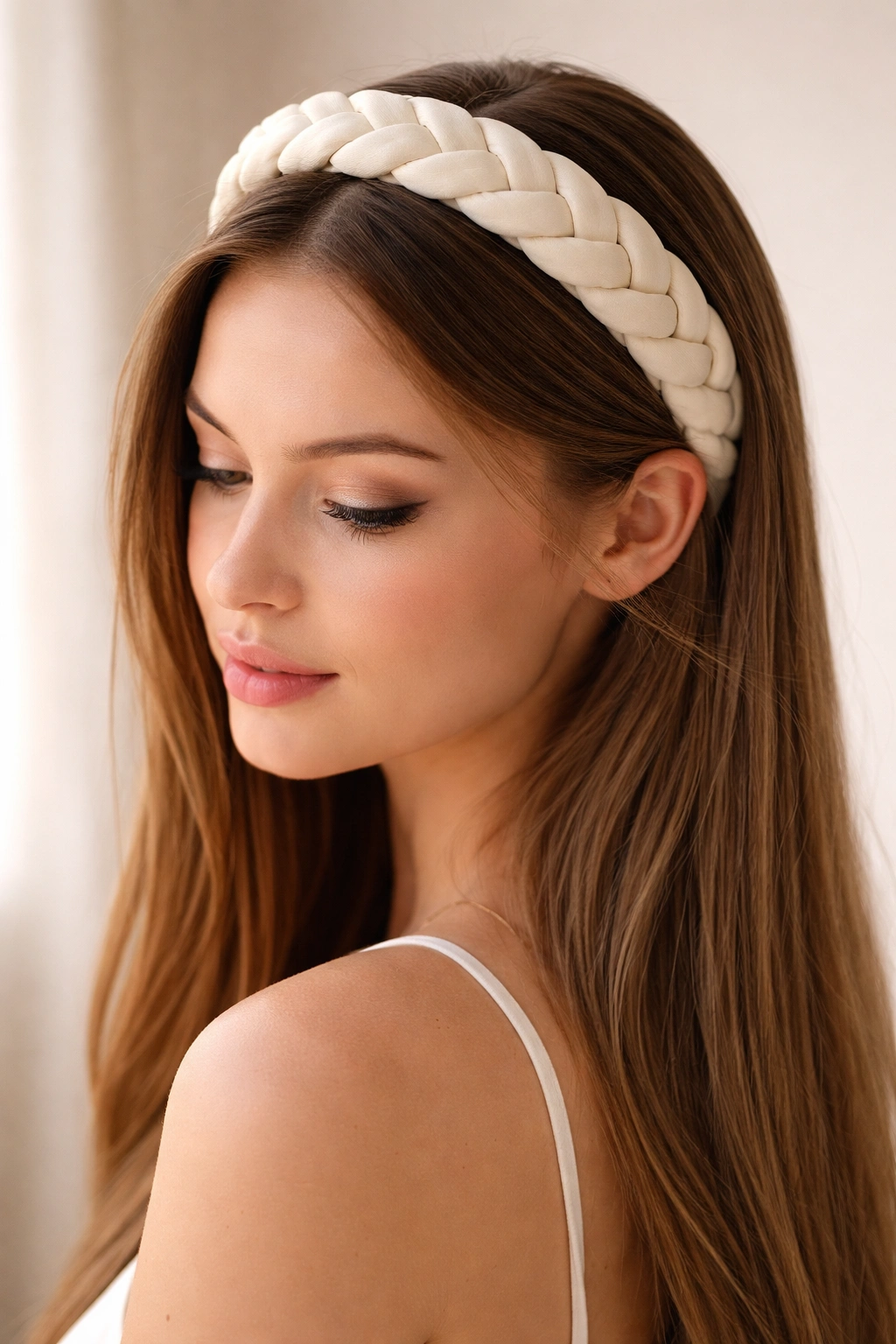
A braided padded headband features a soft, padded core wrapped in braided fabric — sometimes woven in neutral tones, sometimes in contrasting colors. The braided texture on the outside creates visual interest and dimension, while the padded interior keeps it comfortable for all-day wear. For straight hair, braided bands work beautifully because they add texture where your hair doesn’t naturally have it.
Braided bands function as a texture-building tool for straight hair. Your strands are sleek and smooth, and a braided band introduces woven visual interest that makes your whole appearance feel more dynamic. The braided pattern catches light differently than smooth fabric would, and because it’s resting against smooth hair, every detail of the braid pattern shows clearly. This is particularly effective if your straight hair lacks natural volume or you’re going for a more intentional, styled appearance.
Why It Works With Straight Hair
Braided bands work because they don’t create additional bulk the way some textured styles do — they add visual texture without adding physical volume. The braided pattern is distinct and visible against smooth hair, but it’s not overwhelming. You get the styling benefit of visual interest plus the practicality of a secure, comfortable headband. This style bridges the gap between minimal (like a simple elastic) and statement-making (like a jeweled crown).
Styling Ideas
- Wear braided bands with hair down and smooth or with added gentle waves for a soft, romantic look
- Pair braided bands with loose ponytails or half-ups — the braid texture on the band complements gathered hair without competing with it
- Choose braided bands in colors that either match your hair tone (for blended, subtle styling) or contrast noticeably (for a bolder statement)
- Layer a thin braided band with a low ponytail for texture play that feels effortlessly curated
Pro tip: Braided bands hold their shape better if you’re not constantly gripping them or moving them around. Secure yours in the morning and leave it be — it looks more intentional and polished when it stays perfectly positioned.
5. The Velvet Bow Headband
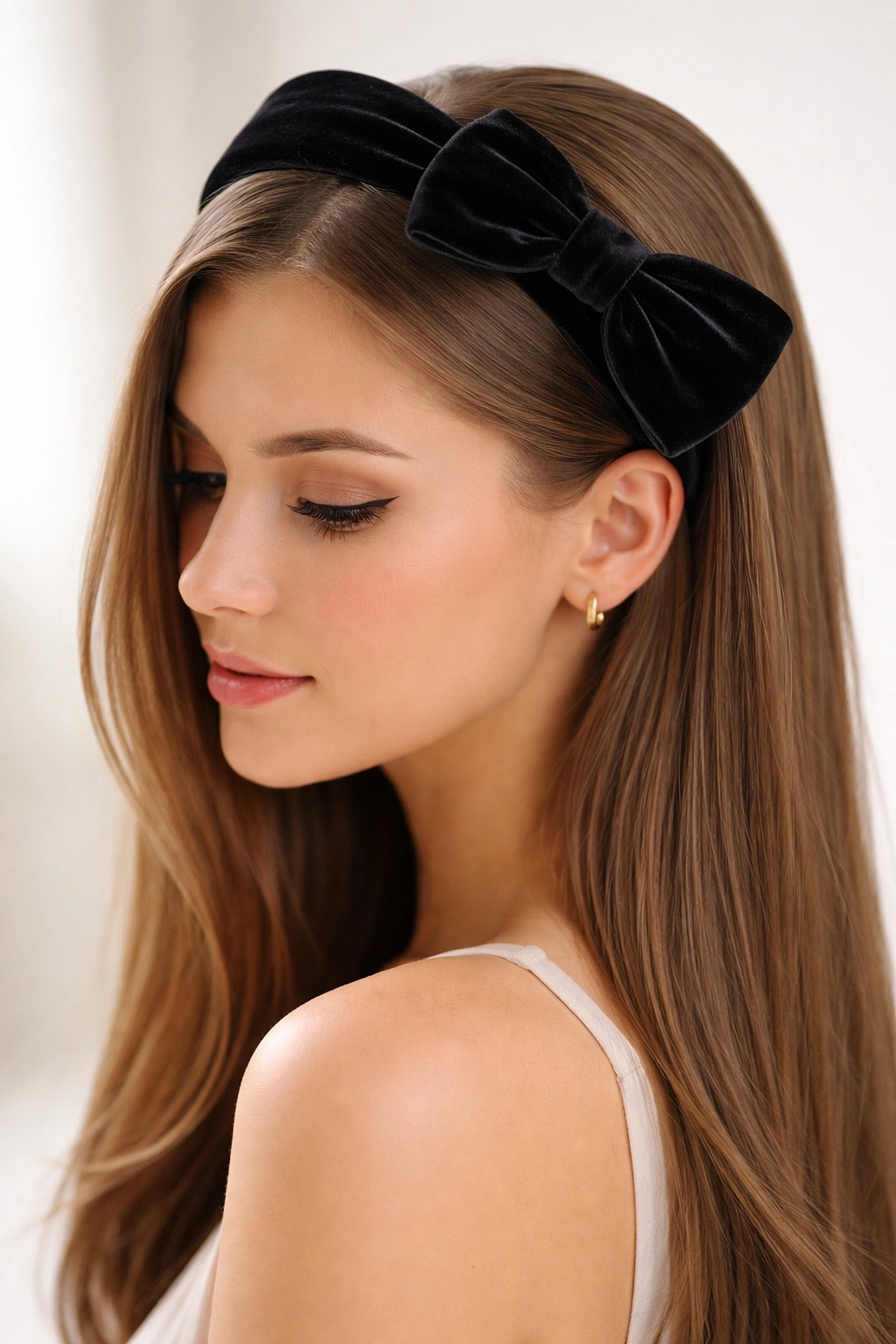
A velvet bow headband features a soft velvet band with an attached bow detail — usually positioned at the back, center, or side. The plush texture of velvet creates luxury vibes, while a bow adds a touch of femininity or whimsy depending on styling approach. For straight hair, the contrast between the smooth hair and the tactile velvet creates an appealing visual and textural combination.
Velvet bows work particularly well on straight hair because the velvety pile catches and reflects light differently than matte fabrics, creating depth against the sleek backdrop of your strands. The bow detail draws the eye and creates a focal point that prevents your look from feeling too simple or flat. This is especially effective if your straight hair is fine or lacks natural volume — the velvet texture and bow structure add perceived fullness and visual interest.
Why Velvet Adds Dimension
Velvet is one of the few fabrics that genuinely transforms appearance based on light direction and head movement. Against straight hair, this creates subtle visual movement and richness even when you’re standing still. The velvet doesn’t compete with your hair; it complements it. The tactile quality also makes the piece feel more luxurious and intentional than cotton or polyester alternatives would feel.
How to Make It Work
- Wear velvet bow bands with hair down and sleek for maximum contrast between the smooth hair and rich velvet texture
- Position bow details at the back of your head for a subtle, polished look, or to the side for a more playful, fashion-forward vibe
- Pair velvet bows with updos like ponytails or buns — the texture contrast between the smooth gathered hair and plush velvet is particularly striking
- Choose velvet in jewel tones (emerald, sapphire, burgundy) or rich neutrals for a sophisticated feel, or in pastels for a softer, more romantic approach
Worth knowing: Velvet can pick up dust and lint easily, especially if you brush your straight hair frequently. Keep a soft-bristled brush nearby for gentle cleaning, or store your velvet band in a dust bag when not wearing it.
6. The Twisted Metal Spiral Band
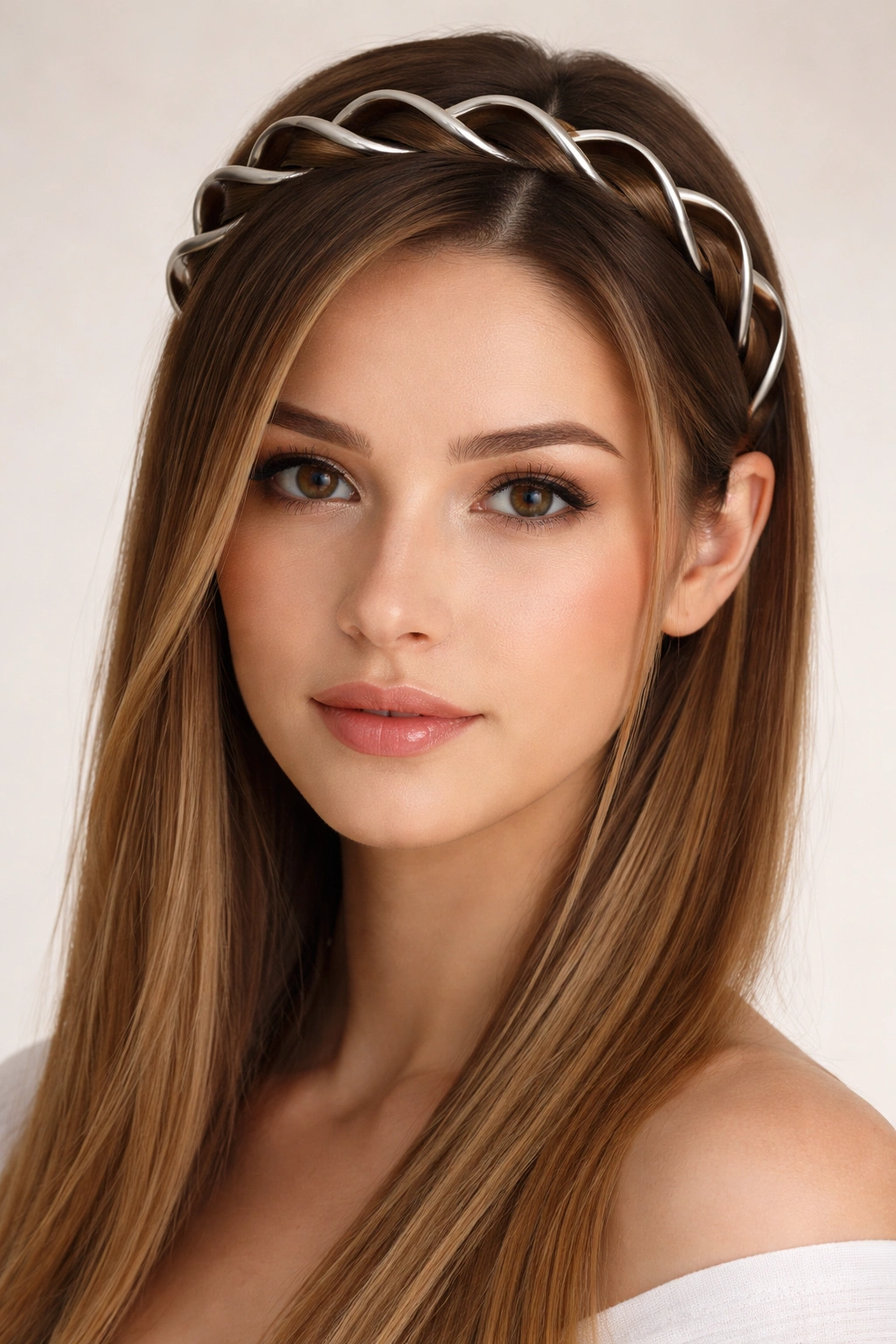
A twisted metal spiral band features a flexible metal spiral that winds around your head like a crown, usually made from gold, silver, or rose gold metal. Unlike a simple rigid metal band, the spiral design creates movement and visual interest through its twisted structure. For straight hair, spiral bands add geometric interest without the heaviness of a fully enclosed headband.
Twisted spiral bands work beautifully with straight hair because they create a sculptural quality that reads as modern and intentional. The spiral creates visual lines that guide the eye around your head, adding dimension to a simple hairstyle. Because the band is open (not fully enclosing your head), it allows your straight hair to show through, meaning the band enhances rather than covers your styling. This style feels contemporary and artistic without sacrificing wearability.
What Makes Spirals Special
The twisted metal spiral is one of the few headband styles that genuinely changes how your entire head looks from the front, side, and back. On straight hair, you see the spiral structure clearly because there’s no texture competing with or obscuring it. The geometric pattern reads as intentional and fashion-forward, the kind of thing someone chose specifically for a particular look or outfit. The style feels less “I need to hold my hair back” and more “this is part of my aesthetic.”
Best Applications
- Wear spiral bands with hair fully down and blown out straight — the band structure shows to best advantage when not competing with texture
- Pair spirals with minimal hairstyling for a modern, almost architectural look
- Use spiral bands with sleek center parts or deep side parts that allow the band structure to be clearly visible
- Spiral bands work equally well with face-framing pieces pulled back or with hair smoothly away from your face
Insider note: If a metal spiral band feels uncomfortable sitting directly on your scalp, try wearing it slightly lower, over a thin elastic headband that provides cushioning. The spiral sits at the same visual height but feels much more comfortable during extended wear.
7. The Embroidered Fabric Band
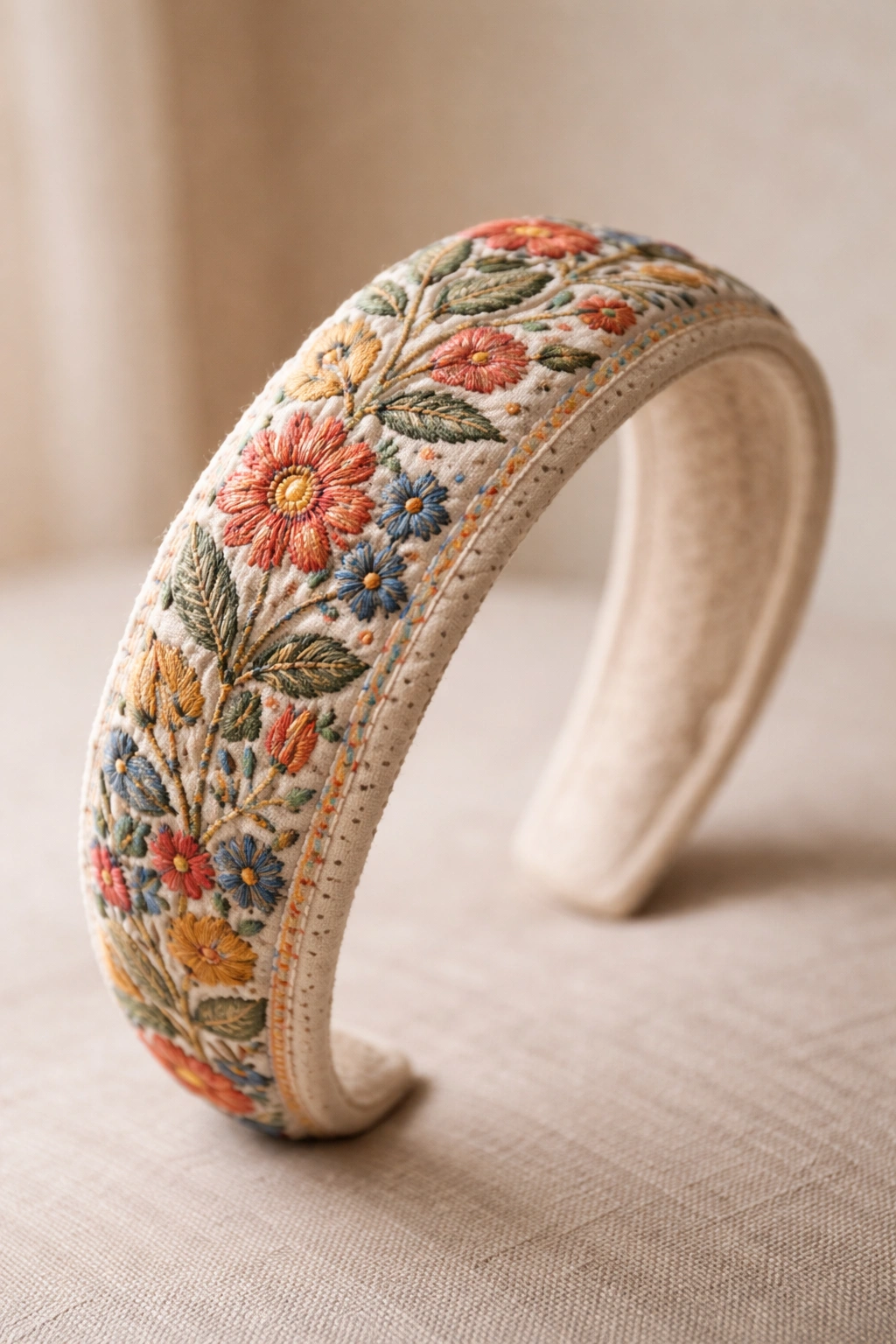
An embroidered fabric band features decorative needlework or embroidery across a padded or structured base. Embroidered designs might be floral, geometric, beaded, or feature intricate traditional patterns. For straight hair, embroidered bands add artisanal detail and visual richness that transforms a simple hairstyle into something more intentional and curated.
Embroidered bands work because the needlework detail is fully visible against your smooth hair — there’s no texture or frizz competing with or hiding the embroidery. Every stitch and color detail reads clearly. The embroidery creates a story or focal point that makes your entire look feel more thoughtful and styled. This is particularly effective if you’re aiming for a bohemian, vintage, or artisanal aesthetic, or if you want to add visual interest without much styling effort.
Why Embroidery Stands Out
Embroidered bands carry built-in visual weight and artistry. You don’t need to do much additional styling — the band does most of the work. On straight hair, this means you can throw your hair up in a simple ponytail or wear it down in a sleek style, and the embroidered band makes the whole look feel considered and complete. The needle work catches light and creates subtle dimension that reads as intentional craftsmanship.
Styling Approaches
- Wear embroidered bands with hair down and center-parted for a bohemian, artistic look
- Pair embroidered bands with low ponytails or buns to showcase both the band details and your gathered hair
- Choose embroidery colors that either match your overall outfit or create subtle contrast with your hair color
- Layer embroidered bands with minimal accessories — let the band be the statement piece
Pro tip: Embroidered bands can sometimes feel delicate or precious, making you hesitant to wear them regularly. Treat them as everyday accessories, not just special-occasion pieces. Wear them often, and they’ll feel more natural and less self-conscious on your head.
8. The Silk Slip Headband
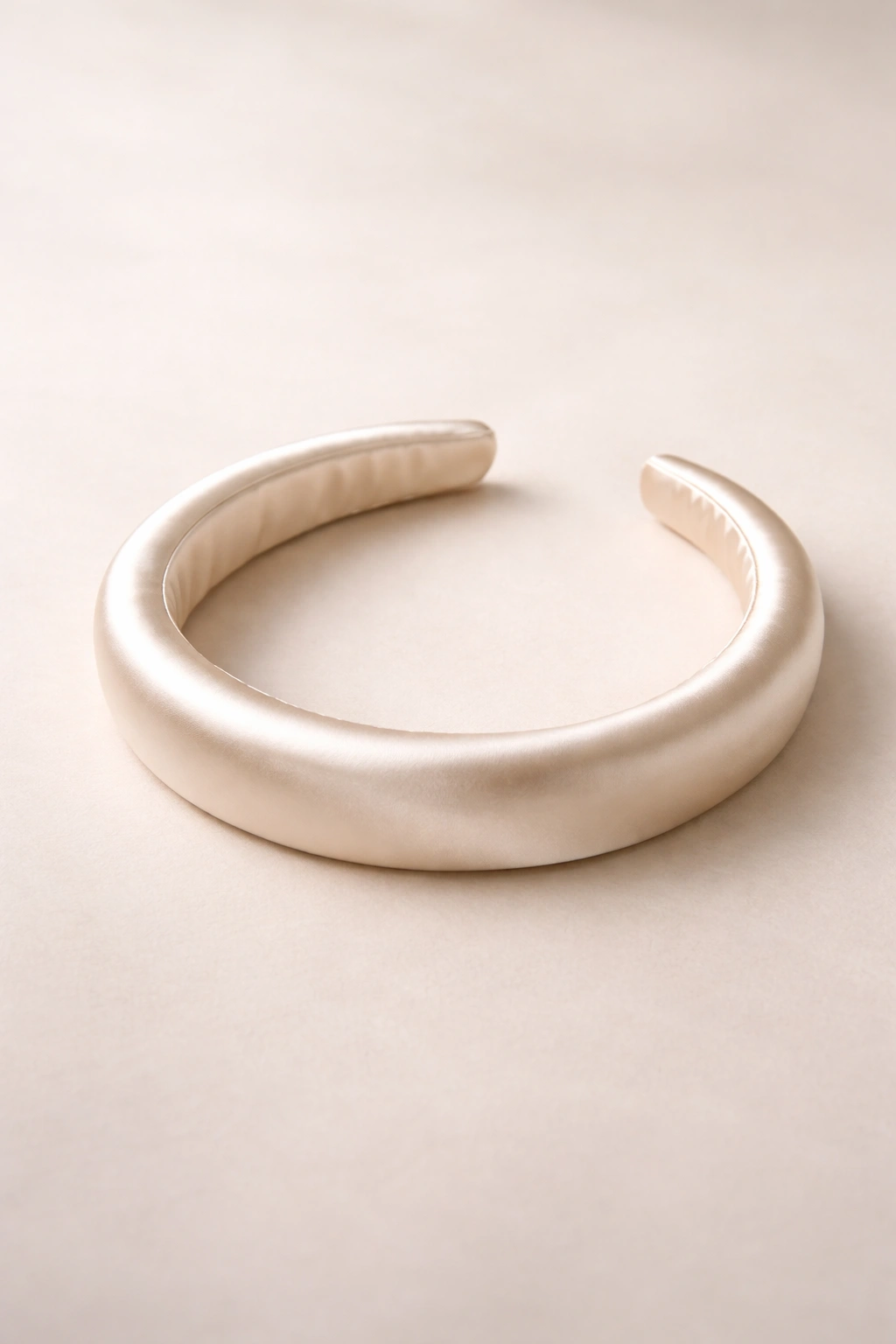
A silk slip headband is a soft, padded band made from or lined with silk or silk-like material, designed specifically to protect hair while adding a polished aesthetic. Unlike cotton or synthetic materials, silk is gentle on the hair cuticle and doesn’t create friction that leads to breakage or frizz. For straight hair, silk bands are both a styling tool and a protective treatment.
Silk slip headbands are understated and elegant, offering a soft, luxe feel without visual drama. On straight hair, they work beautifully because they don’t disrupt or disturb your hair’s surface — the slip glides smoothly over the cuticle without catching or snagging. This means you can wear a silk band all day without your hair looking dented, creased, or disrupted when you remove it. The headband becomes almost invisible in terms of its impact on your hair’s appearance, but its smoothness creates a refined, polished look.
The Hair-Care Angle
Silk slip bands address a real issue that straight-haired people face: material friction that leads to breakage and frizz. Every time your hair rubs against cotton or synthetic materials, microabrasion occurs. Silk eliminates this. For people with fine straight hair or anyone concerned about hair health, silk bands are a practical styling choice that doubles as a protective measure. You’re not sacrificing hair health for appearance — you’re supporting both.
How to Maximize the Style
- Wear silk bands in neutral tones that blend with your hair color for a seamless, polished look
- Pair silk bands with any hairstyle — they’re neutral enough to work with everything from sleek ponytails to fully down hair
- Use silk bands as everyday headbands rather than reserving them for special occasions — they’re too practical and comfortable to limit to formal situations
- Silk bands work particularly well for work or professional settings where you want to look polished without appearing overly styled
Worth knowing: Real silk can be costly, but many quality alternatives (like mulberry silk or silk-like microfiber) offer the same benefits at lower price points. The key is ensuring the material is smooth and the band is padded so it doesn’t put pressure on specific points of your scalp.
9. The Geometric Color-Block Band
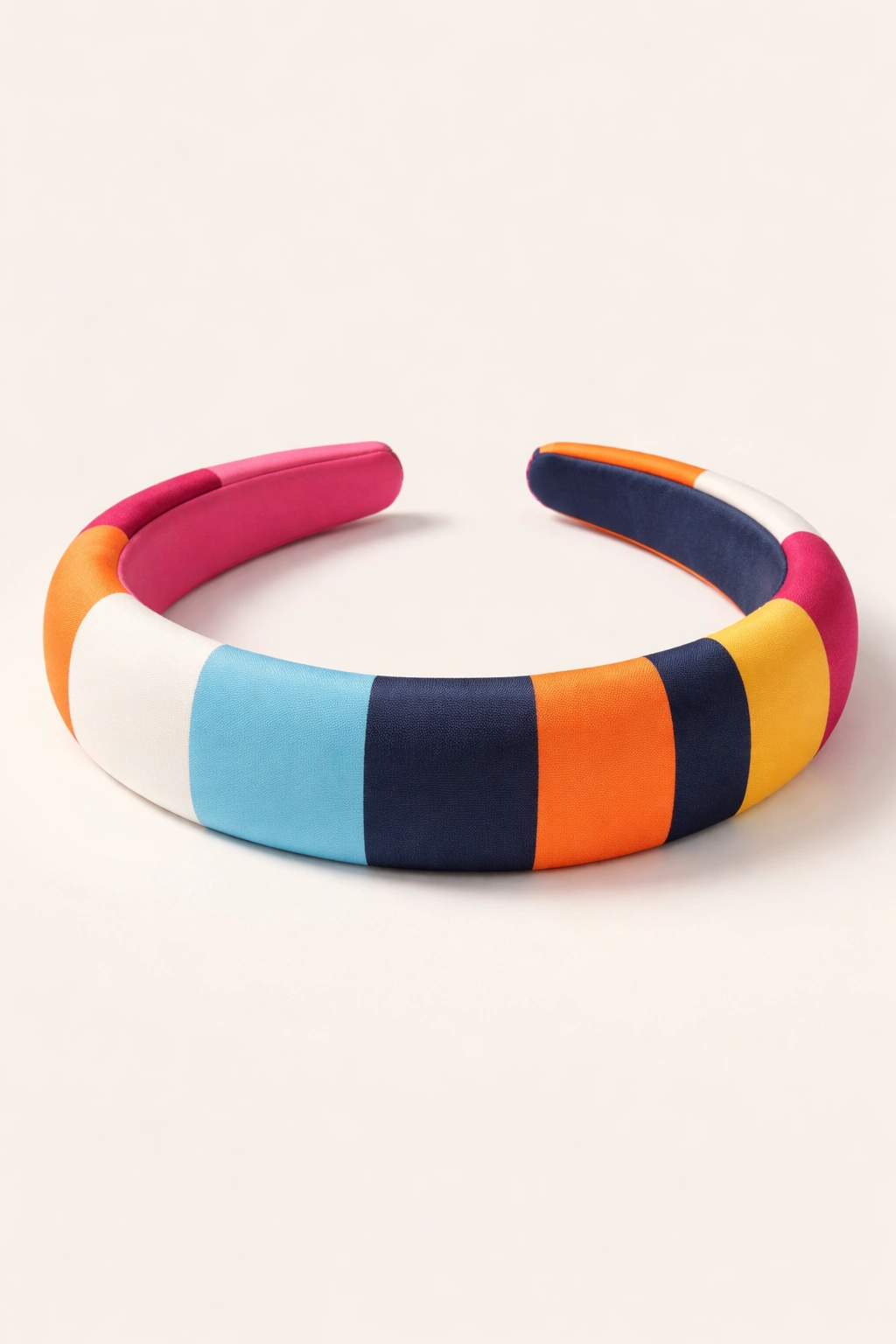
A geometric color-block headband features bold, contrasting colors arranged in geometric patterns — stripes, chevrons, color blocks, or abstract designs. For straight hair, color-block bands add contemporary visual interest and personality, making them perfect for anyone who wants their headband to be a statement piece rather than a subtle accessory.
Geometric color-block bands work on straight hair because the bold colors and patterns read clearly against a smooth background — there’s no texture competing with the visual impact. Your straight hair becomes the neutral canvas that allows the geometric pattern to shine. This style is particularly effective if your straight hair is a neutral color (blonde, light brown, dark brown, black) because the contrast between neutral hair and bold patterns is striking without feeling chaotic.
Why Bold Patterns Work
Color-block and geometric patterns read as intentional, fashion-forward, and modern. On straight hair, they create personality and visual interest that makes a simple hairstyle feel curated and styled. You’re not just wearing a headband — you’re making a statement about your aesthetic sensibility. This style works beautifully for anyone who loves fashion, appreciates color, or wants their accessories to reflect their personality rather than fade into the background.
Best Styling Strategies
- Pair geometric bands with simple hairstyles like sleek ponytails or center-parted straight hair — let the band be the bold element
- Choose color-block patterns that either echo colors in your outfit or create intentional contrast with your overall look
- Wear geometric bands with minimal other accessories so the band becomes the focal point
- Geometric bands work particularly well for casual, creative, or artistic settings where bold personal style is appreciated
Pro tip: If you’re worried a bold geometric band might feel too casual or playful for a professional setting, pair it with polished clothing and grooming. The band will read as a personal style choice rather than frivolous fashion.
10. The Knotted Fabric Turban Headband
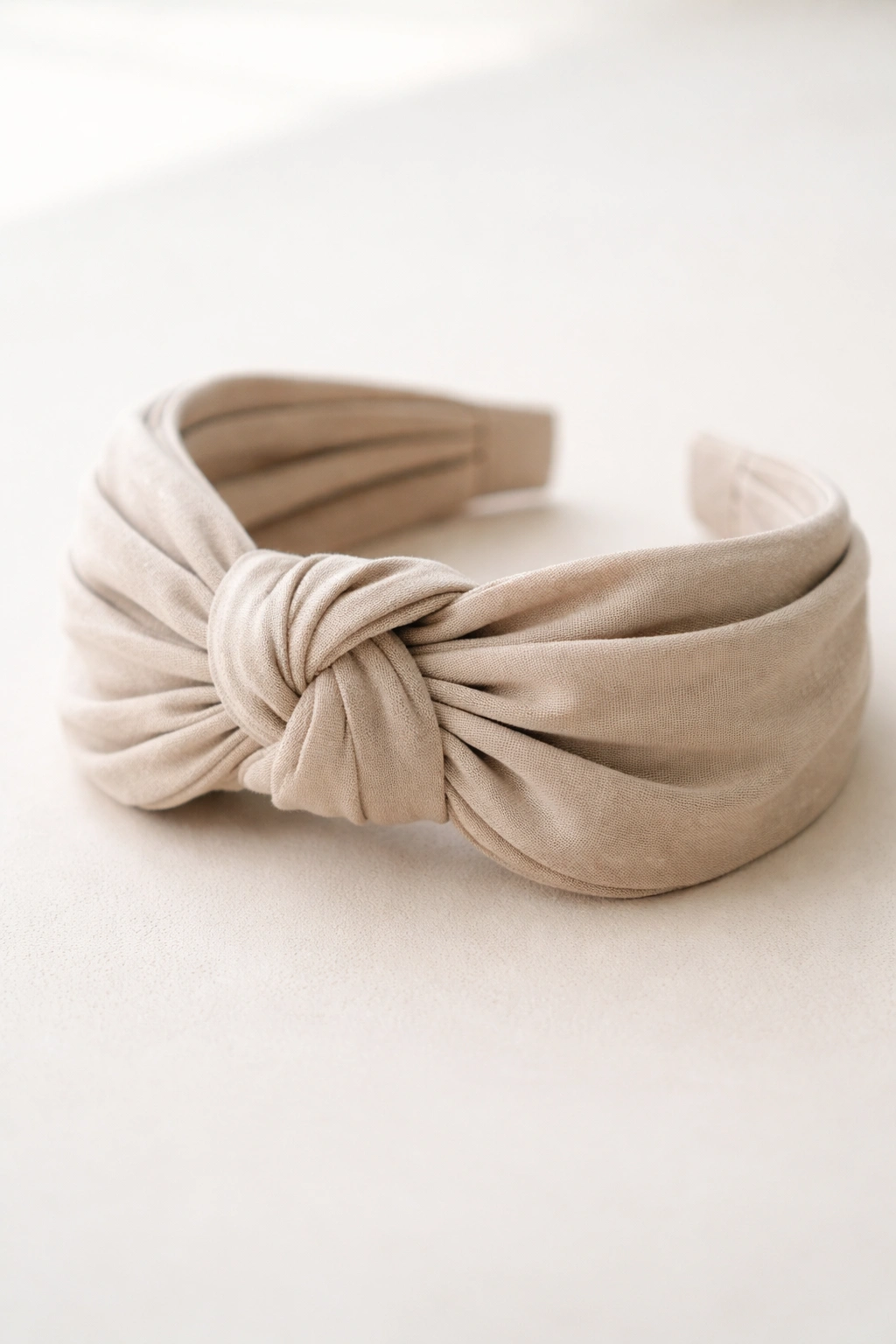
A knotted fabric turban headband features gathered or wrapped fabric tied at the front, creating a turban-like effect with a prominent knot detail. For straight hair, this style is both practical and visually interesting — the wrapped fabric provides coverage while the knotted front creates instant drama and polish without requiring intricate styling.
Knotted turban bands work beautifully with straight hair because your sleek strands provide a clean canvas for the wrapped, knotted fabric to stand out. There’s no competing texture, so the folds and knots of the fabric read clearly and crisply. The style is particularly effective if you have days where your straight hair feels flat or you want to switch up your look without actually styling your hair differently. The turban band does all the visual work, letting your hair remain simple underneath.
Why Turban Knots Create Impact
Turban-style headbands carry inherent sophistication and polish. The gathered, wrapped fabric creates volume and structure that reads as intentional styling. On straight hair, this means even if your hair is in a simple ponytail or basic blow-out, the turban band makes your entire look feel elevated and put-together. The knotted front adds a focal point that draws the eye upward, creating the illusion of height and definition even if your straight hair feels flat.
Styling Approaches
- Wear turban bands with hair pulled back into a low ponytail or bun underneath so the band gets full visual attention
- Choose turban bands in coordinating or contrasting fabrics that complement your outfit and skin tone
- Position the knot slightly to one side rather than perfectly centered for a modern, fashion-forward feel
- Turban bands work equally well for casual weekend wear and more polished professional settings depending on fabric choice
Insider note: If you have a lot of straight hair, you might find it bunches under the turban band. Try creating a flat, low bun underneath instead of a full ponytail — this keeps the silhouette sleek while preventing bulk at the back of your head.
Final Thoughts
The right headband doesn’t just secure your straight hair — it becomes part of your overall aesthetic, adding visual interest, dimension, and personality to even the simplest styling. Your smooth strands are actually an advantage here, because they showcase headband details with clarity and elegance that textured hair can’t always achieve. Whether you’re drawn to the minimalist sophistication of metal bands, the luxury of pearl-studded styles, the artistry of embroidered designs, or the bold personality of geometric patterns, there’s a headband style that perfectly matches what you’re going for.
The key to making any headband work with straight hair is understanding that you’re not fighting against your hair type — you’re leveraging it. Your smooth strands create a refined, polished foundation. The headband adds the personality, texture, dimension, and visual interest that prevents straight hair from reading as flat or one-note. Spend time experimenting with different styles, placements, and combinations with various hairstyles, and you’ll quickly discover which headband styles make you feel most confident and seen.
