



Fine straight hair can feel limp and one-dimensional without the right cut, but a layered lob — that sweet spot between a bob and longer lengths — can completely transform how your hair moves and feels. The key is choosing layers that create the illusion of fullness and texture without being so choppy that they expose too much scalp or look wispy and thin. Layered lobs work brilliantly for fine straight hair because the strategic placement of shorter pieces catches light differently than blunt ends do, creating dimension that makes hair look thicker than it actually is.
What makes a layered lob different from a standard bob is the intentional variation in length throughout the cut. Rather than all your hair ending at the same point, you’re introducing multiple lengths that work together to frame your face, add movement, and create visual interest. For fine hair specifically, the trick isn’t just adding layers — it’s adding them in the right places, at the right angles, and with the right amount of weight distribution so your hair doesn’t look stringy or sparse.
The 10 layered lob styles below are all tested approaches that work beautifully with fine straight hair. Each one achieves a different aesthetic, from minimal and sophisticated to textured and playful. Whether you prefer a nearly imperceptible layer pattern or something with real choppy drama, you’ll find an option that feels right for you.
1. The Subtle Choppy Lob
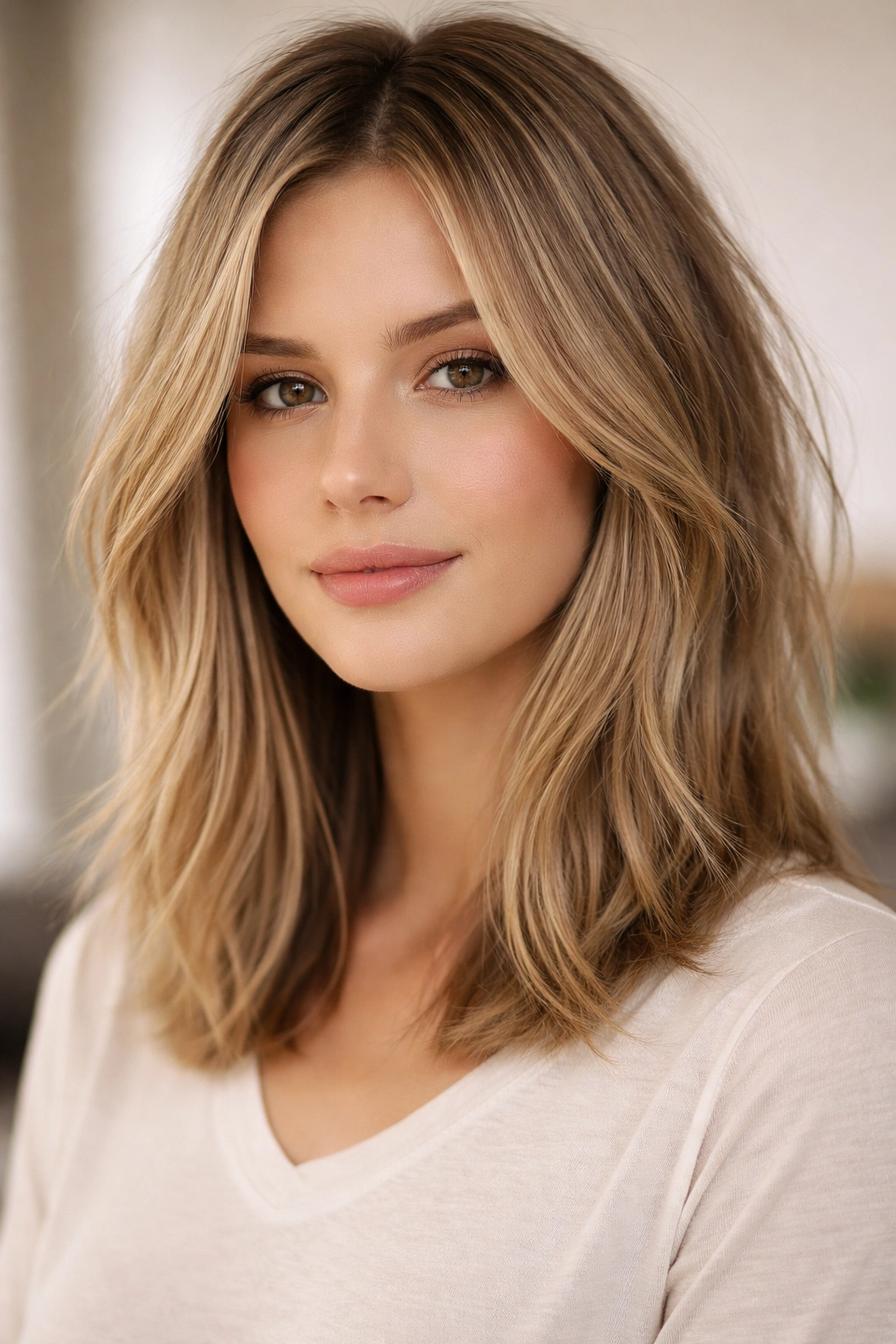
If you’re nervous about committing to heavy layers, the subtle choppy lob is your entry point. This style uses barely-visible choppy pieces throughout the cut, keeping the overall silhouette cohesive while creating just enough texture to add dimension. The choppy sections are woven throughout rather than concentrated in one area, which means the cut works beautifully on fine straight hair — there’s no heavy, blunt line where the texture begins and ends.
Why It Works for Fine Hair
The genius of this cut is that it creates the appearance of fullness without requiring a ton of actual bulk. Subtle choppy layers catch light and create shadow lines that make hair look denser, even though you’re not removing that much length. The layers work with your straight texture instead of fighting it, giving you definition without requiring aggressive styling or product.
What to Ask Your Stylist For
- Choppy pieces concentrated throughout the crown and mid-lengths to avoid a harsh line
- Layers that are blended seamlessly so there’s no visible separation between different lengths
- Point-cutting or razor-cutting at the ends for a softer, piece-y finish rather than blunt edges
- Longer layers around the face to frame cheekbones without exposing too much scalp
- The overall length sitting between ear and shoulder for maximum flattering potential
Styling note: This cut works beautifully with your natural straight texture — a light texturizing spray and finger-combing creates the intended effect without needing to blow-dry.
2. The Feathered Face-Framing Lob
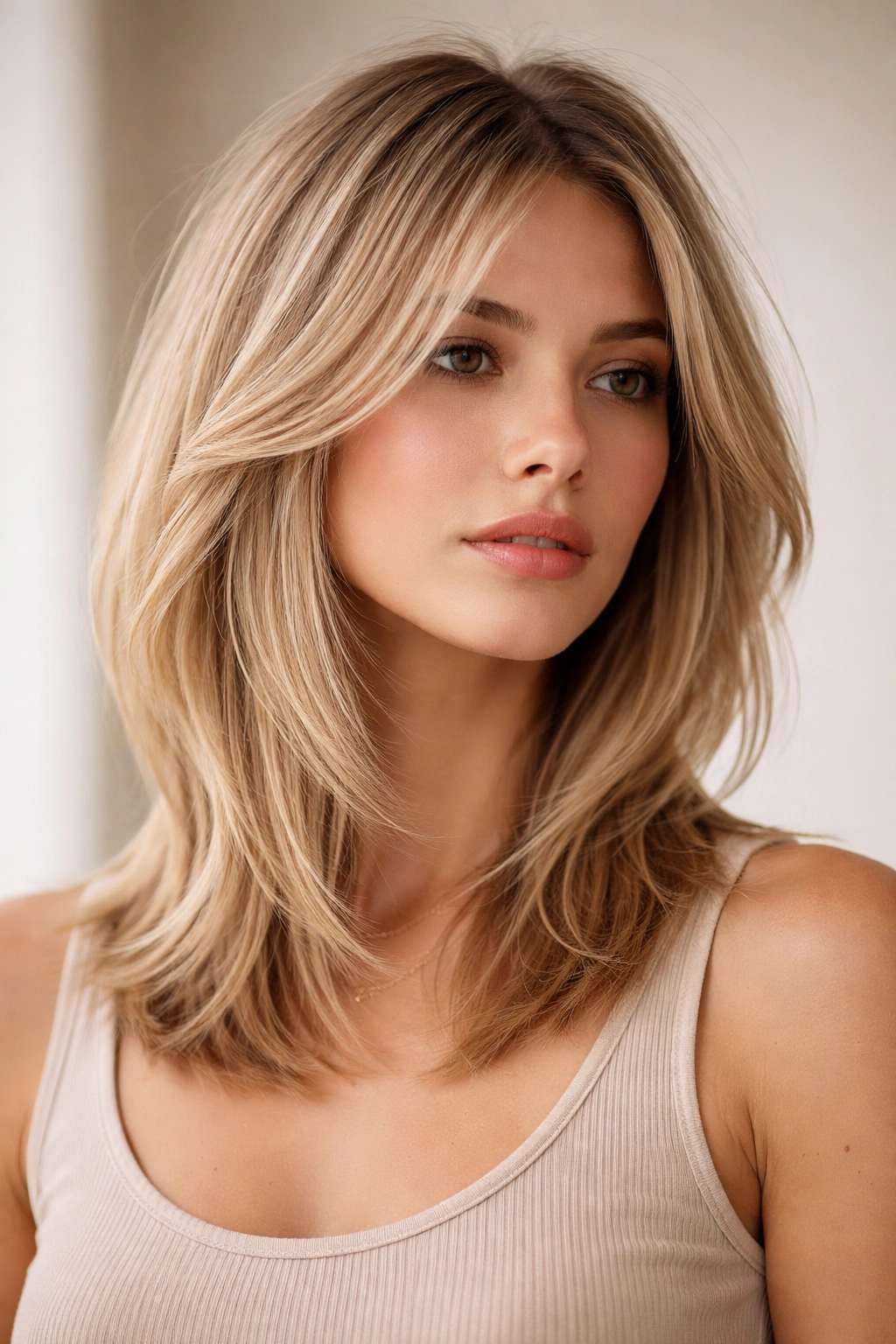
Feathered layers that sweep inward toward your face are a game-changer for fine straight hair because they create immediate softness and movement exactly where you want it most. This lob focuses the majority of the layers around the front and sides, leaving the back longer and denser for weight and balance. The feathering is done with razoring techniques that create dozens of tiny layers that move independently, giving the illusion of much thicker hair.
The Strategic Placement Factor
The magic happens in the execution. Your stylist should create shorter feathered pieces that start around cheekbone level and gradually blend back to longer layers as they move toward the back. This creates a beautiful frame around your face while the denser back keeps the cut from looking too choppy. For fine hair, the feathering should be subtle enough that individual layers aren’t obvious when you run your fingers through your hair, but pronounced enough that you see genuine movement and shape.
Key Details to Request
- Feathered layers that begin around the cheekbone and sweep backward
- Longer pieces in the back (at least shoulder-length) for visual weight
- Razor-cut feathering rather than scissor-cutting to avoid blunt, heavy lines
- Slightly more density at the crown to support the face-framing layers
- Soft, piece-y ends rather than blunt or heavily textured
Pro tip: Ask your stylist to cut your layers while your hair is completely dry and straight, so they can see exactly how the layers will sit without any styling illusion.
3. The Textured Shag Lob
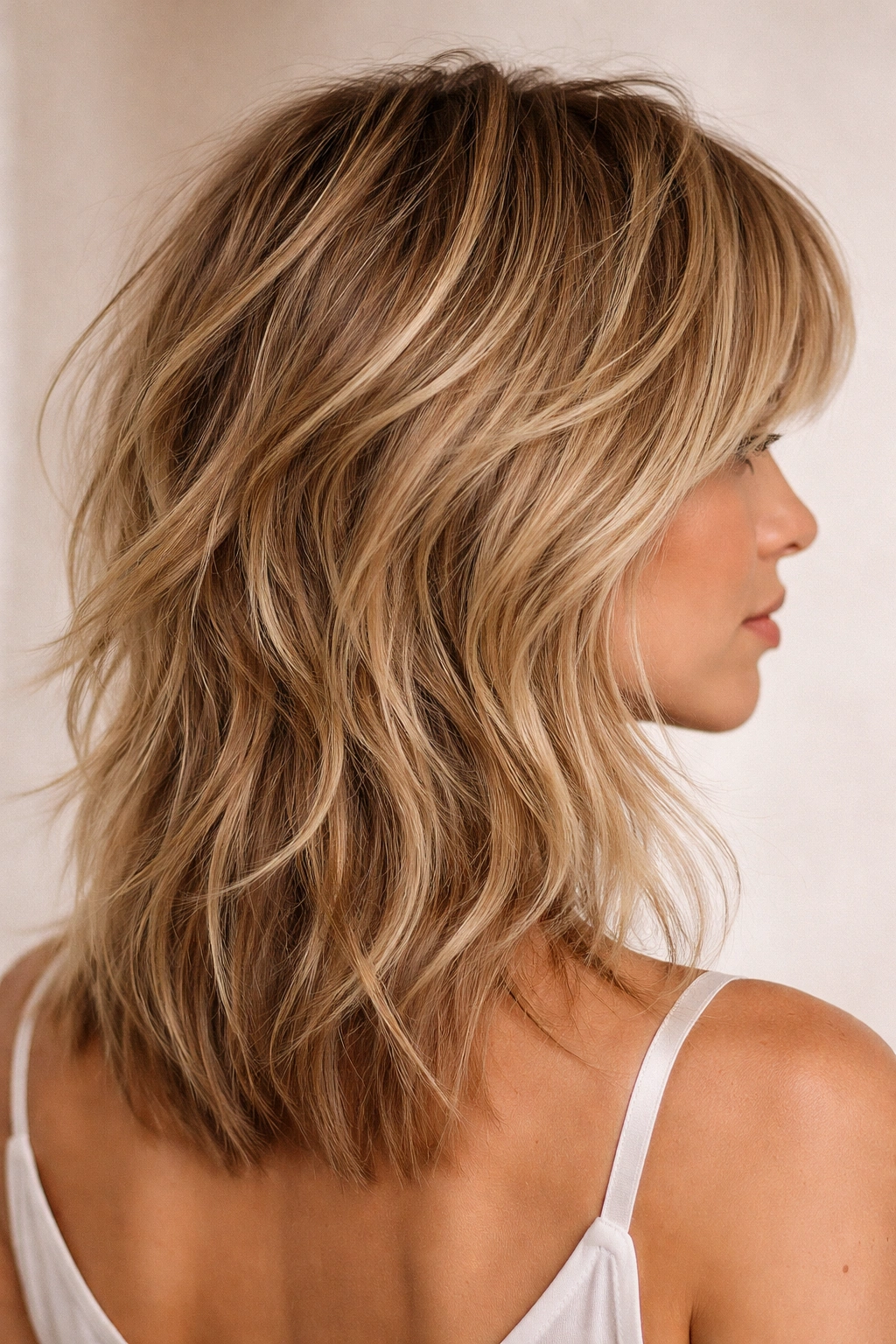
The shag lob brings rocker-chic attitude to straight hair while maintaining the sophistication of a lob’s length. This cut embraces visible layering throughout, with shorter, choppier pieces at the crown creating volume and texture, while longer layers throughout the rest of the cut create movement. Unlike a full shag, the lob version keeps things more refined — it’s textured but not wild, layered but still wearable for professional settings.
Why Texture Creates Fullness
Visible texture in a shag lob works on fine hair because it breaks up the monotony of a single-length cut and creates shadow lines throughout the hair. Even though you’re technically removing more length, the visual effect is that your hair looks fuller because you’re not relying on one dense base. The choppy pieces scatter light in different directions, creating a bushier overall appearance than a blunt lob would achieve.
How to Describe It to Your Stylist
- Multiple layers at different lengths throughout the entire cut
- Shorter, choppier pieces at the crown for texture and lift
- Longer layers blended throughout the sides and back
- Piece-y, point-cut ends rather than blunt lines
- Overall length between chin and mid-shoulder
- An effortless, undone vibe rather than a polished, structured shag
Worth knowing: This cut requires styling to look intentional — blow-drying or using a texturizing spray brings out the shape. Wearing it completely unstyled might look a bit flat, which isn’t ideal for fine hair.
4. The Minimalist Blunt-Ended Lob
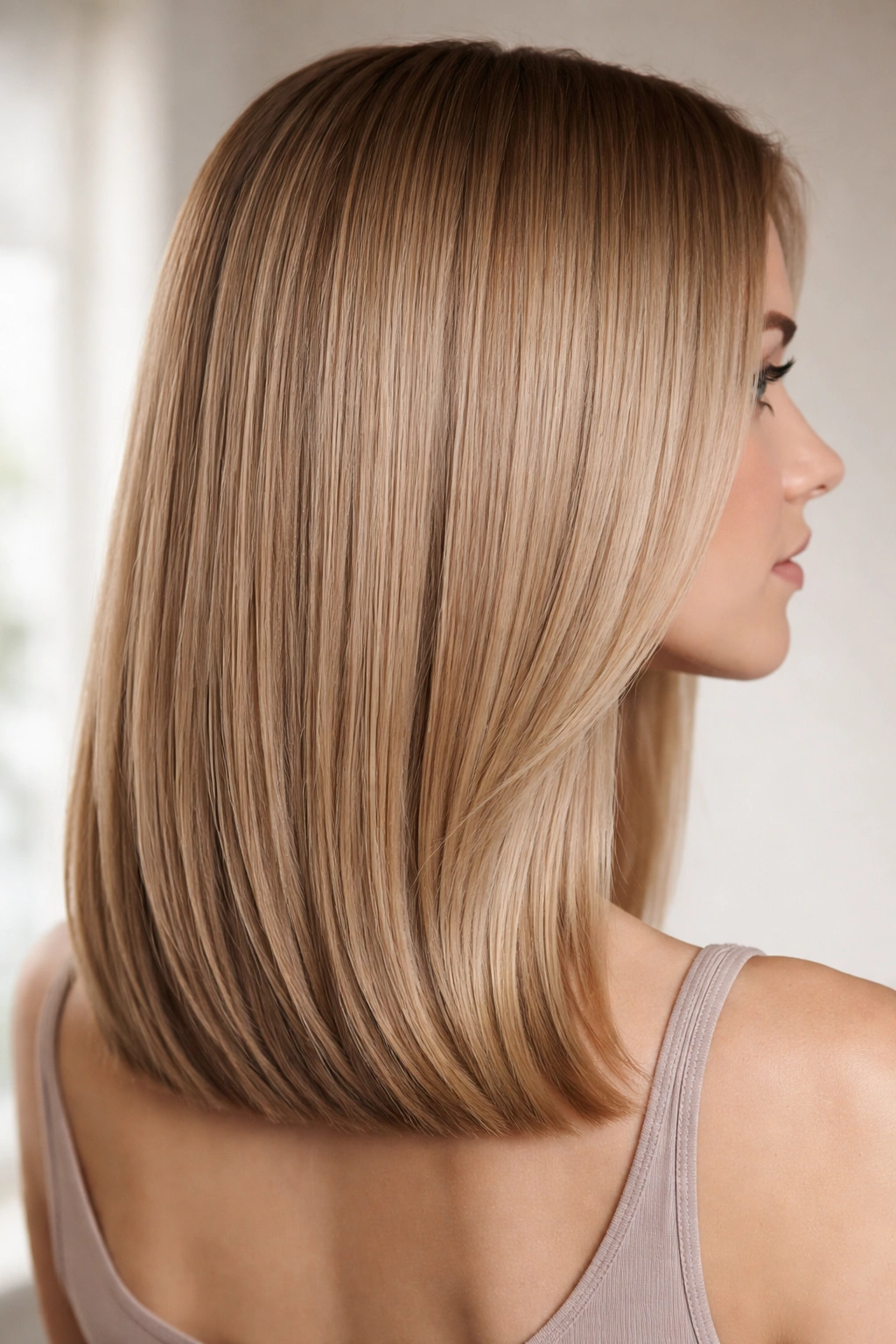
Sometimes less is more, and the minimalist blunt-ended lob proves that you don’t need aggressive layers to create an attractive cut for fine straight hair. This style uses minimal layering — just enough to create subtle movement and prevent bluntness from looking heavy — while maintaining the clean, modern aesthetic of a blunt lob. The result is sophisticated and sleek without looking limp.
The Art of Subtle Layering
The key here is that your stylist understands the difference between “no layers” and “subtle layers that aren’t obvious.” Blunt lobs can look heavy and cutting on fine hair, but adding imperceptible layers throughout prevents that while maintaining the blunt aesthetic. The layers are there to support the cut’s shape and prevent the edges from looking harsh, but they’re not meant to be visible or textured.
What This Cut Requires
- A blunt baseline length (typically at chin or just below)
- Barely-visible internal layers that support the shape without showing texture
- A simple approach to styling — this cut works best when worn straight or with minimal styling
- Regular trims every 6-8 weeks to maintain the clean blunt line
- The overall shape should feel modern and intentional rather than accidental
Real talk: If you love the idea of a blunt lob but worry it’ll look heavy, minimal layering is the answer. Your stylist should confirm they understand you want “subtle support layers, not visible choppy texture.”
5. The Curved Bob Lob
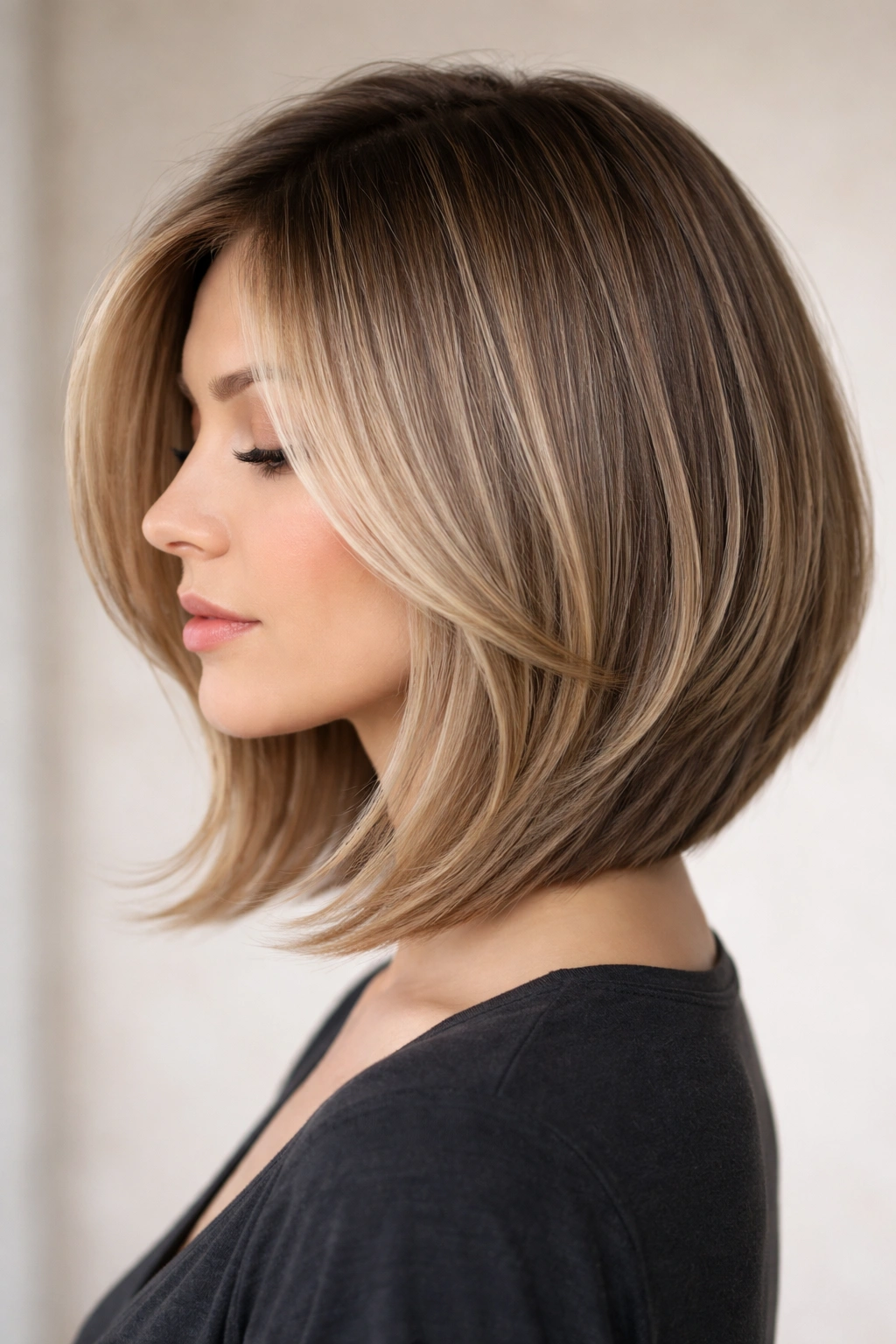
The curved bob lob sits right at that perfect intersection of a classic bob shape and longer lob length. This cut uses layers to create a curved line that frames your face and gradually gets longer toward the back, rather than being uniform in length. The curved shape automatically creates the illusion of movement and dimension, which is especially flattering on fine straight hair that might otherwise look completely flat.
How the Curve Creates Visual Magic
A curved silhouette is inherently more interesting than a blunt line, even on completely straight hair. The shorter pieces at the front and sides frame your face, while the longer layers at the back add visual weight and movement. For fine hair, this shape is genius because it creates the appearance of layered texture through the overall silhouette rather than through choppy individual pieces.
Cut Specifications to Request
- A curved shape that’s shorter at the front and gradually lengthens toward the back
- Blunt face-framing pieces that create a clear frame around cheekbones
- Longer layers in the back that sit at least at shoulder length
- The back layers should be long enough to add visual weight and density
- Smooth blending between the front and back so there’s no choppy transition
- Clean, blunt-cut ends for a polished appearance
Insider tip: This cut works best when styled with a slight wave or bend, even though your hair is straight. A 10-minute blow-dry with a round brush adds a gentle curve that makes the cut truly shine.
6. The Wispy Layered Lob
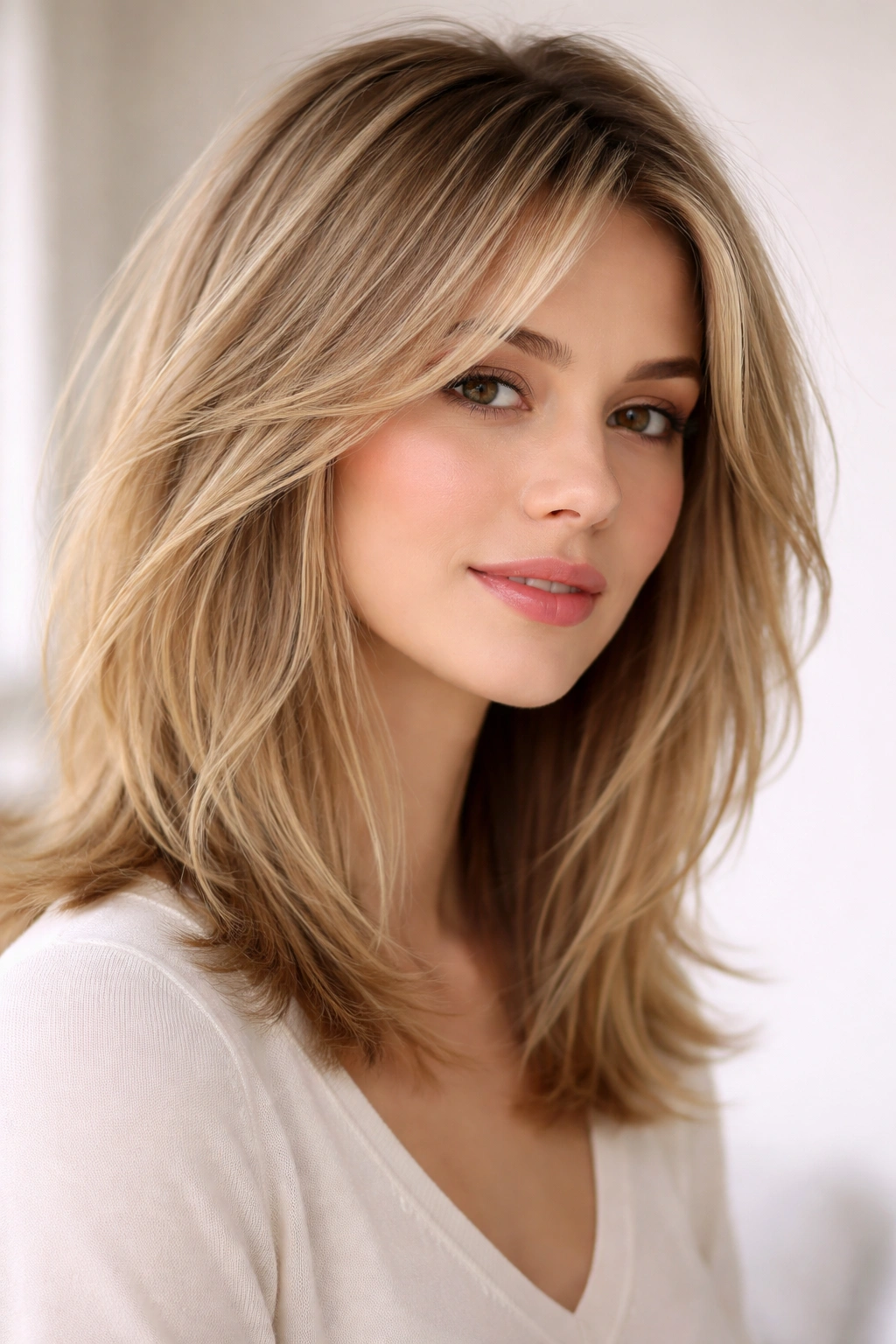
The wispy layered lob leans heavily into creating movement and airiness, with many thin, delicate layers throughout that create a feathery, piece-y texture. This approach works beautifully for fine straight hair because wispy layers create visual fullness without the weight that chunkier layers might add. The effect is ethereal and soft, with lots of individual pieces that move independently.
Creating Airiness Without Sparse Appearance
The challenge with wispy layers on fine hair is making sure the result looks intentionally textured rather than accidentally thin or balding. The secret is density — your stylist should cut enough layers that the overall effect is visibly piece-y and textured, not scattered strands. When done correctly, wispy layers create a soft halo effect around your face and throughout your hair.
How to Communicate This Cut
- Many thin, delicate layers throughout the entire cut
- Longer wisps at the base for weight and support
- Shorter, wispy pieces around the face and crown for softness
- Razor-cut for a feathery, piece-y feel rather than blunt edges
- Overall length between shoulder and mid-shoulder
- An ethereal, soft aesthetic rather than choppy or edgy
Pro tip: Wispy layers look best with a light texturizing spray or sea salt spray — these products separate the individual pieces and emphasize the intended effect.
7. The Asymmetrical Lob
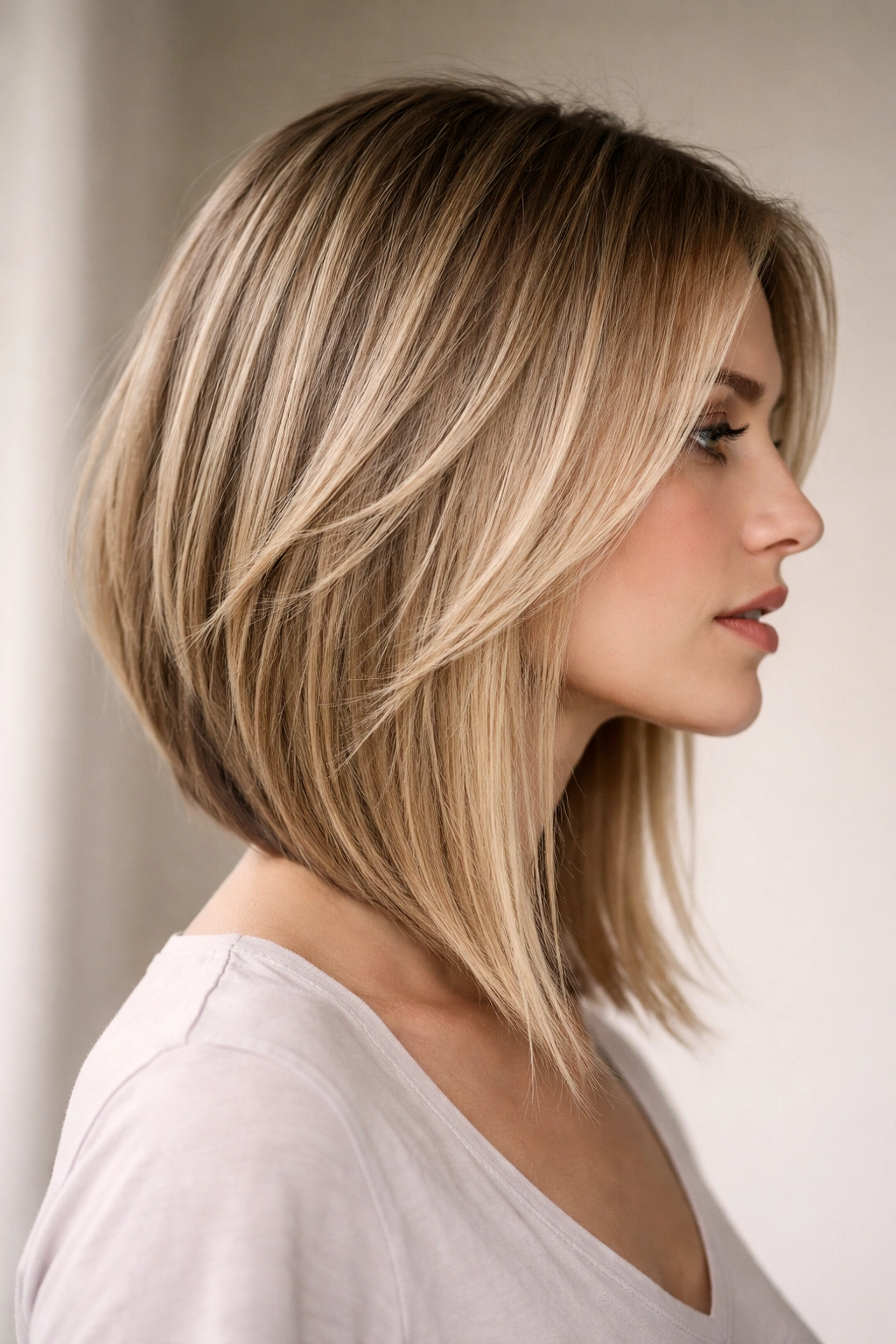
The asymmetrical lob uses uneven lengths to create visual interest and movement, with one side noticeably longer or more heavily layered than the other. This cut is surprisingly wearable for fine straight hair because the asymmetry itself creates the illusion of texture and movement. One side might have more visible layers while the other stays smoother and longer, creating an intentional, fashion-forward look.
Why Asymmetry Works on Fine Hair
Uneven lengths automatically draw the eye and create visual interest, which helps fine hair look fuller and more textured than it actually is. The asymmetry also means you’re not relying on layers alone to create shape — the cut’s structure does much of the work. For fine hair, this is a gift because it achieves visual fullness through design rather than requiring a lot of product or styling tricks.
Specifications for Your Stylist
- One side significantly longer than the other (minimum 2-3 inches difference)
- More visible layers on the shorter side, smoother finish on the longer side
- The longer side should be at least shoulder-length for balance
- Face-framing elements on both sides to keep the cut wearable
- The asymmetry should feel intentional and modern, not accidental
- Clear blending where the two sides meet at the back
Worth knowing: Asymmetrical cuts require more styling than symmetrical ones — you’ll need to blow-dry and potentially use styling tools to emphasize the asymmetry.
8. The Blunt-Cut Lob with Choppy Texture
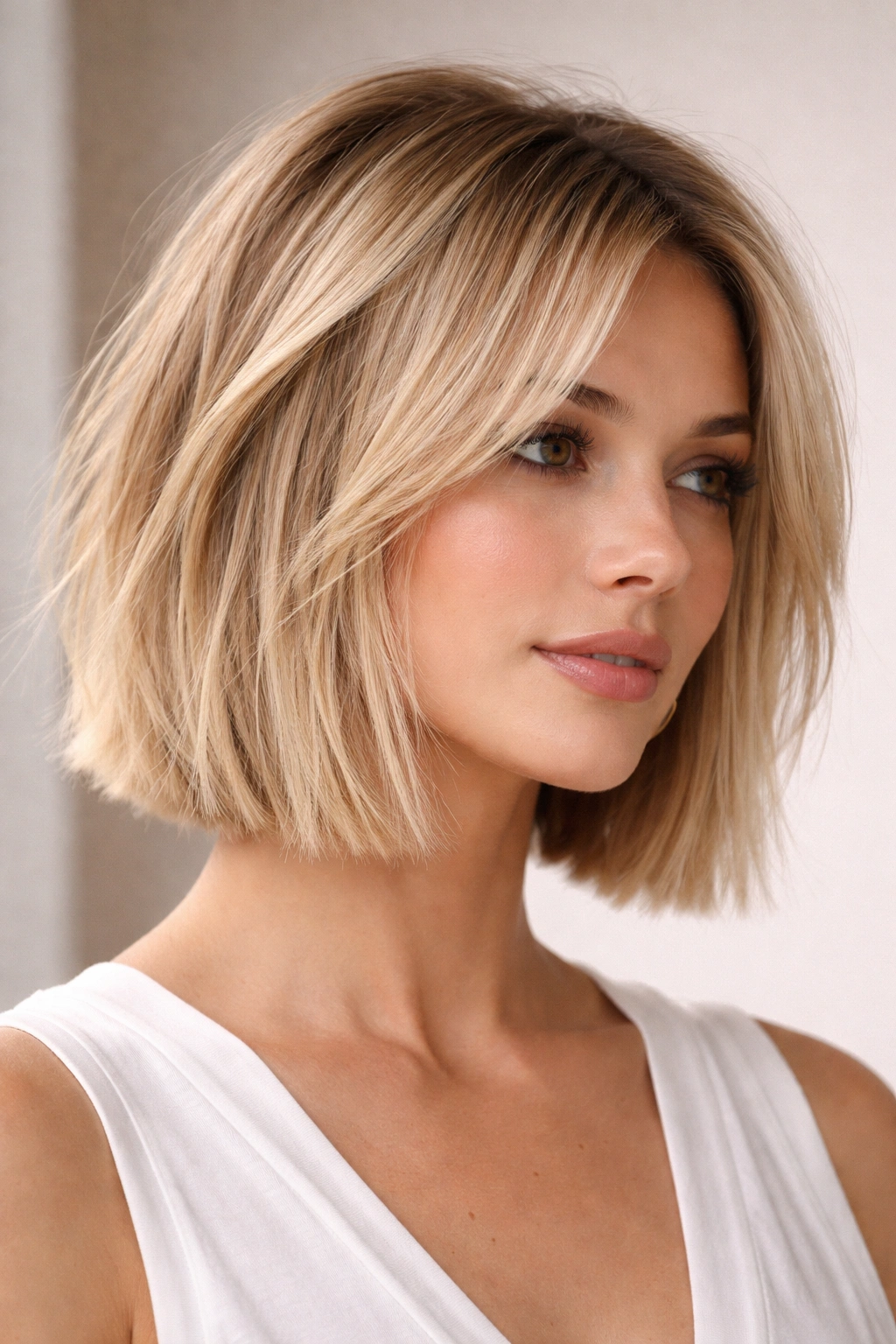
This style combines the clean sophistication of a blunt baseline with strategic choppy layers throughout the mid-lengths and ends. The overall shape maintains that neat, polished blunt-lob silhouette, but the interior is textured with choppy pieces that create movement and dimension. It’s a perfect middle ground between a minimalist cut and an aggressively textured shag.
Balancing Bluntness and Texture
The trick here is that the blunt outline stays pristine and clean, while the interior layers create texture that’s visible when your hair moves. This works beautifully for fine straight hair because the choppy interior creates the appearance of fullness while the blunt exterior maintains a refined aesthetic. You get the movement and dimension of heavily textured hair with the sophistication of a blunt-cut lob.
How to Request This Cut
- A blunt baseline at your desired length (chin to mid-shoulder)
- Strategic choppy layers throughout the mid-lengths and ends
- The choppy pieces should be visible but not overwhelming
- Longer choppy layers at the crown for lift and volume
- The blunt outline should be maintained as you move around the head
- Piece-y, point-cut texture rather than uniform choppy layers
Styling tip: This cut works beautifully with your straight hair’s natural texture, but a light texturizing spray makes the choppy layers more visible and intentional.
9. The Tapered Layered Lob
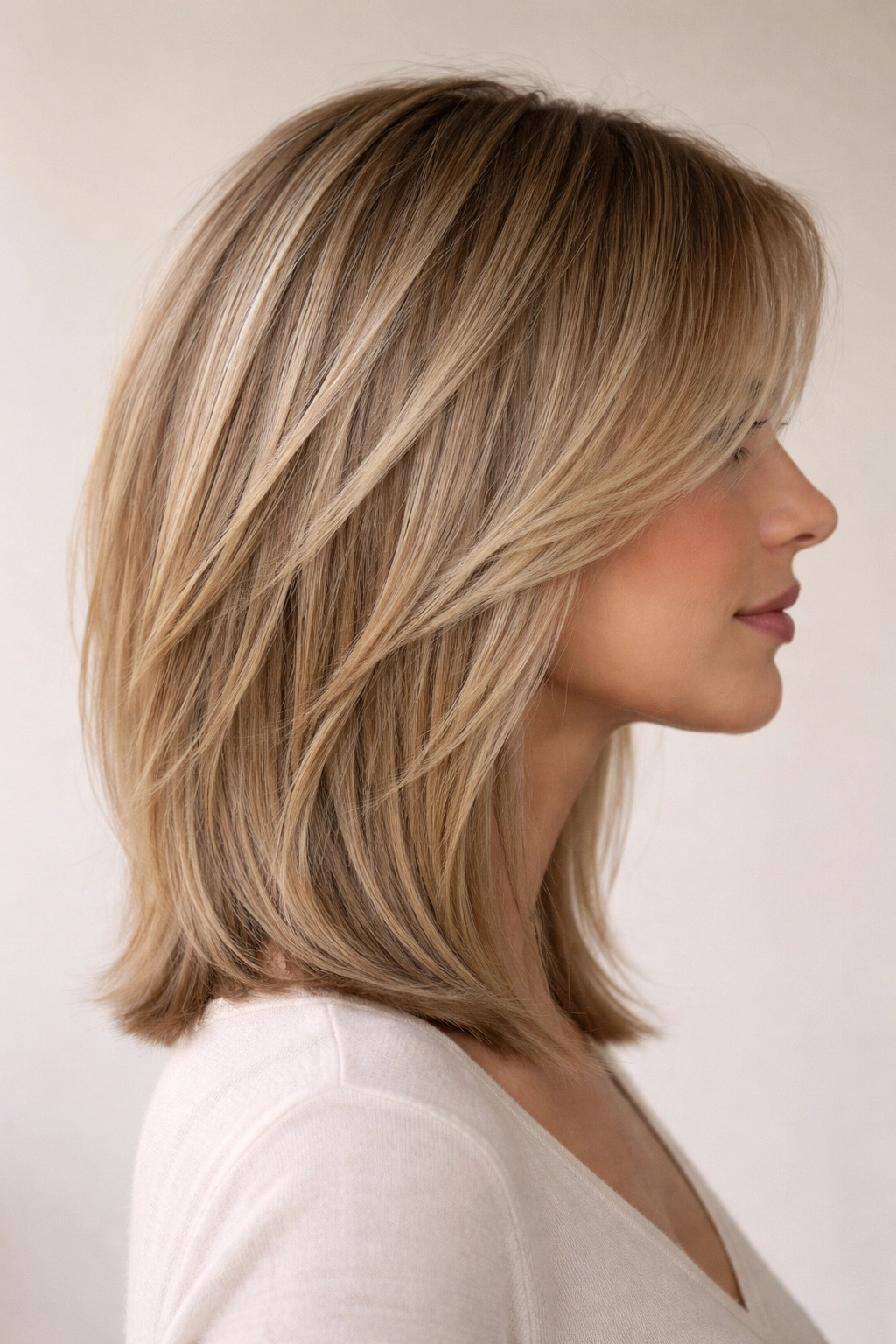
The tapered layered lob uses precision layers that gradually get longer from crown to ends, creating a subtle taper that’s more refined than choppy but more textured than blunt. Each layer is intentional and visible, but they work together to create a cohesive shape rather than scattered, disjointed pieces. This cut is excellent for fine straight hair because the taper creates the illusion of volume throughout.
The Science Behind the Taper
Tapering means each layer is slightly longer than the one above it, so when you view your hair from the side or back, you see a gradual progression rather than choppy sections. This creates visual fullness because there’s more hair toward the ends, while the layers at the crown provide lift and support. For fine hair, this architecture is ideal because it combines the visual benefits of layers with the sophistication of a structured shape.
Details to Discuss with Your Stylist
- Gradual layers that taper from shorter at the crown to longer at the ends
- Each layer should be visible and intentional, not blended away
- Longer layers throughout for weight and movement
- Piece-y, textured ends rather than blunt lines
- Overall length between shoulder and mid-shoulder
- A refined, structured aesthetic rather than choppy or wild
Pro tip: Ask your stylist to show you reference photos that show the exact tapering pattern they’re envisioning — this cut requires precision, so clarity is crucial.
10. The Piece-y Lob with Movement
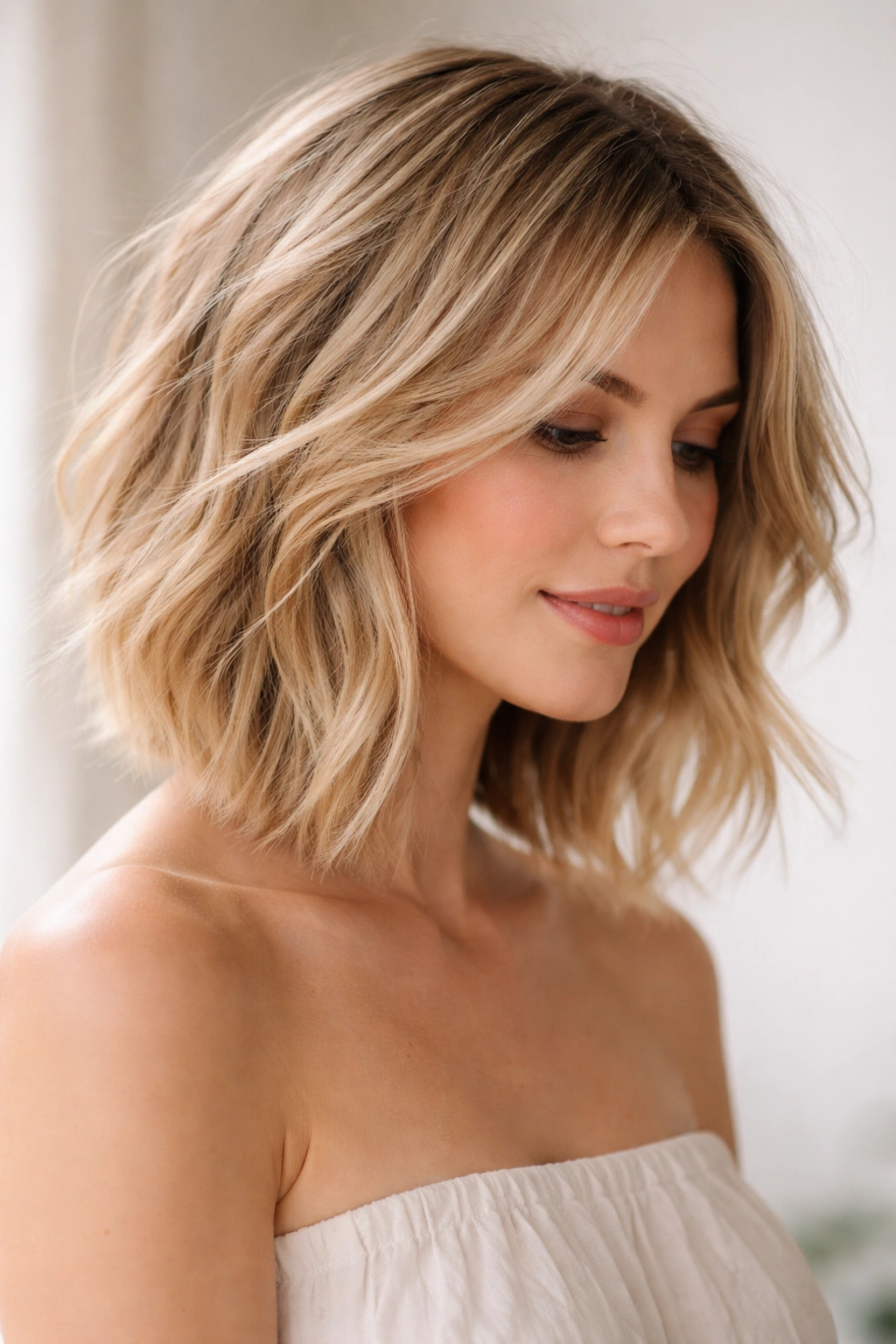
The piece-y lob with movement embraces visible, separate strands throughout the cut, creating an intentionally textured, undone aesthetic that works beautifully on fine straight hair. Unlike shags or heavily choppy lobs that can look chaotic, this cut controls the texture by using strategic layering and point-cutting to create distinct pieces that move independently. The result is effortlessly textured and modern without looking accidental.
Creating Intentional Piece-Work
Piece-y cuts are about creating visible separation between layers and strands, which makes fine hair look fuller because you’re seeing light through multiple pieces rather than solid density. The layers should be numerous enough that individual movement is obvious, but controlled enough that the overall effect looks intentional and polished. This is a more forgiving cut than some others because the piece-work gives you flexibility in how you style it.
What to Request from Your Stylist
- Point-cut layers throughout for a piece-y, textured finish
- Pieces that are visibly separate and move independently
- Longer base layers for weight and support
- Shorter, piece-y layers throughout the crown and mid-lengths
- Emphasis on movement and texture over a structured silhouette
- The overall effect should feel modern and intentional, not disheveled
- Multiple lengths working together to create depth
Insider knowledge: Piece-y cuts actually work better with straight hair than with curly or wavy hair, because the individual pieces are more visible against your straight baseline. Your texture becomes the feature rather than the challenge.
Final Thoughts
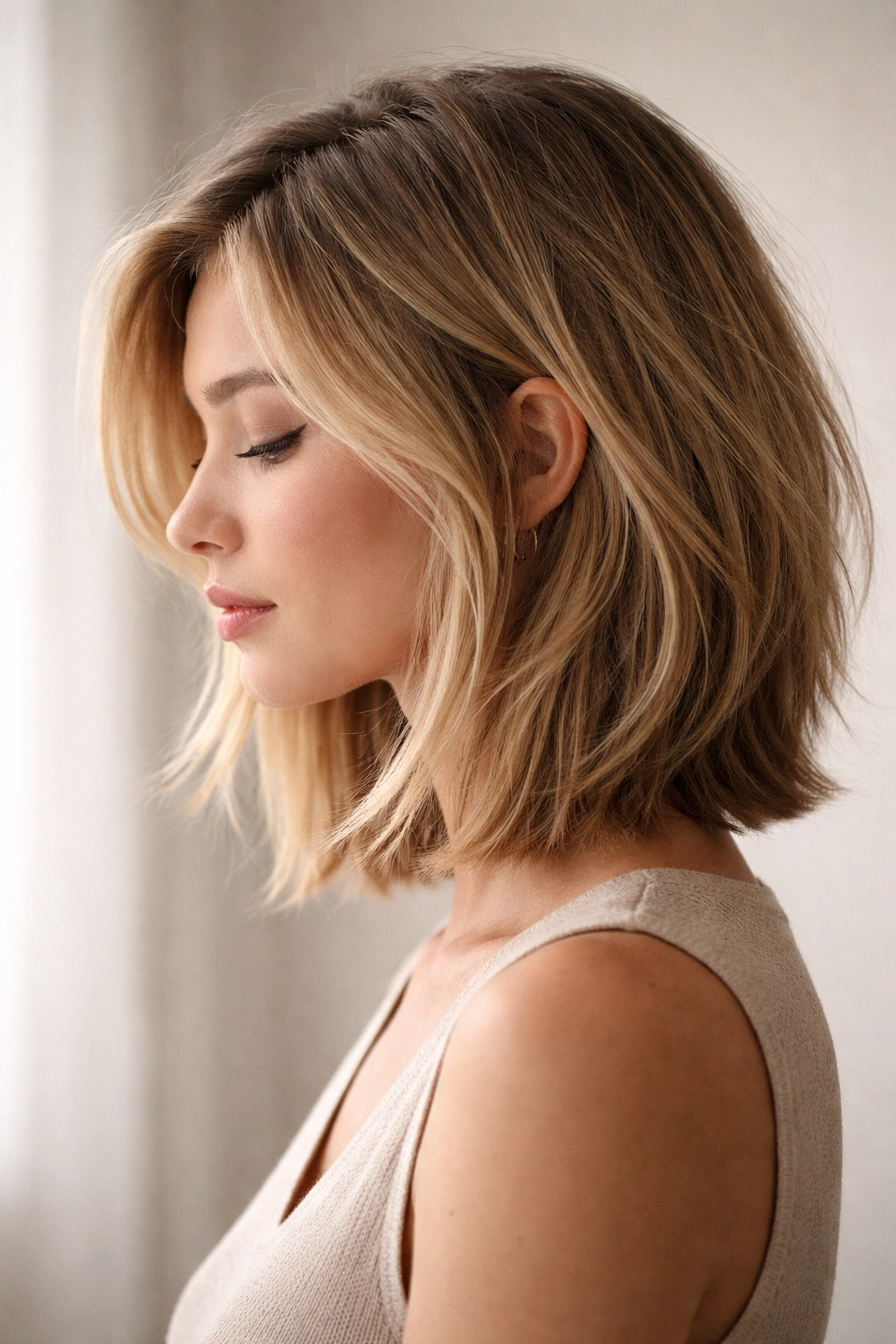
Finding the right layered lob for fine straight hair is all about understanding how different layer patterns, densities, and placements create the illusion of volume without weighing your hair down. The styles above all work beautifully on fine straight hair because they approach the common challenge differently — some use subtle layers to create dimension, some use visible texture to build fullness, and some rely on overall shape and silhouette to achieve visual interest. The best choice for you depends on how much styling you’re willing to do, what aesthetic appeals to you most, and how much texture and movement you actually want in your finished cut.
Start by showing your stylist 2-3 reference photos of lobs you’re drawn to, and have a honest conversation about your hair’s characteristics, your daily styling routine, and how much maintenance you’re willing to commit to. A good stylist will help you understand which layered lob style will actually work with your lifestyle, not just look great in a photo. The most flattering cut is one you can maintain and style consistently, so prioritize cuts that align with your real routine, not just your Instagram inspiration board.
