



Balayage on straight hair creates a distinctly polished, effortless look that highlights the clean lines and natural shine of perfectly straight strands. Unlike curly or wavy textures that naturally break up color placement, straight hair showcases each highlight and shadow with precision—which means a well-executed balayage becomes a statement piece that can completely transform your appearance without the commitment of an all-over dye job. The beauty of balayage specifically on straight hair is that the placement of lighter and darker tones creates dimension that catches light as you move, making even fine or thin straight hair appear fuller and more textured.
The versatility of balayage is genuinely stunning once you realize how many different color stories you can tell on a straight-hair canvas. Whether you’re drawn to warm honey tones, cool ash blondes, rich chocolate depths, or a combination that mimics how the sun naturally lightens hair, there’s a balayage style that will feel authentically you. The technique works beautifully across all straight-hair types—from sleek, mirror-like finishes to textured straight styles—and it adapts to your natural hair color, skin tone, and lifestyle needs.
What makes balayage particularly forgiving on straight hair is that subtle placement and blending are incredibly visible and achievable. Your colorist can create clean transitions, strategic placement around your face for flattering dimension, and depth that works specifically with how light reflects off smooth, straight strands. The key is knowing which balayage style matches your goals—whether you want barely-there movement, bold face-framing contrast, or a completely reimagined look.
1. Dimensional Honey Balayage
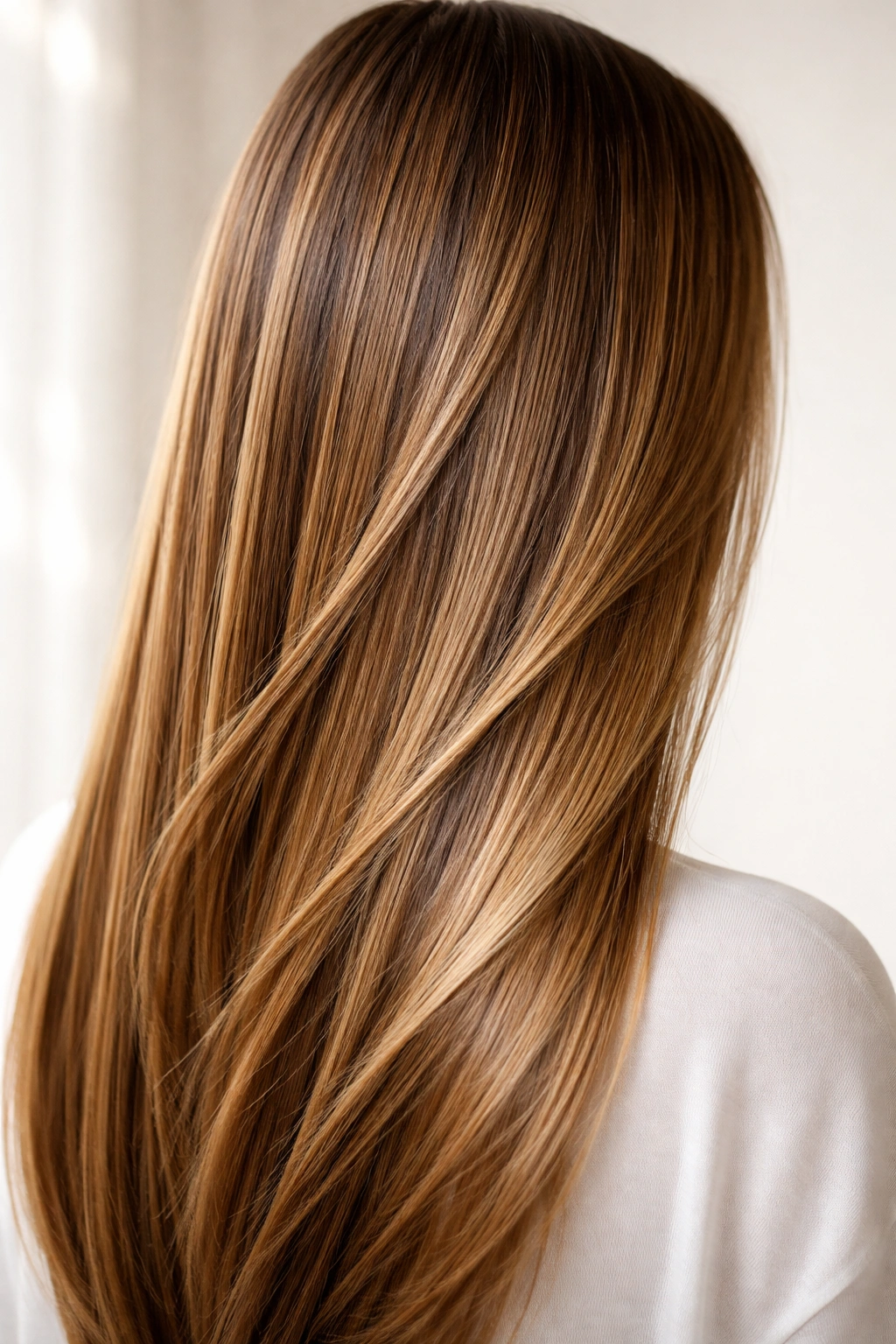
This is the balayage that works for nearly everyone who loves warmth without looking obviously highlighted. The dimensional honey balayage uses multiple shades of golden and warm brown tones layered throughout straight hair, creating depth that reads as “naturally sun-kissed” rather than “I just left the salon.” On straight hair, these warm, glowing tones catch the light and seem to radiate from within, especially under natural sunlight.
Why It’s Perfect for Straight Hair
The straight texture is the ideal canvas for showing off how beautifully warm honey tones shimmer. Because there’s no texture to diffuse the color, each highlighted piece stays crisp and visible, meaning your colorist can place lighter pieces strategically around your face where they’ll brighten your complexion and eyes. The dimensional honey balayage works regardless of your natural hair color—it adapts from a subtler look on naturally darker hair to a more dramatic warm glow on lighter bases.
How to Get and Maintain It
- Work with a colorist who specializes in balayage and understands warm-tone mixing for your specific depth of hair
- Plan for touch-ups every 8-10 weeks to keep the darker shadows from growing out noticeably
- Use a purple or violet-toning shampoo once weekly to prevent brassy tones from overtaking the golden warmth
- Deep condition weekly since balayage involves processing, and straight hair shows every bit of dryness
- Protect your color between appointments with leave-in conditioner before heat styling
Pro tip: Ask your colorist to concentrate the warmest, brightest honey pieces around your face, temples, and through the crown where they’ll frame your features and add light to your complexion.
2. Sun-Kissed Golden Balayage
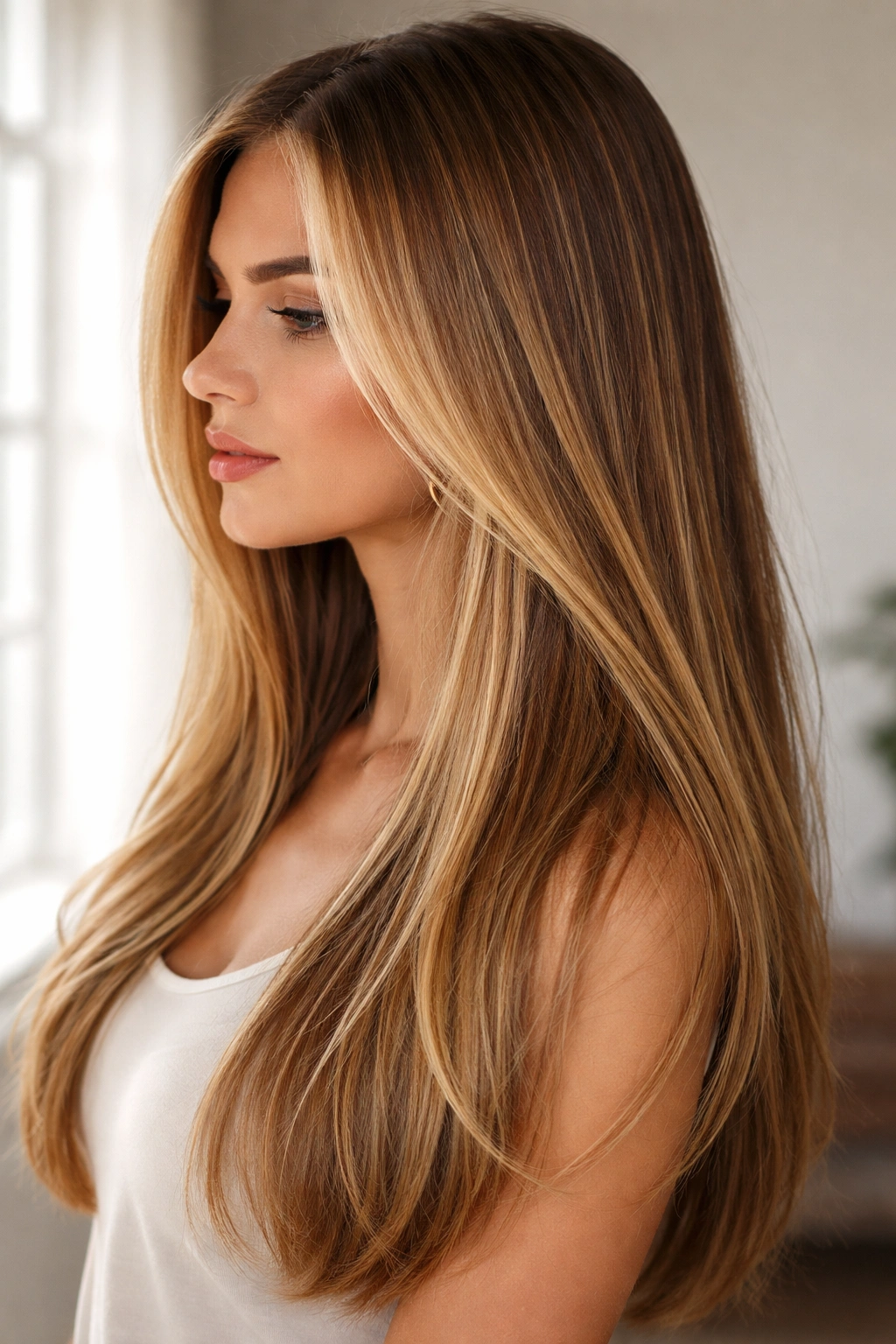
The sun-kissed golden balayage captures the exact effect of spending time in natural sunlight—lighter tones that appear only on the surface layers and around the face, as if the sun naturally bleached your top layer of hair. This look works beautifully on straight hair because the clean lines make it obvious that the lightness is intentional and strategically placed, not just damage or uneven fading.
The Visual Effect and Who It Suits
This style creates the illusion of hair that’s been naturally lightened by sun exposure, which means it reads as effortless and low-maintenance even though it’s carefully executed. The technique is especially flattering if you have a warm or golden undertone to your skin—the golden highlights will harmonize with your complexion and make you glow. On straight hair, the sun-kissed look feels modern and lived-in rather than overly “done,” which is exactly what makes it so universally appealing.
Application Details and Upkeep
- Highlights are concentrated on the outermost layer, creating a visible contrast with deeper roots and mid-lengths
- The placement is heaviest around the face, temples, and along the crown where sun naturally hits first
- This look requires less overall bleaching than full balayage since lighter tones are more surface-level
- Touch up every 12-14 weeks, often just refreshing the face-framing pieces
- Wash in cool or lukewarm water to prevent golden tones from fading too quickly
Worth knowing: This style photographs beautifully and tends to look even more stunning in natural outdoor light where the dimensional golden placement truly shines.
3. Rooted Brunette Balayage
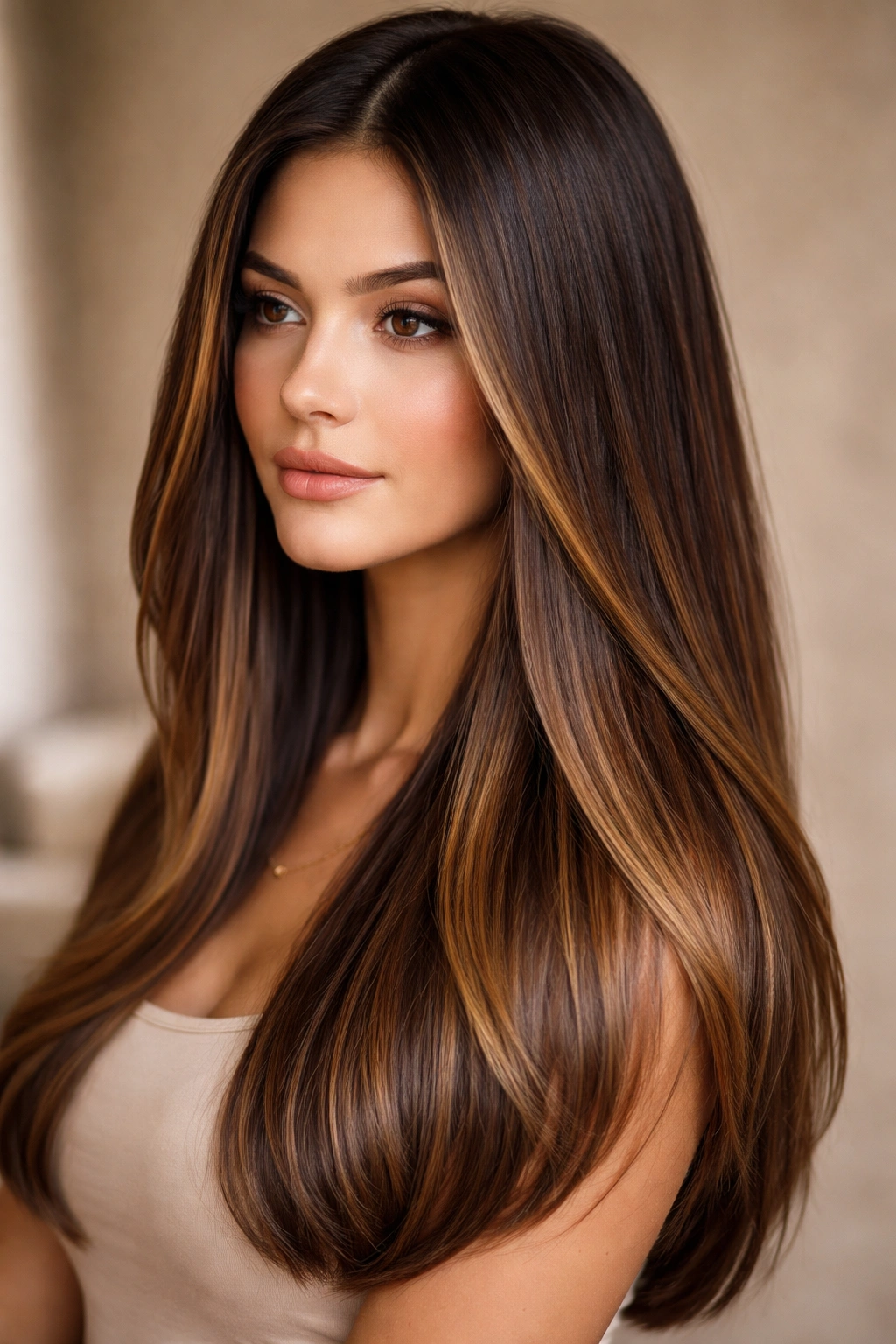
If you love your natural dark hair but want dimension without lightening it dramatically, the rooted brunette balayage is your answer. This look keeps your rich, dark base—whether that’s chestnut, espresso, or jet black—while adding mid-tone and sometimes lighter highlights throughout the lengths. On straight hair, those darker tones read as a deliberate base, making the lighter pieces that much more striking by contrast.
Creating Dimension Without Going Blonde
The rooted brunette balayage uses a strategic mix of mid-tones that are only a few shades lighter than your natural base, plus occasional lighter pieces for contrast. Think rich caramel alongside warm brown alongside your original dark tone. This creates serious dimension without requiring you to commit to a blonde look or deal with extensive root regrowth. On straight hair, the color blocking is clean and intentional-looking rather than accidental.
Maintenance and Color Care
- The good news: touch-ups are less frequent than lighter balayages because darker roots blending is more forgiving
- Plan for 10-12 week touch-ups, focusing on refreshing faded mid-tone pieces rather than extensive root coverage
- Use a color-depositing shampoo in brown or brunette tones to enrich your natural base between appointments
- Straight hair shows shine beautifully, so invest in a weekly glossing treatment to keep dimension vibrant
- Protect the investment with heat protectant before blow-drying or straightening since you’ve enhanced your natural color
Insider note: Ask your colorist to place some lighter pieces very close to your roots in strategic spots—the contrast between dark roots and nearby caramel creates the illusion of subtle depth without heavy rooting.
4. Platinum Blonde Balayage
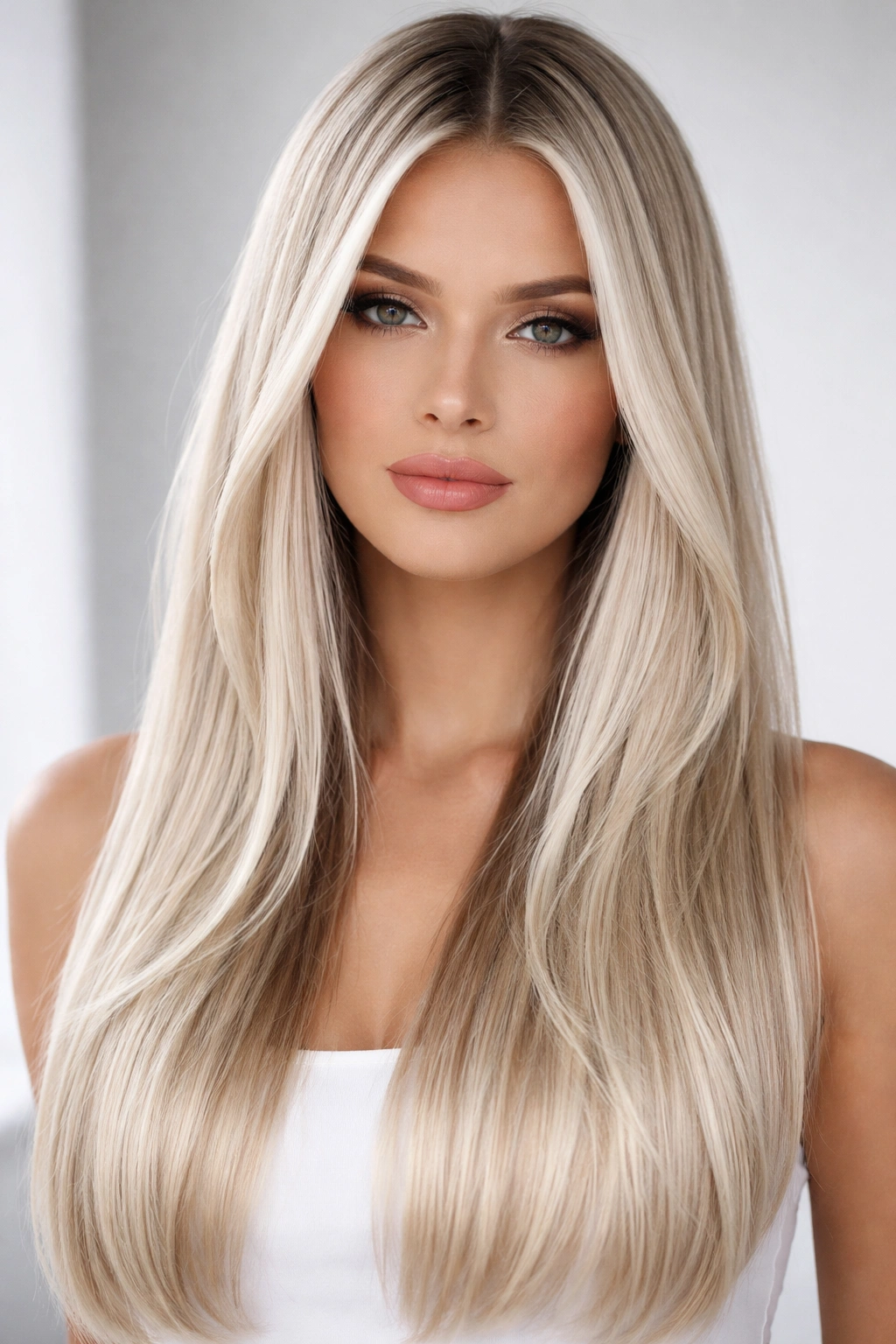
This is the bold choice: a platinum blonde balayage that creates a stunning contrast between cool, icy blonde highlights and a darker base. On straight hair, the platinum tones absolutely sing—the smooth texture lets light bounce cleanly off each lightened piece, making the cool blonde seem to glow. This look is dramatic enough to feel like a total transformation while still allowing you to keep some dimension and avoid the all-over platinum blonde commitment.
Achieving Cool, Icy Tones
True platinum blonde balayage requires skilled placement and proper toning to achieve that coveted cool, silvery blonde rather than brassy or warm tones. Your colorist will typically use a two-process technique: lifting the hair to a very light level, then applying a violet or ash-toned toner to achieve that icy finish. On straight hair, the result is incredibly striking because there’s nothing to diffuse the cool-tone effect—every piece reads as intentional platinum.
The Reality of Platinum Maintenance
- Expect visible root regrowth within 4-6 weeks as your natural darker base becomes obvious against the pale blonde
- Touch-ups are necessary every 6-8 weeks to refresh the platinum tone and maintain that contrast
- Use a purple-toning shampoo twice weekly to keep platinum from turning yellow or brassy
- Deep conditioning is non-negotiable; platinum requires significant processing and straight hair shows every bit of damage
- Hair bonds and strengthening treatments between salon visits will keep your strands healthy
Pro tip: The contrast is what makes this look work, so embrace the root shadow rather than fighting it—ask your colorist to intentionally keep darker roots as part of the design, which buys you slightly longer between appointments and makes the platinum pop even more.
5. Caramel Swirl Balayage
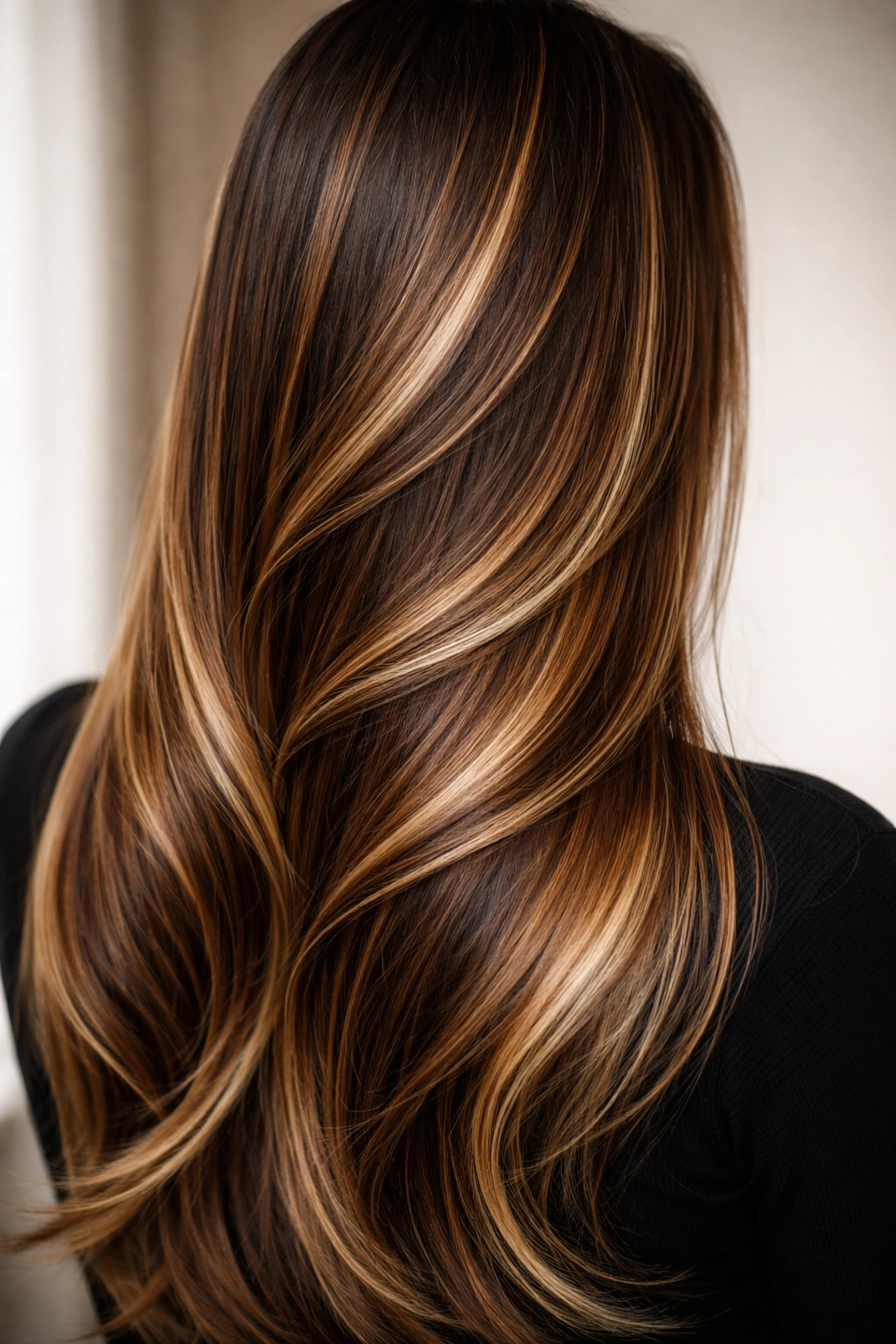
The caramel swirl balayage is like edible art on your head—rich, warm caramel tones twisted throughout your hair in a way that feels organic and dimensional. This works spectacularly on straight hair because the smooth texture makes every caramel piece stand out distinctly, and the way straight hair reflects light makes caramel tones seem to swirl and shift as you move. It’s warm enough to be flattering on most skin tones and sophisticated enough to work in any setting.
The Technique Behind Caramel Dimension
This look uses multiple shades of caramel, toffee, and warm brown to create movement and depth. Unlike a solid color, the caramel swirl technique places lighter and mid-tone pieces throughout the mid-lengths and ends in a way that creates visual texture—making straight hair appear to have natural movement even when it’s perfectly smooth. The effect is dimensional without being chaotic; it reads as purposeful and flattering rather than haphazard.
Getting the Color Right
- Caramel tones work best on hair that’s at least light to medium brown naturally, or on pre-lightened blonde bases
- The swirl effect requires your colorist to hand-paint highlights in a flowing pattern rather than section-by-section placement
- Ask for a mix of caramel shades—medium caramel, lighter caramel, toffee—so the dimension reads clearly without looking striped
- The highlight placement should be heaviest through the mid-lengths and ends, lighter through the roots
- Touch-ups are needed every 8-10 weeks as lighter pieces fade and warm tones shift
Worth knowing: This balayage is incredibly photogenic and seems to glow even more under warm indoor lighting, making it a great choice if you love how color looks in photos and on video.
6. Rich Chocolate Balayage with Highlights
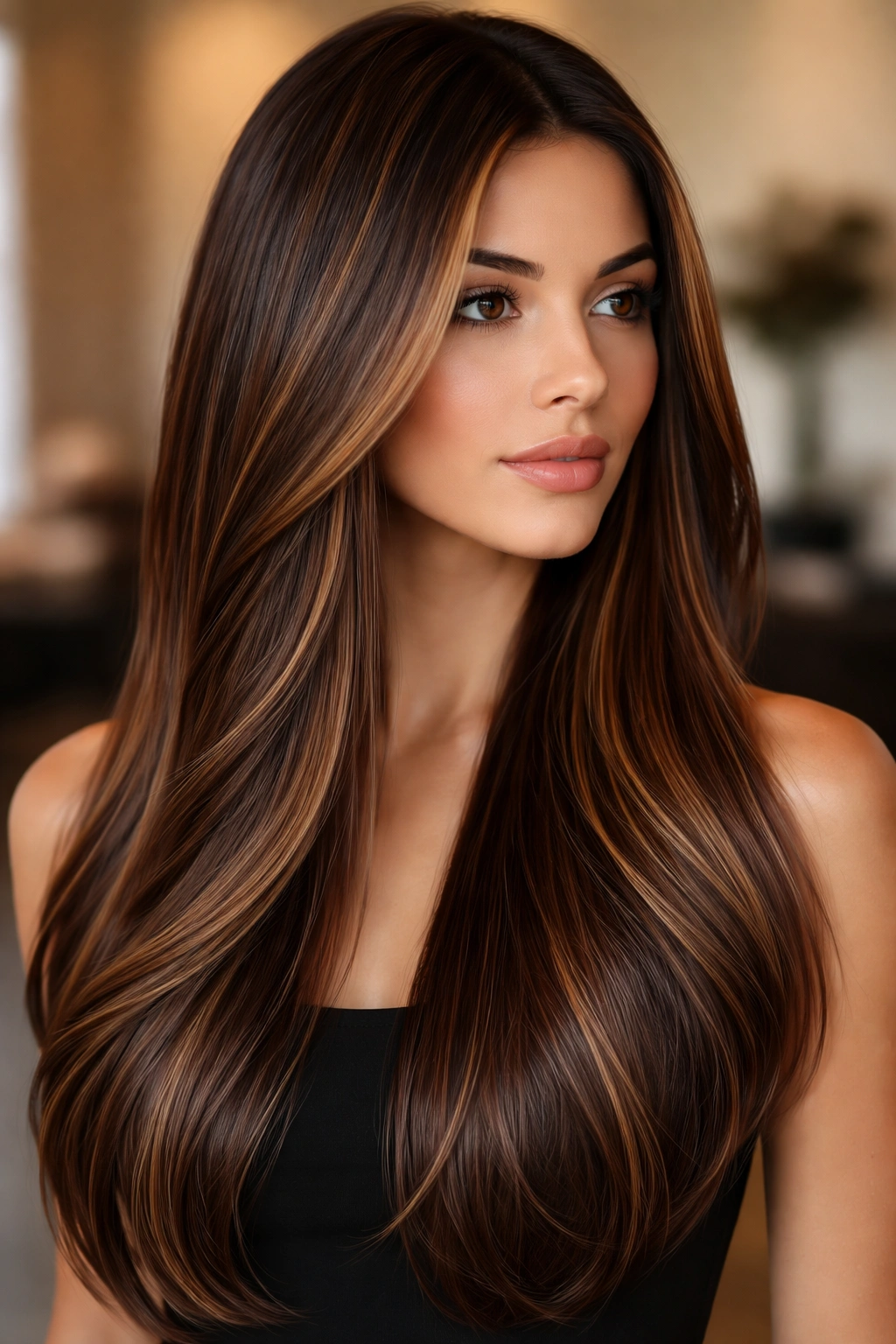
For those who want dimension within a warm, rich brown family, the chocolate balayage with highlights creates depth through strategic lighter pieces without abandoning warmth. Your base remains a luxurious chocolate brown, while caramel, toffee, and occasionally lighter blonde pieces create contrast. On straight hair, this approach gives you the best of both worlds: a cohesive warm tone family with enough variation to feel dimensional and interesting.
Why Chocolate Is Underrated
Rich chocolate brown is often overlooked in favor of cooler brunettes or blonde balayages, but it’s genuinely one of the most flattering base colors available. When paired with strategic lighter highlights, chocolate becomes a frame for your face rather than just a color. On straight hair, chocolate has natural depth and richness that photographs beautifully and complements a wider range of skin tones than lighter bronde options.
Building This Look
- Start with a rich chocolate base—either your natural color or an intentional tint to create the right shade
- Add highlights in caramel, toffee, and occasionally lighter blonde pieces in a balayage pattern
- Concentrate lighter pieces around the face and crown for flattering dimension
- Keep some pieces subtly darker to create shadowing and depth throughout
- This approach requires less overall lightening than a full balayage into blonde territory, making it gentler on your hair
Pro tip: Ask your colorist to add a few very subtle dimension pieces inside your base color—almost shadow-like pieces that are only one shade darker than your chocolate base. These create visual texture and make the lighter highlights seem even brighter by comparison.
7. Bronde Balayage Blend
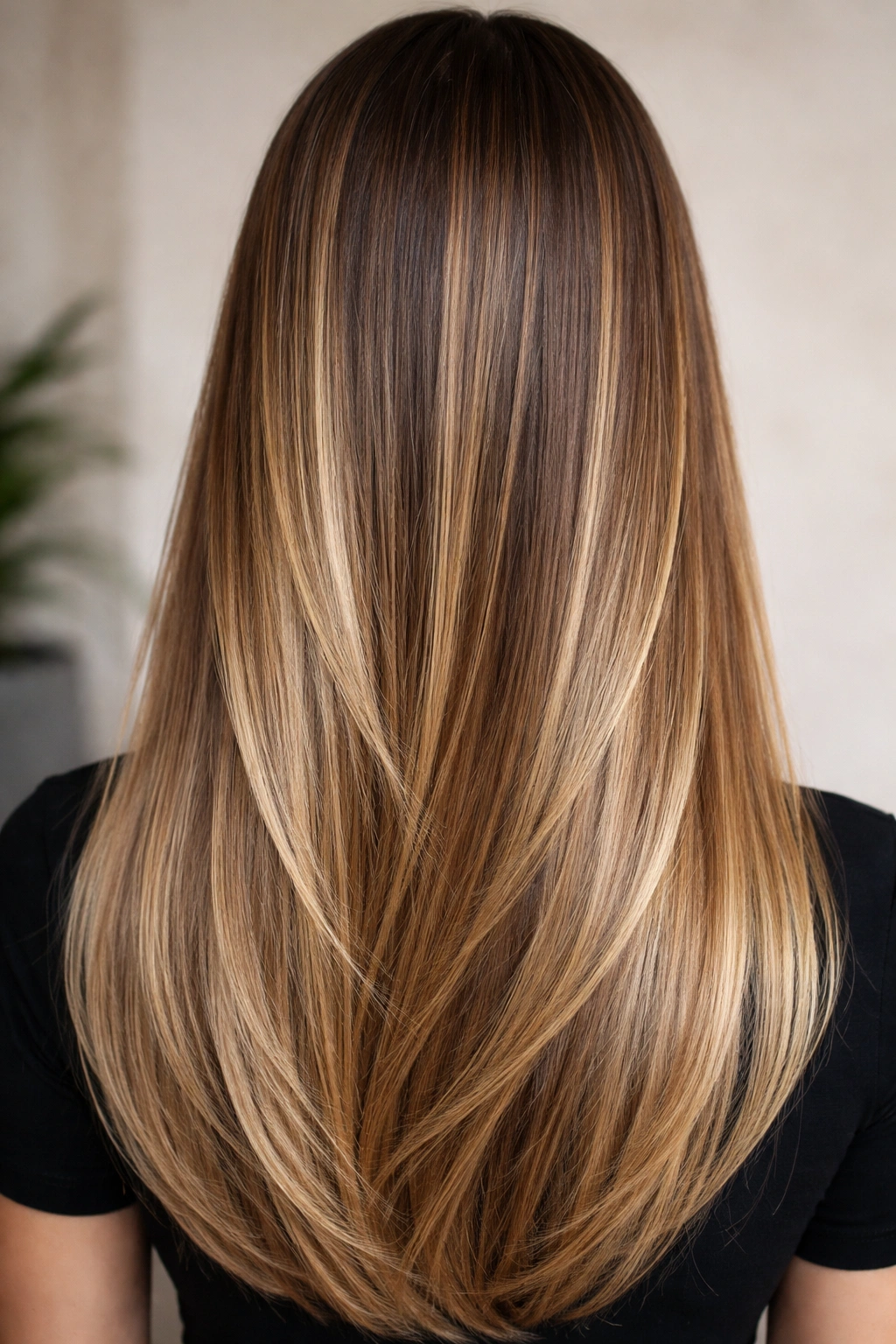
The bronde balayage is the ultimate “I can’t decide between brown and blonde” solution—and it’s a genuinely sophisticated look on straight hair. Bronde means a blend of brown and blonde tones throughout your hair in proportions that create a balanced, multidimensional color. On straight hair, bronde reads as natural-looking dimension rather than obvious highlights because the blend is so seamless.
Understanding the Bronde Formula
True bronde isn’t just brown with blonde pieces or vice versa—it’s an intentional blend where you can’t quite tell where brown ends and blonde begins. The effect is typically 50-60% lighter tones and 40-50% medium to darker tones, creating an overall impression that’s neither firmly brown nor firmly blonde. On straight hair, this balance creates a sophisticated, effortless look that feels expensive and expertly executed.
Achieving Seamless Bronde
- Bronde works across a wide range of natural base colors, from darker brunettes to lighter natural blondes
- The technique involves very strategic placement of both lighter and medium tones in a way that blends rather than contrasts sharply
- Shadow root placement is key—darker tones blended throughout create the illusion of depth and natural regrowth
- Face-framing pieces should be slightly lighter than your overall bronde to brighten your complexion
- Touch-ups every 8-10 weeks keep the blend looking intentional rather than growing out unevenly
Insider note: The best bronde balayages use a warm and cool blend—some caramel-warm tones paired with some ash-cool blonde—which creates visual interest and prevents the look from reading as flat or one-dimensional.
8. Shadow Root Balayage
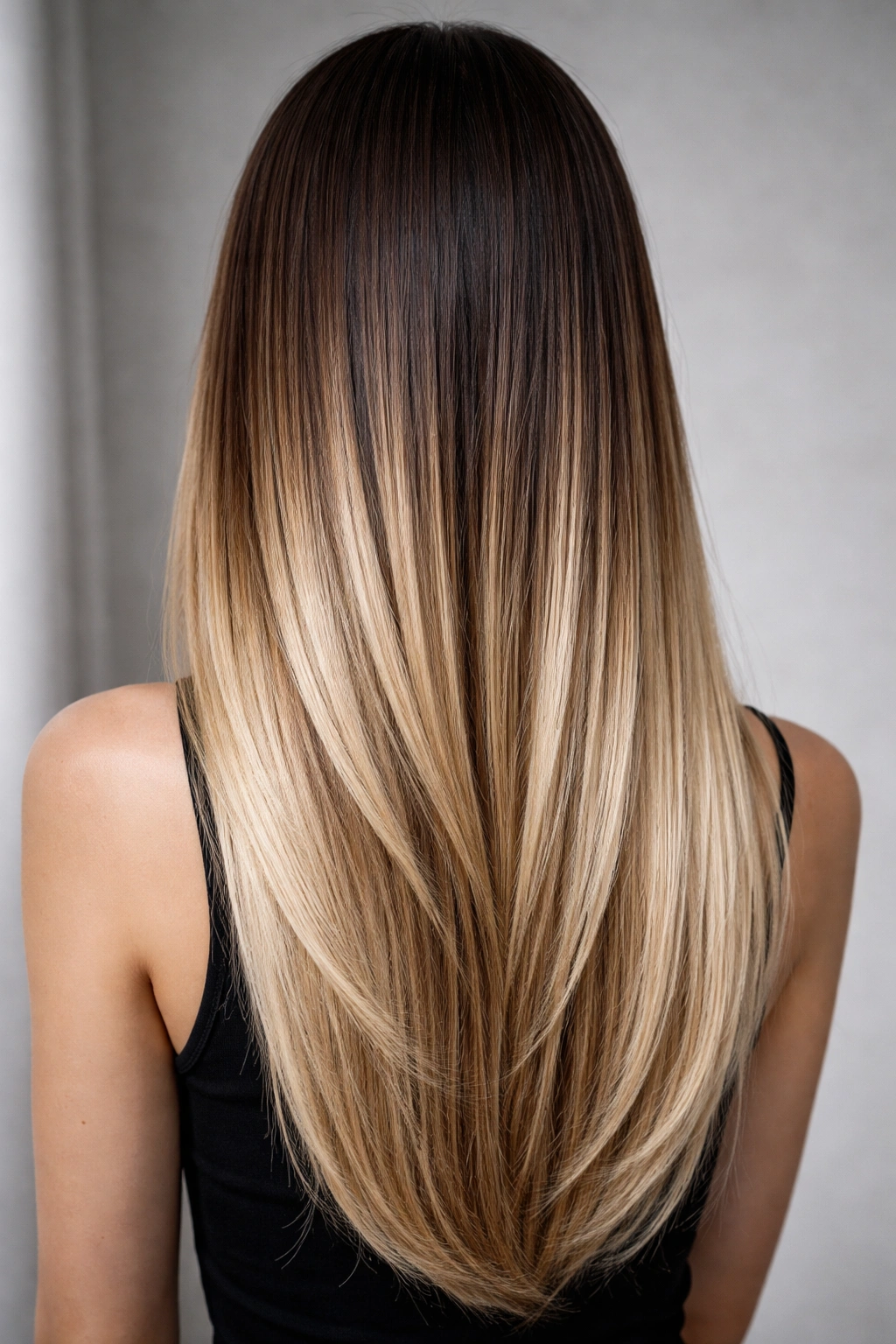
The shadow root balayage is a strategic technique that intentionally embraces darker roots as part of the design. Rather than trying to hide regrowth, this style uses a deliberately dark root shadow that transitions into lighter mid-tones and ends. On straight hair, the contrast between dark roots and lighter lengths is impossibly chic and fashion-forward, plus it’s practical because you don’t need touch-ups as frequently.
The Strategic Purpose of Shadow Roots
Shadow roots serve both aesthetic and practical purposes. Visually, they create drama and make the lighter pieces seem even more striking. Practically, they mean your roots can grow naturally without looking obviously unkempt—a shadow root balayage actually looks intentional when your regrowth appears. On straight hair, this contrast is crisp and clean rather than blurry, which is exactly why the technique is so effective.
Making Shadow Roots Work for You
- The shadow root is typically a blend of your natural color and a shade darker, creating a shadowy transition zone
- This dark shadowy area usually extends 2-3 inches from the roots, then blends into lighter mid-tones
- The lighter pieces should be concentrated through the mid-lengths and ends, gradually getting lighter toward the tips
- This technique allows you to go longer between touch-ups—often 10-14 weeks—because regrowth blends with your shadow
- Ask your colorist to keep the shadow-to-light transition gradual rather than a harsh line
Worth knowing: Shadow root balayage has been a persistent trend for good reason—it genuinely requires less maintenance than traditional balayage while looking even more intentional and editorial.
9. Subtle Lived-In Balayage
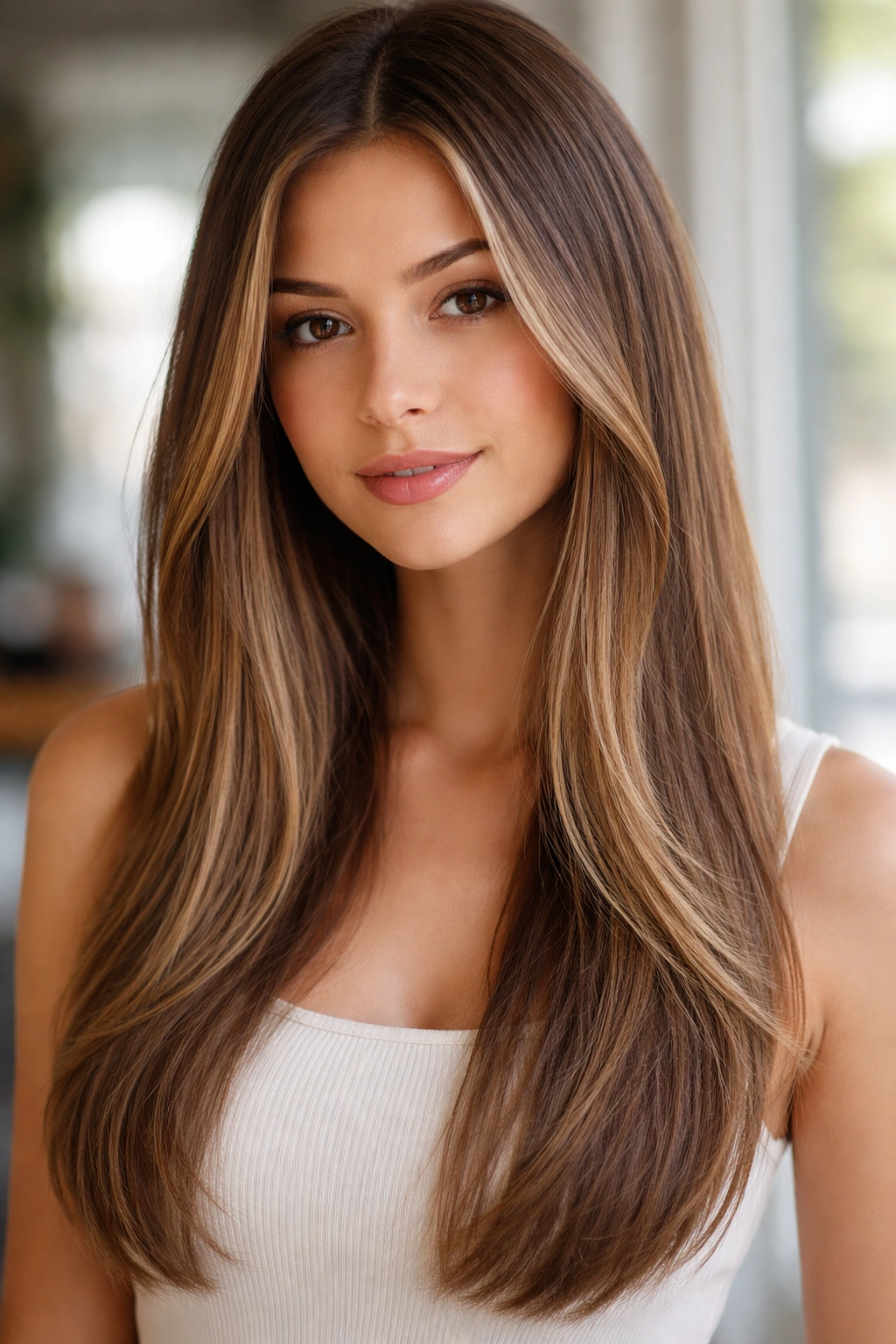
Sometimes the most beautiful balayage is the one nobody realizes is balayage at all. The subtle lived-in balayage uses very minimal lightening placed strategically to enhance your natural color rather than dramatically transform it. On straight hair, this approach creates soft dimension that looks like your hair naturally lightened in the sun—the ultimate “does she or doesn’t she” effect.
When Less Is Genuinely More
A subtle lived-in balayage works beautifully if you love your natural color and just want it enhanced, not overhauled. The technique uses minimal highlights—often just 10-15% of your hair is lightened—placed in strategic locations like face-framing, crown, and scattered through the lengths. On straight hair, even this minimal placement creates visible dimension because the smooth texture lets light reflect cleanly off each highlighted piece.
The Art of Subtlety
- Ask your colorist to lift your hair only 2-3 levels lighter, creating a subtle rather than dramatic change
- Highlights should blend closely with your natural base color, creating dimension rather than obvious contrast
- Face-framing pieces can be slightly lighter for a subtle brightening effect around your complexion
- Touch-ups can stretch to 12-16 weeks because the subtle highlights blend more forgivingly with natural regrowth
- This approach is gentler on your hair since less overall processing is involved
Pro tip: Subtle lived-in balayage is absolutely the move if you’re new to balayage or hesitant about commitment—you can always add more highlights later, but you can’t undo them without cutting.
10. Cool-Toned Ash Balayage
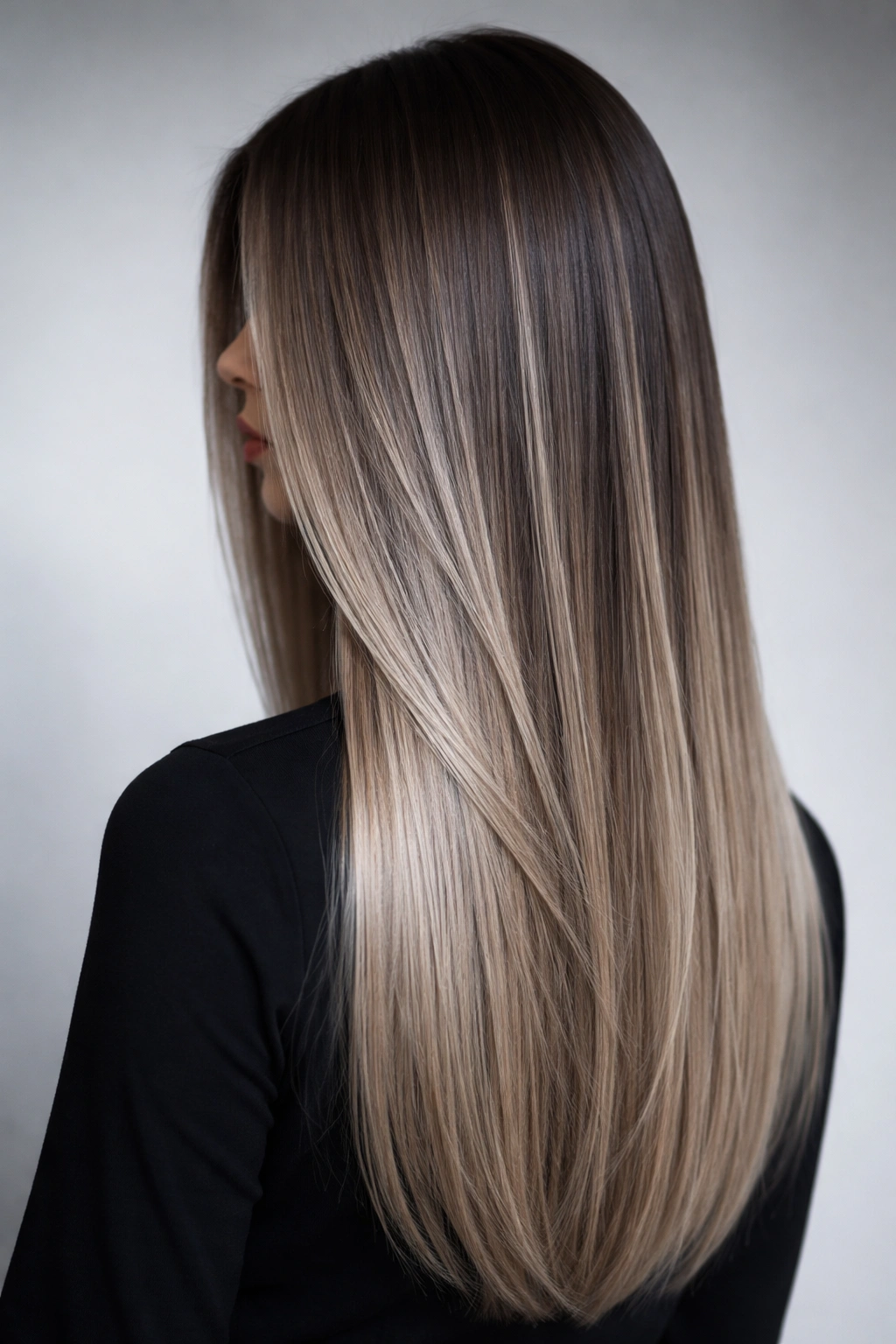
For those who lean toward cooler undertones and want their hair to reflect that, the ash balayage delivers cool, sophisticated dimension in silvery, ashy blonde and cool brown tones. On straight hair, cool tones create a sleek, polished look that reads as modern and editorial. This style is especially flattering if you have cool undertones in your skin or love the look of platinum and ash tones.
Understanding Cool-Tone Placement
The ash balayage uses a cooler base—often a dark ash brown or cool medium brown—and incorporates ash blonde, platinum, or cool-toned lighter pieces throughout. The overall effect is sophisticated and slightly moody rather than warm and sunny. On straight hair, these cool tones seem to have an almost metallic quality that’s incredibly striking in natural light.
Achieving and Maintaining Ash Tones
- Cool-toned balayage requires careful toning to maintain the ashy quality and prevent warm tones from taking over
- Your colorist will likely use violet or ash toners to keep highlights from turning yellow or brassy
- Use a purple or ash-toning shampoo weekly to keep your cool-tone color fresh between appointments
- These tones can feel slightly cooler or slightly warmer depending on your lighting, which is part of the appeal
- Touch-ups are needed every 8-10 weeks to refresh cool tones, which can shift warmer over time with sunlight and washing
Insider note: Cool-toned ash balayage photographs incredibly well in both natural and indoor lighting because the cool tones don’t flare or shift dramatically the way warm tones sometimes do, making your color look consistent and intentional across any setting.
Final Thoughts
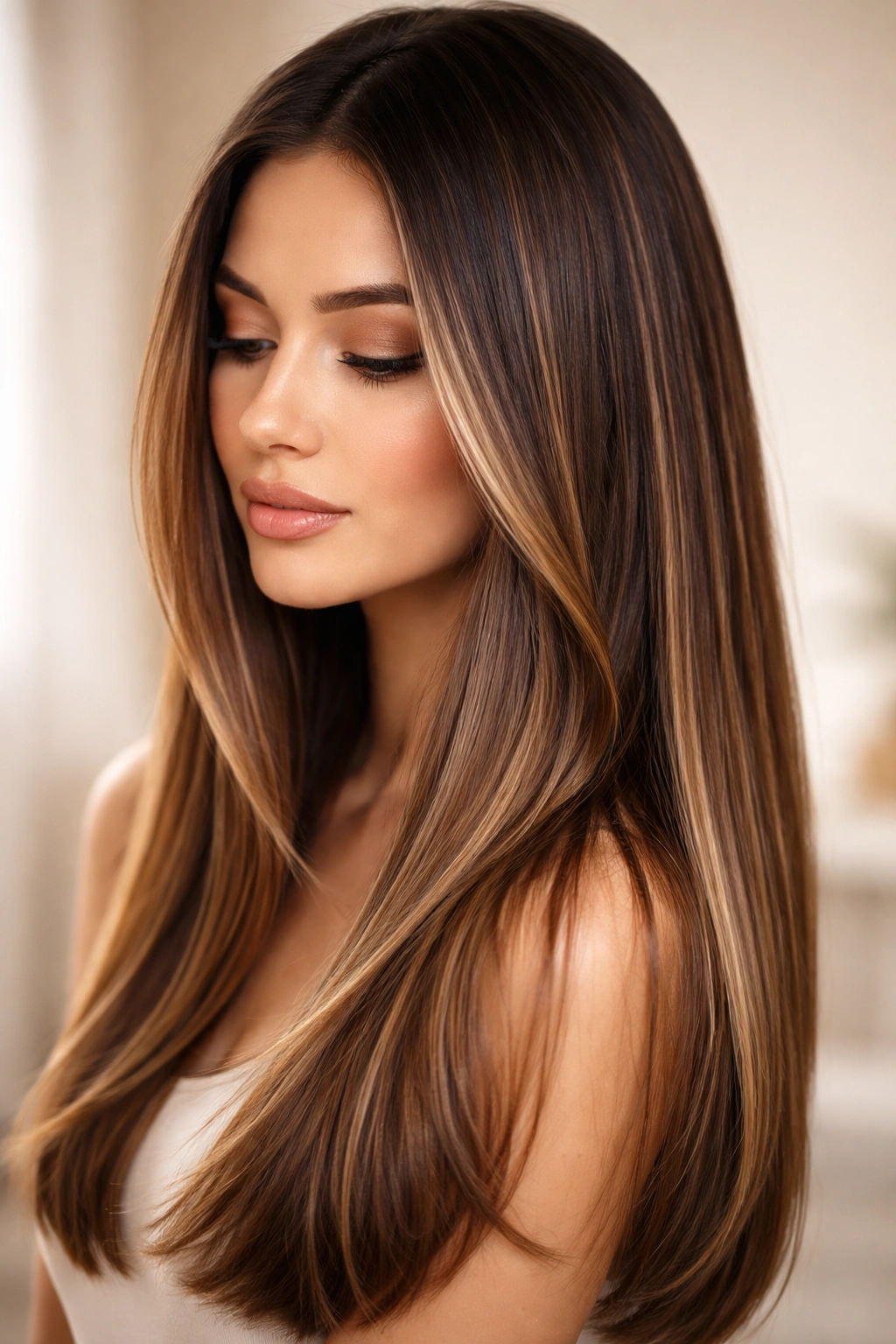
Balayage on straight hair is one of the most transformative and maintainable ways to add dimension to your look. The key to getting the balayage that’s perfect for you is understanding your undertones, how much maintenance you’re willing to commit to, and what overall feeling you want your color to create. Whether you’re drawn to warm, sun-kissed tones or cool, sophisticated ash, there’s absolutely a balayage style that will feel authentically yours.
Before booking your appointment, take time to gather photos of balayages you love and have an honest conversation with your colorist about your natural hair color, lifestyle, and maintenance expectations. Straight hair is an incredibly effective canvas for balayage because of how cleanly it showcases color placement and dimension, which means the investment in a skilled colorist pays off immediately. Pair your chosen balayage with proper color-depositing shampoos, weekly deep conditioning, and heat protectant, and you’ll get months of dimension and shine from your service. The beauty of balayage is that it’s flexible—you can refresh it, adjust it, or shift your look whenever your taste changes, making it one of the smartest color investments you can make.
