



A curly half-wig can rescue a hair day fast, but only if the texture and shape make sense with your own curls. The phrase half-wig styles for curly hair sounds broad, yet the difference between a flattering install and a lopsided mess usually comes down to three things: where the cap sits, how much leave-out you keep, and whether the curl pattern can actually shake hands with your natural hair.
That’s the part people skip. They buy the length, then wonder why the front looks patchy or the back feels bulky. A good half-wig doesn’t fight your curls. It lets them do the smaller job — framing the face, softening the hairline, and hiding the seam — while the piece carries the volume and length behind it.
I’ve always thought curly half-wigs work best when they look a little bit accidental, in the best way. Not sloppy. Just believable. The seam should disappear into texture, the front should move like your own hair, and the silhouette should feel like it belongs on your head instead of sitting on top of it.
1. Soft Side-Part Curly Half-Wig With Long Layers
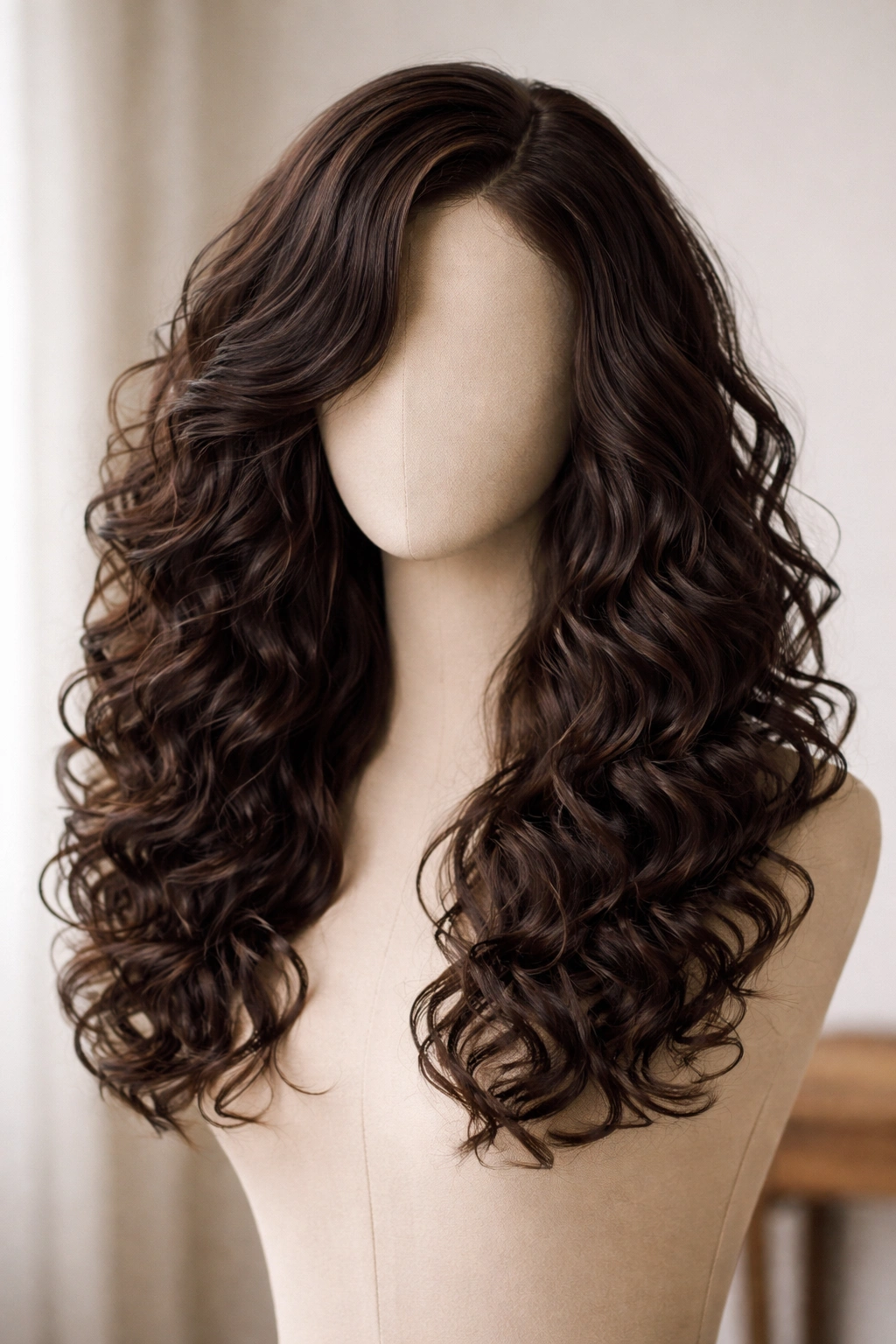
A soft side part is the easiest place to begin because it gives curly hair a built-in excuse to look imperfect. The part breaks up symmetry, which helps hide the join between your leave-out and the wig cap, and the long layers keep the shape from turning into one heavy curtain. If you want a half-wig style that reads as relaxed rather than staged, this is the one I’d reach for first.
Why It Works
A side part gives your curls a direction. That direction matters more than people think. When the front section sweeps across the forehead and the length falls away from the face, the eye stops hunting for the seam.
Keep the leave-out narrow — about 1 to 1.5 inches across the front is usually enough — and make the part slightly off center instead of ruler-straight. A tiny zigzag at the part line helps even more, especially if your own curls shrink up fast.
- Best curl match: 3B to 4A textures with soft ringlets or springy coils
- Best length: 14 to 18 inches for an easy shoulder-to-chest fall
- Best finish: A light mousse on the leave-out and a touch of cream on the wig ends
- What to avoid: Heavy density right at the front, which makes the blend look crowded
Tip: Keep your natural curls just a little tighter than the wig curls when you set them. They loosen through the day, and that tiny mismatch is usually what makes the style work.
2. Middle-Part Curly Half-Wig With Stretched Roots
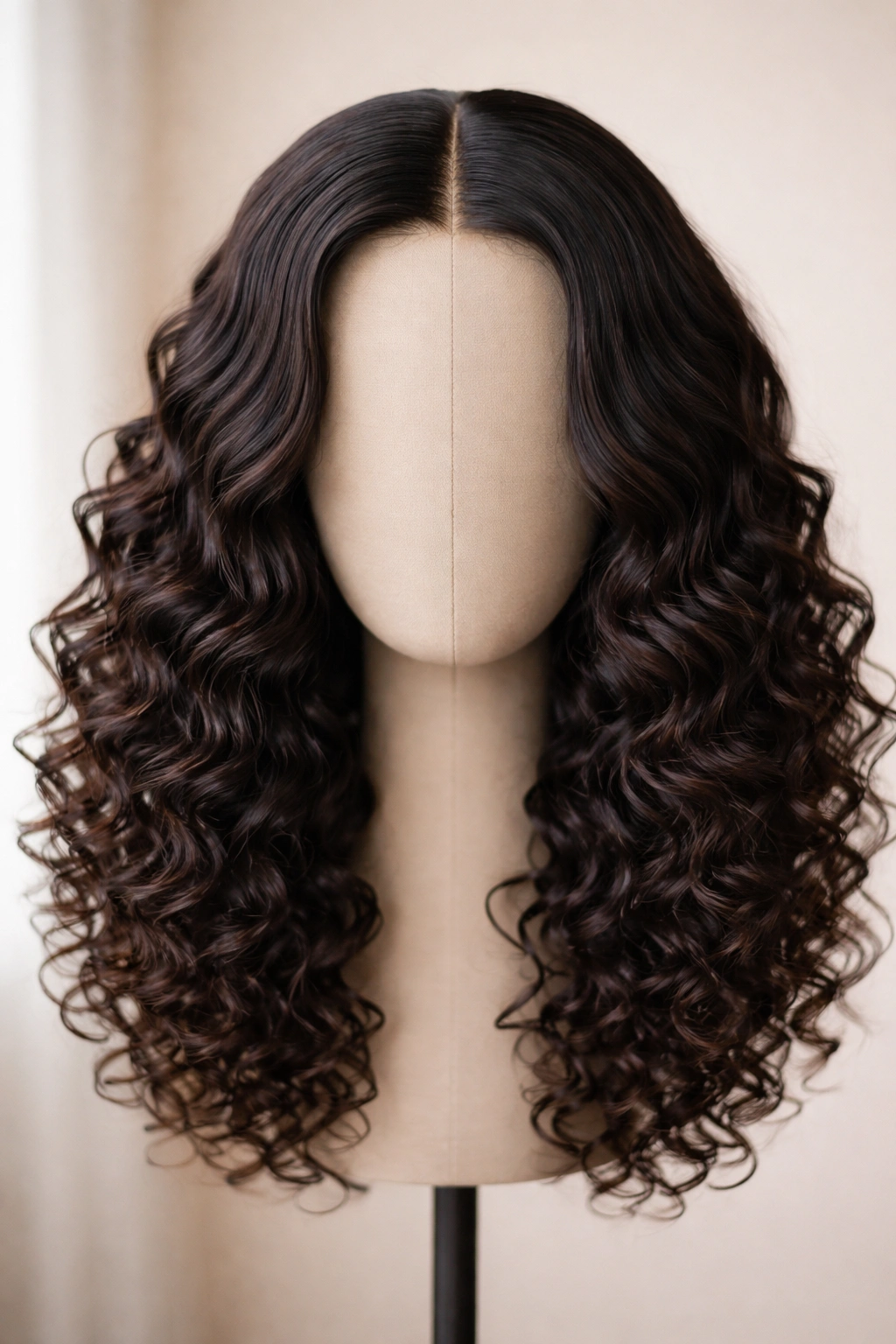
A middle part sounds plain until you see what it does to a curly half-wig. It creates a clean lane down the center and makes the whole style feel deliberate, almost tailored. The trick is not to leave the roots puffed up and hope for the best; stretch the front a little so the seam lies flat.
If your curl pattern is dense or your hairline frizzes at the first sign of humidity, this style is forgiving in a way a side part sometimes isn’t. A middle part puts the focus on balance, so the wig and your own curls need to share the same level of polish. That does not mean stiff. It means controlled.
A quick banding session overnight can help if your roots shrink hard. So can a cool diffuser pass at the front, just enough to calm the puff without flattening the texture. The result should feel smooth at the roots and fluffy through the lengths.
This is one of those looks that works on a busy day and still holds up when you tuck it behind both ears. Clean. Simple. Hard to mess up.
3. Chin-Length Curly Bob Half-Wig
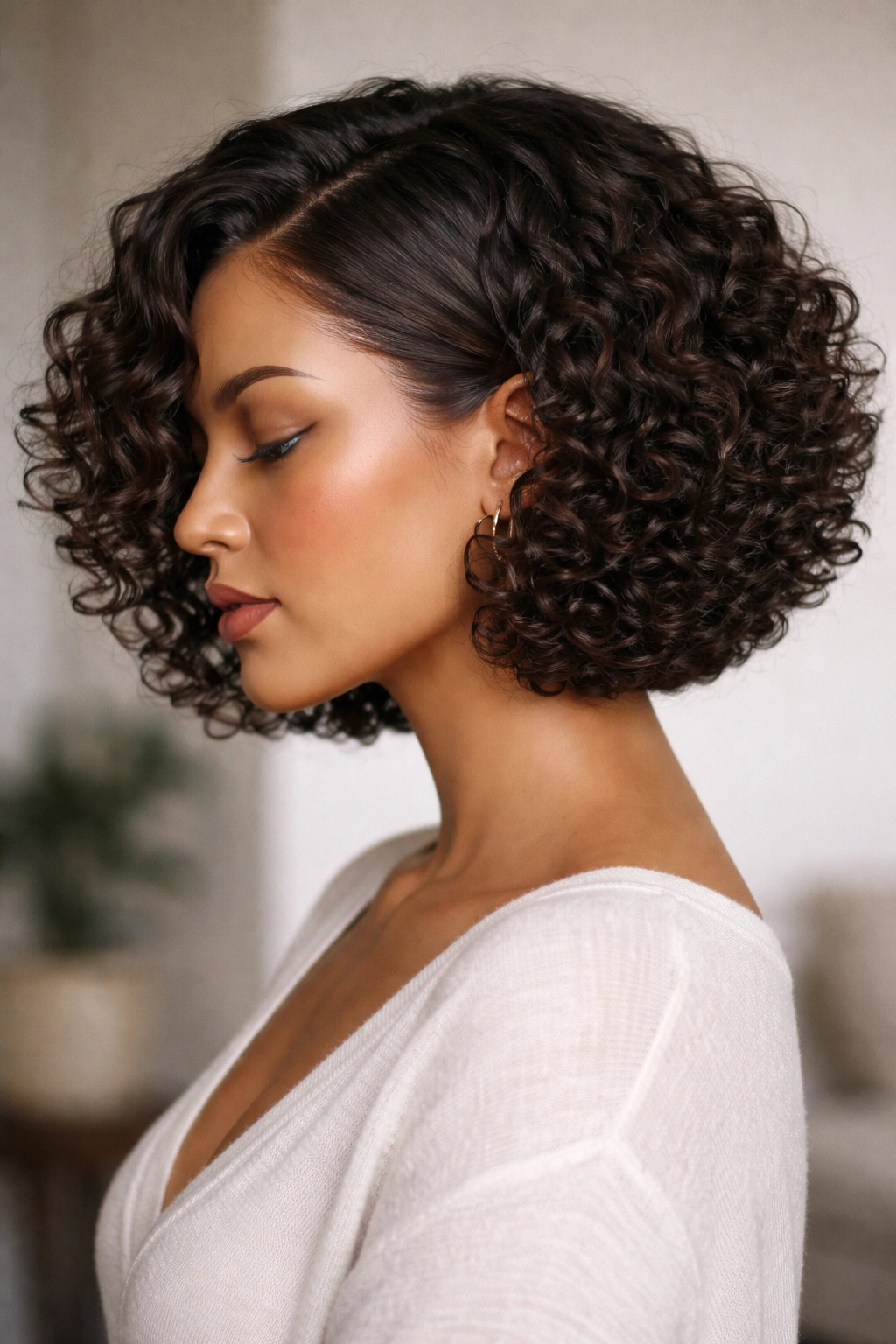
Why do short styles often look more expensive than long ones? Because there’s less hair to blend, less weight pulling the shape down, and fewer places for mismatch to show. A chin-length curly bob half-wig has that advantage built in. It sits close to the face, keeps the profile neat, and gives you the bounce of curls without the fuss of a long install.
How to Wear It
The best bob version ends right at the jaw or a finger-width below it. Any shorter and the transition can look abrupt. Any longer and it starts losing that crisp, rounded shape that makes a bob feel intentional.
A side part usually works better than a center part here, especially if your own curls are dense at the temples. Clip the piece behind the ear line, not above it. That one small shift keeps the silhouette smooth.
- Go for: 10 to 12 inches if you want a real bob shape
- Choose: Medium-density curls so the cap doesn’t feel heavy
- Style with: A diffuser on low heat or a few finger coils at the front
- Skip: Big brushed-out volume, which can make the bob puff out too far
This is the style I’d pick for someone who wants curly hair that looks neat without looking overworked. It has a sharp shape, but it still feels soft.
4. High-Crown Volume Half-Wig
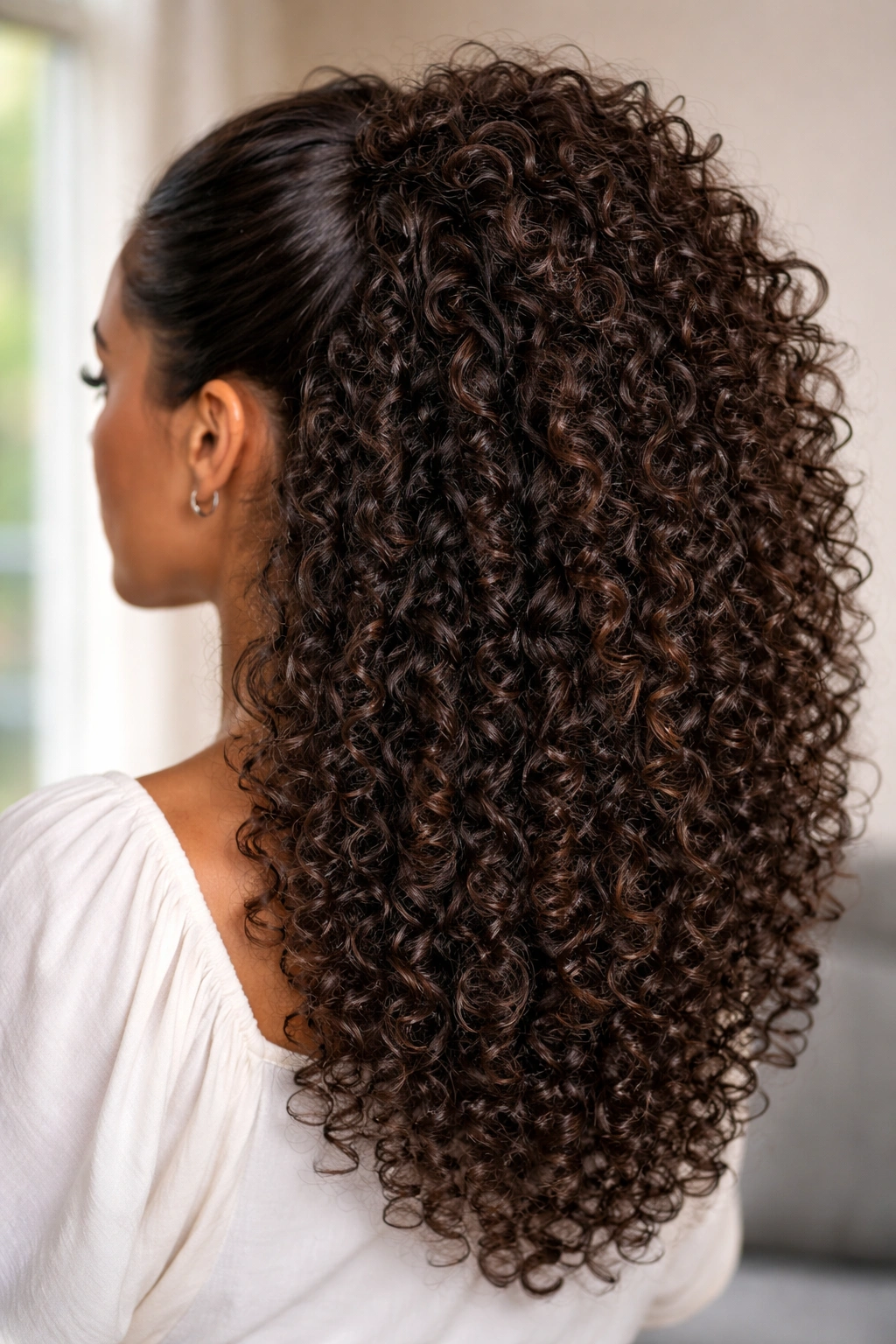
You know the look. A little lift at the crown, curls spilling out behind it, and enough height to make a plain tee look like an outfit. High-crown volume is the half-wig style for days when you want presence. Not noise. Presence.
The smartest way to do it is to place the clips lower than you think and let the volume rise from the wig body, not from forcing your own hair to stand up. If the cap sits too high, the front starts to buckle. Too low, and the whole thing drags. The sweet spot usually lands just behind the natural ridge of the head.
A rat-tail comb helps here. So does a little mousse at the root of the leave-out, followed by a quick dry with the diffuser turned low. You want lift, not crunch.
- Best for: Round faces, longer necks, or anyone who wants extra height
- Works well with: 3C and 4A curls that hold shape at the crown
- Use: Two clips near the temples and one at the back for stability
- Avoid: Smoothing the top too flat, which kills the silhouette
That crown lift changes the whole mood of the style. It feels confident without screaming for attention.
5. Deep Side-Swept Glam Half-Wig
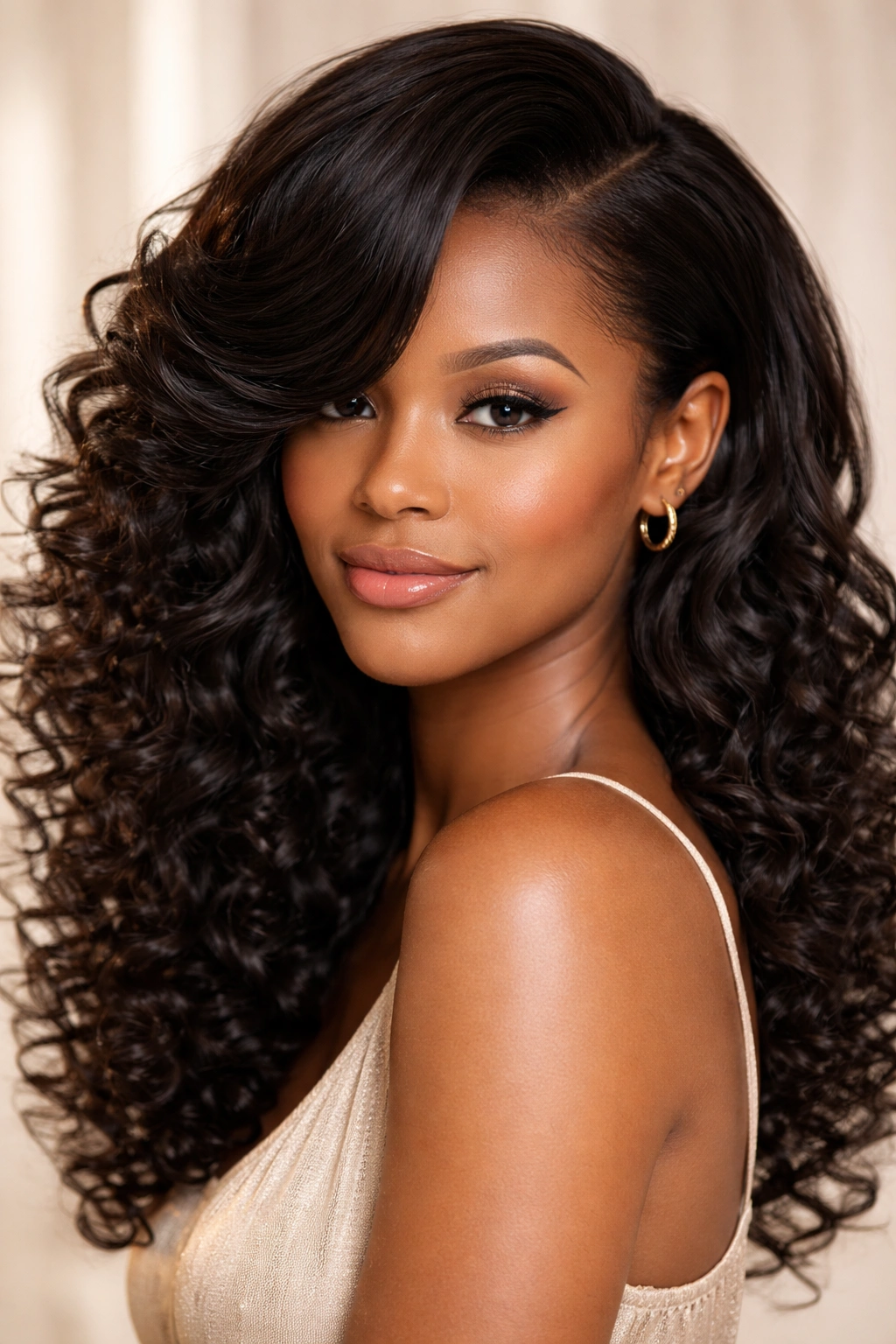
A deep side sweep does the heavy lifting here. It pulls the eye across the forehead, gives the curls room to fall over one shoulder, and makes the whole style feel a little more dressed up without asking for a lot of extra work. If you’ve ever wanted curly hair that looks ready for a dinner, a wedding, or a night when you feel like wearing earrings that swing, this is the shape.
The side with the most hair should start slightly above the outer brow and travel back in one clean curve. That shape matters more than the curl pattern itself. Loose spirals, rod-set curls, and even a fluffy twist-out texture can all work as long as the front is smooth enough to sweep.
One neat trick: tuck the heavier side behind one ear and let the curl line fall diagonally across the cheek. It gives the style room to breathe.
The finish should be soft, not shellacked. Use shine on the ends only. The roots need movement.
This is also the style I’d pick when the outfit is plain and the hair needs to do some of the talking.
6. Layered Waterfall Half-Wig With Soft Movement
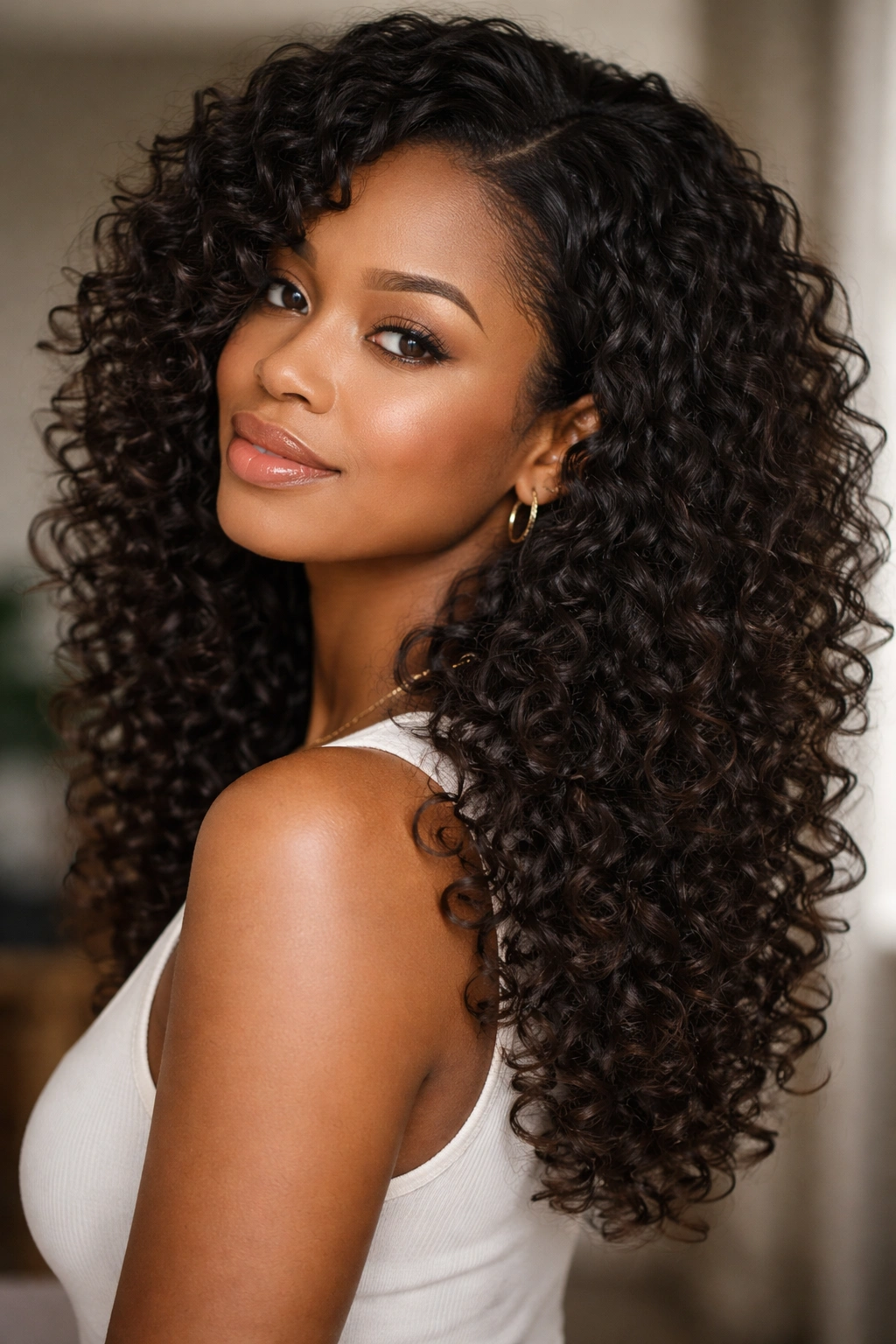
Unlike a blunt long piece, a layered waterfall half-wig moves in steps. That’s the whole point. The curls fall at different lengths, so the shape opens up around the shoulders instead of hanging like one solid block. If your natural hair is dense, this is a smart choice because the layers keep the overall look lighter.
The best version starts the shortest layers around the collarbone and lets the longer pieces sit lower in back. That gives the style a soft drop without making the ends look thin. It also helps if your own curls are thick at the top but smaller and tighter underneath — a very common mismatch, and one that blunt cuts tend to expose.
This kind of shape works especially well with soft, elongated curls. Think rod sets, flexi rods, or pieces that have been gently separated, not brushed into fluff. The movement should look airy. Not sparse. Airy.
If you want a style that sways when you walk and doesn’t feel heavy at the neck, this is the one. It has a little drama, but it stays wearable.
7. Headband Curly Half-Wig for Fast Styling
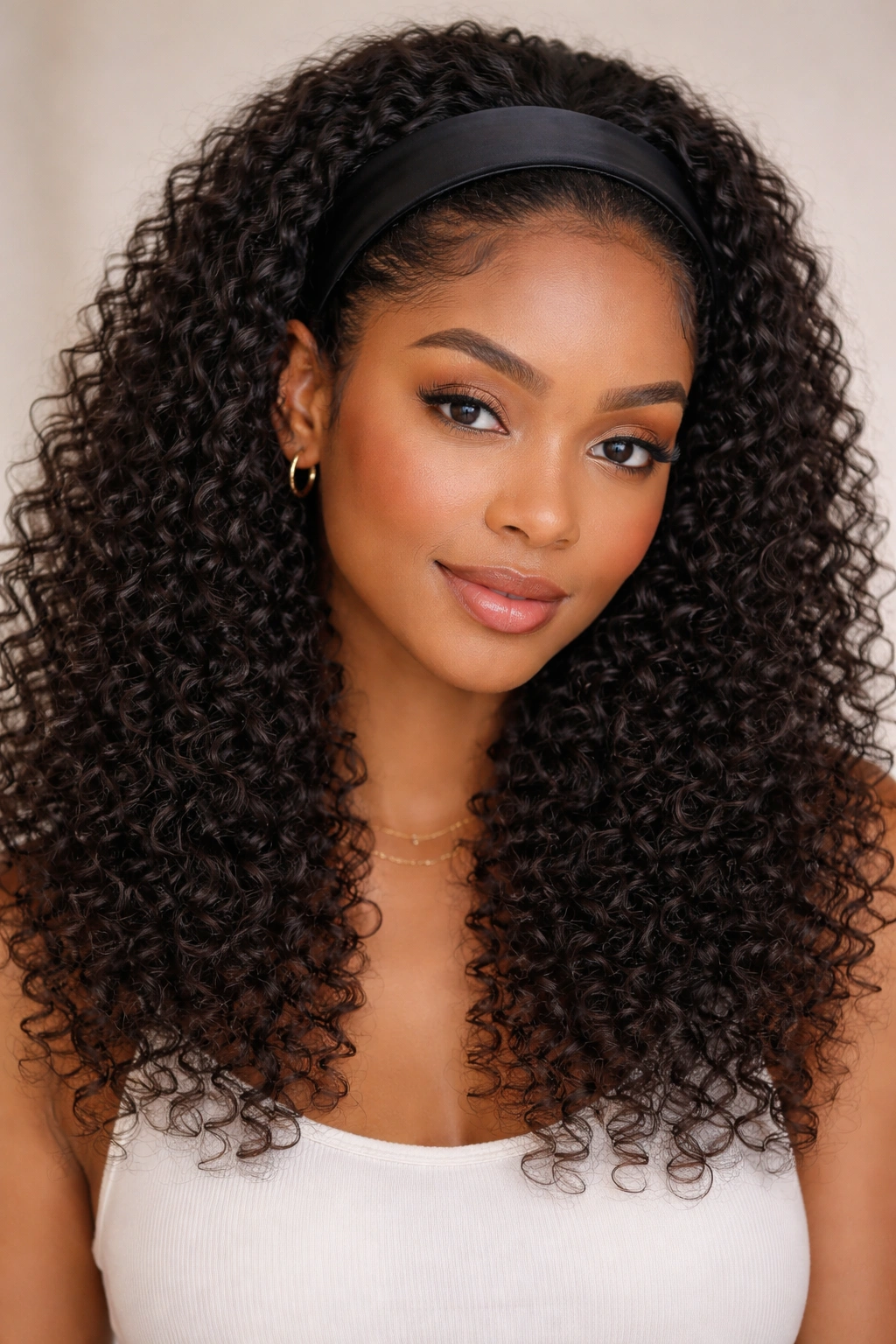
If you want something that behaves on the first try, the headband half-wig is the easy answer. It hides the front transition, gives you a clean line at the hairline, and takes most of the blending stress off the table. That matters on mornings when your curls are frizzy before you’ve had a sip of coffee.
What Makes It Different
The headband acts like a frame. Instead of asking your leave-out to cover the seam, the band does that job for you. You still want the curls in front to sit neatly, but the front section can be smaller and less fussy.
Pick a band that’s about 2 to 3 inches wide if you want coverage without too much bulk. A satin-lined band feels better on the hairline than a rough elastic one, and it usually leaves fewer dents. Place it about one finger-width behind the edge of your natural hair.
- Best for: Short leave-out, fine hair, or low-maintenance styling
- Good match: Curly pieces with medium density and soft edges
- Helpful extra: A bit of edge cream at the temples, applied sparingly
- Watch out for: Oversized bands that sit high and make the style look bulky
Tip: If the headband color matches your roots or one of your outfit colors, the whole style looks cleaner instantly.
8. Faux Bangs and Curl Curtain Half-Wig
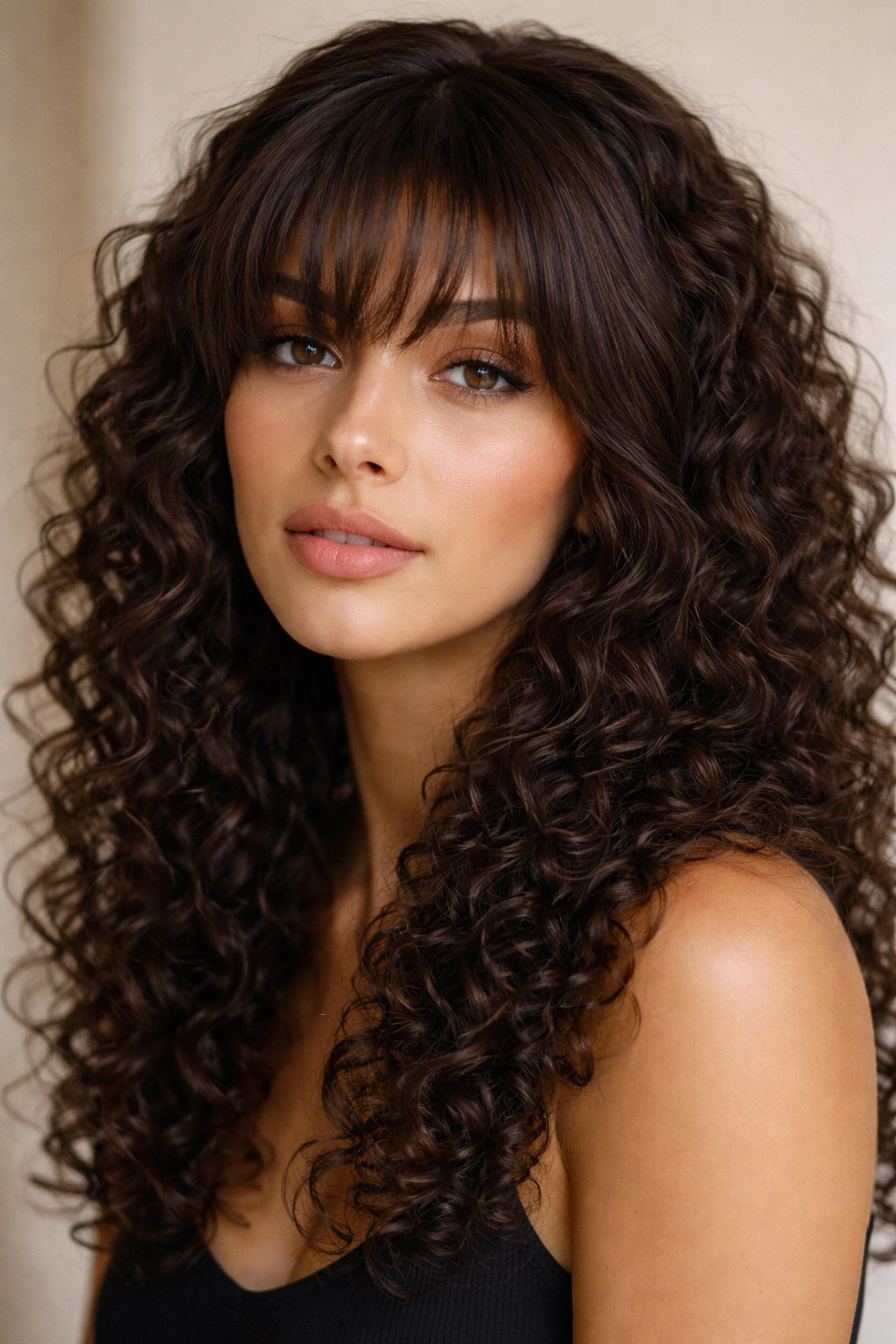
A curly fringe can change the whole face shape, and the nice part is that you do not have to cut anything to test it. Faux bangs give you that curtain effect without the commitment. It’s one of the smartest half-wig looks for anyone who wants forehead coverage or a softer, younger line around the eyes.
Pull a narrow front section forward — about 2 inches deep is plenty — and set it with a small roller, flexi rod, or a loose pin curl before you let it fall. The goal is not a blunt bang. It’s a soft curl curtain that brushes the brows or stops just above them.
This style works best when the curls are shaped, not smashed. If the fringe gets too dense, it starts looking like a helmet. A little spacing between the curls keeps the front airy.
It’s a nice option for round faces, but it can work on nearly anyone if the curtain is soft enough. And if you hate it? Pin it back. No haircut regret required.
9. Short Tapered Halo Half-Wig
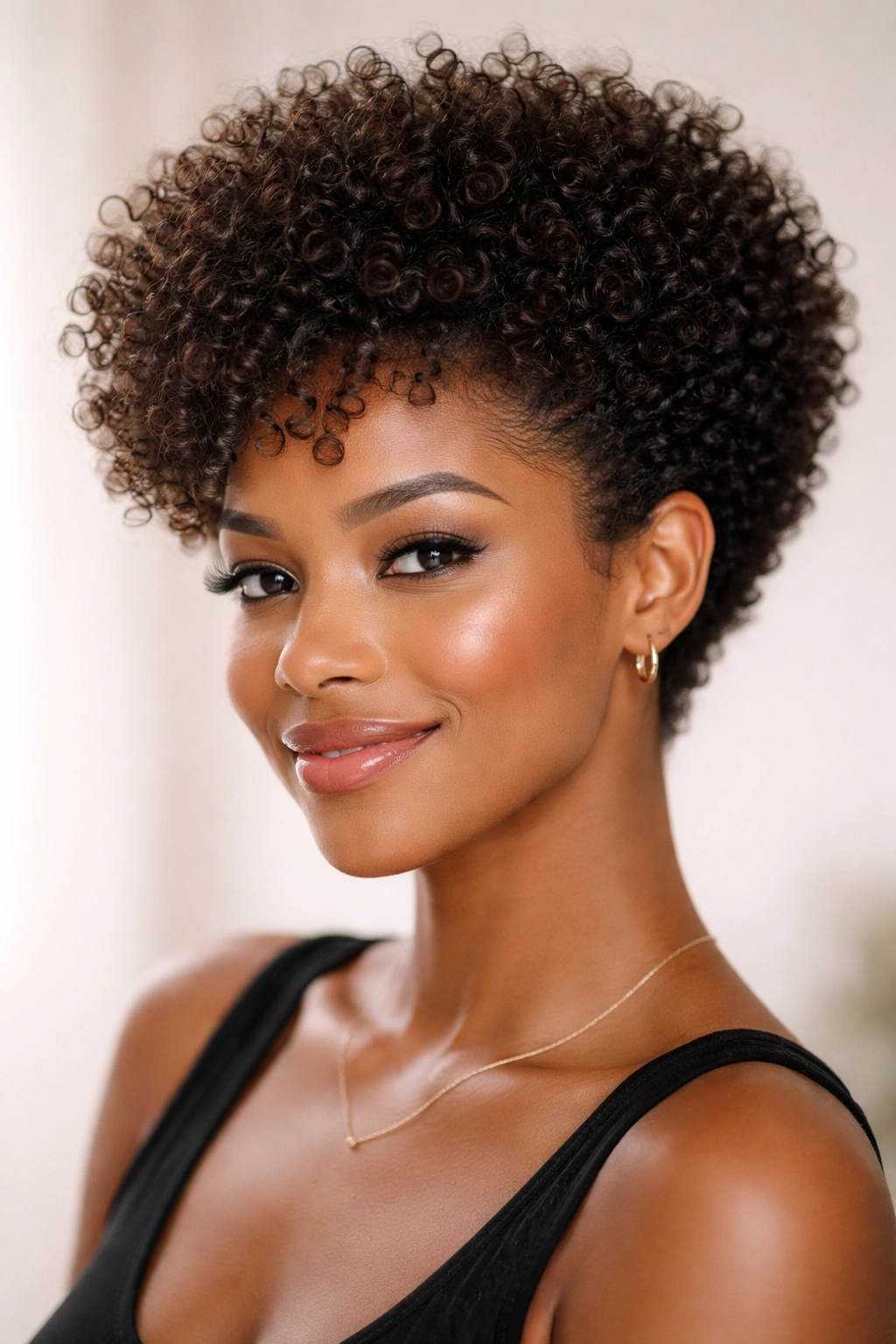
Why does a tapered shape feel so polished on curly hair? Because it keeps the sides compact and lets the crown do the visual work. A short halo half-wig hugs the head more closely than a long style, which makes it a smart pick when you want less bulk near the ears and a cleaner outline around the face.
The cap should sit flat, with the fullest part of the curls rising from the upper back of the head and tapering gently toward the nape. That taper keeps the style from looking square. Ask for a curl pattern that gets a little looser near the ends if you’re buying a piece, because that softness helps the silhouette curve instead of puff out in a hard line.
What to Ask For
- Shorter sides that skim the jaw
- Fuller crown area with a soft lift
- A texture that matches your leave-out without needing heavy heat
- No thick, blunt perimeter around the ears
This is a good style when you want the face to stay open and the hair to feel light. It’s tidy, but not severe. That balance is the whole appeal.
10. Low Puff Blend Half-Wig
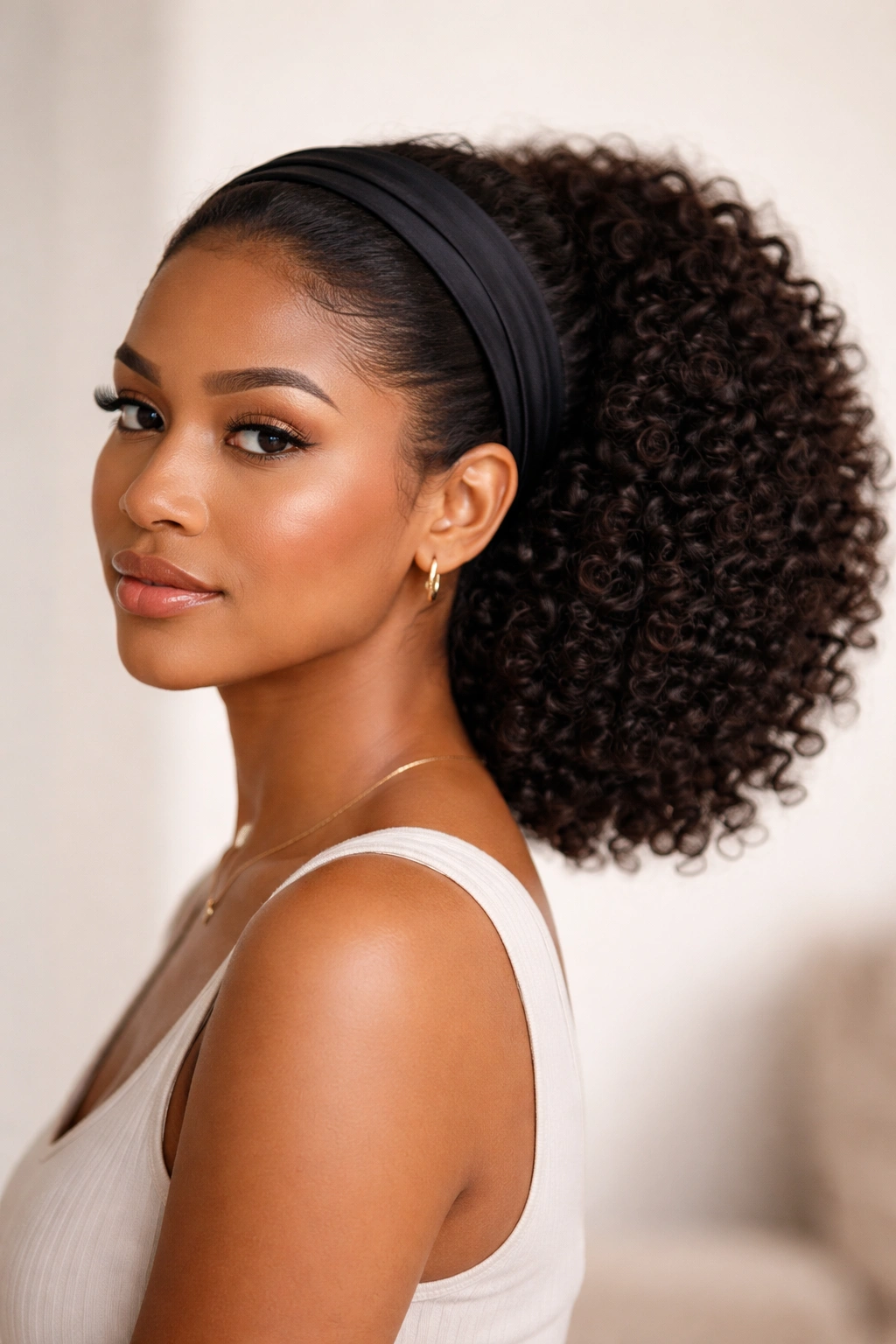
A low puff blend is the style I’d hand to someone who wants calm, not drama. The front hair is smoothed or gathered low, while the half-wig takes over from the back and gives the shape volume. It’s neat enough for a workday and soft enough not to feel overdone.
The trick is placement. Pulling the front too tight makes the hairline tense and obvious. Leaving it too loose makes the shape look unfinished. Aim for a low, centered puff or a smoothed front that sits just above the ears, then let the wig add the body behind it.
- Keep the puff low and round, not high and tight
- Choose curls that match your own coil size
- Pin the seam under a curved headband or a narrow scarf
- Use a light oil on the ends, not the roots
The low puff blend is one of the more forgiving half-wig styles for curly hair because it does not need perfect leave-out coverage. It just needs a calm front and a good-looking back. That’s enough.
11. Braided Front Half-Wig With Curly Length
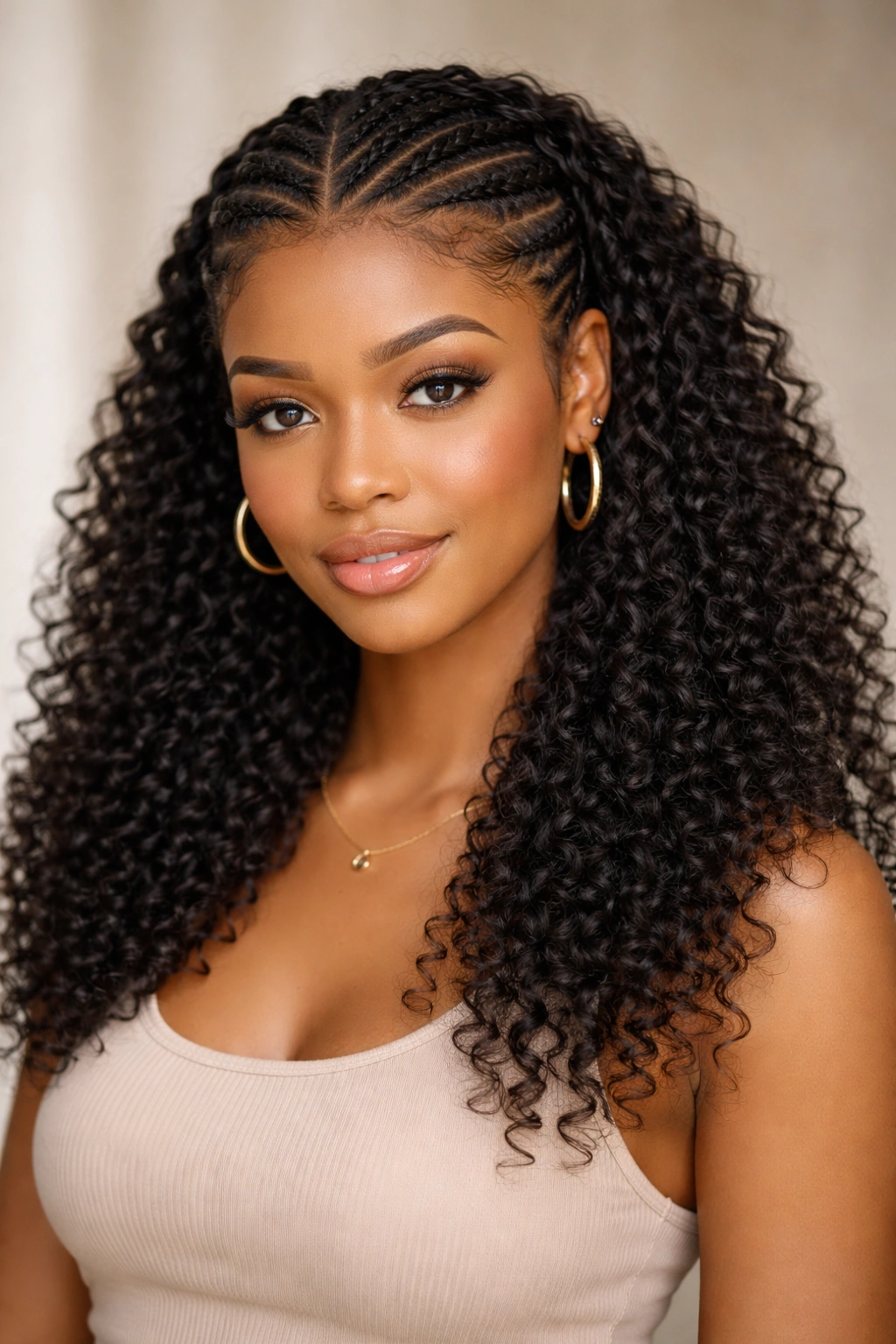
Braids in the front change the whole game. They give the style structure, keep the hairline tucked away, and make the transition into the curly half-wig feel intentional instead of improvised. If your curls need a break from daily blending, this is a solid option.
A pair of flat twists or slim braids along the front hairline works well. Keep them loose enough that the scalp is not pulled tight. That matters more than style photos ever admit. Tension at the front is a quick way to make a pretty style feel miserable by lunchtime.
The curly length in back can be loose and full because the front is doing the neat work. That contrast is what makes the look interesting. You get polish near the face and softness through the lengths.
This style also buys you time. The front stays put, so you’re not refreshing every few hours. If you like a look that can survive a long day with less fuss, braided front and curly back is a very smart combination.
12. Twist-Out Match Half-Wig for Texture Blending
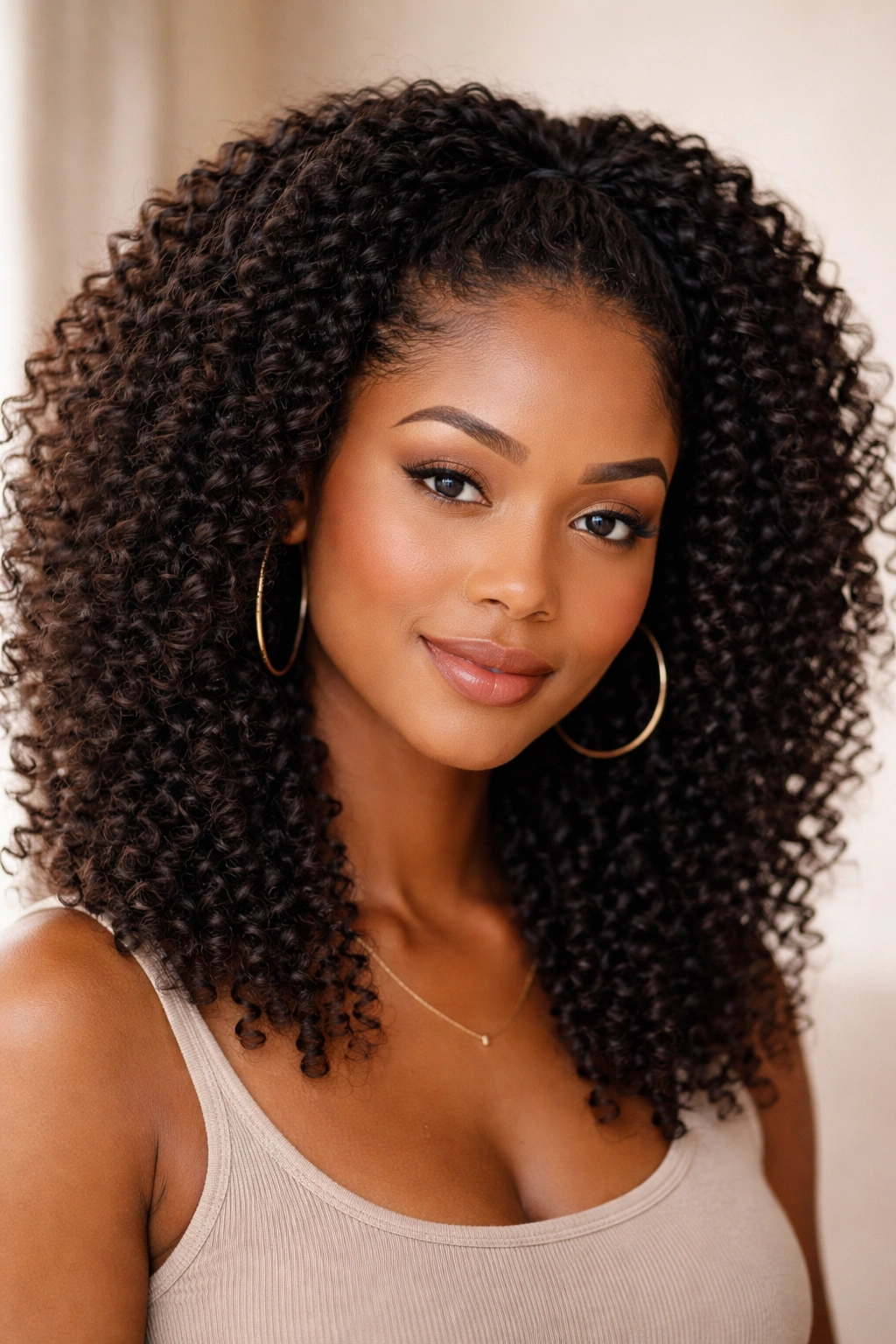
A twist-out match is for people who care about texture harmony. Unlike a super-sleek curl piece, this style leans into fluffy texture, so your natural hair and the wig look like they came from the same family. That makes blending easier, especially if your own hair lives in the 3C to 4B range.
The key is matching the scale of the curl, not just the shine. If your leave-out is soft, matte, and a little airy, a glossy spiral wig will look out of place. A twist-out half-wig with a similar fluff level solves that problem fast.
This style is also kinder to hair that has been stretched. If you’ve done a braid-out or twist-out on the leave-out, the shape already has some length and memory to it, so it can sit next to the wig without a lot of heat.
I like this one because it looks lived-in. Not messy. Lived-in. There’s a difference. The curls do not need to line up perfectly; they just need to move at the same pace.
13. Long Spiral Half-Wig With Mermaid Ends
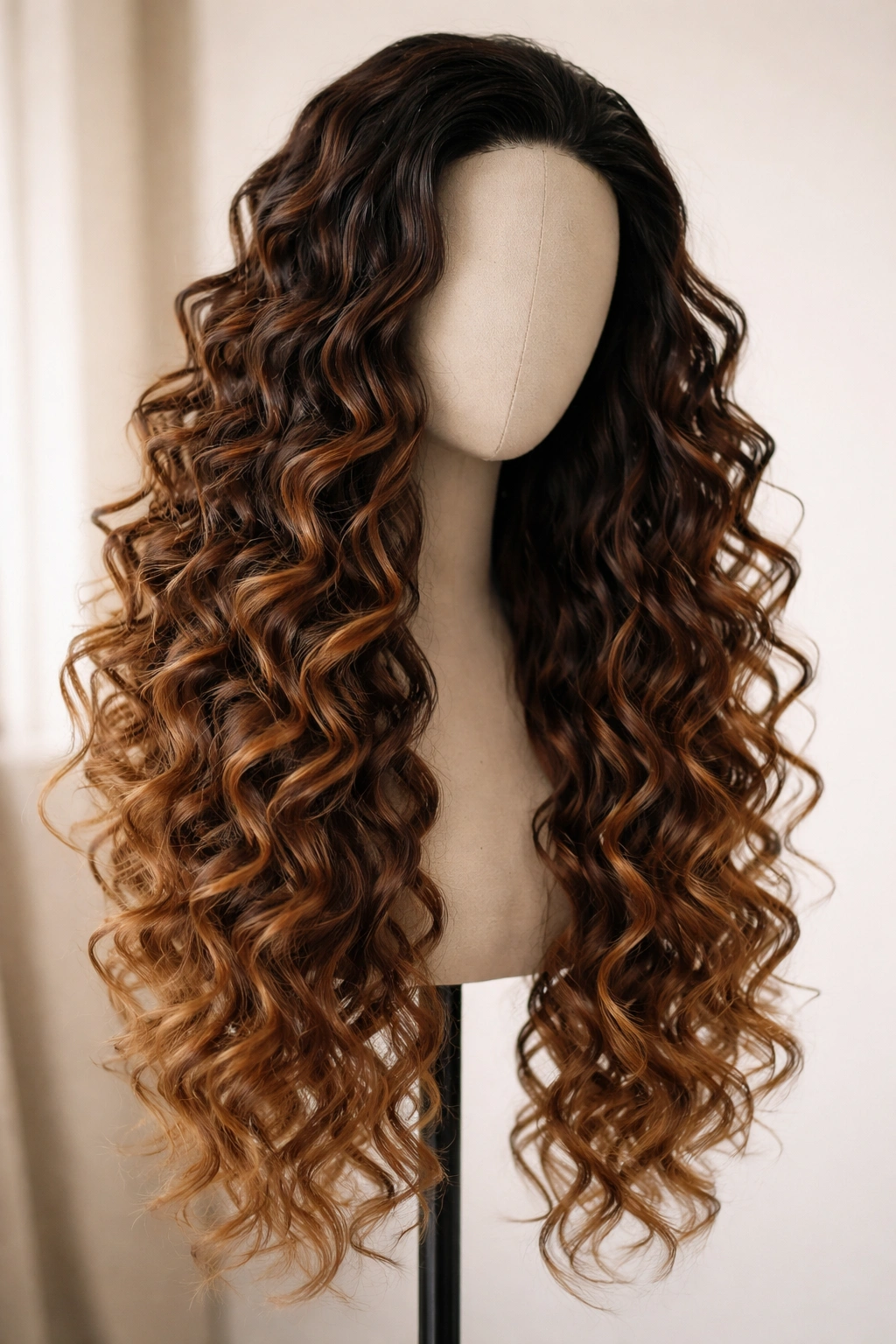
Long spiral curls are pure spectacle in the best sense. They bring length, bounce, and a kind of glossy movement that smaller styles can’t quite match. If you want a half-wig that feels dramatic when you turn your head, this is the look.
The Shape Matters
The spiral pattern should stay defined from mid-length to the ends. Once those ends get frayed, the style starts looking tired fast. A piece with 16 to 24 inches of curl length can be beautiful, but only if the curl pattern stays coherent all the way down.
- Use: Flexi rods or a light foam roller set on the leave-out
- Choose: A curl size close to your natural pattern, not wildly bigger
- Refresh with: A mist of water and a small dab of leave-in on the very ends
- Protect at night: A satin bonnet or pineapple that keeps the spirals from flattening
The biggest mistake is over-separating the curls. A little separation gives movement. Too much turns the style into frizz faster than you’d expect.
This is the half-wig I’d call the most dramatic on the list. It earns that drama. The shape is long, the texture is full, and the result can be gorgeous when the ends stay soft.
14. Wrap-Style Half-Wig With Scarf Detail
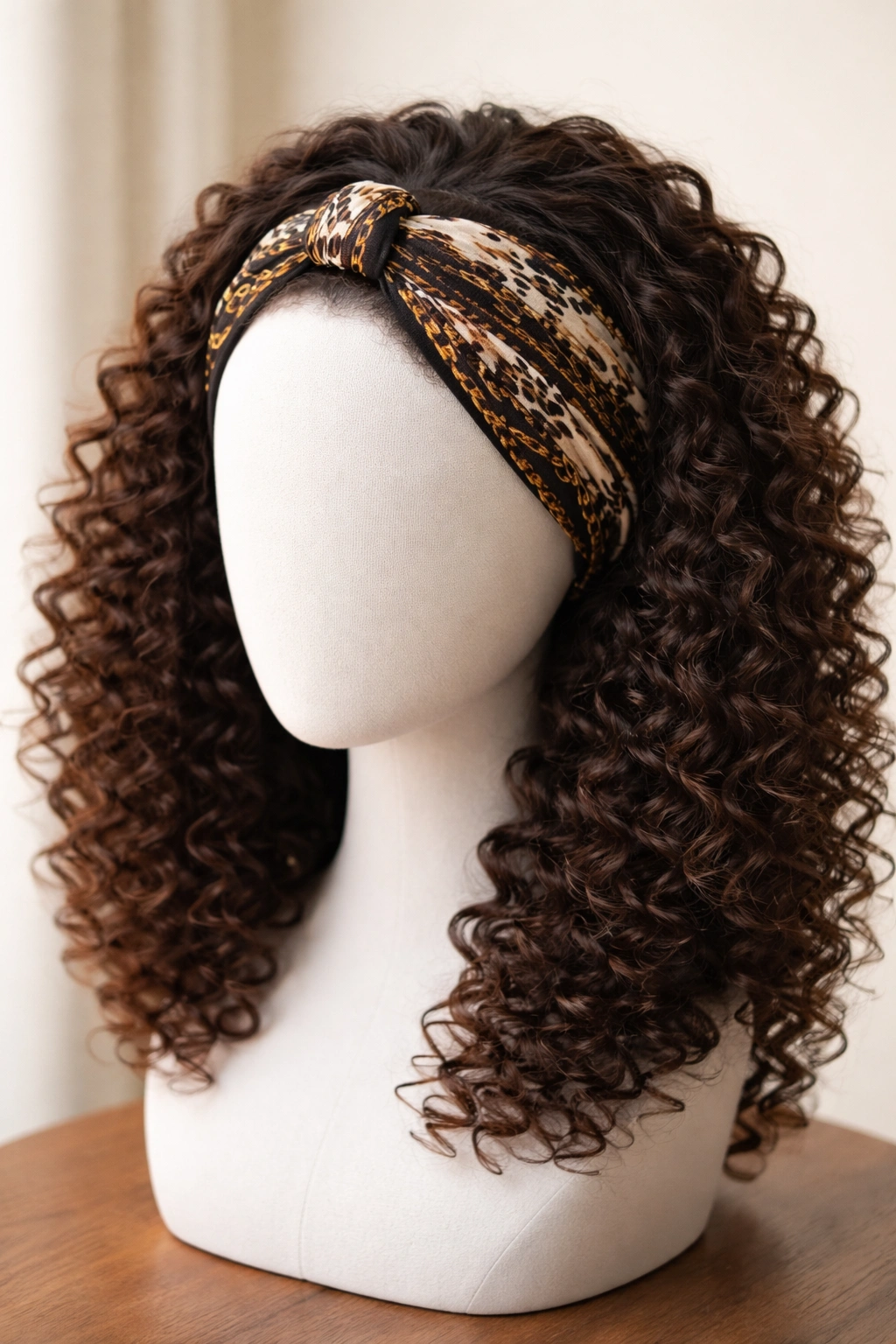
A wrap can fix more than one problem at once. It hides the transition line, gives the style a finished frame, and helps when the leave-out is not cooperating. That’s why a scarf-detail half-wig belongs in any curly hair rotation. It looks intentional, but it also solves a practical problem.
Choose a scarf that sits flat along the front without crushing the curls underneath. Satin-lined wraps are kinder to the hairline than stiff cotton, and a slightly wider scarf usually feels more balanced than a skinny strip. Tie it low and off to one side if you want the face to stay open.
This style is especially useful on days when the front section is frizzy, stretched, or just not worth arguing with. The scarf does the smoothing job so the curls can keep their volume. It also makes the whole look feel a little more styled, even if you got dressed in a hurry.
That combination — practical and pretty — is why I keep coming back to it. It never feels like a fallback.
15. Rounded Everyday Half-Wig With Soft Layers
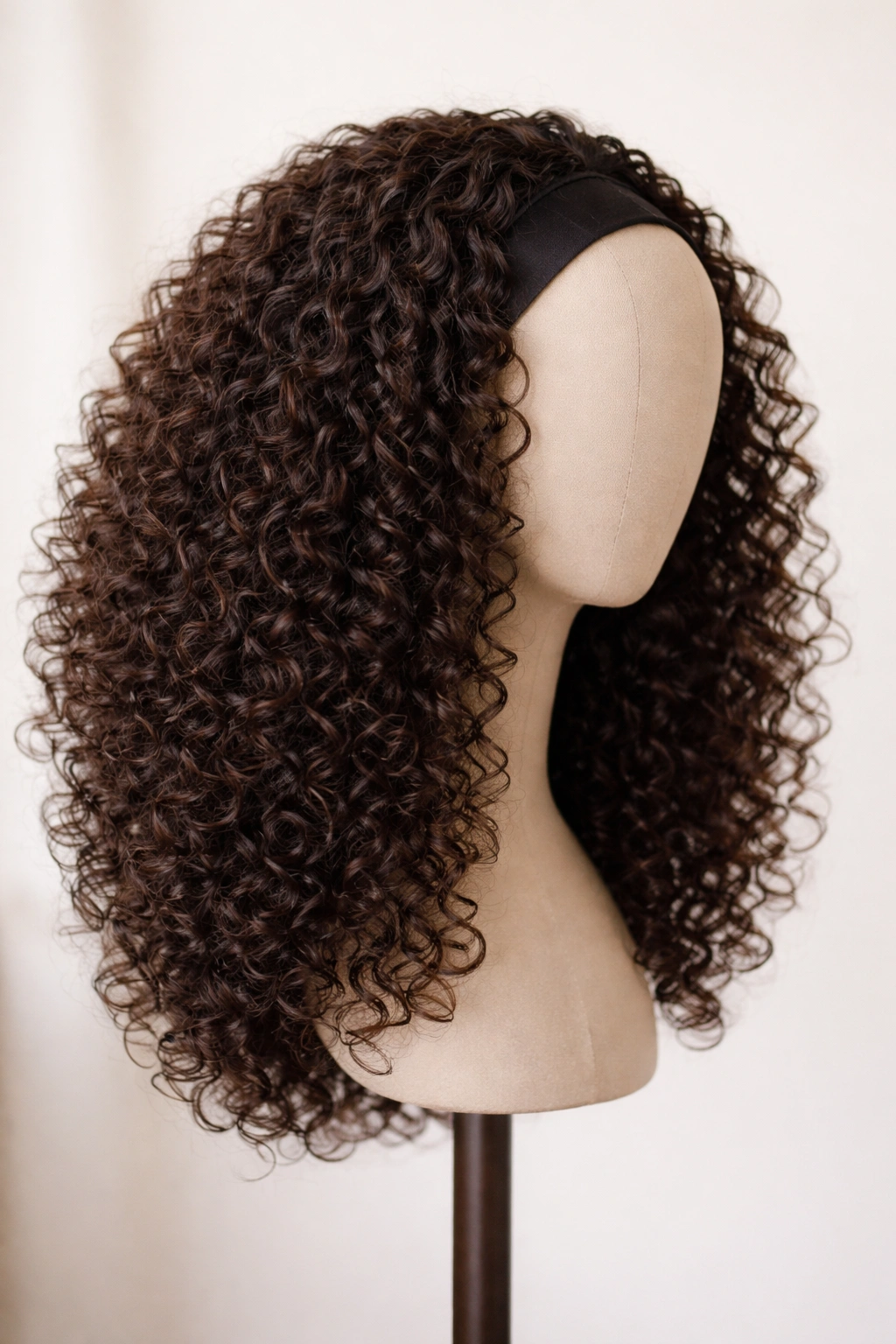
What if you only want one style that works with jeans, a blazer, a hoodie, and everything in between? A rounded everyday half-wig is the safe bet. It has soft layers, a balanced outline, and enough shape to look finished without demanding attention.
The profile should curve gently around the cheeks and chest, not stick out in a boxy shape. That rounded edge makes the style feel natural from the side, which is where half-wigs often look weird if they’re cut too blunt. A medium length — somewhere around 12 to 16 inches — usually gives the best balance.
Best Match For
- People who want one curly half-wig they can wear often
- Low-to-medium density natural hair
- Leave-out that blends better with soft, not overly tight, curls
- Days when you want volume without a lot of extra styling
This is the style that disappears into your routine. Not boring. Just dependable. And honestly, that has its own kind of appeal.
Final Thoughts
The smartest curly half-wig styles are the ones that work with your hair instead of making your hair do all the work. A good shape, a believable part, and the right curl scale can make a half-wig look like it grew there.
If you like the easiest options, start with the side part, the headband style, or the rounded everyday shape. If you want more drama, the deep side sweep and long spiral curls bring plenty of it. Both lanes have their place.
The one thing I’d avoid is chasing length so hard that the front stops making sense. Curly hair looks best when the front feels soft and the back has room to move. That balance is where half-wigs really shine.
