


Curly hair looks its best when it doesn’t seem overworked, and that’s exactly why curly hairstyles to wear down are such a smart move. Let the curls do the talking, keep the shape clean, and you get styles that feel soft, polished, or a little dramatic without hauling everything into a bun or ponytail.
The tricky part is that “wear it down” is not one look. A center part, a deep side part, curtain bangs, a twist-out, and a side-swept finish all sit in the same broad category, but they do not give the same effect at all. One can make fine curls look fuller. Another can stop thick curls from swallowing your face. Another can make a plain T-shirt look oddly expensive.
That’s the fun of curly hair, honestly. The silhouette changes fast. Move the part by an inch, clip one side back, stretch the roots a little, and the whole mood shifts.
1. Center-Part Curly Hairstyles to Wear Down
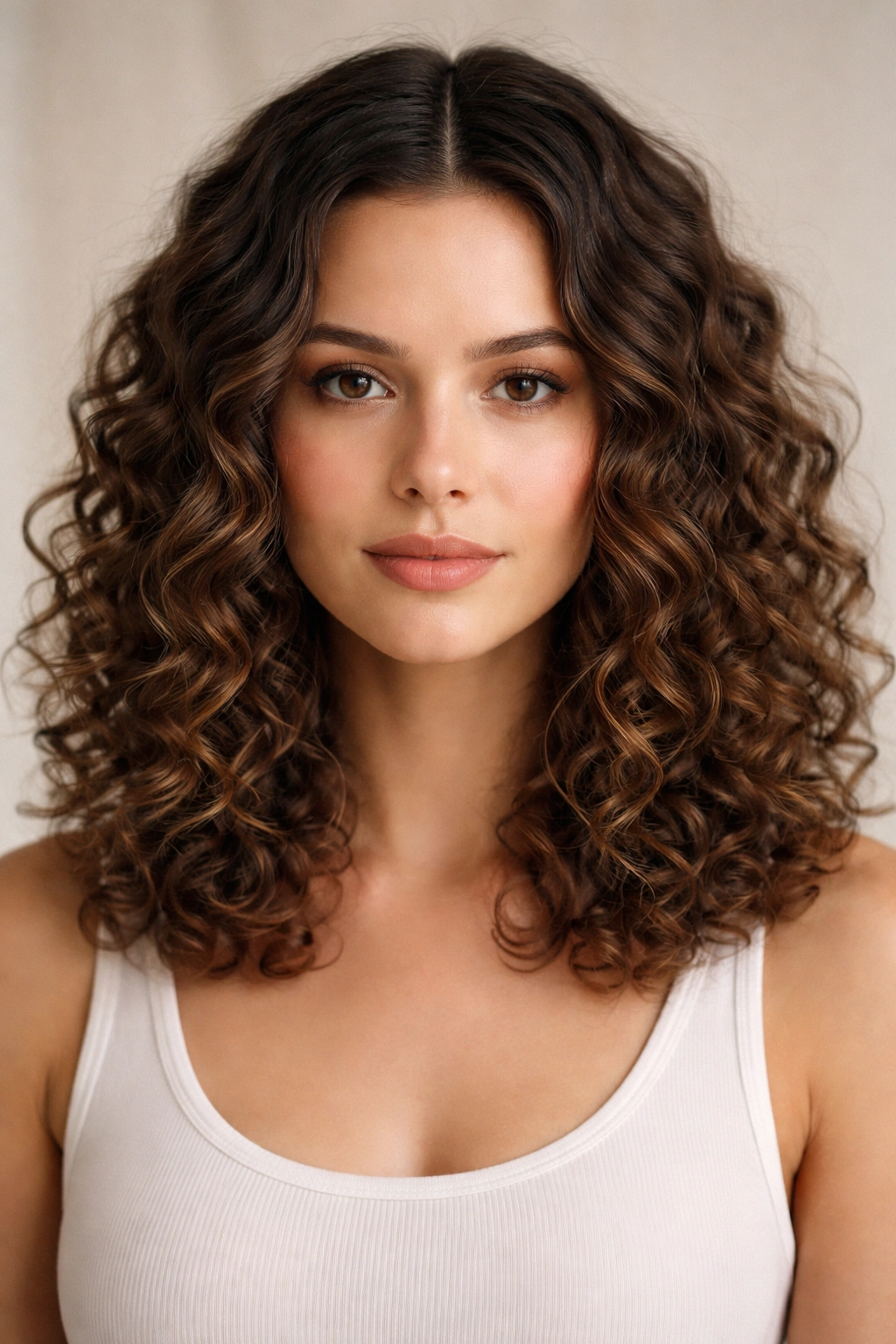
A clean center part is the easiest way to make curls look balanced and calm. It draws the eye straight down the face, which is especially nice if your curls are dense and tend to spread outward on their own. I like this look most on hair that already has decent curl definition, because the symmetry makes the pattern look deliberate instead of fuzzy.
Why It Works
A center part gives the hair room to fall evenly on both sides. That keeps the shape from leaning too hard into one cheek or jawline, and it can make longer curls look a little longer than they really are. If your roots puff up fast, use two duckbill clips at the crown while the hair dries. Tiny move. Big payoff.
- Best on shoulder-length hair and longer
- Use a rat-tail comb for a clean part
- Put gel on soaking-wet curls, not damp ones
- Let the crown dry lifted before you touch it
Pro tip: If your part keeps collapsing, draw it while the hair is wet and set it with a light mist of water before you dry.
2. Deep Side-Part Curly Hairstyles to Wear Down
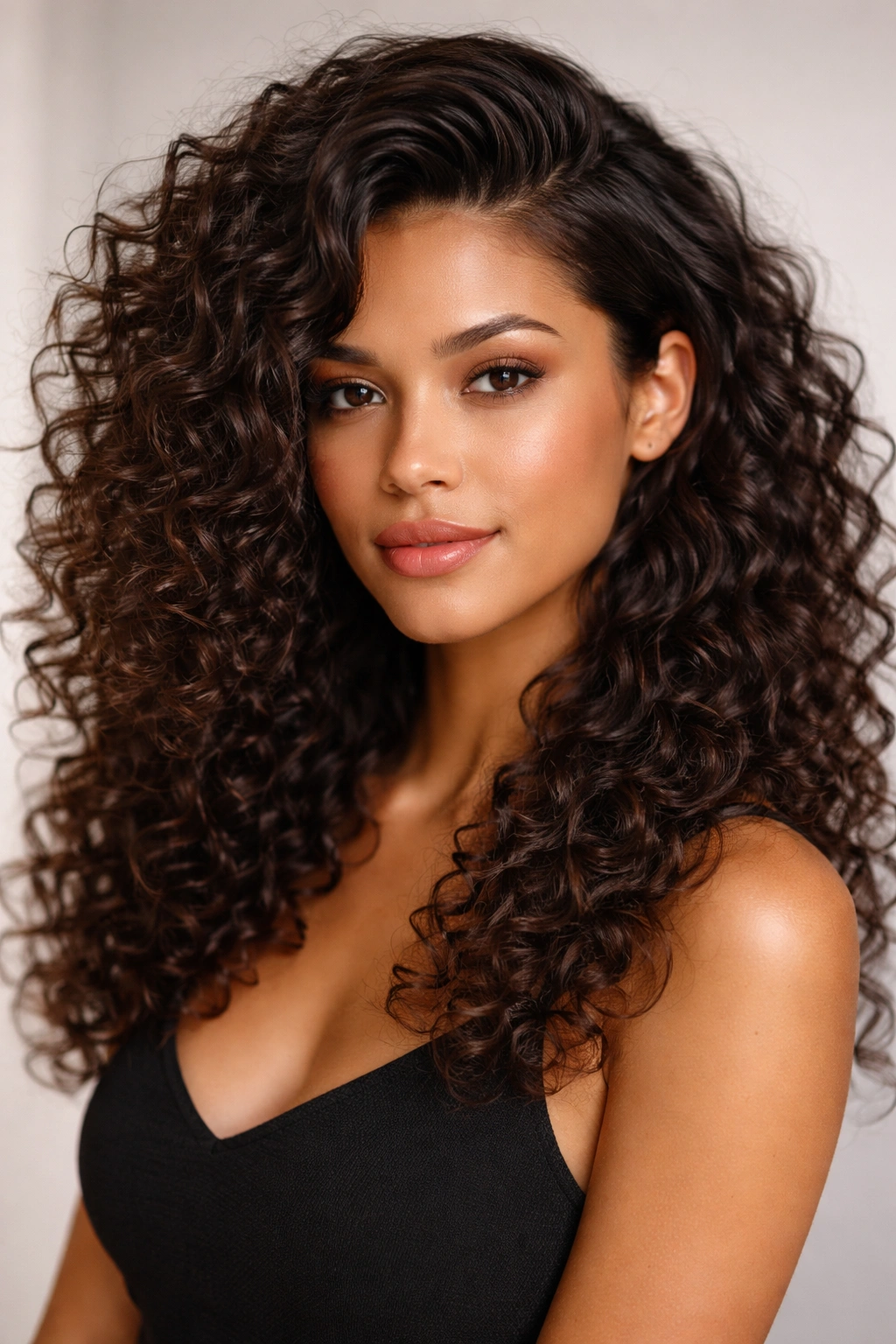
A deep side part is the quickest fix for curls that go flat at the roots. It adds instant lift on one side and a bit of drama on the other, which sounds like a small change until you see it in the mirror. Then it’s obvious.
When I want curls to look fuller, I reach for a side part before I reach for more product. Too much cream can weigh the shape down. A side part does not. It shifts the whole volume pattern, and that can make fine curls look thicker without making them crunchy or stiff.
Use the arch of your eyebrow as a guide, then place the part slightly above it. Push the heavier side forward and clip the roots on the lifted side for five to ten minutes while they set. That little bit of root training helps the style hold through the day.
A deep side part is especially good if your hair has one side that naturally drops faster. It turns that annoyance into part of the style.
3. Curly Curtain Bangs That Melt Into the Rest of the Hair
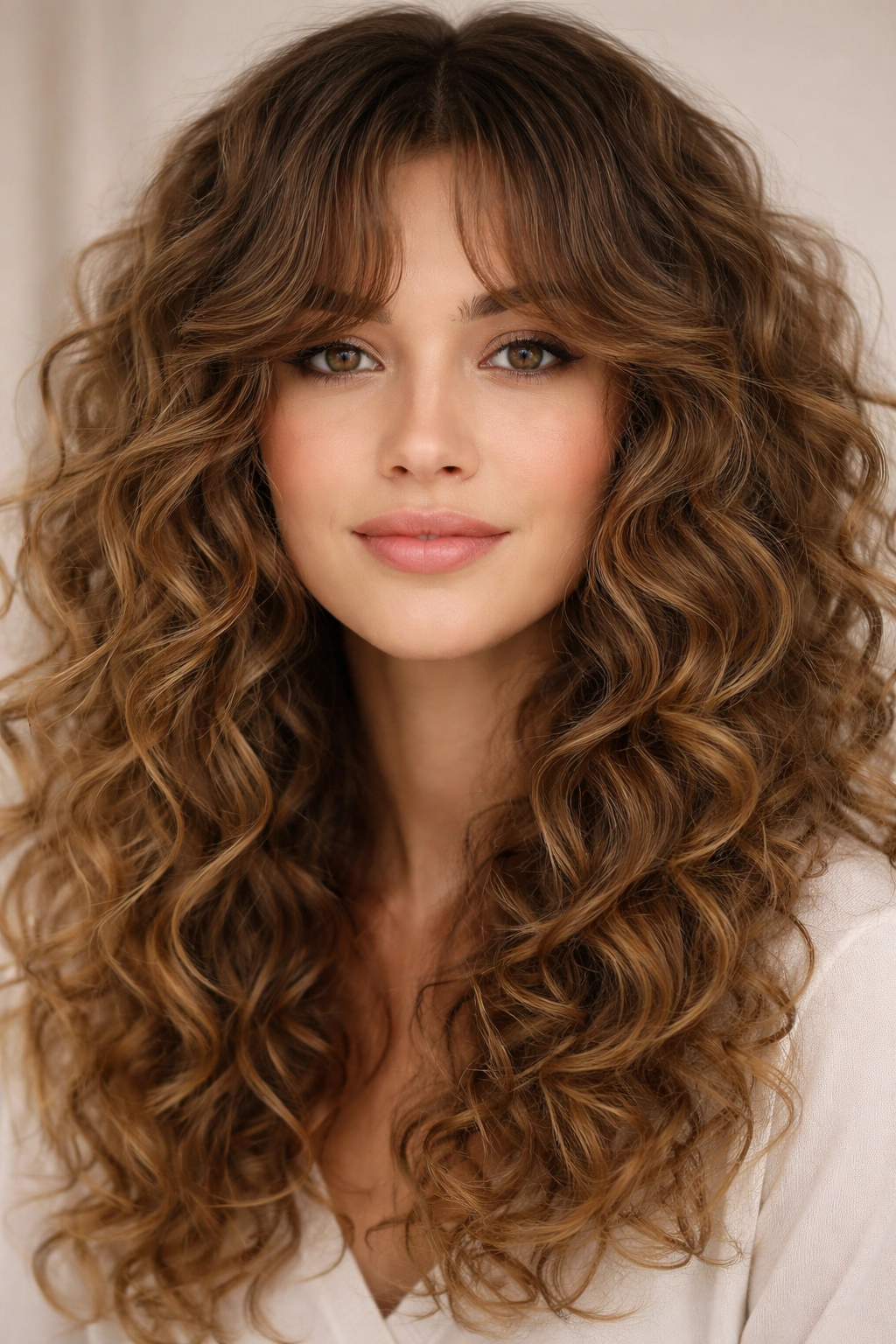
Why do curtain bangs work so well with curls worn down? Because they solve the “what do I do with the front?” problem without forcing the rest of the hair into a strict shape. The bangs open the face, then soften into the length instead of sitting there like a hard line.
The sweet spot is usually longer than people expect. Short curly bangs bounce up a lot when they dry, so pieces that hit around the nose, cheekbone, or even lip often behave better. If you cut them too short, they can spring right into your forehead and stay there all day.
How to Style Them
Twist the front sections away from your face while they’re wet. Clip each twist flat against the head, then diffuse on low heat until the bangs are dry enough to hold their shape. Once they’re set, separate them with clean fingers only. No rough raking.
Curtain bangs look especially good with layered curls, but they also help a one-length cut feel lighter. They’re a strong choice if you want movement near the face without losing length everywhere else.
4. Face-Framing Layers That Keep the Shape Soft
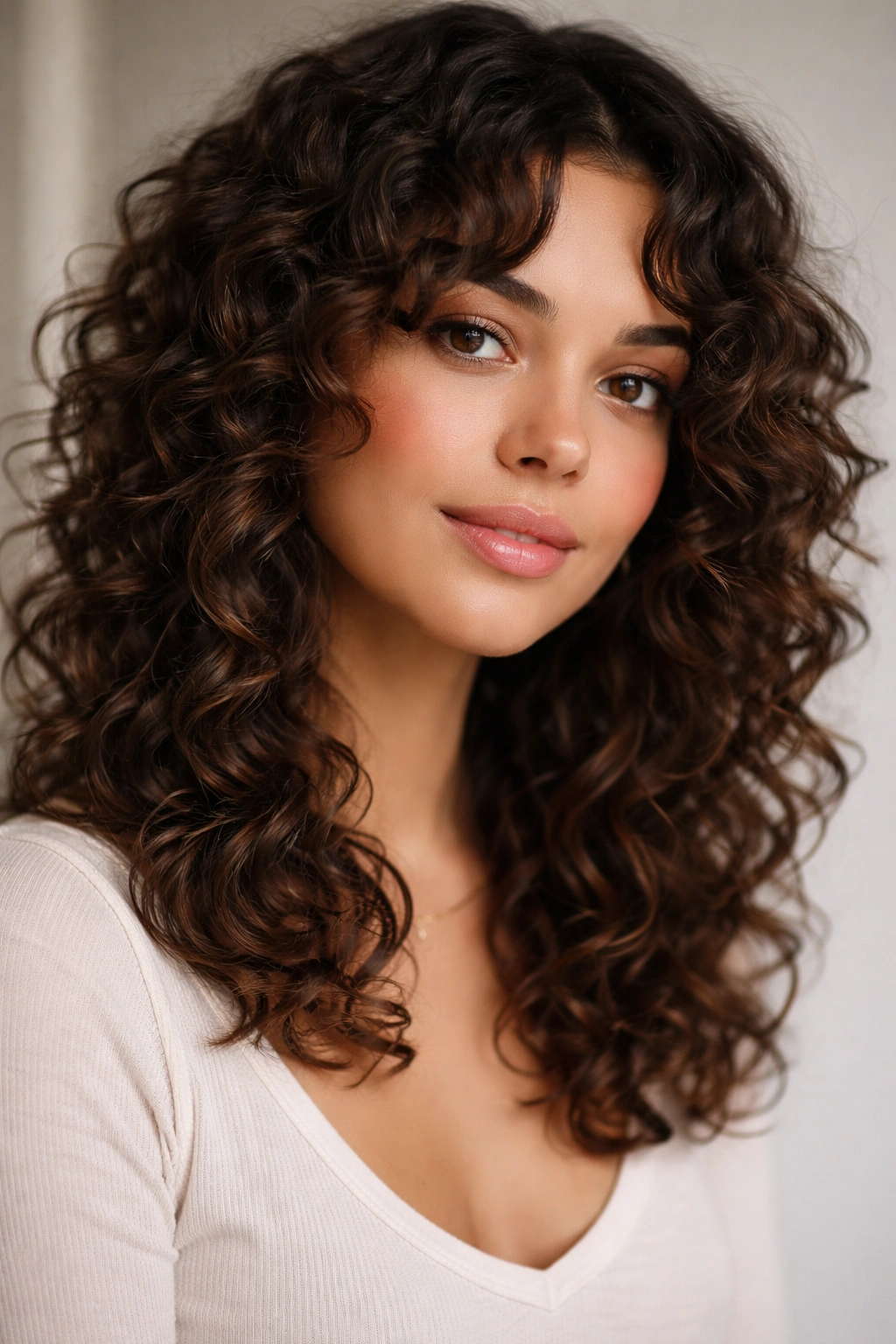
A lot of people think layers are only about volume, but the real magic is in the outline. Face-framing layers break up a heavy curtain of curls so the shape follows your cheekbones, jaw, and collarbone instead of forming one big oval around your head.
I’ve seen this save thick curls more times than I can count. Without layers, long curls can turn into one dense sheet. With them, you get breathing room. The hair still hangs down, still feels full, but it looks lighter and easier to move.
If you’re asking for this cut, be specific. Ask for the shortest face-framing pieces to start around the chin or upper lip, then taper into longer layers through the rest of the hair. That keeps the front soft without creating an awkward gap.
- Great for thick, dense curls
- Helps long curls show their pattern
- Pairs well with side parts or center parts
- Needs a curl-friendly dry cut or careful shaping on stretched hair
One warning: Too many short layers can make the silhouette feel scattered. A little framing goes a long way.
5. Diffused Wash-and-Go Curls With Lift at the Root
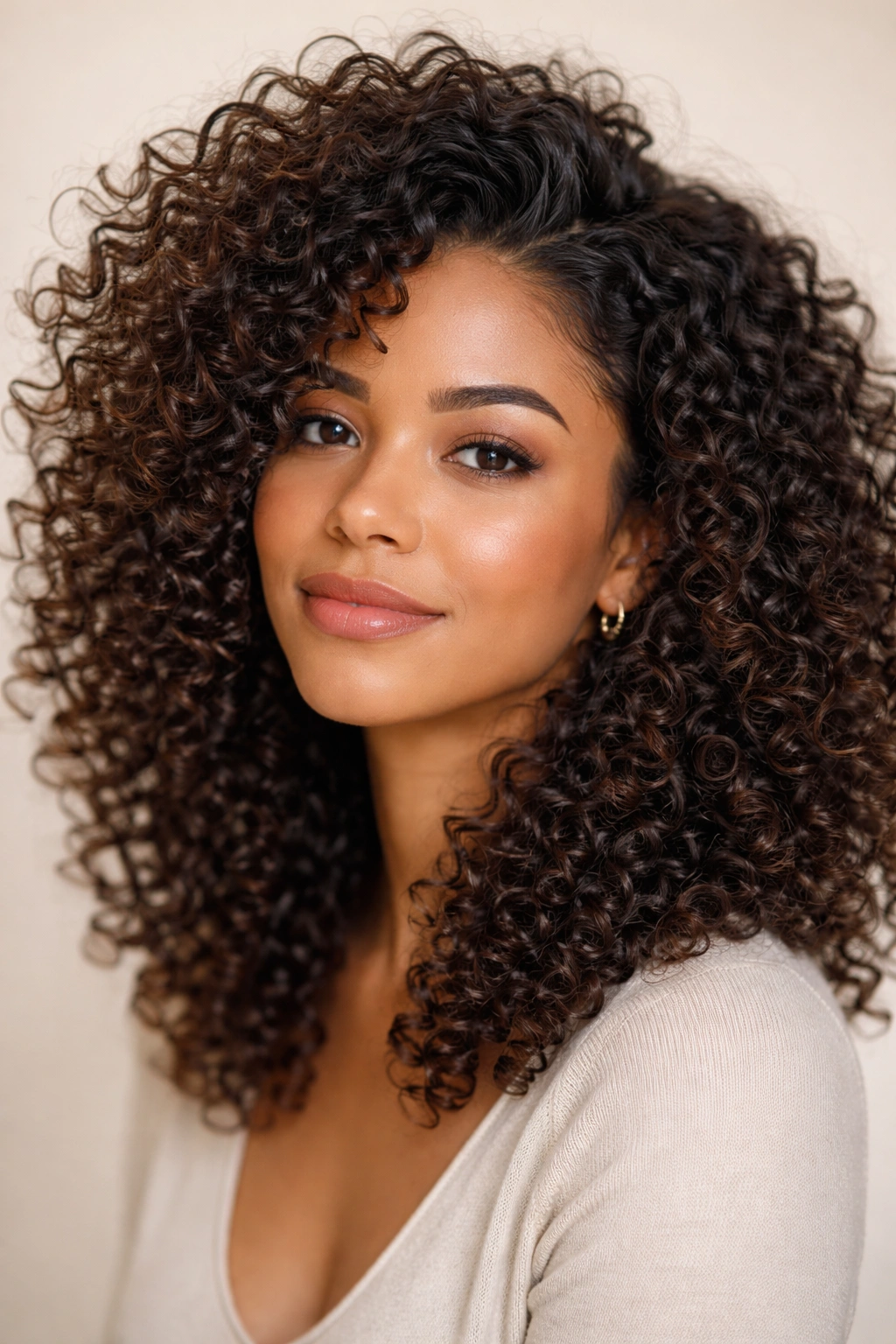
A good wash-and-go is still the gold standard if you want curly hair worn down with minimum fuss. The trick is not the products alone. It’s the order, the water level, and the patience to leave the curls alone long enough to form their shape.
Start with soaking-wet hair. Work in leave-in conditioner first, then a light cream or mousse, then a gel to hold the curl clumps together. Rake only enough to distribute the product, then stop. Overhandling is where the frizz sneaks in. It always looks harmless at the sink and then somehow ruins the top layer later.
Air-dry for a while, or diffuse on low heat and low airflow. Flip the head only if your roots need lift, and do it early. Once the curl cast starts to set, constant touching breaks the pattern and makes the ends look stringy.
When the hair is fully dry, scrunch out the cast with dry hands or a drop of oil. The curls should feel soft, not sticky. A wash-and-go done well is clean, shiny, and a little springy. That’s the whole point.
6. Twist-Out Curls That Look Full and Soft
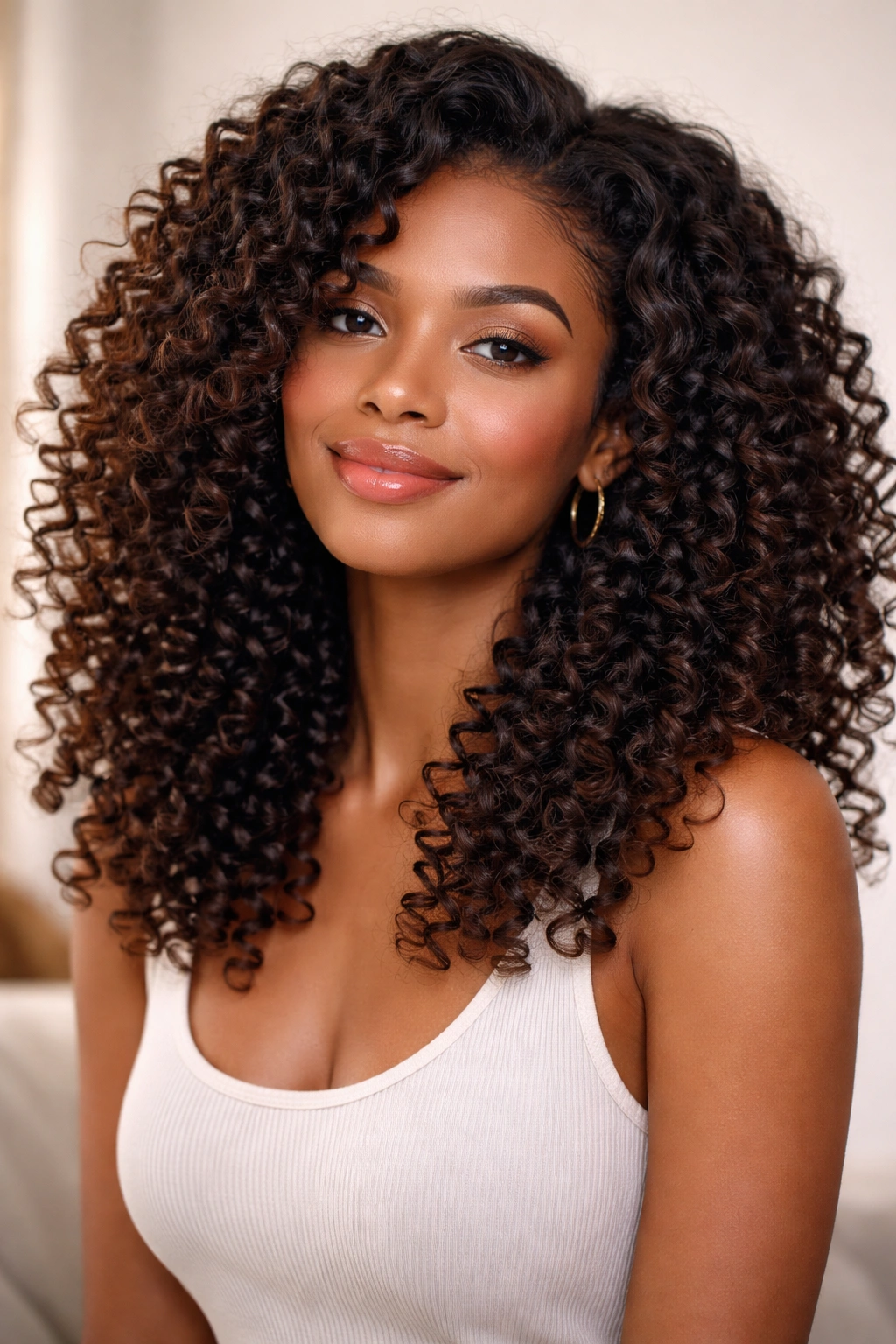
A twist-out is for people who like shape. Not stiffness. Shape.
Unlike a wash-and-go, which keeps the curl pattern closer to its natural coil, a twist-out stretches the hair a bit and creates more separation between strands. That makes it a good pick when you want your curls to hang lower and show off length. It also gives a softer, more relaxed look on days when you do not want ringlets sitting too tightly together.
What Makes It Different
Two-strand twists create a rope-like set that opens into defined waves once dry. Smaller twists give tighter pattern and more body. Larger twists give looser movement and a more casual finish. If the hair is very dense, eight to twelve twists is usually enough. If it’s fine, fewer sections can keep the style from looking overdone.
Let the twists dry completely. That part matters more than people like to admit. Separate them only once, and use a small amount of oil on your fingertips so you do not rough up the curl surface.
Twist-outs are best when you want that “done, but not too done” feel. They look especially good on second or third-day hair, too, because the shape gets a little easier to live in.
7. Braid-Out Waves That Give Curls a Softer Finish
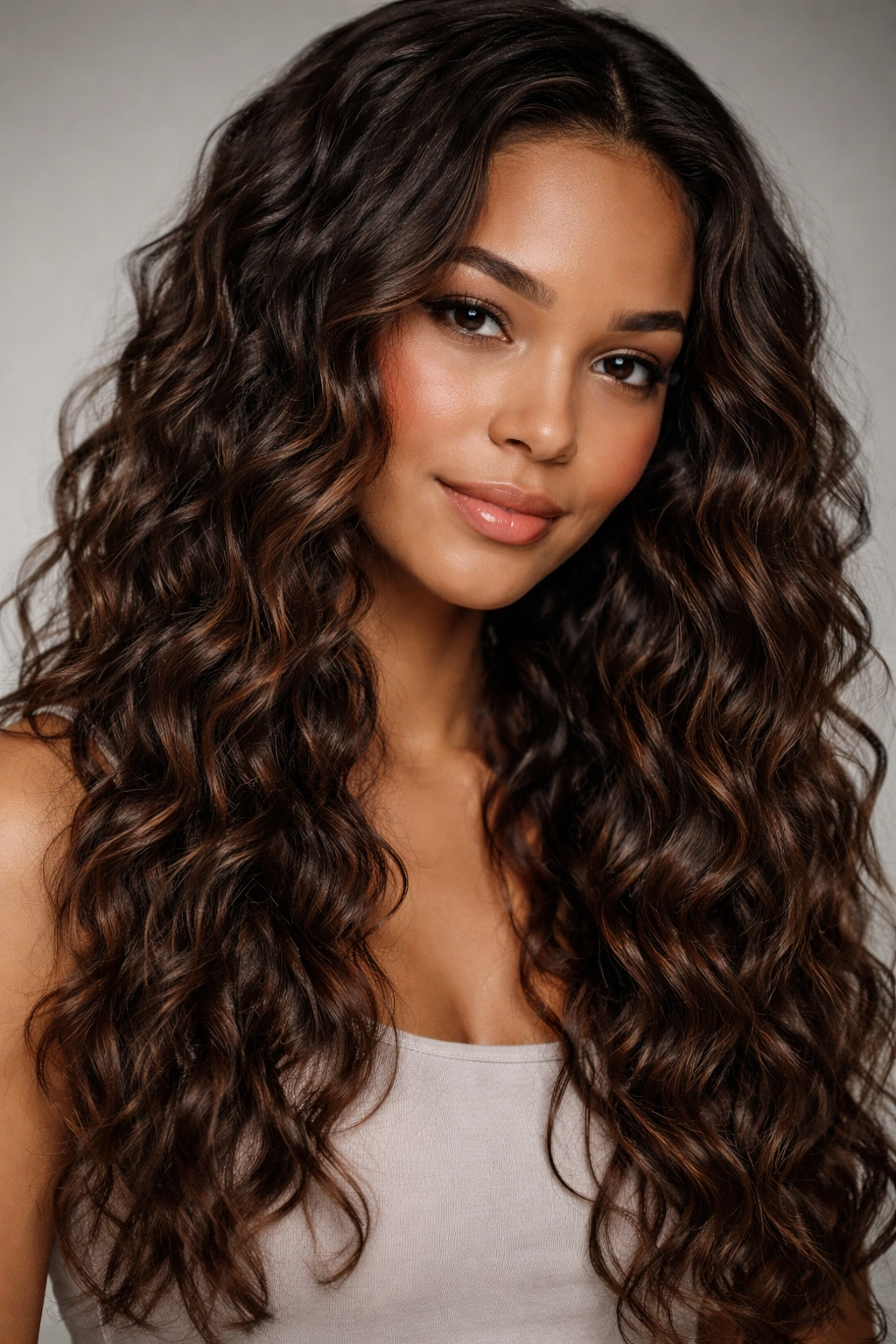
Why does a braid-out look different from a twist-out? Because the braid creates a flatter set and a looser wave. The result is less round and springy, more elongated and laid-back. That makes braid-outs a nice option if your curls are so tight that they shrink up faster than you want.
I tend to think of braid-outs as the softer cousin of a twist-out. They still wear down beautifully, but they read a little more casual and a little less polished. That can be a good thing. A very polished curl sometimes feels too neat for everyday life.
How to Use It
Use medium sections and three-strand braids or flat cornrows, depending on the look you want. Small braids give more pattern. Bigger braids give broader waves and less frizz. Make sure the hair is fully dry before you undo them. If the inside is even slightly damp, the wave will fall early.
A braid-out works well on hair that’s long enough to show the wave pattern clearly, usually past the chin. It also helps if you want the curls to look a little stretched without using heat.
8. Finger-Coiled Ringlets With Clean Definition
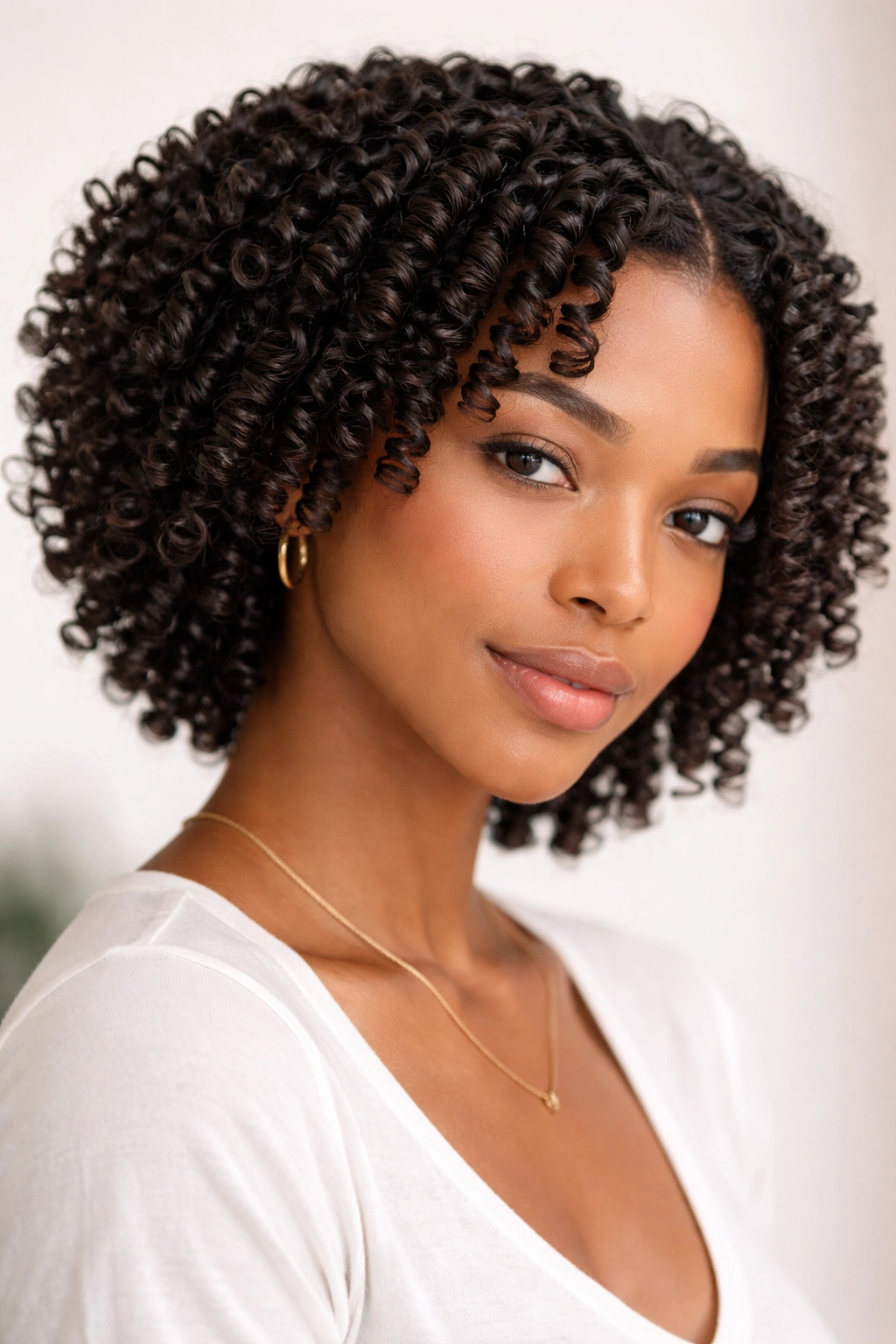
Finger coils are one of those styles that look more complicated than they are. If you want curls that read as neat, intentional, and almost sculpted, this is the move. It works especially well on shorter curly hair, transition hair, or any section that needs a little extra shape around the front.
The process is simple, but it asks for patience. Take a small section, add curl cream or gel, then wrap the hair around your finger from root to tip. Keep the coil snug enough to hold, but not so tight that it feels like you’re winding thread. If you pull too hard, the curl will snap open once it dries.
This style is at its best when the coils are left alone to dry fully. Once they’re dry, separate the roots gently with an oil-free hand if you want a little more fullness. Don’t overdo it.
Finger coils are excellent when you want the hair down but still want visible pattern. They also help make a style look fresh on days when the rest of your hair needs a reset.
9. Stretch-Set Curls That Keep the Length
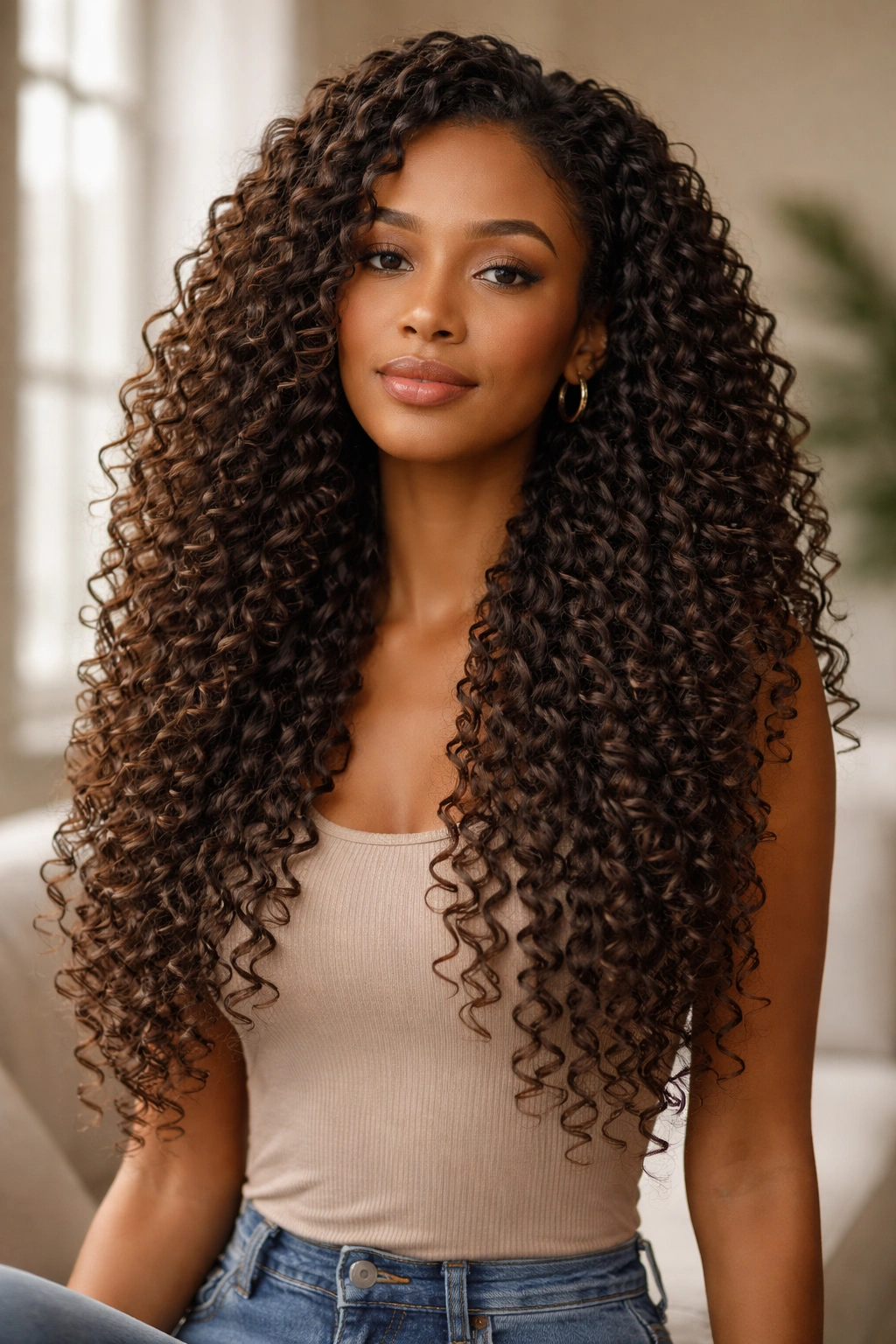
If shrinkage is the problem, stretch-setting is a practical fix. It does not change the curl pattern. It changes the way the curls hang. That’s a big deal for anyone who loves length and gets annoyed when curls spring up to the shoulders after drying.
A stretch-set can be done with banding, loose twists, or even a gentle blow-dry with a diffuser and tension on the ends. The point is to keep the hair elongated while it dries so the final shape lands lower and looks longer. Very useful. Very underrated.
- Best for high-shrinkage curl patterns
- Helps long layers show up more clearly
- Works well before a special event
- Needs low tension, not tight pulling
Watch the tension. If the hair is stretched too hard, the roots can look flat and the ends can go frizzy. You want loose control, not a taut setup that leaves dents.
This style is a strong choice if you like your curls to feel big but still want visible length when you wear them down.
10. Flipped-Over Volume That Breaks the Part
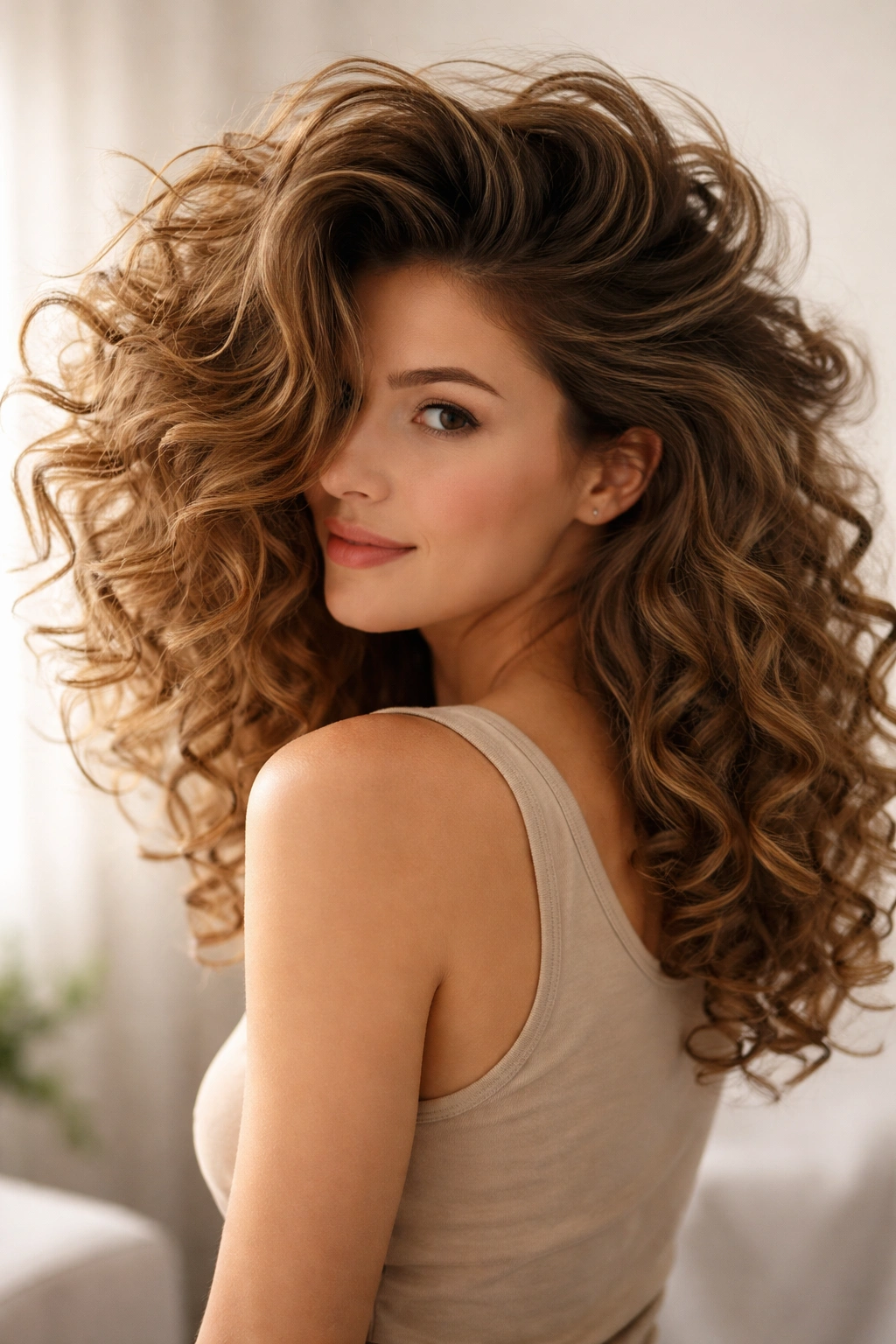
Sometimes the best answer is not a perfect part at all. Flipping the hair over before it dries can give the roots a soft lift that looks more natural than a strict center or side part. It’s a small thing, but it changes the silhouette fast.
Why It Works
Curls set in the direction they dry. If you dry them with the root lifted and the part shifted around a bit, they come out with more body at the crown. That’s especially useful on days when the top of the hair looks too sleepy and the ends look fine.
Use a light mousse or foam at the roots, then flip the head to one side while diffusing for a few minutes. Switch sides once or twice. You are training the hair to stay off your scalp, not crushing it into one fixed direction.
This style is good when you want movement and a little messiness. Not chaos. Just enough looseness that the curls look alive.
It also works well on day-two hair, which tends to have more personality than anyone gives it credit for.
11. Temple Tucks With a Small Clip
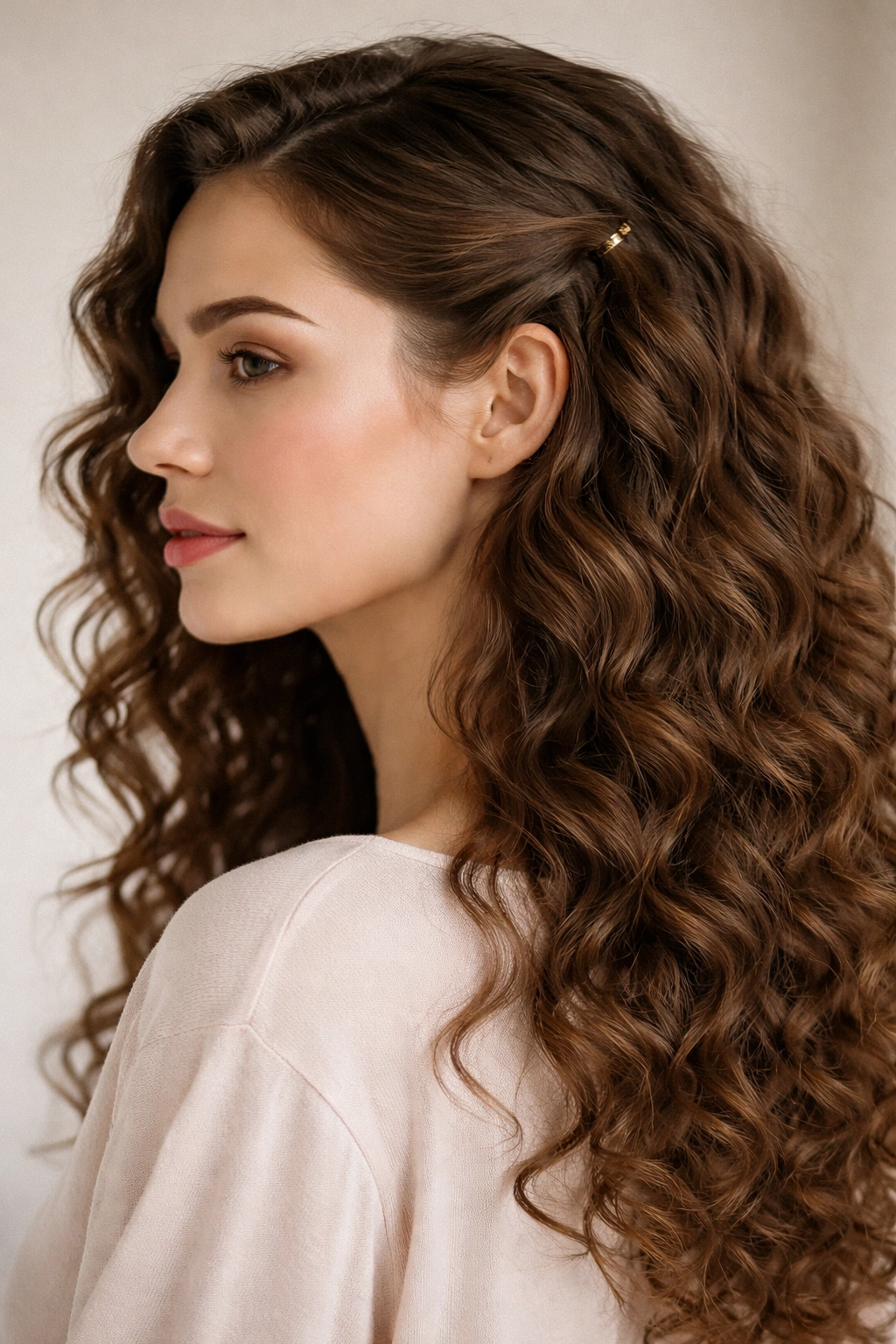
A temple tuck is for the days when you want the hair down, but not all the hair in your face. Pulling one or both sides back at the temples keeps the front clear while leaving the length visible. The result is clean, easy, and a little more grown-up than people expect.
Unlike a half-up style, a temple tuck doesn’t steal much volume from the back. The curls still hang freely. You’re just editing the front line. That makes it especially useful for work, dinner, or any moment when you want the face open but the hair still relaxed.
Use one small clip, a narrow barrette, or a pair of bobby pins hidden behind the ears. Slide the hair back softly. Do not yank it tight. If the front is pulled too flat, the style loses the whole point.
This is a good trick for curls that look heavy around the cheeks. It sharpens the shape without making the style feel formal.
12. Headband Curls That Feel Casual but Finished
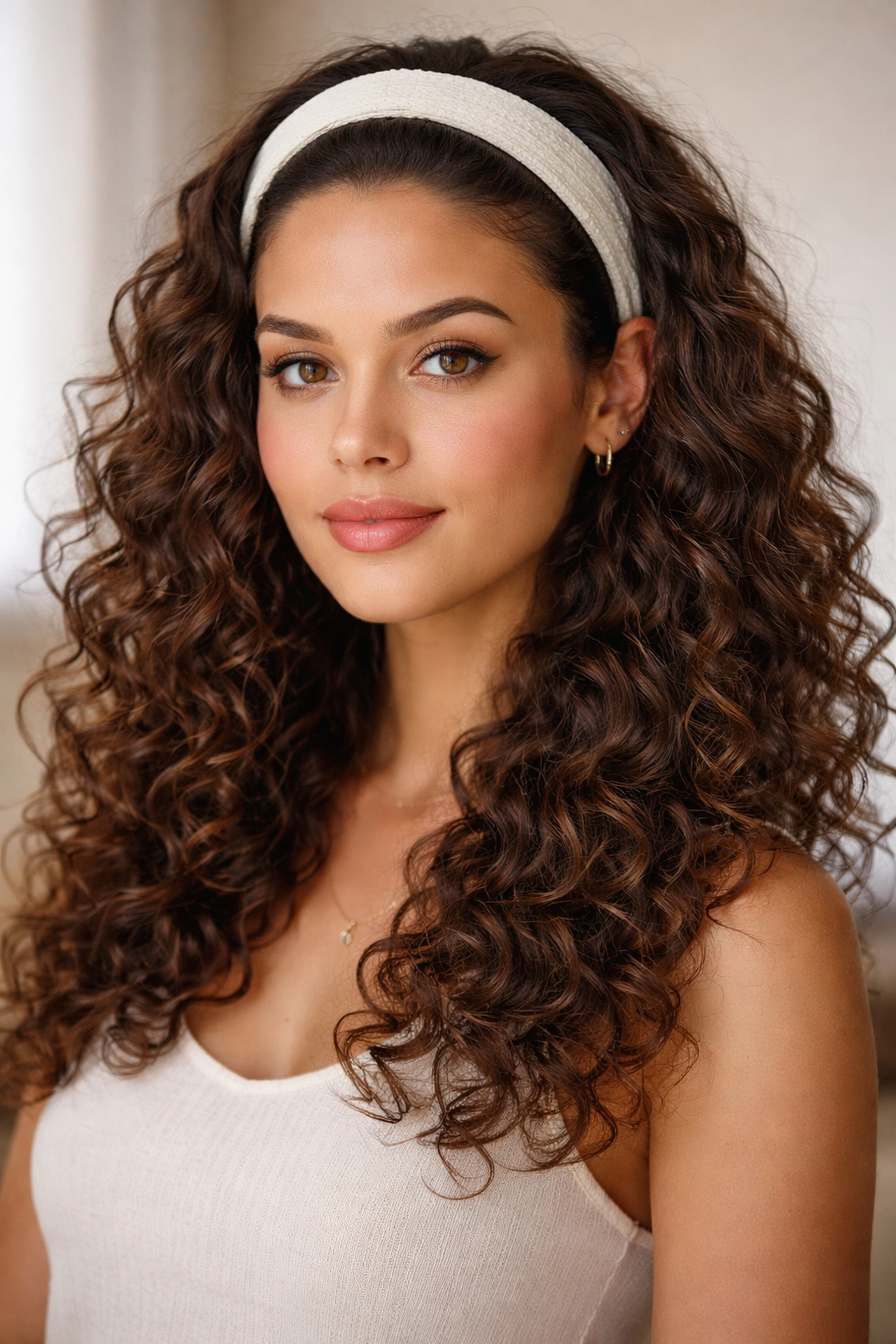
A headband can do more for curly hair than a lot of people expect. A fabric band or soft scarf can push the curls back from the face while keeping the rest of the hair down and full. It’s an easy way to make a low-effort day look deliberate.
The placement matters. Set the band about one to two inches behind the hairline, not glued to the forehead. That keeps the curls from puffing awkwardly at the front. If the band is too tight, it will flatten the crown and leave a dent that lasts longer than it should.
I like this look best with medium to long curls, especially when the hair is second-day and needs a little help. A satin or silk scarf works well if you want less friction. A knit band gives more texture and a casual feel.
The nice thing here is the balance. The face stays open, the curls stay down, and the style gets a clear frame. That’s all many hairstyles need.
13. Curly Bob Shapes That Sit Cleanly at the Jaw
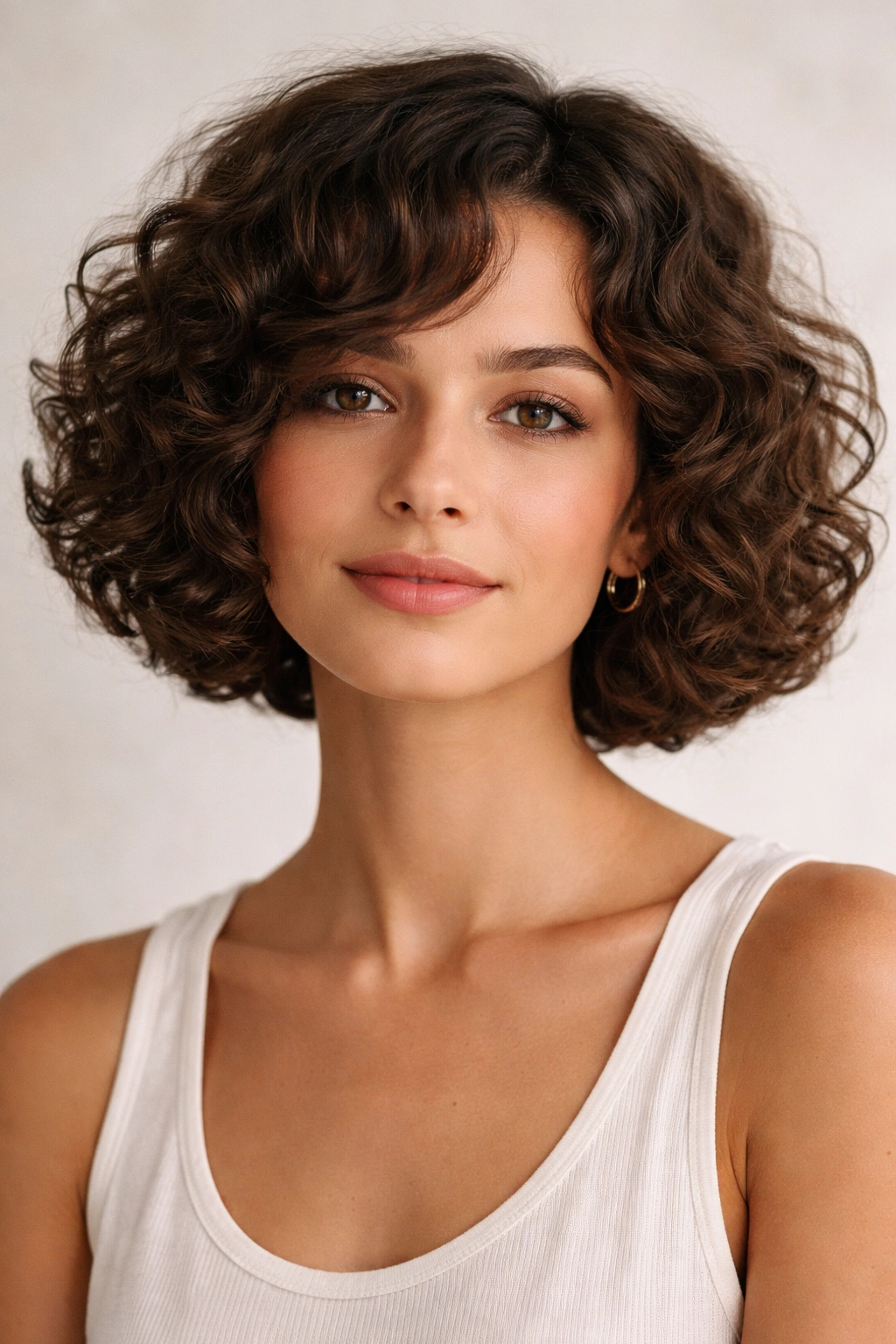
Can a bob still count as a down style? Absolutely. A curly bob is one of the best down looks you can have, because the shape is already built in. You don’t need length to make the style feel finished. You need a clean outline and a curl pattern that knows where to land.
A good curly bob usually sits somewhere around the jaw, chin, or just below the ears. Too much layering can make it puff out in odd spots, so the cut needs balance. You want enough movement for the curls to breathe, but not so much that the whole thing turns into a triangle.
How to Ask for It
Tell the stylist you want a rounded shape with controlled volume at the sides. Ask for curl-by-curl shaping or a dry cut if that’s their usual method. That helps them see where the curls actually fall instead of guessing based on wet hair.
A bob like this is sharp, easy to refresh, and surprisingly versatile. It can look playful with a middle part or sleek with one side tucked behind the ear.
14. Long Shag Curls With Airy Fringe
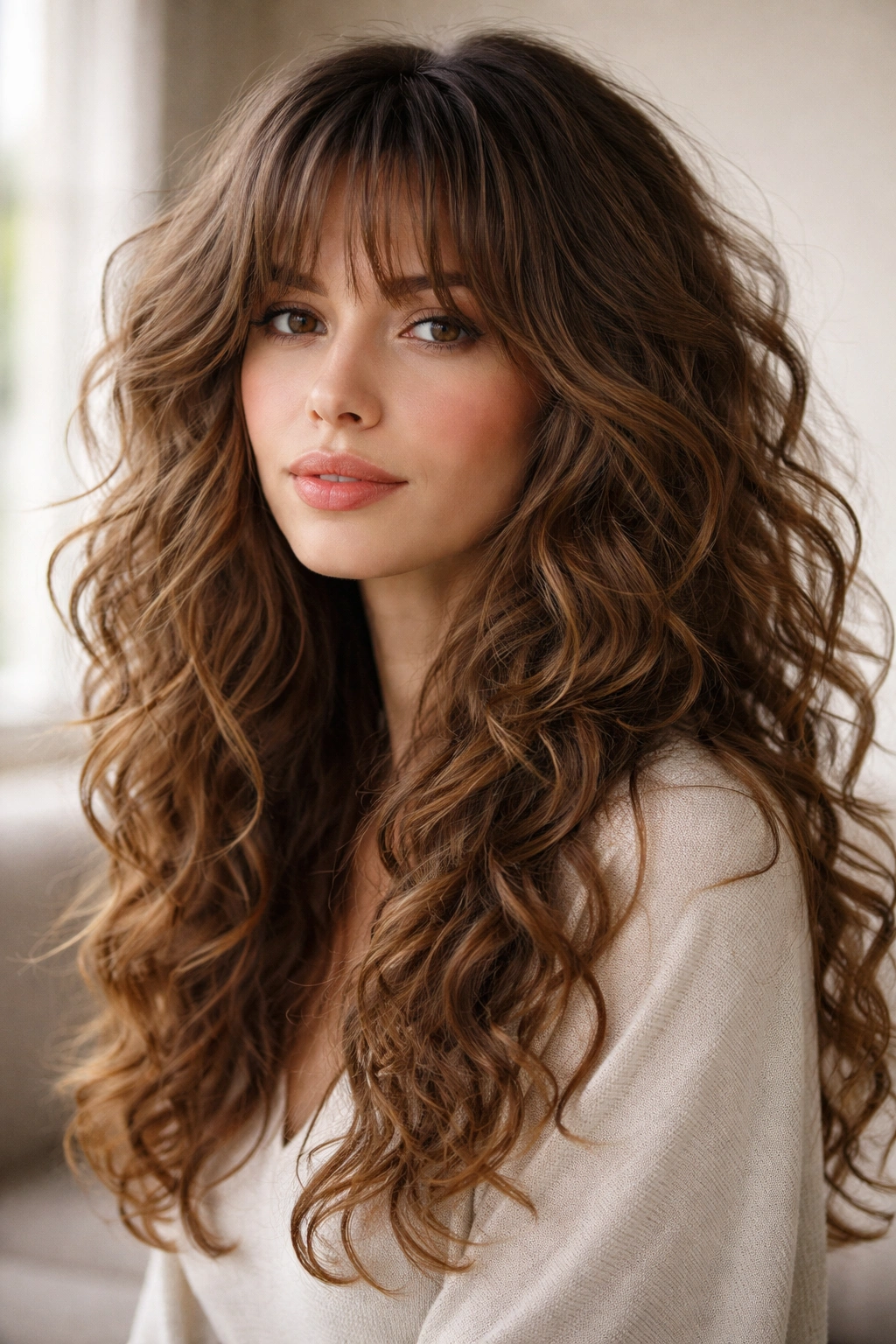
A shag is the easiest way to make heavy curls look lighter without losing the length you’ve worked for. That’s why I’m partial to it. The internal layers reduce bulk, the fringe keeps the front interesting, and the whole cut moves when you turn your head. You get shape without having to force it.
This style is especially good if your curls are dense from root to end and tend to sit like one solid mass. The shag breaks that up. It creates small pockets of volume instead of one big wall of hair, which makes the texture easier to see.
Styling stays simple. Use a curl cream or foam, scrunch the hair while it’s wet, then diffuse at the roots before finishing the ends. If the fringe starts to separate too much, smooth a tiny amount of product over the front pieces with damp hands.
A shag works best when you want a down style that feels lively and a little undone. Not messy. Lively.
15. Side-Swept Curls With a Low Barrette
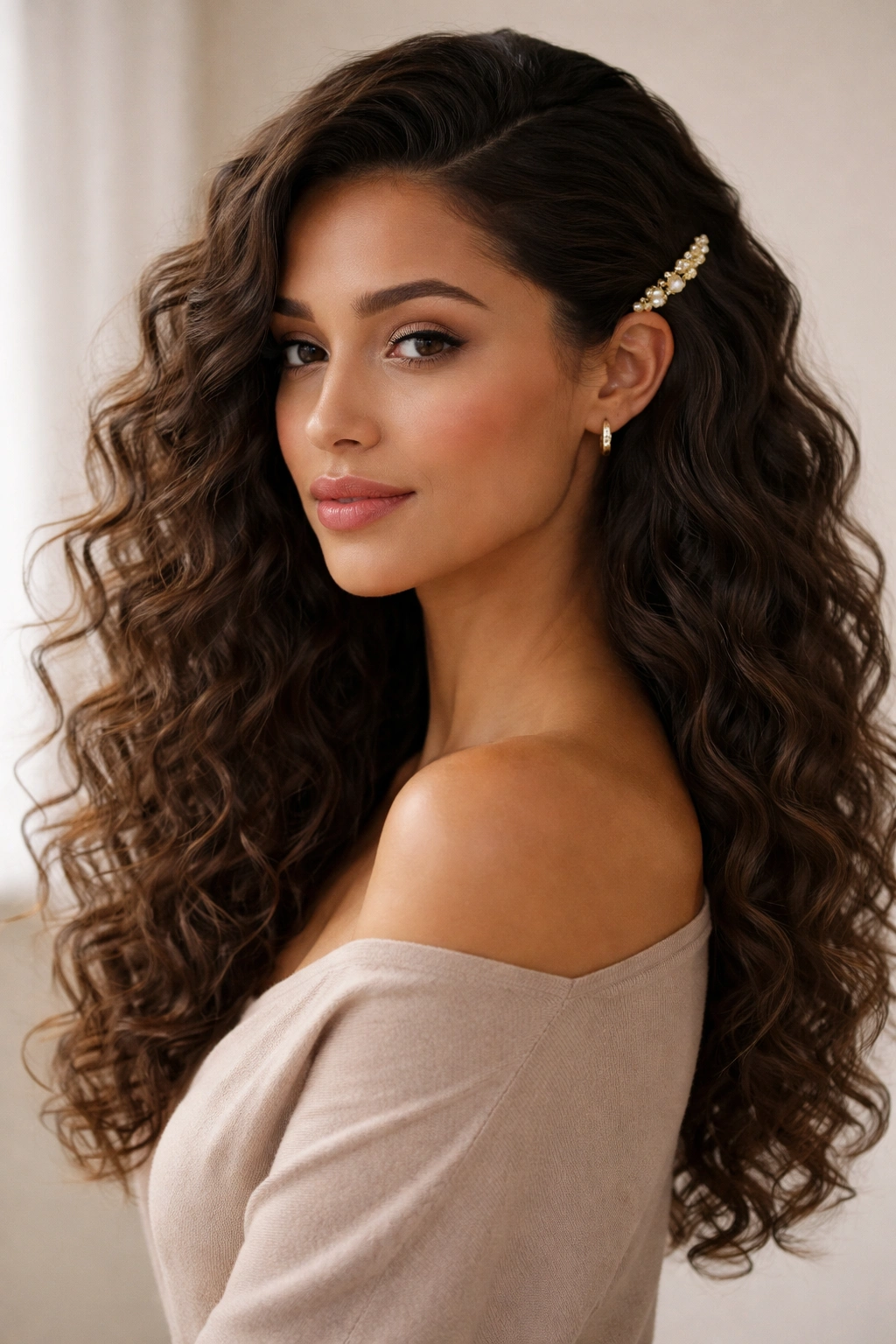
A side sweep can turn ordinary curls into something that looks thought through in about two minutes. Pull one side back low, pin it near the ear or just behind the cheekbone, and let the rest fall over the opposite shoulder. It sounds almost too easy, which is probably why it gets overlooked.
The trick is to keep the barrette low and the pull soft. If the pinned side sits too high, the style starts to feel like a half-updo. If it sits too tight, the curls lose their bounce. You want the front to stay loose, with enough curve left around the face to keep the shape soft.
- Best with medium to long curls
- Use a small metal clip or decorative barrette
- Smooth the outer layer only; leave the underneath volume alone
- Great for dinners, photos, or any day you want a little extra polish
This one works because it edits the line of the hair instead of fighting the texture. The curls stay down. The shape just gets a better angle.
Final Thoughts
The nicest thing about curly hairstyles to wear down is how much control you get without making the hair look controlled. A middle part can feel calm, a side part can feel bold, and a simple tuck or clip can change the whole face shape.
If you remember one thing, make it this: the part, the root lift, and the front pieces matter as much as the curl pattern itself. A small shift there can do more than another half dozen products.
And honestly, that’s the part I love most. Curly hair does not need to be tamed to look good. It just needs a shape that lets it be itself on purpose.