



A razor cut bob can look crisp in a way a blunt cut never quite can. Or it can look fuzzy, choppy, and a little too eager to prove a point. The difference lives in the hands doing the cutting, the texture of your hair, and where the line of the bob actually falls on your face.
That’s why short razor cut bobs are such a useful style to know. They can skim the jaw, sharpen the cheekbones, soften a heavy fringe, or strip bulk out of thick hair without making it feel stuffed into a helmet shape. A good razor cut bob has movement in the ends and structure in the shape. A bad one just looks like it was attacked by a kitchen tool.
The haircut also behaves differently depending on what you start with. Fine hair can look fuller when the edge is handled well. Dense hair can feel lighter fast. Wavy hair gets a little swing. Curly hair can look beautifully sculpted, but only if the cut respects the curl pattern instead of fighting it. That part matters more than most salon photos admit.
So the trick is not just choosing a short bob. It’s choosing the version that gives you that sharp look without making your mornings miserable. Some of these are neat and polished. Some are piecey and cool. A few are a little louder. All of them depend on smart shaping, not just length.
1. The Jaw-Grazing Razor Bob With Soft Edges
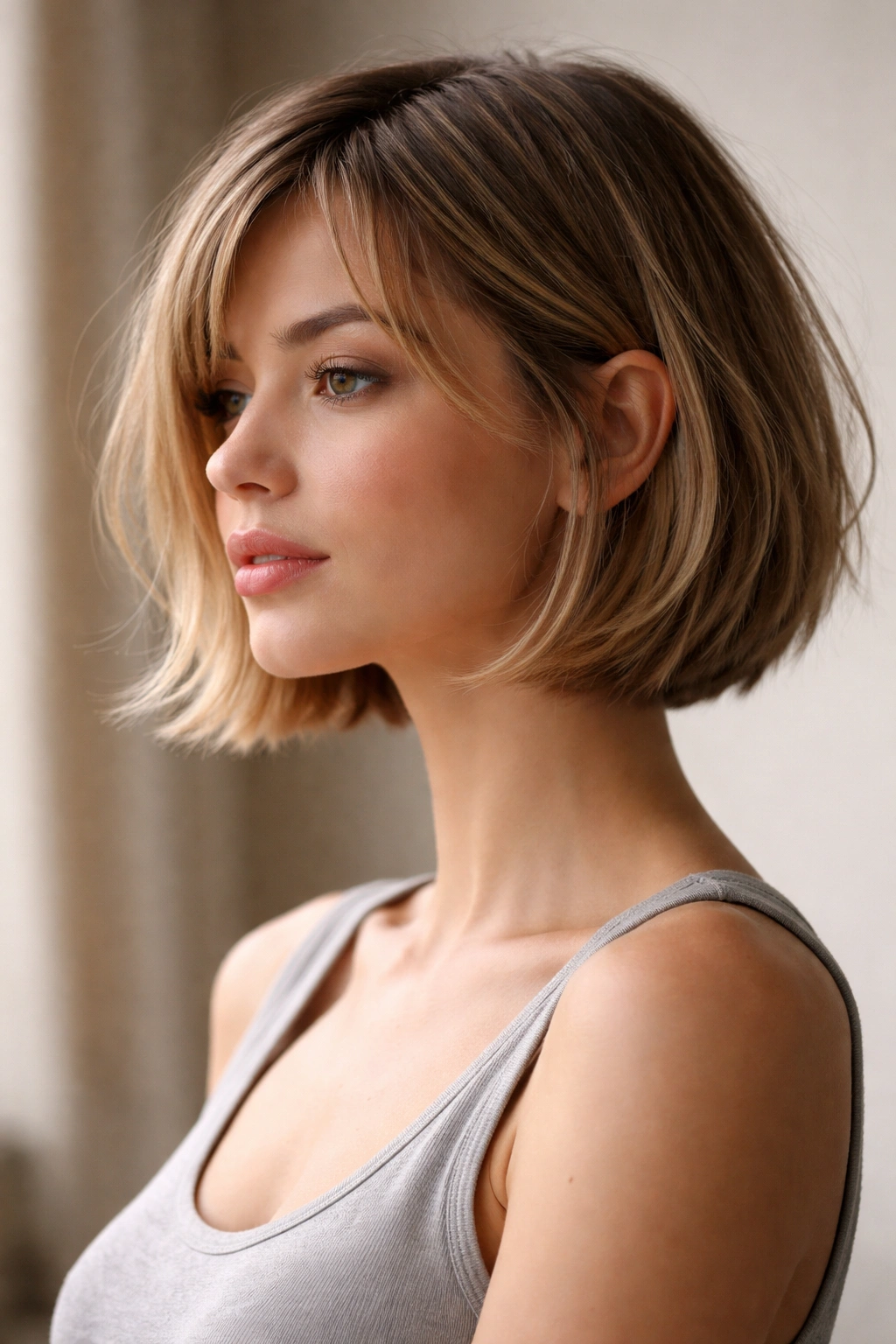
A jaw-grazing razor bob is the haircut I think of when someone wants clean lines without the hard blockiness of a blunt cut. The length lands right around the jaw, which makes the face look more defined almost immediately. The razor work softens the ends just enough that the bob moves instead of sitting there like a shelf.
That tiny bit of softness changes everything. A straight blunt bob can look heavy if the hair is thick or if the neck line is full of cowlicks. A razor cut takes some weight out of the perimeter, so the shape hugs the jaw in a more natural way. It’s sharp, yes. Also a little airy. That’s the good part.
This version works especially well if you want to bring attention to the lower half of the face. Strong jawline? Great. Soft chin? Also great, because the cut adds outline without looking severe. The one thing I’d watch is over-thinning the ends. You want movement, not see-through tips.
Ask for minimal internal layers and a softly texturized bottom edge. Style it with a quick blow-dry using a small round brush, then tuck the ends under or leave a slight bend outward. Either way, the line should look deliberate, not fussy.
2. The Chin-Length Razor Bob With a Side Part
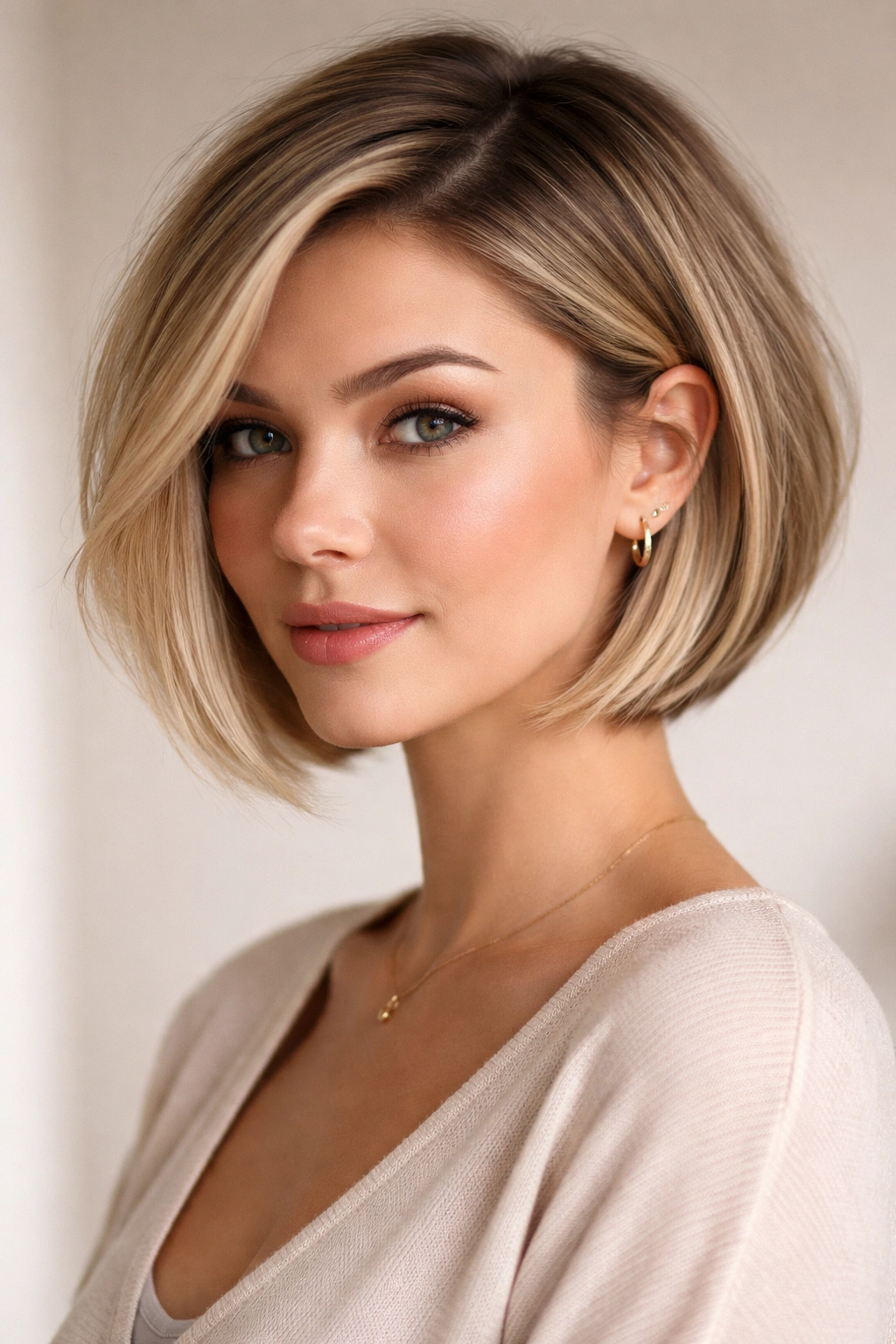
A side part can make a short razor cut bob look instantly more sculpted. That’s the whole trick here. The chin-length version gives you enough room to show the shape, while the part adds lift at the roots and a little asymmetry across the forehead.
Why the Side Part Changes the Shape
A center part tends to split the face in half. Clean. Symmetrical. Sometimes a little too neat. A side part breaks that line and pushes the hair into a diagonal, which gives the bob a more lively edge. On finer hair, it also helps the roots stand up instead of lying flat.
This cut is especially friendly if you want a sharp look but don’t want to commit to a severe, straight-across line. The razor-softened perimeter keeps the chin-length shape from feeling boxy. The side part keeps it from feeling too sweet.
- Best for hair that falls flat at the crown
- Good if you want one side to tuck behind the ear
- Helps rounder faces look a touch longer
- Looks polished with a tucked-behind-the-ear finish
How to Style It Fast
Use a root-lifting spray at the part line, then rough-dry the hair in the direction you want it to land. Finish with a flat brush or a paddle brush, and bend the ends under just a little. You do not need a perfect curl. A slight turn at the ends is enough.
3. The French Bob With a Feathered Fringe
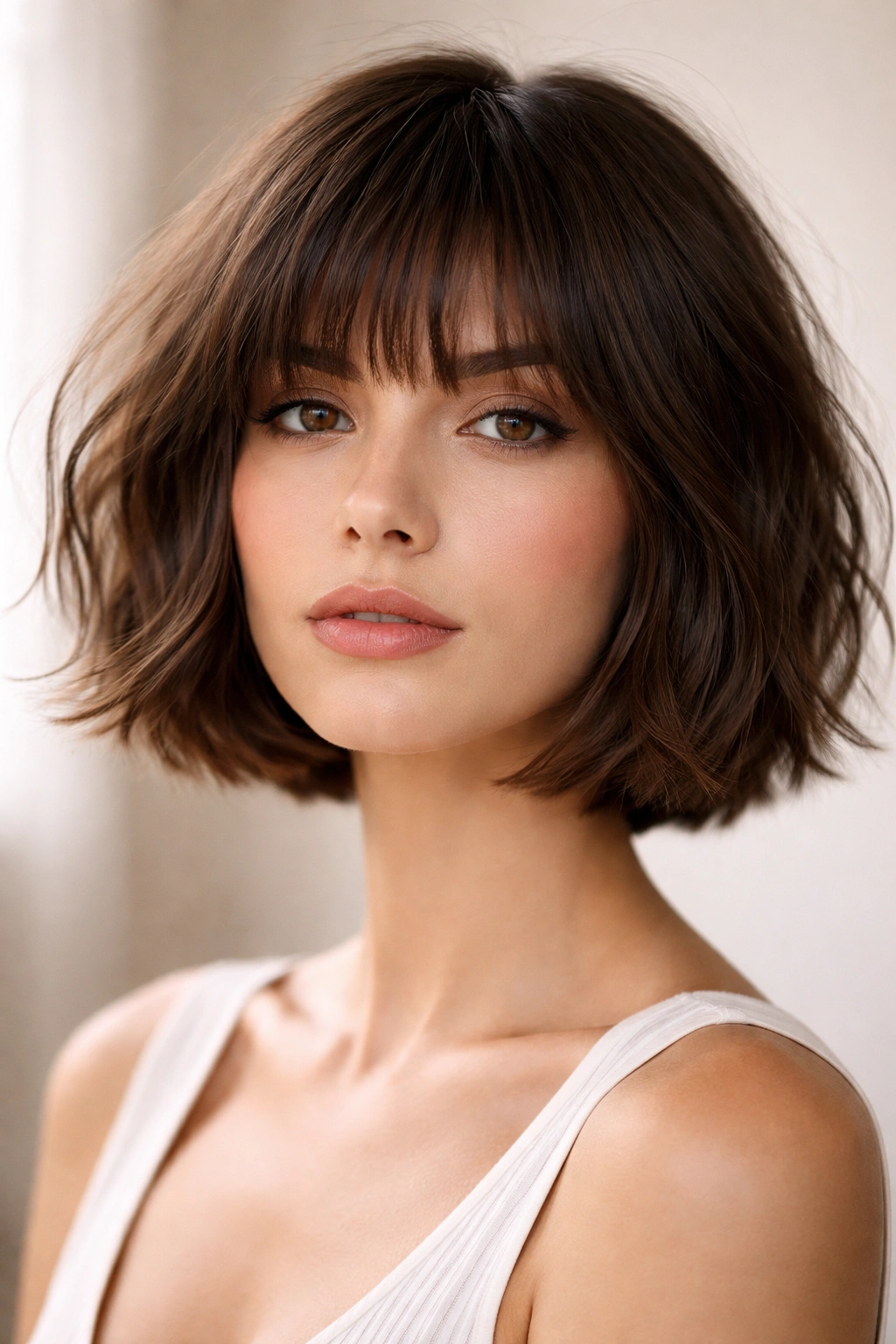
Why does a French bob still look sharp after all these years? Because it’s short, face-framing, and a little stubborn in the best way. Add a razor to that shape and the whole cut gets lighter around the edges, which keeps the fringe from feeling too dense.
The classic French bob usually sits somewhere between the cheekbone and the jaw, with a fringe that kisses the brows or hovers a touch above them. A razor finish makes the bangs feel less heavy and more lived-in. That matters when you want structure without stiffness. Heavy bangs can swallow a small face. Feathered bangs open it back up.
This cut likes texture. Not chaos. Texture. A bit of wave in the lengths, a bit of movement in the fringe, a bit of bend at the ends. If your hair is pin-straight, it still works, but the styling needs to be careful so it does not slide into helmet territory.
How to Wear It
Dry the fringe first, using a small round brush or just your fingers if you want a looser finish. Let the ends of the bob dry with a natural bend. Then add a light mist of texture spray through the mids. The fringe should look soft, not chopped. That’s the line to keep in your head.
4. The Inverted Razor Bob With a Tight Nape
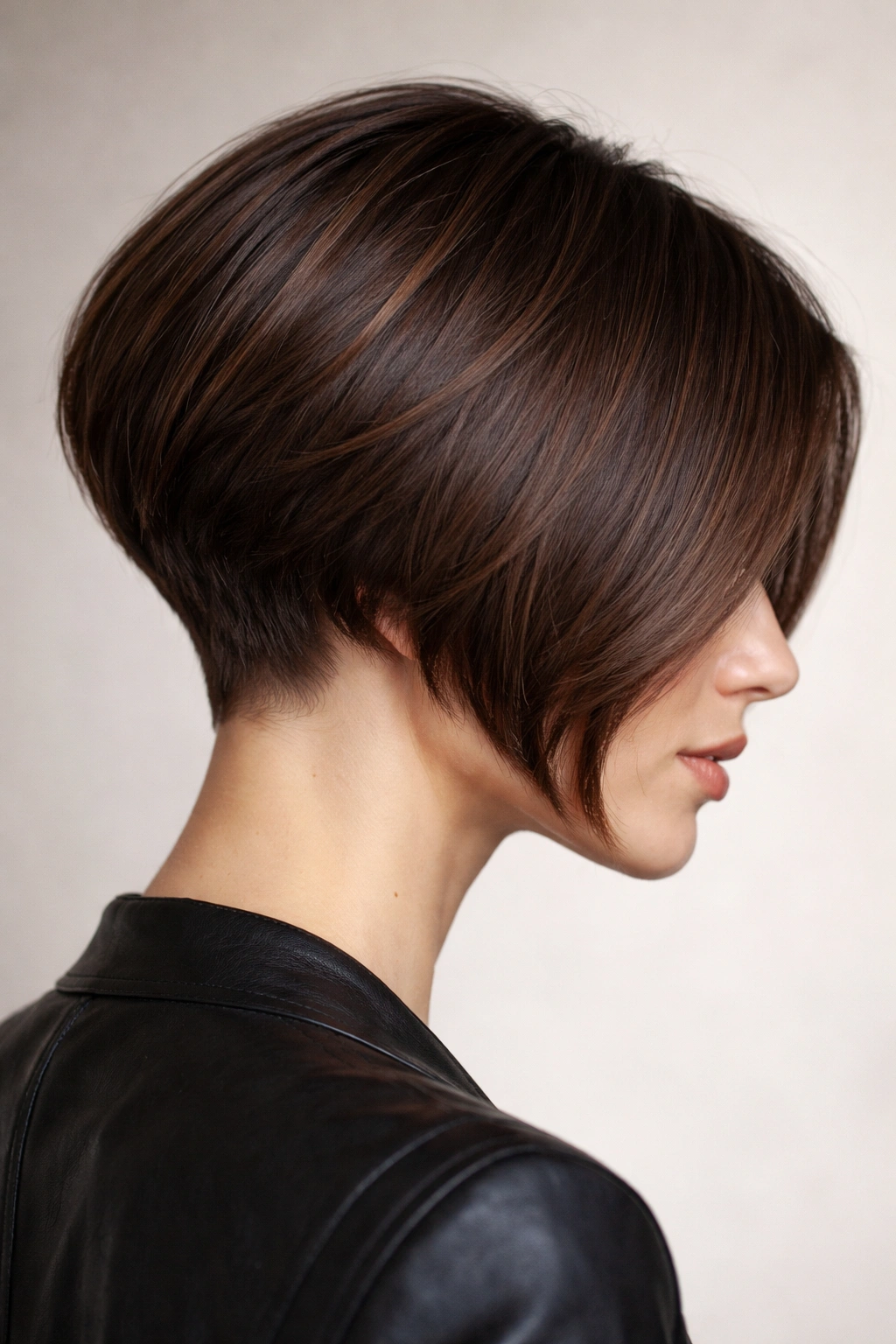
If you want the back of your hair to look neat and the front to swing forward with purpose, this is the one. An inverted razor bob is shorter at the nape and gradually longer toward the chin, which builds shape into the cut before you even style it.
I like this version for anyone who wants a sharper silhouette from the side. The nape sits close to the neck, so the outline feels tidy. The longer front pieces pull the eye downward and forward, which gives the haircut a little drama without making it look trendy in a throwaway way. It has spine. That may sound dramatic for a bob, but it’s true.
The razor helps because stacked or angled bobs can go rigid fast. A razor-softened finish keeps the back from looking carved out in a heavy, dated way. You still want the angle. You just don’t want the ends to feel blunt and dense.
- Shorter through the nape for a clean neckline
- Longer pieces at the front to elongate the face
- Works well with straight or slightly wavy hair
- Needs regular shape-ups if you like the angle to stay crisp
One warning: if your hair grows in a strong cowlick at the nape, tell the stylist before the cut starts. That little swirl can push the back out if the shape isn’t adjusted.
5. The Wavy Razor Bob With Broken-Up Ends
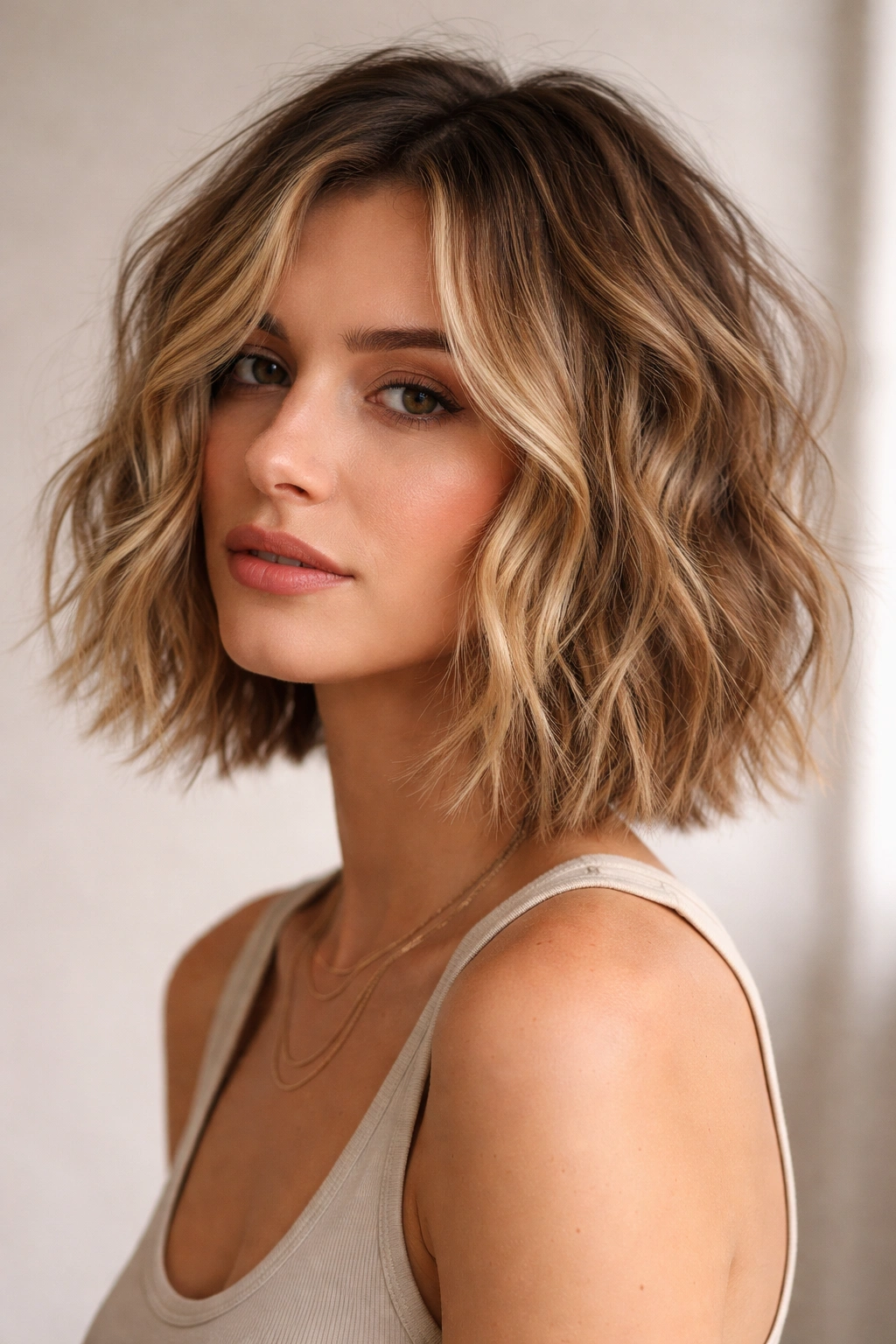
A wavy razor bob looks like it was meant to be touched. Not perfect. Not slick. Just clean enough to feel intentional. The razor matters here because waves can get bulky at the ends, and a softer perimeter stops the whole shape from puffing out like a triangle.
This is one of those cuts that looks better when the hair has a little grit. Air-dried waves, a diffuse finish, or a rough blow-dry all work. The razor gives the ends a broken-up feel so the wave pattern can show instead of collapsing into one solid lump. On shoulder-grazing lengths, that can make the difference between “cute” and “why is my hair doing that?”
The best version keeps the layers light. Too many layers and the bob starts to fray. Too few and the wave sits there like a heavy curtain. You want movement, not a stack of pieces fighting each other.
A salt spray or a lightweight mousse is usually enough. Scrunch it into damp hair, then either air-dry or use a diffuser on low heat. Once it’s dry, twist a few pieces around your fingers and stop there. Leave some roughness in it. That roughness is part of the look.
6. The Sleek Razor Bob With a Glassy Finish
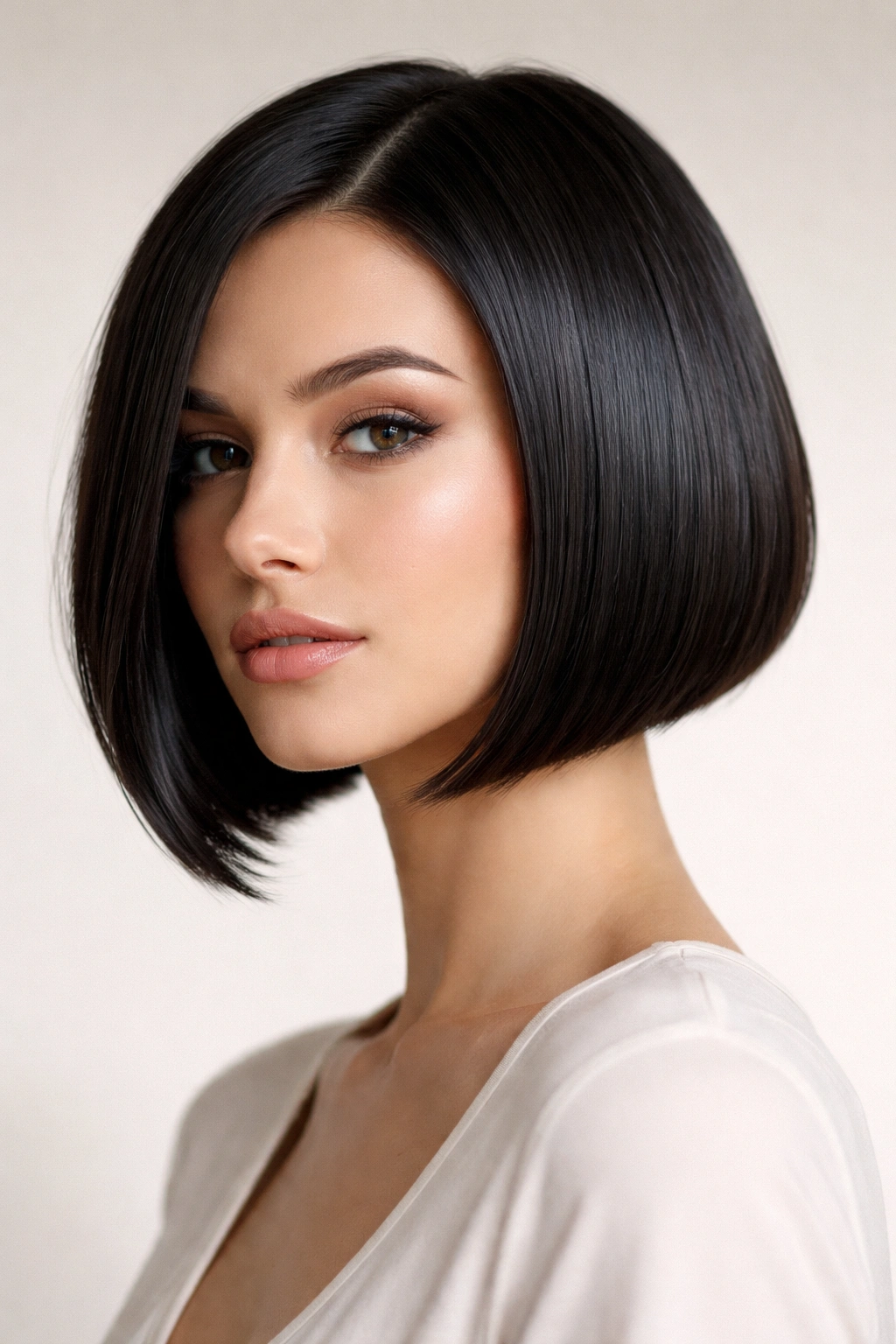
Unlike a blunt bob, this one doesn’t rely on a thick, heavy edge to feel polished. It uses shine, control, and a very clean line. The razor is there to remove a bit of bulk from the ends so the hair can lie flat without looking stuffed.
That sounds small. It isn’t. A razor bob with a sleek finish can look expensive because the shape sits close to the head and the perimeter stays tidy. If your hair is naturally straight or only slightly wavy, this cut can look almost sharp enough to cut paper. If your hair is coarse, you’ll need a bit more smoothing work, but the shape still makes sense.
The main thing is restraint. Do not pile on too many layers. Do not rough up the ends with heavy texture spray. This is the bob for a clean middle part, smooth sides, and a glassy finish that reflects light in a soft, even way.
Use a heat protectant, then dry the hair with tension from a round brush or paddle brush. Pass a flat iron through only if the hair needs it. Finish with a pea-sized amount of serum on the very ends. Too much and the cut goes limp. Too little and it looks unfinished.
7. The Razor Bob With Curtain Bangs
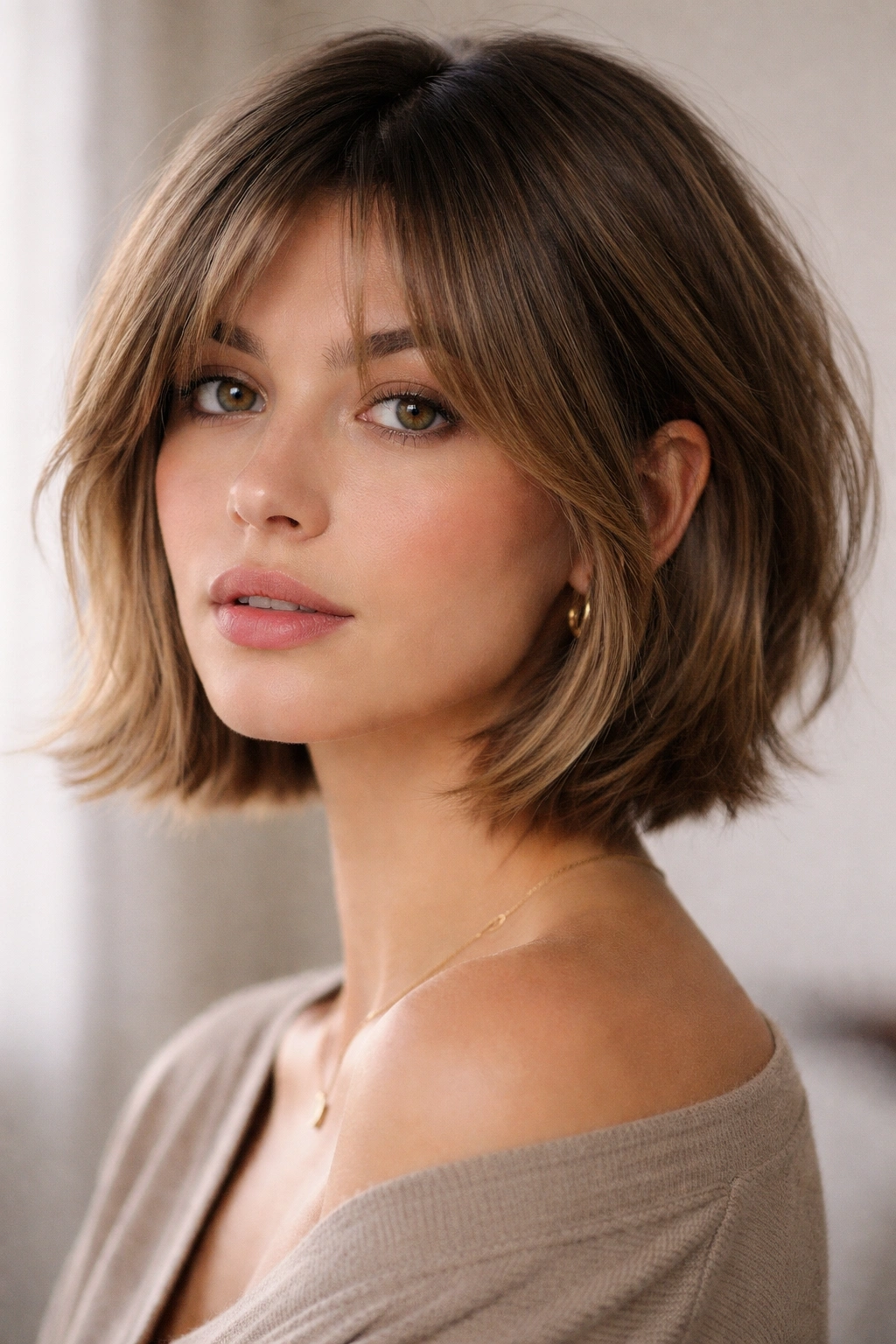
Curtain bangs can change a short bob fast. They soften the forehead, open the face, and give a sharper haircut a little movement at the top so it does not feel too severe. With a razor cut, those bangs feel lighter and easier to wear, which is a big reason this version keeps showing up in good salons.
Where the Bangs Start Matters
Start them too high and the cut can look choppy. Start them too low and they lose that easy sweep that makes curtain bangs worth it. The sweet spot usually sits around the high cheekbone or just above the brow line, where the bangs can split cleanly in the middle and fall away from the face.
This shape is especially useful if you want a short bob but you’re nervous about exposing the whole forehead. The bangs create a soft frame, then the sharp bob underneath keeps the haircut from turning sweet and fluffy. That mix is what makes it work.
How to Keep Them from Fighting the Bob
Dry the bangs first, directing them side to side with a round brush so they don’t set flat. The rest of the bob can dry more casually. If the ends start to flip in strange ways, a quick pass with a flat iron or a brush will settle them down.
A little bend in the bangs is fine. A hard curl is not.
8. The Asymmetrical Razor Bob With One Longer Side
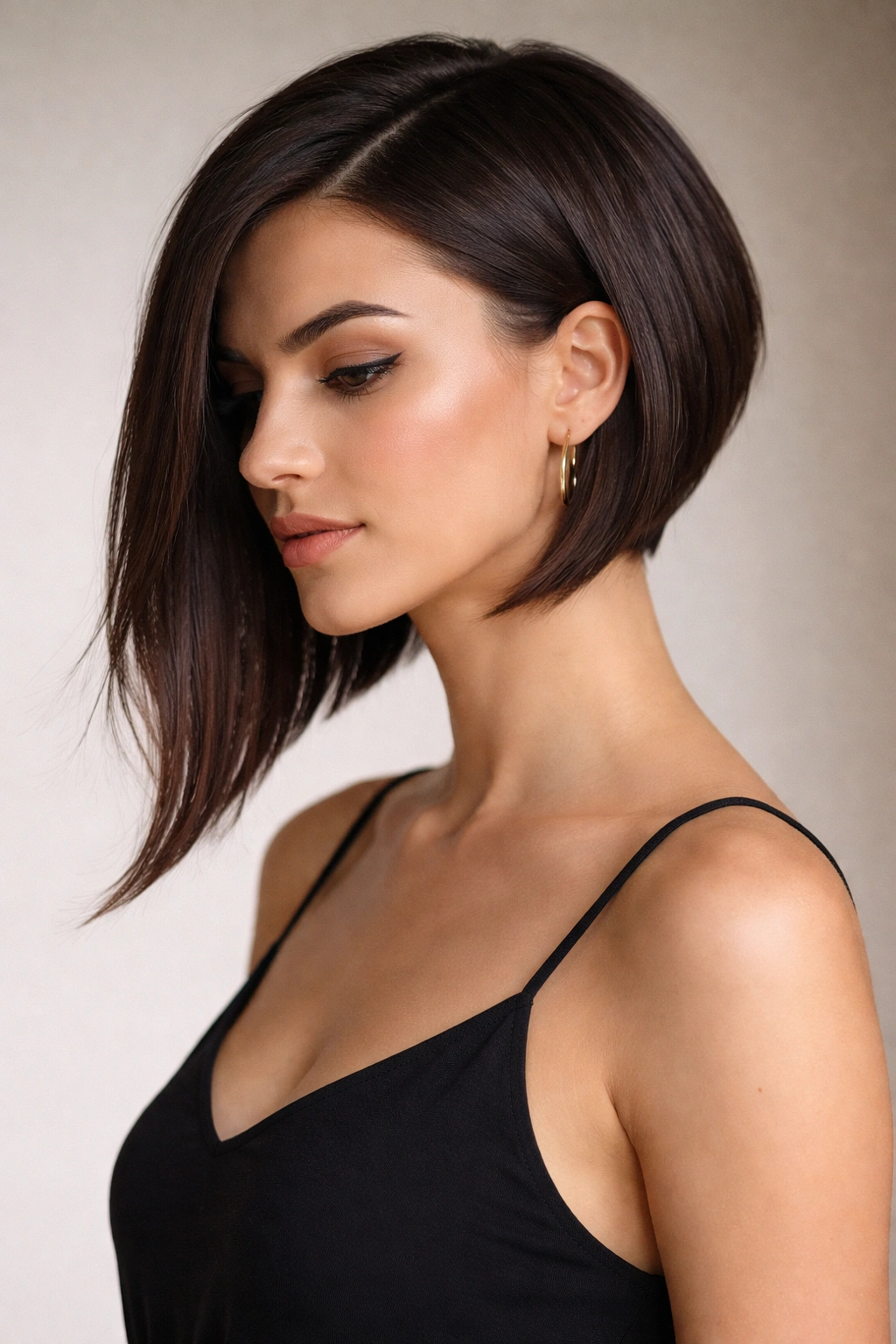
A sharp bob does not have to be even. That’s the whole point of an asymmetrical cut. One side sits a little longer, the other side feels tighter, and the whole shape gets a built-in angle that reads clean from across the room.
This is the version for someone who likes a haircut with attitude but doesn’t want to shave one side of the head or go fully graphic. The asymmetry can be subtle—maybe an inch or two—or more obvious if you want the line to feel bold. The razor helps the longer side move instead of hanging there like a strip of fabric. Without that movement, the cut can look heavy and flat.
I’d pair this with a neat neckline and either a center part or a soft off-center part. That lets the cut do the work. Earrings look good with it. So does a tucked side and a bare ear. Small choices, big effect.
- Keep the length difference deliberate, not random
- Ask for a soft edge so the longer side sways
- Works well with straight or slightly bent hair
- Needs regular shaping if you want the geometry to stay clear
If you want a bob that says you have opinions, this is one of the easiest ways to wear that idea without getting too flashy.
9. The Layered Razor Bob for Fine Hair
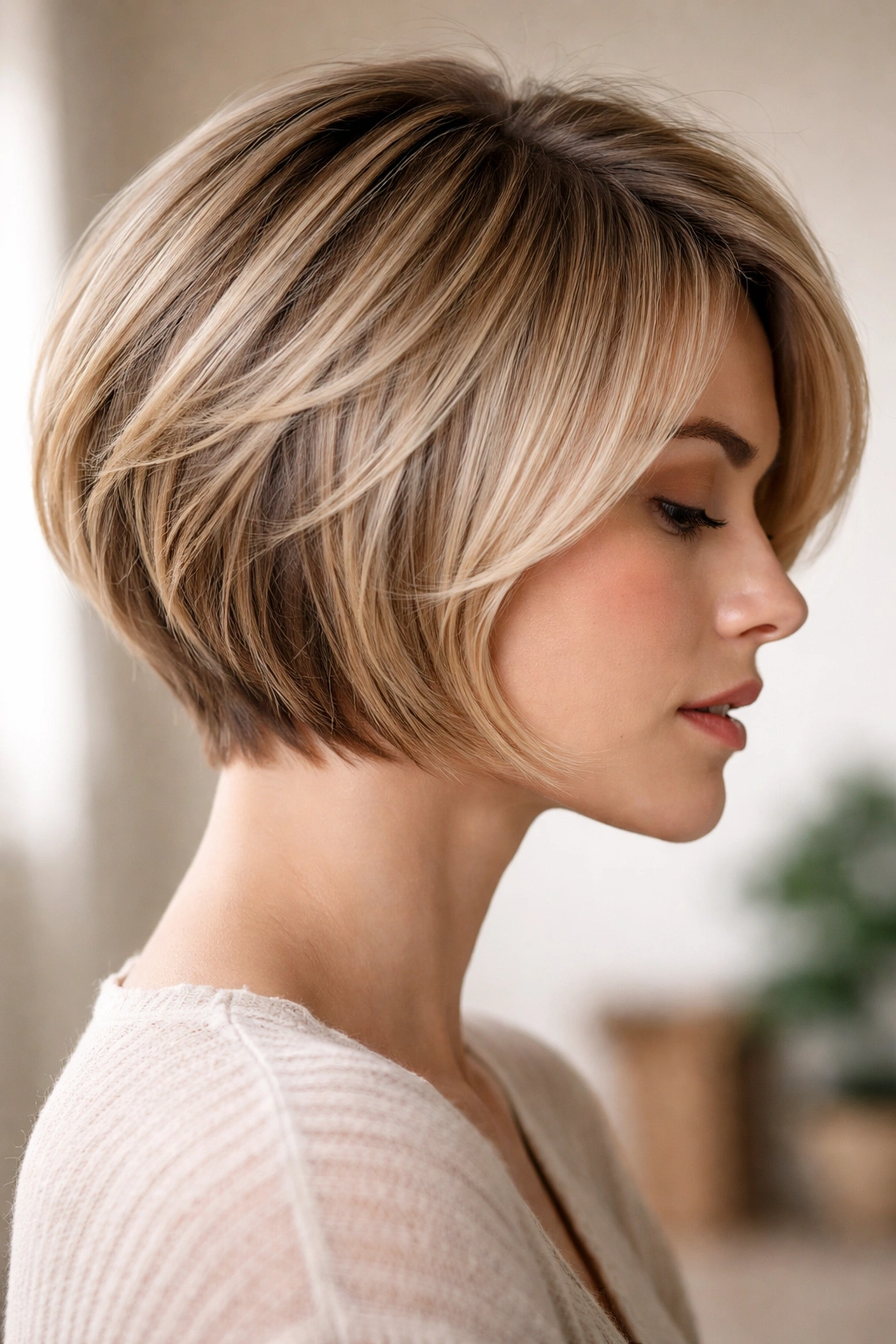
Fine hair can look better in a razor cut bob, but only when the layering is handled with care. Too many layers and the ends go wispy. Too much razor work and the whole shape starts to collapse. The goal is lift, not thinness.
This version keeps the bob short enough to show body at the roots, then uses light internal layering to stop the hair from falling into one flat sheet. The razor softens the perimeter, which helps the haircut move. But the outer edge still needs enough density to look full. That balance matters more with fine hair than with almost anything else.
A chin-length or jaw-length version tends to work best because the hair doesn’t have to carry much weight. The shorter the cut, the easier it is to build a shape that looks intentional. If you add a side part, you get a little more height at the crown, which is useful when the roots tend to lie flat by noon.
Use a volumizing mousse at the roots, then blow-dry with a small round brush, pulling the top sections up and away from the scalp. Skip heavy oils near the roots. They flatten fine hair fast. A dry texture spray at the ends can help, but use it lightly.
10. The Thick-Hair Razor Bob With Internal Weight Removal
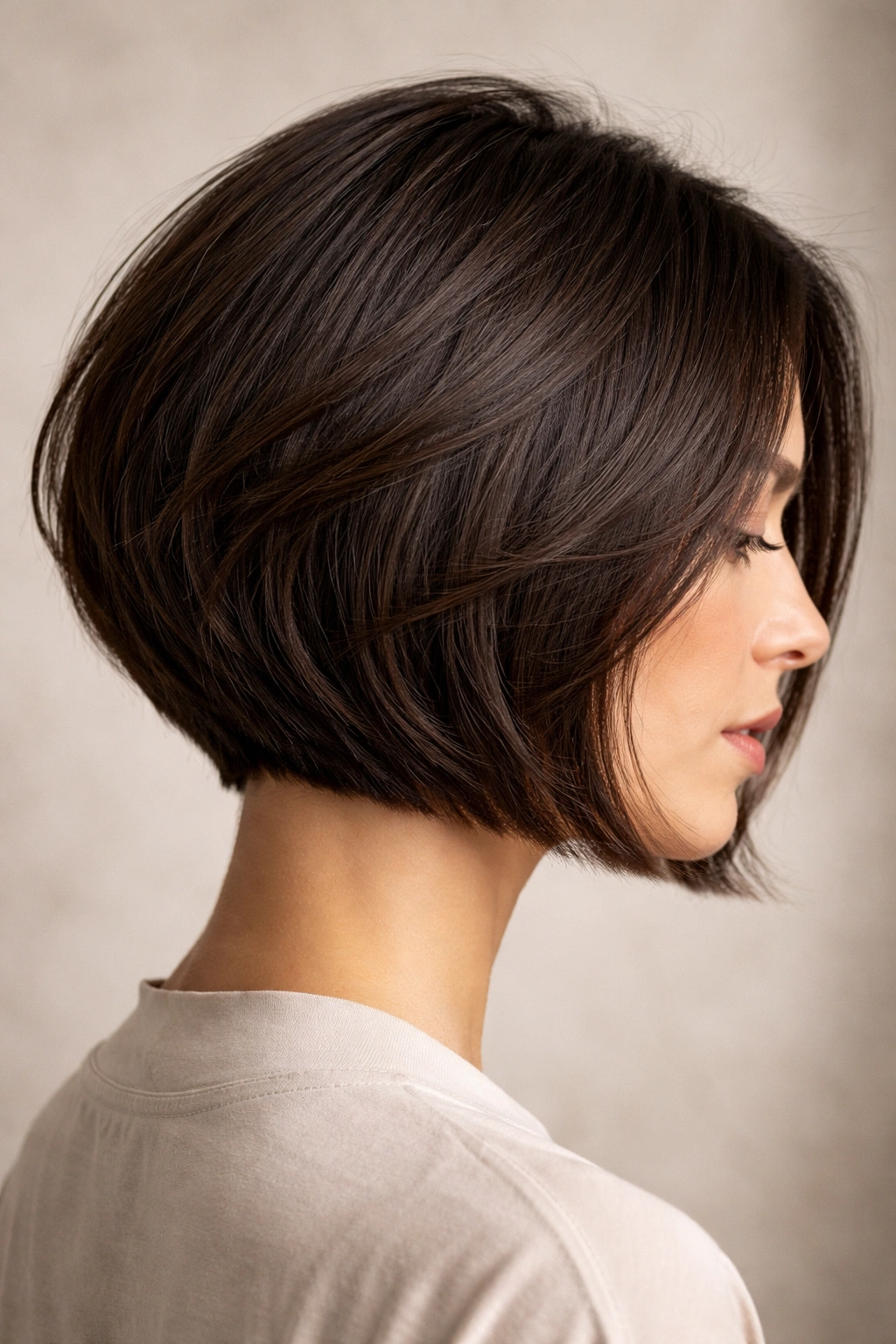
Thick hair can look stunning in a short razor cut bob when the bulk is removed from the right places. When it isn’t, the haircut turns into a box. Heavy sides. Puffy triangle. Too much weight at the bottom. Nobody wants that.
What to Ask for in the Chair
Tell the stylist you want internal weight removal, not a shredded perimeter. That distinction matters. A good razor bob for thick hair takes out bulk from inside the shape so the outer line still looks solid. The ends stay clean enough to read as a bob, but the head doesn’t feel like it’s wearing a helmet.
- Keep the outer edge strong enough to hold shape
- Thin the inside, not the whole perimeter
- Avoid too many short pieces at the crown
- Ask how the cut will sit when air-dried
Why This Version Works
Thick hair often needs room to move. A razor can carve that room in a way shears sometimes can’t, especially if the hair is coarse or resistant. The bob feels lighter on the neck, the sides don’t balloon, and the shape can actually follow the face instead of sitting off it.
I would not go too aggressive here. Too much razor work on thick hair can make the ends frizz up or separate in a way that looks dry. A little control is better than a lot of slicing. Use a smoothing cream and a paddle brush for drying, then finish with a tiny bit of anti-frizz serum only where the hair needs it.
11. The Curly Razor Bob That Keeps Its Shape
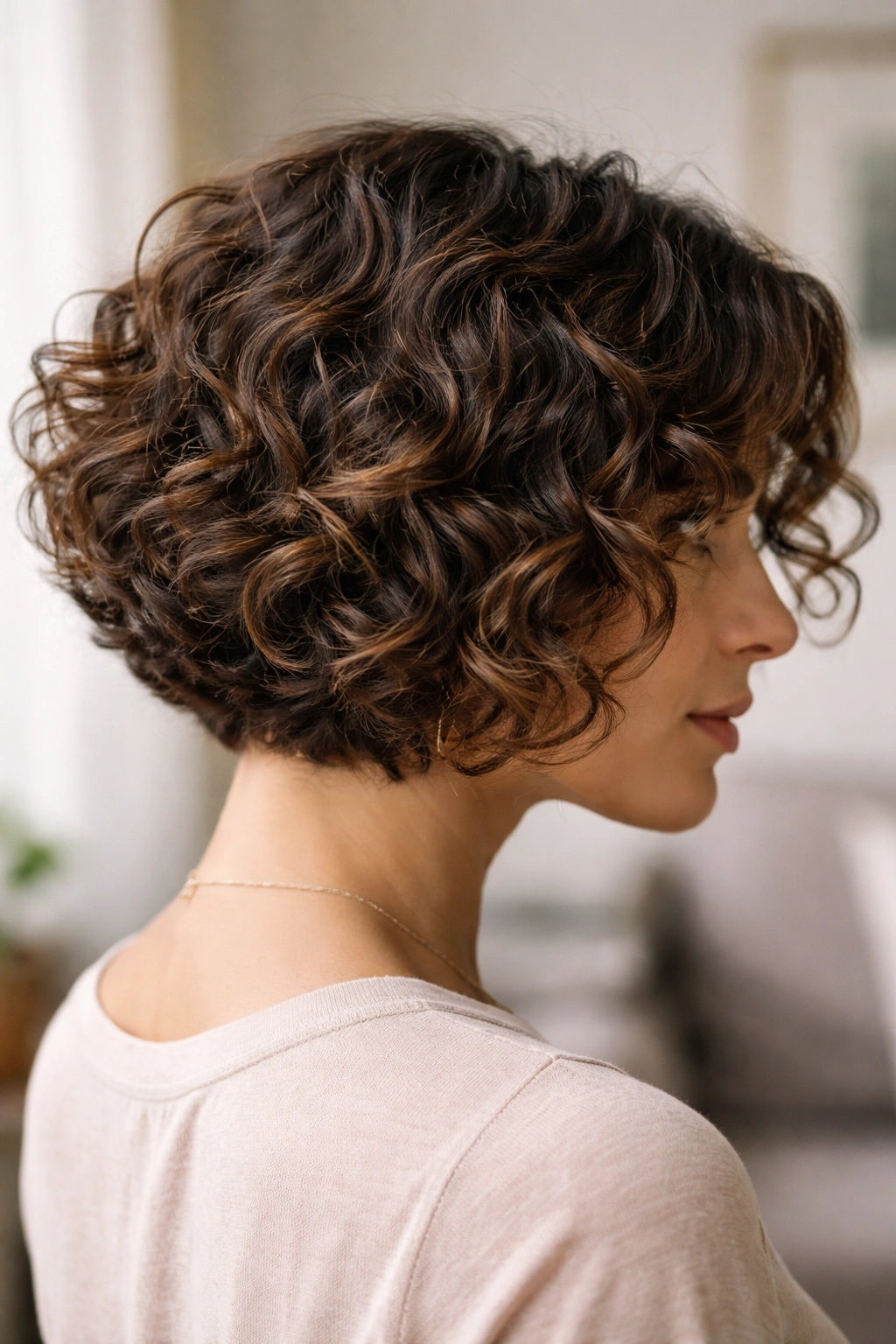
Curly hair and razors can get along. They just need the right conversation. If the cut is done without respect for the curl pattern, the ends can fray and the shape can expand in odd places. If it’s done well, the result is one of the best short bob shapes around—defined, rounded, and full of movement.
The smartest approach is usually to cut curls in their natural state or at least with a strong understanding of how they spring up once dry. A razor can take bulk out of dense curls and create a more sculpted edge, but it should not shred the curl pattern into pieces. The cut needs to follow the bounce of the hair, not fight it.
This style is strongest when the bob lands somewhere around the jaw or just below it. Too short, and the curls can swell upward more than expected. Too long, and the shape loses the sharp outline that makes the haircut feel fresh. The middle ground gives you enough definition to see the line without flattening the curl.
What to Ask the Stylist
Ask for curl-by-curl shaping or dry cutting if that’s part of the stylist’s method. Mention whether your curls shrink a lot or a little. A bob that looks chin-length wet can sit way above the chin when dry, and there is no point pretending otherwise.
Use a curl cream or gel with enough hold to keep the ends together. Diffuse on low heat, or let the hair air-dry in sections. The finish should look clean, not puffy.
12. The Textured Micro Bob With a Piecey Finish
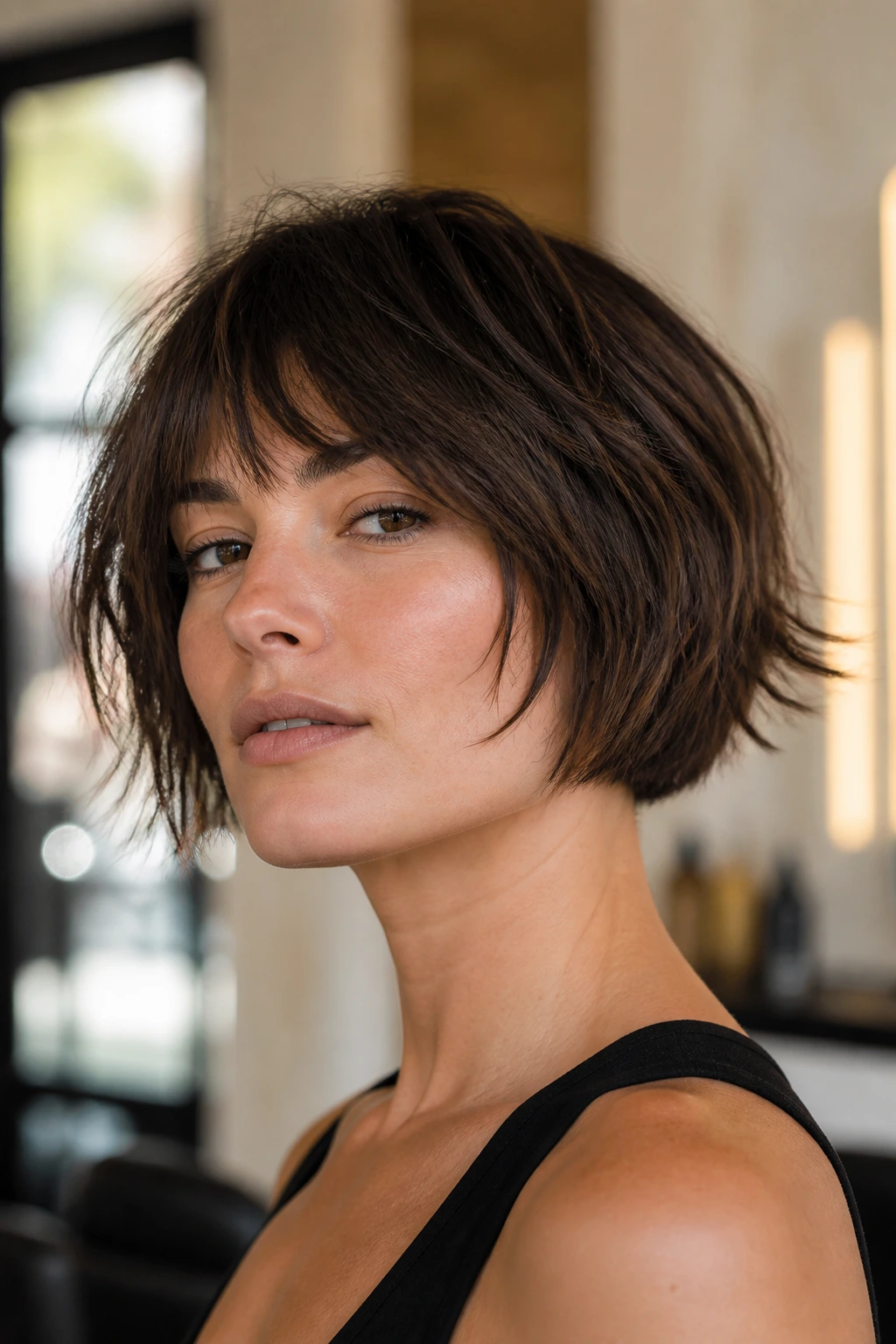
If you want short, sharp, and unapologetic, the micro bob is the boldest version on this list. It sits higher on the neck, usually around the lip to cheekbone zone in the front, and it leans hard on texture to keep the shape from looking too severe.
This cut is not shy. It shows the neckline. It shows the jaw. It can make earrings and collarbones look louder without trying. The razor helps by keeping the ends feathered just enough that the short length doesn’t read as a stiff block. With a piecey finish, the bob feels modern in the plain-English sense of the word: clean, compact, and not trying to do extra work.
I’d call this the best choice for someone who likes a haircut with visible shape and doesn’t mind visiting the salon often. The shorter the bob, the faster the line shifts as it grows. That’s not a flaw. It’s just how the haircut behaves.
A little styling paste on the ends goes a long way here. Work it through dry hair with your fingers, then pinch a few front pieces into place. If the hair is too smooth, the cut loses its edge. If it’s too messy, the shape disappears. Somewhere between those two is the sweet spot.
A sharp bob looks best when the cut matches the person wearing it. That sounds obvious, but it is the part people skip when they save a photo and hope for the best. Bring a picture, yes. Also bring a little honesty about how much time you’ll spend drying, smoothing, or finger-styling it in the morning. That part decides whether the haircut feels crisp or just demanding.
