



A butterfly cut bob can give you lift where a blunt bob goes flat, and that is the whole appeal.
The shape keeps the bottom line clean while the top layers do the heavy lifting. You get movement around the crown, softness near the face, and enough body through the mid-lengths that the cut doesn’t collapse into a helmet. That balance is the trick.
Volume and bounce are not the same thing. Volume is the visual lift at the roots and through the shape; bounce is the way the ends move when you turn your head, bend forward, or tuck one side behind your ear. A good butterfly cut bob does both without looking overworked.
The best versions are surprisingly specific. Layer placement matters more than people think. If the shortest pieces sit too high, the shape can puff out. If they sit too low, the cut loses the fluttery movement that makes this style worth wearing in the first place. The sweet spot usually lands around the cheekbone, mouth, or just below the jaw, depending on hair density and face shape.
1. Chin-Length Butterfly Cut Bob with Crown-Lift Layers
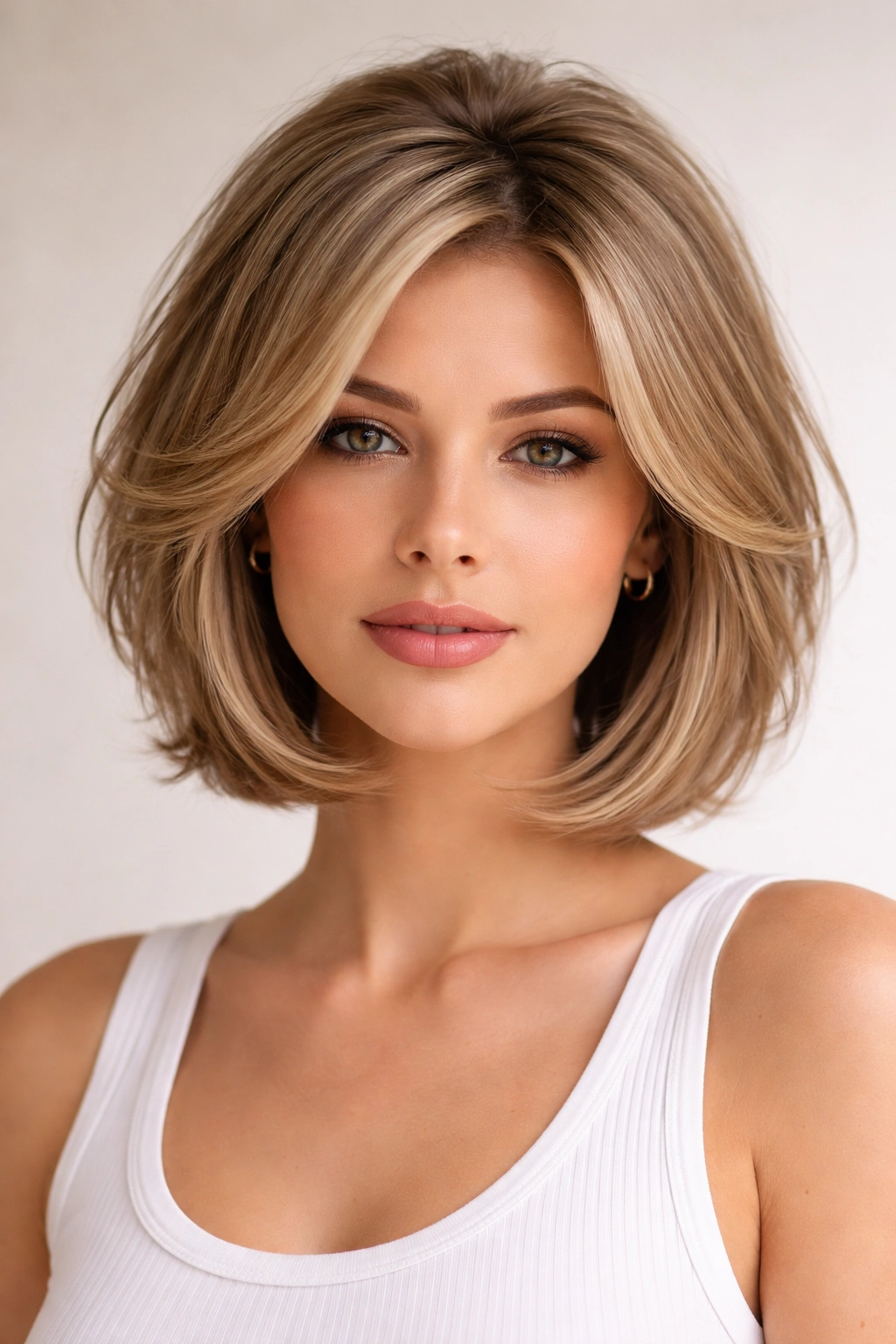
The shortest butterfly bob works when you want your hair to feel light around the face and full at the top. Chin length gives the cut a crisp outline, while the crown layers stop it from sitting flat against the head. That mix is what makes this version look lively instead of severe.
Why It Works
The chin-length line keeps the shape strong. The crown layers create the lift. Simple, but that combination matters more than people admit.
This cut is especially good on fine to medium hair that needs help looking awake by midday. Ask for the shortest internal layer to start around the top of the ear or slightly above it, then let the front pieces fall toward the cheekbone. The perimeter stays clean, so the bob still reads as a bob. The movement happens inside the shape, not all over the place.
Styling Notes
- Blow-dry with a 1.25- to 1.5-inch round brush and direct the top sections up and back.
- Mist root-lift spray at the crown before drying; don’t load it onto the ends.
- Keep the ends blunt enough to hold the line, or the whole cut can look wispy.
- If your hair is straight, wrap the last inch around the brush for a soft bend, not a curl.
Best tip: keep the front a touch longer than the sides. That tiny difference stops the chin-length line from feeling boxy.
2. Collarbone Butterfly Cut Bob with Curtain Fringe
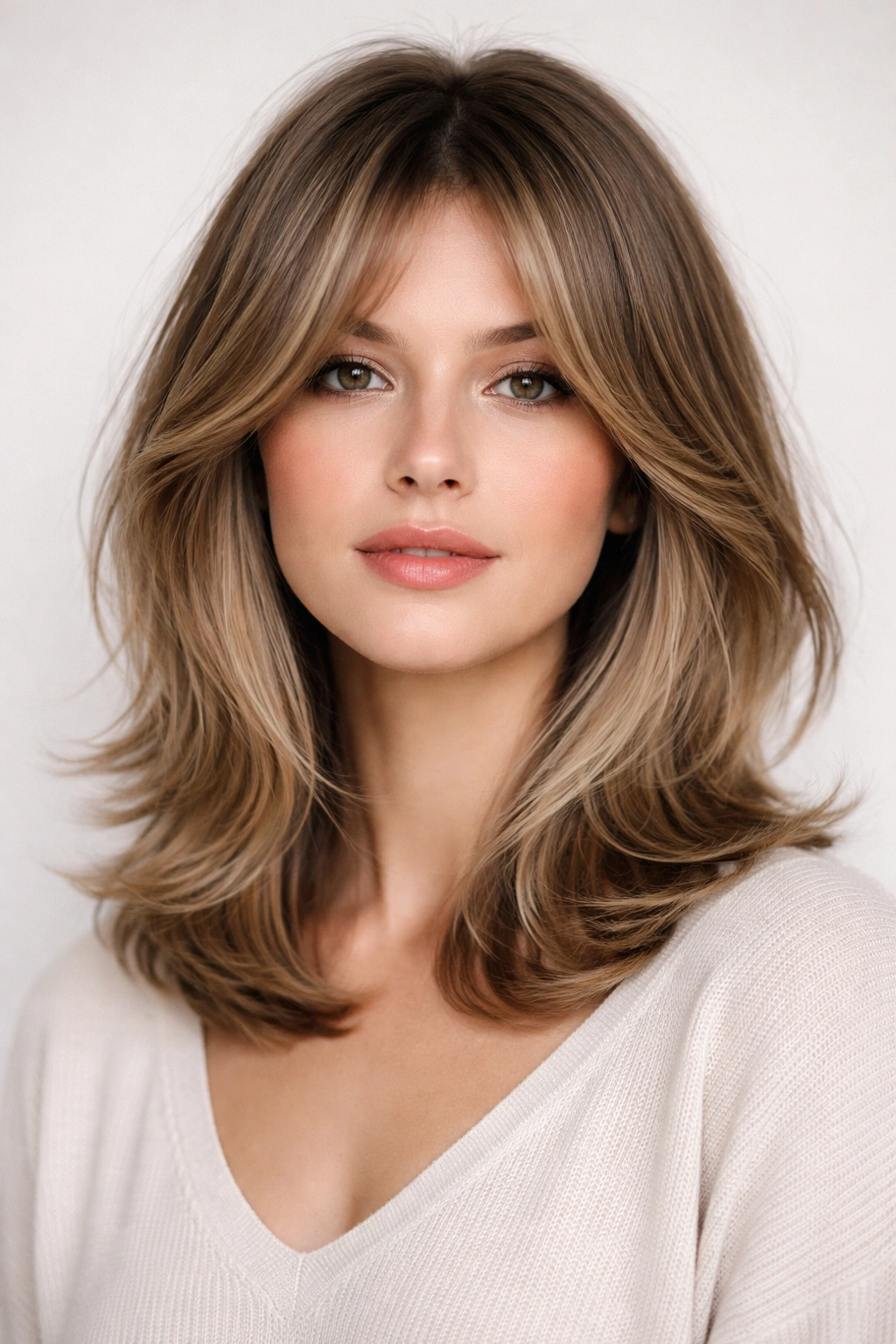
Curtain fringe is the easiest way to make a butterfly cut bob look soft without losing structure. It opens the face, gives the top half of the haircut some lift, and lets the ends move around the collarbone instead of hanging straight down.
This version is especially nice if you hate the feeling of hair clinging to your jaw. The longer front panels create a diagonal line that flatters rounder faces and softens square ones. Because the fringe splits in the center and sweeps away from the eyes, you get face framing without that heavy, blocked-off feeling some bangs create.
What I like here is the flexibility. You can wear the fringe brushed wide for a softer look, or you can push it a little tighter toward the cheekbones if you want more shape. Either way, the cut keeps its bounce.
If you style it at home, use a medium round brush on the fringe and a paddle brush on the lengths. That keeps the top smooth while the ends stay loose. A pea-sized amount of smoothing cream is enough for most hair types. Too much, and the front pieces lose that feathered movement that makes the style worth having.
3. Rounded Butterfly Bob with Soft Ends
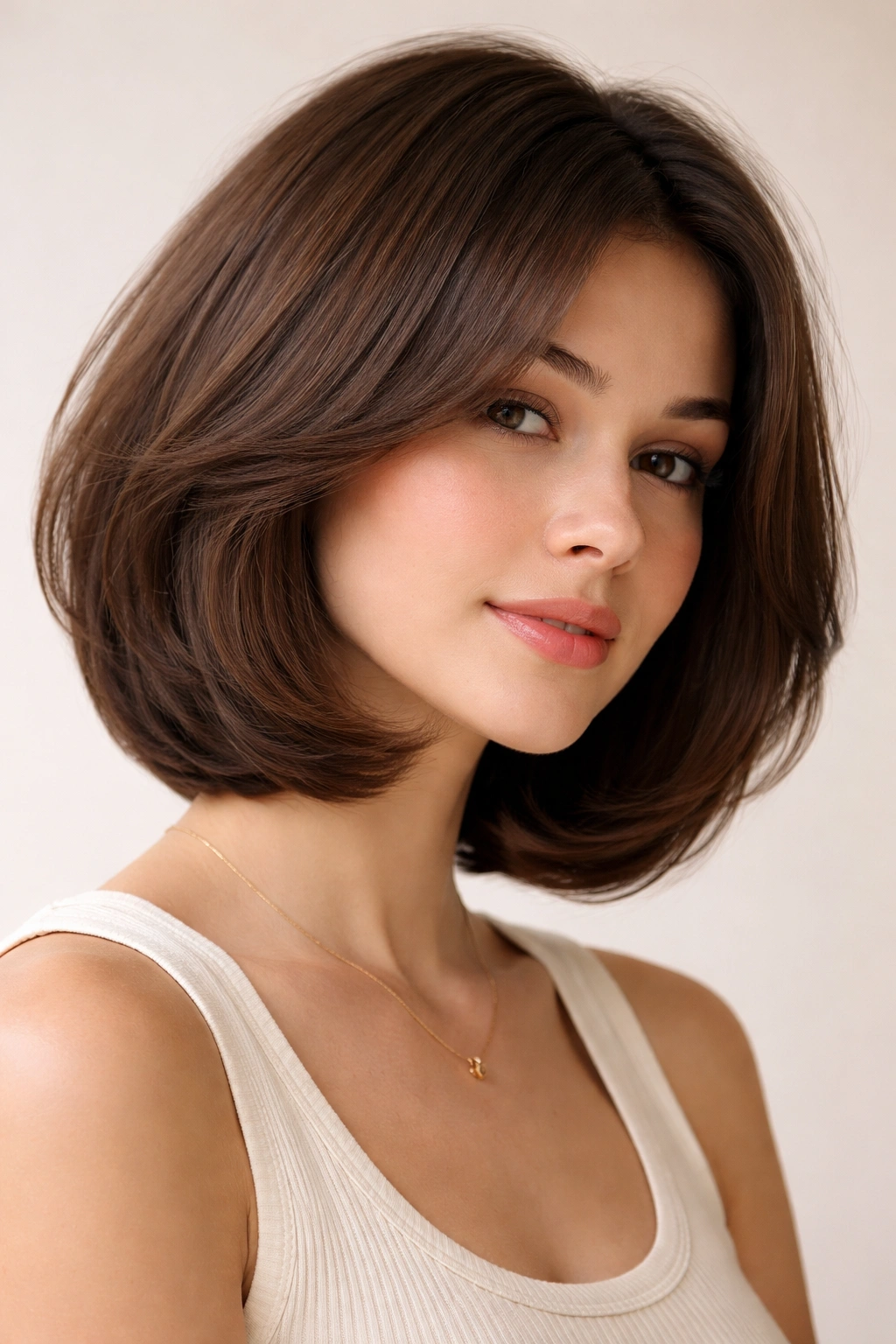
Why does a rounded butterfly bob move so well on thick hair?
Because thick hair likes shape, not bulk. If the perimeter is cut too straight, it can spread out at the sides and feel heavy at the bottom. A rounded silhouette fixes that by taking weight out of the middle and letting the ends curve inward just enough to keep the outline neat.
How to Use It
Ask your stylist to build the layers from the interior, not to carve the bottom into pieces. The word I’d use is soften, not shred. You want the hair to sit in a dome shape when dry, with the shortest pieces helping the top lift and the longer pieces keeping the bob anchored.
A large round brush works better than a small one here. Small brushes make thick hair too bendy and weirdly fluffy. A larger brush gives you control without making the ends kick out in different directions. Dry the roots first, then shape the mid-lengths and finish with the ends tucked just slightly under.
This cut suits people who like their hair to feel full but not bulky. It’s also kind to coarse hair, because the rounded shape hides some of the expansion that happens on humid days. The result is fuller-looking hair that still has movement. Not stiff. Not flat either.
4. Inverted Butterfly Cut Bob for Fine Hair
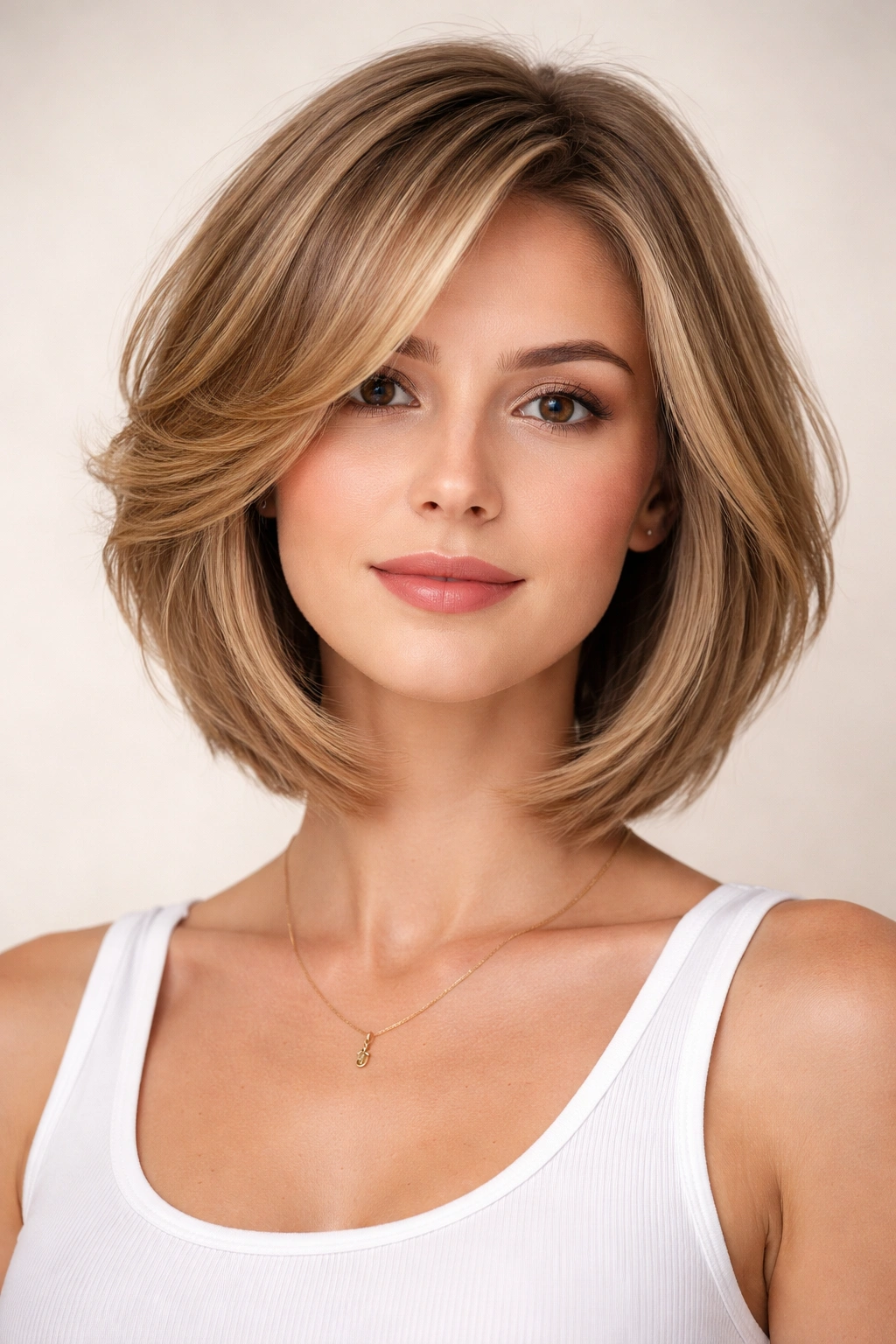
If your hair slips flat by lunchtime, the inverted butterfly bob is the cut that keeps the silhouette alive.
The back sits a little shorter, the front hangs longer, and that small slope does a lot of work for fine strands. It creates the impression of density at the nape while the longer front gives you swing near the jaw and collarbone. Fine hair often needs that kind of structure because too much softness can make it disappear.
- Shortest point at the nape of the neck
- Front pieces left 2 to 3 inches longer than the back
- Light internal layers, not heavy texturizing
- Best styled with mousse at the roots and a quick round-brush blowout
- Works well if your hair grows flat around the crown
The one catch: this cut likes a bit of styling. It isn’t the best “wash, walk out, and forget it” option. But if you give it ten minutes with a dryer and a brush, the shape stays visible all day. The slope keeps the profile sharp, and that matters more than people think when hair is fine and soft.
5. Wavy Butterfly Cut Bob with Airy Layers
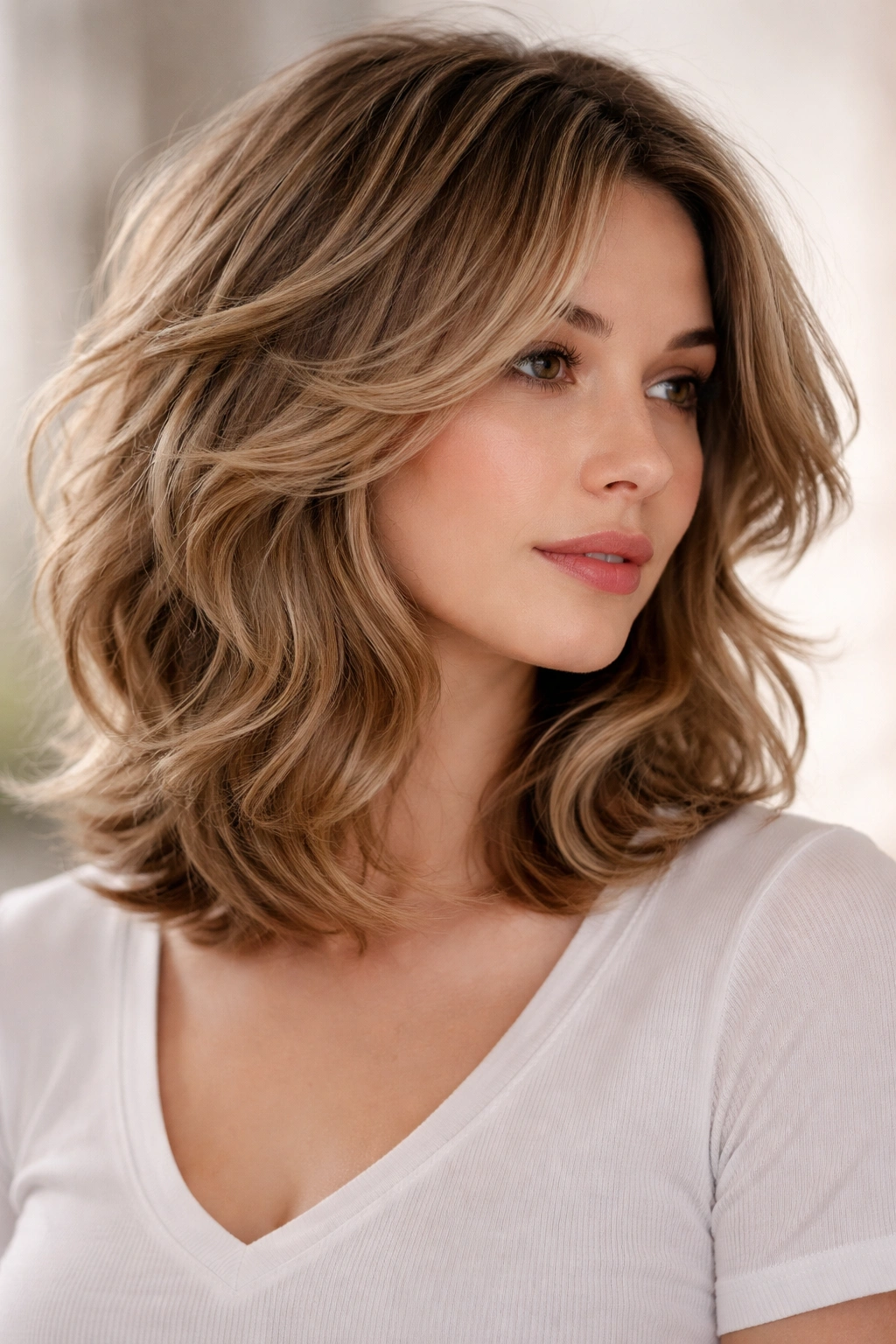
Wavy hair and butterfly layers have a nice thing going when the cut respects the bend instead of fighting it.
A wavy butterfly cut bob should look loose around the face and slightly lifted through the crown, with the lower half moving in soft S-shapes instead of sticking out in chunks. The layers need to land where the wave naturally wants to fold, not where a ruler says they should. If they’re cut too high, the hair can frizz. Too low, and the wave gets weighed down.
I’ve always liked this version on hair that looks dull when it’s one length. The layers break up the blockiness without making the style feel choppy. You still see the bob outline, but the inside has enough air that the hair doesn’t sit like a cap.
For styling, a mousse on damp hair beats a heavy cream most of the time. Scrunch it in, air-dry halfway, then touch the pieces near the face with a 1-inch curling iron only where the wave needs help. Don’t curl every section. That’s how the cut loses its easy swing and starts to look overdone.
This is a low-fuss version with a lot of visual payoff. It looks good with jeans, with a blazer, with a damp towel around your shoulders after a shower. That kind of hair usually gets compliments from people who can’t explain why they like it. They just do.
6. French Butterfly Bob with Full Bangs
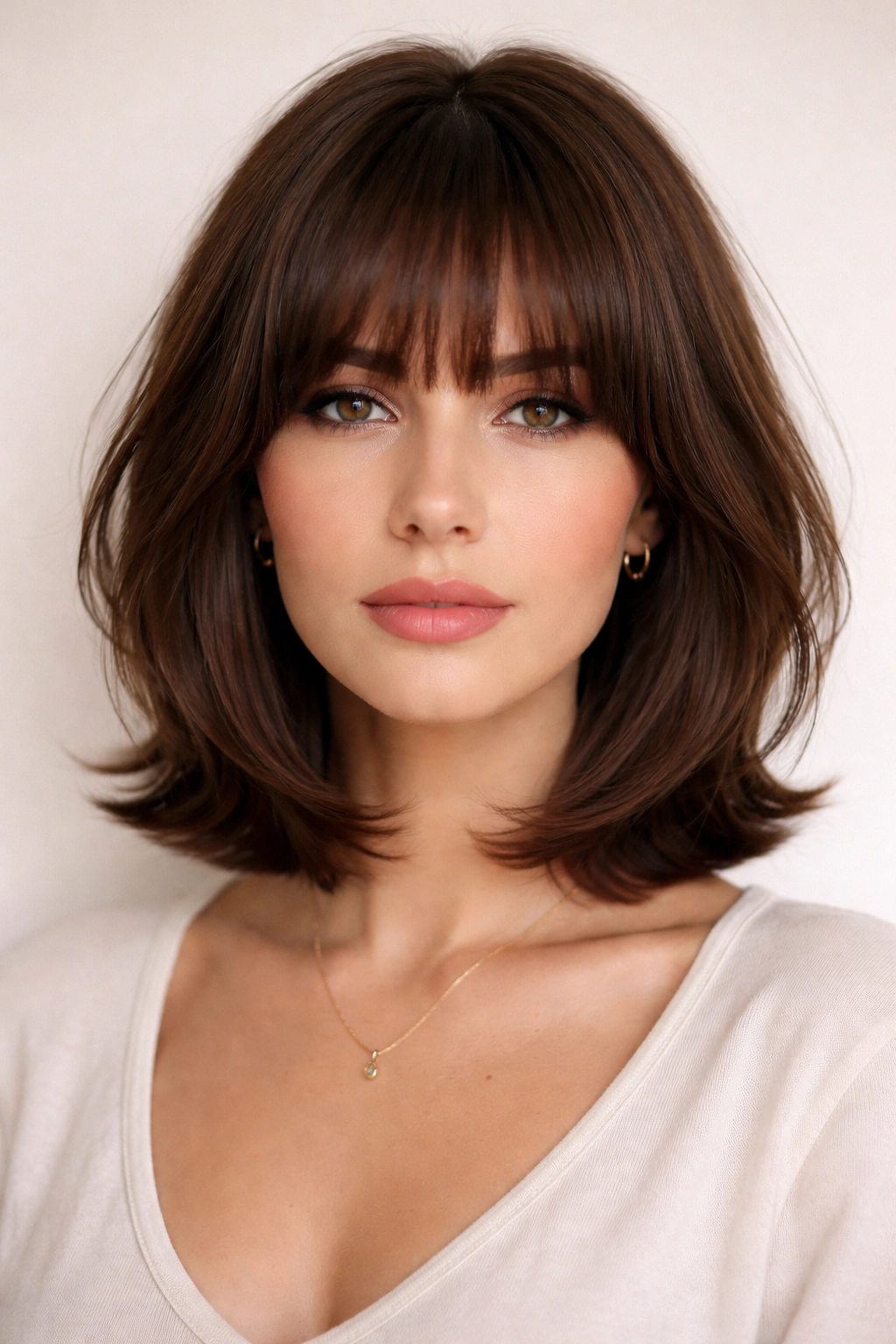
Unlike curtain fringe, a full bang gives the butterfly bob a cleaner front edge. That changes the whole feel of the haircut.
The French version is sharper through the brow, softer through the sides, and more deliberate than the airy, split-bang look. It works best when the fringe is cut a touch longer in the center and slightly shorter at the temples, so it curves into the face instead of sitting like a shelf. That small change keeps the cut from feeling boxy.
This is the one for someone who likes hair with a bit of attitude. Not loud. Just specific. The bangs pull attention upward, which is useful if your face is long or narrow and you want the eye to stay nearer the cheekbones. Pair that with cheekbone layers, and the whole cut feels balanced.
The maintenance is real, though. Bangs need a trim more often than the rest of the haircut, and they need a fast morning reset with a small round brush or a flat brush and a dryer nozzle. If your hair cowlicks at the forehead, you’ll want the bangs cut with that in mind. A good stylist will angle them to work with the growth pattern, not against it.
I like this version for straight to slightly wavy hair. It has enough structure to look polished, but the butterfly layers stop it from feeling severe. There’s a lot of shape packed into a small haircut.
7. Shaggy Butterfly Cut Bob with Piecey Texture
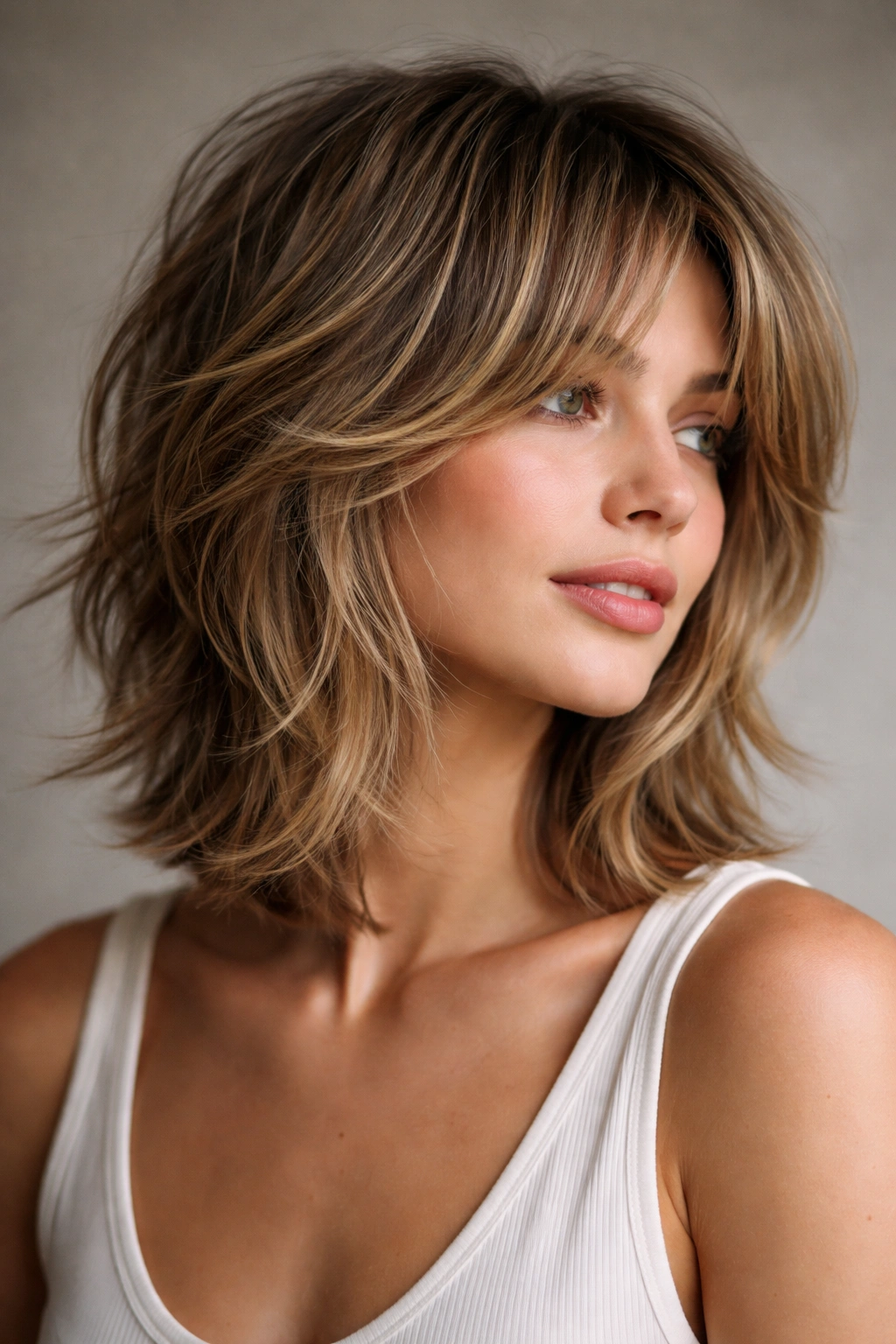
The shaggy butterfly bob is what happens when you want movement that reads a little undone, but not sloppy.
What Makes It Different
The layers are more visible here. They don’t hide inside the cut the way they do in sleeker versions. Instead, they break the shape into little pieces that separate nicely when you add texture spray or a light pomade. That makes the haircut feel casual, almost air-dried on purpose, even when you spent ten minutes styling it.
This style is smart on hair that falls flat at the ends but has good root lift. The textured layers give the bottom more life, and the top still gets the familiar butterfly shape around the face. If your hair is too fine, though, go easy on the shredding. Too many rough ends can make the whole thing look thin.
Quick Styling Cues
- Use a sea-salt spray or texture mist on damp hair
- Twist 2-inch sections away from the face while drying
- Break the ends apart with a small amount of matte paste
- Leave a few pieces longer around the jaw for softness
The nice part is that this cut gets better on day two. A little movement, a little grit, and the bob starts to look lived-in rather than freshly done. That’s usually where shaggy styles earn their keep.
8. Sleek Butterfly Bob with Tucked-In Ends
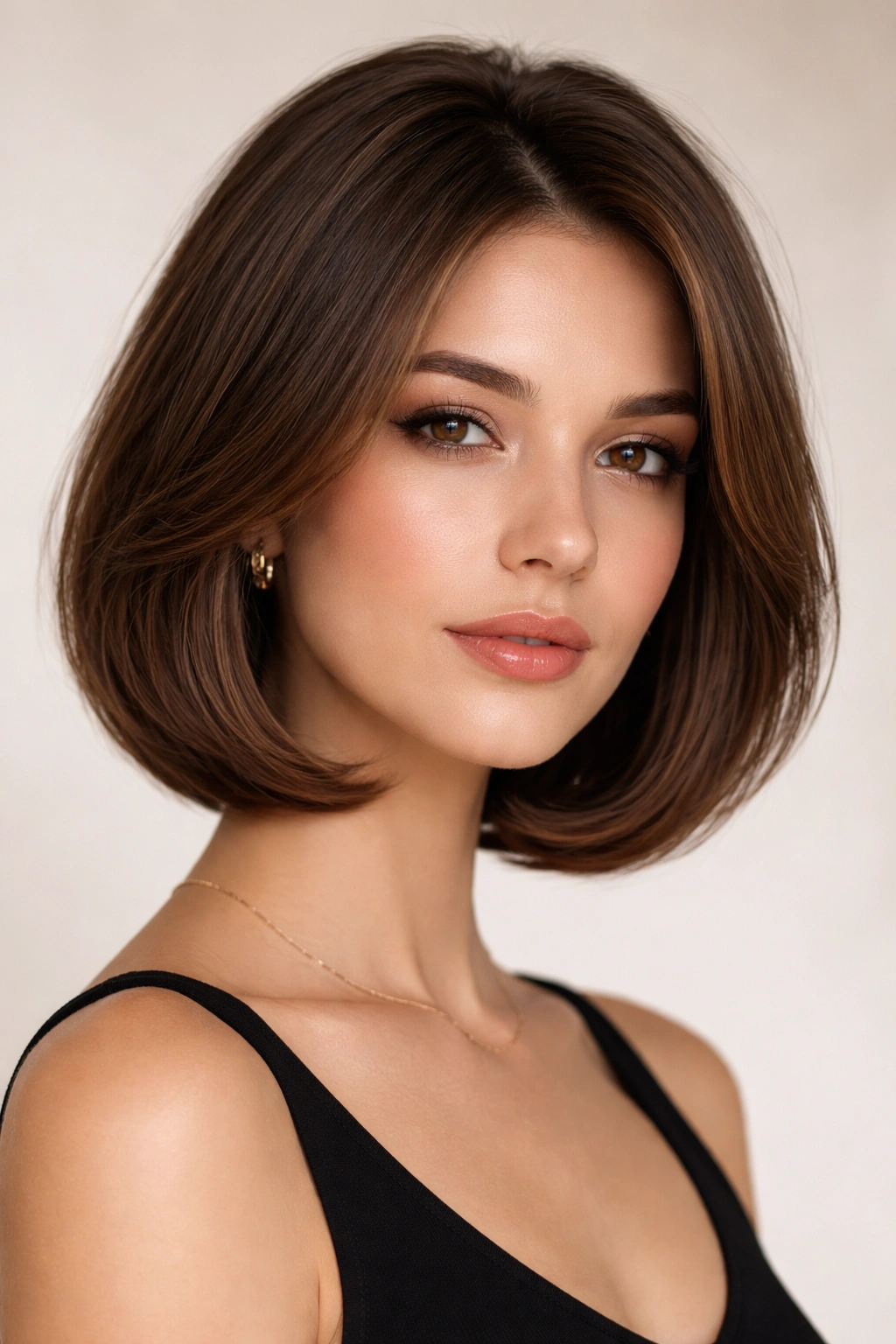
A sleek butterfly bob is proof that layers do not have to look layered. That’s the best thing about this version. From a distance, it looks neat and polished. Up close, you see the face-framing movement and the lift at the crown.
The trick is restraint. The perimeter stays smooth and the ends tuck inward just enough to curve under the jaw or collarbone. Inside the shape, the shorter layers create hidden bounce. You see the movement when the hair swings, not in obvious choppy pieces.
This cut works well for someone who likes a tidy finish and doesn’t want to fuss with piecey texture every morning. A blow-dry brush or a medium round brush can do most of the work. If your hair is naturally straight, run a flat iron only through the lower inch or two to refine the bend. Keep the heat moderate. Hair that is already fine or color-treated does not need much.
A small amount of serum on the ends goes a long way. Start with one pump, rub it between your palms, and press it lightly through the last 3 inches. That keeps the bob from puffing out at the bottom. The result is clean, smooth, and still soft enough to move when you turn your head.
9. Curly Butterfly Cut Bob for Natural Texture
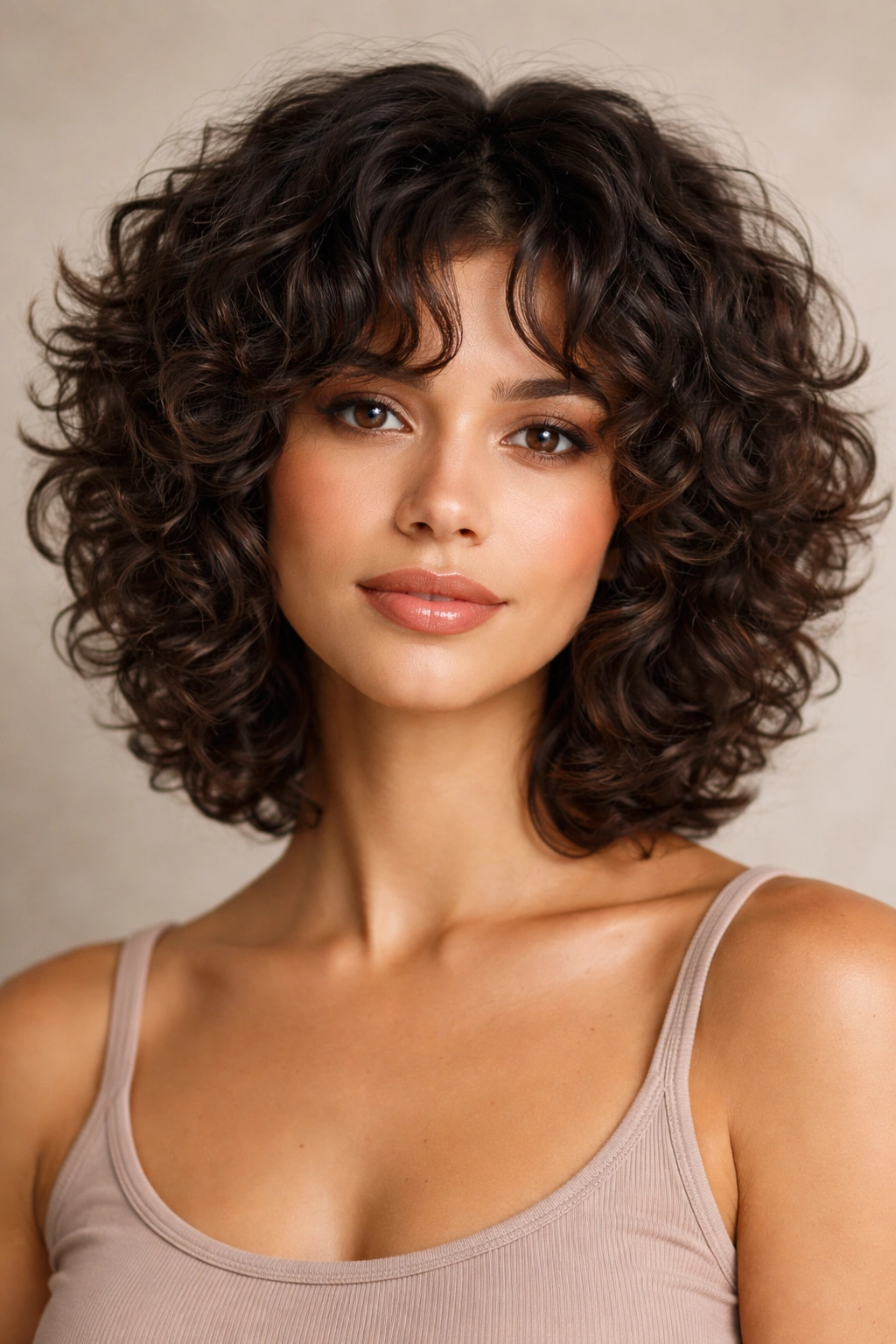
How do you keep a curly butterfly bob from turning into a triangle?
You cut it for the curls you actually have, not the curls you wish you had. That means the shape needs to be built while the hair is dry or at least partly dry, with the curl pattern sitting in its real state. Curly hair shrinks, bends, and bunches in ways that straight-haired styling charts never capture properly.
The shortest layers usually need to stay lower than they would on straight hair. A cheekbone layer on a loose wave might sit beautifully there, but a tighter curl can bounce up far higher. That’s why the visual line matters more than the measured line. A good curly butterfly bob has lift at the top, shape around the face, and enough length below to keep the curls from springing out too wide.
How to Use It
Use a diffuser on low heat and low airflow. Scrunching can help, but too much of it can rough up the curl clumps. A curl cream with enough slip usually works better than a heavy butter. If your curls are coarse, add a little gel on top for hold.
This is one of those cuts that rewards a stylist who understands shrinkage. If they don’t, the bob can end up much shorter than you wanted. And once it gets too short, there’s no styling trick that fully fixes it.
10. Deep Side-Part Butterfly Bob with Root Lift
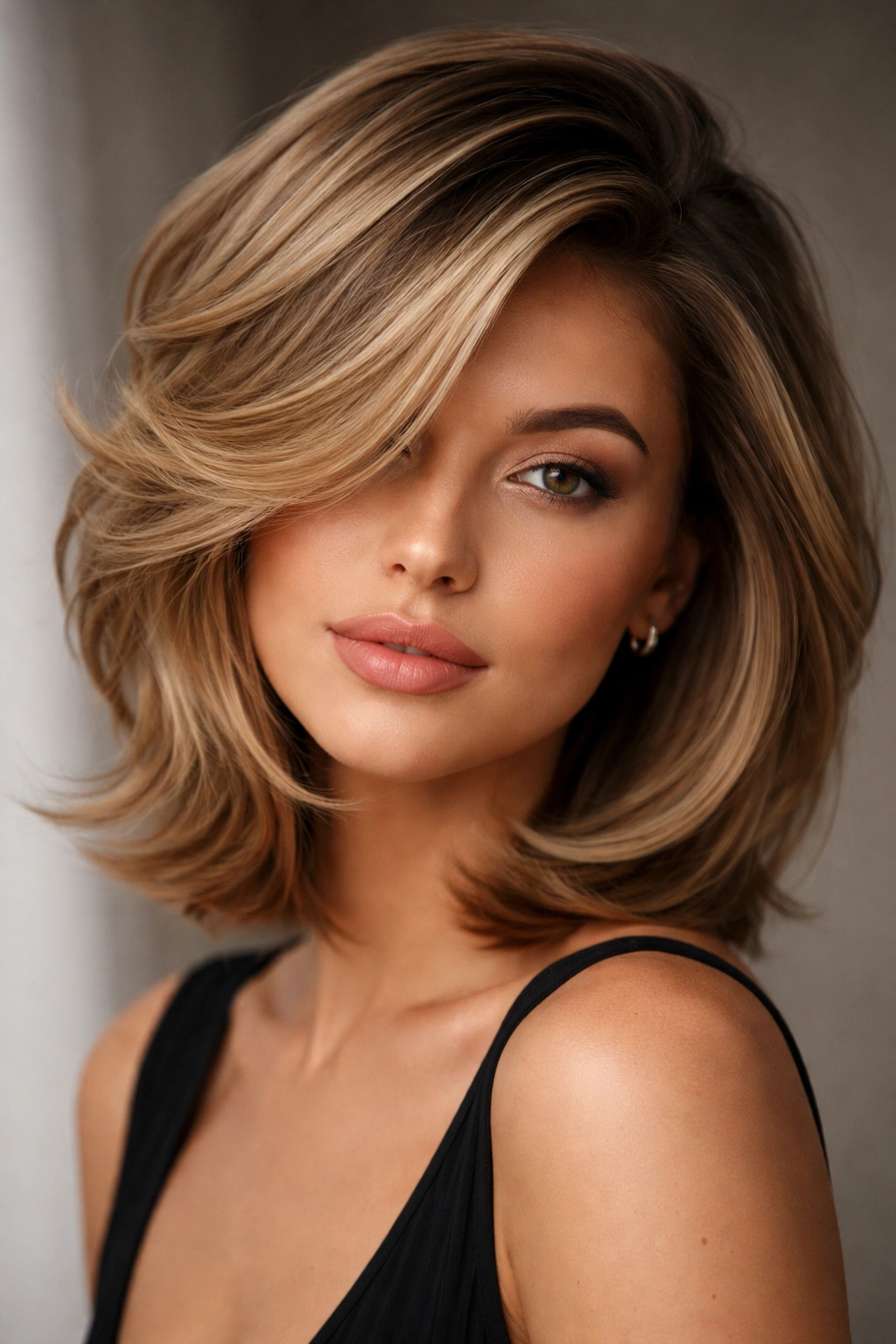
A deep side part changes the whole math of a butterfly bob. One side gets more volume, the other side falls flatter and sleeker, and that imbalance makes the cut feel fuller without adding extra bulk.
This version is a favorite on straight or fine hair that needs a quick visual boost. Shift the part about 1.5 to 2 inches off center, then let the heavier side drape over the cheekbone. The shorter layers around the crown rise a little higher on the lighter side, which gives you a nice lift without teasing the roots into submission.
- Part the hair while it’s still damp
- Clip the heavy side up at the root for 5 to 10 minutes while drying
- Aim the dryer nozzle at the base of the part line
- Keep the front pieces long enough to sweep across the forehead
- Finish with a light mist of flexible-hold spray
This cut can be elegant, but it can also feel a little dramatic in the best way. The asymmetry gives the bob some shape even when the rest of your styling is plain. If you want a haircut that looks intentional without looking fussy, this one lands in a sweet spot.
11. Lob-to-Bob Butterfly Hybrid with Floating Layers
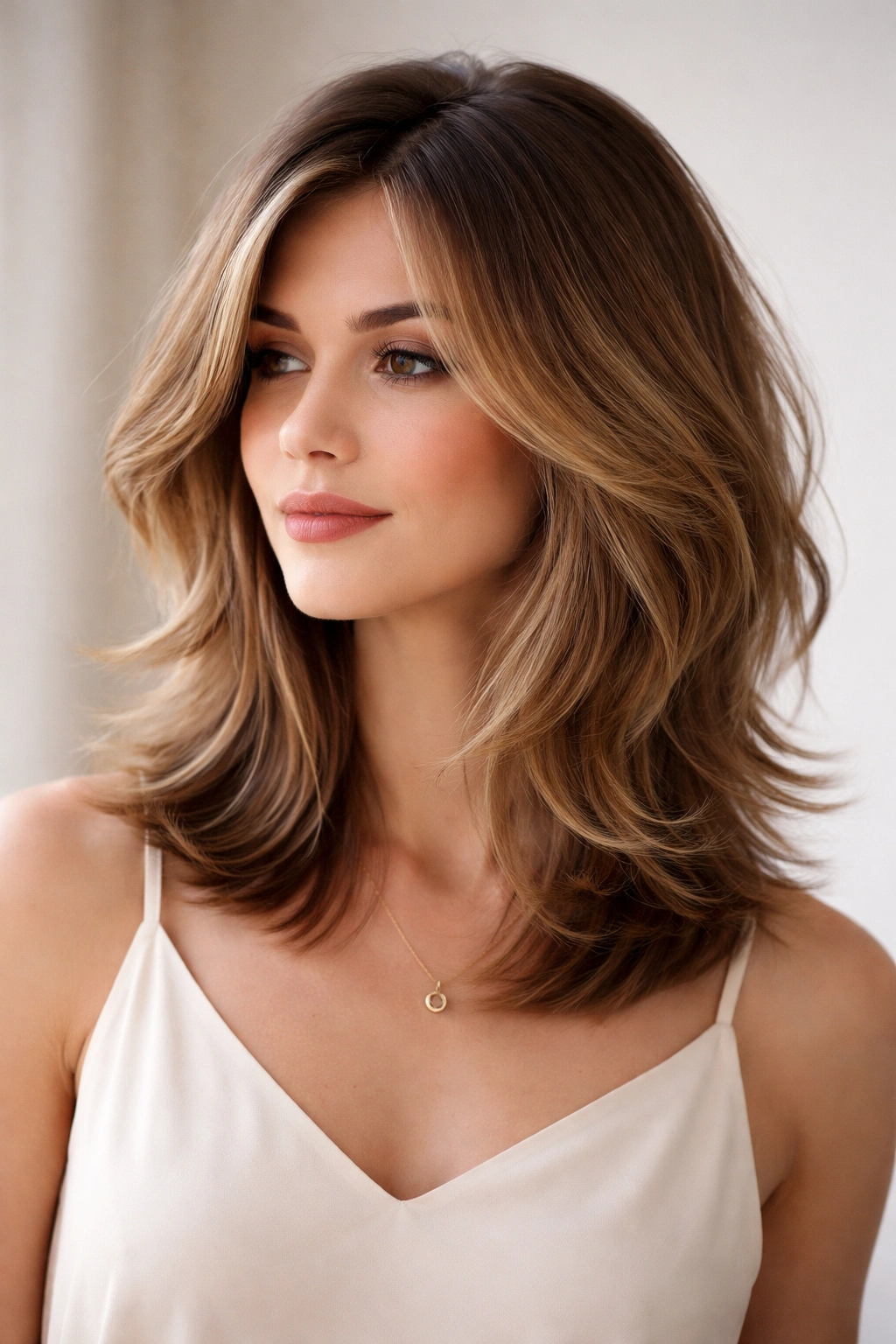
Some people don’t want to jump straight into a short bob, and honestly, that’s fair. The lob-to-bob hybrid gives you the butterfly shape without taking all the length off at once.
The hair usually sits somewhere between the collarbone and the top of the chest, with shorter layers that start around the cheek or mouth. That extra length makes the cut easier to grow out and easier to tie back. It also gives the layers more room to move, which is useful if your hair is thick and wants to hang heavy.
What I like most here is how forgiving it is. You can tuck it behind your ears, clip back one side, wear it half-up, or leave it loose. The shape still holds because the butterfly layers keep the top from looking too solid. When the wind hits it, you see the movement in the face frame first, then in the ends.
This is a smart choice if you’re testing the waters before going shorter. It gives you the feeling of a bob without fully committing to chin length or a sharp neckline. That matters more than people admit. Hair is personal, and a gradual change often looks better than a dramatic one that leaves you reaching for bobby pins two days later.
12. Blunt Butterfly Bob with Invisible Layers
The blunt butterfly bob is for people who want bounce without the obvious shaggy look. It keeps the hemline clean and strong, then hides the movement inside the haircut where it quietly does its job.
That hidden layering is what makes this version so useful. The ends still look full, which is a big deal if your hair is fine, frizzy, or prone to splitting at the bottom. But the interior layers keep the crown from feeling heavy. The cut moves when you walk, when you turn, when you shake your hair out after a scarf or a sweater. It does not need to advertise the layers to work.
This style is a good fit if you like structure more than texture. It looks polished with a middle part, and it can also handle a slight side part without losing its line. Ask for micro-layers that begin around the temple or cheek, not low in the body of the cut. That keeps the bottom edge crisp and avoids the fuzzy triangle effect that can happen when too much weight is removed from the ends.
If you want one butterfly cut bob that can live in a work setting, a dinner setting, and a lazy weekend setting without looking confused, this is the one I’d point to first. Clean line. Soft movement. No fuss. That combination is hard to beat.
