



Shoulder-length layered bob cuts have a sweet spot that longer hair never quite reaches and shorter bobs can’t always keep. They give you swing, shape, and movement without forcing you into a cut that feels severe or high-maintenance every single morning.
The length matters more than people think. At shoulder level, the cut can brush the collarbone, sit at the jaw, or float just above the shoulders, and each of those placements changes the whole mood. A few layers can make fine hair look airier. Too many choppy ones can turn thick hair into a puffball. That’s the part most people miss.
A good layered bob at this length doesn’t just look “styled.” It behaves better. It tucks behind the ears, bends under with a round brush, takes a wave without fighting back, and grows out in a way that still looks deliberate. A bad one? Boxy, bulky, or wispy in all the wrong places. Not fun.
Some of the cuts below lean polished. Some are messy on purpose. A few are built for curls, others for straight hair that needs movement, and one or two are the kind you can wear with almost no effort and still look like you meant it. Start with the feathered version, because that one has saved more heavy hair than people like to admit.
1. The Feathered Shoulder-Length Layered Bob
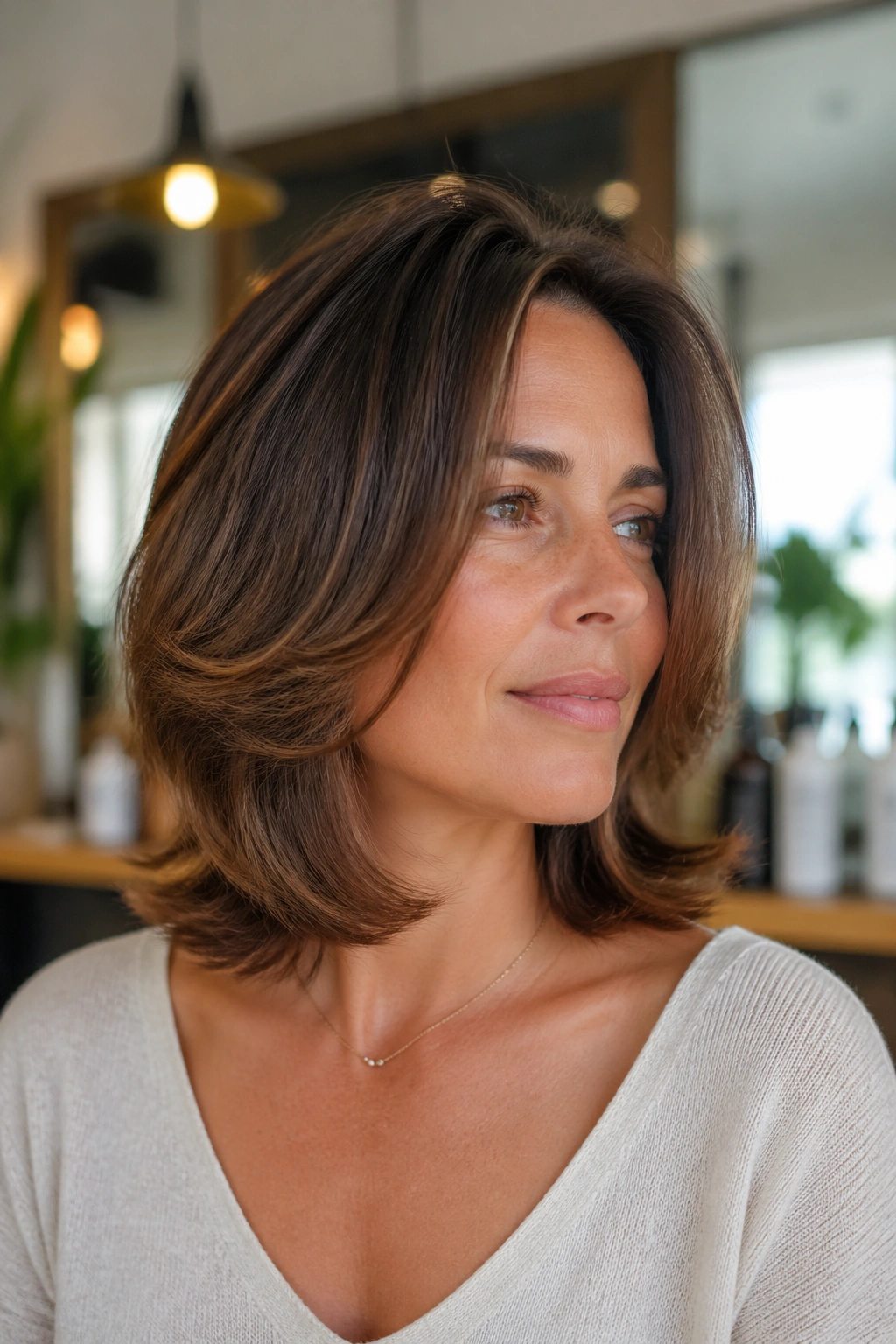
Feathered layers are the reason this cut feels light without looking thin. The ends flick away from the neck, the shape gets lift, and thick hair stops acting like a solid block. On shoulder-length layered bob cuts, that feathering keeps the silhouette soft instead of blunt and boxy.
Why It Works
The magic is in where the weight gets removed. Feathering doesn’t carve out huge chunks; it softens the mid-lengths and ends so the hair moves when you turn your head. That matters if your hair tends to sit flat at the crown and puffy at the bottom. The cut takes some of the pressure off the ends, which gives you a better bend when you blow-dry.
This version suits medium to thick hair especially well. It can also help straight hair that feels heavy around the shoulders. If your hair is fine, ask for light feathering, not aggressive thinning. That’s a small difference with a big payoff.
- Best for hair that feels dense or bulky at the ends
- Looks clean with a 1.5-inch round brush
- Works well with soft side-swept bangs or no bangs at all
- Ask for point-cut ends, not a razor-heavy finish, if your hair is fragile
Pro tip: keep the shortest feathered pieces below the cheekbones if you want movement without losing shape too fast.
2. The Collarbone Bob With Face-Framing Layers
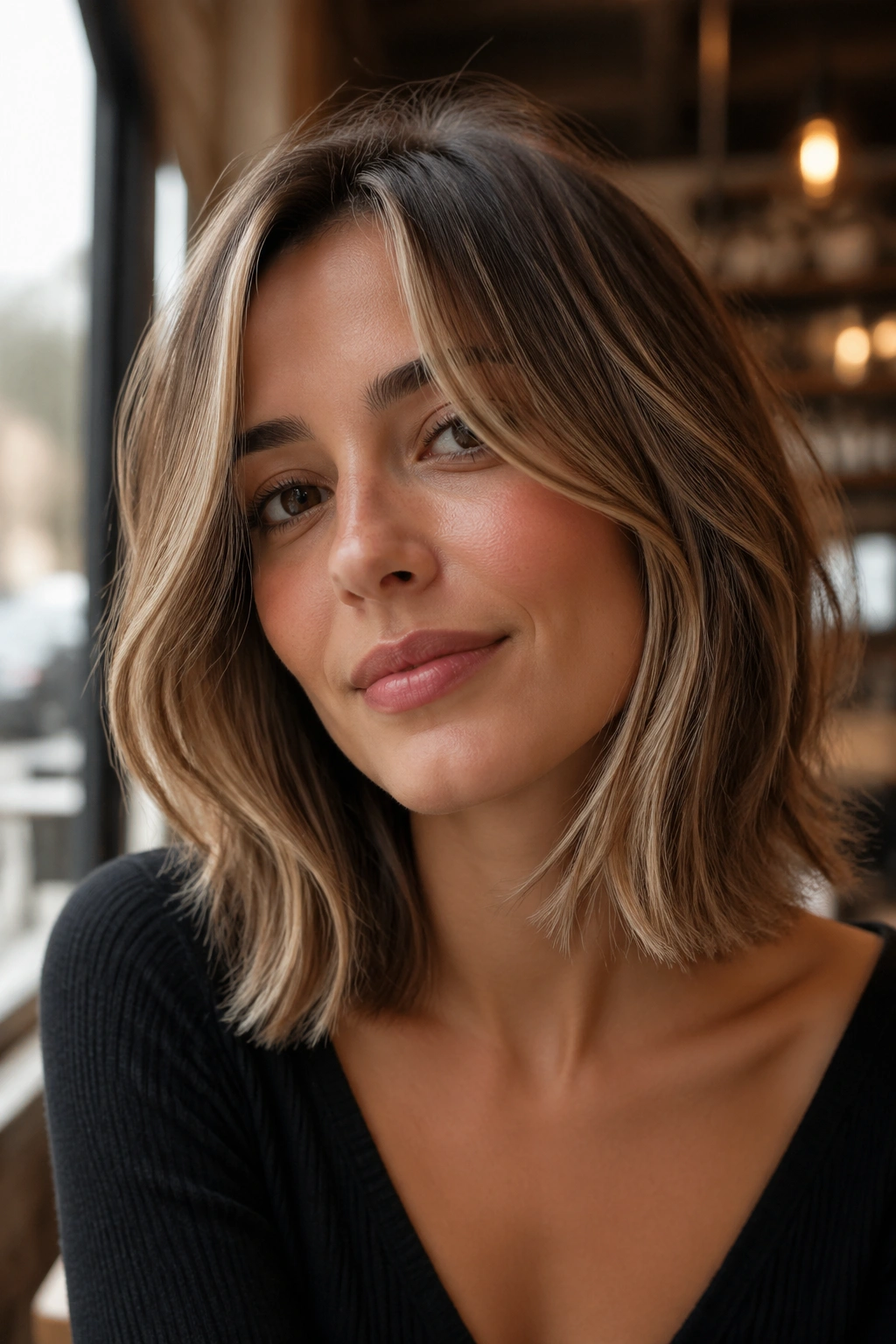
This is the easiest shoulder-length layered bob to wear if you want length with a little structure. The ends skim the collarbone, the front pieces drop just long enough to soften the face, and the layers do their job without screaming “I got layers.” That restraint is what makes it work.
The shape suits people who want to tuck their hair behind one ear or pull it into a low clip on busy days. It also gives a nice line around the neck, which is one reason it looks so good with sweaters, simple tees, and open collars. A blunt shoulder-length bob can feel stiff here. Adding face-framing layers fixes that fast.
I like this cut on round and square faces because the front pieces can start near the chin and slide down toward the collarbone. That vertical line helps the face look a little longer. If your hair is thick, the layers should be subtle and mostly concentrated around the front. If your hair is fine, keep them long and loose so the ends still look full.
The best part is how little fuss it needs. A quick bend with a blow dryer and a medium brush usually does the trick.
3. The Shaggy Shoulder-Length Bob With Choppy Ends
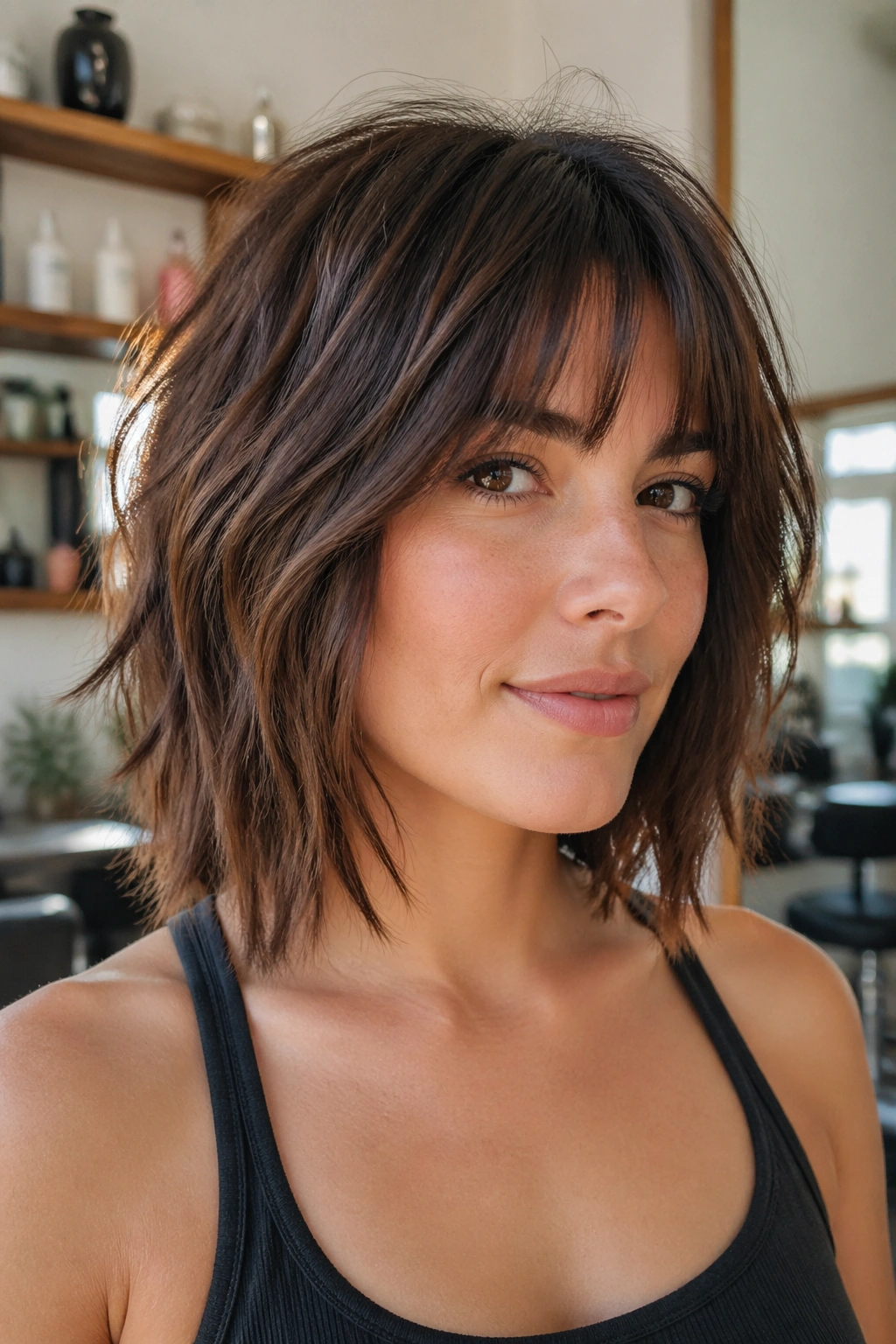
Why does this one keep showing up in salon chairs? Because it gives you texture without requiring a perfect blowout. A shaggy shoulder-length bob with choppy ends looks alive even when you air-dry it badly, which is more useful than people want to admit.
The Texture Story
This cut works because the layers aren’t shy. They create separation, movement, and a little grit at the ends. That grit is what makes it look cool instead of too sweet. If your hair naturally bends or waves, the cut will lean into that shape. If your hair is straight, it still gives you a place to build texture with mousse, salt spray, or a curling wand.
It’s a good match for people who hate a helmet shape. You know the one. Hair that puffs out at the sides and sits too flat at the top. Choppy layers break that up fast. They also help dense hair feel less heavy around the shoulders.
How to Wear It
A little product goes a long way here.
- Use a golf-ball-size amount of mousse at the roots
- Scrunch in a light cream through the mids and ends
- Add a few bent pieces with a 1-inch curling wand
- Leave the ends a touch imperfect
One warning: if your hair is very fine, too much chopping can make the ends look sparse. Ask for texture, not shredding.
4. The Sleek Layered Bob With Long Interior Layers
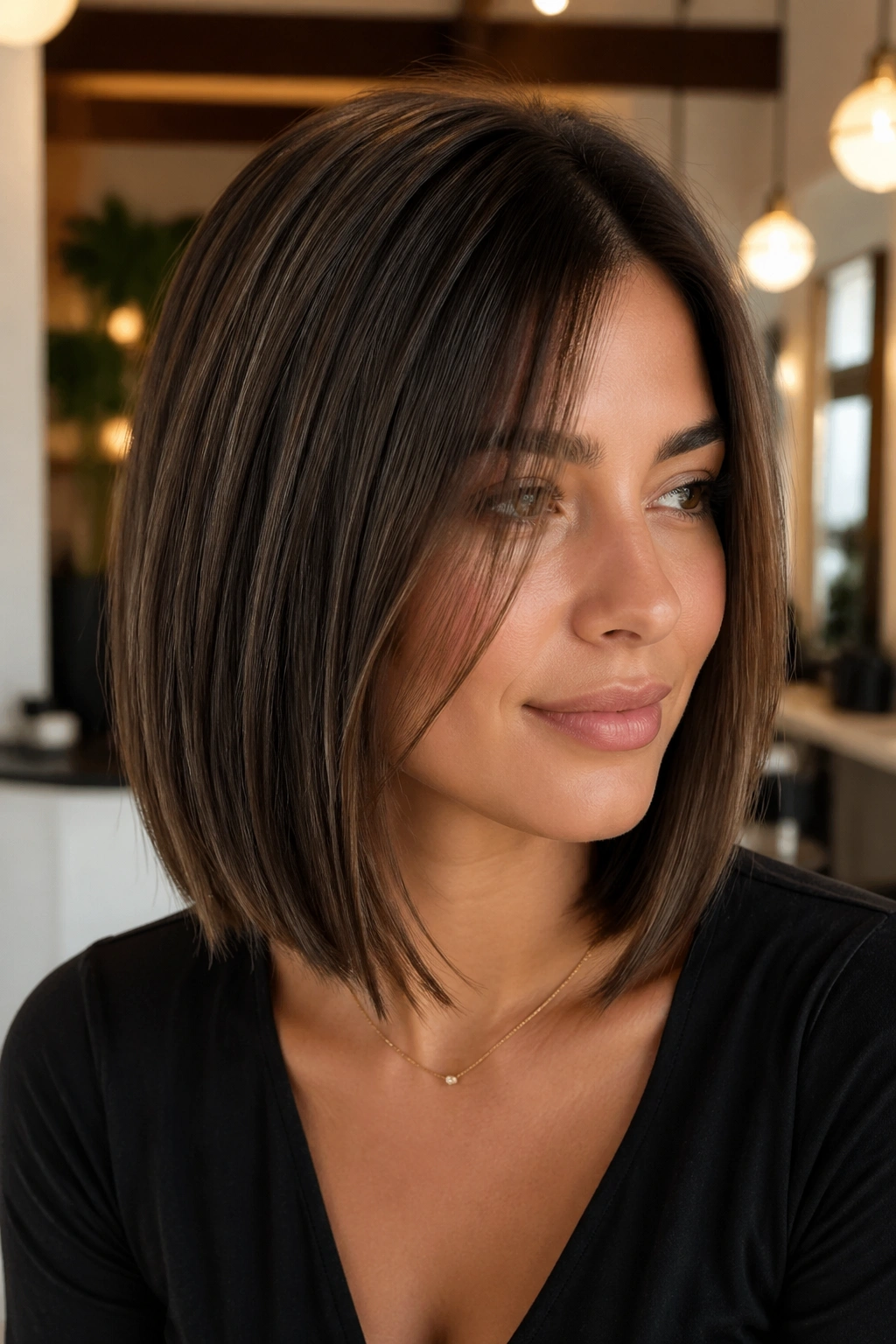
There’s a place for polished hair that still moves. This is it. The exterior line stays neat, but the interior layers give the cut bend and air, so the style doesn’t fall flat against the head. On shoulder-length layered bob cuts, that hidden layering is often the smartest choice for people who want shape without obvious choppiness.
This version is especially good if you wear your hair straight most of the time. The layers sit inside the shape, which means the surface looks smooth while the inside does the lifting. It’s a little like tailoring in clothing: nobody sees the work right away, but the fit feels better.
A salon should keep the perimeter clean and let the internal layers start lower, around the cheekbone to jaw area depending on density. That keeps the top from getting too airy. If the layers begin too high, the whole thing can start to look flimsy, and no one wants that.
For styling, a flat brush and a blow dryer are enough. Finish with a tiny bit of serum on the ends. Not a lot. Just enough to catch the light and keep the layers from separating too much.
5. The Curly Shoulder-Length Layered Bob
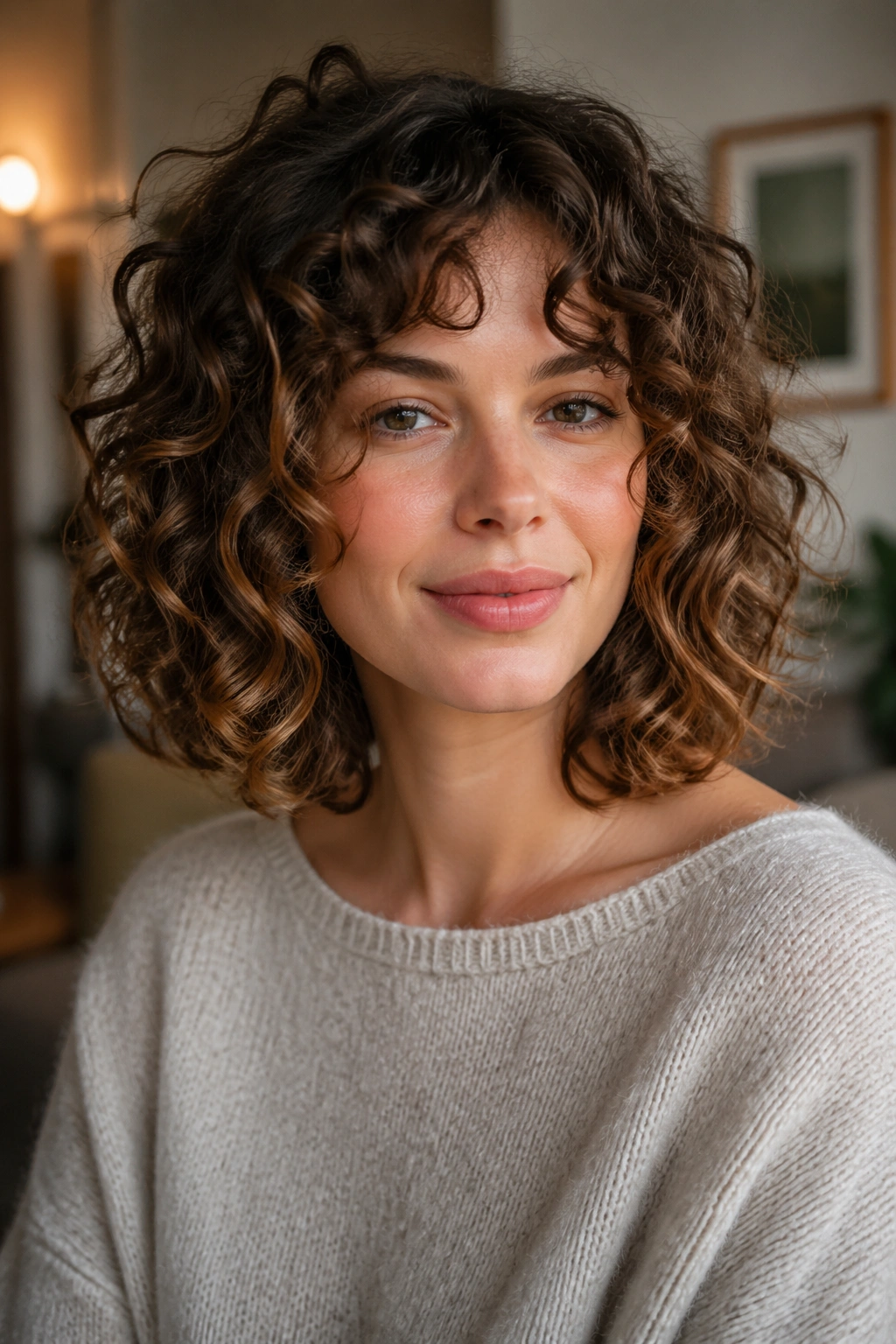
Curly hair changes the rules, and it should. A shoulder-length layered bob on curls needs room to spring, room to shrink, and room to avoid that wide triangular shape people keep fighting with. Done well, it looks bouncy and open, not puffy.
The mistake most people make is treating curly layers like straight-hair layers. Bad idea. Curly hair should usually be cut with the curl pattern in mind, often dry or nearly dry, so the stylist can see how each section behaves. A curl that looks shoulder length when wet may land several inches higher once it dries. That matters. A lot.
Longer layers help the curl stack without building too much bulk at the bottom. Shorter face-framing pieces can give lift around the cheekbones, which helps the cut feel lighter and more balanced. If your curls are looser, you can go a little more layered. Tighter curls usually need a softer hand.
Diffuse on low heat if you want the curl pattern to stay defined. Then stop touching it. Seriously. The less you mess with curls after they dry, the better they usually behave.
6. The Wavy Lob With Invisible Layers
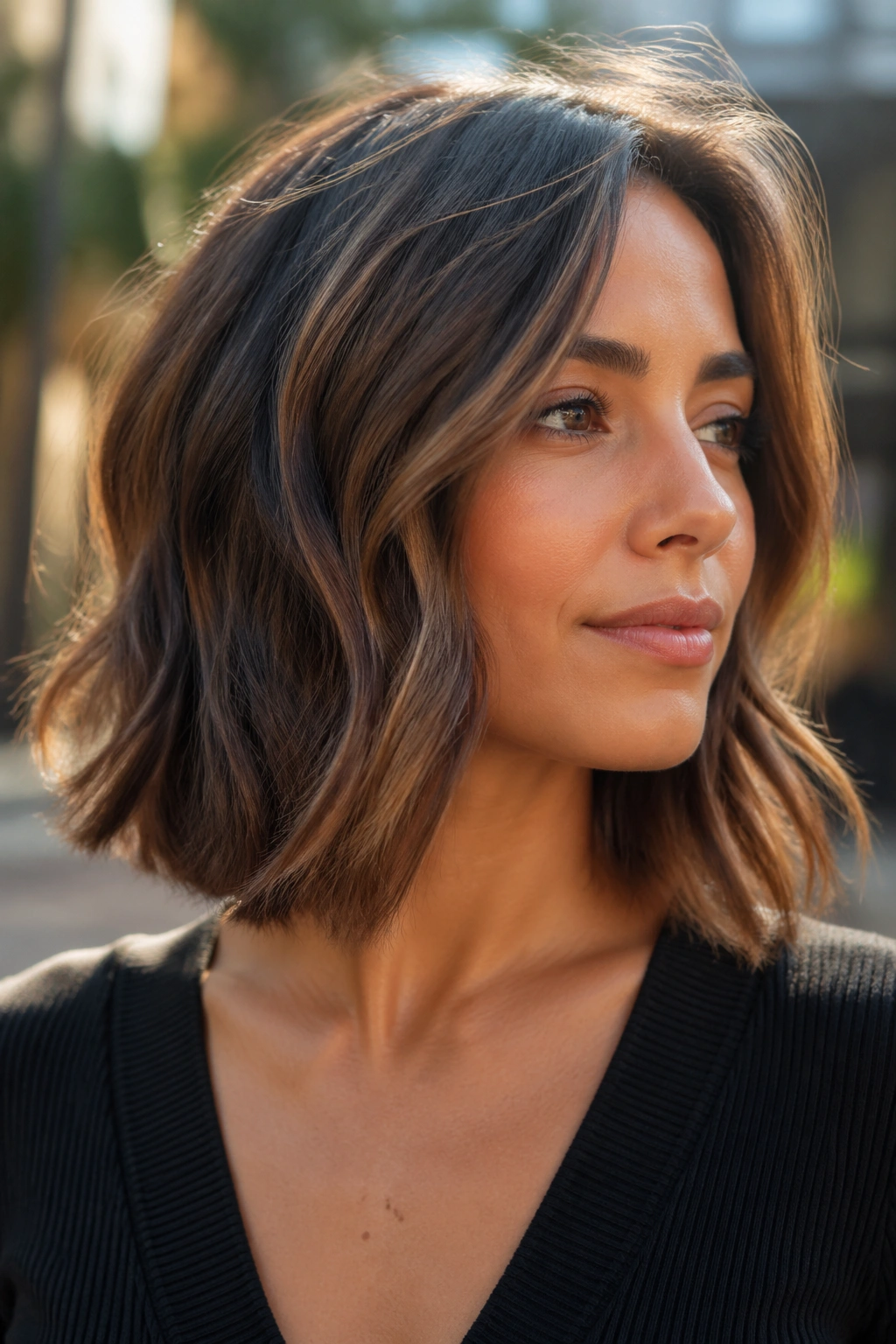
A wavy lob with invisible layers is for people who want movement but do not want anyone to spot the haircut from across the room. The layers are there, sure. They just hide inside the shape and help the hair bend instead of hanging like a curtain.
That’s what separates this cut from a blunt lob. A blunt line can look sharp and expensive, but on some hair types it also looks heavy. Invisible layers soften the weight without stealing the clean edge. The result feels relaxed and polished at the same time, which is hard to pull off if the layers are too obvious.
This cut suits fine to medium hair that already has some natural bend. It also works if your hair falls flat at the ends and needs a little internal movement. Ask for layers that begin below the cheekbones and stay long through the sides. Short layers near the crown can make the whole thing explode into too much volume.
A center part gives it that easy, soft look. A loose side part changes the mood fast. Both work. That’s part of the charm.
7. The Side-Parted Layered Bob With Sweep-Back Volume
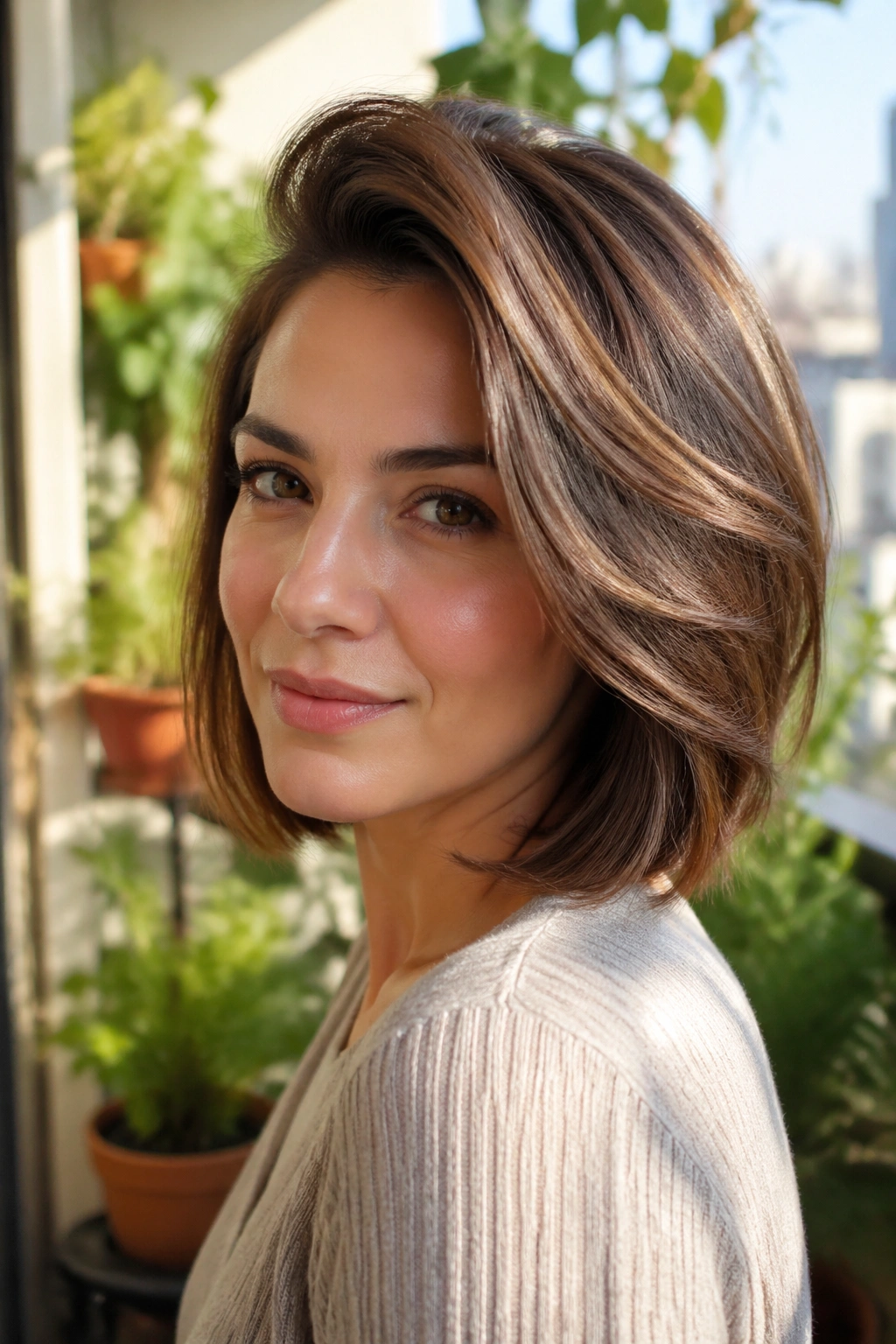
Need height at the crown without teasing your hair into a mess? A side-parted layered bob does the job with far less drama. The side part lifts the front, the layers support the shape, and the hair falls away from the face in a way that feels soft rather than stiff.
How to Get the Lift
Start with damp hair and direct the roots away from the part as you dry. A round brush helps, but so does a simple flat brush if your hair is cooperative. Clip the heavier side up for a minute while it cools. That little pause helps lock in the bend.
The key is keeping the volume focused near the top and front, not all the way through the lengths. If every layer is big, the cut can start to look busy. You want the lift where the eye lands first.
This is a good choice for people with flat roots, fine hair, or faces that benefit from a little asymmetry. It also feels flattering on heart-shaped and oval faces because the sweep softens the forehead and adds shape around the cheekbones.
A mist of flexible hairspray at the root can help, but go easy. Too much product kills the movement you’re trying to build.
8. The Blunt-Ended Bob With Soft Top Layers
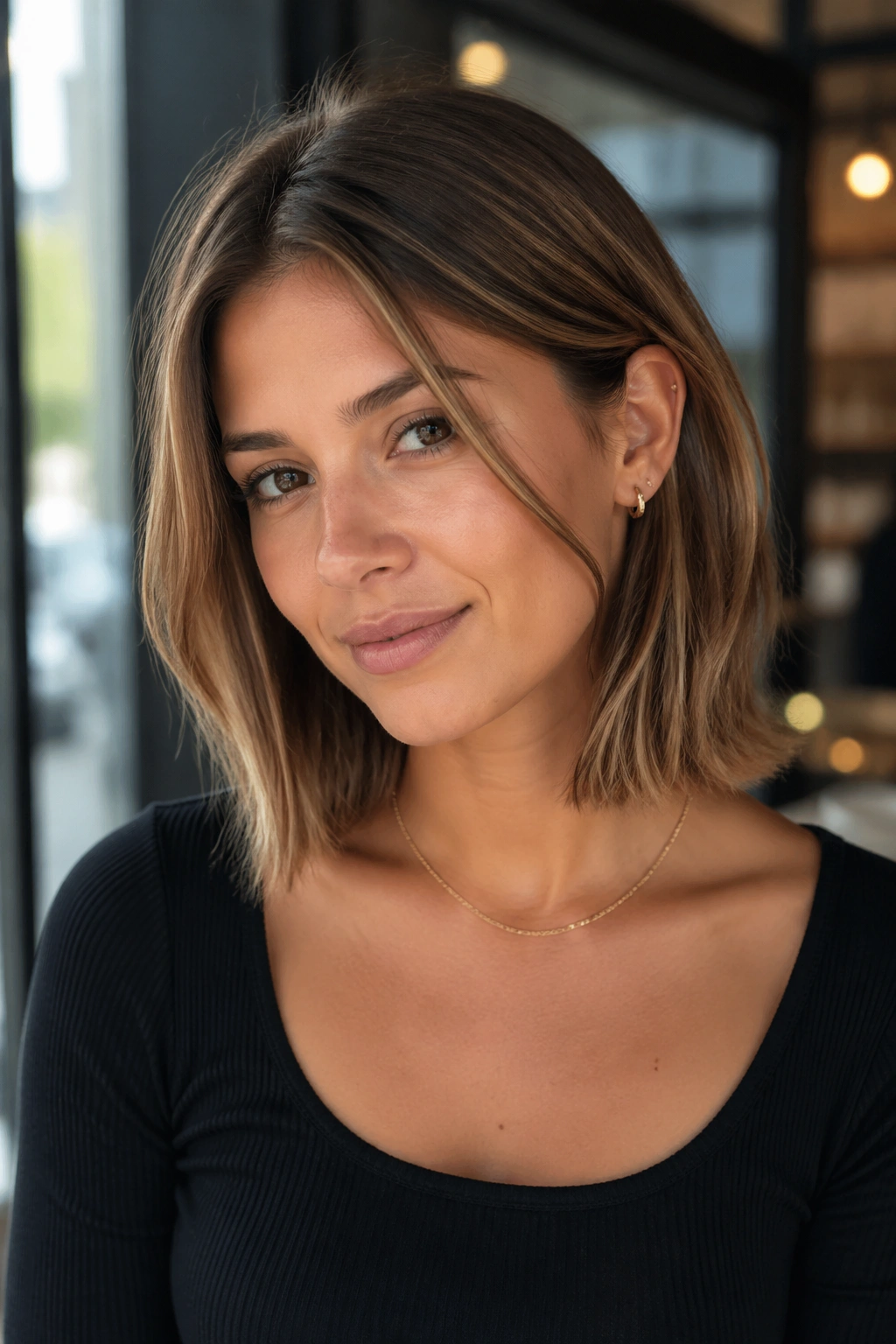
Not every layered bob needs feathered ends. Sometimes the smartest move is to keep the perimeter blunt and sneak the layers in higher up. That gives you movement at the crown and around the face while preserving density at the bottom. For a shoulder-length layered bob, that’s a very good trade.
This version is a quiet fix for fine hair that looks stringy when too much is removed from the ends. The blunt edge makes the hair look fuller, while soft top layers keep the shape from reading as flat or boxy. It also grows out neatly, which is a bonus if you don’t want a trim every few weeks.
I especially like this cut on straight hair. The blunt line gives the hair a strong finish, and the light layers on top create enough lift that the whole thing doesn’t sit like a sheet. Thick hair can wear it too, but the layers need to be controlled so the bottom doesn’t get too wide.
A middle part makes it clean. A tucked-behind-the-ear finish makes it feel casual. It’s one of those cuts that changes personality depending on how you dress it.
9. The French-Girl Bob With Cheekbone Layers
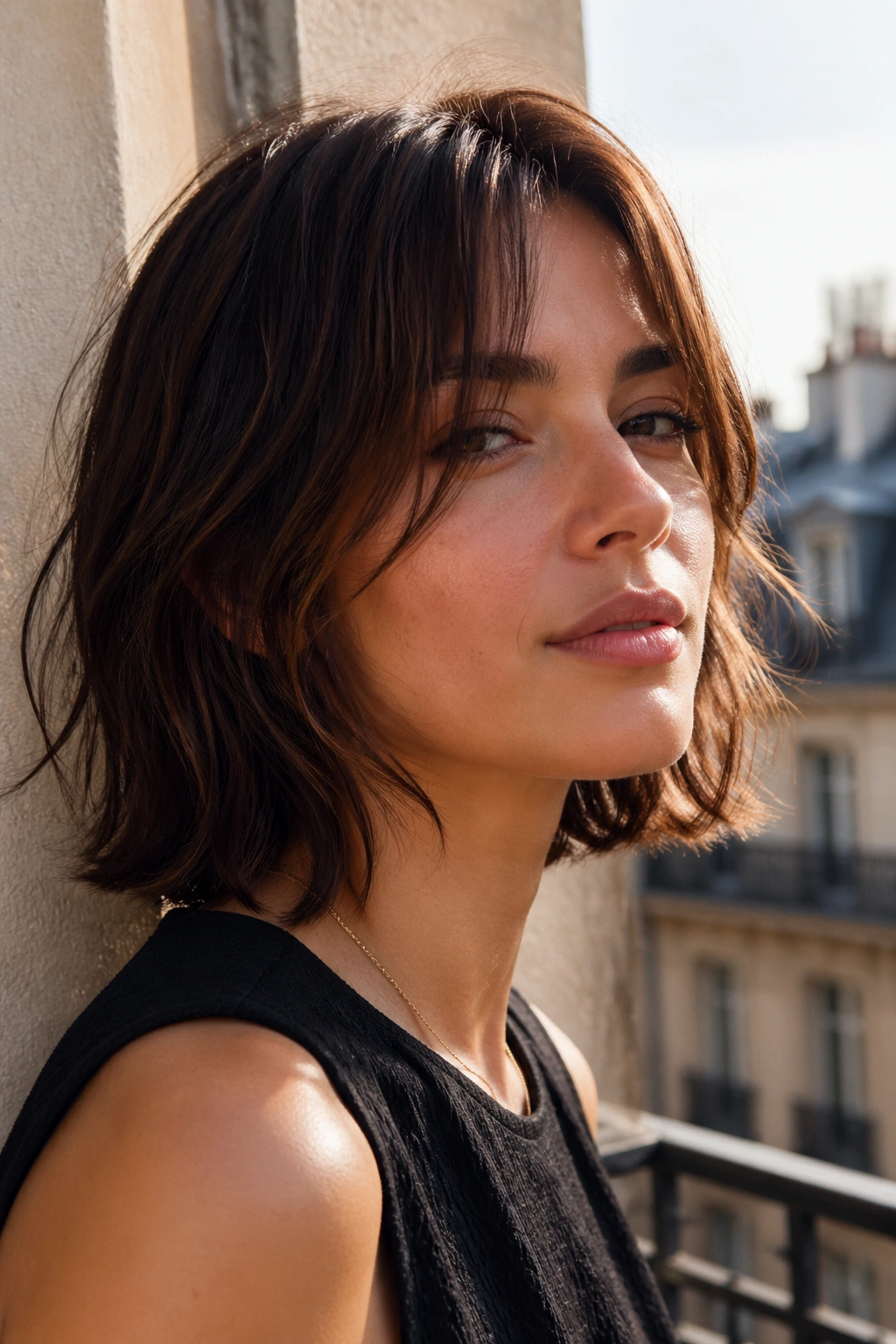
There’s a reason people keep asking for this shape, even if they use different words. It’s airy, a little undone, and flattering in that easy way that never looks overworked. The cheekbone layers matter because they bring the eyes up and keep the sides from dropping too hard.
The cut usually sits somewhere between the jaw and collarbone, with soft length in front and a little more movement near the face. It’s not a rigid style. It’s more of a lived-in shape. That’s why it works so well with natural texture and why it looks better after a little movement has happened to it during the day.
A soft fringe can go with it, but it doesn’t need one. If you do add bangs, keep them light and broken up. Heavy fringe can fight the airy feel that makes this bob interesting. The best version looks like it has a bit of swing, a bit of bend, and not much panic.
Good for oval faces, heart-shaped faces, and anyone who wants a softer line around the cheekbones. It’s less about precision and more about mood.
10. The Rounded Shoulder-Length Bob With Tapered Ends
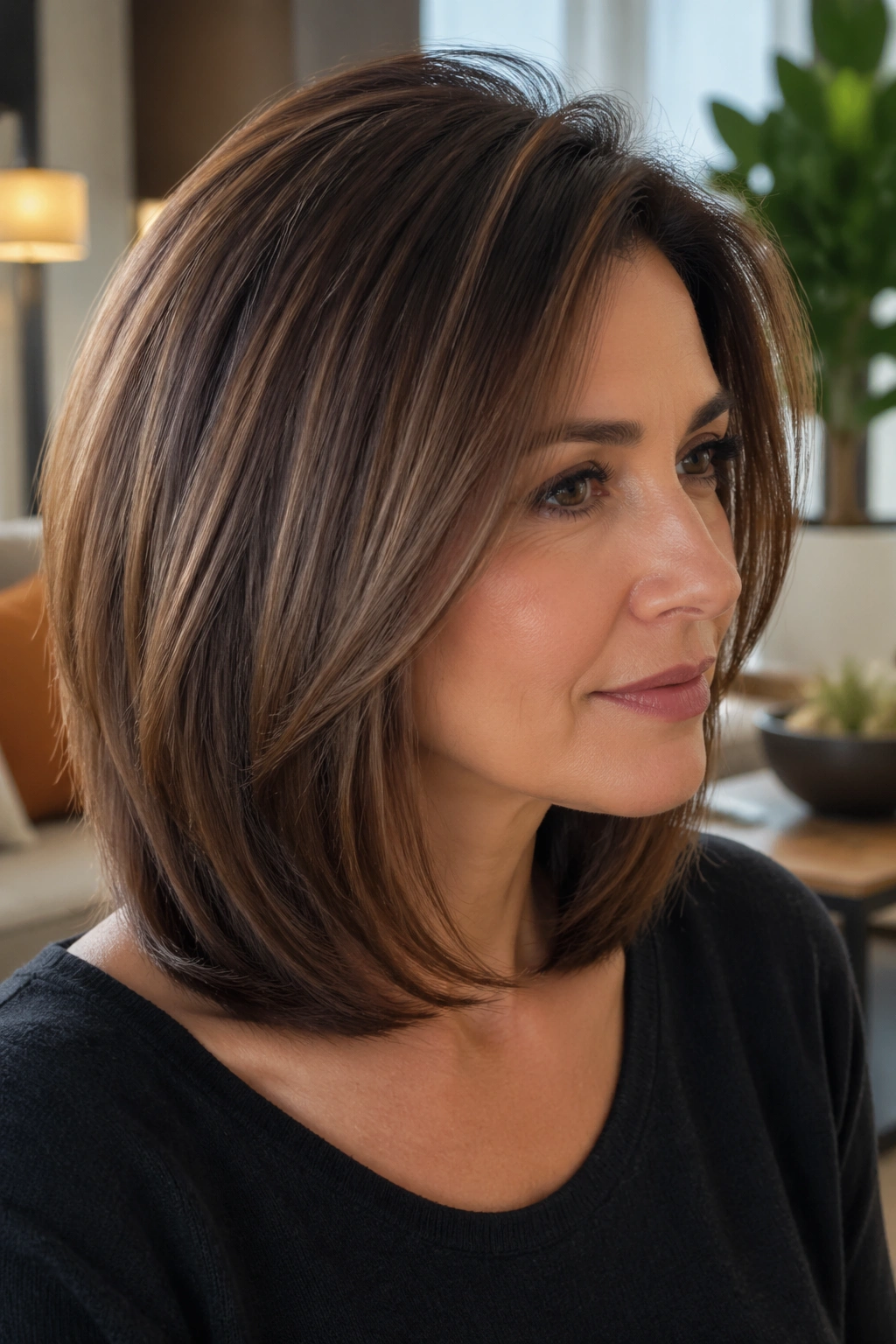
Rounded bobs get dismissed as old-fashioned, and that’s a shame. A rounded shoulder-length layered bob can look expensive, controlled, and flattering on thick hair if the tapering is done well. The shape curves gently around the head instead of flaring out at the sides.
What to Ask For
Ask for softness through the sides and back, not stacky layers that build a shelf. The ends should taper inward, especially near the nape and jawline, so the hair follows the shape of the head. If the cut is too square, the whole thing loses that rounded finish.
This style helps coarse or dense hair behave. It also works well if your hair grows out with a lot of width. The rounded shape reins that in. A smooth blow-dry with the ends directed under gives it a tidy finish, but you can also wear it with a slight bend for a less formal look.
One detail people often miss: the crown should not be too flat. A little lift there keeps the shape from looking like a bowl. You want round, not helmeted. Big difference.
11. The Textured Bob With Curtain Bangs
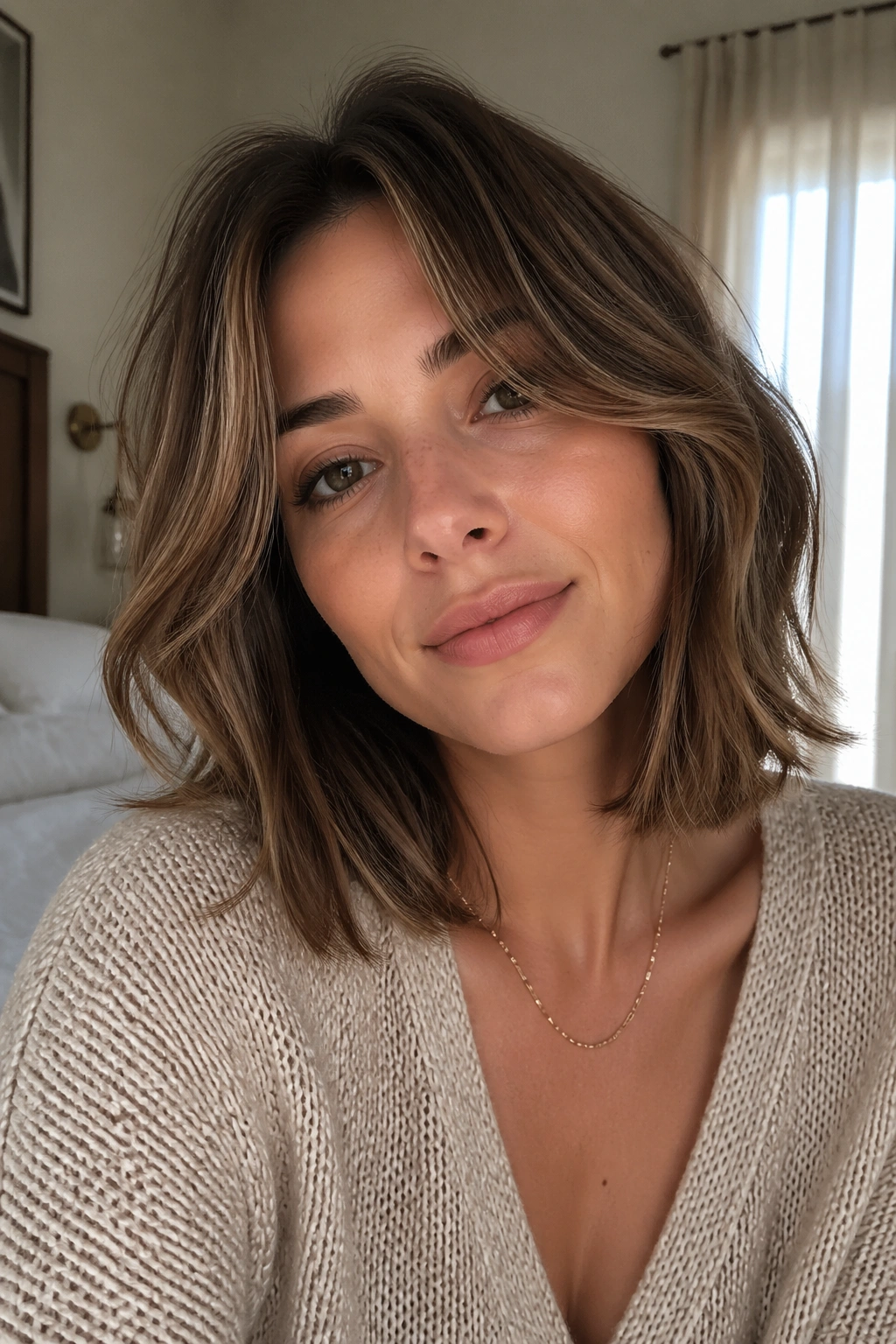
Curtain bangs change the whole conversation. Add them to shoulder-length layered bob cuts, and the face opens up fast. The fringe drapes away from the center part, the layers fall into the sides, and the haircut suddenly feels softer and more styled, even on a lazy day.
The reason this works is simple: curtain bangs connect the top of the cut to the rest of the length. Instead of a sudden break between fringe and bob, you get a gradual flow. That makes the style feel less choppy and more blended. It also helps if your forehead feels a little too exposed with regular layers.
The bangs should start long enough to sweep into the cheekbones, not end like a short fringe. That’s where people go wrong. Too short, and the bangs sit there with nowhere to go. Too long, and they lose the shape. The middle ground is what makes them useful.
This cut is a good fit for wavy hair, medium-density hair, and anyone who likes a bit of movement around the eyes. Dry shampoo at the roots can help the fringe keep its lift between washes. Use a round brush or even a large Velcro roller if you want that bend to last longer.
12. The Graduated Bob With Lift at the Crown
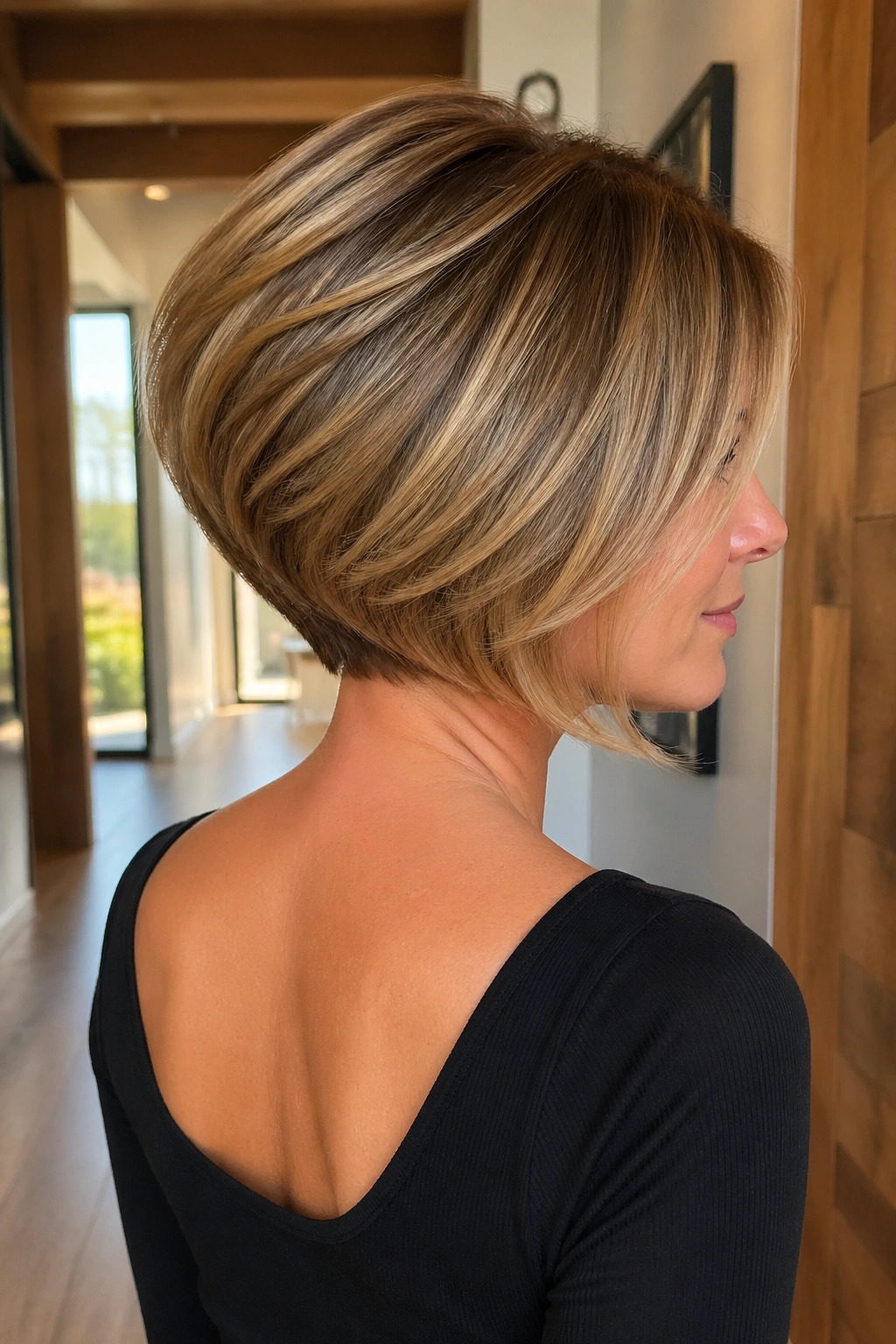
If your hair collapses at the back, a graduated bob can fix that better than almost anything else in this list. The nape sits shorter, the layers stack upward, and the crown gets a little lift without needing a ton of teasing. On shoulder-length layered bob cuts, graduation gives structure that fine hair often lacks.
I’ve always liked this cut for people who want shape they can see from the side. The profile matters here. The back rises slightly, the front stays longer, and the whole cut keeps a nice curve. It’s not severe, but it does have more architecture than a loose layered lob.
A Good Salon Ask
Tell the stylist you want lift in the back but not a hard wedge. That distinction matters. Too much graduation can make the back feel short and the front feel disconnected. You want a soft slope, not a sharp angle.
A graduated bob works especially well on straight hair and hair that goes flat at the crown. It can also help thick hair feel less heavy in the back. Style with root lift at the crown and a bit of bend through the ends. That keeps the shape clean.
13. The Messy Air-Dry Bob With Light Layers

Some cuts are built for the blow dryer. This one isn’t. A messy air-dry bob with light layers relies on movement that shows up on its own, not through a perfect brush set. That’s why it’s so appealing for people who want shoulder-length layered bob cuts without the daily styling tax.
The layers should be soft, not shattered. Their job is to help the hair break up into pieces as it dries, especially if you have a little wave or a bend that shows up when the hair is damp. Too much layering can make the ends look thin once the air-dry settles in. Keep the shape loose and let the texture do the work.
A leave-in cream, a touch of mousse, and maybe a pea-sized bit of gel at the ends can help. Scrunch lightly. Then walk away. The less you keep checking the mirror, the better the result tends to look.
This cut is forgiving on weekends, during travel, and on the kind of mornings when a full blowout feels silly. It’s not fancy. That’s the point.
14. The Deep Side-Swept Bob With Soft Movement

A deep side part can make a shoulder-length bob feel like a different haircut. It shifts the weight, softens one side of the face, and gives the layers a chance to fall with more swing. If a center part makes you feel too exposed or too flat, this is the move.
The cut itself doesn’t need dramatic layering to work. Soft layers are enough. The part does most of the visual heavy lifting. Hair on the heavier side can be tucked behind the ear, pinned back, or left to graze the cheekbone. The lighter side falls across the face in a way that feels a little glamorous without trying too hard.
This style is especially good for angular faces because it breaks up sharp lines. It also helps long faces feel a bit wider through the sides. If your hair is thick, the deep part stops the cut from looking too round. If your hair is fine, the part gives a nice bit of height at the root.
A quick blow-dry with the part flipped the opposite way first can make the lift last longer. Old trick. Still works.
15. The Low-Maintenance Shoulder-Length Layered Bob for Grow-Out
The best shoulder-length layered bob cuts are the ones that still look decent when you’ve ignored them for a few weeks. That’s where this style wins. It uses long layers, a soft perimeter, and enough shape to grow out gracefully instead of turning into a triangle or a shelf.
This is the cut to choose if you want movement but hate obvious maintenance. The shortest layers should blend into the sides rather than sit high and chopped. The ends should stay full enough to hold their line, even when the cut starts losing freshness. A strong shape at this length can survive longer between trims than a more broken-up style.
A few things help it age well:
- Keep the front pieces long enough to tuck
- Avoid overly short crown layers
- Ask for soft texturizing, not heavy thinning
- Leave enough density at the perimeter so the ends stay thick
The nicest part is how flexible it is. Wear it smooth, wave it up, air-dry it, clip one side back, or throw on a headband and keep moving. It doesn’t demand a single personality, which is rare enough to be useful.
And honestly, that’s what makes a shoulder-length layered bob worth choosing in the first place. It should help your hair behave on ordinary days, not just the ones when you have 40 minutes and a good round brush.
