



Coily hair is a gift and a challenge, especially when you’re juggling daily styling with the need to protect your curls from manipulation and environmental stress. The tension, friction, and repeated styling that can make your curl pattern tighter on Monday but crispy by Thursday—these are the reasons protective styling exists. When you choose the right protective style, you’re not just creating a cute look; you’re giving your coils a break from styling tools, reducing frizz, locking in moisture, and allowing your edges to recover from stress and tugging.
Protective styles work best when they serve a dual purpose: they protect your hair while looking intentional and polished enough that you actually want to wear them. The goal isn’t to hide your coils away for months on end, but to create a rotation of styles that feel sustainable, look sharp, and genuinely reduce the daily manipulation your curls face. The styles that work are the ones you’ll actually commit to wearing, not the ones that feel like a compromise.
The beauty of protective styling for coily hair is that you have options that range from sleek and minimalist to bold and textured, from quick morning styles to install-and-wear looks that last for weeks. Whether you’re protecting your hair while traveling, during a stressful period when you don’t have time for your full styling routine, or as part of a regular rotation that keeps your curls healthy and thriving, these fifteen styles give you real variety that works for different hair densities, curl patterns, and lifestyle needs.
1. Braided Crown or Halo Braid
A braided crown uses your own coily hair to create a protective frame around the top and sides of your head while the rest of your hair is left to coil freely underneath. This style works beautifully because it removes tension from the edges and front of your scalp—the areas most susceptible to breakage—while still showcasing your curl pattern where it matters most.
Why This Works for Coily Hair
The braided sections are protected from rubbing against fabric, pillows, and your shoulders, which means less frizz and fewer broken strands in those braided sections. The exposed curls underneath get to breathe and maintain their coil definition, while the braid itself is loose enough that it doesn’t create stress on your scalp. This is one of the few protective styles that lets your full curl pattern shine while still delivering real protection where you need it most.
How to Install It Correctly
Start with damp or well-hydrated hair and apply a light curl cream to the sections you’ll braid. Take a section from one side of your head and braid loosely—tight braids defeat the purpose of protection—keeping the braid close to your scalp as it travels toward the back. Secure with a small elastic or bobby pin, then repeat on the other side. The key is keeping tension minimal; your braid should feel snug but not pulling. You can wear this style for 5-7 days and still maintain your curl definition in the free-hanging sections.
Pro tip: Sleep with a silk or satin bonnet to preserve the braids and protect the loose curls underneath from friction against your pillowcase.
2. Faux Locs with Coily Hair
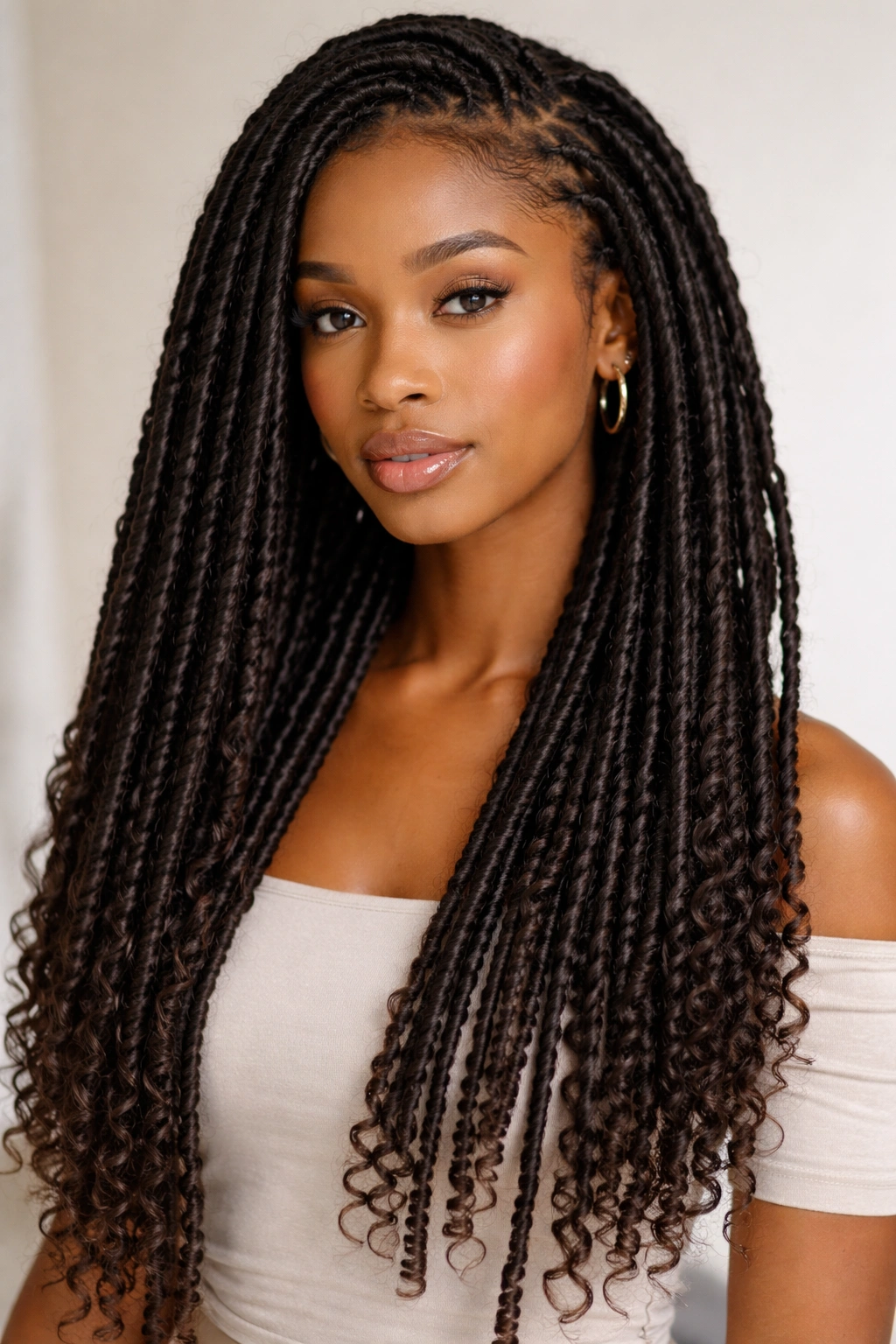
Faux locs created with coily hair are longer-lasting than faux locs on straighter hair types because your natural texture helps anchor the wrapping and creates a cohesive finished look. They typically last 3-4 weeks with proper maintenance, which means weeks of minimal styling and manipulation.
The Protection Factor
Faux locs bundle your coily hair into sections that require no daily styling, no blow-drying, and no manipulation beyond light finger-combing or refreshing. Your actual coil pattern is preserved inside the loc, and you’re not stretching or straightening your curl; you’re simply wrapping it. This means your curl pattern remains intact and sometimes even bounces back tighter when you eventually unravel the locs.
Installation and Care Tips
Use human hair or quality synthetic hair to wrap each coiled section, starting at the roots and spiraling down to the ends. Create locs that are roughly the thickness of a marker—too thick and they’re heavy and pull on your roots; too thin and they’re fragile. Wrap each section snugly enough that the wrapping stays put for the full wear time, but not so tight that your scalp feels uncomfortable. Retwist the roots every 2-3 weeks if you want to wear them longer, or just leave them as-is for a more textured finish.
Sleep with a bonnet to reduce frizz and extend the life of each loc. Wash gently every 7-10 days with a diluted shampoo, focusing on your scalp rather than the locs themselves.
3. Two-Strand Twists
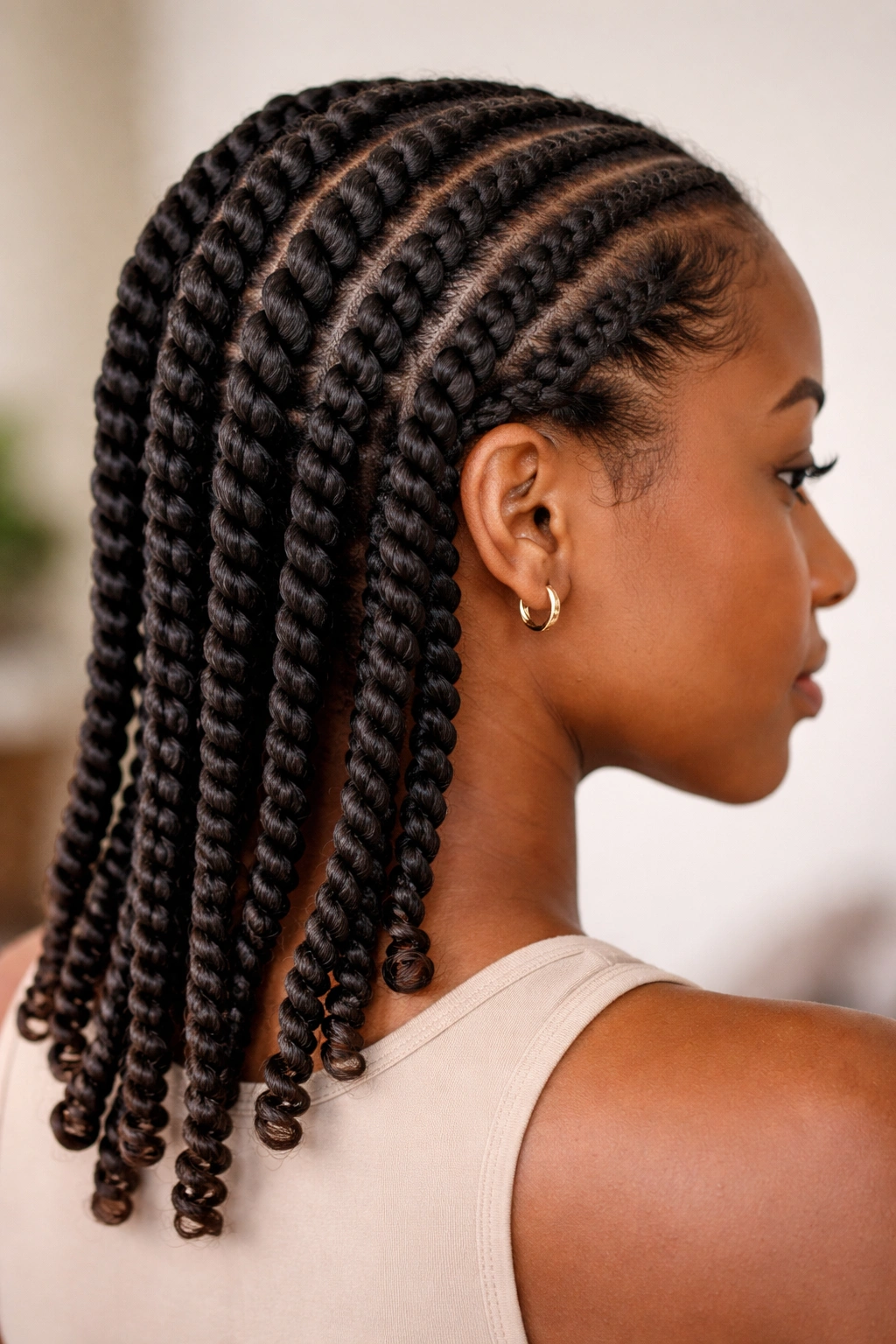
Two-strand twists are the classic protective style for coily hair, and they earn that status because they work—you get a defined, textured style that last 2-3 weeks, protects your coils from friction, and honestly looks intentional and put-together. The twist pattern creates natural-looking waves or coils when you take them down, giving you a bonus wave pattern without any heat or manipulation.
Why Twists Are Protective
Each section of hair is twisted tightly enough that it’s protected from external friction and moisture loss but not so tight that it creates stress on your scalp. The twists sit close to your head and don’t move around much as you go through your day, which means no rubbing against clothing or pillows. When you eventually unravel the twists, you get a soft, stretched-coil texture that actually looks fuller and has different dimension than your untwisted coils.
Installation Techniques That Actually Work
Divide your coily hair into sections (the fewer the sections, the chunkier the twists; the more sections, the finer the twists). Apply a light curl cream or styling butter to each section, then simply twist two strands of hair around each other, from root to tip. You can secure the ends with a small elastic or tuck them under. Twists install faster than braids and don’t require added hair, which makes them accessible and low-cost.
Two-strand twists work best on hair that has some length to it—at least a couple inches—so the twist has enough hair to stay together without constantly unraveling.
4. Box Braids with Coily Hair
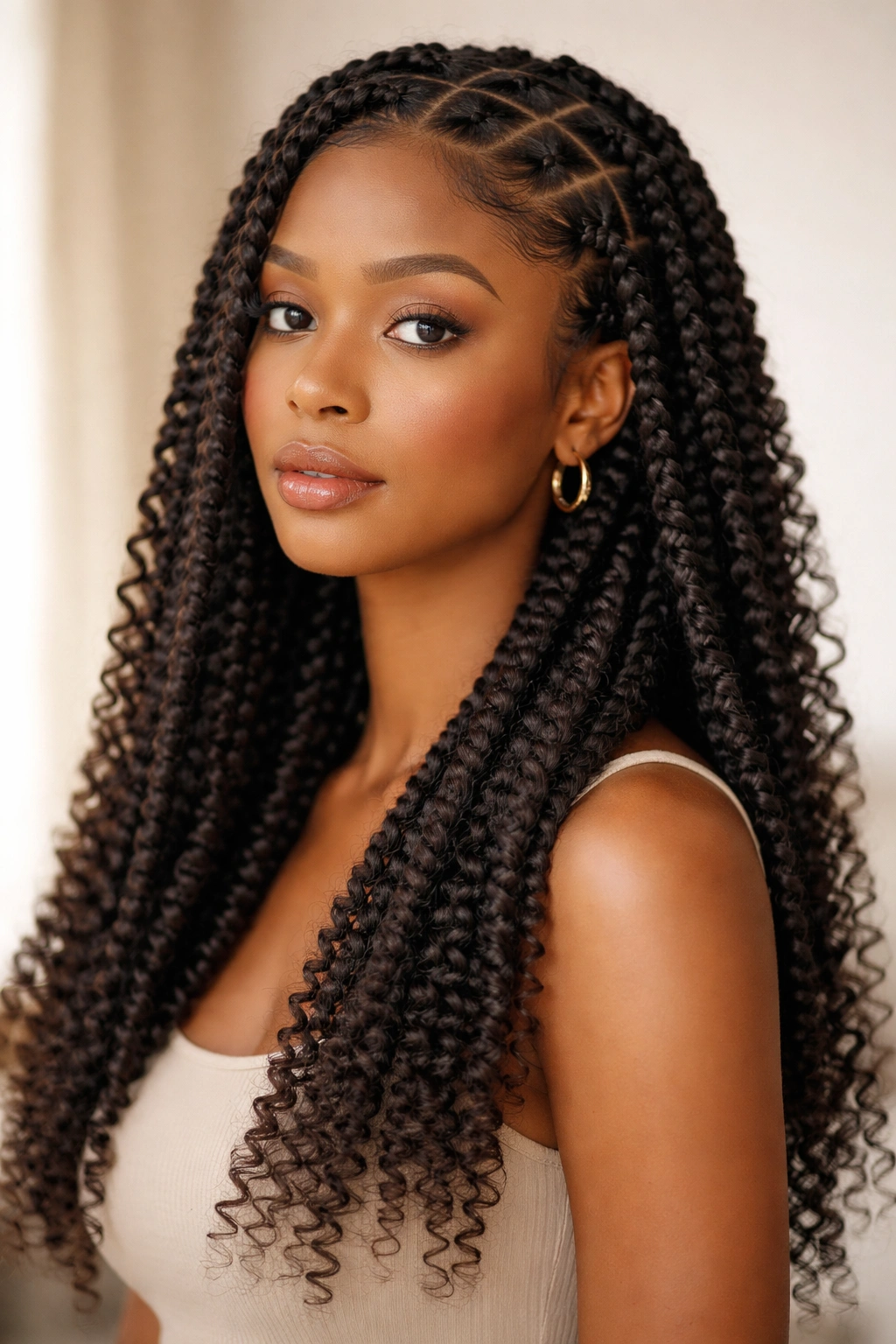
Box braids are individual braided sections created with your own hair plus added hair for length and volume. For coily hair, box braids are genuinely protective because your natural coil pattern is braided into the protective style rather than stretched or straightened into submission.
The Coily Hair Advantage
Because coily hair has natural texture and grip, it holds box braids beautifully for 4-6 weeks with minimal frizz or loosening at the roots. Your coil pattern helps keep the braid tight even as the weeks pass. The braids themselves protect the coils inside them from manipulation, sun exposure, and friction, while your scalp is protected from stretching and tension (assuming the braids are installed at a reasonable tension level).
Installation Tips for Longer Wear
Create neat, evenly sized squares or rectangles on your scalp, then braid each box with your coily hair plus synthetic or human hair added for length. Keep the braids at a tension level that feels snug but not uncomfortable—you should be able to run your fingers across your scalp without wincing. Smaller braids take longer to install but typically last longer and feel lighter; larger braids install faster but may feel heavier.
Wash your scalp every 7-10 days with diluted shampoo poured carefully along the parts, and dry thoroughly to prevent buildup and mildew. Refresh the roots every 4-5 weeks with a light spray of water and lightweight oil if you plan to wear them longer.
5. Lemonade Braids (Cornrow Pattern with Coils)
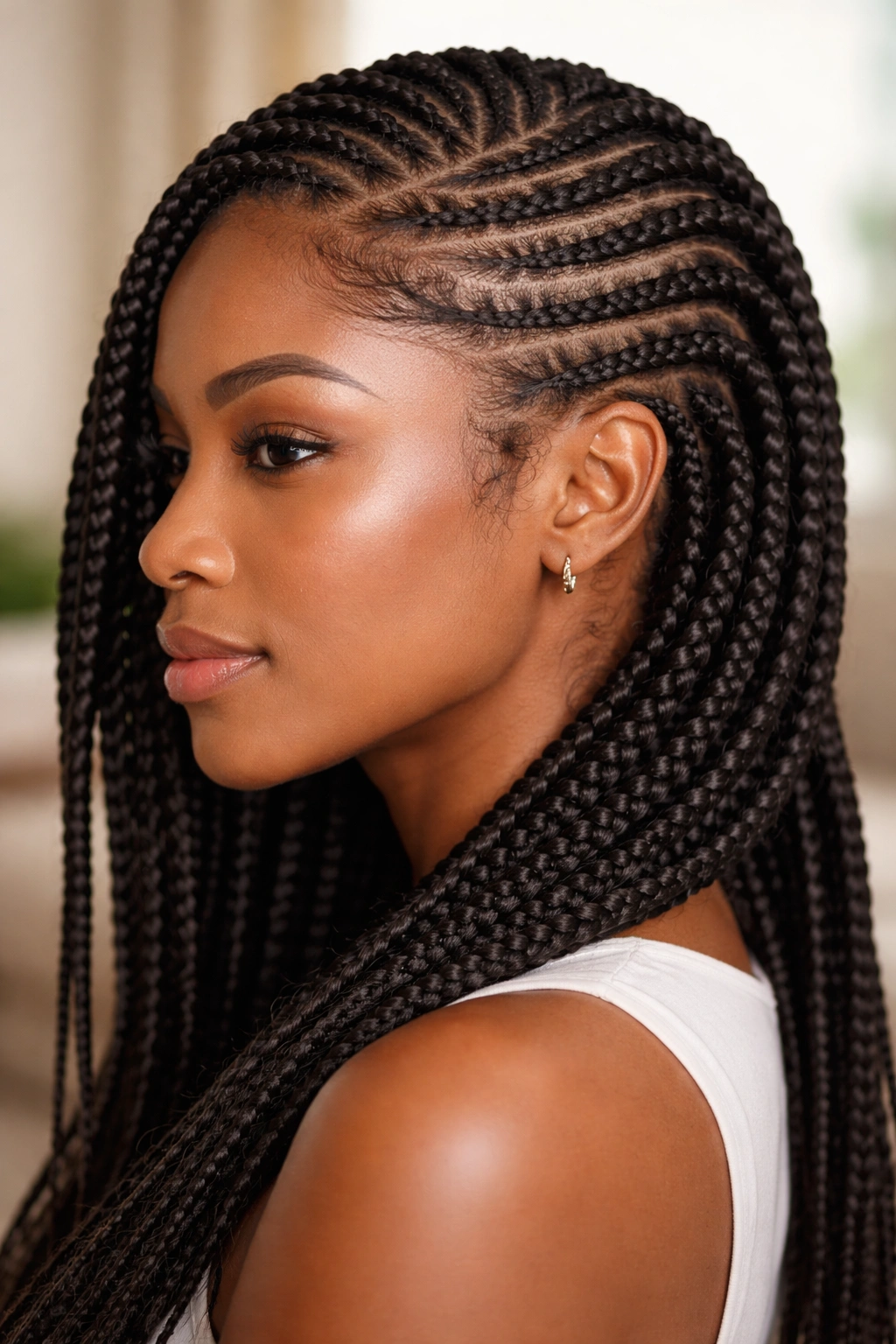
Lemonade braids are cornrowed extensions that curve around the head in a side-swept pattern, inspired by the look Beyoncé popularized. For coily hair, this style offers scalp protection and minimal manipulation for weeks at a time.
Why This Works
Your coils are gathered and cornrowed into protective sections that lie flat against your scalp, removing tension from your hairline and edges. The cornrows protect the coils within them from external friction and environmental stressors. Since the braids follow a specific pattern rather than being random, they create a sleek, intentional aesthetic that looks polished even after weeks of wear.
Getting the Pattern Right
Start by mapping out where you want your cornrows to travel—the classic lemonade pattern has one or more braids curved from one side of the head to the other, like a swoosh. Part the sections cleanly, then cornrow each section by braiding your coily hair with added hair for length and thickness. Cornrows require more skill to install than regular braids, so if you’re new to them, starting with a professional installation is worth the investment.
Keep your parts clean and your scalp moisturized throughout the wear time, and retwist loose sections as needed to maintain the style. Lemonade braids typically last 3-4 weeks.
6. Coily Bun or Puff
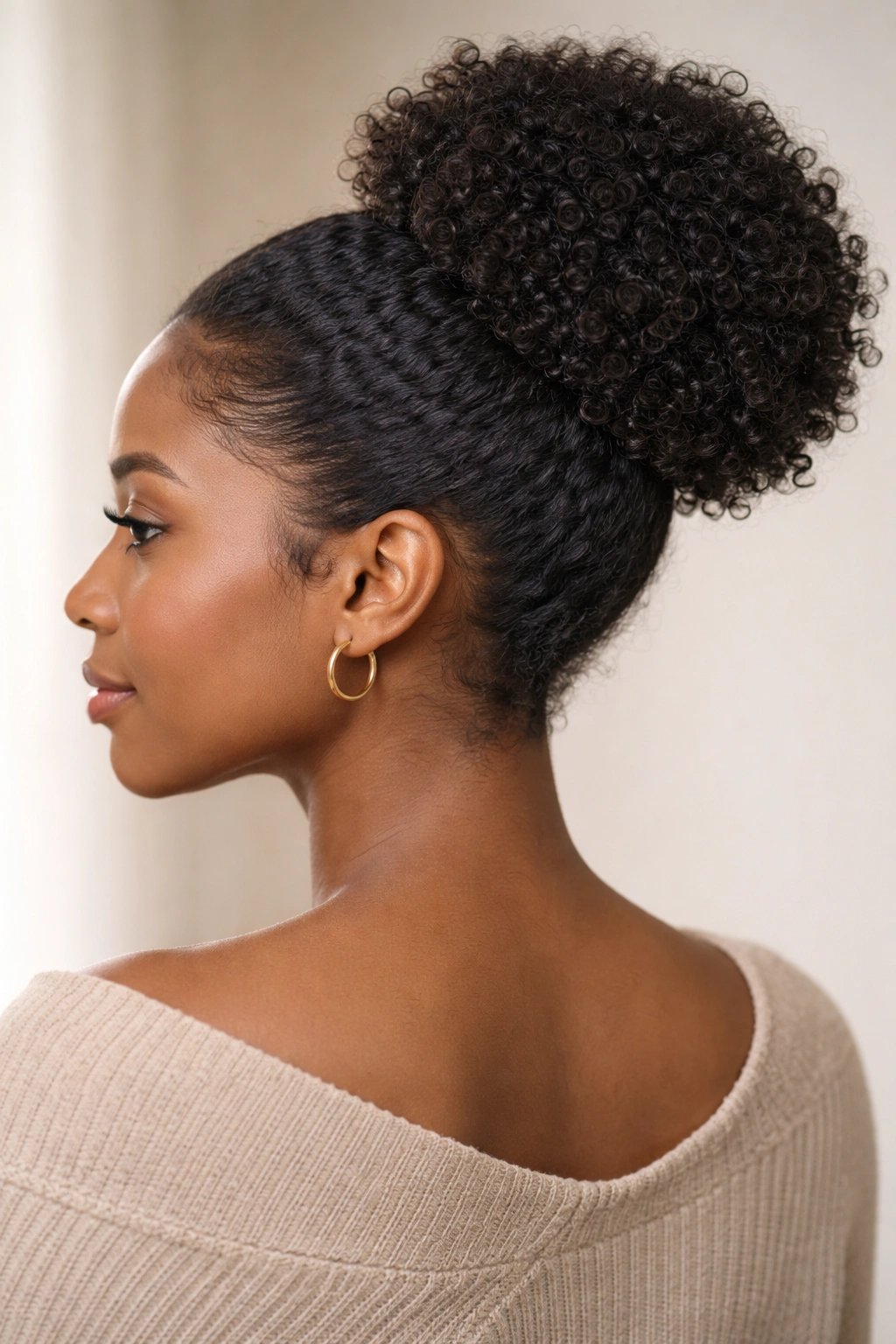
A protective bun or puff gathers your coils into a secure updo that protects the ends of your hair from friction and environmental exposure while giving you a clean, put-together look. This works best on hair with enough length to hold a bun without constant elastic adjustments.
The Simplicity Factor
This style requires no added hair, no installation time, and no special skills—you literally just gather your coils into a high or low bun, secure with a silk or satin-lined elastic (never a regular elastic that grabs your hair), and you’re done. The coils within the bun are protected from friction, dust, and daily manipulation, and you can keep this style going for days or even a week if you’re gentle when taking it down and refreshing it.
Creating a Bun That Holds Without Damage
Gather your coils at either the crown (high bun) or the nape (low bun), twist them slightly or leave them coily, and wrap the hair around into a round shape. Secure with a silk or satin-lined elastic that doesn’t crease your hair. Alternatively, use bobby pins to anchor the bun while you’re wearing it, then remove them when you take the style down so you’re not creating creases. The key is using gentleness, not tension, to keep the bun in place.
Sleep with a bonnet or silk pillowcase to preserve the bun shape and prevent frizz. In the morning, you might just need to re-anchor one or two bobby pins before heading out.
7. Twisted Topknot or Coily Updo
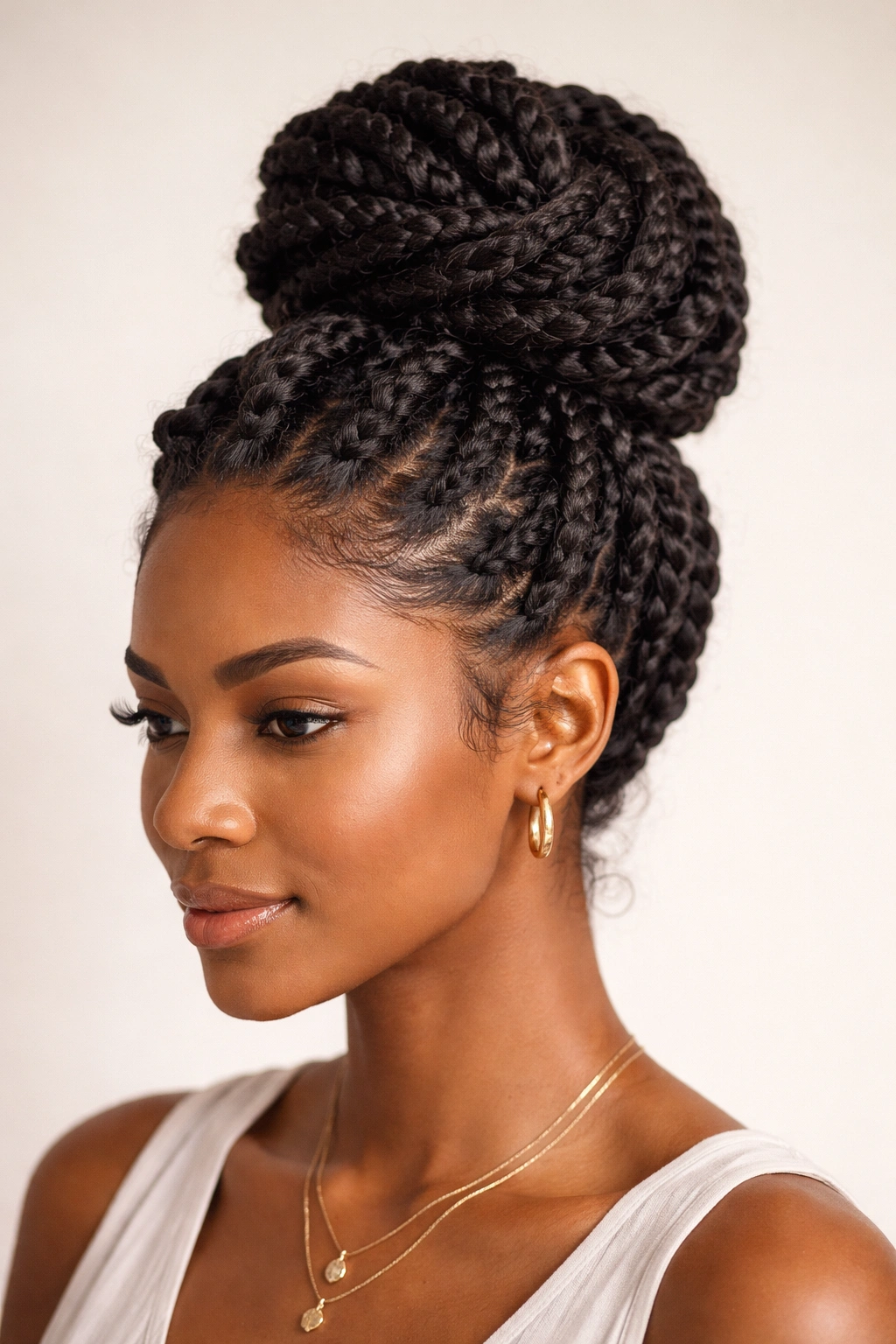
A twisted topknot uses two-strand twists that you coil and pin up on top of your head, creating a textured, voluminous updo that’s both protective and visually interesting. This works well on coily hair because the twists interlock naturally and hold their shape for days.
Building Volume and Movement
Instead of twisting your entire head, create 4-6 thicker twists throughout your head, then coil each twist and secure them on top with bobby pins. This creates more movement and volume than a standard bun while still being protective. Your coils are gathered away from your shoulders and neck, reducing friction in those areas.
Making It Last
This style typically holds well for 3-5 days before needing to be refreshed or retaken down. Sleep with a bonnet to preserve the twists and the updo shape. In the morning, you can re-pin or re-twist sections that have loosened. The twisted sections maintain their definition beautifully and don’t require daily manipulation.
8. Side Part with Half-Up, Half-Down
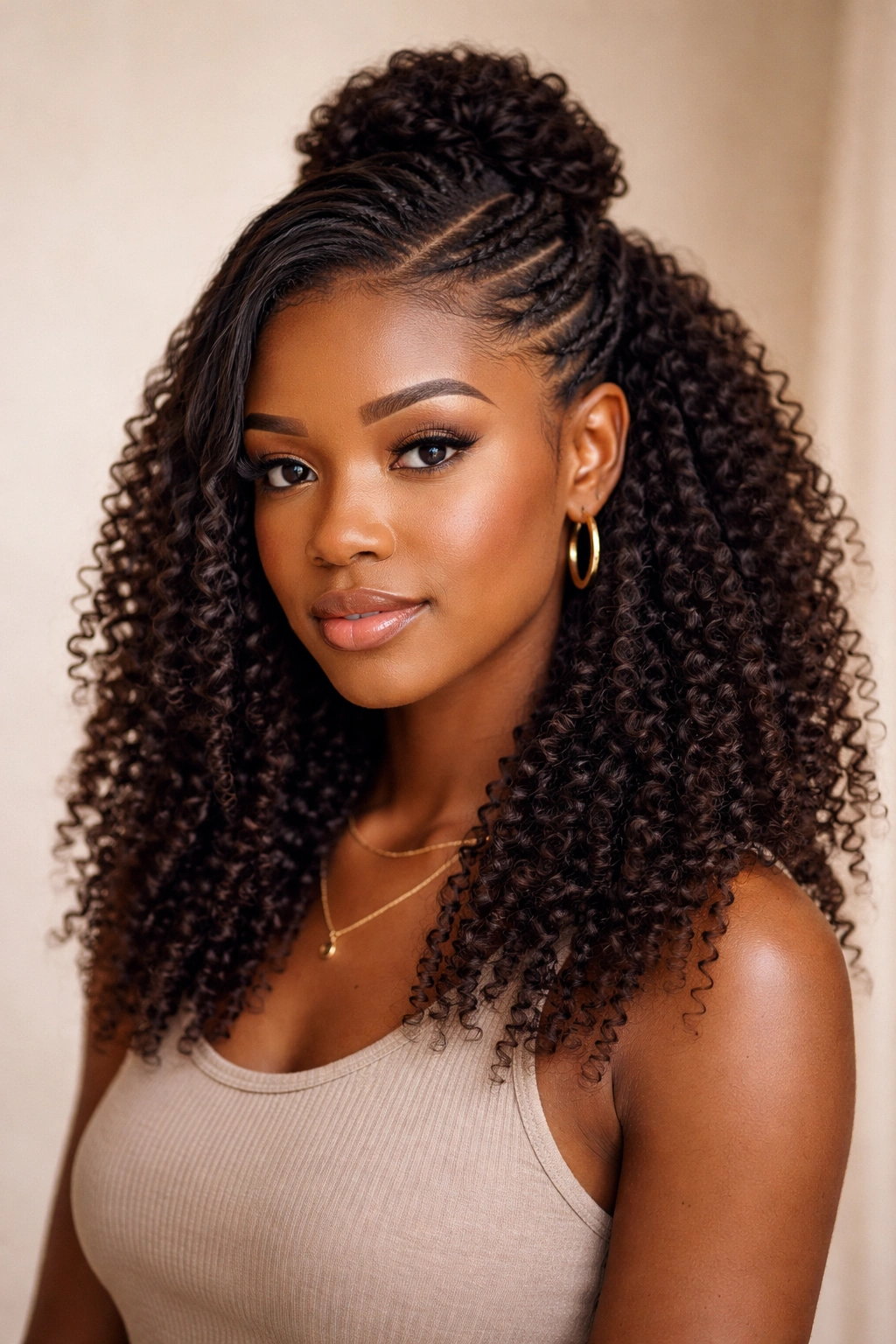
A side part with a half-up, half-down style is protective because the upper portion of your hair is twisted or braided and secured, removing tension from those roots while letting your coils hang freely below. This works well for shorter coils or if you just need a quick protective style that doesn’t require full installation time.
Balancing Protection with Versatility
The top section (usually about a third of your hair) is styled into a twist or braid that travels from one side of your head to the other, anchored at the back with bobby pins. The bottom two-thirds of your coils hang loose and coily. This gives you the aesthetic of a carefree coily style while actually protecting your roots and edges from daily manipulation and friction.
Quick Refresh Approach
This style doesn’t require added hair and takes maybe 10-15 minutes to install, making it ideal for days when you want protection but don’t have time for a full protective style. The hanging coils can be re-moisturized and shaped daily, and the braided or twisted section typically holds for 3-5 days before needing to be refreshed.
9. Ghana Braids or Bamboo Braids
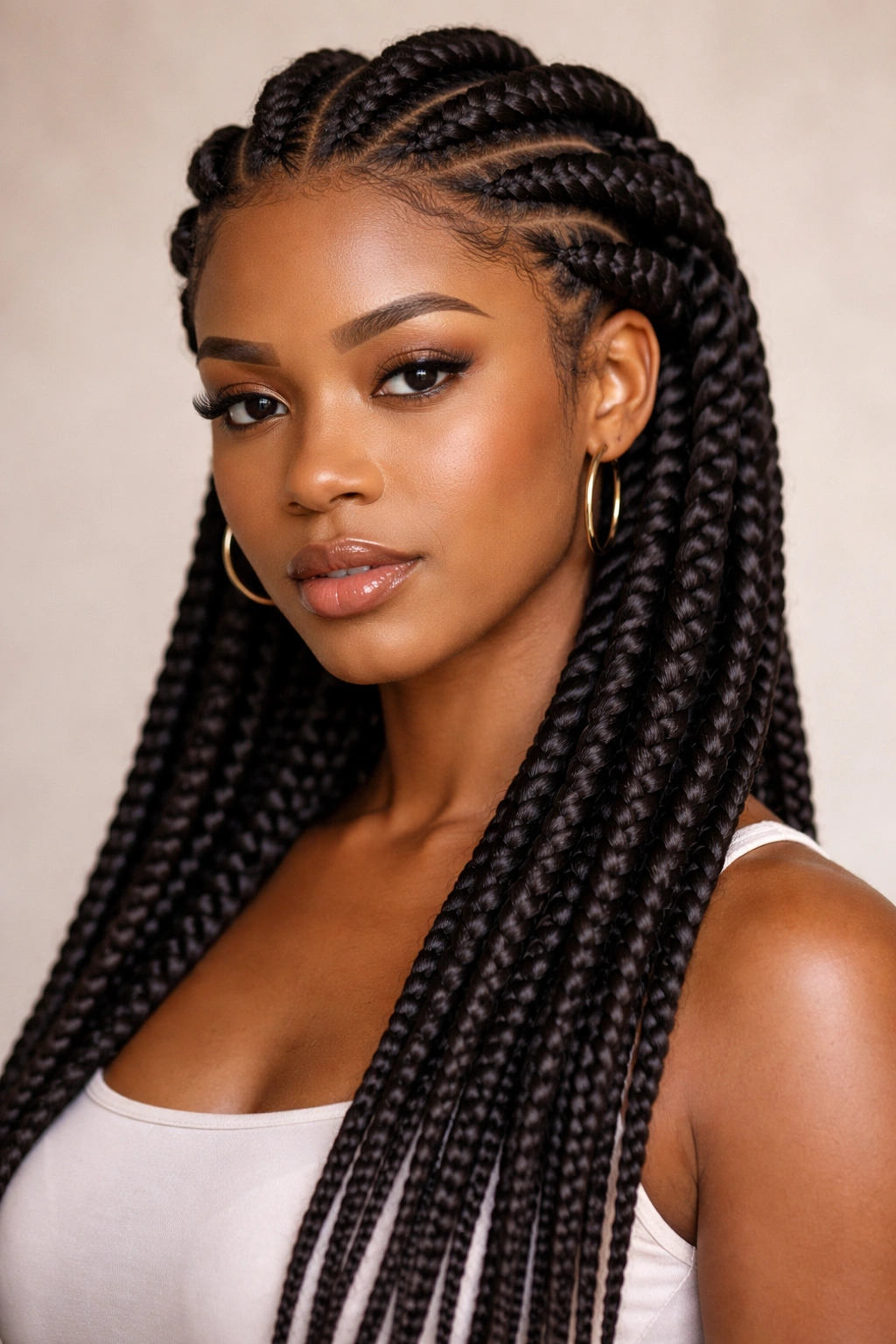
Ghana braids are thick, rope-like braids created by layering and braiding your coily hair with added hair, typically in a circular or curved pattern around the head. For coily hair, Ghana braids are protective and long-lasting because the added hair wraps your coils tightly, holding them securely for weeks.
Why Coily Hair Holds These Braids Well
Your natural coil pattern grips the braiding material and helps keep the braid structure intact from root to tip. Ghana braids can last 4-6 weeks on coily hair without loosening significantly at the roots, which is longer than on other hair types. The coils within the braid are completely protected from friction, sun exposure, and manipulation.
Installation Expectations
Ghana braids require a professional installation or significant practice to create properly. Each braid is created by layering sections of your coily hair with synthetic or human hair, then braiding them together in a thick, rope-like pattern. The braids can be installed in any pattern—straight lines, curved lines, circular designs—depending on your preference.
Expect the installation to take 3-4 hours for full head coverage. Wash your scalp regularly with diluted shampoo, and use lightweight oils to keep your scalp from getting dry. When you’re ready to take them down, be patient and gentle to avoid breaking your coils.
10. Yarn Braids with Coily Hair
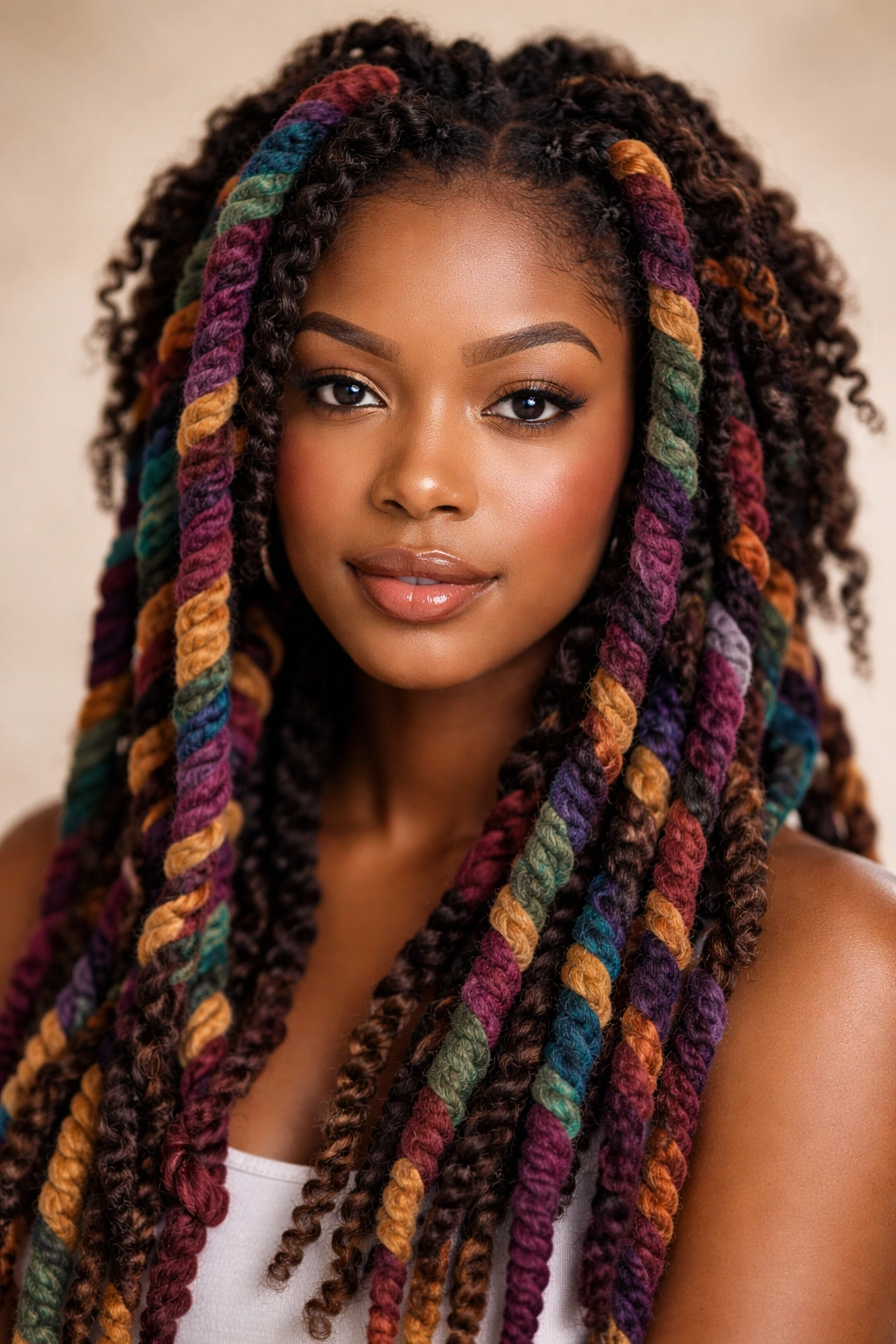
Yarn braids (sometimes called goddess braids when they’re larger and fluffier) use colorful yarn wrapped around your coily hair and added human or synthetic hair to create bold, textured braids. This style is protective because your coils are wrapped and secured for weeks without manipulation.
Creative Expression Plus Protection
Yarn braids give you the opportunity to add color, texture, and personality to your protective style without using heat or chemicals on your actual hair. Your coils stay intact and protected inside the yarn wrapping, and you get a bold, eye-catching style that lasts 3-4 weeks.
Installation and Care
Each section of your coily hair is braided together with yarn and sometimes added hair, creating thick, textured braids. The yarn doesn’t damage your hair the way tight braids alone might, because it distributes tension more evenly. You can wash your braids gently without worry, and the yarn holds the braid structure together even as weeks pass.
Choose yarn colors that complement your skin tone or match your personal aesthetic. The maintenance is minimal—wash every 7-10 days, dry thoroughly, and just live your life while your coils stay protected underneath.
11. Bantu Knots
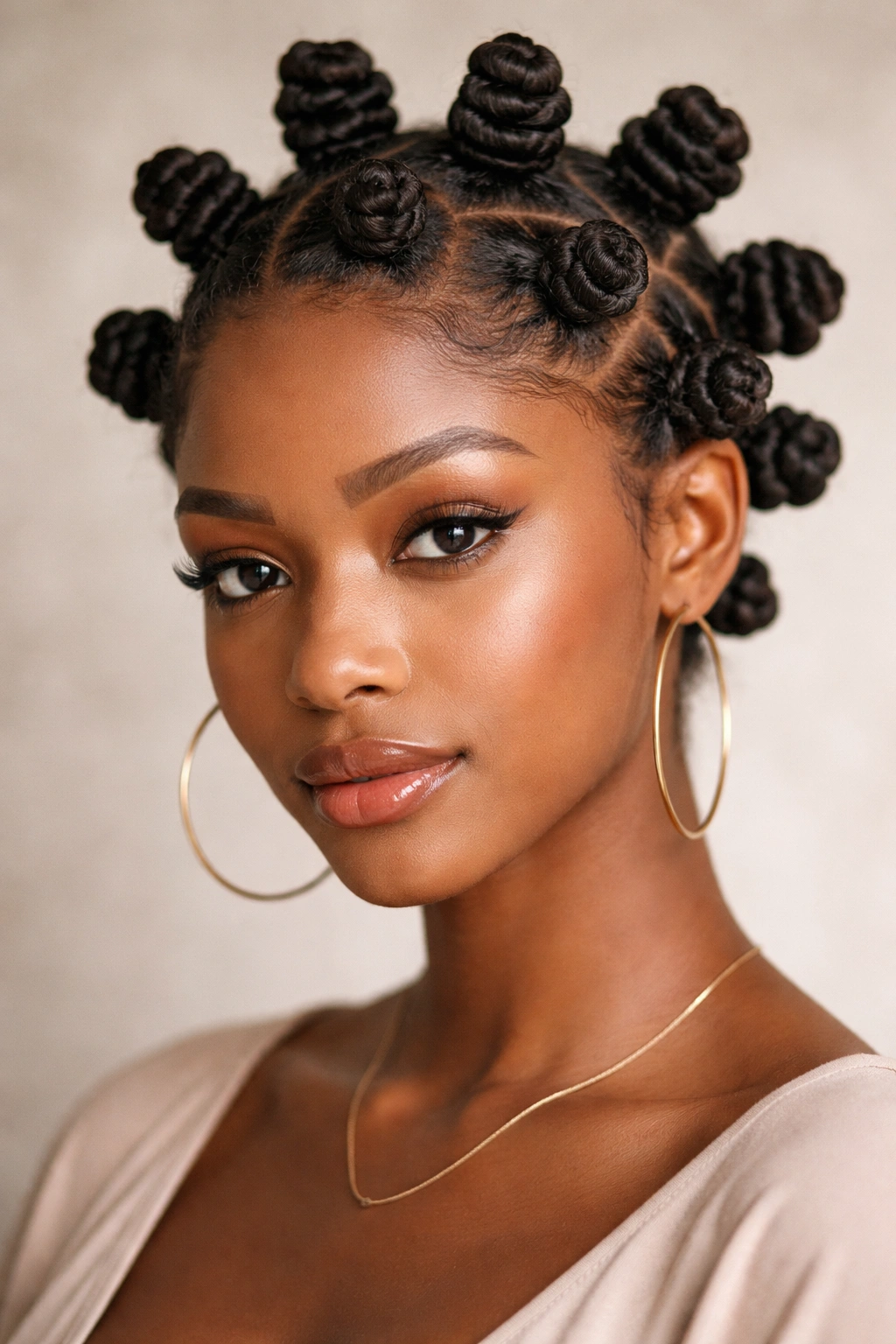
Bantu knots are coiled sections of hair wrapped and pinned close to the scalp, creating a protective style that also gives you a bonus wave pattern when you unravel them. For coily hair, Bantu knots are protective because each section is coiled tightly and kept in place with minimal manipulation required throughout the week.
The Double Benefit
You get immediate protection from a style that removes tension from your scalp while your coils are actively being protected, AND you get a beautiful wave pattern when you take them down. This makes Bantu knots one of the most efficient protective styles—protection and a bonus texture in one install.
Creating Knots That Hold Without Tension
Divide your coily hair into sections (anywhere from 4 to 15, depending on how bold you want the knot pattern to be). Twist each section, then coil it around itself to create a knot shape. Pin the knot close to your scalp with bobby pins so it sits securely. The key is making sure the knots are snug enough to stay in place but loose enough that your scalp doesn’t feel uncomfortable.
Sleep with a bonnet to preserve the knots and keep them from unraveling. Bantu knots typically hold for 5-7 days before needing to be refreshed. When you take them down, gently uncoil each knot and finger-comb through the resulting waves.
12. Mohawk or High-Center Braid
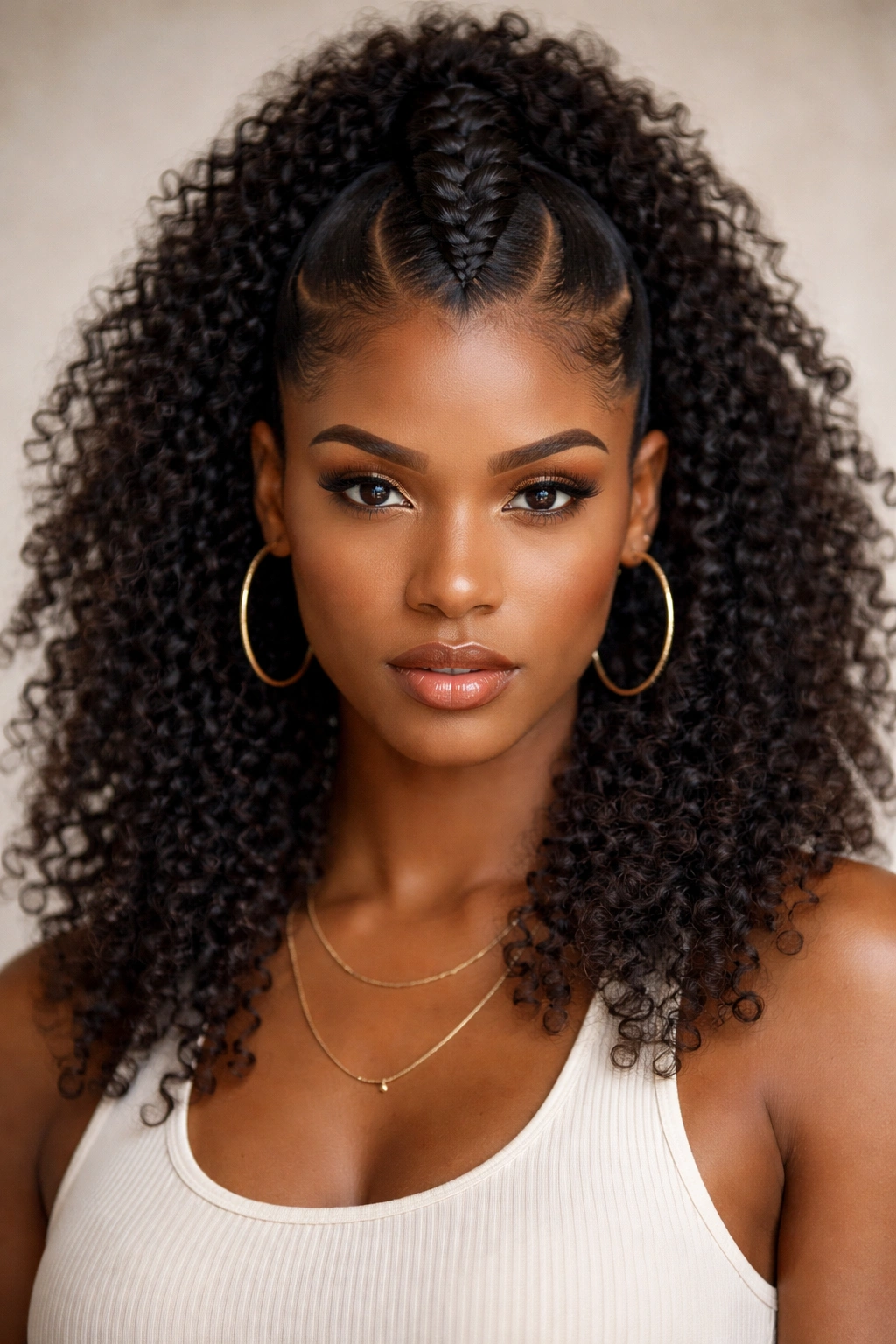
A mohawk or center braid style takes a bold braid or twist pattern down the center of your head with the sides left coily, or the inverse—coily sides with braided or twisted sections on top. This is protective because at least 30-40% of your hair is gathered and protected while still showcasing your coil pattern.
The Aesthetic Angle
This style looks intentional, modern, and confident. The braided section is protected from friction while the coily sides hang freely, giving you a hybrid protective style that doesn’t require full coverage installation time.
Styling Options
You can create one thick braid down the center, two thinner braids on either side of center (a reverse mohawk), or even a twisted center with the sides left coily. The style works on any hair length and can be worn for 5-7 days before requiring a refresh. Accessorize with beads, cuffs, or jewelry threaded onto the braids for extra style.
13. Wigs on Natural Coils
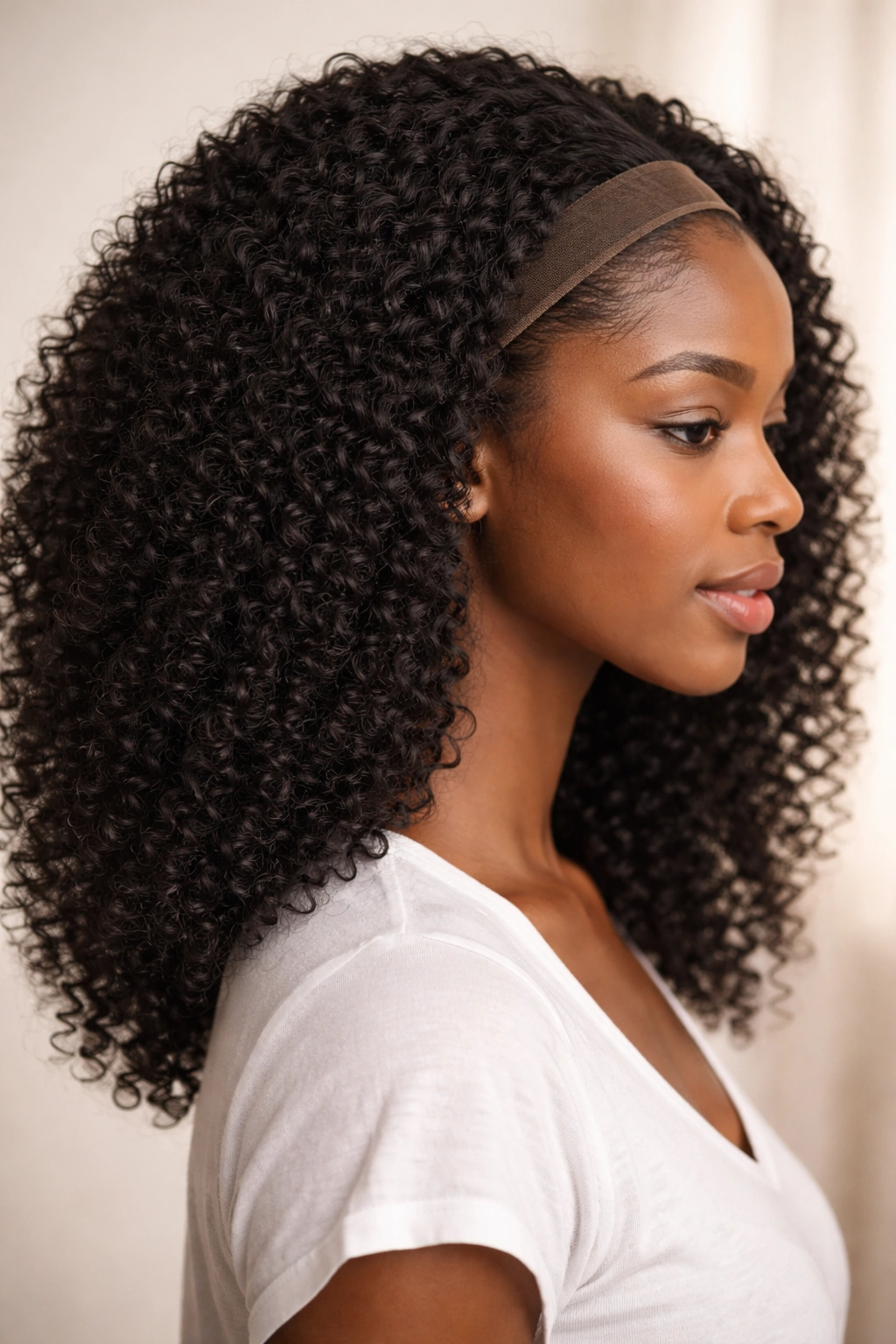
Wearing a protective wig over your natural coils is protection at its most straightforward—your coils are completely covered and protected from friction, sun exposure, and manipulation while you wear a complete alternative hairstyle. This is genuinely protective and requires zero daily styling of your actual hair.
Maximum Scalp Rest
When you wear a wig, your natural hair gets a complete break from styling, products, and environmental stressors. Your coils are protected inside the wig; your scalp gets weeks or months of rest from tension and manipulation. This is the highest level of protection available, especially if you’re dealing with breakage, thinning edges, or a scalp that needs recovery time.
Installation and Wear Comfort
Install a wig on a wig cap or wig grip so there’s no tension on your natural hair. Wear your coils under the wig in a protective style like braids, twists, or a bun so they’re secured and not moving around under the wig. Keep your scalp moisturized under the wig by misting it lightly every few days with water and a light oil.
You can wear a wig for weeks or months at a time, removing it only to refresh your scalp and natural hair underneath. This is ideal during periods when you want maximum protection and styling freedom.
14. Crocheted Braids with Coily Hair
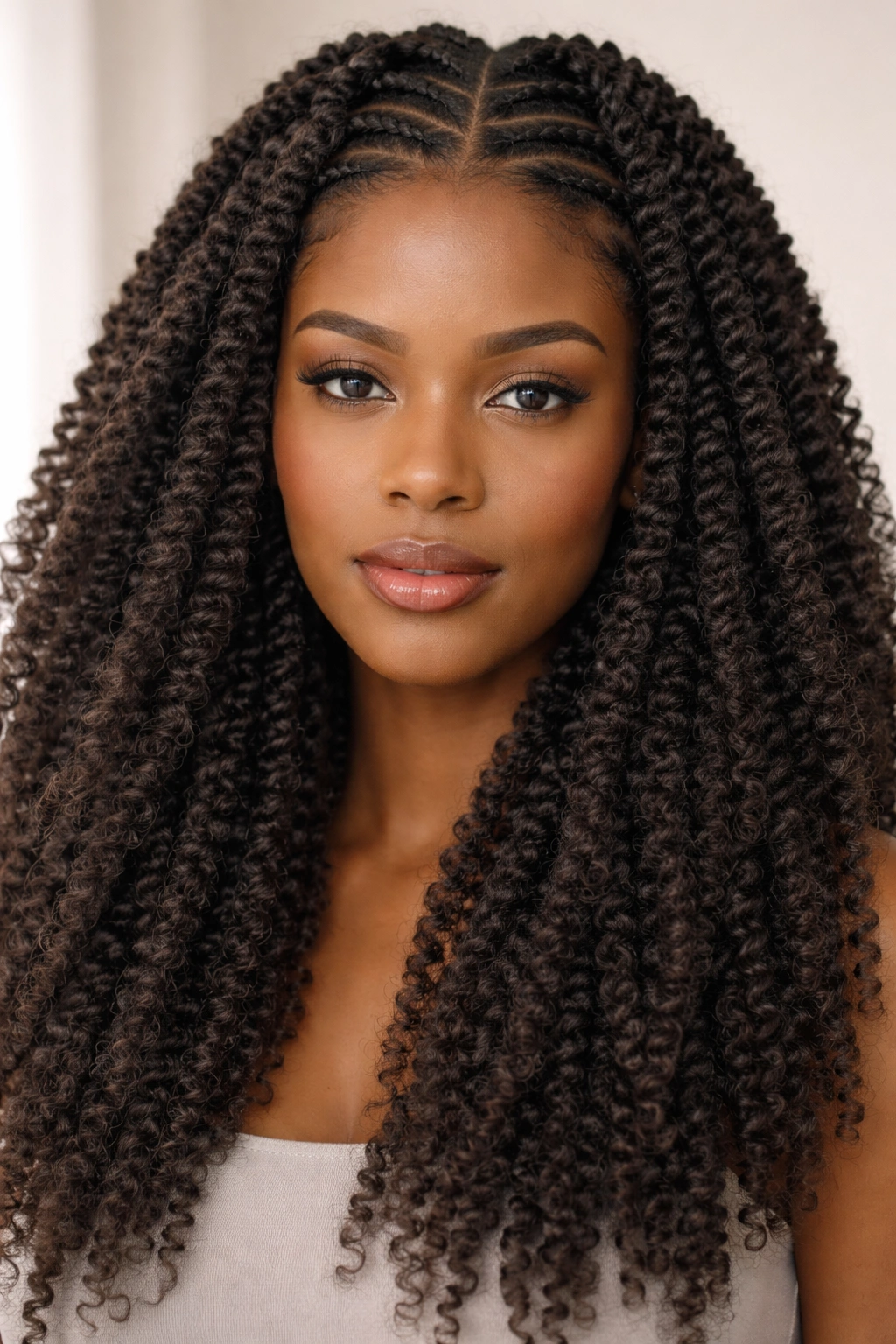
Crocheted braids involve braiding your coily hair into cornrows or sections, then using a crochet hook to pull synthetic or human hair through the braids, creating thick, textured braids that last 4-6 weeks. Your coils are braided and protected inside the crocheted hair.
Why This Method Is Protective
Your coils are braided first, then covered with crocheted hair that wraps around the braid. This double layer of protection means your actual hair is completely secured and protected from friction and manipulation. The crocheting process doesn’t damage your coils the way tight braiding alone might, because the crocheted hair absorbs some of the stress.
Installation Process
Have your coily hair cornrowed or braided into even sections, then use a crochet hook to pull pre-made braided hair through each cornrow. The crocheted hair intertwines with your braids, creating a seamless, textured style. This installation typically takes 2-3 hours depending on how many braids you’re creating.
Maintenance involves keeping your scalp clean and moisturized, washing the braids gently every 7-10 days, and refreshing any sections that have become loose. The result is a protective style that looks intentional and lasts for weeks.
15. Marley or Kinky Twist Installation
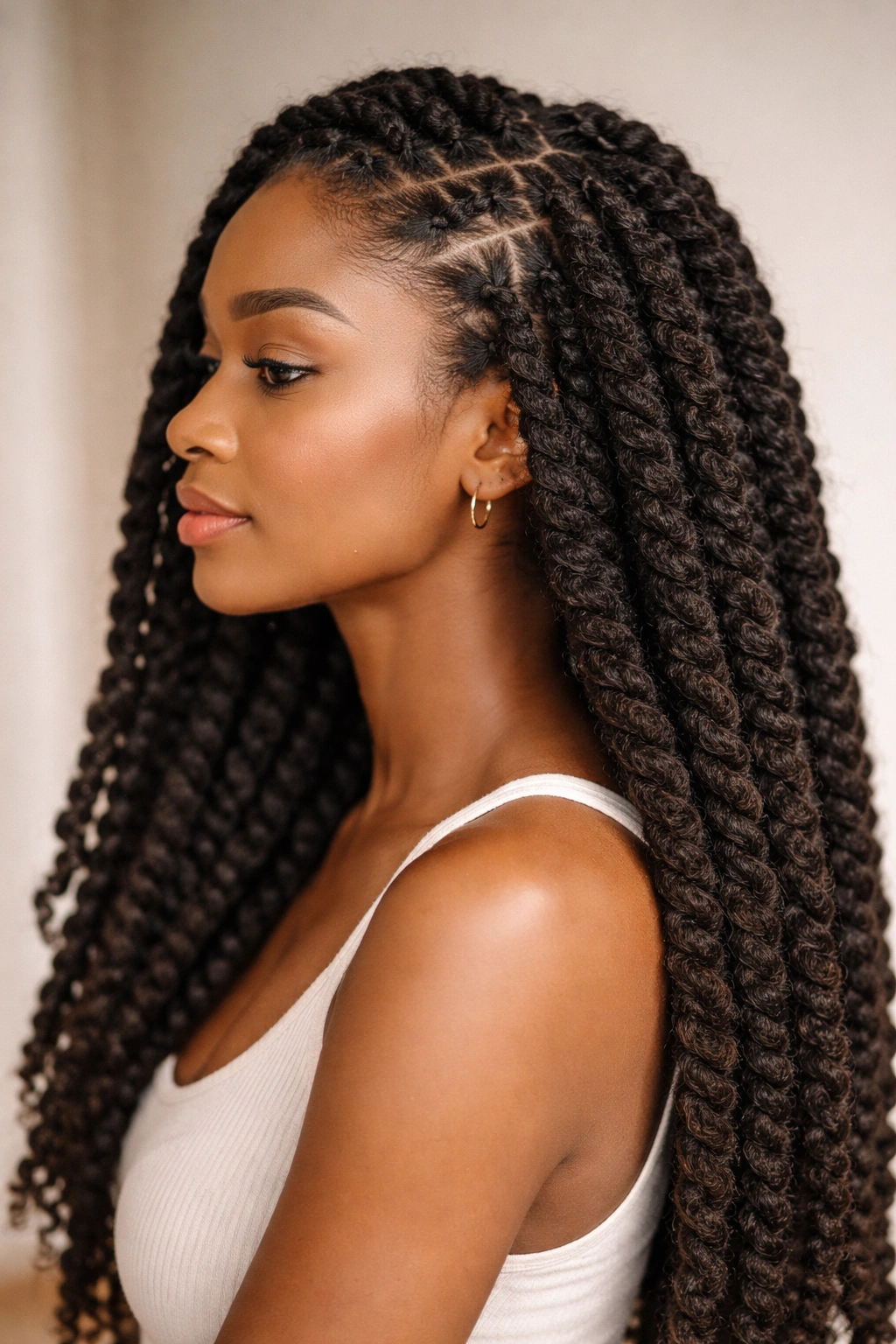
Marley twists use Marley hair (a textured, kinky synthetic hair) twisted around your coily hair to create protective twists that look chunky and textured. Because the added hair has a similar texture to coily hair, it blends beautifully and protects your coils for 3-4 weeks.
The Texture Match
Marley hair or kinky twists have a texture that actually complements coily hair, making the style look cohesive and intentional. Your coils are twisted and protected inside the Marley hair, and the final style looks like thicker, fuller versions of your natural twists.
Installation and Refresh Schedule
Install Marley twists by taking sections of your coily hair and twisting them together with Marley hair, from root to tip. The installation takes 2-3 hours depending on how many twists you’re creating and how thick you want them. Marley twists hold their shape beautifully for 3-4 weeks without significantly loosening, and you can refresh the roots by gently retwisting them every 2-3 weeks if you want to extend the wear time.
The finished style is protective, voluminous, and requires zero daily styling—just sleep with a bonnet and wash your scalp regularly.
Final Thoughts
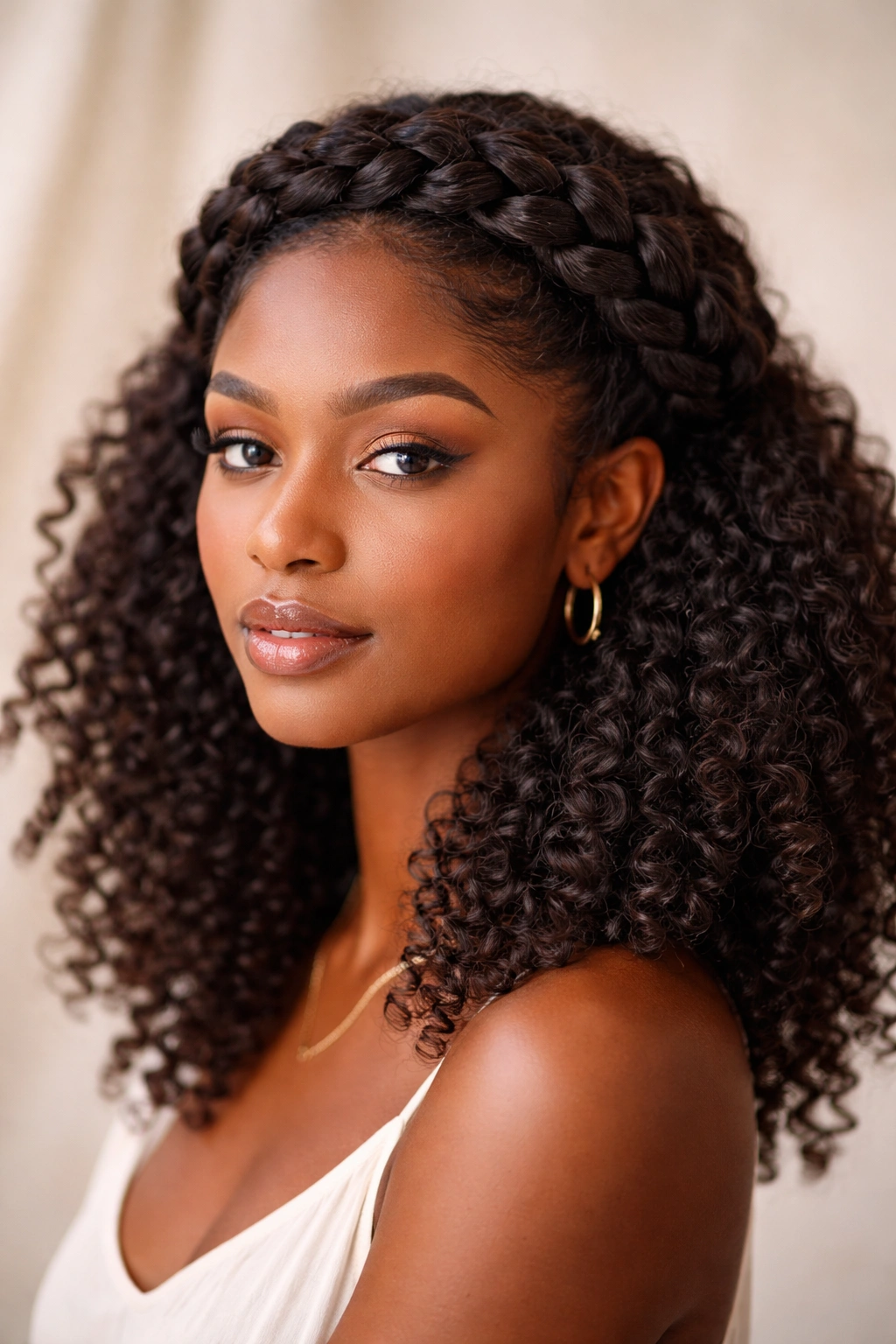
Protective styling for coily hair isn’t about hiding your natural texture or treating it as a problem to be solved. It’s about giving your coils a strategic break from daily manipulation while still looking intentional and polished. The best protective style for you is the one you’ll actually wear consistently, the one that doesn’t cause scalp tension or pain, and the one that makes you feel confident.
Your coils are resilient, but they do need rest and recovery time to thrive. When you rotate through different protective styles—maybe braids one month, twists the next, and a wig month after that—you’re spreading the stress of styling across different scalp areas and giving different sections of your hair extended protection periods. This rotation approach works better than wearing the same tight style repeatedly.
Pay attention to how your scalp and hairline feel in each style. If you’re experiencing tension headaches, scalp soreness, or thinning at your edges, those are signals to loosen the installation or switch to a different style. Protective styling is only actually protective if it doesn’t cause damage in the process. The goal is healthy coils that feel strong, defined, and hydrated—and these fifteen styles all deliver that when they’re installed and maintained thoughtfully.
