



A braid style can protect your hair or slowly wear it down, and the difference usually shows up at the scalp before anyone notices it in the mirror. With Afro braid styles, the trick is not picking the prettiest finish first. It’s picking the one your hair can actually live with for weeks at a time.
That means looking past the photo and paying attention to tension, part size, extension weight, and how much daily fiddling the style will demand. A neat set of braids can be a gift. A too-tight set can leave your hairline sore, your edges thin, and your patience gone by day three.
The best protective styles do a few things at once: they reduce combing, keep ends tucked away, and let your scalp stay calm enough to do its job. They should not feel like a tug-of-war every time you turn your head. If they do, the style is working against you.
These 15 braid styles cover the sweet spot between low-maintenance and actually wearable, from gentle knotless installs to sculpted cornrow patterns and fuller looks with a little drama. Some are better for fine hair, some for dense hair, and a few are only worth it if you know your stylist is careful with tension. That part matters more than the finish. A lot more.
1. Knotless Box Braids
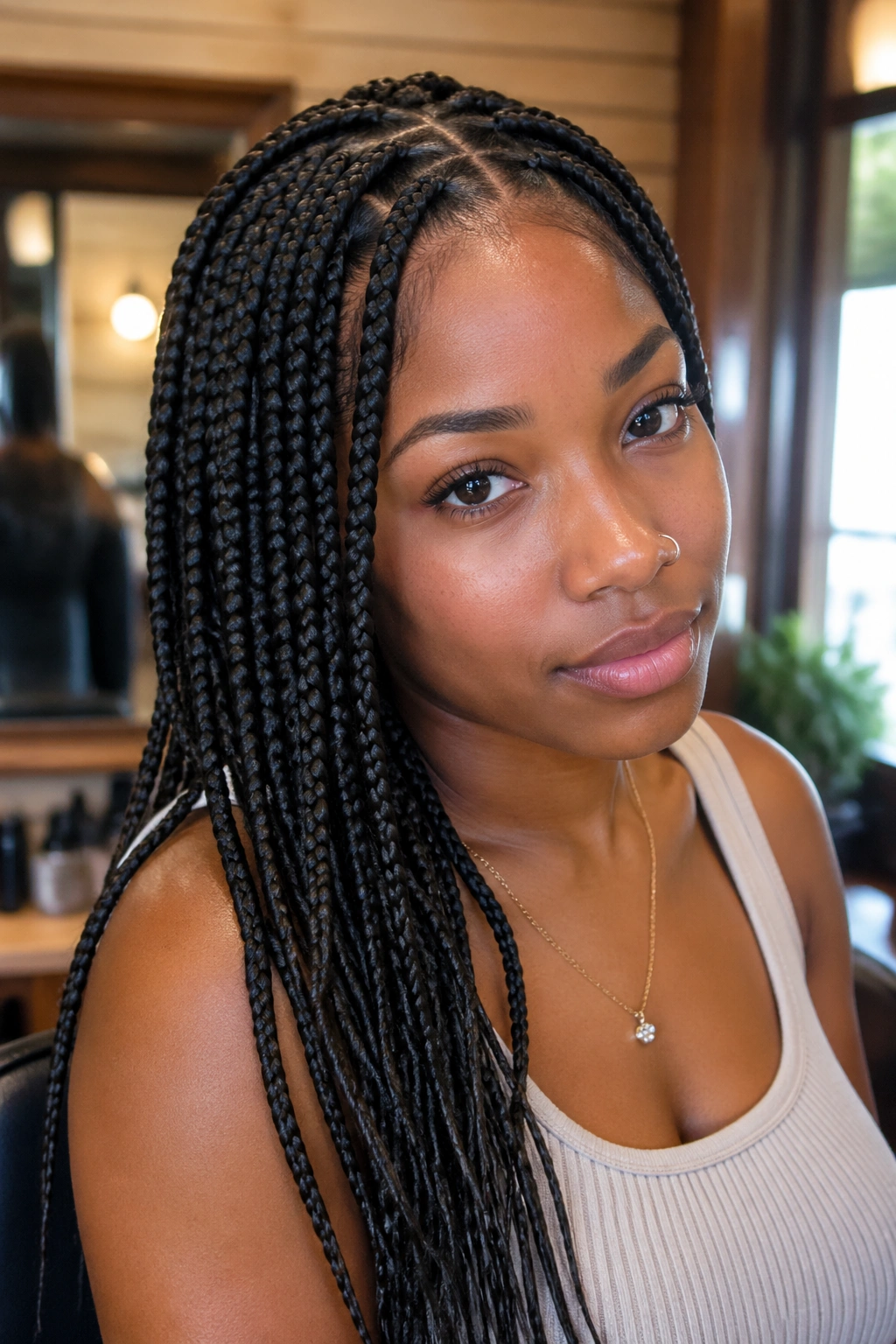
Knotless box braids are the style I point people toward when they want the look of box braids without that hard, bulky knot at the root. The braid starts with your own hair, then extension hair gets fed in gradually, so the base lies flatter and feels lighter. That small shift makes a big difference if your scalp gets tender fast.
Why the root feels easier
The feed-in method spreads the weight more evenly across the braid. Less pressure at the root usually means less pulling at the hairline, which is why knotless braids often feel friendlier for longer wear. They also move more naturally when you shake your head or pull them into a ponytail.
- Best for medium to long natural hair
- Good if you wear braids for 4 to 8 weeks
- Easier to style into half-up looks than stiff box braids
- Works well with small, medium, or waist-length installs
Ask for the first inch or so to stay soft, not tight. That little bit of slack is the whole point.
2. Classic Box Braids
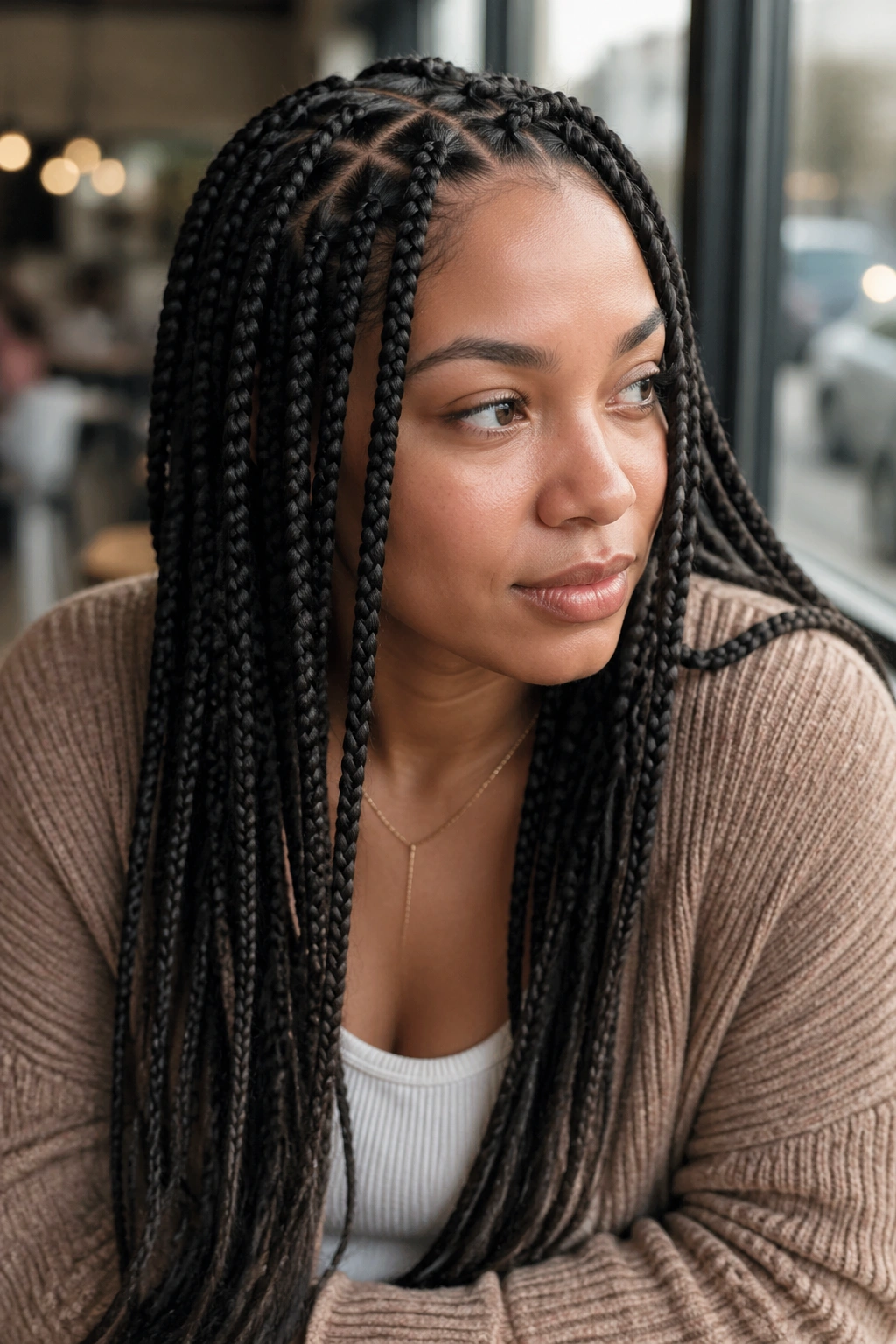
Classic box braids are the workhorse of braid styles. They have that clean square parting, a defined root, and a look that has stayed useful for a reason: they hold shape well, they’re easy to dress up, and they can handle a bit of daily life without turning into a mess.
What they do best is stay put. If you want braids that look crisp in a bun, tidy under a scarf, or easy to throw over one shoulder, classic box braids are still one of the most dependable options. They tend to look fuller at the root than knotless braids, which some people love and some people find too bulky. I’m in the middle on that. They look strong, but they do need a careful hand.
Tension is the tradeoff. If the first braid stitch is too tight, you’ll feel it the same day. A good install should feel secure, not sharp. Clean parting and moderate size matter more here than the length.
3. Jumbo Box Braids
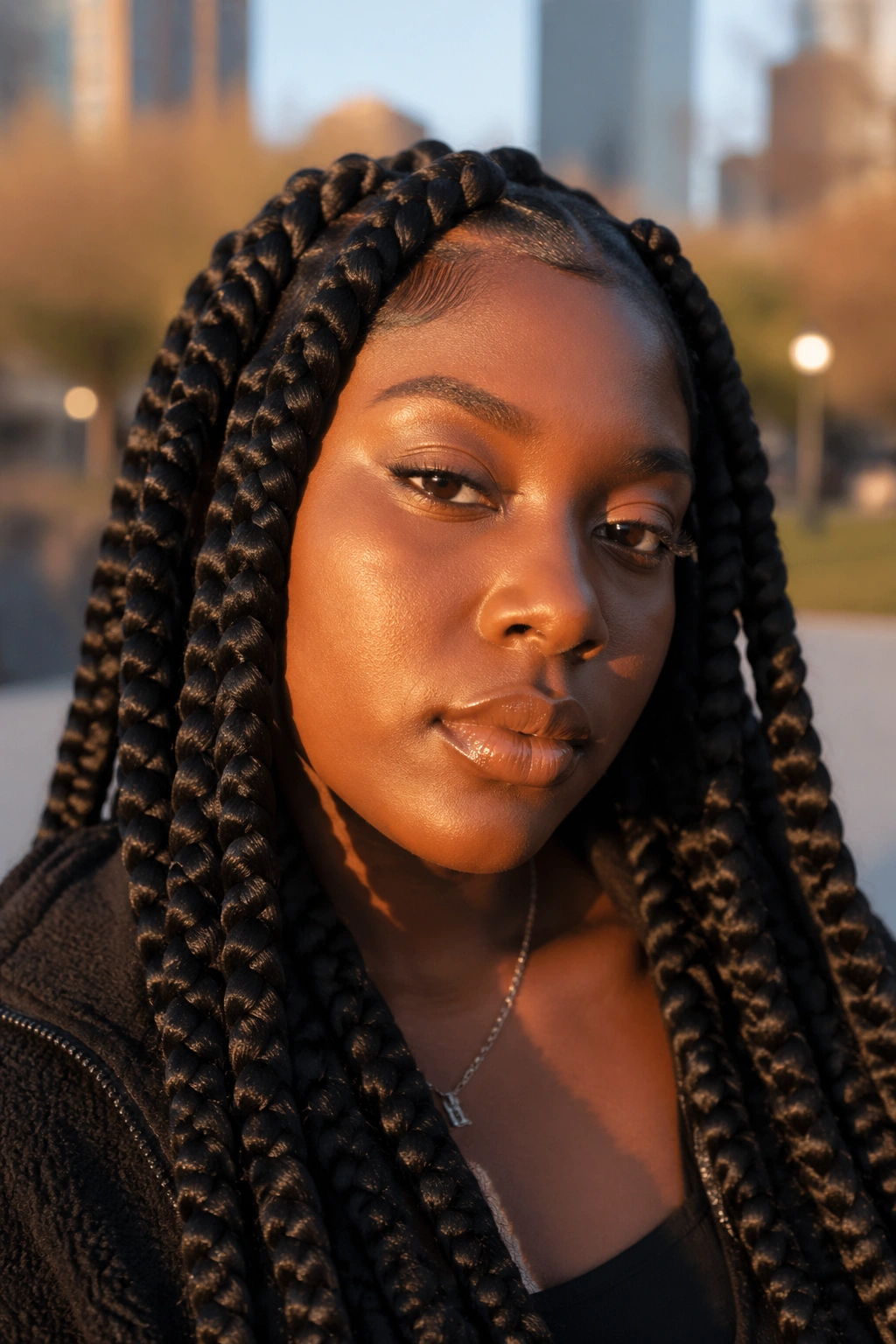
Three or four braids can feel like almost nothing compared with thirty tiny ones. Jumbo box braids are the low-lift version of the box braid family, and that is exactly why people keep coming back to them. They’re faster to install, quicker to take down, and they usually put less cumulative stress on the scalp because there are fewer sections to manage.
When jumbo makes sense
Jumbo braids shine when you want drama without sitting in the chair forever. They also show off thick, healthy-looking parts in a way smaller braids can’t. If your hair is dense, or if you just want a style that does not require endless maintenance, this is an easy yes.
Watch the length. A jumbo braid that reaches too far past your waist can turn heavy fast, especially if the extensions are dense. That weight shifts the protective style into a problem style. Keep the install balanced, and don’t let the braid size get so large that the roots have to do all the work.
4. Triangle-Part Box Braids
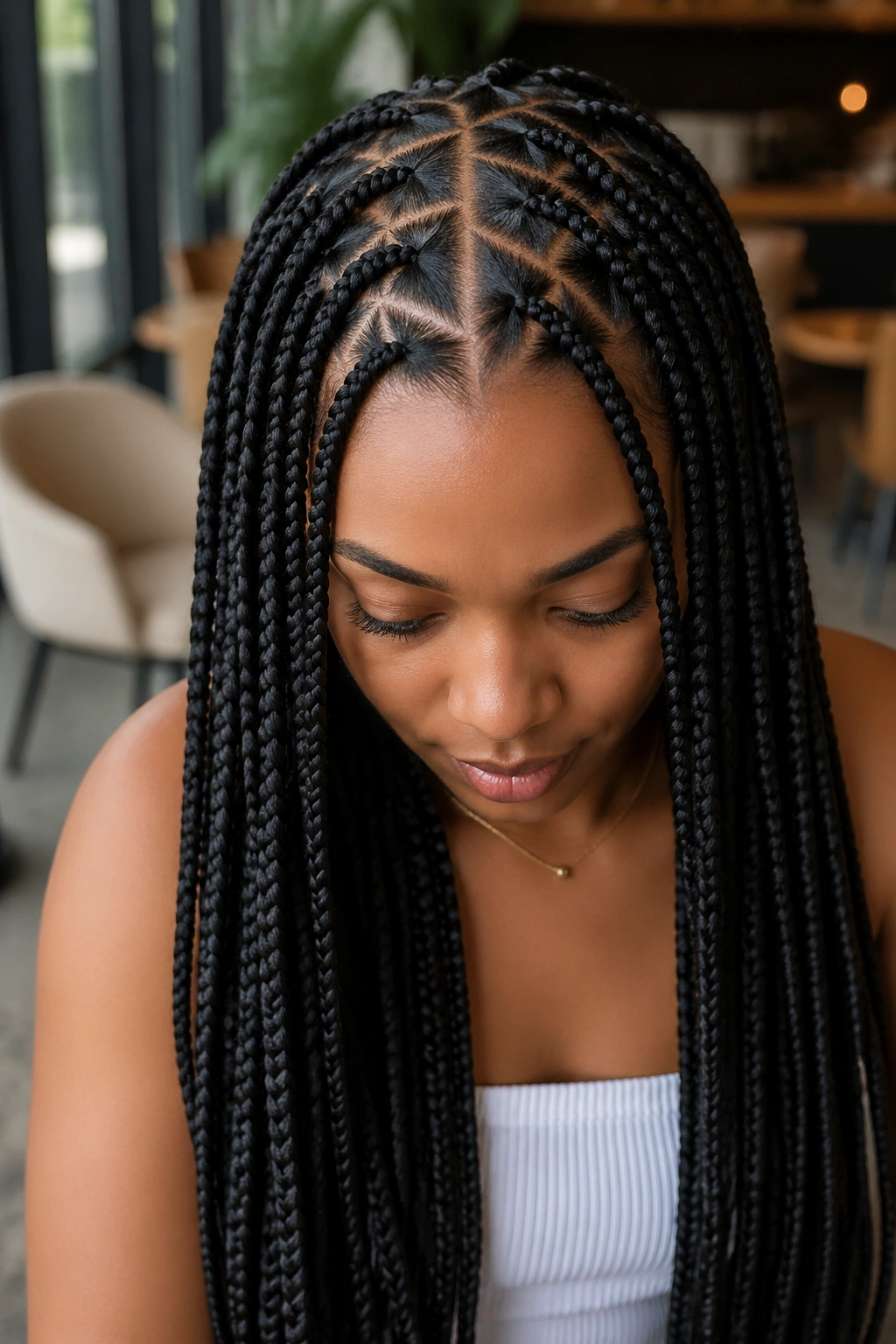
Want box braids that look sharper without changing the braid itself? Triangle parts do the job. The braid pattern is the same basic box braid idea, but the sectioning shifts from squares to triangles, which gives the scalp pattern a more angular, eye-catching look.
The appeal is partly visual, sure. But triangle parts also break up the grid in a way that makes the style feel a little fresher when you’re tired of standard squares. It’s a small detail, and small details are usually what separate a neat braid set from one that just looks routine.
What to ask for at the chair
- Medium triangle parts if you want the style to last
- Smaller triangles if you like a more intricate finish
- A clean, even part line at the front hairline
- Enough space between parts so the scalp can breathe
This style works well if you like box braids but want the parting itself to carry some of the visual interest. It’s a neat little upgrade, not a total reinvention.
5. Straight-Back Cornrows
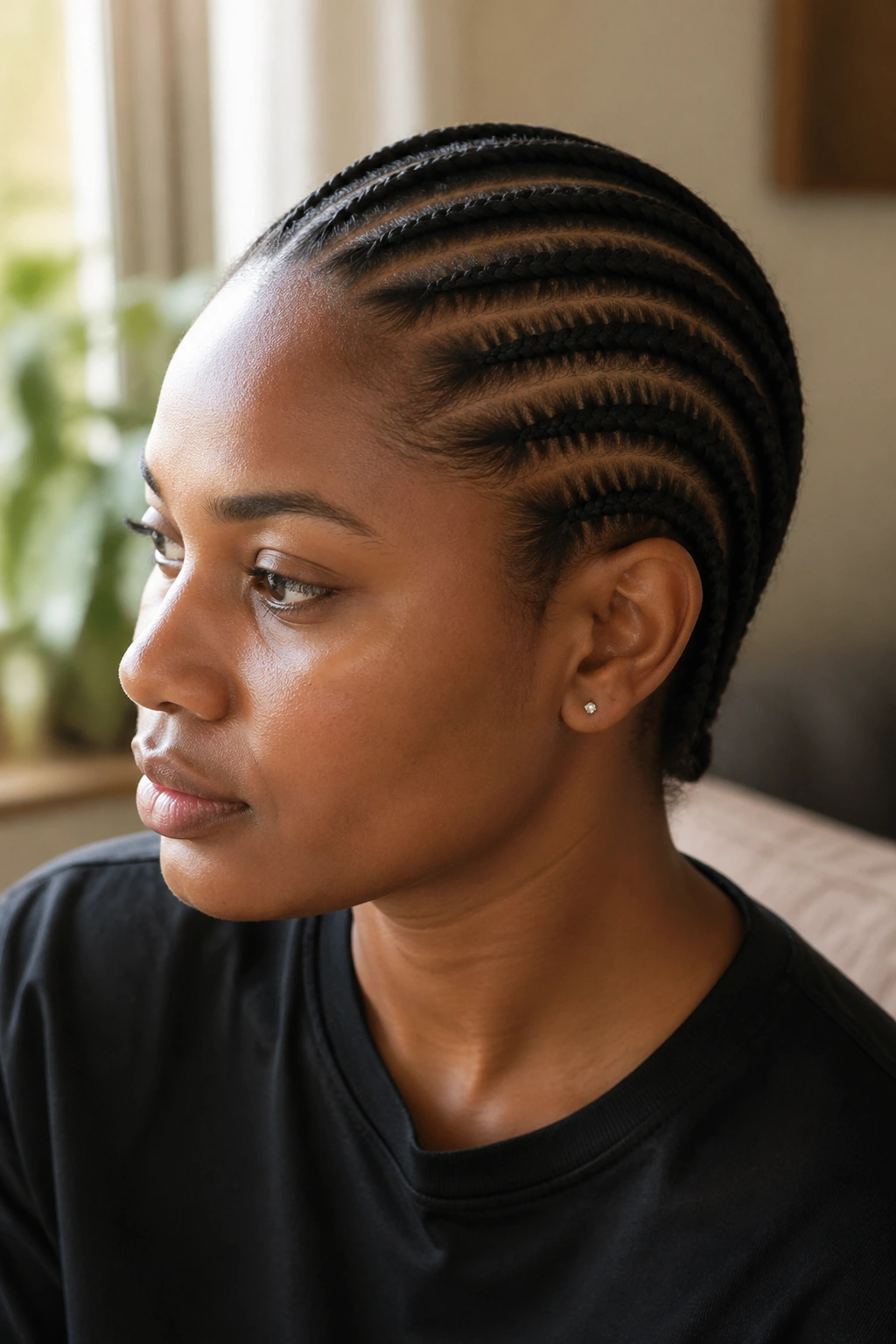
Straight-back cornrows are the style you choose when you want your hair out of the way and not asking for much in return. They lie flat, they keep the ends tucked, and they make life easier under wigs, hats, helmets, and scarves. That part alone makes them a favorite for active routines.
The clean look is the point. Rows run from the front hairline straight toward the nape, and the style can be as plain or as polished as you want it to be. Some people keep them simple. Others add extension hair for a fuller finish. Either way, the braid pattern itself is tidy and efficient.
A good straight-back set should not feel like the scalp is being pulled backward. If the first inch hurts, it’s too tight. That sounds obvious, but people ignore it all the time because the style looks so neat in the chair. Neat is not the same thing as safe.
6. Stitch Braids
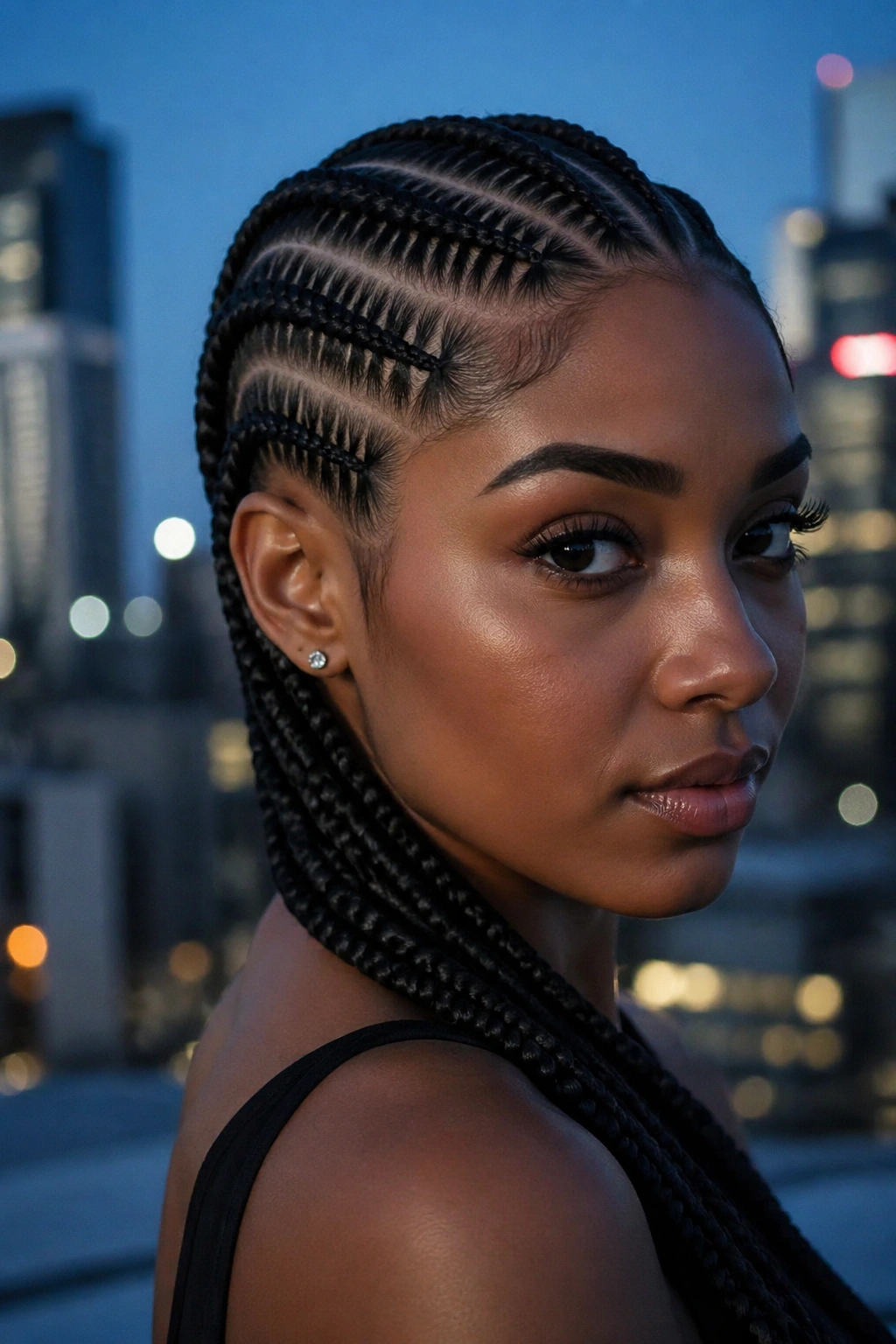
Stitch braids have that clean, segmented look that makes people stare for a second. Each row is built with clear horizontal “stitches” along the scalp, so the braid pattern looks sharp instead of soft. The finish is structured, almost architectural, and it’s one of the reasons stitch braids photograph well on the street and in close-up.
What makes the stitch show up
The sectioning has to be precise. A stylist usually lays the hair flat with gel or edge control, then creates those visible little parts that give the style its name. Too much product turns the roots into flakes. Too little and the braid pattern disappears. The sweet spot is a controlled, smooth base.
Stitch braids work well in ponytails, long hanging styles, or half-up looks. They also hold up nicely if you like to switch between neat and sporty. What they do not love is sloppy installation. If the rows aren’t straight, the whole style looks tired before it’s even finished.
- Best on dense hair or well-blended extensions
- Good for bold, graphic parting
- Needs careful edge control, not piles of gel
- Can be worn high, low, or swept back
7. Goddess Braids
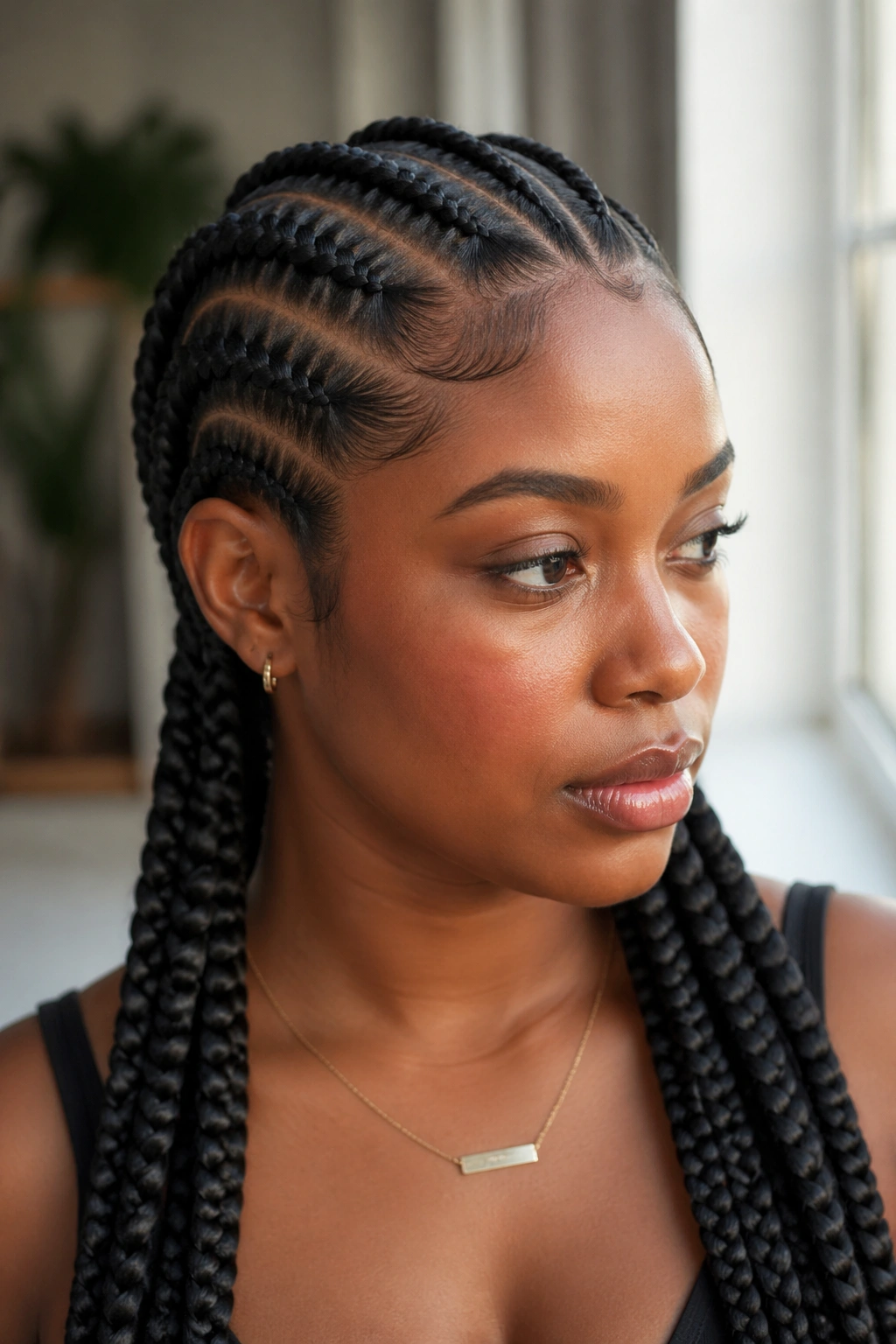
Goddess braids are thicker cornrows with a softer, fuller presence. They feel a little more dressed up than basic straight-backs, mostly because the braid itself has more width and the pattern often curves or sweeps in a way that looks deliberate. I like them for people who want something elegant without committing to tiny sections.
They can be worn flat, lifted into an updo, or mixed into a larger braid set. Some stylists add curly pieces or small loose ends for a lighter finish, but the core of the style is still the same: broad, strong braids that sit close to the scalp and keep the hair tucked away.
What I appreciate most is the balance. They look put together without being fussy. That matters if you want a protective style that can move from errands to an event without a full redo. Just keep an eye on the front rows, because thick braids can still be too tight if the tension is rushed.
8. Lemonade Braids
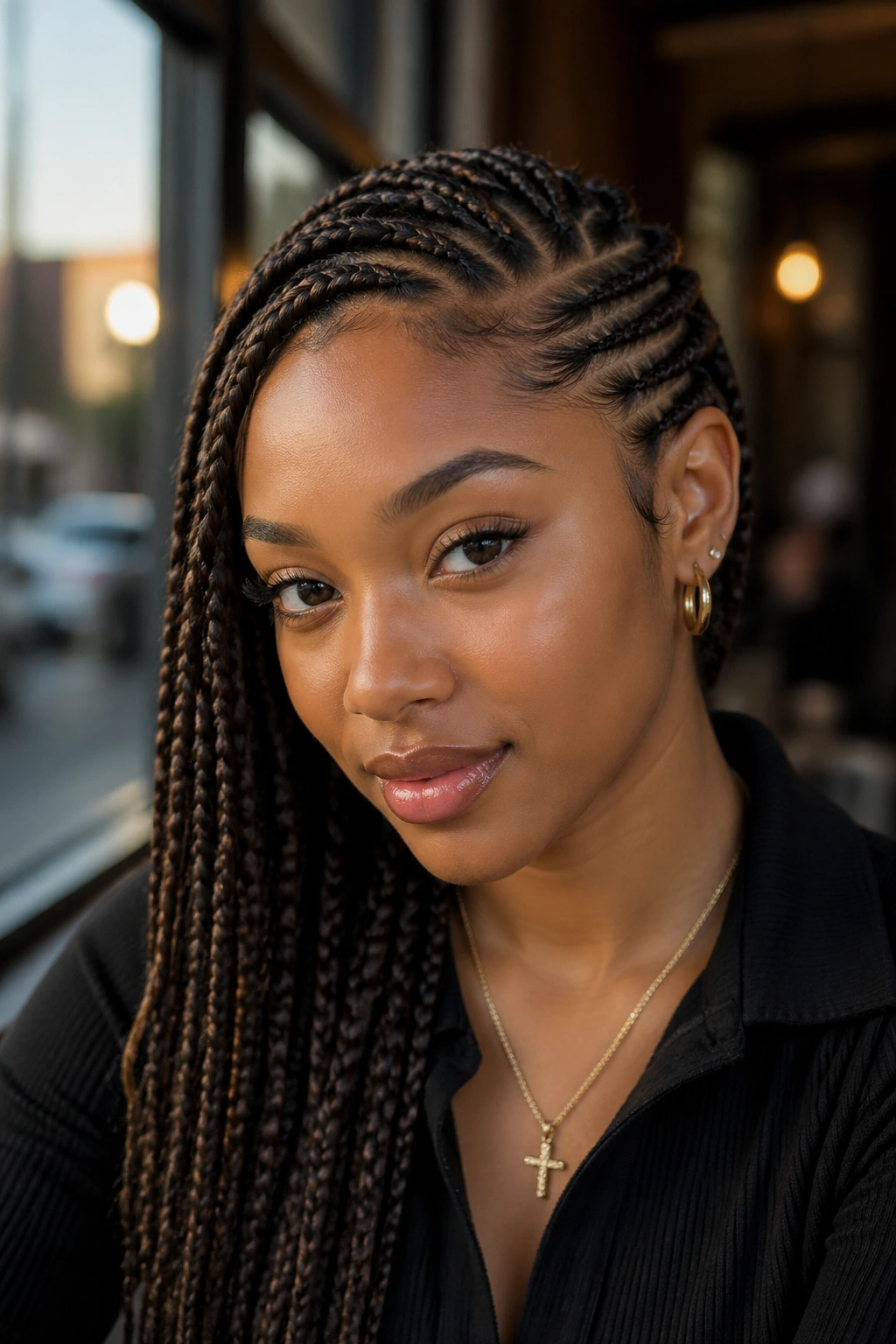
Lemonade braids sweep to one side in a way that frames the face and shifts the whole mood of the style. They’re cornrows, yes, but the angle changes everything. The braid pattern leans sideways instead of going straight back, which gives the style movement even when your hair is tucked close to the scalp.
The reason people keep choosing them is simple: they look polished from the front and clean from the side. They’re especially nice if you like to wear one side tucked behind the ear and let the other side do the talking. The front rows matter here more than usual, because they sit where people notice them first.
What to watch for
- Temple tension can build fast
- Smaller braids at the hairline usually feel safer
- Side parting needs to stay neat or the style loses shape
- A satin scarf at night helps preserve the angle
Lemonade braids can be protective, but only if the stylist respects your edges. If the side sweep feels like it’s dragging on the front of your head, skip the install or ask for a softer start.
9. Fulani Braids
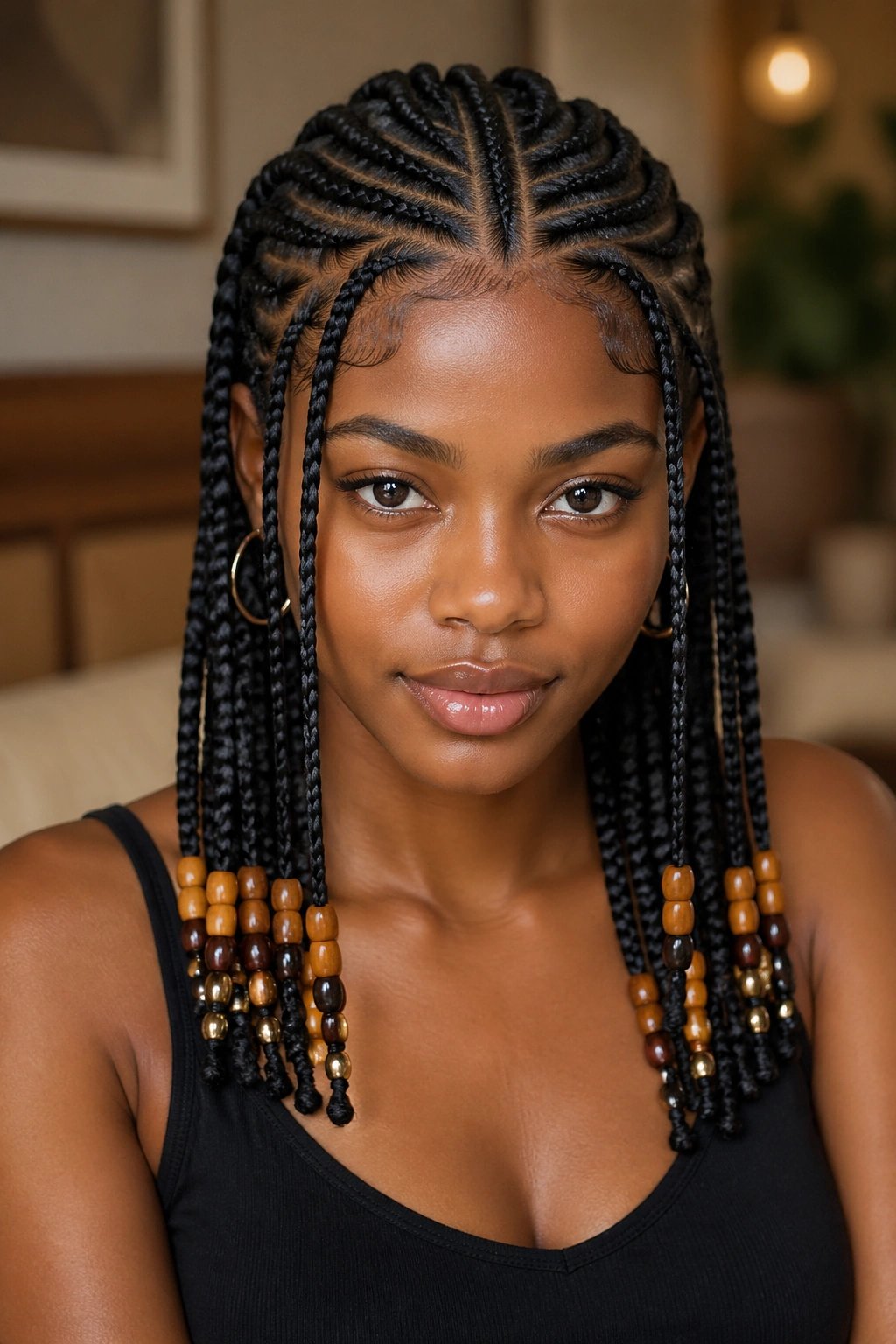
Fulani braids carry a specific look and a specific history. A classic set often includes a central braid or part running through the middle, side braids that frame the face, and decorative details like beads, shells, or cuffs. The style is beautiful, but the beauty isn’t only decorative. The pattern itself has cultural weight, and that deserves some respect.
The best versions feel balanced. You get ornament, but not clutter. You get structure, but not stiffness. A good Fulani set usually leaves room for movement around the face and keeps the back neat enough to stay wearable for weeks.
Beads change the whole feel. They add sound, movement, and weight, so don’t overload the ends if your hair is fine or your braids are already long. I also like Fulani braids best when the bead placement is intentional rather than random. One or two well-placed strands can do more than a dozen pieces fighting for attention.
10. Ghana Braids
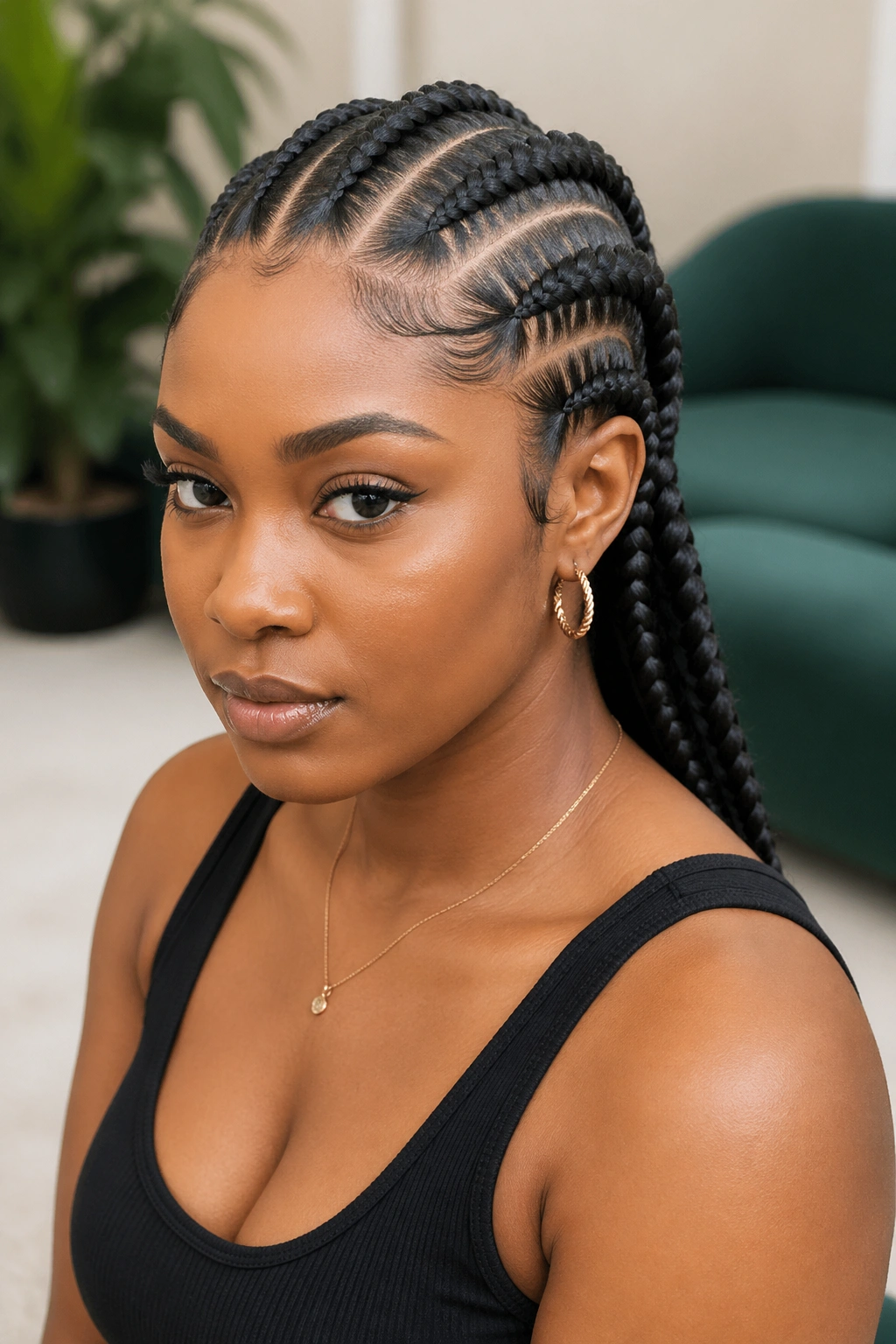
Ghana braids are thick feed-in cornrows that sit close to the scalp and build size as they move back. Some people call them banana braids. The name changes depending on who you ask; the finished look is the part that matters. They’re bold, tidy, and strong-looking, which makes them useful when you want a braid style that reads clean from across the room.
Unlike tiny cornrows, Ghana braids make a bigger visual statement with fewer rows. That often means less overall parting time and less day-to-day fuss. It also means the braid itself needs to be neat, because there aren’t many rows to hide behind if one starts to fray.
A lot of people like them because they can be done in straight lines, swoops, or curved patterns. Some wear them into a ponytail, some wear them down the back, and some tuck the ends under for a shorter finish. The braid size should match your hair density. Too thin, and they look awkward. Too heavy, and they pull.
11. Braided Ponytail
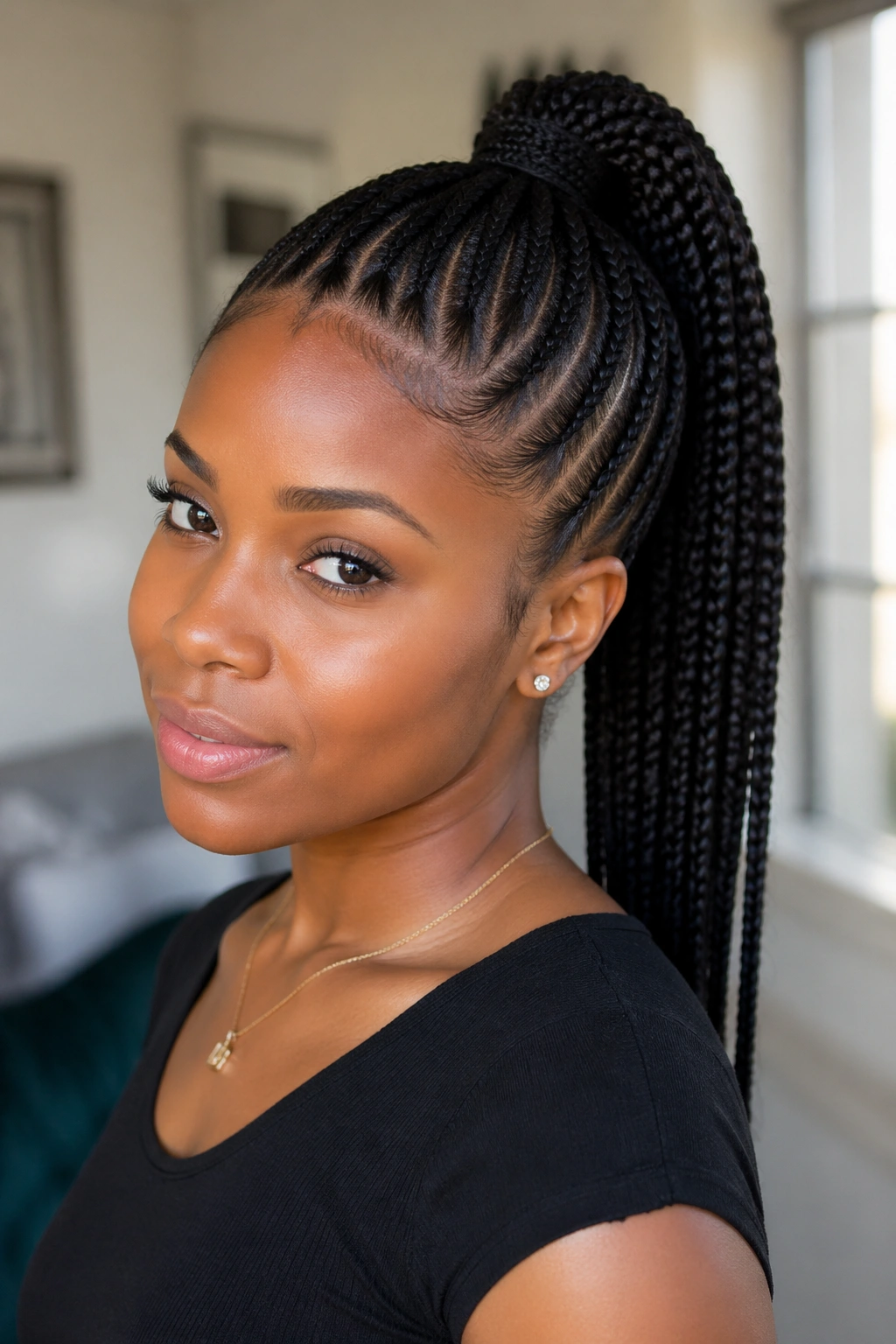
A braided ponytail gives you the neatness of braids with the shape of an updo. It can sit high, low, or somewhere in the middle, and the whole style looks especially good when the front is smooth and the ponytail itself has a long, clean line. It’s one of those styles that looks simple until you notice how much work went into the base.
The biggest win here is practicality. Hair stays off the neck, the ends are gathered, and the style can be worn for work, travel, or anything else that asks for a pulled-together look. A high braided ponytail usually feels more dramatic. A low one feels calmer and easier to live with.
A few things worth asking for
- A base that is snug, not painfully tight
- Enough hair left at the hairline to avoid constant stress
- A wraparound braid or extension piece if you want extra polish
- A smooth part at the crown so the ponytail sits cleanly
The ponytail itself should feel secure without yanking your scalp backward every time you turn your head. That’s the difference between styled and strained.
12. Crown Braids
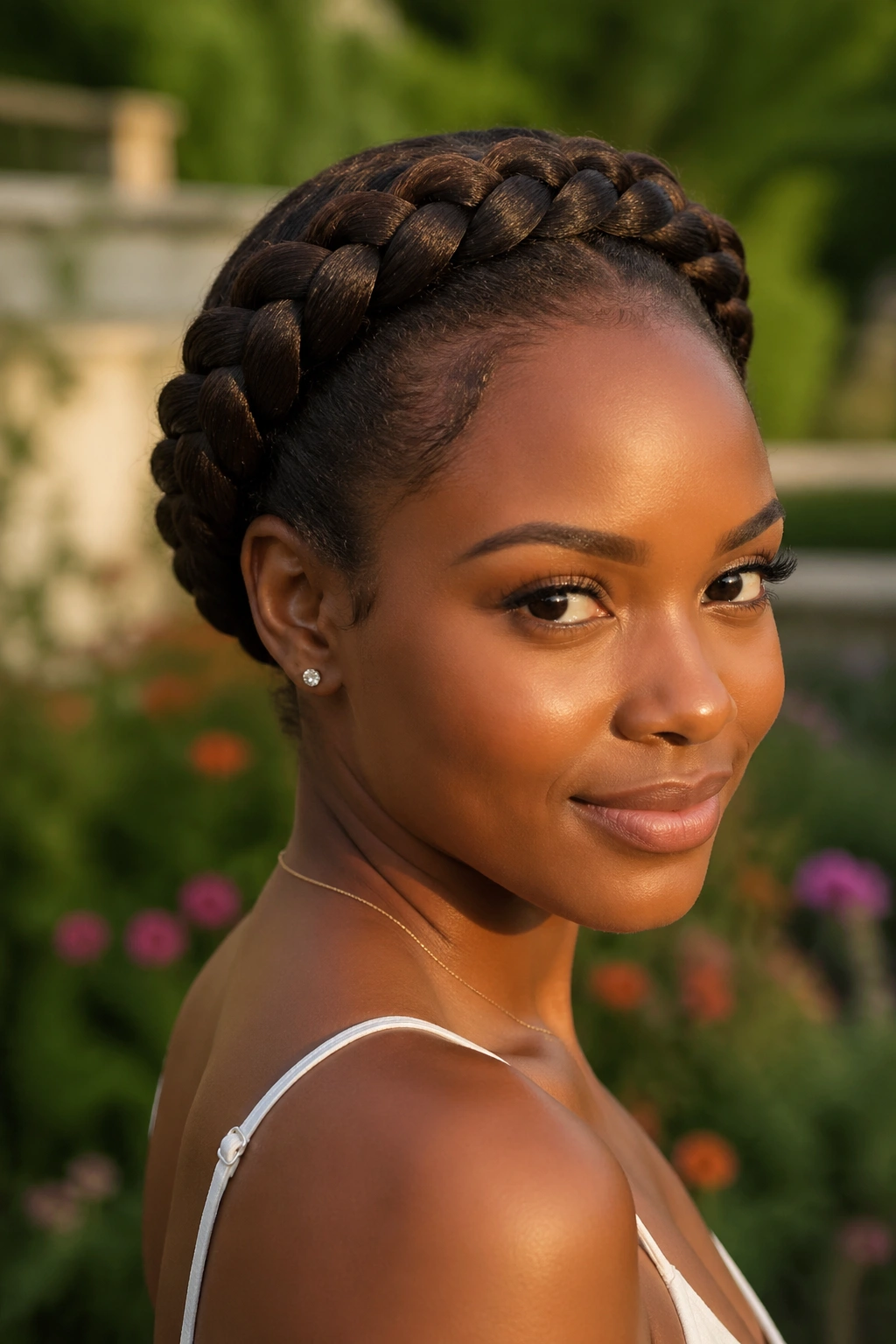
Crown braids wrap around the head like a halo, and yes, the name is a little grand, but the style earns it. It keeps the hair tucked along the perimeter, which makes it useful for people who want a fully pinned, fully controlled look. It can be soft and romantic, or it can be sharp and formal. The shape does a lot of the work.
Shorter hair can still work here, but the braid pattern may need a little help from extensions or careful pinning. Longer hair gives you more room to build a full circle and hide the ends cleanly. Either way, the goal is the same: a braid path that travels around the head and keeps the bulk away from the face and neck.
This is one of my favorite styles for special occasions because it doesn’t need much touch-up once it’s set. The base should sit flat, not lumpy. If the crown is too heavy at one side, the whole thing starts to tilt and the elegance disappears fast.
13. Braided Bob
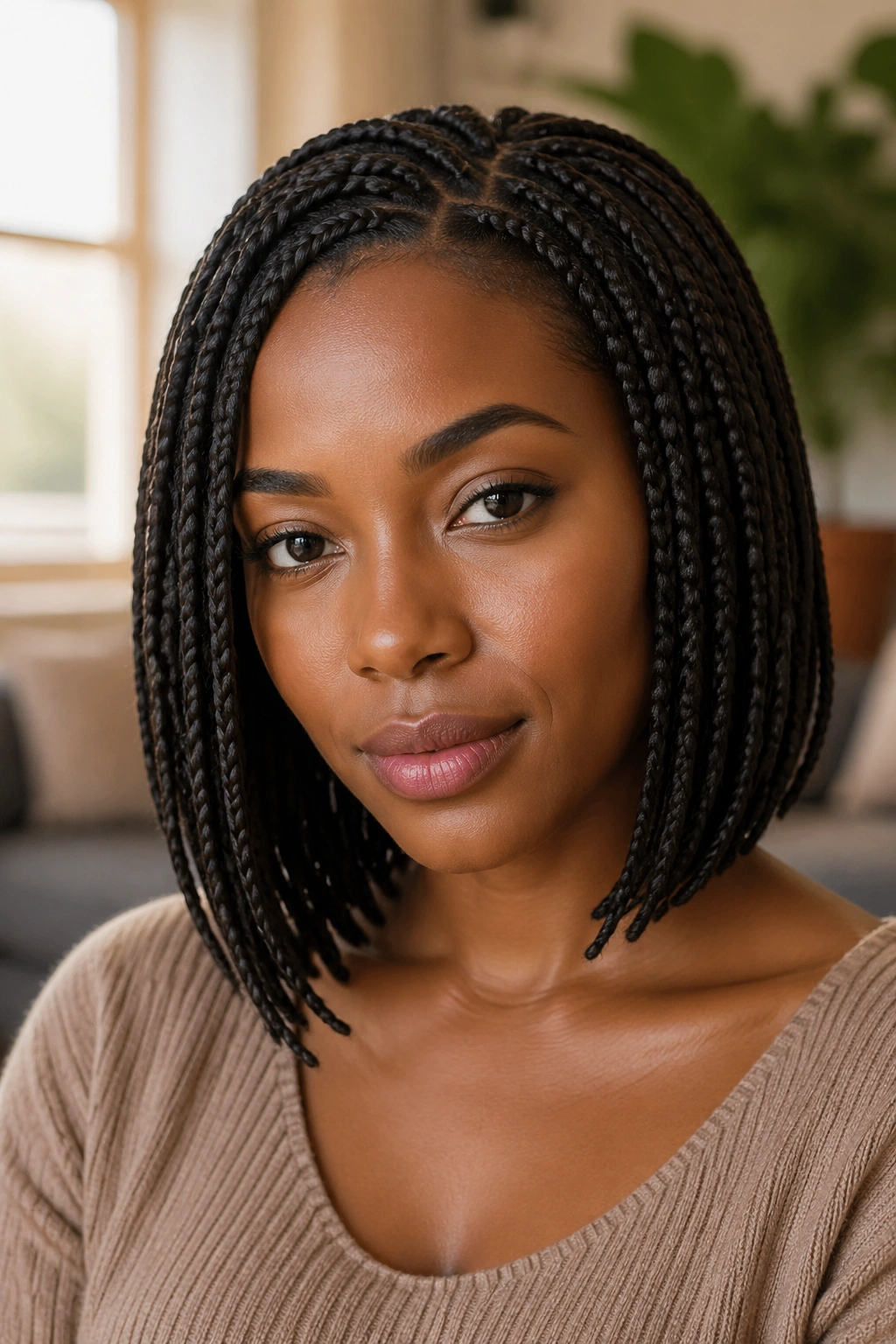
A braided bob is for anyone who loves braids but does not want a lot of length swinging around their ribs all day. Shoulder-length, chin-length, or just-below-the-jaw braid bobs keep the style light on the neck and easy to manage. They also move differently. There’s a little bounce to them, a little swing, and that makes them feel fresh.
The shorter length can make wash day easier, too. Scalp access is usually better than with waist-length braids, and drying time tends to be shorter because there’s less hair to hold water. That sounds minor until you’ve sat under a damp braid set and regretted your choices.
Why the bob works
- Less weight on the roots
- Easier to style into half-up looks
- More comfortable for people who hate long extensions
- Faster drying after washing or rinsing
If you want a protective style that feels neat but not heavy, this is one of the smartest picks. Just keep the braid ends sealed well, because short braids fray faster when they rub against collars and straps.
14. Micro Braids
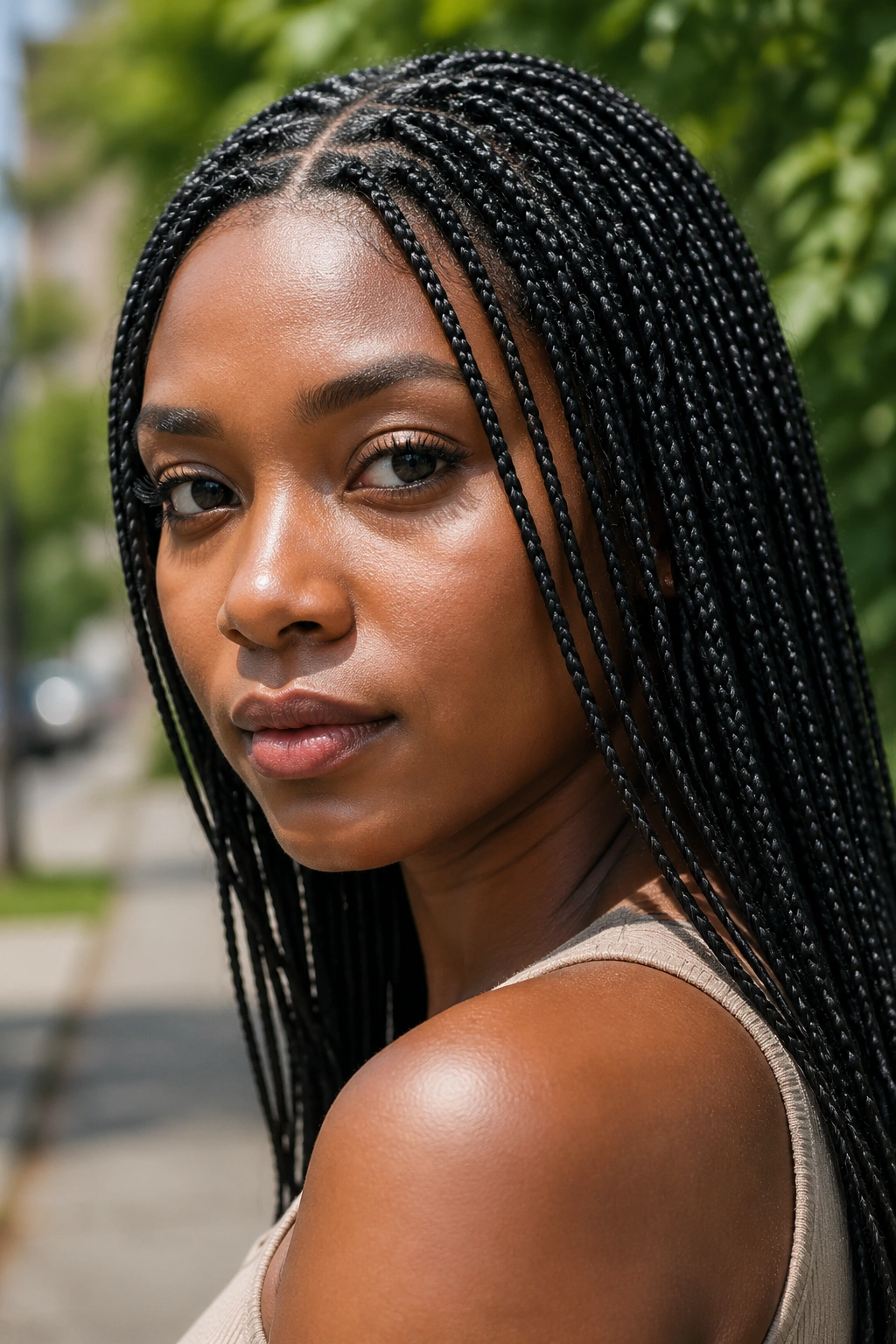
Micro braids are the long-game option. They’re tiny, detailed, and time-consuming, which is exactly why people either love them or avoid them completely. A good micro-braid install can last a long while and give you a lot of styling flexibility, but it also asks for patience, a careful hand, and honest attention to hair health.
The big issue is load. Tiny braids can add up fast, and the weight often sneaks up on people after the install is done. The scalp may seem fine at first, then the tension shows up a few days later when you start washing, sleeping, or pulling the style back. That’s not a style problem so much as a sizing problem.
Skip micro braids if
- Your edges are already fragile
- Your scalp gets sore quickly
- You want something quick to install
- You don’t like long take-down sessions
I’m blunt about micro braids because they’re not casual. They can be beautiful, but they need respect. If you get them, make sure they’re installed with enough space at the roots and enough plan for removal.
15. Boho Knotless Braids
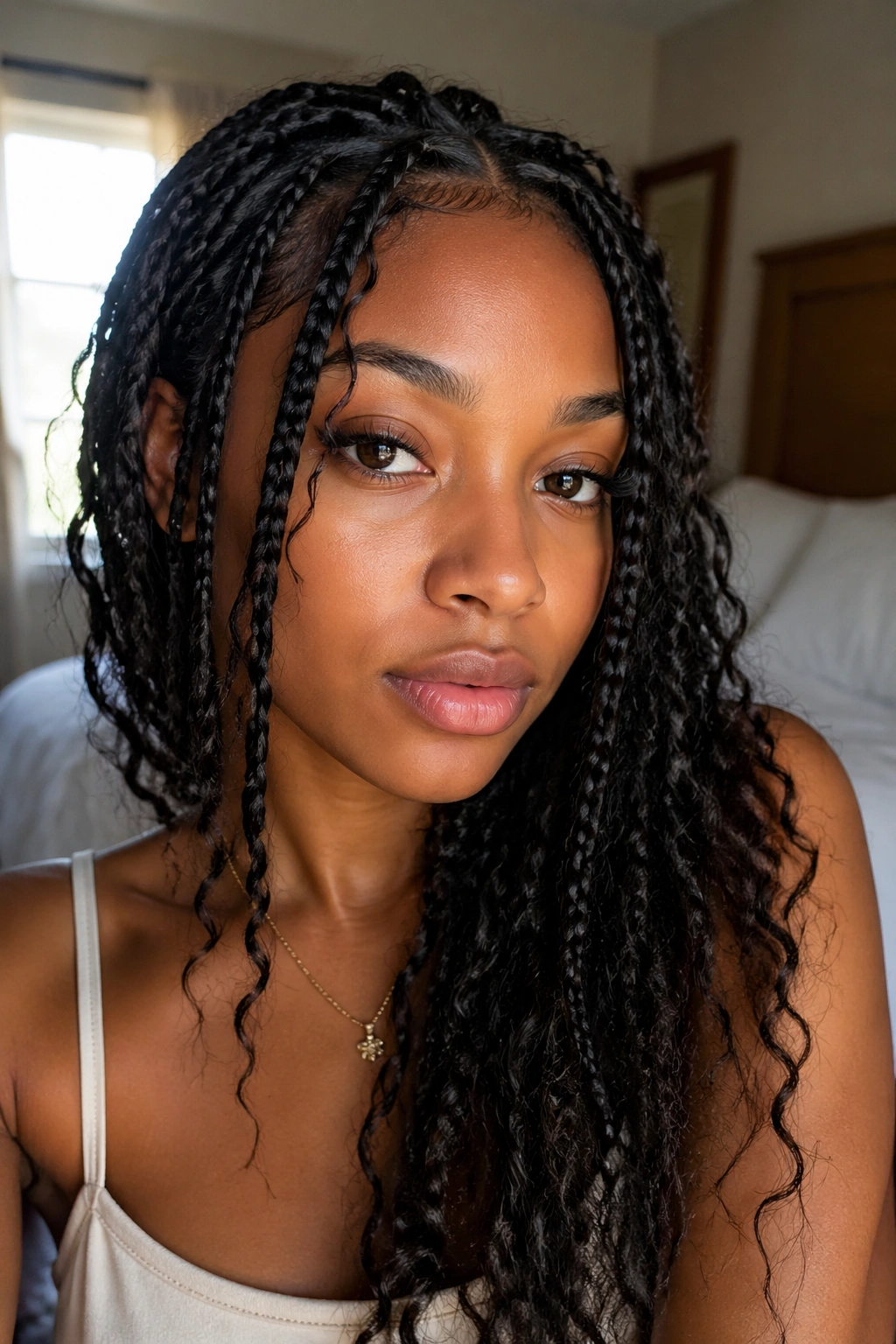
Boho knotless braids mix the clean base of knotless braids with loose curly pieces woven through the set. The result is softer, less rigid, and a little more undone in a good way. They still count as a protective style because the bulk of your hair stays tucked, but the extra texture changes how the whole look moves.
They’re a smart choice if you like braids that don’t look overly severe. The curly strands around the face and through the lengths break up the uniform braid line, which can be flattering if you want something lighter-looking. They also let you play with texture without giving up the structure of braids.
The catch is maintenance. The curls frizz faster than the braid itself, so they need a bit more care at night and after washing. A satin bonnet helps, but a light mist of water can also refresh the curl pieces without soaking the whole style. That small bit of upkeep is the price for the softer finish.
Final Thoughts
The braid styles that protect your hair best are the ones that keep tension in check and fit your actual routine. A style can look flawless and still be the wrong choice if it hurts your scalp, weighs down your roots, or takes more upkeep than you can handle.
I’d choose with the end in mind: how you sleep, how often you wash, how much time you want to spend taking it down, and how much hairline stress you’re willing to tolerate. That sounds plain, but it saves a lot of regret.
One last thing. Book the removal before you book the install. Seriously. Braids are supposed to give your hair a break, and they stop doing that the second you leave them in past the point where your scalp starts complaining.
