



An undercut bob changes the whole mood of a haircut. Keep the length at the jaw, remove weight at the nape, and the same bob that once felt neat and polite suddenly gets sharper, lighter, and a little mischievous.
That contrast is why undercut bobs keep winning over people with thick hair, flat roots, or hair that refuses to sit where it’s told. A hidden shave can stop the puffiness at the back. A side shave can make a plain bob feel deliberate instead of accidental.
Placement matters more than most people think. Move the undercut a half-inch higher and you expose more scalp; leave it lower and the cut disappears until the hair swings or gets tucked behind the ear. The point is not the shave itself. It’s the relationship between the weight you remove and the shape you keep.
Some versions look soft and office-safe. Others feel blunt, graphic, and unmistakably cool. The 12 styles below cover the whole range, from subtle nape cuts to louder side-shaved shapes and color-heavy versions that make the undercut part of the design rather than a hidden detail.
1. Hidden Nape Undercut Bob
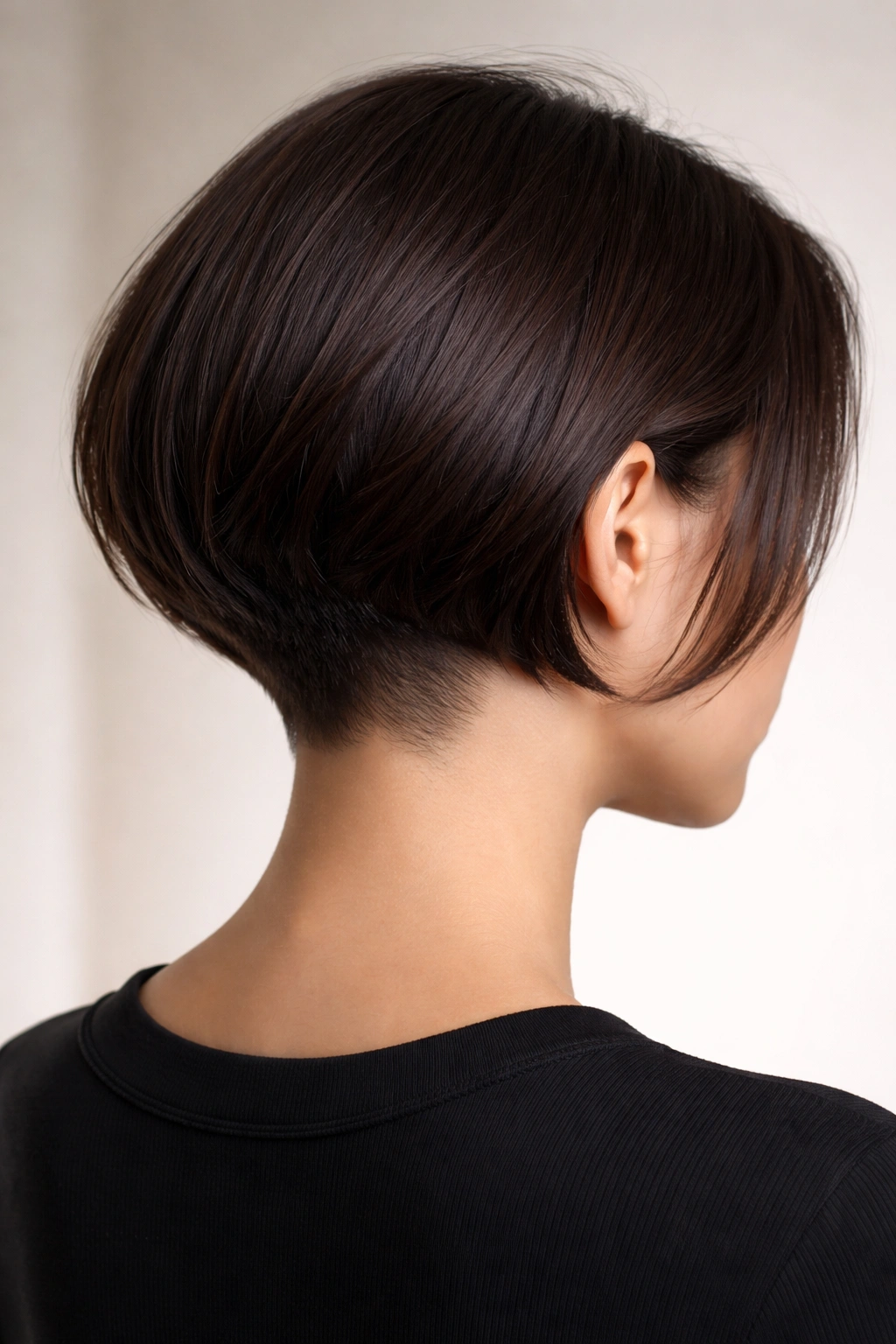
A hidden nape undercut is the quietest way to make a bob feel tougher. From the front, it can look like a clean, classic cut. From the back, you get that neat little reveal of shaved or closely clipped hair where bulk used to sit.
This is the version I reach for when someone likes the idea of an edgy bob but does not want a haircut that announces itself from across the room. Thick hair especially benefits here. If the nape puffs out or flares wide, taking out that lower section makes the whole shape fall closer to the neck.
The sweet spot is usually the bottom 1 to 2 inches at the nape. Go too high and the undercut stops being hidden. Go too low and you may not remove enough weight to matter. That tiny band of hair can make the difference between a bob that sits cleanly and one that keeps kicking out at the collar.
It also grows out gracefully. A cleanup every 4 to 8 weeks is enough for most people, and if you let it go longer, the cut still reads as a bob rather than a buzzed style. That makes it a smart first step if you want to test the undercut waters without jumping straight into something loud.
One small note: if your hair is very fine, ask for a light removal rather than a deep shave. Too much taken out at the nape can leave the top looking flat.
Placement is everything.
2. Asymmetrical Undercut Bob
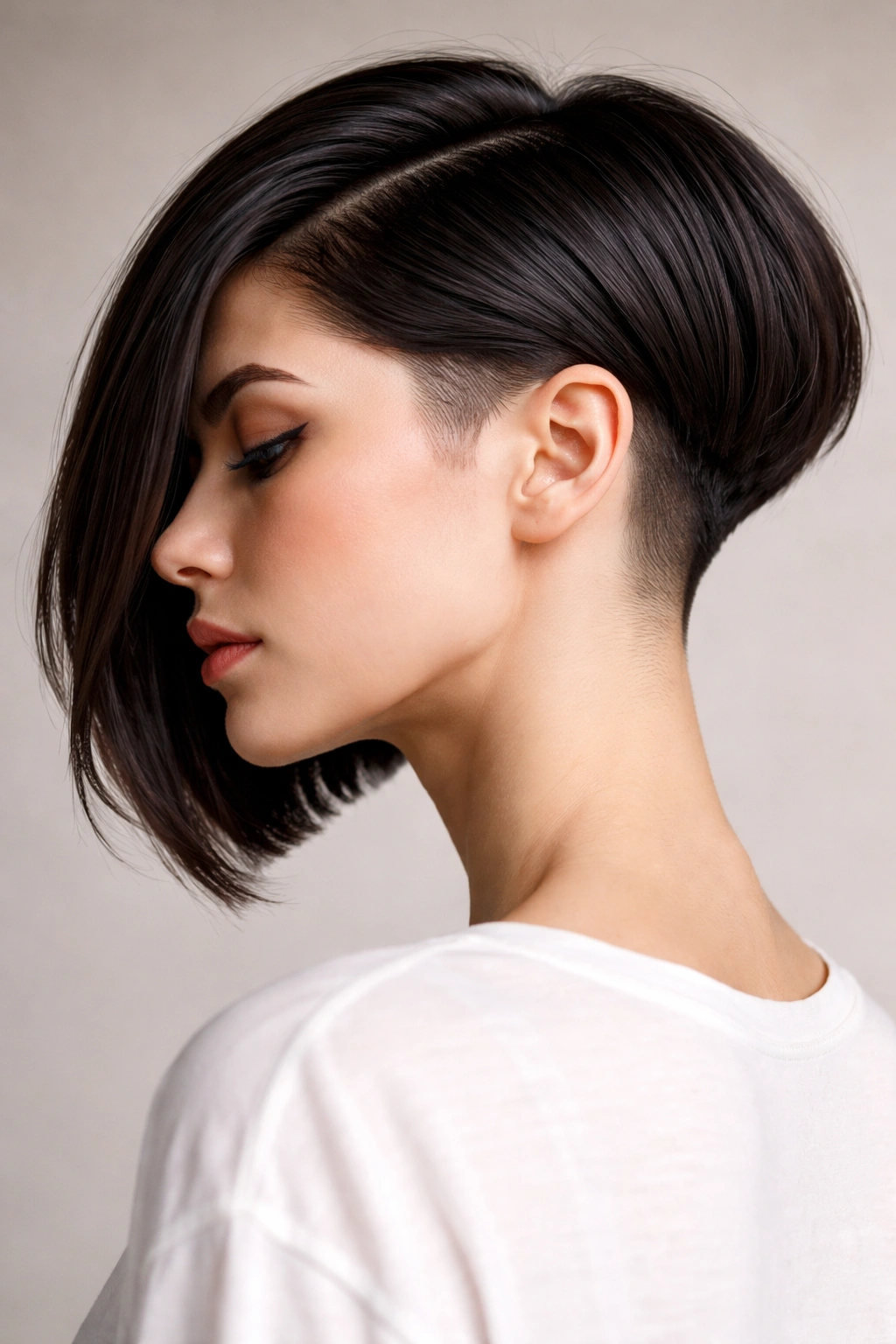
Why does an off-balance shape feel so sharp? Because the eye cannot settle into the usual mirror image. One side drops lower, the other sits shorter, and the undercut pushes that contrast even further.
An asymmetrical undercut bob works best when the longer side is clean and intentional, not random. Usually that means keeping the longer panel smooth and blunt while the shorter side gets a tighter nape or side removal. The line should look planned, almost architectural. If it starts to look choppy, the whole point gets lost.
What Makes It Different
The haircut gives you motion even when your hair is still. Tuck the shorter side behind the ear and the whole shape changes. Wear it loose and the long side drapes forward, which creates that slightly rebellious slant people tend to notice first.
How to Wear It
- Keep the longer side at chin length or a little below if you want a stronger angle.
- Ask for the undercut to stay low if you want the style to grow out without a hard edge.
- Use a flat brush or paddle brush to keep the longer panel sleek.
- If your hair is wavy, style the longer side with a bend rather than a perfect straight line.
The best version of this cut looks deliberate from every angle. That’s the part many people miss. The asymmetry should feel like a design choice, not a repair job after a bad trim.
3. Stacked Undercut Bob
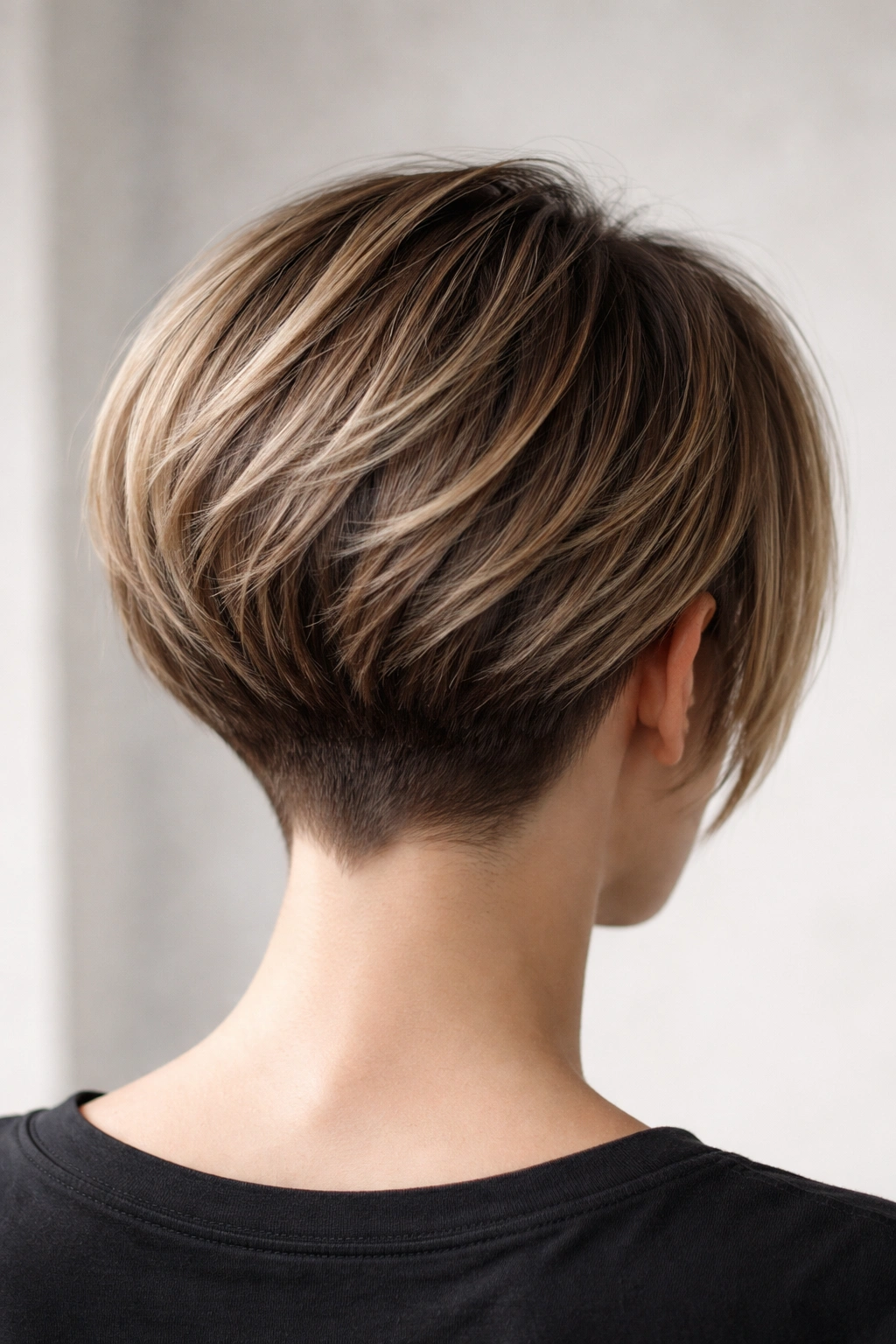
If you want volume at the back without the usual triangle shape, a stacked undercut bob does the heavy lifting. The stacked layers build lift through the crown and upper back, while the undercut removes the bulky base that makes thick hair collapse outward.
This cut is especially good for hair that feels dense but not especially springy. You get shape where you want it and less puff where you don’t. That’s a rare trade, and a useful one.
Who It Flatters
- Straight hair that needs lift at the crown.
- Fine hair that gets over-processed or weighed down by too much length.
- Thick hair that tends to sit wide at the nape.
- Anyone who wants the back to look neat even after a long day.
The styling part is pretty straightforward. Blow-dry the crown upward with a small round brush, then direct the ends under slightly so the stacking stays visible. A pea-sized amount of cream or mousse is enough for most hair types. Too much product kills the airy shape and makes the layers look sticky instead of clean.
Keep the undercut low if you like the look of fullness. If the shave is too high, the stacked layers can lose their soft curve and start looking too severe. The point is lift, not a hard shelf.
4. Chin-Length Blunt Undercut Bob
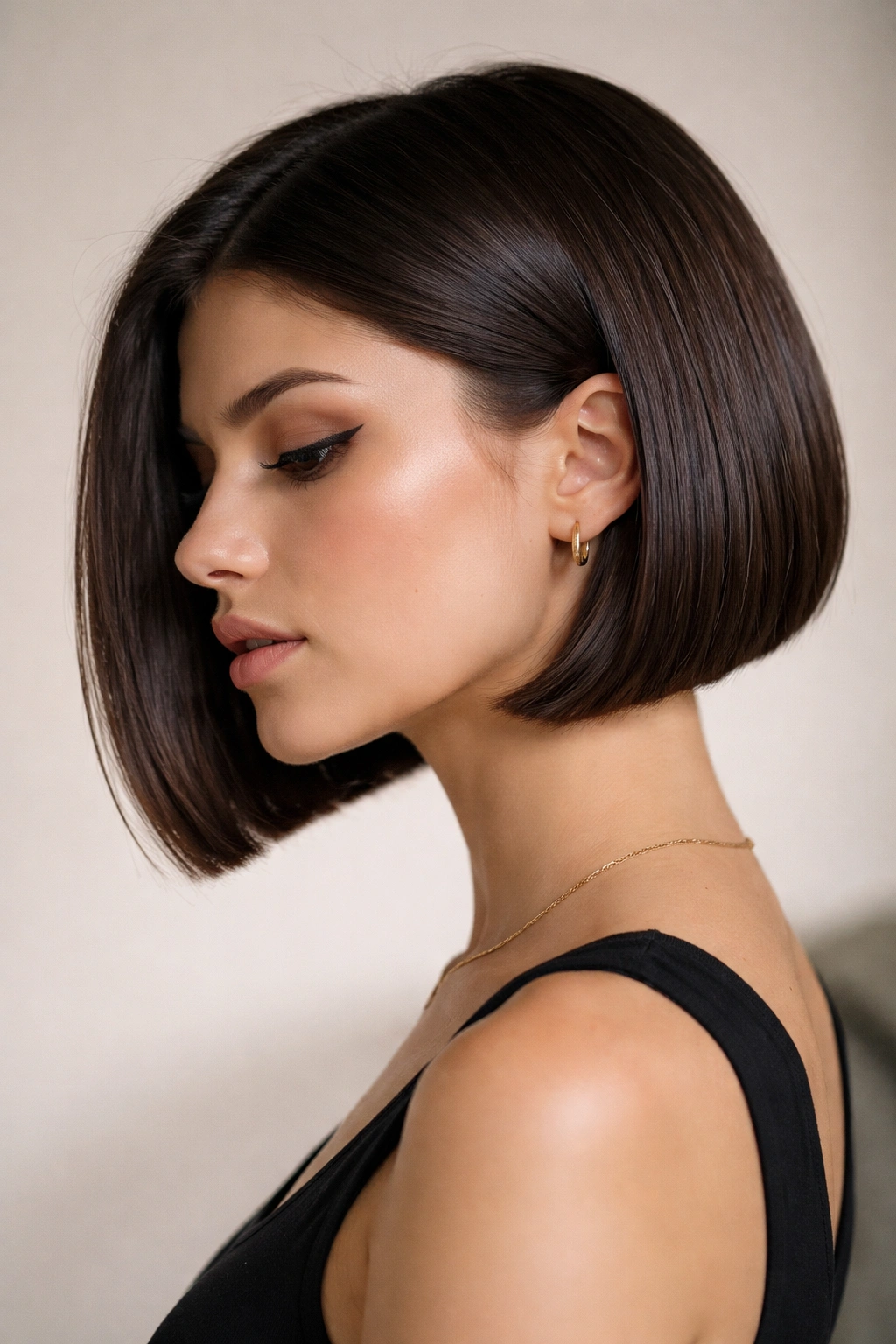
A chin-length blunt bob with an undercut is what you wear when you want the edges to feel crisp. The front sits in a straight line. The back stays controlled. And the undercut quietly removes the little pocket of bulk that can make a blunt cut flare out at the neck.
This one is a good match for people who like clean lines but hate the helmet effect. You know the look: the hair is sharp at the jaw and then suddenly puffs wide at the collar. Not flattering. Not elegant. Just annoying. The undercut solves that by letting the bob drop closer to the head, especially if your hair is thick or slightly coarse.
There’s a nice practical side here too. Chin-length bobs often get messy fast if the nape grows too heavy, so the hidden removal keeps the silhouette neat for longer. You still need trims, but the shape tends to hold better between appointments.
A blunt finish does need regular smoothing. If you air-dry and never touch it with a brush, the ends can look boxy in a bad way. A quick pass with a round brush or flat iron, plus a light serum on the last inch, keeps the line sharp without making it look stiff.
This is the cut for people who like order. Not fuss. Order.
5. Curly Undercut Bob
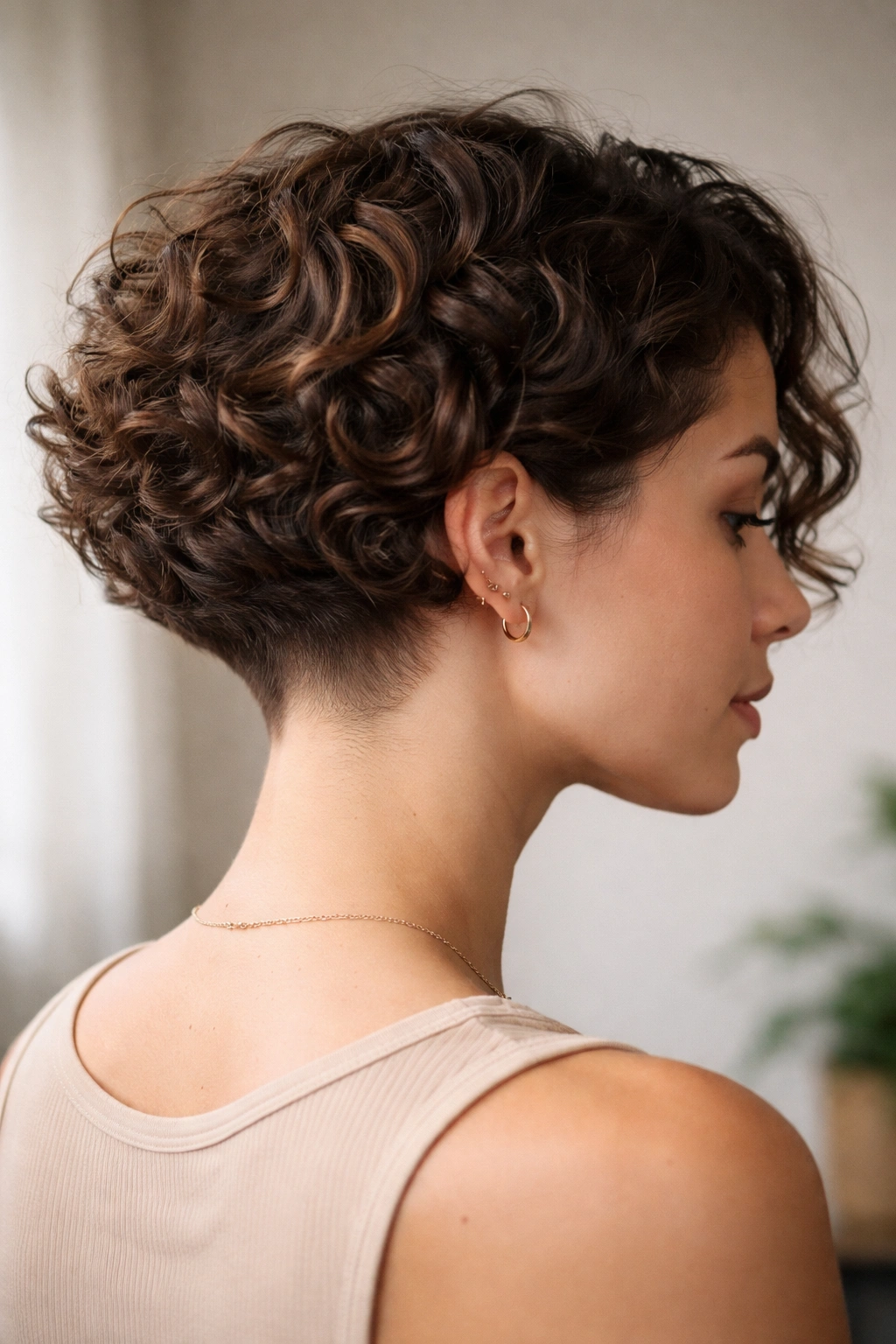
Curly hair and undercuts get along better than most people expect. A plain curly bob can get big at the base fast, especially if the lower layers are dense. Remove some of that weight underneath, and the curls above can spring instead of bulking out.
Why the Shape Changes So Much
Curly hair stacks on itself. That’s the whole issue. When the nape is too full, the cut becomes a rounded puff that steals attention from the curl pattern. A hidden undercut lowers that base layer, so the curls can sit in a cleaner curve around the head.
What to Ask For
- Ask for the cut to be shaped on dry hair if your curl pattern is uneven.
- Ask the stylist to leave enough length on top to account for shrinkage.
- Keep the undercut lower if your curls tighten a lot when dry.
- Mention whether you usually wear your hair diffused, air-dried, or stretched.
A curly undercut bob can look soft, but it still has attitude. The edge comes from the shape, not from making the curls stiff. Let the top layer move. Let the texture do its thing. That’s the whole charm.
One warning: if the undercut is too aggressive, the top can look like it’s floating. That’s not the look most people want. Better to remove enough to control bulk and leave the curl pattern as the star.
6. Side-Shaved Undercut Bob
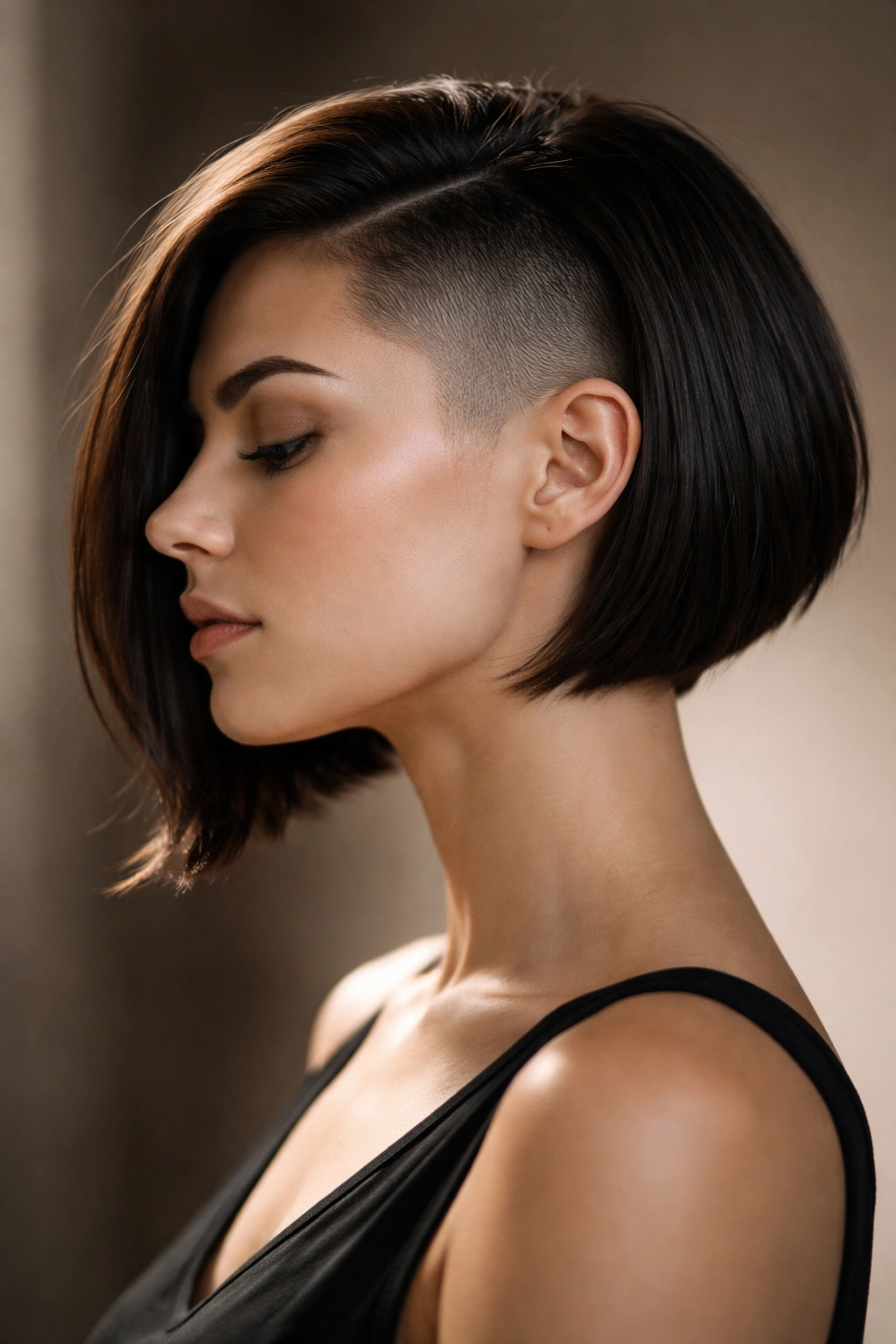
A side shave is not subtle, and that is the point. One temple or one side panel gets cut close, while the rest of the bob keeps its length and weight. The result has instant contrast, even if the rest of the haircut stays very simple.
This style works especially well with a deep side part. Sweep the longer hair across, and the shaved side disappears. Tuck it behind the ear, and suddenly the cut gets louder. That little switch is part of the appeal. You get one haircut with two moods.
It also pairs well with strong earrings, glasses, or a clean neck line, because the short side leaves more of that area visible. If you like a haircut that lets accessories do some work, this is a smart pick. If you prefer to hide your ears, keep that in mind. The side shave will make them more visible whether you asked for that or not.
Maintenance is a little more demanding than with a hidden nape cut. The shaved side shows regrowth faster, and even a few weeks can soften the crispness. Some people love that lived-in look. Others hate it. Be honest with yourself about which camp you’re in.
Best for people who want the haircut to have a little bite. Not drama. Bite.
7. Inverted Undercut Bob
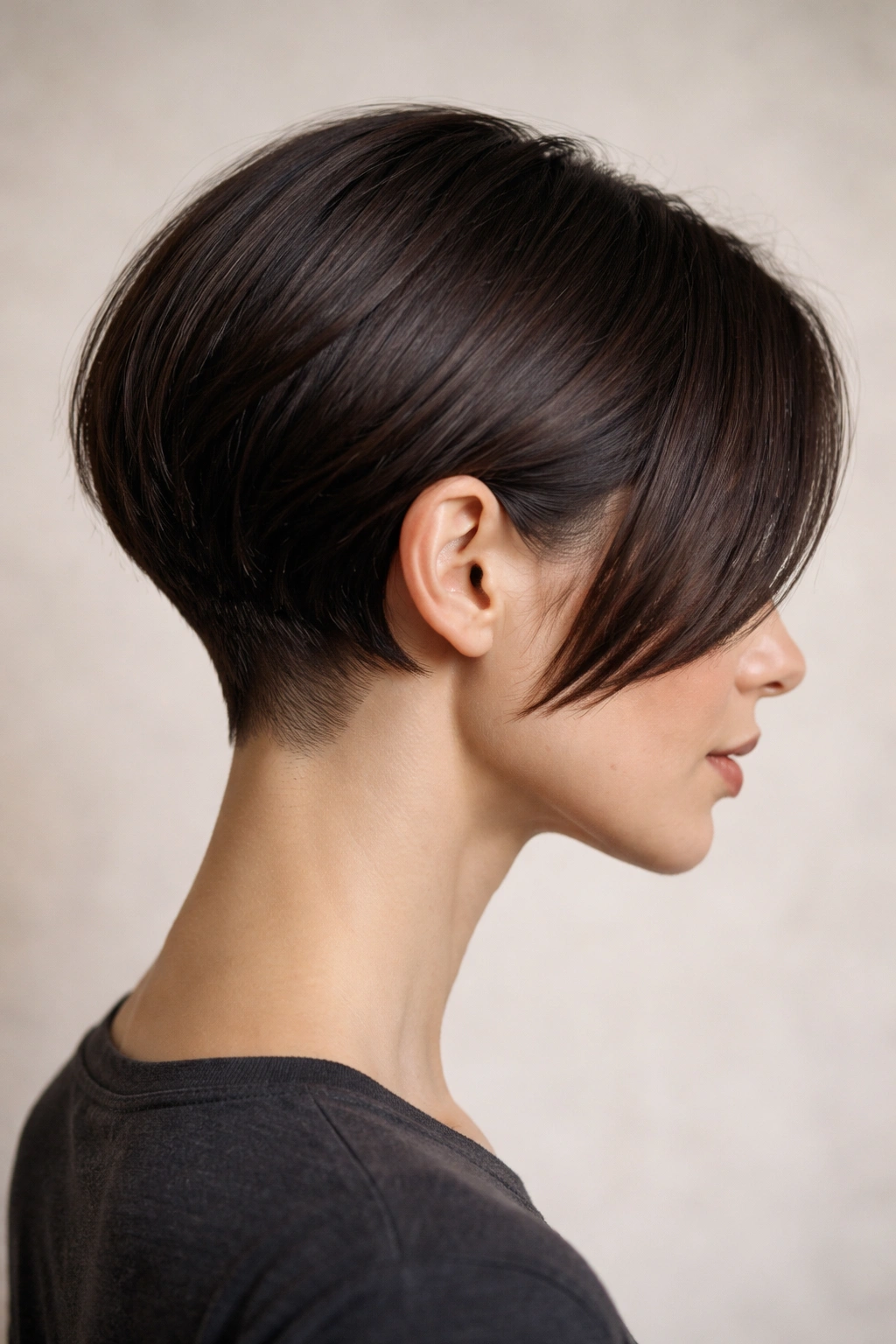
What if you want the back short and the front long, but without the mushroom shape that sometimes creeps into inverted bobs? The undercut is the fix.
An inverted bob already uses angle as part of the design. Shorter through the nape, longer toward the chin. Add an undercut under the back section, and you remove the heavy layer that can make the silhouette collapse or bulge. The result looks cleaner, lighter, and more controlled.
Where the Underneath Shape Matters
If the undercut sits too high, the back can lose all its body and start looking hollow. If it sits too low, the angle loses impact because the heavy lower section is still there. That middle zone at the nape is the sweet spot, especially on dense hair.
How to Keep the Line Crisp
- Blow-dry the back in the direction you want it to sit, not straight down.
- Use a small round brush at the ends so the front angles in smoothly.
- Ask your stylist to keep the outline strong at the perimeter, even if the inside is lighter.
- Avoid over-thinning the sides, or the cut can lose its sharp corner.
The best inverted undercut bob feels sleek from the front and tidy from behind. It’s a neat little contradiction. Sharp, but not severe. Structured, but not stiff.
8. Textured Shaggy Undercut Bob
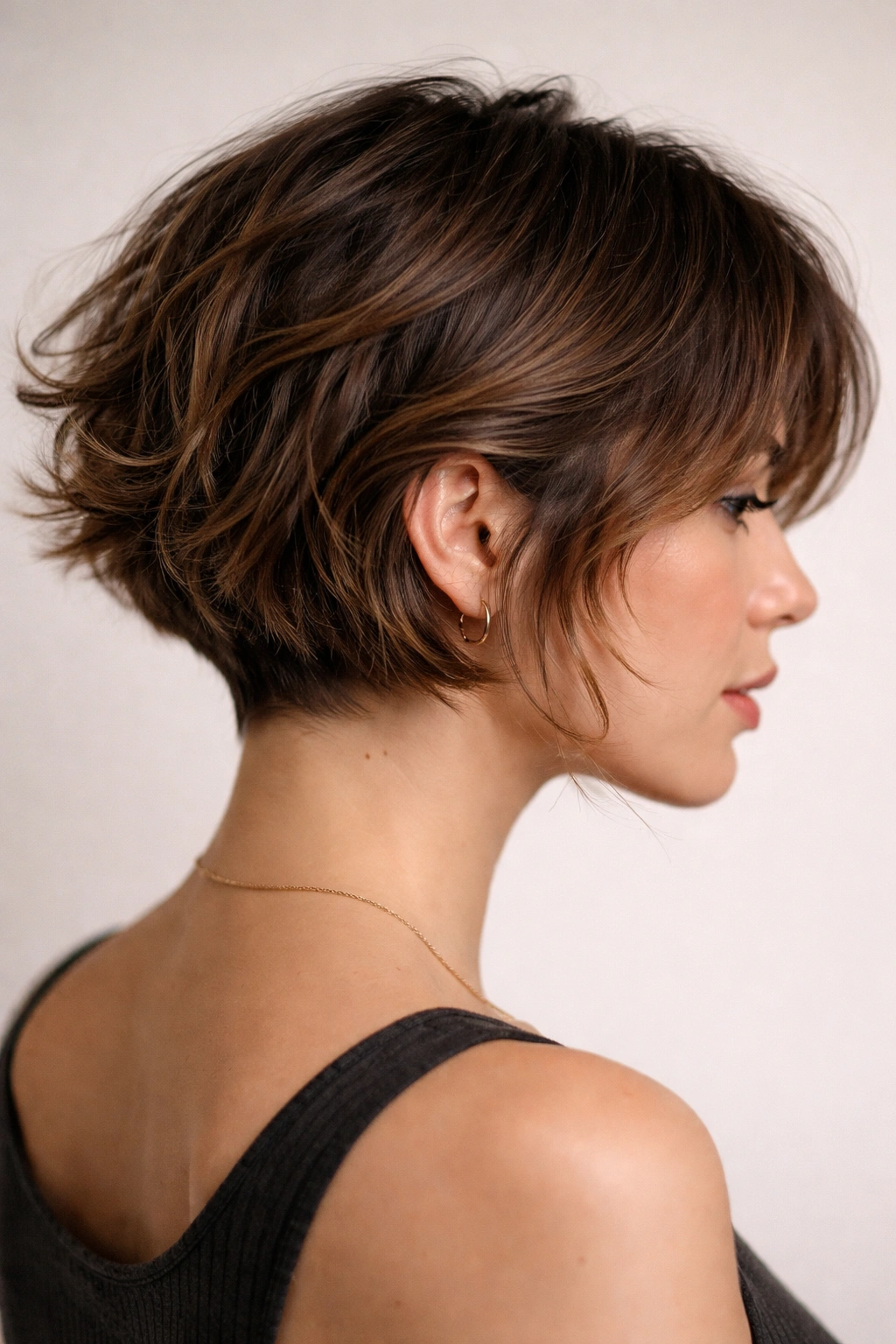
Air-dried, this one feels piecey and loose. It doesn’t sit still for long, and that’s part of why people love it. The layers move, the ends break up the line, and the undercut keeps the bottom from turning into a heavy blob.
This version is a good fit for wavy hair, dense hair, or anyone who likes a cut that looks better the less you fuss with it. A shaggy bob without an undercut can start to balloon at the nape. The hidden removal takes that pressure off. The top layers then fall in a softer, more irregular shape.
A little texture spray goes a long way here. So does a diffuser if your waves lean curly. You do not need a perfect blowout. In fact, a too-smooth finish can flatten the personality right out of it.
Styling Notes That Matter
- Use a lightweight mousse near the roots if your hair falls flat.
- Scrunch in a salt spray only through the mid-lengths and ends.
- Skip heavy oils near the nape, where the cut should stay airy.
- Sleep on a loose bun or braid if you want the texture to survive the night.
This is one of those cuts that looks cool because it behaves like hair, not a helmet. A little mess is part of the charm. Too much polish kills it.
9. Bob With Curtain Bangs and Undercut
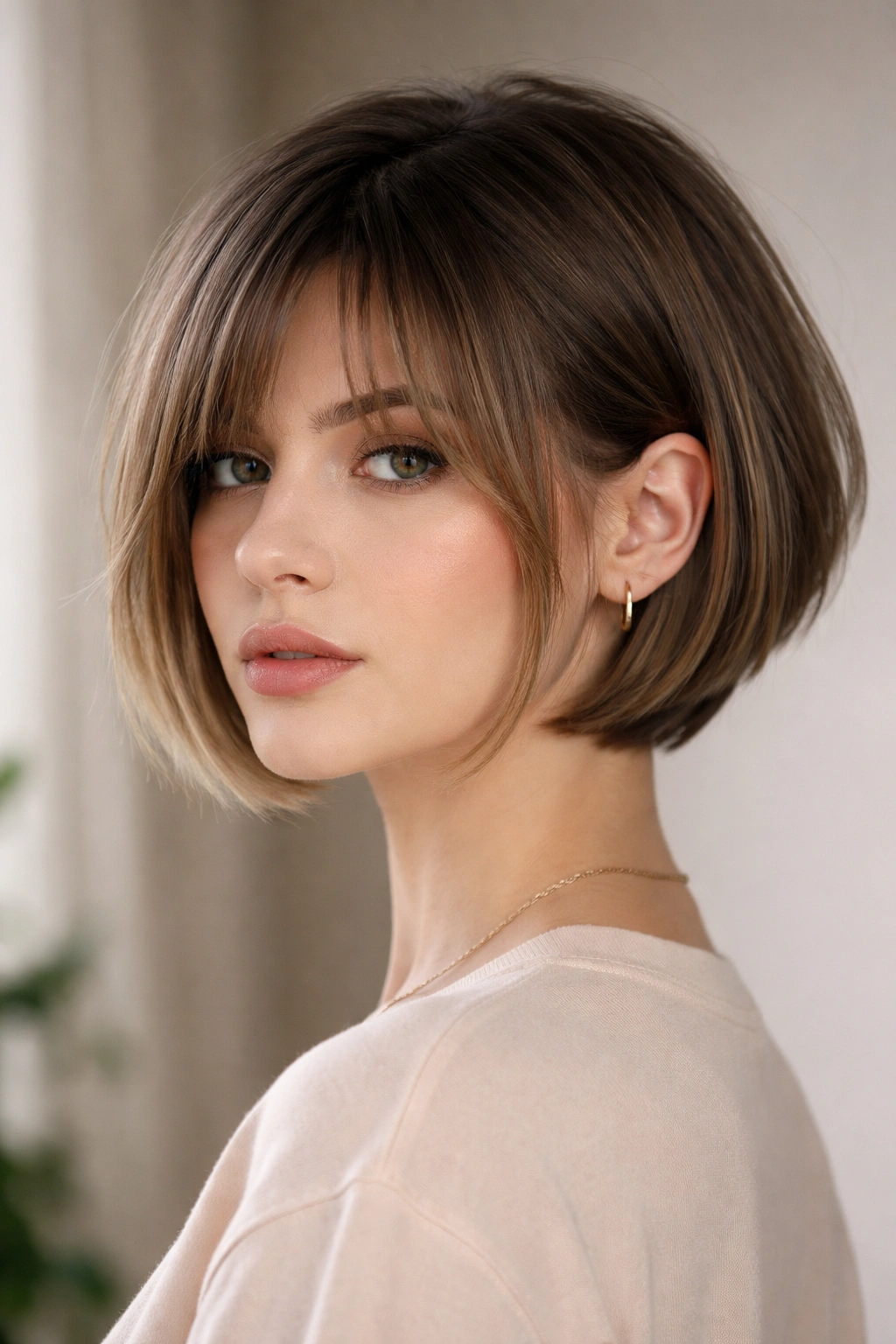
Curtain bangs can make an undercut bob feel softer without sanding off the attitude. The fringe breaks up the forehead, the bob keeps the shape clean, and the undercut removes bulk where the neck needs breathing room.
That contrast is useful if you like edge but don’t want the haircut to feel hard around the face. Curtain bangs bend away from the center and usually sit around cheekbone level, which is a nice way to frame the eyes. They also give you a bit of movement when the rest of the bob is tucked in tight.
Why the Fringe Matters
A strong undercut can sometimes make a bob feel a little severe. Curtain bangs fix that. They pull the eye forward and up, so the haircut looks balanced instead of bottom-heavy. That’s especially helpful on round or square faces, where extra shape around the cheeks can be flattering.
A Few Things to Watch
- Curtain bangs need their own styling time.
- They work better when they’re not cut too short.
- Heavy fringe and a high undercut can fight each other.
- A round brush or a medium roller helps the bangs curve away from the face.
I like this pairing because it gives you two different textures at once. Soft in front. Strong underneath. That push and pull is what keeps it interesting.
10. Long Undercut Bob
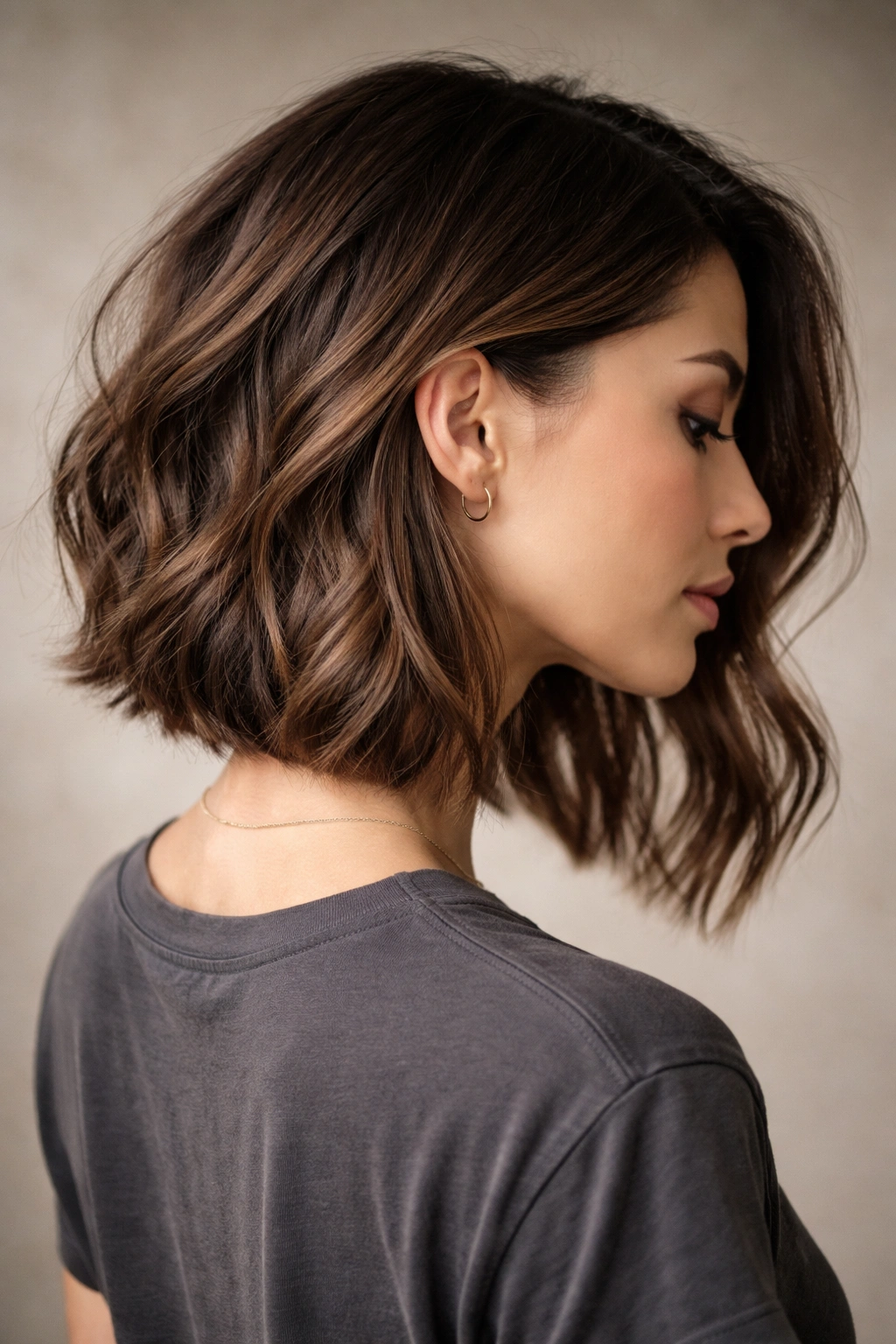
The long undercut bob is the version I recommend to people who want proof before they commit. It gives you the clean feel of an undercut and the safety net of extra length, so you can wear it tucked, waved, or straight without feeling trapped by a short cut.
A longer bob, often landing near the collarbone, already has a little built-in flexibility. Add an undercut and you remove the heavy block that can drag the style down. The top layer still moves, but it no longer feels weighed down at the back. That matters if your hair is thick enough to turn a lob into a triangle by noon.
There’s also a practical grow-out advantage. If you decide you want less shave later, the length hides the transition more easily than a shorter bob would. That makes this cut a smart bridge for someone testing out sharper shape without giving up styling options.
It also behaves nicely with waves. The length lets the hair bend, while the undercut keeps the outline from getting bulky. If you ever’ve had a long bob that looked good only for the first two days after a trim, you’ll appreciate this version.
It feels less dramatic at first, then more useful over time. That’s a good haircut.
11. Pixie-Bob With Undercut
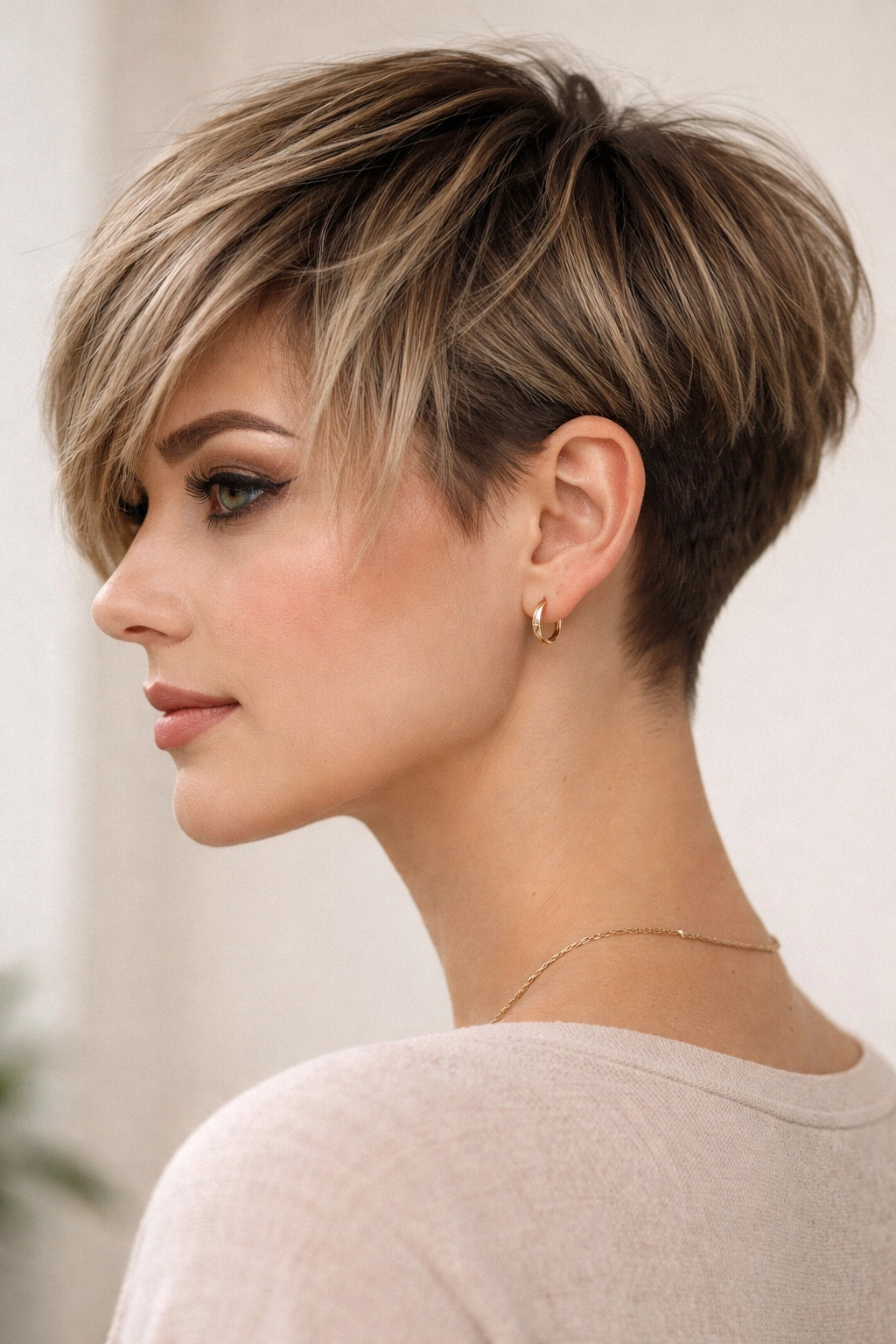
Not quite a pixie, not quite a bob—that’s why the shape works. A pixie-bob with an undercut sits in that in-between space where the nape is very short, the sides stay compact, and the top keeps enough length to still feel like a bob rather than a full crop.
This cut is for people who want to show the neck and ears without giving up the framing effect of longer pieces on top. It’s also a nice option if your hair is dense and you want to ditch some of the bulk for good. The undercut does a lot of the physical work, so the top can stay feathered or piecey instead of bulky.
Who Usually Likes This Cut
- People who want a shorter haircut but don’t want a classic pixie.
- People with strong bone structure who like a clean neck line.
- People with thick hair that takes forever to dry.
- People who enjoy styling the top in different directions.
The only real caution is proportion. If the top is too short, the shape can stop looking like a bob and start looking like a grown-out pixie. If the top is too long, the cut can lose that crisp little edge that makes it feel fresh. A good stylist will keep the balance tight.
This one is easy to love once it is cut well. Hard to forgive when it is not.
12. Color-Contrast Undercut Bob
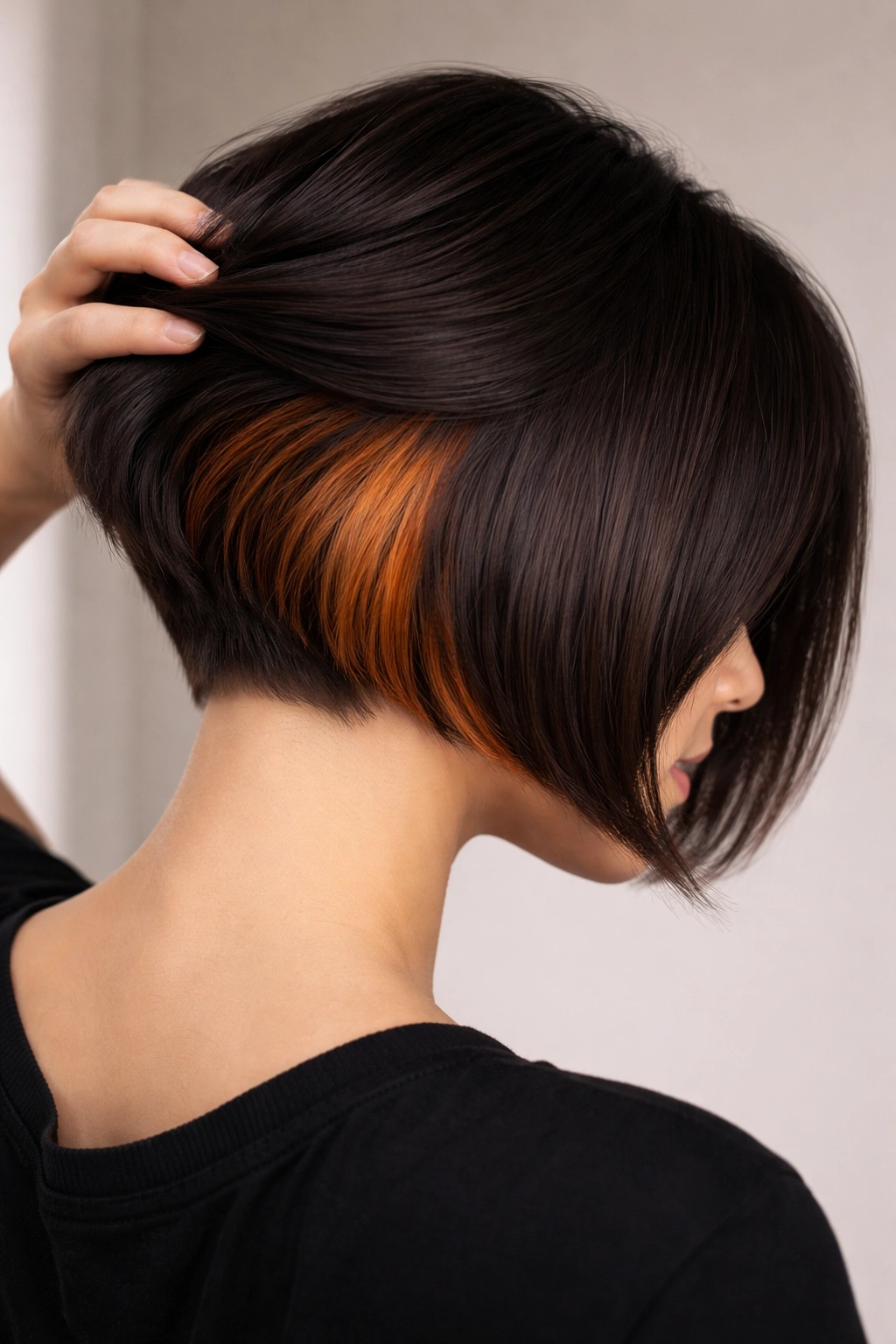
Take the same undercut and add a strip of copper, blue-black, or platinum underneath, and the haircut suddenly gets another layer of personality. The color may stay hidden most of the time, but it flashes the second you tuck the hair up, tilt your head, or catch a breeze.
That’s what makes color-contrast undercut bobs so effective. The shape does the heavy lifting, and the color gives the undercut a point of view. You can go loud with a bright panel under a dark bob, or keep it subtle with a shade just a little lighter or deeper than your base color.
Where the Color Works Best
- A nape panel shows through when the hair is lifted or pinned.
- A side panel looks sharper when the bob is tucked behind one ear.
- A peekaboo slice under the crown gives movement without shouting.
- A narrow streak at the undercut can be enough if you want a smaller hit of contrast.
Maintenance depends on how bold you go. Bright shades fade faster and need more upkeep. Tonal contrast is easier to live with, especially if you want the haircut to stay wearable between color appointments. If your hair is very dark, a lighter underlayer can be striking. If it is already light, the contrast can come from depth instead of brightness.
The best part? You can keep the cut simple and let the color carry the mood. That’s a nice way to get edge without turning the whole style into a project.
Final Thoughts
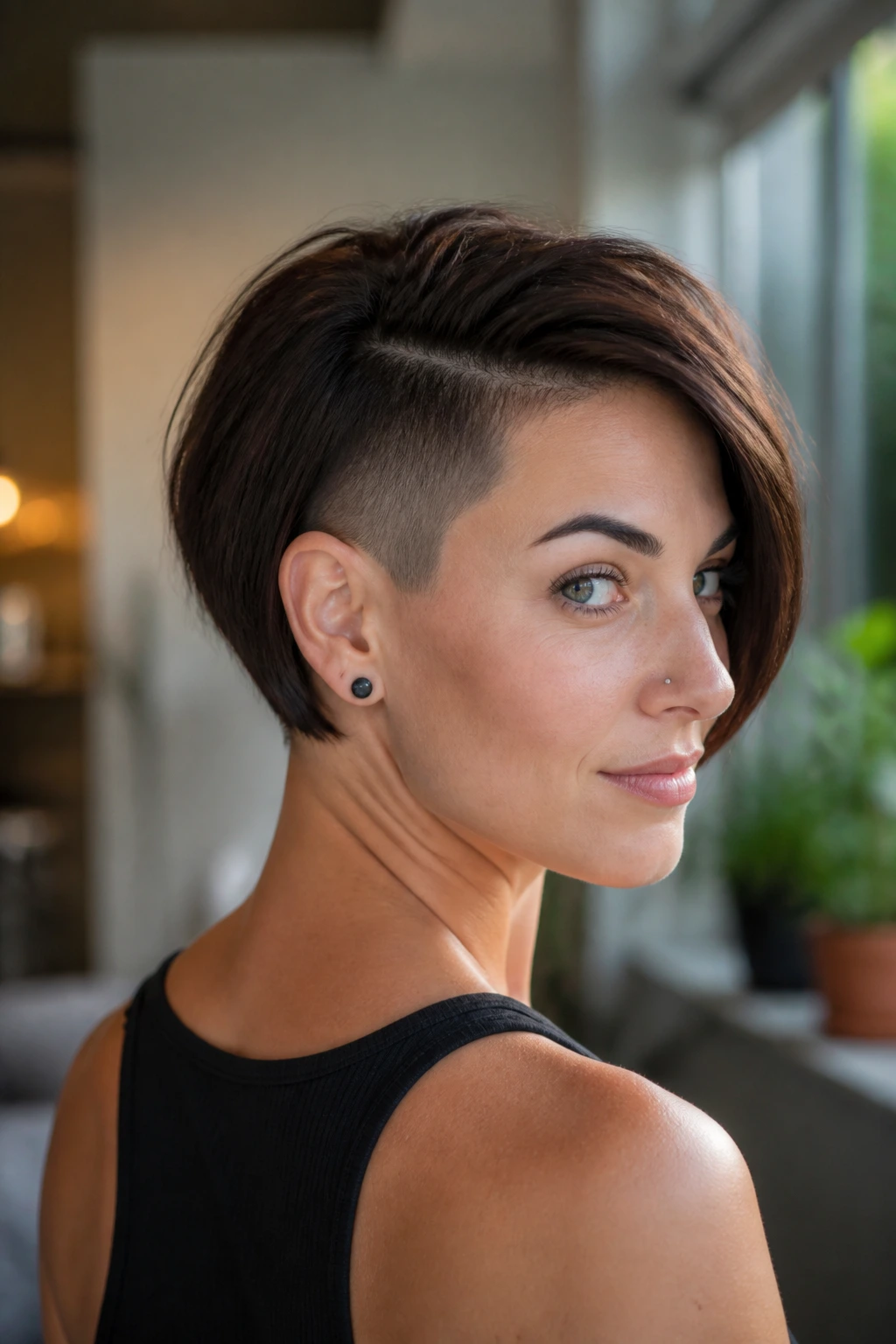
A good undercut bob should solve a problem first and look cool second. If it removes bulk where your hair tends to fight you, that’s already a win. The sharpness is the bonus.
Bring photos, yes, but also bring a clear thought about maintenance. A hidden nape cut, a side shave, and a color-panel bob all age differently between trims. Ask where the undercut starts, how much hair stays above it, and how obvious you want it when you wear your hair down. Those details matter more than the label.
The nicest thing about this haircut family is that it can be quiet or loud without changing its basic shape. That gives you room to adjust later, which is useful when you want edge without regret.
