



Thin hair can look flat in a ponytail and stringy in a long, layered cut, which is exactly why bob cuts for thinning hair tend to work so well. They keep the outline clean, make the ends look denser, and stop the hair from disappearing into wisps halfway down your back.
The trick is not “more layers” in the lazy salon sense. That advice gets tossed around a lot, and half the time it backfires. Thin hair usually needs a strong shape, a smart weight line, and just enough movement to keep it from looking helmet-like.
And there’s a big difference between fine hair and thinning hair, too. Fine hair has a small strand diameter. Thinning hair means there’s less hair overall, which changes how a cut sits, where it splits, and how quickly it falls flat.
So the goal is simple: choose a bob that makes the eye read fullness first. Then let styling do the small extra lift.
1. Chin-Length Blunt Bob
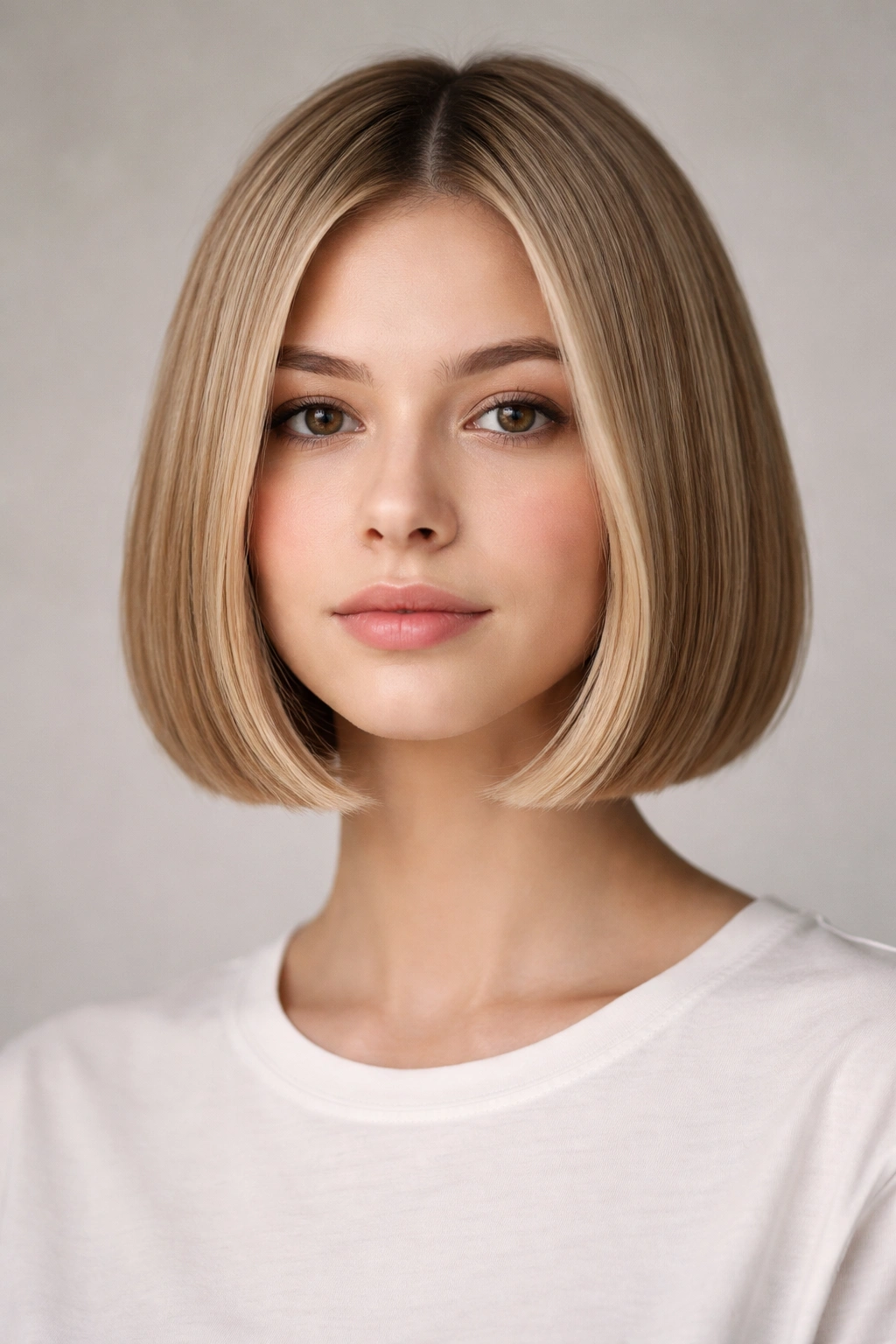
A chin-length blunt bob is the haircut I reach for first when someone wants their hair to look thicker fast. The blunt edge creates a solid line at the bottom, and that line does a lot of visual work. Hair that hits right around the chin or just below it tends to look fuller because the eye stops at the perimeter instead of sliding through see-through ends.
This cut is especially good for fine hair that loses shape by midday. It holds a clean outline, and if the stylist keeps the interior mostly one length, the whole head reads denser. That does mean the finish matters. A limp, air-dried blunt bob can still fall flat if the roots are plastered down.
What to ask your stylist
- Keep the perimeter one length or nearly one length.
- Place the cut at chin level or just below for the fullest look.
- Avoid heavy texturizing on the bottom edge.
- Leave enough weight at the ends so they don’t fray out.
Best for: straight to softly wavy hair that needs a stronger outline.
Styling note: blow-dry with a round brush or a flat brush, then tuck one side behind the ear for a little bend and lift. That tiny asymmetry helps more than people think.
2. Soft Inverted Bob
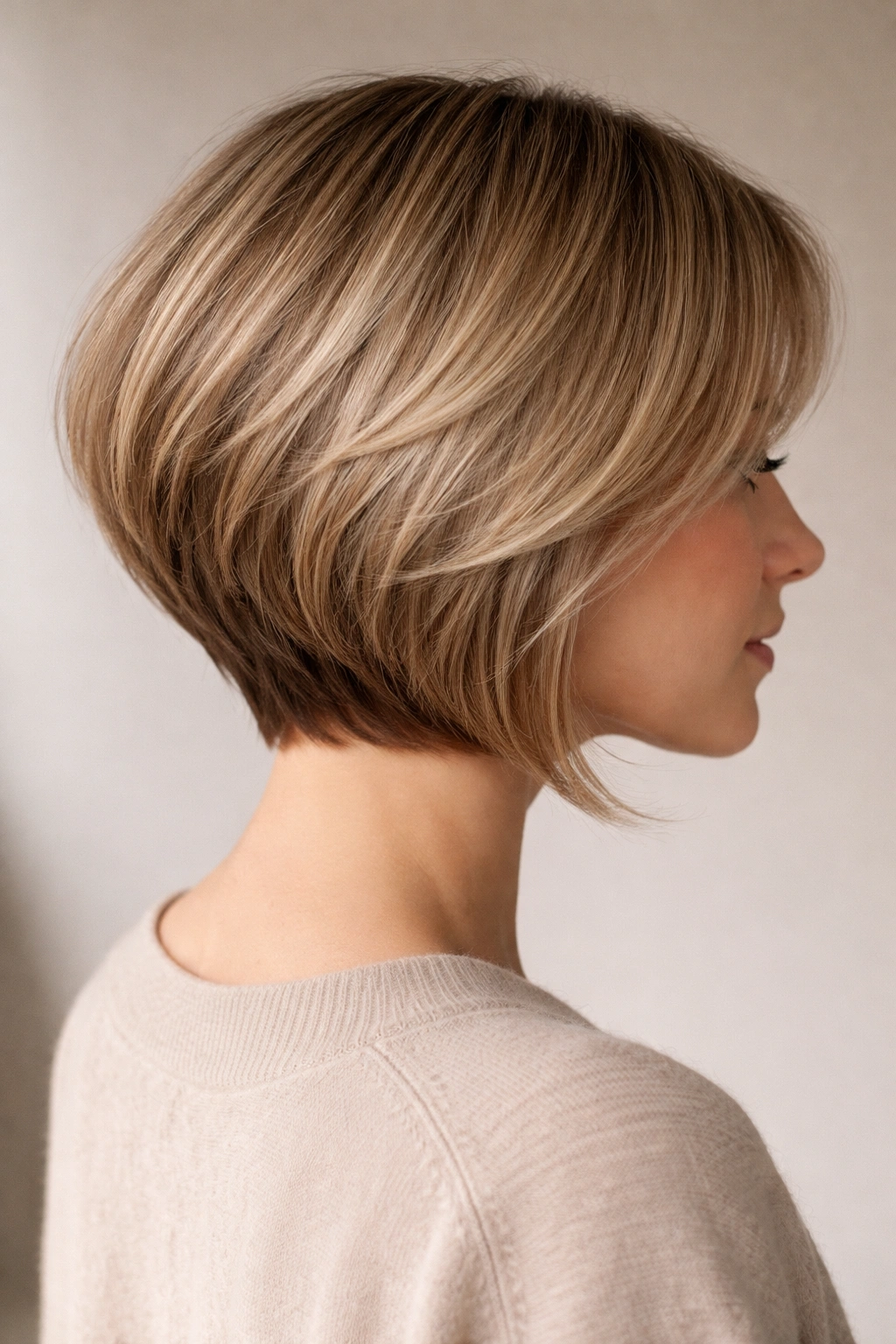
A soft inverted bob works because it builds shape from the back forward. The nape sits a little shorter, while the front gradually gets longer toward the jaw. That angle creates lift at the back of the head, which is one of the fastest ways to fake more fullness without adding a pile of layers.
The word soft matters here. A sharp, extreme angle can look choppy on thin hair, and it can start to feel dated if the line is too dramatic. A gentler inversion keeps the silhouette modern and keeps the hair from looking sliced up. You want movement, not a staircase.
It’s a smart choice if your hair collapses at the crown or sticks flat against the neck. The shorter back takes some weight out of the nape, which can make the top look a little taller. And because the front stays longer, you still get enough face-framing length to feel like yourself.
No drama. Just shape.
A soft side part makes this cut even better. The shift creates a little push at the roots, and that extra inch of lift can matter on days when your hair is doing its best impression of wallpaper.
3. French Bob With Micro Fringe
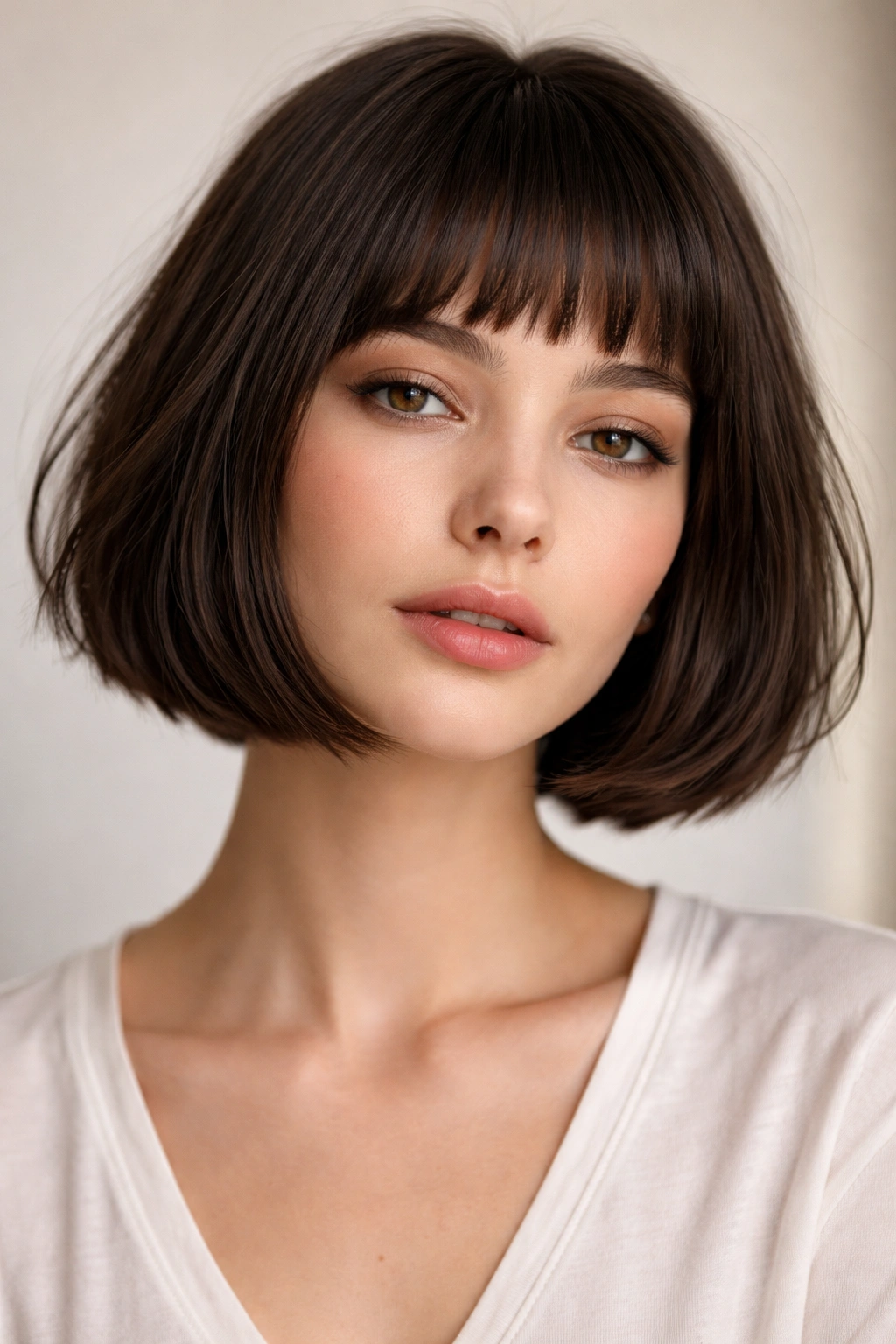
Why does a French bob look so chic on thin hair? Because it works with the eye, not against it. The shorter length keeps all the hair in one compact shape, and the tiny fringe gives the front of the haircut a deliberate finish instead of letting it disappear around the face.
A micro fringe sounds bold, and it is. But on the right person, it’s one of the best ways to make thin hair look intentional and full at the same time. The cut usually sits around cheekbone to lip length, which keeps the weight concentrated where you want it. Hair doesn’t need to be long to look rich. Sometimes long hair just looks thin and tired.
How to wear it
- Blow-dry the fringe first so it doesn’t split.
- Use a light mousse at the roots, not a sticky gel.
- Air-dry the rest if your hair has a natural bend.
- Keep the fringe piecey, not packed together.
The one thing I’d warn against is over-layering the top. That turns a French bob into a fuzzy little cloud, and not in a good way. Clean edges and a small, controlled fringe give you the shape. Everything else is detail.
4. Layered Bob With Hidden Interior Layers
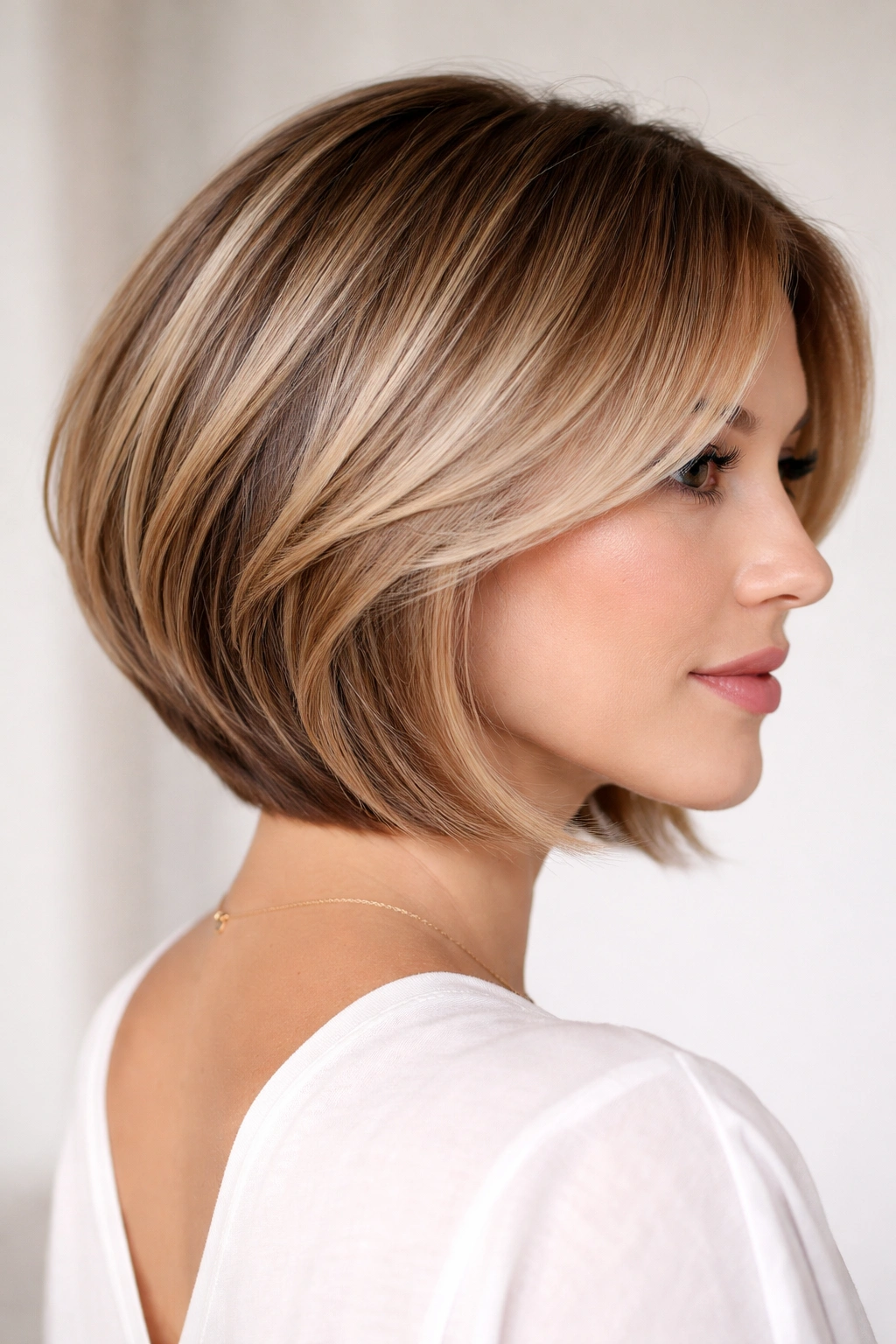
A layered bob can help thinning hair, but only if the layers are tucked inside the haircut instead of chopped all over the outside. Hidden interior layers remove bulk from the middle and let the top move a little more, while the outer edge stays full and thick-looking. That balance is the whole game.
People often hear “layered” and picture feathered ends from the nineties. Not the move. Thin hair usually looks better when the perimeter stays strong and the movement happens underneath. That way, the cut has swing when you turn your head, but the ends still look dense from the front.
This is a good choice if your hair is fine and a little flat on top. The hidden layers create space for a round brush, Velcro rollers, or a quick root clip while the hair is cooling. I know that sounds fussy, but it’s less fussy than living with limp hair every day.
What to avoid
- Short, choppy layers at the crown.
- Over-thinning the ends with texturizing shears.
- Cutting too much of the perimeter away.
- Expecting the haircut to carry itself without styling.
The best version of this cut feels easy, not overworked. There’s shape, but the eye never catches obvious gaps.
5. A-Line Bob With a Longer Front
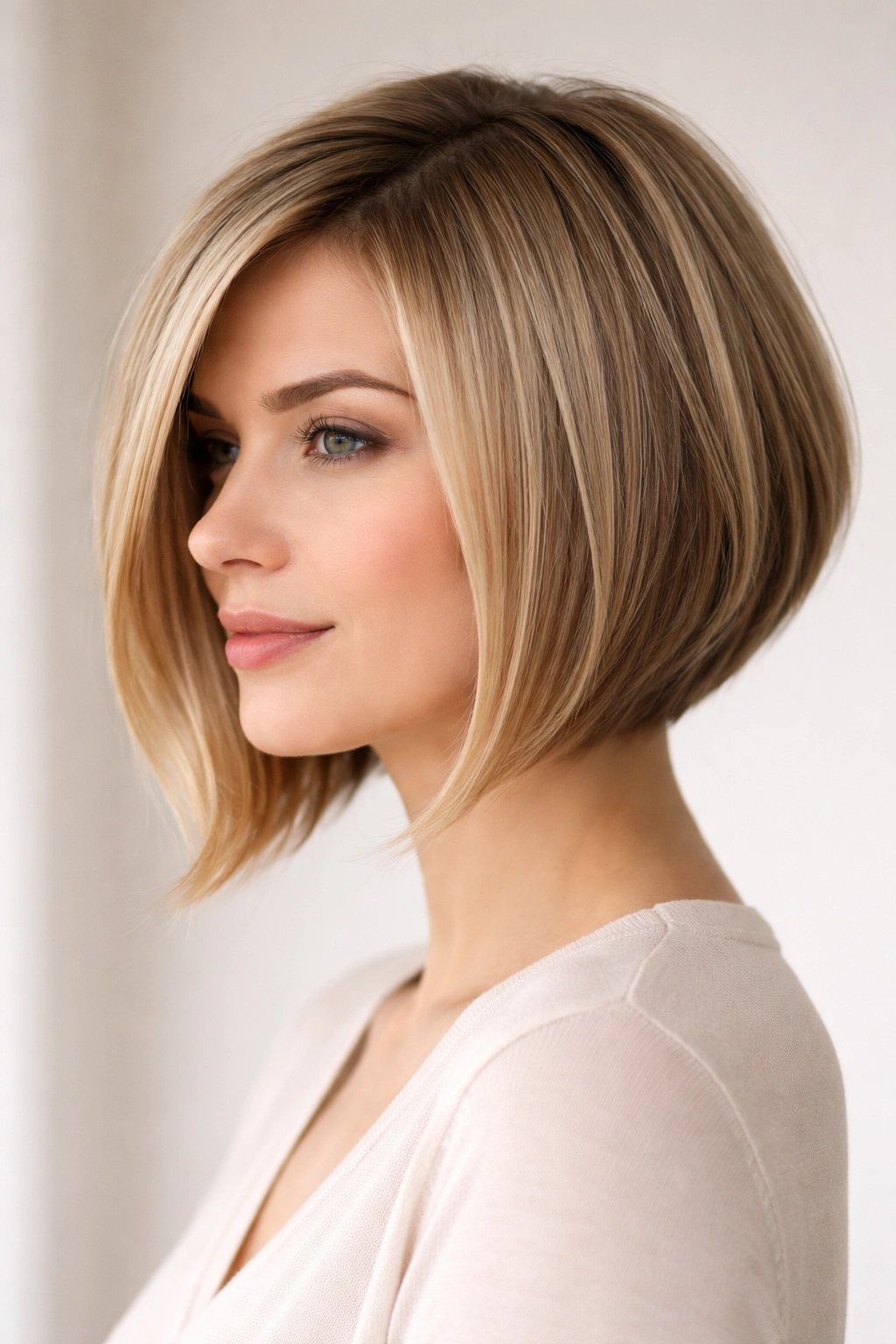
An A-line bob gives thin hair a little built-in drama without making it look sparse. The back sits shorter, and the front hangs longer, usually around the jaw or a touch below it. That longer front section keeps the face framed, while the shorter back prevents the shape from dragging down.
What I like about this cut is how forgiving it is. If your hair grows out a little unevenly, the angle still looks deliberate. If your hair has mixed textures, the forward line can disguise patchy areas better than an all-over blunt cut. And if you like tucking hair behind one ear, this shape plays along nicely.
It also helps if the hair at your nape tends to puff out. The shorter back sits closer to the head, so you get a cleaner fit around the neck. That can make the rest of the haircut look fuller by comparison.
A good A-line bob should not look severe. If the front drops too long, it starts to feel like a lob pretending to be a bob. Keep the angle visible, but not exaggerated. The sweet spot is a line that feels sleek and clean from the side, with enough weight in the front to keep the hair from looking wispy.
6. Curly Bob Shaped Dry
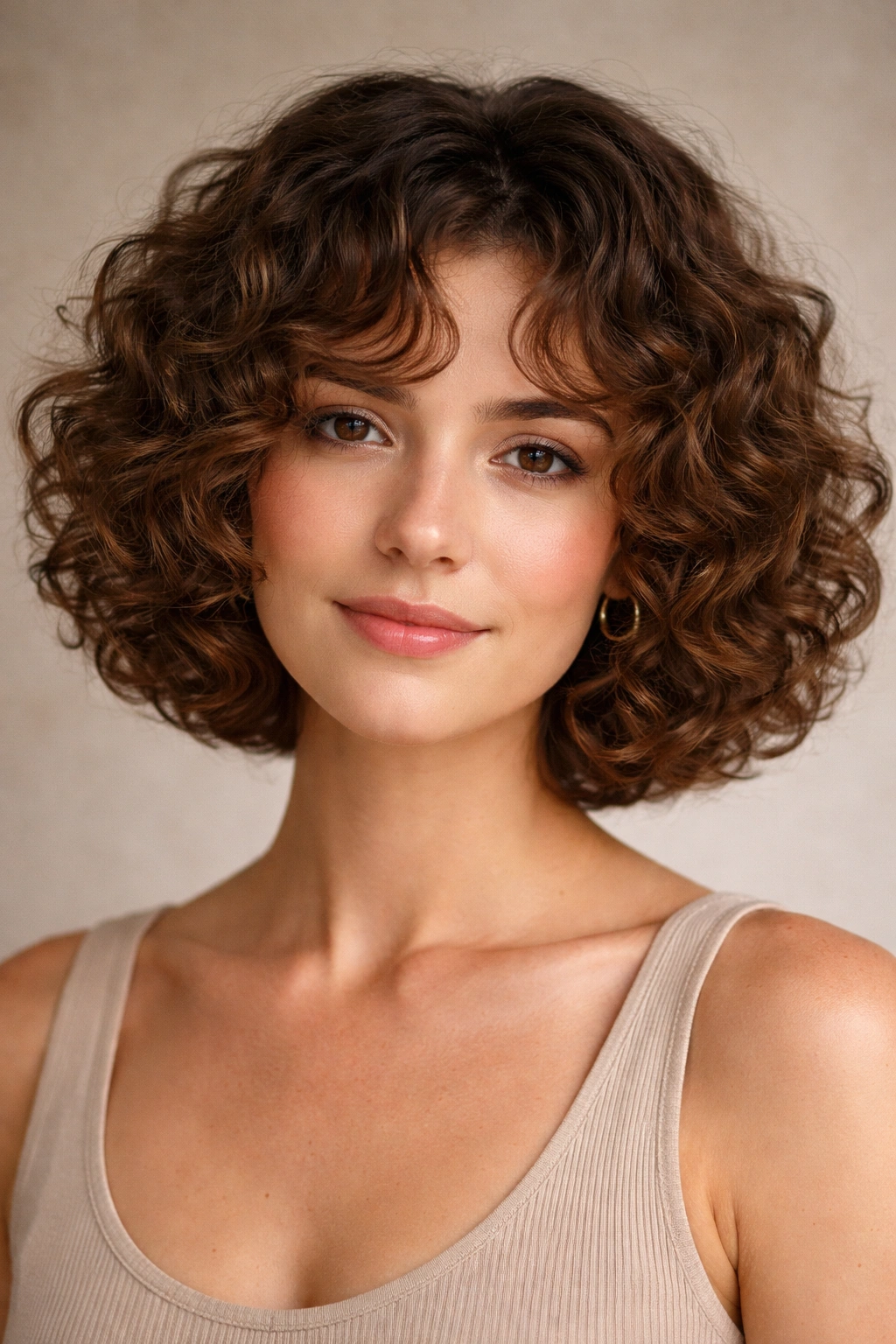
Curly hair with thinning spots needs a different strategy. Cutting curls wet and hoping for the best is how you end up with uneven volume and a triangle shape nobody asked for. A curly bob shaped dry lets the stylist see the real curl pattern, where the hair bends, and where it sits closest to the head.
That matters because curls shrink. A lot. What looks like a modest chin-length bob when wet can spring up to cheek level once it dries, and if the shape is off, the whole thing can look patchy. Dry cutting helps the stylist place the bulk where it belongs and keep the outline balanced.
Ask for this at the salon
- A dry curl-by-curl shape, not a blunt wet cut.
- Longer pieces where the hair is sparse.
- Minimal thinning shears near the surface.
- A rounded silhouette that follows your curl pattern.
The best curly bob for thinning hair usually has weight at the bottom and softness around the face. That keeps the curls from frizzing into empty space. If your curls are loose and you like them fluffy, great. If they’re finer, ask for less removal than you think you need. Overcutting thin curls is one of those mistakes that shows up two days later, after the hair has settled and shrunk.
7. Collarbone Lob With Barely There Layers
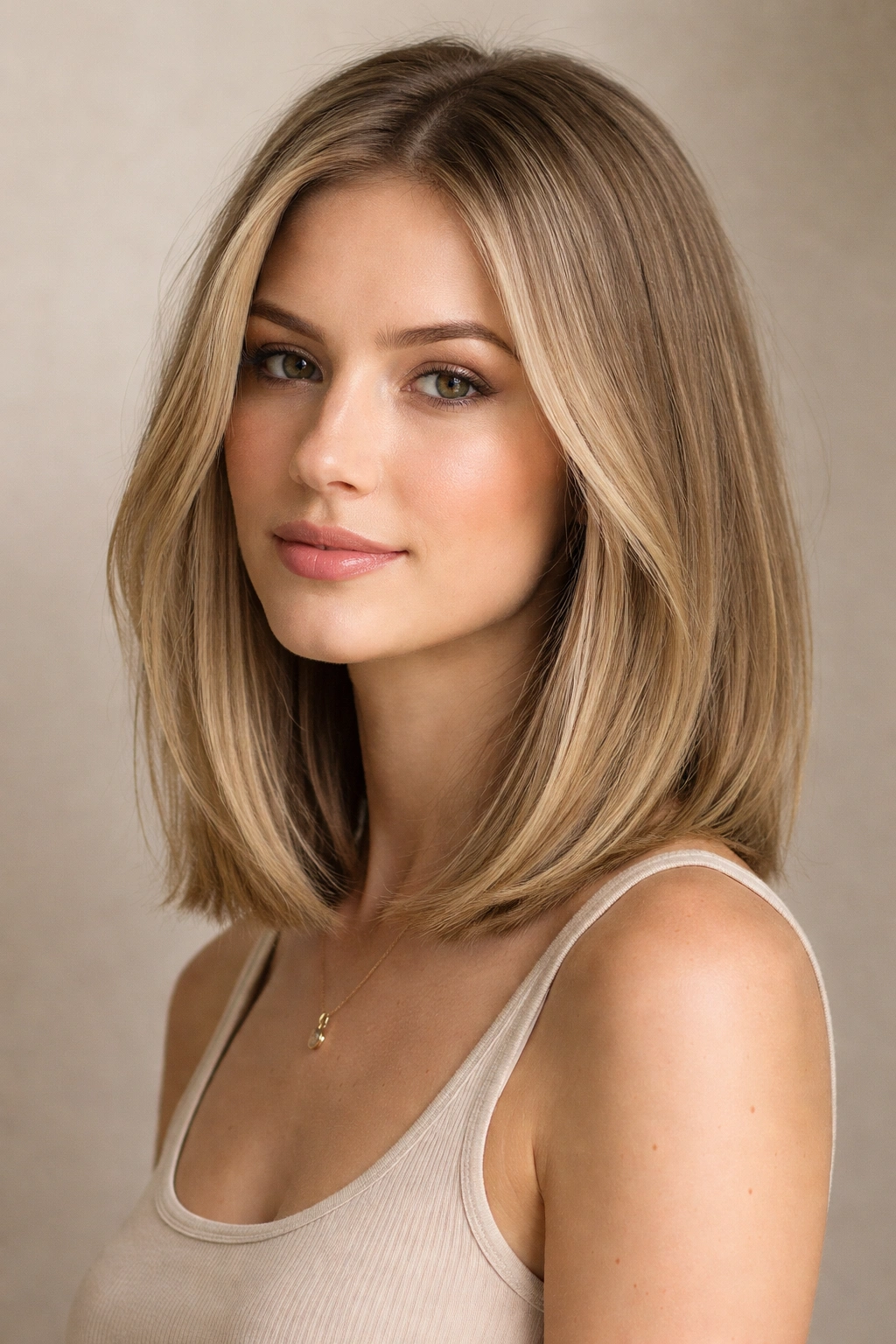
Not everyone wants to go short-short, and that’s fair. A collarbone lob can still be one of the better bob cuts for thinning hair because it keeps enough length to feel familiar while the ends stay close enough together to look full. The key is restraint. Barely-there layers, if any, and a clean edge that doesn’t fray out.
This cut works well for people whose hair is thin but not ultra-fine, or for anyone whose hair looks better with a little swing. It’s also useful if you like pulling your hair back into a low clip on busy days. A chin-length cut can be less flexible; a lob gives you a little more room to play.
The thing to watch is weight loss at the ends. Too many layers turn the lower half into see-through ribbons, especially if the hair is straight. Keep the outline blunt enough that the length still reads as one shape. You can add bend with a round brush or a big curling iron, but the haircut itself should do most of the heavy lifting.
A center part can look clean here, though a slight off-center part often gives the roots a better lift. Small detail. Big difference.
8. Rounded Bob With a Full Crown
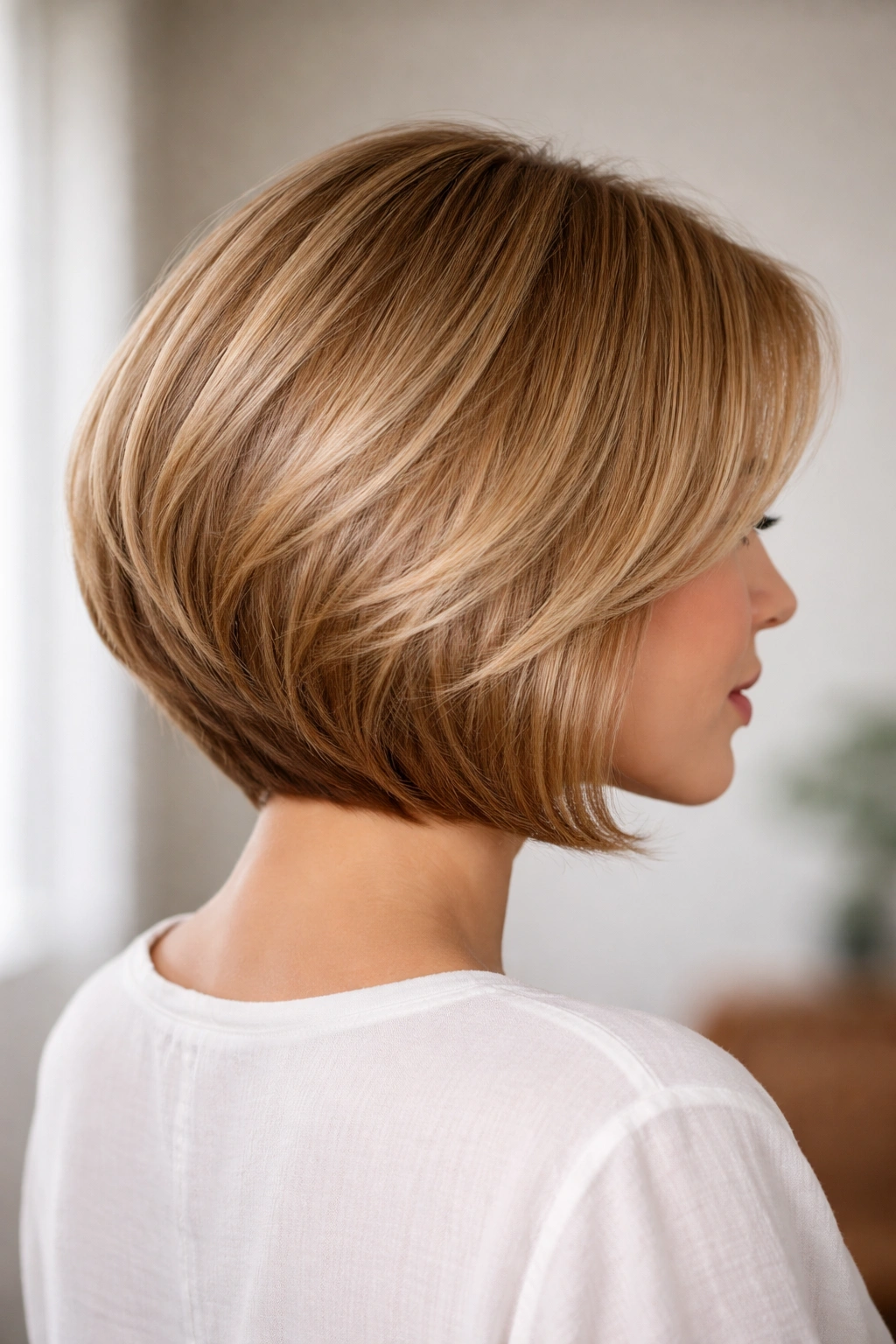
A rounded bob gives the crown a little lift and curves the ends inward so the haircut feels fuller from every angle. Think of it as shape control. The top isn’t puffed out wildly, and the bottom isn’t hanging dead straight. Instead, the line softly hugs the head and leaves the hair looking plush.
This is a useful cut for hair that goes flat at the top but still has decent density through the sides. A rounded shape can make the head look more balanced, especially if the back of the hair tends to collapse while the front stays okay. It also brings some softness to stronger jawlines, though I’d stop short of calling it universally face-shape friendly. Some round faces can get swallowed by too much curve, so the balance matters.
Best styling habits
- Blow-dry the crown over a medium round brush.
- Direct the ends slightly under, not curled tight.
- Use root lift spray only at the scalp line.
- Skip heavy oils near the top.
The secret is keeping the shape airy at the crown and clean at the perimeter. Too much product, and you lose the lift. Too much layering, and the roundness turns fuzzy. That middle ground is where the cut looks expensive, even if you never say that out loud.
9. Deep Side-Part Bob
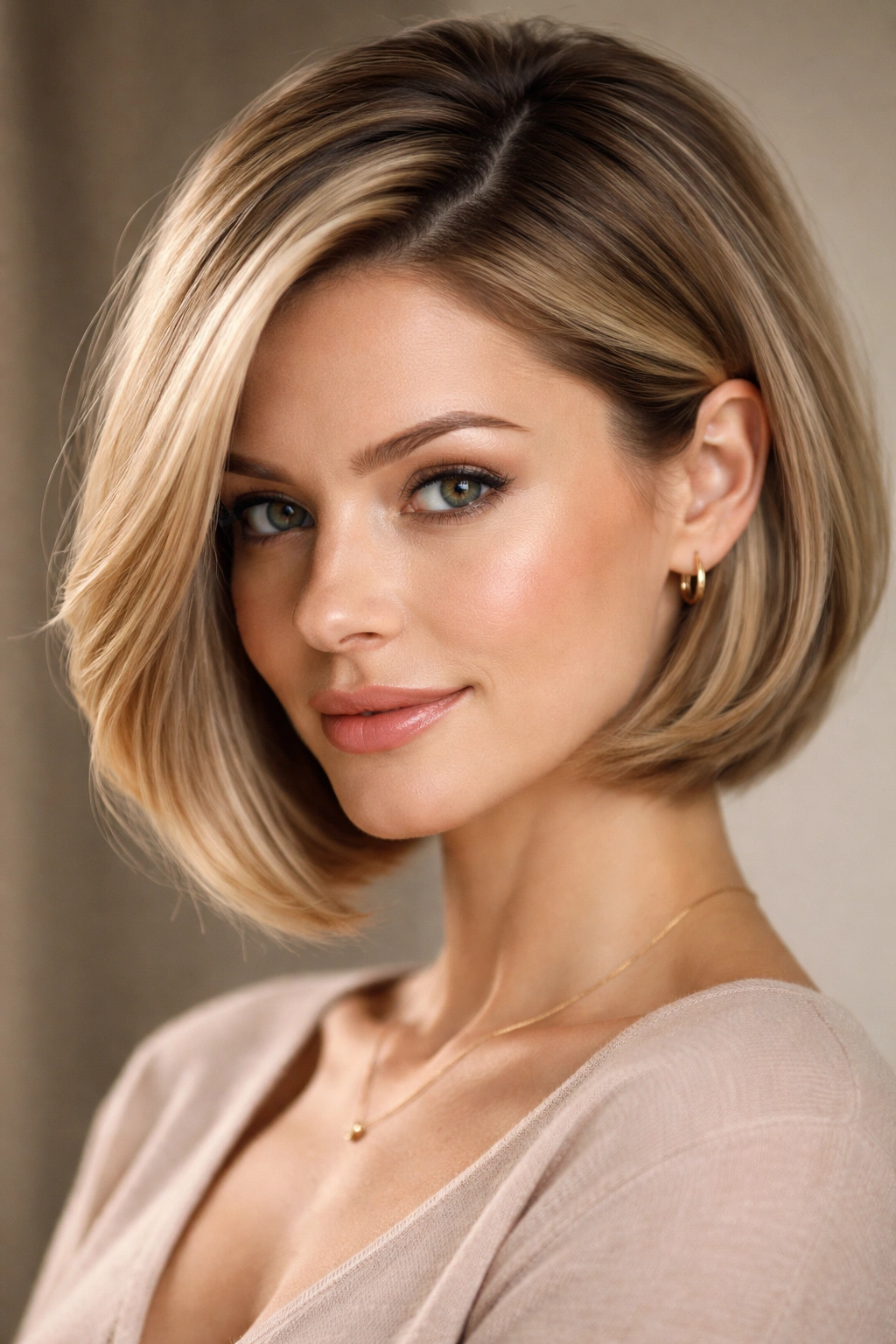
A deep side-part bob is one of the cheapest-looking tricks that never actually looks cheap. That sounds harsh, but I mean it in the nicest way: the side part creates instant volume with zero haircut drama. Hair naturally wants to fall flatter on one side, so shifting the part forces one section to rise and the other to fold over. The result is a fuller-looking front and a little lift at the root line.
This works with almost any bob shape. Blunt. Layered. Curved. Even a short lob can benefit. The cut itself doesn’t have to do all the work; the part gives the illusion of density right where people look first.
It’s especially helpful if your hair separates in the middle and shows scalp more than you’d like. A deep side part interrupts that line. If you pair it with a root spray or a little volumizing mousse, the effect lasts longer than you’d expect, though humidity can always spoil the party a bit.
A tiny warning: don’t force the part so far over that the hair flips awkwardly. If you’re constantly fighting a cowlick, move the part only an inch or two and work with the natural bend. Hair tells on you when you ignore it.
10. Bob With Curtain Bangs
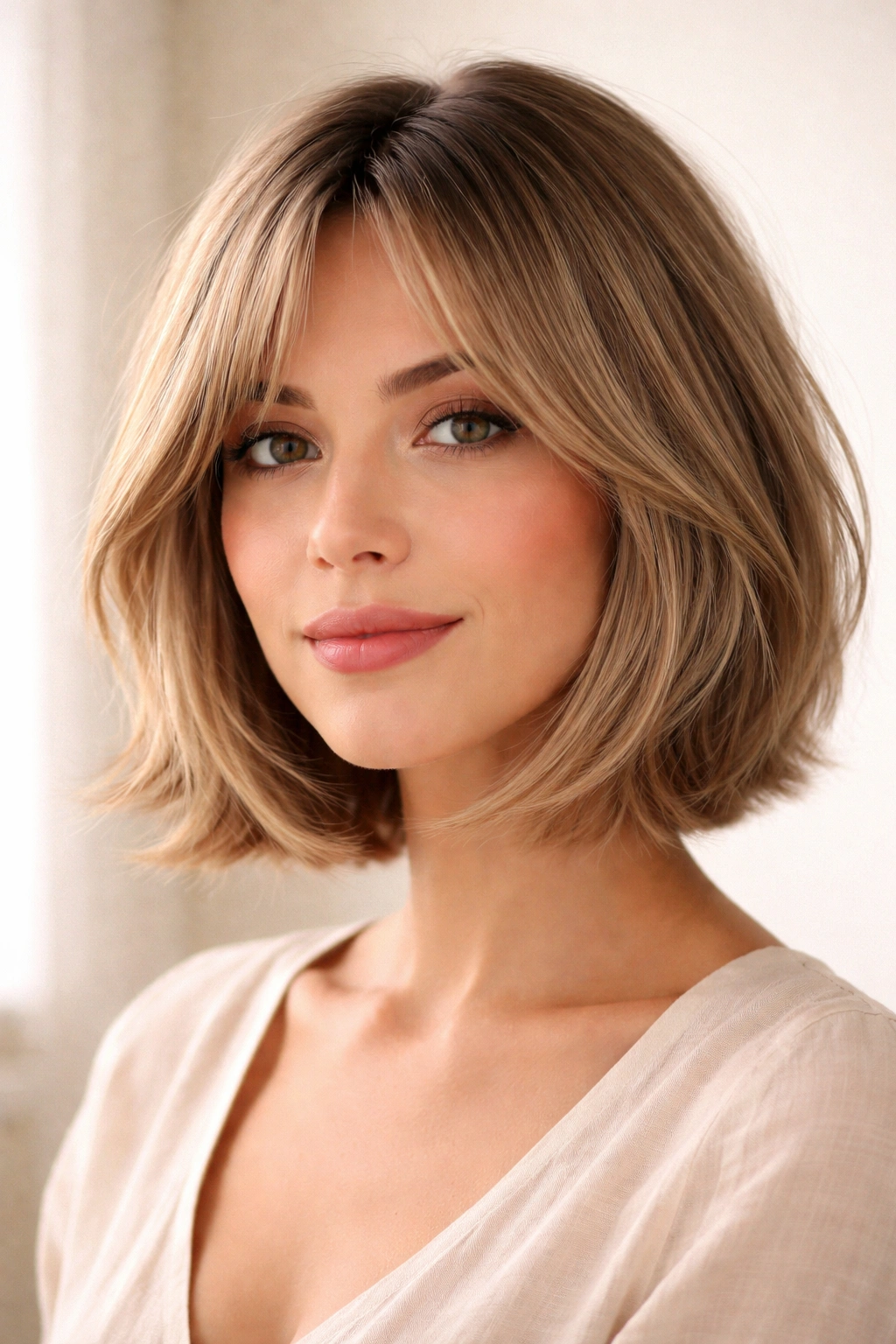
Curtain bangs can make a bob look fuller because they bring hair forward around the face instead of letting everything sit back and flat. That front weight matters. Thin hair often loses its shape around the temples first, and curtain bangs fill that space in a way that feels soft, not heavy.
The bangs should blend into the sides, not sit like a separate little helmet. That’s the difference between a flattering bob and a haircut that looks chopped in half. Longer curtain pieces grazing the cheekbones give movement and hide a sparse hairline if that’s part of the picture. They also keep attention on the eyes and cheekbones instead of the part line.
How to keep them airy
- Blow-dry the fringe away from the face, then let it fall.
- Use a small round brush or your fingers for the bend.
- Keep dry shampoo at the roots, not through the bangs.
- Trim the center first if the fringe starts closing in.
The best version of this cut feels soft around the face but still clear at the hem. If the bangs are too thick, they steal too much hair from the rest of the bob. And that defeats the point.
11. Textured Razor Bob
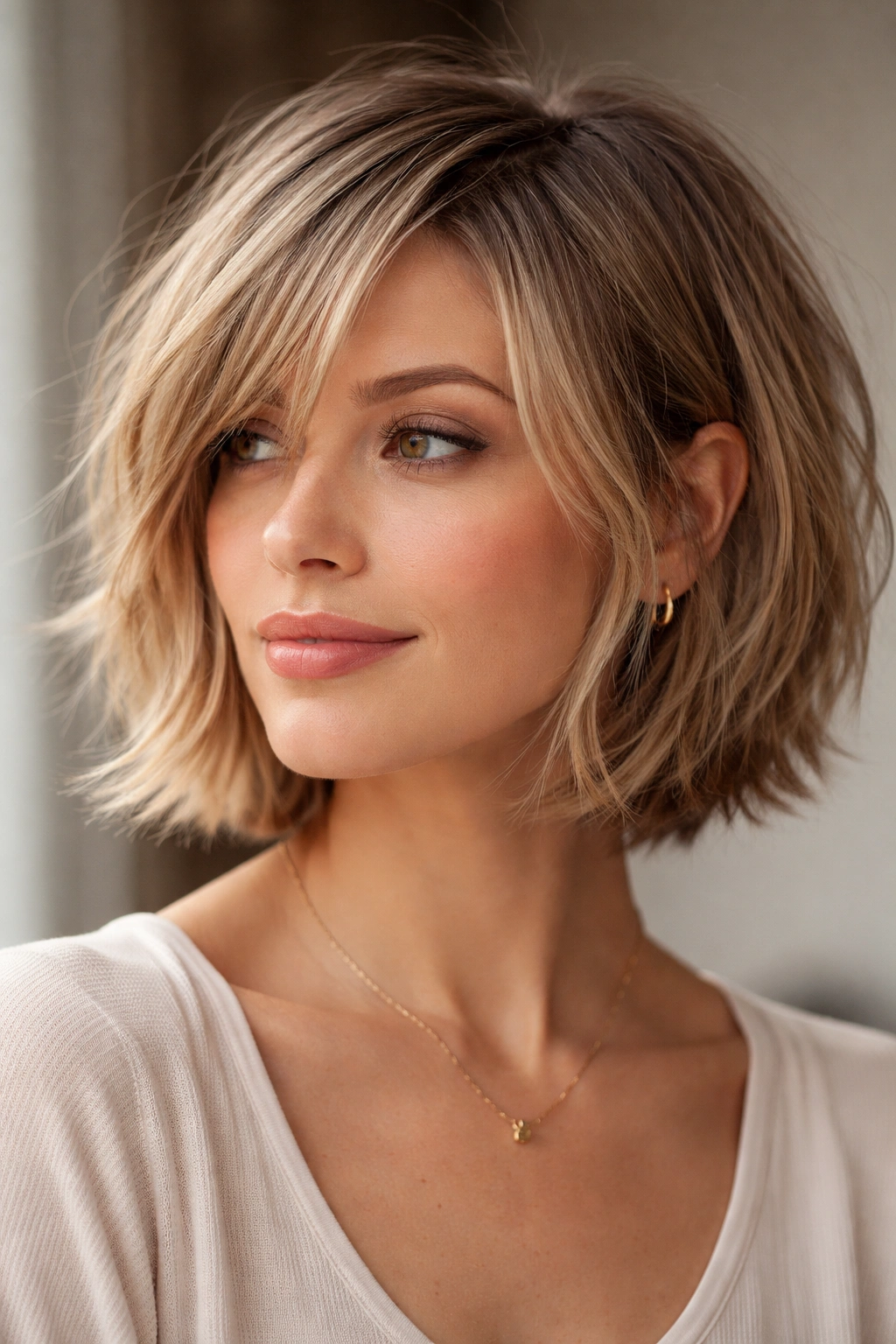
A razor bob has a reputation problem. People hear “textured” and think “choppy,” which is usually code for ends that look ragged after two weeks. But a well-done razor bob can be smart on thinning hair when the goal is movement without a heavy, boxy outline.
The razor softens the edges just enough to stop the bob from looking blunt in a bad, stiff way. That can be useful if your hair is coarse in some spots but sparse in others, because the different textures tend to lie better together when the line isn’t overly rigid. The trick is moderation. Too much razor work on fragile hair makes the ends look shredded, and shredded is not the same as airy.
A textured bob is often best when the hair already has some wave. The wave gives the cut something to hold onto. Straight, ultra-fine hair can still wear it, but the texture has to be controlled with the right blow-dry and a lightweight cream, not sticky paste.
Good signs: the ends move when you shake the hair out.
Bad signs: the ends frizz into little crumbs.
That’s the difference between texture and damage-looking texture. People mix those up all the time.
12. Sleek Glass Bob With Tucked Ends
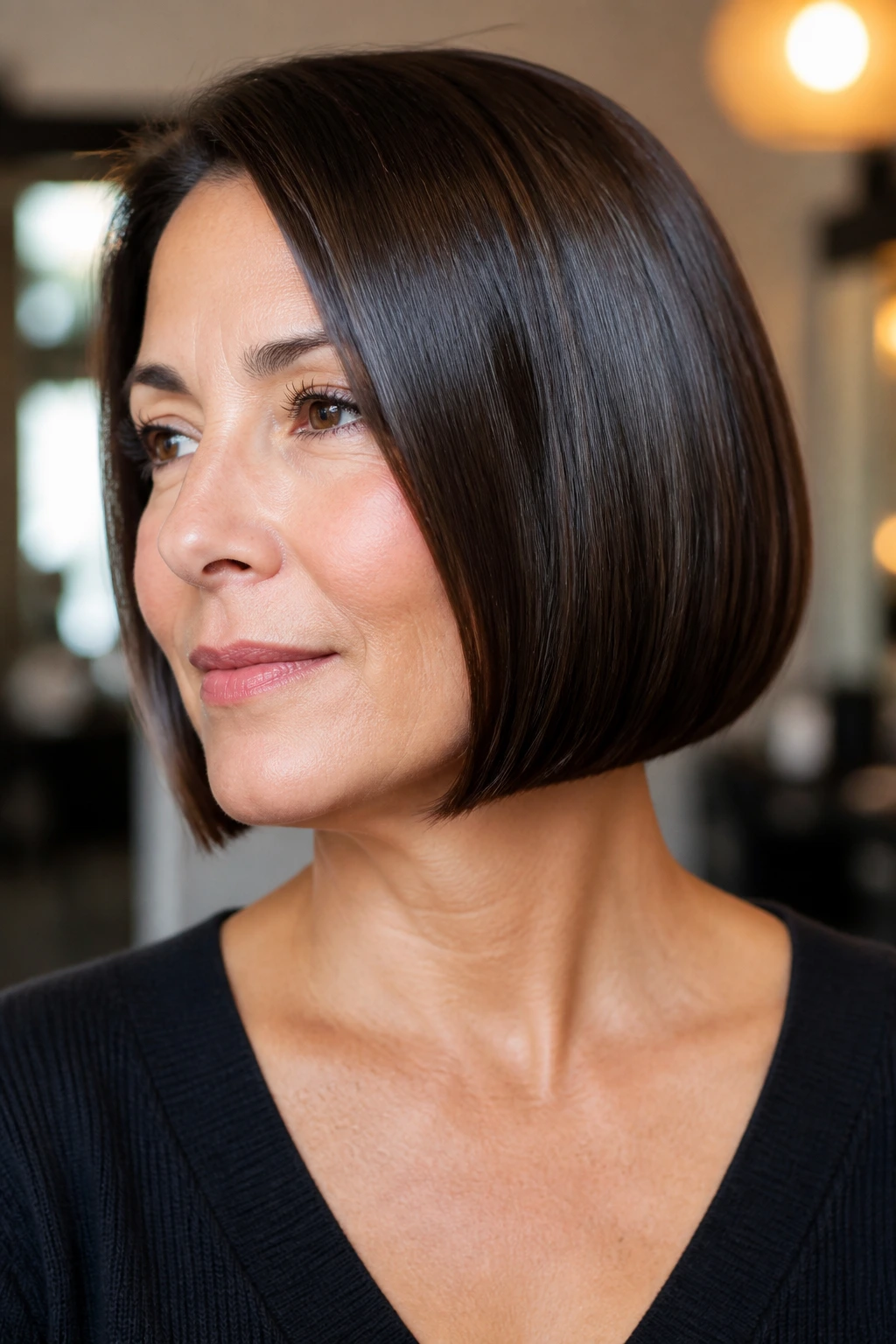
A sleek glass bob can make thinning hair look fuller in a different way: not by fluffing it up, but by making every strand count. The shine draws attention to the shape, and the bluntness keeps the ends from looking see-through. When the hair is smoothed close to the head and tucked slightly under at the bottom, the result is crisp, polished, and denser-looking than a softer cut would be.
This is the bob for someone who likes sharp lines and low fuss. It works best when the hair is cut with a solid perimeter and styled with a light smoothing cream, a flat brush, and a blow-dryer nozzle. You do not need a mountain of product. A pea-sized amount of cream through the mid-lengths and ends usually does the job, and too much turns the whole thing greasy fast.
If your hair is naturally fine, a glass finish can be your friend because it removes visual clutter. The eye sees the line. The scalp doesn’t get the spotlight. That’s the whole point, really.
A last thought, and it matters: fullness is often about where the line ends, not how much hair you have. Keep the edge clean, keep the root lifted a little, and don’t let the cut drift past the point where the ends start to look airy. That’s the sweet spot worth protecting.
