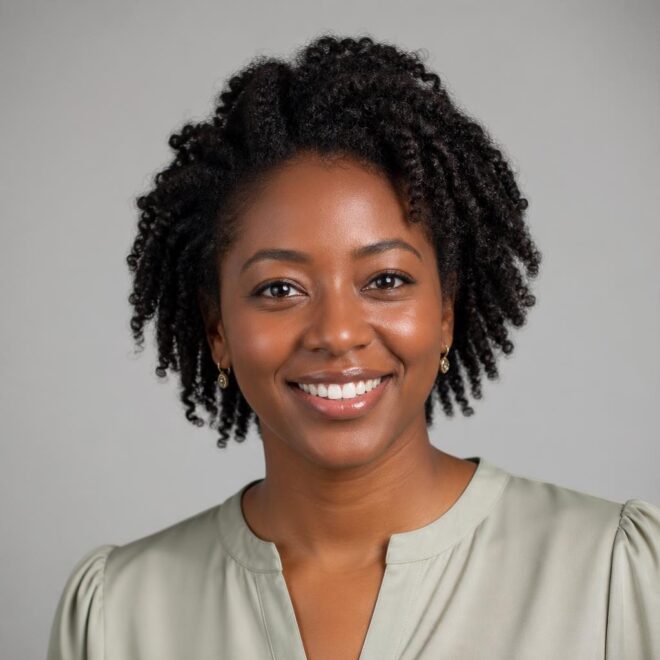


Frizzy hair and waves are a complicated relationship. The texture wants to express itself in beautiful, undulating layers, but humidity, dryness, and the wrong styling approach can turn that potential into a frizzed-out mess. The good news? The right haircut paired with smart styling choices transforms frizz from your hair’s enemy into the secret ingredient that adds movement and dimension.
Medium-length cuts are especially forgiving for wavy, frizz-prone hair because they’re long enough to weigh down some of the texture while staying short enough to avoid the dreaded triangle effect that comes with longer, shapeless waves. The key is finding styles with enough strategic layers and structure that your natural wave pattern has somewhere to go—instead of random flyaways taking over, those layers give your waves a defined path. Combined with the right moisture-sealing techniques and products, these 10 styles prove that frizzy wavy hair isn’t something to fight against; it’s something to work with intentionally.
What makes each of these cuts special isn’t just the shape—it’s how they interact with humidity, how they sit when your hair is genuinely wavy (not blown straight), and how they look over time as your natural texture grows in. These are realistic styles that age beautifully and actually get better as your waves strengthen, not worse. If you’ve ever looked at an Instagram hair inspiration photo and thought, sure, that works for straight hair, but what about my actual texture, these are the styles that speak to you.
1. Textured Beach Waves with Layers
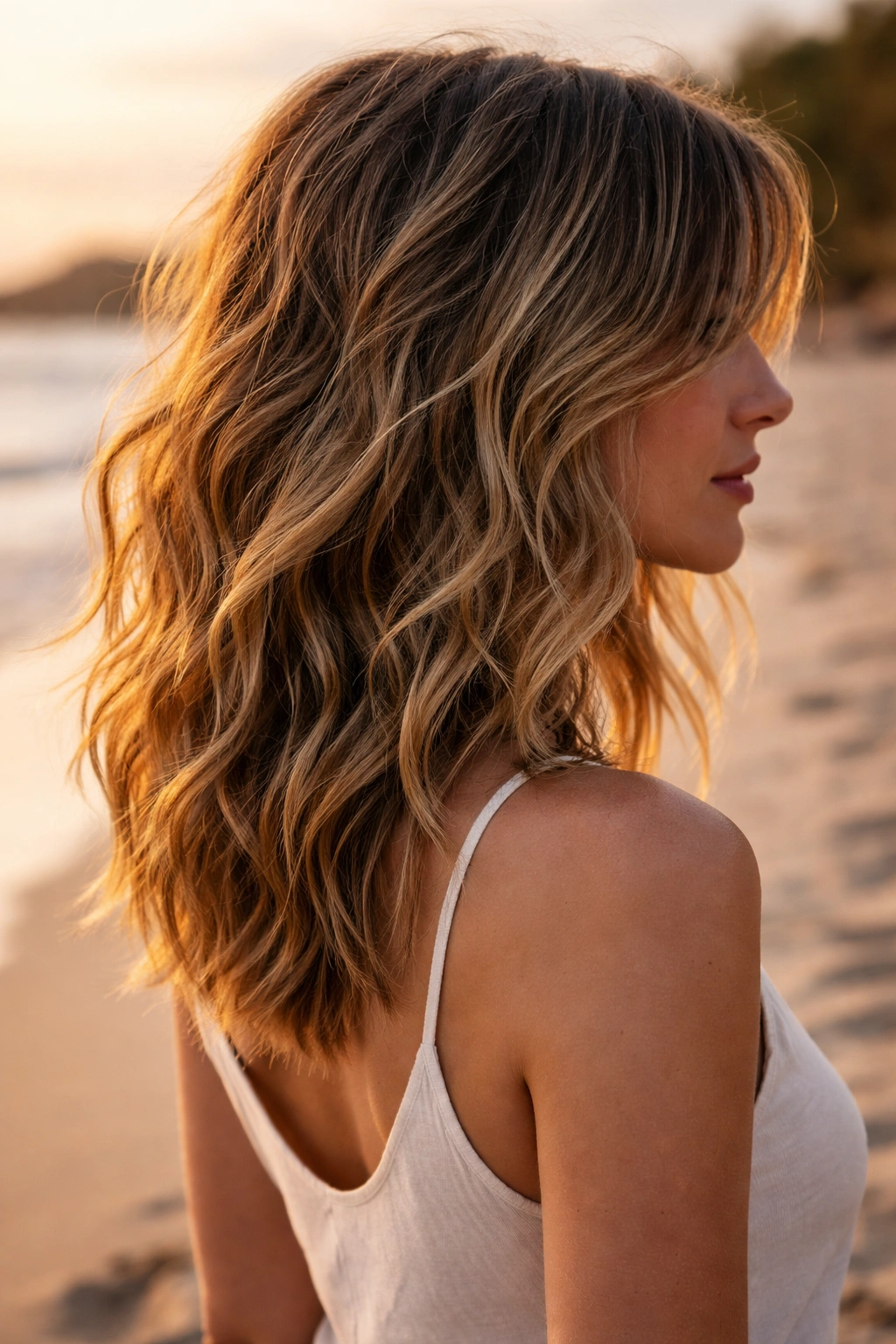
This cut strips away length strategically while keeping enough volume to give your waves real movement. You’re looking at a medium length that hits around your collarbones or just slightly shorter, with abundant choppy layers starting around mid-length. The magic happens because those layers are distributed unevenly—some pieces are dramatically shorter, while others stay longer—which creates the illusion of effortless texture rather than rigid waves. The result reads as intentionally tousled, not accidental.
Why This Works for Frizzy Hair
The constant layer shifts mean your hair naturally breaks up in multiple directions instead of all falling the same way. This is essential for frizz management because it stops hair from clumping together in thick, wet-looking sections. Each layer can move independently, and that movement is exactly what prevents the frizz from settling in as one unified poof. The shorter pieces closer to your face also allow you to frame and control those rebel hairs that always seem to frizz out around your jawline.
How to Style It
- Use a lightweight leave-in conditioner on damp hair before blow-drying to seal the cuticle and reduce frizz while adding slip
- Blow-dry using a diffuser attachment, scrunching your waves upward rather than combing them downward—this amplifies your natural wave pattern instead of flattening it
- Enhance waves with a sea salt spray or texturizing cream once dry, focusing on the mid-lengths and ends where layers are densest
- Refresh second-day waves by lightly misting with water, reapplying product, and letting air dry, or re-diffuse for 5-10 minutes
Pro tip: Ask your stylist to point-cut (rather than blunt-cut) the layers, which reduces blunt edges and helps prevent that harsh, choppy appearance. Point-cut layers also fray more naturally, which softens the overall look and makes frizz less obvious.
2. Shoulder-Length Shag Cut with Tousled Waves
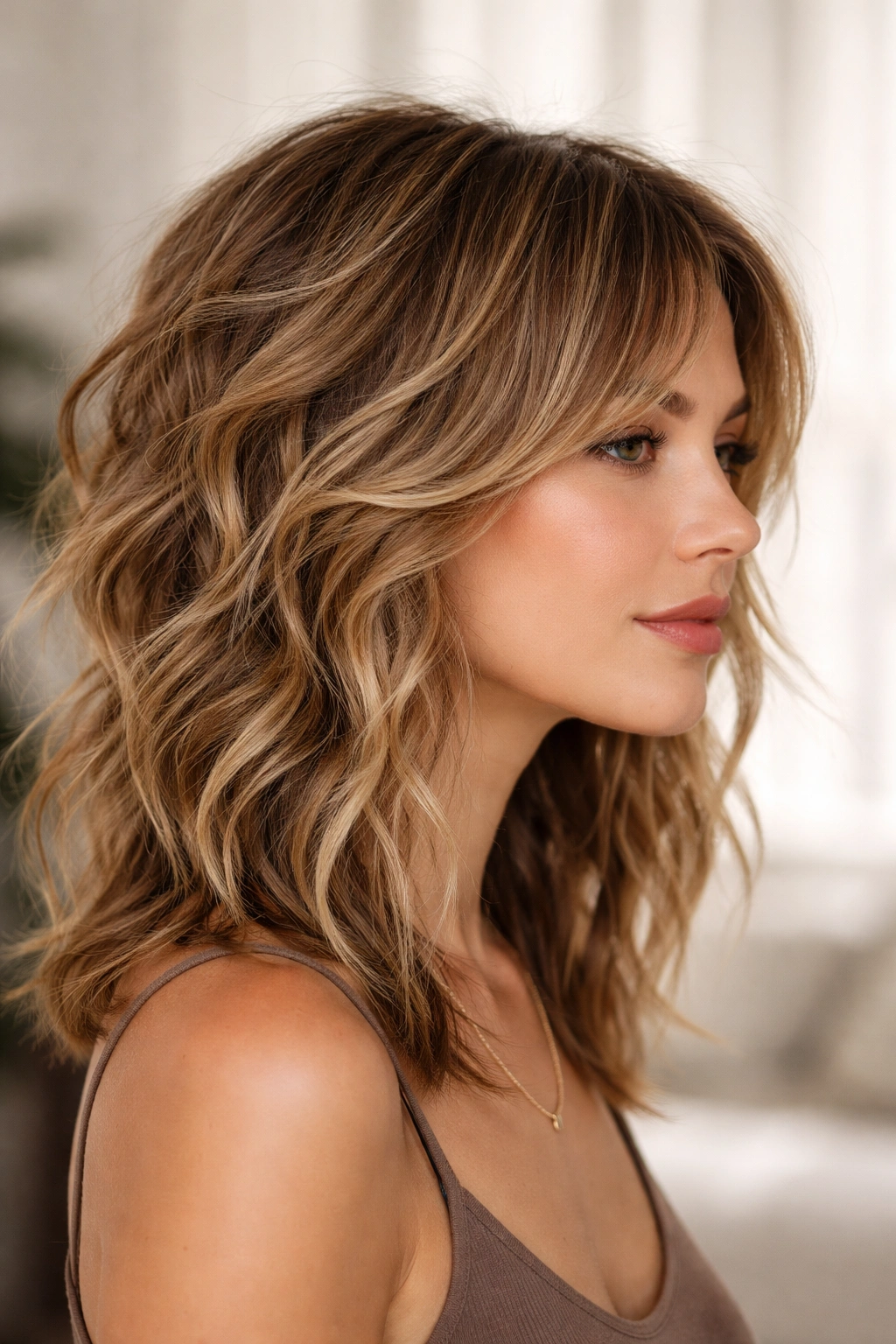
The modern shag is having a legitimate moment, and there’s a reason why—it’s built entirely on the principle that imperfection is the aesthetic. This style features shorter, sharper layers throughout, especially around the crown and face, with longer pieces in the back that create movement without length. The whole point is that it looks deliberately undone, which means your frizz stops being a problem and becomes part of the style’s DNA.
Why This Works for Frizzy Hair
Shags are perhaps the most frizz-forgiving cut available because they’re designed to look textured and slightly wild. Your natural frizz blends seamlessly into what’s supposed to be a tousled, lived-in vibe. The layers are cut at such aggressive angles that they encourage your waves to separate and move individually, and the shorter crown layers add volume without weight, which is exactly what frizzy hair needs. Plus, the shaggy movement means no single strand of frizz stands out—everything reads as intentional texture.
Styling and Maintenance
- Shags actually look better when you don’t try too hard—apply a lightweight mousse to soaking wet hair and diffuse-dry for natural texture without fighting your waves
- Use texturizing spray or a light pomade (not heavy oil) to define the shorter layers around your face and create separation
- Sleep on the style without a bonnet for an extra tousled morning look, or wrap your hair loosely to preserve wave pattern overnight
- Get trims every 6-8 weeks because shags look freshly styled when the shorter layers are sharp; they lose impact as they grow out
Worth knowing: Shags require styling product to look intentional rather than just messy. Find a lightweight formula that won’t weigh down your waves—cream-based products usually work better for frizzy hair than heavy oils.
3. Defined Medium Waves with Face-Framing
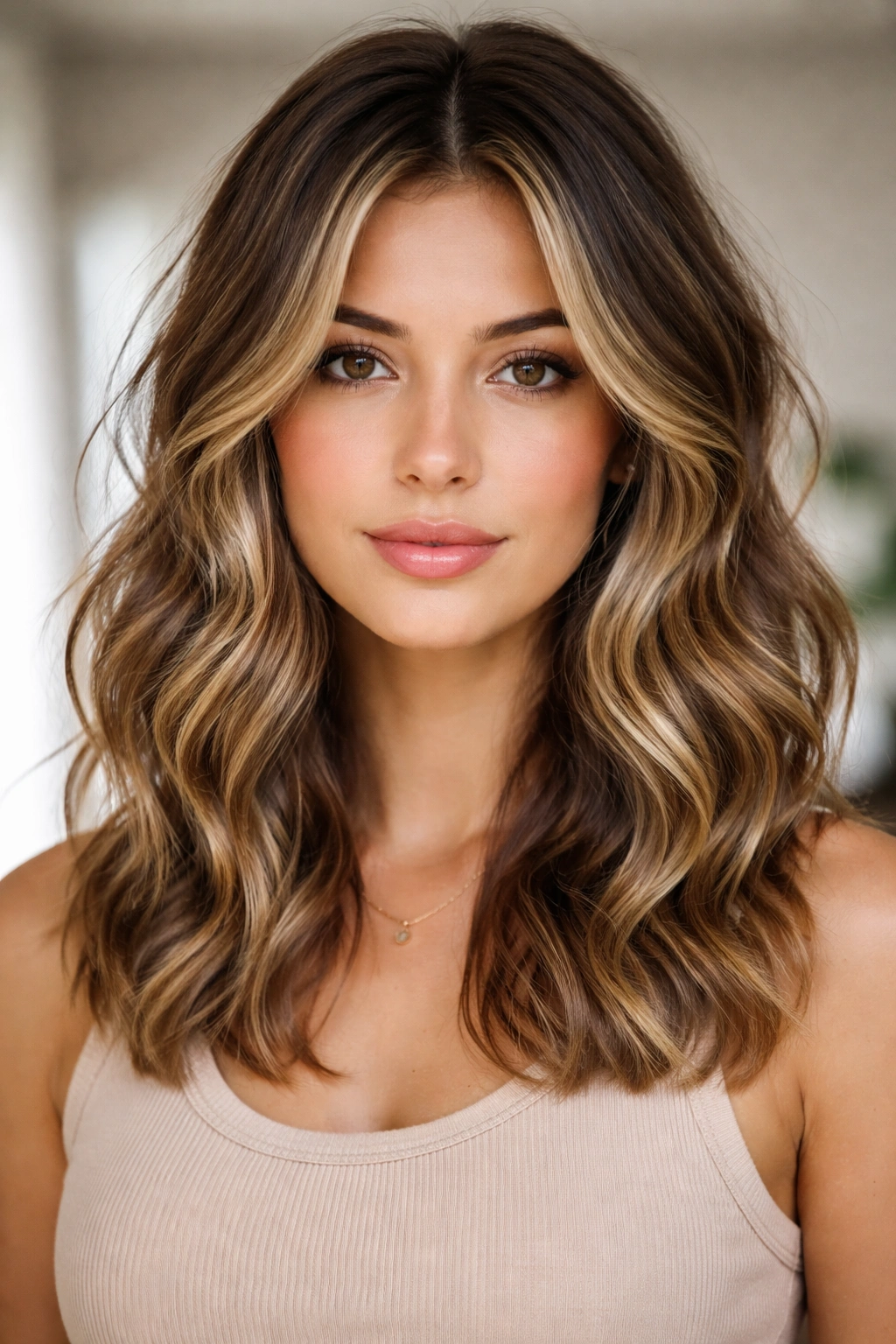
This cut is for anyone who wants visible wave definition rather than a tousled blur. The hair is cut to a blunt or slightly textured medium length—around shoulder-length or an inch or two shorter—with strategic shorter pieces framing the face. The key difference from a standard layered cut is that the layers are intentionally designed to highlight your natural wave pattern rather than obscure it, creating visible, separate wave sections that catch light.
Why This Works for Frizzy Hair
Defined waves require moisture and smoothness to look intentional rather than frizzy, which means this cut forces you to nail your hair care routine. Once you do, the payoff is stunning because your waves become a feature rather than a flaw. The face-framing pieces are shorter, which means they’re easier to control with product and less likely to frizz out dramatically. The blunt or slightly textured baseline also helps all the pieces sit together cohesively rather than separating into chaotic strands.
Achieving Definition
- Use a curl-defining cream or light gel on soaking wet hair to enhance your natural wave pattern before styling
- Rough-dry with a diffuser until about 60% dry, then use a round brush to define waves in sections, rolling upward to encourage the wave shape
- Finish with light hairspray to hold definition without stiffness—avoid heavy sprays that can make waves look crunchy and emphasize frizz
- Refresh waves between washes with a wave-defining spray or light cream, scrunching gently upward
Insider note: Invest in a microfiber towel or t-shirt for drying instead of a regular towel, which causes frizz. The gentler fabric prevents the cuticle disruption that leads to flyaways.
4. Tousled Lob with Choppy Layers
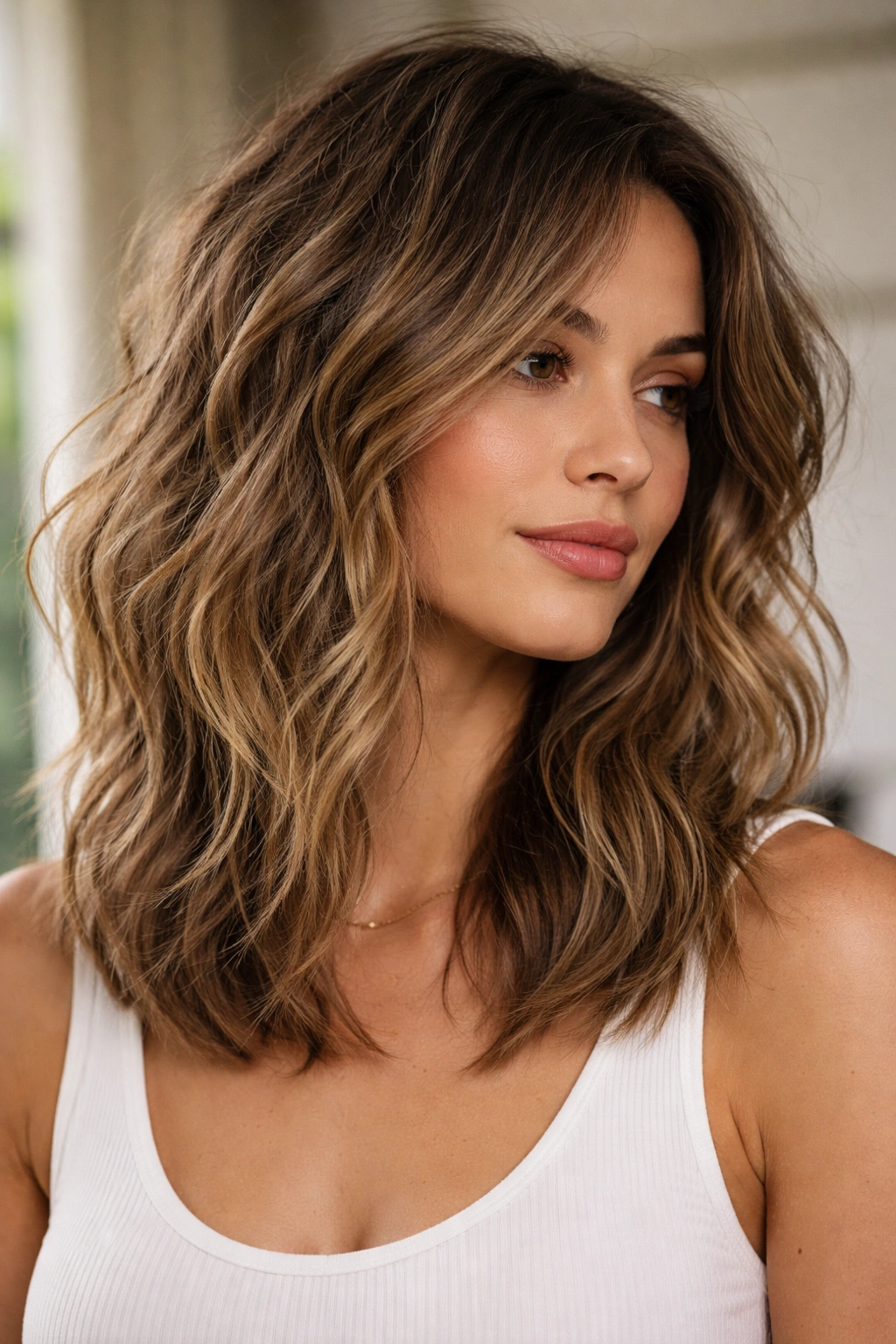
A lob (long bob) in the medium range—hitting between your shoulders and mid-back—is an excellent canvas for building in choppy layers that create movement and visual interest. The baseline stays relatively blunt or has minimal layering, which gives weight and substance, while the internal choppy pieces provide texture and prevent that heavy, solid appearance that frizzy hair struggles with. It’s the best-of-both-worlds approach: enough length to feel substantial without the stringiness that comes with truly long wavy hair.
Why This Works for Frizzy Hair
The combination of weight at the baseline plus choppy internal layers is a frizz-fighter because the weight anchors your hair while the layers allow movement. You avoid both extremes—the all-chopped-up triangle and the heavy, solid slab. The choppy pieces, especially those graduated near the face, naturally separate your hair so it doesn’t clump into thick, frizzy sections. This cut specifically works if you tend to have denser frizz rather than fine, flyaway texture.
Styling Strategy
- Apply a frizz-control serum or oil to damp hair before blow-drying to seal the cuticle and add shine
- Blow-dry using a paddle brush in sections, directing the choppy pieces outward and slightly upward to enhance movement
- Use a medium-barrel curling iron to add intentional waves to second-day hair, concentrating on the choppy layers to make them pop
- Add texture spray for grip on day two or three, which helps waves hold shape longer between washes
Real talk: This cut requires consistent trims every 6-8 weeks. As the choppy pieces grow out, they lose their effect and can start looking shaggy rather than intentionally tousled. Regular maintenance keeps the definition crisp.
5. Soft Waves with Curtain Bangs
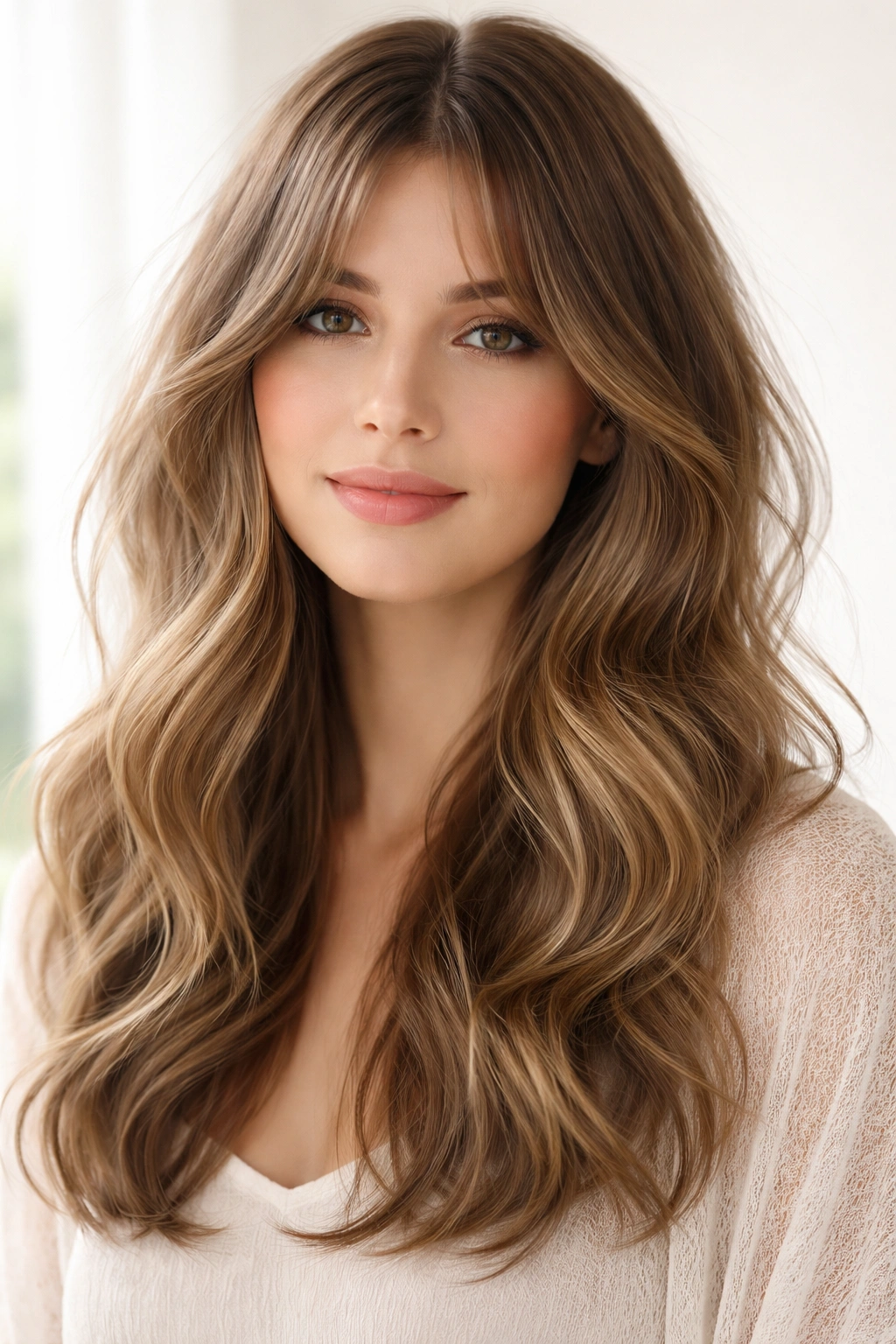
Curtain bangs have become a styling staple, and paired with soft, medium-length waves, they create an effortlessly romantic aesthetic. The bangs are parted down the middle and longer on the sides, framing the face without creating blunt edges that can frizz noticeably. The rest of the hair is cut to medium length with gentle, minimal layers that encourage soft waves rather than dramatic texture—it’s more delicate and refined than choppy alternatives.
Why This Works for Frizzy Hair
Curtain bangs redirect frizz around your face rather than letting it sit flatly on your forehead. The side-swept movement means any flyaways around your hairline get incorporated into the bang movement. The soft layers throughout the rest of the cut allow your natural waves to flow gently without fighting against a too-heavy baseline. This style specifically works if your frizz is fine and wispy rather than coarse and dense—it has a more delicate, airy quality.
Styling for Maximum Impact
- Apply a light leave-in conditioner to wet hair and use a diffuser on low heat for gentle wave encouragement without aggressive frizz
- Shape the curtain bangs by blow-drying them away from your face, using a round brush to encourage the outward sweep
- Use a texturizing cream through the length for soft definition rather than crunchy texture
- Refresh the bang part and movement on second day with a light spray and finger-combing
Pro tip: Ask your stylist to cut the bangs longer initially—you can always trim them shorter if they feel too long, but once they’re cut short, you’re stuck waiting for them to grow. Longer curtain bangs are more forgiving for daily styling and work better with medium waves.
6. Textured Medium Waves with Undercut Detail
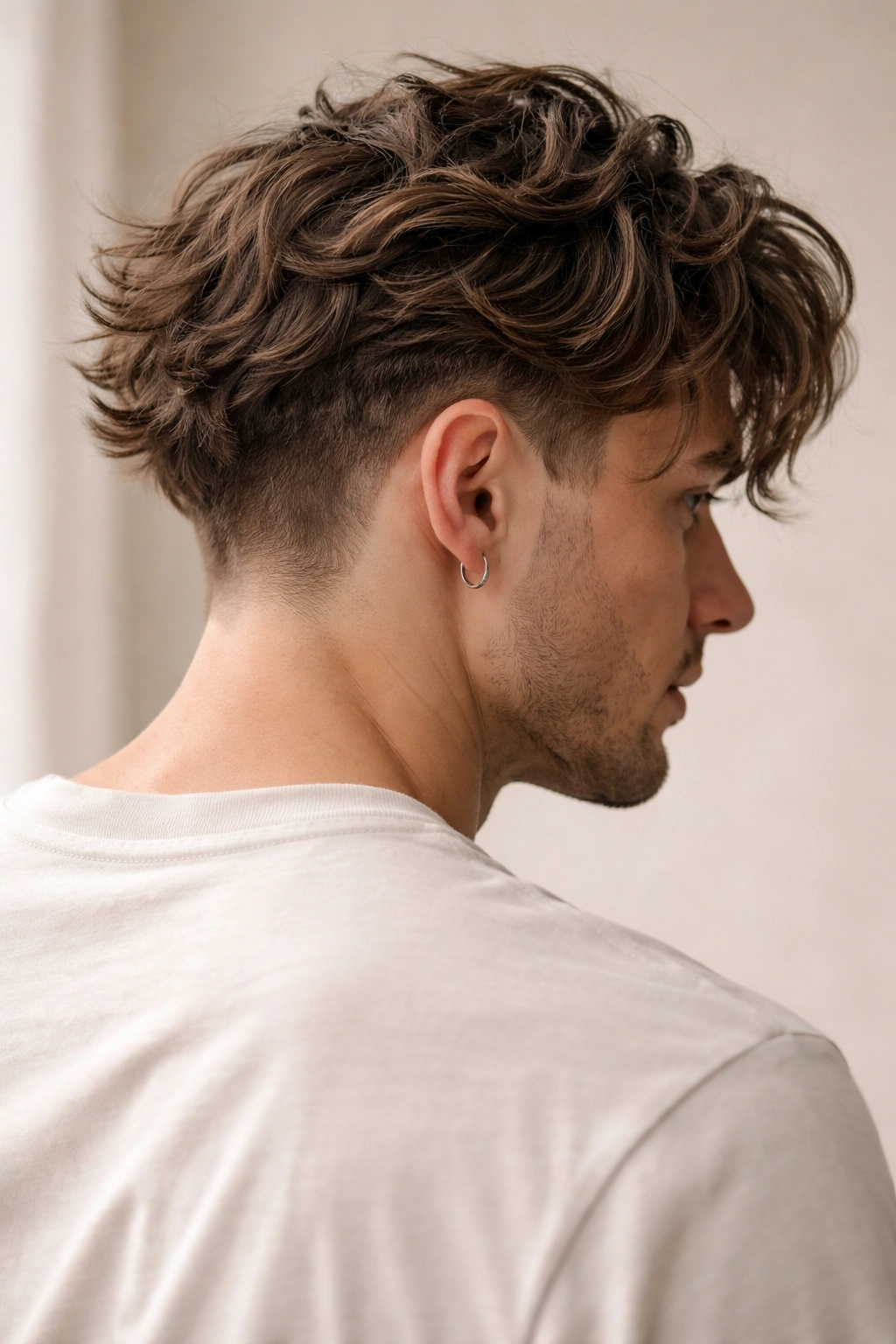
This cut adds an unexpected edge by incorporating an undercut—shorter hair beneath a longer top section—which is hidden when your hair is down but creates interesting silhouette and dimension. The top layer is medium length with textured layers, while the undercut (typically at the nape or sides) is faded short. When your hair is styled, you get medium-length waves; when you wear it up or it parts naturally, the contrast becomes visible.
Why This Works for Frizzy Hair
The undercut serves a practical purpose beyond aesthetics: it removes bulk from underneath, which reduces weight and helps your waves move more freely. You get the volume and movement that medium waves provide without the heaviness that can make frizz worse. The textured top layers ensure that however your hair falls, the separation is visible and intentional. It’s a strategic cut for anyone whose frizz tends to happen at the nape and bottom layers first.
Styling and Upkeep
- Texture spray applied to damp hair before diffuse-drying will emphasize the choppy layers while also providing frizz control
- Style the top layers with a curling iron in sections to create defined waves that show off the texture
- Refresh undercut trims every 3-4 weeks to maintain the fade and prevent the short sections from growing into a messy weight zone
- Experiment with half-up styling to occasionally show off the undercut as a surprise detail
Worth knowing: Undercuts look intentional and sharp for 2-3 weeks after a trim, then start looking grown-out and less defined. Plan for more frequent maintenance than a traditional cut if you love the high-contrast look.
7. Bouncy Waves with Long Layers
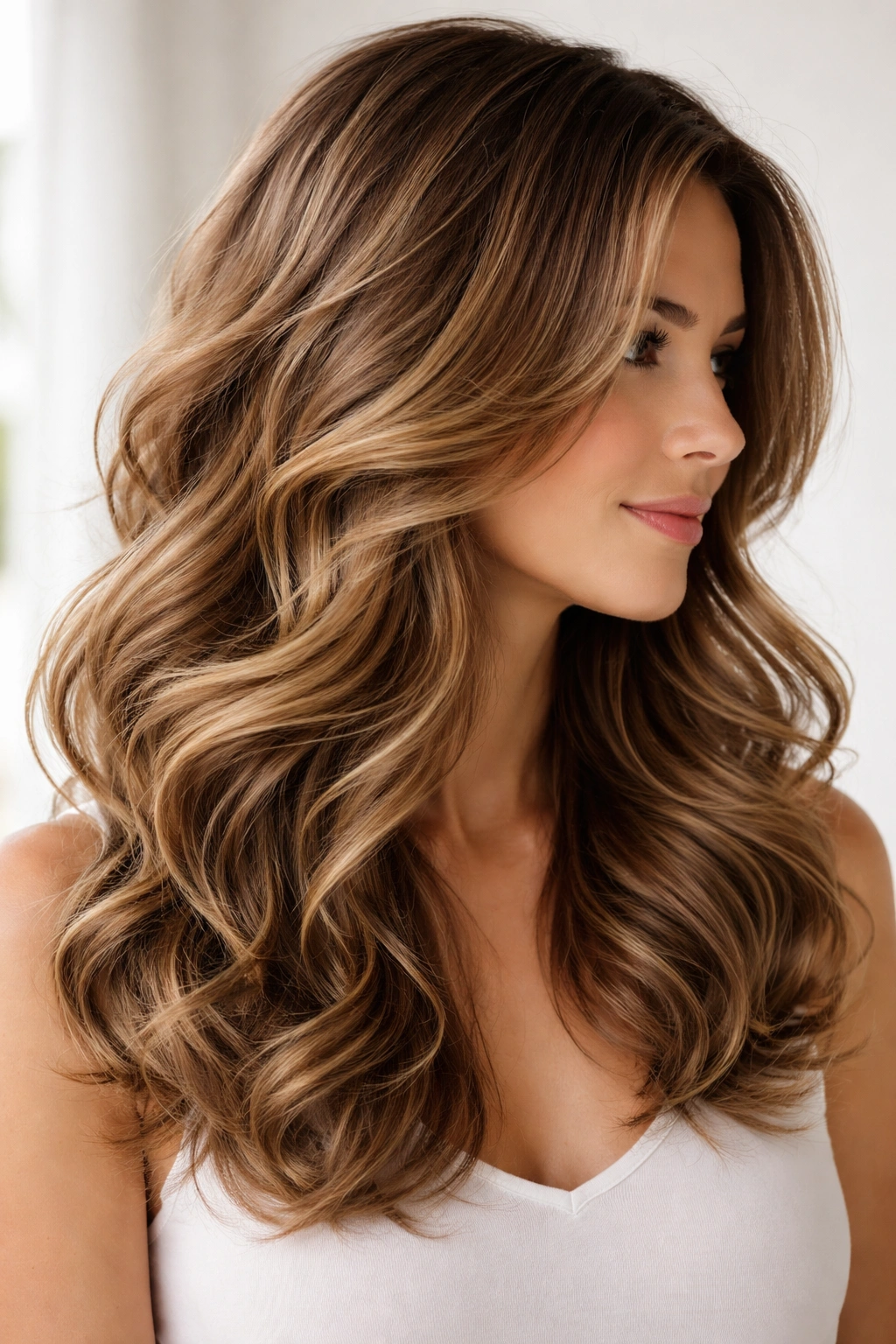
For anyone who loves visible wave definition and movement, this cut delivers. The baseline is medium length (typically hitting mid-shoulder or slightly longer), with many layers distributed throughout that encourage bouncy, separated waves. The layers are cut at angles that work with your natural wave pattern rather than against it, creating wave sections that are visibly distinct rather than blurred together. This style celebrates waves rather than trying to contain or minimize them.
Why This Works for Frizzy Hair
Abundant layers automatically prevent your hair from forming solid sections where frizz can concentrate. Each layer moves on its own timeline and trajectory, so your overall hair reads as textured and dimensional rather than frizzy. The bouncy quality—achieved through the layer distribution—also helps your waves move away from your scalp and face rather than sitting flat and fuzzy. The more movement your hair has, the less obvious frizz becomes.
Achieving the Bouncy Effect
- Use a volumizing mousse on soaking wet hair, applied section by section while you rough-dry with a diffuser
- Continue blow-drying with the diffuser until about 80% dry, then finish with a concentrator nozzle on cool air to seal the cuticle and reduce frizz
- Apply a light texturizing spray to add grip and definition, then scrunch gently to encourage wave formation
- Refresh second-day waves with a light water mist and texturizing spray, then diffuse-dry for 5-10 minutes
Insider note: This cut shows breakage and split ends more readily than choppier styles because the layers are supposed to look smooth and defined, not damaged. Invest in regular trims every 6-8 weeks and a deep conditioning treatment weekly to keep the ends healthy and the waves shiny.
8. Wavy Bob with Piece-y Texture
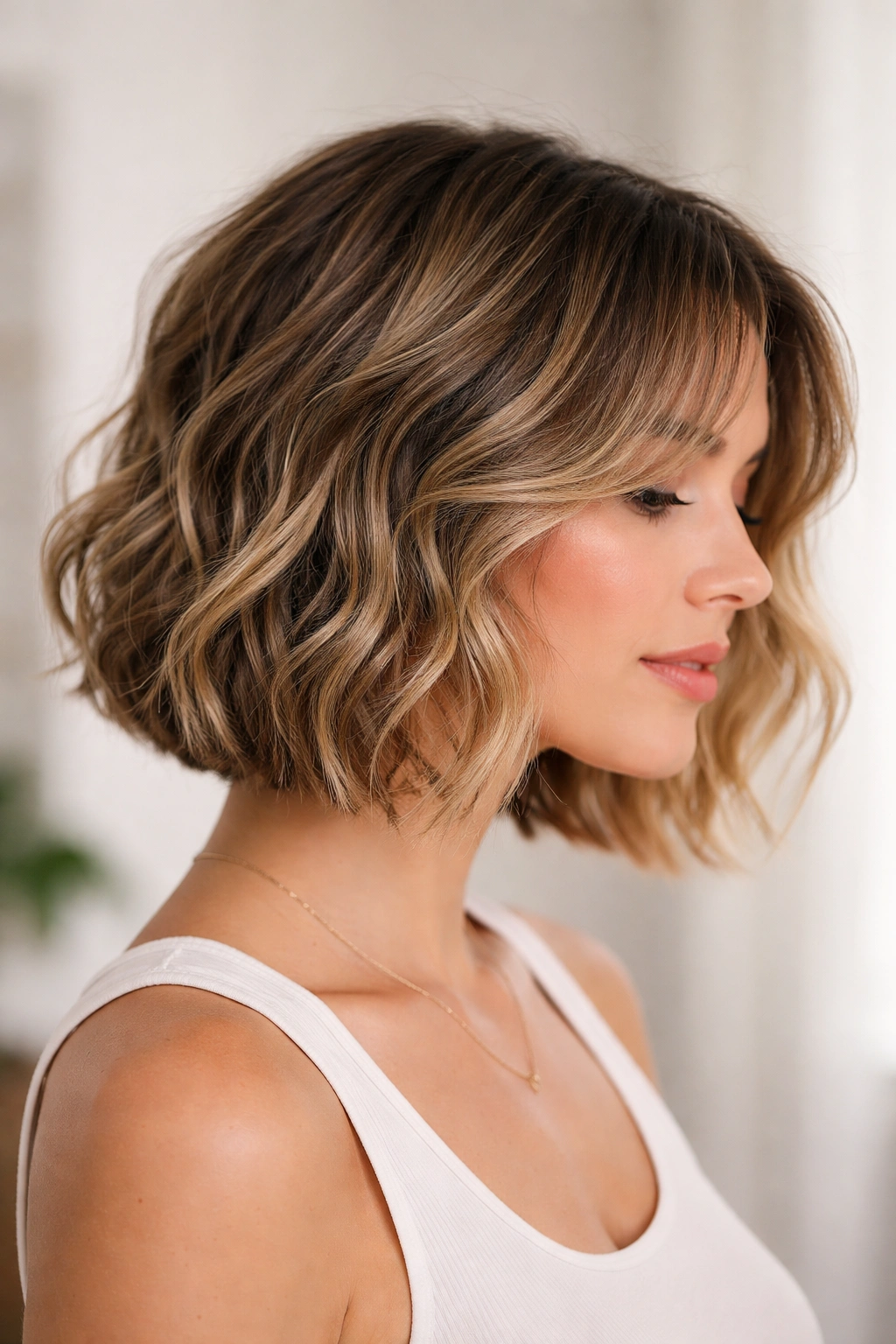
The wavy bob—a chin-length or slightly longer cut with waves built in—has become increasingly popular because it’s easier to style than a straight bob and more polished than a shag. This version incorporates piece-y layers throughout that break up the shape and create separation without looking overly choppy. The overall silhouette is still cohesive and structured, but the internal texture prevents that blunt, heavy appearance.
Why This Works for Frizzy Hair
A bob’s shorter length means less hair overall, which typically means less frizz by volume. The piece-y layers ensure that what frizz does occur gets distributed across distinct pieces rather than forming one fuzzy outline. The shorter length also means your ends are closer to your scalp and more protected from environmental damage that causes frizz. Plus, shorter hair is simply easier to manage with targeted styling—you can achieve polished waves more easily than with longer lengths.
Styling a Wavy Bob
- Apply a lightweight smoothing serum to damp hair to seal the cuticle before blow-drying
- Blow-dry using a round brush, curling the shorter pieces at the back outward for volume and the front pieces away from your face
- Use a small-barrel curling iron to create defined waves in sections, holding the iron vertically to mirror your natural wave direction
- Finish with a light hairspray that doesn’t weigh down the shorter length
Real talk: Bob haircuts require very precise cutting to look polished. Find a stylist who specializes in bobs and stick with them for maintenance. The difference between a great bob and a mediocre one often comes down to cut quality rather than styling skill.
9. Soft Waves with Wispy Layers
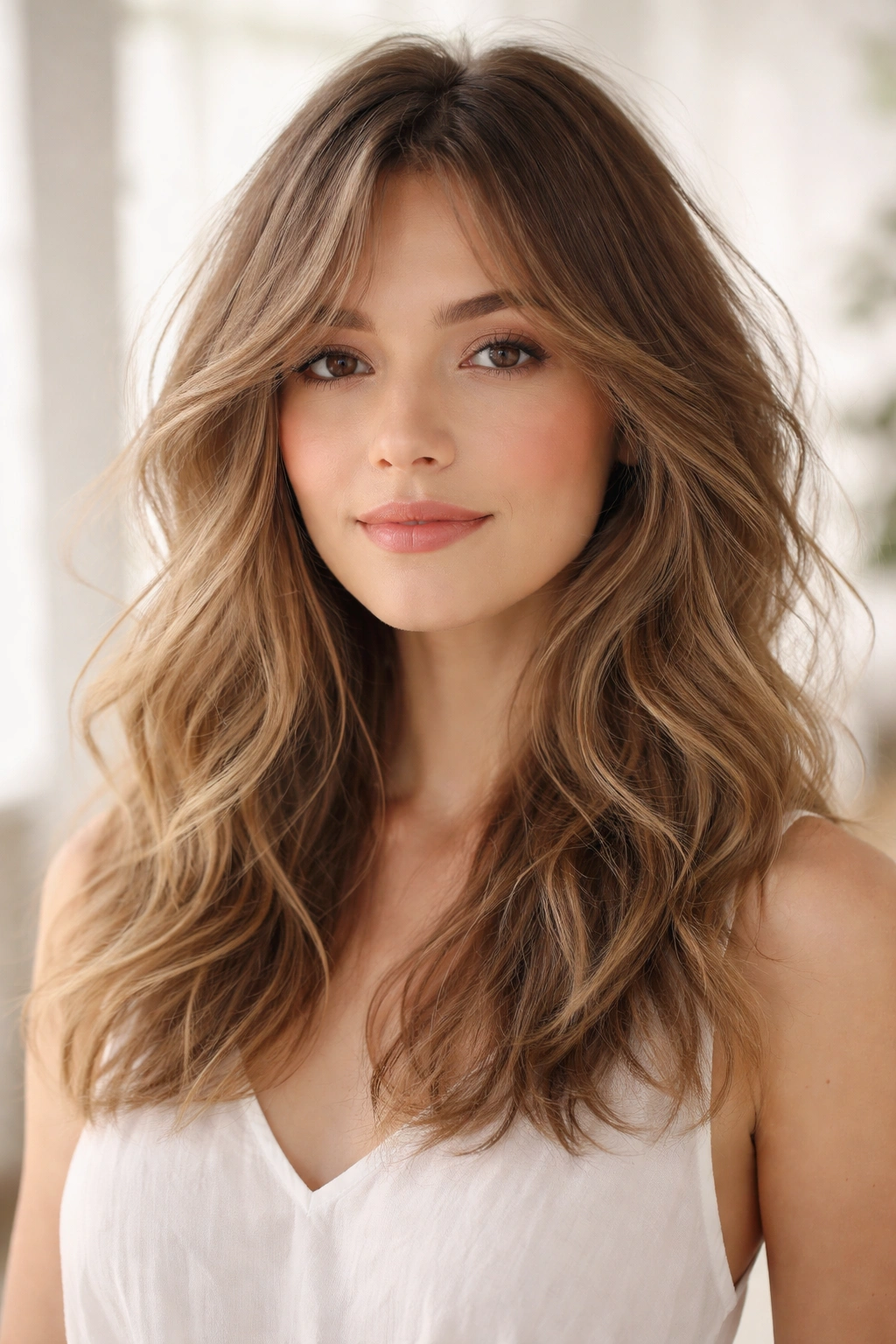
This style emphasizes lightness and airiness, using many wispy, feathered layers throughout medium-length hair to create an ethereal, romantic aesthetic. The layers are cut so that they graduate in length, with longer pieces anchoring the back and shorter, barely-there layers throughout the crown and face. The overall effect is cloud-like—soft waves that seem to float rather than sit heavily on your head.
Why This Works for Frizzy Hair
Wispy layers are all about reducing bulk without creating sharp edges that can frizz. Each layer is cut so finely and graduates so gently that your hair looks delicate and intentionally lightweight rather than damaged or frizzy. The short wisps around your face and crown actually draw attention upward toward your features rather than emphasizing frizz at your jawline. This cut specifically works well if your frizz tends to be fine, baby-hair texture rather than thick strands.
Creating Soft, Ethereal Waves
- Use a lightweight, volumizing cream on damp hair, focusing on roots and mid-lengths rather than ends
- Diffuse-dry on low heat, gently cupping sections upward to encourage waves without disturbing the wispy shape
- Use a small-barrel curling iron on medium heat to add definition to waves, but curl loosely rather than tightly for that soft aesthetic
- Finish with a light mist of texturizing spray rather than hairspray, which can make wispy layers look clumpy
Pro tip: This cut requires regular trims every 5-6 weeks because wispy layers grow out quickly and start looking shaggy rather than intentionally feathered. The maintenance commitment is real, but the payoff is a continuously fresh, polished look.
10. Tousled Medium Waves with Depth
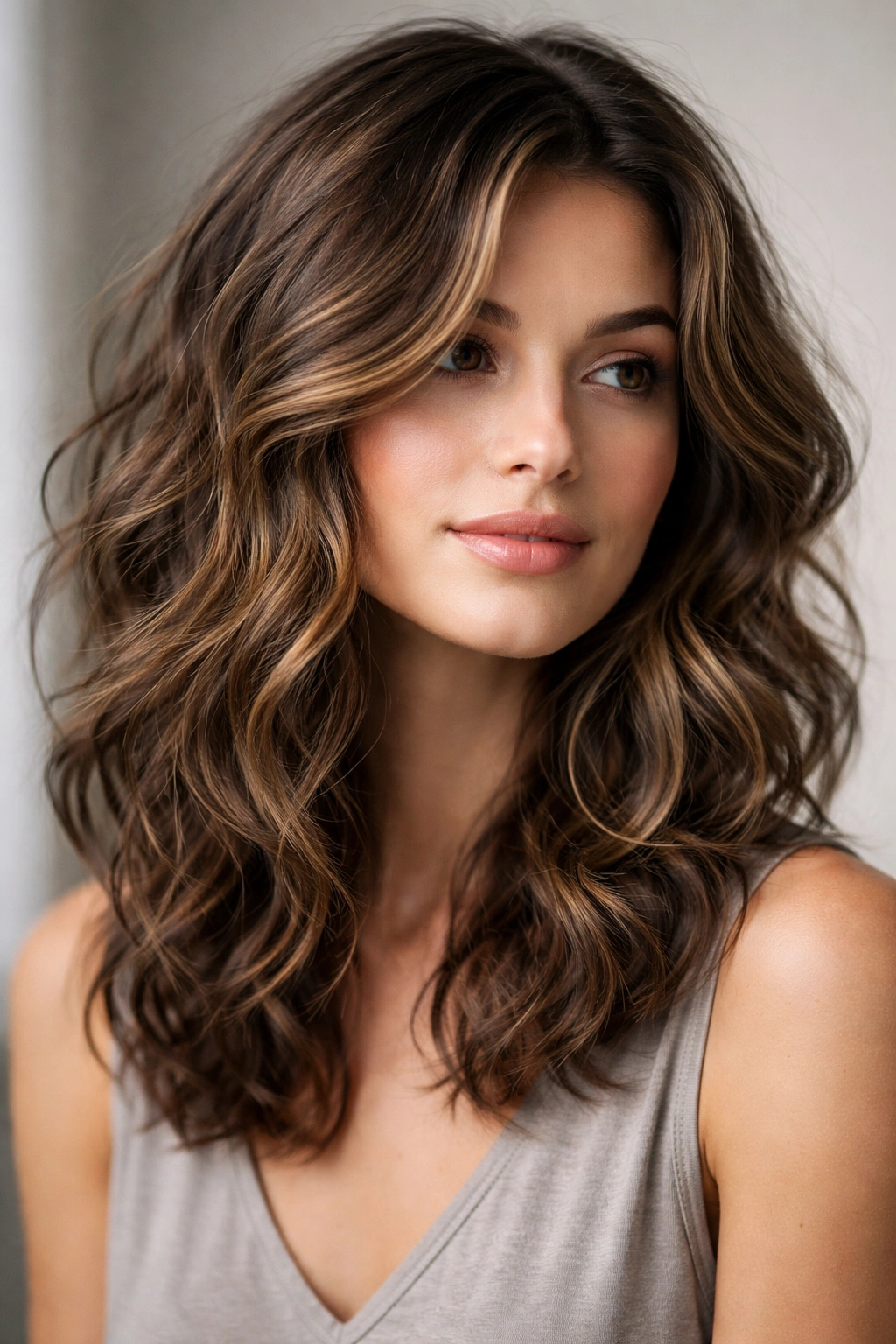
This final style is all about strategic placement of layers to create visual depth and dimension rather than obvious texture. The cut is medium length with layers that are less abundant than some other options but placed very intentionally to create shadow and light play across your hair. The overall shape reads as dimensional and dynamic rather than flat, and the wave pattern becomes a feature of that dimension rather than a separate texture concern.
Why This Works for Frizzy Hair
Strategic layering creates visual interest that makes frizz less obvious because your eye is drawn to the dimension and shadow play rather than focusing on individual frizzy pieces. The less-is-more approach to layers also means you have fewer ends to manage—less layering can paradoxically mean less frizz because there are fewer cut edges that can separate and frizz out. This cut works well if you prefer a polished, intentional look rather than an overly textured aesthetic.
Styling for Dimension
- Apply a frizz-control cream to damp hair and blow-dry with a paddle brush, directing sections outward for volume
- Use a larger-barrel curling iron to create soft waves that complement the dimensional layer placement
- Add shine by finishing with a light hair oil on the ends and mid-lengths—dimension is enhanced when waves catch light
- Refresh waves on day two with a texturizing spray and gentle finger-combing rather than re-styling with heat
Worth knowing: This style ages beautifully because the less-aggressive layering means it looks intentional as it grows out. You can comfortably go 8-10 weeks between trims rather than the 6-8 weeks more heavily layered cuts require.
Final Thoughts
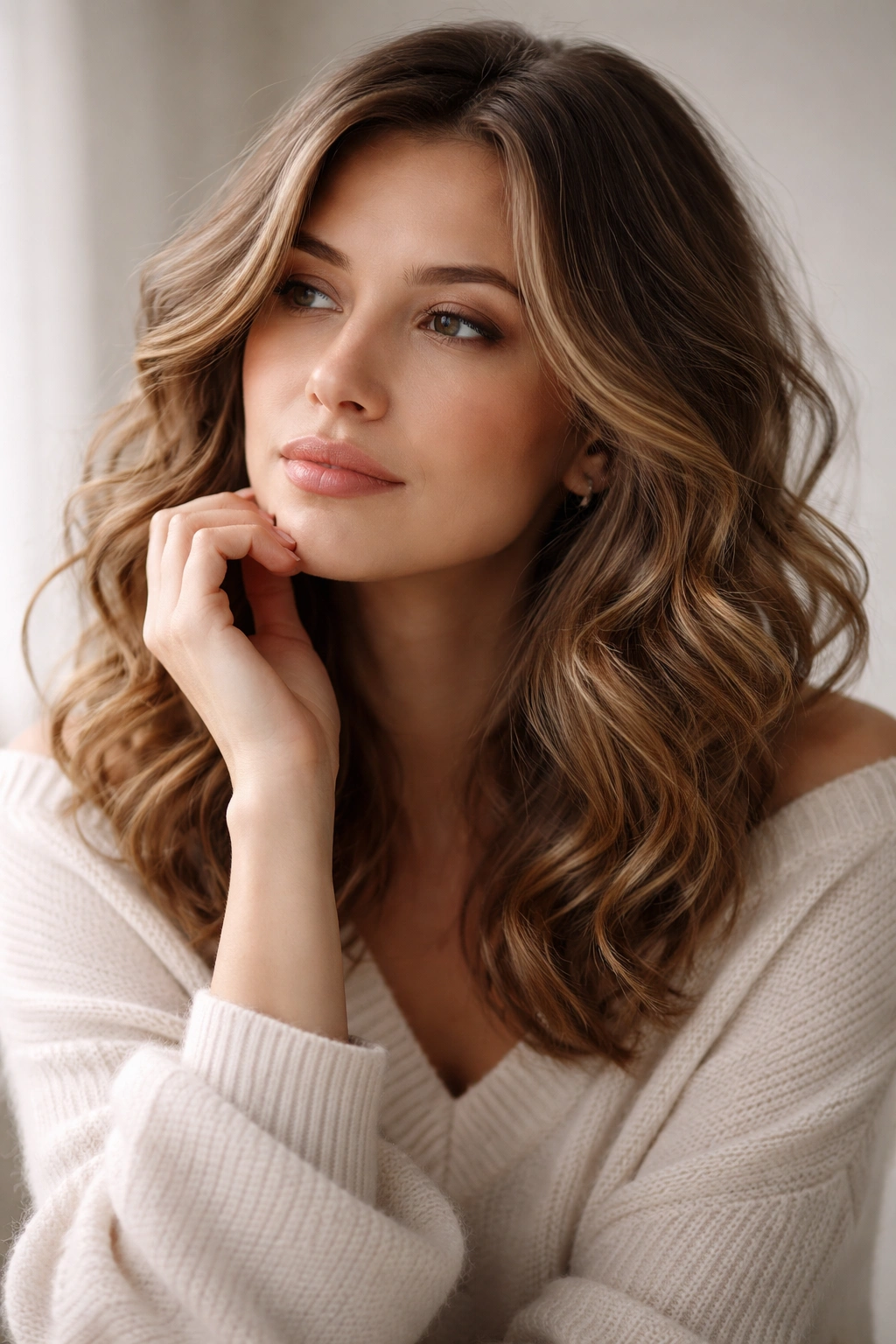
The most important realization about styling frizzy wavy hair is that the right cut does half the work for you. These 10 styles all share a core principle: they use layers and length strategically to work with your natural texture rather than against it. Your waves won’t disappear with the perfect cut, and frankly, you don’t want them to—waves are movement, dimension, and personality. Frizz becomes a problem only when your hair doesn’t know what it’s supposed to be doing.
Beyond the cut itself, the styling choices matter enormously. Every one of these styles depends on moisture-sealing products, gentle drying techniques, and respecting your hair’s natural wave pattern rather than forcing it straight. The products you choose (lighter for fine frizz, richer for coarse frizz), how you dry your hair (diffuser for texture, paddle brush for smoothness), and whether you use heat-styling strategically all determine whether your cut looks intentional or accidental.
Start by consulting with a stylist who has experience cutting wavy and curly hair—not all stylists do, and the difference is profound. Show them photos of the specific style you’re considering and, more importantly, photos of how that style looks on hair with texture similar to yours. Your waves are an asset, and the right cut transforms them from a daily frustration into a signature feature that requires far less effort than you might expect.