



Straight hair can be tricky to cut. What works beautifully on curly or wavy textures sometimes falls flat on straight strands, which means the cut has to do all the heavy lifting—no waves, no texture, no hidden volume. That’s where hush cuts come in. These are the quieter, more understated versions of trending styles that have absolutely dominated beauty feeds. They’re not loud or demanding. They’re clever, flattering cuts designed specifically to work with straight hair rather than against it.
The term “hush” refers to a gentler approach to cutting—subtle movement, refined lines, strategic layers that feel natural rather than sculpted. A hush cut on straight hair is like a perfectly tailored jacket: it might look simple, but the construction is deliberate. Every inch matters. These cuts enhance straight hair’s natural sleekness while adding dimension and movement where you actually need it, creating a polished, effortlessly chic look that’s way more interesting than a blunt cut but far less commitment than a dramatic transformation.
If you’ve been scrolling through salon inspiration photos and feeling like nothing quite fits your straight hair, a hush cut might be exactly what you’re looking for. The styles below are all tested on straight textures and deliver real results—not just on Instagram, but in real life, when you’re trying to get out the door on a Tuesday morning.
1. Hush Bob
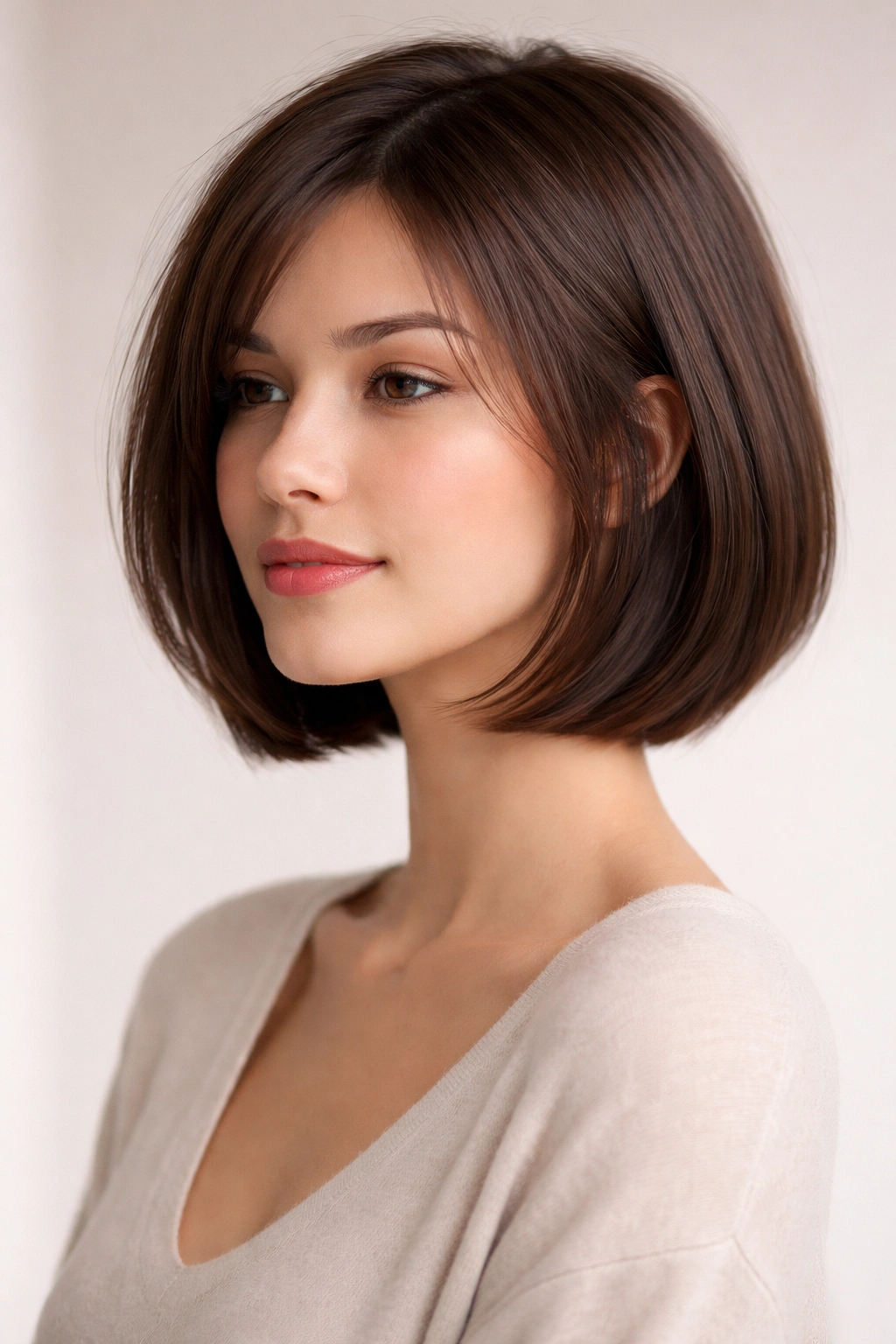
The hush bob is the anti-blunt bob. Instead of a severe, one-length edge, this cut features soft, imperceptible layers that fall within the overall rounded shape. On straight hair, this matters enormously because those internal layers prevent the heavier bottom from looking flat or helmet-like. The cut grazes the chin or hits just below it, and the true genius is in how the layers are placed—they’re barely visible when your hair is dry and sleek, but they create subtle movement and prevent the whole shape from looking stiff.
Why It Works on Straight Hair
The layers on a hush bob are the secret. Straight hair lacks natural texture, so internal layers create the illusion of softness and movement without requiring waves or styling tools every single day. The cut sits beautifully at a midpoint between blunt and shaggy—intentional but not overdone. This prevents that heavy, flat quality that straight hair can develop at the ends.
How to Style and Maintain
- Blow-dry with a round brush to enhance the soft shape
- Use a flat iron on low heat to smooth the layers slightly for a polished finish
- Maintain every 4-6 weeks to keep the shape clean and prevent split ends from ruining the line
- A lightweight, texturizing spray or dry shampoo can add subtle movement between washes
Pro tip: Ask your stylist to blend the layers so they graduate smoothly within the shape—this prevents choppy, disconnected texture and keeps everything looking cohesive.
2. Hush Bangs
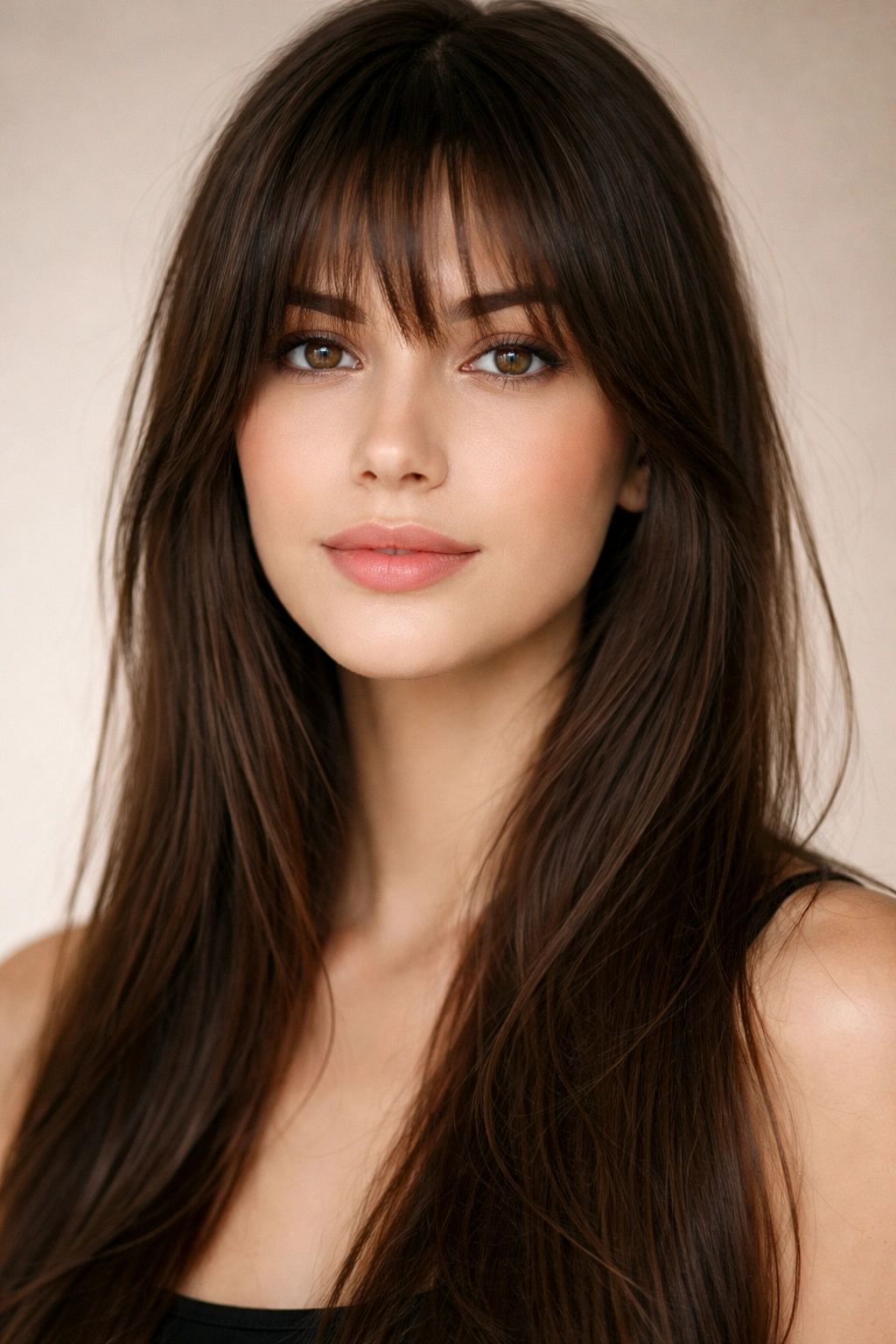
Hush bangs are the subtle answer to full, blunt fringe. These are soft, wispy bangs that sit just below the brow or blend into the cheekbone. On straight hair, they’re absolute game-changers because they break up the length of the face without requiring daily styling. Unlike traditional bangs, which demand heat tools and precise styling, hush bangs are designed to sit naturally and work with straight hair’s smooth texture rather than against it.
The Strategic Placement Advantage
The power of hush bangs lies in how they’re cut. They’re shorter at the center and gradually longer toward the sides, so they blend seamlessly into the rest of your hair. On straight hair, this prevents that disconnected “bang” feeling—they become part of the overall silhouette. The soft, angled shape also flatters a wider range of face shapes than blunt fringe.
Styling Tips for Longevity
- Hush bangs need a trim every 3-4 weeks because straight hair shows growth immediately, especially with lighter colors
- A simple blow-dry with a flat iron creates the perfect, polished finish
- Side-parting hush bangs away is an easy alternative style for second-day hair
- Keep your straightening iron handy—a quick run-through maintains the soft shape
Worth knowing: Hush bangs photograph beautifully and look intentional from every angle, making them perfect if you’re thinking about a change that feels manageable.
3. Hush Lob
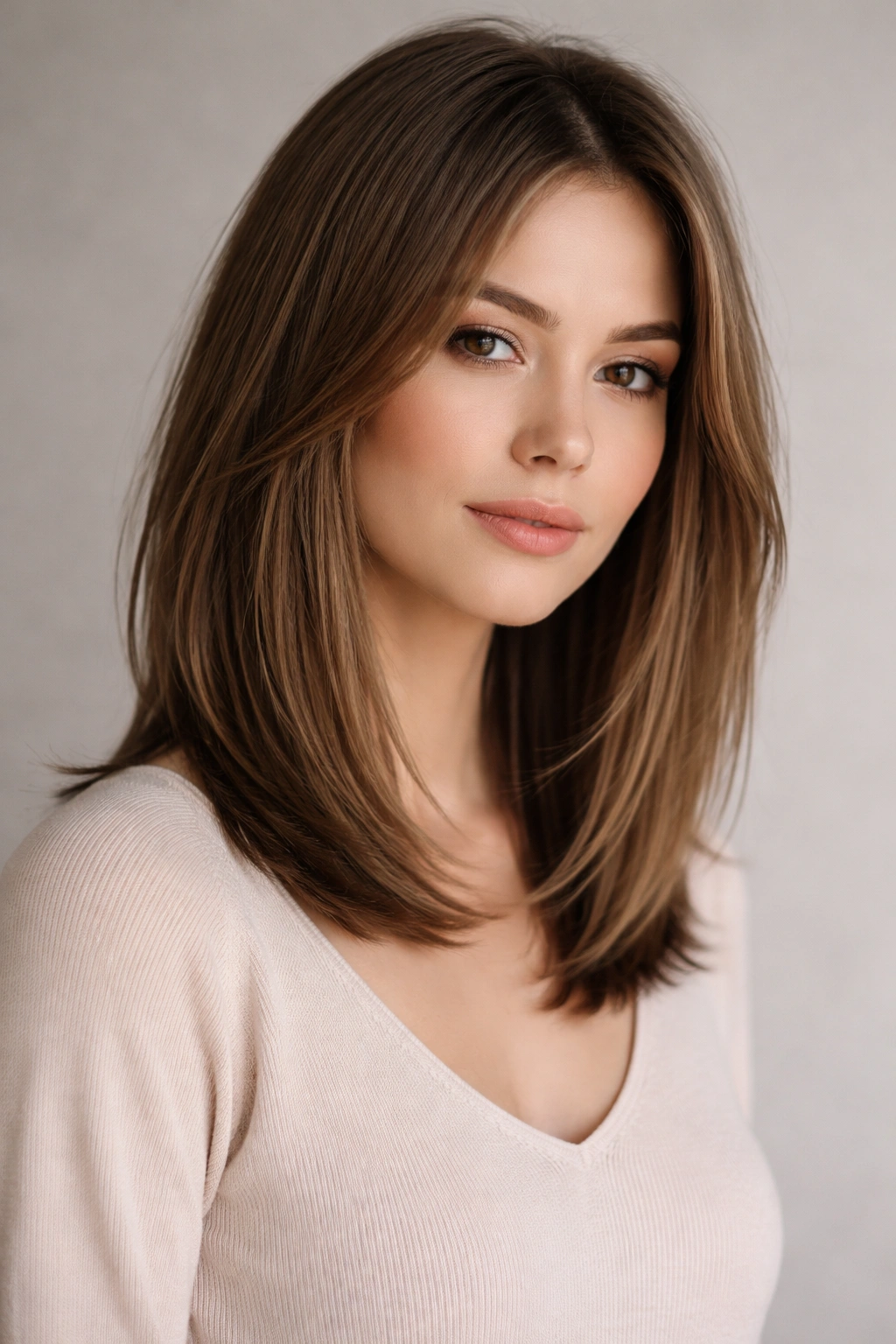
The lob—that breezy, shoulder-grazing length—works with hush principles to become a cut that’s actually wearable on straight hair. A traditional lob can sometimes look shapeless on straight texture, but a hush lob incorporates soft layers starting around mid-length. These layers create subtle, lived-in movement without making the hair look damaged or fried. The cut is longer and more relaxed than a hush bob, but with intentional dimension built in.
Why Length Matters Here
Longer hair can hide weak cutting, but a hush lob demands precision. The layers need to be placed thoughtfully so they create movement that feels natural to straight hair’s smooth texture. The collarbone length is ideal for straight hair because it’s long enough to move and shift slightly throughout the day, preventing that stationary, flat appearance.
Maintenance and Styling Reality
- Trim every 8-10 weeks to maintain the soft layer placement and prevent the ends from looking heavy
- Straight hair shows every ounce of product, so use a light hand with styling products
- A blow-dry with a medium round brush creates soft waves; straight-drying creates a sleek, modern look
- This cut genuinely works both ways—polished or undone, depending on how you finish it
Insider note: The hush lob is possibly the easiest long cut to maintain on straight hair. You get real dimension without needing to commit to daily heat styling.
4. Hush Layers Throughout
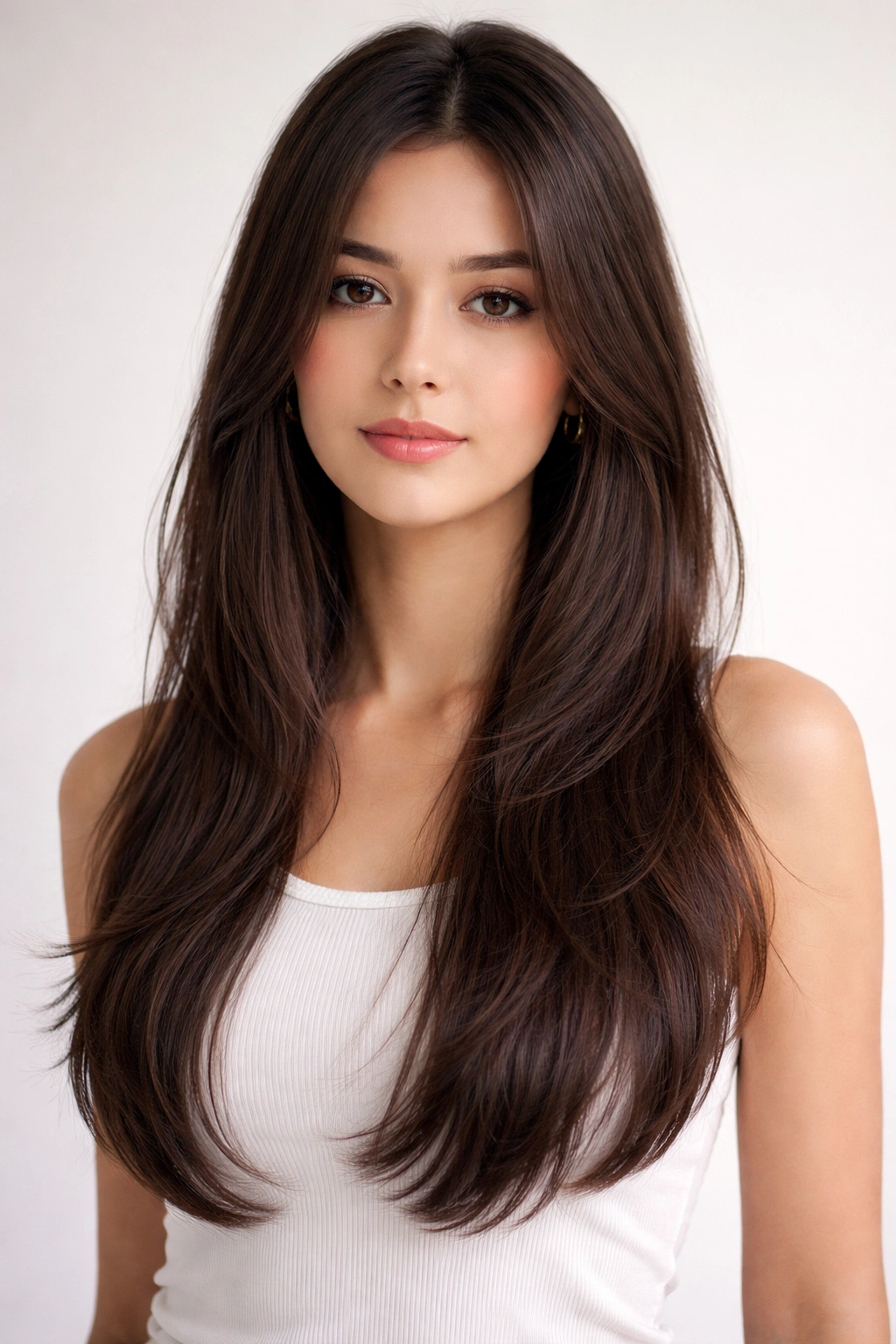
Sometimes you don’t want a specific cut style—you just want your straight hair to have better dimension and movement. Hush layering throughout is exactly that: strategic layers placed from crown to ends that create subtle, blended texture. Unlike choppy, dramatic layering, hush layers are barely noticeable when your hair is dry and smooth, but they prevent that flat, one-dimensional quality that plagues longer straight hair.
The Science of Layer Placement
Layers work by removing weight and allowing air to move through the hair. On straight texture, poorly placed layers look thin or stringy, but well-placed hush layers create a fuller appearance and genuine movement. The technique involves subtle graduation rather than obvious chunks. Each layer blends into the one below it, so the overall shape remains intact even as individual sections shift slightly.
Getting the Look Right and Keeping It
- Ask for layers that are blended rather than choppy—this is non-negotiable on straight hair
- The distance between layers should be minimal (sometimes just an inch or two) to prevent visible demarcation lines
- Blow-dry slightly away from the face to enhance the dimensional effect
- Monthly or every-6-weeks trims keep layers from growing out and looking droopy
This cut works at virtually any length, making it perfect if you’re not ready for a dramatic shape change but want real improvement in how your straight hair moves and looks.
5. Hush Pixie
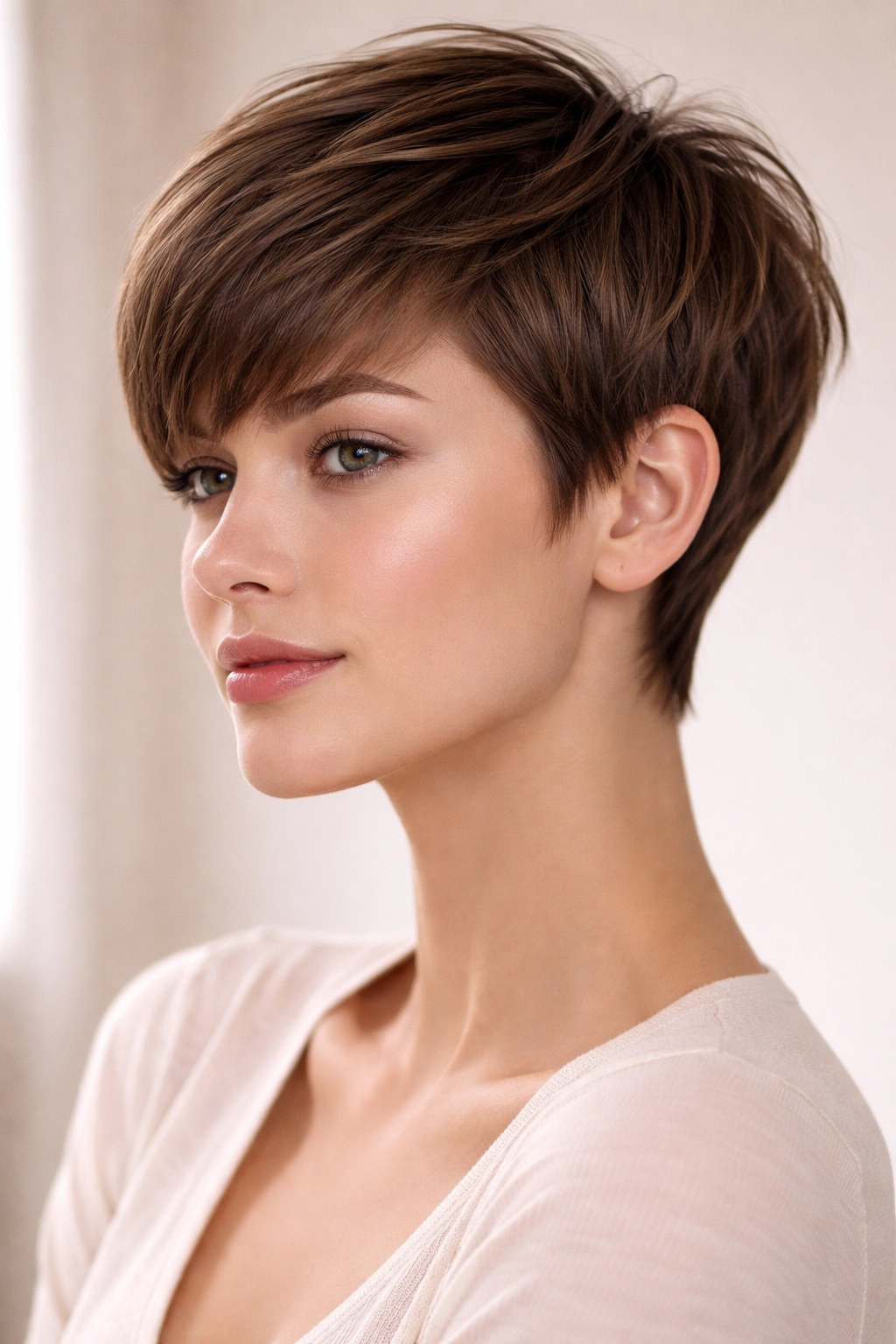
A hush pixie is a short, modern pixie cut that avoids the stark, severe edges of a traditional pixie. Instead, it features soft, textured layers on top with slightly tapered sides. On straight hair, a pixie can look incredibly chic because the short length emphasizes cheekbones and eyes, and the cut works with straight hair’s natural smoothness rather than fighting it. This isn’t a cropped, no-fuss cut—it requires intentional styling, but the payoff is significant.
Why Straight Hair Suits a Pixie
Curly hair can hide the structure of a pixie, but straight hair shows off the artistry. A hush pixie on straight texture looks sharp, polished, and intentional. The soft layers prevent that helmet-like quality that straight, short hair can sometimes develop. It’s a cut that says you’re fashion-forward but not frivolous.
Styling and Commitment Level
- Pixies require a blow-dry with styling products almost every time you wash
- A texturizing paste or matte pomade defines the layers and creates movement
- You’ll need a trim every 4-6 weeks because growth shows immediately at this length
- The payoff is a head-turning, flattering shape that actually requires less daily styling than longer hair
Real talk: A hush pixie is not low-maintenance, but it’s undeniably beautiful on straight hair. If you’re willing to spend 10 minutes on styling most mornings, this cut is transformative.
6. Hush Shag
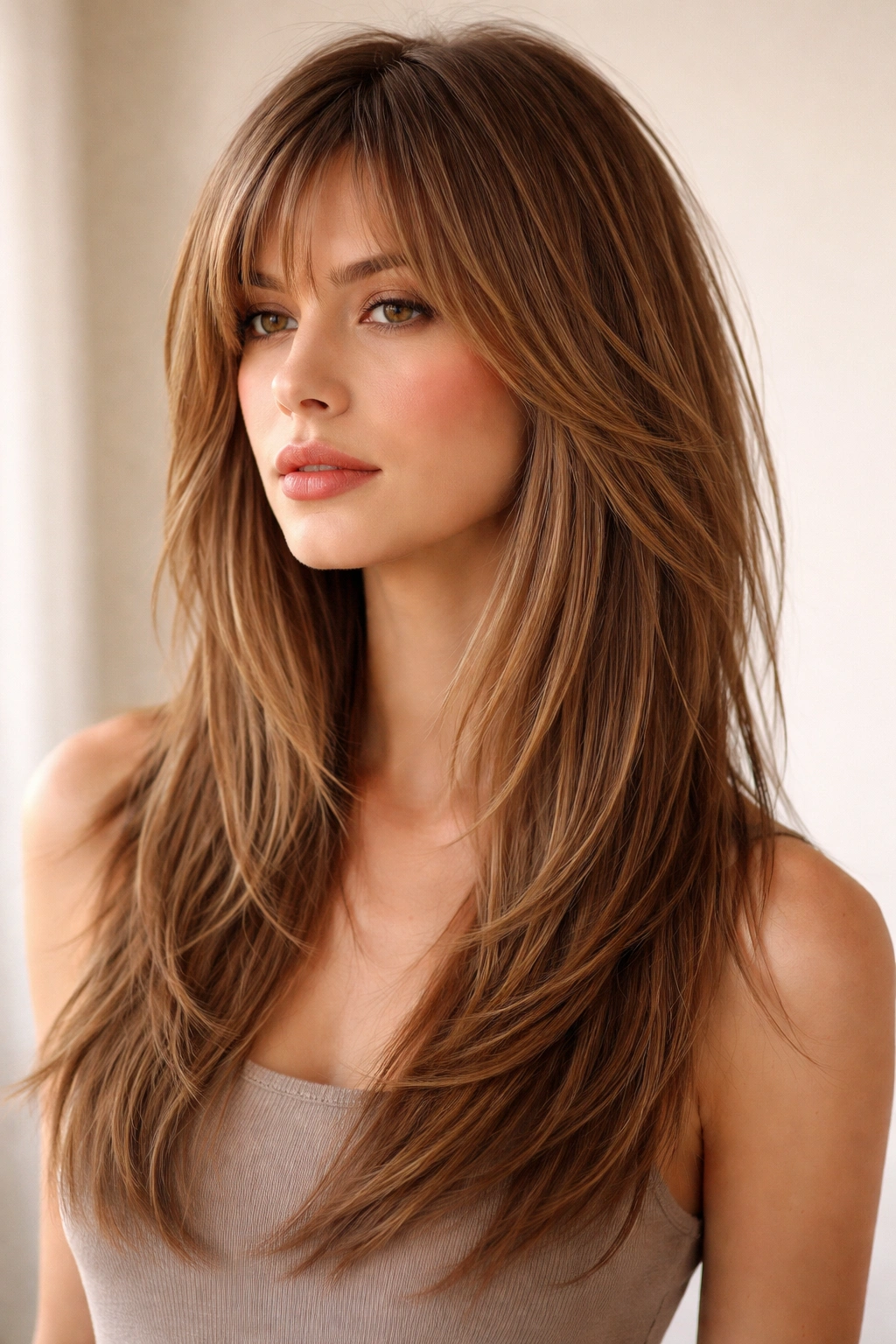
The modern shag has made a massive comeback—but the hush version is nothing like the 1970s iteration. This cut features longer layers starting high on the head, creating wispy movement and edge. On straight hair, a hush shag actually works beautifully because the layers prevent that flat, heavy feeling that long straight hair can develop. The cut has movement and personality without looking unkempt or requiring constant styling.
The Balance Between Texture and Elegance
A hush shag respects straight hair’s natural sleekness while adding dimension. The layers aren’t choppy or aggressive—they’re intentional and placed to create soft, feathered edges. On straight hair, this creates an effortlessly chic quality that feels modern and refined rather than retro.
How to Keep a Shag Looking Fresh
- Trim every 6-8 weeks to maintain the layer placement and prevent the cut from looking overgrown
- Blow-dry with fingers through the hair to enhance the textured shape
- A light texturizing spray between washes adds volume without weighing straight hair down
- The beauty of a shag is that it looks intentional whether you style it or not
This cut works across a wide range of hair lengths and face shapes, making it one of the most versatile hush styles.
7. Hush Curtain Bangs
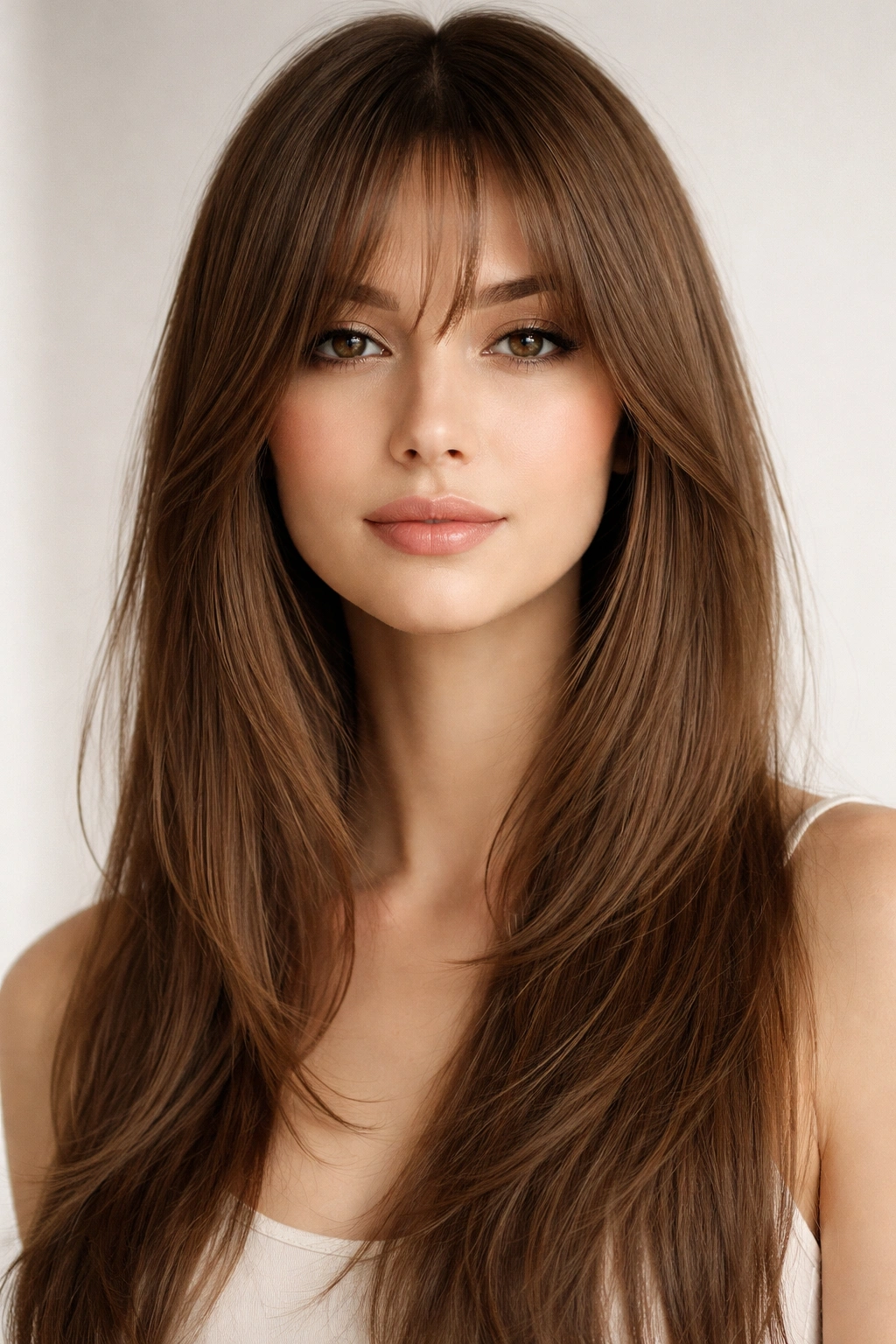
Curtain bangs are having a major moment, but the hush version is refined and wearable on straight hair. Rather than heavy, obvious fringe that parts dramatically down the center, hush curtain bangs are soft, feathery fringe that parts naturally and blends into the surrounding layers. On straight hair, these are particularly flattering because they break up facial length without requiring intricate styling.
Why They’re Different From Traditional Bangs
Hush curtain bangs are designed to live within the overall cut rather than stand apart as a separate element. They’re longer, softer, and more integrated. Straight hair shows off this seamless blend perfectly—there’s no obvious “bang line” but rather a soft frame that works with your natural part.
Daily Styling Reality
- These bangs work with your natural part, so minimal styling is required
- A simple blow-dry or flat iron pass keeps them smooth and in place
- They’re shorter than a lob, so maintenance trims every 4-6 weeks keep them from growing awkwardly long
- Straight hair is ideal for curtain bangs because the smooth texture shows off the soft, feathered edges
Worth knowing: Curtain bangs are forgiving if you can’t get to the salon exactly on time. A few extra weeks of growth doesn’t look as obvious as it does with blunt bangs.
8. Hush Wolf Cut
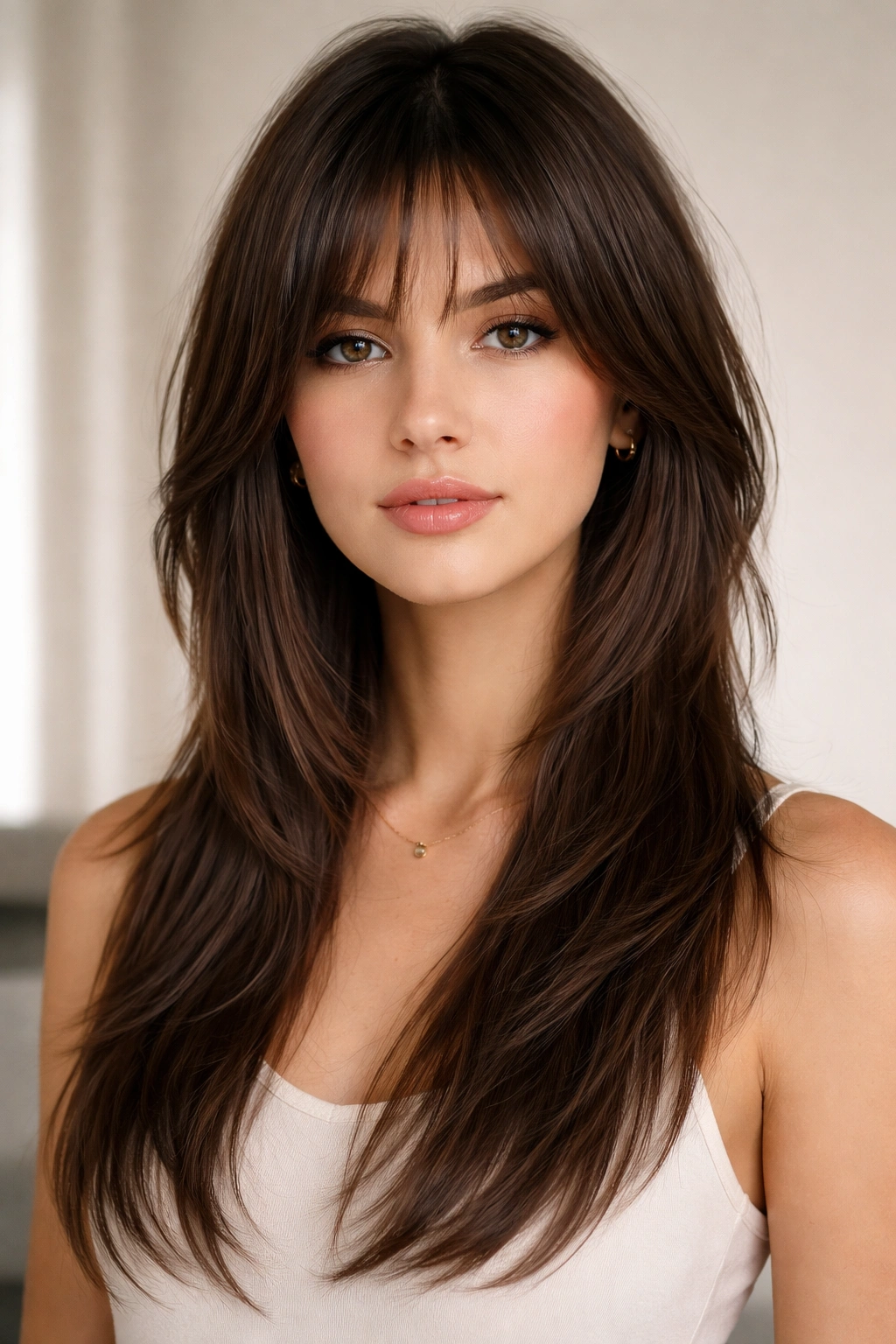
The wolf cut is a hybrid between a shag and a mullet—shorter, textured layers on top with longer length in the back. The hush version strips away any edge or harshness, creating a soft, blended silhouette. On straight hair, a wolf cut can look incredibly sophisticated because the contrast between the shorter top and longer back creates visual interest without looking chaotic.
The Modern Wolf Cut Approach
Unlike the dramatic versions that emphasize the contrast, a hush wolf cut blends the sections more subtly. The layers transition smoothly, and the overall effect is polished rather than rebellious. Straight hair wears this beautifully because the clean lines are flattering, and the layers add movement without requiring constant styling.
Making It Work Day to Day
- The shorter layers on top need regular trims (every 4-6 weeks) to maintain the shape
- Blow-drying creates more obvious movement; straight-drying looks sleek and modern
- This cut offers versatility—you can style the longer length down for a cohesive look or pull the top into a small pony for more edge
- Straight hair shows off the intentional placement of layers perfectly
This is a cut for someone who wants real dimension and a hint of attitude without going full experimental.
9. Hush Asymmetrical Bob
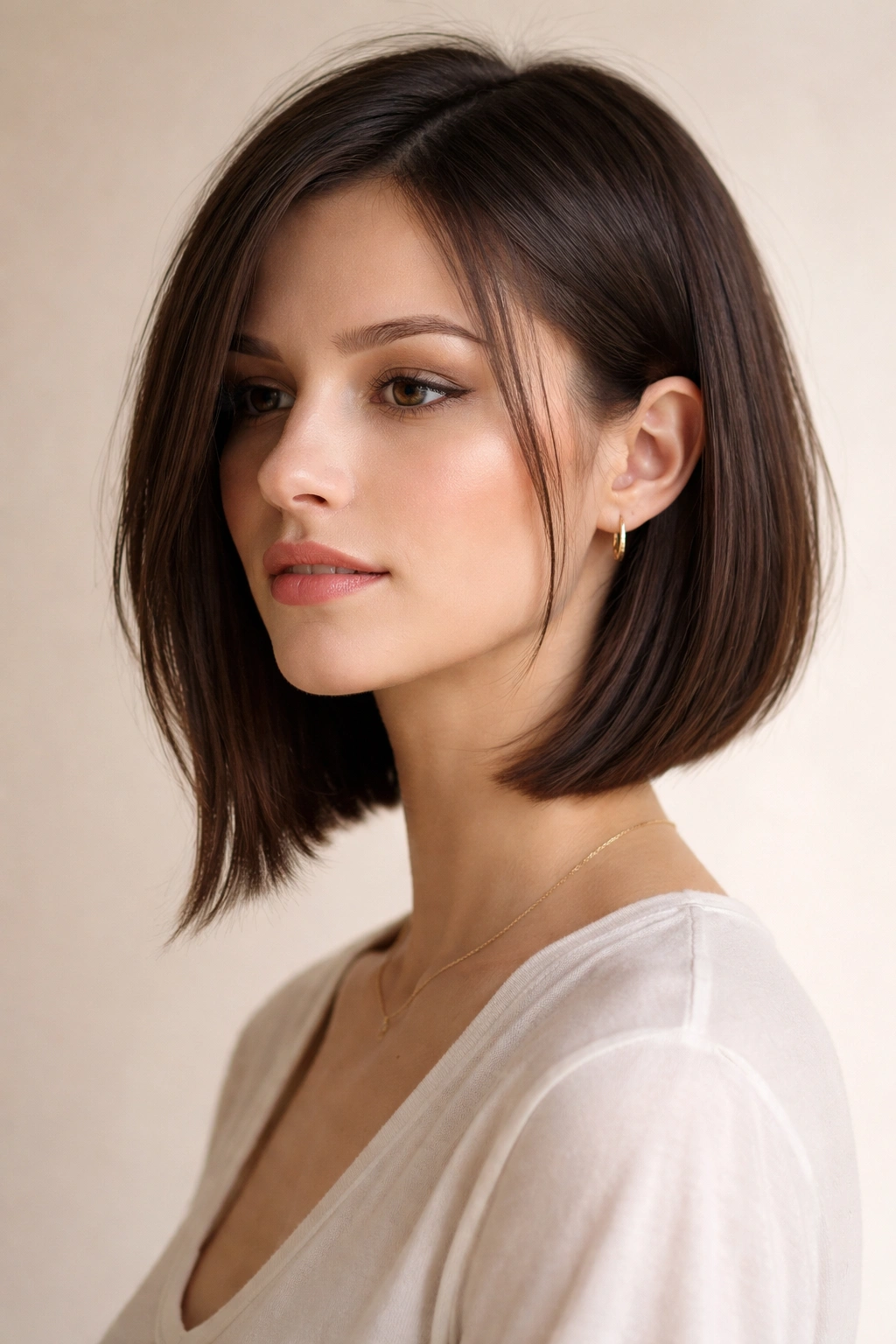
An asymmetrical bob—one side longer than the other—can look gimmicky, but the hush version is sophisticated and wearable. The length difference is subtle (often just an inch or two), and the longer side has soft layers that blend seamlessly. On straight hair, asymmetrical cuts work beautifully because the clear lines and smooth texture make the intentional shape obvious and flattering.
Why Asymmetry Suits Straight Hair
Curly hair can hide structural cuts, but straight hair shows off geometric shapes brilliantly. A subtle asymmetrical cut in straight hair looks modern, artistic, and deliberately designed rather than accidental. It’s a way to add visual interest and movement without dramatic styling.
Styling and Face-Framing
- The longer side can be swept back or allowed to fall forward, offering two different looks
- A simple blow-dry or flat iron keeps the shape clean and intentional
- Trim every 4-6 weeks to maintain the precise length difference
- This cut is particularly flattering for straight hair because it creates visual balance and softness on one side while keeping the other sharp
Pro tip: An asymmetrical cut works beautifully with a side part, which makes styling effortless on straight hair.
10. Hush Straight-Across Fringe With Disconnected Layers
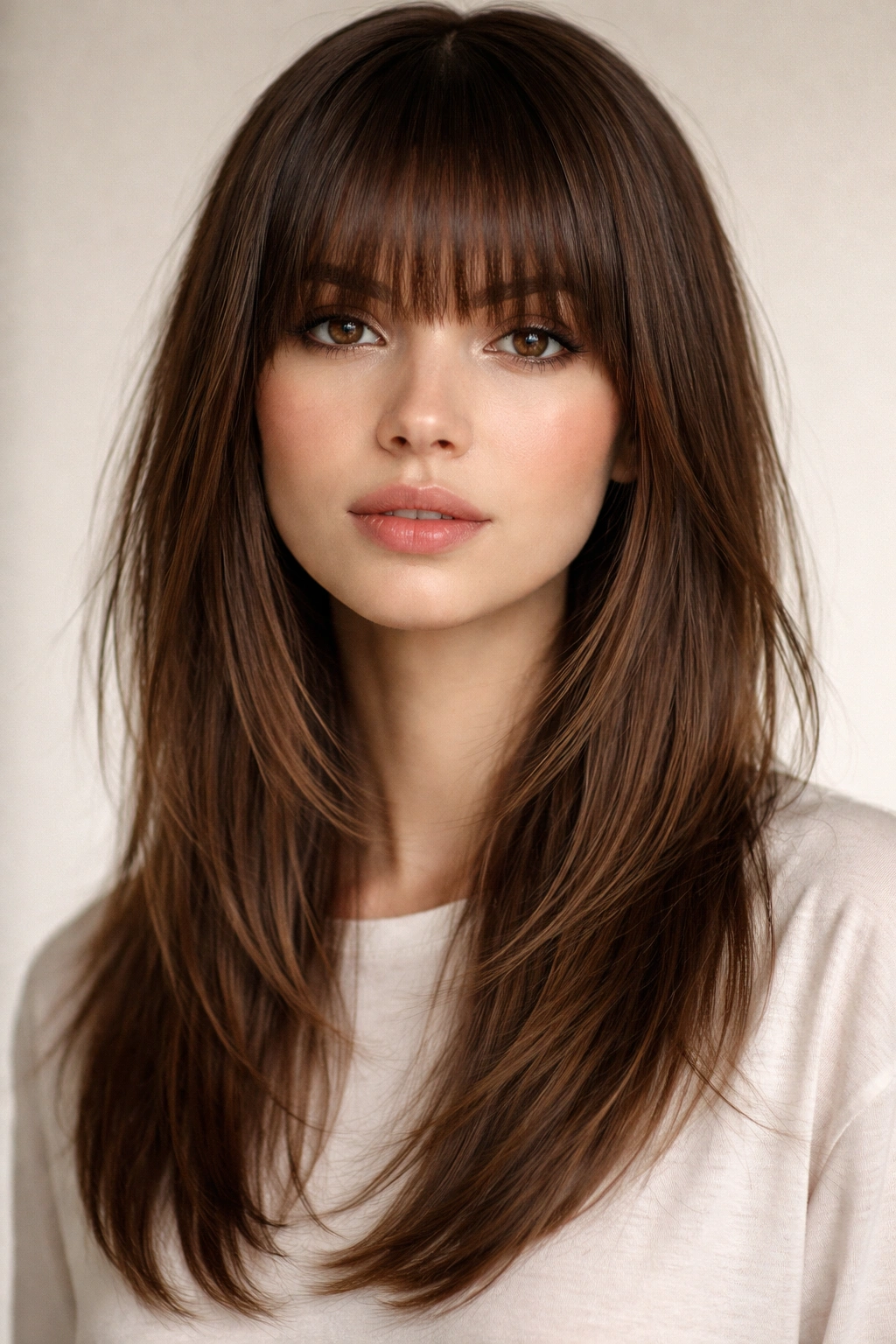
This is for someone who wants real dimension but prefers a defined fringe. The cut features a soft, straight-across fringe (not blunt, but gently shaped) paired with disconnected layers underneath. On straight hair, the fringe creates a clean frame while the layers below prevent that heavy, flat quality. The “disconnected” element means the layers are visibly distinct rather than seamlessly blended—it’s modern, intentional, and works beautifully on straight texture.
The Power of Intentional Disconnection
Disconnected layers sound chaotic, but they’re carefully placed to create visual interest and movement. On straight hair, which can look one-dimensional, these distinct layers add depth and personality. The fringe ties everything together and creates a cohesive, polished look.
Keeping the Cut Looking Sharp
- The fringe needs a trim every 3-4 weeks to maintain the shape and prevent it from growing into your eyes
- The layered sections underneath need maintenance every 6-8 weeks
- Blow-drying with a round brush enhances the intentional shape
- A texturizing product helps the disconnected layers look even more defined
This cut is bold but wearable, trendy but timeless. It’s perfect for straight hair that benefits from intentional structure and visible dimension.
Final Thoughts

Hush cuts aren’t a specific style category—they’re a philosophy of cutting that respects your hair’s natural texture while adding intentional dimension and movement. For straight hair, which lacks the built-in texture of curls or waves, this approach is genuinely revolutionary. A good hush cut enhances what you already have rather than fighting against it. The best part? These styles actually look better on straight hair than they do on textured hair, because the smooth, sleek base shows off the artistry of the cut itself.
The most important step is finding a stylist who understands straight hair and isn’t trying to “add texture” through haphazard cutting. The stylists who nail hush cuts are precision-oriented—they understand that on straight hair, every layer placement matters, every line shows, and there’s nowhere to hide poor cutting. Bring reference photos and have a clear conversation about how much styling you’re willing to do daily. Some hush cuts require regular styling; others work beautifully with minimal effort.
Your hair deserves a cut that actually works with its natural qualities. A hush cut isn’t a compromise—it’s a smart, beautiful choice for anyone with straight hair who wants dimension without chaos, personality without high maintenance, and a style that actually photograph like you hoped it would.
