



A good androgynous bob cut does something a lot of haircuts miss: it looks deliberate without feeling dressed up. That balance is the whole trick. The cleanest versions sit somewhere between sharp and easy, which is why an androgynous bob can land so well when you want a cool look that doesn’t feel too polished, too soft, or too tied to one style lane.
The shape matters more than people think. A blunt line at the jaw can feel almost architectural on straight hair, while the same length with broken ends and a side part comes off looser and more casual. Texture changes everything. So does the neckline. So does whether the hair is tucked, pushed forward, or left to skim the face.
I’ve always liked bob haircuts that look a little intentional and a little undone at the same time. Too neat, and they start to feel precious. Too shaggy, and the whole point of the bob gets lost. The cuts that work best here are the ones with a clear outline and one smart twist — a fringe, a bend, a hidden undercut, a heavier side, or a nape that’s trimmed just right.
1. Blunt Androgynous Bob
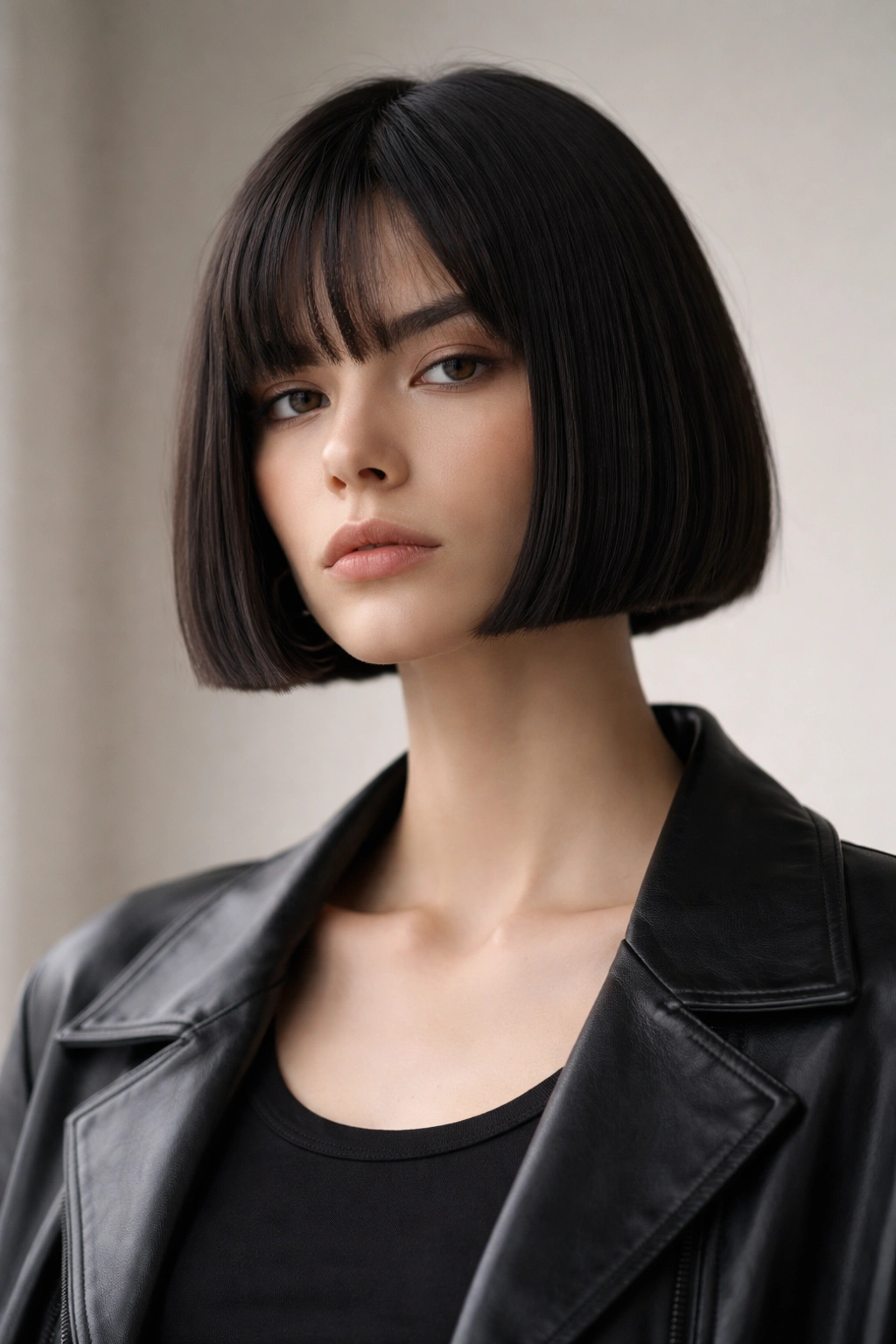
A blunt chin-length bob is the cleanest route to an androgynous look. There’s no hiding behind layers here. The shape does all the work, and that is exactly why it looks sharp.
What makes this cut so useful is the perimeter. When the ends are cut straight and left nearly the same length all the way around, the haircut feels steady and strong instead of fussy. On straight hair, it reads crisp. On wavy hair, it turns slightly softer, which can be even better if you want the style to feel lived-in rather than severe. It’s one of those rare cuts that can look polished in the morning and a little rebellious by lunch.
The sweet spot sits around the chin or just below it. Shorter than that, and the cut starts to move toward a pixie-bob territory. Longer than that, and you lose some of the face-framing tension that gives it its edge. Ask for minimal internal layering if your hair is thick, because too much texturizing can make the line collapse into fluff. No one needs that.
It also wears well with almost no styling if your hair naturally falls flat in a good way. A quick blow-dry with a paddle brush, a drop of lightweight cream on the ends, and you’re done. If your hair kicks out at the bottom, lean into it a little. That bent-out finish can look cooler than a perfectly tucked-under bob anyway.
2. French Bob with Micro Fringe
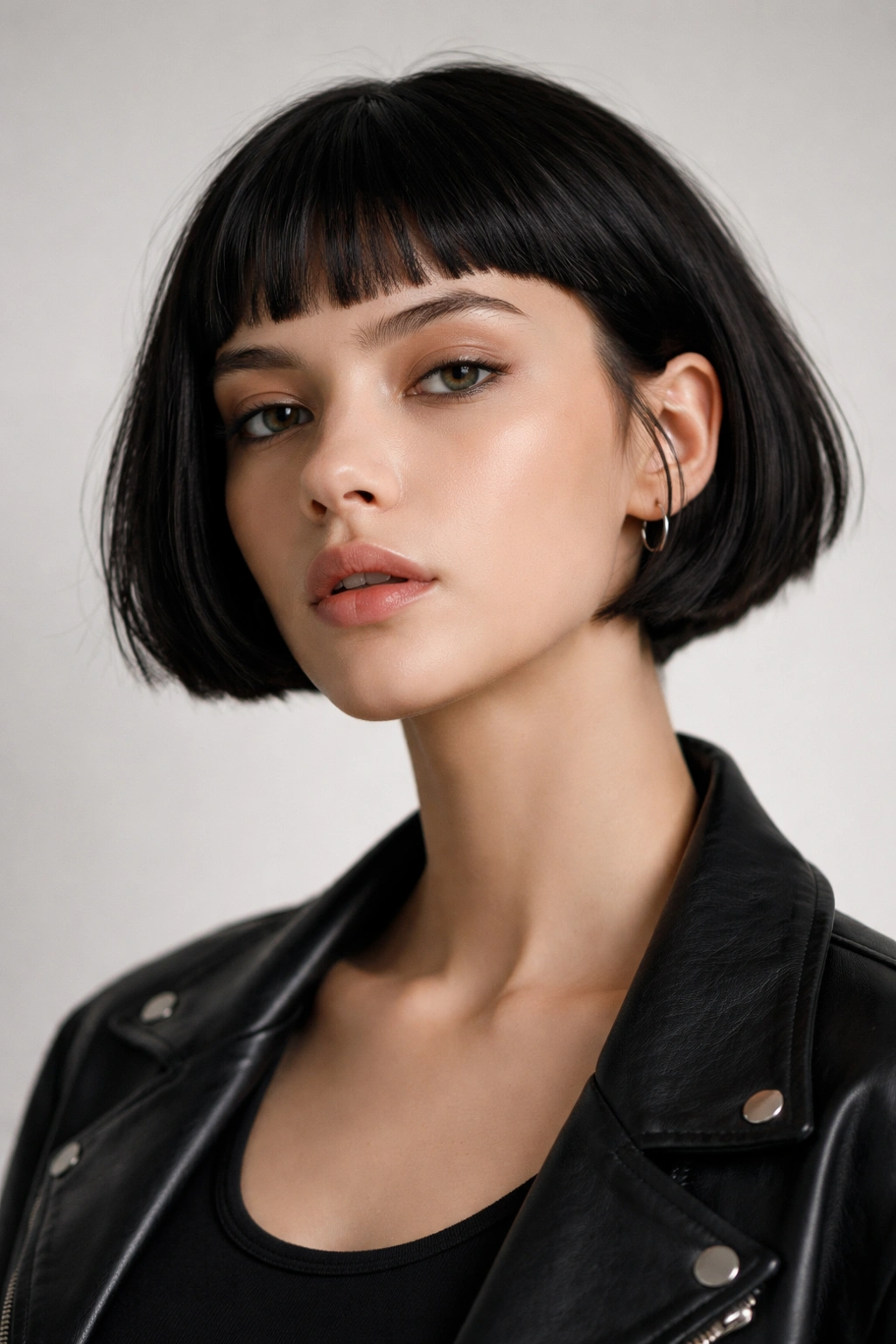
Why does a French bob with a micro fringe feel so neutral, even though it has a tiny bit of attitude? Because it shortens the face in a way that removes sweetness from the equation. The result is neat, direct, and a little unruly in the best way.
The micro fringe is the part people either love or avoid. I get it. It’s not subtle. But on the right face, that short bang gives the haircut a hard little line that balances the rounded softness people often expect from a bob. The bob itself usually lands around the cheekbone or just under the ears, so the whole cut feels compact. Compact haircuts tend to look more modern than fluffy, waist-length softness. There’s less room for the style to wander.
This works especially well on fine to medium hair because the small fringe and cropped length can make the whole shape look denser than it is. Thick hair can wear it too, but the bulk needs to come out underneath or the cut can sit too heavy around the cheeks. That’s the part many stylists get lazy about. Don’t let them.
How to style it
Use a small round brush or your fingers to dry the fringe forward and slightly broken apart. Then keep the rest of the bob a little piecey with a pea-sized amount of matte paste or light wax. You want separation, not helmet hair.
A tiny bit of mess suits this cut. Too much gloss makes it look costume-y.
3. Asymmetrical Androgynous Bob
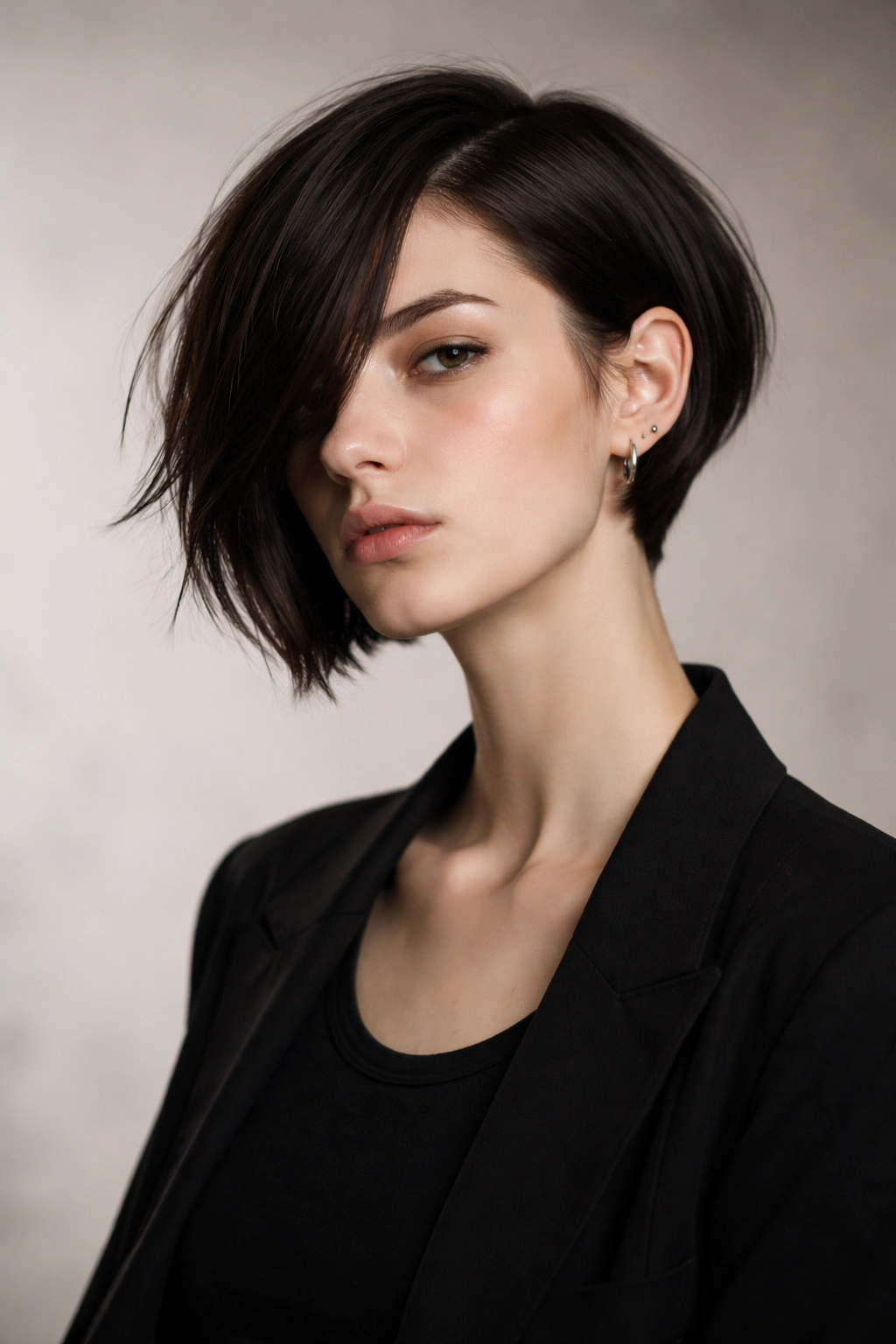
Picture hair that sits just below the jaw on one side and skims the top of the neck on the other. That small shift changes the whole read of the haircut. The asymmetry pulls the eye off center, and that’s where the cool factor lives.
An asymmetrical bob works because it breaks the expected symmetry of a traditional bob without turning into something loud or overly styled. One side usually carries more weight and length, while the shorter side exposes more of the cheek or neck. That little imbalance gives the face more angles. It can make soft features look a bit sharper, and it can stop a round face from feeling boxed in by a straight perimeter.
There’s a practical side too. If your hair naturally parts to one side, this cut can work with it instead of fighting it. You’re not forcing the hair to behave. You’re shaping it around the way it already falls. That usually makes for easier morning styling, which I appreciate more with every year. Long salon sessions are fine. Daily fuss is not.
- Keep the longer side only 1 to 2 inches longer, not dramatically longer, or the cut stops feeling like a bob.
- Ask for a clean neckline so the back doesn’t puff out.
- Use a flat iron only on the ends if you want a sharper edge.
- A deep side part makes the asymmetry look stronger.
A good asymmetrical bob should feel intentional, not random. If the difference between the two sides looks accidental, the whole haircut loses its nerve.
4. Boxy Layered Bob
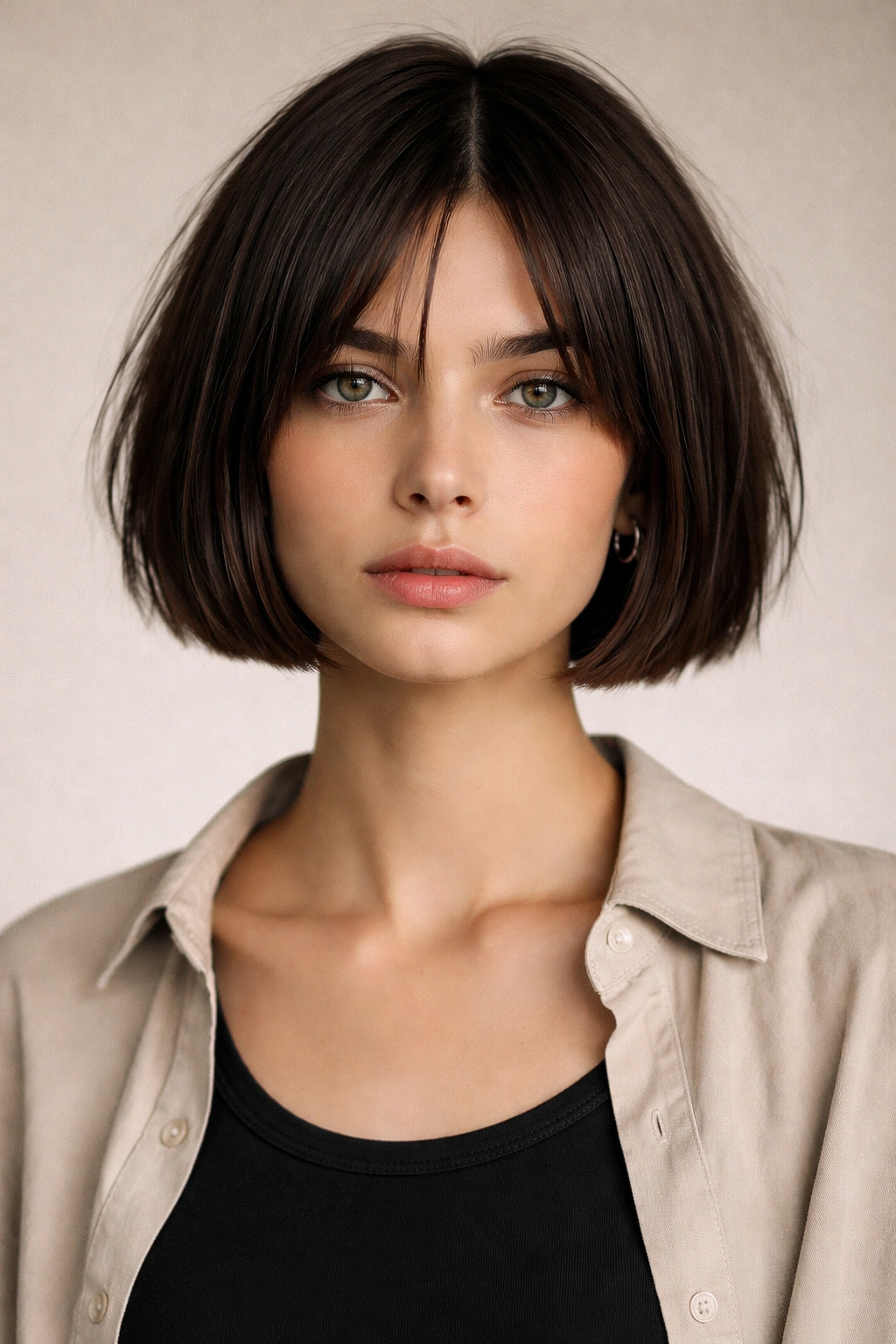
Not every androgynous bob needs to look severe. A boxy layered bob is proof. It has shape, but it doesn’t whisper. It sits with a square-ish outline and enough texture to keep the cut from feeling stiff.
What I like here is the contrast between the outside line and the inside movement. The perimeter stays blunt enough to hold the shape, while the layers stay long and controlled so the haircut doesn’t puff up at the crown. That’s the part people mess up when they ask for “layers” without saying what kind. Too many short layers near the top make the bob rounder, softer, and much less gender-neutral. Too much thinning at the ends does the same thing. You want weight at the bottom and a little lift inside the shape, not a fluffy halo.
This cut works especially well on thick, dense, or coarse hair. Those hair types can eat a blunt bob alive unless the inside is opened up a bit. A boxy layered bob gives you room to breathe while keeping the outline firm. It also handles a blowout better than people expect. A medium round brush and a light bend at the ends are enough. No need to sculpt every strand.
Too many layers ruin it.
If you want the haircut to lean more androgynous, keep the layers long enough that the sides still feel straight when the hair settles. The goal is a shape that looks a little structured, a little spare, and never overdone.
5. Side-Parted Tucked Bob
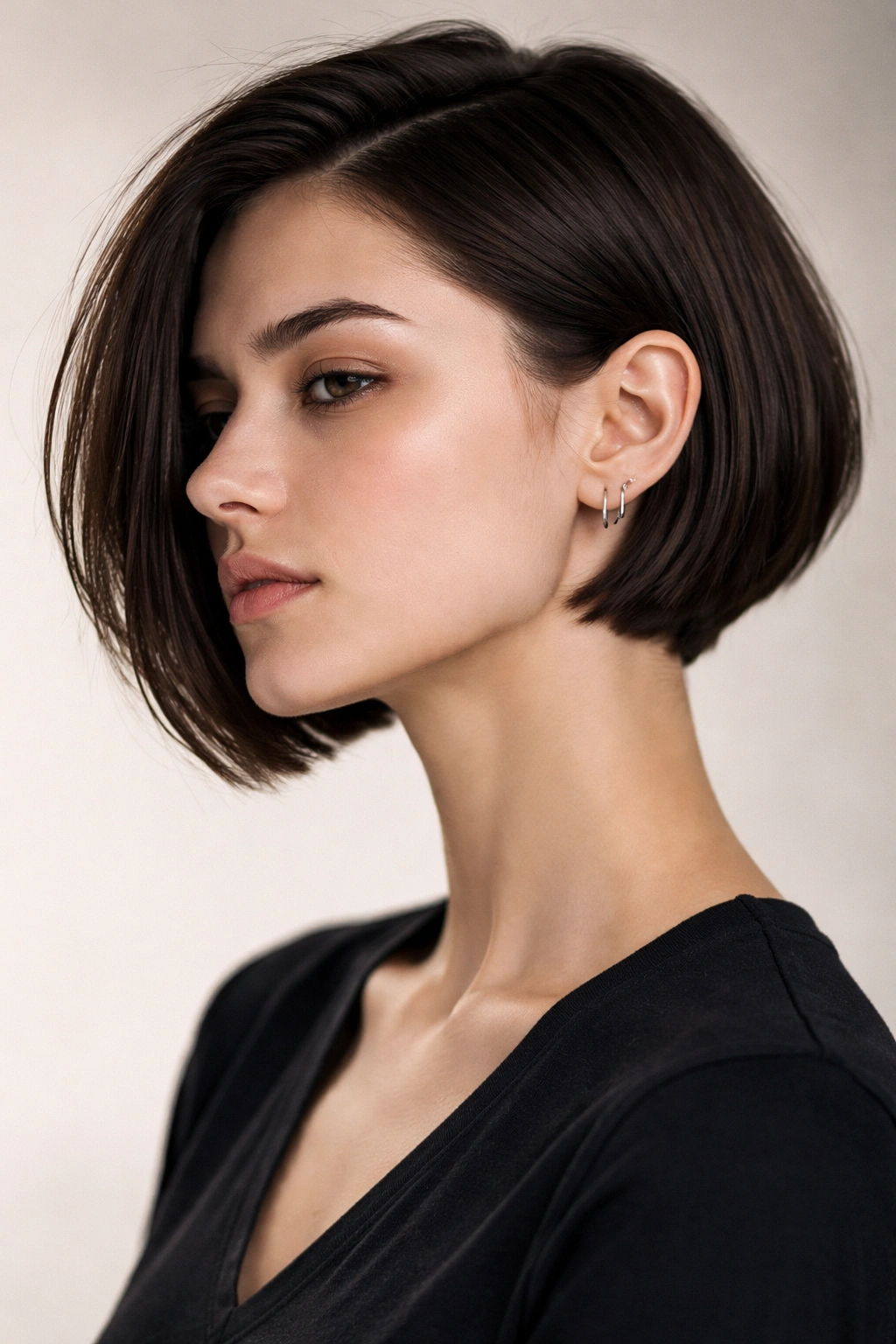
Unlike a classic rounded bob, a side-parted tucked bob puts the face front and center. The part shifts the weight, the tuck opens one side, and the whole cut starts to feel sharper almost immediately. That’s why this one works so well when you want something low-key but still cool.
The tuck matters more than people admit. When one side sits behind the ear, the jawline shows more clearly, and the haircut gets a cleaner outline around the cheek. Add a strong side part and you get a shape that feels less doll-like and more deliberate. It’s a tiny move, but tiny moves are half the battle with bob haircuts. Hair doesn’t need to be dramatic to change the mood of a cut.
This style is a good fit for people who don’t want to live at the salon. The cut itself can stay fairly simple — chin length, collarbone grazing, or just below the ears — because the styling creates the personality. A little smoothing cream, a quick bend at the ends, and one side tucked back is enough. If your hair has a natural wave, even better. The movement helps keep the look from turning too neat.
It also plays well with glasses, strong brows, and sharp necklines. A tucked bob doesn’t fight those details. It frames them.
If you like clothes with structure — big collars, boxy jackets, clean tees — this is the bob that tends to make the rest of the outfit make sense.
6. Shaggy Androgynous Bob
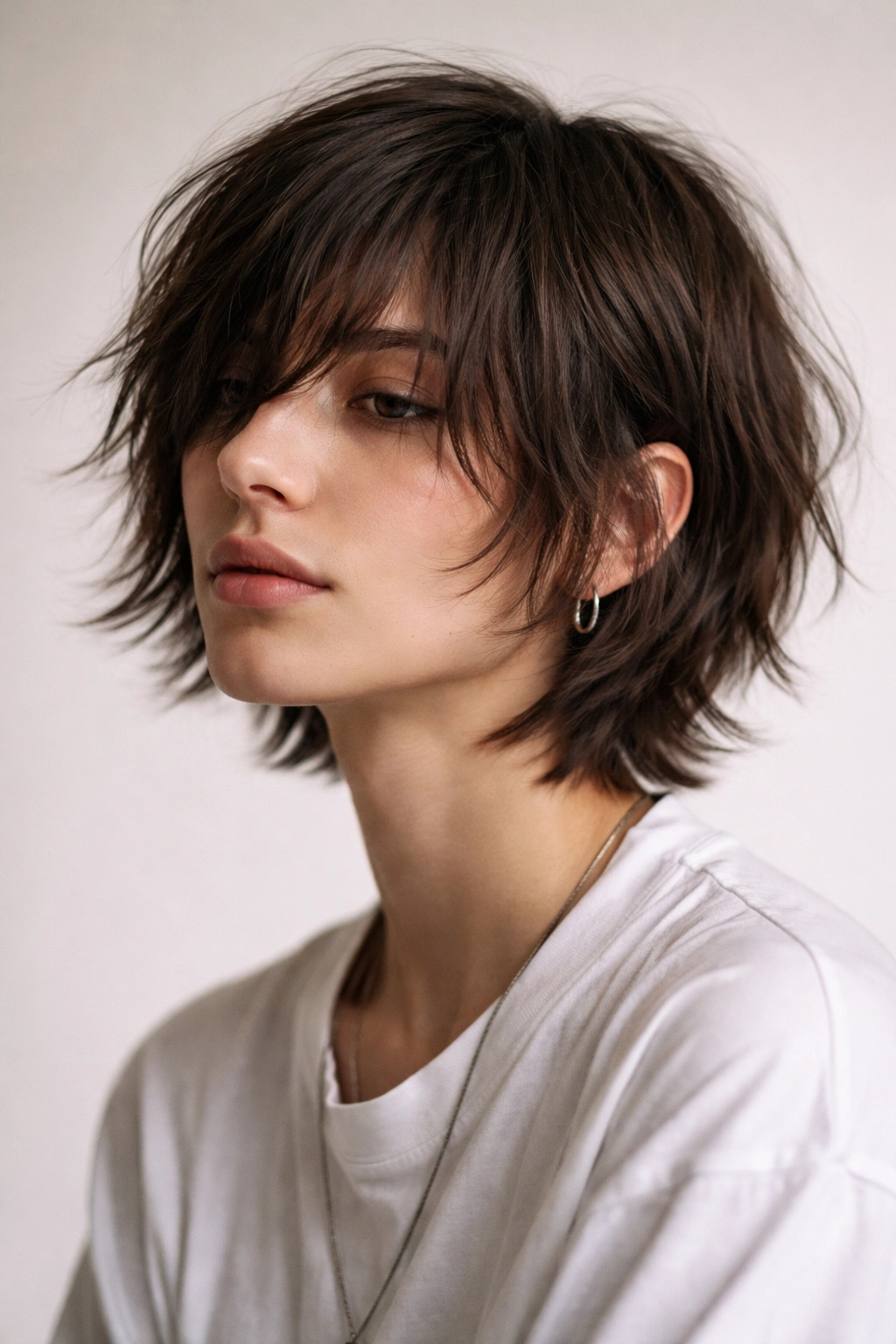
A shaggy bob has more movement than a blunt one, but the best version still keeps a clear edge. That’s the part that makes it work for an androgynous look. It’s not a mess. It just looks less edited.
Why it feels less precious
The cut relies on soft layers that break up the outline without erasing it. The ends should still land around the chin, mouth, or upper neck, but the interior gets a little feathered so the hair can move. That movement gives the cut a lived-in feel. A good shaggy bob looks like you ran your hands through it and left the house, which is usually a compliment in hair terms.
This shape is especially nice on hair that refuses to sit flat. Instead of fighting the bend, the cut uses it. A subtle wave or bend turns into texture rather than chaos. If your hair is pin-straight, you can still get there with a quick wave from a flat iron or a sea-salt spray. Go easy, though. Too much texture spray and the ends start looking dry in a bad way.
- Best length: chin to collarbone
- Best hair types: straight, wavy, loose curls
- Best styling product: light cream or soft paste
- Best maintenance: trim every 6 to 8 weeks
The thing to watch is puffiness. If the layers rise too high, the haircut stops looking cool and starts looking round. Keep the ends piecey and the crown controlled. That balance is what saves it.
My favorite version is the one that looks almost too plain from the front and then moves a little at the sides. That tiny bit of swing does a lot.
7. Undercut Bob with Clean Nape
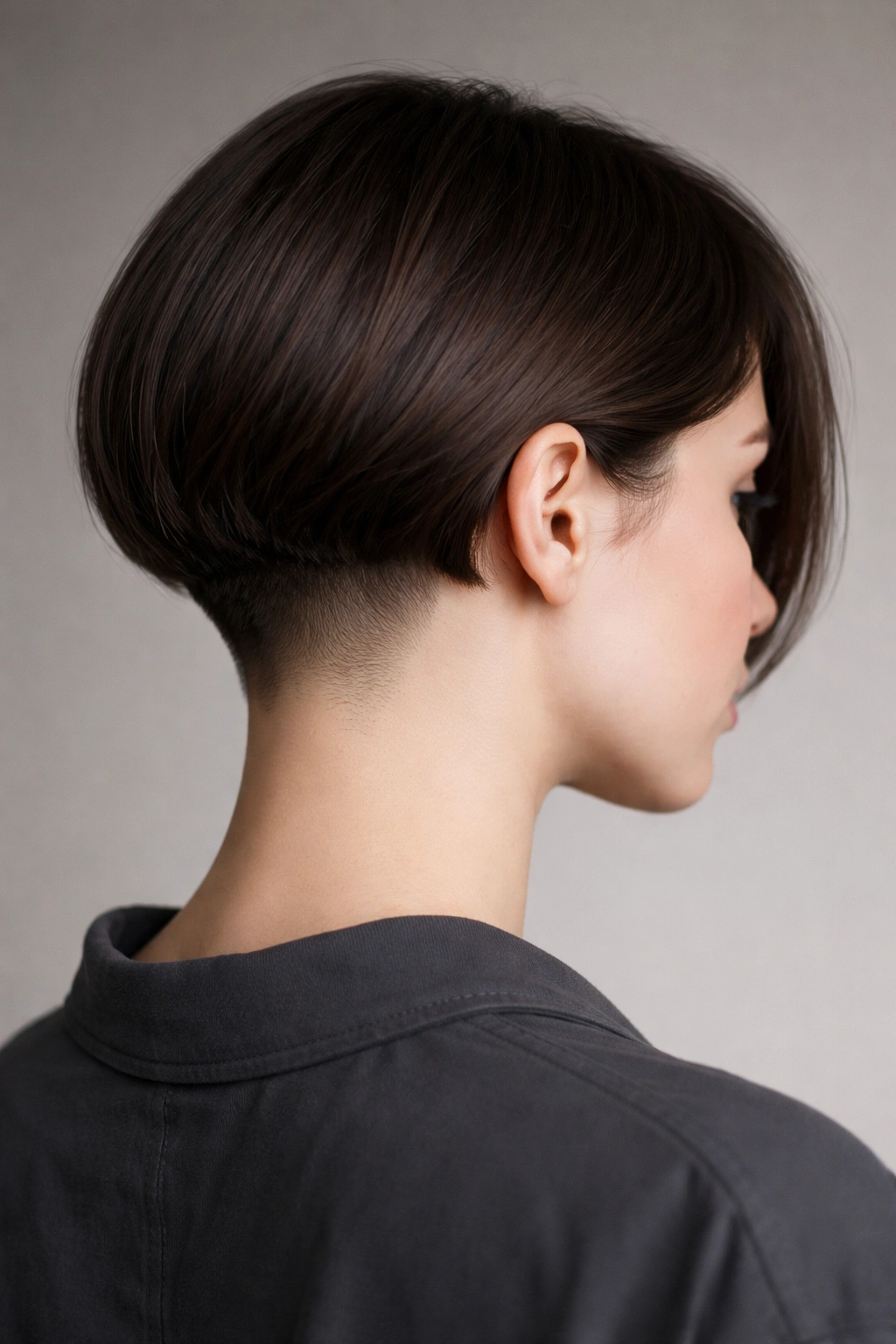
An undercut bob earns its cool factor fast. You can see it in the back when the hair shifts, and you can feel it every time the neck stays lighter than expected. It is a strong choice, and that is the appeal.
The undercut removes bulk from the nape or lower sides, which changes how the whole bob sits. Thick hair stops ballooning out under scarves and collars. Fine hair gets a neater fall because the hidden weight is gone. And if you want the cut to feel more gender-neutral, the undercut helps because it creates a firmer line under all that surface softness. The shape reads direct. No fuss.
There are two ways to wear it. One is obvious, with a visible clipped section that shows when the hair is up or tucked. The other is hidden, with the undercut concealed underneath so the outside still looks like a standard bob. I usually like the hidden version for people testing the waters. It gives you the comfort of less bulk without forcing the haircut to make a loud statement every day.
One sentence does a lot here: the neckline changes everything.
Ask for a clean nape and keep the top length long enough to cover the undercut if needed. That way the cut can swing from neat to bolder depending on how you style it. When the top is air-dried with a little cream and the ends are left piecey, the whole look lands somewhere between tailored and relaxed. That is a nice place to be.
8. Curly Androgynous Bob
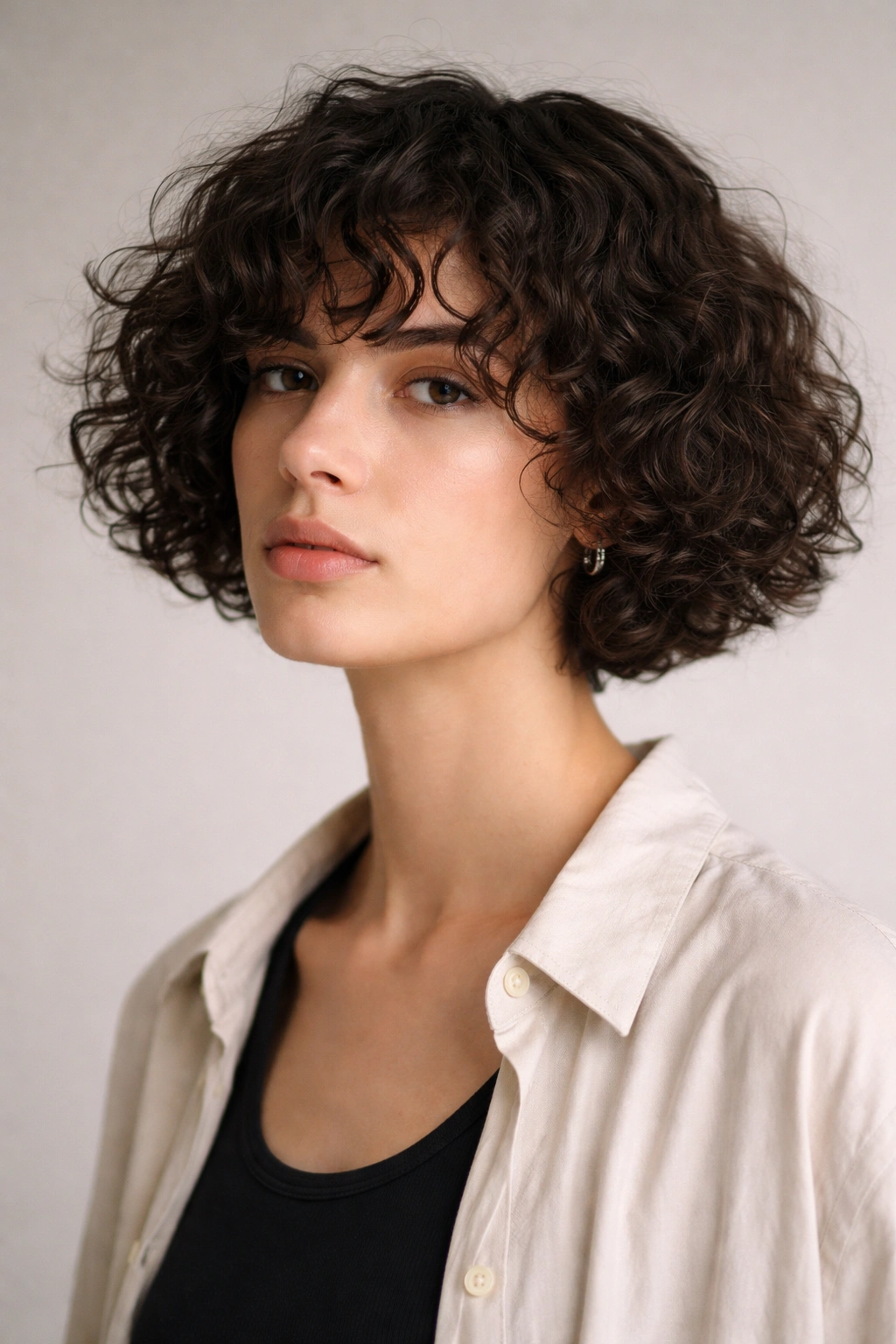
Can a curly bob look androgynous without turning into a soft little halo? Yes. The trick is shape. Not shrinkage. Shape.
Curly hair tends to get treated like it needs to be “tamed,” which is usually bad advice. What it actually needs is a strong outline and enough internal space to keep the curls from stacking too high. A curly bob works best when it lands around the jaw or just below it, with the sides squared off a bit rather than rounded into a perfect circle. That slightly straighter edge is what keeps the cut from reading overly sweet.
This is one of those cuts where the stylist’s eye matters more than the product bottle. Cutting curly hair dry, or close to dry, helps show where the curls settle. If your stylist cuts it wet and guesses wrong, you can lose several inches of shape once the hair springs back. That is not a fun surprise. The best versions usually keep more length at the front and shape the back so it doesn’t bulk up at the nape.
What to ask for at the chair
- Keep the perimeter near the jawline or a little below it.
- Avoid too much round layering at the cheeks.
- Let the curls be cut in their natural state if possible.
- Ask for softness at the ends, not a fluffy shape.
For styling, think curl cream plus diffuser, not heavy gel unless your curls need stronger hold. A bob like this should move. It should not look frozen in place. The best curly bobs have a little edge at the line and a little bounce in the body — enough structure to feel current, enough texture to feel easy.
9. Wet-Look Sleek Bob
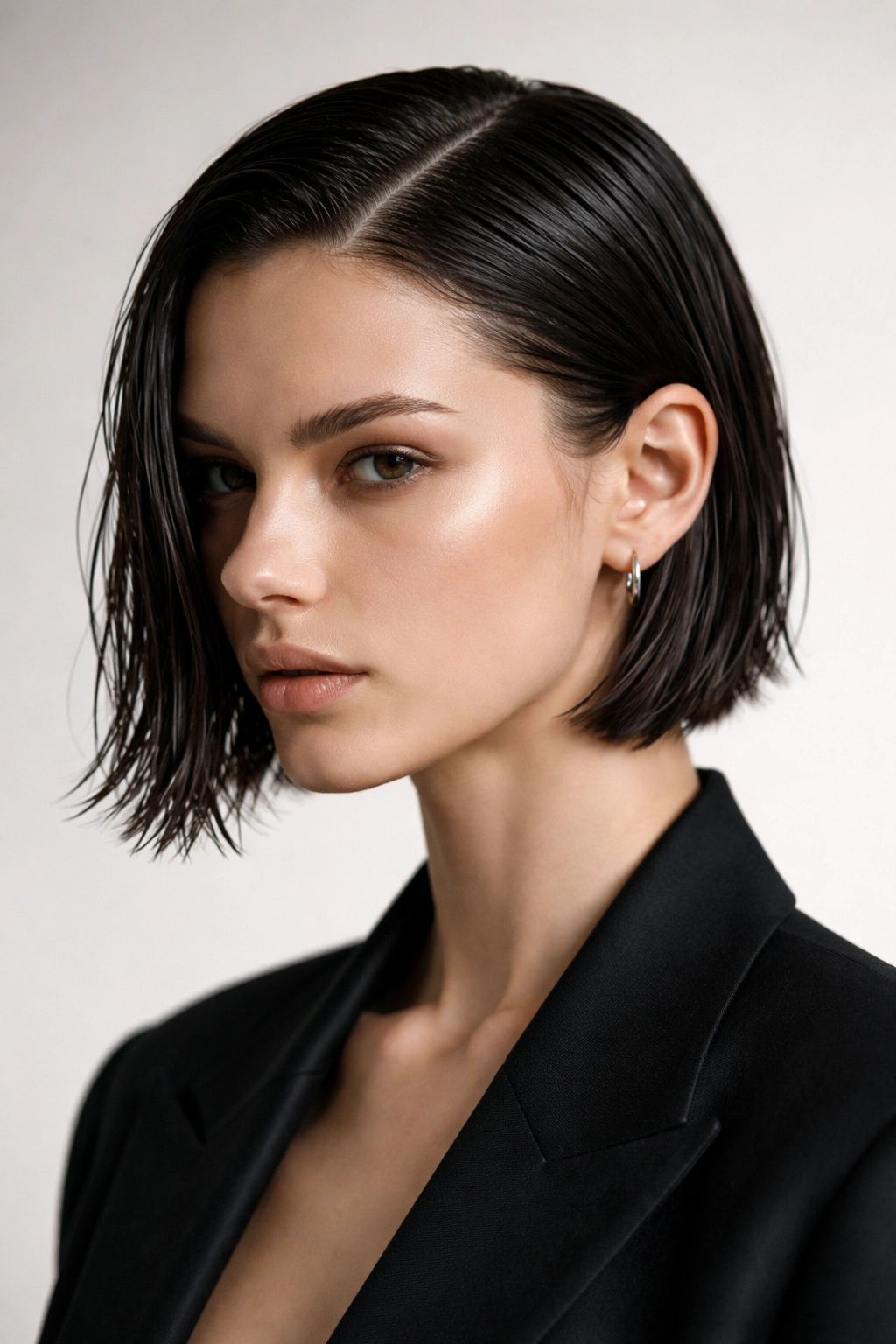
One side tucked, one side loose. That little imbalance is the whole point of a wet-look sleek bob. It takes a simple bob and makes it feel sharp, modern, and a bit dangerous in the nicest way.
This style works because shine changes the read of the haircut. A dry, fluffy bob can lean soft fast. A sleek bob with glossy finish and a precise part feels more graphic. The hair clings closer to the head, which exposes the bone structure underneath — cheeks, jaw, ears, neck. That exposure is part of why the look can feel so androgynous. There’s less decorative softness, more line.
You do need the right product. A little gel at the roots, a fine-tooth comb for the part, and a light styling cream through the mid-lengths can get you there. The key is not to drown the hair. Too much product turns it greasy instead of sleek. Aim for damp-looking, not soaked-looking. If the ends look stringy in a bad way, you’ve used too much.
This cut is especially strong for straight or relaxed wave patterns, though wavy hair can wear it too if you’re willing to smooth it down with tension and patience. It’s one of those styles that can make a plain black tee look expensive without the haircut itself being complicated.
- Center part for a harder line.
- Deep side part for a more dramatic face shape.
- Ear tuck to show off the jaw.
- Light mist of shine spray, not a heavy oil bath.
A wet-look bob is not an everyday style for most people. That’s fine. It doesn’t need to be. When you want the haircut to hit hard, this is the one that does it.
10. Tapered Nape Bob
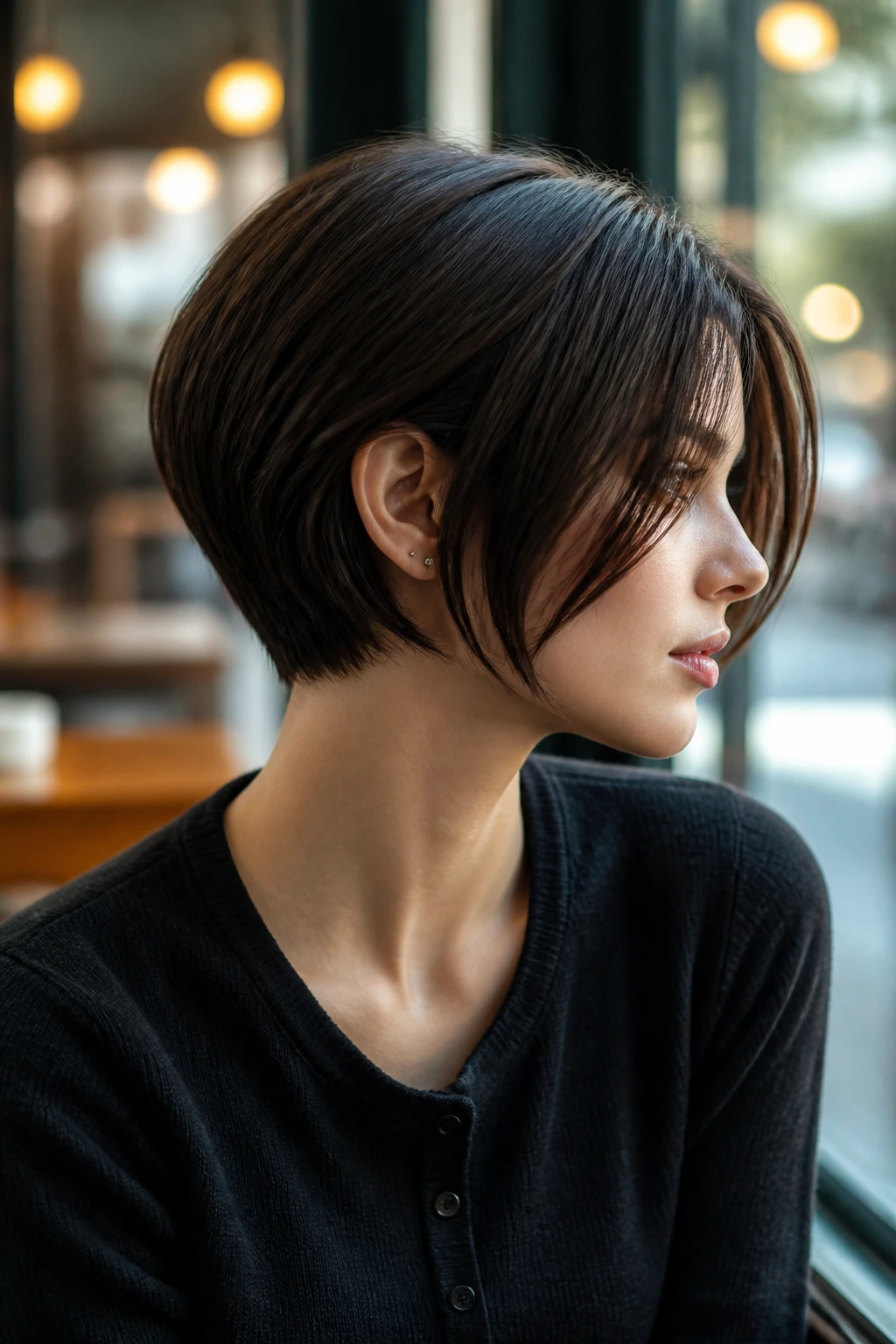
A tapered nape bob is quieter than an undercut, and that’s why I like it. It keeps the back neat, removes the bulky shelf that some bobs develop, and still leaves enough softness around the face to wear easily.
The taper is the point. Instead of shaving or clipping a section out, the hair is gradually shortened at the nape so it hugs the neck more closely. That creates a cleaner line from the side profile and helps the haircut sit close to the head. On thick hair, it stops the back from kicking out. On finer hair, it gives the illusion of more shape because the nape doesn’t sag. Small change. Big payoff.
This is also one of the easiest bob cuts to live with if you want structure but don’t want drama. It grows out in a fairly civilized way. The line softens, but it doesn’t collapse into a shape you hate after three weeks. That matters. A lot of bobs look good on the day they’re cut and awkward two weeks later. A tapered nape bob hangs on longer because the back is already controlled.
I’d point this cut toward anyone who wants a cool look that still works with regular life — collars, jackets, headphones, whatever. It stays neat without looking stiff. And if you want the front to feel a little tougher, ask for the sides to stay blunt while the nape is tapered underneath. That contrast gives the haircut a cleaner edge.
If you want one bob that lands in the middle of sharp and easy, this is the one I’d hand over first.
