



Dada hairstyles hold a sacred place in Yoruba culture, representing far more than just a aesthetic choice. These distinctive braided and twisted styles have been worn for generations across West Africa, particularly among the Yoruba people of Nigeria, and they embody cultural identity, spiritual significance, and personal heritage. The term “dada” itself refers to the distinctive matted or locked appearance of the hair, created through a specific technique of interweaving strands that allows them to fuse together naturally over time.
What makes dada hairstyles unique is their dual purpose—they function as both a protective styling method that preserves hair health and a powerful symbol of cultural pride and connection to ancestral traditions. Unlike modern locs or braids, traditional dada represents a deliberate choice to embrace natural hair texture while honoring Yoruba aesthetics and values. Each style variation carries its own name, meaning, and cultural significance within Yoruba communities.
The versatility of dada styles is remarkable. Whether you’re looking to embrace your natural hair journey, honor your cultural heritage, or simply explore a protective styling option that works beautifully with various hair textures, dada hairstyles offer solutions that have stood the test of centuries. Understanding these eight distinct variations will help you appreciate the depth of this tradition and potentially find a style that resonates with your own hair goals and cultural identity.
1. Dada Ara (Simple Traditional Dada)
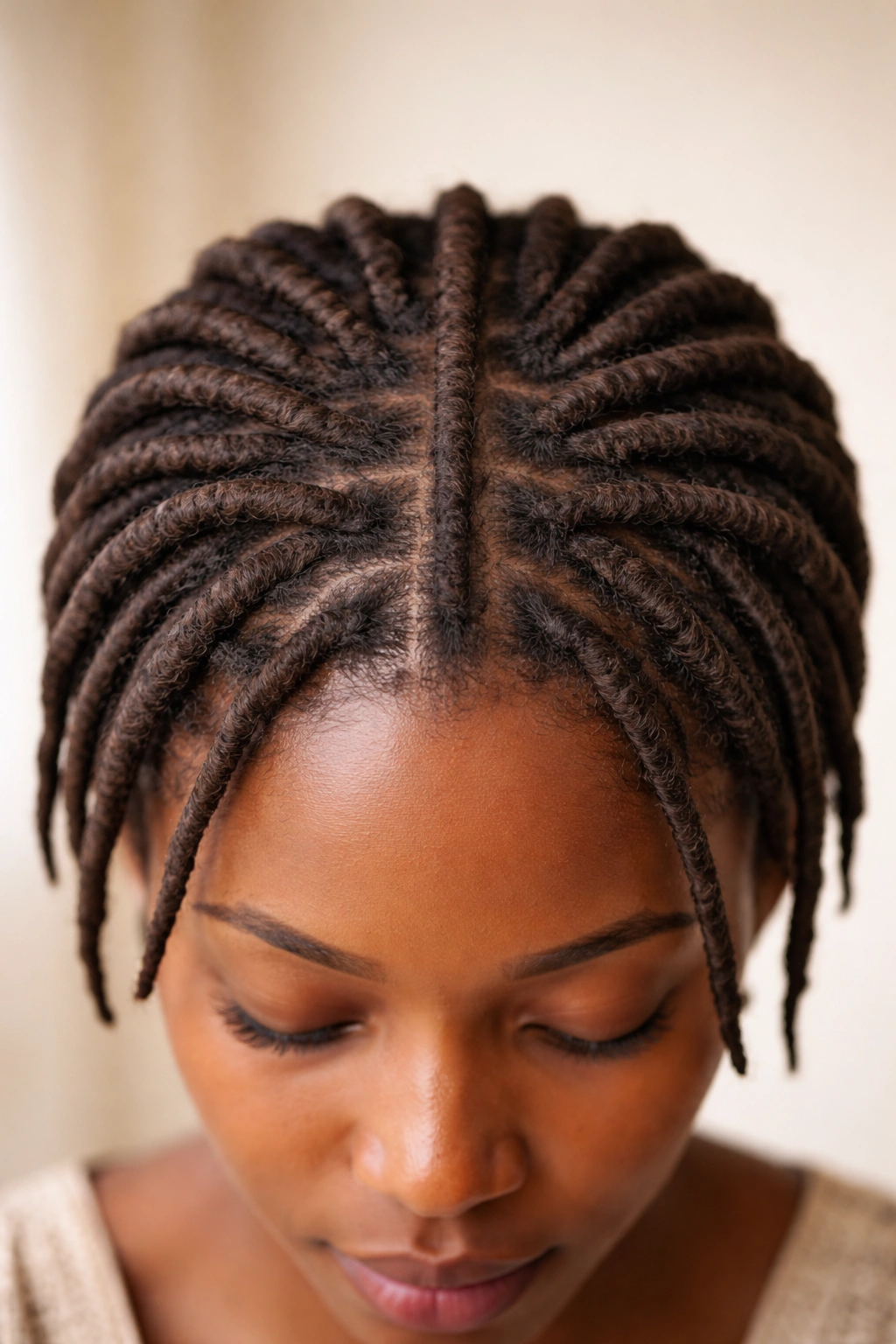
Dada Ara represents the most fundamental and widely recognized form of traditional dada hairstyle, serving as the foundation from which many other variations have developed over generations. This style features evenly spaced locks that are allowed to mature and fuse together naturally, creating a uniform appearance across the entire scalp. The locks are typically begun by sectioning the hair into neat, equal parts and then twisting or braiding each section repeatedly until the strands begin to interlock and merge.
Cultural Significance and Meaning
In Yoruba tradition, wearing Dada Ara signifies a deep connection to one’s roots and a commitment to natural hair practices that honor ancestral ways. The style was historically worn by both men and women as a marker of identity, spirituality, and cultural belonging. Among certain Yoruba communities, individuals who wear dada are sometimes believed to possess special spiritual qualities or a strong connection to ancestral wisdom.
How Dada Ara Is Created and Maintained
- The process begins with thoroughly sectioning clean, natural hair into uniform squares or rectangles across the scalp
- Each section is twisted or braided tightly from root to tip, with consistent tension maintained throughout
- Over several weeks to months, the intertwined strands begin to fuse together naturally, creating locked sections
- Regular moisturizing and careful washing help the locking process while keeping hair healthy
- The style requires patience—full maturation can take several months to over a year depending on hair texture and thickness
Pro tip: Starting Dada Ara is easier on hair that has been natural for several months, as freshly relaxed or chemically treated hair may resist the locking process and could experience breakage.
2. Dada Ogede (Plantain-Bunch Dada)
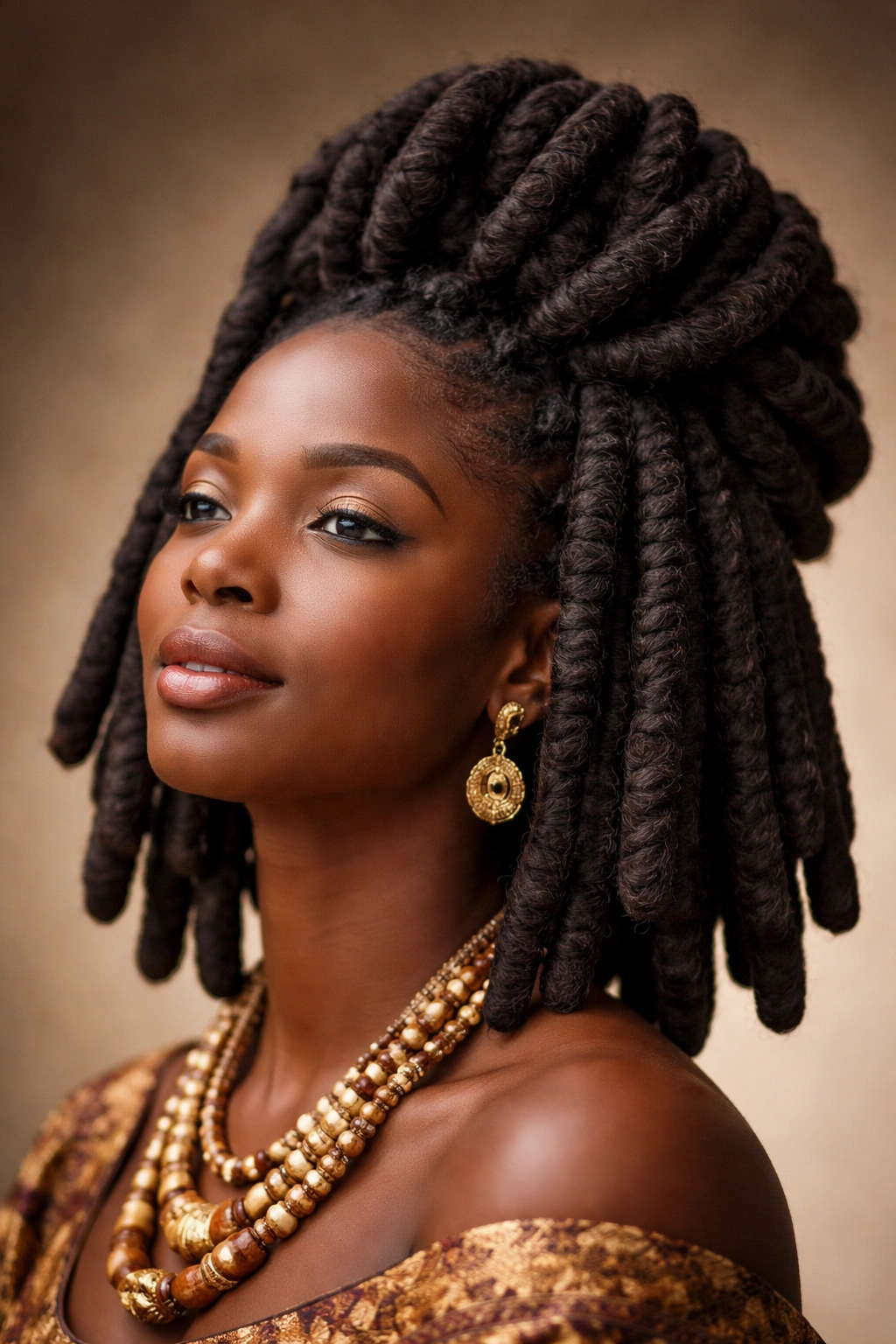
Dada Ogede takes its name from the Yoruba word for plantain, referencing the distinctive way the locks cluster together in a formation reminiscent of hanging plantains at the crown of the head. This style is characterized by tightly grouped sections of mature locks that are often gathered together, creating a visually striking appearance that’s both practical and artistically impressive. The locks in this style tend to be slightly thicker than Dada Ara, as multiple hair strands are incorporated into each locking section.
Visual Characteristics and Styling Appeal
Dada Ogede creates dramatic visual impact through its sculptural quality—the locks form a rounded, full crown that frames the face beautifully and draws attention upward. The density and texture of the locked sections can vary widely, allowing for personalization while maintaining the traditional aesthetic. Many who wear this style enjoy its ability to look polished for formal occasions while remaining authentically rooted in cultural tradition.
Techniques for Achieving This Look
- Hair is sectioned into thicker, more substantial quadrants or rectangular portions than in Dada Ara
- Each section is twisted with more vigor and consistency, incorporating all the hair within that quadrant
- The locks are encouraged to naturally fuse by regular palm-rolling and careful manipulation
- Styling the mature locks into an upswept or crown arrangement creates the distinctive plantain-bunch effect
- Threading with raffia, beads, or yarn through the locks adds decorative elements and helps maintain the grouped arrangement
Worth knowing: The thickness of locks in Dada Ogede means the style works particularly well on hair with medium to coarse texture, as finer hair textures may take longer to fully lock and could feel heavy if made too thick.
3. Dada Owu (Cotton-White Dada)
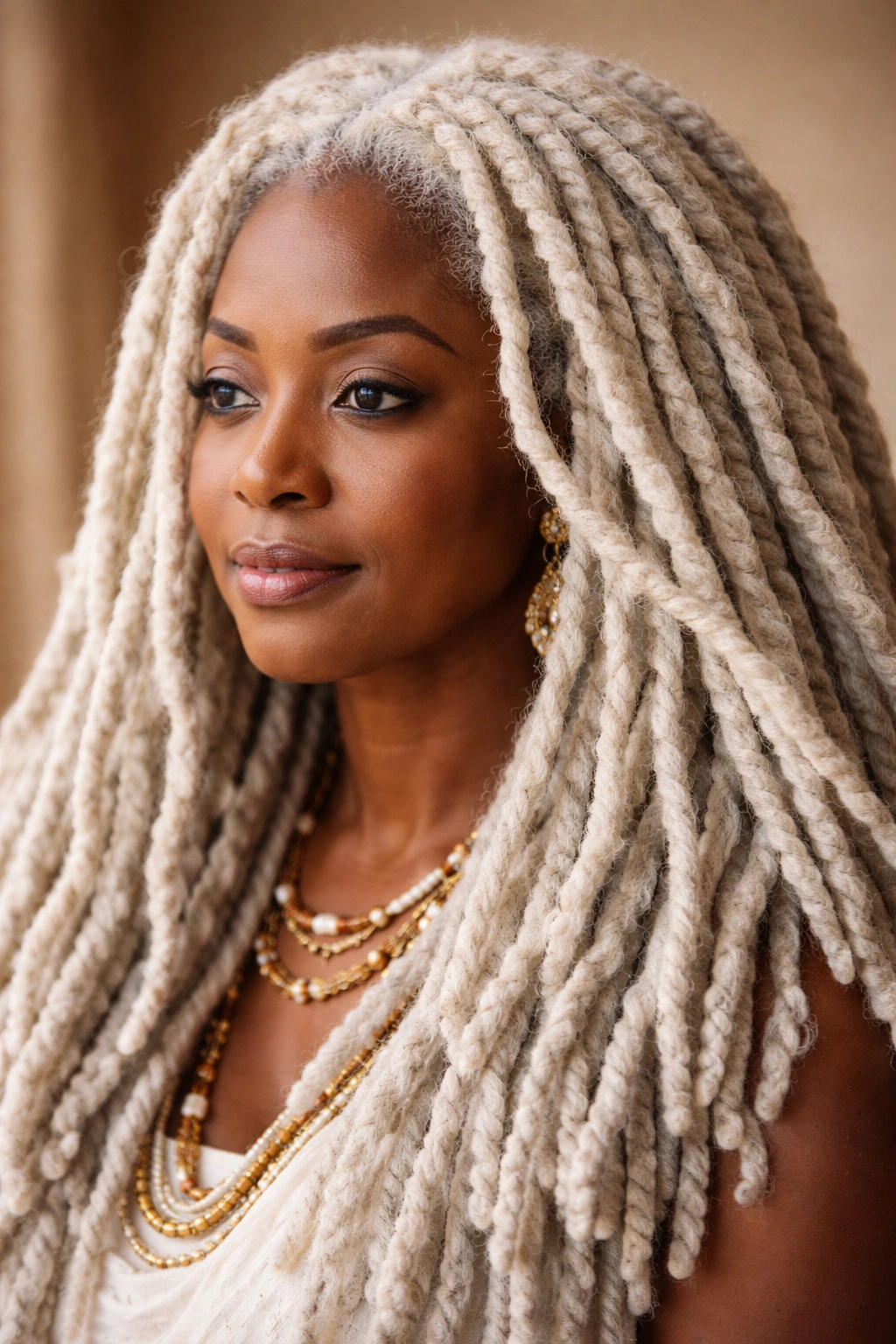
Dada Owu specifically refers to mature, fully-locked dada that has been maintained and developed over an extended period, often taking on a slightly paled or whitened appearance as the locks age and accumulate different hair tones. The name “owu” comes from the Yoruba word for cotton, capturing the soft, full, and textured appearance these mature locks achieve. This style represents a long-term commitment to the dada tradition and is often worn by elders and respected community members.
The Spiritual and Social Dimensions
Among the Yoruba, Dada Owu carries significant respect and spiritual weight. Individuals wearing this style are often viewed as keepers of tradition and wisdom. The time investment required to develop and maintain truly mature dada is seen as a testament to one’s dedication to cultural practices and personal discipline. In some Yoruba contexts, the wearing of Dada Owu is associated with spiritual protection and a strong ancestral connection.
Development and Longevity
- Dada Owu develops gradually from simpler dada styles over years of consistent maintenance
- The locks become thicker, denser, and more unified as they mature, eventually fusing into single, strong sections
- The color naturally varies and shifts, sometimes developing lighter tones as they age—hence the “cotton-white” reference
- Proper care includes regular cleansing, conditioning, and gentle handling to prevent breakage
- Many who wear Dada Owu report that the locks eventually require less frequent manipulation as they become fully established
Insider note: The process of developing truly mature Dada Owu typically takes 2-3 years minimum from initial locking, making it a commitment for those seeking to honor this particular variation of the tradition.
4. Dada Ewé (Leaf-Like Dada)
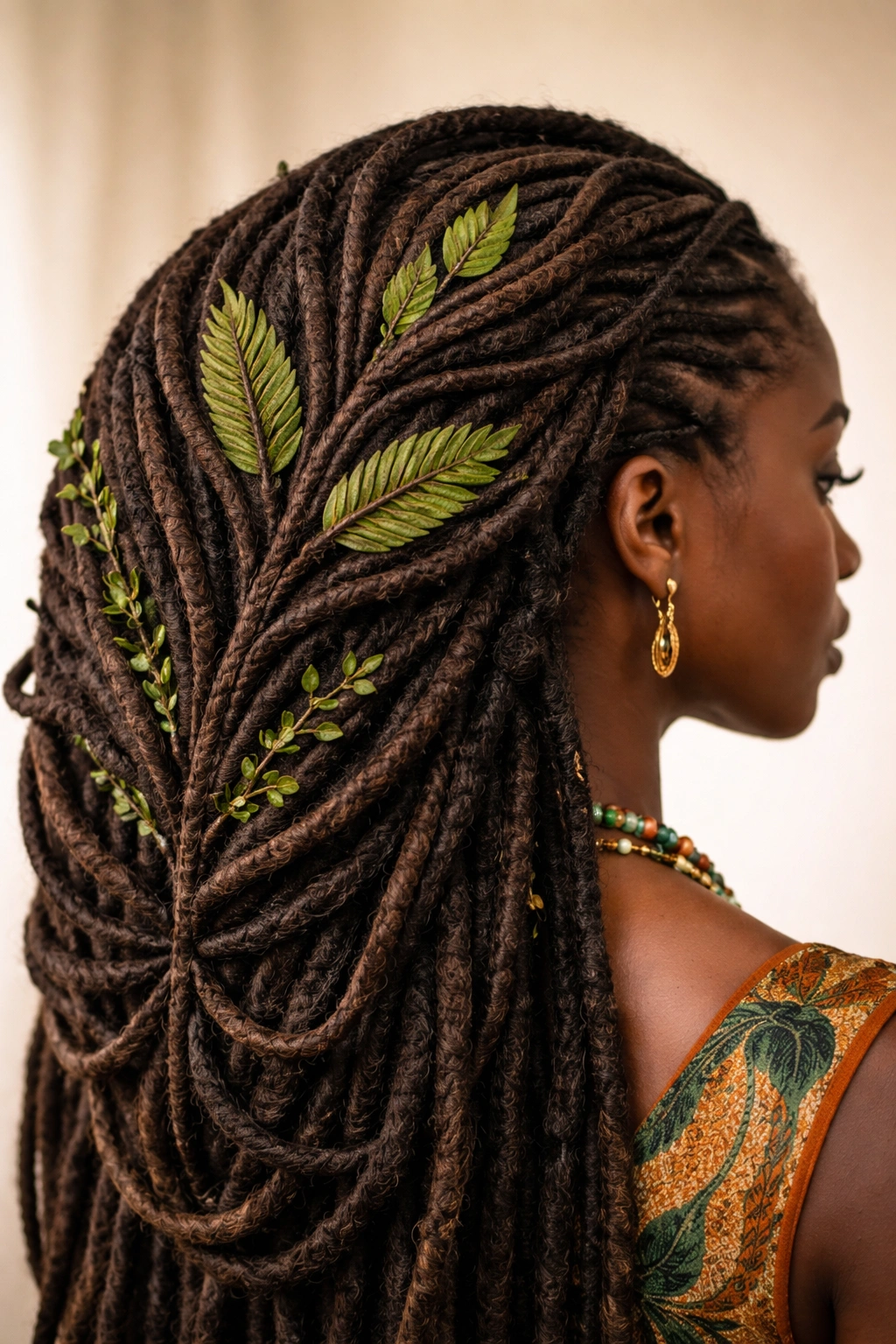
Dada Ewé translates to “leaf dada” and features a distinctive styling where locks are arranged and parted to create patterns that resemble the veining and arrangement of leaves. This style requires both technical skill and artistic vision, as the placement and manipulation of locks are intentional rather than random. The leaves are sometimes incorporated into the locks themselves—actual plant material woven into the hair—adding another layer of meaning and connection to nature.
Artistic Expression Within Tradition
What makes Dada Ewé particularly special is how it demonstrates the creative flexibility within Yoruba hairstyling traditions. While honoring ancestral practices, wearers of this style express individual artistic sensibility through how they arrange and style their locks. The leaf motif carries symbolic weight too, representing growth, nature’s cycles, and connection to the land—values central to Yoruba cosmology.
Creating Dada Ewé Patterns
- Locks are initially created using standard twisting or braiding techniques across the scalp
- Once locks are established, they’re carefully arranged to create deliberate patterns and spacing
- Some locks are braided together in specific ways to form vein-like lines across sections of the scalp
- Beads, threads, or plant materials can be incorporated into locks to enhance the leaf-like appearance
- The arrangement may be geometric and precise or more organic and flowing, depending on the wearer’s preference
Pro tip: Achieving clear leaf patterns is easiest when you have thick, well-defined locks that have matured somewhat, as newer locks may shift and won’t hold intentional patterns as reliably.
5. Dada Itẹ Oja (Marketplace Dada)
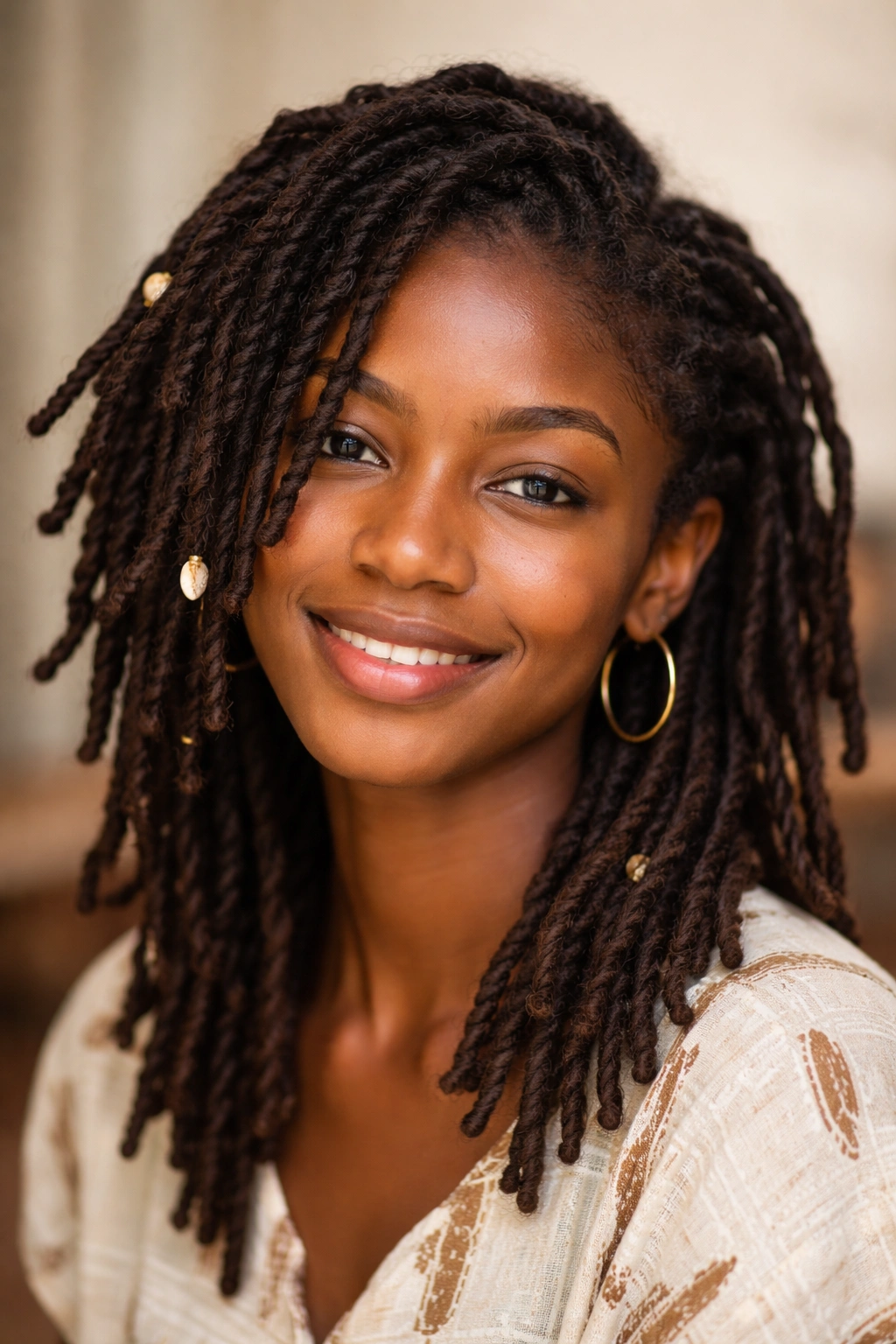
Dada Itẹ Oja refers to a more casual, everyday variation of dada that was historically worn by market traders and working people in Yoruba communities. The name literally translates to “marketplace dada,” and the style reflects practicality alongside tradition. This version features locks that are less uniformly sized and precisely arranged than formal dada styles, instead prioritizing functionality and ease of maintenance for individuals engaged in daily labor and commerce.
Practicality Meets Tradition
The beauty of Dada Itẹ Oja lies in how it democratizes the dada tradition—it’s not reserved for ceremonial occasions or the wealthy, but accessible to anyone willing to commit to maintaining their natural hair. This style acknowledges that Yoruba women and men of all social statuses wore dada while going about their daily lives. The slightly more relaxed approach to uniformity actually allowed for personal variation and adaptation.
Characteristics and Maintenance Approach
- Locks are created through consistent twisting but aren’t expected to be perfectly uniform in size or spacing
- The arrangement can vary across the head, with some sections tighter and others more relaxed
- Maintenance focuses on keeping locks clean, moisturized, and healthy rather than achieving perfect aesthetic uniformity
- The style accommodates the wear and tear of active daily life, with locks naturally shifting and settling
- Threading or beading is optional, allowing for very practical, low-maintenance wear
Worth knowing: Dada Itẹ Oja is actually an excellent entry point into dada hairstyling if you’re concerned about achieving perfect uniformity, since the style itself celebrates natural variation and authenticity over precision.
6. Dada Ile (House Dada or Royal Dada)
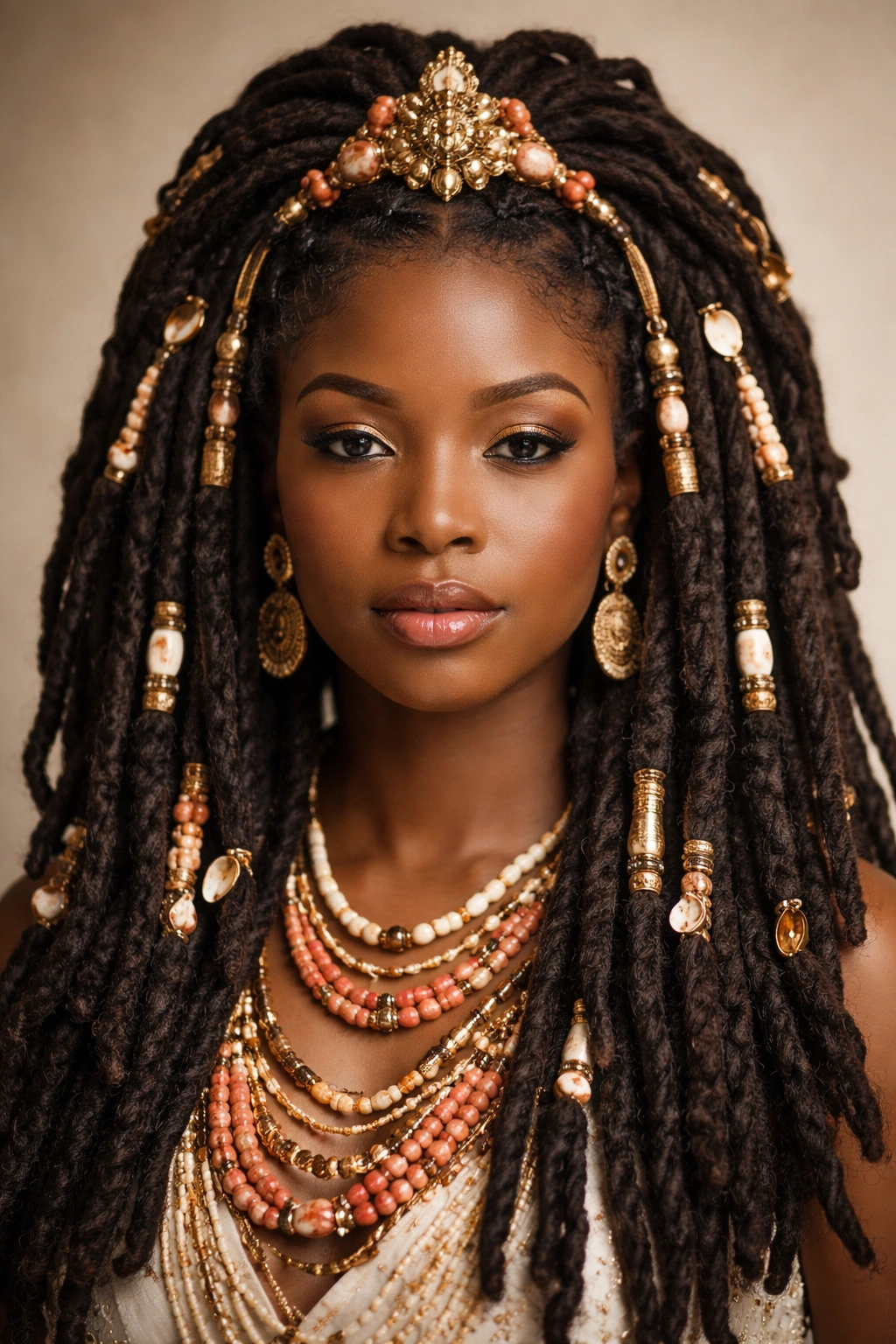
Dada Ile represents a more formal, refined variation of dada hairstyling, historically worn by members of royal families, wealthy households, and women of high social status in Yoruba kingdoms. The style features immaculately maintained locks that are often thicker and more substantial than everyday dada, with careful attention to grooming, arrangement, and often elaborate embellishment with jewelry, beads, and ornamental threads. The “ile” designation reflects the household or family, suggesting these locks were maintained with resources and care reserved for those of elevated status.
Royalty, Status, and Adornment
Dada Ile served as a visible marker of social position and access to resources within Yoruba society. The time required to maintain such a style, combined with expensive adornments, meant that wearing Dada Ile communicated wealth, status, and importance. However, the tradition also reflected the value placed on beautiful hair and the commitment of household members to the grooming of their matriarch or family leader. Royal families maintained specialists who would care for and style these locks.
Creating and Maintaining Dada Ile
- Locks are begun with careful sectioning and consistent, tight twisting or braiding using quality hair products
- The locks are allowed to mature fully, often developing considerable thickness and density
- Maintenance includes regular cleansing with special attention to keeping locks perfectly defined and unfrayed
- Elaborate beading, golden threads, cowrie shells, or other precious materials are incorporated throughout the locks
- The locks may be styled in upswept arrangements, crown formations, or side-parted styles for maximum visual impact
Pro tip: If you’re interested in creating Dada Ile-style locks, working with a specialist experienced in traditional Yoruba hairstyling can ensure your locks develop properly and that any adornments are placed and secured correctly.
7. Dada Sísé (Twisted Spiral Dada)
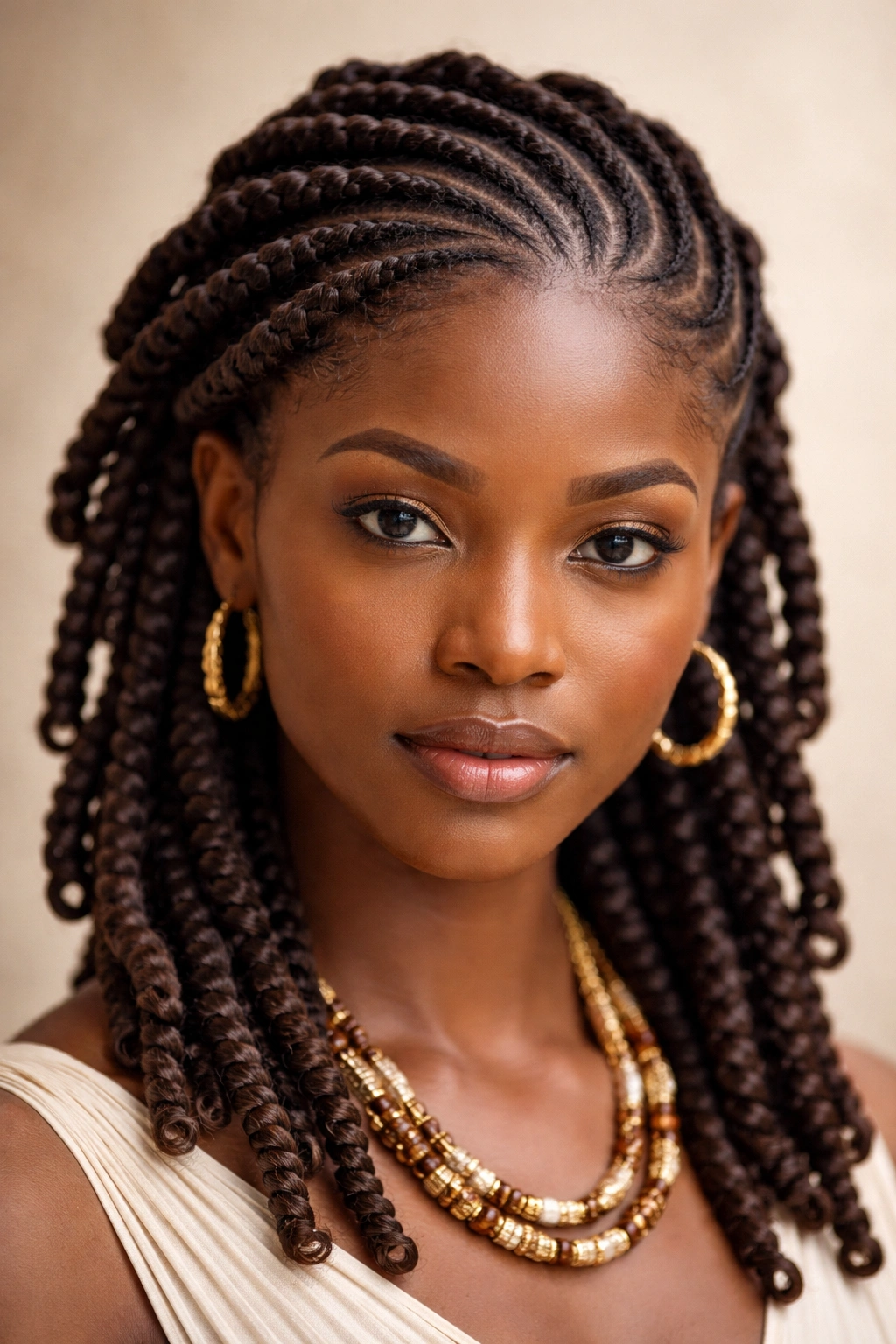
Dada Sísé features locks that are created through a distinctive two-strand twisting technique rather than traditional braiding, resulting in a spiral or corkscrew appearance that’s visually striking and holds together beautifully once fully locked. The name “sísé” references the twisting motion, and this style demonstrates the technical variations within the broader dada tradition. Two-strand twisting creates a cleaner line and often a more defined spiral appearance than three-strand braiding, making locks look sculptural and intentional from their inception.
Technical Variation Within Tradition
What’s particularly interesting about Dada Sísé is how it shows that traditional Yoruba hairstyling wasn’t monolithic—different techniques were employed depending on desired aesthetic outcome, available time, and personal skill. Two-strand twisting is actually somewhat faster than braiding while producing locks that are well-defined from the start. This technique has become increasingly popular among people returning to dada traditions because the visual results are immediately appealing.
Two-Strand Twisting for Dada Formation
- Clean, moisturized hair is sectioned into neat quadrants or individual locking sections
- Two strands within each section are twisted tightly together from root to tip, maintaining consistent tension
- The two strands naturally intertwine as they mature, eventually fusing into a single loc with a visible spiral pattern
- Regular palm-rolling and careful washing encourage faster maturation and defined locking
- The spiral pattern becomes more pronounced over time as the loc fully establishes itself
Worth knowing: Dada Sísé typically locks faster than braided versions, often showing significant maturation within 2-3 months of consistent care, making it appealing for those eager to see quick results.
8. Dada Adé (Crown Dada or Ceremonial Dada)
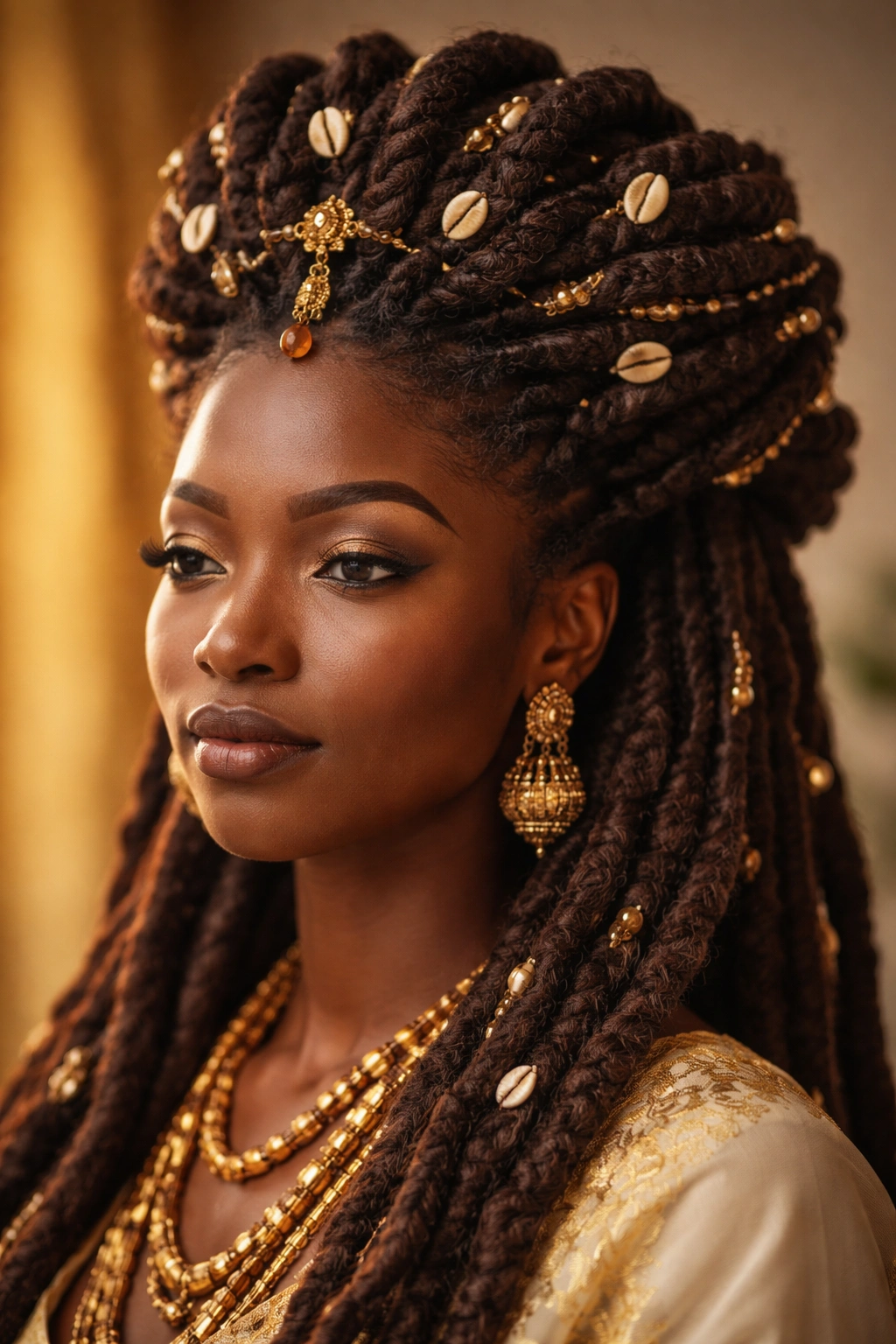
Dada Adé represents the most ceremonial and spiritually significant variation of dada hairstyling, worn specifically during important rituals, festivals, and spiritual observances in Yoruba culture. The word “adé” means crown, and this style is literally designed to crown the wearer as sacred or spiritually elevated. Dada Adé features locks that are arranged, adorned, and styled in ways that emphasize their spiritual significance, often incorporating ritual objects, sacred threads, or symbolic elements that hold deep meaning within Yoruba cosmology.
Spiritual Significance and Ritual Use
Dada Adé connects the wearer directly to spiritual realms and ancestral presences. In certain Yoruba traditions, individuals wearing Dada Adé during ceremonies are believed to be channels for ancestral wisdom or divine blessing. The style is sometimes associated with priestesses, spiritual leaders, or individuals initiated into certain traditional practices. The locks themselves become not just hair but sacred objects deserving of ritual respect and spiritual significance.
Creating Dada Adé for Ceremonial Wear
- Locks are meticulously prepared and groomed to ensure they look their absolute best for ceremonial purposes
- The arrangement may incorporate specific patterns or placements that hold spiritual meaning within the particular tradition
- Sacred or ceremonial materials—such as specific colored threads, beads with spiritual significance, shells, or ritual objects—are woven into locks
- The locks may be arranged to create crown-like formations or halos around the head
- Preparation often involves ritual cleansing and prayers before ceremonies where Dada Adé will be worn
Insider note: If you’re considering wearing Dada Adé as part of spiritual practice or ceremonial participation, seeking guidance from someone knowledgeable in your specific Yoruba tradition is important, as the spiritual significance can vary considerably between communities and practices.
Final Thoughts
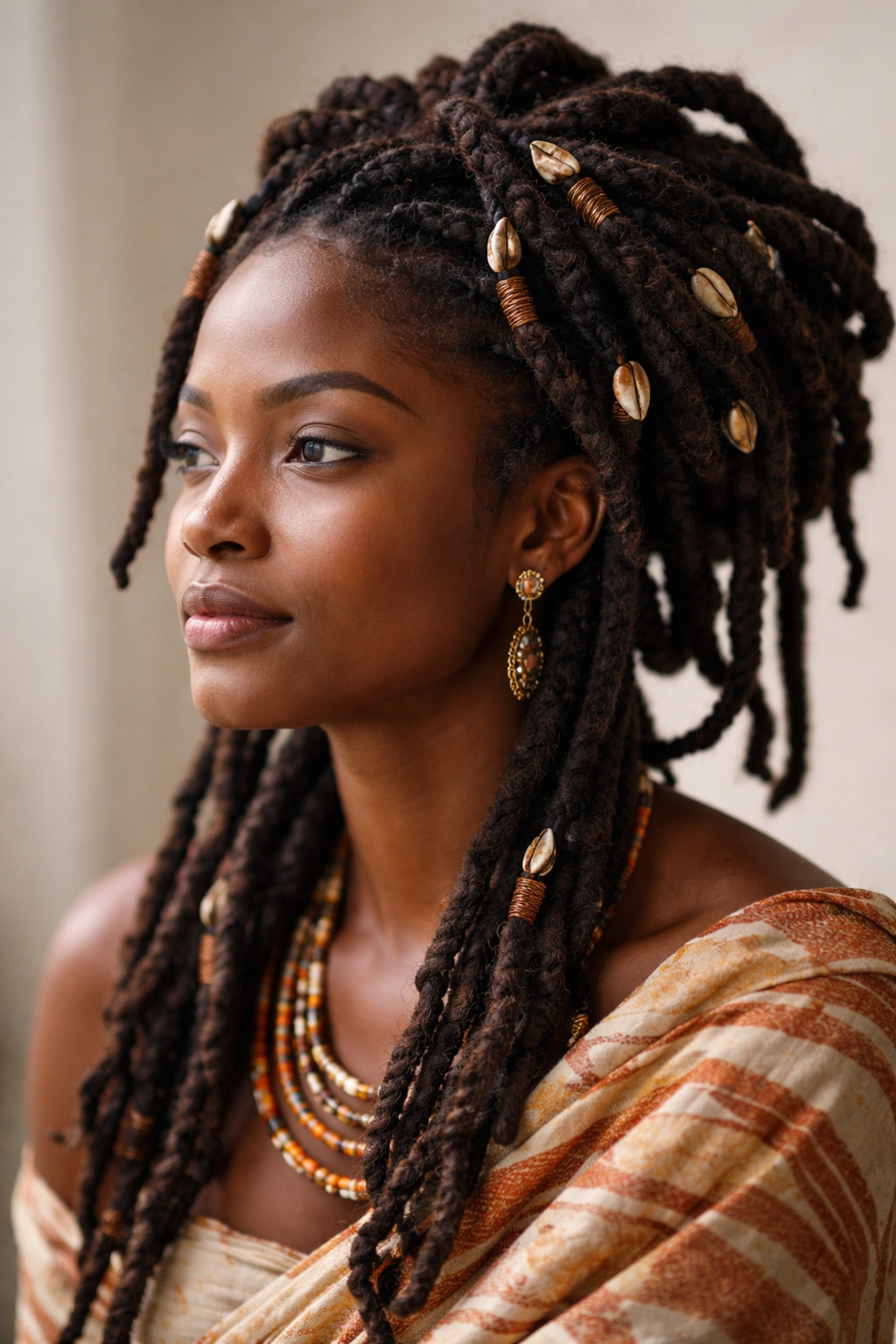
The eight variations of dada hairstyles within Yoruba tradition reveal a sophisticated system of hair care and cultural expression that has sustained itself across centuries. Each style—from the practical simplicity of Dada Itẹ Oja to the ceremonial grandeur of Dada Adé—carries its own meaning, purpose, and place within the broader culture. These aren’t just different ways to style hair; they represent different relationships with heritage, spirituality, community, and identity.
What stands out most powerfully is how dada traditions balance authenticity with personal expression. While honoring ancestral practices and cultural values, wearers of these styles maintain freedom to adapt and personalize according to their own circumstances, resources, and aesthetic preferences. Whether you’re drawn to dada for its protective benefits, its cultural significance, its spiritual dimensions, or simply its beauty, exploring these styles connects you to a rich tradition that values natural hair, cultural pride, and the wisdom of generations.
Beginning a dada journey requires patience, consistency, and genuine commitment—the locks don’t mature overnight, and maintenance is ongoing. But many who embrace this path report that the experience becomes increasingly rewarding over time. Your dada becomes more beautiful, more defined, and more deeply meaningful as months and years pass. In choosing a dada hairstyle, you’re not just making an aesthetic decision; you’re participating in a living cultural tradition that continues to evolve and thrive within Yoruba communities worldwide.
