



The most flattering bob isn’t always the one that looks sharpest on day one. A lot of the best bob cuts look better when they loosen up, lose that fresh-from-the-chair edge, and settle into something a little softer.
That matters because hair grows. Roughly half an inch a month, give or take. So if a cut falls apart the second it moves past the salon line, you end up babysitting it.
The smarter approach is to choose a shape with room in it. A blunt edge, a soft layer, a longer front corner, a fringe that can split and fall a little messily—those details buy you time. They also keep the cut from turning into that awkward triangle a few weeks in, which is the point where a lot of people get impatient and start pinning everything back.
Some bob cuts are fussy. These aren’t. They look deliberate when they’re fresh, and they still look deliberate when they’ve grown a little. That’s the sweet spot, and it’s where the good ones live.
1. The Blunt Bob That Grows Out Cleanly
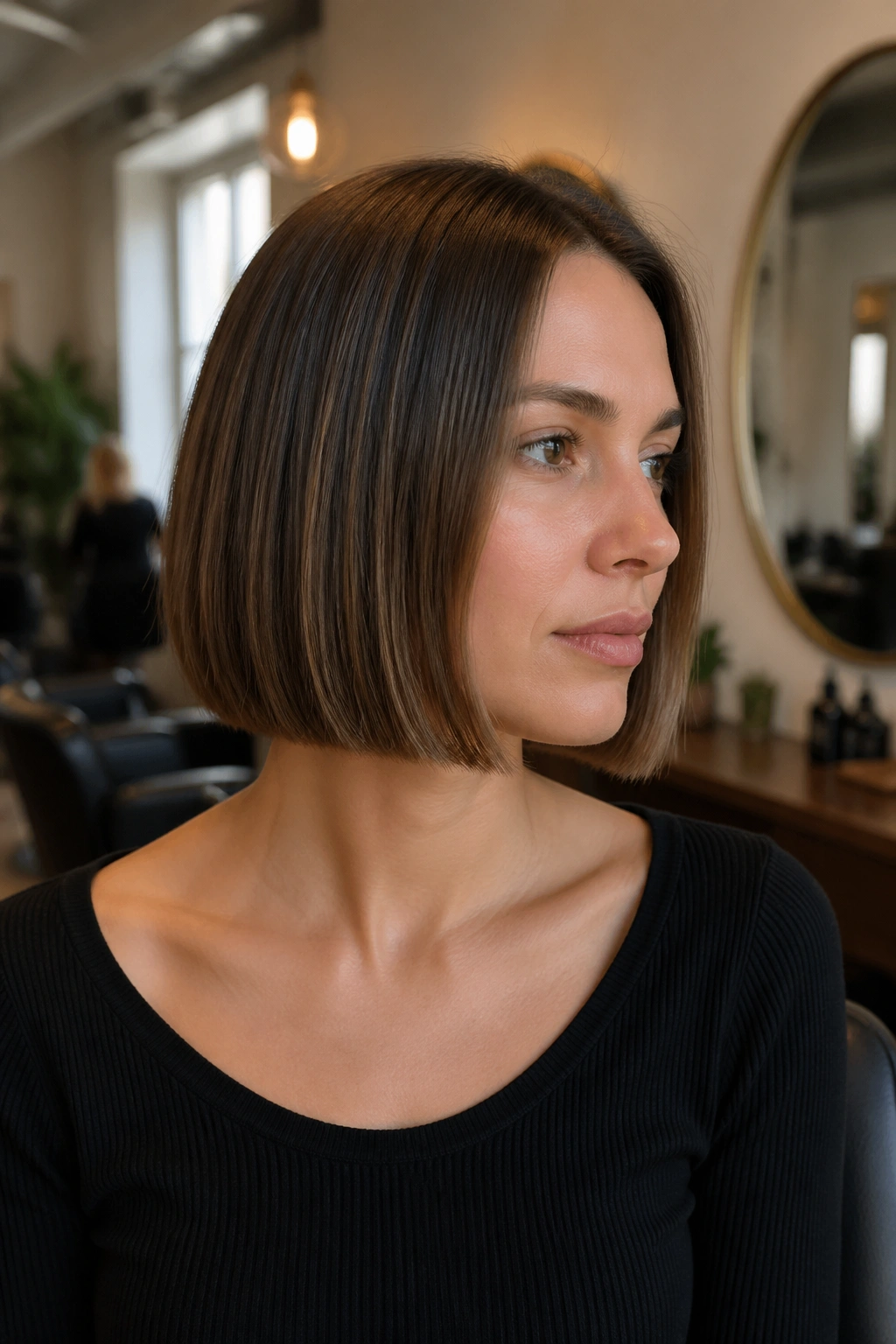
A blunt bob has a strange gift: the longer it grows, the less angry it looks. The line softens, the ends stop feeling so exact, and the whole shape starts reading as a polished short lob instead of a haircut that missed its follow-up appointment.
That works because there’s no complicated layering to betray you later. The perimeter stays heavy, which keeps the hair from puffing out in weird places. If your hair is fine, that density matters even more. Fine hair often loses shape fast, but a blunt edge gives it a little more body and keeps the ends from looking wispy after a month or two.
Why it stays good
The grow-out is gentle. The cut does not rely on a razor-thin outline or a steep angle that needs constant correction. Instead, it shifts from crisp to soft in a way that feels intentional.
- Best for straight to slightly wavy hair
- Good if you want a clean neck line without constant salon visits
- Especially flattering at chin length or just below the jaw
- Easy to tuck behind one ear or part slightly off-center
A blunt bob also responds well to tiny styling changes. A flat iron bend at the ends, a center part, or a loose tuck can make it feel different without changing the cut itself. That helps when the grow-out starts to blur the original line.
Ask for a blunt perimeter with only minimal internal layering. If you want the shape to last, keep the ends full and resist the urge to thin them out too much.
2. The Soft Layered Bob
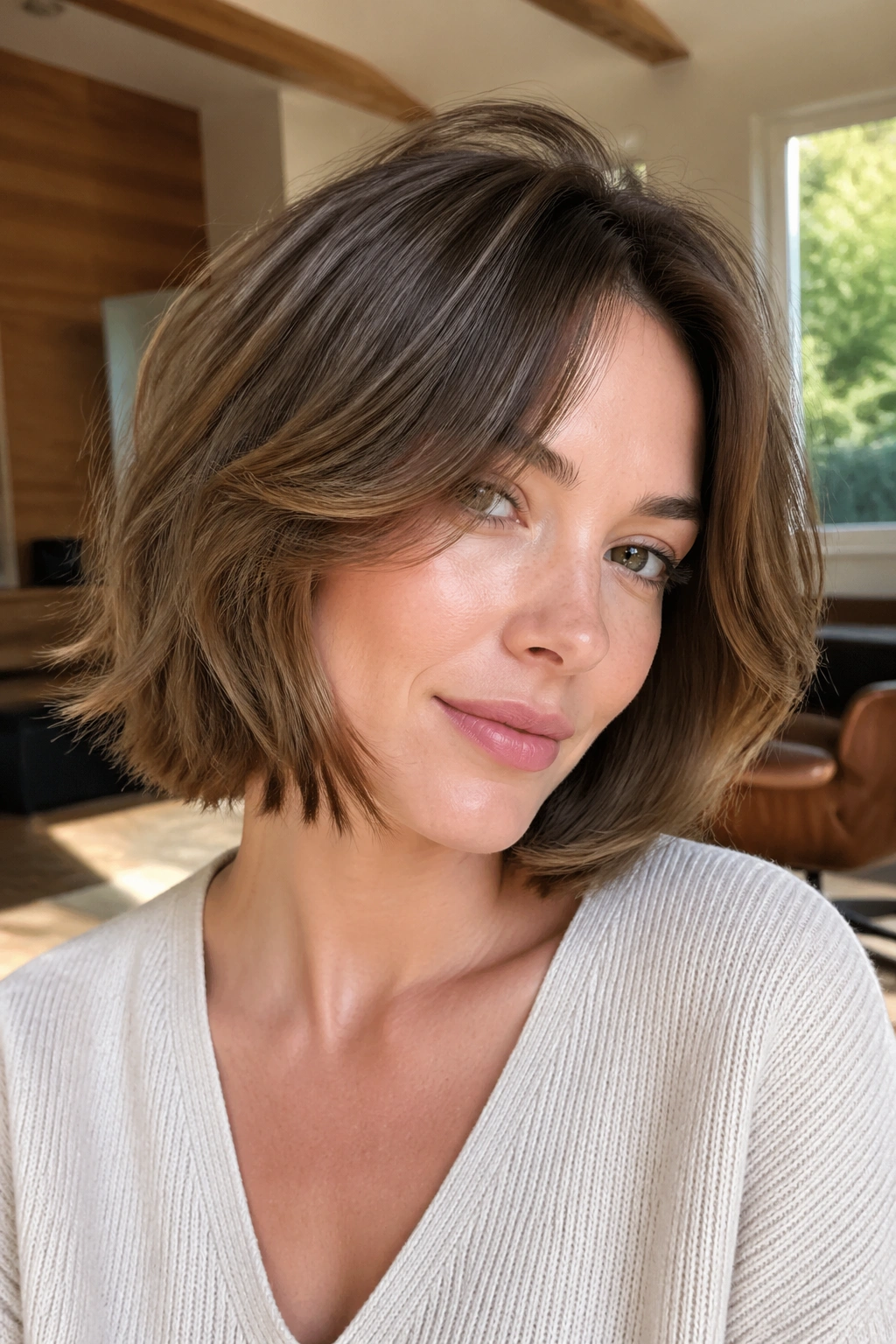
What if your bob had movement from the start, instead of waiting for growth to create it? That’s the advantage of a soft layered bob. It starts with a little looseness, so it doesn’t panic when the weeks go by.
This is one of those cuts that handles change well because the layers are meant to drift. They fall into each other instead of sitting in hard shelves. When the hair gets longer, those layers just get a little airier. They do not suddenly declare themselves.
The trick is restraint. Too many short layers can turn a bob into a mushroom in a hurry. But long, feathered layers around the crown and sides give the shape some swing without making it fragile. Thick hair especially benefits here, because the haircut takes some weight out before the grow-out has a chance to feel bulky.
What to ask for at the salon
Ask for long layers that start below the cheekbone and keep the bottom line strong. That combination gives you movement and structure at the same time. If the stylist starts chopping high into the head, the cut may feel cute for two weeks and unruly after that.
Soft layered bobs also play nicely with texture cream or a light mousse. You can air-dry them and let the ends do their thing, or rough-dry with your fingers and call it done. Simple is good here. Fussy styling kills the appeal.
3. The French Bob
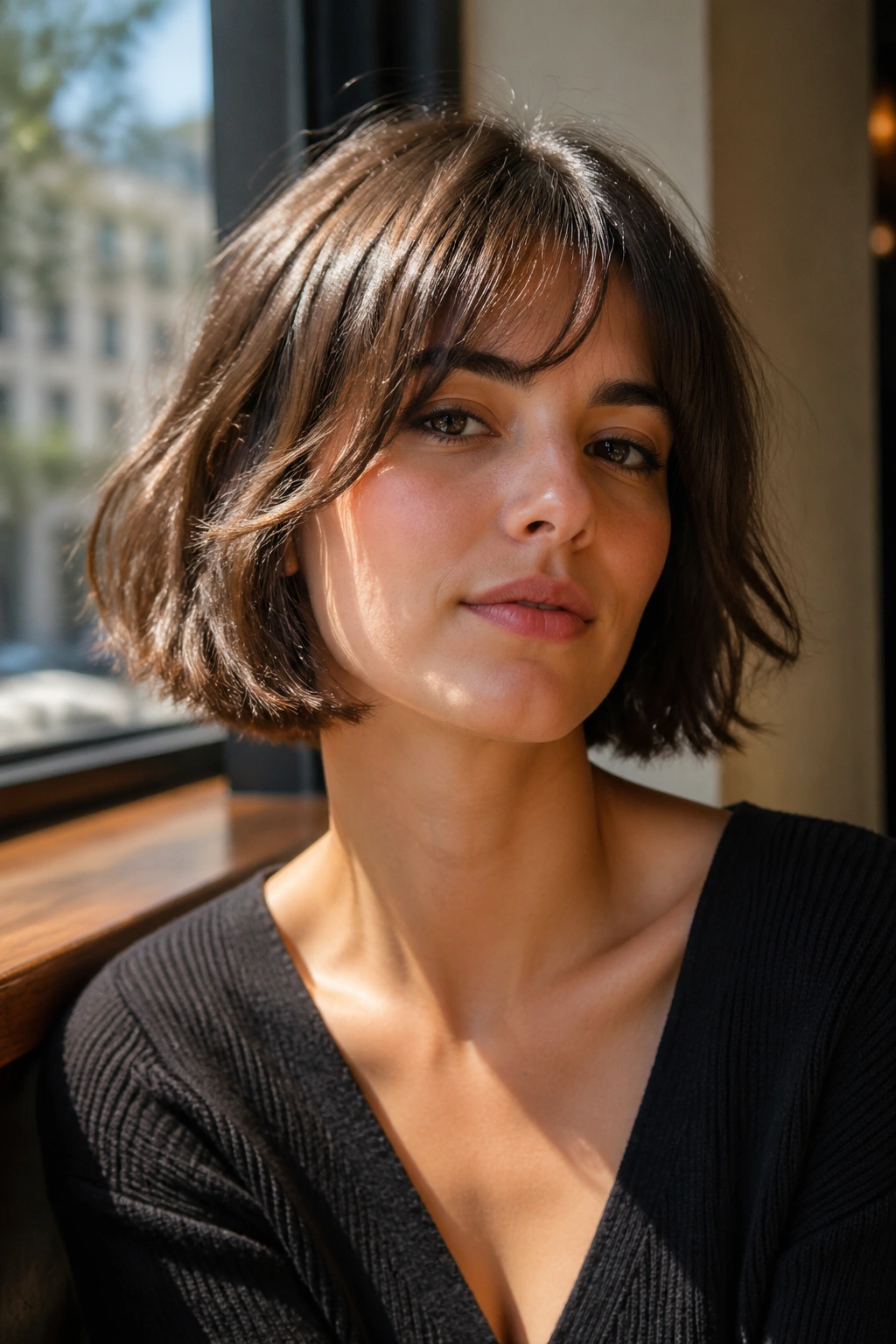
A French bob looks like it was cut by someone who knows exactly where a jawline ends and a cheekbone begins. Short, cheeky, a little undone. When it grows out, it doesn’t lose the plot. It just turns into a softer version of itself.
I like this cut on people who don’t mind a bit of personality around the face. The typical length sits around the chin, sometimes slightly above it, and the fringe is usually soft enough to split or skim the brows instead of sitting like a solid curtain. That fringe is the reason the grow-out works. Once the bangs lengthen, they melt into face-framing pieces instead of becoming an obvious problem.
What makes it different
The French bob is less about precision and more about shape. It’s short enough to feel fresh, but not so severe that every millimeter of growth ruins it. A little wave helps, but so does a blunt outline with a tiny bevel at the ends.
- Looks best with a slight bend or natural texture
- Works well if your hair dries with some body on its own
- Can be tucked, pinned, or roughed up fast
- Grows into a soft chin-to-lip length without looking awkward
If your hair is pin-straight, a small round brush and a bit of smoothing cream keep it from looking flat. If your hair is wavy, let it be a little imperfect. That’s half the point.
The fringe is the whole game. Keep it soft, not dense, and the grow-out becomes part of the style instead of a maintenance problem.
4. The A-Line Bob
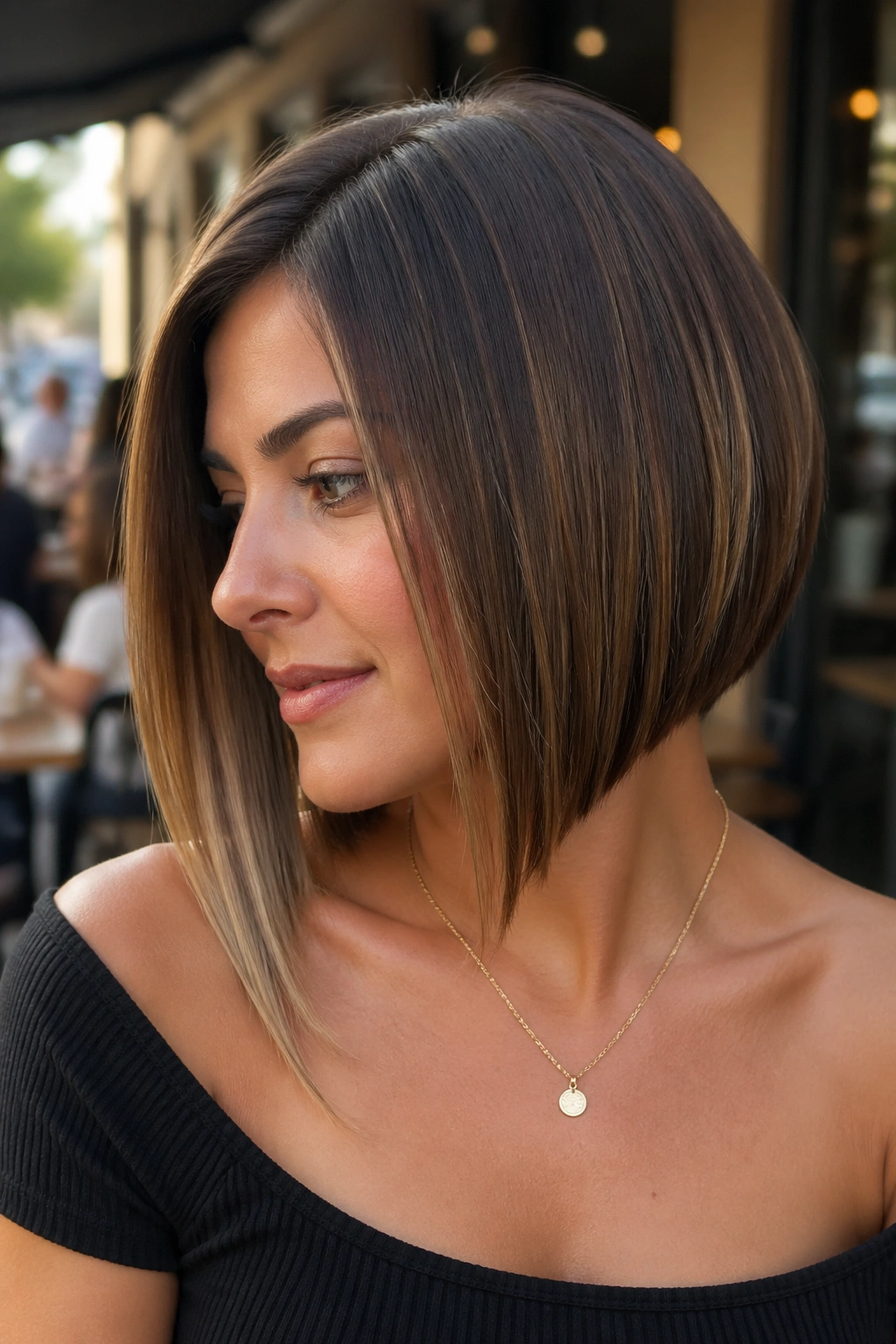
A slightly longer front changes everything. That’s why the A-line bob has always been such a practical cut for people who want shape without a lot of salon drama.
The back sits shorter, the front drops forward toward the jaw, and the whole thing creates a gentle diagonal. As hair grows, the angle relaxes instead of collapsing. You don’t suddenly lose the haircut. You just slide into a longer version of it.
The key word is gentle. I do not love a harsh, dramatic A-line if the goal is easy grow-out. That kind of angle can look striking fresh, then weirdly abrupt once the back catches up. A softer version gives you a better runway. Ask for a difference of roughly an inch or two between the nape and the front, not a sharp wedge.
Why it stays flattering
The front pieces frame the jaw and neck as they lengthen. The back can gain a little weight without ruining the silhouette. That makes this cut useful for people who want a clean neckline but do not want a maintenance-heavy shape.
It’s also a solid choice if your face is round or square, because the forward angle lengthens the line a bit. Straight hair shows the geometry best, though a smooth wave can soften it nicely.
Wear it tucked behind one ear, or keep the side you like slightly longer. That little imbalance helps the grow-out look deliberate, which is half the battle.
5. The Lob
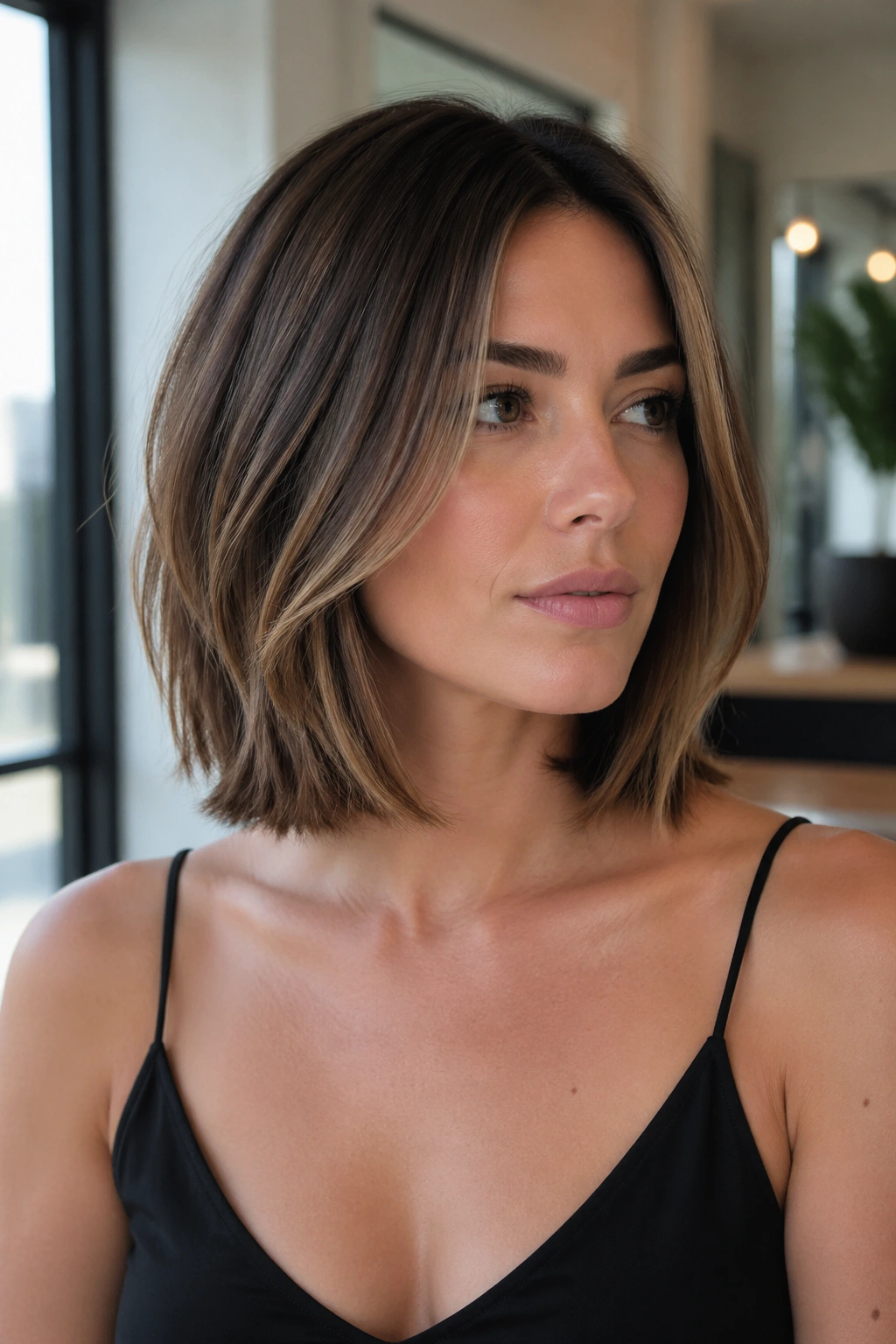
The lob is the obvious answer, but obvious for a reason. It gives you the clean feeling of a bob without trapping you in a length that needs constant trimming.
Collarbone length is forgiving. When it grows, it doesn’t scream. It just becomes a slightly longer lob, then a shoulder-skimming cut, and at every stage it still has a recognizable shape. That’s useful if you want to keep the ease of shorter hair but hate feeling chained to six-week trims.
A good lob can be blunt, lightly layered, or softly textured. I usually like it with a solid perimeter and just enough internal shaping to keep the ends from flipping out in ugly ways. If your hair is thick, a bit of weight removal near the inside helps. If your hair is fine, keep the edges fuller and let the length do the work.
Why people keep coming back to it
Because it does a little of everything. You can wear it straight and sleek, wave it with a one-inch iron, clip it back, or let it air-dry into something loose. It does not demand a perfect style to look finished.
That matters when you’re growing out a shorter bob and want a cut that stays civilized during the in-between stage. The lob is basically the peace treaty between short-hair commitment and long-hair freedom.
A small side part keeps it from feeling flat. So does a tiny bend at the ends—nothing dramatic, just enough to show that the cut has shape.
6. The Shaggy Bob
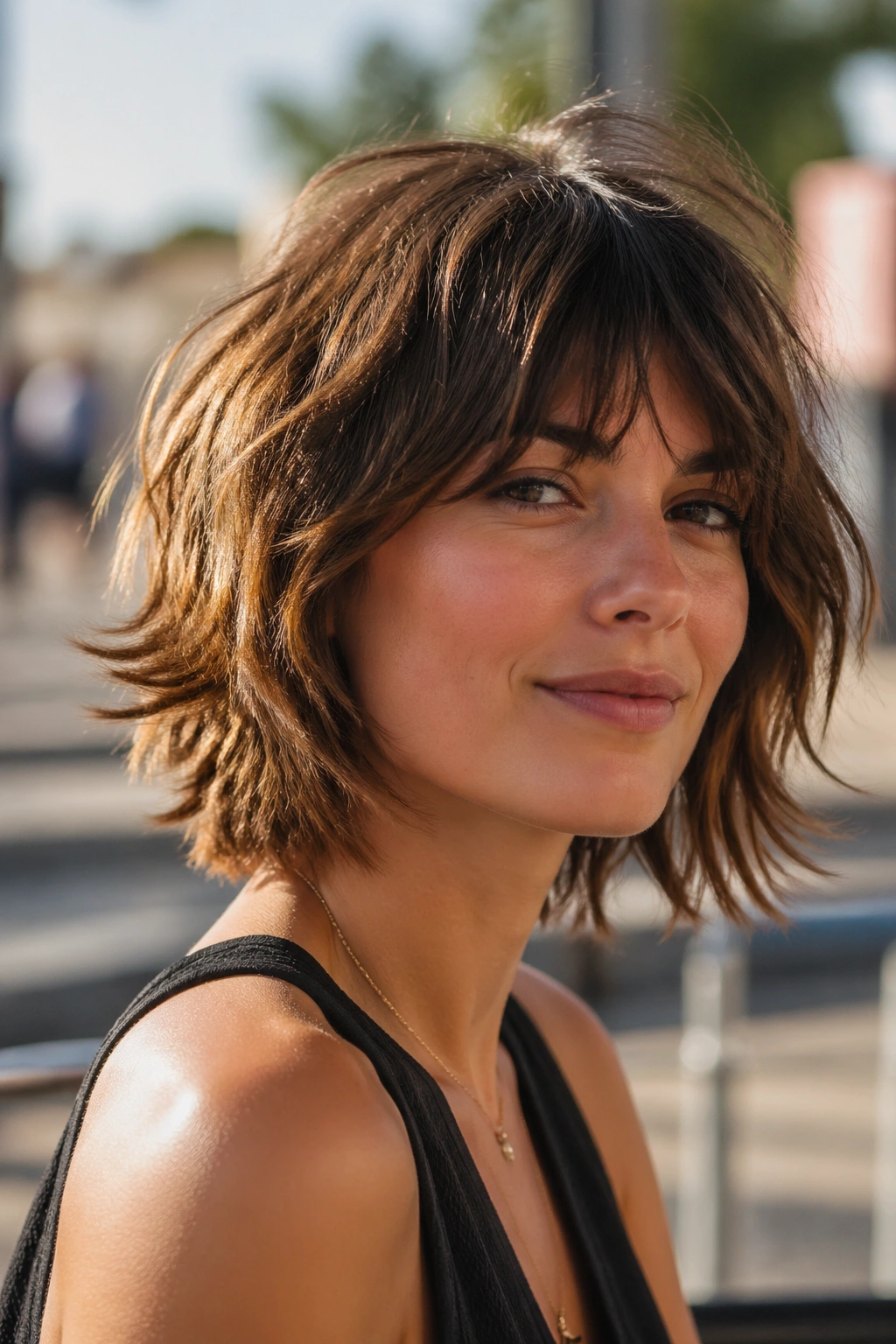
Unlike a crisp bob, a shaggy bob is built to lose a little shape. That’s not a flaw. It’s the whole reason people love it.
The ends are choppy, the layers are broken up, and the movement is part of the haircut rather than something you add later. When it grows out, the texture gets a little looser, not messier. That’s a huge difference. A blunt bob can look unfinished if it grows too long. A shaggy bob often looks better with a few extra weeks on it.
The only catch is balance. Too much thinning can make the ends fray. Too little, and the style can feel bulky at the sides. I prefer a shaggy bob with soft, point-cut ends and layers that open up around the cheekbones instead of cutting straight across the head.
How to wear it
A small amount of salt spray or texturizing spray goes a long way. Scrunch, air-dry, and stop there if your hair already has natural wave. If it’s straighter, a diffuser on low heat helps keep the movement loose.
- Best for wavy or slightly curly hair
- Good if you want a cut that hides imperfect styling
- Strong choice for thick hair that needs shape removed
- Easier to grow out than a razor-thinned bob
This is not the haircut for someone who wants a sleek, polished edge every day. It’s for people who like their hair to look lived-in. That difference matters more than people admit.
7. The Chin-Length Bob with Curtain Bangs
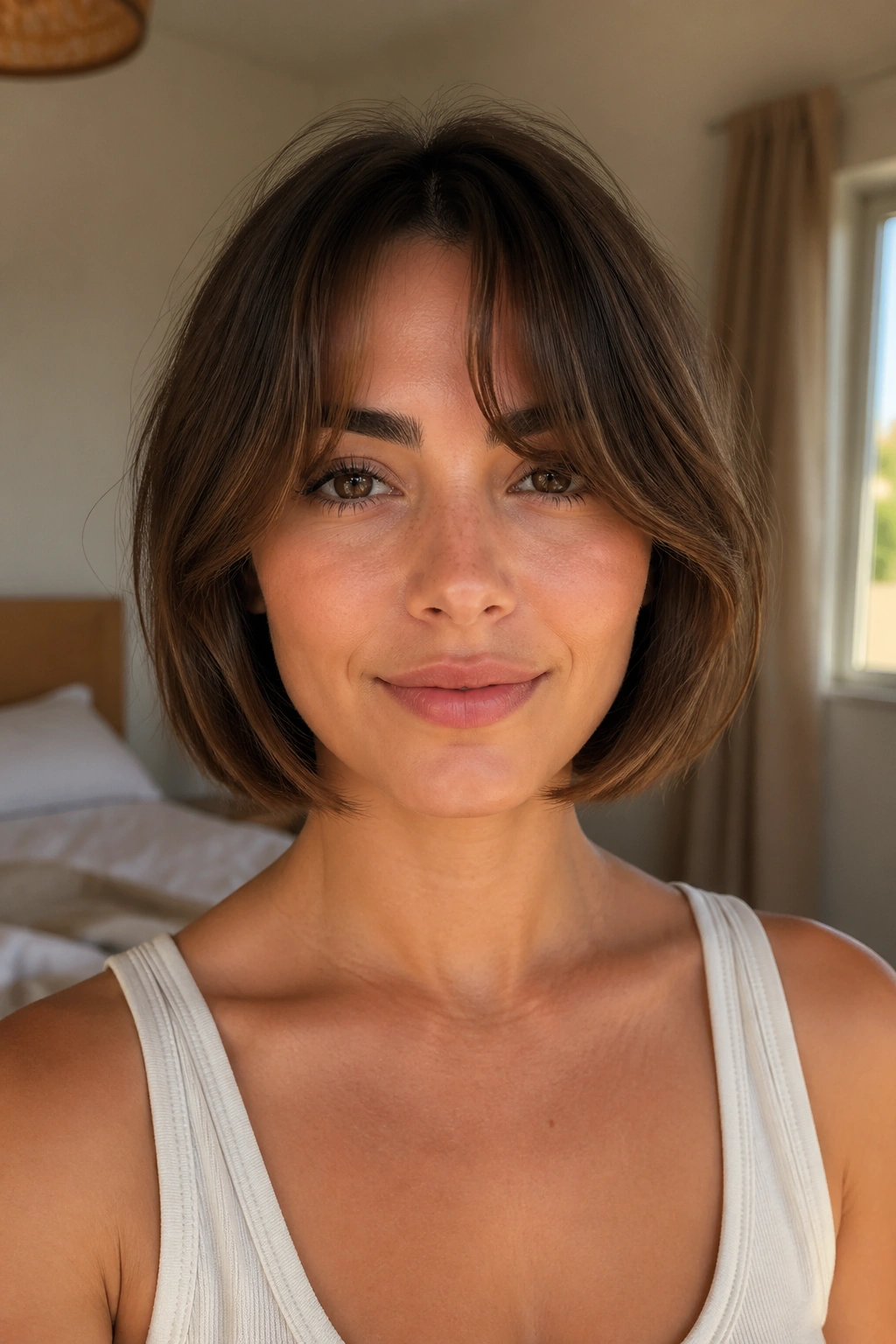
Can a short bob survive grow-out without looking like a helmet? Yes—if the fringe is doing some work.
Curtain bangs are the reason this style keeps its charm. They start at the brow or just below, then drift outward into cheekbone-skimming pieces as they get longer. That means the haircut has a built-in transition. You are not stuck with a blunt fringe that needs emergency intervention the moment it passes your eyes.
The chin-length bob itself is a sweet spot too. It is short enough to feel sharp, but long enough to tuck behind the ear or split into softer pieces. When the curtain bangs lengthen, they blend into the front of the bob and create a gentle frame. That makes the whole cut look more intentional, not less.
How to keep it looking good
The biggest mistake is cutting the bangs too short and too dense. That makes the grow-out awkward. Softer bangs with a bit of separation are easier to live with. They also suit more face shapes, which is handy because not everyone wants to commit to a heavy fringe.
Use a round brush only at the front, not all over the head. A quick bend through the bang area is enough. The rest can air-dry or get a rough blow-dry.
This cut works especially well if you like a little movement around the eyes and cheekbones without full commitment to bangs that need constant trimming. The bob and the fringe grow together. Nice and civil.
8. The Box Bob
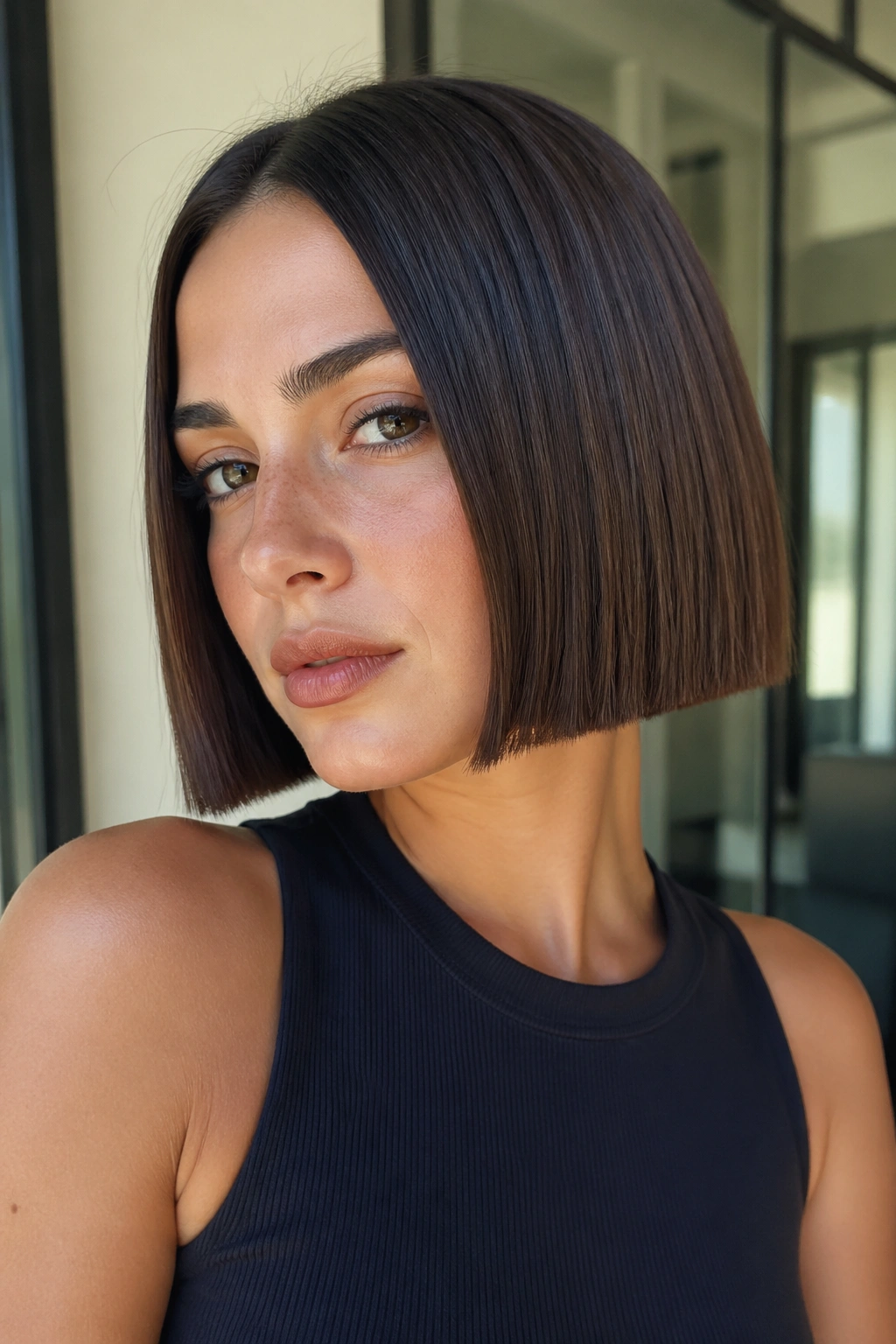
There is a certain sharpness to a box bob that turns softer in a good way after a few weeks. That’s why it earns a spot here.
A box bob sits fuller through the sides and keeps a fairly straight outline. Think of it as a square frame around the face, not a curve. When it grows, the corners soften first. The shape becomes less severe before it becomes unmanageable, which is exactly what you want from a grow-out-friendly cut.
This style is especially useful if your hair is straight and you like a neat finish. It also works well on thick hair because the shape can handle density. If the cut is too layered, though, the box effect disappears. Then you’re left with a vague bob that has lost its point.
What to ask for
Ask for a clean perimeter with only light internal texturizing. If you want movement, keep it near the ends, not through the middle. A heavy center can make the haircut feel blocky.
- Best on straight hair
- Great for a strong jawline
- Easy to tuck behind the ears
- Looks polished even when it’s grown a little
I also like this cut with a middle part, because the symmetry makes the grow-out look neat. A deep side part can work, but it softens the square character faster.
Do not over-thin a box bob. The thickness is what makes it age well.
9. The Micro Bob
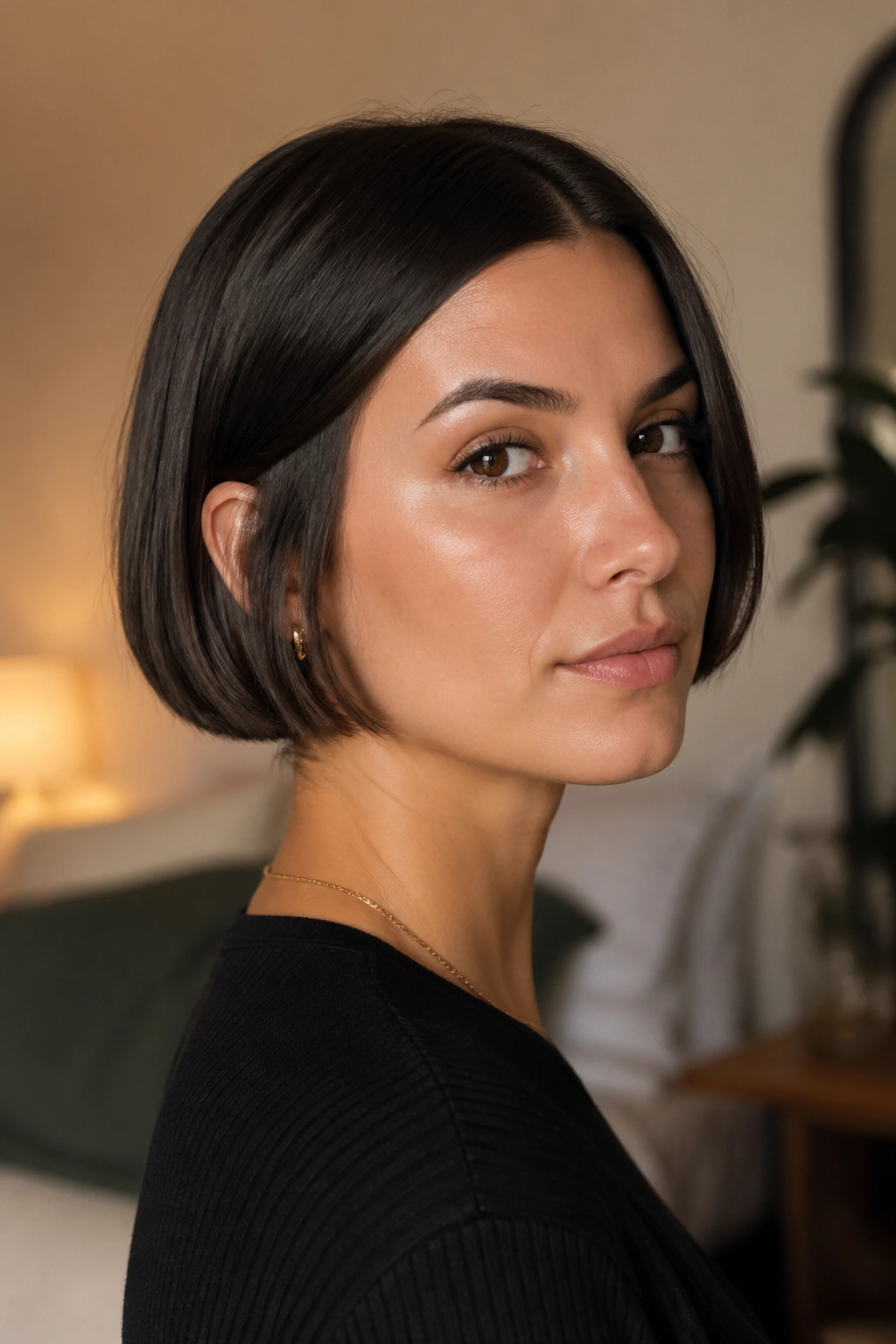
The shortest bob on the list is also one of the easiest to live with, oddly enough. A micro bob looks daring when it’s fresh, then turns into a neat cheekbone bob before it ever hits truly awkward territory.
That is the advantage of starting short. You have room to grow. Hair that begins at the jaw or just above it can move for a while without losing its identity. The cut simply becomes slightly softer and a little less precise. For people who hate fuss, that’s a gift.
Micro bobs do need a steady hand from the stylist. The line has to be clean, and the nape should be tidy. But once the shape is there, the grow-out feels civilized. It doesn’t hang around the neck in that heavy, in-between way that can make a bob feel annoying.
Who should consider it
This cut suits people with straight or lightly wavy hair, especially if they like their features framed. It can be striking on fine hair because the short length makes the ends look fuller. On curly hair, it expands fast, so the grow-out phase moves quicker. That is not a bad thing, just something to know.
If you want to keep it crisp, trims every 6 to 8 weeks help. If you’re growing it out, let the line soften and move into a short bob. It still looks intentional.
A micro bob is a little bolder than the others here. But it buys time in a way a mid-length cut can’t.
10. The Textured Wavy Bob
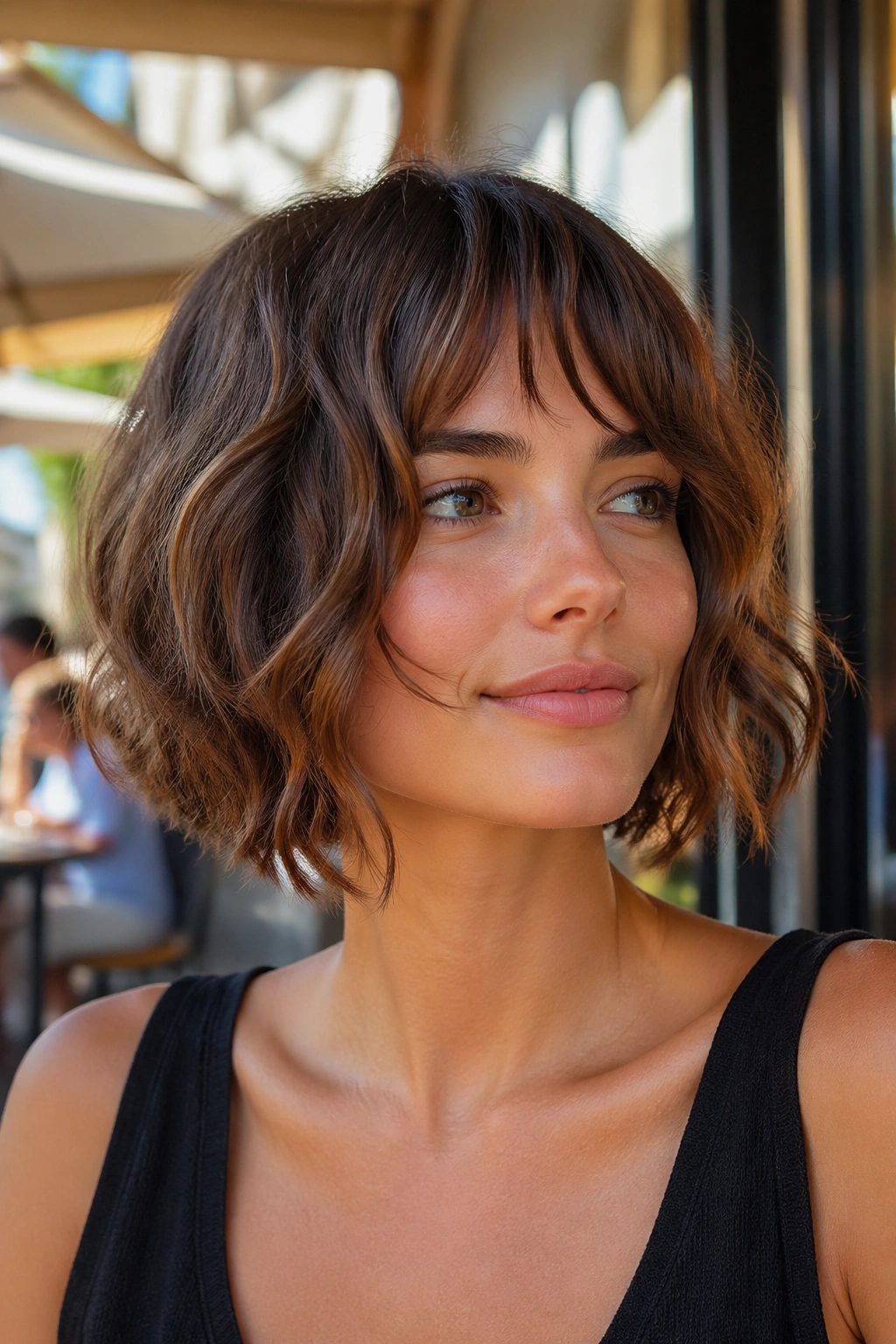
A textured wavy bob should move when you shake your head. If it sits still like a helmet, something went wrong.
This cut is built around motion. The ends are usually point-cut or lightly razored, and the shape gives natural wave somewhere to live. That means the grow-out doesn’t expose a harsh outline. Instead, the pieces shift around, and the cut gets looser in a flattering way.
It’s one of my favorites for people who want hair that looks good without much effort, though I use that phrase carefully. It is low-maintenance, not no-maintenance. The difference matters. A little mousse, a little scrunching, and a diffuser can make the shape look much better than air-drying alone if your wave is uneven.
How to style it
Start with damp hair and apply mousse from roots to mid-lengths. Then add a little cream to the ends if they tend to frizz. Dry upside down or with a diffuser, but stop before the hair gets bone dry and fluffy. That’s usually when the shape goes sideways.
- Best for natural wave or loose curl
- Good choice if your hair hates sleek styles
- Easier to wear on humid days than a straight, blunt bob
- Looks softer as it gets longer
This cut is forgiving, which is why it grows out so well. The texture hides the transition. The silhouette stays relaxed. And that makes the in-between stage much easier to tolerate.
11. The Inverted Bob
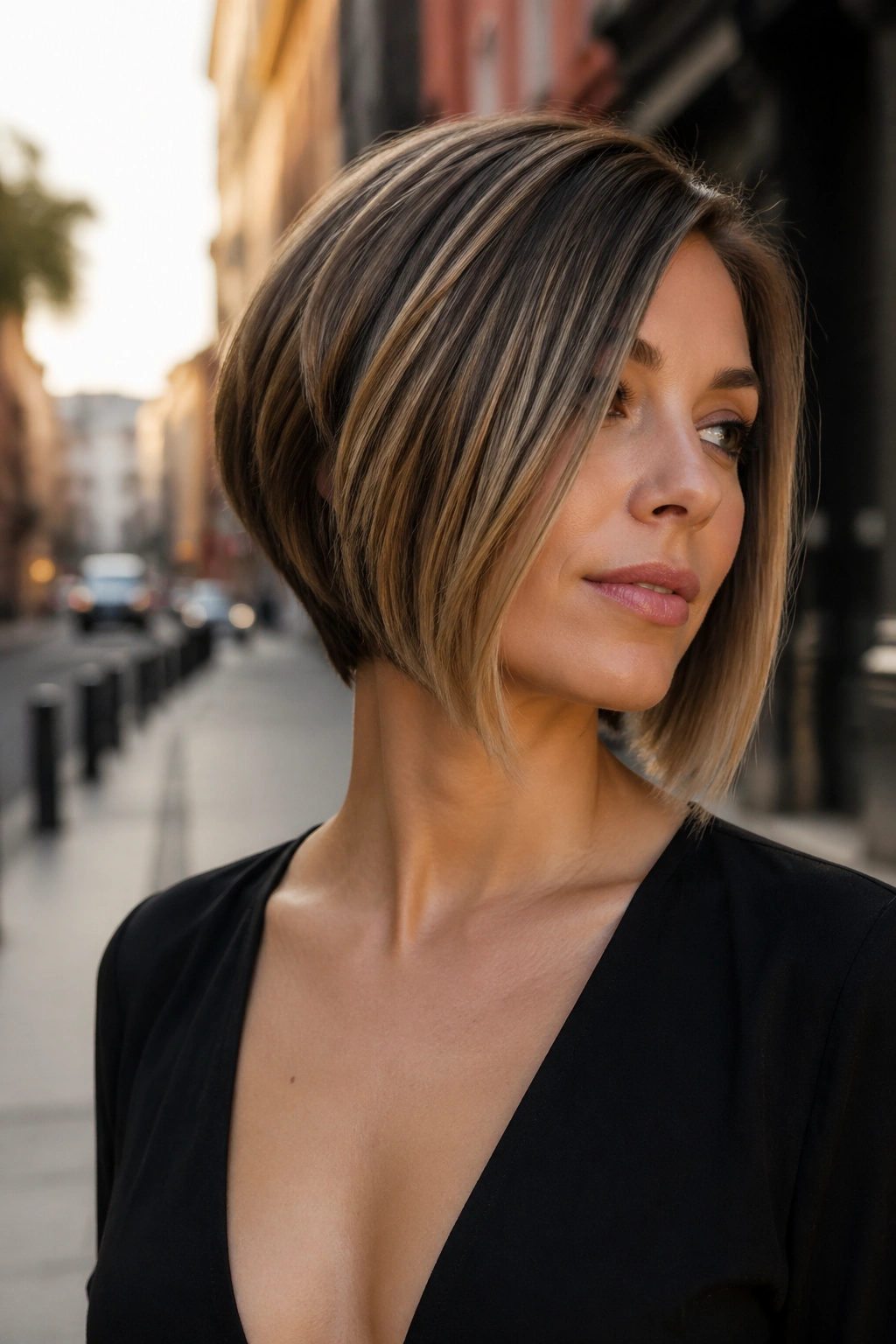
Why does an inverted bob stay flattering after a month of growth? Because the angle does the heavy lifting for you.
The back is shorter and more rounded, while the front falls longer toward the face. As the cut grows, the back doesn’t suddenly ruin the shape. It just moves into a more blended version of the same idea. That’s useful if you want a little lift in the back without a cut that demands frequent cleanups.
A modern inverted bob should feel softer than the old-school versions that leaned hard into the stack. Too much stacking can turn awkward fast once the hair gains length. A subtler version with a gentle angle and a soft edge is easier to live with. Think movement, not helmet.
What makes it work
The shorter back gives volume at the crown. The longer front keeps the cut from feeling boxy. Together, they create a shape that can stretch a bit and still read as deliberate.
This is a strong choice for straight hair and medium-thick textures. It can also help if your hair grows flat at the back and puffs at the sides, because the angle redirects the weight. The result is a cleaner line during the grow-out.
Use a flat brush or a round brush to smooth the back under slightly. That keeps the silhouette neat. A little shine serum on the ends helps too, especially once the cut starts to lose its fresh edge.
12. The Sleek Side-Part Bob
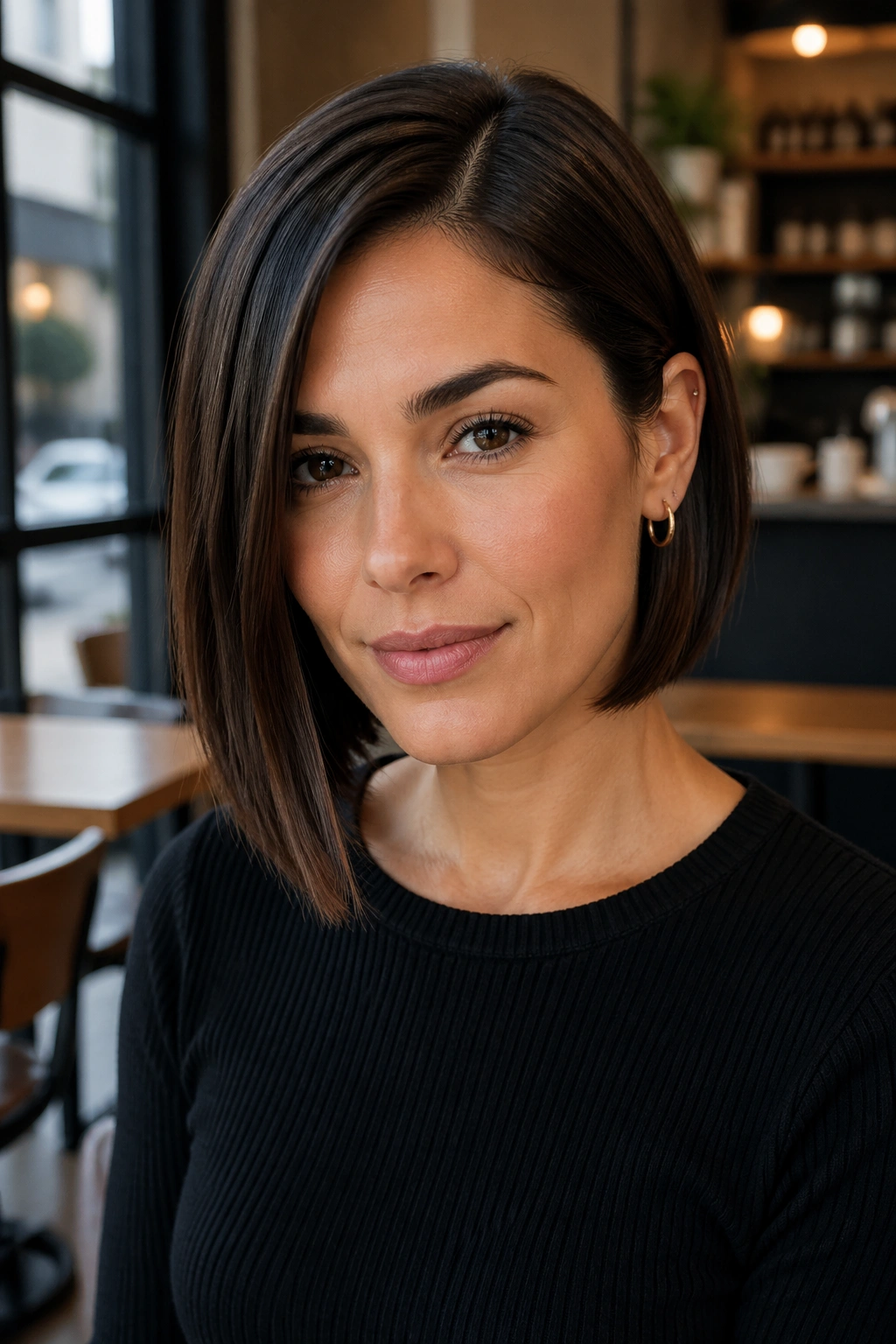
Side parts save bobs more often than people admit. A sleek side-part bob can look crisp on day one and still make sense once it’s a little longer and less exact.
The asymmetry helps hide the early stages of grow-out. One side falls forward, the other sits a touch farther back, and that difference keeps the haircut from looking too symmetrical as the perimeter softens. It also gives you a built-in styling trick. Tuck one side. Leave the other loose. Done.
I like this cut on straight hair, especially if you want something polished but not severe. The side part adds movement without needing actual layers. That matters because too much layering can make the cut lose its edge before you’re ready.
Why it’s underrated
People often think sleek bobs only work when they’re freshly cut. Not true. A little extra length can make the side part look even better, because the front pieces sweep more cleanly across the face.
- Great for office wear and dressy settings
- Works well with a flat iron or blowout brush
- Good if you like one side tucked behind the ear
- Best when the ends stay blunt or only slightly beveled
If your hair is fine, keep the roots lifted with a little mousse and a blow-dry at the crown. If it’s thick, a smoothing cream helps the cut stay sleek instead of puffing outward.
The side part gives this bob a kind of quiet flexibility. That’s why it ages well.
13. The Graduated Bob
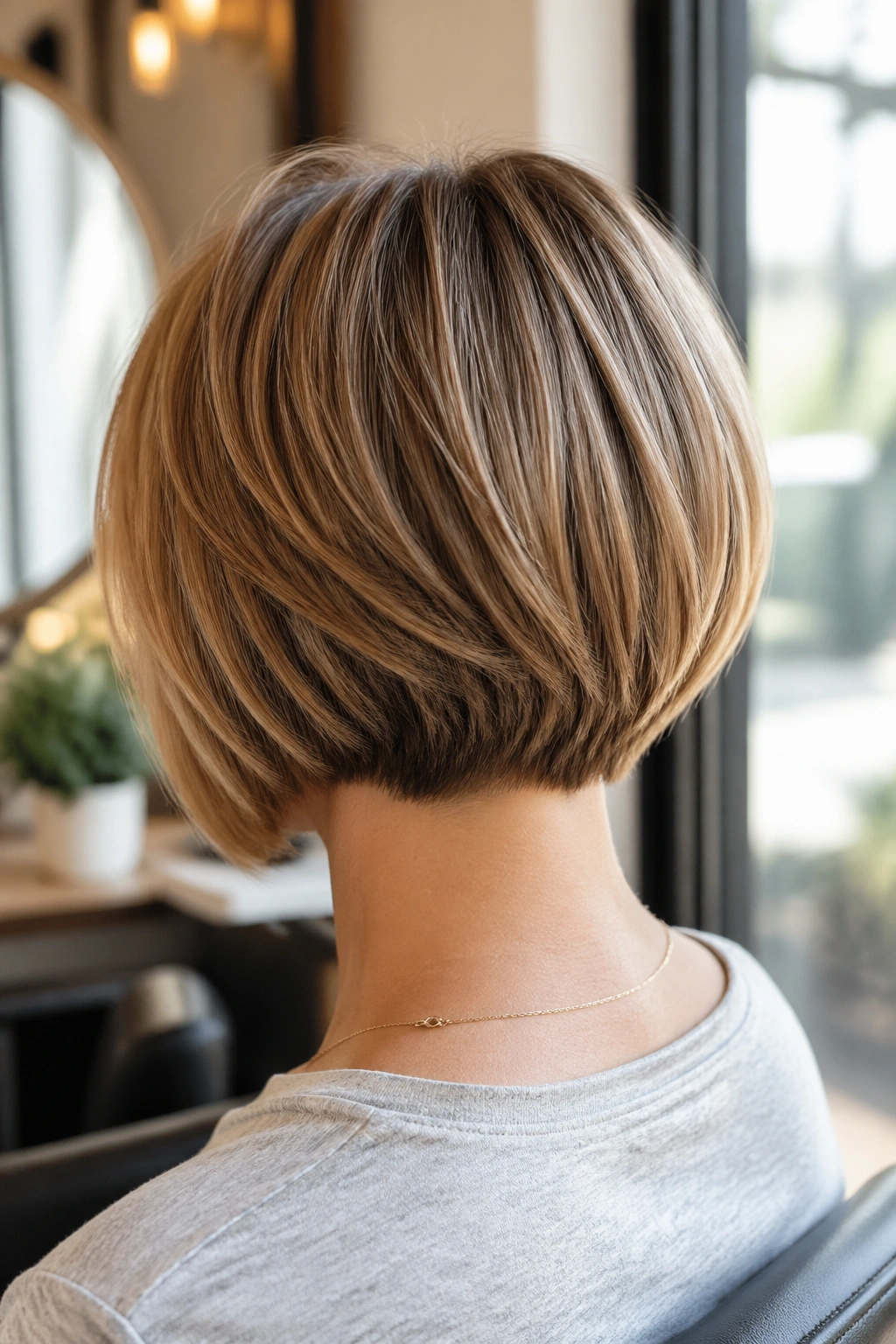
Picture a neckline that stays neat while the top softens a bit. That’s the appeal of a graduated bob.
It’s closely related to the inverted bob, but the graduation is usually more blended and less dramatic. The back is built to sit slightly stacked, so the cut has lift at the nape and a rounded shape through the head. As it grows, that structure eases into a softer contour instead of collapsing into a flat lump.
This cut is especially useful for people with thinner hair who want the illusion of fullness. The graduation adds body in the back without needing a lot of styling. Even after some grow-out, the cut still holds enough shape to look intentional.
How to ask for it
Ask for subtle graduation at the back, not a tight wedge. A good stylist will know the difference, but I always say it out loud because it matters. Too much stacking makes the grow-out feel stiff. A softer build gives you room.
The graduated bob is nice if you want a tidy look that does not require perfect hair every morning. A quick blow-dry at the roots can be enough. If you wear it straight, the shape looks clean. If you add a wave, the layers still support the movement.
It’s a little more structured than a shaggy bob and less severe than a box bob. That middle ground is exactly why it lasts.
14. The Curly Bob
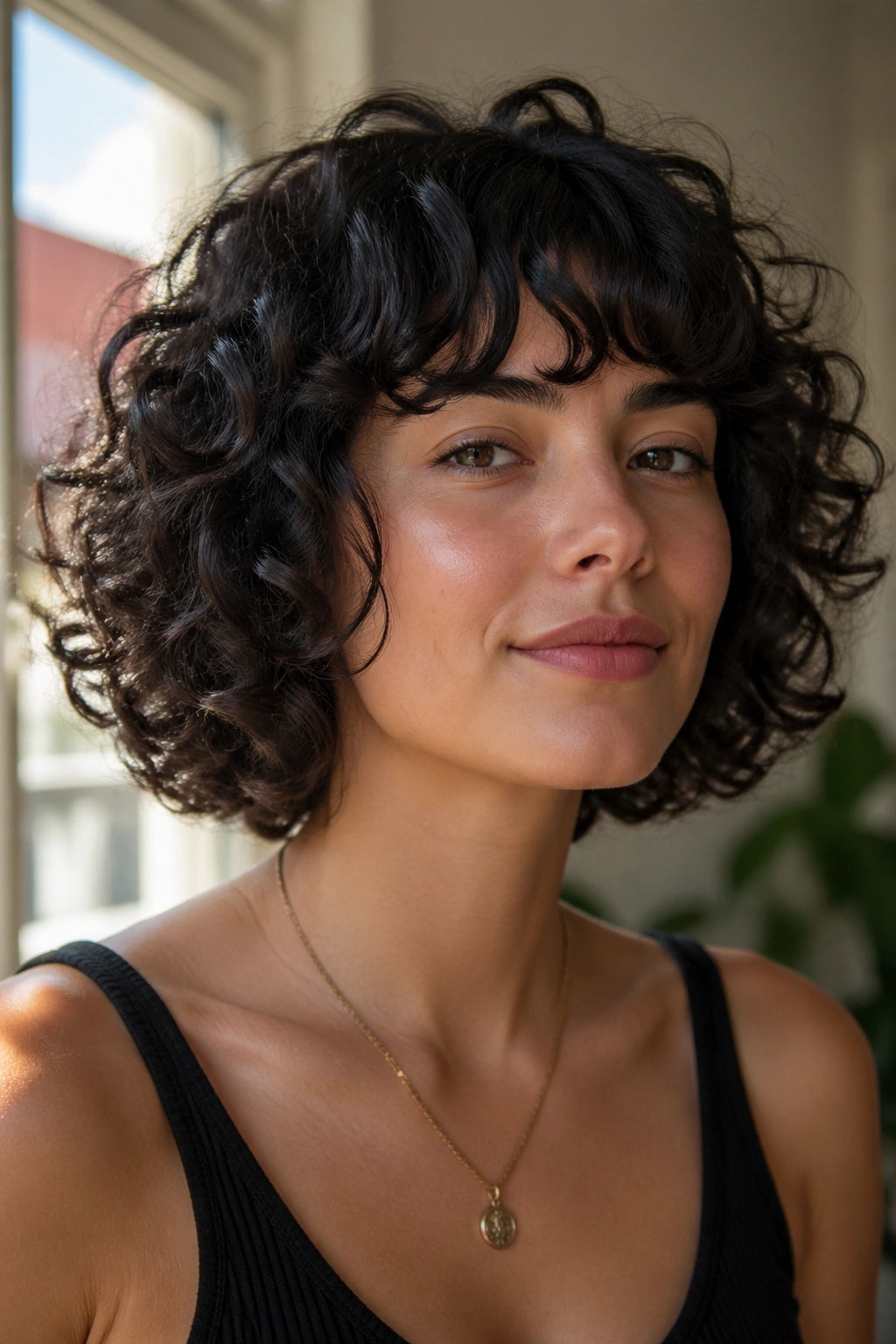
Curly hair changes the whole grow-out conversation. A bob on curls can look the same length for longer, and that alone makes it easier to wear between trims.
The main thing is shape. Curly bobs should be cut with the curl pattern in mind, usually dry or close to dry, so the stylist can see where each curl sits. If they cut it too short while wet, the shrinkage can turn a neat bob into a surprise triangle. Nobody wants that.
A good curly bob has layers that support the curl without stripping out too much weight. That keeps the shape from ballooning. It also gives the grow-out a softer transition, because curls fill space differently than straight hair. A few extra inches often show up as more volume, not just more length.
What helps most
Use curl cream or gel, depending on how much hold your hair likes. Then diffuse on low heat or air-dry without touching it too much. The less you rough it up while drying, the cleaner the shape usually looks.
- Best with dry cutting or curl-by-curl shaping
- Needs layers matched to the curl pattern
- Often looks fuller, not messier, as it grows
- Great if you do not want to fight your hair every morning
A curly bob is one of the most forgiving grow-out cuts on this list, but only if the shape is right from the start. Bad scissor work shows fast. Good shape lasts.
15. The Undone Collarbone Bob
A bob does not need to stay short to read as a bob. The undone collarbone bob proves that point every time.
This is the cut I’d hand to someone who wants freedom more than precision. It sits at or just below the collarbone, often with soft ends and a little face framing. Fresh, it feels relaxed. Grown out, it feels even better. It slides into that middle zone where the haircut still looks intentional, but you’re not worried about every inch.
The reason it works is simple. The length is generous enough to survive the grow-out, but not so long that it loses the bob idea. You can wear it straight, tucked, waved, clipped, half-up, or air-dried after a quick rough towel dry. That range is what keeps it useful.
Why it’s the easiest long-term choice
If you know you hate constant salon visits, this is the safest bet on the list. It can go longer between trims than a jaw-length bob, and it still keeps some shape when it starts to drift. The ends should stay soft rather than wispy, which helps the haircut hold its line.
Use a middle part if you want a calm, even look. Shift it to one side if you want movement. A flat iron bend through the bottom two inches can make it look intentional fast, even on a day when your hair is not cooperating.
This is the bob for people who want to keep the spirit of a short cut without living in the salon chair. That’s not laziness. That’s sanity.
