



A bob only looks dated when the line gets lazy. Keep the edge clean, and the whole haircut snaps back into place fast.
That’s part of why turn-of-the-millennium bob cuts keep resurfacing. They solve a very ordinary hair problem: you want shape, movement, and a little polish, but you do not want to spend half the morning wrestling with a round brush and three different products. A good bob does the heavy lifting for you. A bad one sits there like a box.
The best versions from that era were never one-note anyway. Some were blunt and sharp. Some leaned side-part and soft. Some flipped under at the ends, which sounds nostalgic until you remember how useful that shape is when your hair needs a tidy finish. The comeback makes sense because these cuts work on straight hair, wavy hair, thick hair, fine hair — almost always with a small adjustment in length or weight.
And the trick is in the details. A bob that sits just below the jaw behaves differently from one that hits the collarbone. A hidden layer changes how it falls. A deep side part changes how the crown lifts. Those little things are the difference between “cute haircut” and “why does this look so good on her?”
1. The Blunt Chin-Length Bob
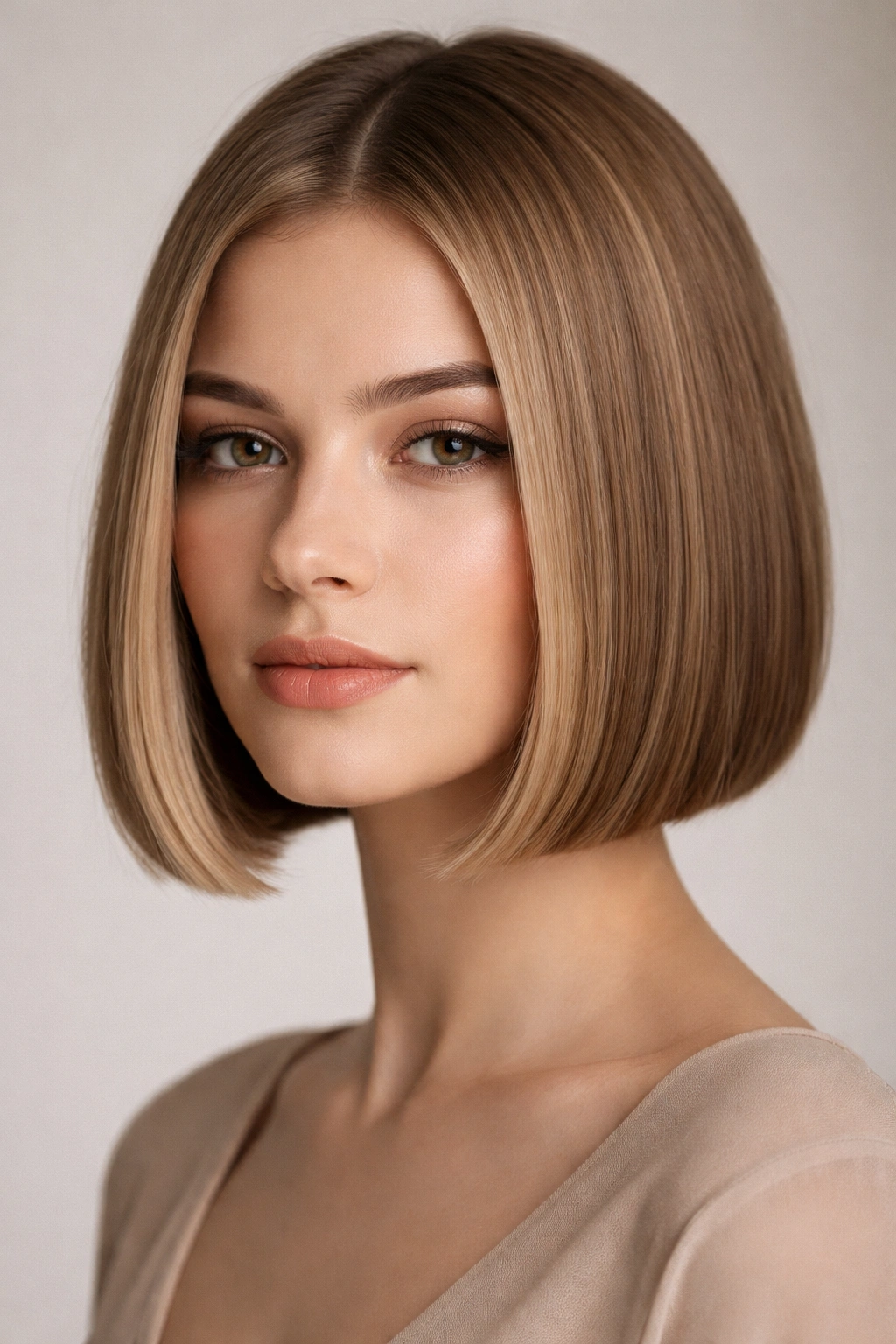
The blunt chin-length bob is the one that proves a haircut does not need a lot of moving parts to look sharp. One clean line, one neat perimeter, and suddenly the whole face looks more intentional. It has that old-school millennial energy, but when the edges are crisp and the ends are full, it reads as current rather than nostalgic.
What makes it work is the weight. A blunt bob keeps the bottom dense, so hair looks thicker at the ends instead of wispy or over-layered. That is a gift if your hair is fine or medium and tends to lose shape by lunchtime. It also gives straight hair a clean frame around the jaw, which is a nice place for the cut to sit because it draws attention upward without screaming for it.
The blunt version is not about being severe. The best one has a tiny bit of bevel at the ends so it does not look pasted on. Ask for a line that skims the jaw or lands a hair below it, then keep the interior fairly clean. If you want this cut to feel expensive, the ends need to be dense.
Wear it with a center part for a sleeker look, or tuck one side behind the ear for a slightly softer finish. Either way, a blunt bob wants regular trims. Stretch it too far and the whole point disappears.
2. The Deep Side-Part Bob
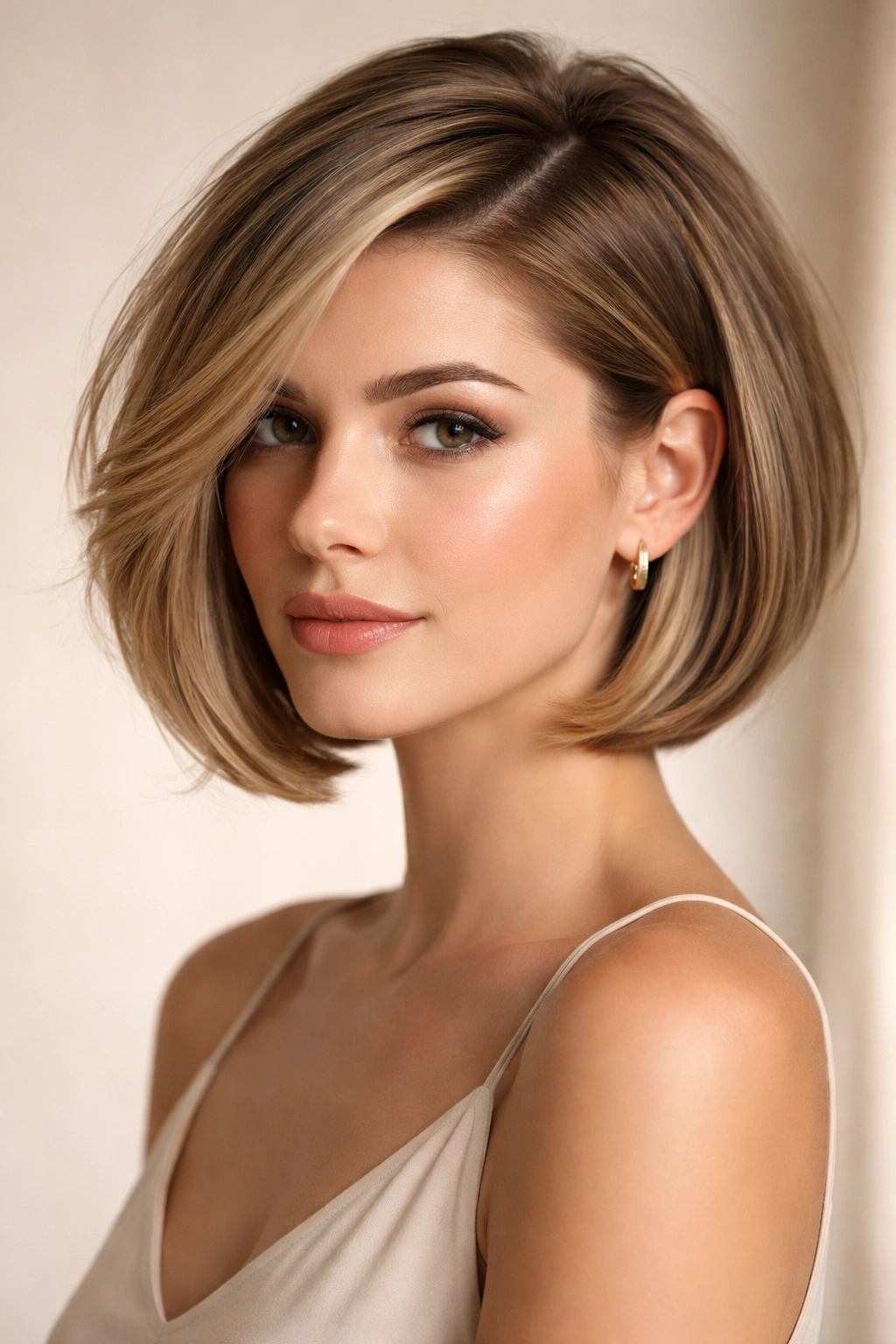
Why does a deep side-part bob still look fresh when the haircut itself is so simple? Because the part does half the styling for you.
A deep side part adds lift at the crown and a little sweep across the forehead, which changes the whole mood of the cut. Instead of reading flat or strict, the bob suddenly has a bit of drama. Not the loud kind. More the sort that makes a haircut look awake before you even reach for a blow dryer.
This is one of the easiest comeback bobs to wear if your hair is fine or naturally flat at the roots. The asymmetry creates volume where you need it most, especially if the hair is clipped away from the heavier side while it cools. It also softens sharp jawlines and gives rounder faces a longer visual line, which is why stylists keep coming back to it even when trends swing in other directions.
How to wear it
The best way to set a deep side part is on damp hair. Shift the part, blow-dry the roots in the opposite direction for a minute, then flip everything back and smooth it down. That tiny trick gives the crown lift without needing a ton of product.
A light mousse at the roots helps, but keep the rest clean. Too much cream or oil and the side sweep collapses by noon. If you want movement, keep the ends loose and slightly bent under, not pin-straight to the head.
3. The Stacked Inverted Bob
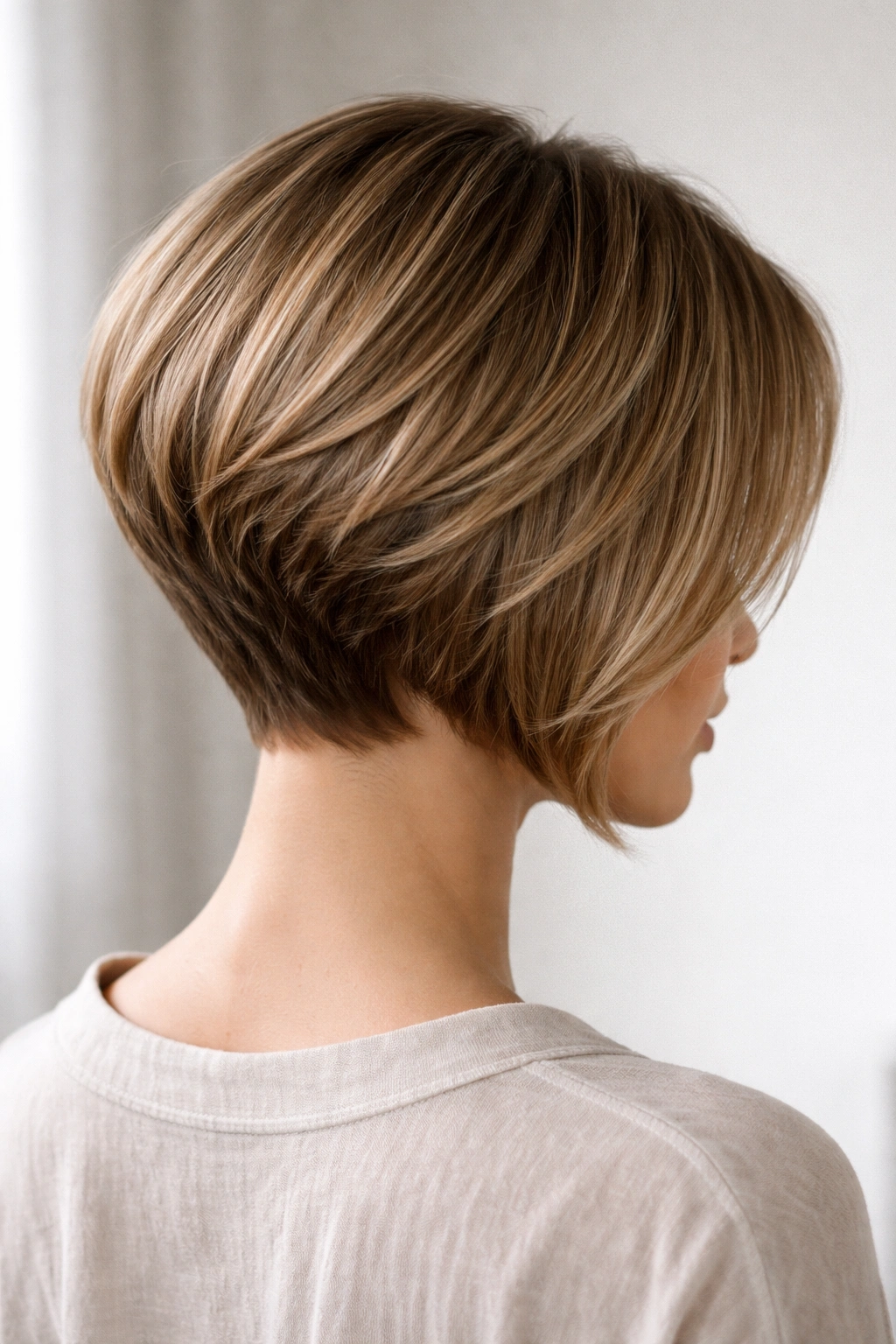
You can spot a stacked inverted bob from across a room. The back sits shorter and higher, the front stretches forward, and the whole shape gives the neck a clean, lifted look.
This cut makes a lot of sense for thick or dense hair, because it removes bulk where hair tends to puff out at the nape. The stacking at the back gives natural volume without relying on teasing or heavy styling. That matters. A lot of layered haircuts look good only after a blowout. A stacked bob keeps its shape even on an average day.
Think of the classic salon moment: someone turns their head and the cut moves with them instead of flopping. That’s the appeal. The angle creates built-in structure, which is why the style keeps coming back whenever people want a bob that feels a little more architectural than the blunt version.
- Ask for a graduated nape so the back lies neatly.
- Keep the front angle soft if you do not want it to feel severe.
- Use a round brush or velcro roller at the crown for extra lift.
- Trim every 6 to 8 weeks if you want the stacked shape to stay obvious.
- Skip this cut if you hate maintenance. It grows out oddly.
The stacked bob works best when the back is clean and the front is not over-textured. That balance keeps it modern instead of fussy.
4. The Flipped-Under Bob
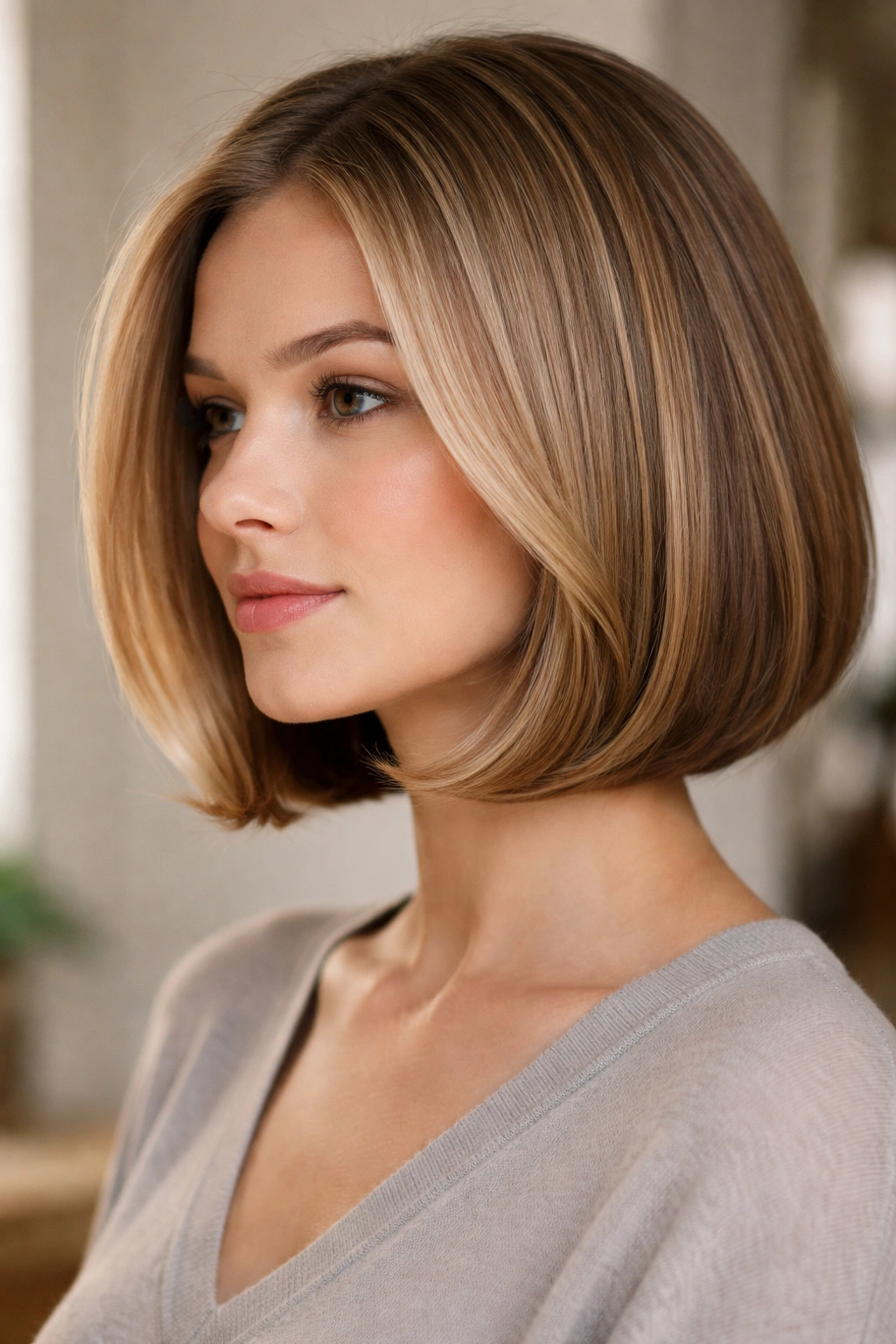
The ends turned in. That little bend is doing more work than it looks like.
A flipped-under bob has an almost nostalgic charm, but it is not just about memory. The inward curve makes the haircut feel finished, which is useful if your hair tends to stick out at the corners or fray at the ends. It also gives straight or slightly wavy hair a neater outline without making the whole style stiff.
This version of the bob has survived because it is practical. You can air-dry it and get a soft bend, or give it a quick round-brush pass and walk out the door. The shape frames the chin and jaw in a tidy way, and it often looks better the second day because the bend relaxes a little. That softness matters. A hard flip under can feel costume-like, while a loose curve feels lived-in.
The important part is not overworking the ends. If you tuck them too aggressively with a brush, the hair can start to look helmeted. Better to use medium tension, a blow dryer pointed downward, and a round brush that is no larger than 1.5 to 2 inches. The hair should curve, not curl.
If you ever wore this cut and remember it looking too polished, that was probably the problem. Keep it loose. Keep it moving. The shape does the rest.
5. The Layered Collarbone Bob
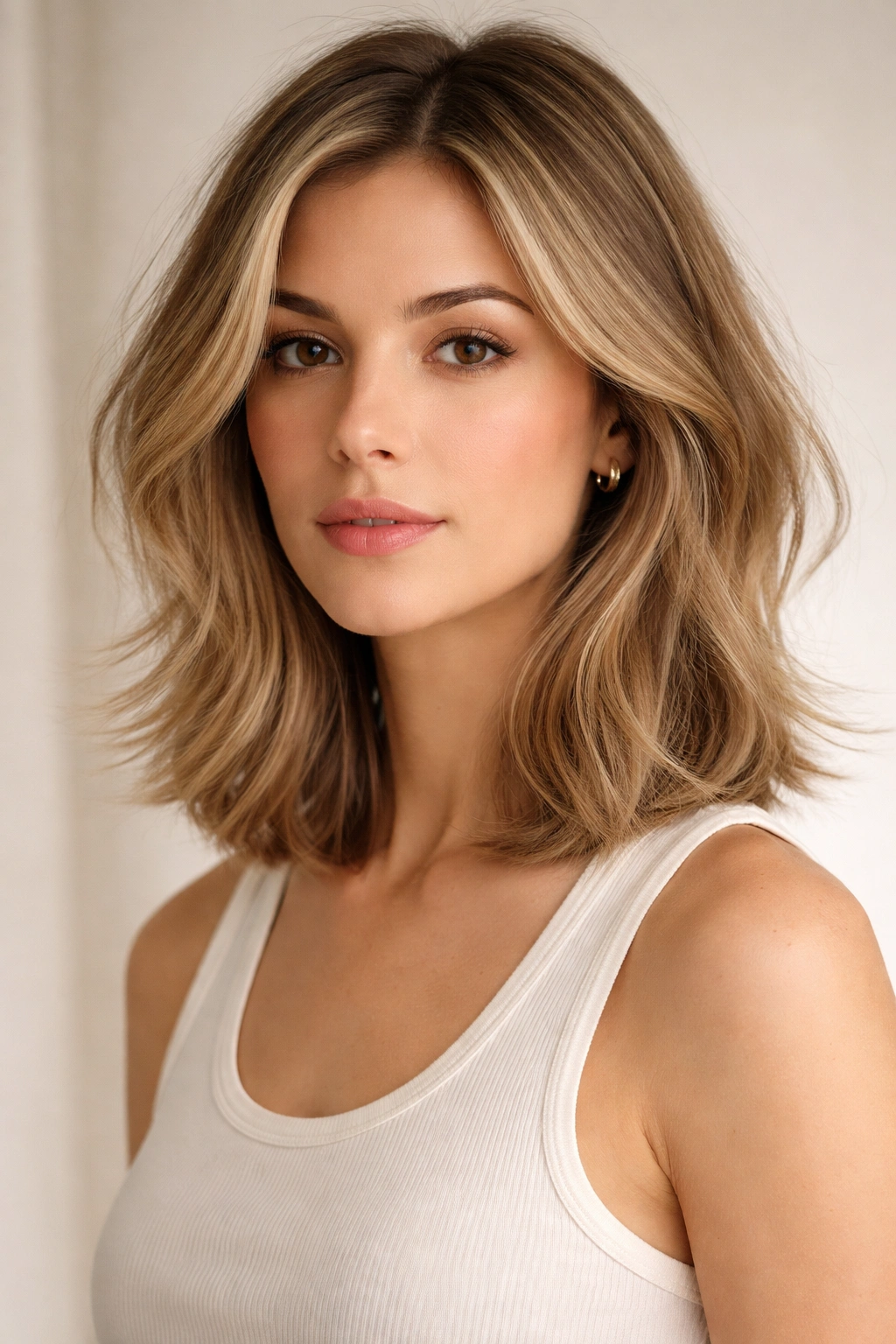
Unlike the blunt chin-length bob, the layered collarbone bob gives hair room to move. That is the whole point.
This cut lands a little longer, usually around the collarbone or just above it, which makes it easier to grow out and easier to tie back on a busy day. The layers keep it from falling flat, and that makes it a favorite for wavy hair, thick hair, or anyone who wants a bob shape without the sharp perimeter. It still reads as a bob. It just breathes more.
The comeback appeal here is pretty obvious once you see it on real hair. A blunt cut can be beautiful, but it can also be unforgiving if your hair sheds volume quickly. Layers around the lower half create movement near the shoulders and a softer edge at the front, which is especially useful if you wear your hair down most of the time. The cut does not need perfect styling to look intentional.
It’s also the more forgiving choice if you are nervous about a dramatic chop. You get the silhouette of a bob, the ease of a shoulder-adjacent length, and less anxiety when it grows out. That’s a decent deal.
If you want this one to stay clean, keep the layers long and avoid piling too much texture near the crown. A few face-framing pieces are enough. More than that, and the shape starts drifting into shag territory.
6. The Micro Bob
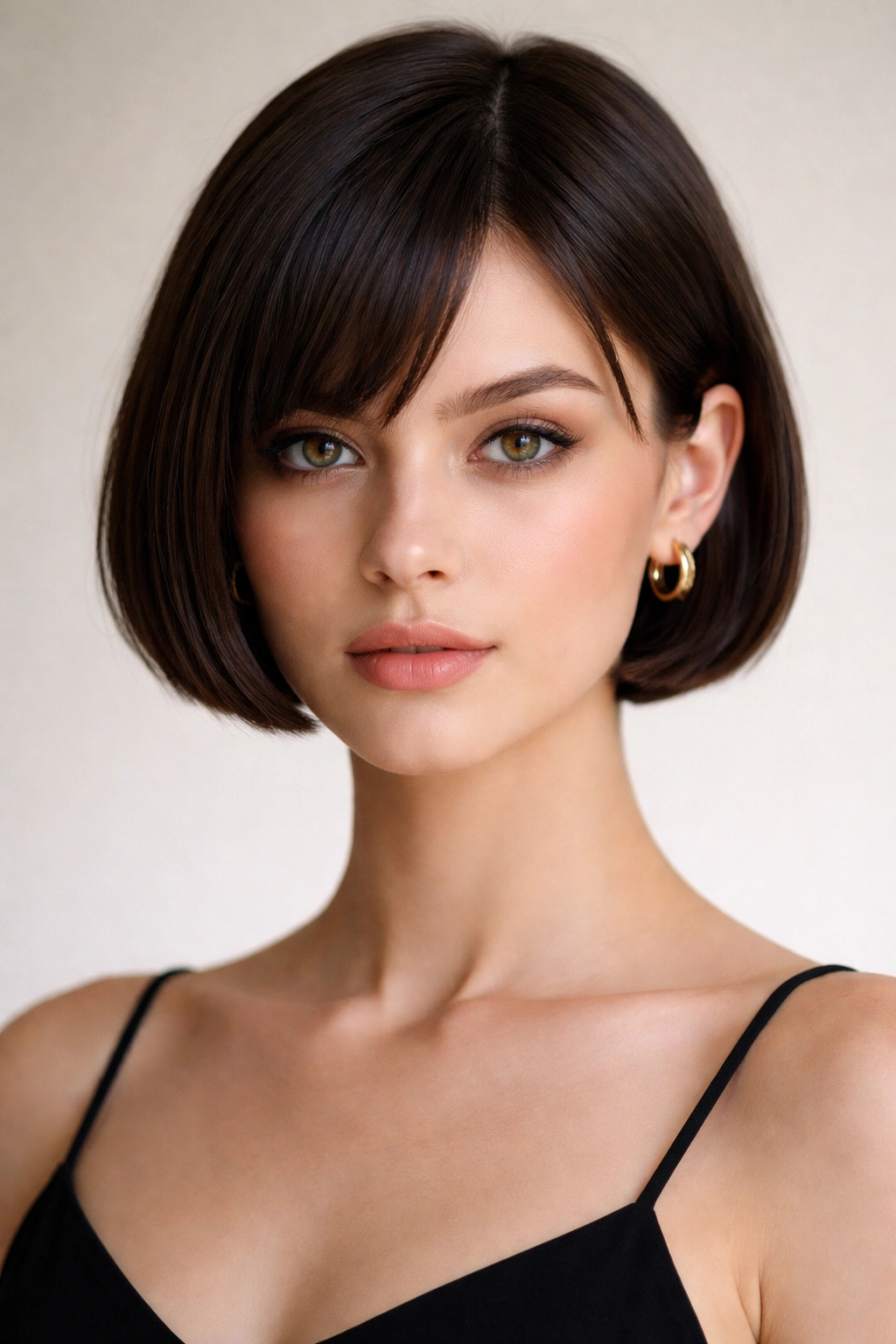
A micro bob sits right at the edge of confidence. Short, precise, and a little cheeky.
This is the comeback cut for people who like their hair to make a point. It usually lands somewhere between the earlobe and the jawline, and the shorter length gives the face a very open frame. If the blunt bob is neat and the collarbone bob is relaxed, the micro bob is brisk. It gets in, shows the line, and leaves.
What makes it feel fresh again
The reason this cut keeps reappearing is simple: it looks intentional even when the styling is minimal. A narrow face, a strong cheekbone, or a clean neck line gets a lot of attention with this length. It can also make fine hair look denser because the ends are cut before they have a chance to thin out and fray.
The downside is obvious. It grows out fast, and the line loses its punch quickly. So if you hate trims, this is not your haircut. If you like tidy shapes and do not mind seeing your stylist often, it can be a very satisfying cut to wear.
- Best on hair that lies fairly smooth.
- Usually looks strongest with a center part or slight side part.
- Needs a tidy neckline and regular cleanups.
- Works well with ear tucks and small earrings.
- Be careful with too much texture; it can make the cut look uneven.
The shorter the bob, the more honest the shape has to be. There is nowhere to hide a crooked line.
7. The Asymmetrical Bob
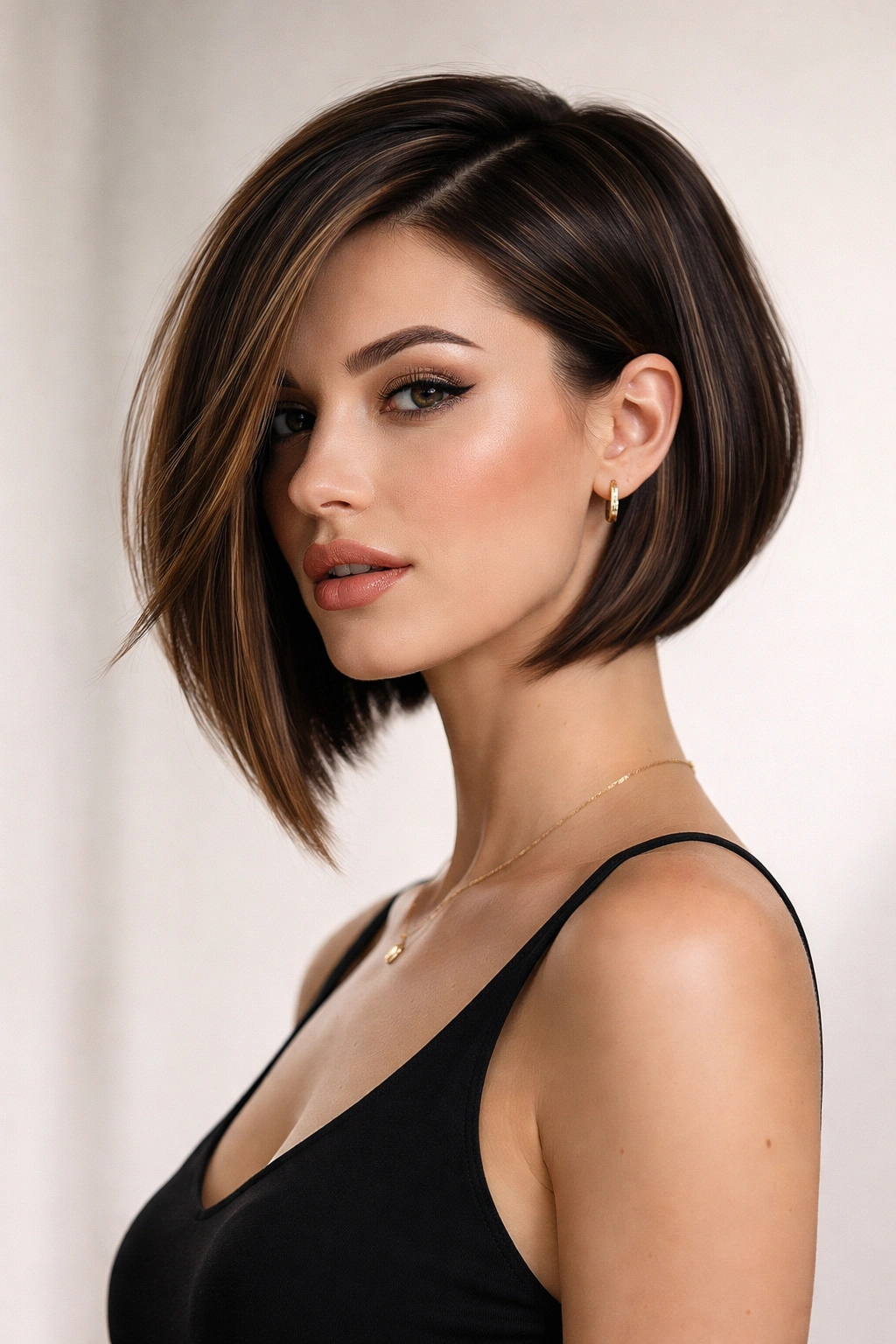
One side longer than the other sounds like a small detail. It changes everything.
An asymmetrical bob gives a classic cut a sharper angle without going full avant-garde. That is why it comes back so often. You get the clean base of a bob, then one side shifts just enough to make people look twice. The difference can be subtle — half an inch to an inch — or it can be more obvious. Either way, the cut gets a bit of motion built right into the perimeter.
This style works best when the angle is deliberate, not awkward. The longer side should feel like it belongs there, not like the haircut was grown out by accident. That usually means keeping the shorter side close to the jaw and letting the longer side fall toward the collarbone. The contrast draws the eye down the line of the face, which can be flattering on rounder faces and interesting on square ones.
It is also one of the better choices if you want a bob that does not look too sweet. There is a slight edge to it. Not a harsh one. Just enough to keep the haircut from feeling predictable.
If your hair is very curly, the asymmetry can get lost unless the cut is tailored carefully. Straight or softly wavy hair shows the shape most clearly. And if you wear glasses, this bob has a nice way of framing the frame, which sounds fussy but actually matters more than people admit.
8. The Curved Bob With Face-Framing Pieces
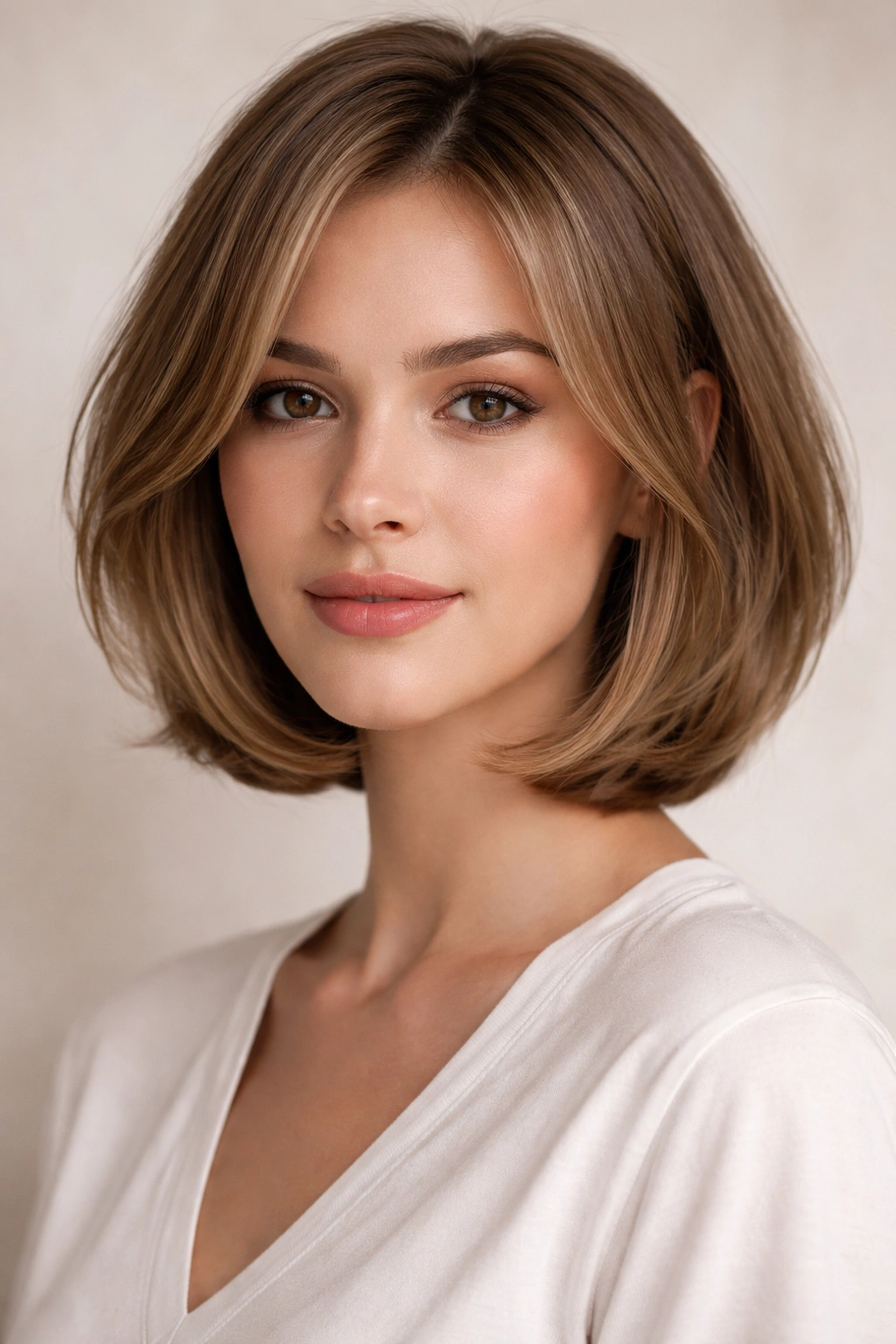
Can a bob feel soft and precise at the same time? Yes, if the curve is handled well.
The curved bob hugs the head a little more than a blunt cut, then bends gently under at the ends. Add a few face-framing pieces around the cheekbones or chin, and the whole haircut gets a smoother outline. It is a quiet style, but not a boring one. The curve keeps it from going boxy, and the front pieces keep it from feeling too fixed in place.
This cut is especially useful if you like a bob but want something that sits nicely around the face rather than cutting straight across it. The framing pieces can start near the lips, chin, or just below the cheekbone, depending on what you want to emphasize. Shorter face layers give more lift. Longer ones are softer and easier to grow out.
How to ask for it
Tell your stylist you want a bob that curves in at the ends with pieces that open around the face. If the phrase “face-framing” gets thrown around too casually, be specific. Ask where the shortest front pieces should land when your hair is dry and moving naturally. That detail matters more than the buzzwords.
Keep the top smooth and the ends bent slightly inward. A medium round brush and a little tension are enough. The goal is shape, not curl. If the curve gets too round, the cut starts to look dated in a hurry.
9. The Shaggy Choppy Bob
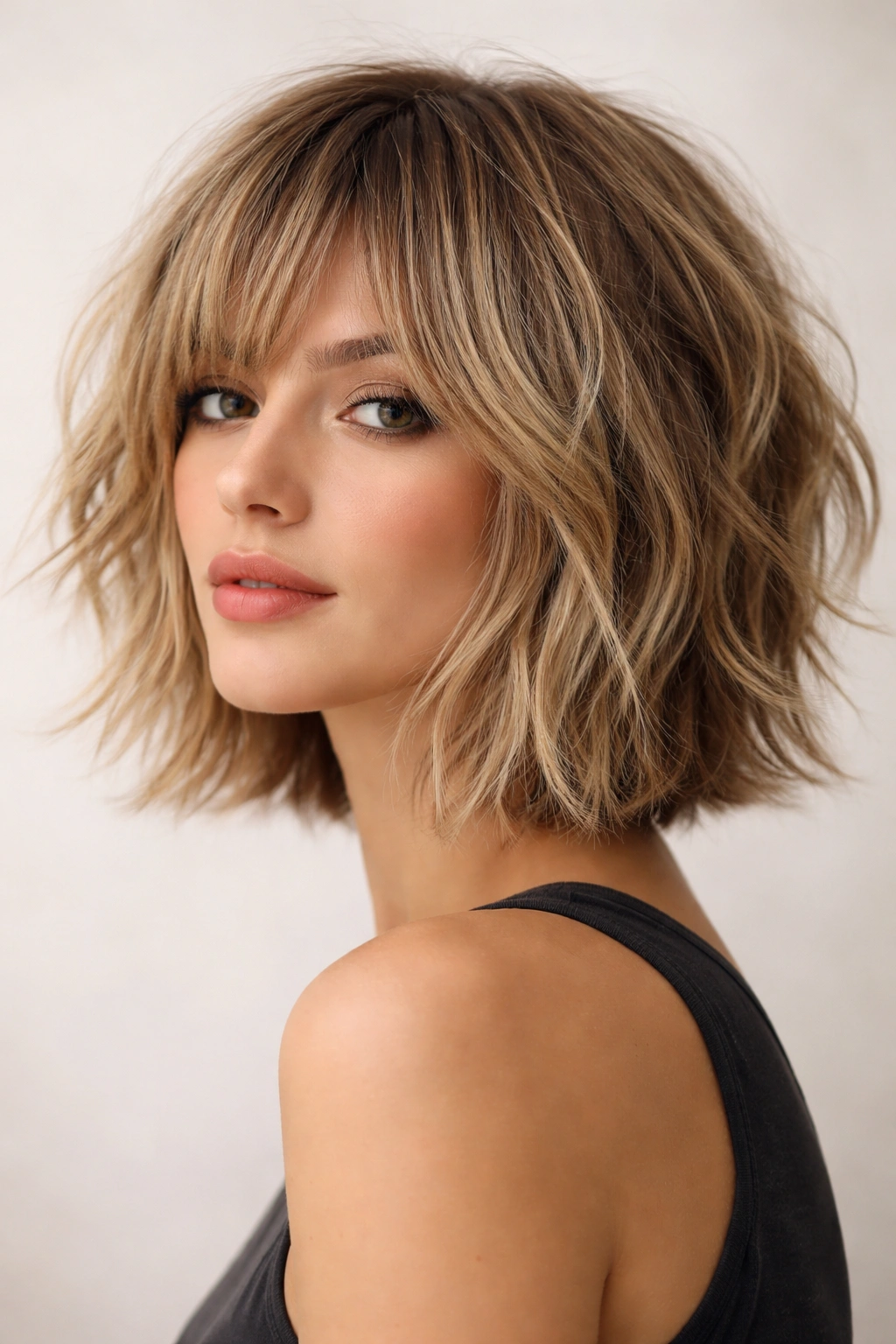
Thick hair loves this cut. Straight hair can wear it too, but it needs a little more help.
A shaggy choppy bob is the relaxed cousin in the family. Instead of a clean, solid line, it uses internal layers and broken-up ends to make the haircut feel piecey and light. That texture is exactly why it has come back. People are tired of haircuts that only look good in a mirror. This one looks better when it moves, and it still has enough shape to feel deliberate.
The best versions are not heavily thinned out. That is where many people go wrong. Too many short layers and the bob loses its body. You end up with frizz at the top and scraps at the bottom, which is not the same thing at all. A good choppy bob keeps the perimeter visible while roughing up the inside just enough to create separation.
It also plays well with natural wave. A little salt spray, a quick scrunch, maybe a diffuser if you have one. Nothing dramatic. The uneven ends catch the texture and make the haircut feel easy in a way that polished bobs sometimes do not.
For thicker hair, this cut can remove bulk without making the ends vanish. For finer hair, it needs restraint. Ask for softness, not a heavy chop. There is a difference, and it shows.
10. The Glass-Straight Bob
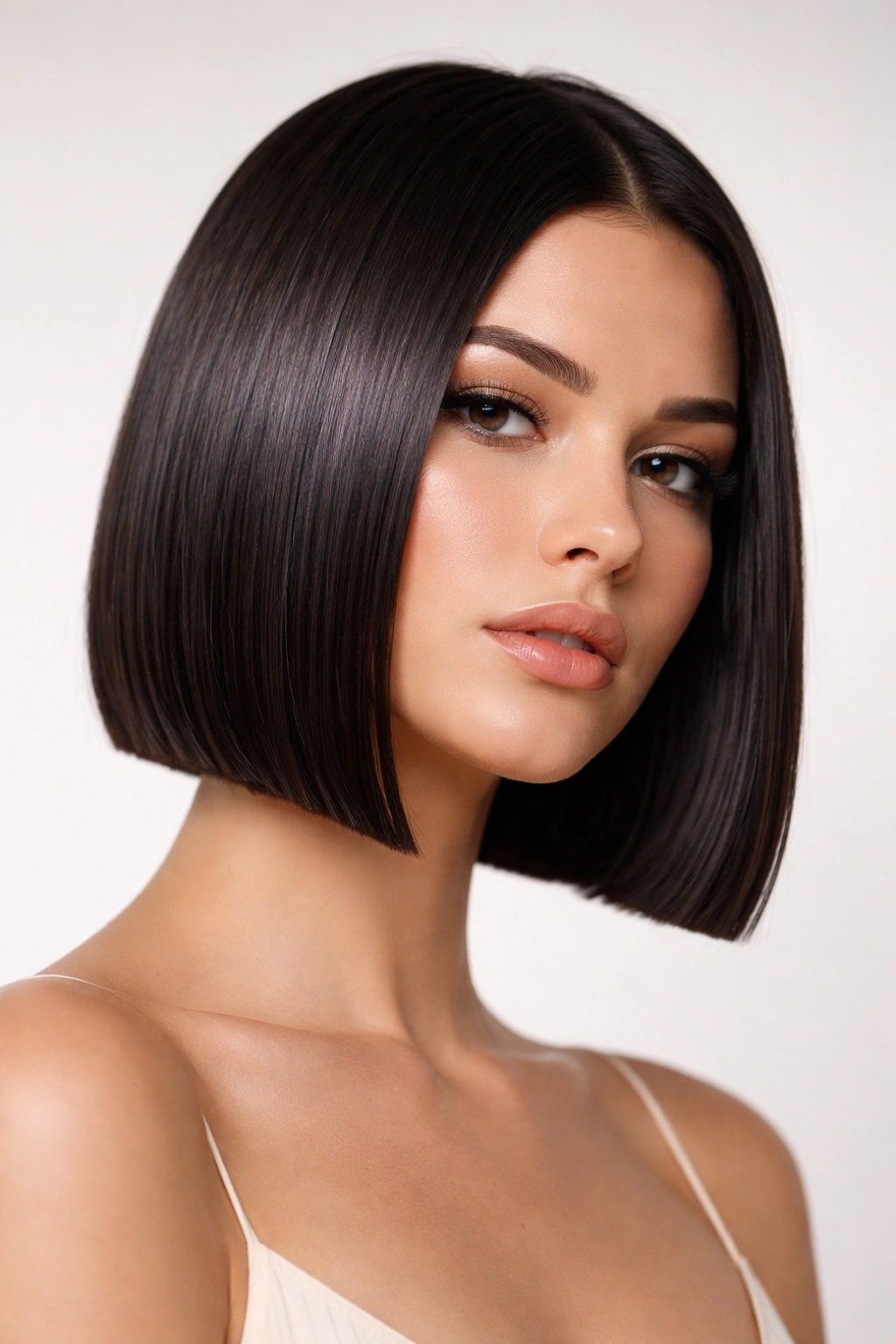
A glass-straight bob is not shy. It wants a clean part, a smooth surface, and ends that sit like they mean it.
This cut is the sleekest version of the bunch, and it has a very specific appeal: it turns shine into shape. The hair lies flat and reflective, the line is crisp, and the finish feels almost tailored. It is a favorite comeback style because it looks sharp without needing much decoration. A plain black tee and a good bob can do a lot.
The cut itself has to be honest for this one to work. Split ends, jagged layers, or an uneven perimeter show immediately on smooth hair. That is the tradeoff. But when the shape is sound, the result looks neat in a way that never really goes out of style. The line should skim the jaw or sit just below it, and the ends should be dusted regularly so they stay blunt.
Heat styling matters here. A heat protectant spray, a paddle brush, and a flat iron set somewhere around 300°F to 350°F usually do the trick for most hair types. Use small sections and keep the iron moving. Too much heat in one spot leaves dents, and dents are brutal on this style.
A serum can help with flyaways, but keep it light. A glass bob should look smooth, not oily. The shine should come from the cut and the finish, not from a heavy coating on top.
11. The Rounded Beveled Bob
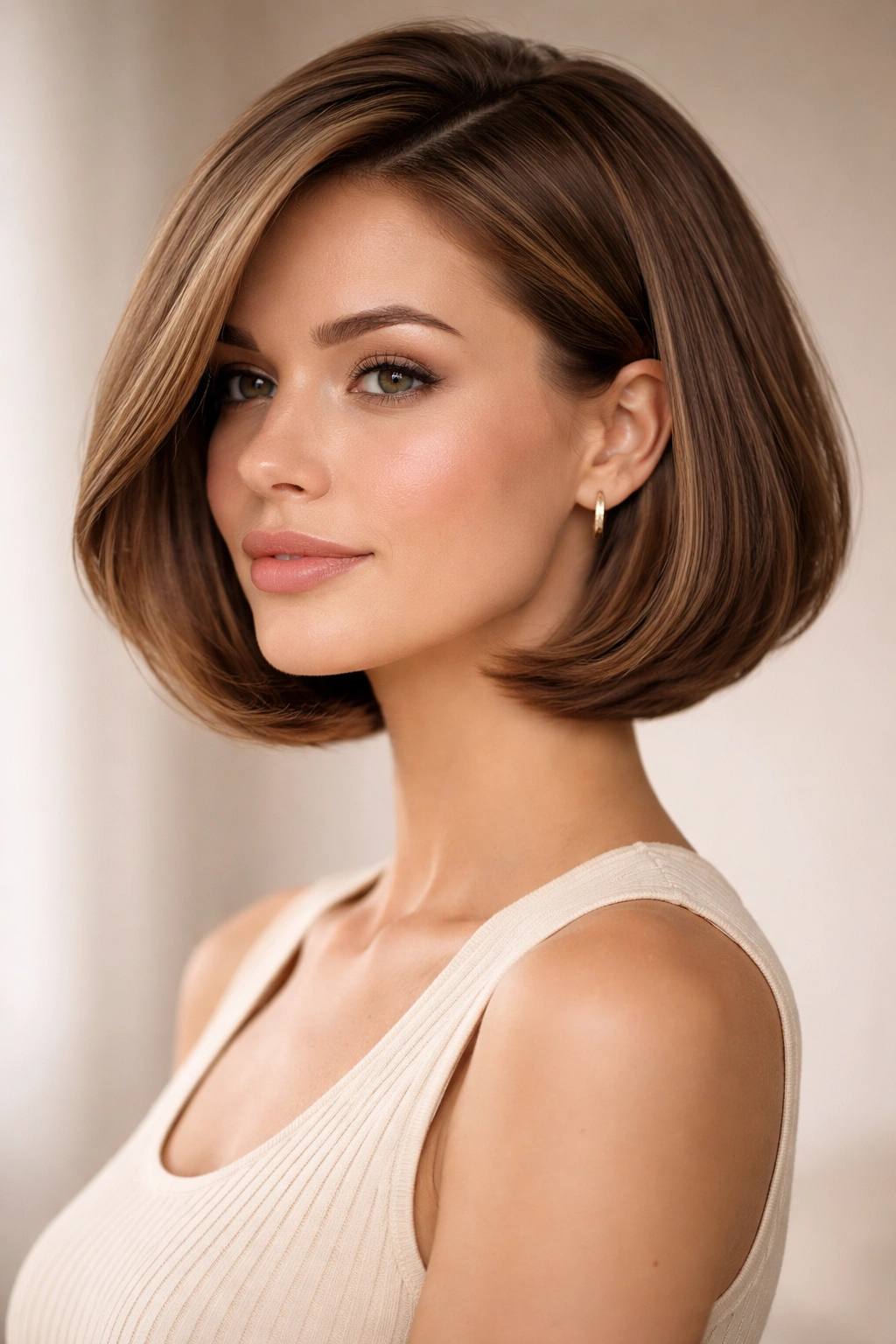
Unlike the sharper blunt versions, the rounded beveled bob gives you a softer outline with a little curve built into the ends. It feels tidy, but not stiff. That is why people keep coming back to it when they want a bob that behaves well in daily life.
The bevel happens when the ends are tucked under with a brush or styling tool so the haircut rounds gently around the jaw. It works especially well on fine to medium hair because the shape creates the illusion of fullness. The hair looks like it has a little more body at the bottom, which is useful when the ends tend to go limp by midafternoon.
I like this one for people who want polish without looking overstyled. It reads as neat on a workday and still looks soft enough for weekends. The curve also plays nicely with turtlenecks, earrings, and coats, which sounds like a small thing until you live in the haircut for a while. Then it matters.
The styling is straightforward. Use a round brush, keep the nozzle pointed down, and bend the ends under in one clean pass. Don’t overdo the finish. The curve should be visible, not curled. If you can see a hard roll at the bottom, you’ve gone too far.
This bob works best when the crown stays smooth and the lower half has the most shape. That’s what gives it the clean, rounded line people remember from the early-2000s, only a little softer now.
12. The Bob With Long Bangs and Tucked Ends
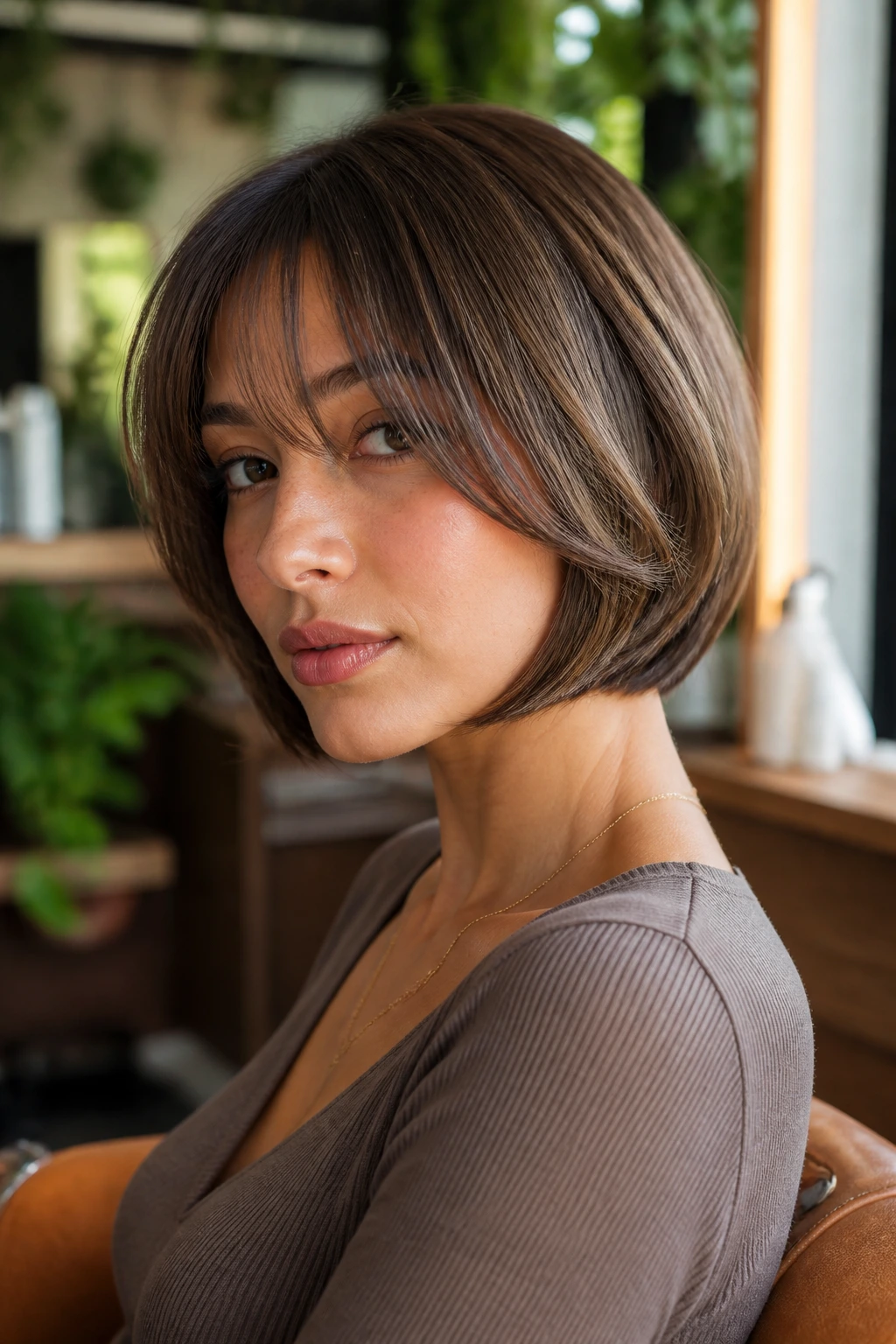
A bob with long bangs and tucked ends has a built-in escape hatch. If you want the shape of a bob but not the feeling of a rigid haircut, this is the one.
The long bangs soften the front, and the tucked ends make the whole style feel finished without pinning everything to the face. It is one of the easiest comeback versions to live with because it gives you options. Wear the bangs forward, sweep them to the side, or let them split naturally. Tuck one or both sides behind the ears, and the cut changes again. That flexibility is half the appeal.
This shape is especially kind to growing-out hair. If your bob is between lengths or you are trying to stretch time between trims, long fringe and slightly curved ends keep things looking deliberate. The bangs hide a little roughness at the front, while the tucked ends prevent the style from falling flat around the jaw.
A few things make this version work better than people expect:
- The bangs should sit long enough to blend, not hover awkwardly above the cheekbone.
- The ends need a slight bend so the tuck looks casual rather than forced.
- A light styling cream is usually enough; heavy product will separate the front pieces too much.
- It works well on straight, wavy, and slightly bent hair.
- It’s a good choice if you want a bob that can grow out for several months without looking sloppy.
There is a reason this shape keeps showing up again. It is friendly. Not precious, not fussy. Just a smart bob that knows how to soften itself when it needs to.
The comeback of these bob cuts is not about copying old photos. It is about taking the useful parts — the clean line, the easy movement, the face-framing shape — and wearing them in a way that suits real hair now. That part never gets old.
