



Fulani twists have become one of the most versatile and stunning protective styles available to anyone looking to celebrate textured hair while keeping it healthy and styled. These intricate braids, inspired by the Fula people of West Africa, blend cultural heritage with modern fashion in ways that feel both timeless and fresh. Whether you’re working with shoulder-length waves or waist-length curls, there’s a Fulani twist variation that’ll work perfectly for your hair and your lifestyle.
The beauty of this style is that it’s incredibly adaptable. You can wear it simple and elegant, dress it up with gold cuffs and jewels, or take it in bold directions with color, geometric patterns, or shaved sides. The twists themselves are intricate enough to look intentional and artful, yet simple enough that many people can maintain them on their own once they understand the technique. What makes Fulani twists so special is how they hug the scalp while still allowing movement and dimension—they’re protective without feeling heavy or restrictive.
If you’ve been hesitant about trying this style, or if you’ve worn it before but want fresh inspiration, these 12 variations cover everything from classic interpretations to modern reimaginings. Each style works with different hair lengths and textures, so you’ll find options whether you’re working with natural curls, relaxed hair, or anything in between. Let’s walk through the most beautiful Fulani twist styles worth trying.
1. Classic Fulani Braids
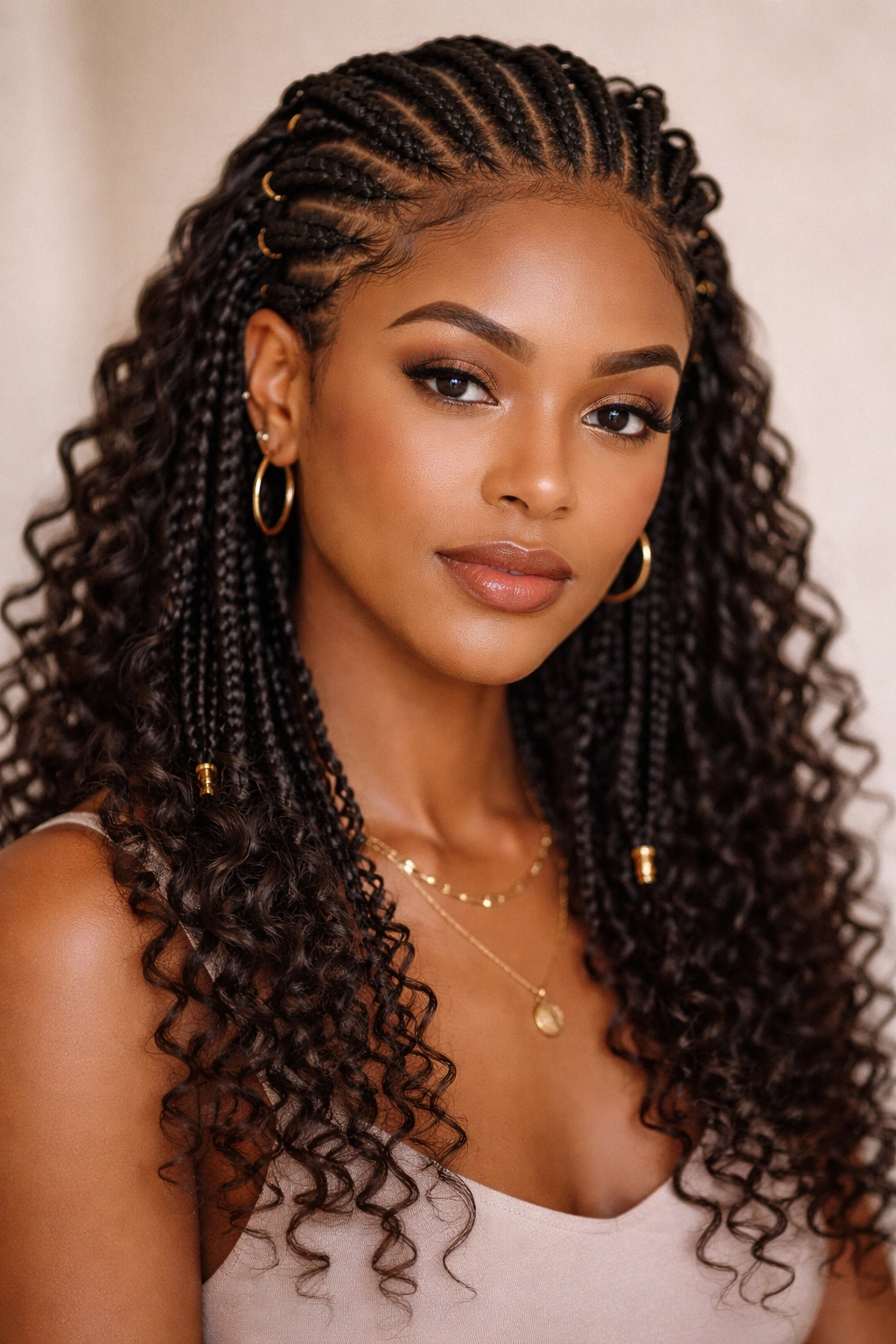
The original version of this style is still the most stunning—there’s a reason it’s endured for centuries. Classic Fulani braids start with thin, precise twists that begin at the hairline and travel back toward the crown, often meeting in the middle or traveling all the way to the back of the head. The twists are typically left loose at the ends, allowing your natural curls or textured hair to show through and create that signature voluminous look.
Why This Style Stands Out
What makes the classic version so iconic is its simplicity and elegance combined with serious visual impact. The thin twists frame your face beautifully while highlighting your facial features, and the loose curls at the ends add texture and movement. This style works for formal events just as easily as it works for casual daily wear—there’s a reason celebrities and style icons keep returning to it season after season. The twists themselves require precision but reward patience with a look that’s undeniably striking.
How to Wear It Long-Term
- Keep the twists in for 4 to 8 weeks depending on how tight they’re braided and how well you maintain them
- Refresh your edges every 2 to 3 weeks with a lightweight gel and a soft brush
- Wrap your twists gently in a silk or satin scarf each night to maintain moisture and prevent frizz
- Use a lightweight leave-in conditioner on the ends to keep loose curls soft and defined
- Avoid excessive manipulation of the twists themselves, which can weaken them
Pro tip: Sleep on a silk pillowcase or wear a bonnet specifically designed for braids and twists—this single change extends the life of your style by weeks while protecting both the twists and your hairline.
2. Fulani Twists with Gold Cuffs
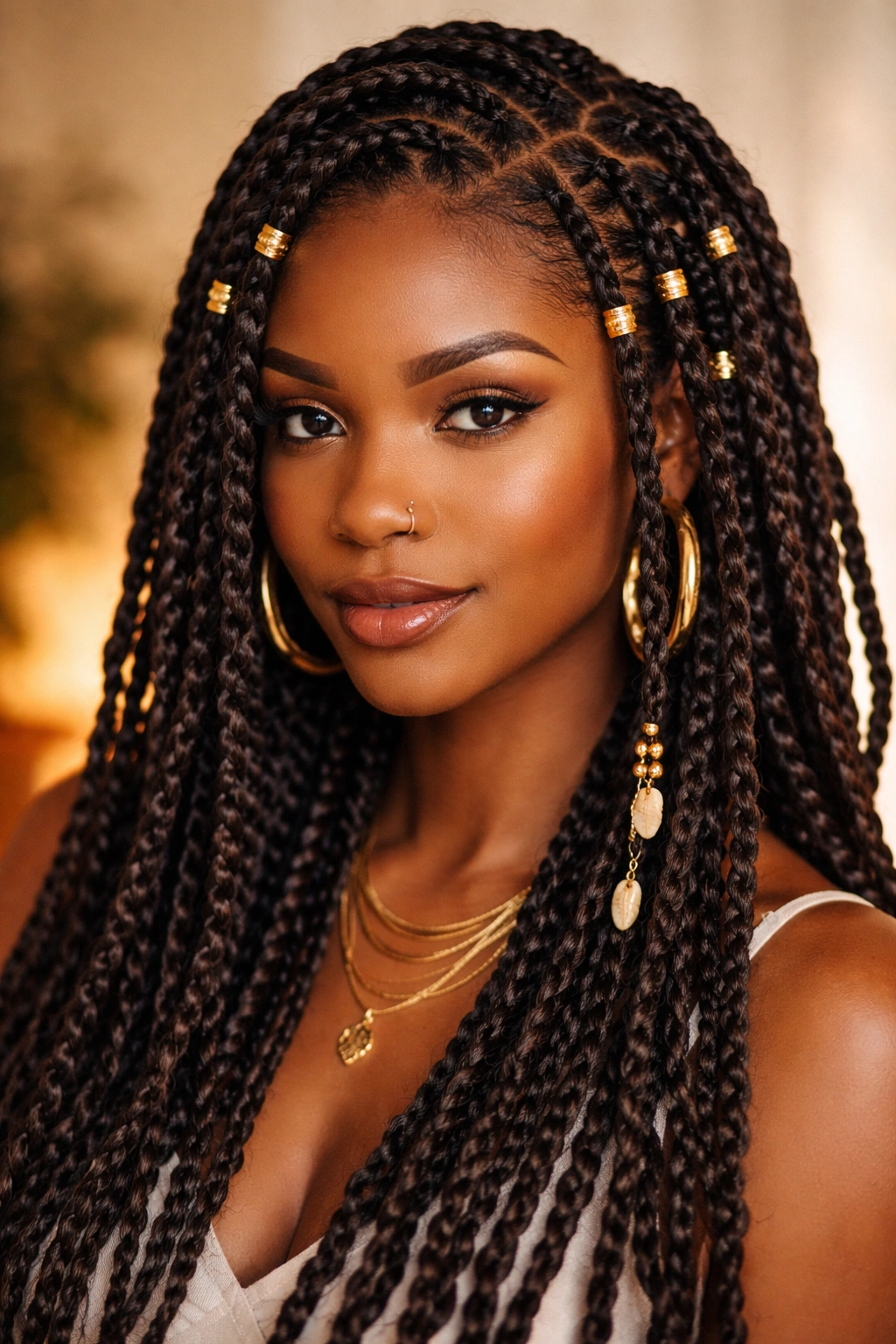
Adding metal cuffs transforms Fulani twists from everyday style into statement-making glamour. Gold cuffs slide onto individual twists, and they catch light beautifully, adding instant sophistication and visual interest. You can use just a few strategically placed cuffs near your face for subtle elegance, or go bolder with multiple cuffs throughout the style for a more dramatic, deliberate look.
What Makes Them Special
Gold cuffs aren’t just decoration—they’re part of a rich cultural tradition in West African styling. The way they sit on the twists adds dimension and creates the impression of more intricate braiding than might actually be there. The metal also reflects light in ways that draw eyes upward and brighten the whole look. Depending on the thickness and finish of your cuffs, they can look minimalist and modern or ornate and ceremonial.
Shopping and Styling Tips
- Buy adjustable cuffs that won’t slide off but also won’t damage your twists or break your hair
- Gold-tone metal works with every skin tone and complements textured hair beautifully
- Mix different sizes and thicknesses of cuffs for an intentional, curated look rather than all matching cuffs
- Place larger cuffs near the front where they’ll be most visible, and smaller ones toward the back
- If cuffs aren’t available in your size, consider using gold wire wrapped delicately around the twist for a similar effect
Worth knowing: Heavier cuffs can put strain on fine hair or thin twists, so pair sturdy metal cuffs with thick, sturdy twists to prevent breakage.
3. Fulani Twists with Beads
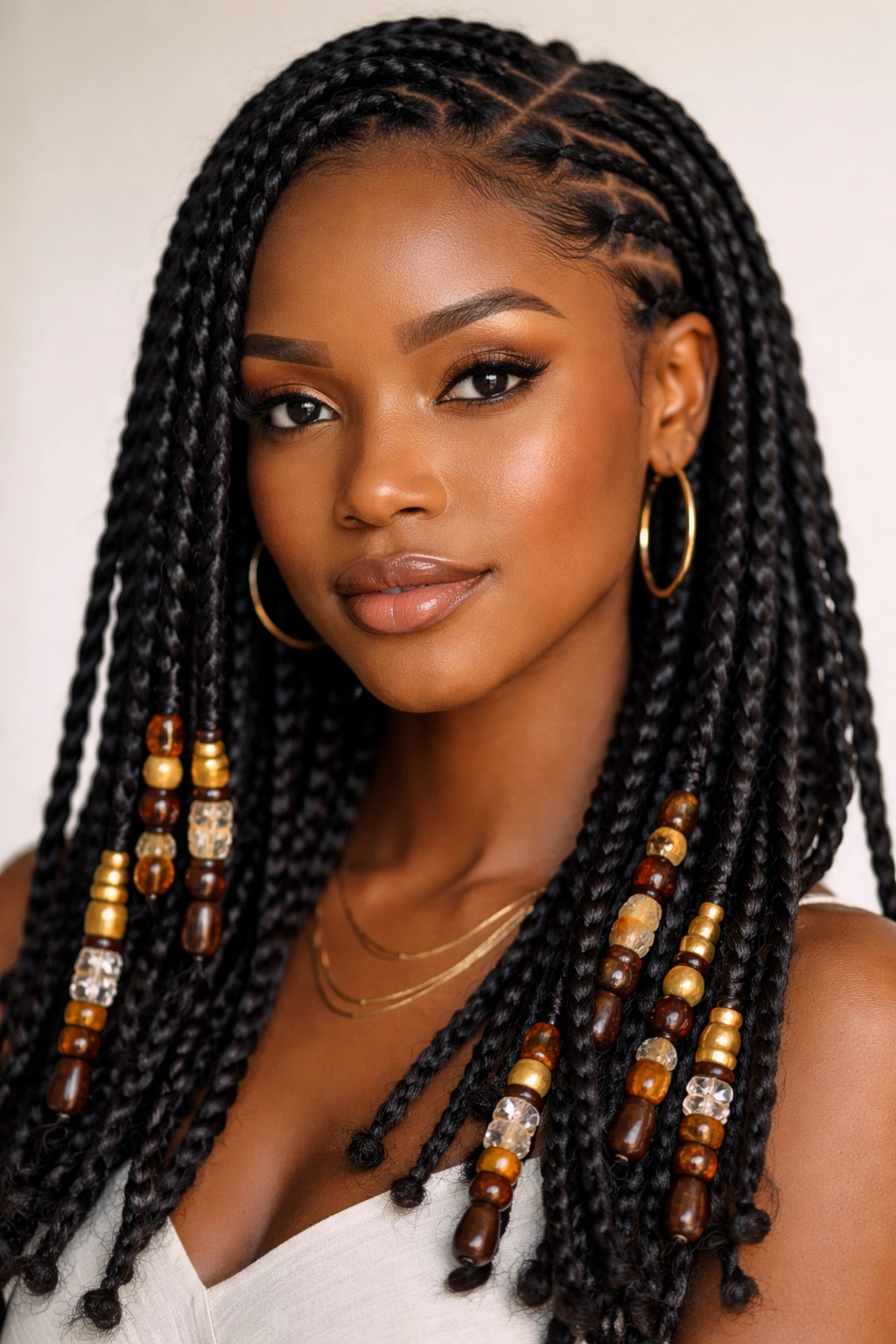
Beads add playfulness and personality to Fulani twists in ways that feel personal and creative. You can use wooden beads for a natural, warm aesthetic, acrylic beads for bright pops of color, crystal beads for sparkle and shine, or metal beads for something sleek and minimal. The beads thread onto individual twists, and they can be positioned strategically or distributed throughout the entire style.
Design Possibilities with Beads
The real magic with beads is that you can customize the look to match your mood, your outfit, or your personality. Neutral wooden beads feel grounded and earthy. Rainbow-colored beads feel playful and youthful. Metallic beads feel sophisticated. Mixing bead colors and sizes creates visual complexity and shows intentionality in your styling. You can create patterns with your bead placement, or distribute them randomly for a more organic feel.
Application and Maintenance
- Thread beads onto twists before the style is fully complete, or add them afterward—both methods work
- Use beads with openings large enough that they don’t catch on your twist or damage your hair
- Check beads regularly to make sure they’re not sliding off or creating tension on individual twists
- Wooden and acrylic beads are easier to add and remove than metal beads if you like changing your style frequently
- For thicker hair and chunkier twists, larger beads look proportional; for fine hair, smaller delicate beads look balanced
Insider note: If you’re adding beads for a special event, add them the morning of rather than sleeping in them—this prevents them from shifting or sliding off overnight.
4. Feed-In Fulani Twists
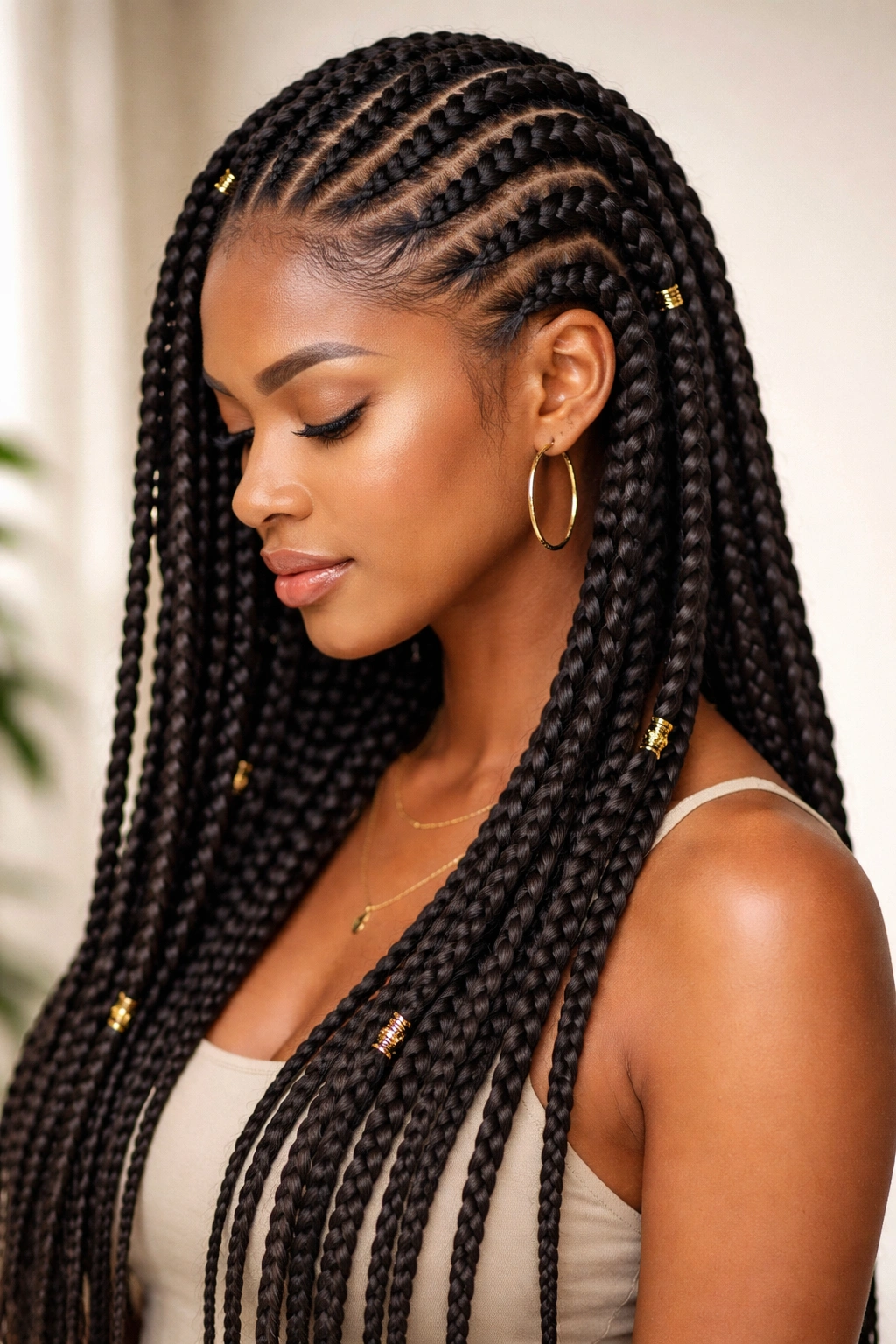
Feed-in Fulani twists use a technique where synthetic hair or extensions are fed gradually into the twist as it’s being created, resulting in smoother, fuller twists with more volume and length. Rather than adding a bulk of hair at the base of the twist, the extension is woven gradually throughout, creating a seamless blend that looks incredibly polished and professional.
Why Feed-In Technique Matters
This method distributes weight more evenly along the length of the twist, which means less stress on your natural hair and a more elegant final appearance. The gradual incorporation of extension hair creates fuller twists without the bulky appearance that can come from other installation methods. Feed-in twists also last longer because the weight is distributed, and they look intentional and refined rather than obviously protective.
Installation and Care
- This style requires a skilled braider who understands feed-in technique—it’s worth paying for expertise
- The twists typically last 6 to 10 weeks, longer than many other protective styles
- Use a lightweight daily moisturizer on your scalp and roots to prevent dryness
- Avoid pulling the twists back too tightly, which concentrates stress on the roots of your natural hair
- Wash your twists in braiding season with a diluted sulfate-free shampoo, focusing on your scalp
Pro tip: Ask your braider to create slightly thicker feed-in twists if you have fine or delicate natural hair—the thicker twists distribute weight across more hair strands, reducing breakage risk.
5. Fulani Twists with Hair Chalk or Color
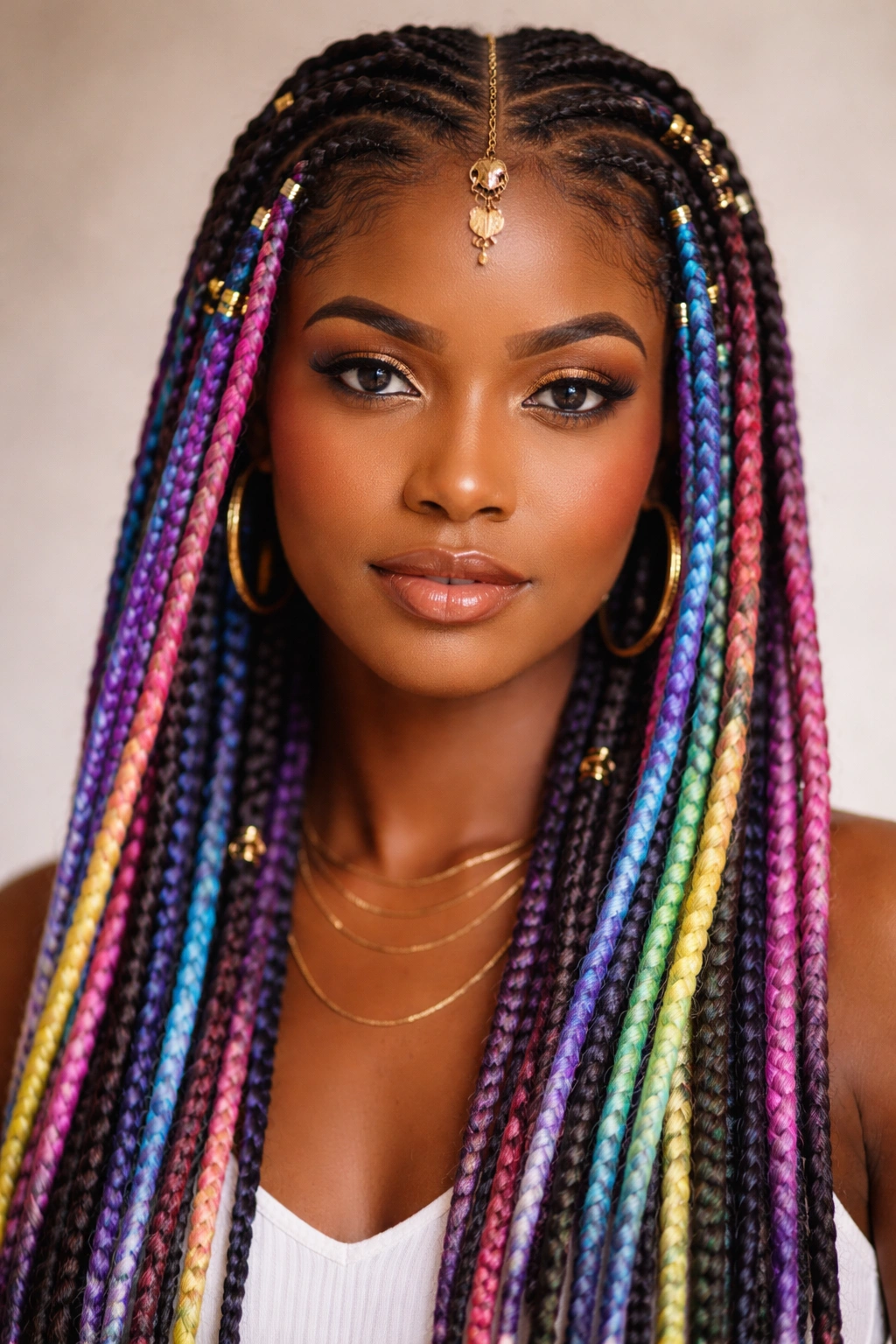
Hair chalk and temporary hair dyes create eye-catching color accents on Fulani twists without the commitment or damage of permanent color. You can chalk the lengths of your twists, create color-blocked sections, or add subtle color hints at the tips. Colors range from pastels to bold jewel tones to metallics, giving you endless creative possibilities.
Color Application Methods
Hair chalk works best on lighter or neutral-toned twists but can show up on darker hair if you use enough product. Temporary dyes and color sprays adhere better than chalk and last through more wash cycles. Ombre or gradient effects look stunning—darker at the roots, fading to lighter color toward the tips. You can create patterns with color, designate just a few twists for color while leaving others natural, or cover all twists in a single hue.
Color Safety and Removal
- Always do a patch test with any product you haven’t used before to check for allergic reactions
- Hair chalk washes out with regular shampooing—usually within one wash
- Temporary dyes last longer, typically 4 to 10 washes depending on the product
- Protect your skin by applying a thin layer of petroleum jelly around your hairline before applying color
- Use color on the extensions or synthetic hair rather than directly on your natural hair to minimize potential damage
Worth knowing: Hair chalk shows up most vibrantly on blonde or champagne-colored twists, while temporary dyes show well on any base color you’re using.
6. Fulani Twists with Shaved Sides
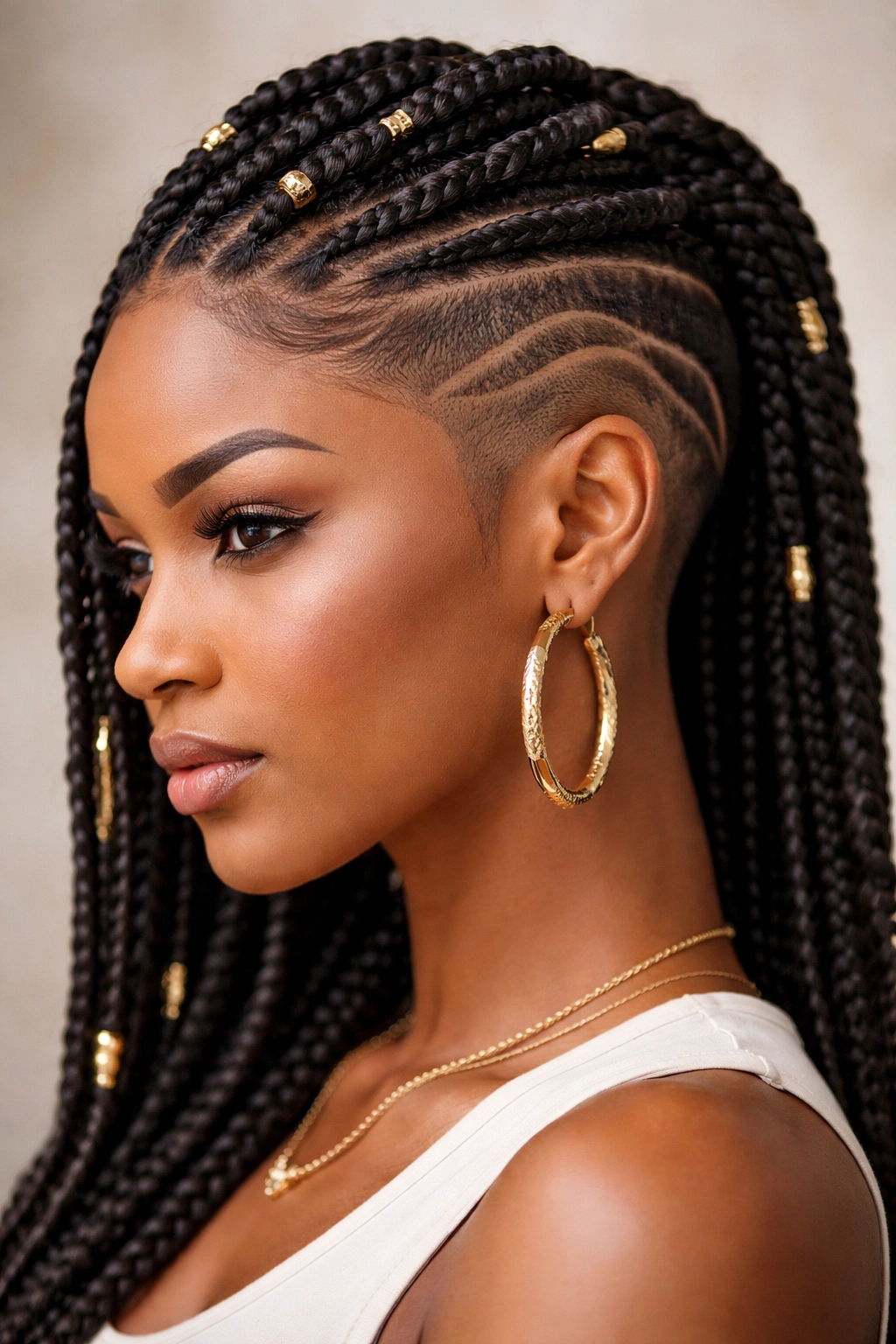
Adding shaved or undercut sides creates modern edge and visual contrast with the intricate twists on top. The shaved sections can be simple and close-cropped, or they can feature designs, lines, or geometric patterns. This variation makes a bold statement and works beautifully for people with confident personal style.
Design Options for Shaved Sides
You can shave one side only for asymmetrical, edgy energy. You can shave both sides for a more deliberate architectural look. Some people add designs—lines, waves, geometric patterns, or even small images—to their shaved sections, creating visual depth and artistry. The contrast between the detailed twists on top and the clean, sculptural shaved sides is part of the impact.
Maintenance and Growth
- Shaved sides need touch-ups every 2 to 4 weeks depending on how fast your hair grows
- Use a skilled barber or someone experienced with precision designs if you want patterns
- Keep the shaved area moisturized and protected from friction to prevent irritation
- Plan for a 3 to 6 month growing-out period if you decide to stop maintaining the shaved sections
- This style works particularly well with tightly twisted Fulani braids on top that emphasize the contrast
Pro tip: If you’re new to shaved sides, start with one side only—it’s less dramatic while still giving you the modern edge this style creates.
7. Fulani Twists with Crown Detail
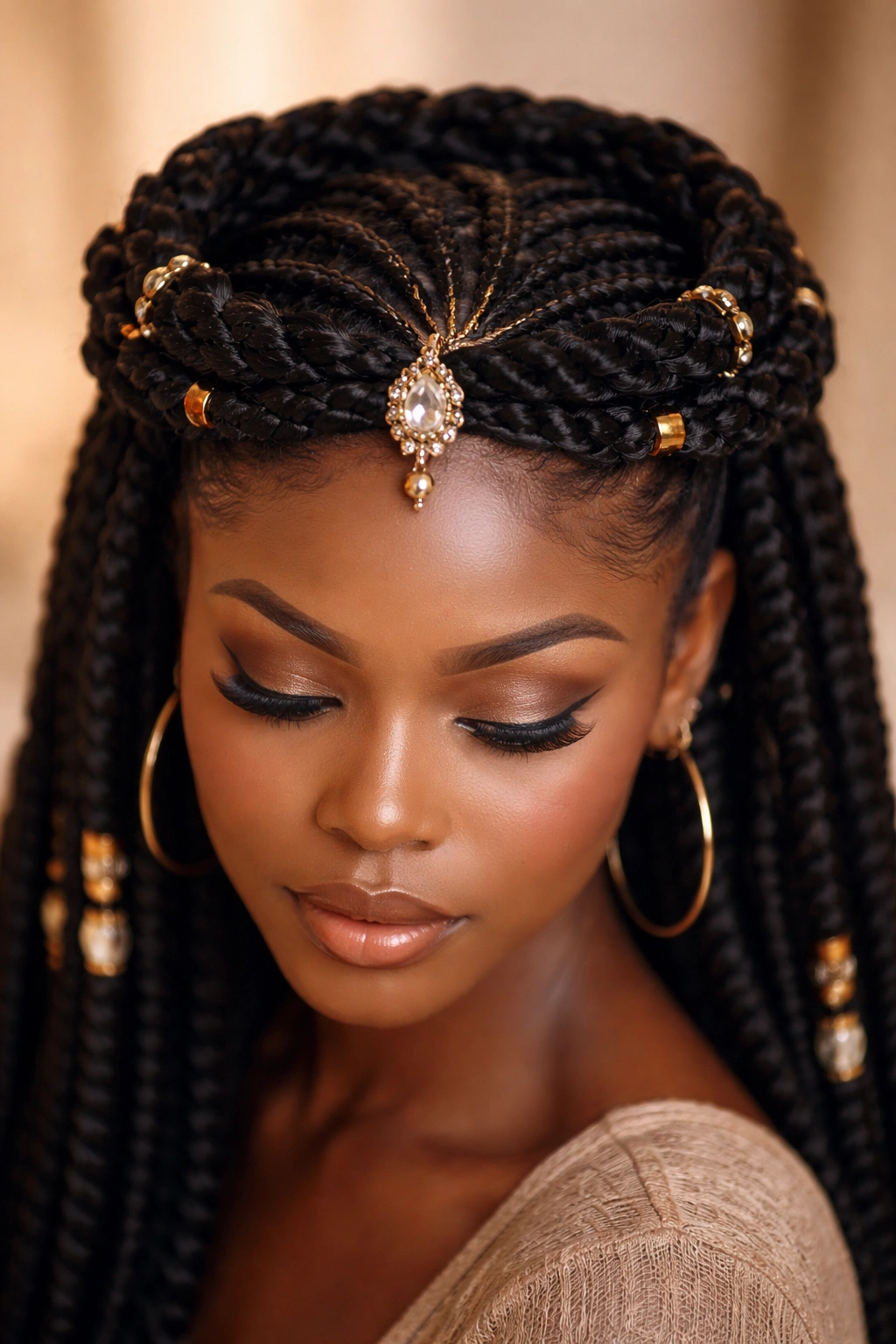
Creating a crown-like arrangement at the top of your head with Fulani twists gives the style special-occasion elegance while maintaining the protective benefits. The crown can be created with thicker, more elaborate twists, positioned in a circular pattern, and sometimes decorated with beads, cuffs, or even a delicate hair accessory at the center.
Creating Crown Effects
The crown detail can be created during the initial braiding by having your braider position and arrange the twists intentionally. Alternately, you can style the twists into a crown shape after they’ve been installed by gently curling them and pinning them into position. The effect is regal and intentional, perfect for special events like weddings, galas, or celebrations.
Styling and Securing the Crown
- Use bobby pins or clips in a color that matches your twists to secure the crown shape
- Make sure the crown sits comfortably without pulling your natural hairline or creating tension
- Add beads or jewels along the crown for extra glamour and visual detail
- This style works beautifully with the loose curls at the ends of your natural hair showing beneath
- You can maintain this style by re-securing the crown with bobby pins after sleeping
Insider note: Take a clear photo of your crown style before you sleep so you can recreate it easily in the morning with minimal effort.
8. Half-Up Fulani Twists
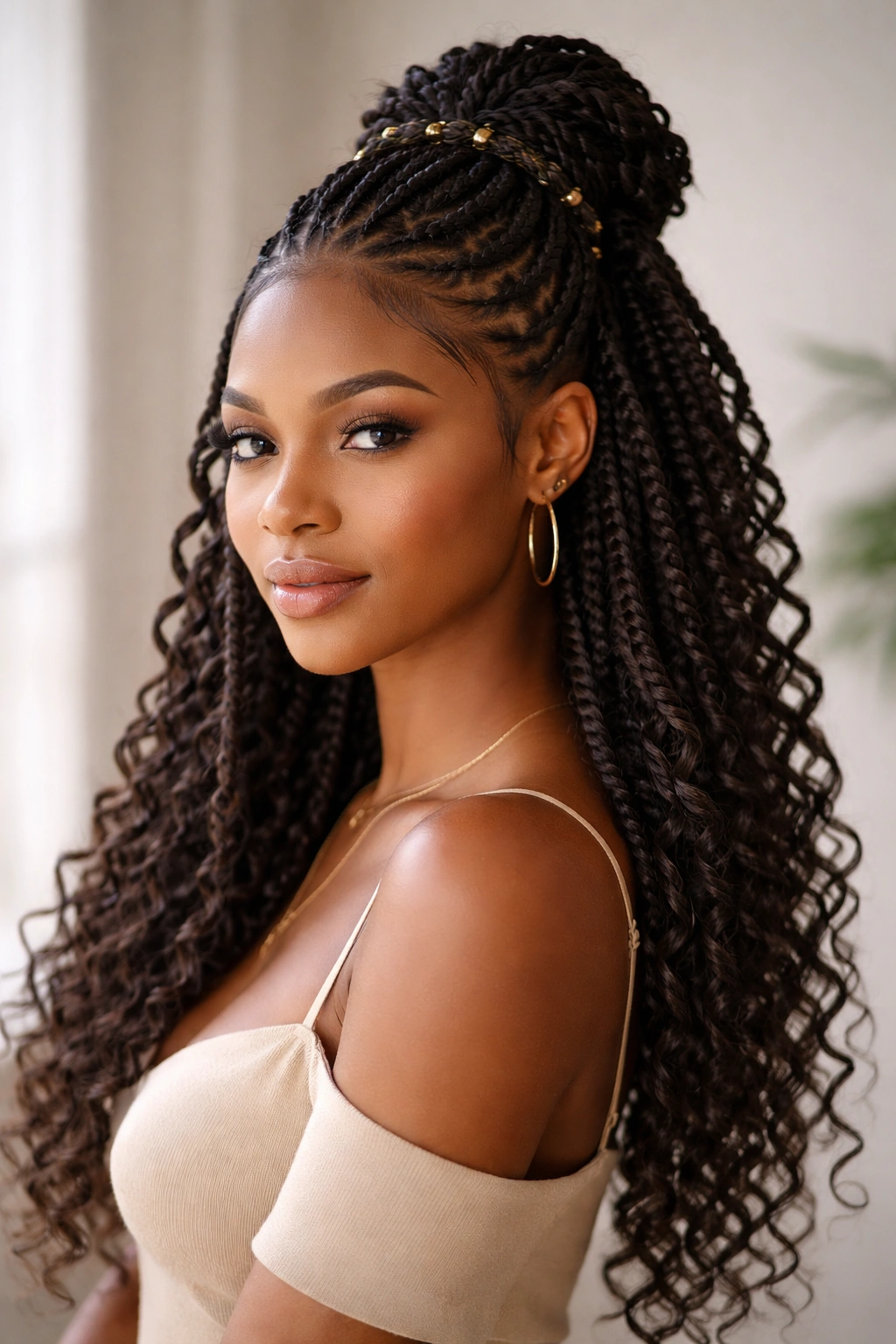
Half-up styling takes Fulani twists from all-over protective to more versatile and practical for daily wear. You create twists throughout the upper half of your hair while leaving the lower half loose or in curls, giving you the protective benefits of the twists with the freedom and ease of loose hair. This variation is perfect for transitioning between styles or for people who want a hybrid protective look.
Styling Versatility
The half-up approach creates balance visually—the detailed twists frame your face and showcase your braiding skill, while the loose hair below adds movement and volume. You can wear the half-up twists down for daily wear, sweep them back into a ponytail for workouts or practical days, or pin them into an updo for special occasions. The flexibility of this style makes it practical for long-term wear.
Installation and Maintenance
- Start the twists near your temples and temple area, twisting back and meeting at the crown
- The section where twists meet loose hair acts as a natural anchor point
- You can use bobby pins to secure the half-up section if you’re doing athletic activities
- Moisture the loose lower section regularly with leave-in conditioner since it’s not protected
- Refresh the edges of the twisted section more frequently than a full protective style requires
Pro tip: Sleep with the half-up section loosely wrapped and the loose hair in a loose pineapple bun to prevent frizz and maintain the style longer between refresh sessions.
9. Fulani Twists with Extensions
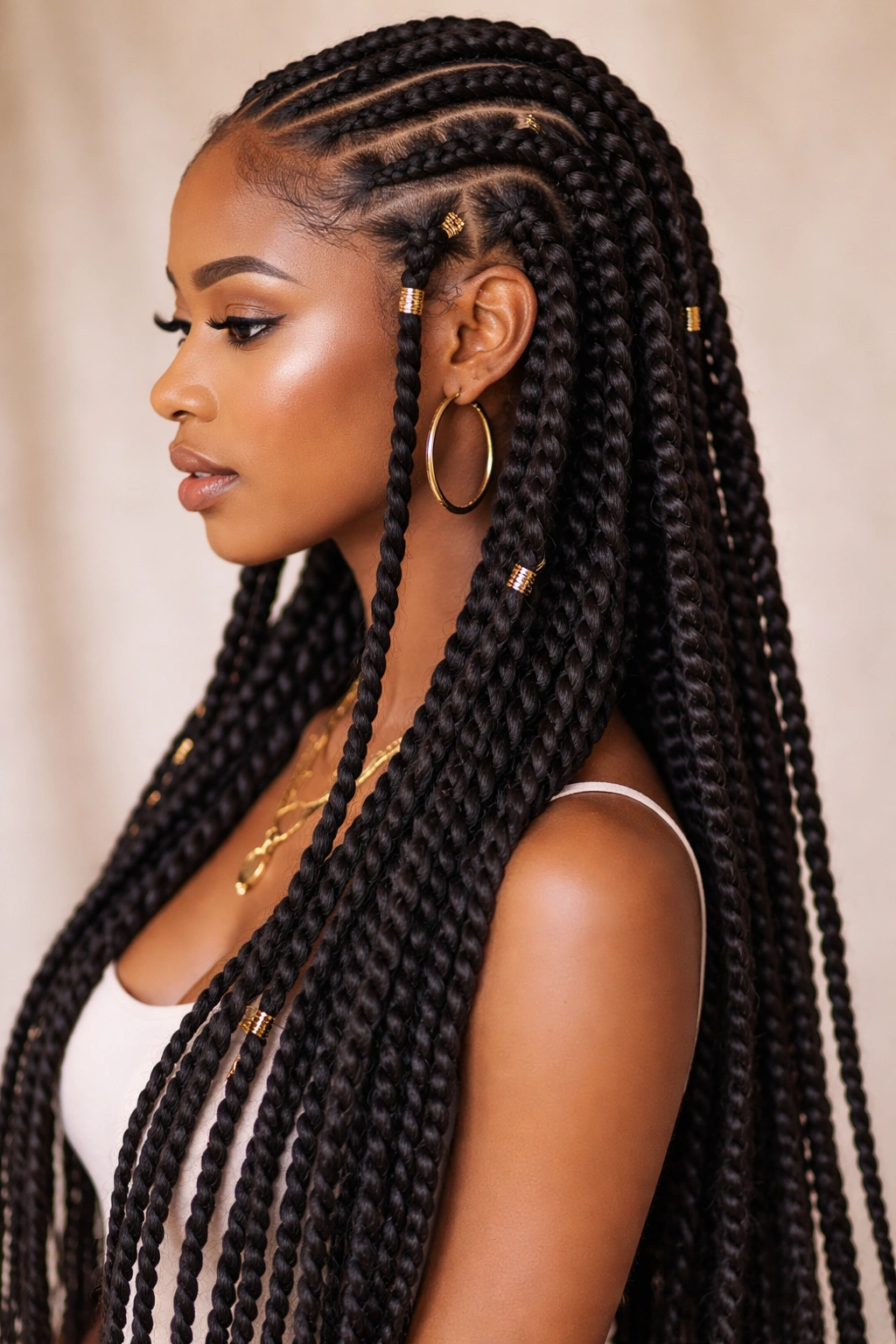
Using extension hair to create Fulani twists gives you additional length, volume, and options that pure natural hair might not provide. Extensions can be Kanekalon synthetic hair, human hair, or specialty blends. Adding extensions allows you to achieve dramatic length and thickness while still maintaining a protective style on your natural hair underneath.
Choosing Extension Hair
Kanekalon is affordable, colorful, heat-resistant to a degree, and creates thick, defined twists. Human hair blends beautifully with natural hair and feels soft to the touch, though it’s more expensive. Ombré or two-tone extensions create stunning visual effects and hide some of the texture contrast between your natural hair and the extension. The weight and texture of your extensions should match the goals of your style—lighter extensions for thinner twists, thicker extensions for bolder, more prominent twists.
Installation Tips and Longevity
- Your natural hair should be stretched or pre-twisted before adding extensions to them
- Ensure your braider distributes the extension hair evenly to prevent bulky sections
- The style typically lasts 6 to 10 weeks depending on maintenance and how tight it’s braided
- Wash your extension twists every 1 to 2 weeks using a gentle sulfate-free shampoo
- Apply lightweight moisturizer or leave-in conditioner to your roots and natural hair regularly
Worth knowing: Synthetic extension hair can feel stiff initially but softens with gentle handling and moisture application over time.
10. Curly Fulani Twists
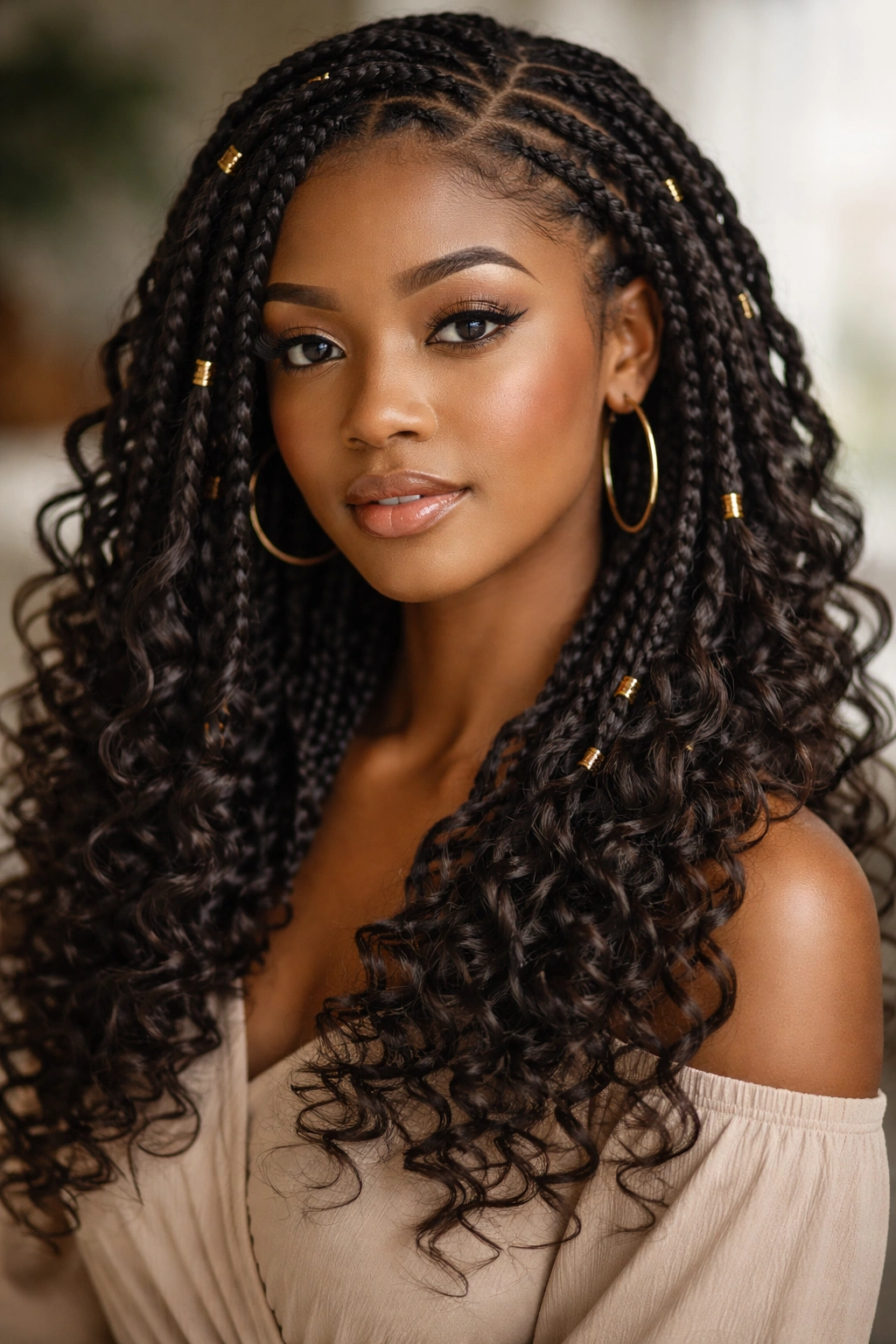
Creating Fulani twists and then loosening and curling them creates a softer, fuller aesthetic than traditional tight twists. You twist the hair, and then once the style is set, you gently unravel the twists partially or completely, revealing loose waves and curls. This variation gives you the structured style of a protective style with the softness and movement of curly hair.
Achieving the Curly Effect
The twists can be created tight initially and then loosened by hand once they’ve set, or they can be created intentionally loose so that the curl pattern is visible from the start. Using wavy or curly extension hair amplifies the curly effect. You can also apply a curl-defining product to damp twists and allow them to air dry to enhance natural curl patterns.
Styling and Refreshing Curly Twists
- Use a curl cream or light gel to define the curls if they’re falling flat
- Sleep on a silk bonnet to protect the curl pattern overnight
- Refresh curls as needed by spritzing with water and light product, then scrunching gently
- This style works beautifully with jewelry, beads, or cuffs placed on the thicker, twisted portions
- Expect to wear curly twists for 4 to 6 weeks before they need refreshing or reinstalling
Pro tip: For the softest, most defined curls, create the twists on day one, allow them to set for 24 hours, and then gently loosen them by running your fingers through and separating the twist sections.
11. Fulani Twists with Geometric Patterns
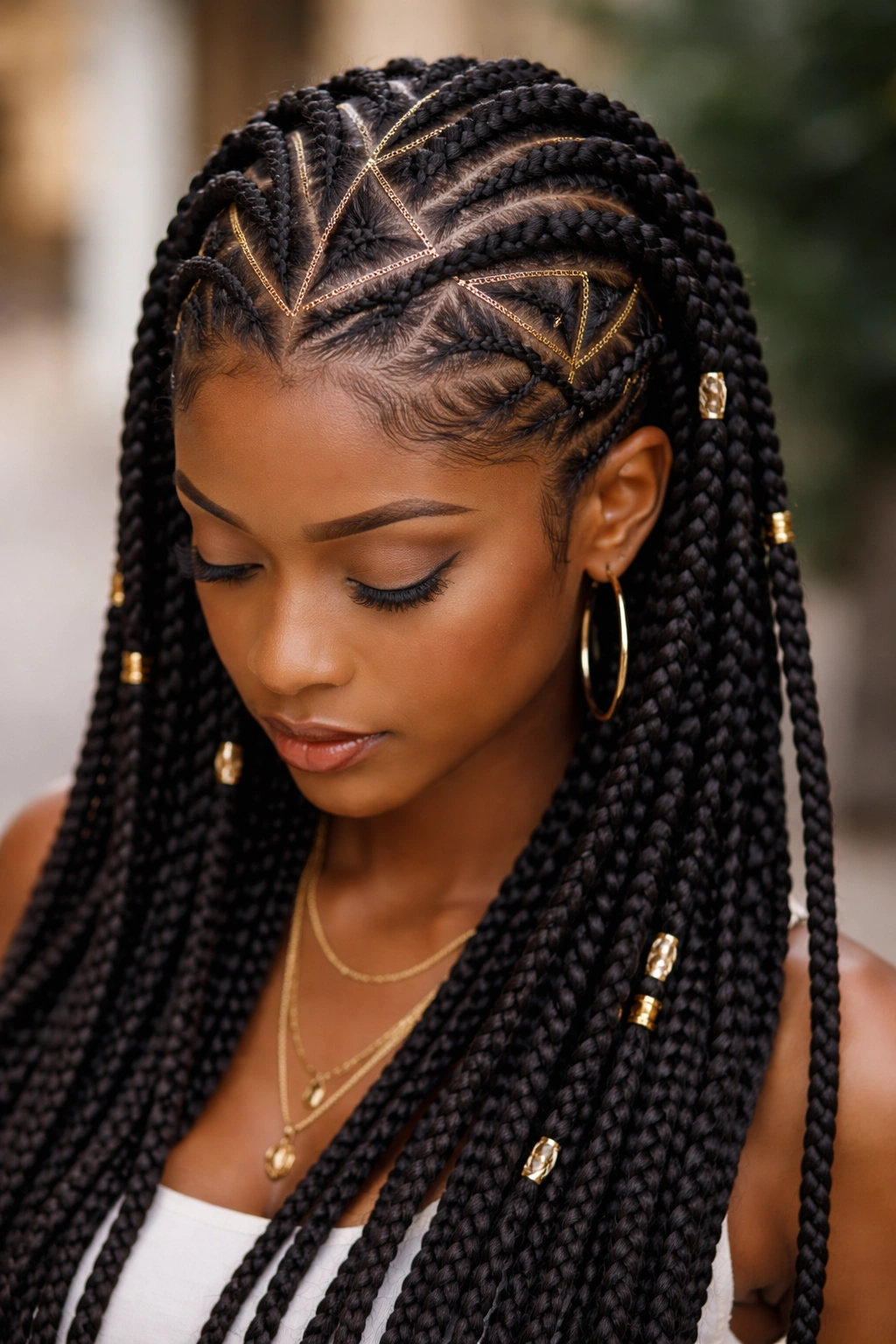
Taking the style to an artistic extreme, some people create geometric patterns and designs using the placement of the twists themselves. Patterns might include triangles, diamonds, zigzags, or other shapes created by varying the direction and positioning of the twists. This is truly an art form and requires a skilled braider who can visualize and execute precise patterns.
Pattern Design Possibilities
You can create subtle patterns that only become visible when you move or tilt your head a certain way, or you can go bold with obvious, dramatic geometric designs. Some patterns are symmetrical on both sides of the head, creating architectural balance. Others are asymmetrical for modern, unexpected energy. Shaved or close-cropped sides often accompany geometric patterns since the contrast highlights the detail of the designs.
Working with a Skilled Braider
- Bring clear photos of designs you like and discuss them in detail with your braider
- Geometric patterns require more time to install than traditional Fulani twists, so expect longer appointment times
- Some braiders are highly experienced in pattern work—seek out their specific expertise
- These styles are stunning for special occasions, photo shoots, or when you want to make an artistic statement
- Pattern maintenance is similar to traditional Fulani twists—refresh and maintain as needed
Insider note: Geometric pattern twists photograph incredibly well and make stunning content for social media or personal documentation of your style journey.
12. Fulani Twists Updo
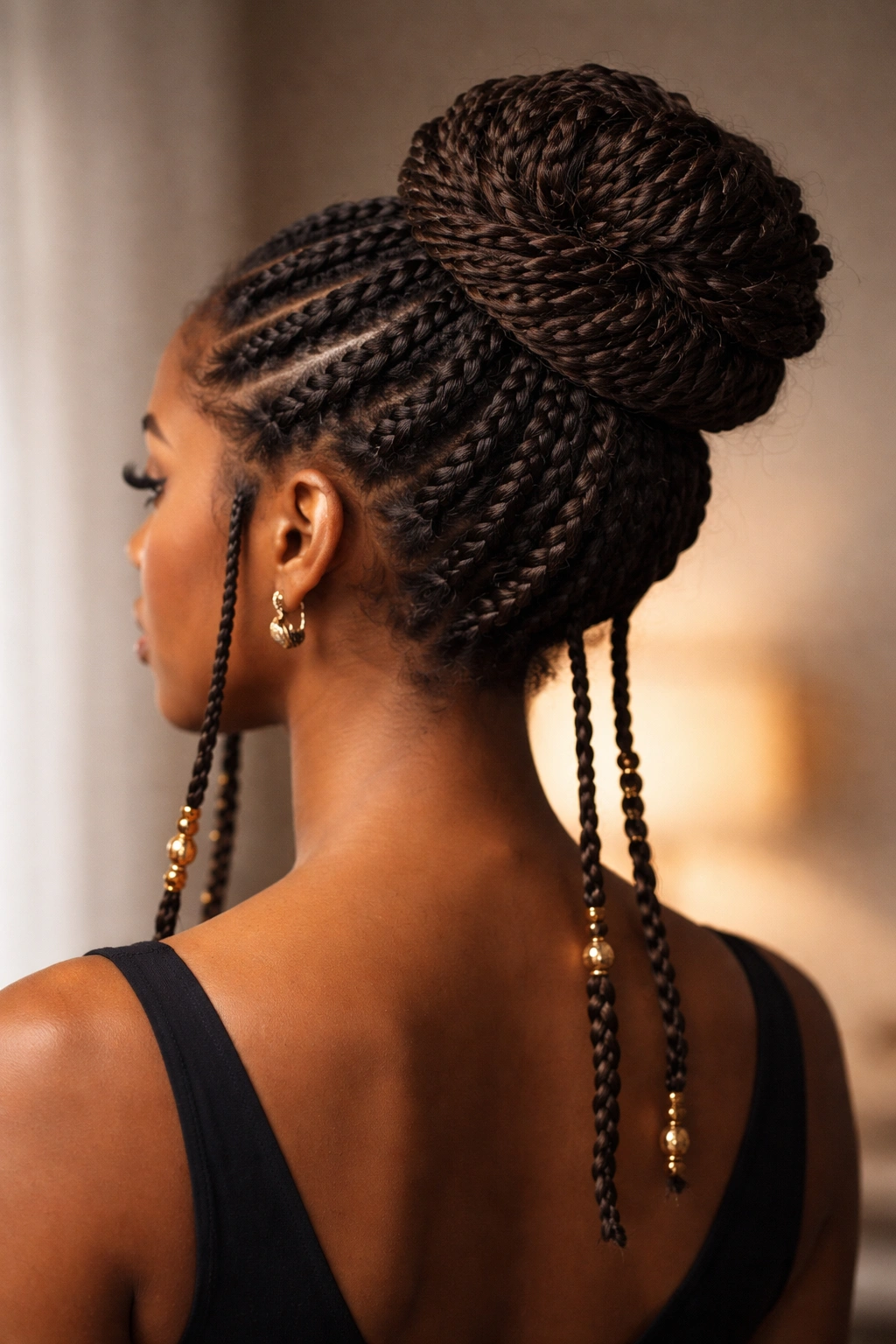
Styling your completed Fulani twists into an updo creates polished, formal elegance perfect for special events, professional settings, or when you want a completely different vibe from your twists worn down. You can create a bun, a swept-back style, or intricate pinned arrangements that showcase the detail of your twists while keeping hair off your face and neck.
Creating Fulani Twist Updos
The twists themselves become the foundation for the updo—rather than tucking long straight hair into a bun, you’re working with thicker twisted sections, creating a fuller, more textured updo. You can gather all the twists into a bun at the base of your head, create a bun at the crown for a higher, more dramatic effect, or create a twisted-back style where the twists are swept elegantly toward the back. Some loose curls can frame the face for softness.
Securing and Maintaining the Updo
- Use bobby pins in a color matching your hair, along with a strong but flexible hairspray
- Silk or velvet-coated elastic bands prevent snagging and breakage better than regular elastics
- The updo can be worn for special occasions while keeping the twists in place and protected
- You can wear your twists down the rest of the time, then pin them up when needed
- Refresh the updo by gently loosening and restyling the twists into the shape you want
Pro tip: Create the updo the night before or the morning of an event rather than sleeping in it—twists can shift and lose their positioning overnight, making the updo less polished.
Final Thoughts
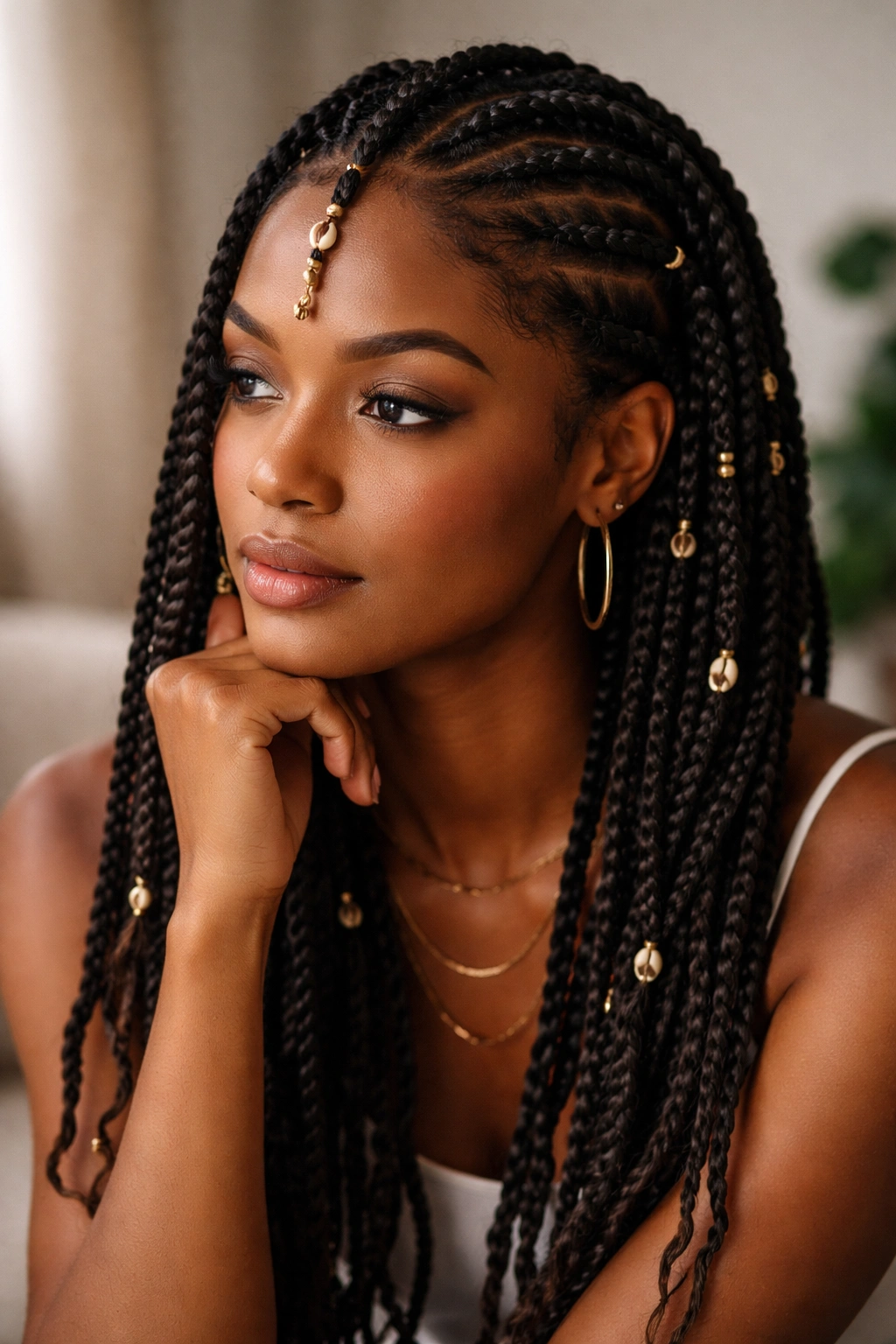
Fulani twists offer incredible versatility across hair lengths and textures, and with these 12 variations, you have options whether you prefer minimal and classic or bold and artistic. Each style can be adapted and customized to reflect your personality, your lifestyle, and the occasion you’re dressing for. The real strength of Fulani twists lies in their ability to be protective while being absolutely beautiful—you’re not sacrificing style for hair health, you’re achieving both.
The key to getting the most from whichever variation you choose is finding a skilled, experienced braider who understands your vision and can execute it with precision. Take time looking at photos, communicating clearly about what you want, and don’t rush the installation process. These styles are an investment in both your hair’s health and your personal expression, and they deserve that attention and care.
Start with the variation that speaks to you most, give it proper maintenance and love while you’re wearing it, and then explore other styles. Many people find their favorite Fulani twist variation and return to it again and again, making small adjustments and refinements each time. That’s the beauty of this style—it’s familiar enough to feel signature, yet flexible enough to stay fresh and interesting every single time you wear it.
