



Long bobs are experiencing a major resurgence, and there’s a compelling reason why: they sit at that sweet spot between practical length and transformative style. For people with wavy hair, this trend becomes even more powerful, because your natural texture is actually an asset rather than something to fight against. Wavy hair has an inherent bounce and movement that works beautifully within a long bob structure, creating dimension without requiring constant effort to maintain.
The challenge most people with wavy hair face when considering a long bob is finding a cut that enhances their waves rather than fighting them. A poorly executed long bob can look shapeless or frizzy, while a thoughtfully designed one celebrates the texture you already have. The right cut works with your hair’s natural patterns, adding strategic layers, texture, and angles that make your waves look intentional and polished instead of accidental.
What makes a long bob succeed with wavy hair is understanding how layers interact with wave patterns, where to position texture for maximum impact, and how to balance weight distribution so your waves fall beautifully rather than collapsing under their own heaviness. The styles below each approach this challenge differently — some lean into the waves with dramatic layering, others keep things sleek with minimal texture, and a few strike a balance in between. Each style includes specific guidance on how to style it, who it flatters best, and what to ask your stylist so you walk out with exactly what you want.
1. Choppy Long Bob with Textured Layers
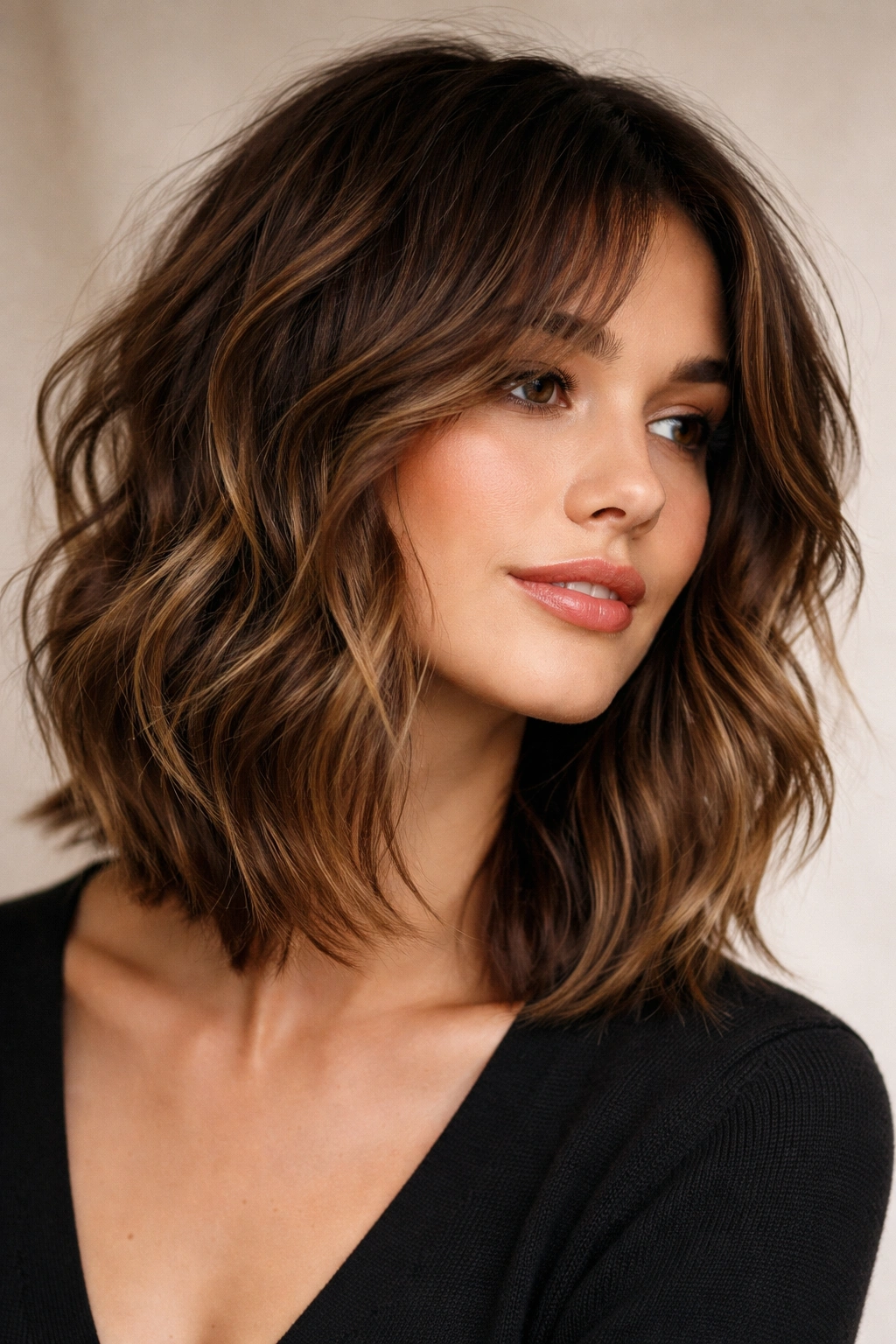
This is the go-to cut for anyone who wants their wavy hair to feel intentional and editorial. Instead of a blunt edge, the hair is cut with irregular, choppy layers throughout that break up the weight and encourage your natural waves to show off. The choppiness isn’t random — a skilled stylist places shorter layers around the face and longer ones underneath, creating a silhouette that looks both modern and easy to maintain.
Why Textured Choppy Bobs Work So Well on Wavy Hair
Choppy layers work because they reduce bulk without sacrificing length, which is exactly what wavy hair needs. When waves have too much weight, they flatten and look limp. By removing strategic chunks of hair through choppy layers, you’re giving each wave room to move and express itself fully. The shorter pieces catch light differently than the longer pieces, which adds visual texture and dimension even when your hair is down and unstyled.
How to Style and Maintain It
- Wash with a wave-enhancing shampoo and conditioner designed for textured hair, which helps define your natural pattern instead of fighting it
- Apply a leave-in conditioner or styling cream to damp hair, focusing on mid-lengths and ends where choppiness lives
- Diffuse your hair with a blow dryer on medium heat, scrunching upward to encourage waves, or let it air dry for a more relaxed effect
- Use a curl-enhancing cream or gel on second-day hair to reactivate waves without restyling from scratch
- Refresh between washes with a dry shampoo designed for textured hair to add grip and prevent flatness
Pro tip: Ask your stylist to point-cut (rather than blunt-cut) the layers so the ends feel softer and blend seamlessly rather than creating harsh lines.
2. Classic Wavy Bob with Minimal Layers
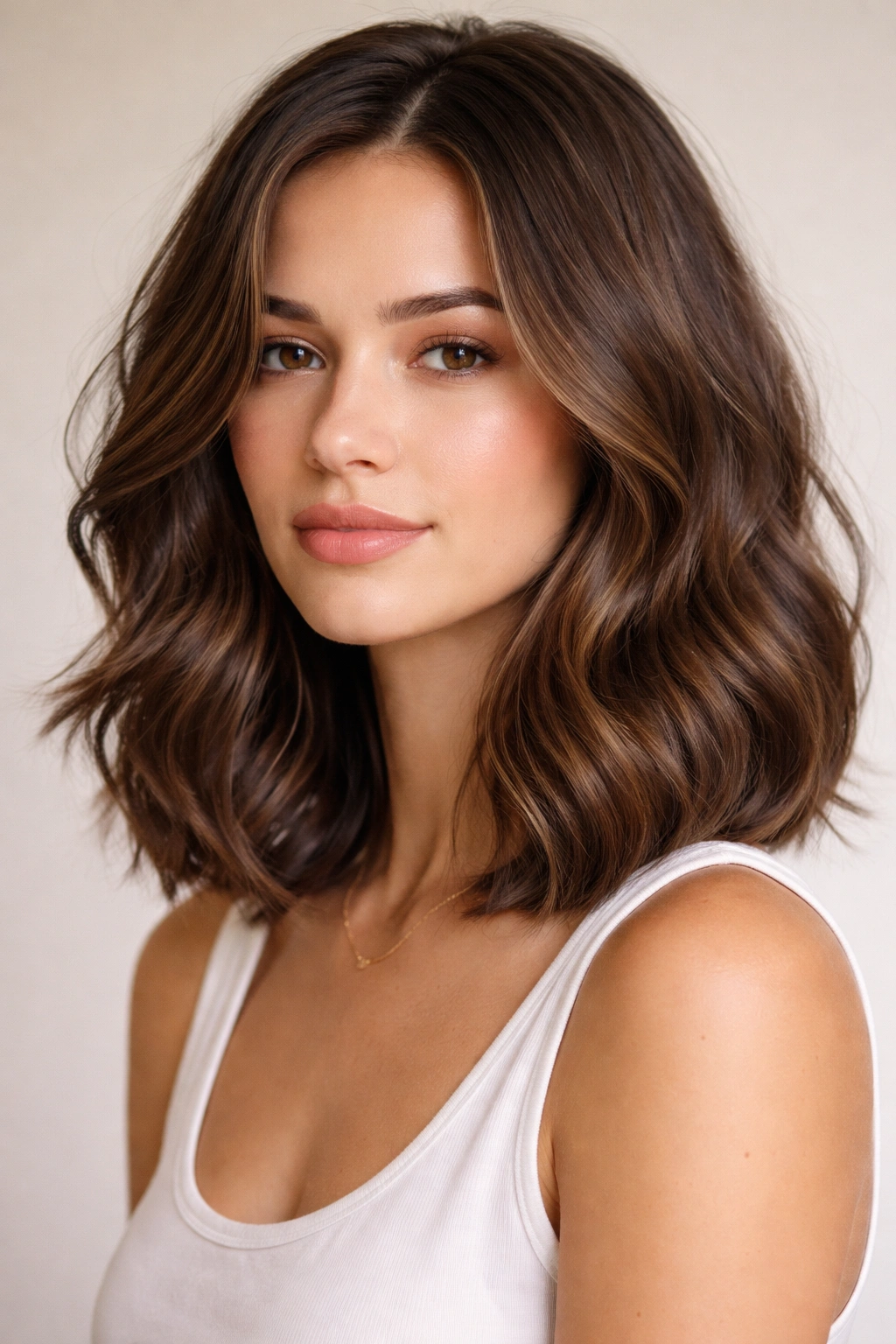
If you prefer a cleaner, more polished aesthetic but still want to show off your waves, a minimal-layer long bob delivers exactly that. This cut skips the choppy texture in favor of a more streamlined silhouette with just enough layering around the face to frame your features and allow movement. The overall shape stays cohesive and intentional while your waves do the work of adding dimension.
The Appeal of Simplicity
A minimal-layer bob works beautifully because it trusts your natural texture to carry the style. There’s no fighting against heavy layers or trying to piece out a look — you’re simply working with what you have. This approach tends to feel fresher and more youthful than heavily layered cuts, and it photographs exceptionally well. For people with tighter waves or looser curls, minimal layering prevents the cut from becoming too fragmented or visually chaotic.
Styling Approach for This Cut
- Condition generously since less layering means the hair relies more on smoothness and health to look good
- Apply a smoothing serum or lightweight oil to damp hair before drying to enhance shine and reduce frizz
- Dry with a blow dryer on medium heat and low speed to avoid disturbing your wave pattern, or air dry completely for a more undone vibe
- Avoid heavy products that might weigh down the minimal layers and make the cut lose its shape
- This style looks best refreshed daily or every other day, as it shows the definition of your waves more obviously than choppy versions
Worth knowing: This cut requires more precision from your stylist than a heavily layered one — make sure you’re going to someone experienced with blunt or near-blunt bobs on textured hair.
3. Shaggy Long Bob with Maximum Volume
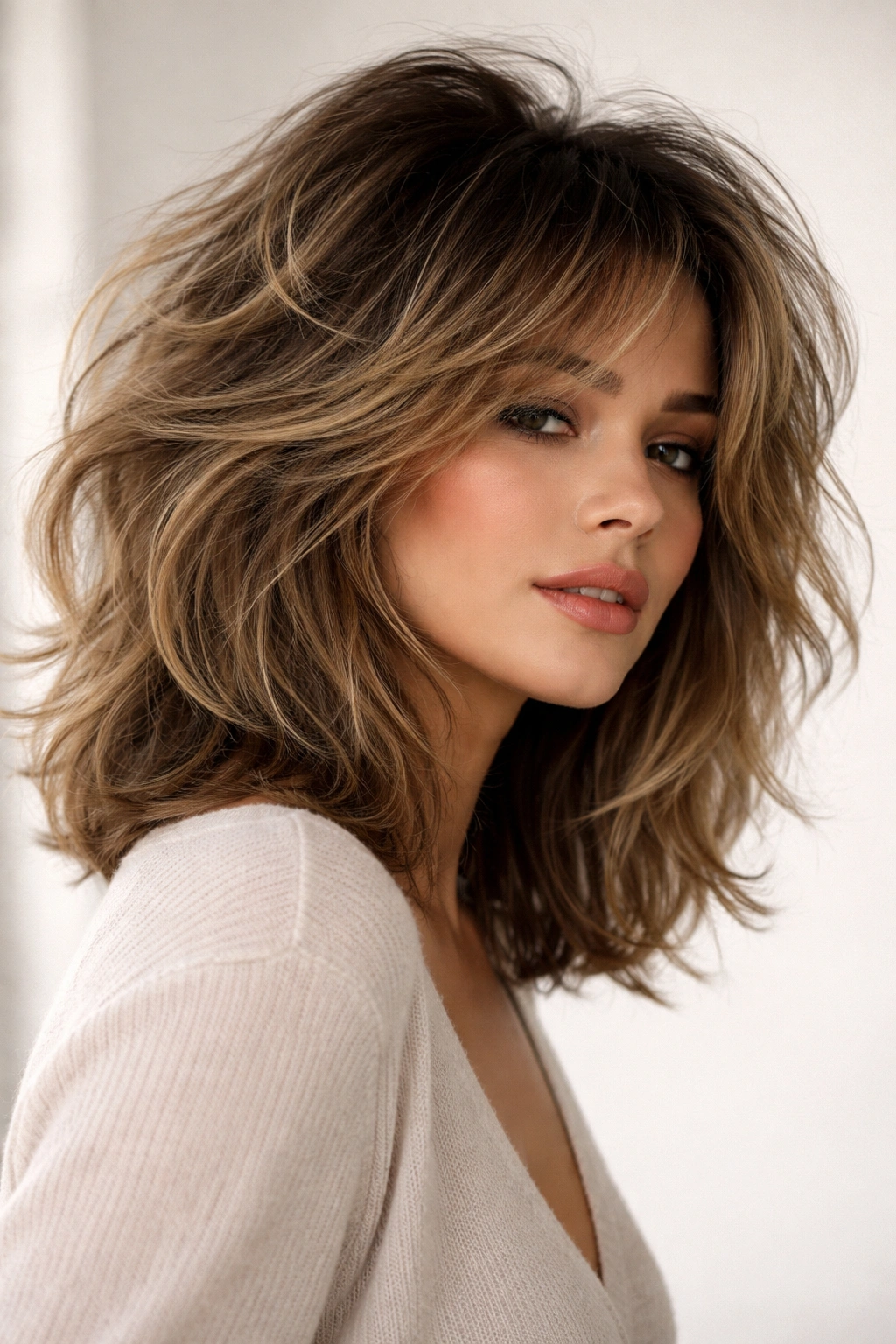
A shag long bob takes the best parts of ’70s rock energy and modern textured cuts and combines them into something that feels both nostalgic and current. This style features multiple layers of varying lengths that create a disheveled, layered effect — think more dramatic and voluminous than a choppy bob, with shorter pieces throughout that stick up and out at different heights. For wavy hair, this is essentially giving your texture permission to do exactly what it wants.
Why Shag Works on Wavy Hair
Shags are specifically designed to work with texture rather than against it. The whole point is movement, dimension, and a somewhat undone quality. Your waves don’t need to be tamed or smoothed into submission — they’re celebrated as a core part of the look. If you have wavy hair that tends to be thick or voluminous naturally, a shag cut gives you a framework to actually style it intentionally rather than fighting it daily.
Getting the Shag Look Right
- Use a volumizing shampoo and lightweight conditioner that adds texture without weighing hair down
- Apply a texturizing spray or sea salt spray to damp roots for added grip and movement
- Blow dry with your head flipped over or use a diffuser attachment to maximize volume and encourage wave patterns
- Style with a texture cream or light matte paste that separates the layers without making them look wet or slick
- Second-day hair actually improves with this cut — a shag looks better on day two or three once the layers have settled into their natural pattern
Insider note: The shag trend is cyclical, and styling one requires more daily attention than minimal-layer bobs. This works best for people who enjoy styling their hair and don’t mind spending 10-15 minutes on it in the morning.
4. Tousled Beachy Waves Bob
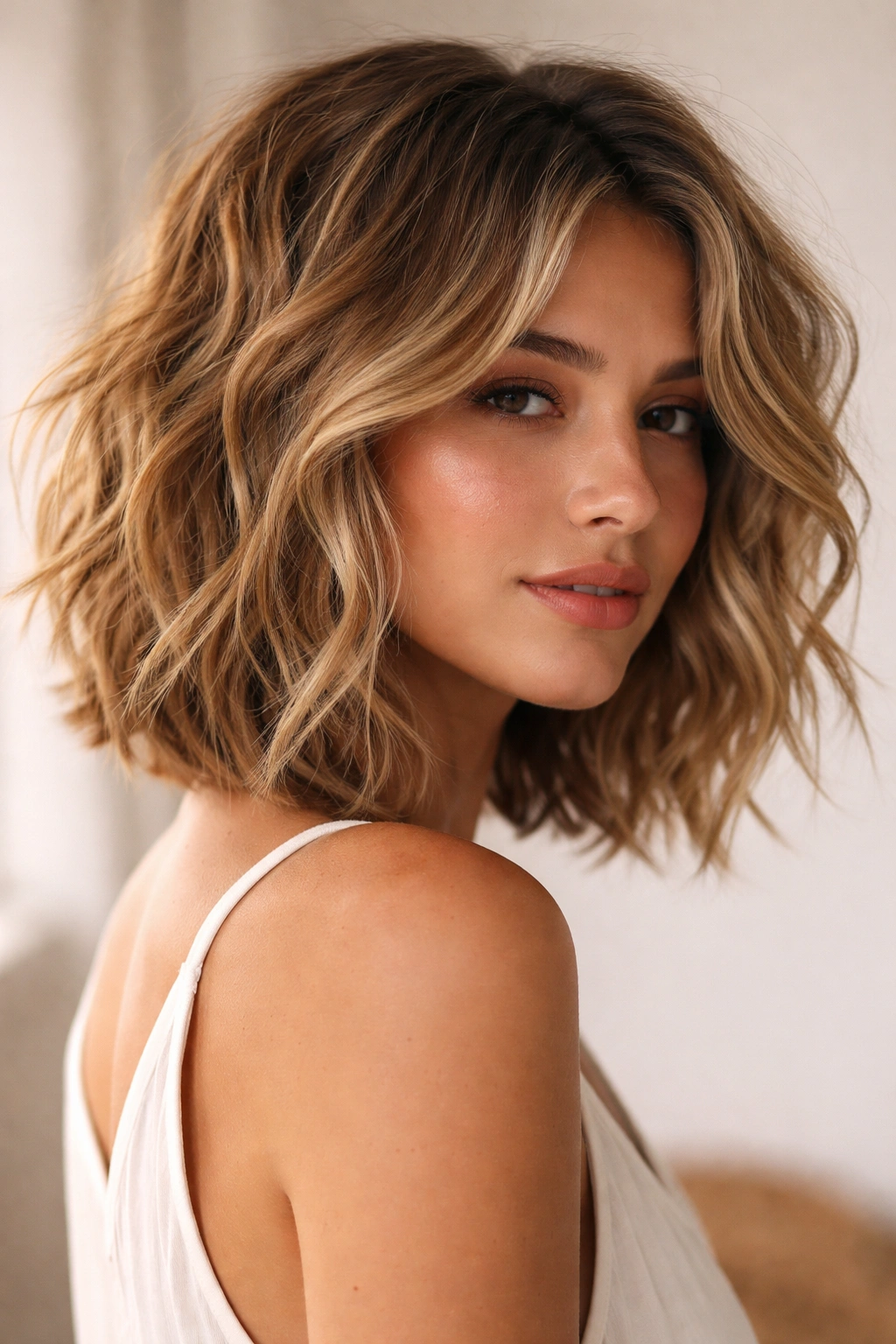
This is the long bob designed to look like you just came from the beach or woke up with effortlessly perfect hair. The cut itself features soft, subtle layers that work with naturally wavy hair to create a relaxed, tousled effect. There’s no heavy structure here — instead, the layers are placed to encourage waves to move in different directions, creating that “I’m not trying but somehow look amazing” vibe.
The Science Behind Beachy Waves
Beachy wave bobs succeed on wavy hair because the cut respects your hair’s natural pattern while removing just enough weight to let waves move freely. The layers are typically longer and softer than choppy styles, creating a more undone silhouette. This approach works especially well for people whose waves are more relaxed or loose — the cut doesn’t add structure, it simply lets your texture speak for itself.
Styling for the Beachy Look
- Wash with a gentle, sulfate-free shampoo that doesn’t strip natural oils your hair needs to look shiny
- While still damp, spray a texturizing or sea salt spray throughout mid-lengths and ends
- Scrunch and air dry, or blow dry with a diffuser while scrunching upward to enhance waves
- Finish with a light texturizing cream or flexible-hold spray that keeps waves separated without looking crunchy
- The beauty of this cut is that it doesn’t require precision — messy waves actually look intentional
Pro tip: This style shows product buildup more obviously than structured cuts, so refresh with dry shampoo and restyling rather than sleeping in the same waves multiple nights in a row.
5. Curtain-Parted Long Bob
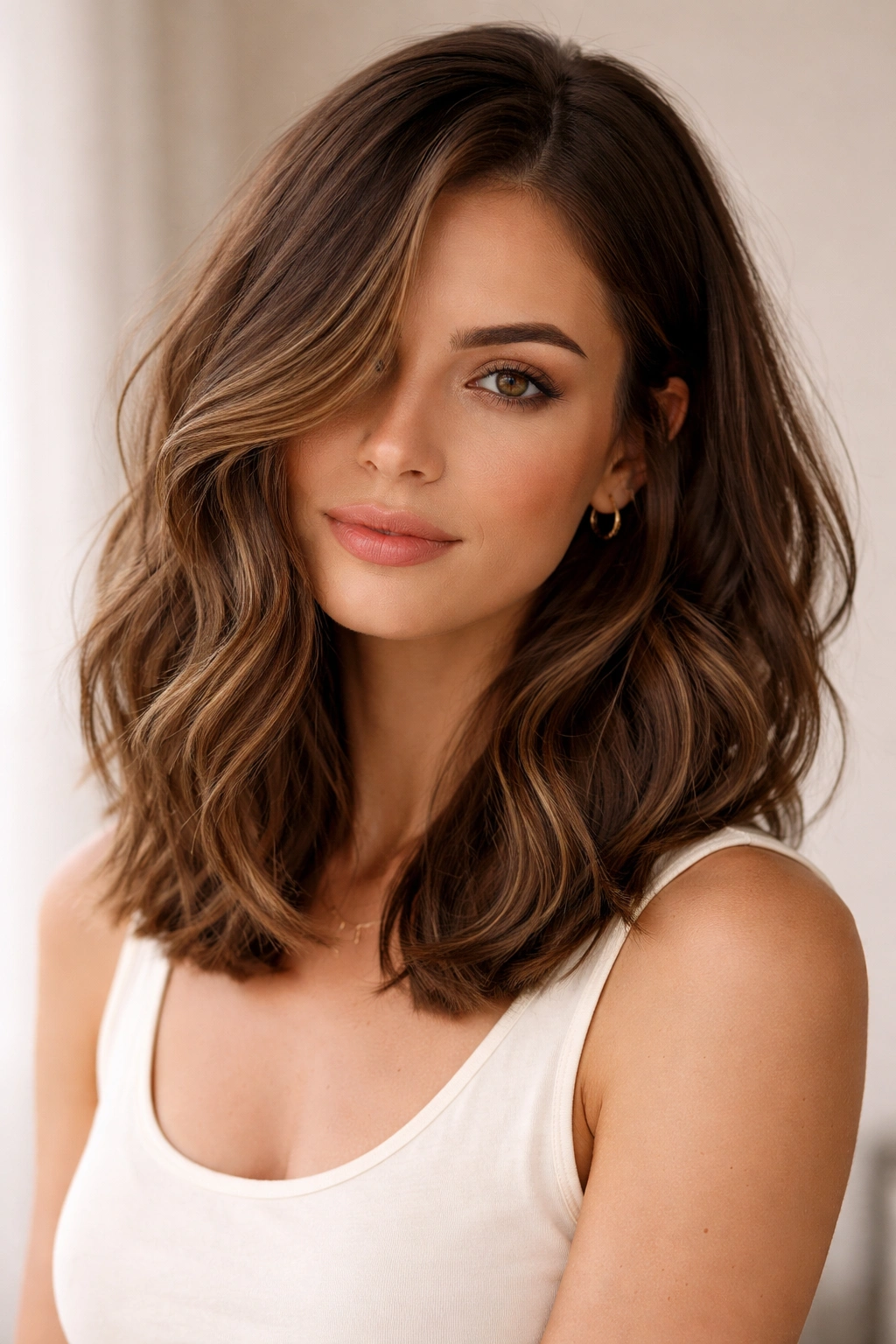
A curtain-parted long bob features a deeper side part (sometimes even a center part) that directs hair toward the face, creating a flattering frame for most face shapes. Combined with wavy hair, this parting style creates immediate dimension and movement — the waves naturally fall away from the face on both sides, emphasizing cheekbones and softening features. Layers are typically concentrated around the face and temples to encourage that face-framing effect.
Why Curtain Parting Flatters Wavy Hair
Curtain partings work beautifully on wavy hair because waves naturally want to fall away from the scalp and move toward the sides of the head. By parting deeper rather than down the middle, you’re working with that natural tendency. The layers around the face catch light and move dynamically, creating a sophisticated but soft look. This style tends to feel less trendy and more timelessly elegant than more heavily textured options.
How to Achieve the Look Daily
- Blow dry your hair with your head slightly tilted toward one side, directing the wave pattern away from your face
- Use a round brush or paddle brush to smooth the curtain sections as they dry so they fall away cleanly
- Apply a light styling cream to the face-framing pieces to keep them from sticking to your face throughout the day
- Don’t fight your wave pattern — let your natural texture work with the curtain parting rather than against it
- This cut looks better with hair that’s smooth and intentional rather than heavily textured or overly undone
Worth knowing: Curtain parts can feel a bit flat if your waves aren’t properly dried or styled. Taking time with your blow dry really matters with this cut.
6. Blunt-Ended Wavy Bob with Movement
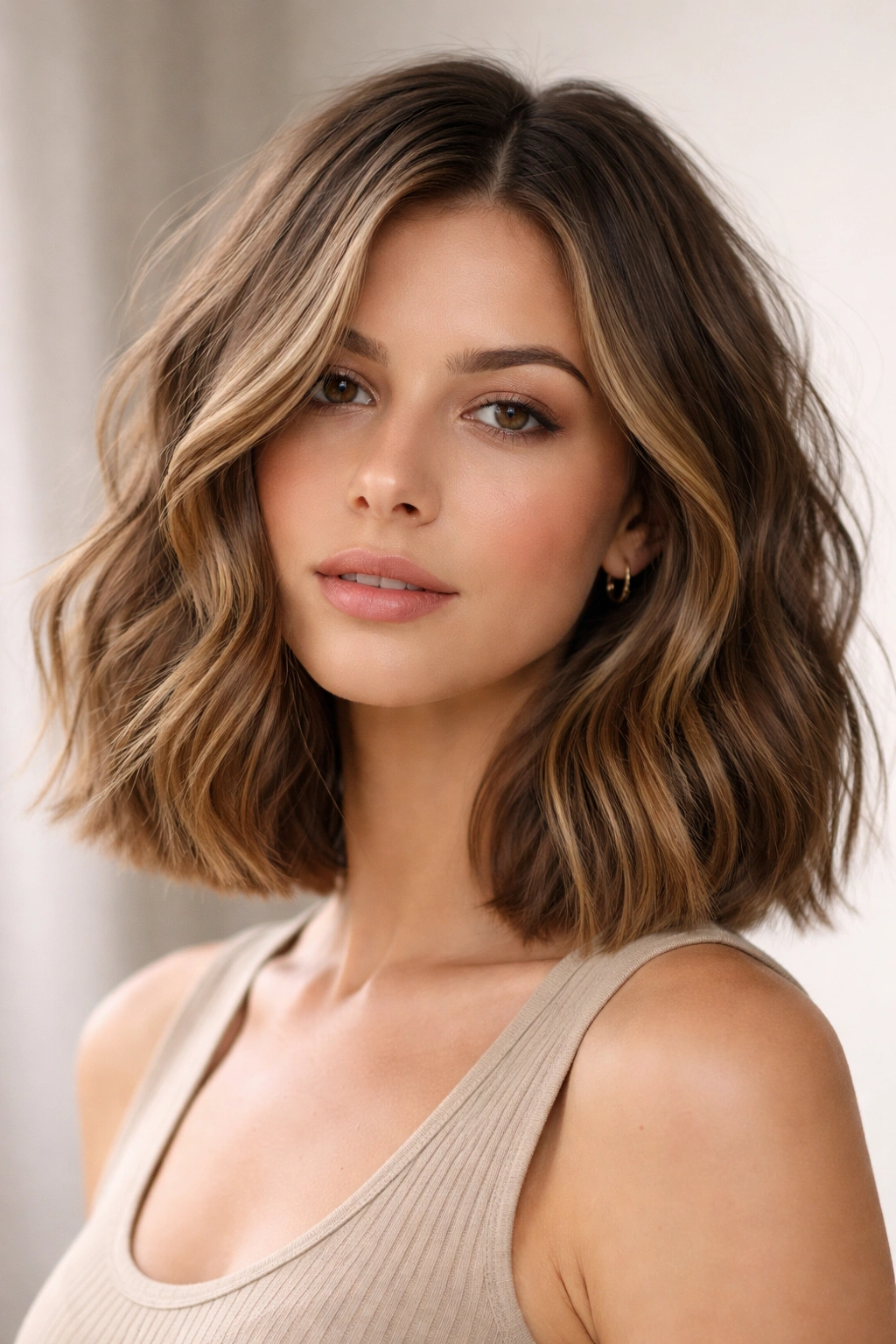
For people who want the sophistication of a blunt, structured bob but also have wavy hair they want to work with, a blunt-ended long bob with subtle internal layers is the solution. The outer perimeter stays mostly blunt and clean, creating a sharp, intentional silhouette. Inside, there are softer layers that encourage movement and prevent the bluntness from looking too rigid or severe on textured hair.
Balancing Structure and Texture
This cut is all about balance. The blunt ends provide structure and polish while the internal layers prevent you from looking like you have a solid block of hair on your head. When executed well, it looks effortlessly chic — structured enough to feel intentional and designed, soft enough that your waves feel celebrated rather than suppressed. This works particularly well for people with medium to thick wavy hair who want a modern, slightly edgy aesthetic.
Maintaining the Blunt Look
- Keep ends blunt by getting trims every 6-8 weeks, since blunt bobs show split ends and damage more obviously than layered cuts
- Blow dry smoothly to emphasize the clean edges — diffusing will make blunt ends look less defined
- Use a straightening iron on the very ends to keep the perimeter sharp, even if the rest of your hair is wavy
- Apply a smoothing serum to mid-lengths and ends for shine that emphasizes the clean structure
- Avoid heavy products that might make blunt ends look stuck or weighed down
Pro tip: This cut pairs beautifully with an intentional color (highlights, balayage, or a solid darker shade) that emphasizes the structural elements of the haircut.
7. Shoulder-Length Layered Shag
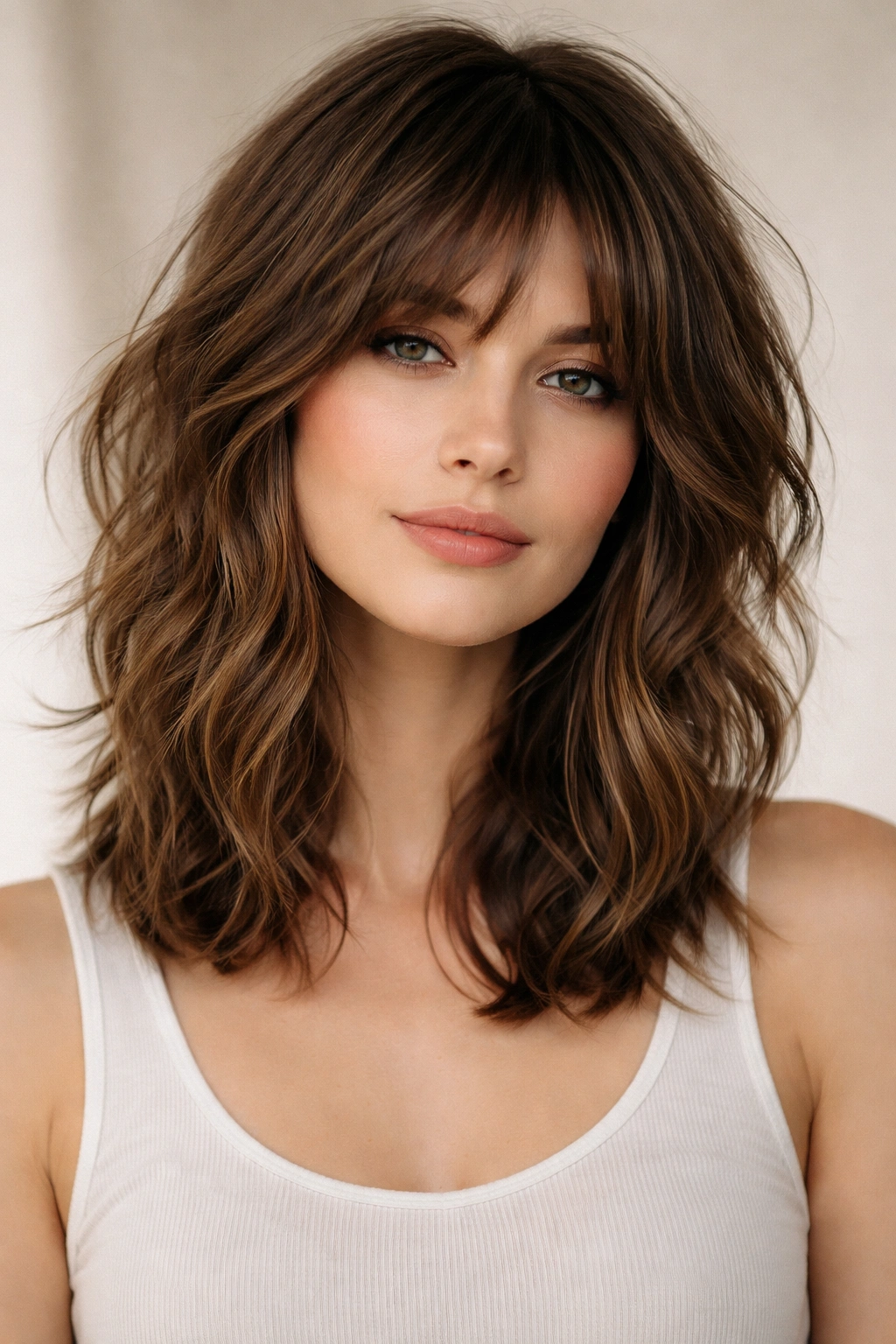
A shoulder-length shag long bob combines the choppy, multi-directional layers of a shag with the modern sensibility of a long bob. Hair lands right at the shoulder or just below, with multiple layers throughout that create significant movement and texture. The result feels both editorial and wearable — distinctive enough that you’ll get compliments, but structured enough that it doesn’t require elaborate daily styling.
Why Shoulder-Length Works for Wavy Hair
Shoulder-length is the sweet spot for many people with wavy hair. It’s long enough to avoid looking overly cropped but short enough that the weight doesn’t flatten waves. Adding shag layers at this length means you get dramatic texture and movement without the hair becoming chaotic or unmanageable. The shorter pieces can stick up and out while longer pieces add length, creating a three-dimensional effect that’s impossible to achieve with minimal layering.
Styling This Textured Cut
- Dry with a diffuser on medium speed, flipping your head and scrunching to maximize volume
- Use a texturizing cream or lightweight pomade that separates layers without weighing them down
- Layer the products — apply to damp roots, then mid-lengths, then ends, building texture gradually
- Refresh with dry shampoo and finger-styling rather than restyling the entire head on second or third days
- This cut actually improves with time as the layers develop character and movement
Worth knowing: Shoulder-length shags can feel a bit short if you’re used to longer hair. Ask your stylist to show you photos and make sure this length feels right for your face and comfort level.
8. Asymmetrical Long Bob
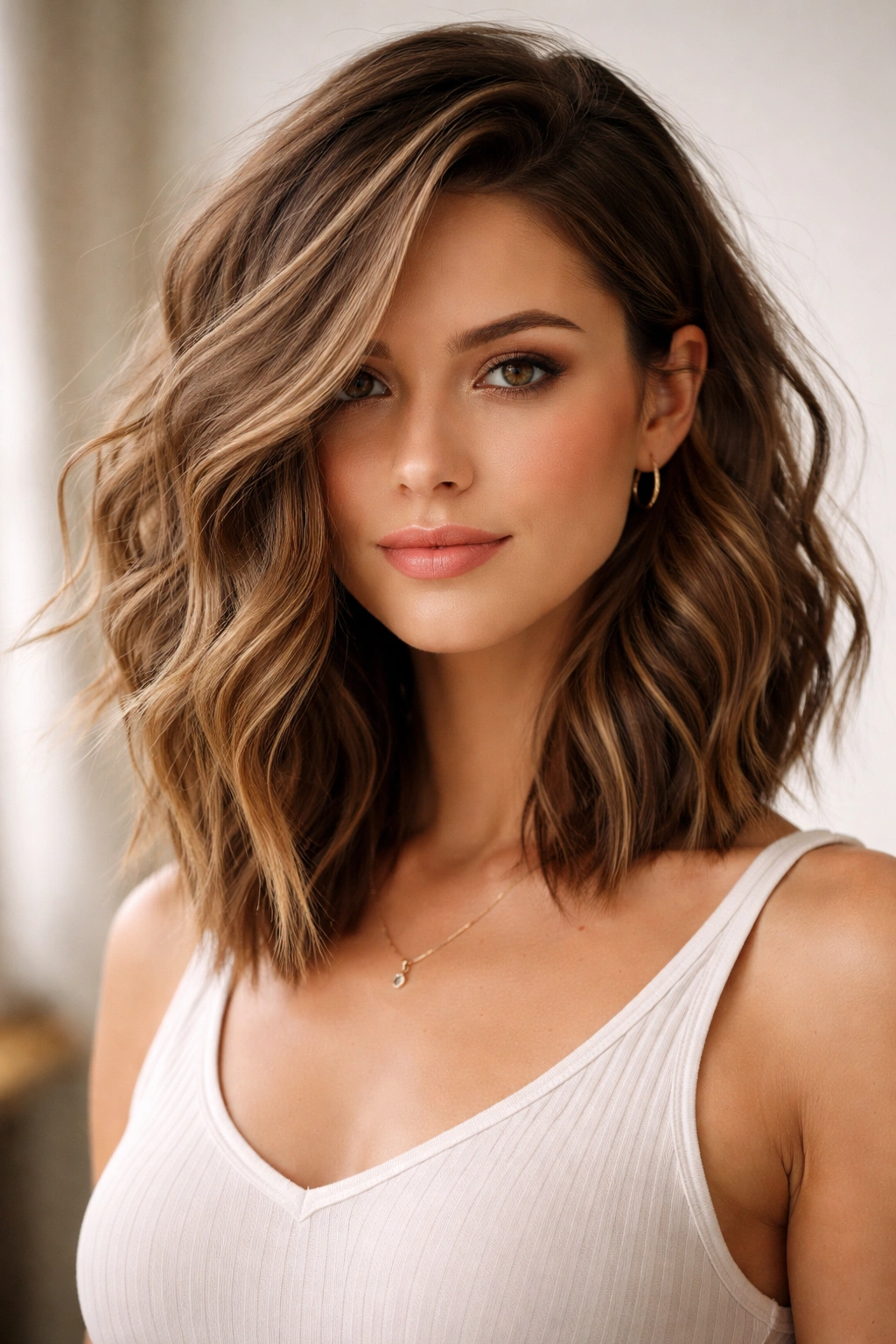
An asymmetrical long bob breaks away from traditional symmetry by making one side distinctly longer or more layered than the other. This creates immediate visual interest and movement. Combined with wavy hair, asymmetry becomes even more powerful because your waves will naturally fall differently on each side, emphasizing the intentional asymmetry of the cut.
The Modern Edge of Asymmetry
Asymmetrical cuts feel contemporary and slightly fashion-forward. They work beautifully on people who want something that stands out without being extreme. Because one side is longer or differently shaped, the cut naturally creates the appearance of movement and dynamism. For wavy hair, this means you get inherent texture and dimension even before you style the cut.
Making Asymmetry Work Daily
- Style the shorter side with more texture or separation; let the longer side fall more smoothly if you prefer
- Wear your part on the side where the hair is longer to emphasize the asymmetry
- The longer side can be pinned back or tucked behind your ear for a different look mid-week
- Blow dry the shorter side first with more product and heat to build volume, then dry the longer side more passively
- This cut shows intention when styled but can look intentionally undone if you don’t fuss with it
Pro tip: Asymmetrical cuts photograph beautifully but can feel quite different in person. Make sure you’re comfortable with the cut before committing — grow into it if you’re unsure.
9. Lob with Wispy Face-Framing Layers
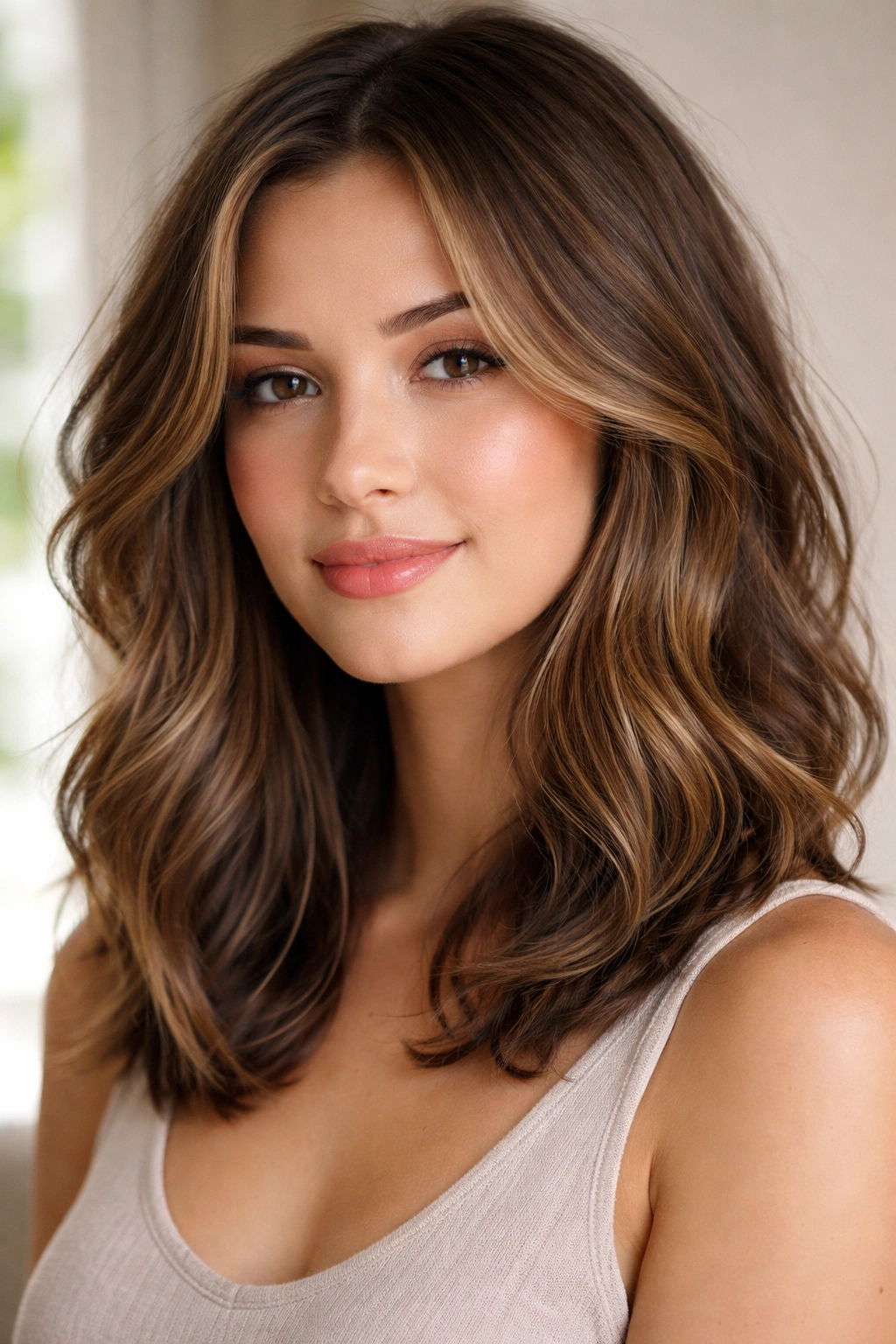
A lob (long bob) with wispy, delicate face-framing layers is designed for people who want softness and femininity without sacrificing length. The cut keeps the bulk of the hair long, but strategically shorter layers around the face create movement and lightness. These wispy pieces are meant to fall around the cheekbones and jawline, framing your face and catching light beautifully.
The Power of Face-Framing Layers
Face-framing layers work because they draw attention to your face while the longer length below keeps things feeling substantial and grown-out. The wispy pieces move independently from the rest of the hair, adding dimension and softness. For wavy hair, these layers interact with your natural texture to create a dynamic, multidimensional look that feels effortless but is actually quite intentional.
Styling Wispy Face Frames
- Apply a light styling cream or curl cream to damp hair, focusing on the face-framing pieces
- Blow dry the face-framing sections away from your face using your fingers or a small round brush
- Let the rest of the hair air dry or diffuse for a more textured effect
- Use a small curling iron or wand on just the face-framing pieces if you want them bouncier and more defined
- Avoid heavy products that will weigh down these delicate, shorter pieces
Worth knowing: Face-framing layers need regular maintenance because they grow out faster than the rest of your hair. Plan for trims every 6-8 weeks to keep the frame looking intentional.
10. Textured Piecey Long Bob
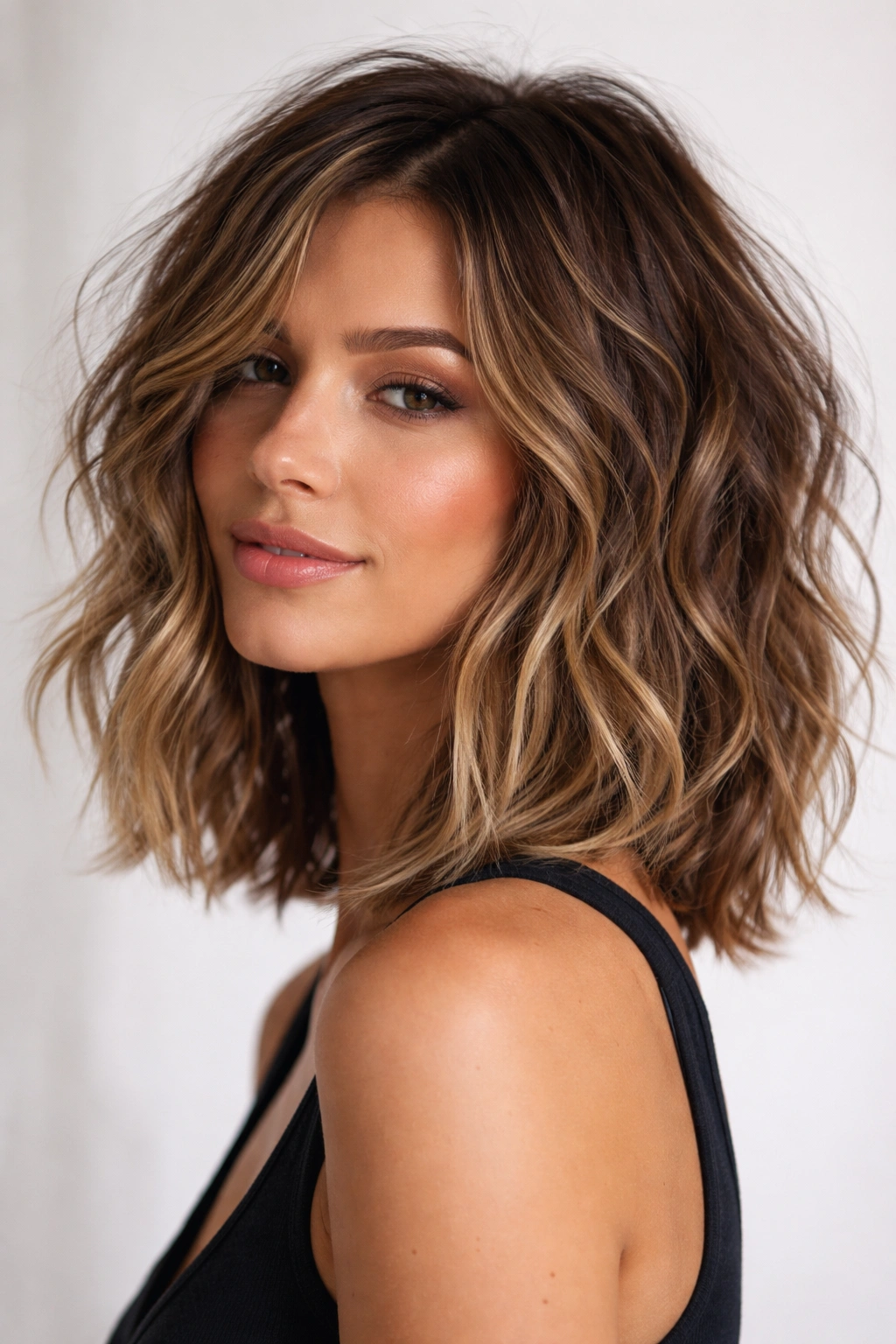
A textured piecey long bob takes choppy layers a step further by designing the cut so every single piece of hair feels separated and distinct. This is achieved through point-cutting and texturizing techniques that create lots of short pieces throughout the cut. The result is a highly textured, almost spiky look that celebrates movement and prevents any part of the hair from looking flat or stuck together.
Embracing Full Texture
This cut is for people who love texture and don’t want to hide it. Every wave in your hair becomes a feature rather than something to manage. The piecey texture means that even unstyled or air-dried hair looks intentional and designed. This approach works beautifully for people with naturally thicker, more densely wavy hair that benefits from texture reduction and piece separation.
Styling for Maximum Texture
- Use a texturizing cream, sea salt spray, or light pomade that encourages separation between pieces
- Blow dry with a diffuser, scrunching frequently to maximize texture
- Don’t try to smooth or blend the pieces — the point is separation
- Avoid conditioners that are too heavy; go for lightweight formulas that define rather than weigh down
- This style is very forgiving because the pieciness means every bit of texture looks intentional
Pro tip: A piecey cut actually looks better slightly undone than overly polished. Embrace the texture and don’t feel like you need to smooth or control it.
11. Taper-Faded Long Bob
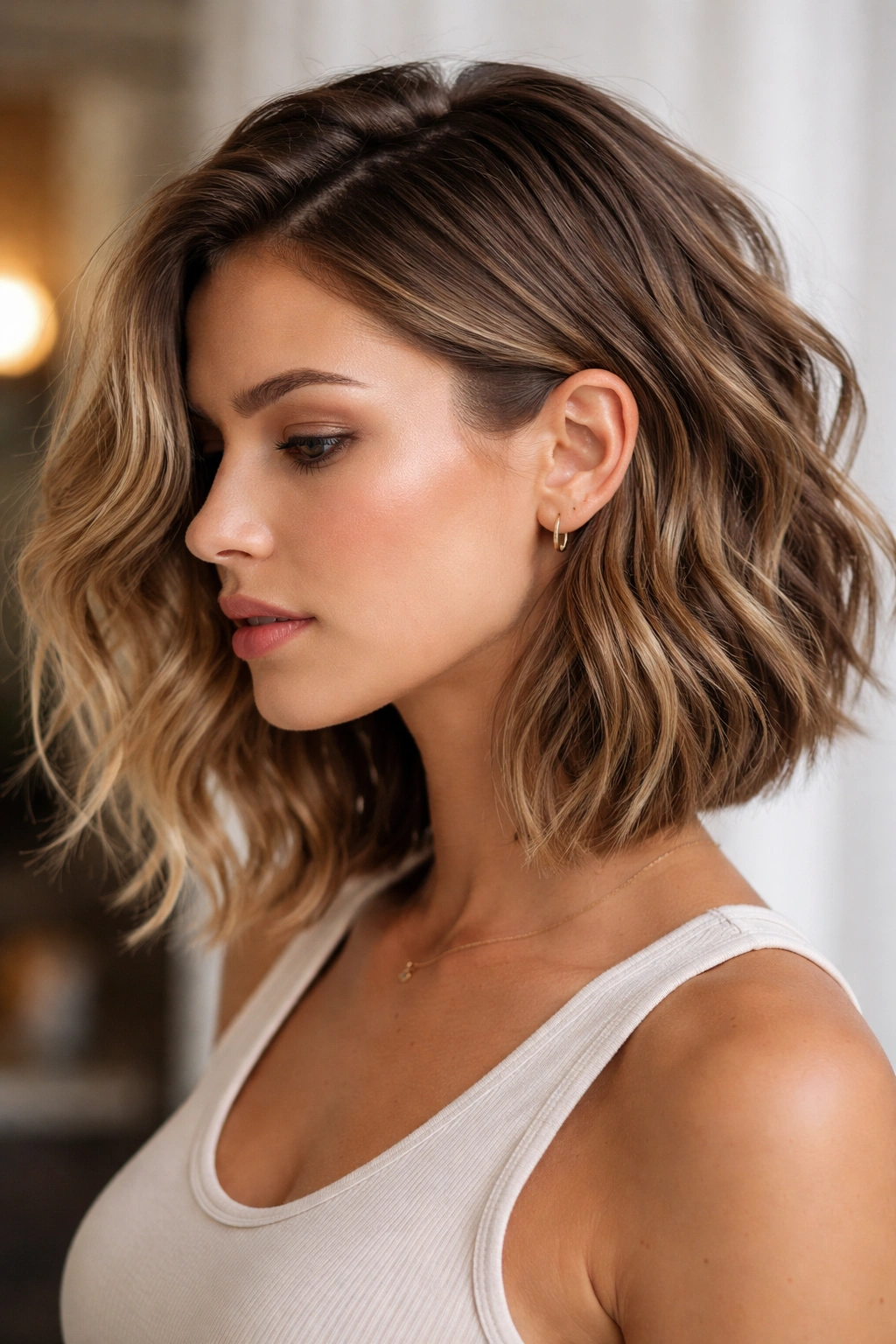
A taper-faded long bob incorporates subtle undercut or faded techniques at the sides and back of the head while keeping length on top. This modern approach creates texture and interest while maintaining the length you want. The fade is typically soft rather than dramatic, blending smoothly into the longer lengths rather than creating a stark contrast.
Modern Technique Meets Wavy Hair
Taper fades are borrowed from men’s barber styling but work beautifully on wavy hair when executed subtly. The fade removes weight from the back and sides while keeping the top and crown long, which is actually ideal for wavy hair that tends to get weighed down. Your waves can move freely without excess bulk, and the fade adds contemporary edge without looking extreme.
Maintaining a Faded Long Bob
- Book fades every 4-6 weeks to keep the fade looking intentional and blended
- Make sure your stylist understands you want a soft blend rather than stark contrast
- Blow dry the longer pieces on top to show off your waves; the fade underneath is more about texture and structure
- Use styling products on top while keeping the sides and back cleaner and less product-heavy
- This cut works well if you like an edgy, modern aesthetic but still want length and wave texture
Worth knowing: Taper fades require a stylist who’s experienced with both precision cutting and wavy or textured hair. Not every stylist will do this well, so look for someone whose portfolio includes faded or undercut work.
Final Thoughts
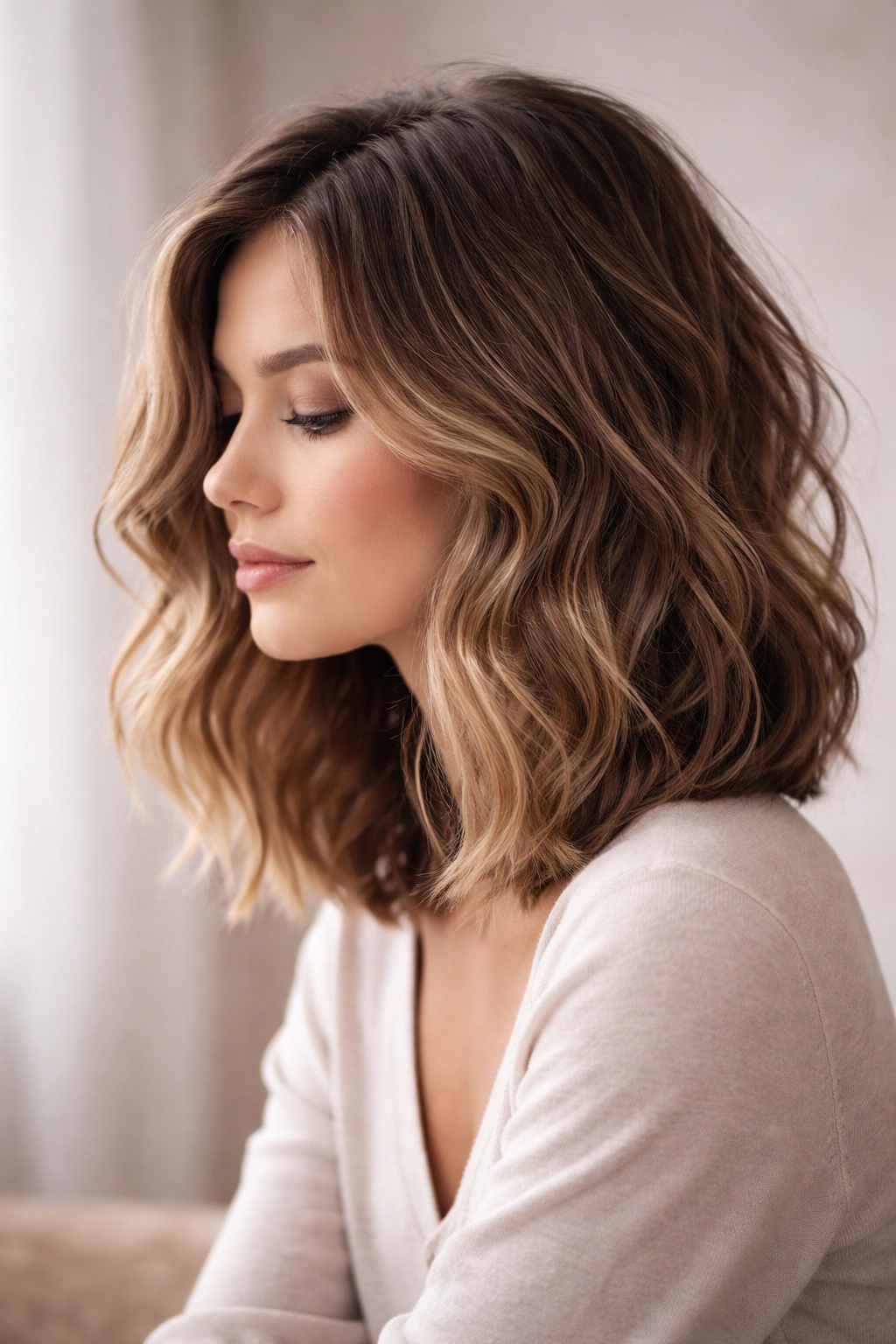
Finding the right long bob cut for wavy hair is about understanding how your texture interacts with layers, length, and structure. The cuts above each take a different approach — some emphasize texture and movement while others prioritize polish and structure — but they all work with wavy hair rather than against it. The difference between a long bob that flatters you and one that frustrates you often comes down to a few strategic layer placements and understanding exactly how your stylist should cut your specific wave pattern.
When you book your appointment, bring photos of cuts that appeal to you but also have a conversation with your stylist about your hair’s actual texture, how much time you want to spend styling daily, and whether you prefer more structure or more movement. A good stylist will ask questions about how you usually wear your hair, what frustrates you about your current cut, and what you actually do to style your hair — not what you wish you did. That honesty is what transforms a decent cut into one that actually works for your life.
Remember that styling matters just as much as the cut itself. Even the best long bob won’t look its best if you’re using the wrong products or drying method. Invest in shampoo and conditioner designed for wavy or curly hair, experiment with different styling creams and gels to find what enhances your waves, and don’t be afraid to ask your stylist to show you how they style the cut before you leave the salon. A few minutes of instruction can make the difference between a cut you love and one you’re frustrated with every morning.
