



Cornrows are one of the most protective and low-maintenance hairstyles available, but not all cornrow styles hold up equally well over extended periods. If you’re looking for a protective style that can genuinely make it past the four-week mark without unraveling, frizzing, or losing its definition, you need styles that are tightly braided, strategically positioned, and crafted with longevity in mind. The difference between cornrows that fall apart in two weeks and ones that look fresh for over a month comes down to braid tension, hair section size, protective product use, and the specific styling techniques your braider employs.
The reality is that maintaining cornrows beyond four weeks requires a combination of proper installation, consistent nighttime care, and choosing a style that’s naturally resilient. Thicker cornrows with tighter tension hold their shape longer than thin, delicate ones. Styles that don’t endure heavy daily friction or that are protected during sleep last noticeably longer. Extensions matter too—human hair blends hold better than 100% synthetic hair, though quality synthetic extensions absolutely can last four weeks with the right care.
Getting cornrows that genuinely last over a month isn’t just about asking your braider to braid tighter—though that certainly helps. It’s about understanding which style patterns, braid thicknesses, and placement strategies are engineered for staying power. The styles below all have a proven track record of maintaining their integrity and appearance well into the fifth week, even with daily wear.
1. Fulani Braids with Thick Tension
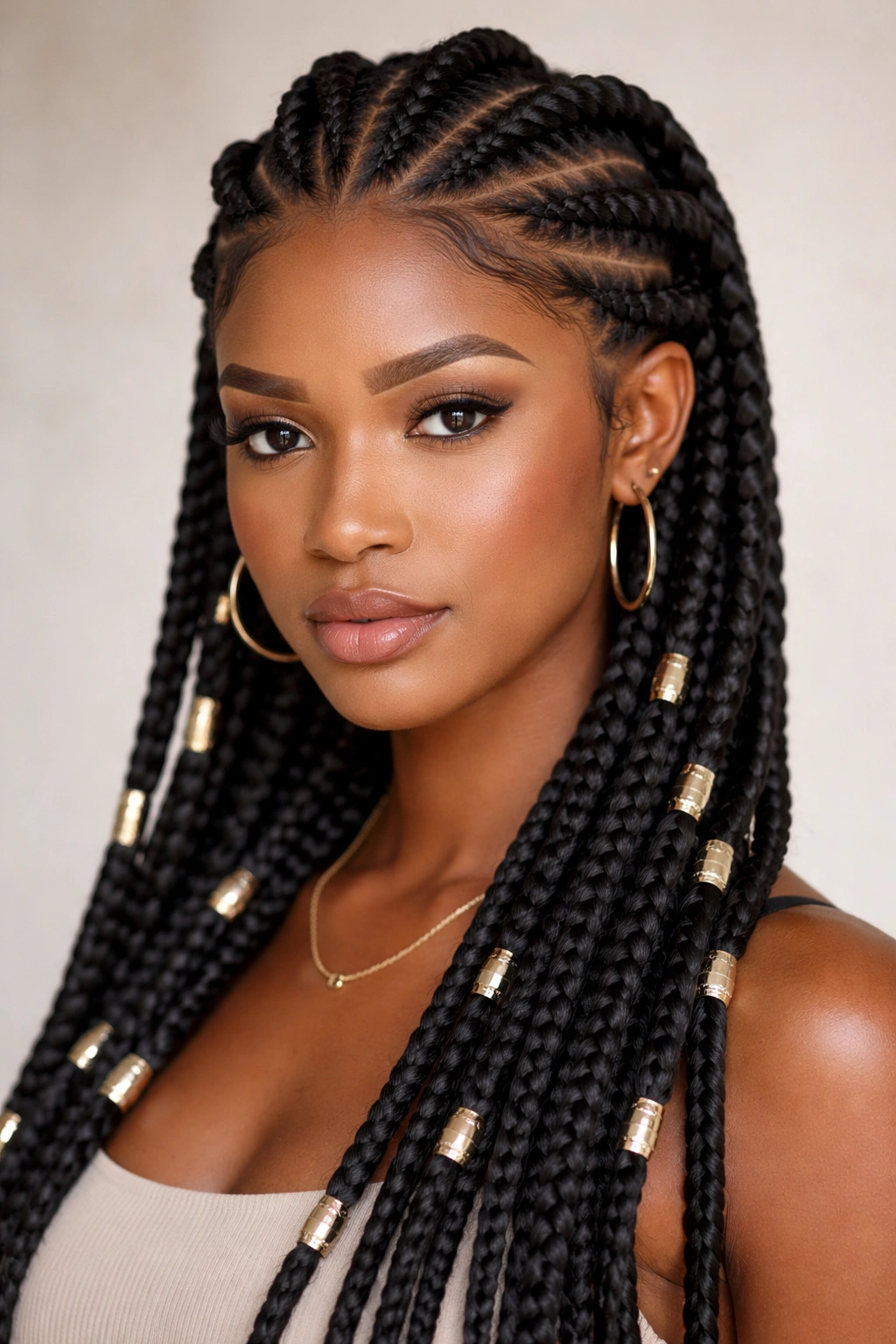
Fulani braids are iconic cornrows characterized by large, prominently thick braids that frame the face and extend down the back of the head, often adorned with gold cuffs, beads, or metallic accents near the ends. These braids are typically cornrowed from the hairline to the crown and then released into long, hanging braids. Because of their substantial thickness—usually braided with extension hair for fullness and weight—Fulani braids create a structured style that resists unraveling and maintains its pattern definition far longer than delicate braids.
Why Fulani Braids Last So Long
The secret to Fulani braids’ longevity is their sheer thickness and the tension required to create them. Thicker cornrows require more hair per section, which means more base to support the braid’s structure. The weight of the extended braids also works in favor of durability—the pull and tension naturally keep braids compressed and neat. The gold or metallic cuffs aren’t just decorative; they also help lock the braid’s shape and prevent fraying at the ends. Many people wearing Fulani braids report that their cornrows look nearly as fresh in week five as they did in week one.
How to Keep Them Fresh Beyond Four Weeks
Wrap your hair in a satin or silk bonnet every single night—this prevents the friction that causes frizz and unraveling. Every 3-4 days, use a light leave-in conditioner or braid refresher spray to keep the braids hydrated and prevent dryness, which leads to breakage. If you’re wearing metal cuffs, check them weekly to ensure they haven’t loosened, and gently tighten them if needed. On nights when you don’t wear a bonnet, use a satin pillowcase instead. Avoid chlorinated water as much as possible; if you swim, wet your hair with fresh water first and apply a leave-in conditioner to create a protective barrier.
Pro tip: Have your braider use quality human hair blend or 100% human hair extensions rather than pure synthetic fiber—the difference in longevity is substantial, and human hair blends create a softer, more natural appearance that still holds its shape beautifully.
2. Micro Cornrows for Ultimate Precision
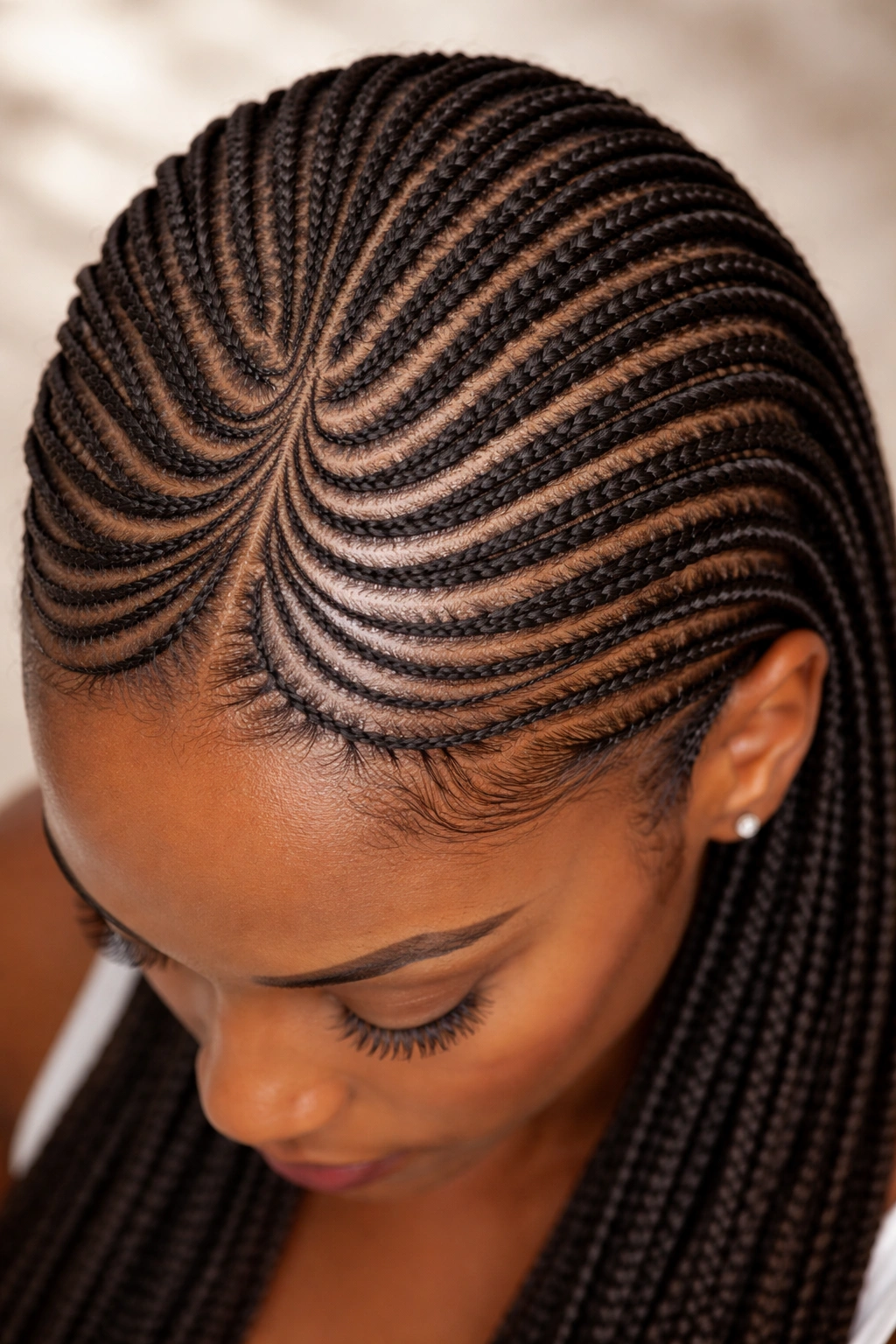
Micro cornrows are exceptionally thin, tightly braided cornrows that cover the entire scalp in intricate, detailed patterns. These braids are often so small that they can create elaborate geometric designs, swirls, or even portrait-like patterns across the head. Because of their extreme tightness and the meticulous tension required to create them, micro cornrows are engineered for longevity. They’re less prone to frizzing, unraveling, or losing definition because the braid structure itself is so tightly compressed.
The Durability Advantage of Micro Braids
The thinner the braid, the more tightly it must be braided to maintain structure—and that’s exactly why micro cornrows are remarkably durable. The ratio of braid tension to braid diameter means these cornrows have nowhere to go. They don’t shift, slip, or loosen the way thicker braids sometimes can. Many people find that micro cornrows look almost identical in week four or five as they do on day one. The only real downside is that they require a significant amount of time to install (often 6-10 hours for full-head coverage), but the payoff in longevity is real.
Maintenance for Micro Cornrows
These braids are delicate in terms of scalp sensitivity but robust in terms of durability. Use a silk scarf or bonnet every night to prevent frizz and friction. Wash your braids every 7-10 days rather than every week—micro cornrows can take longer to dry, and over-washing can cause unnecessary stress. When you do wash, use a sulfate-free shampoo and focus on the scalp; let the shampoo run down the braids without aggressive scrubbing. A dry shampoo or cornstarch spray applied between washes helps absorb scalp oils and eliminates the need for frequent full washes.
Worth knowing: Micro cornrows demand a highly skilled braider—an inexperienced braider may create uneven tension, which compromises longevity. Invest in someone known for precision work; it’s worth the extra cost and time.
3. Ghana Braids with Rounded Design
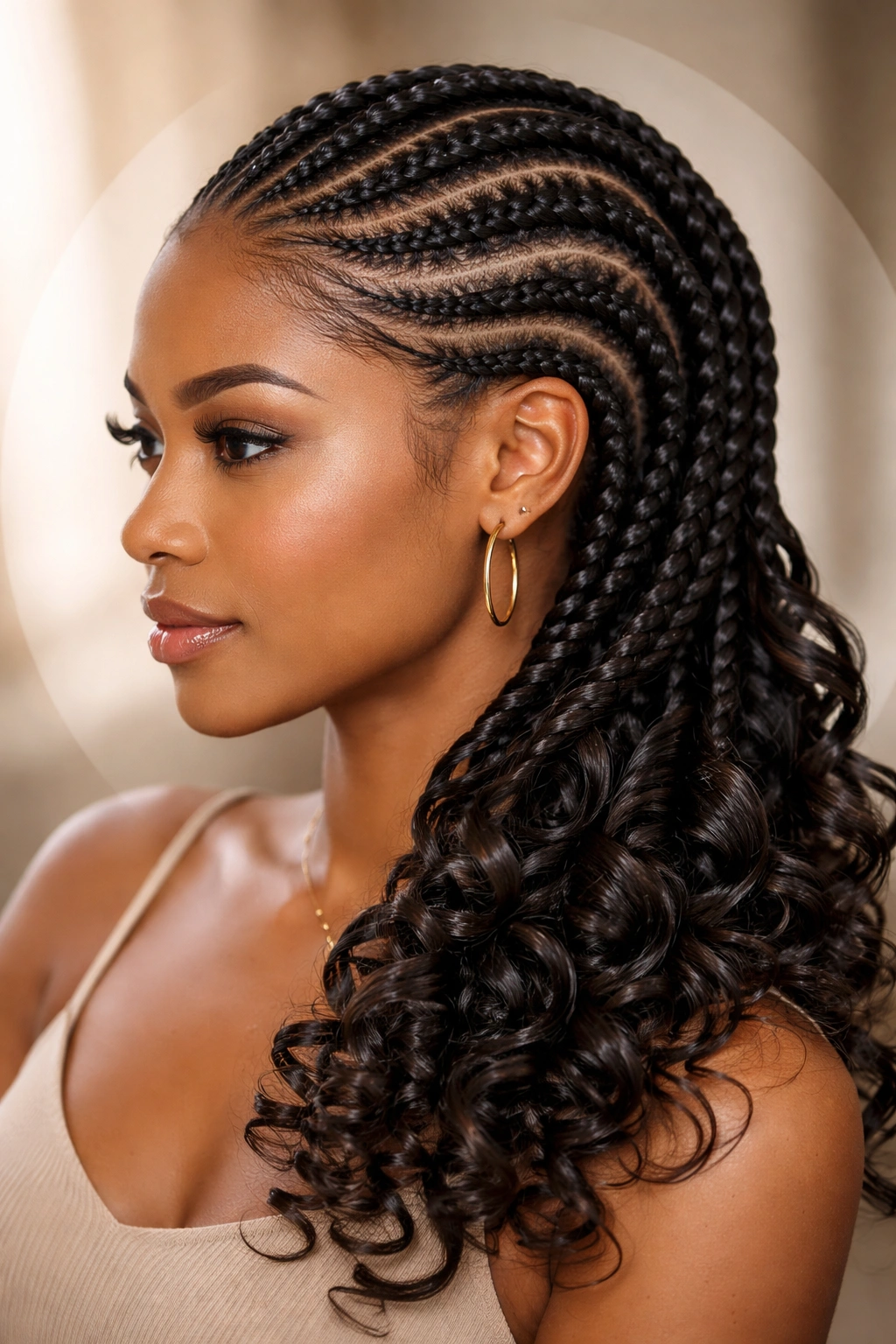
Ghana braids are cornrows that curve around the head in smooth, rounded arcs, often creating a spiral or circular pattern from the scalp outward. The distinguishing feature is the way they wrap around the contours of the head rather than running in straight lines, and they often finish with hanging spiral curls at the ends. This rounded, curved design actually contributes to their durability because the curves distribute tension more evenly across the scalp, reducing the strain on any single point.
Why the Curved Pattern Extends Lifespan
Straight-line cornrows can create pressure points where the braid roots meet the scalp, and over four weeks, this concentrated tension can lead to breakage and loosening. Ghana braids’ rounded pattern distributes pressure more evenly across a larger area of the scalp, which actually reduces strain and promotes longevity. The curved design also means the braids move less during daily activity—they’re held in place by their own geometry rather than relying on tension alone. The hanging spiral curls at the ends are typically created by wrapping extended hair around a curling iron or braiding tool, and these curls actually help protect the ends of the braids from unraveling.
Keeping Ghana Braids Fresh and Defined
The spiral curls at the ends are prone to frizzing, so prioritize protecting them at night. Use a satin bonnet that fully covers the curls, or wrap the curls individually in satin strips before bed. Refresh the curls every 5-7 days by lightly misting them with water and re-curling them with a curling iron on low heat, or by braiding them loosely overnight and unbraiding in the morning for naturally refreshed curls. The cornrowed portions respond well to a light leave-in spray every few days to maintain hydration and elasticity.
Pro tip: Ask your braider to create the spiral curls slightly looser than you might initially prefer—looser curls maintain their shape longer than extremely tight curls, which can unravel more quickly. You can always re-curl them tighter after a few weeks if needed.
4. Box Braids Styled as Cornrows
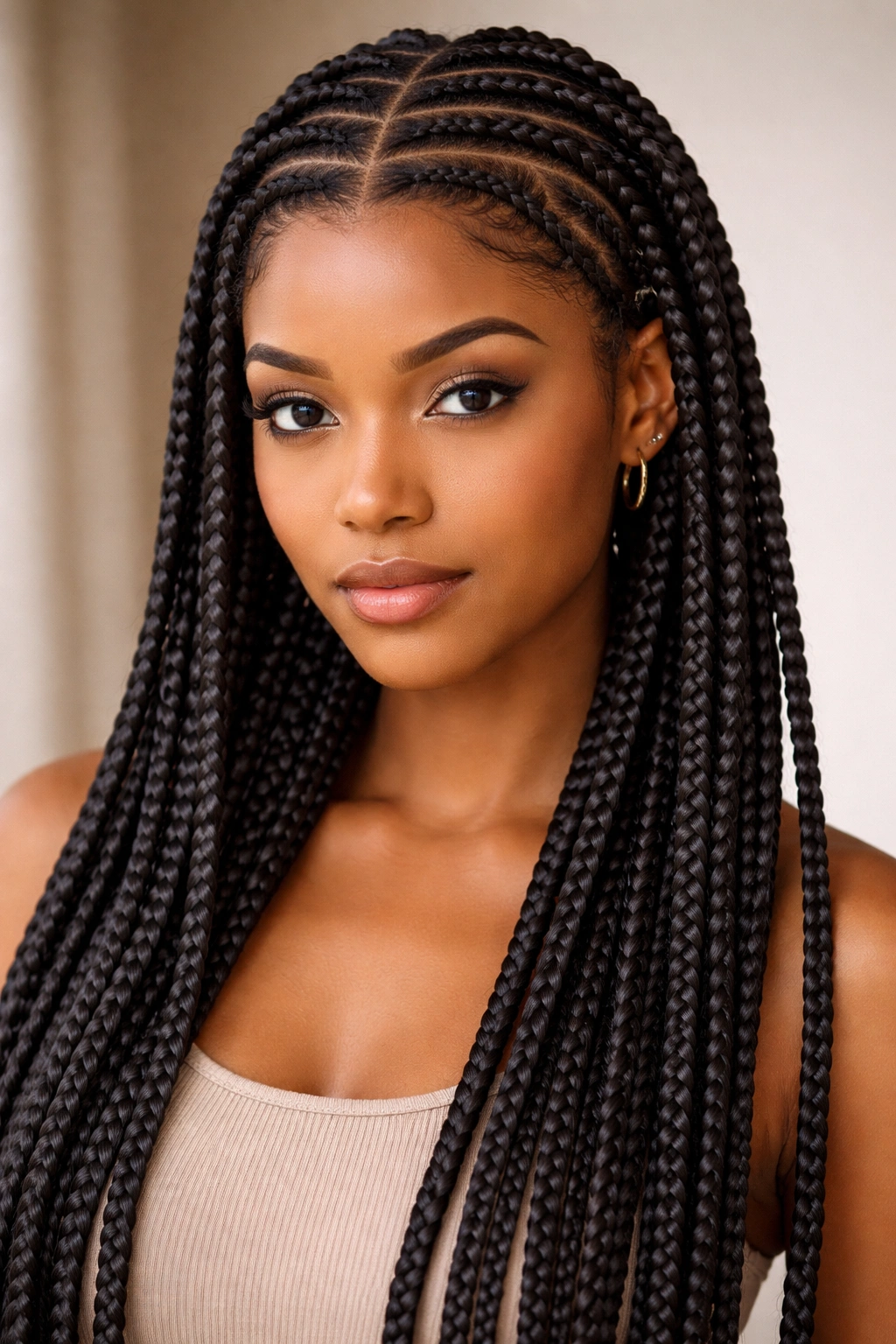
Box braids—individual, box-shaped sections braided from root to tip—can actually be styled into a cornrow appearance by connecting them with a cornrow braid at the roots and allowing the box braids to hang freely below. This hybrid style combines the protective scalp coverage of cornrows with the longevity of box braids. Each box braid section is individually encased and protected, which means they don’t unravel even if one section loosens—they maintain their structure independently.
The Hybrid Durability Factor
The genius of this style is that it gives you the visual impact of full-head cornrows without the vulnerability of cornrows alone. If one box braid section begins to loosen slightly, it doesn’t create a cascade effect where the entire cornrow unravels. Each section is self-contained. Additionally, the individual box sections mean you can easily replace or touch up a single section that’s showing wear, without redoing the entire style. This makes the style effectively last far longer than traditional cornrows because you can maintain it progressively rather than waiting for it to fully fall apart.
Maintenance and Touch-Ups
Wash gently every 7-10 days, focusing shampoo on the scalp and allowing it to run down the braids without rubbing. A leave-in conditioning spray applied every 3-4 days keeps both the cornrowed roots and the box braid sections hydrated. Around week three or four, you may notice one or two box braid sections beginning to show wear—unravel those specific sections and re-braid them individually, or add a small amount of new braiding hair to reinforce the sections that are loosening.
Insider note: This style works beautifully if you can access a braider who’s comfortable with hybrid styling. Not all braiders work with this approach, so call ahead and confirm they understand the concept before booking.
5. Senegalese Twist Cornrows
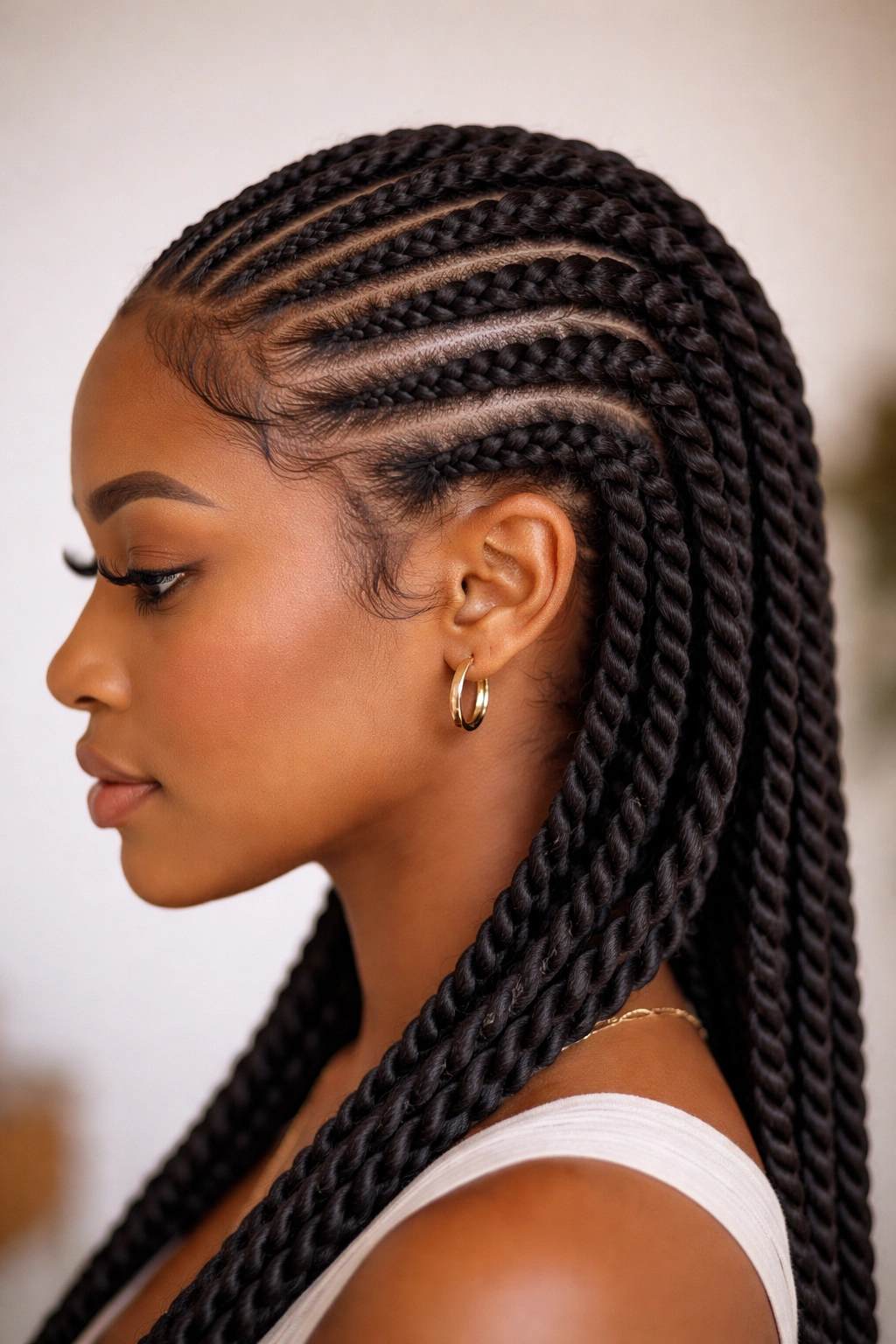
Senegalese twists are two-strand twisted braids that can be cornrowed directly against the scalp, creating a smoother, more textured appearance than traditional three-strand cornrows. These twists are often created with braiding hair or extension hair, and the two-strand construction actually creates less bulk than three-strand cornrows while maintaining exceptional durability. The twist pattern naturally resists unraveling because the two strands are constantly interlocking as you go.
Why Two-Strand Twists Resist Unraveling
A three-strand cornrow has three separate sections that need to stay perfectly aligned and tensioned to maintain the braid’s shape. A two-strand twist requires only two sections to stay properly interlocked—fewer moving parts mean fewer opportunities for loosening or unraveling. Senegalese twist cornrows often last noticeably longer than their three-strand counterparts, and they’re also gentler on the scalp because the twist pattern distributes tension more evenly. Many stylists actually recommend Senegalese cornrows for people with sensitive scalps or a history of breakage because the gentler tension combined with the resistant twist structure creates a safer, longer-lasting protective style.
Keeping Senegalese Cornrows Resilient
The two-strand twist pattern is naturally more resistant to frizz than three-strand braids, but the twists can still show some separation over time. Every 5-7 days, lightly mist the cornrows with water and use a fine-tooth comb or your fingers to gently re-twist the top inch or so of each cornrow, where separation tends to begin. A light oil or creamy leave-in conditioner applied to the twists helps them retain their shape. Sleep with a satin bonnet or on a satin pillowcase to prevent friction from undoing the twist pattern while you sleep.
Worth knowing: Senegalese cornrows often look slightly thicker and fuller than three-strand cornrows made with the same hair volume, which some people prefer aesthetically. They also tend to show less frizz in humid conditions.
6. Waist-Length Tribal Cornrows
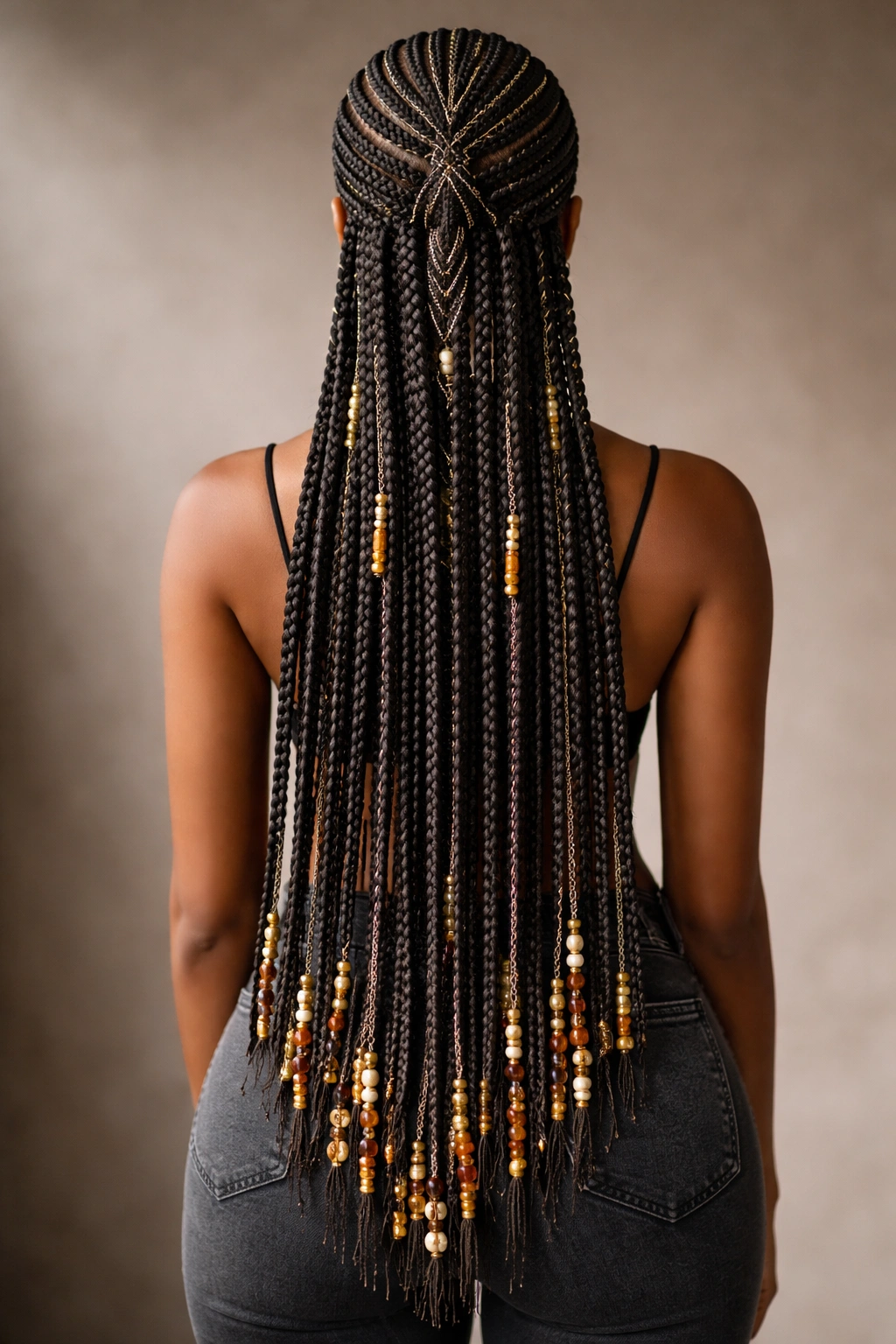
Waist-length tribal cornrows are extremely long cornrows that extend down the entire length of the back, often incorporating geometric patterns, beads, or colorful thread wrapping throughout. These are often called “tribal” because they echo the braiding traditions of various African cultures. The extreme length is actually a durability feature—cornrows that extend far from the scalp are less likely to loosen at the roots because the weight and length create a natural anchoring effect.
Length as a Longevity Factor
When cornrows are only shoulder-length or chest-length, the braids extend far enough from the scalp that movement and friction can cause them to work loose. Waist-length cornrows, by contrast, create so much weight and tension that the roots stay firmly anchored to the scalp. The extended length also means there’s less movement and shifting—longer braids are naturally more stable. Additionally, if you’re wearing these cornrows for a special occasion or just want maximum longevity, the extended length gives you room to trim off any frizzy ends at weeks three and four without dramatically changing the style’s appearance.
Caring for Waist-Length Cornrows
The longer your cornrows, the more important it is to wrap them carefully at night. Use a large satin bonnet or wrap your entire length in a satin scarf, securing it so the braids don’t hang over your shoulder and create friction. When you wash, be extra gentle with the length—washing long cornrows requires patience and care to avoid tangling. Apply leave-in conditioner every few days throughout the entire length, not just at the scalp. The ends of waist-length cornrows are most vulnerable to frizzing and unraveling, so applying a small amount of edge control or braid-sealing product to the last 2-3 inches every week extends the style’s lifespan significantly.
Pro tip: Waist-length cornrows are spectacular for weddings, special events, or photo shoots—the length creates visual impact that’s hard to achieve with shorter styles. Plan to wear them for a specific occasion rather than aiming for four weeks of everyday wear.
7. Feed-In Cornrows with Gradual Extension
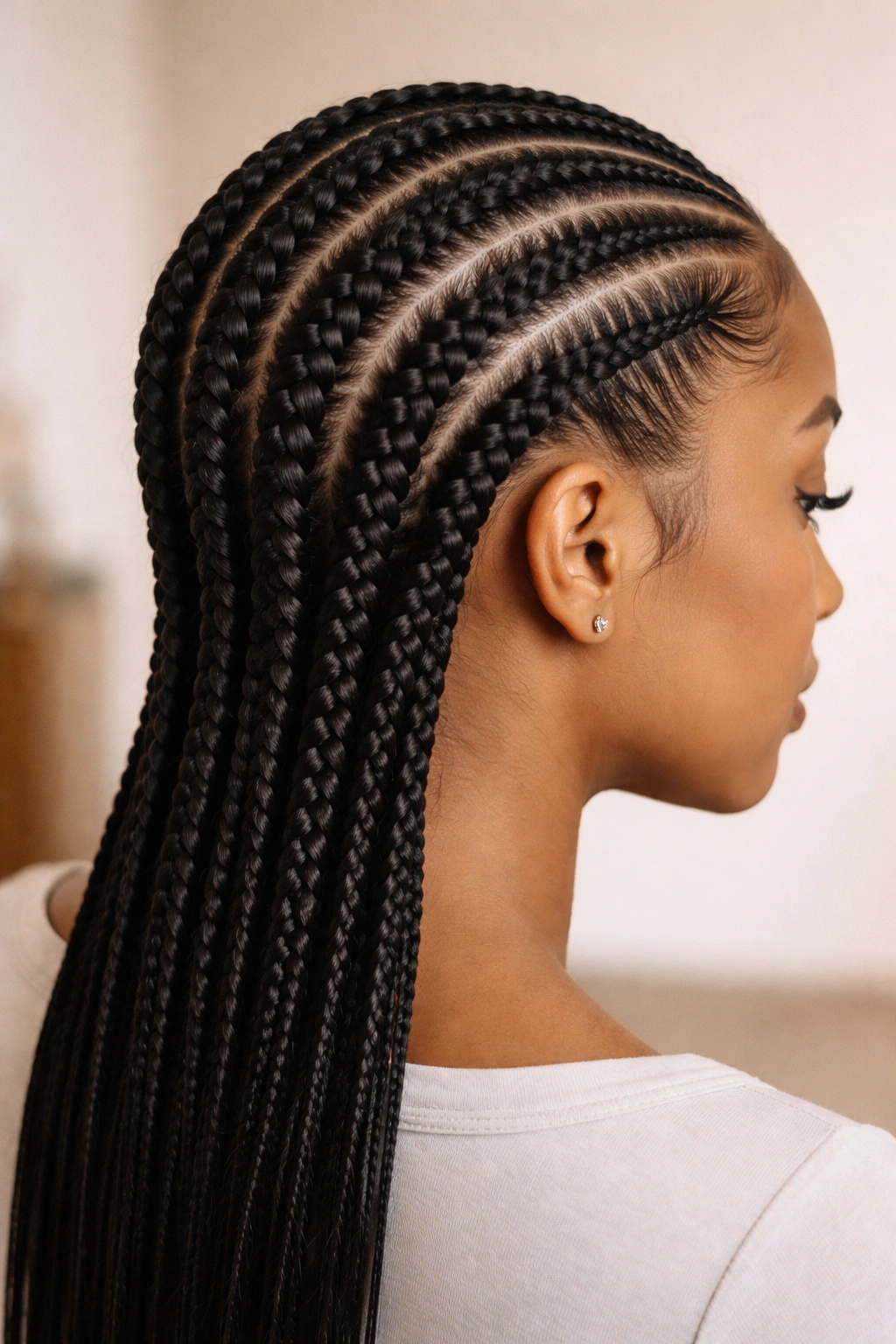
Feed-in cornrows are a technique where extension hair is gradually woven into your natural hair as the braid progresses, rather than adding all the extension hair at once at the start of the braid. This creates a cornrow that looks like it’s growing directly from your scalp, with a smoother, more natural appearance. Feed-in cornrows are particularly durable because the gradual addition of extension hair creates a more secure connection between your natural hair and the braiding hair.
The Mechanical Advantage of Feed-In Application
When all the extension hair is attached at the root (a “full braid” approach), the weight of the braiding hair concentrated at the scalp can eventually cause tension and loosening. Feed-in cornrows distribute this weight gradually along the entire length of the braid, which actually reduces stress on your natural hair and on the root connections. This technique also creates fewer potential weak points in the braid where separation could begin. Many braiders charge more for feed-in cornrows specifically because they’re more time-consuming to create, but the durability difference justifies the extra cost if you want your style to last past four weeks.
Maintenance for Feed-In Cornrows
Feed-in cornrows respond beautifully to regular conditioning because the gradual blending of natural and extension hair creates more texture variation. Use a braid refresher spray or lightweight leave-in conditioner every 3-4 days. Sleep with a satin bonnet to prevent frizz, especially in the first week when the braids are most prone to separating slightly as they settle. Around week three, you may notice the tiniest bit of frizz appearing where the feed-in sections blend—gently smooth these areas with a fine-tooth comb and apply a small amount of edge control or anti-frizz serum.
Insider note: Feed-in cornrows are ideal if you want a protective style that also looks somewhat natural or less “styled”—they’re popular for professional settings or everyday wear because they blend seamlessly with your natural hairline.
8. Thick Cornrows with Curled or Coiled Ends
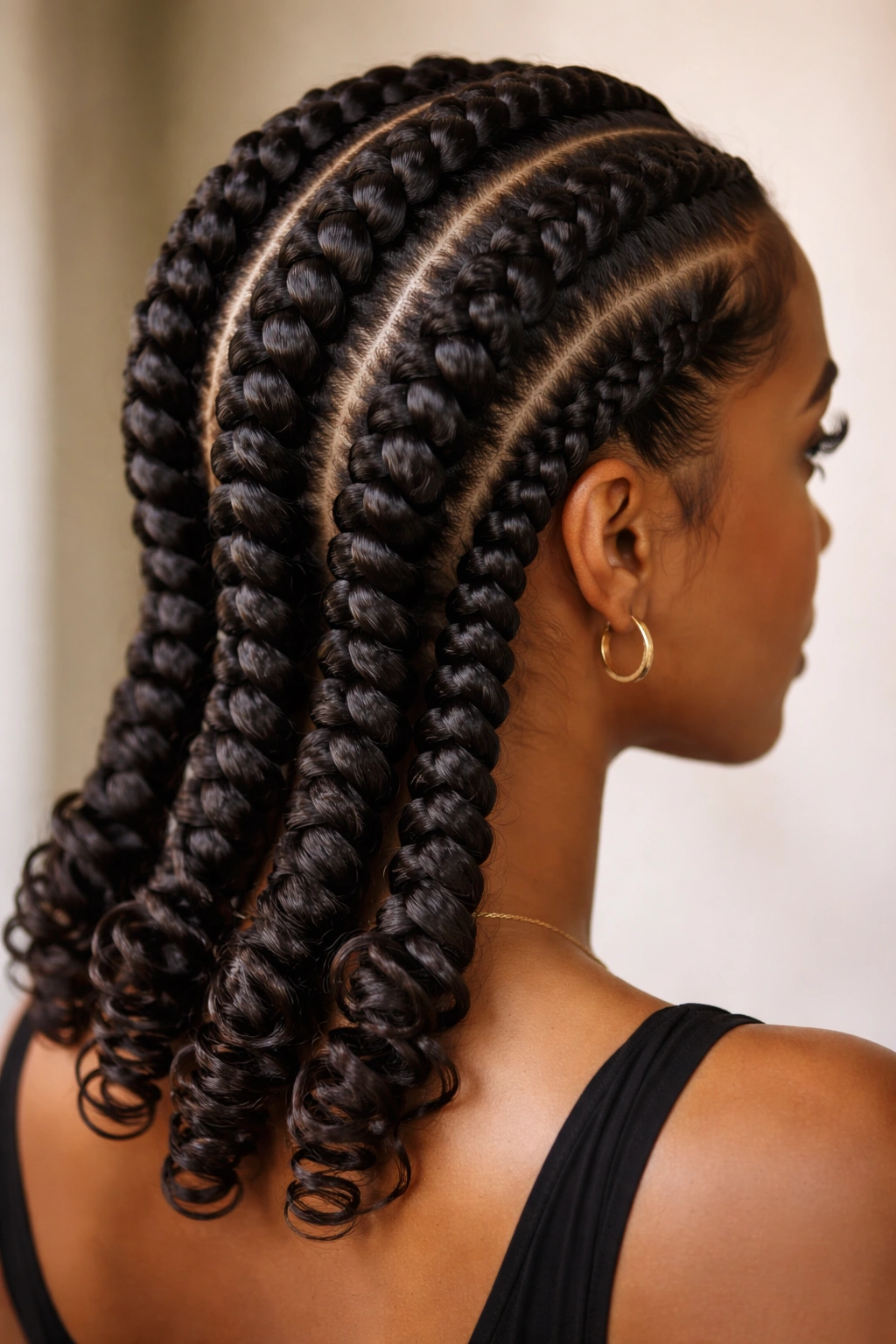
Thick cornrows with deliberately curled or coiled endings are large-section cornrows that transition into spiral curls or coils at the ends, creating a visually dimensional style that combines braided structure with textured curls. The thickness of these cornrows (usually created with generous hair sections and extended braiding hair) combined with the protective nature of the curled ends makes this style exceptionally long-lasting.
Why Thick Cornrows with Curl Endings Last So Long
Thin cornrows can frizz and separate relatively quickly. Thick cornrows, by contrast, are so densely braided that they resist frizzing and maintain their shape through multiple weeks of wear. The curled or coiled endings actually protect the vulnerable ends of the braids from unraveling—a straight braid end is susceptible to fraying, while a tightly curled end is self-reinforcing. The curl pattern at the ends also adds visual interest and movement to the style, which helps disguise any slight loosening or frizzing that might occur in weeks three and four.
Maintaining Curl Definition and Braid Structure
The cornrowed portions should be treated like standard cornrows—satin bonnet at night, leave-in spray every few days, and gentle washing every 7-10 days. The curled endings, however, need special attention. Every 5-7 days, lightly mist the curls with water and re-define them by wrapping them around a small curling iron on low heat or braiding them loosely overnight and unbraiding in the morning. This refreshes the curl pattern and extends the polished appearance well into week five. Apply a small amount of curl-defining cream or leave-in conditioner to the curled sections specifically—this keeps them hydrated and bouncy rather than dry and fragile.
Pro tip: Ask your braider to create the curls slightly loose rather than extremely tight—looser curls maintain their shape longer and look more natural, while very tight curls can unravel more quickly.
9. Colorful Thread-Wrapped Cornrows
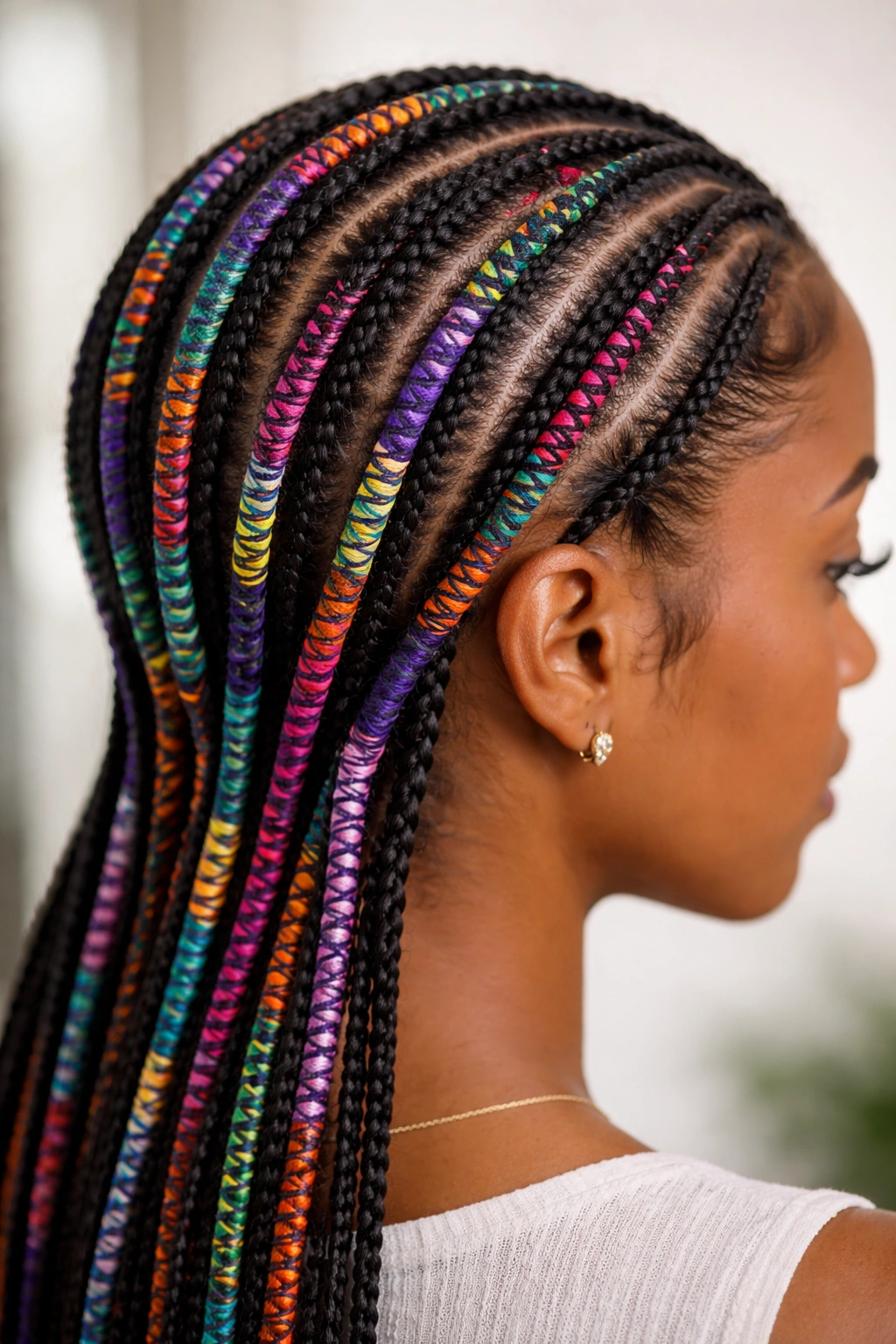
Thread-wrapped cornrows are cornrows adorned with colorful embroidery thread, yarn, or metallic thread wrapped around the braids throughout their length, creating patterns of color and texture. The thread wrapping is both decorative and functional—it adds visual interest while actually helping to hold the braid’s structure intact. The wrapping creates compression that reinforces the braid’s construction, which directly extends its lifespan.
How Thread Wrapping Reinforces Durability
When thread is wrapped tightly around a cornrow, it creates additional structural support—the cornrow is essentially being held together by both the braid tension and the thread compression. This means thread-wrapped cornrows resist unraveling longer than plain cornrows because they have this additional reinforcement. The thread also helps prevent frizz from developing on the braid’s surface because the wrapping keeps all the hair strands in place. Additionally, if you choose metallic thread or high-contrast thread colors, the visual effect actually helps disguise minor frizz or loosening that might occur in later weeks—the eye is drawn to the thread colors rather than noticing any slight separation.
Caring for Thread-Wrapped Cornrows
The thread itself is quite durable and won’t deteriorate during normal wear, but the wrapping should be checked occasionally to ensure it hasn’t loosened. If you notice any sections where the thread has unraveled slightly, you can carefully re-wrap it using the same type of thread and a needle, or ask your braider to tighten it during a maintenance appointment. The cornrow braids themselves require the same care as any other cornrow—satin bonnet at night, leave-in spray every few days, gentle washing, and moisturizing. The thread actually makes the braids slightly more water-resistant, so they can handle water exposure slightly better than plain cornrows.
Worth knowing: Thread-wrapped cornrows are popular for festivals, celebrations, and special occasions because they’re visually striking. The color options are nearly unlimited, so you can create a style that perfectly matches your aesthetic or event theme.
10. Protective Crown Cornrows with Side Sections
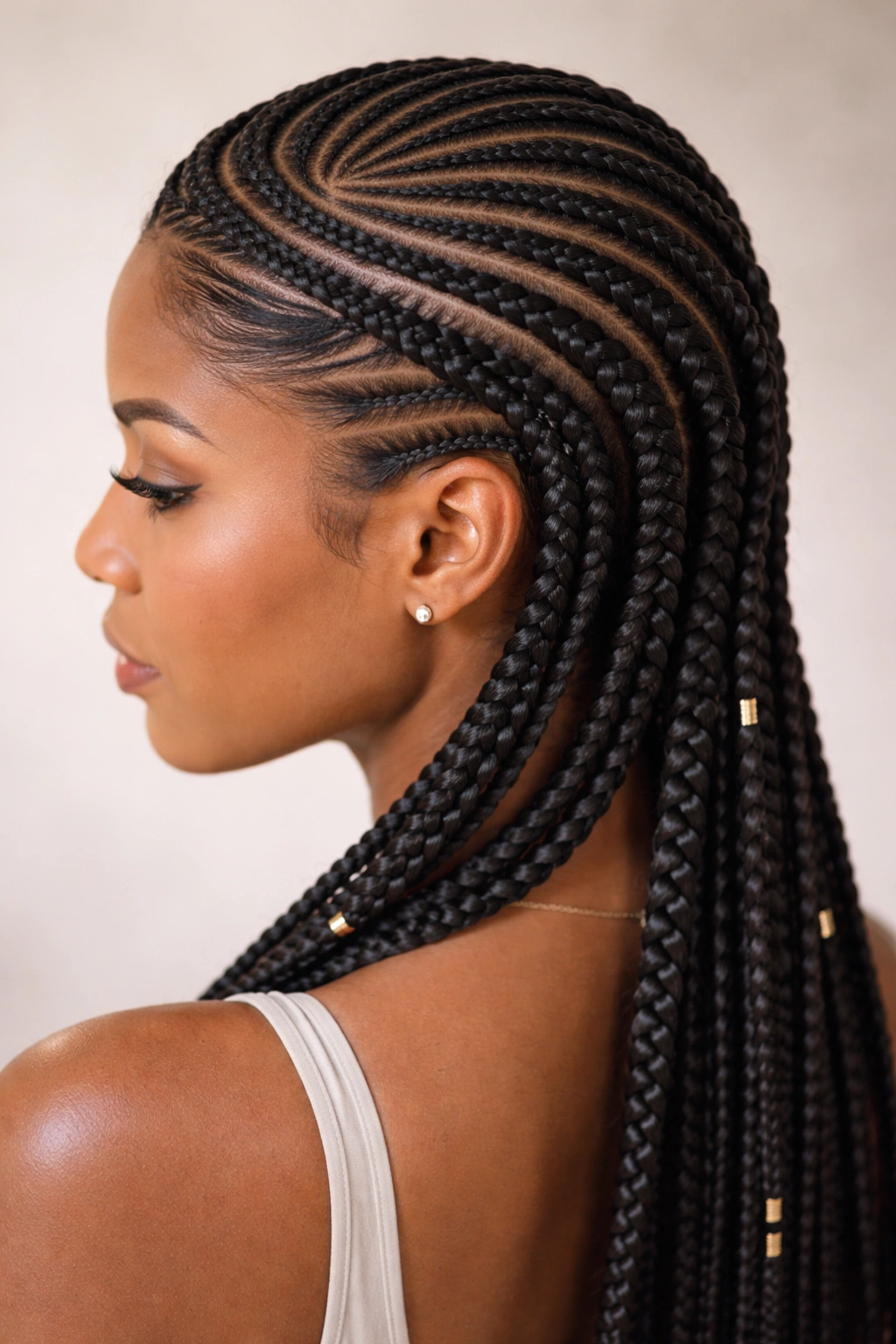
Protective crown cornrows are cornrows braided in a crown or halo pattern around the top and back of the head, with smaller braids or twists along the sides, designed so that the highest-stress areas (where braids might rub against shoulders or clothing) are actually the reinforced crown sections. By strategically placing the largest, tightest cornrows in the areas that will experience the most movement and friction, this style distributes wear evenly and extends overall longevity.
Strategic Placement for Maximum Lifespan
Most cornrow styles experience wear unevenly—braids that hang near the shoulders or back tend to loosen faster because they experience friction from clothing, movement, and sleeping position. Protective crown cornrows solve this by keeping the longest, most vulnerable braids elevated on the crown of the head, where they experience less friction and movement. The smaller side sections and side twists balance the overall look while being positioned in areas where minor frizzing is less noticeable. This intentional design means the style looks fresh and polished throughout the entire four-week period because the vulnerable sections are protected from the start.
Maintaining Protective Crown Cornrows
The crown sections respond well to satin bonnet protection every night—prioritize keeping the crown braids smooth and crease-free because they’re the visual focal point. The side sections may frizz slightly more quickly because they’re exposed to more air and movement, but this can be managed with light misting and edge control applied every few days. Wash every 7-10 days, being gentle with the side sections. Around week three, you might notice the side braids showing slightly more frizz than the crown—this is normal and can be minimized with a light edge control or anti-frizz serum applied to the affected areas.
Pro tip: Protective crown cornrows are ideal for anyone who sleeps on their side or back—the crown placement means your sleeping position won’t loosen the most visible parts of the style.
Final Thoughts
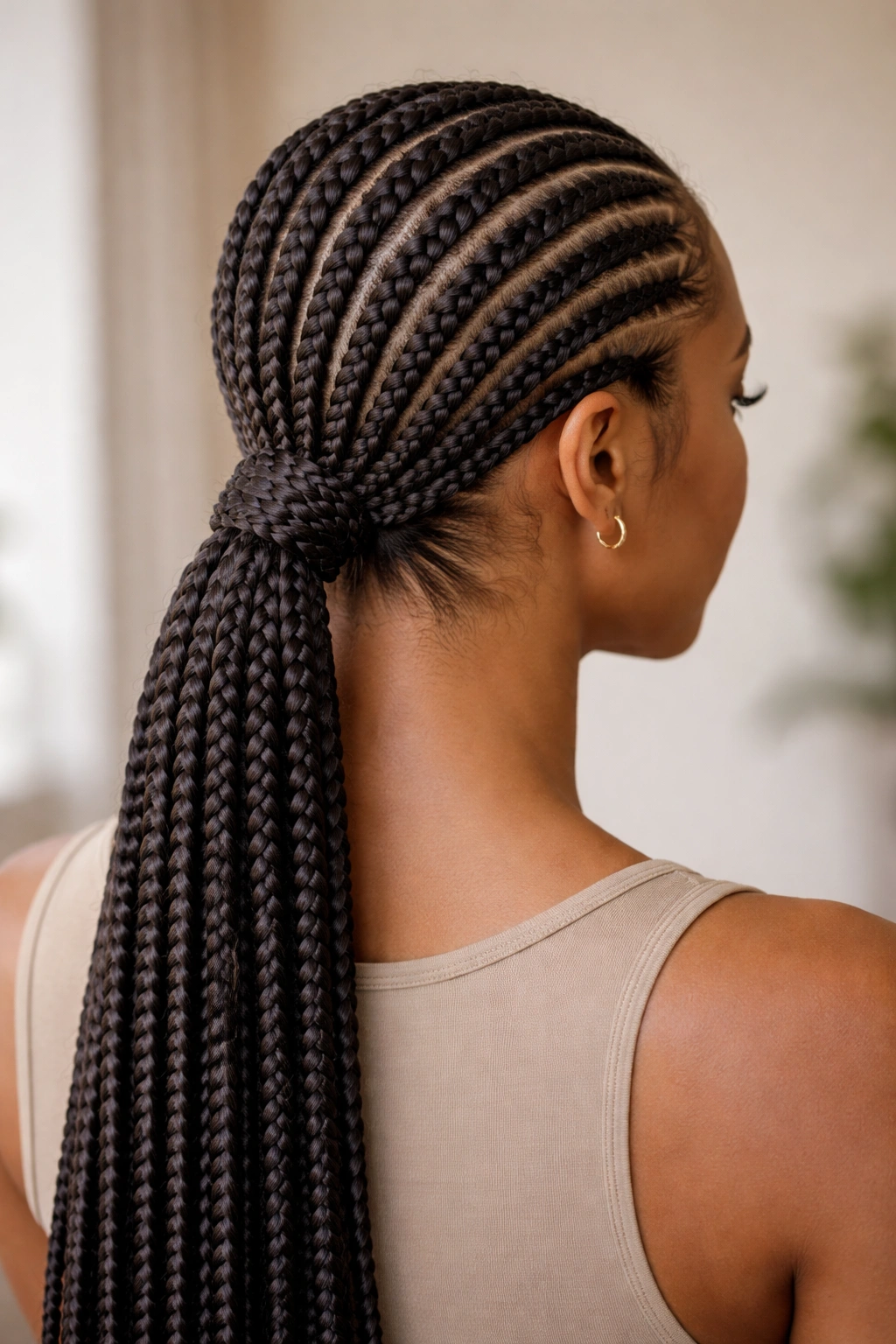
The difference between cornrows that last three weeks and ones that genuinely make it past four weeks comes down to braid thickness, installation technique, protective styling at night, and consistent maintenance. All ten of these styles have earned their reputation for longevity through real-world wear—they’re not theoretical styles but proven options that people choose specifically because they hold their shape and appearance through extended periods of daily wear.
The single most impactful factor in cornrow longevity isn’t the style itself—it’s what you do every single night. A satin bonnet or satin pillowcase reduces friction by roughly 80%, which directly translates to less frizzing, less loosening, and fresher-looking braids well into week five. Pairing any of these styles with consistent nighttime protection, weekly maintenance spray, gentle washing, and a skilled braider who understands tension and extension placement gives you the absolute best chance of having cornrows that look beautiful long past the four-week mark.
The investment in quality installation matters too. A braider experienced in durability techniques will cost more than a rushed appointment, but the difference in how your cornrows look in week four versus week two is substantial. If you’re planning to wear cornrows for four or more weeks, invest in an experienced braider who understands how to create styles engineered for longevity, not just immediate beauty. Your hair—and your patience—will thank you.
