



Fine hair doesn’t mean you’re stuck with limited wedding day options. In fact, some of the most elegant and romantic bridesmaid hairstyles come alive when you work with the natural texture and movement of delicate strands rather than fighting against them. Half up half down styles are particularly perfect for fine hair because they create the illusion of fullness and volume while keeping the hair off the face and neck—a winning combination that flatters almost every face shape and dress style.
The beauty of half up half down bridesmaid hairstyles is that they sit in that sweet spot between casual and formal. They’re romantic without being overly fussy, polished without looking stiff, and they genuinely photograph well in both close-ups and full-frame wedding shots. For fine hair specifically, this style category offers dozens of variations that work around thinness by building texture at the crown, using strategic layering, incorporating accessories that anchor the style, and emphasizing movement rather than density.
What makes these styles work so well for your hair type is that they don’t rely on backcomb-created puffiness or gravity-defying volume. Instead, they use the natural fall of fine hair as an asset—the way light passes through it, the soft waves it can hold, the gentle cascade when styled right. Whether you’re looking for something classic and timeless, modern and sleek, or beautifully embellished, there’s a half up half down style that’ll make your fine hair look its absolute best on the big day.
1. The Softly Twisted Half-Up with Delicate Waves
This is the bridesmaid hairstyle that feels effortlessly romantic without requiring your stylist to tease your hair into oblivion. The magic happens in the placement of the twist—rather than gathering hair from the very crown (which can look thin on fine hair), you pull hair from slightly deeper at the back of the head, which automatically gives the illusion of more texture at the top. Gentle waves throughout the entire length create movement and dimension that makes fine hair look fuller naturally.
Why This Works for Fine Hair
The twisted section acts as a visual anchor that draws the eye upward and makes the overall style feel intentional and full, even though the hair itself is naturally delicate. Fine hair holds soft waves beautifully, and the interplay between the twisted section and the wavy lengths underneath creates actual visual texture rather than relying on density. This style photographs gorgeously because the movement catches light in all the right ways.
How to Achieve It
- Start with soft, loose waves that were created the night before (this gives them staying power without adding weight)
- Take two small sections from above the ears and twist them gently backward, being careful not to pull too tightly
- Secure both twists with a delicate hairpin or bobby pin tucked at the back of the head
- Smooth any flyaways with a light-hold spray to keep the style soft, not stiff
2. The Double-Pinned Half-Up with Scattered Baby’s Breath
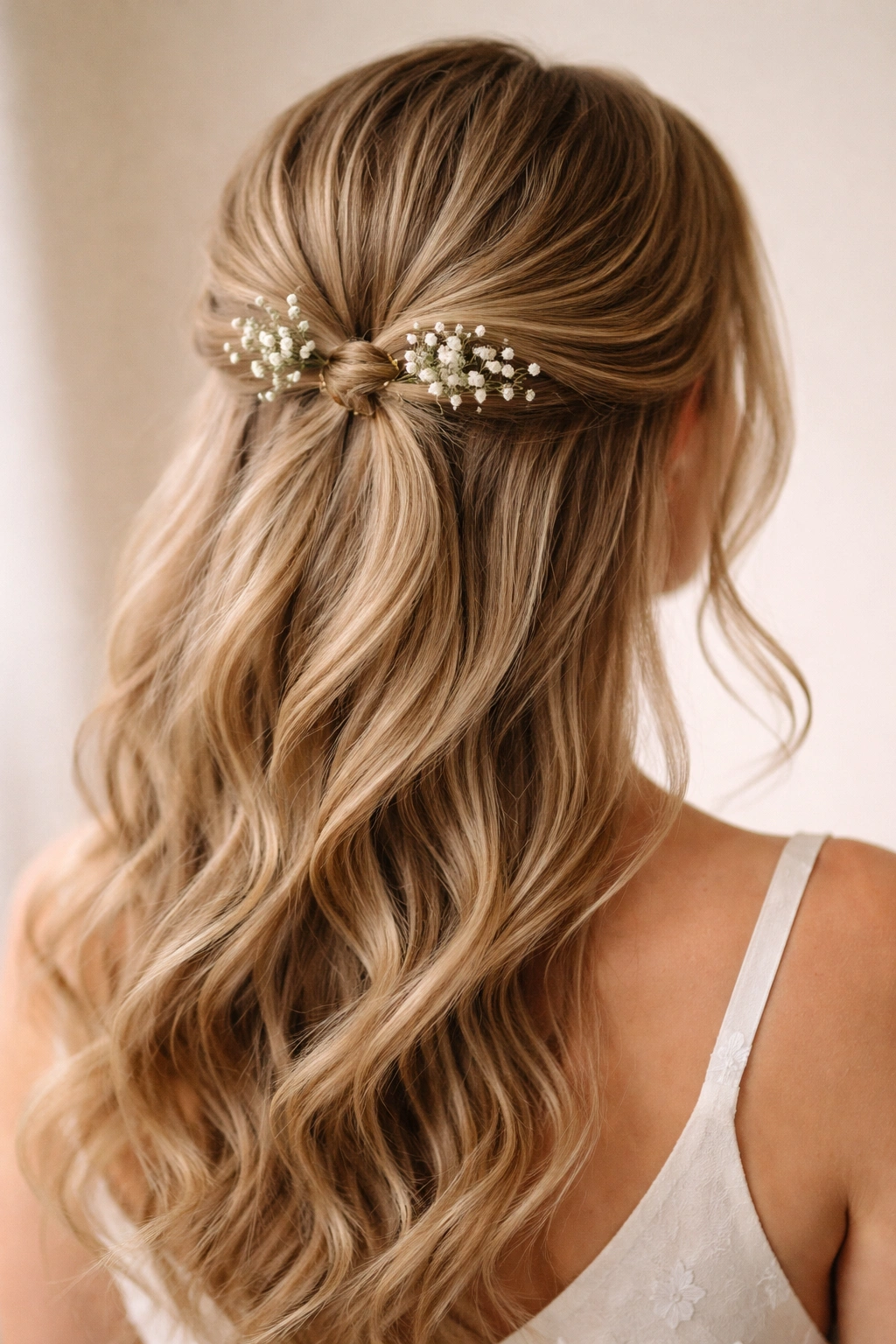
This style uses two small sections pulled up and pinned separately rather than one large gathered section, which is genuinely genius for fine hair. The two separate pins distribute the weight more evenly, preventing that telltale thinning at the crown that can happen when all the hair is gathered in one spot. Scattered baby’s breath or small white flowers tucked throughout the pinned sections add visual fullness without weight.
Why It’s Perfect for Fine Hair
By using two anchor points instead of one, you’re taking the pressure off a single area of the scalp. Fine hair can look limp when gathered too tightly in one place, but spreading the gathering across two pins keeps it looking fresh. The floral accents do serious lifting work visually—they create the appearance of dimension and break up any see-through areas that fine hair sometimes has.
Setup and Styling Tips
- Create minimal waves or loose texture with a curling iron set to the lowest setting
- Pull up a small section from above the left ear and pin it toward the back-left with a bobby pin hidden underneath
- Take an equally small section from the right side and pin it toward the back-right
- Tuck individual flower stems between the pinned sections and the loose hair below, securing with small hairpins as needed
3. The Half-Up Braid with Micro-Braided Detail
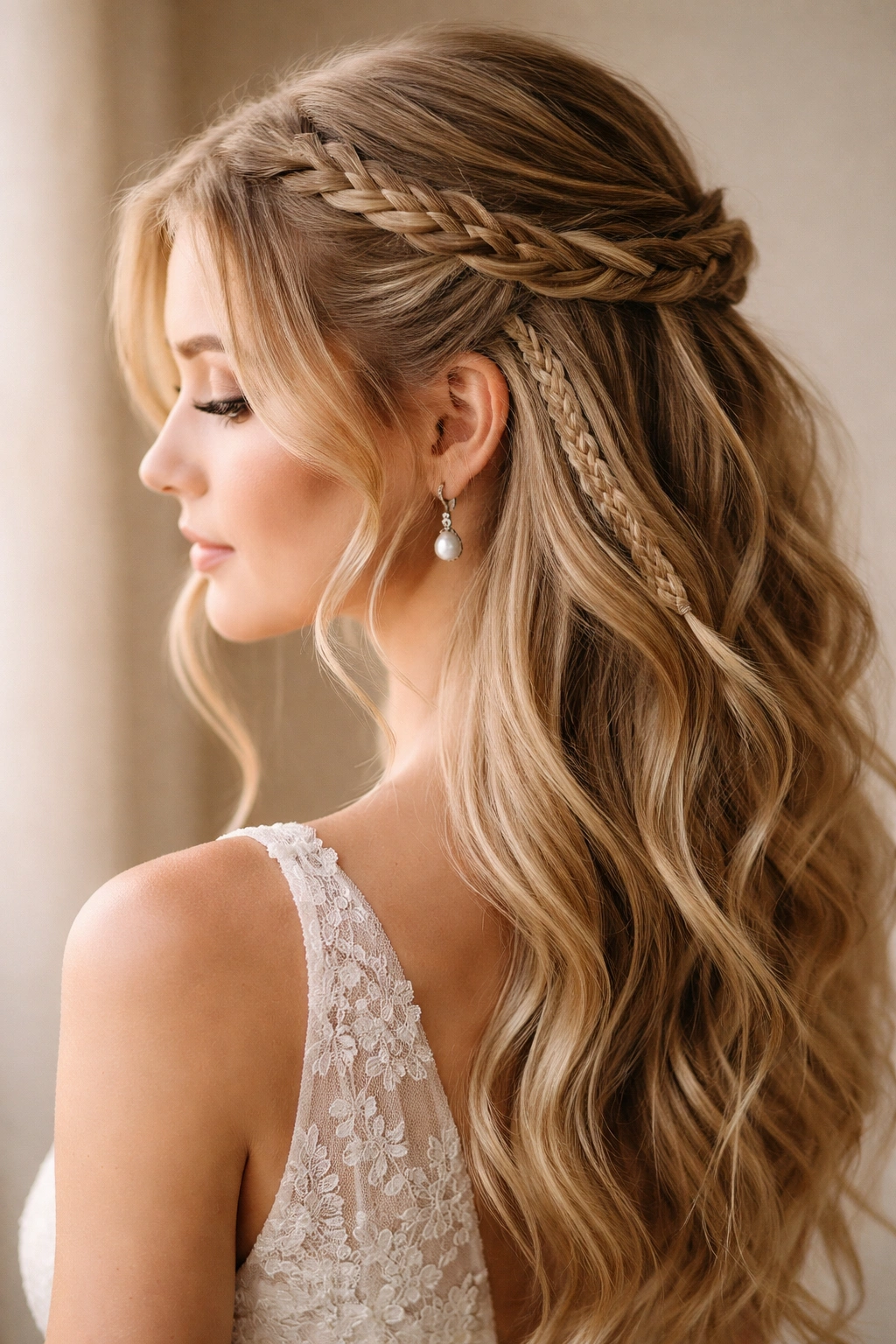
Don’t assume braid styles won’t work on fine hair—this variation actually uses the delicate nature of thin strands to its advantage. A single loose Dutch braid or French braid pulled from one side creates unexpected visual weight and texture. The braid itself, even though it’s made from fine hair, has an inherent three-dimensionality that solid pinned styles don’t offer. Pulling the braid slightly loose after securing it adds even more apparent fullness.
What Makes This Style Stand Out
Braiding fine hair actually creates more visual texture than leaving it straight, which is the opposite of what happens with thick hair. The intertwined strands catch light from different angles and create shadows that make the hair look fuller. The side placement is crucial—it draws attention away from any areas where the hair might be thinner and toward the textured detail of the braid itself.
Braiding Technique for Thin Hair
- Don’t braid too tightly—fine hair breaks more easily, and tension can create breakage and actually thin the style
- Use a loose, relaxed braiding technique that leaves plenty of texture visible between the strands
- After securing the braid with a small elastic, gently pull on each loop of the braid to loosen it and increase its width
- Tuck the end of the braid up and secure it with bobby pins so the braid forms a curved shape rather than hanging down
4. The Wrapped Half-Up with Silk Ribbon
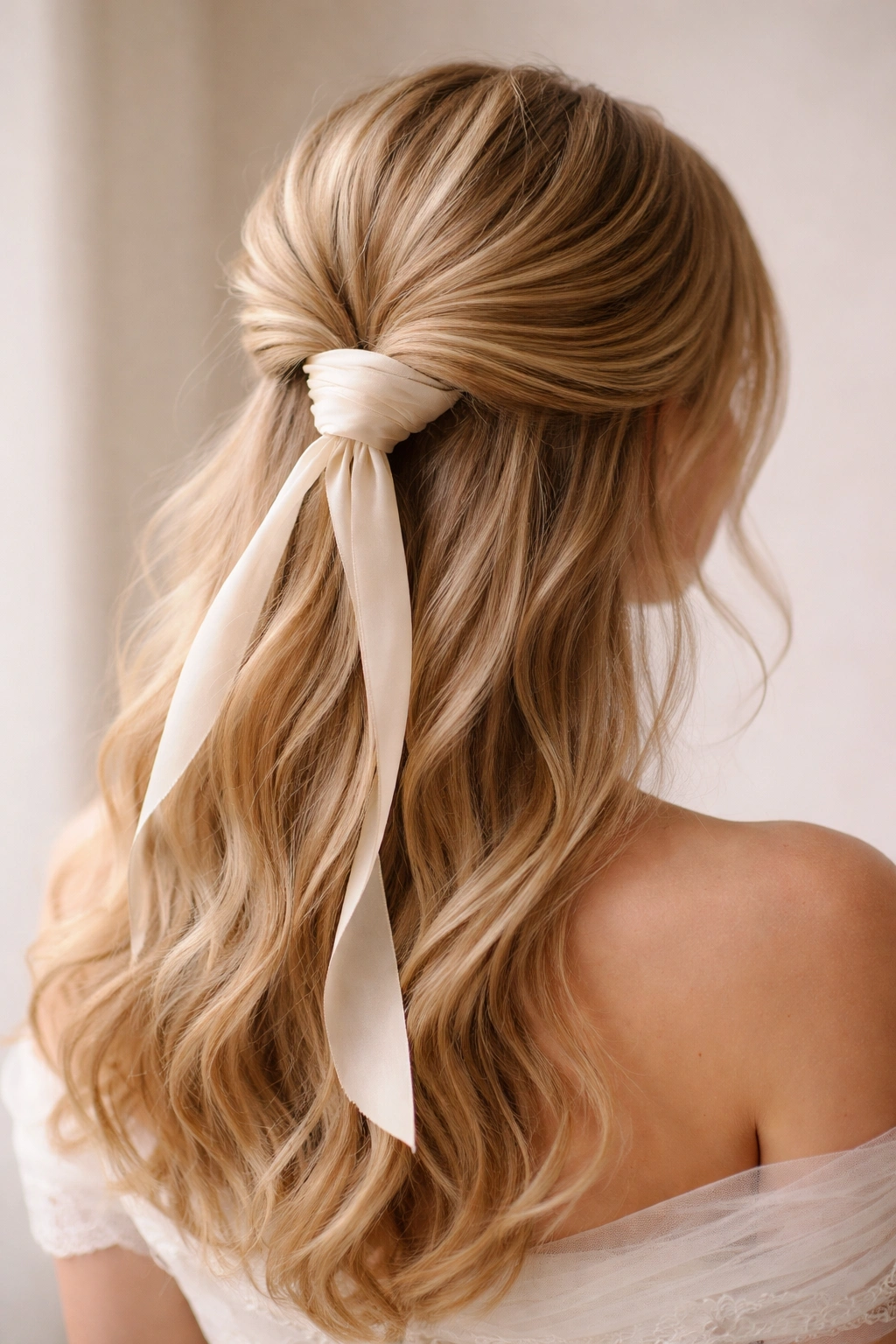
This style uses a thin piece of silk ribbon or a small hair accessory wrapped around the base of the half-up section, which serves double duty: it secures the style and adds a visual focal point that tricks the eye into perceiving more fullness. The wrapped texture adds dimensionality at the crown, and the ribbon itself (in white, champagne, or a metallic shade) creates interest without requiring more hair bulk. Ribbon works especially well for fine hair because it adds visual impact without weight.
Why It’s Brilliant for Fine Hair
A ribbon or wrapped detail creates a “frame” around the gathered section that makes it look more intentional and substantial, even if it’s actually quite minimal. Fine hair can look sparse when gathered, but adding a ribbon detail immediately transforms it into a styled choice rather than a styling necessity. The wrapped element gives you a second focal point of beauty beyond just the hair itself.
How to Execute It
- Gather a soft section of hair from the crown area and secure loosely with a clear elastic
- Take a length of silk ribbon (about 24-30 inches) and wrap it around the elastic, starting at the back and spiraling forward
- Wrap it multiple times until the elastic is completely hidden, then tie the ribbon ends into a small bow
- You can hide the bow beneath the gathered hair or leave it as a decorative detail at the side
5. The Textured Half-Up with Volumizing Powder
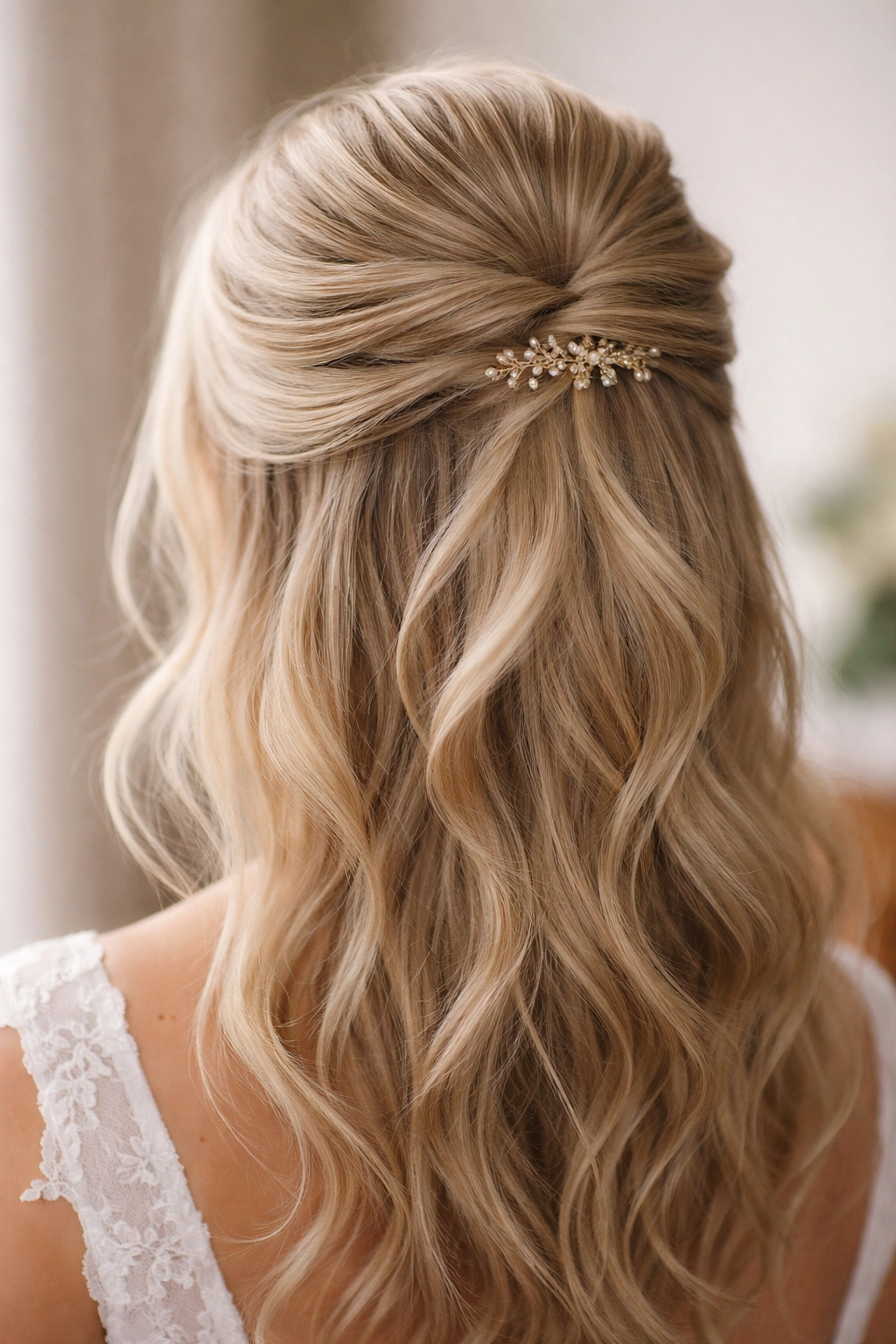
This approach acknowledges that fine hair benefits from texture-building products at the roots, and it incorporates that strategy directly into the half-up style. Instead of relying on teasing or backcomb, which can damage fine hair, this style uses volumizing powder or a dry texture spray applied to the roots of the hair being gathered. The result is a half-up section that has apparent dimension and fullness without any damage or heavy-handed styling.
What Makes This Approach Different
Volumizing powders are made to grip individual hair strands and increase friction between them, which creates the appearance of density. When applied to the roots of the section you’re gathering, the effect happens before you even pin anything, so the whole gathering sits on a cushion of apparent fullness. This is especially clever because it’s a product solution rather than a technique solution—it works regardless of styling skill level.
The Product-First Method
- Apply volumizing powder or dry texture spray to the roots of the hair you’ll be gathering (from the crown back to about mid-head)
- Work the product through with your fingers, lifting the hair as you go
- Blow-dry briefly to fully activate the product
- Gather the textured section and pin it, which will sit on top of the now-thicker base you’ve created
6. The Half-Up Knot with Wispy Layers
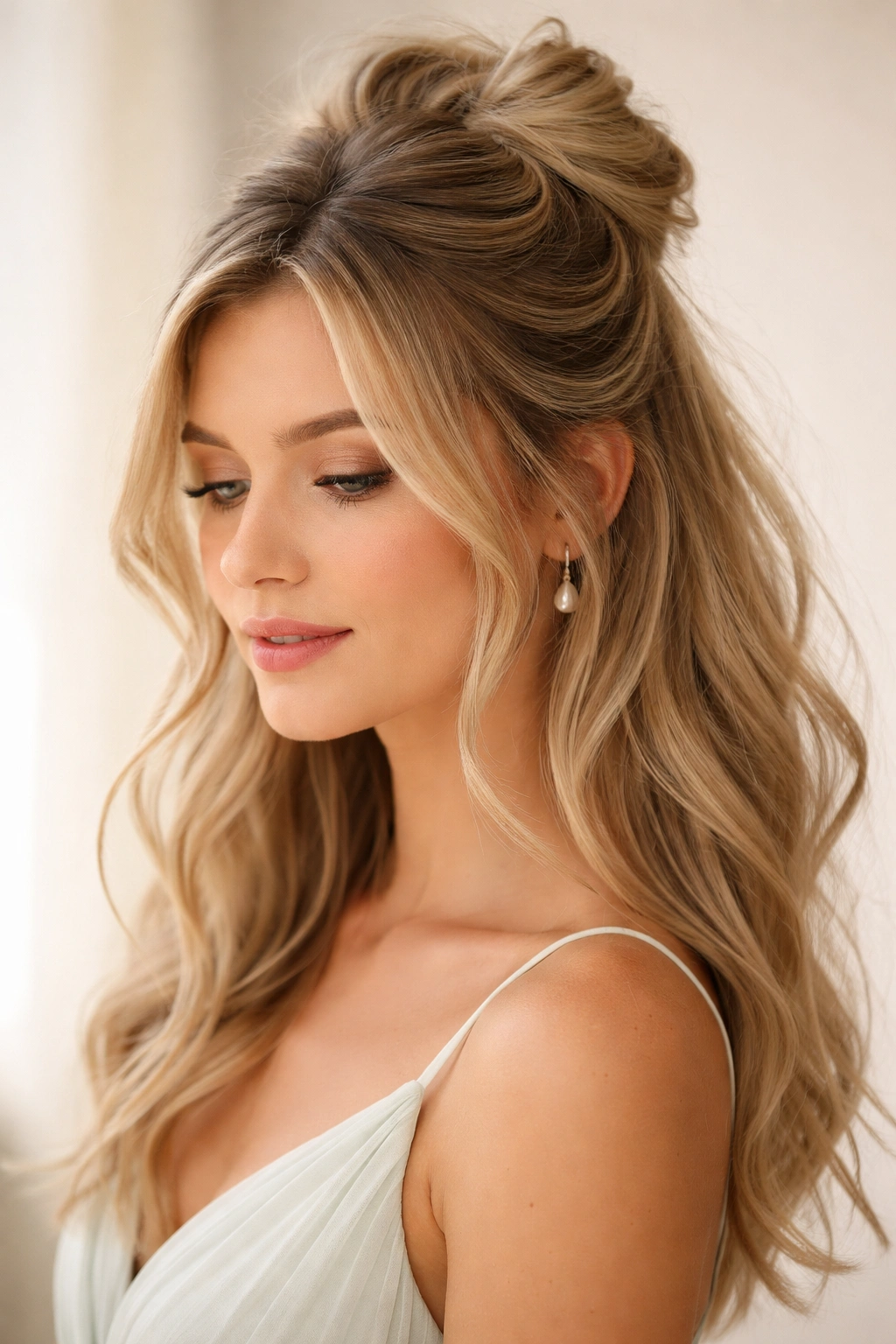
This style uses a knot instead of a braid or twist, which automatically creates more visual texture because of the way the knot sits three-dimensionally on the head. The knot gathers hair high on the crown where it creates an illusion of fullness, and leaving wispy layers around the face softens the overall effect while framing the features beautifully. Fine hair holds soft knots well because there’s no tension, and the style reads as modern and intentional rather than thin.
Why It’s Ideal for Fine Hair
A knot has inherent dimension that a simple gathered ponytail doesn’t—the hair naturally creates curves and depth rather than a flat surface. Wispy face-framing layers add movement and softness, which is particularly flattering on fine hair because the eye is drawn to movement and texture rather than density. This style balances a structured element (the knot) with soft elements (the wispy waves) in a way that’s genuinely flattering.
Creating the Knot
- Gather a soft section of hair from the crown and divide it into two sections
- Tie these sections into a simple knot (think of it like starting to tie shoelaces, but don’t complete the tie)
- Secure the knot at the base with bobby pins inserted through the knot itself
- Leave face-framing pieces or create loose waves around the face before gathering
7. The Half-Up with Scattered Microbraids
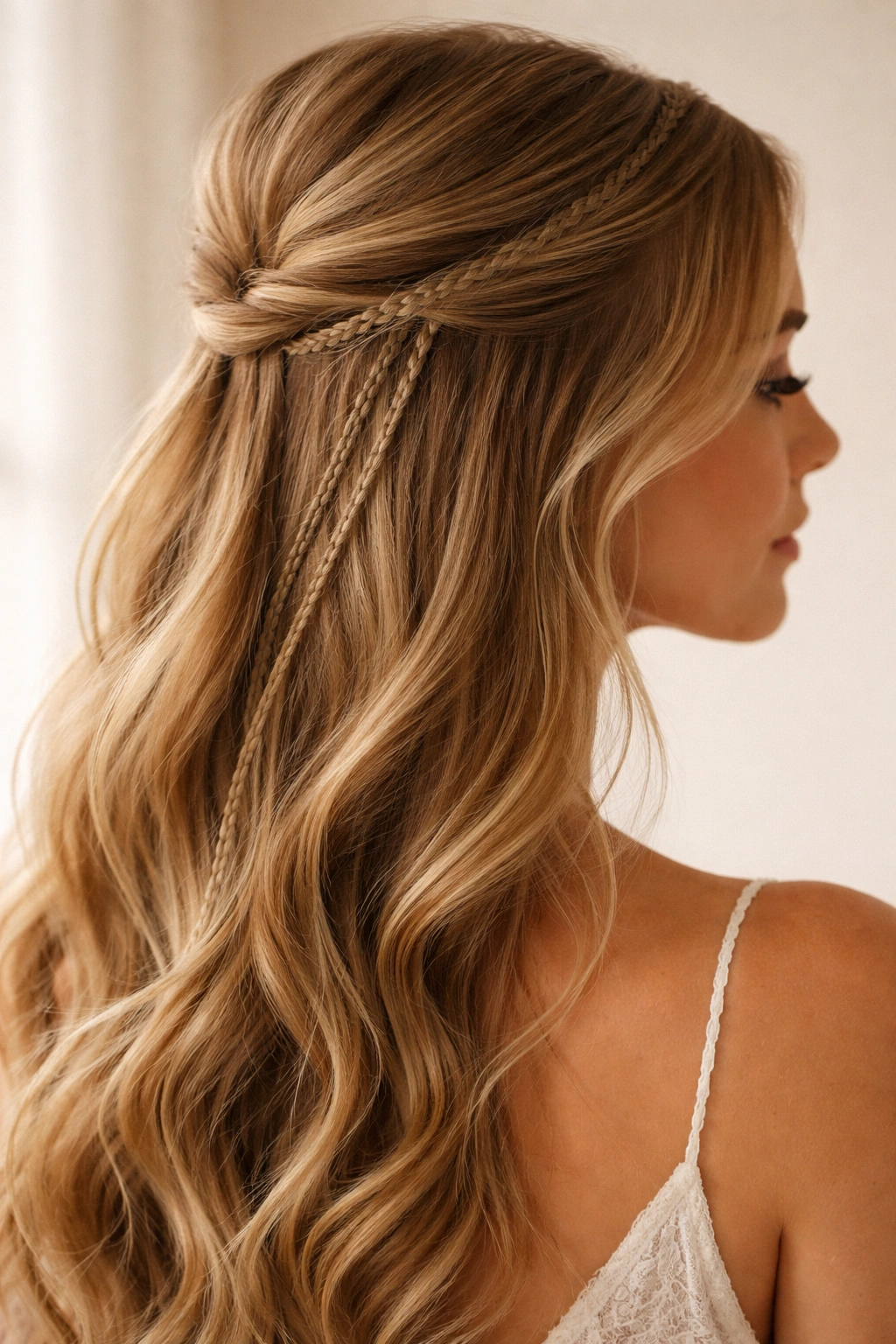
Instead of one traditional braid, this style incorporates 2-3 very thin microbraids scattered throughout the gathered section, which adds textural interest without requiring thick braids. The microbraids create depth and visual detail that makes the style look more intentional and special. They’re especially flattering on fine hair because they create actual visible texture without depending on hair density.
What Sets This Apart
Microbraids serve as textural anchors within the gathered section—they create defined details that catch light and draw the eye. Even though each microbraid is made from fine strands of hair, the braiding itself creates shadows and dimension that read as fuller and more textured than straight hair. The scattered placement means the eye moves around the style, registering multiple points of visual interest.
How to Braid Microbraid Details
- Gather your half-up section loosely
- Within that section, create 2-3 very thin braids using small sections of hair (about the width of a pencil)
- Braid just a 2-3 inch section—you don’t need long braids, just enough to create visual texture
- Secure the microbraids with tiny elastics that match your hair color
- Loosely pull the microbraids to increase their apparent width and texture
8. The Half-Up Crown Braid
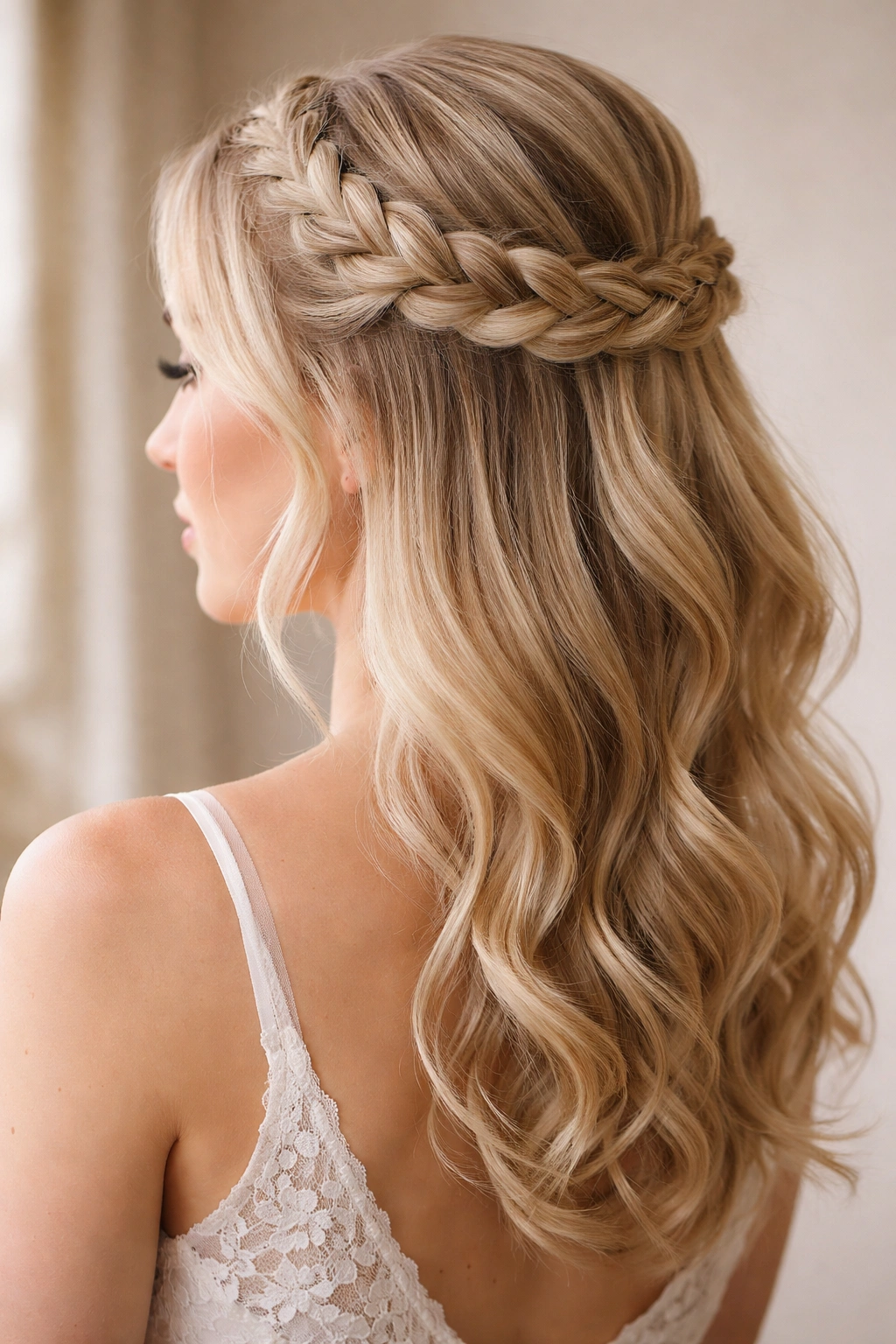
This style creates an actual crown-like effect by braiding around the back of the head from one side to the other, which automatically creates the appearance of a fuller head because the braid sits at the crown. Even though the braid is made of fine hair, its placement and the way it curves across the back of the head make it visually striking. This works beautifully for fine hair because it doesn’t rely on density—it relies on shape and placement instead.
Why This Style Photographs Beautifully
From the front, a crown braid creates height and visual fullness at the crown, which is exactly what fine hair needs. From the back, it creates an intricate detail that looks intentional and romantic. The style works from every angle, which is crucial for wedding photography. Fine hair crowns work because of the three-dimensionality of the braid itself rather than the thickness of the strands.
Braiding Technique for Crown
- Create loose waves first for texture
- Start a loose Dutch braid or French braid at one temple
- Braid around the back of the head from one side to the other, adding hair as you go
- Secure the end of the braid on the opposite side with bobby pins hidden underneath the gathered section
- Gently pull the braid loose to increase its width and apparent fullness
9. The Twisted Half-Up with Thin Metal Comb
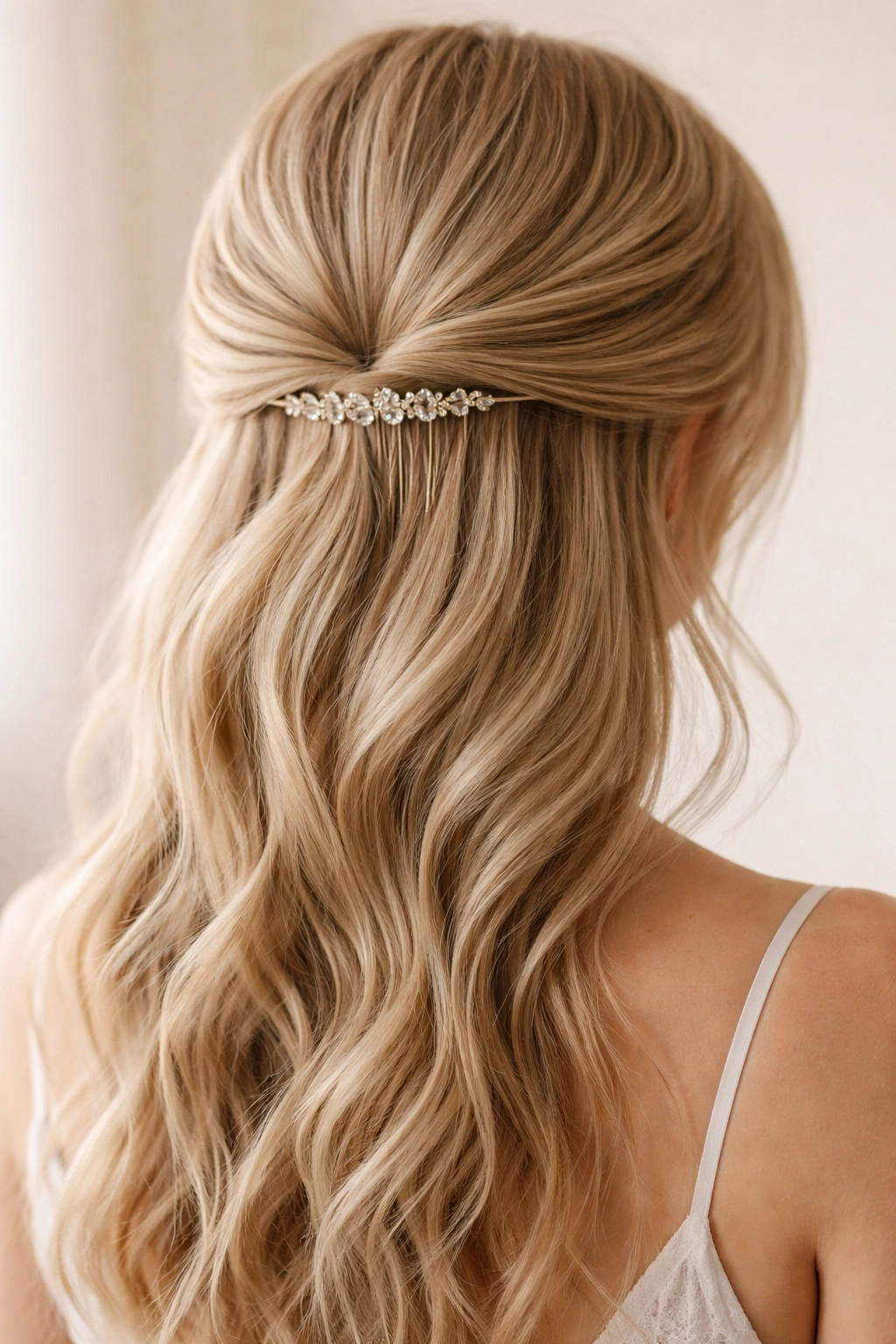
This style is incredibly simple but uses a thin metal hair comb as the primary visual detail and securing element. The metal comb sits at the base of the twisted section and serves as both a functional anchor and a decorative element. For fine hair, this works beautifully because the comb provides visible detail and interest without adding weight, and it keeps the twisted section secure without using multiple bobby pins.
Why It Works So Well for Fine Hair
A decorative comb is doing multiple jobs at once—it’s securing the style, adding visual interest, and creating a focal point where light hits metal. Fine hair doesn’t need heavy securing devices; one well-placed comb is sufficient. The comb itself becomes part of the beauty of the style rather than being hidden, which means the focus is on the accessory as much as on the hair.
Using a Comb Effectively
- Twist a section of hair from above one ear around to the back of the head
- Hold the twist loosely and slide a thin metal comb through the base of the twist, positioning it so it’s visible
- The comb should be inserted horizontally through the hair with the decorative top showing
- The teeth of the comb will grip the hair and hold the twist secure without additional pins needed
10. The Half-Up with Pearl or Crystal Cluster
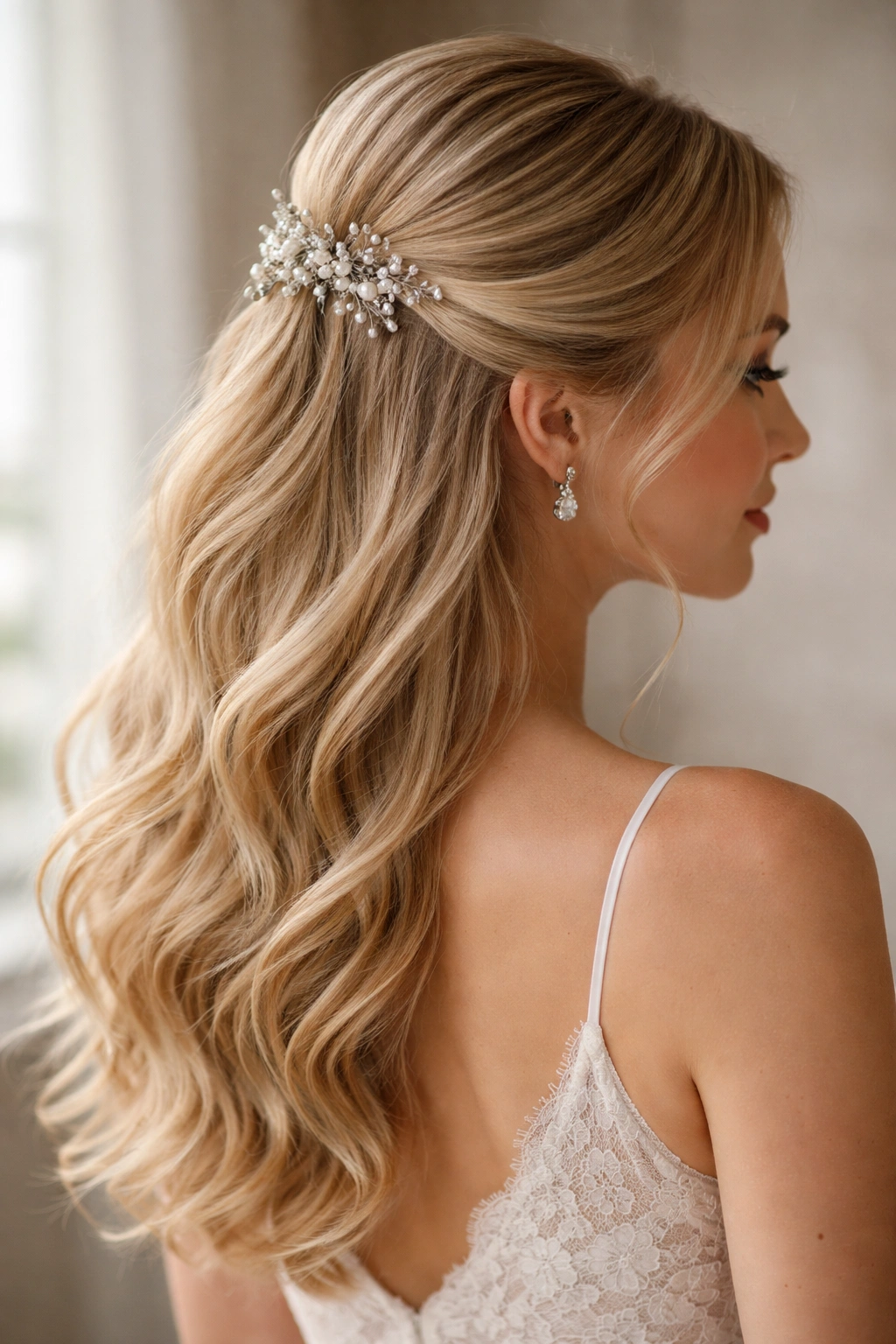
This style gathers a soft half-up section and secures it with a hair clip or pins that hold a cluster of small pearls or crystals. The cluster creates a focal point of sparkle and visual interest right where you’ve gathered the hair, making the gathering look intentional and beautiful. For fine hair, this accessory-forward approach is ideal because the jewelry does much of the visual work, taking any burden off the hair itself to look thick.
What Makes This Special
A pearl or crystal cluster is basically giving yourself permission to keep the hair gathering minimal and delicate. The accessory is so visually interesting that it becomes the star of the style, and the soft, wispy fine hair around it becomes the supporting element. This style works because it plays to fine hair’s strengths—softness, movement, delicacy—rather than fighting its thinness.
Positioning the Accessory
- Gather a soft section from the crown (it can be quite small)
- Secure with a bobby pin or small elastic at the back of the head
- Attach a pearl or crystal hair clip directly over the gathered section
- The cluster should sit visible and centered, creating a clear focal point
11. The Half-Up with Cascading Waves
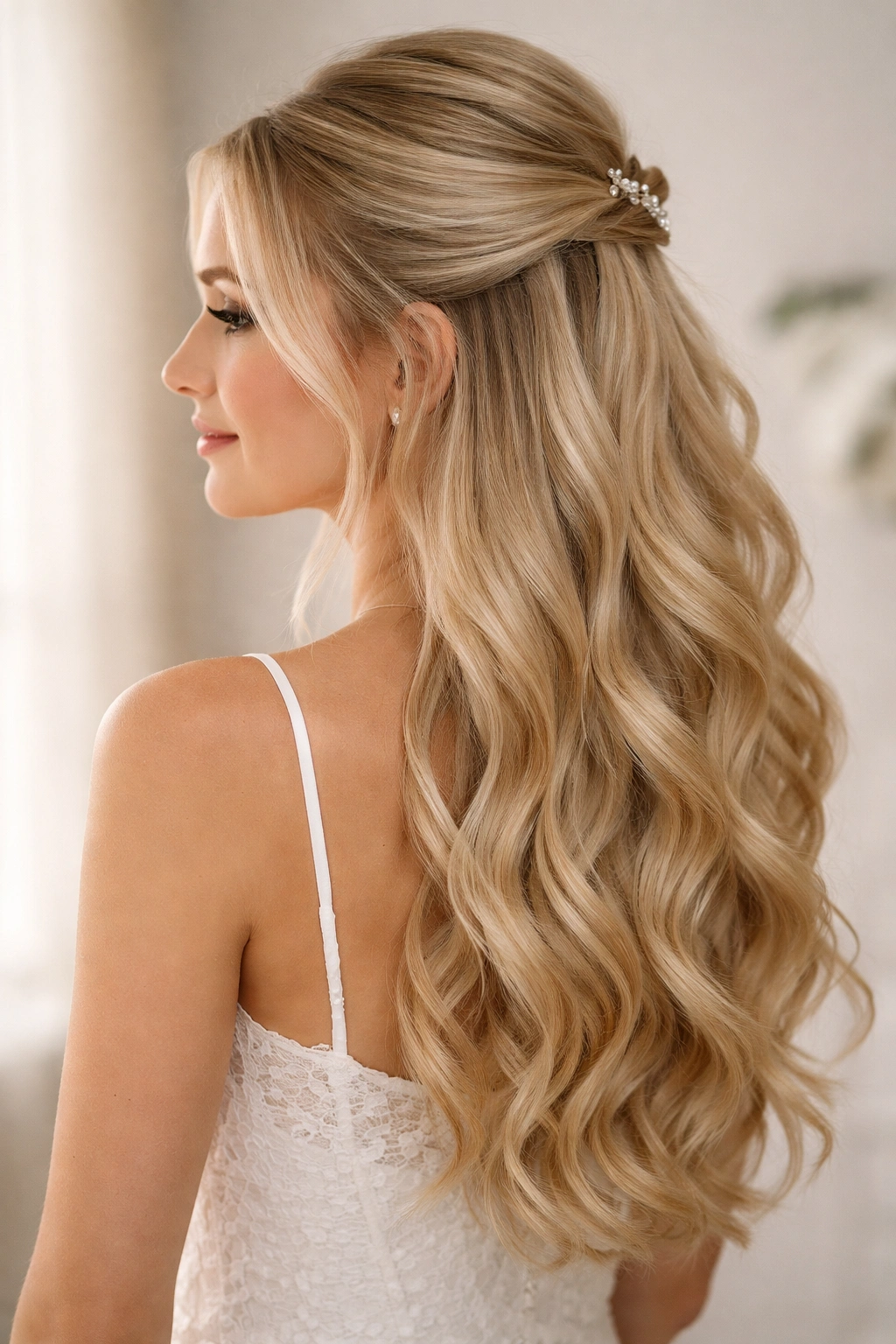
This straightforward style relies on beautiful waves throughout the entire length of the hair, with the upper section pinned up cleanly. The cascading waves create movement and apparent texture that makes fine hair look fuller overall. There’s no heavy styling, no tight gathering, just soft waves that flow from the pinned section down through the length. This works beautifully for fine hair because waves are naturally flattering on delicate strands and create the illusion of density through movement.
Why This Classic Approach Works
Waves have a way of making hair look fuller because they create dimension and catch light from multiple angles. When the waves are substantial enough (created with a 1.5-inch curling iron, not a tiny one) and soft enough (not crimped), they make fine hair look genuinely voluminous. The half-up gathering keeps the waves from falling flat at the face and neck while letting them show off their beauty in the length.
Creating Cascading Waves
- Create waves by curling sections of hair around a 1.5-inch barrel, holding for 8-10 seconds
- Curl away from the face on the sides and alternate direction as you move to the back
- Allow waves to cool completely before running your fingers through them to soften
- Gather the top section smoothly and pin, letting the waves cascade down from the gathering point
12. The Half-Up with Delicate Side Sweep
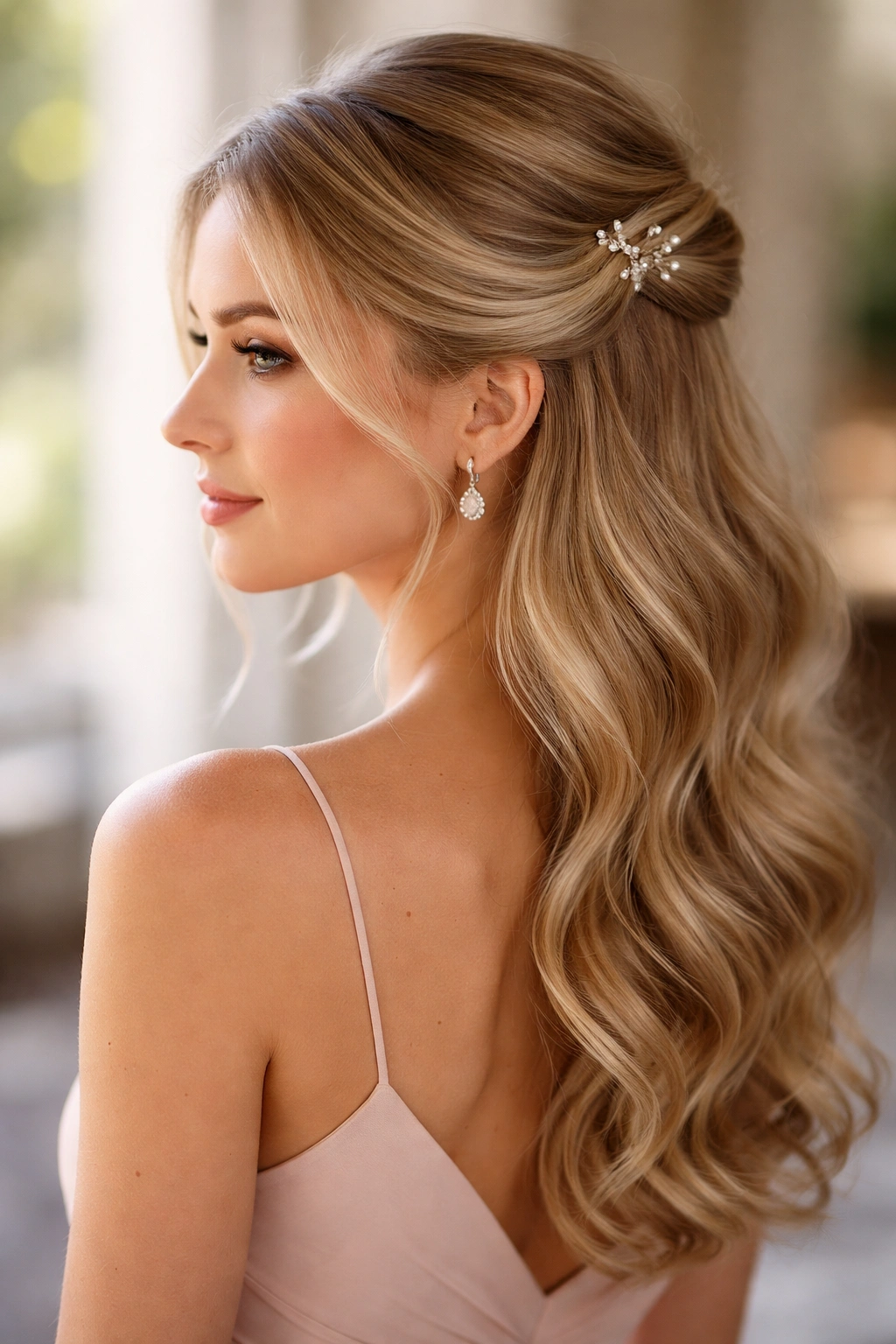
This style pulls a section up and to the side rather than directly back, which creates an asymmetrical, romantic look that’s incredibly flattering on fine hair. The side sweep movement makes the overall style feel more dynamic and interesting. By pulling the gathering to the side, you’re creating visual interest that keeps the eye from focusing on hair density and instead appreciating the movement and shape of the style.
Why Side Placement Flatters Fine Hair
When fine hair is gathered to the side, it creates the impression of texture and fullness on that side of the head. The asymmetry itself is visually interesting and makes the style feel intentional rather than basic. An off-center gathering is also genuinely more forgiving on fine hair than a centered crown gathering, because it puts less stress on a single area of the scalp and distributes the hair more naturally.
Creating the Side Sweep
- Gather a soft section from above one ear, twisting gently as you pull toward the back
- Anchor the gathering to the side-back area of the head with bobby pins
- Let the hair on the opposite side of the face fall freely
- You can leave it straight for a sleek look or add soft waves throughout the length
13. The Braided Half-Up with Loose Braids Below
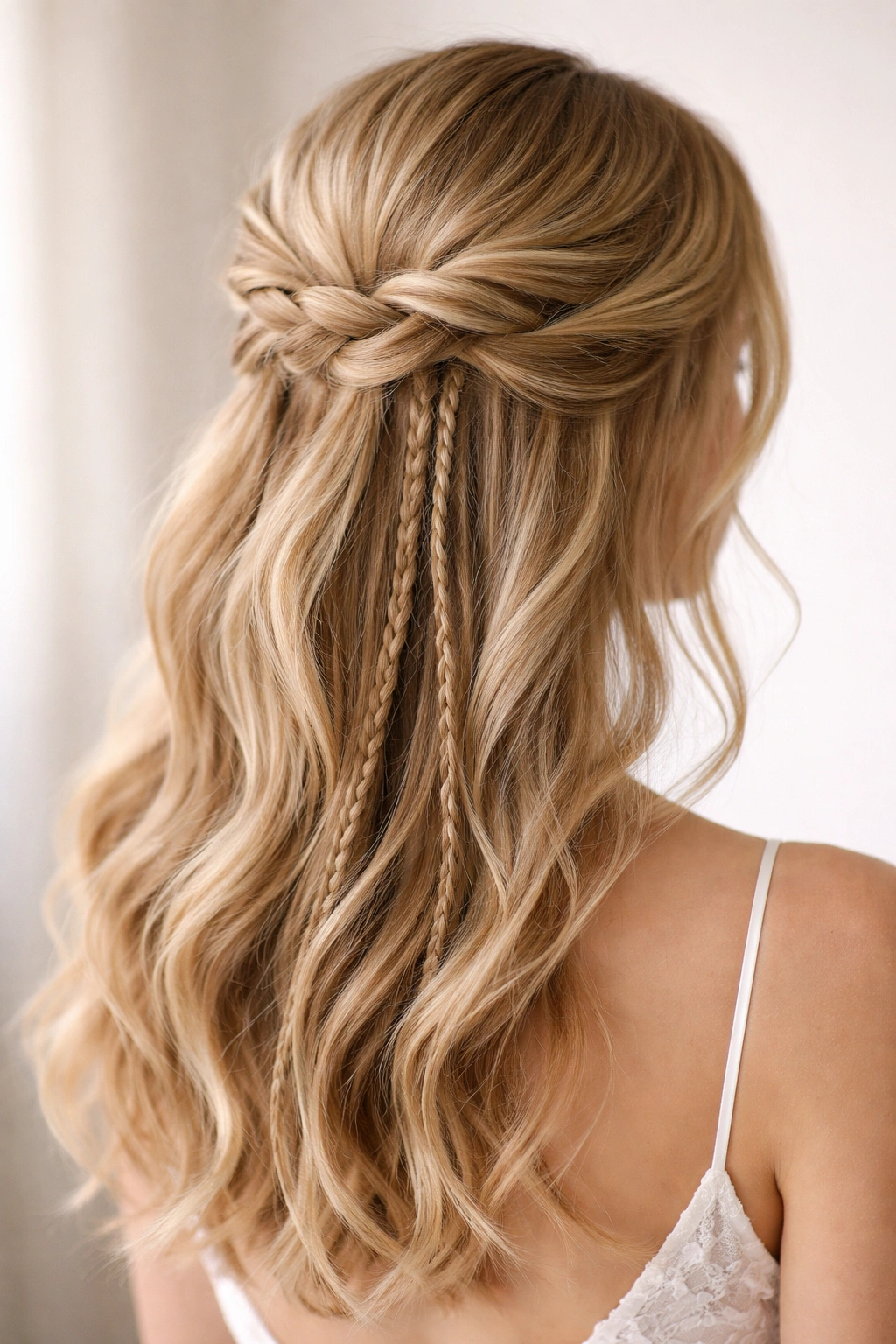
This style takes the half-up braid and extends the braiding concept downward by creating 2-3 loose braids within the length below the gathering point. It sounds complex, but it’s actually quite simple and creates a stunning, detailed effect. The multiple braids add visual texture and dimension throughout the style, and because the braids are loose and scattered, they don’t require thick, dense hair to look beautiful.
Why This Creates Visual Impact
Multiple braids means multiple focal points of textural interest spread throughout the style. Fine hair braids that are loosely pulled and full of texture look genuinely impressive because they create visible dimension and movement. The scattered placement means the eye moves around the style, registering complexity and effort, which makes fine hair look intentionally styled rather than thin.
Creating Multiple Braids
- Create your half-up gathering and secure it
- Within the loose hair below, create 2-3 separate thin braids, starting from behind the ears and extending down
- Each braid should be loose and loosely pulled apart after securing
- The braids don’t need to be long—even 3-4 inches of braid creates visible texture
14. The Half-Up Wrapped with Ribbon and Twisted Detail
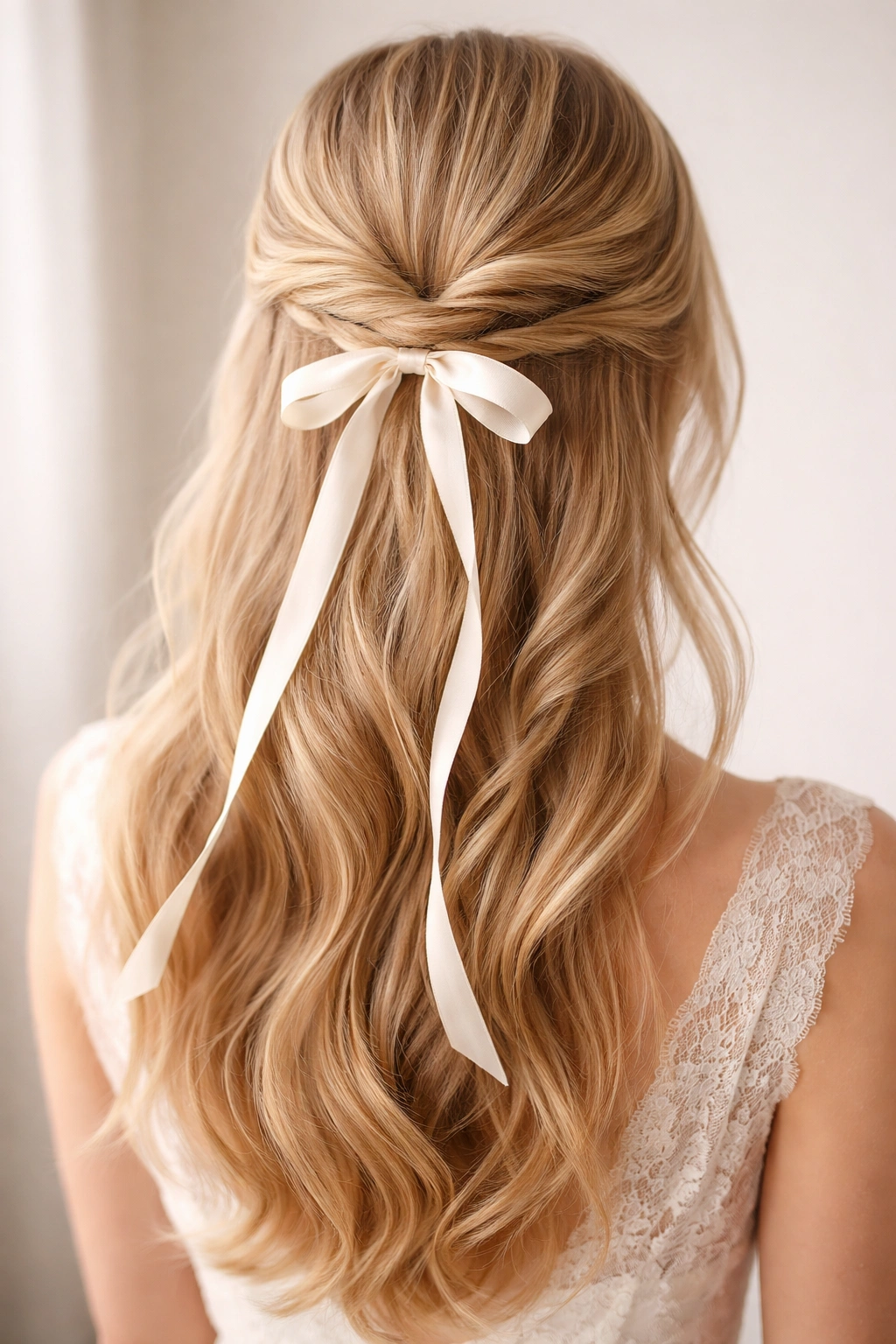
This style combines several elements—a twisted gathering, wrapped with ribbon, and strategically placed twists within the loose section below. It sounds ornate, but it’s actually quite elegant and works beautifully for fine hair because the multiple elements create visual interest that transcends hair density. The ribbon, the twisted detail, and the carefully placed twists below all work together to create a cohesive, thoughtfully styled look.
What Makes This Approach Different
By combining twisted detail with wrapped elements and additional texture in the length, you’re creating a style that has story and intention. Fine hair benefits from this approach because the overall composition is visually interesting regardless of the hair’s thinness. Each element (the twist, the ribbon, the lower twists) is working to create beauty, so the combined effect is genuinely striking.
Building the Layered Elements
- Create a soft twisted section and secure it
- Wrap ribbon around the base of the twist
- Within the loose hair below, create 1-2 additional small twists on either side
- Secure the lower twists with bobby pins, leaving them visibly textured and loosely finished
15. The Half-Up Flip with Texture
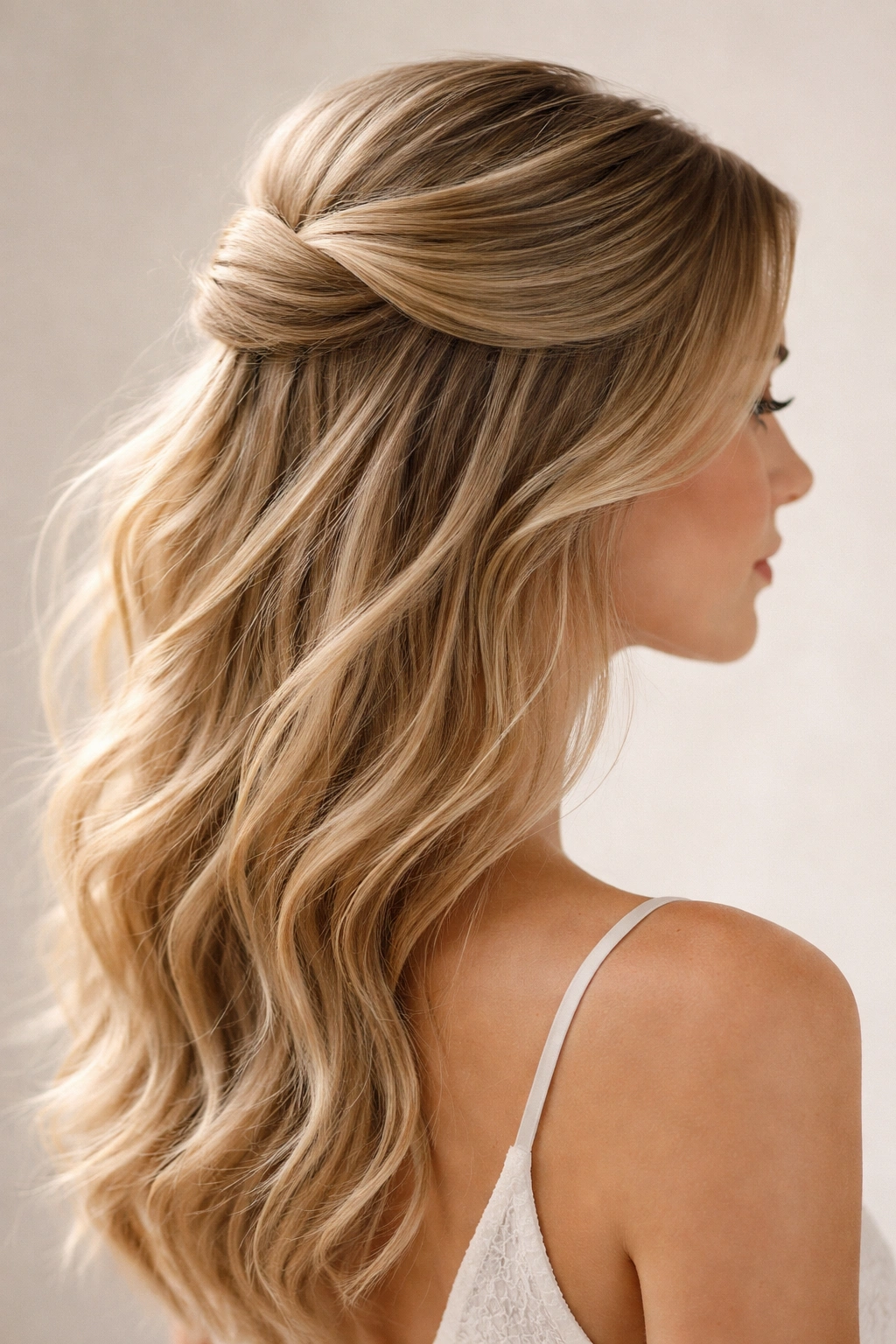
This final style pulls a section up and then flips it backward in one smooth motion, creating a sophisticated gathering that sits at an interesting angle. The flip technique creates natural texture and dimension, and the angled gathering is deeply flattering on fine hair. This works because the flipped section catches light differently than a traditional gathering, creating visual interest that doesn’t depend on hair thickness.
Why This Is Worth Trying
The flip technique creates an effect that looks far more complicated than it actually is. Fine hair flips beautifully because it’s easy to maneuver and the movement itself creates the appearance of texture and volume. The finished style has a modern, polished feel that photographs gorgeously and works for both traditional and contemporary wedding aesthetics.
How to Execute the Flip
- Gather a section from the crown area loosely in one hand
- Twist the gathered section gently and flip it backward, tucking the end underneath
- Secure with bobby pins inserted from underneath, so they’re hidden
- The gathered section will sit at an angle, creating the illusion of more fullness at the crown
Final Thoughts
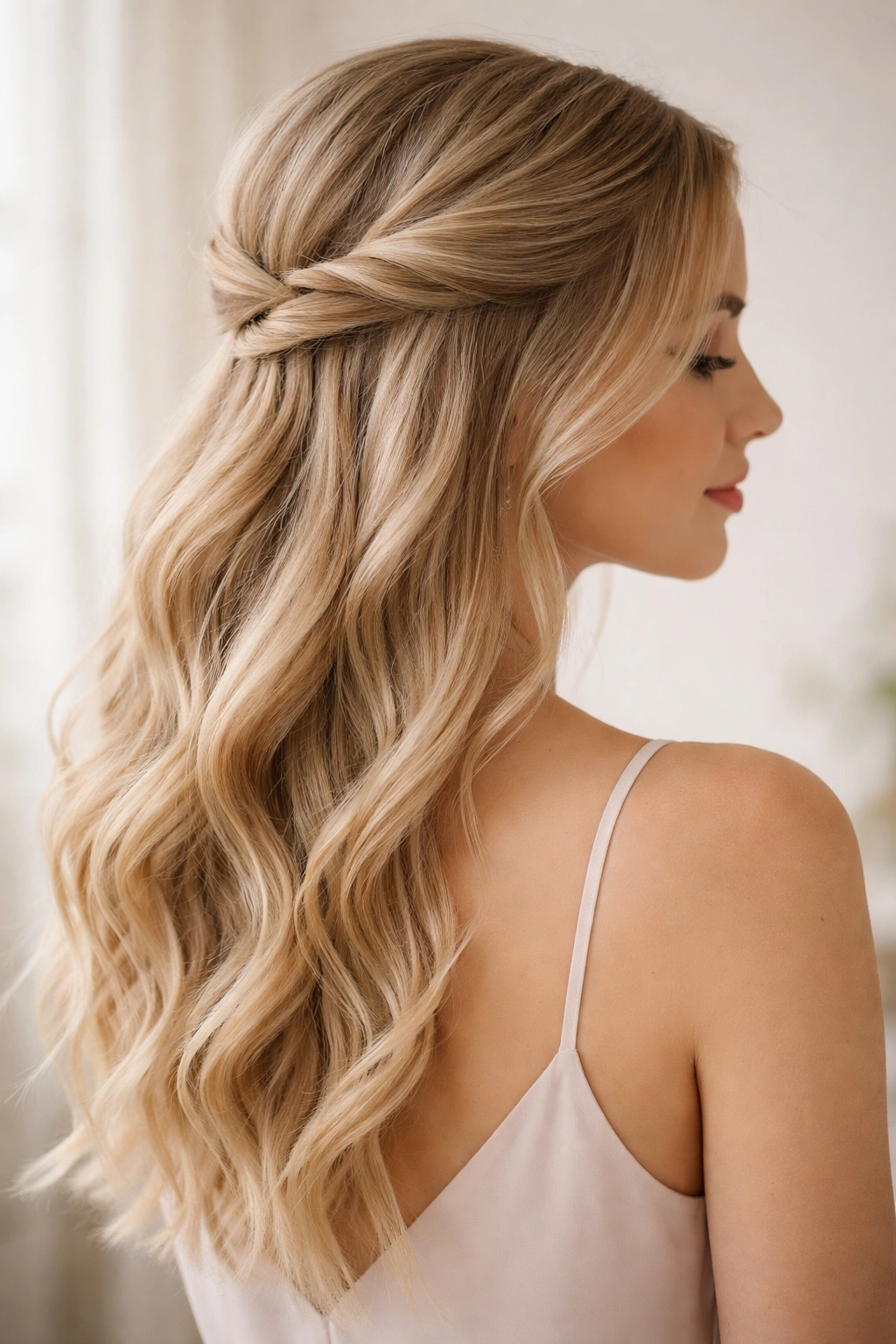
Your fine hair isn’t a limitation—it’s actually an asset for achieving stunning half-up half-down bridesmaid styles that look delicate, intentional, and genuinely beautiful on camera. The key is choosing styles that work with your hair’s natural texture and movement rather than against it, using strategic accessories to add visual interest without weight, and focusing on creating dimension through clever placement and gentle techniques rather than relying purely on density.
Every one of these styles has been chosen specifically because it photographs beautifully, stays in place throughout a full day of celebration, and doesn’t depend on tight, tension-filled techniques that can damage fine hair. Whether you choose something simple like cascading waves with a small gathered section or something more detailed like scattered microbraids and ribbon wrapping, you’ll look polished, romantic, and absolutely ready to stand beside your friend on her wedding day.
